
Modern dentistry has evolved rapidly over the last two decades, introducing advanced materials and technologies that make dental restorations stronger, more natural-looking, and longer lasting than ever before. One of the most notable innovations in restorative dentistry is lava teeth crowns. These crowns are widely recognized for their exceptional durability, aesthetic appearance, and biocompatibility, making them one of the most reliable solutions for repairing damaged or weakened teeth.
Many patients today seek dental treatments that combine long-term strength with a natural smile. This is exactly where lava teeth crowns stand out. Unlike traditional metal-based crowns, these modern restorations are made from high-strength zirconia ceramic, a material known for its resilience and natural translucency. Because of this, lava teeth crowns closely mimic the look of real tooth enamel while providing outstanding structural support.
In restorative dentistry, a dental crown is used to cover and protect a damaged tooth. When a tooth becomes cracked, severely decayed, weakened after a root canal, or cosmetically compromised, a crown can restore both its function and appearance. lava teeth crowns represent an advanced generation of dental crowns designed to solve these problems while maintaining excellent aesthetics and long-term durability.
The main material used in lava teeth crowns is zirconia, which is known for being one of the strongest ceramic materials used in dentistry today. Zirconia is extremely resistant to fractures, pressure, and wear, making it ideal for restoring teeth that must withstand strong chewing forces. Patients who receive lava teeth crowns often appreciate how natural their smile looks while also benefiting from improved chewing performance.
Another important advantage of lava teeth crowns is their precision manufacturing process. Modern dental laboratories use digital scanning and computer-aided design technologies to create highly accurate restorations. This process ensures that lava teeth crowns fit perfectly over the prepared tooth, improving comfort and reducing the risk of future complications such as bacterial leakage or gum irritation.
Patients frequently ask whether lava teeth crowns look natural. The answer is yes. In fact, one of the main reasons dentists recommend lava teeth crowns is their aesthetic quality. Because zirconia can be layered with porcelain, these crowns can replicate the natural translucency, brightness, and shape of real teeth. As a result, lava teeth crowns are commonly used not only for back teeth but also for visible front teeth where cosmetic appearance is extremely important.
According to the American Dental Association, modern ceramic dental materials have dramatically improved the success rate and longevity of dental restorations. Treatments such as lava teeth crowns are widely used in contemporary dentistry because they combine strength, aesthetics, and patient comfort in a single restorative solution.
In addition to their strength and beauty, lava teeth crowns are also highly biocompatible. This means the material works well with the human body and rarely causes allergic reactions or irritation. Patients who are sensitive to metal often prefer lava teeth crowns because they are completely metal-free. This characteristic makes them an excellent option for individuals seeking holistic or metal-free dental treatments.
The versatility of lava teeth crowns is another reason they are widely recommended by dentists. These crowns can be used in many different situations, including restoring cracked teeth, strengthening weakened teeth, covering dental implants, protecting teeth after root canal treatment, and improving the appearance of severely discolored teeth. Because lava teeth crowns are custom-made for each patient, they can be precisely matched to the color and contour of surrounding teeth.
Another factor contributing to the popularity of lava teeth crowns is patient comfort. Many patients report that once the crown is placed, it feels completely natural in their mouth. The smooth ceramic surface and precise fit of lava teeth crowns allow patients to chew, speak, and smile with confidence without feeling any difference compared to their natural teeth.
For patients considering advanced dental restorations, consulting with an experienced dental clinic is essential. Professional evaluation helps determine whether lava teeth crowns are the most appropriate treatment option based on oral health, bite alignment, and cosmetic goals. If you would like personalized guidance or wish to schedule a consultation, you can visit the Redent Klinik Contact Page to connect with a qualified dental professional.
In summary, lava teeth crowns represent a major advancement in modern restorative dentistry. By combining cutting-edge ceramic materials with digital precision and natural aesthetics, lava teeth crowns provide patients with a reliable and long-lasting solution for damaged or weakened teeth. Whether used for functional repair or cosmetic enhancement, lava teeth crowns continue to set a new standard for strength, comfort, and natural beauty in dental restoration.
What Are Lava Teeth Crowns and How Do They Work?
In modern restorative dentistry, patients are increasingly looking for solutions that combine durability, aesthetics, and long-term reliability. One of the most advanced dental restoration options available today is lava teeth crowns. These crowns are designed to restore damaged, weakened, or cosmetically compromised teeth while maintaining a natural appearance and exceptional strength. Thanks to advancements in dental materials and digital technology, lava teeth crowns have become a trusted option for dentists and patients worldwide.
At their core, lava teeth crowns are dental caps that completely cover a tooth to restore its shape, strength, and function. They are commonly used when a tooth has been significantly damaged by decay, trauma, or wear. Unlike traditional crowns that may contain metal, lava teeth crowns are typically made from high-strength zirconia, a ceramic material known for its durability and natural-looking appearance.
The Advanced Material Behind Lava Teeth Crowns
The unique strength of lava teeth crowns comes from zirconia, a material that has revolutionized dental restorations. Zirconia is a type of ceramic that offers exceptional resistance to cracking, chipping, and pressure. Because of this strength, lava teeth crowns are particularly suitable for restoring both front teeth and molars that must withstand heavy chewing forces.
Another advantage of zirconia used in lava teeth crowns is its natural translucency. This allows the crown to mimic the appearance of real enamel, making it difficult to distinguish from surrounding natural teeth. Many patients prefer lava teeth crowns for this reason because they want their dental restoration to blend seamlessly with their smile.
Why Zirconia Is Ideal for Dental Crowns
Zirconia offers several benefits that make it an ideal material for lava teeth crowns:
- Exceptional durability and fracture resistance
- Natural tooth-like translucency
- Biocompatibility with gum tissues
- Resistance to staining and discoloration
- Metal-free composition for patients with sensitivities
These qualities make lava teeth crowns one of the most reliable dental restoration options available today. Patients who receive lava teeth crowns often report that their restored tooth feels as strong and comfortable as a natural tooth.
How Lava Teeth Crowns Restore Tooth Function
The main function of lava teeth crowns is to protect and strengthen teeth that are no longer structurally stable. When a tooth becomes weakened due to extensive decay, fractures, or root canal treatment, placing a crown over the tooth provides a protective barrier. lava teeth crowns act like a protective helmet that shields the remaining tooth structure from further damage.
Once placed, lava teeth crowns restore the tooth’s ability to handle everyday functions such as chewing, biting, and speaking. Because the crown fully covers the tooth, it distributes biting forces evenly across the surface. This helps prevent fractures and improves long-term stability.
Dentists often recommend lava teeth crowns in several common situations:
- After root canal treatment to protect the tooth
- To repair cracked or broken teeth
- To strengthen teeth weakened by large fillings
- To improve the appearance of severely discolored teeth
- To restore dental implants
Because lava teeth crowns are custom designed for each patient, they provide a precise fit that enhances comfort and function. Modern digital scanning technologies allow dentists to design lava teeth crowns with extremely accurate measurements, ensuring the crown fits perfectly with surrounding teeth and bite alignment.
The Digital Technology Behind Lava Teeth Crowns
One of the defining characteristics of lava teeth crowns is the advanced technology used during their fabrication. Instead of relying solely on traditional impressions, many dental clinics now use digital scanning and computer-aided design systems. These technologies allow technicians to create lava teeth crowns with exceptional precision.
Using CAD/CAM technology, dental laboratories design and mill lava teeth crowns from a solid block of zirconia. This manufacturing process produces restorations that are both highly durable and extremely accurate. The result is a crown that fits comfortably and integrates naturally with the patient’s bite.
Additionally, the surface of lava teeth crowns can be customized to match the natural shade and contour of surrounding teeth. Dental technicians carefully adjust the crown’s color, translucency, and shape so that the restoration blends seamlessly into the patient’s smile.
Why Dentists Recommend Lava Teeth Crowns
Dentists frequently recommend lava teeth crowns because they offer a balanced combination of strength, aesthetics, and long-term reliability. Compared to older crown materials, lava teeth crowns provide superior resistance to wear while maintaining a highly natural appearance.
Patients also appreciate that lava teeth crowns are metal-free, making them a preferred option for individuals seeking modern ceramic restorations. The smooth ceramic surface of lava teeth crowns also tends to accumulate less plaque, which supports better oral hygiene and gum health.
In summary, lava teeth crowns represent one of the most advanced solutions available for restoring damaged teeth. By combining cutting-edge materials, digital precision, and natural aesthetics, lava teeth crowns help patients regain full dental function while maintaining a confident, natural-looking smile. Their reliability and versatility continue to make lava teeth crowns a leading choice in modern dental restoration.
Benefits of Choosing Lava Teeth Crowns for Tooth Restoration
When patients explore modern restorative dentistry options, durability and natural appearance are usually the top priorities. One of the most advanced solutions available today is lava teeth crowns. These restorations are designed to repair damaged teeth while maintaining a natural-looking smile and long-term reliability. Many dental professionals recommend lava teeth crowns because they combine strength, aesthetics, and biocompatibility in a single restoration.
Traditional crowns made from metal or porcelain-fused-to-metal served dentistry well for many years, but advances in dental materials have created better alternatives. lava teeth crowns are made from high-strength zirconia, a ceramic material that offers remarkable durability while also providing a natural tooth-like appearance. This unique combination is why lava teeth crowns are widely considered one of the most reliable dental restoration options available today.
Exceptional Strength and Durability
One of the primary advantages of lava teeth crowns is their impressive strength. Zirconia, the core material used in lava teeth crowns, is known for its ability to withstand heavy chewing forces without cracking or fracturing. This makes lava teeth crowns especially suitable for restoring molars and premolars, which experience the most pressure during biting and chewing.
Because of their high fracture resistance, lava teeth crowns can last many years when properly maintained. Patients who choose lava teeth crowns often experience fewer complications compared to older types of dental crowns. This durability provides both dentists and patients with confidence in the long-term success of the restoration.
Long-Term Reliability
Clinical studies and long-term patient outcomes show that zirconia-based crowns such as lava teeth crowns maintain their strength even under continuous stress. Unlike some ceramic crowns that may chip over time, lava teeth crowns are engineered to resist wear and maintain structural integrity for many years.
Natural and Aesthetic Appearance
Another major reason patients choose lava teeth crowns is their exceptional aesthetic quality. Modern dental restorations must look as natural as possible, especially when placed on visible teeth. The ceramic composition of lava teeth crowns allows light to pass through the material in a way that closely resembles natural tooth enamel.
Because of this translucency, lava teeth crowns blend seamlessly with surrounding teeth. Dentists and dental technicians carefully match the shade and shape of lava teeth crowns to the patient’s natural smile. As a result, many people cannot distinguish between a natural tooth and a well-designed lava teeth crowns restoration.
Patients who previously felt self-conscious about damaged or discolored teeth often regain confidence after receiving lava teeth crowns. The ability of these crowns to restore both function and appearance makes them one of the most popular restorative options available today.
Biocompatibility and Metal-Free Design
One of the most significant benefits of lava teeth crowns is their metal-free structure. Traditional crowns sometimes contain metal alloys that may cause allergic reactions or gum discoloration in certain patients. Because lava teeth crowns are made entirely from zirconia ceramic, they are highly biocompatible and well tolerated by the body.
The biocompatibility of lava teeth crowns means that the surrounding gum tissue typically responds very well to the restoration. In many cases, the gums adapt naturally around lava teeth crowns, creating a healthy and aesthetically pleasing gum line.
Reduced Risk of Allergic Reactions
For patients who are sensitive to metals, lava teeth crowns provide a safe and comfortable alternative. Because the restoration contains no metal components, the risk of allergic reactions or irritation is significantly reduced. This makes lava teeth crowns particularly appealing for patients who prefer metal-free dentistry.
Improved Oral Function
Beyond aesthetics and durability, lava teeth crowns also restore essential oral functions. When a tooth is damaged, weakened, or treated with a root canal, its ability to handle normal chewing forces may be compromised. lava teeth crowns reinforce the tooth structure and allow patients to chew comfortably again.
Once placed, lava teeth crowns function just like natural teeth. Patients can eat their favorite foods, speak clearly, and smile confidently without worrying about the stability of their restoration. Because lava teeth crowns are custom designed for each patient, they fit precisely and integrate naturally with the surrounding bite.
Resistance to Staining and Wear
Another practical benefit of lava teeth crowns is their resistance to staining. Unlike some dental materials that may discolor over time, zirconia-based lava teeth crowns maintain their color and brightness even after years of use. This is particularly important for patients who consume coffee, tea, or other staining foods and beverages.
In addition to stain resistance, lava teeth crowns are also highly resistant to surface wear. The smooth ceramic surface helps prevent plaque buildup, which supports better oral hygiene and reduces the risk of gum irritation. As a result, lava teeth crowns not only restore teeth but also contribute to overall oral health.
A Modern Standard in Restorative Dentistry
Today, many dentists consider lava teeth crowns to be a gold standard in advanced restorative dentistry. Their ability to combine strength, beauty, and biocompatibility makes them an excellent option for patients seeking long-lasting dental restorations. With proper care and regular dental checkups, lava teeth crowns can provide reliable performance and natural aesthetics for many years.
In summary, the growing popularity of lava teeth crowns is not surprising. They offer superior durability, natural appearance, metal-free safety, and excellent oral function. These advantages make lava teeth crowns one of the most trusted solutions for restoring damaged teeth and helping patients achieve a healthy, confident smile.
The Step-by-Step Procedure for Getting Lava Teeth Crowns
Understanding the treatment process helps patients feel more comfortable and confident before starting any dental restoration. The procedure for receiving lava teeth crowns is a carefully planned process that combines modern dental technology, precision craftsmanship, and expert clinical care. Dentists follow several important steps to ensure that lava teeth crowns fit perfectly, function properly, and look completely natural.
Although the process may vary slightly depending on the dental clinic and individual case, the general procedure for placing lava teeth crowns typically takes two appointments. During these visits, the dentist prepares the tooth, creates a custom crown, and finally places the permanent restoration. Each step plays a crucial role in ensuring that lava teeth crowns provide long-lasting strength and aesthetics.
Step 1: Comprehensive Dental Examination
The first step in the process of receiving lava teeth crowns is a thorough dental examination. During this appointment, the dentist evaluates the condition of the tooth that requires restoration. Digital X-rays, photographs, and clinical examinations help determine whether lava teeth crowns are the most suitable treatment option.
Dentists assess several factors before recommending lava teeth crowns, including the level of tooth damage, the health of surrounding gums, and the patient’s bite alignment. If the tooth has severe decay or infection, additional treatment such as root canal therapy may be necessary before placing lava teeth crowns.
Digital Imaging and Treatment Planning
Modern dental clinics often use digital scanning technology to create detailed images of the patient’s teeth. These scans allow dentists to design lava teeth crowns with remarkable accuracy. Digital treatment planning ensures that the final restoration matches the natural shape, size, and color of surrounding teeth.
Step 2: Tooth Preparation
Once the treatment plan is confirmed, the dentist begins preparing the tooth for lava teeth crowns. During this stage, a small portion of the outer enamel is carefully removed to create space for the crown. This preparation allows lava teeth crowns to fit securely without making the tooth appear bulky or unnatural.
Before reshaping the tooth, the dentist administers local anesthesia to ensure the patient remains comfortable throughout the procedure. Most patients report minimal discomfort during tooth preparation for lava teeth crowns, as the process is gentle and precise.
After the tooth is prepared, the dentist takes either a digital scan or a traditional impression. This impression captures the exact dimensions of the tooth and surrounding structures. The data is then sent to a dental laboratory where technicians fabricate custom lava teeth crowns.
Step 3: Temporary Crown Placement
Because creating lava teeth crowns requires advanced laboratory work, the permanent crown is not usually placed on the same day. Instead, the dentist provides a temporary crown that protects the prepared tooth while the final restoration is being fabricated.
Temporary crowns serve several purposes during the waiting period. They protect the tooth from sensitivity, maintain the patient’s ability to chew and speak normally, and preserve the correct spacing between teeth. Although temporary crowns are not as durable as lava teeth crowns, they ensure comfort until the final restoration is ready.
Laboratory Fabrication of Lava Teeth Crowns
During this phase, dental technicians use advanced CAD/CAM technology to design and manufacture the permanent lava teeth crowns. A solid block of zirconia ceramic is milled with extreme precision to create the crown structure. Technicians then refine the shape, polish the surface, and customize the color to match the patient’s natural teeth.
This advanced manufacturing process ensures that lava teeth crowns are extremely accurate, durable, and aesthetically pleasing. Each crown is designed specifically for the individual patient, ensuring optimal fit and function.
Step 4: Placement of the Permanent Lava Teeth Crowns
During the second appointment, the dentist removes the temporary crown and prepares the tooth for placement of the permanent restoration. The new lava teeth crowns are carefully tested to confirm that the fit, shape, and color match perfectly with the surrounding teeth.
The dentist evaluates several factors before final placement, including bite alignment, comfort, and aesthetics. If necessary, minor adjustments are made to ensure that lava teeth crowns function perfectly with the patient’s natural bite.
Once the dentist confirms the fit, the crown is permanently bonded to the tooth using a strong dental cement. This bonding process securely attaches lava teeth crowns to the prepared tooth, creating a stable and long-lasting restoration.
Step 5: Final Evaluation and Patient Guidance
After placing lava teeth crowns, the dentist performs a final evaluation to ensure everything feels comfortable and functions properly. Patients are asked to bite gently and move their jaw to confirm that the crown does not interfere with normal chewing patterns.
The dentist also provides instructions on how to care for lava teeth crowns. Although these crowns are highly durable, proper oral hygiene is essential to maintain long-term success. Regular brushing, flossing, and routine dental visits help keep lava teeth crowns in excellent condition.
How Long the Procedure Takes
The complete process for receiving lava teeth crowns typically takes one to two weeks from start to finish. The first appointment focuses on preparation and impressions, while the second appointment involves the final placement of the crown. Some clinics with advanced in-house technology may complete lava teeth crowns even faster.
Most patients are surprised by how smooth and comfortable the entire procedure for lava teeth crowns can be. With modern anesthesia, digital scanning, and precise fabrication methods, dentists can deliver highly predictable results.
A Comfortable and Predictable Restoration Process
In summary, the procedure for receiving lava teeth crowns is designed to maximize both comfort and precision. From the initial examination to the final placement, each step ensures that the restoration fits perfectly and performs reliably. Thanks to modern dental technologies, lava teeth crowns can restore damaged teeth with exceptional strength, natural aesthetics, and long-term stability.
Lava Teeth Crowns vs Traditional Dental Crowns: Key Differences
When patients need a dental restoration, one of the most common questions is which type of crown provides the best long-term results. Dentistry has evolved significantly over the years, and modern materials now offer stronger and more aesthetic options than traditional restorations. Among these innovations, lava teeth crowns have become a popular choice due to their durability, natural appearance, and advanced manufacturing process. Understanding the differences between lava teeth crowns and traditional dental crowns can help patients make an informed decision about their oral health.
Traditional dental crowns have been used successfully for decades. These restorations are typically made from materials such as porcelain fused to metal (PFM), full metal alloys, or conventional ceramic. While these crowns can still perform well in certain situations, many dentists now recommend lava teeth crowns because they provide improved aesthetics and superior strength. The modern design of lava teeth crowns allows patients to enjoy a restoration that looks natural while also offering excellent functional performance.
Material Composition: Zirconia vs Metal-Based Crowns
One of the biggest differences between lava teeth crowns and traditional crowns lies in the materials used. Traditional crowns often rely on metal alloys or a metal core covered with porcelain. Although these materials can be durable, they sometimes create aesthetic challenges. In contrast, lava teeth crowns are typically made from high-strength zirconia ceramic, which is completely metal-free.
Zirconia gives lava teeth crowns remarkable fracture resistance while also maintaining a natural tooth-like appearance. Because there is no metal core, lava teeth crowns do not create dark lines near the gum line, which can sometimes occur with porcelain-fused-to-metal crowns. This makes lava teeth crowns particularly appealing for patients who want the most natural-looking restoration possible.
Advantages of Zirconia in Lava Teeth Crowns
- High resistance to cracking and fractures
- Natural translucency that resembles real enamel
- Metal-free composition suitable for sensitive patients
- Long-lasting durability under strong chewing forces
These properties explain why many dentists increasingly recommend lava teeth crowns as a modern alternative to traditional restorations.
Aesthetic Appearance and Smile Integration
Another major difference between lava teeth crowns and traditional dental crowns involves aesthetics. Patients today often want dental restorations that are virtually invisible. Because lava teeth crowns are made from advanced ceramic materials, they reflect light in a way that closely resembles natural tooth enamel.
Traditional metal-based crowns may appear slightly opaque or artificial, especially under bright lighting conditions. In contrast, lava teeth crowns can be layered with porcelain to achieve a highly natural translucency. This allows dentists to match the exact shade and contour of surrounding teeth. As a result, lava teeth crowns blend seamlessly into the patient’s smile.
For patients receiving restorations on visible front teeth, this aesthetic advantage is particularly important. The lifelike appearance of lava teeth crowns helps patients smile confidently without worrying about noticeable dental work.
Strength and Longevity
Durability is another important factor when comparing lava teeth crowns with traditional crowns. While metal-based crowns have historically been strong, modern zirconia technology has significantly improved the strength of ceramic restorations. In fact, many dentists consider lava teeth crowns to be among the strongest all-ceramic restorations available today.
Zirconia used in lava teeth crowns can withstand significant chewing forces without cracking or chipping. This makes them suitable for both front teeth and back molars, where chewing pressure is greatest. Traditional porcelain crowns may sometimes chip under heavy pressure, whereas lava teeth crowns are engineered to resist such damage.
Longevity Comparison
With proper care and good oral hygiene, lava teeth crowns can last many years. Their resistance to wear and fracture allows them to maintain their function and appearance over time. While traditional crowns may also last long with proper maintenance, the enhanced durability of lava teeth crowns often provides greater peace of mind for patients.
Biocompatibility and Gum Health
Biocompatibility is another important factor when choosing a dental crown. Traditional crowns that contain metal may sometimes cause gum irritation or allergic reactions in sensitive patients. Because lava teeth crowns are completely metal-free, they are highly biocompatible and well tolerated by oral tissues.
The smooth ceramic surface of lava teeth crowns also helps reduce plaque accumulation. This can support healthier gums and better long-term oral hygiene. Many dentists prefer lava teeth crowns for patients who want restorations that work harmoniously with natural gum tissue.
Precision Manufacturing and Fit
Another advantage of lava teeth crowns is the advanced digital technology used in their fabrication. Modern dental laboratories use computer-aided design and computer-aided manufacturing systems to produce highly precise restorations. This digital workflow allows lava teeth crowns to fit extremely accurately on the prepared tooth.
Traditional crowns created using older techniques may sometimes require additional adjustments. In contrast, the precision milling process used for lava teeth crowns helps ensure optimal fit and comfort. This improved accuracy can reduce the risk of gaps between the crown and tooth, which helps prevent bacterial infiltration and long-term complications.
Why Many Patients Prefer Lava Teeth Crowns
As dental technology continues to advance, many patients and dentists now prefer lava teeth crowns over traditional crown materials. Their combination of strength, aesthetics, and biocompatibility offers clear advantages for modern dental restoration.
In summary, the key differences between lava teeth crowns and traditional dental crowns lie in their material composition, appearance, durability, and manufacturing process. While traditional crowns still have a place in certain treatments, lava teeth crowns represent a modern solution that meets the demands of today’s patients who want both long-term performance and a natural-looking smile.
How Long Do Lava Teeth Crowns Last and How Durable Are They?
One of the most common questions patients ask before choosing a dental restoration is how long it will last. Durability and longevity are essential factors when investing in any dental treatment. Fortunately, lava teeth crowns are widely recognized for their exceptional strength and long-lasting performance. Thanks to modern zirconia materials and advanced dental technology, lava teeth crowns can provide reliable protection for many years when properly cared for.
Dental crowns are designed to restore damaged teeth and protect them from further harm. However, not all crowns are created equal. The unique zirconia structure used in lava teeth crowns offers superior resistance to pressure, fractures, and daily wear. This is why dentists frequently recommend lava teeth crowns for both front teeth and back molars that must withstand strong chewing forces.
Average Lifespan of Lava Teeth Crowns
In general, lava teeth crowns can last between 10 and 15 years, and in many cases even longer. With excellent oral hygiene and regular dental checkups, some patients keep their lava teeth crowns functioning well for 20 years or more. The exact lifespan of lava teeth crowns depends on several factors, including oral hygiene habits, bite alignment, and lifestyle choices.
Unlike older crown materials that may chip or weaken over time, zirconia-based lava teeth crowns maintain their strength for extended periods. Their resistance to cracking and surface wear makes them one of the most reliable options in modern restorative dentistry.
Factors That Influence Longevity
Several important factors determine how long lava teeth crowns will last:
- Daily oral hygiene habits
- Regular dental checkups and professional cleanings
- Bite alignment and chewing forces
- Diet and lifestyle choices
- Presence of teeth grinding (bruxism)
Patients who follow proper dental care routines often experience longer-lasting results with lava teeth crowns.
Why Lava Teeth Crowns Are So Durable
The remarkable durability of lava teeth crowns comes from zirconia, one of the strongest ceramic materials used in dentistry. Zirconia has a very high fracture resistance, meaning it can handle intense biting pressure without breaking. This strength allows lava teeth crowns to perform well even in the back of the mouth where chewing forces are strongest.
In addition to strength, zirconia used in lava teeth crowns is resistant to temperature changes and chemical exposure from food and beverages. This means that hot coffee, cold drinks, and acidic foods are less likely to damage lava teeth crowns compared to some older dental materials.
Resistance to Cracks and Chips
One of the common concerns patients have with ceramic crowns is the possibility of chipping. However, modern zirconia technology significantly reduces this risk. lava teeth crowns are engineered to withstand daily stress without fracturing. Their dense structure allows them to maintain stability under continuous chewing pressure.
Because of this strength, lava teeth crowns are often recommended for patients who need restorations on molars or premolars. These teeth endure the greatest chewing forces, and lava teeth crowns provide the necessary reinforcement to protect them.
Daily Habits That Protect Lava Teeth Crowns
Although lava teeth crowns are extremely strong, proper oral care is still essential for maintaining their longevity. Good dental habits help protect both the crown and the natural tooth underneath.
Dentists recommend brushing twice a day and flossing daily to maintain the health of teeth restored with lava teeth crowns. Plaque buildup around the crown margin can lead to gum irritation or decay of the underlying tooth structure. Maintaining proper oral hygiene ensures that lava teeth crowns continue to function effectively for many years.
Regular dental visits are also important. During routine checkups, dentists examine lava teeth crowns to ensure they remain properly sealed and aligned. Early detection of potential issues helps extend the lifespan of lava teeth crowns.
Habits to Avoid for Maximum Longevity
Certain habits may shorten the lifespan of lava teeth crowns if not managed properly. Although these crowns are durable, excessive force or misuse can still cause damage.
Dentists generally advise patients with lava teeth crowns to avoid:
- Chewing ice or extremely hard foods
- Using teeth to open packages or bottles
- Grinding teeth at night without a protective night guard
- Biting hard objects like pens or fingernails
By avoiding these habits, patients can help ensure their lava teeth crowns remain intact and functional for many years.
Signs That a Crown May Need Replacement
Even though lava teeth crowns are designed to last a long time, they may eventually need replacement due to natural wear or changes in oral health. Some signs that a crown might need evaluation include discomfort when biting, visible cracks, gum irritation around the crown, or changes in bite alignment.
If patients notice any unusual symptoms, they should schedule a dental appointment promptly. Early treatment helps preserve both the crown and the underlying tooth structure. In many cases, timely dental care allows lava teeth crowns to continue functioning effectively without major complications.
A Reliable Long-Term Dental Solution
Overall, lava teeth crowns are among the most durable dental restorations available today. Their advanced zirconia composition provides outstanding resistance to wear, fractures, and everyday chewing pressure. When combined with proper oral hygiene and regular dental care, lava teeth crowns can offer long-term protection and aesthetic benefits.
For patients seeking a restoration that balances strength, natural appearance, and longevity, lava teeth crowns remain one of the most dependable choices in modern dentistry. With the right care, these crowns can support a healthy smile and comfortable oral function for many years.
Cost of Lava Teeth Crowns: What Patients Should Expect
When considering advanced dental restorations, one of the most common questions patients ask is about cost. Dental treatments can vary widely depending on materials, expertise, and the complexity of the procedure. In the case of lava teeth crowns, the price reflects the high-quality zirconia material, the precision manufacturing process, and the expertise required to design and place the restoration properly. While lava teeth crowns may be more expensive than some traditional crown options, many patients view them as a worthwhile investment due to their durability, natural appearance, and long-term reliability.
Understanding the cost of lava teeth crowns requires considering several factors. These include the dental clinic’s location, the complexity of the case, whether additional procedures are required, and the technology used during the fabrication process. Because lava teeth crowns are typically made using advanced CAD/CAM digital technology and high-strength zirconia materials, the cost reflects both the material quality and the precision involved in creating the crown.
Average Price Range for Lava Teeth Crowns
The price of lava teeth crowns can vary significantly depending on the country and dental clinic. In general, patients in North America or Western Europe may pay more than patients receiving treatment in international dental clinics. However, regardless of location, lava teeth crowns are usually considered a premium dental restoration due to their strength and aesthetics.
Typical Price Estimates
- United States: $1,200 – $2,500 per crown
- United Kingdom: £700 – £1,500 per crown
- Western Europe: €700 – €1,400 per crown
- Turkey (international clinics): $300 – $700 per crown
These price ranges illustrate how treatment costs for lava teeth crowns may differ depending on location and clinical expertise. Patients often choose international dental clinics because they can receive high-quality lava teeth crowns at more affordable prices without compromising on modern dental technology.
Factors That Influence the Cost of Lava Teeth Crowns
Several factors influence the final price of lava teeth crowns. Understanding these elements helps patients better evaluate the overall value of their dental treatment.
1. Material Quality
The primary reason lava teeth crowns can be more expensive than traditional crowns is the zirconia material used in their construction. Zirconia is extremely durable and requires specialized equipment for milling and finishing. Because lava teeth crowns rely on premium ceramic materials, their manufacturing process is more advanced than conventional crowns.
2. Digital Design and CAD/CAM Technology
Modern dental laboratories use digital scanning and computer-aided design systems to produce lava teeth crowns. These technologies allow dental technicians to create restorations with remarkable precision. The advanced digital workflow ensures that lava teeth crowns fit perfectly, but it also contributes to the overall treatment cost.
3. Dentist Experience and Expertise
The skill and experience of the dentist performing the procedure also influence the cost of lava teeth crowns. Highly experienced dentists who specialize in cosmetic or restorative dentistry often charge higher fees due to their expertise and advanced training. However, their experience can significantly improve the success and longevity of lava teeth crowns.
4. Additional Dental Procedures
Sometimes patients require additional treatments before receiving lava teeth crowns. These procedures may include root canal therapy, tooth reconstruction, or gum treatment. If these treatments are necessary, they may increase the overall cost of the restoration process.
Are Lava Teeth Crowns Worth the Investment?
Many patients wonder whether lava teeth crowns justify their price compared to traditional crown options. The answer often depends on the patient’s priorities. If long-term durability, natural appearance, and metal-free materials are important factors, lava teeth crowns offer excellent value.
Unlike some older crown materials that may chip or discolor over time, lava teeth crowns maintain their strength and aesthetic appearance for many years. Because they often last longer and require fewer replacements, the long-term cost of lava teeth crowns can actually be more economical in the long run.
Additionally, the advanced aesthetics of lava teeth crowns make them particularly appealing for patients who want a natural-looking smile. The zirconia material used in lava teeth crowns reflects light similarly to natural tooth enamel, helping the restoration blend seamlessly with surrounding teeth.
Insurance Coverage and Payment Options
Dental insurance may partially cover the cost of lava teeth crowns, especially if the crown is considered medically necessary for restoring tooth function. However, coverage policies vary depending on the insurance provider and plan details. Patients should check with their dental insurance provider to understand how much of the treatment cost may be reimbursed.
Many dental clinics also offer flexible payment plans to make lava teeth crowns more accessible to patients. Financing options allow individuals to spread the cost of treatment over several months, making it easier to receive high-quality dental care without financial stress.
Balancing Quality and Affordability
Ultimately, the cost of lava teeth crowns reflects the quality of materials, advanced technology, and clinical expertise involved in the treatment. While the price may initially seem higher than traditional crown options, many patients find that the long-term benefits justify the investment.
By choosing lava teeth crowns, patients receive a restoration that combines exceptional durability, natural aesthetics, and modern dental innovation. When properly maintained with good oral hygiene and regular dental visits, lava teeth crowns can provide reliable performance and a beautiful smile for many years.
Caring for Lava Teeth Crowns: Maintenance and Oral Hygiene Tips
Proper care plays a critical role in ensuring the long-term success of dental restorations. Although lava teeth crowns are known for their exceptional durability and strength, maintaining good oral hygiene is still essential to protect both the crown and the underlying tooth structure. With the right daily habits and professional dental care, lava teeth crowns can remain functional and aesthetically pleasing for many years.
Many patients assume that once a crown is placed, it no longer requires attention. However, while lava teeth crowns themselves are resistant to decay and staining, the natural tooth underneath and surrounding gum tissue still require regular care. Neglecting oral hygiene may lead to gum inflammation or decay around the crown margin, which could compromise the stability of lava teeth crowns over time.
Fortunately, maintaining lava teeth crowns is straightforward. By following a few simple daily routines and visiting the dentist regularly, patients can ensure their crowns remain strong, comfortable, and visually natural.
Daily Oral Hygiene for Lava Teeth Crowns
The foundation of caring for lava teeth crowns begins with proper daily oral hygiene. Just like natural teeth, crowns require consistent brushing and flossing to prevent plaque buildup. Even though lava teeth crowns are made from zirconia ceramic that resists staining and bacterial attachment, plaque can still accumulate around the gum line if oral hygiene is neglected.
Brushing Techniques
Dentists recommend brushing twice a day using a soft-bristled toothbrush and fluoride toothpaste. When brushing around lava teeth crowns, it is important to clean the area where the crown meets the gum line. This area is particularly vulnerable to plaque accumulation.
Using gentle circular brushing motions helps remove food particles and bacteria without damaging surrounding gum tissue. Because lava teeth crowns have a smooth ceramic surface, brushing effectively removes plaque while maintaining the crown’s natural shine.
Flossing and Interdental Cleaning
Flossing is equally important for maintaining lava teeth crowns. Dental floss helps remove debris and bacteria from areas that toothbrushes cannot reach. Patients should floss carefully around the edges of lava teeth crowns to prevent plaque buildup between teeth.
For patients with multiple crowns or tight contact points, dentists may recommend interdental brushes or water flossers. These tools can make cleaning around lava teeth crowns easier and more effective.
Professional Dental Checkups
Regular dental visits are essential for maintaining the health and longevity of lava teeth crowns. Most dentists recommend checkups every six months. During these visits, the dentist examines lava teeth crowns to ensure they remain securely bonded and free from damage.
Professional dental cleanings remove plaque and tartar that may accumulate around the crown margins. Even though lava teeth crowns are resistant to staining and wear, professional maintenance helps protect the surrounding gum tissue and natural tooth structure.
Routine examinations also allow dentists to identify potential problems early. If minor issues are detected around lava teeth crowns, they can often be corrected quickly before developing into more serious complications.
Dietary Habits That Protect Lava Teeth Crowns
Although lava teeth crowns are extremely strong, certain dietary habits can influence their longevity. Patients should aim to maintain a balanced diet while avoiding excessive consumption of extremely hard foods that may place unnecessary stress on the crown.
Foods to Be Careful With
- Hard candies
- Ice cubes
- Unpopped popcorn kernels
- Very hard nuts
While lava teeth crowns are designed to handle everyday chewing forces, repeatedly biting extremely hard substances may increase the risk of damage over time. Moderation helps ensure that lava teeth crowns remain strong and intact.
In contrast, most normal foods can be enjoyed without concern. Patients with lava teeth crowns can typically eat fruits, vegetables, meats, and grains comfortably, just as they would with natural teeth.
Managing Teeth Grinding and Clenching
Another important consideration for maintaining lava teeth crowns is the management of teeth grinding, also known as bruxism. Grinding places excessive pressure on teeth and restorations. Over time, this pressure can wear down dental materials, including crowns.
Patients who grind their teeth during sleep may benefit from wearing a custom night guard. A night guard acts as a protective barrier between upper and lower teeth, reducing stress on lava teeth crowns. Dentists often recommend this protective device to preserve both natural teeth and dental restorations.
Signs That Lava Teeth Crowns Need Evaluation
Although lava teeth crowns are highly durable, patients should remain aware of certain signs that may indicate the need for professional evaluation. Symptoms such as discomfort when biting, sensitivity around the crown, or visible cracks should be assessed by a dentist.
Early intervention can help preserve lava teeth crowns and prevent more extensive dental problems. If patients notice any unusual symptoms, scheduling a dental appointment promptly ensures the crown continues to function properly.
Maintaining a Healthy Smile with Lava Teeth Crowns
With proper care, lava teeth crowns can remain strong, comfortable, and aesthetically pleasing for many years. Their zirconia structure offers exceptional resistance to wear and staining, but long-term success still depends on maintaining good oral hygiene and healthy lifestyle habits.
By brushing regularly, flossing carefully, visiting the dentist for routine checkups, and avoiding damaging habits, patients can maximize the lifespan of lava teeth crowns. These simple practices ensure that the restoration continues to protect the tooth while maintaining a natural, confident smile.
Ultimately, lava teeth crowns provide both functional and cosmetic benefits. When supported by proper oral care, they can serve as a reliable and beautiful dental restoration for many years, allowing patients to enjoy both comfort and confidence in their everyday lives.
Who Is the Ideal Candidate for Lava Teeth Crowns?
Not every dental treatment is suitable for every patient, which is why dentists carefully evaluate each individual before recommending a restoration. Fortunately, lava teeth crowns are versatile and can benefit a wide range of patients who need both functional and aesthetic dental repair. These advanced zirconia restorations are designed to strengthen damaged teeth while also providing a natural-looking smile. Because of their durability, biocompatibility, and modern design, lava teeth crowns are considered an excellent option for many common dental conditions.
Patients who have damaged, weakened, or cosmetically compromised teeth often ask whether they qualify for lava teeth crowns. In most cases, dentists evaluate several factors, including the amount of remaining tooth structure, gum health, bite alignment, and overall oral hygiene. If these conditions are favorable, lava teeth crowns can provide a reliable and long-lasting solution for restoring both strength and appearance.
Patients with Severely Damaged Teeth
One of the most common reasons dentists recommend lava teeth crowns is to restore teeth that have been severely damaged by decay, fractures, or large fillings. When a tooth loses a significant amount of its natural structure, it may no longer be strong enough to withstand normal chewing pressure. In these cases, lava teeth crowns act as a protective covering that reinforces the remaining tooth structure.
Because lava teeth crowns are made from high-strength zirconia ceramic, they can effectively protect weakened teeth from further damage. The crown distributes chewing forces evenly across the tooth surface, allowing patients to eat comfortably while reducing the risk of fractures.
Examples of Damage That May Require Lava Teeth Crowns
- Large cavities that weaken tooth structure
- Cracked or fractured teeth
- Teeth with extensive fillings
- Teeth worn down from grinding
For these situations, lava teeth crowns offer a reliable restorative option that combines structural protection with aesthetic improvement.
Patients Who Have Had Root Canal Treatment
Another common group of candidates for lava teeth crowns includes patients who have undergone root canal therapy. After a root canal procedure, the treated tooth often becomes more fragile because the inner pulp has been removed. Without additional protection, the tooth may crack or break under normal biting pressure.
Dentists frequently place lava teeth crowns over root canal–treated teeth to strengthen and protect them. The crown acts as a durable shield that restores the tooth’s function while preventing further damage. Because lava teeth crowns are highly resistant to fractures, they are particularly suitable for protecting teeth that have undergone endodontic treatment.
Patients Seeking Cosmetic Smile Improvement
In addition to restoring damaged teeth, lava teeth crowns are also widely used for cosmetic dentistry. Patients who are unhappy with the appearance of their teeth due to discoloration, irregular shape, or structural defects may benefit from this type of restoration.
The natural translucency of zirconia allows lava teeth crowns to closely resemble real tooth enamel. Dentists carefully match the color, contour, and size of the crown to blend seamlessly with surrounding teeth. This makes lava teeth crowns an excellent option for improving the appearance of both front and back teeth.
Cosmetic Situations Where Lava Teeth Crowns Are Useful
- Severely discolored teeth that cannot be whitened
- Misshapen or uneven teeth
- Teeth with structural enamel defects
- Smile restorations requiring durable aesthetic results
Patients who want both strength and aesthetics often choose lava teeth crowns because they provide a natural smile without compromising durability.
Patients with Dental Implants
Another group that commonly receives lava teeth crowns includes patients with dental implants. After an implant is placed in the jawbone and fully healed, a crown is attached to the implant to restore the missing tooth. In many cases, dentists recommend zirconia-based lava teeth crowns because of their strength and natural appearance.
The durability of lava teeth crowns makes them ideal for implant restorations. Since implants must handle normal chewing forces just like natural teeth, the strength of zirconia helps ensure long-term stability and function.
Patients with Metal Sensitivities
Some patients experience sensitivity or allergic reactions to certain metals used in traditional dental crowns. Because lava teeth crowns are completely metal-free, they are a suitable option for individuals who prefer ceramic restorations or have metal allergies.
The zirconia material used in lava teeth crowns is highly biocompatible, meaning it interacts well with the body’s tissues. This reduces the risk of irritation or inflammation around the gums and allows the crown to integrate naturally with surrounding oral structures.
Patients Who May Not Be Ideal Candidates
Although lava teeth crowns are appropriate for many situations, there are cases where alternative treatments may be recommended. Patients with severe gum disease, insufficient tooth structure, or untreated infections may require additional treatment before receiving lava teeth crowns.
Dentists also evaluate bite alignment and teeth grinding habits. Patients who grind their teeth excessively may still receive lava teeth crowns, but they may also need a protective night guard to prevent excessive pressure on the restoration.
Why Professional Evaluation Is Important
Determining whether a patient is a good candidate for lava teeth crowns requires a comprehensive dental examination. Dentists evaluate oral health, review medical history, and assess the condition of the tooth before recommending treatment. This careful evaluation ensures that lava teeth crowns will provide the best possible outcome.
In summary, lava teeth crowns are an excellent solution for many patients who need durable, aesthetic dental restoration. Individuals with damaged teeth, root canal–treated teeth, cosmetic concerns, dental implants, or metal sensitivities can often benefit from this advanced treatment. With proper diagnosis and professional care, lava teeth crowns can restore both oral function and confidence in a patient’s smile.
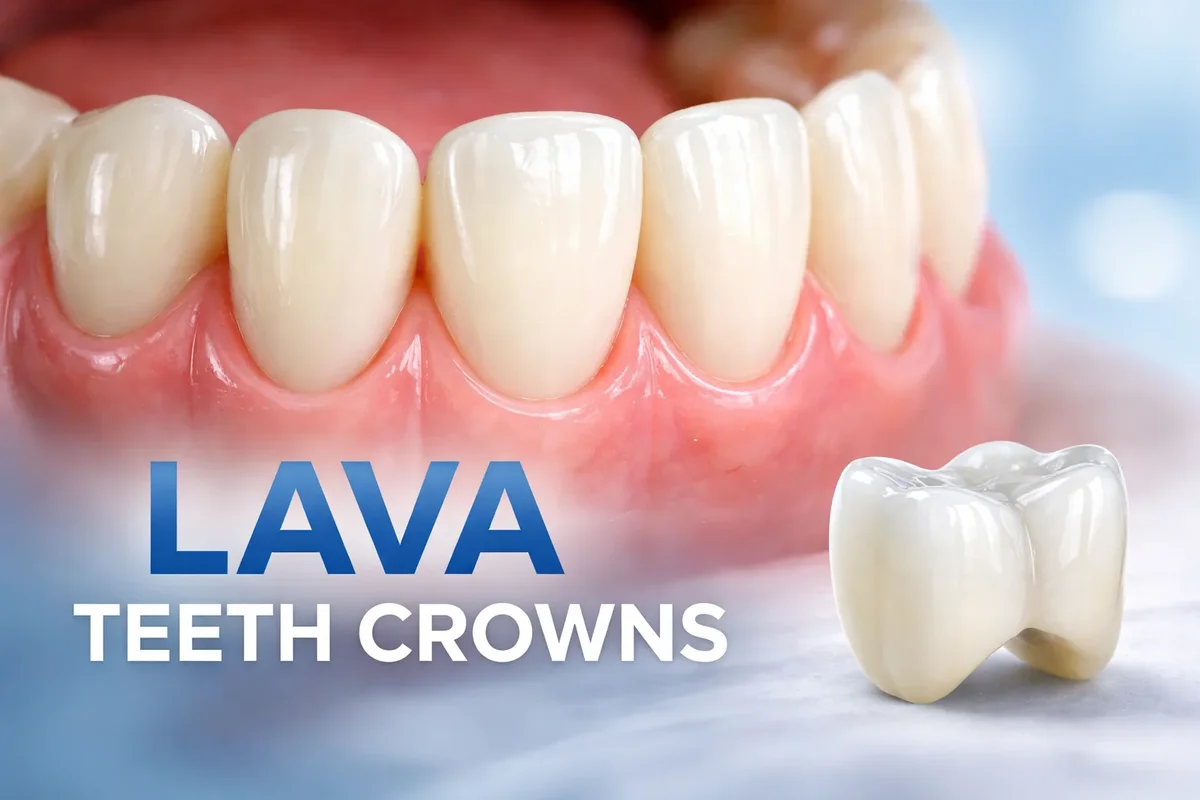
Frequently Asked Questions About Lava Teeth Crowns
Patients considering dental restorations often have many questions before committing to treatment. Because lava teeth crowns are a modern and advanced dental solution, it is natural for individuals to want a deeper understanding of how they work, how they feel, and what they can expect after treatment. This section answers some of the most frequently asked questions about lava teeth crowns to help patients make confident and informed decisions about their oral health.
Although dentists explain the treatment process during consultations, many patients still want clear answers to common concerns regarding comfort, durability, appearance, and long-term care. Fortunately, lava teeth crowns are well studied and widely used in modern dentistry, and the results have consistently shown excellent reliability and patient satisfaction.
Do Lava Teeth Crowns Look Like Natural Teeth?
One of the most common questions patients ask is whether lava teeth crowns will look natural. The answer is yes. In fact, one of the biggest advantages of lava teeth crowns is their ability to closely replicate the appearance of natural tooth enamel.
The zirconia material used in lava teeth crowns allows light to pass through the crown in a way that mimics natural teeth. Dentists and dental technicians also customize the shape, color, and contour of lava teeth crowns so they blend seamlessly with surrounding teeth. As a result, most people cannot distinguish between natural teeth and well-crafted lava teeth crowns.
Why Aesthetics Matter in Dental Restorations
A natural appearance is especially important when crowns are placed on front teeth. Because lava teeth crowns combine durability with excellent aesthetics, they are frequently chosen for both cosmetic and restorative dental treatments.
Are Lava Teeth Crowns Comfortable?
Another common concern patients have is comfort. Fortunately, once properly placed, lava teeth crowns feel very similar to natural teeth. Because they are custom designed for each patient, lava teeth crowns fit precisely over the prepared tooth and integrate naturally with the surrounding bite.
Most patients adapt quickly to lava teeth crowns and can chew, speak, and smile normally shortly after placement. Any minor sensitivity that occurs immediately after the procedure typically resolves within a few days as the mouth adjusts to the restoration.
How Strong Are Lava Teeth Crowns?
Durability is another important question when discussing lava teeth crowns. These crowns are made from zirconia, which is one of the strongest ceramic materials used in dentistry. Because of this strength, lava teeth crowns can withstand the pressure of daily chewing and biting without cracking or breaking.
Many dentists prefer lava teeth crowns for restoring molars because these teeth experience the greatest chewing forces. With proper care and maintenance, lava teeth crowns can remain strong and functional for many years.
Resistance to Wear and Fracture
Compared to some older crown materials, lava teeth crowns are highly resistant to chips and fractures. Their dense zirconia structure allows them to maintain structural integrity even under repeated chewing pressure.
Do Lava Teeth Crowns Require Special Care?
One of the advantages of lava teeth crowns is that they do not require complicated maintenance routines. Patients can care for them just like natural teeth. Brushing twice daily, flossing regularly, and attending routine dental checkups are typically sufficient to maintain the health of lava teeth crowns.
Although lava teeth crowns themselves cannot develop cavities, the natural tooth underneath still requires protection. Maintaining proper oral hygiene helps prevent decay or gum disease that could compromise the stability of lava teeth crowns.
Can Lava Teeth Crowns Stain?
Patients often worry about whether dental restorations may discolor over time. Fortunately, lava teeth crowns are highly resistant to staining because zirconia ceramic does not easily absorb pigments from food and beverages.
While natural teeth may gradually discolor from coffee, tea, or tobacco use, lava teeth crowns generally maintain their color and brightness. This stain resistance helps preserve the aesthetic appearance of lava teeth crowns for many years.
Are Lava Teeth Crowns Safe for the Body?
Another frequently asked question concerns safety and biocompatibility. The zirconia material used in lava teeth crowns is known for its excellent compatibility with human tissues. Because lava teeth crowns are metal-free, they are often recommended for patients who prefer ceramic restorations or who have sensitivities to metal.
The smooth ceramic surface of lava teeth crowns also helps reduce plaque accumulation, which supports healthy gum tissue. This makes them a safe and reliable option for long-term dental restoration.
How Soon Can Patients Return to Normal Activities?
Most patients can resume normal daily activities shortly after receiving lava teeth crowns. Once the crown is permanently placed and the dental cement has fully set, the restoration functions like a natural tooth. Patients can usually return to eating normal foods within a short period.
Dentists may recommend avoiding extremely hard foods during the first day or two after placement, but overall, lava teeth crowns allow patients to return quickly to their regular routines.
When Should Patients Contact Their Dentist?
Although lava teeth crowns are designed to be durable and reliable, patients should contact their dentist if they notice unusual symptoms. Persistent discomfort, visible cracks, or changes in bite alignment may indicate that the crown requires evaluation.
Regular dental checkups allow dentists to monitor the condition of lava teeth crowns and ensure they remain properly sealed and aligned. Early intervention helps prevent complications and ensures that lava teeth crowns continue functioning effectively.
Final Thoughts on Lava Teeth Crowns
Overall, lava teeth crowns represent one of the most advanced dental restoration options available today. Their combination of strength, natural aesthetics, and long-term durability makes them a trusted choice for patients seeking reliable tooth restoration.
By understanding how lava teeth crowns work and how to care for them properly, patients can enjoy the benefits of a restored smile with confidence. With proper oral hygiene, regular dental visits, and professional care, lava teeth crowns can provide both functional and cosmetic improvements for many years.