
🦷 Life as a dentist is often viewed as rewarding, stable, and highly respected. However, behind every confident smile and successful dental procedure is a professional who balances patient care, precision, communication, business responsibilities, and continuous education. For many people considering a dental career, understanding the reality of life as a dentist is essential before making long-term educational and professional commitments. Dentistry is not simply about cleaning teeth or performing cosmetic procedures. It is a demanding healthcare profession that requires compassion, technical skill, emotional intelligence, and lifelong learning.
Life as a dentist usually begins early in the morning. Most dentists start their day by reviewing patient schedules, treatment plans, emergency cases, and follow-up appointments. A typical clinic day may involve preventive care, restorative procedures, cosmetic treatments, consultations, and surgical work. Dentists are responsible for identifying oral health problems while also helping patients feel comfortable and safe during treatment. Since many individuals experience dental anxiety, an important part of life as a dentist involves building trust and creating a calm environment for patients.
One of the biggest advantages of life as a dentist is the opportunity to make a visible difference in people’s lives. Improving oral health often improves confidence, speech, comfort, and overall quality of life. Patients who suffer from pain, damaged teeth, or missing teeth frequently experience emotional relief after successful treatment. This human connection is one reason why many dental professionals describe life as a dentist as deeply meaningful and personally satisfying. Helping someone smile again can have a powerful emotional impact on both the patient and the dentist.
Modern dentistry also offers exciting technological advancements. Digital scanners, 3D imaging systems, CAD/CAM restorations, laser treatments, and AI-supported diagnostics have transformed life as a dentist in recent years. These innovations improve treatment accuracy, patient comfort, and clinical efficiency. Dentists must continuously adapt to new tools and evolving healthcare standards. Staying updated with the latest techniques is an essential part of professional growth in dentistry. Organizations such as the American Dental Association provide valuable resources, research, and professional guidance for dental practitioners worldwide.
Although rewarding, life as a dentist also includes significant responsibilities and challenges. Dentists often work in physically demanding positions for long hours. Neck strain, back pain, and hand fatigue are common concerns within the profession. Precision is critical because even small mistakes can affect patient outcomes. In addition, dentists regularly manage anxious patients, treatment expectations, scheduling pressures, and administrative tasks. Running a dental practice may involve hiring staff, managing finances, handling insurance systems, and maintaining compliance with healthcare regulations.
Financially, life as a dentist can provide strong earning potential depending on location, specialization, and clinic ownership. General dentists in the United States often earn between $140,000 and $220,000 annually, while specialists such as orthodontists, oral surgeons, and prosthodontists may earn significantly more. However, these earnings usually come after years of intensive education and student debt. Dental school tuition and clinical training costs can be substantial. Therefore, understanding the financial reality of life as a dentist is important for future professionals planning their careers.
Another important aspect of life as a dentist is work-life balance. Compared to some medical professions, dentistry may offer more predictable schedules. Many dentists work regular office hours, allowing more time for family, hobbies, and personal interests. However, emergency cases, clinic management, and continuing education courses can still create demanding schedules. Successful dentists often develop strong organizational habits to maintain both professional success and personal well-being.
Communication skills are equally important in life as a dentist. Dentists explain treatment options, educate patients about oral hygiene, discuss financial considerations, and help patients make informed healthcare decisions. Strong communication improves patient satisfaction and trust. In many cases, dentists become long-term healthcare partners for families across multiple generations. This ongoing relationship makes dentistry unique within the healthcare industry.
Cosmetic dentistry has also expanded opportunities within life as a dentist. Treatments such as veneers, teeth whitening, smile design, clear aligners, and dental implants have become increasingly popular worldwide. Many patients now seek aesthetic improvements in addition to oral health solutions. As a result, modern dental clinics often combine healthcare services with advanced cosmetic procedures. Clinics that focus on patient comfort, digital innovation, and personalized care continue to attract growing demand.
For patients searching for high-quality international dental care, clinics that prioritize modern technology and patient-centered treatment can provide valuable solutions. Those interested in learning more about professional dental treatments may visit the Redent Klinik Contact Page for additional information about available services and consultation opportunities.
Ultimately, life as a dentist is a combination of science, healthcare, artistry, and communication. It requires dedication, patience, technical expertise, and emotional resilience. While the profession includes challenges, many dentists find great satisfaction in helping people improve their health and confidence every day. The daily experience of life as a dentist continues to evolve through technological innovation, patient expectations, and modern healthcare standards. For individuals passionate about healthcare, precision, and improving lives, dentistry remains one of the most respected and rewarding career paths available today. 😊
What Daily Life as a Dentist Really Looks Like
🦷 For many people outside the dental industry, life as a dentist may seem simple and predictable. However, the reality is far more dynamic and demanding. Every day in a dental clinic involves patient communication, detailed clinical procedures, problem-solving, treatment planning, and continuous attention to patient comfort. Understanding what daily life as a dentist truly involves can help future dental professionals prepare for the responsibilities and rewards of this respected healthcare career.
A typical day often starts early in the morning. Dentists usually arrive before the first patient appointment to review schedules, treatment plans, X-rays, and emergency cases. Preparation is essential because dental procedures require accuracy, organization, and efficiency. One important aspect of life as a dentist is staying mentally focused throughout the day, especially when performing treatments that require extreme precision.
Morning Responsibilities in Life as a Dentist
In the morning hours, many dental clinics focus on preventive and diagnostic care. Routine cleanings, oral examinations, digital imaging, and patient consultations are common. During these appointments, dentists evaluate oral health conditions, identify potential issues, and discuss treatment options with patients. A major part of life as a dentist involves educating patients about proper oral hygiene habits and helping them understand the importance of preventive care.
Communication plays a critical role during consultations. Some patients feel nervous or fearful about dental treatment, so dentists must create a calm and reassuring environment. Compassion and patience are essential qualities in life as a dentist because positive patient experiences often improve treatment outcomes and long-term trust.
Patient Communication and Trust Building
Many individuals avoid dental appointments due to anxiety. For this reason, dentists spend significant time listening to patient concerns, explaining procedures clearly, and answering questions carefully. Successful communication can completely transform the patient experience. One overlooked aspect of life as a dentist is the emotional support dentists provide to nervous patients who may have avoided treatment for years.
Strong patient relationships are especially important in family dentistry, where dentists may treat multiple generations within the same household. Over time, these long-term relationships become one of the most rewarding parts of life as a dentist.
Clinical Procedures Throughout the Day
As the day progresses, dentists often move into more advanced treatments. These procedures may include fillings, crowns, root canal therapy, veneers, extractions, dental implants, and cosmetic treatments. Every patient presents unique challenges, making life as a dentist both intellectually engaging and technically demanding.
Modern dental clinics rely heavily on technology to improve patient care. Digital scanners, 3D imaging systems, intraoral cameras, and laser dentistry tools have changed the daily workflow in many practices. These technologies allow dentists to provide more accurate diagnoses and comfortable treatments. Staying updated with new innovations is now a major part of life as a dentist in the modern healthcare environment.
Many cosmetic dental treatments are increasingly popular among patients seeking smile improvements. Teeth whitening, clear aligners, smile makeovers, and veneers have become common requests in clinics worldwide. Because aesthetics are important to many patients, dentists often combine healthcare expertise with artistic precision. This combination makes life as a dentist unique compared to many other healthcare professions.
Physical Demands and Concentration
Although dentistry offers many benefits, the profession also includes physical challenges. Dentists often work in fixed positions for long periods while focusing on extremely small treatment areas. Neck pain, back strain, and hand fatigue are common occupational concerns. Maintaining proper posture and ergonomic working habits is essential for protecting long-term health during life as a dentist.
Concentration is equally important. Small mistakes during procedures can affect both oral function and aesthetics. This high level of responsibility means dentists must stay focused throughout the day, even during busy schedules. Precision and consistency are critical components of successful life as a dentist.
Managing Emergencies and Unexpected Situations
No two days in dentistry are exactly the same. Emergency patients with severe tooth pain, infections, broken teeth, or trauma can completely change the daily schedule. Dentists must adapt quickly while still providing quality care to all patients. Problem-solving under pressure is a regular part of life as a dentist.
Emergency cases often require rapid decision-making and strong clinical judgment. Dentists may need to perform urgent procedures while calming anxious patients at the same time. These situations highlight the combination of medical skill and emotional intelligence required in modern dentistry.
Administrative Responsibilities in Dentistry
Many people underestimate the business side of life as a dentist. In addition to patient care, clinic owners often manage staff schedules, inventory, finances, insurance paperwork, and legal compliance. Running a successful dental practice requires leadership and organizational skills in addition to clinical expertise.
Dental teams typically include hygienists, assistants, receptionists, and office managers. Effective teamwork improves patient satisfaction and clinic efficiency. Dentists who build strong workplace cultures often create better experiences for both patients and employees.
Professional organizations such as the American Dental Association provide educational resources and industry updates that help dentists maintain high standards of patient care and professional development.
Ending the Day and Maintaining Balance
At the end of the day, dentists often review completed cases, prepare for future appointments, and finalize treatment plans. Even after leaving the clinic, continuing education may still be necessary. Dentistry constantly evolves, requiring professionals to learn new techniques and technologies throughout their careers.
Despite its challenges, many professionals describe life as a dentist as deeply rewarding because they improve patients’ health, comfort, and self-confidence every day. Helping patients smile comfortably again creates a strong sense of professional satisfaction. Clinics focused on patient-centered care and advanced treatment solutions continue to attract patients worldwide. Individuals interested in learning more about modern dental care options can visit the Redent Klinik Contact Page for additional information and professional consultation opportunities.
Ultimately, life as a dentist combines science, healthcare, communication, technology, artistry, and human connection. Every day brings new patients, unique challenges, and opportunities to improve lives. While the profession requires dedication and discipline, many dentists find tremendous fulfillment in helping people achieve healthier and more confident smiles. 😊
Benefits and Challenges of Life as a Dentist
🦷 Understanding both the rewards and difficulties of life as a dentist is important for anyone considering a career in dentistry. While the profession is respected worldwide and offers strong career opportunities, it also comes with significant responsibilities, emotional pressure, and physical demands. Many dental professionals describe life as a dentist as highly fulfilling because they improve oral health, restore confidence, and help patients live more comfortably. At the same time, dentistry requires discipline, patience, technical precision, and lifelong dedication to learning.
One of the greatest benefits of life as a dentist is the ability to make a direct and meaningful impact on people’s lives. Oral health is closely connected to overall health, confidence, speech, and daily comfort. Patients who suffer from pain, infections, damaged teeth, or missing teeth often experience dramatic improvements after receiving proper dental care. Helping someone smile confidently again can be emotionally rewarding for dental professionals.
Professional Satisfaction in Dentistry
Many dentists feel proud of their work because they combine healthcare knowledge with practical skills and artistic precision. Unlike some medical professions where treatment results may take months or years to appear, dentistry often provides immediate visible improvements. This fast transformation is one reason why many professionals enjoy life as a dentist.
For example, cosmetic treatments such as veneers, dental implants, teeth whitening, and smile design can completely change a patient’s appearance and self-confidence. Restoring damaged teeth also improves chewing ability and overall comfort. Because of these visible outcomes, dentists often build strong emotional connections with patients over time.
The Emotional Rewards of Helping Patients
One of the most satisfying parts of life as a dentist is helping patients overcome fear, pain, or embarrassment. Many individuals avoid dental treatment due to anxiety or financial concerns. When patients finally complete treatment and regain confidence in their smiles, dentists often experience a strong sense of accomplishment.
Long-term patient relationships are common in dentistry. Family dentists may treat parents, children, and even grandparents within the same household for many years. These relationships create trust and emotional connection that make life as a dentist deeply personal and rewarding.
Financial Advantages of Life as a Dentist
Financial stability is another important benefit of life as a dentist. Dentistry is generally considered one of the more stable healthcare professions because oral healthcare services remain consistently necessary. Preventive care, restorative procedures, and cosmetic treatments continue to create patient demand worldwide.
Income levels vary depending on specialization, location, experience, and clinic ownership. General dentists in the United States commonly earn between $140,000 and $220,000 annually. Specialists such as orthodontists, prosthodontists, periodontists, and oral surgeons may earn significantly higher incomes.
Estimated Annual Dentist Income in the United States
- General Dentist: $140,000 – $220,000
- Orthodontist: $250,000 – $400,000+
- Oral Surgeon: $300,000 – $500,000+
- Prosthodontist: $180,000 – $350,000
- Pediatric Dentist: $180,000 – $300,000
Although earnings can be attractive, the financial side of life as a dentist also includes major educational expenses. Dental school tuition, licensing exams, clinical training, and equipment costs can create significant debt early in a dentist’s career.
Challenges and Pressure in Dentistry
Despite its many rewards, life as a dentist also includes considerable stress. Dentists work in a profession where precision is extremely important. Small mistakes can affect oral function, appearance, or patient comfort. This constant responsibility requires intense focus and attention to detail throughout the workday.
Many patients arrive at dental clinics feeling anxious or fearful. Managing nervous patients while performing technically demanding procedures can be mentally exhausting. Emotional pressure is a hidden part of life as a dentist that people outside the profession may not fully understand.
Physical Demands and Health Concerns
The physical demands of life as a dentist are another major challenge. Dentists often spend long hours leaning over patients while maintaining precise hand movements. Poor posture over time may lead to neck pain, shoulder problems, wrist strain, and chronic back discomfort.
To reduce physical stress, many dentists invest in ergonomic chairs, magnification loupes, posture training, and modern equipment. Maintaining physical health becomes extremely important for sustaining a long and successful dental career.
Balancing Work and Personal Life
Compared to some healthcare professions, dentistry may offer a more predictable schedule. Many clinics operate during standard business hours, which can support healthier work-life balance. However, balancing clinic responsibilities with personal life is still an important challenge in life as a dentist.
Clinic owners often handle administrative tasks after patient appointments end. Staff management, inventory control, insurance paperwork, and financial planning may continue beyond regular office hours. Continuing education courses and professional development also require additional time and commitment.
Successful dentists usually develop strong time management habits to maintain personal well-being while delivering high-quality patient care. Maintaining emotional health is just as important as maintaining technical skills in modern dentistry.
Technology and Continuous Learning
Technology continues to transform life as a dentist. Digital dentistry now includes 3D imaging, CAD/CAM systems, laser procedures, AI-assisted diagnostics, and digital smile design. While these innovations improve patient outcomes, they also require ongoing education and investment.
Dentists must continuously update their knowledge to remain competitive and provide modern care. Professional organizations such as the American Dental Association offer educational resources and clinical guidelines that help dentists stay informed about industry advancements.
Clinics focused on advanced patient care and modern treatment solutions continue attracting international patients seeking high-quality dentistry. Individuals interested in learning more about personalized dental treatment options may visit the Redent Klinik Contact Page for additional information and professional consultation opportunities.
Ultimately, life as a dentist combines rewarding patient relationships, strong career stability, artistic precision, and advanced healthcare knowledge. While the profession involves physical demands, emotional stress, and continuous learning, many dental professionals consider the positive impact they make on patients’ lives worth the challenges. For individuals passionate about healthcare, communication, and helping people feel confident again, life as a dentist remains one of the most respected and fulfilling career paths available today. 😊
How Dentists Balance Patient Care and Personal Life
⚖️ Achieving balance between professional responsibilities and personal well-being is one of the most important parts of life as a dentist. Dentistry is a demanding healthcare profession that requires precision, patience, emotional focus, and continuous communication with patients. While many people view dentists as professionals with comfortable schedules and stable careers, the reality of life as a dentist often includes long hours, mental pressure, physical fatigue, and ongoing responsibilities outside the clinic. Maintaining healthy balance is essential for long-term success and personal happiness.
Modern dentistry involves much more than treating teeth. Dentists manage patient expectations, handle emergency situations, oversee clinic operations, and stay updated with evolving technology and treatment methods. Because of these responsibilities, maintaining work-life balance during life as a dentist requires planning, organization, and self-care strategies.
Understanding the Daily Demands of Dentistry
One of the first challenges in life as a dentist is managing a busy and highly structured schedule. Most dentists work with appointment systems that require strict time management throughout the day. A single delay can affect multiple patients and increase stress levels for the entire dental team.
Daily schedules may include routine cleanings, restorative procedures, cosmetic consultations, emergency patients, and follow-up appointments. Dentists often move quickly between tasks while maintaining full concentration during each procedure. This constant focus can become mentally exhausting over time.
Despite these challenges, many professionals appreciate the structured nature of life as a dentist. Compared to some medical careers with unpredictable overnight shifts, dentistry may offer more consistent office hours. This schedule flexibility can support better family life and personal routines when managed properly.
The Importance of Time Management
Strong time management is essential in life as a dentist. Dentists who organize their schedules effectively are often better able to reduce stress and maintain healthier personal lives. Many clinics now use digital scheduling systems, automated reminders, and treatment planning software to improve efficiency.
Successful dentists also learn how to prioritize responsibilities. Delegating administrative tasks to trained staff members can help reduce unnecessary workload and improve focus on patient care. Building an organized clinic environment is one of the most effective ways to create balance during life as a dentist.
Managing Stress in Life as a Dentist
Stress management is another critical factor in life as a dentist. Dental professionals regularly work under pressure because every procedure requires precision and patient trust. In addition, dentists often treat individuals who feel nervous, anxious, or fearful about dental care.
Patient anxiety can sometimes transfer emotional pressure onto the dentist. Managing nervous patients while performing technically complex procedures requires emotional control and strong communication skills. Over time, this emotional responsibility can become mentally draining if proper coping strategies are not developed.
Common Stress Factors in Dentistry
- Managing anxious or fearful patients
- Maintaining treatment precision under pressure
- Handling emergency dental cases
- Clinic financial responsibilities
- Staff management challenges
- Physical fatigue from repetitive movements
- Continuing education requirements
Many dentists reduce stress through exercise, hobbies, family time, travel, and mindfulness practices. Protecting mental health is increasingly recognized as an important part of successful life as a dentist.
Physical Health and Ergonomics
The physical demands of life as a dentist are often underestimated. Dentists spend hours leaning forward while focusing on extremely small treatment areas. Poor posture over time may lead to chronic neck pain, shoulder tension, back discomfort, and wrist strain.
To protect long-term health, many dental professionals invest in ergonomic equipment and posture-supporting tools. Magnification loupes, adjustable seating systems, and modern treatment chairs help reduce physical stress during procedures. Maintaining physical fitness outside the clinic also supports healthier life as a dentist experiences.
Regular stretching, exercise, and proper posture habits are important for preventing injuries and maintaining career longevity. Dentists who prioritize physical health often experience improved comfort and energy during work hours.
Family Life and Personal Relationships
Maintaining strong personal relationships is another major priority in life as a dentist. Because the profession requires emotional energy and concentration, some dentists may struggle to disconnect from work after clinic hours. Balancing family responsibilities with professional obligations can sometimes become difficult, especially for clinic owners.
However, many dentists successfully build rewarding personal lives by establishing clear boundaries between work and home. Scheduling regular family activities, vacations, and personal downtime can improve emotional well-being and reduce burnout.
Flexible Career Opportunities
One positive aspect of life as a dentist is the flexibility available within the profession. Dentists may choose private practice, group clinics, academic careers, hospital dentistry, cosmetic dentistry, or specialized treatment fields. Some professionals work part-time schedules to create more family-focused lifestyles.
Because dentistry offers multiple career paths, many professionals can adapt their schedules based on personal priorities and long-term goals. This flexibility is one reason why dentistry remains attractive to people seeking both professional success and personal balance.
Technology and Efficiency in Modern Dentistry
Modern technology has significantly improved efficiency in life as a dentist. Digital scanners, AI-supported diagnostics, CAD/CAM systems, and paperless records reduce administrative workload while improving patient experiences. These innovations allow dentists to complete procedures more efficiently and accurately.
Professional organizations such as the American Dental Association continue supporting dental professionals through educational resources and industry guidance focused on improving patient care and clinic management.
Clinics that embrace modern technologies and patient-centered care models continue attracting patients from around the world. Individuals interested in advanced dental treatments and personalized care may visit the Redent Klinik Contact Page to learn more about available services and consultation opportunities.
Creating Long-Term Satisfaction in Dentistry
Ultimately, maintaining balance in life as a dentist requires attention to both professional excellence and personal well-being. Dentists who manage stress effectively, maintain physical health, and protect personal relationships are often more satisfied with their careers.
While dentistry includes challenges such as physical strain, emotional pressure, and continuous learning, it also offers stability, meaningful patient relationships, and strong career flexibility. Many dental professionals consider the ability to improve smiles, reduce pain, and restore confidence one of the most fulfilling aspects of life as a dentist. With proper balance, dentistry can provide not only financial success but also long-term personal satisfaction and professional pride. 😊
Education, Training, and the Journey Into Dentistry
🎓 The path toward life as a dentist is long, challenging, and highly competitive. Becoming a dentist requires years of academic preparation, clinical experience, technical training, and continuous professional development. While many people are attracted to the stability and respect associated with dentistry, understanding the educational journey behind life as a dentist is essential before entering the profession. Dentistry demands dedication, patience, discipline, and a genuine passion for healthcare and patient care.
The journey usually begins during high school or early university education, where future dental professionals focus heavily on science-related subjects such as biology, chemistry, anatomy, and physics. Strong academic performance is extremely important because dental school admissions are highly competitive in many countries.
Pre-Dental Education and Academic Preparation
Before entering dental school, students typically complete undergraduate education or prerequisite science courses. During this stage, future dentists build the scientific foundation necessary for understanding oral health, disease processes, human anatomy, and patient care. Academic excellence becomes one of the first major challenges in life as a dentist.
Many dental schools also require entrance examinations designed to evaluate scientific knowledge, problem-solving ability, and critical thinking skills. These exams can be highly stressful because admission opportunities are often limited.
Skills Needed Before Dental School
Success in life as a dentist depends on more than academic intelligence alone. Dental schools also look for strong interpersonal skills, hand-eye coordination, communication ability, and emotional maturity. Dentists work closely with patients every day, so compassion and professionalism are extremely important.
- Strong communication skills
- Scientific understanding
- Manual dexterity and precision
- Problem-solving ability
- Patience and emotional control
- Teamwork and leadership qualities
Many students interested in life as a dentist volunteer at clinics, shadow dental professionals, or participate in healthcare programs before applying to dental school. These experiences provide early exposure to patient care environments and help students confirm their career goals.
Dental School and Clinical Training
Dental school is one of the most demanding phases of life as a dentist. Most programs require four or more years of intensive study combining classroom education with hands-on clinical experience. Students learn subjects such as oral anatomy, pathology, radiology, pharmacology, prosthodontics, periodontics, orthodontics, and oral surgery.
In the early years of training, students focus heavily on theoretical knowledge and laboratory practice. They often work on simulated models before treating real patients. As training progresses, clinical responsibilities increase significantly.
Hands-On Clinical Experience
One of the most important parts of life as a dentist education is direct patient care training. Under professional supervision, dental students perform examinations, cleanings, fillings, extractions, crowns, and other procedures on real patients. This practical experience helps students develop confidence, precision, and communication skills.
Clinical training can also be emotionally challenging. Students must learn how to manage nervous patients, complicated cases, and treatment complications while maintaining professionalism and focus. These early experiences prepare future dentists for the realities of daily practice.
Dental school schedules are often extremely demanding. Students spend long hours studying, practicing procedures, attending lectures, and completing clinical requirements. Because of this intense workload, many students describe dental school as one of the most difficult stages in the journey toward life as a dentist.
Licensing and Professional Certification
After completing dental school, graduates must pass licensing examinations before practicing independently. Licensing requirements vary by country, but they typically include written exams and clinical competency evaluations.
These exams ensure that dental professionals meet safety and quality standards before treating patients. Passing licensing examinations is a major milestone in life as a dentist because it officially marks the transition from student to practicing professional.
Some dentists begin working immediately after licensing, while others continue into specialized training programs. Common dental specialties include:
- Orthodontics
- Oral and maxillofacial surgery
- Pediatric dentistry
- Periodontics
- Prosthodontics
- Endodontics
Specialization and Advanced Training
Specialization programs may require several additional years of education and clinical practice. Dentists pursuing advanced specialties often experience even more intensive training and professional responsibility. However, specialization can also create higher earning potential and more focused career opportunities within life as a dentist.
For example, orthodontists focus on bite correction and aligner treatments, while oral surgeons perform complex surgical procedures involving the jaw, face, and teeth. Each specialty offers unique challenges and career paths.
Continuing Education in Dentistry
Education does not end after graduation. Continuous learning is one of the defining characteristics of life as a dentist. Dentistry constantly evolves through technological innovation, new treatment techniques, digital workflows, and scientific research.
Dentists regularly attend workshops, conferences, certification courses, and professional training programs to stay updated. Digital dentistry technologies such as CAD/CAM systems, 3D imaging, laser treatments, and AI-supported diagnostics continue transforming modern dental care.
Professional organizations such as the American Dental Association help dental professionals access continuing education resources, clinical guidelines, and industry research that support high standards of patient care.
Financial Investment and Long-Term Commitment
The journey into life as a dentist also involves major financial investment. Tuition fees, textbooks, instruments, laboratory expenses, licensing fees, and clinical equipment can create substantial educational costs. In some countries, dental graduates may begin their careers with significant student debt.
Despite these expenses, many dentists view their education as a long-term investment because dentistry offers strong career stability, professional independence, and financial growth opportunities.
Career Satisfaction After Years of Training
Although the educational journey is demanding, many professionals believe the rewards of life as a dentist justify the years of effort. Dentists have the opportunity to improve oral health, restore confidence, and positively impact patients’ daily lives.
Clinics focused on advanced technology, patient comfort, and personalized treatment continue attracting patients worldwide. Individuals interested in modern dental solutions and professional consultation opportunities may visit the Redent Klinik Contact Page for additional information about available treatments.
Ultimately, the path toward life as a dentist requires determination, discipline, and continuous personal growth. From academic preparation and dental school to licensing and lifelong education, every stage of the journey builds the skills necessary for success in modern dentistry. For individuals passionate about healthcare, science, communication, and improving lives, dentistry remains one of the most rewarding and respected professions available today. 😊
The Emotional Side of Life as a Dentist
🧠 The emotional aspect of life as a dentist is often overlooked by people outside the dental profession. While many individuals focus on the technical skills and financial opportunities associated with dentistry, the emotional responsibilities involved in patient care can be equally demanding. Dentists do not simply repair teeth or perform cosmetic treatments. They regularly support anxious patients, manage stressful situations, solve complex health problems, and help people regain confidence in their appearance and overall well-being.
For many dental professionals, the emotional dimension of life as a dentist becomes one of the most challenging yet rewarding parts of their career. Every patient arrives with unique fears, expectations, health concerns, and personal experiences. Dentists must learn how to communicate effectively, provide reassurance, and maintain emotional stability while performing highly precise procedures.
Understanding Dental Anxiety in Patients
One of the biggest emotional challenges in life as a dentist is managing patient anxiety. Millions of people around the world experience fear related to dental treatment. Some patients may have had painful experiences in the past, while others fear injections, surgical procedures, or feelings of loss of control during treatment.
Dental anxiety can significantly affect patient behavior. Nervous individuals may postpone treatment for years, leading to more serious oral health problems. As a result, dentists often encounter patients suffering from severe pain, advanced infections, damaged teeth, or low self-confidence due to neglected oral health.
Building Trust With Nervous Patients
Building trust is one of the most important emotional skills in life as a dentist. Dentists who communicate calmly and clearly can help patients feel safer and more comfortable during treatment. Listening carefully to patient concerns and explaining procedures step-by-step often reduces fear significantly.
Many successful dentists develop strong interpersonal communication skills because emotional reassurance improves both patient satisfaction and treatment outcomes. In modern dentistry, patient experience is considered just as important as technical accuracy.
Creating a welcoming clinic environment also plays an important role in reducing patient stress. Comfortable treatment rooms, friendly staff, modern technology, and clear communication can positively influence the emotional experience of dental care.
The Pressure of Responsibility
Another emotional challenge in life as a dentist is the constant responsibility associated with patient care. Dentists make decisions that directly affect oral health, aesthetics, comfort, and long-term function. Even relatively small procedures require attention to detail and professional judgment.
Because patients trust dentists with their health and appearance, the profession carries significant emotional pressure. Dentists often strive for perfection because treatment quality affects both medical outcomes and patient confidence.
Managing Mistakes and Complications
No healthcare profession is completely free from complications or unexpected situations. In life as a dentist, treatment outcomes may occasionally vary due to biological factors, patient habits, healing responses, or complex oral conditions.
When complications occur, dentists must remain calm, professional, and solution-focused. Emotional resilience becomes essential for handling stressful situations without losing confidence or motivation. Learning how to manage difficult moments is an important part of long-term success in dentistry.
Many dental professionals also place pressure on themselves to maintain high standards every day. Continuous concentration and precision can become mentally exhausting over time. This is one reason why emotional self-care is increasingly emphasized within modern dentistry.
The Reward of Transforming Smiles
Despite its emotional challenges, one of the most fulfilling aspects of life as a dentist is seeing the positive impact of treatment on patients’ lives. Restoring oral health often improves confidence, social comfort, speech, and overall happiness.
Patients who once avoided smiling may regain self-esteem after cosmetic or restorative treatment. Individuals suffering from pain may finally eat and speak comfortably again. These transformations create strong emotional rewards for dentists.
Confidence and Emotional Well-Being
Many people underestimate how closely oral health and emotional well-being are connected. Missing teeth, damaged smiles, discoloration, or chronic pain can negatively affect self-confidence and social interactions. By improving oral health, dentists often improve emotional quality of life as well.
This emotional connection is one reason why many professionals describe life as a dentist as deeply meaningful. The ability to positively influence both physical health and emotional confidence creates lasting professional satisfaction.
Burnout and Mental Health in Dentistry
Because dentistry combines physical demands, emotional pressure, and constant precision, burnout can become a concern during life as a dentist. Long working hours, difficult cases, financial responsibilities, and patient expectations may gradually increase stress levels.
Clinic owners often face additional emotional pressure related to staff management, financial planning, insurance systems, and business operations. Balancing healthcare responsibilities with business responsibilities can become mentally overwhelming without proper support systems.
Strategies for Emotional Balance
Many dentists protect their emotional well-being through healthy lifestyle habits and stress management strategies. Common approaches include:
- Regular physical exercise
- Maintaining hobbies outside work
- Spending time with family and friends
- Taking vacations and breaks
- Practicing mindfulness or meditation
- Joining professional support groups
- Continuing education for confidence building
Creating emotional balance is extremely important for maintaining long-term satisfaction in life as a dentist. Dentists who prioritize mental health often experience improved focus, stronger patient relationships, and greater career fulfillment.
Technology and Emotional Comfort for Patients
Modern dental technology has also improved the emotional side of life as a dentist. Digital scanners, laser treatments, sedation dentistry, and minimally invasive procedures help reduce patient discomfort and anxiety.
Advanced technologies often create faster, more comfortable, and less stressful treatment experiences for patients. Professional organizations such as the American Dental Association continue supporting dentists with educational resources and updated clinical recommendations focused on patient-centered care.
Clinics emphasizing personalized treatment and emotional patient support continue attracting individuals seeking comfortable and modern dental care experiences. Patients interested in learning more about advanced treatment options may visit the Redent Klinik Contact Page for additional information and professional consultation opportunities.
Ultimately, the emotional dimension of life as a dentist is just as important as technical expertise. Dentists must combine healthcare knowledge with empathy, patience, emotional resilience, and communication skills. While the profession can be emotionally demanding, many dental professionals find deep meaning in helping patients overcome fear, restore confidence, and improve their quality of life. For individuals passionate about both healthcare and human connection, life as a dentist offers a uniquely rewarding professional journey. 😊
Modern Technology Changing Life as a Dentist
💻 Technology has completely transformed life as a dentist over the past two decades. Modern dental clinics now rely on advanced digital systems, artificial intelligence, 3D imaging, laser treatments, and innovative restorative techniques to improve patient care and treatment precision. While dentistry has always required technical skill and scientific knowledge, today’s life as a dentist also demands strong familiarity with rapidly evolving technologies.
Patients now expect faster procedures, more comfortable treatments, highly aesthetic results, and efficient communication. As a result, technology has become an essential part of daily dental practice. Dentists who adapt to modern systems often improve clinical outcomes, increase patient satisfaction, and create more efficient workflows within their clinics.
Digital Dentistry and Modern Workflow
One of the biggest advancements affecting life as a dentist is the rise of digital dentistry. Traditional impressions and manual workflows are increasingly being replaced by digital scanners and computer-assisted systems. These technologies improve precision while reducing discomfort for patients.
Intraoral scanners allow dentists to create detailed 3D digital models of patients’ teeth within minutes. Instead of using traditional impression materials that may cause discomfort or gag reflexes, digital scanning provides a faster and more comfortable experience.
Benefits of Digital Impressions
- Improved patient comfort
- Higher treatment accuracy
- Faster laboratory communication
- Reduced human error
- Shorter appointment times
- Better visualization of oral conditions
These improvements have significantly changed life as a dentist by making workflows more efficient and predictable. Dentists can now review digital models instantly, communicate directly with laboratories, and create more precise restorations.
CAD/CAM Systems and Same-Day Dentistry
CAD/CAM technology, which stands for computer-aided design and computer-aided manufacturing, has revolutionized restorative procedures in life as a dentist. These systems allow dentists to design and produce crowns, veneers, inlays, and other restorations digitally.
In many clinics, same-day crowns are now possible thanks to in-office milling machines. Instead of waiting weeks for laboratory fabrication, patients may receive restorations during a single appointment.
How Same-Day Dentistry Improves Patient Experience
Traditional crown procedures often required temporary restorations and multiple appointments. Modern CAD/CAM systems simplify this process significantly. Faster treatment improves patient convenience and reduces stress, making the overall experience more comfortable.
For dentists, these systems improve workflow efficiency and treatment consistency. As technology continues advancing, digital restorations are becoming an increasingly important part of life as a dentist.
3D Imaging and Advanced Diagnostics
Another major technological advancement in life as a dentist is 3D imaging. Cone Beam Computed Tomography (CBCT) systems provide highly detailed three-dimensional images of teeth, bone structures, nerves, and surrounding anatomy.
Traditional X-rays provide limited two-dimensional information, while 3D imaging allows dentists to evaluate complex oral conditions with much greater precision. This technology is especially valuable in implant dentistry, orthodontics, oral surgery, and root canal treatment planning.
Advantages of 3D Imaging in Dentistry
- More accurate diagnosis
- Improved implant planning
- Enhanced surgical precision
- Better patient safety
- Reduced treatment complications
- Improved communication with patients
By improving diagnostic accuracy, 3D imaging has made life as a dentist more efficient and clinically advanced. Patients also benefit because visual explanations help them better understand treatment recommendations.
Artificial Intelligence in Modern Dentistry
Artificial intelligence is becoming increasingly important in life as a dentist. AI-powered software can assist dentists by analyzing radiographs, identifying potential oral health issues, and supporting treatment planning.
Although AI does not replace professional clinical judgment, it may improve diagnostic consistency and reduce overlooked details. AI systems can help detect cavities, bone loss, periodontal disease, and other oral conditions earlier.
The Future of AI in Dentistry
As AI technology continues developing, many experts believe it will further improve efficiency within life as a dentist. Automated administrative systems, predictive analytics, and digital patient monitoring may become even more common in future dental clinics.
However, human communication, empathy, and clinical expertise will always remain essential parts of dentistry. Technology supports dentists, but patient trust still depends heavily on professional relationships and emotional connection.
Laser Dentistry and Patient Comfort
Laser technology has also transformed life as a dentist by creating less invasive treatment options. Dental lasers may be used for gum contouring, periodontal therapy, cavity treatment, and soft tissue procedures.
Many laser procedures involve reduced bleeding, less discomfort, and faster healing times compared to traditional surgical techniques. Patients often appreciate these benefits because they improve the overall treatment experience.
Minimally Invasive Dentistry
Modern dentistry increasingly focuses on preserving healthy tooth structure whenever possible. Digital diagnostics and advanced treatment tools allow dentists to perform more conservative procedures. This philosophy improves long-term oral health while reducing patient discomfort.
The combination of precision technology and minimally invasive care has become an important part of modern life as a dentist.
Technology and Clinic Management
Technology also improves the administrative side of life as a dentist. Digital scheduling systems, electronic patient records, automated reminders, and cloud-based practice management software streamline clinic operations.
These systems help reduce paperwork, improve organization, and enhance communication between dental teams and patients. Efficient management allows dentists to spend more time focusing on patient care rather than administrative tasks.
Professional organizations such as the American Dental Association continue providing educational resources and technological guidance that help dentists adapt to changing industry standards.
The Future of Technology in Dentistry
The future of life as a dentist will likely involve even greater technological integration. Robotics, advanced AI diagnostics, digital smile simulations, remote consultations, and regenerative dental treatments may continue changing how dentistry is practiced worldwide.
Clinics investing in advanced technology and personalized care continue attracting patients seeking comfortable, modern, and efficient treatment experiences. Patients interested in learning more about advanced dental solutions may visit the Redent Klinik Contact Page for additional information and professional consultation opportunities.
Ultimately, technology has significantly improved life as a dentist by increasing accuracy, efficiency, patient comfort, and treatment possibilities. While modern dentistry still requires strong clinical expertise and communication skills, digital innovation continues helping dentists provide safer, faster, and more personalized care. For dental professionals willing to embrace continuous learning and technological adaptation, the future of dentistry remains highly promising and exciting. 😊
Career Growth Opportunities in Dentistry
🚀 One of the most attractive aspects of life as a dentist is the wide range of career growth opportunities available within the profession. Dentistry is not limited to general clinical practice alone. Modern dental professionals can pursue specialization, clinic ownership, cosmetic dentistry, academic careers, international patient services, digital dentistry, and advanced surgical fields. This flexibility allows dentists to shape their careers based on personal interests, lifestyle goals, and professional ambitions.
As the global demand for oral healthcare continues increasing, the opportunities connected to life as a dentist continue expanding as well. Patients now seek not only basic dental treatment but also aesthetic smile improvements, preventive healthcare, minimally invasive procedures, and technologically advanced services. Dentists who adapt to these changing trends often create strong long-term career success.
General Dentistry as a Foundation
For many professionals, life as a dentist begins in general dentistry. General dentists provide preventive care, restorative procedures, oral examinations, fillings, crowns, root canal treatments, and patient education. This broad clinical experience helps dentists build technical confidence and communication skills.
General dentistry also creates strong opportunities for long-term patient relationships. Many dentists treat patients and families for years, which builds trust and professional reputation. This patient loyalty can become a major advantage for career development.
Building Experience in Early Career Stages
The first years of life as a dentist are often focused on gaining clinical experience and improving efficiency. Young dentists learn how to manage treatment planning, patient communication, scheduling pressures, and practical decision-making.
During this stage, mentorship and continuing education play important roles. Many dentists attend advanced training courses to improve their skills in cosmetic dentistry, implantology, orthodontics, or digital workflows. These additional skills often increase both patient demand and professional confidence.
Specialization Opportunities in Dentistry
One major advantage of life as a dentist is the opportunity to specialize in highly focused treatment areas. Dental specialties usually require additional years of education and clinical training, but they can provide advanced expertise, increased earning potential, and more complex clinical work.
Popular Dental Specialties
- Orthodontics
- Oral and maxillofacial surgery
- Endodontics
- Periodontics
- Prosthodontics
- Pediatric dentistry
- Oral pathology
- Dental anesthesiology
Each specialty offers unique challenges and rewards within life as a dentist. For example, orthodontists focus on bite correction and aligner therapy, while oral surgeons perform advanced surgical procedures involving the jaw and facial structures.
Specialization often allows dentists to work on more technically advanced cases and become recognized experts within specific treatment fields.
Clinic Ownership and Entrepreneurship
Another important career path in life as a dentist is clinic ownership. Many dentists eventually open their own practices after gaining clinical experience. Owning a clinic provides greater independence and long-term financial opportunities.
However, clinic ownership also introduces business responsibilities such as:
- Managing staff members
- Handling financial planning
- Purchasing equipment and supplies
- Marketing services
- Managing insurance systems
- Ensuring legal compliance
The Business Side of Dentistry
Successful clinic ownership requires more than clinical expertise alone. Dentists must also develop leadership, communication, and organizational skills. Strong patient experience, effective branding, and advanced technology integration are increasingly important for modern dental clinics.
Many professionals find entrepreneurship one of the most rewarding aspects of life as a dentist because it allows them to build personalized patient-centered practices based on their own treatment philosophy.
Cosmetic Dentistry and Smile Design
Cosmetic dentistry has become one of the fastest-growing areas within life as a dentist. Patients around the world increasingly seek aesthetic smile improvements alongside oral health treatments.
Procedures such as veneers, teeth whitening, dental bonding, smile makeovers, and clear aligners continue growing in popularity. Dentists who focus on cosmetic procedures often combine medical knowledge with artistic creativity.
The Rise of International Dental Tourism
International dental tourism has also expanded career opportunities in life as a dentist. Many patients travel abroad seeking affordable and high-quality dental treatment. Countries offering advanced care at competitive prices continue attracting global patient interest.
Clinics that combine modern technology, experienced dental teams, and patient-focused service models often perform especially well within international markets. This global demand creates exciting growth opportunities for modern dental professionals.
Academic and Educational Careers
Some professionals pursue teaching and research opportunities during life as a dentist. Academic dentistry allows dentists to educate future professionals while contributing to scientific advancement and clinical innovation.
Dental educators may work in universities, research institutions, or professional training programs. They often participate in clinical research, publish scientific studies, and help improve treatment standards across the industry.
Continuing Education and Lifelong Learning
Continuous learning is essential for long-term success in life as a dentist. Dentistry evolves rapidly through digital innovation, AI-supported diagnostics, laser technology, and modern restorative techniques.
Professional organizations such as the American Dental Association provide continuing education resources, clinical guidelines, and industry updates that support professional growth and patient safety.
Dentists who regularly update their skills often remain more competitive and adaptable within changing healthcare markets.
Technology and Future Career Expansion
Technology continues opening new opportunities within life as a dentist. Digital smile design, robotic-assisted procedures, AI-supported treatment planning, and minimally invasive techniques are transforming modern dentistry.
As patient expectations continue evolving, dentists who embrace technological innovation may experience stronger career growth and greater patient demand. Clinics focused on personalized care and advanced treatment options often build stronger reputations and attract broader patient populations.
Creating Long-Term Professional Satisfaction
Career satisfaction in life as a dentist often comes from balancing financial success, patient relationships, clinical excellence, and personal fulfillment. Dentistry offers flexibility that allows professionals to shape careers around their interests and goals.
Some dentists prioritize cosmetic treatments and smile transformations, while others focus on surgery, pediatric care, research, or family dentistry. This diversity is one reason why the profession remains attractive worldwide.
Patients interested in advanced dental care, personalized treatment plans, and modern clinical solutions may visit the Redent Klinik Contact Page for additional information and consultation opportunities.
Ultimately, the career possibilities connected to life as a dentist are extensive and continuously evolving. Whether pursuing specialization, entrepreneurship, cosmetic dentistry, research, or digital innovation, dentistry provides numerous pathways for long-term growth and professional fulfillment. For individuals passionate about healthcare, technology, communication, and helping people improve their smiles, life as a dentist offers both stability and exciting future opportunities. 😊
Financial Expectations and Lifestyle of Dentists
💰 One of the most discussed aspects of life as a dentist is financial stability and lifestyle quality. Dentistry is widely considered one of the most secure and financially rewarding healthcare professions. However, the financial reality behind life as a dentist involves much more than high income alone. Educational costs, clinic investments, specialization expenses, staff management, and long-term financial planning all play important roles in shaping a dentist’s professional and personal lifestyle.
For many people considering dentistry as a career, understanding realistic income expectations and lifestyle factors is essential before beginning the long educational journey. While dentistry can provide excellent earning potential and career flexibility, success often requires years of dedication, professional growth, and strategic decision-making.
Income Potential in Dentistry
One of the main attractions of life as a dentist is strong earning potential. Dentists provide specialized healthcare services that remain consistently necessary regardless of economic conditions. Preventive care, restorative procedures, cosmetic dentistry, orthodontics, and dental implants continue generating high patient demand worldwide.
Income levels in dentistry vary significantly depending on several factors:
- Country and geographic location
- Years of professional experience
- General dentistry or specialization
- Private clinic ownership
- Patient volume and reputation
- Technology and service quality
- Marketing and branding strength
Average Dentist Earnings
In the United States, general dentists often earn between $140,000 and $220,000 annually. Dental specialists may earn significantly higher incomes depending on their field and clinic structure.
Estimated Annual Dental Income by Specialty
- General Dentist: $140,000 – $220,000
- Orthodontist: $250,000 – $400,000+
- Oral Surgeon: $300,000 – $500,000+
- Endodontist: $220,000 – $350,000
- Prosthodontist: $180,000 – $350,000
- Pediatric Dentist: $180,000 – $300,000
Although these numbers appear attractive, the financial side of life as a dentist also includes substantial expenses and responsibilities that many people do not initially consider.
Educational Costs and Student Debt
Before reaching financial stability, future dentists must first complete years of expensive education and clinical training. Dental school tuition, licensing exams, textbooks, instruments, and laboratory fees can create significant student debt.
In some countries, dental graduates may begin their careers owing hundreds of thousands of dollars in educational expenses. This financial pressure often affects the early years of life as a dentist.
Balancing Debt and Career Growth
New dentists frequently focus on building experience while gradually managing educational debt. Many choose to work in group practices or established clinics before opening independent practices. This strategy allows young professionals to improve clinical skills while reducing financial risk.
Financial planning becomes an essential part of successful life as a dentist. Dentists who manage debt responsibly and invest carefully often achieve stronger long-term financial stability.
Clinic Ownership and Business Expenses
Opening a private dental clinic can significantly increase income opportunities within life as a dentist, but it also introduces major financial responsibilities. Clinic ownership involves expenses such as:
- Dental equipment purchases
- Office rent or property costs
- Staff salaries
- Laboratory fees
- Technology investments
- Marketing and advertising
- Insurance and legal compliance
- Continuing education costs
Modern dental technology can require especially large investments. Digital scanners, 3D imaging systems, CAD/CAM equipment, and laser technology improve treatment quality but may cost tens or even hundreds of thousands of dollars.
The Financial Benefits of Modern Dentistry
Although advanced equipment requires investment, technology can also improve efficiency and patient satisfaction. Clinics offering modern digital dentistry often attract more patients seeking comfortable and high-quality treatment experiences.
As a result, many professionals view technological investment as an important long-term strategy in life as a dentist.
Lifestyle and Work-Life Balance
Beyond financial income, lifestyle quality is another major advantage of life as a dentist. Compared to many healthcare professions, dentistry often provides more predictable working hours. Most clinics operate during regular daytime schedules, allowing dentists to spend more time with family and maintain personal routines.
This schedule flexibility is one reason why dentistry is considered attractive for individuals seeking both professional success and personal balance.
Flexibility in Career Design
One of the unique aspects of life as a dentist is career flexibility. Some dentists work full-time in private practice, while others choose part-time schedules, academic careers, hospital dentistry, or consulting roles.
Dentists may also adjust their workload based on lifestyle priorities. For example, some professionals focus on high-volume cosmetic dentistry, while others prefer smaller family-oriented practices with slower schedules and long-term patient relationships.
Luxury Lifestyle Perception vs Reality
Many people associate life as a dentist with luxury lifestyles, expensive homes, and financial freedom. While some highly successful dentists achieve substantial wealth, the reality is often more complex.
Dentists work in physically and emotionally demanding environments that require constant concentration and responsibility. Clinic ownership may involve financial stress, staffing challenges, and business management pressures.
Maintaining Financial Stability
Long-term financial success in life as a dentist usually depends on:
- Strong clinical reputation
- Patient satisfaction and retention
- Continuous education and specialization
- Effective business management
- Technology adaptation
- Smart financial planning
Dentists who combine clinical excellence with good business decisions often build highly stable and rewarding careers over time.
International Dentistry and Global Opportunities
Global dental tourism has also expanded financial opportunities within life as a dentist. Many patients travel internationally seeking advanced treatment at more affordable prices. Clinics providing modern care, transparent communication, and high patient satisfaction continue attracting international attention.
Professional organizations such as the American Dental Association continue supporting dental professionals through educational resources and industry standards that promote ethical and high-quality patient care.
Clinics emphasizing advanced technology, personalized treatment plans, and patient comfort often experience strong long-term growth. Patients interested in modern dental solutions and international treatment opportunities may visit the Redent Klinik Contact Page for more information and professional consultation support.
Long-Term Satisfaction in Dentistry
Ultimately, the financial and lifestyle aspects of life as a dentist depend heavily on personal goals, specialization choices, clinic structure, and professional dedication. While the profession involves educational costs, business responsibilities, and ongoing challenges, dentistry continues offering strong career stability and growth potential.
Many dental professionals appreciate the combination of healthcare impact, financial opportunity, schedule flexibility, and long-term career security that dentistry provides. For individuals passionate about patient care, communication, and professional independence, life as a dentist remains one of the most rewarding healthcare careers available today. 😊
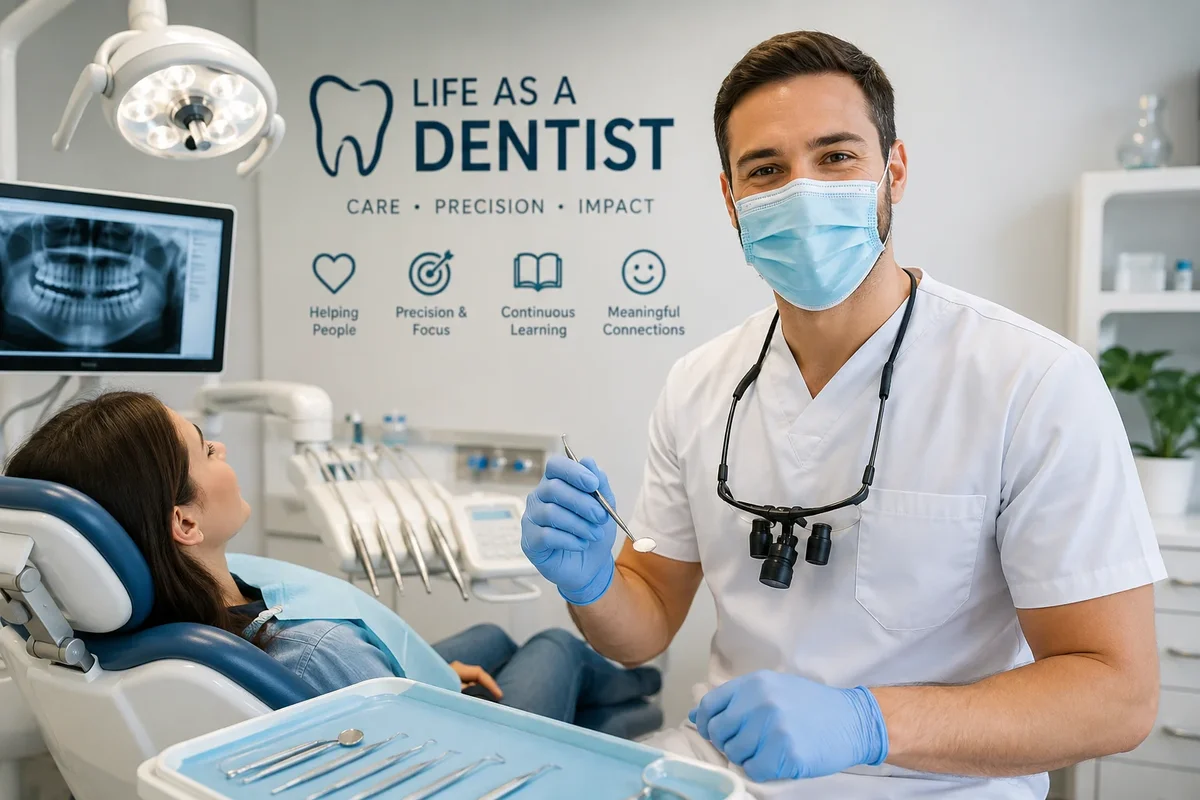
Why Many Professionals Choose Life as a Dentist
🌟 Choosing a professional career is one of the most important decisions in life, and for many healthcare professionals, life as a dentist represents a unique combination of stability, patient impact, financial opportunity, and personal fulfillment. Dentistry continues to attract people from around the world because it offers both scientific and artistic elements while allowing professionals to build long-term relationships with patients.
Unlike many careers that focus on only one skill set, life as a dentist combines healthcare knowledge, communication, technical precision, business management, and emotional intelligence. This diversity makes dentistry both intellectually engaging and professionally rewarding for many individuals.
The Ability to Improve People’s Lives
One of the main reasons professionals choose life as a dentist is the opportunity to positively impact patients every day. Oral health affects much more than teeth alone. It influences confidence, speech, comfort, nutrition, appearance, and overall quality of life.
Patients suffering from severe tooth pain, missing teeth, gum disease, or damaged smiles often experience major emotional and physical improvements after treatment. Helping someone smile comfortably again creates deep professional satisfaction for many dentists.
The Emotional Reward of Patient Transformations
One of the most fulfilling experiences in life as a dentist is witnessing the emotional transformation patients experience after successful treatment. Some individuals avoid smiling for years because they feel embarrassed about their teeth. Others struggle with chronic pain or difficulty eating.
After treatment, patients often gain confidence, improved self-esteem, and greater comfort in daily life. Dentists regularly see the direct impact of their work, which creates a strong sense of purpose and motivation.
This emotional reward is one reason why many professionals remain passionate about life as a dentist even after decades in the field.
Career Stability and Job Security
Another important reason people choose life as a dentist is career stability. Oral healthcare services remain consistently necessary regardless of economic conditions. Preventive care, restorative treatments, cosmetic procedures, and emergency dental services continue generating demand worldwide.
Unlike some industries that experience rapid instability or automation risks, dentistry remains highly dependent on human skill, patient communication, and professional judgment. This creates strong long-term job security for dental professionals.
Global Demand for Dental Care
The global demand for modern dental care continues growing due to increased awareness of oral health, cosmetic dentistry trends, aging populations, and technological advancements. Patients now seek not only basic treatments but also aesthetic smile improvements and minimally invasive procedures.
This rising demand creates strong opportunities within life as a dentist for professionals interested in cosmetic dentistry, implantology, orthodontics, and digital dentistry.
Professional Independence and Flexibility
Many people are attracted to life as a dentist because of the independence it can provide. Dentistry offers multiple career paths including private practice, specialization, academic dentistry, hospital-based care, consulting, and international dental tourism.
Some dentists choose to open private clinics where they control schedules, treatment philosophies, clinic design, and patient experience. Others prefer group practices or educational careers that offer different lifestyle structures.
Flexibility in Lifestyle and Scheduling
Compared to certain healthcare professions with unpredictable overnight shifts and emergency schedules, dentistry may provide more structured working hours. Many clinics operate during regular daytime schedules, supporting healthier work-life balance.
This flexibility is an important advantage of life as a dentist, especially for professionals who value family time, travel opportunities, or personal hobbies outside work.
Some dentists also choose part-time work or highly specialized treatment models to create lifestyles that align with personal goals and priorities.
The Combination of Science and Artistry
One unique feature of life as a dentist is the balance between medical science and artistic creativity. Dentists must understand anatomy, pathology, biomechanics, and oral function while also creating natural-looking and aesthetically pleasing results.
Cosmetic procedures such as veneers, smile design, and full-mouth rehabilitation require attention to facial harmony, tooth proportions, color matching, and aesthetic balance. This artistic side of dentistry makes the profession especially appealing for individuals who enjoy both science and creativity.
Continuous Learning and Innovation
Dentistry is constantly evolving through technological innovation and scientific research. Digital scanners, AI-assisted diagnostics, 3D printing, laser dentistry, and minimally invasive procedures continue changing the future of oral healthcare.
For many professionals, the continuous learning involved in life as a dentist keeps the career intellectually stimulating and exciting. Dentists regularly attend conferences, training programs, and workshops to improve their skills and remain current with industry advancements.
Professional organizations such as the American Dental Association support dentists with educational resources, clinical guidelines, and updated industry information.
Financial Opportunity and Long-Term Growth
Financial stability is another important factor attracting people to life as a dentist. While the educational path is demanding and expensive, dentistry often provides strong long-term earning potential.
General dentists, specialists, and clinic owners may achieve significant financial success depending on experience, location, patient demand, and specialization. Cosmetic dentistry and implantology, in particular, continue experiencing strong global growth.
Building a Personal Brand in Dentistry
Modern dentistry increasingly emphasizes patient experience, technology, and trust. Dentists who focus on communication, treatment quality, and personalized care often build strong reputations over time.
Many successful clinics now combine advanced technology with patient-centered service models that attract both local and international patients. Clinics focused on high-quality modern care continue expanding within global healthcare markets.
Patients interested in advanced treatment options, cosmetic smile improvements, and personalized dental care may visit the Redent Klinik Contact Page to learn more about available services and consultation opportunities.
Long-Term Fulfillment in Dentistry
Ultimately, many professionals choose life as a dentist because the profession offers a rare combination of healthcare impact, career flexibility, financial opportunity, emotional fulfillment, and professional independence.
Dentists improve smiles, reduce pain, restore oral function, and build meaningful patient relationships throughout their careers. Although the profession requires discipline, continuous learning, and emotional resilience, many dental professionals consider the rewards worth the effort.
For individuals passionate about healthcare, communication, technology, creativity, and helping people feel more confident, life as a dentist remains one of the most respected and satisfying professional paths available today. The future of dentistry continues evolving through innovation, global patient demand, and modern treatment advancements, making life as a dentist an exciting and meaningful career choice for future generations. 😊