
When it comes to maintaining a healthy smile and preventing oral diseases, visiting a medical dentist plays an essential role in long-term wellness. A medical dentist is not just someone who cleans teeth; they are healthcare professionals trained to diagnose, prevent, and treat various oral and maxillofacial conditions. Their work bridges the gap between dental aesthetics and overall body health. In this detailed guide, we’ll explore what makes a medical dentist indispensable, what they do, and how their expertise contributes to your total well-being. 🦷
Unlike traditional or purely cosmetic dental practitioners, a medical dentist focuses on the medical aspects of dentistry — from diagnosing gum infections and jawbone diseases to managing complex oral pathologies that affect general health. They are equipped to identify symptoms of systemic diseases that manifest in the mouth, such as diabetes, cardiovascular problems, or autoimmune disorders. In other words, the mouth is often the mirror of the body, and the medical dentist is trained to read those reflections carefully.
Medical dentistry combines scientific knowledge, precision technology, and compassionate care. Modern medical dentists use digital imaging, 3D scanners, and biocompatible materials to provide patients with accurate diagnoses and minimally invasive treatments. Their approach is comprehensive, focusing on prevention rather than only treatment. For instance, during a routine examination, your dentist might notice signs of periodontal inflammation — an early indicator of potential heart disease. Identifying these correlations early can significantly reduce long-term medical risks.
One of the primary responsibilities of a medical dentist is preventive care. Preventive dentistry involves regular cleanings, fluoride treatments, sealants, and detailed oral examinations that help detect cavities or infections before they become major issues. Through professional guidance, patients also learn proper brushing, flossing, and nutritional habits that maintain oral pH balance and enamel strength. Prevention costs far less than complex dental surgeries, making regular visits to your medical dentist not only beneficial but also cost-effective in the long run.
Another critical aspect is the dentist’s role in early diagnosis. Many serious illnesses begin with subtle oral symptoms. For example, dry mouth may indicate medication side effects or autoimmune conditions like Sjögren’s syndrome. Gum bleeding can be a sign of systemic inflammation. Jaw stiffness may suggest temporomandibular joint disorders (TMJ), which are often stress-related. A skilled medical dentist identifies these warning signs early and coordinates with physicians for an integrated treatment plan. This interdisciplinary collaboration ensures that your mouth and body are treated as one system — not separate entities.
Furthermore, a medical dentist prioritizes the use of evidence-based methods. According to the American Dental Association, continuous professional education and adherence to clinical research are vital to maintaining excellence in oral healthcare. Certified dental practitioners regularly update their techniques, from laser-assisted surgery to non-invasive periodontal therapy. This ensures patients receive top-quality treatments supported by the latest scientific advancements.
The emotional comfort of patients is another cornerstone of medical dentistry. Many people experience dental anxiety, often due to past traumatic experiences or fear of pain. Today’s medical dentist combines empathetic communication with modern sedation techniques to create a calm, fear-free environment. From gentle explanations to the use of local anesthesia and digital pain control, their goal is to make every visit stress-free and reassuring. 😊
In addition, your medical dentist can guide you on lifestyle habits that directly impact oral and systemic health. Poor nutrition, tobacco use, or chronic stress can severely affect gum tissue and bone density. Through regular consultations, patients gain awareness of these risk factors and receive personalized recommendations to maintain both oral and general health. Regular checkups not only protect your teeth but can also improve digestion, immunity, and cardiovascular function.
Choosing a medical dentist also provides access to advanced restorative and reconstructive procedures. Whether you require dental implants, bone grafts, or prosthetic rehabilitation, these professionals combine precision with an understanding of biological compatibility. For example, titanium implants are selected for their strength and integration with bone tissue — essential for long-lasting results. This level of care ensures that aesthetics and medical health go hand in hand.
Finally, if you’re seeking a trusted clinic that specializes in comprehensive dental medicine, Redent Klinik Contact Page is an excellent place to begin. Their medical dentists focus on personalized treatments designed to meet both cosmetic and medical needs, ensuring you achieve optimal oral health with the latest technology and compassionate care.
In summary, a medical dentist is more than a tooth doctor — they are a crucial partner in your health journey. They connect oral health to body function, detect early signs of systemic diseases, and enhance quality of life through science and empathy. Regular dental visits aren’t just about a beautiful smile — they’re about preventing disease, preserving longevity, and investing in your future well-being. 🌿
What Is a Medical Dentist and Why Are They Essential?
A medical dentist is a highly trained healthcare professional who specializes in the prevention, diagnosis, and treatment of diseases affecting the teeth, gums, and other oral structures. Unlike a cosmetic dentist who focuses primarily on aesthetics, a medical dentist emphasizes the functional and biological health of the mouth — ensuring that every part of the oral cavity supports overall wellness. 🩺 Their goal goes beyond maintaining a beautiful smile; it involves preserving the body’s natural harmony by keeping oral tissues healthy, infection-free, and properly aligned.
The Core Role of a Medical Dentist in Health Care
In modern medicine, the importance of a medical dentist is comparable to that of any other physician. The mouth serves as the entry point to the digestive and respiratory systems, meaning that oral health directly influences other bodily functions. For example, untreated gum disease (periodontitis) can lead to inflammation that spreads through the bloodstream, increasing the risk of heart disease and diabetes. A medical dentist understands these connections and designs preventive care strategies that help patients avoid both oral and systemic diseases.
These specialists are also equipped to identify early symptoms of systemic disorders through oral examination. For instance, pale gums might indicate anemia, while excessive bleeding could be a sign of vitamin deficiency or even leukemia. Because of this, a visit to a medical dentist can serve as an early detection opportunity for more serious health conditions that might otherwise go unnoticed.
Training and Expertise: What Sets a Medical Dentist Apart
Becoming a medical dentist requires years of rigorous academic training. After obtaining a dental degree, many pursue advanced education in oral medicine, pathology, or surgery. They study microbiology, pharmacology, radiology, and systemic disease management to ensure they can treat not just the symptoms but also the root causes of oral conditions. Their approach integrates the best practices of both medical and dental sciences, providing comprehensive care that addresses the entire patient — not just their teeth.
Medical Dentists as Part of the Healthcare System
A key distinction between a medical dentist and a general dentist is their close collaboration with physicians, surgeons, and other medical specialists. For example, if a patient is undergoing chemotherapy, a medical dentist plays a vital role in managing oral side effects such as dry mouth, mucositis, or infection risk. Similarly, before cardiac surgery or organ transplants, dental clearance from a medical dentist is often required to minimize bacterial complications that could affect recovery.
Preventive Dentistry: The Foundation of Lifelong Health
Preventive care is the foundation of every medical dentist’s philosophy. Through regular checkups, X-rays, and cleanings, dentists can detect issues like cavities or early-stage gum disease before they progress. They also provide detailed guidance on oral hygiene techniques, nutrition, and habits that affect dental health — such as smoking cessation and sugar control. Prevention doesn’t just save money; it saves lives. Research shows that maintaining oral hygiene can lower the risk of chronic illnesses like cardiovascular disease, stroke, and dementia.
The Relationship Between Oral and Systemic Health
The concept of “oral-systemic health” is at the core of medical dentistry. The mouth acts as a gateway to the body, and the bacteria within it can travel through the bloodstream. In patients with weakened immune systems or chronic illnesses, these microbes can trigger inflammation and worsen existing medical conditions. A medical dentist monitors these interactions closely, ensuring that infections are managed swiftly to protect both oral and general health.
Examples of Systemic Links
- Heart Disease: Bacteria from gum infections can enter the bloodstream and attach to arteries, increasing the risk of atherosclerosis.
- Diabetes: Poorly controlled blood sugar can worsen gum inflammation, while gum disease can make it harder to regulate glucose levels.
- Pregnancy: Gum disease in pregnant women has been linked to premature births and low birth weight.
- Respiratory Conditions: Oral bacteria can be inhaled into the lungs, causing infections like pneumonia.
These examples underscore the vital role a medical dentist plays not only in oral hygiene but also in safeguarding holistic health. 🧠
Technological Advancements in Medical Dentistry
Modern medical dentists leverage cutting-edge tools and techniques to enhance accuracy and comfort. Digital X-rays, intraoral cameras, and laser therapies have revolutionized dental diagnostics and treatment planning. These technologies minimize radiation exposure, improve early detection of hidden decay, and make procedures nearly painless. Advanced imaging also enables dentists to identify structural problems like bone loss or cyst formation before they become severe.
Another innovation in medical dentistry is the use of biocompatible materials for fillings, crowns, and implants. These materials integrate seamlessly with the body, reducing allergic reactions and promoting natural healing. The shift toward minimally invasive techniques ensures faster recovery times and less discomfort — an important factor for patients seeking efficient and safe care from their trusted medical dentist.
When Should You Visit a Medical Dentist?
Many people only visit a dentist when pain occurs, but by then, the issue has often progressed significantly. It’s recommended to schedule checkups every six months with a medical dentist, even if no symptoms are present. Regular visits allow for early detection of cavities, infections, or potential oral cancers. Early treatment means fewer complications, lower costs, and better outcomes.
It’s also crucial to visit your medical dentist if you experience persistent bad breath, gum bleeding, tooth sensitivity, or jaw pain. These symptoms could signal underlying problems requiring professional attention. Prompt intervention can prevent irreversible damage and protect your long-term health.
Where to Find Qualified Medical Dentists
Finding a reliable clinic is key to receiving quality care. For individuals seeking a trusted dental center, Redent Klinik Contact Page offers access to experienced professionals who prioritize both medical precision and patient comfort. Their team uses modern equipment and evidence-based practices aligned with international standards, such as those recommended by the American Dental Association.
In conclusion, a medical dentist is not merely a tooth specialist but a key guardian of overall health. They help prevent disease, detect early warning signs, and guide patients toward healthier lives. Their work combines science, technology, and empathy — the perfect blend for those seeking long-term well-being and a confident, healthy smile. 🌿
Common Treatments Offered by a Medical Dentist 🦷
A medical dentist provides a wide variety of treatments designed to prevent, diagnose, and restore oral health conditions. These treatments are not only focused on maintaining the beauty of your smile but also on protecting your overall systemic health. By combining scientific precision with advanced technology, medical dentists can deliver long-term, sustainable results for patients of all ages. Let’s explore the most common treatments a medical dentist offers and why they are crucial for your well-being. 🩺
Preventive Dentistry: The Foundation of Oral Health
The first and most essential step in dental care is prevention. A medical dentist emphasizes preventive dentistry to stop oral diseases before they start. Routine checkups, professional cleanings, fluoride treatments, and dental sealants are part of this process. During these visits, the dentist examines your teeth, gums, and soft tissues to detect early signs of decay, infection, or misalignment. By identifying problems early, treatments become less invasive and more cost-effective.
Dental Cleanings and Scaling
Even with daily brushing and flossing, plaque and tartar can accumulate in areas that are hard to reach. A professional cleaning performed by a medical dentist removes these buildups, preventing gum inflammation and cavities. Scaling and polishing also improve breath freshness and reduce the risk of periodontal disease, which has been linked to heart and lung conditions.
Restorative Treatments: Repairing and Strengthening Teeth
When tooth damage or decay occurs, restorative procedures become essential. A medical dentist uses durable, biocompatible materials to rebuild the structure and function of the tooth while maintaining aesthetics. Restorative dentistry includes fillings, crowns, bridges, and dental implants.
Dental Fillings and Crowns
Fillings are used to repair cavities and prevent further decay. Modern medical dentists prefer tooth-colored composite materials that blend naturally with enamel. Crowns, on the other hand, cover damaged or weakened teeth, restoring strength and appearance. These are custom-made to fit perfectly, ensuring comfort and durability. Each restoration is performed with precise imaging and minimal discomfort, thanks to technological advancements such as 3D scanning.
Dental Implants and Bone Grafting
When a tooth is lost, a medical dentist may recommend dental implants — titanium posts that replace the root of the missing tooth. Implants are the most reliable and long-lasting solution, promoting natural bone preservation. In cases where bone density is insufficient, bone grafting procedures may be performed to create a stable foundation. These treatments not only restore function but also prevent facial sagging caused by bone loss.
Periodontal Treatments: Protecting the Gums
Gum health is a direct indicator of overall wellness. Periodontal (gum) diseases like gingivitis and periodontitis can cause tooth loss and systemic inflammation if untreated. A medical dentist uses non-surgical therapies such as scaling and root planing to eliminate bacteria from beneath the gumline. In advanced cases, laser therapy or minor surgical procedures may be applied to regenerate healthy tissue.
Laser-Assisted Gum Therapy
One of the greatest innovations in modern dental care is laser therapy. It allows a medical dentist to target infected tissues with precision, minimizing pain and bleeding. This approach promotes faster healing and reduces the need for traditional surgery. Patients often report minimal discomfort and shorter recovery times after laser treatments. 🌿
Endodontic Treatments: Saving Natural Teeth
When the pulp (inner tissue) of a tooth becomes infected due to deep decay or trauma, a medical dentist performs root canal therapy. This procedure removes the infected tissue, cleans the root canals, and seals them to prevent reinfection. Modern endodontic procedures are virtually painless and preserve the natural tooth, avoiding the need for extraction. By maintaining the original tooth structure, patients retain normal chewing ability and jaw stability.
Orthodontic and Occlusal Treatments
Alignment plays a major role in oral and systemic health. Misaligned teeth can lead to bite issues, jaw pain, and speech difficulties. A medical dentist may recommend orthodontic solutions such as clear aligners or braces to correct alignment. Additionally, occlusal adjustments help balance the bite and reduce temporomandibular joint (TMJ) strain. Proper alignment also makes cleaning easier, lowering the risk of decay and gum disease.
Night Guards and Bite Correction Devices
Many patients suffer from bruxism (teeth grinding), which can damage enamel and cause chronic jaw pain. To address this, a medical dentist can design custom-made night guards that protect teeth during sleep. These devices not only prevent wear and tear but also improve jaw comfort and sleep quality.
Cosmetic and Reconstructive Procedures
Although a medical dentist focuses primarily on health, aesthetics are also an important part of modern care. Cosmetic procedures like teeth whitening, veneers, and smile makeovers can boost self-confidence and emotional well-being. Reconstructive procedures, on the other hand, aim to restore full function after trauma or disease. These may include full-mouth rehabilitation or prosthetic solutions like dentures and bridges designed to fit comfortably and look natural.
Oral Surgery and Complex Cases
Some patients require advanced surgical procedures, which are safely performed by experienced medical dentists. These include wisdom tooth extraction, cyst removal, and jawbone surgery. By combining surgical precision with advanced anesthetic techniques, these procedures are made efficient and comfortable. In many cases, 3D-guided surgery helps reduce healing time and improve accuracy.
Preventing Medical Complications Through Dental Care
Every dental treatment performed by a medical dentist has a ripple effect on your overall health. For instance, controlling oral bacteria reduces the risk of cardiovascular disease, pneumonia, and pregnancy complications. Regular dental visits also aid in managing chronic conditions such as diabetes, since inflammation in the gums can influence blood sugar levels. This integrative approach is what makes the field of medical dentistry so vital in today’s healthcare system.
Where to Get Reliable Care
If you’re seeking high-quality treatments backed by science and compassion, Redent Klinik Contact Page connects you with specialists experienced in comprehensive care. Their team adheres to international standards like those set by the American Dental Association, ensuring safe, effective, and evidence-based treatment plans.
In conclusion, the range of treatments offered by a medical dentist demonstrates their critical role in maintaining both oral and systemic health. From preventive care to complex surgeries, every procedure is designed to restore balance, prevent disease, and enhance your quality of life. 🌟
The Importance of Regular Checkups with a Medical Dentist
Regular visits to a medical dentist are one of the most crucial steps in maintaining lifelong oral and overall health. Many people underestimate the impact of dental checkups, assuming that they are only necessary when pain or discomfort arises. However, consistent dental examinations serve as an early warning system for both oral and systemic diseases. A medical dentist doesn’t simply clean your teeth — they analyze your entire oral ecosystem, ensuring that each tissue and structure functions in harmony. 🦷
Why Routine Dental Visits Matter
The human mouth is home to millions of bacteria, both beneficial and harmful. When oral hygiene is neglected or diet and stress levels fluctuate, harmful bacteria can multiply and cause serious issues like gum disease, tooth decay, and infections. A medical dentist monitors these changes during regular checkups, identifying imbalances before they become significant problems. These visits allow dentists to detect early-stage decay, monitor enamel wear, and prevent minor conditions from escalating into painful or costly treatments.
Routine checkups typically include professional cleanings, X-rays, oral cancer screenings, and periodontal evaluations. Each of these components serves a unique purpose in preserving dental and systemic health. Regular visits not only prevent disease but also support the early detection of issues linked to heart disease, diabetes, and even certain cancers. Early diagnosis by a medical dentist often means less invasive procedures and significantly better outcomes.
The Step-by-Step Process of a Dental Checkup
A typical checkup with a medical dentist involves several key stages designed to assess every aspect of your oral health. Understanding what happens during these appointments helps patients feel more comfortable and informed about their care.
1. Comprehensive Examination
The dentist begins by evaluating the teeth, gums, jaw joints, and oral tissues. They check for cavities, plaque buildup, and irregular bite patterns. During this stage, they may also perform an oral cancer screening by inspecting the tongue, cheeks, and throat for abnormalities. A medical dentist uses advanced tools such as digital radiography and intraoral cameras to get detailed images that reveal hidden issues, such as early-stage decay or bone loss.
2. Professional Cleaning and Polishing
Even with excellent at-home care, brushing and flossing can’t remove all plaque and tartar. A medical dentist uses ultrasonic devices and specialized tools to gently clean teeth and gums. This process eliminates harmful bacteria that cause bad breath, inflammation, and infection. The final polishing step leaves your teeth feeling smooth and looking brighter, reducing the risk of new plaque accumulation.
3. Periodontal Assessment
Gum health is one of the most important indicators of overall well-being. During the periodontal assessment, your dentist measures the depth of gum pockets to detect early signs of gingivitis or periodontitis. If inflammation or bleeding is present, the medical dentist recommends treatment options such as deep cleaning, scaling, or root planing to stop progression and protect bone structure. Maintaining healthy gums prevents tooth loss and contributes to heart and immune health.
4. Preventive Recommendations and Patient Education
Education is an integral part of every visit. A medical dentist provides personalized guidance on brushing techniques, flossing habits, and dietary adjustments. They may recommend fluoride treatments or dental sealants for additional protection. Patients with chronic conditions like diabetes or heart disease receive tailored advice on how to manage oral health in relation to their overall medical status. This holistic approach ensures that every aspect of oral care supports systemic wellness. 🌿
Early Detection: Saving Time, Money, and Health
One of the greatest advantages of regular visits to a medical dentist is early detection. Cavities, gum infections, and enamel erosion develop gradually, often without pain in the beginning. By catching these problems early, treatment becomes simpler, less invasive, and more affordable. Early intervention also helps prevent the spread of bacteria that could affect the heart, lungs, and other vital organs.
In fact, studies show that people who maintain consistent dental appointments have a 30–40% lower risk of developing severe gum disease compared to those who skip visits. Over time, this preventive habit leads to stronger teeth, better digestion, and even improved self-confidence. Regular checkups with your trusted medical dentist are an investment in long-term wellness, not just oral hygiene.
How Often Should You Visit Your Dentist?
Most experts recommend visiting a medical dentist every six months, although the frequency may vary depending on your individual needs. Patients with chronic gum conditions, orthodontic appliances, or medical conditions like diabetes may require more frequent visits — typically every three to four months. These intervals allow dentists to monitor progress and adjust treatment plans as needed. If sudden pain, bleeding, or swelling occurs between appointments, scheduling an urgent visit is essential to prevent complications.
The Role of Technology in Routine Checkups
Modern dental technology has transformed the way medical dentists deliver care. Digital X-rays, 3D imaging, and AI-powered diagnostics enable faster, safer, and more accurate assessments. These innovations help detect microfractures, hidden infections, and early-stage bone changes. A medical dentist equipped with advanced technology can predict future dental risks and provide personalized preventive solutions long before symptoms appear.
Building a Long-Term Relationship with Your Dentist
Consistency builds trust. Seeing the same medical dentist regularly allows them to track your oral history, identify subtle changes, and understand your personal needs. This relationship leads to customized care, early intervention, and better long-term outcomes. Patients also tend to feel more comfortable discussing concerns, from sensitivity to aesthetic improvements, creating a supportive and transparent healthcare experience.
Choosing the Right Clinic for Regular Checkups
When selecting a clinic for your regular dental care, it’s essential to choose a facility that combines medical precision with patient-centered service. Redent Klinik Contact Page offers comprehensive checkup programs guided by expert medical dentists who follow international standards, including those of the American Dental Association. Their personalized preventive approach ensures that every patient receives thorough evaluations, early diagnostics, and ongoing support for maintaining a healthy smile.
In conclusion, regular checkups with a medical dentist are far more than routine appointments — they are essential for safeguarding your health, confidence, and longevity. These visits protect against disease, provide early warning signs for systemic conditions, and empower you to take control of your oral wellness. By committing to consistent care, you invest in a brighter, healthier future — one smile at a time. 😁
How to Choose the Best Medical Dentist for Your Needs
Finding the right medical dentist is one of the most important decisions you can make for your long-term oral and overall health. Not all dentists offer the same level of medical expertise, technology, and personalized care. A qualified medical dentist understands the connection between oral and systemic wellness, providing treatments that not only improve your smile but also enhance your body’s health as a whole. Choosing the best one involves evaluating credentials, technology, communication, and patient care philosophy. Let’s explore how to make the most informed and confident choice. 🦷
Understanding What Makes a Medical Dentist Different
A medical dentist is not simply a practitioner who fills cavities or whitens teeth; they are healthcare professionals specializing in the diagnosis, prevention, and treatment of oral diseases that can influence systemic health. This means that they go beyond cosmetic outcomes to ensure that your teeth, gums, and jaw function properly within the broader context of your body’s health. The right medical dentist will coordinate with physicians when necessary, monitor your overall health history, and use advanced diagnostics to identify hidden issues.
For example, if you have diabetes, heart disease, or autoimmune conditions, your dentist should be familiar with how these affect oral tissues. A qualified medical dentist will tailor treatments that minimize risks, reduce inflammation, and support immune balance. This holistic perspective is what separates medical dentistry from traditional dental practices.
Key Qualities to Look for in a Medical Dentist
When searching for a medical dentist, it’s essential to consider multiple factors beyond location or cost. The goal is to find someone who combines technical expertise with genuine patient care. Here are the most important aspects to evaluate:
1. Education and Professional Credentials
Always verify the dentist’s educational background and certifications. A reputable medical dentist typically holds an advanced degree in dentistry (DDS or DMD) and may have additional training in oral medicine, periodontology, or oral surgery. Membership in organizations such as the American Dental Association reflects commitment to ongoing education and adherence to ethical standards. These qualifications ensure that your dentist stays updated with the latest scientific research and treatment protocols.
2. Experience and Specialization
Experience is a key indicator of expertise. Ask how long the dentist has been practicing and whether they have treated patients with similar health profiles to yours. For instance, if you require implant therapy or have a history of gum disease, you’ll want a medical dentist who has specialized experience in these areas. Many advanced clinics provide portfolios or before-and-after images that demonstrate the dentist’s skill and consistency.
3. Technology and Equipment
Modern dentistry relies heavily on advanced technology. Look for a medical dentist who uses digital X-rays, 3D imaging, laser treatments, and computer-aided design for prosthetics. These innovations not only increase precision but also reduce discomfort and recovery time. A technologically advanced clinic demonstrates a commitment to delivering efficient, minimally invasive, and safe care.
4. Communication and Patient Comfort
Dental anxiety is common, and a good medical dentist understands the importance of empathy and clear communication. During your first visit, notice whether the dentist listens attentively to your concerns, explains procedures thoroughly, and answers questions patiently. A trustworthy professional never rushes the consultation process — they make sure you fully understand your treatment options and expected outcomes. 😊
Evaluating the Clinic Environment
The atmosphere of the clinic reflects its overall professionalism. A clean, organized, and welcoming environment shows that the practice values hygiene and patient comfort. The staff should be courteous, knowledgeable, and responsive. Pay attention to how the clinic handles sterilization and infection control protocols. A well-managed dental office follows strict medical-grade sanitation standards to protect every patient’s health.
Reading Reviews and Patient Testimonials
Before making your decision, explore online reviews and testimonials. Feedback from previous patients offers valuable insights into the quality of care, professionalism, and communication of the medical dentist. While one or two negative comments may not be significant, a consistent pattern of positive experiences indicates a reliable practitioner. Additionally, many clinics publish case studies that highlight their success rates and patient satisfaction levels.
Consultation and Treatment Planning
Your first consultation with a medical dentist should feel like a two-way conversation. After reviewing your medical history and examining your mouth, the dentist should propose a personalized treatment plan. This plan must include diagnostic imaging, detailed cost estimates, and an explanation of all available options. Transparency is key — the best dentists make sure you understand both the benefits and potential risks of each procedure.
Discussing Financial Options
High-quality care should be accessible. Ask about available payment plans, insurance coverage, or installment options. Many medical dentists offer flexible financing to make comprehensive care affordable. Be cautious of extremely low-cost services that compromise quality, as poor dental work can lead to costly complications later.
Red Flags to Avoid
Not every practitioner meets professional standards. Beware of clinics that prioritize cosmetic upselling without addressing medical concerns, avoid detailed diagnostics, or rush treatments. A genuine medical dentist values health outcomes over sales and takes time to ensure accuracy. Also, if the dentist discourages questions or provides vague explanations, it’s a sign to continue your search elsewhere.
Building a Long-Term Partnership with Your Dentist
Once you find a qualified medical dentist, consistency is crucial. Regular visits allow your dentist to monitor progress, track changes, and adjust treatments as needed. This long-term relationship fosters trust and enables better preventive care. Over time, your dentist becomes familiar with your unique anatomy and medical background, ensuring highly personalized attention at every appointment.
Where to Find a Trusted Medical Dentist
If you’re looking for a reliable and experienced dental team, Redent Klinik Contact Page offers access to skilled professionals who specialize in comprehensive oral medicine. Their approach combines advanced technology, holistic treatment philosophy, and genuine care — ensuring that every patient receives world-class service aligned with the highest standards of the American Dental Association.
In summary, selecting the best medical dentist requires research, awareness, and trust. Evaluate credentials, experience, communication, and technology before making a choice. When you find the right dentist, you gain more than just oral care — you gain a lifelong partner in maintaining your overall health and confidence. 🌟
Advanced Dental Technologies Used by Modern Medical Dentists
In today’s world of dentistry, innovation plays a critical role in improving both patient comfort and treatment outcomes. A medical dentist now operates in a highly digital, technology-driven environment where precision, efficiency, and minimally invasive techniques define the standard of care. From diagnostic imaging to laser-assisted surgery, technology has redefined how dental health is managed and preserved. Let’s explore how these cutting-edge advancements empower modern dentists to deliver world-class treatments that are safer, faster, and more effective. ⚙️
The Evolution of Dental Technology
The field of dental medicine has evolved dramatically over the past two decades. Gone are the days of manual impressions, guess-based diagnoses, and painful drilling. Modern medical dentists use advanced equipment to ensure accuracy in every aspect of patient care. Digital systems allow for early disease detection, precise surgical planning, and customized treatment strategies. These innovations not only enhance clinical results but also make dental visits more comfortable and less intimidating for patients.
Digital Imaging and 3D Diagnostics
One of the most revolutionary advancements in dentistry is the use of digital imaging technologies. Traditional X-rays have been replaced with high-resolution digital radiography and 3D cone beam computed tomography (CBCT). A medical dentist uses these tools to capture detailed cross-sectional images of teeth, bones, nerves, and soft tissues within seconds. This level of precision allows for early detection of decay, bone loss, infections, and even hidden cysts or tumors that might otherwise go unnoticed.
Benefits of Digital Imaging
- Reduces radiation exposure by up to 80% compared to conventional X-rays.
- Provides instant, high-quality images for accurate diagnosis.
- Enables precise planning for implants, root canals, and orthodontic procedures.
- Allows easy image sharing between specialists for multidisciplinary treatment.
These technologies empower a medical dentist to make data-driven decisions, resulting in more predictable outcomes and fewer complications.
Intraoral Scanners and Digital Impressions
Intraoral scanning has completely replaced the discomfort of traditional dental molds. With a handheld digital scanner, a medical dentist can create a 3D model of your teeth in just a few minutes. This scan serves as a digital blueprint for crowns, veneers, bridges, or aligners — eliminating the need for messy impression materials. It also improves accuracy and speeds up laboratory processing. The precision of these digital models ensures a perfect fit, reducing the likelihood of adjustments or remakes.
CAD/CAM Technology for Same-Day Restorations
Computer-Aided Design and Computer-Aided Manufacturing (CAD/CAM) is another groundbreaking innovation that allows medical dentists to create custom restorations within a single visit. Using 3D scans, the system designs and mills restorations like crowns, onlays, or veneers from high-quality ceramic blocks in just a few hours. Patients can leave the clinic with their new restoration on the same day, avoiding multiple appointments and temporary fittings.
Advantages of CAD/CAM Systems
- Precise, durable, and biocompatible restorations.
- Time-efficient — no waiting for external lab work.
- Reduced human error and improved aesthetics.
- Enhanced patient satisfaction and comfort.
This technology exemplifies the fusion of medical science and engineering, allowing the medical dentist to achieve results that are both functional and visually natural.
Laser Dentistry: Precision Without Pain
Laser technology has revolutionized the way dental procedures are performed. Modern medical dentists use soft and hard tissue lasers to perform procedures such as gum reshaping, cavity removal, and bacterial disinfection with exceptional precision. Lasers minimize bleeding, reduce the need for sutures, and speed up healing time. Patients benefit from reduced pain and anxiety, making this technology ideal for those with dental phobia.
Applications of Laser Dentistry
- Gum contouring and periodontal therapy.
- Removal of decayed tissue without drilling.
- Whitening treatments with enhanced efficiency.
- Biopsy and lesion removal with minimal discomfort.
Because of their accuracy, lasers preserve healthy tissues and promote natural regeneration — a perfect example of how a medical dentist merges technology with biological understanding. 🌿
3D Printing in Dental Restoration
3D printing has become a game changer in modern dental laboratories. A medical dentist can now design and print dental models, surgical guides, aligners, and even dentures directly from digital scans. This allows for better customization, faster turnaround, and reduced cost. With this technology, treatment planning and execution become more predictable, especially for implant placements and complex reconstructive cases.
Artificial Intelligence (AI) in Dental Diagnostics
The integration of artificial intelligence is taking medical dentistry to new heights. AI-powered software can analyze radiographic images and detect potential problems with remarkable accuracy. A medical dentist can use AI to compare scans over time, identify changes, and predict disease progression. This data-driven approach helps in early diagnosis of cavities, bone loss, and even oral cancers — saving time and lives through proactive care.
How AI Supports Dentists
- Enhances diagnostic accuracy by identifying microscopic details.
- Reduces human error through pattern recognition algorithms.
- Improves treatment planning and patient education.
- Allows real-time monitoring and progress tracking.
Biocompatible Materials and Nanotechnology
Today’s medical dentists use advanced biocompatible materials designed to work in harmony with the body. Nanotechnology has led to the creation of stronger, longer-lasting composites that resist bacterial colonization. These materials mimic natural enamel in appearance and strength, ensuring both durability and aesthetics. Additionally, innovations like antibacterial coatings and fluoride-releasing cements help prevent secondary decay after restorative procedures.
Digital Patient Management Systems
Beyond clinical tools, digital record systems and patient management platforms enable medical dentists to maintain detailed medical histories, images, and treatment plans securely. These systems facilitate seamless communication between specialists, ensuring holistic care. Patients also benefit from appointment reminders, online consultations, and post-treatment follow-ups — making the entire experience more efficient and transparent.
Where to Experience Advanced Dental Technology
For patients seeking care that integrates these innovations, Redent Klinik Contact Page connects you to a team of professionals who combine modern technology with compassionate care. Their adherence to global standards, including those of the American Dental Association, ensures safe, precise, and scientifically guided treatments tailored to each patient’s needs.
In conclusion, technology has redefined the scope and precision of modern dental care. From AI-powered diagnostics to 3D printing and laser precision, the tools available to a medical dentist today ensure that treatments are faster, safer, and more effective than ever before. These innovations not only protect oral health but also enhance quality of life — making every smile healthier, brighter, and more confident. 😁
The Connection Between Oral Health and Overall Body Health
The mouth is often described as the “mirror of the body,” and modern science continues to prove how closely oral health is tied to general wellness. A medical dentist understands that the mouth is not an isolated system—it’s a gateway that reflects and influences your entire body. From cardiovascular health to diabetes control, numerous studies show that infections and inflammation in the mouth can contribute to chronic diseases throughout the body. This connection makes oral care an essential part of preventive medicine. 🩺
Understanding the Mouth-Body Link
The human mouth contains a complex ecosystem of bacteria, both beneficial and harmful. When proper hygiene is neglected, harmful bacteria can multiply and enter the bloodstream through bleeding gums. A medical dentist identifies these risks early, as this bacterial migration can trigger inflammation and damage to vital organs. Inflammation is the body’s natural defense mechanism, but when chronic, it contributes to conditions such as heart disease, diabetes, arthritis, and even Alzheimer’s disease.
Healthy gums and teeth serve as the body’s first line of defense against systemic infection. When oral tissues are compromised, harmful microorganisms gain direct access to the circulatory system. That’s why maintaining oral health under the supervision of a medical dentist is critical to overall health maintenance.
Cardiovascular Disease and Oral Inflammation
One of the most documented links between oral and general health involves the heart. Chronic gum disease (periodontitis) causes persistent inflammation that releases toxins and bacteria into the bloodstream. These pathogens can attach to arterial walls, contributing to plaque buildup and narrowing of blood vessels—a process known as atherosclerosis. This increases the risk of heart attacks and strokes. A medical dentist plays a vital role in identifying early signs of gum disease and coordinating care with cardiologists when necessary.
Scientific Findings Supporting the Link
- Patients with severe gum disease are nearly twice as likely to develop cardiovascular complications.
- Oral bacteria such as Porphyromonas gingivalis have been found in arterial plaque samples.
- Reducing gum inflammation through professional cleanings lowers systemic inflammatory markers like C-reactive protein (CRP).
Thus, by treating gum infections, a medical dentist doesn’t just protect your teeth—they protect your heart as well. ❤️
Diabetes and Oral Health: A Two-Way Relationship
Diabetes and oral health have a mutually influential relationship. High blood sugar levels make it easier for bacteria to thrive, increasing the risk of gum disease. Conversely, chronic gum infection makes it harder to regulate blood sugar levels, worsening diabetes. This vicious cycle is why endocrinologists and medical dentists often collaborate for optimal care.
How Medical Dentists Help Diabetic Patients
- Monitoring gum inflammation and infection control.
- Educating patients on proper oral hygiene to prevent bacterial overgrowth.
- Recommending more frequent cleanings to manage oral bacterial load.
- Advising dietary changes that benefit both oral and metabolic health.
By managing gum health, a medical dentist helps stabilize blood sugar, supporting better diabetes control and overall wellness.
Respiratory Health and Oral Hygiene
Oral bacteria don’t just affect the heart and pancreas—they can also impact the lungs. Inhalation of harmful bacteria from the mouth into the respiratory tract can lead to infections like pneumonia, especially in elderly or immunocompromised individuals. A medical dentist ensures that plaque and tartar, the main reservoirs for these microbes, are regularly removed to reduce the risk of aspiration-related illnesses.
Connection Between Oral and Respiratory Health
Research has shown that individuals with poor oral hygiene are at a significantly higher risk of respiratory infections. Regular cleanings, antimicrobial mouth rinses, and early treatment of periodontal disease are preventive strategies used by medical dentists to safeguard lung health.
Oral Health and Pregnancy
Pregnancy introduces hormonal changes that increase the likelihood of gum inflammation, a condition known as pregnancy gingivitis. Left untreated, this can escalate into periodontal disease, which has been linked to premature birth and low birth weight. A medical dentist plays a crucial role in prenatal care by monitoring gum health and ensuring that mothers maintain safe, effective hygiene routines throughout pregnancy.
Safe Dental Care During Pregnancy
- Routine checkups and cleanings are not only safe but highly recommended.
- Dental X-rays can be performed with protective shielding when necessary.
- Local anesthesia is safe under medical supervision for essential procedures.
Regular monitoring by a medical dentist during pregnancy supports both maternal and fetal health, reducing the risk of inflammation-related complications.
Oral Health’s Connection to Brain Function
Emerging studies suggest that chronic oral infections may increase the risk of cognitive decline and neurodegenerative diseases such as Alzheimer’s. Bacteria from gum disease can enter the brain through the bloodstream or nerve pathways, triggering inflammation that damages neurons. A medical dentist can help reduce this risk by managing oral bacteria and promoting regular cleanings, which maintain not only oral hygiene but potentially brain health as well. 🧠
Immune Health and Oral Microbiome Balance
The oral microbiome is a complex network of microorganisms that contribute to immune balance. When this microbiome is disrupted, harmful bacteria flourish, leading to inflammation and infection. A medical dentist ensures microbial harmony through preventive care, antimicrobial therapies, and patient education. Maintaining a balanced oral microbiome strengthens the immune system, improving the body’s ability to fight infections in other organs.
Maintaining Whole-Body Wellness Through Dental Care
Comprehensive care involves more than treating cavities. A medical dentist emphasizes holistic prevention strategies such as regular cleanings, a balanced diet, and early disease detection. Patients are educated on the connection between oral and systemic health, empowering them to take proactive steps toward overall well-being. Clinics like Redent Klinik Contact Page specialize in integrating medical dentistry with preventive medicine, offering care that aligns with international standards such as those outlined by the American Dental Association.
In conclusion, oral health is an integral part of whole-body wellness. Visiting a medical dentist regularly ensures early detection of systemic conditions, supports immune balance, and prevents chronic inflammation that could affect major organs. Caring for your teeth is not just about your smile—it’s about protecting your heart, lungs, brain, and life itself. 🌿
How Much Does a Medical Dentist Cost? (Updated Price Guide)
Understanding the cost of visiting a medical dentist is an important step toward planning your oral healthcare responsibly. Prices can vary depending on the treatment type, location, materials used, and the dentist’s level of expertise. However, investing in quality dental care is not an expense—it’s a long-term investment in your health, confidence, and quality of life. In this section, we’ll explore the typical costs of common dental procedures, the factors that influence pricing, and how to find affordable yet reliable care. 💰
Factors That Influence Dental Costs
The cost of treatment at a medical dentist isn’t the same for everyone. It depends on several factors, including geographic location, clinic technology, and the complexity of the procedure. For instance, treatments in large metropolitan areas may cost more due to higher overheads, while smaller towns may offer slightly lower rates. The type of materials used—such as ceramic, titanium, or zirconia—also affects final pricing. Below are the main elements that shape dental treatment costs.
1. Treatment Complexity
Simple procedures such as cleanings or fillings are generally more affordable, while surgical interventions like dental implants or bone grafts require advanced tools and specialized training. A medical dentist evaluates your case individually to recommend the most efficient treatment with the best value for your budget.
2. Technology and Equipment
Clinics equipped with digital scanners, 3D imaging, and laser devices often charge slightly higher fees due to their investment in advanced technology. However, this usually leads to faster, more accurate results and fewer complications. A medical dentist using modern technology can often save you money in the long term by preventing repeat procedures.
3. Dentist’s Experience and Training
Highly qualified dentists who specialize in oral medicine or surgery may charge more, reflecting their expertise and success rate. Choosing an experienced medical dentist ensures precision and reduces the likelihood of costly corrections later on.
Average Cost Breakdown for Common Procedures
Here’s an updated overview of typical price ranges (based on 2025 market data in Europe and Turkey) for the most common procedures performed by a medical dentist. Please note that prices can vary depending on the region, clinic standards, and materials used.
🦷 Preventive and Diagnostic Care
- Routine Examination and Consultation: $50 – $100
- Professional Cleaning (Scaling and Polishing): $80 – $150
- Digital X-rays and 3D Imaging: $60 – $120
🪥 Restorative Treatments
- Composite Dental Filling (per tooth): $100 – $250
- Crown (Porcelain or Zirconia): $300 – $800
- Inlay/Onlay Restoration: $250 – $600
🧬 Periodontal and Surgical Care
- Deep Cleaning (Per Quadrant): $150 – $400
- Tooth Extraction (Simple): $80 – $200
- Surgical Extraction (Impacted Tooth): $200 – $450
- Bone Grafting: $400 – $1,000
🦷 Dental Implants and Prosthetics
- Single Dental Implant (including crown): $800 – $2,000
- All-on-4 Implant Procedure: $4,000 – $9,000
- Full Denture (per arch): $500 – $1,200
😬 Orthodontics and Cosmetic Treatments
- Clear Aligners (Full Treatment): $2,000 – $4,500
- Traditional Metal Braces: $1,800 – $3,500
- Teeth Whitening (In-Office): $150 – $400
- Veneers (per tooth): $300 – $900
Each medical dentist may adjust prices based on treatment duration and customization requirements. Many clinics also provide package discounts for comprehensive care plans.
Understanding Hidden and Additional Costs
When budgeting for dental treatments, patients should also consider potential extra costs such as anesthesia, medication, temporary crowns, or laboratory fees. Reputable clinics will always provide a written estimate before beginning any procedure. Transparency is a key trait of a trustworthy medical dentist, ensuring there are no surprises later in the process.
Insurance and Financing Options
Dental insurance can significantly reduce out-of-pocket expenses. Many policies cover preventive treatments such as cleanings, X-rays, and exams. However, advanced procedures like implants or orthodontics may require additional coverage. A medical dentist can guide you through available insurance options and provide necessary documentation for claims. Some clinics also offer in-house financing, allowing patients to pay in installments over several months. This flexibility makes high-quality care accessible without financial strain.
Questions to Ask About Costs
- Is the estimate all-inclusive, or are there separate fees for anesthesia or lab work?
- What materials will be used, and do they affect the warranty or lifespan of the treatment?
- Does the clinic offer payment plans or installment options?
- Will insurance cover part of the cost, and does the clinic provide claim assistance?
Balancing Cost with Quality
While it’s natural to seek affordable options, choosing a clinic solely based on low prices can be risky. Poor-quality materials or inadequate techniques can lead to infections, pain, and the need for re-treatment. A qualified medical dentist uses durable, biocompatible materials and adheres to global standards such as those of the American Dental Association. Investing in professional care ensures safety, comfort, and lasting results — saving both time and money in the long run.
Affordable, High-Quality Care Options
Turkey, for instance, has become a popular destination for affordable dental care without compromising quality. Clinics like Redent Klinik Contact Page provide internationally recognized standards at competitive prices. Their team of medical dentists combines advanced technology with compassionate care, offering transparent pricing and customized treatment plans for each patient.
Conclusion: The True Value of Dental Care
When evaluating the cost of a medical dentist, remember that you’re not paying just for a procedure—you’re investing in your health, confidence, and well-being. Professional dental care prevents costly complications, protects overall health, and enhances your quality of life. The best choice is always the one that offers long-term results, safety, and trust. 🌟
Tips for a Comfortable and Fear-Free Visit to the Medical Dentist 😷
For many people, visiting a medical dentist can be intimidating. Dental anxiety is one of the most common reasons individuals postpone necessary care — a decision that can lead to worsening oral and systemic health issues. However, with the right strategies and the support of an empathetic dentist, dental visits can become calm, pain-free, and even enjoyable experiences. In this section, we’ll explore practical ways to overcome fear, ensure comfort, and make each visit to your medical dentist a positive one. 🦷
Understanding Dental Anxiety: Why It Happens
Fear of dental procedures often stems from past negative experiences, fear of pain, loss of control, or embarrassment about one’s teeth. A skilled medical dentist recognizes these emotional factors and approaches care with understanding and patience. Modern dentistry has evolved far beyond the traditional “drill and fill” image — today’s techniques focus on pain management, clear communication, and emotional comfort. Recognizing that fear is normal is the first step toward overcoming it.
Common Causes of Dental Fear
- Previous traumatic experiences during childhood dental visits.
- Sensitivity to sounds or sensations such as drilling or suction devices.
- Fear of needles, injections, or anesthesia.
- Feeling of vulnerability or lack of control in the dental chair.
- Social anxiety or embarrassment about oral hygiene or tooth appearance.
A medical dentist trained in patient-centered care uses techniques that address both the physical and emotional aspects of treatment, ensuring that fear never stands between you and good health.
Creating a Positive Mindset Before Your Appointment
Preparation begins long before you step into the clinic. Establishing trust and familiarity with your medical dentist can significantly reduce anxiety. Schedule an initial consultation to meet the staff, see the environment, and discuss any fears you might have. Knowing what to expect eliminates the fear of the unknown and helps build confidence in your dentist’s professionalism.
Relaxation Techniques to Try Before the Appointment
- Deep Breathing: Practice slow, steady breathing to reduce heart rate and anxiety levels.
- Visualization: Imagine a calm, safe place such as a beach or garden before and during your visit.
- Positive Affirmations: Remind yourself that your medical dentist is there to help, not hurt.
- Sleep Well: A good night’s rest helps you feel more balanced and in control.
Preparing mentally helps transform a potentially stressful appointment into a manageable and even empowering experience.
Modern Comfort Techniques Used by Medical Dentists
Today’s medical dentists use advanced comfort technologies and sedation options that make procedures virtually pain-free. These innovations ensure that even patients with severe dental phobia can receive the care they need safely and comfortably.
Types of Sedation Dentistry
- Local Anesthesia: Numbs the treatment area completely, ensuring zero pain.
- Laughing Gas (Nitrous Oxide): Provides relaxation without losing consciousness — effects wear off quickly after treatment.
- Oral Sedation: A pill taken before treatment to induce calmness while remaining awake and cooperative.
- IV Sedation: For more complex procedures, induces deeper relaxation under close medical supervision.
Your medical dentist will determine the best method depending on the procedure, your comfort level, and your medical history. Safety is always the top priority.
Communication: The Foundation of Comfort
Open communication between you and your medical dentist builds trust. Don’t hesitate to express your concerns or request breaks during treatment. Many dentists use “hand signals” so you can communicate without speaking — this gives you a sense of control and reduces anxiety. A compassionate dentist will never rush you; instead, they’ll explain every step of the process clearly and encourage questions.
Ask These Questions Before Treatment
- What will I feel during the procedure?
- How long will it take, and will I be awake?
- What are the recovery steps afterward?
- What sedation options are available for my situation?
Having clear answers empowers you and reduces uncertainty, which is one of the biggest sources of dental anxiety.
Design and Environment: A Calming Atmosphere
Many modern clinics are designed with patient comfort in mind. A medical dentist who values patient well-being will create a relaxing atmosphere with soft lighting, soothing music, and ergonomic chairs. Some clinics even provide headphones, aromatherapy, or virtual reality glasses to distract patients during treatment. These thoughtful details help patients associate dental visits with relaxation rather than fear. 🌿
Building Trust Through Gentle Care
Gentle handling is the hallmark of a professional medical dentist. They use minimal-pressure techniques, modern anesthetics, and precision tools that prevent discomfort. Even simple gestures — such as explaining what’s happening, maintaining eye contact, and checking in frequently — make patients feel safe. Over time, these positive experiences replace old fears with confidence and comfort.
Aftercare and Follow-Up Support
Comfort doesn’t end when the procedure is over. A medical dentist provides detailed aftercare instructions, checks on healing progress, and schedules follow-up visits if needed. This continuity of care reassures patients that they are in capable, caring hands. Pain management plans, dietary recommendations, and home care routines all help patients recover quickly and without stress.
Special Considerations for Children and Seniors
Both children and elderly patients require special attention to ensure comfort. Pediatric dental care focuses on making visits fun and educational, with rewards and gentle introductions to dental tools. A medical dentist treating children may use colorful visuals, cartoons, and interactive communication. For seniors, special attention is given to mobility, medication interactions, and oral prosthetics comfort. Compassionate care at every age ensures positive lifelong dental habits.
Finding a Fear-Free Dental Clinic
For patients seeking a stress-free dental experience, Redent Klinik Contact Page offers a welcoming environment where advanced technology meets human compassion. Their team of medical dentists specializes in pain-free procedures, anxiety management, and holistic care, following guidelines established by the American Dental Association.
Conclusion: Turning Fear into Confidence
Dental anxiety doesn’t have to control your health decisions. With the help of a skilled medical dentist, modern comfort methods, and open communication, anyone can overcome fear and enjoy a relaxed, positive dental experience. Regular visits become easier, health improves, and confidence in your smile grows. Remember: comfort begins with trust — and the right dentist will always make your well-being their top priority. 🌟
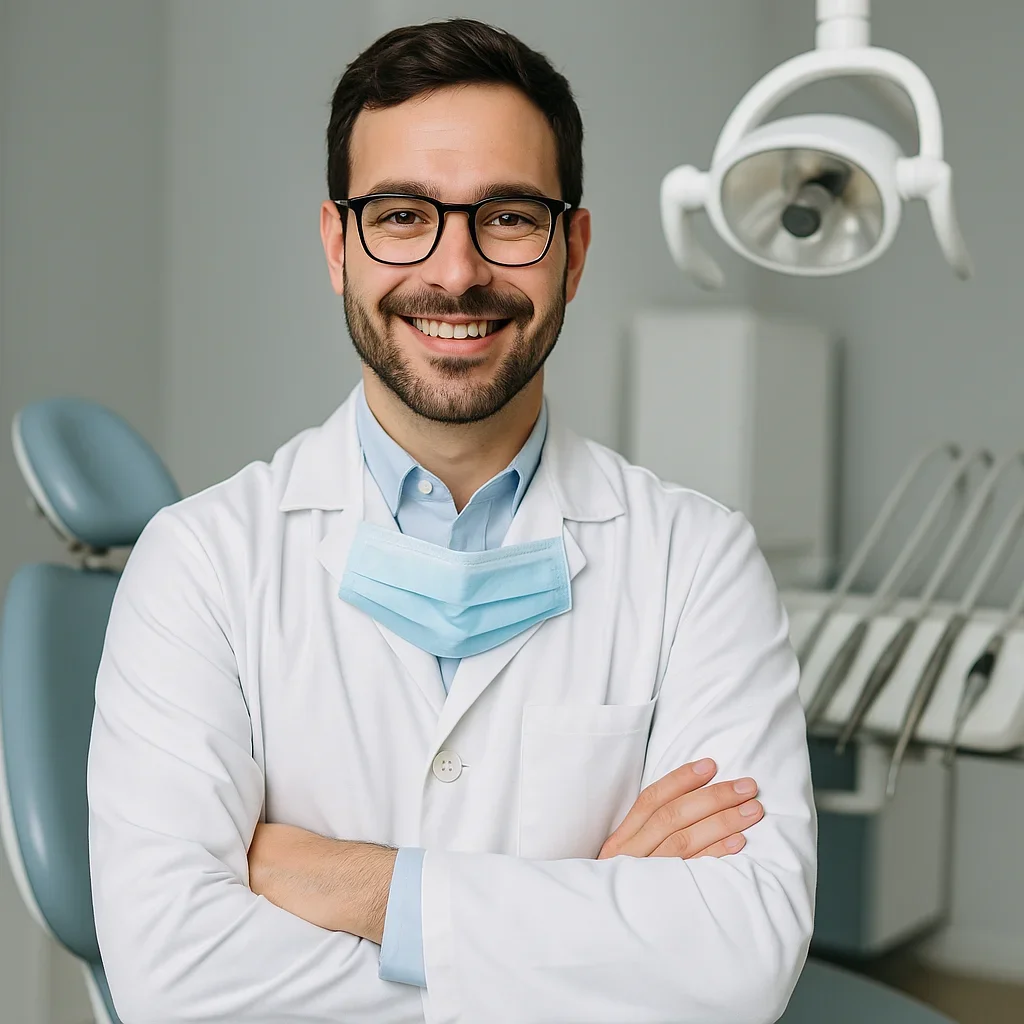
Choosing the Right Medical Dentist for Long-Term Oral Health
Finding the right medical dentist is one of the most important decisions you can make for your lifelong oral and overall health. A good dentist is more than a professional who cleans your teeth—they are a partner in your health journey. They detect problems early, prevent complications, and ensure that every treatment aligns with your individual needs and comfort level. In this section, you’ll learn how to evaluate qualifications, technology, communication style, and clinic ethics to choose the best medical dentist for your needs. 🦷
Why Choosing the Right Dentist Matters
A trusted medical dentist plays a vital role in maintaining not only your smile but your general well-being. Poor oral care or misdiagnosis can lead to infections, tooth loss, and systemic health problems. Conversely, a skilled professional ensures early disease detection, painless treatment, and preventive strategies that save you from costly interventions later. Regular visits to a competent dentist also promote confidence, as you know your oral health is in reliable hands.
Qualifications and Education
The foundation of trust begins with professional credentials. A qualified medical dentist should hold an accredited dental degree (DDS or DMD) and maintain continuous education to stay updated with new technologies and techniques. Many top practitioners also pursue postgraduate training in specialized fields such as implantology, oral surgery, or periodontics. Before selecting a dentist, verify their academic background and certifications from recognized dental associations like the American Dental Association or their local equivalent.
Checklist for Verifying Credentials
- Ensure they are licensed to practice in your country or region.
- Look for postgraduate certifications or professional memberships.
- Check if they attend continuing education programs regularly.
- Ask about their specialization if you have specific treatment needs.
These qualifications confirm that the medical dentist not only meets legal standards but also strives for clinical excellence and patient safety.
Experience and Expertise
Experience directly impacts treatment outcomes. A seasoned medical dentist has likely treated diverse cases, allowing them to anticipate complications and adapt strategies for optimal results. When evaluating a dentist, ask how many years they have practiced, which procedures they perform most frequently, and if they specialize in certain treatments like implants, root canals, or cosmetic restorations. An experienced dentist combines technical precision with the ability to make patients feel comfortable and informed throughout the process.
Signs of a Skilled Practitioner
- Uses advanced diagnostic tools and modern treatment methods.
- Provides clear explanations before and after procedures.
- Focuses on preventive care, not just reactive treatment.
- Has consistent positive feedback from long-term patients.
Technology and Innovation
Modern dentistry thrives on innovation. A reliable medical dentist invests in the latest dental technologies — such as digital X-rays, intraoral scanners, and laser tools — to enhance accuracy and comfort. These tools reduce pain, minimize recovery time, and ensure precise results. Clinics using such technology often demonstrate higher efficiency and better patient satisfaction rates.
Key Technologies to Look For
- 3D cone-beam CT scanners for detailed imaging.
- CAD/CAM systems for same-day restorations.
- Digital smile design for cosmetic treatments.
- Laser therapy for painless soft-tissue procedures.
A technologically equipped medical dentist delivers not only faster but safer and more predictable treatments — a true mark of excellence in modern dental care.
Communication and Patient Care Philosophy
The best medical dentists are great communicators. They explain diagnoses clearly, answer questions patiently, and involve patients in every decision. Good communication builds trust and eliminates fear. Before committing to treatment, schedule a consultation to assess whether the dentist listens carefully, respects your concerns, and provides honest advice without pressuring you into unnecessary procedures.
How to Evaluate Communication Skills
- Do they explain treatment options and risks clearly?
- Are they attentive and patient when answering questions?
- Do they respect your time and avoid long waiting periods?
- Do they provide aftercare and follow-up support?
Open communication ensures a healthy, long-term relationship between you and your medical dentist, promoting consistent and stress-free dental care.
Clinic Hygiene and Safety Standards
Infection control is a critical component of any medical setting. A professional medical dentist follows strict sterilization protocols, uses disposable instruments when necessary, and maintains a spotless environment. Don’t hesitate to observe the clinic’s cleanliness — from treatment rooms to waiting areas. Reputable clinics also adhere to international hygiene regulations and maintain transparency regarding safety standards.
Key Indicators of a Hygienic Clinic
- Use of sealed, sterilized instruments.
- Proper disposal of medical waste.
- Staff wearing gloves, masks, and protective eyewear.
- Well-ventilated, odor-free clinical areas.
Maintaining high hygiene standards not only prevents infections but also reflects the professionalism of your medical dentist and their commitment to patient care.
Reviews, Testimonials, and Recommendations
One of the most reliable ways to assess a medical dentist is through the experiences of other patients. Read online reviews, ask for referrals, or check social media feedback. A clinic with consistent positive testimonials typically indicates satisfied patients and quality service. However, look for patterns rather than one-off comments — consistent praise for professionalism, empathy, and results is a strong indicator of trustworthiness.
Where to Look for Reliable Reviews
- Google Reviews and verified clinic profiles.
- Professional dental directories or associations.
- Personal recommendations from family or colleagues.
Taking time to research feedback helps you choose a medical dentist with a proven track record of patient satisfaction and excellent care.
Ethical Practices and Transparency
A true medical dentist prioritizes patient welfare above profit. They never recommend unnecessary procedures and always provide written cost estimates before treatment begins. Ethical dentists explain the pros and cons of each option so patients can make informed choices. Transparency builds trust, and trust ensures long-term collaboration between the dentist and patient.
Personal Comfort and Long-Term Relationship
Ultimately, the right medical dentist is someone you feel comfortable with — someone who listens, educates, and motivates you to maintain your oral health. Building a long-term relationship ensures consistent care, accurate records, and preventive monitoring that can detect issues before they escalate. Clinics such as Redent Klinik Contact Page exemplify this approach by combining medical expertise with patient-centered values, offering a stress-free and trustworthy experience.
Conclusion: Your Partner in Lifelong Oral Health
Choosing the right medical dentist is not just about convenience — it’s about entrusting your health to a professional who prioritizes precision, compassion, and integrity. Look for credentials, technology, communication, and ethical care. When you find a dentist who aligns with these values, you gain not only a healthcare provider but a lifelong ally in your journey to a healthier smile and a stronger body. 🌿