
Understanding dentist filling cost is essential before visiting your dental clinic, especially if you’re trying to plan your dental care budget wisely 💰. Tooth fillings are one of the most common procedures in dentistry, designed to repair cavities, restore function, and prevent further decay. However, the cost of a dental filling can vary greatly depending on multiple factors, including the material used, location of the tooth, and even the city or country where you receive treatment. In this complete 2025 guide, we’ll explore every detail about dentist filling cost, from material types and average prices to practical tips on saving money without compromising on quality.
The dentist filling cost can be influenced by several variables that most patients are unaware of. For example, composite (tooth-colored) fillings are more aesthetically pleasing but also more expensive than traditional amalgam (silver) fillings. The reason lies in the materials’ composition and the time required to complete the procedure. Composite fillings bond chemically to the tooth and require a dry working field, while amalgam fillings are easier to apply but less attractive visually. Understanding these distinctions helps patients make informed decisions both medically and financially.
Another crucial aspect affecting dentist filling cost is the size and location of the cavity. A small cavity on the surface of a front tooth may require minimal material and cost between $90 and $150. On the other hand, a large cavity in a molar could cost $200 to $400, depending on the amount of filling material and time required for restoration. Back teeth generally cost more because they require more extensive work to reach and fill properly.
Geographical location also plays a huge role in the dentist filling cost. For instance, patients in major cities like New York or London tend to pay 20–40% more than those in smaller towns. The same procedure that costs $150 in the U.S. might only cost $70–$90 in Turkey, where dental tourism is rapidly growing. Clinics such as Redent Klinik Contact Page often serve international patients seeking affordable and high-quality dental treatments. Turkey’s competitive pricing structure allows patients to receive world-class dental care at a fraction of the Western price.
Let’s not forget that the dentist filling cost also depends on whether anesthesia, x-rays, or additional cleaning is included in the total bill. Some clinics offer comprehensive packages that include examination, anesthesia, and aftercare consultation. Others charge separately for these services, leading to significant variations in the final cost. Therefore, it’s always wise to request a written estimate before beginning treatment to avoid surprises later on.
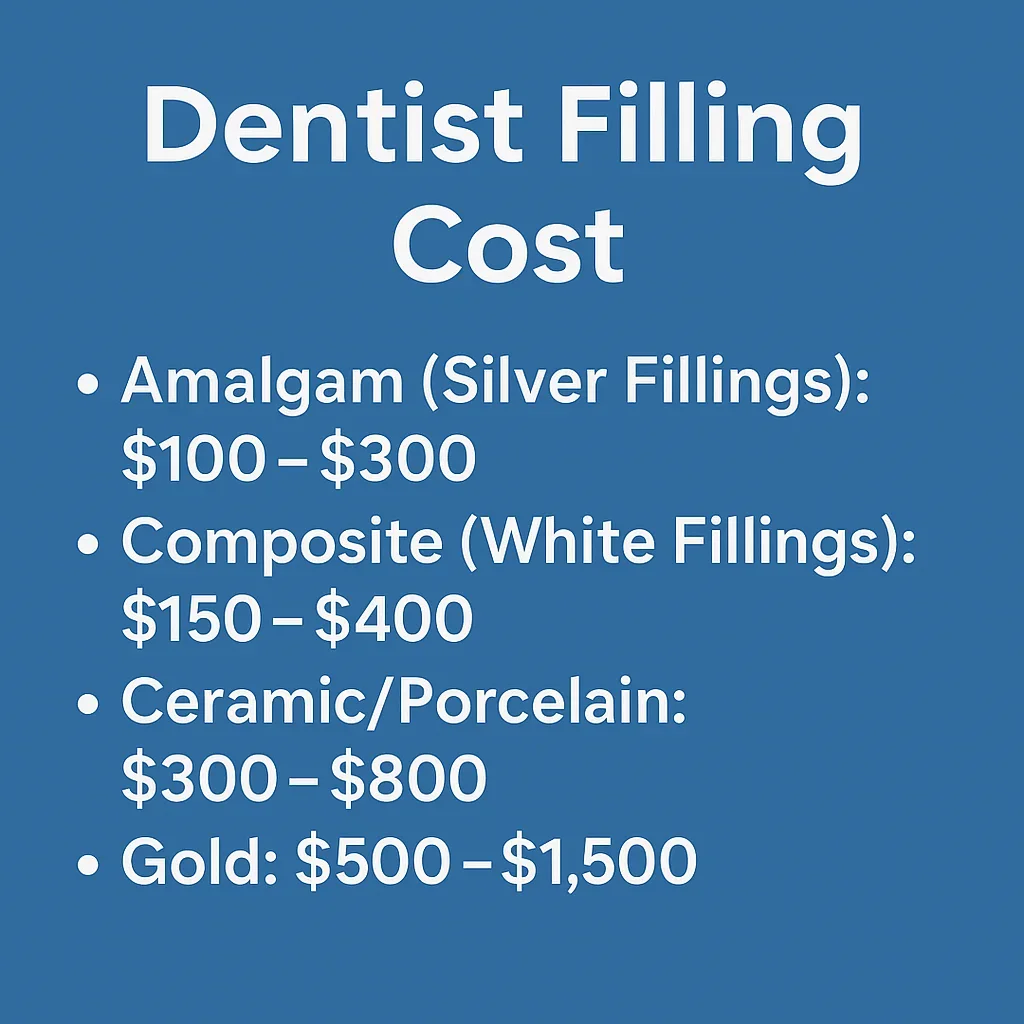
In 2025, the average dentist filling cost worldwide can be summarized as follows:
- Composite filling (tooth-colored): $150 – $350 per tooth
- Amalgam filling (silver): $100 – $250 per tooth
- Porcelain or ceramic filling: $300 – $600 per tooth
- Gold filling: $400 – $900 per tooth
- Temporary filling: $50 – $100 per tooth
Besides cost, the durability and aesthetic quality of a dental filling are equally important. While amalgam fillings can last 10–15 years, composite and porcelain options provide a more natural look that blends with the tooth enamel. Patients often choose composite fillings for visible areas such as front teeth, prioritizing appearance over durability. However, the additional aesthetic benefit typically increases the dentist filling cost slightly.
It’s also worth mentioning that American Dental Association guidelines recommend replacing old or damaged fillings as soon as signs of wear appear. Ignoring a worn-out filling can lead to further decay or even root canal treatment, which is much more expensive. In that sense, regular dental checkups can save you money in the long term by preventing small issues from becoming major treatments.
Insurance coverage may help reduce your dentist filling cost, especially if you have a dental plan that covers restorative procedures. However, most insurance plans limit the reimbursement for higher-end materials like porcelain or gold. Always check the percentage of coverage for each material type in your policy to calculate your real out-of-pocket expenses accurately.
Ultimately, when patients ask, “How much does a dentist filling cost?” the most accurate answer is: it depends on several factors, including filling type, tooth location, dentist expertise, clinic reputation, and geographic area. Investing in quality dental care ensures long-term comfort, aesthetics, and durability. While the cost may seem high at first glance, maintaining your oral health prevents more serious conditions that could cost thousands of dollars later.
In summary, the dentist filling cost in 2025 continues to reflect not just the material expenses but also the craftsmanship of your dentist and the technology of your clinic. For patients seeking both affordability and quality, international options such as dental tourism in Turkey can offer excellent value for money. Always prioritize a qualified dentist, use trustworthy materials, and never ignore small cavities—because timely care is the most cost-effective dental decision you can make! 😁
What Affects the Dentist Filling Cost?
When patients ask, “Why does the dentist filling cost vary so much from one clinic to another?”, the answer lies in a combination of factors — material quality, cavity size, dental technology, dentist experience, and even regional pricing differences. Each of these plays a significant role in determining how much you’ll pay for a filling in 2025. Understanding these variables helps patients make informed financial and medical decisions before sitting in the dental chair 🦷.
1. Type of Filling Material Used
Perhaps the biggest influence on dentist filling cost is the material type. Each material has its own pros and cons in terms of durability, aesthetics, and price. The most common materials include amalgam (silver), composite resin (tooth-colored), ceramic or porcelain, and gold. Composite fillings are favored for their natural look, but they’re also more technique-sensitive and require extra time for application — which means higher labor cost. Conversely, amalgam fillings are less expensive but more noticeable, often used for molars where appearance is less of a concern.
| Filling Type | Average Cost (Per Tooth) | Durability |
|---|---|---|
| Amalgam (Silver) | $100 – $250 | 10–15 years |
| Composite (Resin) | $150 – $350 | 7–10 years |
| Ceramic/Porcelain | $300 – $600 | 10–20 years |
| Gold | $400 – $900 | 15–30 years |
As shown above, a gold or ceramic filling can cost up to six times more than an amalgam one, but these premium options are also more resistant to wear and staining. Patients who prioritize appearance often choose composite or ceramic despite the higher dentist filling cost.
2. Size and Location of the Cavity
The second major factor influencing dentist filling cost is the size of the cavity and its location within the mouth. Small cavities that require minimal drilling and filling cost less, typically under $150. However, large cavities, especially those on molars, are more complex and can easily double or triple the total price. Front teeth require aesthetic precision to match the natural shade, while molars require strength to handle chewing pressure. The complexity of these tasks directly affects how long the dentist spends on your treatment — and time equals money.
Upper vs. Lower Teeth: Does It Matter?
Yes, it does! Upper teeth often require a slightly longer procedure due to visibility and alignment, especially for composite fillings that need to match neighboring teeth. Lower molars, on the other hand, may need deeper cavity preparation and more material, which increases the overall dentist filling cost. Precision, patient comfort, and anatomical accessibility all contribute to this subtle but significant cost variation.
3. Dentist’s Experience and Clinic Technology
A highly experienced dentist who uses cutting-edge technology like laser cavity detection or digital composite curing will likely charge more. However, these technologies improve accuracy and longevity. Paying a slightly higher dentist filling cost can be a smart investment since it reduces the risk of complications such as leakage or filling failure. Clinics with advanced sterilization systems, ergonomic chairs, and digital X-rays also factor their technology costs into pricing. Patients paying for this level of care benefit from greater comfort and safety.
4. Geographic Location and Country
Geography plays one of the most underestimated roles in determining dentist filling cost. For instance, dental fillings in the U.S. or U.K. can be two to three times more expensive than in countries like Turkey, Mexico, or Thailand. This discrepancy stems from local labor costs, clinic rents, insurance fees, and exchange rates. Dental tourism destinations have become increasingly popular for this reason. Patients seeking affordable options without compromising quality can check reputable clinics like Redent Klinik Contact Page, known for combining expert care with competitive pricing.
5. Insurance Coverage and Payment Plans
Insurance can significantly reduce the dentist filling cost for patients with dental coverage. Most basic insurance plans cover up to 80% of the cost for amalgam fillings but may only reimburse 50% for composite or porcelain ones. This is because insurance companies categorize certain materials as “cosmetic upgrades.” Patients without insurance can explore payment plans or dental discount programs to spread the cost over several months. Always ask your dentist for transparent billing before treatment begins to avoid surprise charges later.
6. Additional Procedures and Anesthesia
Sometimes, the filling procedure involves more than just removing decay and sealing the tooth. X-rays, local anesthesia, temporary fillings, and polishing add to the total dentist filling cost. For example, digital X-rays might add $30–$60, while anesthesia can cost an additional $50–$100. Some clinics include these in a package; others itemize them separately. Understanding the full cost breakdown helps patients budget accurately and avoid unnecessary confusion after treatment.
Hidden Costs to Watch Out For
Be cautious of “advertised” prices that seem too low. They often exclude essential services like cavity preparation or aftercare. A truly transparent dentist filling cost estimate should include every step — from examination to polishing — so that you understand exactly what you’re paying for.
7. Material Longevity and Replacement Frequency
Another subtle cost factor is how long your filling will last before it needs replacement. Amalgam fillings are durable but may expand or darken over time, while composite ones look better but might need replacement every 7–10 years. Therefore, although the initial dentist filling cost of composite is higher, many patients prefer it for its cosmetic advantages. In contrast, choosing a gold or ceramic filling may seem costly upfront but can actually save money long-term because of its superior lifespan.
8. Clinic Reputation and Hygiene Standards
Finally, the reputation of the dental clinic affects pricing too. Clinics that follow American Dental Association hygiene standards and international sterilization protocols tend to charge slightly more. However, this ensures maximum patient safety — a non-negotiable factor in modern dentistry. Patients should always balance affordability with professionalism, cleanliness, and trust when evaluating dentist filling cost quotes.
In conclusion, multiple interconnected factors — from the dentist’s expertise and material choice to clinic standards and insurance coverage — all determine how much a filling will cost. The best approach is to request a detailed treatment plan upfront and compare prices among certified clinics. That way, you can secure an affordable yet high-quality dental restoration that keeps your smile healthy and radiant for years to come 😁.
Average Cost of Dental Fillings in 2025
In 2025, understanding the dentist filling cost is more important than ever — especially as patients seek a balance between affordability and long-lasting dental care. Prices vary across countries, cities, and even dental clinics, depending on materials, technology, and expertise. While the basic concept of a filling hasn’t changed, modern materials and methods have improved both aesthetics and longevity, influencing the overall average cost of dental fillings. This section provides a complete cost breakdown and practical insights to help you plan your dental budget with confidence.
1. Global Average Dentist Filling Cost in 2025 🌍
The average dentist filling cost varies dramatically from region to region due to local economies and cost of living differences. For example, dental care in North America and Western Europe is significantly higher compared to countries known for dental tourism such as Turkey, Hungary, or Thailand. Patients seeking quality care at affordable rates are increasingly traveling abroad for dental fillings and other treatments.
| Country | Average Cost (Composite Filling) | Average Cost (Amalgam Filling) |
|---|---|---|
| United States 🇺🇸 | $200 – $400 | $150 – $250 |
| United Kingdom 🇬🇧 | £90 – £180 (Private) | £70 – £120 |
| Turkey 🇹🇷 | $60 – $120 | $40 – $90 |
| Germany 🇩🇪 | €120 – €250 | €80 – €150 |
| Australia 🇦🇺 | AUD 180 – AUD 350 | AUD 130 – AUD 250 |
From this data, it’s evident that dentist filling cost in developing countries is about 60–70% lower than in Western nations. That’s why many patients consider traveling abroad to places like Redent Klinik Contact Page in Turkey, where dental quality meets international standards at a fraction of the cost.
2. Cost Breakdown by Filling Type
Each material option carries different pricing, durability, and aesthetic results. Here’s a closer look at how the type of material affects your dentist filling cost in 2025.
Composite (Resin) Fillings
Composite fillings are the most popular type due to their tooth-colored finish, which blends seamlessly with natural enamel. In 2025, the dentist filling cost for composite material ranges from $150 to $350 per tooth in most Western countries. While they may not last as long as gold or porcelain, composites offer excellent aesthetics and are ideal for front teeth.
Amalgam (Silver) Fillings
Amalgam fillings remain the most budget-friendly option. These silver-colored fillings cost between $100 and $250 per tooth, depending on cavity size. Though less aesthetic, amalgam fillings can last up to 15 years, making them a cost-effective option for molars and back teeth.
Ceramic or Porcelain Fillings
Porcelain fillings (also known as inlays or onlays) offer superior aesthetics and durability. However, the dentist filling cost for ceramic materials typically ranges from $300 to $600 per tooth. These fillings are stain-resistant and perfect for patients prioritizing both beauty and longevity.
Gold Fillings
Gold fillings are premium restorations that can last 20 years or more. In 2025, the dentist filling cost for gold averages between $400 and $900 per tooth. While expensive, many dental professionals consider gold the “gold standard” for long-term reliability.
3. Additional Expenses That Influence Cost
In addition to the filling material, several hidden costs can affect the total dentist filling cost. These include:
- Dental Examination: Usually $50–$100, depending on clinic and region.
- X-rays: Digital X-rays can add $30–$60 per image.
- Local Anesthesia: Expect to pay $50–$100 extra.
- Polishing and Finishing: Around $20–$50 per tooth for final touch-ups.
Always confirm whether these are included in your clinic’s quoted price. Some clinics may advertise a lower filling rate but exclude these necessary steps, making the final dentist filling cost higher than expected.
4. Average Price per Tooth Location
The specific tooth being treated also affects pricing. Front teeth fillings typically cost less because they require smaller restorations, while molars can be more expensive due to deeper cavities and higher material usage.
- Front Tooth Filling: $100 – $200 (smaller and less material)
- Premolar Filling: $150 – $300 (moderate complexity)
- Molar Filling: $200 – $400 (larger cavity and more labor)
As seen above, molar fillings tend to be the costliest due to their functional importance and surface area, directly impacting the overall dentist filling cost.
5. Insurance and Payment Options
Most dental insurance plans cover 70–80% of basic fillings but may not fully reimburse cosmetic materials like porcelain or gold. Patients without insurance can explore membership-based dental plans or installment payment options. A clear discussion with your clinic’s financial coordinator helps prevent confusion about your true out-of-pocket dentist filling cost.
6. The Role of Dental Tourism in Price Reduction
Countries such as Turkey have become global hubs for affordable dental treatments. Clinics like Redent Klinik Contact Page provide state-of-the-art facilities with highly experienced dentists at prices up to 70% lower than in Western nations. For instance, a filling that costs $300 in the U.S. might only cost $90–$100 in Turkey — all while maintaining international hygiene and safety standards certified by the American Dental Association.
7. Future Trends in Filling Costs
Experts predict that dentist filling cost will rise moderately by 2–4% annually due to inflation, material innovation, and global supply chain fluctuations. However, the increased use of dental technology like AI-based cavity detection and laser filling may offset costs by reducing human labor time. Patients who invest in preventive dental care will likely save money in the long term, as early cavity detection means smaller fillings and lower costs.
In conclusion, the average dentist filling cost in 2025 depends on material type, country, and additional care components. By comparing clinics, understanding insurance terms, and considering international dental options, patients can enjoy a healthy, beautiful smile without overspending. Whether you’re restoring a single tooth or multiple cavities, informed planning ensures the best value for your dental investment 💎.
Composite vs Amalgam Fillings: Which Is Better for You?
One of the most common questions patients ask their dentists is: “Which is better — composite or amalgam fillings?” Understanding the difference between these two materials is essential, especially since the dentist filling cost and long-term performance vary significantly between them. In 2025, both options remain widely used around the world, but advancements in dental technology have made composite fillings the preferred choice for many due to their natural appearance and improved strength. Let’s examine each material closely to help you make an informed and cost-effective decision for your oral health 🦷.
1. What Are Composite and Amalgam Fillings?
Composite fillings, often called “white” or “tooth-colored” fillings, are made of a resin-based material that blends perfectly with your natural enamel. They are ideal for front teeth or visible areas because they mimic the exact color of the surrounding teeth. On the other hand, amalgam fillings, also known as “silver fillings,” are made from a combination of metals such as mercury, silver, tin, and copper. They are highly durable and suitable for molars that endure strong chewing pressure.
From a dentist filling cost perspective, amalgam fillings are generally cheaper to produce and apply, while composite fillings require more time, precision, and light-curing technology, leading to higher costs. Despite this, the popularity of composite fillings continues to grow, especially among patients seeking aesthetic restorations that maintain a natural smile.
2. Cost Comparison Between Composite and Amalgam Fillings
The dentist filling cost depends heavily on the material you choose. Below is a comparison chart showing the typical 2025 price range for both materials:
| Filling Type | Average Cost (Per Tooth) | Aesthetic Appeal | Durability |
|---|---|---|---|
| Composite (Resin) | $150 – $350 | Natural, tooth-colored | 7–10 years |
| Amalgam (Silver) | $100 – $250 | Metallic, less aesthetic | 10–15 years |
As shown above, amalgam fillings are the budget-friendly choice, while composite fillings are more expensive but visually appealing. The decision ultimately depends on your aesthetic priorities and your budget for dentist filling cost. It’s worth noting that composite technology has advanced rapidly, making the material more durable and resistant to wear than earlier generations.
3. Aesthetic Advantages of Composite Fillings
Composite fillings are especially popular among adults and younger patients who care about maintaining a flawless smile 😁. They can be color-matched to the exact shade of your teeth, ensuring that the filling is virtually invisible. Unlike amalgam, composite material bonds chemically to the tooth surface, providing additional support to the remaining enamel structure. This means less drilling and preservation of more natural tooth tissue, which is both healthier and aesthetically superior.
Stain Resistance and Longevity
Modern composites have been formulated to resist staining from coffee, tea, and wine. However, it’s essential to maintain proper oral hygiene to prolong their life span. The dentist filling cost may be slightly higher upfront, but the benefit of a natural-looking smile and a minimally invasive procedure often outweighs the extra expense.
4. Durability and Functionality of Amalgam Fillings
Amalgam fillings have been used in dentistry for over a century and remain a reliable choice for restoring back teeth. They are incredibly strong and can withstand high biting forces, making them suitable for molars and premolars. Many patients appreciate that amalgam fillings rarely chip or break, offering excellent longevity for the price paid.
Potential Downsides of Amalgam
Despite their durability, amalgam fillings come with a few drawbacks. Their metallic color can darken over time and affect the tooth’s appearance. In addition, they may expand or contract slightly with temperature changes, which can sometimes lead to small cracks in the surrounding enamel. Although research by the American Dental Association confirms that dental amalgam is safe, some patients prefer to avoid it due to its mercury content. For these reasons, many modern patients are transitioning toward composite fillings despite the higher dentist filling cost.
5. Which Option Is Better for Front vs. Back Teeth?
For front teeth, where aesthetics matter most, composite fillings are the clear winner. They blend seamlessly with your natural enamel, ensuring that your dental work remains invisible. For back teeth, amalgam fillings may still be a smart choice if budget or durability is your top concern. The dentist filling cost difference between the two materials is typically around $100–$150 per tooth, so patients often mix and match: composite for front teeth and amalgam for molars.
6. Environmental and Health Considerations
Environmental awareness has also impacted the use of amalgam. Many countries are gradually phasing down its use due to concerns over mercury disposal. Composite materials, being mercury-free, are seen as a more eco-friendly option. Clinics such as Redent Klinik Contact Page follow strict environmental and health standards when selecting materials for fillings, ensuring safe and sustainable dental practices.
7. Maintenance and Longevity Tips
Whether you choose composite or amalgam, proper oral hygiene significantly affects how long your filling lasts. Brush twice daily, floss regularly, and visit your dentist every six months for routine checkups. Over time, all fillings wear down due to chewing forces, but with professional maintenance, a well-done composite or amalgam filling can last many years. This helps reduce your lifetime dentist filling cost by minimizing the need for replacements.
8. Cost-Effectiveness Over Time
Although composite fillings cost more upfront, they can actually save money in the long term. Their ability to bond tightly to the tooth structure helps prevent decay underneath the filling, reducing the chance of secondary treatments like root canals or crowns. When evaluating your total dentist filling cost, consider not just the initial payment but the overall durability, appearance, and oral health impact over time.
In summary, both composite and amalgam fillings have distinct advantages. Composite is perfect for patients who value aesthetics and prefer minimally invasive dentistry, while amalgam remains ideal for those prioritizing durability and lower cost. The right choice ultimately depends on your dental needs, personal preferences, and financial situation. Discussing your options with a qualified dentist ensures that you achieve both a beautiful smile and a treatment plan that fits your budget. 🌟
Cost Comparison: Tooth Filling in the USA, UK, and Turkey
When evaluating the dentist filling cost, one of the biggest variables is location. The country where you receive dental care can dramatically affect how much you pay — sometimes by hundreds of dollars per tooth. In 2025, globalization and dental tourism have made it easier than ever for patients to travel abroad for affordable, high-quality dental treatments. This section compares the cost of tooth fillings in the USA, UK, and Turkey, explaining what drives the price differences and how you can find the best balance between cost and quality 🦷.
1. Understanding International Price Variations
The dentist filling cost varies widely across countries due to factors like local labor expenses, rent, insurance costs, and government regulations. Developed countries such as the United States and the United Kingdom have higher operating costs, while nations like Turkey benefit from lower overheads and currency exchange advantages — all without sacrificing quality. For this reason, Turkey has become one of the most popular destinations for dental tourism, offering patients up to 70% savings on treatments.
2. Average Filling Prices by Country in 2025
Below is a detailed 2025 comparison of the average dentist filling cost for composite and amalgam materials in three major regions:
| Country | Composite (White Filling) | Amalgam (Silver Filling) | Average Cost Range |
|---|---|---|---|
| USA 🇺🇸 | $200 – $400 | $150 – $250 | High |
| UK 🇬🇧 | £90 – £180 (Private) | £60 – £120 | Moderate |
| Turkey 🇹🇷 | $60 – $120 | $40 – $90 | Affordable |
This comparison reveals a clear pattern — the dentist filling cost in Turkey is significantly lower than in Western nations. Despite the price difference, Turkish dental clinics maintain high-quality standards, many of which follow international accreditation guidelines such as those set by the American Dental Association.
3. Why the USA Has the Highest Filling Costs
The United States has one of the highest dentist filling cost averages in the world, primarily due to expensive insurance systems, labor rates, and medical regulations. In the U.S., even basic dental procedures can be costly because most dental clinics operate as private businesses. While insurance coverage can reduce out-of-pocket costs, patients without insurance often pay premium rates. Moreover, the use of cutting-edge dental technologies, digital imaging, and specialized filling materials adds to the price.
Insurance and Material Impact
Insurance in the U.S. typically covers 70–80% of amalgam fillings but may reimburse only 50% for composite or porcelain fillings. This makes patients more conscious about their total dentist filling cost, especially if they prefer natural-looking restorations. In large cities such as New York, Los Angeles, and Miami, composite fillings can easily reach $400 per tooth.
4. Dentist Filling Cost in the United Kingdom
The UK dental system operates on both private and National Health Service (NHS) models. Under the NHS, patients pay a fixed rate for treatments categorized into bands. A standard dental filling typically falls under Band 2, which in 2025 costs around £70 to £90. However, patients seeking faster appointments or cosmetic materials like composite must turn to private care, where the dentist filling cost can rise to £150 or more.
Private vs NHS Treatments
While NHS fillings are affordable, they often use amalgam rather than composite materials. Patients choosing private clinics can select more aesthetic options, receive quicker appointments, and enjoy modern technology — but at a higher dentist filling cost. This trade-off between price and quality drives many UK residents to look abroad for dental care, particularly to Turkey, where private treatment is both affordable and accessible.
5. Why Turkey Is Leading in Affordable Dentistry
Turkey has become a global leader in dental tourism thanks to its blend of low prices and exceptional standards. Patients can save up to 70% on their total dentist filling cost compared to Western countries. For example, a composite filling that costs $300 in the U.S. may cost just $90 in Turkey — including consultation, anesthesia, and post-treatment care. The country’s dental professionals often train internationally and use advanced technologies, ensuring the same quality level found in Western Europe or North America.
High Standards and International Patients
Clinics like Redent Klinik Contact Page in Istanbul are known for serving international clients seeking cost-effective and reliable dental treatments. These clinics follow global hygiene standards and offer bilingual staff, digital imaging, and modern sterilization systems. Many foreign patients find that even when factoring in flight and accommodation expenses, the total dentist filling cost in Turkey remains much lower than local options in the USA or UK.
6. Factors Contributing to Turkey’s Price Advantage
- Lower Labor and Clinic Costs: Operating expenses are significantly lower than in Western countries.
- Favorable Exchange Rates: The value of foreign currencies like USD, GBP, and EUR stretches further in Turkey.
- High Patient Volume: Dental clinics treat many international patients daily, reducing per-patient costs.
- Government Support for Medical Tourism: Turkey actively promotes health tourism, offering competitive pricing and incentives for clinics.
These factors combined make Turkey’s dentist filling cost extremely attractive for those seeking quality care at a reasonable price.
7. How to Decide Where to Get Your Filling
When deciding between getting your filling locally or abroad, consider the total value — not just the price. While the USA and UK offer convenience and insurance coverage, Turkey provides substantial savings and top-tier facilities. For travelers planning multiple treatments, the trip can be even more cost-effective. However, ensure you choose a reputable clinic that provides follow-up care and uses certified materials approved by the American Dental Association or European health authorities.
8. Summary: Cost, Quality, and Value
In conclusion, the dentist filling cost varies significantly depending on where you receive treatment. In 2025:
- The USA offers advanced dental technology but at premium prices.
- The UK provides public healthcare options but limited flexibility for cosmetic materials.
- Turkey delivers exceptional quality at one-third of the cost, attracting global dental tourists.
For many patients, traveling abroad is no longer just about saving money; it’s about receiving comprehensive care, combining quality with affordability. By researching clinics, checking reviews, and verifying credentials, you can confidently find the right destination to achieve a healthy smile while managing your dentist filling cost effectively 🌍.
How Long Do Dental Fillings Last and When Should You Replace Them?
While understanding the dentist filling cost is important for budgeting, knowing how long your dental fillings last and when to replace them is equally vital for oral health and financial planning. Many patients assume that once a filling is done, it lasts forever—but that’s far from true. Every filling material, whether composite, amalgam, gold, or porcelain, has its own lifespan. Environmental factors, eating habits, and oral hygiene all influence how long your filling can effectively protect your tooth. In this section, we’ll explore the average lifespan of each type, signs of wear, and replacement strategies that help reduce long-term dental expenses.
1. Average Lifespan of Dental Fillings by Material Type
Different materials offer varying longevity, aesthetics, and maintenance requirements. These differences also directly impact the long-term dentist filling cost, as more durable fillings often justify their higher price with fewer replacements over the years. Here’s a breakdown of how long each type typically lasts under normal conditions:
| Filling Material | Average Lifespan | Maintenance Difficulty |
|---|---|---|
| Amalgam (Silver) | 10 – 15 years | Low |
| Composite (Resin) | 7 – 10 years | Moderate |
| Porcelain/Ceramic | 10 – 20 years | Low |
| Gold | 15 – 30 years | Very Low |
Gold fillings are the most long-lasting but also the most expensive option. Composite fillings, on the other hand, look natural but require more frequent replacement. When factoring in both durability and appearance, porcelain fillings strike a balance between longevity and aesthetics, though they come at a slightly higher dentist filling cost.
2. Factors That Influence How Long Fillings Last
Even with high-quality materials, several factors affect how long your fillings endure. These include chewing pressure, diet, oral hygiene, and the skill of your dentist. For instance, patients who grind their teeth or consume excessive sugary foods may shorten the lifespan of their fillings significantly.
Oral Hygiene Habits
Regular brushing and flossing are crucial to prevent decay around the edges of a filling. If plaque builds up, it can seep beneath the restoration, causing new cavities and leading to higher dentist filling cost later. Using fluoride toothpaste and visiting your dentist twice a year can extend your filling’s lifespan by several years.
Dietary Choices and Habits
Frequent exposure to acidic foods, carbonated drinks, and hard snacks (like ice or nuts) can erode fillings over time. Patients who chew on non-food items such as pens or fingernails also risk microfractures in the material. Such habits not only reduce durability but also increase your chances of early replacement — adding to your overall dentist filling cost.
3. Signs Your Dental Filling Needs Replacement
Recognizing early signs of filling failure helps prevent expensive dental emergencies. You should contact your dentist if you experience any of the following:
- Sharp pain when biting or chewing.
- Visible cracks or chips in the filling.
- Increased sensitivity to hot or cold foods.
- Discoloration or dark lines forming around the filling edges.
- Food particles getting stuck between the filling and gumline.
Neglecting these symptoms can lead to more serious problems like secondary decay or tooth infection, requiring procedures such as root canals or crowns — both of which are far more expensive than a simple filling replacement. Hence, timely replacement helps manage your total dentist filling cost efficiently over time.
4. How Often Should You Check Your Fillings?
Experts recommend dental checkups every six months to ensure that your fillings remain intact. During routine visits, your dentist may use digital X-rays or cavity detection lasers to examine the internal integrity of your restoration. This preventive approach allows early detection of issues, avoiding sudden and costly repairs. Clinics following international standards like the American Dental Association guidelines often use high-precision diagnostic tools to ensure your fillings last as long as possible.
5. The Financial Impact of Delayed Replacements
Some patients delay replacing old fillings due to cost concerns, but this strategy usually backfires. A cracked or worn filling allows bacteria to enter the tooth structure, leading to deeper decay or infection. What might have been a $200 filling could quickly turn into a $1,000 crown or a $1,500 root canal. Therefore, proactive maintenance can significantly reduce your lifetime dentist filling cost by preventing expensive complications.
Cost-Saving Example
Let’s consider an example: if you replace a damaged composite filling at the right time, you might spend $250. Ignoring it, however, could lead to a full crown procedure costing over $1,200. Regular checkups and early action make a huge difference in both health and finances.
6. Repair vs. Replacement: Which Is Right for You?
In some cases, minor filling damage can be repaired rather than completely replaced. Your dentist may add a small amount of composite resin to fix chips or cracks. This can lower your immediate dentist filling cost while maintaining function. However, if the filling has separated from the tooth or there’s decay underneath, replacement is unavoidable. Always trust your dentist’s evaluation to choose the most effective and economical treatment path.
7. Longevity Tips for Your Fillings
Here are some proven strategies to extend the lifespan of your fillings and control your long-term dentist filling cost:
- Brush twice daily with fluoride toothpaste.
- Floss every night to prevent plaque buildup.
- Avoid excessive sugary foods and acidic beverages.
- Wear a mouthguard if you grind your teeth (bruxism).
- Visit your dentist regularly for cleaning and checkups.
8. When to Consider Material Upgrades
If you find yourself replacing fillings too often, it might be time to switch materials. While amalgam fillings are cost-effective, they can expand over time and stress the surrounding tooth. Composite or porcelain fillings offer improved strength and appearance, though with a higher initial dentist filling cost. Many modern clinics like Redent Klinik Contact Page offer a range of material options suitable for every budget and aesthetic preference.
In conclusion, the lifespan of a dental filling depends on material choice, oral hygiene, lifestyle, and professional maintenance. By staying proactive with dental visits and addressing early warning signs, you can extend the life of your restorations while keeping your overall dentist filling cost low. Investing in preventive care today ensures a stronger, healthier smile for the future — and far fewer costly surprises along the way 😁.
Pain, Recovery, and Aftercare Tips After a Tooth Filling
Most patients worry not only about the dentist filling cost but also about how much pain they will experience during and after the procedure. Thankfully, modern dental technology and local anesthesia have made tooth fillings virtually painless. Still, mild discomfort or sensitivity after treatment is normal as your tooth adjusts to the new material. Understanding what to expect, how to manage pain, and how to care for your filled tooth will help you recover faster and protect your investment. Below is a comprehensive guide on pain levels, healing timelines, and aftercare practices that keep your filling strong for years to come 🦷.
1. Is Tooth Filling Painful?
One of the most common concerns among patients is whether a filling procedure hurts. During the procedure, your dentist uses local anesthesia to numb the area completely, meaning you should feel no pain at all. You might experience mild pressure or vibration from the drill, but nothing sharp or severe. After the anesthesia wears off, some patients report minor soreness or sensitivity—especially when eating or drinking hot, cold, or sweet foods. This is temporary and typically subsides within a few days. Remember, the level of discomfort does not affect the dentist filling cost; rather, it depends on your pain threshold and the complexity of the cavity.
How Long Does the Pain Last?
Mild sensitivity after a filling usually lasts 24 to 72 hours. However, if you had a deep cavity close to the tooth’s nerve, slight discomfort may persist for up to two weeks. During this period, avoid chewing on the treated side and stick to soft foods to minimize pressure. If the pain worsens or lingers longer than expected, it could indicate an issue such as a high bite or a minor infection, and you should contact your dentist promptly.
2. Post-Filling Sensitivity and Its Causes
Sensitivity following a filling is normal because the tooth pulp and nerve may react to changes in temperature or pressure. Several factors can influence how sensitive your tooth feels after treatment:
- Depth of the cavity: Deeper cavities are closer to the nerve and may take longer to heal.
- Filling material: Metal (amalgam) fillings conduct heat more than composite ones, increasing temperature sensitivity.
- Bite misalignment: If the filling is too high, it can cause uneven pressure when chewing.
- Gum irritation: Slight inflammation can occur if the filling extends near the gum line.
Your dentist filling cost doesn’t directly affect these sensations—what matters is how well the procedure was performed and how carefully you follow aftercare instructions.
3. Immediate Aftercare Instructions
Proper aftercare ensures that your new filling sets correctly and prevents future complications. Here’s what you should do in the hours and days following your procedure:
Do’s
- Wait until anesthesia fully wears off before eating to avoid biting your tongue or cheek.
- Stick to soft foods for 24 hours if you received a composite filling.
- Brush gently around the filled tooth to prevent bacterial buildup.
- Rinse your mouth with warm salt water to reduce swelling and irritation.
Don’ts
- Avoid hard or sticky foods (like nuts, caramel, or gum) that could dislodge a new filling.
- Do not grind your teeth—if you have bruxism, consider wearing a nightguard.
- Avoid extremely hot or cold drinks for the first 48 hours.
Following these steps not only aids healing but also ensures you get the full value out of your dentist filling cost investment.
4. What to Expect in the First Week
During the first week, your filled tooth may feel slightly uneven or strange when you bite. This is completely normal. However, if your bite feels significantly off or if you feel pressure while chewing, schedule a quick adjustment visit. A small correction can make a big difference in comfort and filling longevity. Some composite fillings continue to cure and strengthen for 24–48 hours after application, so handle your mouth gently during that period.
5. Managing Pain at Home
Most post-filling discomfort can be managed easily with home care. Over-the-counter painkillers like ibuprofen or acetaminophen can help relieve soreness. You can also use desensitizing toothpaste (like Sensodyne) to calm nerve sensitivity. Avoid clenching your jaw, and try not to chew excessively on the treated side for a few days. These small measures protect your tooth and reduce your overall dentist filling cost by preventing damage and unnecessary rework.
6. When Pain Indicates a Problem
While some sensitivity is normal, persistent or severe pain might indicate a deeper issue. Warning signs include:
- Pain lasting more than two weeks.
- Throbbing or shooting pain when chewing.
- Swelling around the filled tooth.
- Visible cracks or loosening of the filling.
If you experience any of these symptoms, contact your dentist immediately. In rare cases, the nerve inside the tooth may become inflamed, requiring root canal treatment. Acting early can prevent the issue from escalating and save you from a much higher dentist filling cost.
7. Long-Term Care for Lasting Results
Once your tooth has healed, regular oral hygiene will ensure your filling lasts as long as possible. Brush twice daily with fluoride toothpaste, floss daily, and visit your dentist every six months for routine exams. Many clinics that follow international standards, such as American Dental Association guidelines, also recommend professional cleaning every 6–12 months. These preventive steps not only preserve the integrity of your fillings but also reduce your lifetime dental expenses.
Protecting Your Investment
Remember, proper maintenance significantly lowers your long-term dentist filling cost. A filling that could have lasted ten years might fail in three if neglected. Dental aftercare is not just about comfort—it’s an investment in your smile’s future and financial well-being.
8. Emotional and Aesthetic Benefits of Recovery
Completing your filling treatment can be a relief both physically and emotionally. You regain comfort, chewing ability, and confidence in your smile. Many patients also experience improved speech and self-esteem once decay-related pain disappears. Clinics like Redent Klinik Contact Page emphasize holistic patient recovery—combining comfort, aesthetics, and affordability. When patients understand that the dentist filling cost covers not just the procedure but the restoration of quality of life, they see it as a worthwhile, long-term investment.
In conclusion, the recovery process after a filling is straightforward when you follow the correct aftercare routine. Mild discomfort is normal and temporary, but excellent oral hygiene and regular dental checkups ensure your filling remains strong and durable. With professional guidance and consistent care, your dentist filling cost will pay off for years through a healthy, pain-free, and confident smile 😁.
Are Dental Fillings Covered by Insurance or Dental Plans?
When planning dental treatment, understanding whether your insurance covers the dentist filling cost can make a huge financial difference. Dental fillings are considered restorative treatments, meaning they restore the tooth’s function and structure after decay. Most dental insurance plans provide partial coverage for these procedures, but the percentage depends on the type of material used, your plan’s terms, and whether you visit an in-network or out-of-network dentist. In this section, we’ll explore how insurance works for fillings, what affects reimbursement rates, and how to make sure you’re not paying more than necessary.
1. How Dental Insurance Typically Works
Dental insurance differs from general health insurance in that it focuses on preventive and routine care. Plans usually operate on a 100–80–50 model: 100% coverage for preventive care (cleanings, exams), 80% for basic restorative procedures (like fillings), and 50% for major procedures (like crowns or root canals). Because fillings fall under “basic” care, most policies cover them partially, leaving the patient responsible for the remaining portion of the dentist filling cost.
Example Breakdown of a Typical Plan:
- Preventive Care: Exams, cleanings, and X-rays – 100% covered.
- Basic Procedures: Fillings, extractions – 70–80% covered.
- Major Procedures: Crowns, bridges, implants – 40–50% covered.
This means that if a composite filling costs $250, your insurer might pay around $175, and you’d cover the remaining $75 out-of-pocket. However, this can vary based on your specific provider, the material type, and whether you’ve met your annual deductible.
2. Factors That Affect Insurance Coverage
Not all fillings are treated equally by insurance companies. Certain variables can significantly influence how much of your dentist filling cost gets reimbursed. These include:
- Material Type: Insurance often covers amalgam (silver) fillings fully or at a higher rate than composite (tooth-colored) fillings. Some plans consider composites cosmetic upgrades, especially for back teeth.
- Tooth Location: Fillings in molars may be reimbursed at a lower percentage than front teeth if composite materials are used for aesthetics.
- Plan Limits: Most dental plans have an annual coverage cap, usually between $1,000–$2,000. Once you reach that limit, additional costs are your responsibility.
- Network Restrictions: Visiting a dentist outside your provider’s network can lead to reduced reimbursement or additional fees.
Understanding these factors helps you plan your treatments strategically to keep your overall dentist filling cost manageable and predictable.
3. Insurance Coverage by Material Type
Different filling materials fall into distinct reimbursement categories. Below is an overview of how most U.S. and European insurance providers handle common materials:
| Material | Typical Coverage % | Notes |
|---|---|---|
| Amalgam (Silver) | 80–100% | Considered standard restorative care. |
| Composite (Resin) | 50–80% | Cosmetic surcharge may apply on molars. |
| Ceramic/Porcelain | 40–60% | Often categorized as “major” work. |
| Gold | 30–50% | Classified as a luxury restoration. |
As evident, higher-end materials such as porcelain or gold are less likely to be fully covered. Discussing options with your dentist before treatment can help you choose a balance between aesthetics, durability, and insurance coverage that minimizes total dentist filling cost.
4. Understanding Deductibles and Copayments
Your deductible is the amount you pay out of pocket before your insurance starts covering treatments. For example, if your deductible is $100 and your filling costs $250, you’ll pay the first $100, and insurance will apply coverage to the remaining $150. Copayments may also apply, which are fixed fees (e.g., $20–$40) per visit. These small costs add up and should be factored into your total dentist filling cost estimate for the year.
5. Dental Discount and Membership Plans
For patients without traditional insurance, dental discount plans can be an affordable alternative. These programs work on a subscription basis where you pay an annual fee to receive discounts (often 20–50%) on treatments, including fillings. Unlike insurance, there are no claim forms or coverage limits. Clinics such as Redent Klinik Contact Page often provide transparent pricing and in-house discount packages that make managing your dentist filling cost easier.
Advantages of Discount Plans:
- No deductibles or annual limits.
- Immediate activation upon signup.
- Lower administrative hassle compared to insurance claims.
These plans are particularly beneficial for patients paying out-of-pocket or seeking treatment abroad, such as in Turkey, where dental tourism is popular due to lower costs.
6. International Insurance Coverage
If you’re traveling abroad for dental treatment, such as to Turkey, you might wonder whether your insurance covers overseas care. Some international policies or travel health plans reimburse part of the dentist filling cost performed overseas, provided the clinic meets specific accreditation standards. Before booking, contact your provider to verify reimbursement rules and ensure the clinic supplies detailed invoices with international codes (CPT or ICD-10) for easy processing.
7. How to Maximize Your Insurance Benefits
Here are practical strategies to get the most out of your dental plan and minimize your personal expenses:
- Schedule treatments strategically near the end of your plan year to utilize remaining coverage.
- Ask your dentist to submit a “pre-authorization” estimate before treatment.
- Opt for in-network dentists to maximize reimbursement rates.
- Consider splitting large procedures over two calendar years if your annual coverage limit is low.
These steps can substantially reduce your out-of-pocket dentist filling cost and help you plan care more efficiently.
8. Non-Insurance Payment Options
Even without insurance, patients have multiple ways to manage dental expenses. Many clinics offer installment payment plans, allowing you to pay over several months without interest. Health savings accounts (HSAs) and flexible spending accounts (FSAs) can also be used to pay for fillings tax-free. Combining these options ensures you never delay necessary treatment due to financial concerns while still keeping the dentist filling cost affordable.
9. The Bottom Line: Insurance as a Long-Term Investment
While insurance doesn’t always cover the entire dentist filling cost, it significantly reduces the financial burden of preventive and restorative care. Regular checkups and early cavity detection often prevent major expenses like crowns or root canals. By choosing a suitable insurance plan and maintaining consistent oral hygiene, you can ensure that your dental care remains both affordable and high quality. Whether you’re covered by a plan in the U.S., U.K., or exploring options abroad, proactive planning and transparent communication with your dentist guarantee that your smile stays healthy without breaking the bank.
For trustworthy information about dental coverage and filling materials, refer to professional sources like the American Dental Association. With proper planning, you can enjoy durable restorations, healthy teeth, and a well-managed dentist filling cost that fits comfortably within your budget 💰.
Tips to Reduce Your Dentist Filling Cost Without Losing Quality
Many people assume that dental care must be expensive to be effective — but that’s not always true. With smart planning and the right knowledge, you can significantly lower your dentist filling cost while still receiving safe, high-quality treatment. Whether you live in the U.S., U.K., or plan to travel abroad for dental care, understanding where and how to save is essential. In this section, we’ll explore expert strategies, real-world examples, and actionable tips that help you maintain a healthy smile without compromising quality or safety 🦷.
1. Choose the Right Material for Your Needs
One of the biggest factors affecting the dentist filling cost is the type of material used. While gold or ceramic fillings are durable and aesthetic, they can cost up to four times more than composite or amalgam alternatives. The right material depends on the tooth’s location, your cosmetic preferences, and budget.
Material Comparison for Cost Efficiency
- Amalgam (Silver Fillings): The most affordable option, ideal for molars that aren’t highly visible.
- Composite (White Fillings): Offers a natural look at a moderate price, balancing cost and aesthetics.
- Ceramic/Porcelain: Excellent durability and stain resistance, but higher in cost.
- Gold: Long-lasting but expensive — typically used when longevity outweighs aesthetics.
Consult with your dentist about which material is best suited for your specific case. By matching your needs to the appropriate material, you can manage your dentist filling cost wisely without unnecessary overspending.
2. Take Advantage of Preventive Care
The best way to save money on fillings is to prevent cavities in the first place. Routine cleanings and checkups can identify early decay before it becomes serious. Many dental insurance plans fully cover preventive care, making it a cost-effective strategy to reduce your overall dentist filling cost over time.
Simple Habits to Prevent Cavities:
- Brush twice daily using fluoride toothpaste.
- Floss every night to remove plaque between teeth.
- Limit sugary and acidic foods that erode enamel.
- Schedule professional dental cleanings twice a year.
Preventive measures are far cheaper than restorative treatments. For example, a $100 cleaning every six months may save you from a $250–$400 filling later — proving that prevention is the ultimate cost-saving tool for any patient.
3. Compare Prices Before Choosing a Clinic
Just as you would compare prices before buying electronics or insurance, comparing dental clinic fees can reveal major differences in dentist filling cost. Even within the same city, prices can vary by up to 50% depending on clinic overhead, dentist experience, and materials used. Online reviews, clinic websites, and dental cost comparison tools can help you identify trustworthy yet affordable providers.
Tip:
Before committing, ask for a detailed written estimate that includes consultation fees, X-rays, anesthesia, and aftercare. Transparent pricing helps avoid hidden costs later and allows you to budget accurately for your dentist filling cost.
4. Explore Dental Tourism for Savings
Dental tourism has become an increasingly popular option for patients seeking affordable, high-quality care. Countries like Turkey, Hungary, and Thailand offer advanced dental services at a fraction of Western prices. For instance, in Turkey, the average dentist filling cost ranges between $60 and $120, compared to $250–$400 in the United States — even after accounting for airfare and lodging.
Clinics such as Redent Klinik Contact Page in Istanbul specialize in international patients, offering transparent pricing, modern facilities, and English-speaking staff. These clinics comply with global standards like the American Dental Association guidelines, ensuring you receive safe and professional care at reduced prices.
5. Ask About In-House Payment Plans
Many dental offices offer flexible payment options, allowing you to spread your dentist filling cost over several months. This makes treatment more accessible without straining your finances. Interest-free payment plans are particularly useful if you require multiple fillings or a full-mouth restoration.
Benefits of Payment Plans:
- Allows you to receive treatment immediately without delay.
- Improves budgeting by breaking large expenses into smaller payments.
- Some clinics provide discounts for full upfront payment.
Always confirm payment terms before beginning treatment to avoid any misunderstanding. Clear communication ensures you stay within budget and enjoy stress-free dental care.
6. Use Dental Schools for Affordable Treatments
If you live near a dental university, you may be eligible for low-cost treatments performed by supervised students. These schools often offer high-quality fillings at 30–60% lower rates than private clinics, while experienced instructors oversee every procedure. It’s a safe, budget-friendly option that significantly lowers your dentist filling cost without compromising quality.
7. Maximize Insurance and Tax Benefits
If you have dental insurance, make sure you fully utilize your annual coverage limits before the plan renews. Many patients lose benefits simply because they delay treatment until the following year. Additionally, using a health savings account (HSA) or flexible spending account (FSA) allows you to pay for fillings with pre-tax dollars, effectively reducing your overall dentist filling cost.
Quick Example:
If your marginal tax rate is 25% and you pay $400 for a filling using an HSA, you save $100 in taxes — meaning your effective cost is just $300. Over time, these small savings add up to substantial financial relief.
8. Don’t Ignore Early Signs of Decay
Delaying treatment can double or triple your costs. A minor cavity might require only a small filling, but if left untreated, it could progress to needing a crown or root canal. Regular dental visits catch early decay before it becomes expensive. Prompt action minimizes discomfort and keeps your dentist filling cost at the lowest possible level.
9. Focus on Long-Term Value, Not Just Price
While it’s important to find affordable care, the cheapest option isn’t always the best. A poorly done filling can crack, leak, or fall out prematurely, leading to additional treatments and expenses. Choosing a skilled, reputable dentist ensures your restoration lasts longer, offering better long-term value. A $250 filling that lasts ten years is more economical than a $150 one that fails after two years.
Signs of a Quality Clinic:
- Uses certified and biocompatible materials.
- Employs advanced equipment like digital X-rays and intraoral scanners.
- Provides transparent treatment plans and warranty for fillings.
10. The Bottom Line: Smart Savings and Quality Care
Reducing your dentist filling cost doesn’t mean sacrificing quality or safety. With careful planning, preventive habits, and strategic choices, you can maintain excellent oral health at a reasonable price. Whether you use dental insurance, travel for affordable care, or negotiate flexible payment terms, the key is to stay proactive and informed. Combine smart budgeting with proper hygiene, and you’ll enjoy long-lasting, cost-effective dental results that keep your smile strong and bright for years to come 💎.
Choosing the Right Dentist for Affordable and Lasting Fillings
Finding the right dentist can make a significant difference not only in the quality of your treatment but also in your overall dentist filling cost. Many patients focus solely on price, but choosing a skilled, ethical, and experienced professional ensures your fillings last longer, reducing the need for costly replacements. A well-done filling can protect your tooth for a decade or more, while a poorly performed one may fail in just a year. In this section, we’ll explore how to select a dentist who balances affordability with excellence, helping you make the smartest decision for your smile and budget 🦷.
1. Why Dentist Selection Impacts Cost and Quality
The dentist filling cost is not just about materials—it reflects expertise, precision, and care quality. Experienced dentists often use advanced tools and techniques to ensure the filling perfectly bonds to the tooth, minimizing the risk of gaps or decay recurrence. A cheaper filling that fails early can end up costing much more in retreatments. Therefore, investing in a competent dentist provides long-term financial benefits as well as oral health security.
Key Quality Factors to Consider:
- Experience: A dentist with at least five years of restorative practice tends to achieve more durable results.
- Education and Certification: Check if they are members of reputable organizations like the American Dental Association.
- Technology: Clinics with digital imaging and precision filling tools achieve better fit and comfort.
- Patient Reviews: Real feedback from patients often reveals both skill and customer care quality.
2. Comparing Private and Public Clinics
The choice between public and private dental care can affect both your experience and your dentist filling cost. Public dental programs (such as the NHS in the U.K. or Medicaid in the U.S.) offer lower-cost options but might have longer wait times or limited material selections. Private clinics, on the other hand, provide flexibility, advanced technology, and a wider variety of filling materials.
Pros and Cons of Each Option:
| Clinic Type | Pros | Cons |
|---|---|---|
| Public/NHS Clinics | Affordable, standardized pricing, accessible for basic needs. | Limited choice of materials, potential waiting times. |
| Private Clinics | Modern equipment, personalized care, more aesthetic materials. | Higher dentist filling cost, especially in major cities. |
Patients seeking long-term reliability and comfort often prefer private care, while those prioritizing immediate savings may choose public services. The ideal option depends on personal priorities and budget flexibility.
3. How to Evaluate a Dentist Before Booking
Before scheduling a filling appointment, take time to research and evaluate your options carefully. Choosing the right dentist can lower your dentist filling cost by avoiding unnecessary treatments or complications.
Checklist Before You Decide:
- Request a detailed cost breakdown for each filling type.
- Ask about warranty policies on fillings (many offer 1–3 years of free repairs).
- Check the clinic’s sterilization standards and certifications.
- Confirm if diagnostic services (like X-rays) are included in the price.
- Look for clear, itemized estimates instead of flat “package” pricing.
Transparency is key—trustworthy clinics explain every part of the treatment process and pricing clearly. This prevents hidden fees and builds confidence that your dentist filling cost is fair and justified.
4. The Role of Technology in Cost Efficiency
Modern dental technologies can actually help reduce your long-term expenses. Advanced imaging systems, laser cavity detectors, and high-precision 3D scanners allow dentists to place fillings more accurately and efficiently. These innovations not only improve the filling’s fit and longevity but also minimize the risk of retreatment, lowering your lifetime dentist filling cost.
Innovations That Make a Difference:
- Digital X-rays: Provide instant and accurate decay mapping with minimal radiation.
- Intraoral Scanners: Replace old-fashioned molds for perfect filling shape and placement.
- Laser Dentistry: Offers pain-free decay removal with high precision.
Clinics that invest in these technologies may charge slightly higher upfront fees but typically deliver results that last longer, providing better value for money.
5. The Importance of Communication and Trust
Good communication between patient and dentist is essential for successful outcomes. A skilled dentist will explain each treatment option, its benefits, and the associated dentist filling cost before beginning the procedure. Clear discussions about materials, anesthesia, and aftercare eliminate confusion and ensure you know exactly what you’re paying for.
Ask your dentist questions like:
- What are the pros and cons of each filling material?
- How long should my filling last?
- What does the warranty cover?
- Are there any preventive steps I can take to extend its lifespan?
These questions not only clarify expectations but also demonstrate your commitment to maintaining your oral health effectively.
6. Why International Clinics Can Be a Smart Choice
If your local options are limited or costly, considering international dental care may be worthwhile. Clinics in Turkey, for example, provide top-tier care at a fraction of Western prices. Facilities like Redent Klinik Contact Page offer state-of-the-art technology, English-speaking staff, and strict hygiene protocols—all while keeping dentist filling cost affordable for international patients. Many of these clinics follow ADA or European Union health regulations, ensuring treatment quality equals or exceeds Western standards.
7. Avoiding Hidden Costs and Upselling
Some clinics may quote low initial prices but add charges for anesthesia, aftercare, or polishing later. To prevent this, always ask for an itemized quote and confirm what’s included. A transparent clinic values your trust and doesn’t push unnecessary treatments like “optional whitening” or “extra sealants” unless truly needed. This approach keeps your total dentist filling cost predictable and fair.
8. Building a Long-Term Relationship With Your Dentist
Sticking with a single, trusted dentist can also reduce your long-term expenses. When a dentist is familiar with your history, they can detect early signs of decay and address them before they become severe, helping you avoid expensive restorations. Loyalty often comes with added benefits such as discounts, free checkups, or extended warranties—making your ongoing dentist filling cost more manageable.
9. The Bottom Line: Quality, Transparency, and Value
Choosing the right dentist involves balancing skill, transparency, and affordability. While low prices may be tempting, remember that poor-quality fillings lead to higher costs in the long run. Aim for a clinic that prioritizes patient satisfaction, clear pricing, and advanced technology. Always verify credentials, read reviews, and discuss options openly before treatment.
When you find a trustworthy dentist—whether in your hometown or abroad—you’ll enjoy durable results, peace of mind, and predictable expenses. By making informed choices, you can confidently manage your dentist filling cost while ensuring your smile stays strong, healthy, and beautiful for many years to come 😁.