
Misch implantology is one of the most respected and scientifically grounded approaches in modern dental implant treatment. Developed by Dr. Carl E. Misch, this methodology has transformed how dentists plan, place, and restore dental implants. If you are considering tooth replacement, understanding misch implantology can help you make a confident and informed decision 😊.
At its core, misch implantology focuses on predictable, long-term success rather than short-term results. This approach combines detailed diagnosis, proper case selection, biomechanical principles, and evidence-based surgical techniques. Unlike generic implant procedures, misch implantology emphasizes customization for each patient, ensuring that every implant is placed in harmony with bone structure, bite forces, and overall oral health.
Why Misch Implantology Is Different
What sets misch implantology apart is its structured and systematic approach. Instead of treating dental implants as a one-size-fits-all solution, misch implantology evaluates several critical factors:
- Bone density and quality 🦴
- Occlusal (bite) forces
- Implant positioning and angulation
- Prosthetic design and function
- Patient-specific risk factors
This comprehensive evaluation allows dentists to create a treatment plan that minimizes complications and maximizes implant longevity. In fact, misch implantology is widely taught in dental schools and implant training programs around the world due to its reliability and scientific backing.
The Philosophy Behind Misch Implantology
The philosophy of misch implantology is rooted in the concept of “prosthetically driven implant placement.” This means that the final restoration (the crown, bridge, or denture) is planned first, and the implant is placed accordingly. This ensures optimal aesthetics, function, and patient comfort.
Another key concept in misch implantology is load management. Dental implants must withstand daily chewing forces, and improper load distribution can lead to implant failure. Misch implantology uses biomechanical principles to ensure that these forces are evenly distributed across the implant and surrounding bone.
How Misch Implantology Improves Patient Outcomes
Patients who undergo treatment using misch implantology often experience higher success rates and fewer complications. This is because every step of the process—from diagnosis to final restoration—is carefully planned and executed.
Some of the main advantages include:
- Higher long-term success rates 📈
- Better aesthetic results 😁
- Reduced risk of implant failure
- Improved comfort and chewing ability
- Customized treatment for each patient
Additionally, misch implantology integrates advanced imaging technologies such as 3D CBCT scans. These tools allow dentists to visualize the bone structure in detail, ensuring precise implant placement.
Scientific Foundation of Misch Implantology
Misch implantology is not based on guesswork—it is grounded in decades of clinical research and scientific evidence. The approach incorporates principles from multiple disciplines, including:
- Oral surgery
- Prosthodontics
- Biomechanics
- Periodontology
This multidisciplinary foundation makes misch implantology one of the most reliable systems in implant dentistry. According to guidelines supported by organizations like the American Dental Association, evidence-based approaches such as misch implantology significantly improve treatment outcomes.
Who Should Consider Misch Implantology?
If you are missing one or more teeth, misch implantology could be an excellent solution. It is especially beneficial for patients who:
- Want a long-lasting tooth replacement
- Have sufficient bone density or are willing to undergo bone grafting
- Seek natural-looking results
- Prefer a stable alternative to removable dentures
Even patients with complex dental conditions can benefit from misch implantology, thanks to its adaptable and patient-centered approach.
The Importance of Choosing the Right Clinic
While misch implantology provides a strong framework, the success of the treatment also depends on the expertise of the dental clinic. Choosing a qualified and experienced team is crucial.
If you are considering this advanced approach, you can reach out through the Redent Klinik Contact Page to get personalized guidance and consultation. A professional evaluation will determine whether misch implantology is the right option for your specific needs.
Final Thoughts on Misch Implantology
In summary, misch implantology represents a gold standard in dental implant treatment. Its focus on scientific principles, individualized care, and long-term success makes it a preferred choice for both dentists and patients worldwide 🌍.
By understanding misch implantology, you are taking the first step toward restoring your smile with confidence. Whether you need a single implant or full-mouth rehabilitation, this approach ensures that your treatment is not only effective but also tailored specifically to you.
What Is Misch Implantology and Why It Matters
Misch implantology is a scientifically structured approach to dental implant treatment that focuses on long-term success, patient-specific planning, and biomechanical precision. Developed by Dr. Carl E. Misch, this methodology has become one of the most trusted systems in implant dentistry worldwide. Unlike traditional implant techniques that may rely on generalized protocols, misch implantology emphasizes individualized treatment planning, ensuring that each patient receives a solution tailored to their unique oral condition 😊.
At its foundation, misch implantology integrates diagnostic accuracy, surgical expertise, and prosthetic planning into one cohesive system. This means that every stage—from initial consultation to final restoration—is interconnected and carefully controlled. As a result, misch implantology delivers predictable outcomes and significantly reduces the risk of complications.
Understanding the Definition of Misch Implantology
Misch implantology can be defined as an evidence-based dental implant philosophy that prioritizes prosthetically driven treatment planning and biomechanical stability. In simpler terms, it means that the final tooth replacement is planned first, and the implant is positioned accordingly. This ensures optimal function, aesthetics, and durability.
One of the key aspects of misch implantology is its classification of bone density. Bone is categorized into different types (D1 to D4), and each type requires a specific surgical approach. By understanding these variations, misch implantology allows dentists to adapt their techniques for better implant stability.
Key Elements That Define Misch Implantology
- Comprehensive patient evaluation 🧠
- Bone density classification and analysis
- Prosthetic-driven implant placement
- Controlled loading and force distribution
- Use of advanced imaging technologies
These elements make misch implantology a highly predictable and scientifically reliable system for dental implants.
Why Misch Implantology Matters in Modern Dentistry
Misch implantology plays a crucial role in modern dentistry because it addresses the limitations of older implant techniques. In the past, implant placement was often based on available bone rather than ideal prosthetic positioning. This sometimes led to compromised aesthetics or function.
With misch implantology, the treatment process is reversed—starting with the desired final result and working backward. This approach ensures that the implant supports the restoration in the most natural and efficient way possible. As a result, misch implantology enhances both patient satisfaction and clinical success rates.
Another reason why misch implantology matters is its focus on risk management. Factors such as smoking, systemic diseases, and bone quality are carefully evaluated before treatment begins. This allows clinicians to minimize risks and improve outcomes.
Clinical Advantages of Misch Implantology
Patients and dentists benefit from misch implantology in several important ways:
- Higher success rates over time 📈
- Improved implant stability
- Better aesthetic outcomes 😁
- Reduced risk of bone loss
- Enhanced patient comfort
These advantages make misch implantology a preferred choice for both simple and complex implant cases.
The Role of Biomechanics in Misch Implantology
One of the defining features of misch implantology is its strong emphasis on biomechanics. Dental implants must withstand daily chewing forces, which can vary significantly depending on the patient’s bite and habits. If these forces are not properly managed, the implant may fail.
Misch implantology uses principles of load distribution to ensure that forces are evenly spread across the implant and surrounding bone. This reduces stress on any single point and helps maintain long-term stability. The concept of “progressive loading” is also used, allowing the implant to gradually adapt to functional forces.
This biomechanical approach is one of the reasons why misch implantology is considered a gold standard in implant dentistry.
Integration with Modern Technology
Misch implantology is not limited to theoretical concepts—it also incorporates modern dental technologies to enhance precision and efficiency. Tools such as 3D CBCT imaging and digital planning software allow clinicians to visualize the patient’s anatomy in detail.
These technologies enable accurate implant placement, reducing the risk of errors and improving overall outcomes. Misch implantology also supports guided implant surgery, where digital plans are translated into surgical guides for maximum precision.
For more information on evidence-based dental practices, you can explore resources from the American Dental Association, which supports scientifically grounded approaches like misch implantology.
Patient-Centered Approach in Misch Implantology
Another important aspect of misch implantology is its patient-centered philosophy. Every treatment plan is customized based on the individual’s needs, expectations, and oral condition. This ensures that the final result not only looks natural but also functions effectively.
Patients are actively involved in the decision-making process, which increases their confidence and satisfaction. Whether you need a single implant or full-mouth rehabilitation, misch implantology provides a structured and reliable framework.
If you are considering this advanced treatment, you can consult professionals through the Redent Klinik Contact Page to receive personalized advice tailored to your situation.
Conclusion: Why Misch Implantology Is Essential
In conclusion, misch implantology is more than just a technique—it is a comprehensive philosophy that redefines how dental implants are planned and executed. By focusing on scientific principles, biomechanics, and patient-specific care, misch implantology ensures long-lasting and predictable results 🌟.
Understanding misch implantology is essential for anyone considering dental implants, as it provides insight into why certain treatments succeed while others fail. With its proven track record and continuous evolution, misch implantology remains at the forefront of modern implant dentistry.
Core Principles Behind Misch Implantology Techniques
Misch implantology is built on a set of well-defined scientific principles that guide every stage of dental implant treatment. These principles are not random—they are the result of decades of research, clinical experience, and biomechanical analysis. Understanding the core principles behind misch implantology is essential for both patients and clinicians, as they directly influence treatment success, safety, and long-term stability 😊.
At the heart of misch implantology lies a systematic approach that combines diagnosis, planning, surgical execution, and prosthetic restoration. Each of these stages is interconnected, and skipping or poorly executing one can compromise the entire outcome. That’s why misch implantology emphasizes consistency, precision, and evidence-based decision-making.
Prosthetically Driven Treatment Planning
One of the most important principles in misch implantology is prosthetically driven treatment planning. This means that the final restoration—whether it’s a crown, bridge, or full-arch prosthesis—is designed first. The implant is then placed in a position that best supports that restoration.
This approach ensures that the final result looks natural, functions properly, and aligns with the patient’s bite. In traditional methods, implants were sometimes placed based on available bone rather than ideal positioning. Misch implantology corrects this by prioritizing the end result from the very beginning.
Why Prosthetic Planning Matters
- Improves aesthetic outcomes 😁
- Enhances chewing efficiency
- Prevents misalignment issues
- Ensures long-term implant stability
By following this principle, misch implantology minimizes the risk of complications and ensures that the implant integrates seamlessly into the patient’s oral environment.
Bone Density Classification and Its Importance
Another cornerstone of misch implantology is the classification of bone density. Bone quality plays a critical role in implant success, and misch implantology categorizes bone into four types: D1, D2, D3, and D4. Each type has unique characteristics that influence how the implant should be placed.
For example, dense bone (D1) provides excellent support but may require careful drilling to avoid overheating. Softer bone (D4), on the other hand, requires special techniques to achieve stability. Misch implantology uses this classification to guide surgical decisions and improve outcomes.
Bone Types in Misch Implantology
- D1: Very dense bone, high strength 🦴
- D2: Dense cortical bone with porous structure
- D3: Less dense, more trabecular bone
- D4: Soft bone, requires special care
This detailed understanding of bone quality allows misch implantology to adapt techniques for each patient, increasing the likelihood of successful osseointegration.
Primary Stability and Osseointegration
Primary stability refers to the initial mechanical stability of the implant at the time of placement. In misch implantology, achieving strong primary stability is essential for successful osseointegration—the biological process where the implant fuses with the bone.
Misch implantology uses specific drilling protocols, implant designs, and insertion techniques to maximize stability. Without proper stability, the implant may fail to integrate, leading to complications.
Osseointegration is not an instant process—it takes time and depends on several factors, including bone quality, implant surface, and patient health. Misch implantology carefully manages these variables to ensure predictable healing.
Biomechanics and Load Distribution
Biomechanics is a fundamental principle in misch implantology. Dental implants are subjected to various forces during chewing, speaking, and daily activities. If these forces are not properly distributed, they can lead to implant failure or bone loss.
Misch implantology focuses on controlling these forces through strategic implant placement, proper angulation, and prosthetic design. The goal is to distribute loads evenly across the implant and surrounding bone.
Key Biomechanical Concepts
- Load distribution across multiple implants ⚖️
- Minimizing stress concentration
- Using appropriate implant diameter and length
- Ensuring proper occlusion (bite alignment)
This biomechanical approach is one of the reasons why misch implantology achieves high success rates, even in complex cases.
Progressive Loading Protocol
Unlike immediate full-force loading, misch implantology often uses a concept called progressive loading. This means that the implant is gradually exposed to increasing levels of force over time.
This controlled approach allows the bone to adapt and strengthen around the implant, reducing the risk of failure. Progressive loading is especially important in cases with softer bone or higher risk factors.
Misch implantology carefully monitors the healing process and adjusts loading protocols based on individual patient conditions.
Risk Assessment and Patient Evaluation
Misch implantology places strong emphasis on identifying and managing risk factors before treatment begins. Not all patients are ideal candidates for implants, and factors such as smoking, diabetes, and poor oral hygiene can affect outcomes.
By conducting a thorough evaluation, misch implantology helps clinicians make informed decisions and customize treatment plans. This reduces complications and improves long-term success.
For additional information on evidence-based dental care, you can visit the American Dental Association, which supports scientifically validated approaches like misch implantology.
Integration of Technology in Misch Implantology
Modern misch implantology also incorporates advanced technologies such as 3D imaging and digital treatment planning. These tools provide detailed insights into the patient’s anatomy, allowing for precise implant placement.
Digital workflows improve accuracy, reduce surgical time, and enhance patient comfort. Misch implantology leverages these innovations to deliver better results with less risk.
If you are considering this advanced method, you can get expert guidance through the Redent Klinik Contact Page to explore personalized treatment options.
Conclusion: The Strength of Misch Implantology Principles
In summary, the core principles behind misch implantology form a comprehensive framework that ensures predictable and successful dental implant treatments. From prosthetic planning and bone classification to biomechanics and risk management, every aspect is carefully designed to optimize outcomes 🌟.
By following these principles, misch implantology continues to set the standard for modern implant dentistry, offering patients a reliable and long-lasting solution for missing teeth.
Benefits of Choosing Misch Implantology for Tooth Replacement
Misch implantology offers a highly advanced, predictable, and patient-centered solution for replacing missing teeth. Unlike conventional dental implant methods, misch implantology is based on scientific principles, biomechanical precision, and long-term treatment success. This approach has become a gold standard in modern dentistry because it delivers consistent, natural-looking, and durable results 😊.
When patients choose misch implantology, they are not just receiving a dental implant—they are benefiting from a comprehensive system that carefully evaluates bone structure, bite forces, and individual health factors. This ensures that each implant is designed to function optimally within the patient’s oral environment.
High Success Rates and Predictability
One of the most important benefits of misch implantology is its exceptionally high success rate. Thanks to its structured planning and evidence-based protocols, misch implantology significantly reduces the risk of implant failure.
Studies and clinical experience have shown that when misch implantology principles are followed correctly, success rates can exceed 95% over long periods. This is largely due to the emphasis on proper diagnosis, bone evaluation, and controlled loading.
Why Success Rates Are Higher with Misch Implantology
- Detailed pre-surgical planning 📊
- Bone density classification and adaptation
- Optimized implant positioning
- Controlled force distribution
These factors make misch implantology one of the most reliable options for patients seeking long-term tooth replacement.
Natural Appearance and Aesthetic Excellence
Another major advantage of misch implantology is its ability to deliver highly aesthetic results. Because the treatment is prosthetically driven, the final restoration is designed to mimic natural teeth in both appearance and function.
Misch implantology ensures that the implant is placed in the ideal position to support a crown that looks and feels like a real tooth. This is especially important for front teeth, where aesthetics play a critical role.
Patients often report increased confidence and improved self-esteem after undergoing misch implantology, as their smile looks natural and harmonious 😁.
Aesthetic Benefits of Misch Implantology
- Natural tooth shape and color matching
- Proper gum contour and support
- No visible metal components
- Seamless integration with surrounding teeth
Improved Functionality and Comfort
Misch implantology restores not only the appearance of teeth but also their function. Patients can chew, speak, and smile with confidence, without worrying about discomfort or instability.
Unlike removable dentures, implants placed using misch implantology are fixed and stable. This eliminates common issues such as slipping, clicking, or irritation.
Additionally, misch implantology ensures proper bite alignment, which is essential for efficient chewing and overall oral health.
Preservation of Bone and Facial Structure
One of the lesser-known but highly important benefits of misch implantology is its ability to preserve jawbone health. When a tooth is lost, the underlying bone begins to deteriorate due to lack of stimulation.
Misch implantology addresses this issue by placing an implant that acts as an artificial tooth root. This stimulates the bone and prevents resorption, maintaining the natural structure of the face.
Over time, this helps prevent the “sunken” appearance often associated with missing teeth.
Bone Preservation Benefits
- Prevents bone loss 🦴
- Maintains facial contours
- Supports surrounding teeth
- Improves long-term oral health
Customized Treatment for Every Patient
No two patients are the same, and misch implantology recognizes this by offering fully customized treatment plans. Every aspect of the procedure—from implant size and placement to prosthetic design—is tailored to the individual.
This personalized approach ensures that the treatment meets both functional and aesthetic goals. Misch implantology also considers medical history, lifestyle factors, and patient expectations.
If you are considering this treatment, you can consult professionals through the Redent Klinik Contact Page to receive a personalized evaluation.
Reduced Risk of Complications
Because misch implantology follows a structured and evidence-based approach, it significantly reduces the risk of complications. Factors such as improper implant placement, excessive force, and poor bone integration are carefully managed.
Misch implantology also includes thorough risk assessment before treatment begins, identifying potential issues such as smoking, diabetes, or insufficient bone density.
This proactive approach leads to safer procedures and more predictable outcomes.
Long-Term Durability and Stability
Misch implantology is designed with long-term success in mind. Implants placed using this method are built to last for many years, often decades, with proper care.
The combination of biomechanical principles, high-quality materials, and precise placement ensures that the implant remains stable and functional over time.
Patients who choose misch implantology benefit from a durable solution that requires minimal maintenance compared to other tooth replacement options.
Integration with Modern Dental Technology
Misch implantology works seamlessly with modern dental technologies such as 3D imaging and digital planning. These tools enhance accuracy and improve treatment outcomes.
With advanced imaging, dentists can plan implant placement with extreme precision, avoiding critical structures and ensuring optimal positioning.
For more information on evidence-based dental practices, you can visit the American Dental Association, which supports scientifically proven approaches like misch implantology.
Enhanced Quality of Life
Ultimately, the greatest benefit of misch implantology is the improvement in overall quality of life. Patients can eat their favorite foods, speak clearly, and smile confidently without hesitation 🌟.
Misch implantology provides a stable, comfortable, and aesthetically pleasing solution that enhances daily life in multiple ways.
By choosing misch implantology, patients invest in a long-term solution that supports both oral health and personal confidence.
Step-by-Step Misch Implantology Procedure Explained
Misch implantology follows a structured, step-by-step process designed to ensure maximum precision, safety, and long-term success. Unlike traditional implant procedures that may vary widely depending on the clinician, misch implantology provides a standardized yet flexible protocol based on scientific principles. This systematic approach allows dentists to deliver predictable and high-quality outcomes for every patient 😊.
Understanding the stages of misch implantology can help patients feel more confident and prepared for their treatment journey. Each phase plays a critical role in ensuring that the implant integrates properly and functions like a natural tooth.
Initial Consultation and Comprehensive Evaluation
The misch implantology process begins with a detailed consultation and evaluation. During this stage, the dentist assesses the patient’s oral health, medical history, and specific needs.
Advanced diagnostic tools such as 3D CBCT scans are often used to analyze bone structure, nerve positions, and sinus cavities. This level of detail allows for accurate planning and minimizes risks.
What Is Assessed During This Stage?
- Bone density and volume 🦴
- Gum health and periodontal condition
- Bite alignment and occlusion
- Medical history and risk factors
Misch implantology emphasizes thorough diagnosis because a well-planned treatment significantly increases success rates.
Treatment Planning and Prosthetic Design
One of the defining features of misch implantology is prosthetically driven planning. This means the final tooth restoration is designed first, and the implant is positioned accordingly.
The dentist determines the ideal location, angle, and depth of the implant to support the final crown or bridge. Digital planning software is often used to simulate the outcome and ensure precision.
This step ensures that the final result is both functional and aesthetically pleasing, aligning perfectly with the patient’s natural teeth.
Surgical Placement of the Implant
The next step in misch implantology is the surgical placement of the dental implant. This is typically performed under local anesthesia, ensuring a comfortable experience for the patient.
The dentist carefully prepares the bone using specialized drills and inserts the implant into the jawbone. The technique used depends on the bone density classification (D1–D4), a key concept in misch implantology.
Key Surgical Considerations
- Maintaining primary stability ⚙️
- Avoiding overheating of bone during drilling
- Ensuring proper implant angulation
- Minimizing trauma to surrounding tissues
Misch implantology focuses on achieving strong initial stability, which is essential for successful osseointegration.
Healing Phase and Osseointegration
After the implant is placed, a healing period is required for osseointegration—the process where the implant fuses with the bone. This phase is critical in misch implantology, as it determines the long-term stability of the implant.
The healing period can vary depending on factors such as bone quality and patient health, but it typically ranges from a few weeks to several months.
Misch implantology often uses a progressive loading approach, allowing the implant to gradually adapt to functional forces. This reduces stress and improves integration.
Tips for a Smooth Healing Process
- Follow oral hygiene instructions 🪥
- Avoid hard or sticky foods
- Attend follow-up appointments
- Avoid smoking and alcohol
Abutment Placement and Prosthetic Restoration
Once osseointegration is complete, the next step in misch implantology is attaching the abutment. The abutment is a connector that links the implant to the final restoration.
After the abutment is placed, impressions are taken to create a custom crown, bridge, or denture. This restoration is designed to match the color, shape, and size of natural teeth.
The final prosthetic is then securely attached, completing the treatment process.
Final Adjustments and Bite Optimization
Misch implantology places strong emphasis on proper occlusion (bite alignment). After the restoration is placed, the dentist makes precise adjustments to ensure that the implant does not experience excessive force.
This step is crucial for preventing complications such as implant overload or bone loss.
Patients are also guided on how to care for their new implant to maintain its function and appearance.
Follow-Up Care and Maintenance
The final stage of misch implantology involves regular follow-up visits and maintenance. Even though dental implants are highly durable, proper care is essential for long-term success.
Routine check-ups allow the dentist to monitor the implant, surrounding bone, and gum health.
Patients should maintain good oral hygiene and schedule professional cleanings to ensure the longevity of their implant.
If you are considering this advanced treatment, you can get personalized advice through the Redent Klinik Contact Page.
Safety and Evidence-Based Approach
Misch implantology is grounded in scientific research and follows strict clinical guidelines. This ensures that each step of the procedure is performed with precision and safety.
Organizations such as the American Dental Association support evidence-based practices, reinforcing the reliability of methods like misch implantology.
Conclusion: A Structured Path to Success
In conclusion, the step-by-step process of misch implantology provides a clear and reliable pathway to successful tooth replacement. From initial consultation to final restoration, every stage is carefully planned and executed 🌟.
By following this structured approach, misch implantology ensures that patients receive a treatment that is not only effective but also long-lasting and tailored to their needs.
Who Is a Suitable Candidate for Misch Implantology?
Misch implantology is a highly adaptable and scientifically driven approach to dental implants, making it suitable for a wide range of patients. However, not everyone is automatically an ideal candidate. Proper evaluation and planning are essential components of misch implantology, ensuring that each patient receives a safe, effective, and long-lasting solution 😊.
The strength of misch implantology lies in its ability to assess individual patient factors in detail. Rather than applying a generic solution, this method considers bone quality, overall health, lifestyle habits, and oral conditions. This personalized approach increases the likelihood of successful outcomes and minimizes complications.
Basic Requirements for Misch Implantology Candidates
To be considered for misch implantology, patients typically need to meet certain basic criteria. These are not strict limitations but guidelines that help determine the best treatment plan.
General Eligibility Criteria
- Sufficient jawbone density and volume 🦷
- Healthy gums free from active infection
- Good overall health condition
- Commitment to oral hygiene and follow-up care
Even if some of these conditions are not fully met, misch implantology often provides solutions such as bone grafting or periodontal treatment to prepare the patient for implants.
The Importance of Bone Density in Misch Implantology
Bone quality is one of the most critical factors in determining candidacy for misch implantology. As mentioned in earlier sections, bone is classified into types (D1–D4), and each type requires a specific approach.
Misch implantology uses this classification to adapt surgical techniques, ensuring that implants achieve strong primary stability. Patients with lower bone density can still be treated using advanced methods such as wider implants, bone augmentation, or staged procedures.
How Bone Density Affects Candidacy
- Dense bone (D1, D2) offers high stability 🦴
- Medium bone (D3) requires careful planning
- Soft bone (D4) may need additional procedures
This flexibility makes misch implantology suitable for patients who might otherwise be considered challenging cases.
Age Considerations in Misch Implantology
Age is not a strict limiting factor in misch implantology. Both younger adults and older patients can benefit from this treatment, as long as their jawbone has fully developed and they are in good health.
For younger patients, it is important to ensure that jaw growth is complete before placing implants. For older individuals, misch implantology can be an excellent solution for restoring function and quality of life.
In fact, many elderly patients prefer misch implantology because it provides a stable alternative to removable dentures.
Medical Conditions and Risk Factors
Misch implantology emphasizes thorough risk assessment before treatment begins. Certain medical conditions can affect healing and implant success, but they do not necessarily disqualify a patient.
Common factors evaluated include:
- Diabetes and blood sugar control 🩺
- Smoking habits
- Osteoporosis and bone health
- Immune system conditions
Misch implantology adapts treatment plans based on these factors. For example, patients with controlled diabetes can still achieve successful outcomes with proper management.
By identifying risks early, misch implantology ensures safer procedures and better long-term results.
Oral Health and Hygiene Requirements
Good oral hygiene is essential for the success of misch implantology. Patients must be willing to maintain proper dental care, including regular brushing, flossing, and professional cleanings.
Conditions such as gum disease (periodontitis) must be treated before implant placement. Misch implantology prioritizes a healthy oral environment to support osseointegration and prevent complications.
Key Oral Health Factors
- Healthy gums and tissues 🌿
- No active infections
- Stable periodontal condition
- Regular dental check-ups
Suitability for Complex Cases
One of the major strengths of misch implantology is its ability to handle complex cases. Patients who have experienced bone loss, multiple missing teeth, or previous implant failures can still be candidates.
Misch implantology uses advanced techniques such as bone grafting, sinus lifting, and multiple implant placement to address these challenges.
This makes it an excellent option for full-mouth rehabilitation and comprehensive dental restoration.
Lifestyle Factors That Influence Candidacy
Lifestyle choices can significantly impact the success of misch implantology. Smoking, poor diet, and lack of oral care can increase the risk of complications.
Patients are encouraged to adopt healthy habits to improve treatment outcomes. Misch implantology includes patient education as part of the process, ensuring that individuals understand how to care for their implants.
If you are unsure about your eligibility, you can consult professionals through the Redent Klinik Contact Page for a personalized assessment.
Scientific and Evidence-Based Evaluation
Misch implantology is grounded in scientific research and clinical evidence. Dentists follow established guidelines to evaluate each patient thoroughly.
For more information on evidence-based dental care, you can visit the American Dental Association, which supports advanced methodologies like misch implantology.
Conclusion: Is Misch Implantology Right for You?
In conclusion, misch implantology is suitable for a wide range of patients, thanks to its flexible and patient-centered approach. Whether you have strong bone density or require additional procedures, misch implantology can often provide a solution 🌟.
The key to success lies in proper evaluation, personalized planning, and commitment to oral health. By choosing misch implantology, patients gain access to a reliable and scientifically proven method for restoring their smile and confidence.
Healing, Recovery, and Aftercare in Misch Implantology
The healing and recovery phase is one of the most critical stages in misch implantology. While the surgical placement of the implant is important, the long-term success of misch implantology largely depends on how well the implant integrates with the bone during healing. This process, known as osseointegration, requires careful monitoring, proper aftercare, and patient cooperation 😊.
Misch implantology is specifically designed to optimize healing conditions. By considering bone density, implant stability, and controlled loading, this approach ensures that the implant becomes a permanent and stable part of the jaw. Understanding what to expect during recovery can help patients feel more confident and prepared.
The Healing Process in Misch Implantology
After the implant is placed, the body begins the natural healing process. In misch implantology, this phase is carefully managed to promote successful osseointegration. The implant gradually fuses with the surrounding bone, creating a strong and durable foundation for the final restoration.
The healing time can vary depending on several factors, including bone quality, overall health, and whether additional procedures such as bone grafting were performed. Typically, healing takes anywhere from a few weeks to several months.
Stages of Healing
- Initial healing (1–2 weeks): Soft tissue recovery and reduced swelling 🩹
- Bone integration (4–12 weeks): Implant begins to fuse with bone
- Full osseointegration (3–6 months): Strong and stable implant foundation
Misch implantology ensures that each stage is monitored and adjusted based on the patient’s individual progress.
Post-Surgical Care and Immediate Recovery
Immediately after surgery, patients may experience mild swelling, discomfort, or sensitivity. These are normal responses and usually subside within a few days.
Misch implantology emphasizes gentle surgical techniques and precise planning, which help minimize trauma and speed up recovery. Patients are given detailed instructions to ensure proper healing.
Immediate Aftercare Tips
- Apply cold compresses to reduce swelling ❄️
- Take prescribed medications as directed
- Avoid strenuous activity for a few days
- Stick to soft foods during the initial healing period
Following these guidelines is essential for protecting the implant during the early stages of misch implantology recovery.
The Role of Progressive Loading
One of the unique aspects of misch implantology is the concept of progressive loading. Instead of exposing the implant to full chewing forces immediately, the load is gradually increased over time.
This controlled approach allows the bone to adapt and strengthen around the implant. It reduces stress and significantly improves the chances of successful osseointegration.
Misch implantology carefully determines when and how the implant should be loaded, based on bone quality and stability.
Oral Hygiene and Long-Term Maintenance
Maintaining proper oral hygiene is crucial for the success of misch implantology. Even though implants do not decay like natural teeth, the surrounding tissues can still be affected by plaque and bacteria.
Patients must follow a consistent oral care routine to prevent infections such as peri-implantitis.
Daily Oral Care Routine
- Brush teeth twice daily with a soft-bristled toothbrush 🪥
- Use interdental brushes or floss around the implant
- Rinse with an antibacterial mouthwash
- Schedule regular dental cleanings
Misch implantology highlights the importance of patient responsibility in maintaining implant health.
Diet and Lifestyle During Recovery
Diet plays an important role in the healing process of misch implantology. Patients are advised to avoid hard, sticky, or crunchy foods during the early stages of recovery.
Soft foods such as soups, yogurt, and mashed vegetables are recommended initially. As healing progresses, normal eating habits can gradually resume.
Lifestyle factors such as smoking and alcohol consumption can negatively impact healing. Misch implantology strongly advises patients to avoid these habits, especially during recovery.
Monitoring and Follow-Up Visits
Regular follow-up visits are an essential part of misch implantology. These appointments allow the dentist to monitor healing, check implant stability, and address any potential issues early.
During these visits, the dentist may use imaging tools to evaluate bone integration and ensure that the implant is functioning properly.
If you have any concerns during recovery, you can contact professionals through the Redent Klinik Contact Page for guidance and support.
Managing Potential Complications
Although misch implantology significantly reduces the risk of complications, it is important to be aware of potential issues. Early detection and treatment are key to preventing serious problems.
Possible Complications
- Infection around the implant 🦠
- Delayed healing or poor osseointegration
- Implant mobility
- Gum inflammation or irritation
Misch implantology includes thorough risk assessment and follow-up care to minimize these risks. Patients are encouraged to report any unusual symptoms immediately.
The Importance of Evidence-Based Care
Misch implantology is grounded in scientific research and clinical evidence, ensuring that recovery protocols are both safe and effective. Organizations like the American Dental Association support evidence-based practices that enhance patient outcomes.
This commitment to science ensures that every aspect of misch implantology—from surgery to aftercare—is optimized for success.
Conclusion: Ensuring Long-Term Success
In conclusion, healing, recovery, and aftercare are vital components of misch implantology. By following proper guidelines and maintaining good oral hygiene, patients can ensure the long-term success of their implants 🌟.
Misch implantology provides a structured and reliable framework that supports not only the surgical phase but also the entire recovery journey. With the right care and professional guidance, patients can enjoy a healthy, functional, and confident smile for years to come.
Misch Implantology vs Traditional Dental Implant Methods
When considering dental implants, patients often wonder what differentiates misch implantology from traditional implant methods. While both approaches aim to replace missing teeth, misch implantology stands out due to its scientific foundation, structured protocols, and long-term success focus. Understanding these differences is essential for making an informed decision about your oral health 😊.
Misch implantology is not just a technique—it is a comprehensive philosophy that integrates diagnosis, biomechanics, and prosthetic planning. Traditional implant methods, on the other hand, may vary depending on the clinician’s experience and may not always follow a standardized, evidence-based framework.
Key Differences in Treatment Philosophy
The most significant difference between misch implantology and traditional dental implant methods lies in their underlying philosophy. Misch implantology follows a prosthetically driven approach, meaning the final restoration is planned first, and the implant is placed accordingly.
In contrast, traditional methods often focus on placing the implant where bone is available, sometimes compromising the final aesthetic and functional outcome.
Comparison of Philosophies
- Misch Implantology: Prosthetic-first planning 🎯
- Traditional Methods: Bone-first placement
This difference alone can significantly impact the final result, making misch implantology a more precise and predictable option.
Approach to Diagnosis and Planning
Misch implantology places strong emphasis on detailed diagnosis and treatment planning. Advanced imaging techniques such as CBCT scans are used to evaluate bone density, anatomical structures, and risk factors.
Traditional implant methods may rely on simpler diagnostic tools, which can limit accuracy and increase the risk of complications.
By using comprehensive planning, misch implantology ensures that each implant is placed in the optimal position for both function and aesthetics.
Diagnostic Differences
- 3D imaging and digital planning in misch implantology 🖥️
- Limited imaging in traditional methods
- Detailed risk assessment vs basic evaluation
Biomechanics and Load Management
One of the defining strengths of misch implantology is its focus on biomechanics. Dental implants must withstand daily chewing forces, and improper load distribution can lead to failure.
Misch implantology carefully analyzes these forces and designs the implant placement to distribute them evenly. This reduces stress on the implant and surrounding bone.
Traditional methods may not always account for these biomechanical factors, increasing the risk of overload and complications.
Biomechanical Advantages of Misch Implantology
- Even load distribution ⚖️
- Reduced stress on bone
- Improved implant longevity
- Better functional outcomes
Bone Density Considerations
Misch implantology uses a detailed classification system (D1–D4) to evaluate bone quality and adapt surgical techniques accordingly. This allows for more precise and effective treatment.
Traditional implant methods may not always use such detailed classifications, leading to less predictable results, especially in patients with low bone density.
By tailoring the approach to bone type, misch implantology increases the chances of successful osseointegration.
Surgical Techniques and Precision
Misch implantology incorporates advanced surgical techniques designed to minimize trauma and maximize stability. The use of guided surgery and precise drilling protocols ensures accurate implant placement.
Traditional methods may rely more on manual techniques, which can vary in accuracy depending on the clinician’s experience.
This precision in misch implantology leads to faster healing, reduced discomfort, and better overall outcomes.
Success Rates and Long-Term Outcomes
One of the most compelling reasons to choose misch implantology is its high success rate. Due to its structured approach and scientific foundation, misch implantology consistently delivers reliable results.
Traditional implant methods can also be successful, but outcomes may vary depending on technique and planning.
Patients who undergo misch implantology often experience fewer complications and longer-lasting implants.
Outcome Comparison
- Misch Implantology: High predictability and durability 📈
- Traditional Methods: Variable results
Customization and Patient-Centered Care
Misch implantology is highly individualized, taking into account each patient’s unique anatomy, health status, and expectations. This personalized approach ensures optimal results.
Traditional methods may not always offer the same level of customization, especially in complex cases.
If you are considering a tailored treatment plan, you can consult experts through the Redent Klinik Contact Page for personalized guidance.
Use of Modern Technology
Misch implantology integrates modern dental technologies such as digital planning, guided surgery, and advanced imaging. These tools enhance precision and improve patient outcomes.
Traditional methods may not fully utilize these technologies, which can limit accuracy.
For more information on evidence-based dental practices, you can visit the American Dental Association, which supports scientifically validated approaches like misch implantology.
Patient Experience and Comfort
Patients undergoing misch implantology often report a more comfortable and predictable experience. The structured approach reduces uncertainty and enhances confidence.
Traditional methods can also provide good results, but the experience may vary depending on the technique used.
Misch implantology focuses on minimizing discomfort, reducing recovery time, and ensuring patient satisfaction.
Conclusion: Which Approach Is Better?
In conclusion, while both misch implantology and traditional dental implant methods aim to restore missing teeth, misch implantology offers a more advanced, reliable, and patient-centered approach 🌟.
With its emphasis on scientific principles, biomechanics, and personalized care, misch implantology provides superior outcomes in many cases. For patients seeking long-term success and optimal aesthetics, misch implantology is often the preferred choice.
Costs and Factors Affecting Misch Implantology Treatments
Understanding the cost of misch implantology is an important step for patients considering dental implants. While misch implantology offers exceptional long-term value, the total cost can vary depending on several clinical and personal factors. Unlike simple dental procedures, misch implantology involves a comprehensive treatment plan that includes diagnosis, surgery, prosthetics, and follow-up care 😊.
The price of misch implantology is not fixed because each patient’s case is unique. Factors such as bone quality, number of implants, additional procedures, and clinic expertise all play a role in determining the final cost. However, it is essential to view misch implantology as an investment in long-term oral health rather than a short-term expense.
Average Cost of Misch Implantology
The cost of misch implantology can vary significantly depending on the country, clinic, and complexity of the case. Below is a general price range to help you understand what to expect:
Estimated Price Range (Per Implant)
- United States: $3,000 – $6,000 per implant 💵
- Europe: $2,000 – $4,500 per implant
- Turkey: $600 – $1,500 per implant
These prices typically include the implant, abutment, and crown. However, additional procedures such as bone grafting or sinus lifting may increase the total cost.
Misch implantology may sometimes appear more expensive than traditional methods, but its higher success rate and durability often make it more cost-effective in the long run.
Main Factors That Influence the Cost
Several key factors determine the overall cost of misch implantology. Understanding these variables can help you better plan your treatment and budget accordingly.
1. Number of Implants Required
The more implants needed, the higher the total cost. A single missing tooth requires one implant, while full-mouth restoration may require multiple implants.
Misch implantology often uses strategic placement to minimize the number of implants needed while maximizing stability.
2. Bone Quality and Additional Procedures
Bone density plays a major role in misch implantology. Patients with insufficient bone may require additional procedures such as:
- Bone grafting 🦴
- Sinus lift surgery
- Ridge augmentation
These procedures increase the overall cost but are essential for ensuring implant success.
3. Type of Restoration
The type of prosthetic restoration also affects the cost of misch implantology. Options include:
- Single crown
- Implant-supported bridge
- Full-arch prosthesis
More complex restorations require additional materials and laboratory work, increasing the total cost.
4. Technology and Materials Used
Misch implantology often incorporates advanced technologies such as 3D imaging, guided surgery, and high-quality implant materials. While these innovations improve accuracy and outcomes, they can also increase the cost.
However, investing in high-quality materials ensures better durability and long-term success.
5. Expertise of the Dental Clinic
The experience and qualifications of the dental team play a significant role in pricing. Clinics specializing in misch implantology may charge higher fees due to their expertise and use of advanced techniques.
Choosing a skilled and experienced clinic is crucial for achieving the best results.
If you are considering treatment, you can contact professionals through the Redent Klinik Contact Page for a personalized cost estimate.
Why Misch Implantology Is Worth the Investment
Although misch implantology may have a higher initial cost, it offers significant long-term benefits. These include durability, reduced risk of complications, and improved quality of life.
Unlike cheaper alternatives that may require frequent repairs or replacements, misch implantology provides a stable and long-lasting solution.
Long-Term Value Benefits
- Fewer complications over time 📉
- Reduced need for future treatments
- Improved oral health and function
- Higher patient satisfaction
This makes misch implantology a cost-effective choice in the long run.
Insurance and Payment Options
In many cases, dental insurance may partially cover the cost of misch implantology, especially if it is considered medically necessary. However, coverage varies depending on the provider and policy.
Many clinics also offer flexible payment plans, allowing patients to spread the cost over time.
It is recommended to consult your insurance provider and dental clinic to explore available options.
Cost vs Quality: What to Consider
When evaluating the cost of misch implantology, it is important to prioritize quality over price. Choosing a cheaper option without proper planning and expertise can lead to complications and additional expenses in the future.
Misch implantology emphasizes precision, safety, and long-term success, making it a reliable investment in your health.
For more information on dental standards and patient care, you can visit the American Dental Association.
Conclusion: Understanding the True Cost of Misch Implantology
In conclusion, the cost of misch implantology depends on multiple factors, including the complexity of the case, materials used, and clinical expertise. While the initial investment may vary, the long-term benefits make misch implantology a valuable and reliable solution 🌟.
By understanding the factors that influence pricing, patients can make informed decisions and choose a treatment plan that meets their needs and expectations.
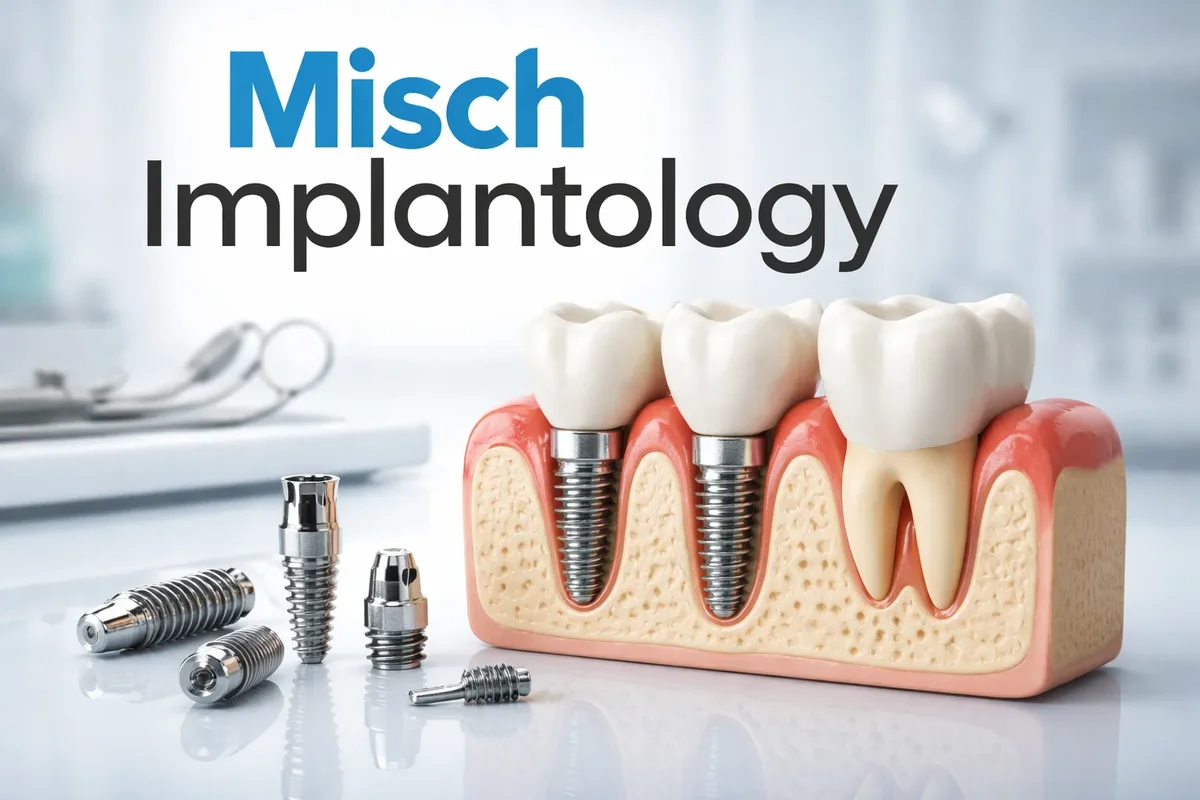
Long-Term Success Rates and Maintenance of Misch Implantology
Misch implantology is widely recognized for its exceptional long-term success rates and durability. Unlike conventional implant approaches that may focus primarily on short-term results, misch implantology is specifically designed to ensure stability, function, and aesthetics over many years—even decades. Understanding how misch implantology performs in the long run, and how to properly maintain it, is essential for maximizing your investment in dental health 😊.
The long-term success of misch implantology is not accidental. It is the result of meticulous planning, biomechanical precision, and patient-centered care. When these principles are followed correctly, misch implantology consistently delivers predictable and lasting outcomes.
Success Rates of Misch Implantology
Clinical studies and real-world data show that misch implantology achieves success rates exceeding 95% in most cases. This high level of reliability is due to its evidence-based methodology and emphasis on proper diagnosis and load management.
Success in misch implantology is defined not only by the survival of the implant but also by its functionality, stability, and absence of complications such as infection or bone loss.
Factors Contributing to High Success Rates
- Accurate diagnosis and planning 📊
- Proper implant positioning
- Effective load distribution
- Strong osseointegration
- Patient compliance with aftercare
These factors work together to ensure that misch implantology remains one of the most reliable approaches in modern dentistry.
What Defines Long-Term Success?
In misch implantology, long-term success goes beyond simply keeping the implant in place. It involves maintaining healthy surrounding tissues, stable bone levels, and proper function over time.
A successful misch implantology case should meet the following criteria:
- No pain or discomfort 😌
- Stable implant with no mobility
- Healthy gums without inflammation
- Minimal bone loss over time
- Natural appearance and function
These outcomes are achieved through a combination of clinical expertise and patient commitment.
Maintenance and Daily Care
Proper maintenance is essential for preserving the results of misch implantology. While implants are resistant to decay, they are still vulnerable to plaque buildup and gum disease.
Patients must adopt a consistent oral hygiene routine to ensure long-term success.
Daily Maintenance Tips
- Brush teeth at least twice a day 🪥
- Use floss or interdental brushes around the implant
- Rinse with an antibacterial mouthwash
- Avoid excessive force on the implant
Misch implantology emphasizes patient education, ensuring that individuals understand how to care for their implants properly.
Professional Follow-Up and Monitoring
Regular dental check-ups are a critical component of misch implantology maintenance. These visits allow the dentist to monitor the implant, assess bone levels, and detect any early signs of complications.
Professional cleanings also help remove plaque and tartar that cannot be eliminated through daily brushing alone.
If you need guidance or follow-up care, you can reach out via the Redent Klinik Contact Page for expert support.
Common Long-Term Complications and Prevention
Although misch implantology significantly reduces the risk of complications, it is still important to be aware of potential issues. Early detection and prevention are key to maintaining implant health.
Possible Complications
- Peri-implantitis (gum inflammation) 🦠
- Bone loss around the implant
- Mechanical wear or damage
- Occlusal overload (excessive biting force)
Misch implantology addresses these risks through careful planning, proper load distribution, and regular monitoring.
The Role of Biomechanics in Long-Term Stability
Biomechanics plays a crucial role in the longevity of misch implantology. By ensuring that forces are evenly distributed, this approach minimizes stress on the implant and surrounding bone.
Improper load distribution is one of the main causes of implant failure in traditional methods. Misch implantology avoids this by using precise planning and prosthetic design.
This biomechanical advantage is a key reason why misch implantology maintains stability over time.
Lifestyle Factors That Affect Longevity
Patient lifestyle choices can significantly impact the long-term success of misch implantology. Habits such as smoking, poor diet, and inadequate oral hygiene can increase the risk of complications.
Patients are encouraged to adopt healthy habits to protect their implants and overall oral health.
- Avoid smoking 🚭
- Maintain a balanced diet
- Practice consistent oral hygiene
- Attend regular dental visits
These steps help ensure that misch implantology delivers lasting results.
Scientific Support and Evidence-Based Results
Misch implantology is supported by extensive clinical research and scientific evidence. Organizations such as the American Dental Association endorse evidence-based practices that improve patient outcomes.
This scientific foundation reinforces the reliability and effectiveness of misch implantology as a long-term solution.
Conclusion: A Lifetime Investment in Oral Health
In conclusion, misch implantology offers outstanding long-term success rates when combined with proper care and maintenance. Its structured approach, focus on biomechanics, and patient-centered philosophy make it one of the most reliable solutions for tooth replacement 🌟.
By following recommended maintenance practices and working closely with your dental professional, you can ensure that your misch implantology treatment remains functional, comfortable, and aesthetically pleasing for many years to come.