
A beautiful smile is not just about achieving straight teeth—it’s about maintaining them for life. This is where smile retainers play a crucial role. After orthodontic treatment such as braces or clear aligners, your teeth naturally tend to shift back to their original positions. Without proper retention, months or even years of orthodontic effort can be undone. That’s why smile retainers are considered one of the most important phases of dental care. 😊
In simple terms, smile retainers are custom-made dental devices designed to keep your teeth in their corrected positions after alignment treatments. They are tailored specifically to your mouth, ensuring maximum comfort and effectiveness. Whether you’ve just completed orthodontic treatment or want to maintain your current smile, using smile retainers consistently is essential for long-term success.
One of the biggest misconceptions is that once braces are removed, the job is done. In reality, the retention phase is just as important as the treatment itself. Teeth are supported by ligaments that have memory, meaning they can gradually shift back if not stabilized. Smile retainers act as a protective measure, holding your teeth in place while your gums and bone structure adapt to the new alignment.
There are several reasons why smile retainers are indispensable. First, they prevent relapse, which is the tendency of teeth to return to their original misaligned positions. Second, they help preserve the results of costly and time-consuming orthodontic treatments. Third, they ensure your bite remains functional and balanced, reducing the risk of jaw discomfort or uneven wear on teeth.
Another important benefit of smile retainers is that they support overall oral health. Properly aligned teeth are easier to clean, reducing the risk of plaque buildup, cavities, and gum disease. By maintaining alignment, smile retainers indirectly contribute to healthier teeth and gums over time. 🦷
Patients often ask how long they need to wear smile retainers. The answer varies depending on individual cases, but many dental professionals recommend wearing them full-time initially, followed by nighttime use indefinitely. This is because teeth can shift even years after treatment. Consistent use of smile retainers ensures your smile remains stable and attractive.
It’s also important to understand that smile retainers are not one-size-fits-all. Your dentist or orthodontist will design them based on your specific dental structure. This customization ensures that the retainers fit perfectly and provide optimal support. If you ever feel discomfort or notice changes in fit, it’s essential to consult your dental professional immediately.
Modern smile retainers come in different materials and designs, offering both functionality and aesthetics. Some are nearly invisible, making them a popular choice for adults who want to maintain their smile discreetly. Others are fixed behind the teeth, providing a permanent solution without the need for daily removal. Regardless of the type, the goal of smile retainers remains the same: to protect your investment in your smile.
In addition to their functional benefits, smile retainers also boost confidence. Knowing that your teeth will remain straight allows you to smile freely without worrying about relapse. This psychological benefit is often overlooked but plays a significant role in overall well-being.
If you’ve recently completed orthodontic treatment or are considering it, don’t underestimate the importance of smile retainers. They are the key to preserving your results and ensuring your smile stays beautiful for years to come. For personalized guidance and professional support, you can always visit the Redent Klinik Contact Page to get expert advice tailored to your needs.
For more information about dental care standards and best practices, you can also explore resources provided by the American Dental Association, which offers reliable insights into maintaining optimal oral health.
In conclusion, smile retainers are not optional—they are essential. They protect your smile, maintain alignment, and ensure long-term dental health. By wearing your smile retainers as recommended and taking proper care of them, you can enjoy a confident, healthy smile that lasts a lifetime. ✨
What Are Smile Retainers and Why Are They Important?
Smile retainers are custom-made orthodontic devices designed to keep your teeth in their corrected positions after braces or clear aligner treatment. While many people believe that straightening teeth is the final step, dental professionals emphasize that retention is equally important. Without proper use of smile retainers, teeth can gradually shift back, undoing months or even years of treatment. 😬
Understanding the Purpose of Smile Retainers
The primary purpose of smile retainers is to stabilize your teeth after orthodontic movement. During treatment, teeth are moved through bone and supported by ligaments. These tissues need time to adapt to the new positions. Smile retainers act as a support system, holding everything in place while your mouth adjusts.
Another key role of smile retainers is to prevent relapse. Relapse occurs when teeth slowly drift back to their original alignment. This is especially common in the first few months after braces are removed, but it can happen years later as well. Consistent use of smile retainers significantly reduces this risk.
Why Teeth Naturally Shift Without Retention
Teeth are not fixed permanently in bone—they are held by periodontal ligaments that have memory. These ligaments can pull teeth back toward their original positions. That’s why orthodontists strongly recommend wearing smile retainers according to instructions. Without them, your smile may gradually lose its alignment.
Key Benefits of Smile Retainers
Using smile retainers provides multiple benefits beyond just maintaining straight teeth. Here are some of the most important advantages:
- Prevents relapse: Keeps teeth from shifting back after treatment.
- Maintains bite alignment: Ensures your jaw functions properly.
- Protects investment: Preserves the results of orthodontic care.
- Improves oral hygiene: Straight teeth are easier to clean.
- Boosts confidence: Helps you maintain a beautiful smile. 😊
Because of these benefits, smile retainers are considered a lifelong commitment by many dental experts. Even if you only wear them at night after the initial phase, they remain essential for long-term stability.
Who Needs Smile Retainers?
Anyone who has undergone orthodontic treatment—whether with braces, clear aligners, or other methods—needs smile retainers. However, they can also be beneficial in other situations. For example, individuals with minor tooth shifting due to aging may use smile retainers to maintain alignment.
Additionally, some patients use smile retainers as a preventive measure, especially if they have a history of crowding or spacing issues. Your dentist or orthodontist will evaluate your needs and recommend the best approach.
Special Cases Where Retainers Are Essential
There are certain cases where smile retainers become even more critical. These include:
- Severe crowding before treatment
- Large gaps between teeth
- Rotated or twisted teeth
- Jaw alignment corrections
In these situations, the risk of relapse is higher, making consistent use of smile retainers absolutely necessary.
How Long Are Smile Retainers Necessary?
One of the most common questions is how long you need to wear smile retainers. The answer depends on your individual case, but most orthodontists recommend wearing them full-time initially, followed by nighttime use indefinitely.
This lifelong approach may sound surprising, but it reflects the natural tendency of teeth to shift over time. By continuing to use smile retainers, you can ensure that your smile remains stable and attractive for years to come.
Are Smile Retainers Comfortable?
Modern smile retainers are designed with comfort in mind. They are custom-fitted to your teeth, making them easy to wear. While you may experience slight pressure when you first start using them, this sensation typically fades quickly as your mouth adjusts.
Removable smile retainers are lightweight and easy to clean, while fixed options stay in place without requiring daily handling. Both types are effective, and your dentist will help you choose the best one based on your lifestyle and preferences.
Expert Guidance and Reliable Resources
If you’re unsure about how to use or care for your smile retainers, it’s always best to consult a professional. You can reach out through the Redent Klinik Contact Page for personalized advice and support.
For additional trusted information on oral health and orthodontic care, the American Dental Association provides comprehensive resources that can help you understand the importance of smile retainers and proper dental care.
In summary, smile retainers are a vital part of maintaining your orthodontic results. They prevent relapse, support oral health, and ensure your smile stays aligned and confident. By wearing your smile retainers consistently and following professional guidance, you can enjoy lasting results and a healthier smile. ✨
Types of Smile Retainers: Fixed vs Removable Options
When it comes to maintaining your perfectly aligned teeth, choosing the right type of smile retainers is essential. Not all retainers are the same, and understanding the differences between fixed and removable options can help you make an informed decision. Each type of smile retainers has its own advantages, limitations, and ideal use cases depending on your lifestyle, dental condition, and orthodontist’s recommendation. 😊
Overview of Smile Retainers Types
There are two main categories of smile retainers: fixed retainers and removable retainers. Both are designed to keep your teeth in their corrected positions, but they function differently. The choice between these smile retainers depends on factors such as patient compliance, long-term goals, and the complexity of your previous orthodontic treatment.
Why Choosing the Right Retainer Matters
The effectiveness of smile retainers depends heavily on selecting the right type for your needs. A poorly chosen retainer can lead to discomfort, inconsistent use, or even relapse. That’s why dental professionals carefully evaluate your case before recommending specific smile retainers.
Fixed Smile Retainers (Permanent Retainers)
Fixed smile retainers, also known as permanent or bonded retainers, are attached to the back of your teeth using a thin metal wire. These smile retainers are not visible from the front, making them an excellent option for those who want a discreet solution.
Advantages of Fixed Smile Retainers
- Continuous support: Fixed smile retainers work 24/7 without requiring user effort.
- No compliance issues: Since they are permanently attached, you don’t have to remember to wear them.
- Highly effective: Ideal for preventing relapse in high-risk cases.
- Invisible appearance: Positioned behind the teeth, making them aesthetically pleasing.
Because fixed smile retainers stay in place at all times, they are particularly beneficial for patients who may forget to wear removable options. They provide consistent stabilization, especially for the lower front teeth, which are more prone to shifting.
Disadvantages of Fixed Smile Retainers
- Cleaning difficulty: Maintaining oral hygiene can be more challenging.
- Potential for plaque buildup: Food particles can get trapped around the wire.
- Repair needs: If damaged, fixed smile retainers require professional repair.
Despite these drawbacks, many orthodontists recommend fixed smile retainers for long-term stability, especially in complex cases.
Removable Smile Retainers
Removable smile retainers are designed to be taken out for eating, brushing, and cleaning. These smile retainers are popular due to their convenience and ease of maintenance. There are two main types: Hawley retainers and clear plastic retainers.
Hawley Retainers
Hawley smile retainers consist of a metal wire that sits across the front of your teeth and an acrylic base that fits against the roof of your mouth or behind your lower teeth.
- Durable: Hawley smile retainers are long-lasting.
- Adjustable: Dentists can modify them if minor changes are needed.
- Air circulation: Allows saliva flow, reducing odor buildup.
Although they are slightly more visible than other smile retainers, their durability makes them a reliable option.
Clear Plastic Retainers
Clear plastic smile retainers, often similar to aligners, are transparent and fit snugly over your teeth. These smile retainers are highly popular among adults and teens due to their nearly invisible appearance.
- Aesthetic appeal: Virtually invisible when worn.
- Comfortable fit: Custom-molded for your teeth.
- Easy to use: Simple to insert and remove.
However, clear smile retainers may wear out faster than other types and require replacement over time.
Comparing Fixed and Removable Smile Retainers
Choosing between fixed and removable smile retainers depends on your priorities. If you prefer convenience and don’t want to worry about forgetting, fixed smile retainers are ideal. On the other hand, if you value flexibility and easier cleaning, removable smile retainers may be a better choice.
Key Differences at a Glance
- Fixed retainers: Permanent, invisible, require careful cleaning.
- Removable retainers: Flexible, easy to clean, require discipline.
Both types of smile retainers are effective when used correctly. Your orthodontist will guide you in selecting the most suitable option based on your dental needs.
Cost Considerations for Smile Retainers
The cost of smile retainers can vary depending on the type and material. Here is a general overview:
- Fixed retainers: $150 – $500 per arch
- Hawley retainers: $100 – $300 each
- Clear retainers: $150 – $400 each
Investing in quality smile retainers is essential to protect the results of your orthodontic treatment. Skipping retainers can lead to additional costs if retreatment becomes necessary.
Professional Guidance for Choosing Smile Retainers
If you’re unsure which type of smile retainers is best for you, consulting a dental professional is the safest approach. You can get personalized recommendations through the Redent Klinik Contact Page, where experts can evaluate your needs.
For broader information on orthodontic care and retainer usage, the American Dental Association offers reliable resources to help you understand how smile retainers fit into long-term oral health strategies.
In conclusion, both fixed and removable smile retainers play a vital role in maintaining your smile. The right choice depends on your lifestyle, preferences, and dental condition. By selecting and using your smile retainers correctly, you can ensure your smile remains straight, healthy, and confident for years to come. ✨
How Smile Retainers Work to Maintain Teeth Alignment
After completing orthodontic treatment, many patients believe their journey is over. However, maintaining the results is just as important as achieving them. This is where smile retainers come into play. These devices are specifically designed to stabilize your teeth and prevent them from shifting back to their original positions. Understanding how smile retainers work can help you appreciate their importance and use them more effectively. 😊
The Science Behind Teeth Movement
To understand how smile retainers function, it’s essential to know how teeth move. During orthodontic treatment, pressure is applied to teeth, causing them to shift within the jawbone. This movement involves the remodeling of bone and surrounding tissues. However, once the braces or aligners are removed, the supporting structures are still adapting.
This transitional phase is critical. The periodontal ligaments that hold your teeth in place have a natural memory. Without stabilization, they can pull teeth back toward their original positions. This is precisely why smile retainers are necessary—they counteract this tendency and keep your teeth aligned.
Bone Remodeling and Stabilization
When teeth are moved, the bone around them needs time to rebuild and stabilize. Smile retainers hold teeth in their new positions while this process occurs. Without consistent use of smile retainers, the bone may not fully adapt, increasing the risk of relapse.
How Smile Retainers Physically Hold Teeth in Place
The primary function of smile retainers is to apply gentle, consistent pressure that prevents unwanted movement. Unlike braces, which actively shift teeth, smile retainers are passive devices. Their role is not to move teeth further but to maintain their current alignment.
Each set of smile retainers is custom-made to fit your teeth perfectly. This precise fit ensures that the retainers act as a mold, holding your teeth exactly where they should be. Over time, as your mouth adapts, the reliance on smile retainers may decrease, but they remain essential for long-term stability.
Constant vs Intermittent Pressure
Fixed smile retainers provide constant pressure because they are attached to your teeth. Removable smile retainers, on the other hand, rely on consistent wear. Both types are effective, but the key is regular use. Skipping days or wearing smile retainers inconsistently can allow teeth to shift.
The Role of Smile Retainers in Preventing Relapse
Relapse is one of the biggest concerns after orthodontic treatment. Even minor shifts can affect the appearance and function of your smile. Smile retainers are specifically designed to prevent this by maintaining the corrected alignment.
Teeth are most vulnerable to relapse immediately after treatment. During this time, wearing smile retainers as instructed is crucial. Over time, the risk decreases, but it never disappears entirely. This is why many orthodontists recommend long-term or even lifelong use of smile retainers.
Common Areas Prone to Shifting
Certain teeth are more likely to shift than others. For example:
- Lower front teeth (most common area for relapse)
- Teeth that were severely rotated
- Spaces that were closed during treatment
In these cases, smile retainers are especially important to maintain stability.
Adaptation Period: Why Consistency Matters
The first few months after orthodontic treatment are known as the adaptation period. During this time, your teeth and supporting structures are still settling. Wearing smile retainers consistently during this phase is critical.
Patients are typically advised to wear smile retainers full-time initially, removing them only for eating and cleaning. As time passes, the schedule may shift to nighttime use. However, skipping this initial phase can compromise the effectiveness of smile retainers.
What Happens If You Stop Wearing Retainers?
If you stop using smile retainers, even temporarily, your teeth may begin to shift. This can happen quickly, sometimes within days. Once movement starts, it may require additional orthodontic treatment to correct. This is why consistent use of smile retainers is essential.
Long-Term Maintenance with Smile Retainers
Maintaining your smile is a lifelong commitment. Even years after treatment, teeth can shift due to natural aging, chewing forces, and other factors. Smile retainers provide ongoing support to counteract these changes.
Nighttime wear is often sufficient for long-term maintenance. By incorporating smile retainers into your nightly routine, you can ensure your smile remains stable without disrupting your daily life.
Professional Support and Reliable Resources
If you have questions about how your smile retainers are working or whether you’re using them correctly, professional guidance is essential. You can always reach out through the Redent Klinik Contact Page for personalized advice tailored to your dental needs.
For additional information on maintaining oral health and understanding orthodontic retention, the American Dental Association offers trusted resources that explain the importance of smile retainers in long-term dental care.
In conclusion, smile retainers work by stabilizing teeth, supporting bone adaptation, and preventing relapse. They are a critical part of maintaining your orthodontic results. By wearing your smile retainers consistently and following professional recommendations, you can enjoy a straight, healthy smile for years to come. ✨
How Long Should You Wear Smile Retainers Daily?
One of the most common questions patients ask after completing orthodontic treatment is: “How long should I wear smile retainers each day?” The answer is crucial because wearing smile retainers correctly determines whether your straight teeth stay in place or gradually shift over time. While there is no one-size-fits-all answer, dental professionals follow well-established guidelines to ensure the best long-term results. 😊
The Initial Phase: Full-Time Wear
Immediately after your braces or aligners are removed, your teeth are at the highest risk of shifting. During this phase, most orthodontists recommend wearing smile retainers full-time. This typically means 20–22 hours per day, removing them only for eating, brushing, and cleaning.
This stage usually lasts for several months, depending on the complexity of your case. The goal is to allow the surrounding bone and tissues to stabilize while smile retainers hold your teeth firmly in their new positions.
Why Full-Time Wear Is Essential
At this stage, your teeth are still adjusting. Without consistent use of smile retainers, even a short period without them can lead to noticeable shifting. This is because the periodontal ligaments are still trying to pull the teeth back to their original alignment.
- Prevents immediate relapse
- Supports bone remodeling
- Ensures stable long-term results
Skipping full-time use of smile retainers during this phase can significantly reduce the effectiveness of your orthodontic treatment.
Transition Phase: Reduced Daily Wear
After the initial stabilization period, your orthodontist may advise reducing the wear time of your smile retainers. This transition phase typically involves wearing them for around 10–12 hours per day, often during evenings and overnight.
This stage allows your teeth to function naturally during the day while still benefiting from the stabilizing effect of smile retainers. It’s a gradual adjustment that helps ensure long-term success without requiring constant wear.
Signs You Can Reduce Wear Time
Your dentist will guide you, but common indicators include:
- No tightness when inserting smile retainers
- Stable bite and alignment
- No visible shifting over time
Even during this phase, consistency is key. Irregular use of smile retainers can reverse progress quickly.
Long-Term Maintenance: Nighttime Wear
Once your teeth are fully stabilized, most patients transition to wearing smile retainers only at night. This is often recommended indefinitely. While it may seem excessive, teeth can shift throughout life due to aging, chewing forces, and natural changes in the jaw.
By wearing smile retainers nightly, you provide ongoing support that keeps your smile aligned without interfering with your daily routine.
Why Lifelong Use Is Recommended
Even years after treatment, your teeth are not permanently fixed. Factors such as grinding, pressure from eating, and natural aging can cause gradual movement. Smile retainers act as a preventive measure, ensuring your smile remains stable.
Think of smile retainers as a long-term investment in your dental health and appearance.
What Happens If You Don’t Wear Smile Retainers Enough?
Failing to wear smile retainers as recommended can lead to several issues. The most immediate effect is tightness when you try to wear them again. This indicates that your teeth have already begun to shift.
If neglect continues, the retainers may no longer fit, and your teeth may return to their previous positions. At this point, additional orthodontic treatment may be required. This is why consistent use of smile retainers is so important.
Early Warning Signs of Inconsistent Use
- Retainers feel tight or uncomfortable
- Visible gaps or crowding reappear
- Difficulty fitting smile retainers properly
If you notice any of these signs, it’s important to resume regular use of smile retainers and consult your dentist promptly.
Tips for Staying Consistent with Smile Retainers
Maintaining a routine with smile retainers can be challenging, especially over time. Here are some practical tips to help you stay consistent:
- Set reminders on your phone
- Keep your smile retainers in a visible place
- Clean them regularly to avoid discomfort
- Make nighttime wear part of your daily routine
Consistency ensures that your smile retainers continue to do their job effectively.
When to Consult a Professional
If you’re unsure about your wear schedule or experience discomfort, it’s best to seek professional advice. You can visit the Redent Klinik Contact Page to get personalized recommendations tailored to your needs.
Additionally, the American Dental Association provides valuable information on maintaining oral health and the proper use of smile retainers.
In conclusion, the amount of time you should wear smile retainers daily depends on your treatment stage. Full-time wear is essential initially, followed by reduced hours and eventually nighttime use. By following these guidelines and staying consistent, you can ensure that your smile retainers effectively maintain your beautiful, straight smile for years to come. ✨
Smile Retainers Cost Breakdown: What to Expect
Understanding the cost of smile retainers is an important part of planning your post-orthodontic care. Many patients invest significant time and money into straightening their teeth, so protecting that investment with smile retainers is essential. The cost can vary depending on several factors, including the type of retainer, materials used, and whether replacements are needed over time. 💰
Average Cost of Smile Retainers
The price of smile retainers typically depends on whether they are fixed or removable. Below is a general cost breakdown based on current market averages:
Typical Price Ranges
- Fixed smile retainers: $150 – $500 per arch
- Hawley smile retainers: $100 – $300 each
- Clear plastic smile retainers: $150 – $400 each
These prices can vary depending on your location and the dental clinic you choose. While smile retainers may seem like an additional expense, they are significantly more affordable than undergoing orthodontic treatment again due to relapse.
Factors That Influence Smile Retainers Cost
Several factors can affect the final cost of smile retainers. Understanding these factors can help you make informed decisions and avoid unexpected expenses.
1. Type of Retainer
Different types of smile retainers come with varying costs. Fixed retainers may have a higher upfront cost due to the procedure required to bond them to your teeth. Removable smile retainers, on the other hand, may need replacement over time, which can increase long-term costs.
2. Material Quality
The materials used in smile retainers also impact pricing. High-quality, durable materials tend to cost more but last longer. For example, clear plastic smile retainers are aesthetically pleasing but may need replacement more frequently than Hawley retainers.
3. Customization and Fit
Since smile retainers are custom-made for each patient, the level of precision and technology used in fabrication can affect the price. Advanced digital scanning and 3D printing techniques may increase the cost but improve comfort and effectiveness.
4. Dental Clinic and Location
Costs for smile retainers can vary depending on the clinic and geographic location. Clinics with advanced technology or highly experienced orthodontists may charge more, but they often provide better quality and long-term results.
Replacement Costs and Long-Term Expenses
One important aspect to consider is the cost of replacing smile retainers. Over time, retainers can wear out, break, or become lost. Replacement costs can add up if not managed properly.
How Often Do Smile Retainers Need Replacement?
- Clear smile retainers: Every 6–12 months (depending on wear)
- Hawley smile retainers: Every 1–3 years
- Fixed smile retainers: Can last several years but may require repairs
Planning for these replacements ensures that your smile retainers continue to function effectively without unexpected financial strain.
Are Smile Retainers Covered by Insurance?
In some cases, dental insurance may partially cover the cost of smile retainers, especially if they are included in your orthodontic treatment plan. However, coverage varies widely between providers.
What to Check in Your Insurance Plan
- Whether retainers are included in orthodontic coverage
- If replacements are covered
- Any annual or lifetime limits
It’s always a good idea to check with your provider to understand how much of your smile retainers cost will be covered.
Cost vs Value: Why Smile Retainers Are Worth It
While the cost of smile retainers may seem like an additional expense, their value far outweighs the price. Orthodontic treatments can cost thousands of dollars, and failing to maintain results can lead to further expenses.
By investing in smile retainers, you protect your smile and avoid the need for retreatment. This makes them one of the most cost-effective components of your dental care journey.
Financial Benefits of Consistent Use
- Avoid costly orthodontic retreatment
- Maintain long-term dental health
- Reduce risk of future dental complications
In this sense, smile retainers are not just a cost—they are an investment in your long-term oral health and confidence.
How to Save Money on Smile Retainers
There are several ways to reduce the overall cost of smile retainers without compromising quality.
Smart Cost-Saving Tips
- Take proper care of your smile retainers to extend their lifespan
- Store them safely to avoid loss or damage
- Follow your dentist’s instructions to prevent unnecessary replacements
- Consider purchasing backup retainers if offered at a discount
Proper maintenance can significantly reduce the long-term cost of smile retainers.
Professional Guidance and Reliable Resources
If you want a personalized estimate for smile retainers, it’s best to consult a professional. You can visit the Redent Klinik Contact Page to get accurate pricing and expert advice tailored to your needs.
For additional insights into dental care standards and cost considerations, the American Dental Association provides reliable information on maintaining oral health and the importance of smile retainers.
In conclusion, the cost of smile retainers varies depending on type, material, and maintenance needs. However, their role in preserving your smile makes them a valuable investment. By understanding the costs and planning accordingly, you can ensure that your smile retainers continue to protect your smile effectively for years to come. ✨
How to Clean and Maintain Smile Retainers Properly
Proper care is essential to ensure your smile retainers remain effective, hygienic, and long-lasting. Many patients focus on wearing their smile retainers consistently but overlook the importance of cleaning and maintenance. Poor hygiene can lead to bacteria buildup, unpleasant odors, and even oral health issues. By following the right cleaning techniques, you can keep your smile retainers in excellent condition and protect your smile. 🦷✨
Why Cleaning Smile Retainers Is So Important
Your smile retainers sit in your mouth for hours, making them a perfect environment for bacteria and plaque accumulation. If not cleaned properly, they can harbor harmful microorganisms that may lead to gum irritation, bad breath, or infections.
Regular cleaning of smile retainers ensures that they remain safe to use and do not negatively impact your oral health. It also helps maintain their clarity and appearance, especially for clear retainers.
Health Risks of Dirty Retainers
- Bacterial and fungal growth
- Bad breath (halitosis)
- Gum inflammation and irritation
- Increased risk of cavities
These risks highlight why maintaining clean smile retainers is just as important as wearing them regularly.
Daily Cleaning Routine for Smile Retainers
Establishing a daily cleaning routine is the best way to keep your smile retainers hygienic. This process doesn’t take much time but makes a significant difference in their longevity and effectiveness.
Step-by-Step Cleaning Process
- Rinse your smile retainers with lukewarm water immediately after removal
- Use a soft toothbrush to gently clean all surfaces
- Avoid using toothpaste that contains abrasives
- Let your smile retainers air dry when not in use
Consistency in this routine ensures that your smile retainers stay free from harmful buildup.
Deep Cleaning Methods for Smile Retainers
In addition to daily cleaning, periodic deep cleaning is necessary to remove stubborn plaque and bacteria from smile retainers. This helps maintain their freshness and prevents discoloration.
Effective Deep Cleaning Options
- Soaking in retainer cleaning tablets
- Using a mixture of water and mild antibacterial solution
- Occasional use of vinegar-water solution (if recommended by your dentist)
Deep cleaning your smile retainers once or twice a week can significantly improve their hygiene and lifespan.
What to Avoid When Cleaning Smile Retainers
While cleaning is essential, using the wrong methods can damage your smile retainers. Avoiding these common mistakes will help preserve their structure and effectiveness.
Common Cleaning Mistakes
- Using hot water, which can warp smile retainers
- Applying harsh chemicals or bleach
- Scrubbing too aggressively
- Using abrasive toothpaste
Protecting your smile retainers from damage ensures they continue to fit properly and function as intended.
Proper Storage of Smile Retainers
When not in use, storing your smile retainers correctly is just as important as cleaning them. Improper storage can lead to contamination, damage, or loss.
Best Storage Practices
- Always use a ventilated retainer case
- Keep your smile retainers away from heat and direct sunlight
- Never wrap them in tissue or napkins (risk of accidental disposal)
- Store them in a clean, dry place
Following these practices will help keep your smile retainers safe and hygienic.
How to Maintain Smile Retainers for Long-Term Use
Proper maintenance goes beyond cleaning. It involves regular inspection and care to ensure your smile retainers remain effective over time.
Maintenance Tips
- Check for cracks or wear regularly
- Replace smile retainers when they no longer fit properly
- Follow your dentist’s instructions carefully
- Avoid eating while wearing removable smile retainers
These steps help extend the lifespan of your smile retainers and maintain their performance.
When to Seek Professional Cleaning or Replacement
Sometimes, home cleaning may not be enough. If your smile retainers develop persistent odor, discoloration, or damage, it’s important to seek professional help.
You can visit the Redent Klinik Contact Page for expert advice and professional cleaning or replacement services tailored to your needs.
Additionally, the American Dental Association provides valuable guidance on maintaining oral hygiene and caring for devices like smile retainers.
Final Thoughts on Smile Retainers Care
Taking care of your smile retainers is essential for maintaining both your oral health and your orthodontic results. A consistent cleaning routine, proper storage, and regular maintenance ensure that your smile retainers remain effective and comfortable.
By investing a small amount of time in caring for your smile retainers, you can avoid complications and enjoy a healthy, confident smile for years to come. ✨
Common Problems with Smile Retainers and How to Fix Them
Even though smile retainers are designed to be durable and effective, users may occasionally encounter issues. Understanding these common problems and knowing how to address them is essential for maintaining your dental results. When used correctly, smile retainers are highly reliable, but improper care or irregular use can lead to complications. The good news is that most issues with smile retainers can be resolved quickly with the right approach. 😊
Retainers Feeling Tight or Uncomfortable
One of the most frequent concerns patients report is that their smile retainers feel tight when worn. This usually happens if you haven’t used them consistently. Teeth can begin shifting in a short period, and when you reinsert your smile retainers, they may feel snug or uncomfortable.
How to Fix Tight Smile Retainers
- Start wearing your smile retainers regularly again
- Increase wear time gradually to allow adjustment
- Consult your dentist if discomfort persists
In most cases, consistent use of smile retainers will help your teeth return to their proper alignment without additional treatment.
Cracked or Damaged Smile Retainers
Over time, smile retainers can become damaged due to wear and tear, improper cleaning, or accidental drops. Cracks or breaks can affect how well your smile retainers fit and function.
Solutions for Damaged Retainers
- Avoid using damaged smile retainers as they may worsen the issue
- Contact your dentist immediately for repair or replacement
- Store your smile retainers properly to prevent future damage
Timely replacement ensures that your smile retainers continue to provide effective support.
Bad Odor and Hygiene Issues
If your smile retainers develop an unpleasant smell, it is usually due to bacterial buildup. Poor cleaning habits can cause this issue, making your retainers uncomfortable to wear.
How to Eliminate Odor
- Clean your smile retainers daily with a soft brush
- Use cleaning tablets for deep cleaning
- Avoid storing them in closed containers while wet
Maintaining proper hygiene ensures that your smile retainers remain fresh and safe to use.
Loose or Poorly Fitting Smile Retainers
Another common problem is when smile retainers no longer fit snugly. This can happen due to natural wear, damage, or changes in your teeth alignment.
What to Do If Retainers Don’t Fit
- Do not force ill-fitting smile retainers into place
- Schedule a dental appointment for evaluation
- Consider getting new smile retainers if necessary
A proper fit is crucial for smile retainers to function effectively.
Loss or Misplacement of Smile Retainers
Losing smile retainers is more common than you might think. Many patients accidentally discard them when wrapped in tissue or forget them while traveling.
How to Prevent Losing Retainers
- Always store your smile retainers in a protective case
- Keep them in a consistent location
- Avoid placing them in napkins or loose pockets
If your smile retainers are lost, replacing them quickly is essential to prevent teeth from shifting.
Difficulty Speaking with Smile Retainers
Some users experience slight speech changes when they first start wearing smile retainers. This is usually temporary and improves with practice.
Tips to Improve Speech
- Practice speaking aloud while wearing smile retainers
- Read or talk regularly to adapt faster
- Be patient as your mouth adjusts
Most people adapt to smile retainers within a few days.
Allergic Reactions or Sensitivity
Although rare, some individuals may experience sensitivity to the materials used in smile retainers. This can cause irritation or discomfort.
How to Address Sensitivity
- Inform your dentist about any discomfort
- Switch to hypoallergenic smile retainers if needed
- Ensure proper cleaning to avoid irritation
Your dentist can recommend alternative materials for smile retainers if necessary.
When to Seek Professional Help
While many issues with smile retainers can be resolved at home, some situations require professional attention. Persistent discomfort, damage, or fit issues should not be ignored.
You can always reach out through the Redent Klinik Contact Page for expert evaluation and guidance tailored to your needs.
Additionally, the American Dental Association provides reliable information on oral health and proper use of smile retainers.
Final Thoughts on Managing Smile Retainers Issues
Experiencing problems with smile retainers is normal, especially during long-term use. The key is to address these issues promptly and maintain consistent care. By understanding common problems and their solutions, you can ensure that your smile retainers continue to protect your smile effectively.
With proper care, timely replacements, and professional support, your smile retainers will remain a reliable tool for maintaining your beautiful, straight smile for years to come. ✨
Do Smile Retainers Hurt? What You Should Expect
One of the most common concerns patients have after orthodontic treatment is whether smile retainers will cause discomfort or pain. The short answer is: smile retainers may feel slightly uncomfortable at first, but they should not cause significant pain. Understanding what to expect can help you adapt quickly and use your smile retainers with confidence. 😊
Initial Sensation When Wearing Smile Retainers
When you first start using smile retainers, it’s completely normal to feel pressure or tightness. This sensation occurs because the retainers are holding your teeth in their newly aligned positions. Unlike braces, which actively move teeth, smile retainers simply maintain alignment, so the discomfort is usually mild and temporary.
Why Do Smile Retainers Feel Tight?
The tight feeling comes from the gentle pressure applied by smile retainers to prevent teeth from shifting. If you haven’t worn your smile retainers for a while, the tightness may be more noticeable because your teeth may have started to move slightly.
- Pressure is a sign the retainers are working
- Discomfort usually fades within a few days
- Consistent use reduces tightness over time
This initial adjustment period is a normal part of using smile retainers.
How Long Does Discomfort Last?
For most patients, any discomfort associated with smile retainers lasts only a few days to a week. As your mouth adapts, the sensation becomes less noticeable. If you wear your smile retainers regularly, you may not feel any discomfort at all after the initial phase.
Factors That Affect Comfort
- How consistently you wear your smile retainers
- The type of retainer (fixed vs removable)
- Your individual sensitivity
Patients who follow their recommended schedule for smile retainers typically experience minimal discomfort.
Do Smile Retainers Cause Pain?
While mild discomfort is normal, smile retainers should not cause sharp or persistent pain. If you experience significant pain, it may indicate an issue such as improper fit, damage, or excessive pressure.
When Pain Is Not Normal
- Severe or prolonged pain
- Gum irritation or sores
- Difficulty inserting or removing smile retainers
If any of these symptoms occur, it’s important to consult your dentist to ensure your smile retainers are functioning correctly.
Differences Between Fixed and Removable Retainers
The level of comfort can vary depending on the type of smile retainers you use. Fixed retainers are bonded to the back of your teeth and usually cause minimal discomfort after placement. Removable smile retainers may feel tighter initially but are generally easy to adjust to.
Comfort Comparison
- Fixed smile retainers: Constant presence, minimal adjustment period
- Removable smile retainers: Slight pressure when worn, especially after breaks
Both types of smile retainers are designed to be comfortable for long-term use.
Tips to Reduce Discomfort from Smile Retainers
If you experience mild discomfort while wearing smile retainers, there are several ways to ease the sensation and adapt more quickly.
Practical Comfort Tips
- Wear your smile retainers consistently to avoid tightness
- Remove them only as instructed by your dentist
- Use orthodontic wax if irritation occurs
- Rinse with lukewarm saltwater to soothe gums
These simple steps can make wearing smile retainers much more comfortable.
Speech and Adjustment Period
Some patients notice slight changes in speech when they first start using smile retainers. This is especially common with removable retainers that cover the roof of the mouth.
How to Adapt Faster
- Practice speaking aloud with your smile retainers
- Read or talk regularly to improve clarity
- Be patient as your mouth adjusts
Most people adapt to smile retainers within a few days, and speech returns to normal quickly.
When to Seek Professional Advice
If discomfort from smile retainers does not improve or becomes painful, professional evaluation is necessary. You can visit the Redent Klinik Contact Page to get expert advice and ensure your retainers fit properly.
For additional guidance on orthodontic care and oral health, the American Dental Association provides trusted information about maintaining comfort and effectiveness when using smile retainers.
Final Thoughts on Smile Retainers Comfort
In conclusion, smile retainers may cause mild discomfort initially, but they should never be painful. The slight pressure you feel is a sign that your smile retainers are doing their job—keeping your teeth aligned and preventing relapse.
By wearing your smile retainers consistently and following proper care guidelines, you can minimize discomfort and enjoy the long-term benefits of a healthy, straight smile. ✨
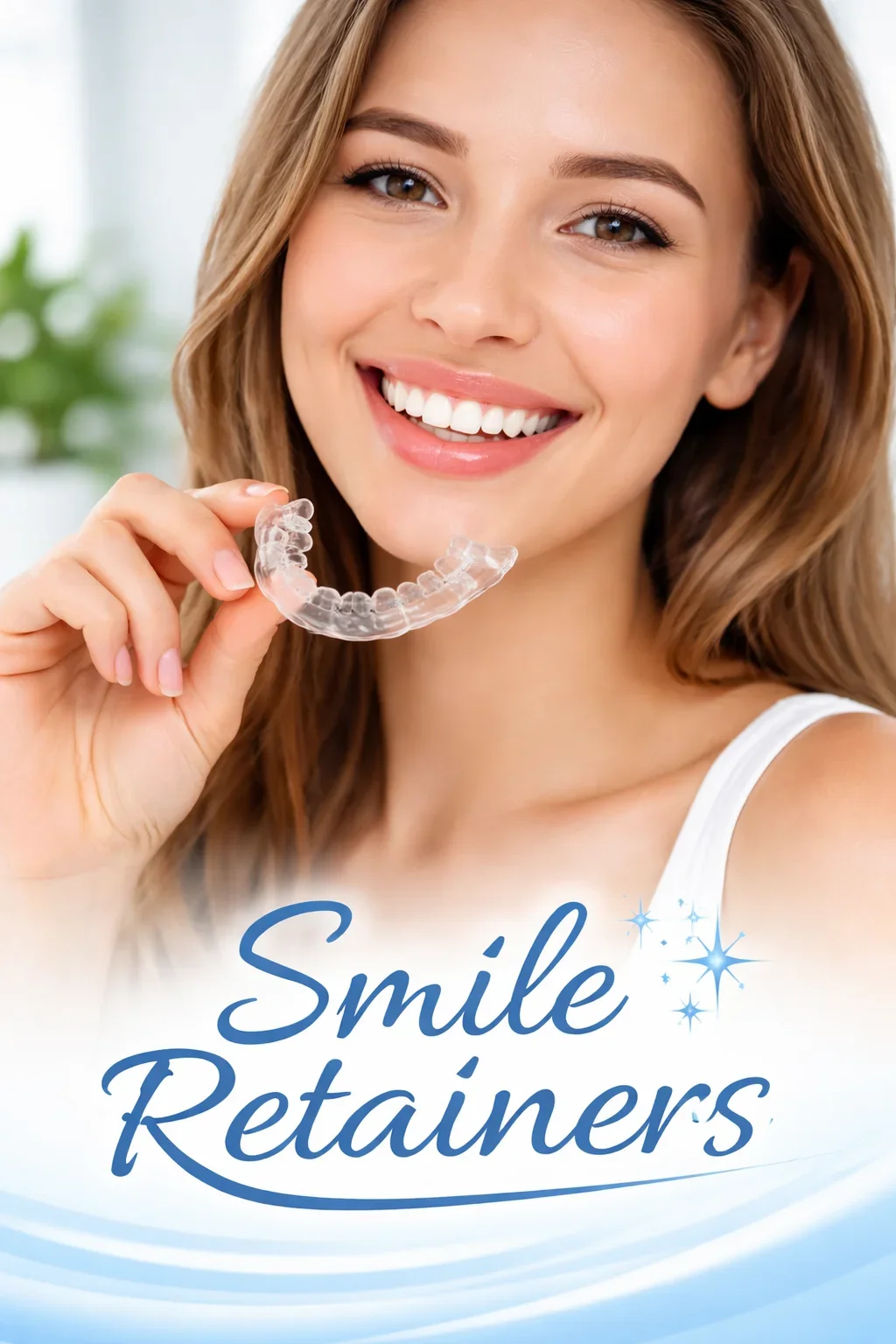
When to Replace Smile Retainers for Best Results
Even though smile retainers are designed to be durable, they are not meant to last forever. Over time, wear and tear can reduce their effectiveness, making replacement necessary to maintain your perfectly aligned smile. Knowing when to replace smile retainers is essential for preventing relapse and ensuring long-term dental stability. 😊
Why Smile Retainers Need Replacement
Like any dental appliance, smile retainers are subject to daily stress from chewing, cleaning, and handling. This can lead to gradual degradation of the material. Even if your smile retainers appear intact, they may lose their ability to hold teeth in place effectively.
Natural Wear and Tear
With regular use, smile retainers can develop small cracks, become loose, or lose their shape. These subtle changes can compromise their function. Over time, worn-out smile retainers may no longer fit snugly, allowing teeth to shift.
- Material fatigue from daily use
- Gradual loss of shape and fit
- Surface wear affecting effectiveness
Replacing smile retainers at the right time ensures they continue to perform their role effectively.
Signs You Need New Smile Retainers
Recognizing the warning signs of worn or damaged smile retainers can help you act before your teeth begin to shift. Ignoring these signs can lead to more serious issues.
Common Indicators
- Your smile retainers feel loose or no longer fit properly
- Visible cracks or damage appear
- Persistent odor despite cleaning
- Discoloration or cloudiness in clear retainers
- Increased discomfort when wearing smile retainers
If you notice any of these issues, it’s important to consult your dentist and consider replacing your smile retainers promptly.
Replacement Timeline for Different Types
The lifespan of smile retainers varies depending on the type you use. Understanding these timelines can help you plan ahead and avoid unexpected problems.
Typical Replacement Intervals
- Clear smile retainers: Every 6–12 months
- Hawley smile retainers: Every 1–3 years
- Fixed smile retainers: Can last several years but may require maintenance
These timelines are general guidelines. Your dentist may recommend replacing smile retainers sooner or later based on your specific usage and oral conditions.
What Happens If You Don’t Replace Smile Retainers?
Failing to replace worn or damaged smile retainers can lead to several complications. The most significant risk is relapse, where teeth gradually return to their original positions.
Potential Consequences
- Loss of alignment achieved through orthodontic treatment
- Increased need for corrective procedures
- Reduced effectiveness of smile retainers
Replacing smile retainers on time helps you avoid these issues and protects your investment in your smile.
How to Extend the Lifespan of Smile Retainers
While replacement is inevitable, proper care can significantly extend the lifespan of your smile retainers. Following best practices ensures they remain effective for as long as possible.
Maintenance Tips
- Clean your smile retainers daily
- Store them in a protective case when not in use
- Avoid exposing smile retainers to heat
- Handle them carefully to prevent damage
By maintaining your smile retainers properly, you can delay the need for replacement and reduce costs.
Professional Evaluation and Replacement
Regular dental check-ups are essential for monitoring the condition of your smile retainers. Your dentist can assess whether they are still effective or need replacement.
If you suspect your smile retainers are no longer functioning properly, you can visit the Redent Klinik Contact Page for expert evaluation and personalized recommendations.
For additional guidance on maintaining oral health and orthodontic devices, the American Dental Association provides reliable resources on caring for smile retainers and ensuring long-term dental stability.
Cost of Replacing Smile Retainers
The cost of replacing smile retainers depends on the type and material. Here’s a general overview:
- Clear smile retainers: $150 – $400 each
- Hawley smile retainers: $100 – $300 each
- Fixed smile retainers repair: $100 – $250
While replacement involves an additional cost, it is far more affordable than undergoing orthodontic treatment again due to relapse.
Final Thoughts on Replacing Smile Retainers
In conclusion, replacing smile retainers at the right time is essential for maintaining your orthodontic results. Paying attention to signs of wear, following recommended timelines, and consulting your dentist regularly will ensure your smile retainers continue to protect your smile effectively.
By taking proactive steps and caring for your smile retainers, you can enjoy a straight, healthy, and confident smile for years to come. ✨