
Choosing a modern dental office is one of the most important decisions patients can make for their oral health. Today’s dental practices have evolved far beyond traditional treatment rooms and basic dental equipment. A modern dental office combines advanced technology, patient-focused care, enhanced safety protocols, and efficient treatment methods to create a superior experience from the moment a patient walks through the door.
The primary goal of a modern dental office is to improve diagnostic accuracy, treatment effectiveness, patient comfort, and long-term oral health outcomes. Through the integration of digital tools and innovative procedures, dental professionals can identify issues earlier, develop more precise treatment plans, and provide care that is both efficient and minimally invasive. As a result, patients often experience shorter appointments, faster recovery times, and more predictable treatment results.
One of the defining characteristics of a modern dental office is the use of advanced diagnostic technology. Digital X-rays, intraoral cameras, and 3D imaging systems allow dentists to obtain highly detailed views of teeth, gums, bone structures, and surrounding tissues. These technologies help detect cavities, infections, bone loss, and other oral health concerns at an earlier stage. Early diagnosis often means simpler treatments, lower costs, and a better chance of preserving natural teeth.
Patient comfort is another major advantage of a modern dental office. Many people experience anxiety when visiting the dentist, which can prevent them from receiving necessary care. To address this concern, modern practices frequently incorporate comfort-focused amenities such as relaxing treatment environments, digital communication systems, noise-reducing equipment, and sedation options when appropriate. These enhancements help patients feel more relaxed and confident throughout their appointments.
Efficiency is greatly improved within a modern dental office. Digital records streamline patient information management, reducing paperwork and minimizing administrative delays. Online appointment scheduling, electronic forms, automated reminders, and digital treatment planning create a smoother experience for both patients and staff. These systems help ensure that appointments run on time and that communication remains clear throughout the treatment process.
A modern dental office also emphasizes preventive dentistry. Rather than focusing solely on treating existing problems, dental professionals work proactively to prevent future issues. Comprehensive examinations, professional cleanings, personalized oral hygiene education, and risk assessments help patients maintain healthy teeth and gums for years to come. Preventive care reduces the likelihood of complex procedures and supports overall health and wellness.
Advanced treatment capabilities further distinguish a modern dental office. Technologies such as CAD/CAM systems, digital impressions, laser dentistry, and guided implant placement allow dentists to perform procedures with greater precision than ever before. Digital impressions eliminate the discomfort often associated with traditional impression materials, while laser treatments can reduce bleeding, swelling, and recovery time. These innovations contribute to a more comfortable patient experience and highly predictable clinical outcomes.
Safety and infection control are fundamental priorities in every modern dental office. Contemporary sterilization systems, strict hygiene protocols, and advanced air filtration technologies help maintain a clean and safe environment. Patients can feel confident knowing that every instrument, treatment area, and clinical process follows established standards designed to protect their health and well-being.
Communication and patient education are also enhanced within a modern dental office. Dentists can use digital images, treatment simulations, and chairside monitors to explain conditions and procedures in a clear, visual manner. When patients fully understand their oral health status and treatment options, they are better equipped to make informed decisions regarding their care. This collaborative approach strengthens trust between patients and dental professionals.
Another benefit of a modern dental office is its ability to offer comprehensive services under one roof. Many practices provide preventive, restorative, cosmetic, orthodontic, and implant treatments in a single location. This integrated approach reduces the need for multiple referrals and creates a more convenient experience for patients seeking complete dental care solutions.
Families particularly appreciate the advantages of a modern dental office. From children receiving preventive treatments to adults pursuing cosmetic enhancements and seniors requiring restorative procedures, modern practices are equipped to address the needs of patients at every stage of life. Personalized treatment plans ensure that each individual receives care tailored to their unique oral health goals and circumstances.
Ultimately, a modern dental office represents the future of oral healthcare. By combining advanced technology, evidence-based treatment methods, exceptional patient service, and a strong commitment to preventive care, these practices deliver a higher standard of dentistry. Patients benefit from more accurate diagnoses, improved comfort, efficient appointments, enhanced safety, and long-lasting treatment outcomes. Whether seeking routine dental maintenance or complex restorative procedures, choosing a modern dental office can significantly improve both the treatment experience and overall oral health for years to come.
Key Features That Define a Modern Dental Office
A modern dental office is distinguished by its commitment to innovation, patient-centered care, efficiency, and clinical excellence. While traditional dental practices focus primarily on diagnosis and treatment, a modern dental office integrates advanced technologies, streamlined workflows, and enhanced patient experiences to provide comprehensive oral healthcare. These features not only improve treatment outcomes but also help patients feel more comfortable, informed, and confident throughout their dental journey.
Understanding the characteristics of a modern dental office can help patients make informed decisions when selecting a dental provider. From cutting-edge diagnostic equipment to personalized treatment planning, every aspect of a contemporary practice is designed to elevate the quality of care and improve long-term oral health.
Advanced Digital Technology and Diagnostics
One of the most recognizable aspects of a modern dental office is the integration of digital technology into everyday clinical procedures. Digital innovations enable dentists to diagnose conditions more accurately, communicate findings more effectively, and deliver treatments with greater precision.
Digital Imaging Systems
Digital X-rays have become a standard feature in a modern dental office. Compared to traditional film radiographs, digital imaging provides clearer images while exposing patients to significantly lower levels of radiation. These images can be viewed instantly, allowing dentists to identify problems quickly and discuss treatment options without delay.
Many practices also utilize cone beam computed tomography (CBCT) technology, which creates detailed three-dimensional images of teeth, jawbones, nerves, and surrounding structures. This advanced imaging capability is particularly valuable for implant planning, orthodontic assessments, and complex restorative procedures.
Intraoral Cameras and Diagnostic Tools
An important feature of a modern dental office is the use of intraoral cameras. These small cameras capture high-resolution images inside the mouth, allowing patients to see exactly what the dentist sees. This visual approach improves patient education and strengthens trust by making diagnoses easier to understand.
Patient-Centered Comfort and Convenience
Patient comfort is a major priority in every modern dental office. Dental anxiety remains a common concern among individuals of all ages, and contemporary practices actively work to create welcoming environments that reduce stress and improve the overall experience.
Comfort-Focused Treatment Environments
Many modern facilities incorporate calming interior designs, ergonomic treatment chairs, entertainment options, and relaxing atmospheres. These thoughtful additions help patients feel more at ease before, during, and after treatment. A modern dental office understands that emotional comfort is an essential part of quality healthcare.
Digital Scheduling and Communication
Convenience is another hallmark of a modern dental office. Online appointment booking, automated reminders, digital patient forms, and secure communication platforms make it easier for patients to manage their dental care. These technologies reduce administrative burdens while improving efficiency for both patients and dental teams.
Comprehensive Treatment Planning and Personalized Care
Every patient has unique oral health needs, which is why a modern dental office emphasizes personalized treatment planning. Rather than applying a one-size-fits-all approach, dentists evaluate each patient’s medical history, lifestyle factors, oral health conditions, and long-term goals.
Digital records and advanced software allow treatment plans to be developed with exceptional accuracy. Patients can review visual simulations, understand expected outcomes, and participate actively in decisions regarding their care. This collaborative approach often leads to higher satisfaction and better treatment compliance.
Preventive Care Strategies
Prevention remains a foundational principle within a modern dental office. Routine examinations, professional cleanings, oral cancer screenings, periodontal assessments, and customized hygiene recommendations help identify concerns before they become serious problems. By focusing on prevention, patients can often avoid costly and invasive procedures in the future.
Enhanced Safety and Infection Control Standards
Safety protocols have become increasingly sophisticated within every modern dental office. Maintaining a clean and sterile environment is essential for protecting patients and staff while ensuring the highest standards of healthcare delivery.
Sterilization and Equipment Management
Advanced sterilization systems are used to disinfect instruments thoroughly between appointments. Many practices employ automated tracking systems that monitor sterilization cycles and document compliance with established healthcare regulations. These procedures provide an additional layer of accountability and patient protection.
Air Quality and Environmental Safety
A modern dental office may also utilize advanced air purification systems, high-efficiency filtration technologies, and strict sanitation protocols throughout treatment areas. These measures contribute to a healthier environment and reinforce patient confidence in the quality of care being provided.
Integrated Services for Complete Oral Healthcare
Another defining characteristic of a modern dental office is its ability to offer a wide range of services under one roof. Preventive dentistry, cosmetic treatments, restorative procedures, orthodontics, implant dentistry, and periodontal care are often available within the same practice.
This comprehensive approach simplifies treatment coordination and improves continuity of care. Rather than visiting multiple providers, patients can receive many of their dental services in a single, familiar location. A modern dental office therefore delivers not only convenience but also a more cohesive treatment experience.
Ultimately, the defining features of a modern dental office extend beyond advanced equipment alone. True modernization involves combining technology, patient comfort, preventive care, safety standards, and personalized treatment planning into a seamless healthcare experience. As dentistry continues to evolve, the modern dental office remains focused on delivering exceptional care, improved efficiency, and long-lasting oral health outcomes for patients of all ages.
Benefits of Choosing a Modern Dental Office for Long-Term Oral Health
Selecting a modern dental office can have a significant impact on both immediate dental care experiences and long-term oral health outcomes. While many patients initially focus on convenience or location when choosing a dentist, the quality of technology, treatment methods, and patient care available within a modern dental office often provides substantial advantages that extend far beyond routine checkups. By combining innovation with evidence-based dentistry, these practices help patients achieve healthier smiles, improved comfort, and more predictable treatment results.
The benefits of a modern dental office are not limited to advanced equipment alone. They encompass every aspect of the patient journey, including diagnosis, treatment planning, communication, preventive care, safety standards, and overall patient satisfaction. Understanding these benefits can help individuals make informed decisions about where to receive their dental care.
Earlier Detection of Dental Problems
One of the most valuable advantages of a modern dental office is the ability to identify oral health issues at an earlier stage. Early detection is critical because many dental conditions develop gradually and may not cause noticeable symptoms until significant damage has already occurred.
Improved Diagnostic Accuracy
Through the use of digital imaging, intraoral cameras, and advanced diagnostic tools, a modern dental office can detect cavities, gum disease, fractures, infections, and other concerns with greater precision. Detailed images provide dentists with enhanced visibility, allowing them to diagnose conditions that might otherwise go unnoticed during a traditional examination.
Earlier diagnosis often results in less invasive treatment options. Small cavities can be treated before they require extensive restorations, and periodontal issues can be managed before they progress into severe gum disease. This proactive approach helps preserve natural teeth and supports long-term oral health.
More Comfortable Treatment Experiences
Dental anxiety affects millions of people worldwide and remains a common reason for postponing necessary dental care. A modern dental office addresses this challenge by prioritizing patient comfort throughout every stage of treatment.
Minimally Invasive Techniques
Many procedures performed in a modern dental office utilize technologies that minimize discomfort. Laser dentistry, digital impressions, and precision-guided treatments often reduce irritation to surrounding tissues while improving procedural accuracy. These advancements can lead to shorter recovery times and a more positive overall experience.
Enhanced Patient Amenities
In addition to clinical innovations, many practices offer comfort-focused amenities such as ergonomic treatment chairs, calming environments, entertainment options, and sedation solutions when appropriate. These features help create a more welcoming atmosphere and reduce stress associated with dental visits.
Greater Treatment Efficiency and Convenience
Time is a valuable resource, and a modern dental office is designed to maximize efficiency without compromising quality. Digital workflows streamline many aspects of patient care, making appointments more productive and reducing unnecessary delays.
Faster Procedures and Reduced Appointments
Advanced technologies often allow treatments to be completed more efficiently. Digital impressions can replace traditional molds, while computer-assisted treatment planning enhances accuracy and reduces the likelihood of adjustments or repeat visits. In some cases, restorative procedures that previously required multiple appointments can be completed in significantly less time.
Convenient Digital Services
A modern dental office frequently offers online scheduling, electronic forms, appointment reminders, and digital communication platforms. These conveniences simplify administrative tasks and allow patients to manage their care more effectively. As a result, the overall dental experience becomes more accessible and user-friendly.
Better Preventive Care and Patient Education
Prevention remains one of the most important pillars of modern dentistry. A modern dental office emphasizes education and preventive strategies that help patients maintain healthy teeth and gums throughout their lives.
Personalized Oral Health Guidance
Every patient faces unique oral health challenges based on factors such as age, medical history, lifestyle habits, and genetic predispositions. A modern dental office uses comprehensive assessments to develop customized preventive recommendations tailored to individual needs.
Dentists and hygienists often utilize visual aids, digital images, and educational resources to explain oral health conditions and demonstrate proper hygiene techniques. This personalized approach encourages patient engagement and improves long-term compliance with preventive care recommendations.
Higher Standards of Safety and Clinical Excellence
Safety is a defining characteristic of every modern dental office. Contemporary practices invest heavily in sterilization technologies, infection control procedures, and quality assurance systems to protect patients and staff.
Advanced Infection Control Measures
Instrument sterilization, treatment room disinfection, and environmental hygiene protocols are carefully monitored within a modern dental office. Many practices also employ sophisticated air filtration systems and digital tracking procedures to ensure compliance with established healthcare standards.
These comprehensive safety measures provide peace of mind and reinforce patient confidence in the quality of care being delivered.
Long-Term Value for Patients
Although some individuals focus solely on the immediate cost of dental treatment, a modern dental office often provides greater long-term value. Early diagnosis, preventive care, and precise treatment planning help reduce the likelihood of extensive future procedures. By addressing problems before they worsen, patients can often save time, money, and discomfort over the course of their lives.
Furthermore, the comprehensive approach embraced by a modern dental office promotes better oral health outcomes, improved function, enhanced aesthetics, and greater patient satisfaction. From preventive services and restorative treatments to cosmetic procedures and advanced diagnostics, patients benefit from a level of care designed to support lasting dental wellness.
Ultimately, choosing a modern dental office is an investment in long-term oral health. Through innovative technology, personalized care, enhanced comfort, efficient workflows, and rigorous safety standards, these practices provide a superior dental experience while helping patients maintain healthy, confident smiles for years to come.
How to Choose the Right Modern Dental Office for Your Needs
Finding the right modern dental office is an important step toward maintaining excellent oral health and ensuring a positive dental experience. While many dental practices advertise advanced technology and patient-centered care, not all offices offer the same level of expertise, services, or commitment to innovation. Patients should evaluate several factors before selecting a provider to ensure that the chosen modern dental office aligns with their oral health goals, treatment preferences, and long-term needs.
A high-quality modern dental office combines advanced clinical capabilities with exceptional patient service. Beyond state-of-the-art equipment, patients should look for a practice that emphasizes communication, preventive care, safety, and personalized treatment planning. Taking the time to assess these factors can lead to better treatment outcomes and greater satisfaction over time.
Evaluate the Technology and Equipment Available
Technology plays a central role in defining a modern dental office. Advanced diagnostic and treatment tools can improve accuracy, efficiency, and patient comfort, making them an important consideration when comparing dental practices.
Digital Diagnostic Systems
A reputable modern dental office should utilize digital X-rays, intraoral cameras, and electronic patient records. These technologies improve diagnostic precision while enhancing communication between patients and dental professionals. Digital imaging allows dentists to identify oral health concerns more effectively and explain treatment recommendations using clear visual evidence.
Some practices also incorporate three-dimensional imaging technologies for complex procedures such as dental implants, orthodontics, and oral surgery. These advanced systems provide detailed anatomical information that supports more accurate treatment planning and execution.
Modern Treatment Technologies
Patients should also inquire about treatment technologies available within a modern dental office. Digital impressions, laser dentistry, computer-assisted restorations, and advanced periodontal treatment systems can improve both comfort and clinical outcomes. Practices that invest in continuing technological advancements often demonstrate a commitment to delivering the highest standard of care.
Assess the Qualifications and Experience of the Dental Team
While technology is important, the expertise of the dental team remains one of the most critical factors when choosing a modern dental office. Skilled professionals are essential for accurately diagnosing conditions, developing effective treatment plans, and performing procedures safely and successfully.
Continuing Education and Professional Development
Dentistry continues to evolve rapidly, and a leading modern dental office prioritizes ongoing education. Dentists who regularly attend advanced training programs, professional conferences, and continuing education courses are better equipped to implement current best practices and emerging treatment techniques.
Patients can often find information about certifications, specialized training, and professional memberships on a practice’s website or by contacting the office directly.
Consider the Range of Services Offered
Comprehensive care is another important characteristic of a high-quality modern dental office. Practices that provide a broad range of services can often address multiple oral health needs without requiring referrals to outside specialists.
Preventive and Restorative Care
At a minimum, a modern dental office should offer preventive services such as examinations, professional cleanings, periodontal evaluations, and oral cancer screenings. Restorative treatments, including fillings, crowns, bridges, and implant restorations, should also be available to address functional and structural concerns.
Cosmetic and Advanced Procedures
Many patients seek aesthetic improvements in addition to maintaining oral health. A comprehensive modern dental office may provide cosmetic services such as teeth whitening, veneers, smile makeovers, and clear aligner therapy. Access to these treatments allows patients to achieve both functional and aesthetic goals within a single practice.
Review Patient Experience and Communication Standards
The overall patient experience can significantly influence satisfaction with dental care. A truly patient-focused modern dental office places strong emphasis on communication, transparency, and personalized attention.
Clear Treatment Explanations
Patients should feel informed and involved throughout the decision-making process. A quality modern dental office takes time to explain diagnoses, treatment options, expected outcomes, and financial considerations. Clear communication helps build trust and empowers patients to make informed healthcare decisions.
Convenience and Accessibility
Features such as online scheduling, electronic paperwork, appointment reminders, and responsive customer service contribute to a positive experience. A modern dental office recognizes that convenience plays an important role in helping patients maintain regular dental visits and follow recommended treatment plans.
Evaluate Safety, Hygiene, and Clinical Standards
Patient safety should always be a top priority. A modern dental office adheres to rigorous infection control protocols and invests in advanced sterilization systems to maintain a safe treatment environment.
Infection Control Procedures
Sterilized instruments, disinfected treatment rooms, personal protective equipment, and comprehensive hygiene protocols are essential indicators of a professionally managed modern dental office. Patients should feel confident that every precaution is taken to protect their health and well-being.
Commitment to Quality Care
Beyond cleanliness, a modern dental office should demonstrate a commitment to clinical excellence through consistent quality assurance measures, evidence-based treatment approaches, and ongoing evaluation of patient outcomes.
Make an Informed Long-Term Decision
Choosing a dental provider is not simply about finding someone to perform occasional cleanings or treatments. The ideal modern dental office becomes a long-term partner in maintaining oral health and supporting overall wellness. By carefully evaluating technology, professional qualifications, available services, patient experience, and safety standards, individuals can identify a practice that meets their current needs while also supporting future dental goals.
Ultimately, the best modern dental office is one that combines advanced clinical capabilities with compassionate care, personalized attention, and a commitment to continuous improvement. Patients who select the right practice are more likely to enjoy positive dental experiences, improved oral health outcomes, and greater confidence in their smiles for many years to come.
The Future of the Modern Dental Office: Innovations Shaping Patient Care
The evolution of the modern dental office continues at a rapid pace as new technologies, treatment methodologies, and patient care strategies reshape the dental industry. What was considered advanced only a decade ago is now becoming standard practice, and future innovations promise to further improve accuracy, efficiency, comfort, and accessibility. As dentistry becomes increasingly technology-driven, the modern dental office is expected to play an even greater role in delivering personalized, preventive, and patient-focused healthcare.
Patients today expect more than basic dental treatment. They seek convenience, transparency, comfort, and long-term health solutions. To meet these expectations, every modern dental office must continue adapting to emerging trends that enhance both clinical outcomes and the overall patient experience. Understanding these innovations provides valuable insight into how dentistry will continue to evolve in the coming years.
Artificial Intelligence and Enhanced Diagnostics
Artificial intelligence (AI) is becoming one of the most transformative technologies within the modern dental office. AI-powered systems can analyze diagnostic images, identify abnormalities, and assist clinicians in detecting potential issues with remarkable accuracy.
Earlier and More Accurate Detection
Advanced AI algorithms can help identify cavities, bone loss, periodontal disease, and other conditions that may be difficult to detect during visual examinations alone. By supporting diagnostic decision-making, a modern dental office can improve treatment planning while reducing the risk of overlooked oral health concerns.
AI technology is not intended to replace dental professionals but rather to enhance their ability to provide precise and evidence-based care. This collaboration between technology and clinical expertise is expected to become increasingly important in future dental practices.
Personalized Treatment Recommendations
In addition to diagnostics, AI systems may assist a modern dental office in creating customized treatment plans based on patient-specific factors. These recommendations can support more individualized care and help patients better understand their available options.
Digital Dentistry and Same-Day Solutions
Digital dentistry continues to revolutionize workflows within the modern dental office. Innovations in scanning, design, and manufacturing technologies are making dental treatments faster and more convenient than ever before.
Computer-Aided Design and Manufacturing
CAD/CAM technology allows a modern dental office to design and fabricate certain restorations directly within the practice. Crowns, veneers, inlays, and other restorations can often be produced with exceptional precision while reducing the number of appointments required.
These digital workflows minimize the need for traditional impressions and temporary restorations, creating a more comfortable experience for patients while improving treatment efficiency.
Advanced Digital Scanning
Intraoral scanners are expected to become even more sophisticated in the future. A modern dental office utilizing next-generation scanning technology can capture highly accurate digital models of the mouth within minutes, improving treatment planning for restorative, orthodontic, and implant procedures.
Greater Focus on Preventive and Predictive Care
The future modern dental office will place increasing emphasis on prevention rather than simply treating existing problems. Advances in data analysis, risk assessment, and patient monitoring will allow dentists to identify potential concerns before symptoms develop.
Predictive Oral Health Monitoring
Emerging technologies may enable a modern dental office to monitor changes in oral health over time with unprecedented accuracy. Digital records, imaging comparisons, and predictive analytics can help identify patients who may be at higher risk for conditions such as periodontal disease, tooth decay, or oral cancer.
This proactive approach supports earlier intervention and helps patients maintain healthier smiles while reducing the need for extensive restorative treatment.
Personalized Prevention Programs
As patient data becomes more comprehensive, a modern dental office will be able to develop highly individualized prevention strategies. Recommendations for hygiene practices, dietary adjustments, fluoride therapies, and maintenance schedules can be tailored to each patient’s specific risk profile.
Teledentistry and Expanded Accessibility
Accessibility remains an important goal for every modern dental office. Teledentistry has emerged as a valuable solution for improving communication, increasing access to professional guidance, and supporting patient convenience.
Virtual Consultations
Through secure digital platforms, a modern dental office can provide virtual consultations, follow-up appointments, and preliminary assessments. These services save time for patients and can help determine whether in-person treatment is necessary.
Teledentistry also improves access for individuals living in remote areas or those with mobility limitations, expanding the reach of professional dental care.
Enhanced Patient Experience Through Smart Technology
The patient experience will remain a central focus of the future modern dental office. Smart technologies will continue streamlining communication, scheduling, treatment coordination, and patient education.
Integrated Digital Communication
Future systems may allow patients to access treatment plans, appointment information, educational materials, and financial details through centralized digital platforms. A modern dental office that embraces these technologies can provide greater transparency and convenience throughout the treatment journey.
Improved Patient Engagement
Interactive educational tools, digital simulations, and personalized health tracking systems will enable patients to become more actively involved in managing their oral health. This increased engagement can improve treatment acceptance and encourage long-term preventive care habits.
A New Era for Dental Healthcare
The future of the modern dental office is defined by innovation, personalization, and a commitment to improving patient outcomes. As artificial intelligence, digital dentistry, predictive analytics, teledentistry, and smart communication systems continue to advance, dental practices will become increasingly efficient and patient-focused.
Ultimately, the next generation of the modern dental office will provide more accurate diagnoses, faster treatments, enhanced comfort, and stronger preventive care than ever before. Patients can expect a healthcare experience that is not only technologically advanced but also deeply centered on their individual needs, helping them achieve healthier smiles and better overall well-being for years to come.
Frequently Asked Questions About Choosing a Modern Dental Office
As dental technology and patient expectations continue to evolve, many individuals have questions about what distinguishes a modern dental office from a traditional dental practice. Understanding the benefits, technologies, treatment approaches, and patient care standards associated with a modern dental office can help patients make informed decisions regarding their oral healthcare. The following frequently asked questions address common concerns and provide valuable insights into what patients can expect when visiting a contemporary dental practice.
What Makes a Modern Dental Office Different From a Traditional Practice?
A modern dental office typically incorporates advanced technology, digital workflows, patient-centered care strategies, and enhanced treatment methods. While traditional practices may provide excellent dental care, a modern dental office often utilizes digital imaging, electronic health records, intraoral scanners, laser dentistry, and sophisticated treatment planning tools to improve accuracy and efficiency.
In addition to technological advancements, a modern dental office usually places significant emphasis on patient comfort, convenience, and education. Online scheduling, digital communication platforms, personalized treatment plans, and streamlined administrative processes contribute to a more efficient and satisfying experience.
Does Technology Improve Treatment Outcomes?
Yes. The advanced technologies commonly found in a modern dental office can improve diagnostic precision, treatment planning, and procedural accuracy. Better information allows dental professionals to make more informed decisions, often resulting in improved clinical outcomes and greater long-term success.
Is a Modern Dental Office Suitable for Families?
A modern dental office is often an excellent choice for families because it can accommodate patients across multiple age groups. Children, teenagers, adults, and seniors frequently benefit from comprehensive care available within a single practice.
Can Children Benefit From Modern Dental Technology?
Children often respond positively to the innovations available in a modern dental office. Digital imaging systems, educational visual aids, and minimally invasive treatment techniques can make dental visits less intimidating while helping young patients develop positive attitudes toward oral healthcare.
Early exposure to a comfortable and technologically advanced environment may encourage lifelong dental habits and improve long-term oral health outcomes.
Are Treatments More Comfortable in a Modern Dental Office?
Comfort is one of the primary priorities of a modern dental office. Many contemporary practices invest in technologies and treatment approaches specifically designed to reduce discomfort and improve the patient experience.
How Does a Modern Dental Office Reduce Anxiety?
A modern dental office often incorporates calming treatment environments, patient education tools, advanced anesthesia techniques, and sedation options when appropriate. Digital diagnostics and minimally invasive procedures can also reduce treatment complexity, helping patients feel more relaxed throughout their appointments.
Effective communication plays an important role as well. Patients who understand their treatment plans and feel involved in decision-making are often more confident and less anxious about receiving care.
How Important Is Preventive Care in a Modern Dental Office?
Prevention is a fundamental focus within every modern dental office. Rather than waiting for problems to develop, contemporary dental practices aim to identify risks early and implement preventive measures that support long-term oral health.
What Preventive Services Are Commonly Offered?
A modern dental office typically provides routine examinations, professional cleanings, digital diagnostics, periodontal evaluations, oral cancer screenings, fluoride treatments, and personalized oral hygiene education. These services help patients maintain healthy teeth and gums while minimizing the likelihood of future complications.
Preventive care is often the most cost-effective approach to oral health because it reduces the need for extensive restorative treatment later in life.
Is a Modern Dental Office Worth the Investment?
Many patients wonder whether choosing a modern dental office provides sufficient value compared to more traditional options. While costs vary depending on location, services, and treatment needs, the benefits often justify the investment.
Long-Term Financial Benefits
Earlier diagnosis, preventive care, and accurate treatment planning available through a modern dental office can help reduce future expenses associated with advanced dental disease. By addressing issues before they become severe, patients may avoid more complex and costly procedures.
Furthermore, efficient workflows and advanced technologies often contribute to improved treatment outcomes, reducing the likelihood of complications or repeat procedures.
How Can Patients Identify a High-Quality Modern Dental Office?
Not every practice that advertises advanced technology necessarily delivers the same level of care. Patients should evaluate several factors when selecting a modern dental office, including the qualifications of the dental team, available technologies, treatment philosophy, patient reviews, and commitment to continuing education.
Questions to Ask Before Choosing a Practice
Prospective patients may benefit from asking whether the modern dental office utilizes digital imaging, offers comprehensive services, follows advanced sterilization protocols, and invests in ongoing professional development. Understanding these details can help determine whether a practice truly embraces modern standards of care.
Reading patient testimonials and scheduling an initial consultation can also provide valuable insight into the overall quality of the practice and the patient experience it provides.
Final Thoughts
Choosing a modern dental office offers numerous advantages for patients seeking high-quality oral healthcare. From advanced diagnostic technologies and personalized treatment planning to enhanced comfort, preventive care, and rigorous safety standards, the benefits extend far beyond routine dental services.
As dentistry continues to evolve, the modern dental office remains at the forefront of innovation and patient-centered care. By combining clinical expertise with advanced technology and a commitment to long-term oral health, a modern dental office helps patients achieve healthier smiles, improved confidence, and better overall wellness. Whether visiting for preventive care, restorative treatment, cosmetic enhancements, or ongoing maintenance, patients can feel confident that a modern dental office is equipped to meet their needs today and in the future.
Why Patient Experience Matters in a Modern Dental Office
The quality of patient experience has become one of the most important factors influencing the success of a modern dental office. While clinical expertise and advanced technology remain essential, patients today also expect personalized attention, transparent communication, convenient services, and a welcoming environment. A truly modern dental office recognizes that exceptional dental care involves more than treating teeth and gums—it involves creating a positive experience that encourages patients to prioritize their oral health and maintain regular dental visits.
Research consistently shows that patients who feel comfortable, informed, and respected are more likely to follow treatment recommendations and attend preventive appointments. As a result, the patient experience has become a central component of every successful modern dental office. By focusing on comfort, communication, efficiency, and trust, dental practices can build long-term relationships that benefit both patients and providers.
Creating a Comfortable and Welcoming Environment
First impressions matter significantly when visiting a modern dental office. Patients often form opinions about the quality of care based on their initial interactions with the practice, including the reception area, staff professionalism, and overall atmosphere.
Reducing Dental Anxiety
Dental anxiety affects a substantial percentage of the population and can prevent individuals from seeking necessary treatment. A modern dental office actively addresses these concerns through patient-centered design, calming treatment spaces, and supportive communication. Comfortable seating, soothing décor, and a friendly team can help reduce stress before treatment even begins.
Many practices also provide additional comfort measures such as entertainment systems, noise-reducing technologies, and sedation options for patients with significant anxiety. These features demonstrate the commitment of a modern dental office to making dental care accessible and comfortable for everyone.
Building Patient Confidence
A welcoming environment encourages patients to feel more confident in their dental care provider. When individuals feel respected and valued, they are more likely to communicate openly about their concerns, symptoms, and treatment goals. This stronger relationship contributes to better diagnostic accuracy and more personalized care.
Transparent Communication and Education
Effective communication is a defining characteristic of a modern dental office. Patients deserve to understand their oral health conditions, treatment options, expected outcomes, and financial responsibilities. Clear communication empowers individuals to make informed decisions about their care.
Explaining Diagnoses Clearly
A modern dental office often uses digital imaging, intraoral photographs, and visual treatment presentations to explain diagnoses. Rather than relying solely on technical terminology, dentists can show patients exactly what is occurring within their mouths and discuss available solutions in an understandable manner.
This visual approach improves patient comprehension and strengthens trust between patients and dental professionals. When people understand why treatment is necessary, they are often more motivated to proceed with recommended care.
Encouraging Shared Decision-Making
Shared decision-making is increasingly important within a modern dental office. Patients are encouraged to ask questions, discuss concerns, and actively participate in selecting treatment options that align with their goals, budget, and lifestyle. This collaborative approach enhances satisfaction and helps ensure that treatment plans reflect individual priorities.
Convenience and Accessibility for Busy Patients
Modern consumers value convenience in every aspect of healthcare, and a modern dental office is designed to meet these expectations. Streamlined systems help reduce administrative burdens while making it easier for patients to access care.
Digital Appointment Management
Online scheduling, appointment confirmations, text reminders, and electronic forms are common features of a modern dental office. These technologies save time and improve efficiency for both patients and staff. Rather than spending significant time on paperwork or phone calls, patients can manage many aspects of their dental care digitally.
Flexible Treatment Coordination
Many patients appreciate the ability to coordinate multiple services within one location. A comprehensive modern dental office often offers preventive, restorative, cosmetic, and specialized treatments under one roof. This integrated approach reduces the need for multiple referrals and simplifies the overall treatment process.
Personalized Care and Long-Term Relationships
One of the greatest strengths of a modern dental office is its ability to provide highly personalized care. Every patient has unique oral health needs, risk factors, and treatment goals. Modern practices use detailed records, advanced diagnostics, and comprehensive evaluations to create individualized treatment plans.
Customized Treatment Planning
Rather than applying generalized solutions, a modern dental office tailors recommendations to each patient’s circumstances. Factors such as age, medical history, oral health status, lifestyle habits, and aesthetic preferences are considered when developing treatment strategies.
This personalized approach often results in more effective outcomes and higher patient satisfaction because care is designed specifically for the individual rather than based on a standardized model.
Ongoing Preventive Support
Long-term oral health requires consistent monitoring and preventive care. A modern dental office focuses on building lasting relationships with patients through regular checkups, educational guidance, and proactive risk management. These ongoing interactions help identify concerns early and support healthier outcomes over time.
The Lasting Impact of a Positive Dental Experience
The patient experience influences much more than satisfaction with a single appointment. A positive relationship with a modern dental office can encourage lifelong engagement with preventive care, improve treatment acceptance, and contribute to better overall oral health. Patients who feel comfortable and supported are more likely to maintain regular visits and address dental issues before they become serious problems.
Ultimately, a modern dental office succeeds by combining advanced clinical care with exceptional patient service. Through effective communication, personalized treatment, enhanced convenience, and a genuine commitment to patient well-being, these practices create experiences that foster trust, confidence, and long-term oral health. As expectations continue to evolve, the patient-centered philosophy of the modern dental office will remain one of the most important factors driving excellence in contemporary dentistry.
Services Commonly Offered in a Modern Dental Office
One of the defining advantages of a modern dental office is the ability to provide a comprehensive range of dental services under one roof. Rather than focusing on a limited number of treatments, a modern dental office is designed to address preventive, restorative, cosmetic, and specialized oral healthcare needs through an integrated approach. This comprehensive service model improves convenience, enhances continuity of care, and allows patients to receive personalized treatment throughout every stage of life.
As dental technology and clinical techniques continue to advance, the scope of services available within a modern dental office has expanded significantly. Today’s patients can often receive everything from routine examinations to advanced implant procedures within the same practice, reducing the need for multiple referrals and improving the overall treatment experience.
Preventive Dentistry Services
Prevention remains the foundation of oral healthcare and is a central focus of every modern dental office. Preventive services are designed to identify potential problems early, maintain oral health, and reduce the likelihood of extensive future treatment.
Routine Dental Examinations
Regular dental examinations allow professionals within a modern dental office to evaluate teeth, gums, jaw structures, and overall oral health. Comprehensive evaluations often include digital imaging, periodontal assessments, bite analysis, and oral cancer screenings. These examinations help detect developing concerns before they progress into more serious conditions.
Professional Cleanings and Hygiene Care
Professional cleanings are essential for removing plaque, tartar, and bacteria that cannot be effectively eliminated through home care alone. A modern dental office also provides individualized oral hygiene education, helping patients develop effective habits that support long-term dental health.
Restorative Dentistry Treatments
Restorative dentistry focuses on repairing damaged teeth and restoring proper function. A modern dental office utilizes advanced materials and technologies to create durable, natural-looking restorations that improve both appearance and performance.
Dental Fillings and Crowns
Tooth decay remains one of the most common oral health concerns. A modern dental office typically offers tooth-colored fillings that blend seamlessly with natural teeth while providing strong protection against further damage. For more extensive structural issues, custom crowns can restore strength, functionality, and aesthetics.
Many practices utilize digital impressions and computer-assisted design technologies to improve the precision and fit of restorations, contributing to better long-term results.
Bridges and Dentures
Patients experiencing tooth loss can often benefit from restorative options available in a modern dental office, including bridges, partial dentures, and full dentures. These treatments help restore chewing efficiency, speech clarity, and facial support while improving overall quality of life.
Cosmetic Dentistry Solutions
Aesthetic dentistry has become increasingly popular, and a modern dental office often offers a variety of cosmetic procedures designed to enhance smile appearance while maintaining oral health.
Teeth Whitening
Professional teeth whitening remains one of the most requested cosmetic treatments. A modern dental office can provide safe and effective whitening options that deliver more predictable results than many over-the-counter products. Customized treatment plans help address individual discoloration concerns while protecting enamel health.
Veneers and Smile Makeovers
Veneers are commonly used to improve the appearance of chipped, stained, uneven, or misshapen teeth. A modern dental office may also offer comprehensive smile makeover treatments that combine multiple cosmetic procedures to achieve a patient’s desired aesthetic goals.
Dental Implant Services
Dental implants have become one of the most effective solutions for tooth replacement. Many patients choose a modern dental office specifically because of its ability to provide implant-related services using advanced planning and placement technologies.
Implant Planning and Placement
Through digital imaging and three-dimensional diagnostics, a modern dental office can precisely evaluate bone structure and determine optimal implant placement. This level of planning improves surgical accuracy and contributes to predictable long-term success.
Implant Restoration
Once implants have integrated with the jawbone, custom restorations are attached to recreate the appearance and function of natural teeth. A modern dental office often uses high-quality materials to ensure durability, aesthetics, and patient satisfaction.
Orthodontic and Alignment Treatments
Correcting bite issues and tooth alignment is another important service category available within many modern practices. A modern dental office may provide orthodontic consultations and treatment options designed for both children and adults.
Clear Aligner Therapy
Clear aligners have become a popular alternative to traditional braces. A modern dental office frequently offers digital treatment planning that allows patients to visualize projected tooth movement and anticipated results before treatment begins.
Bite Correction and Functional Improvements
Beyond aesthetics, orthodontic treatment can improve bite function, reduce uneven wear, and support better long-term oral health. A modern dental office evaluates both cosmetic and functional factors when developing alignment treatment plans.
Comprehensive Care Under One Roof
The ability to provide diverse services is one of the greatest strengths of a modern dental office. Patients benefit from coordinated care, consistent communication, and a treatment team that understands their complete oral health history. This integrated approach often improves efficiency while enhancing overall treatment outcomes.
Ultimately, a modern dental office serves as a comprehensive healthcare partner, offering preventive, restorative, cosmetic, implant, and orthodontic services designed to support lifelong oral wellness. By combining advanced technology, clinical expertise, and patient-centered care, a modern dental office provides the convenience, quality, and comprehensive solutions that today’s patients expect from contemporary dentistry.
Technology and Equipment Found in a Modern Dental Office
Technology is one of the most important elements that distinguishes a modern dental office from traditional dental practices. Over the past two decades, rapid advancements in dental technology have transformed how dentists diagnose conditions, plan treatments, perform procedures, and communicate with patients. Today, a modern dental office utilizes sophisticated equipment and digital systems designed to improve accuracy, efficiency, safety, and patient comfort.
These technological innovations not only benefit dental professionals but also significantly enhance the patient experience. Faster diagnoses, more precise treatments, reduced discomfort, and improved long-term outcomes are just some of the advantages associated with visiting a modern dental office. Understanding the technologies commonly found in contemporary practices can help patients appreciate the value these advancements bring to oral healthcare.
Digital Imaging Systems
Digital imaging technology has become a foundational component of every modern dental office. Traditional film-based radiographs have largely been replaced by advanced digital systems that provide higher-quality images with greater convenience and efficiency.
Digital X-Rays
Digital X-rays allow a modern dental office to capture detailed images of teeth, roots, bone structures, and surrounding tissues while exposing patients to significantly less radiation than conventional film-based methods. These images are available almost instantly, enabling dentists to review results and discuss findings during the same appointment.
Enhanced image quality also improves diagnostic accuracy, allowing dental professionals to identify cavities, infections, bone loss, and structural abnormalities at earlier stages.
Three-Dimensional Cone Beam Imaging
Many advanced practices incorporate cone beam computed tomography (CBCT) technology. A modern dental office equipped with CBCT imaging can generate highly detailed three-dimensional views of oral structures, including teeth, jaws, nerves, and sinuses. This technology is particularly valuable for implant planning, orthodontic assessments, oral surgery, and complex restorative treatments.
Intraoral Scanners and Digital Impressions
Traditional dental impressions have long been associated with discomfort and inconvenience. A modern dental office increasingly replaces conventional impression materials with digital scanning technology that improves both accuracy and patient comfort.
Enhanced Precision
Intraoral scanners create highly accurate digital models of the mouth by capturing thousands of images within seconds. A modern dental office can use these digital impressions for crowns, bridges, veneers, implants, and orthodontic treatment planning.
Improved precision reduces the likelihood of errors and helps ensure that restorations fit comfortably and function properly.
Improved Patient Experience
Many patients prefer digital impressions because they eliminate the need for bulky trays and impression materials. By utilizing this technology, a modern dental office can provide a more comfortable and efficient treatment experience while reducing appointment times.
Computer-Aided Design and Manufacturing Technology
Computer-aided design and computer-aided manufacturing systems have transformed restorative dentistry. A modern dental office may use CAD/CAM technology to design and fabricate custom restorations with remarkable precision.
Custom Restorations
Crowns, veneers, inlays, and onlays can be digitally designed and manufactured to match a patient’s natural dentition. A modern dental office utilizing CAD/CAM workflows often achieves superior fit, aesthetics, and durability compared to traditional fabrication methods.
Reduced Treatment Time
Some practices can complete certain restorative procedures within a single visit. This capability allows a modern dental office to reduce the number of appointments required while providing patients with faster results and greater convenience.
Laser Dentistry Technologies
Laser systems have become increasingly common within the modern dental office. These advanced tools allow dentists to perform various soft tissue and hard tissue procedures with exceptional precision.
Soft Tissue Treatments
Laser technology can be used for gum contouring, periodontal therapy, and soft tissue management. A modern dental office often utilizes lasers to minimize bleeding, reduce discomfort, and accelerate healing compared to traditional surgical techniques.
Minimally Invasive Care
Because laser procedures frequently involve less trauma to surrounding tissues, patients treated in a modern dental office may experience shorter recovery periods and improved post-treatment comfort.
Digital Patient Records and Practice Management Systems
Beyond clinical equipment, a modern dental office relies on digital management systems to improve organization, communication, and efficiency. Electronic records allow dental teams to access patient information quickly and securely while maintaining comprehensive treatment histories.
Improved Coordination of Care
Digital records help ensure that all members of the dental team have access to accurate information. A modern dental office can coordinate treatment more effectively, reducing the risk of errors and improving continuity of care.
Enhanced Patient Communication
Appointment reminders, treatment plans, educational materials, and financial information can often be shared electronically. These communication tools help a modern dental office provide a more convenient and transparent experience for patients.
The Role of Technology in Modern Dentistry
Technology continues to redefine what is possible within a modern dental office. From advanced diagnostics and digital impressions to laser treatments and computer-assisted restorations, these innovations support higher standards of care while improving efficiency and patient satisfaction.
Ultimately, the equipment and systems found in a modern dental office are not merely designed to appear innovative—they serve a practical purpose. By enhancing diagnostic accuracy, streamlining workflows, increasing treatment precision, and improving patient comfort, a modern dental office delivers measurable benefits that contribute to healthier smiles and better long-term oral health outcomes. As technology continues to advance, the capabilities of the modern dental office will only become more sophisticated, further strengthening its role in delivering exceptional dental care.
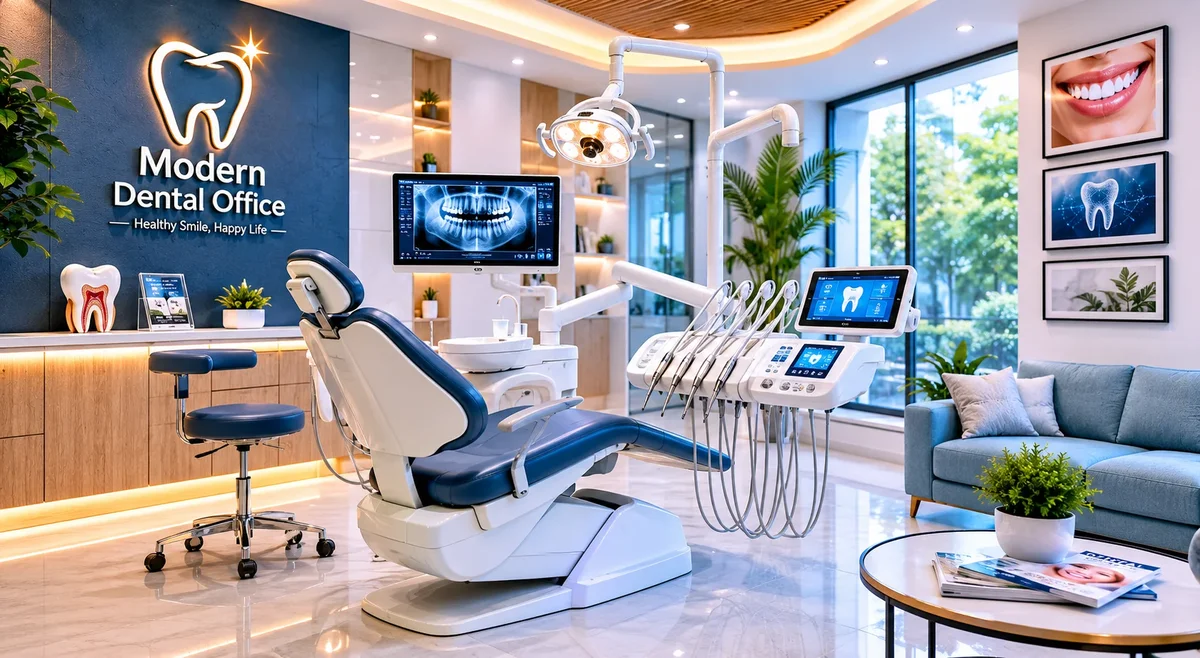
Conclusion: Why a Modern Dental Office Is the Best Choice for Comprehensive Oral Healthcare
The dental industry has undergone remarkable transformation in recent years, and the rise of the modern dental office represents one of the most significant advancements in oral healthcare. By combining innovative technology, evidence-based treatment methods, patient-centered care, and comprehensive service offerings, a modern dental office delivers a higher standard of dentistry than ever before. Patients no longer need to choose between quality, convenience, comfort, and efficiency because today’s dental practices are designed to provide all of these benefits within a single integrated environment.
Throughout every stage of care, a modern dental office focuses on improving both clinical outcomes and the overall patient experience. From preventive services and routine examinations to advanced restorative and cosmetic procedures, contemporary dental practices prioritize accuracy, safety, communication, and long-term oral health. As a result, patients gain access to solutions that are more effective, less invasive, and better suited to their individual needs.
The Value of Advanced Dental Technology
One of the primary reasons patients choose a modern dental office is the availability of advanced technology. Digital imaging systems, intraoral scanners, three-dimensional diagnostics, laser dentistry, and computer-assisted treatment planning have transformed the way dental professionals diagnose and treat oral health conditions.
Improved Accuracy and Efficiency
The technologies used within a modern dental office help improve diagnostic precision and reduce the likelihood of overlooked problems. Earlier detection allows dental professionals to intervene before minor concerns develop into more serious conditions, ultimately supporting healthier outcomes and reducing long-term treatment costs.
These innovations also contribute to greater efficiency. Many procedures can be completed more quickly and comfortably than in the past, allowing patients to spend less time in the dental chair while receiving high-quality care.
Better Treatment Outcomes
Precision planning and advanced clinical tools enable a modern dental office to deliver highly predictable treatment results. Whether performing restorative procedures, implant placement, orthodontic therapy, or cosmetic enhancements, technology helps improve consistency and patient satisfaction.
A Strong Emphasis on Prevention and Education
Preventive dentistry remains one of the most important priorities within a modern dental office. Rather than focusing solely on treatment after problems occur, modern practices emphasize early detection, patient education, and proactive oral health management.
Empowering Patients Through Knowledge
Education is an essential component of comprehensive care. A modern dental office utilizes visual tools, digital imaging, and personalized consultations to help patients understand their oral health status and treatment options. This approach encourages informed decision-making and strengthens the partnership between patients and dental professionals.
Supporting Long-Term Wellness
By promoting preventive care and healthy habits, a modern dental office helps patients maintain strong teeth, healthy gums, and improved overall well-being. Regular examinations, professional cleanings, and customized preventive strategies contribute to lifelong oral health success.
Patient-Centered Care as a Core Philosophy
Beyond technology and clinical expertise, the defining characteristic of a modern dental office is its commitment to patient-centered care. Every aspect of the practice is designed with the patient’s comfort, convenience, and satisfaction in mind.
Comfort and Convenience
A modern dental office often incorporates features such as online scheduling, electronic communication systems, comfortable treatment environments, and flexible treatment options. These conveniences reduce barriers to care and encourage patients to maintain regular dental visits.
Personalized Treatment Planning
No two patients have identical oral health needs. A modern dental office develops individualized treatment plans based on factors such as medical history, lifestyle habits, aesthetic goals, and risk assessments. Personalized care improves both treatment effectiveness and patient satisfaction.
Comprehensive Services for Every Stage of Life
Another significant advantage of a modern dental office is the ability to provide a broad spectrum of services for patients of all ages. From pediatric preventive care to advanced restorative and cosmetic treatments, modern practices are equipped to address a wide variety of oral health concerns.
This comprehensive approach simplifies treatment coordination and allows patients to receive consistent care from a trusted dental team. The continuity offered by a modern dental office contributes to stronger patient relationships and more effective long-term treatment planning.
Preparing for the Future of Dentistry
As dental science continues to evolve, the role of the modern dental office will become even more important. Emerging technologies such as artificial intelligence, predictive analytics, advanced digital workflows, and teledentistry are expected to further improve patient outcomes and accessibility.
Practices that embrace innovation while maintaining a strong focus on patient care will continue to lead the profession. The future modern dental office will likely offer even greater levels of personalization, efficiency, and preventive support, ensuring that patients receive the highest quality care possible.
Final Thoughts
Choosing a modern dental office is about more than selecting a place to receive dental treatment. It is about partnering with a healthcare provider that values innovation, safety, education, comfort, and long-term wellness. The combination of advanced technology, skilled professionals, comprehensive services, and patient-focused care creates an environment where individuals can confidently pursue their oral health goals.
Whether seeking preventive maintenance, restorative treatment, cosmetic improvements, orthodontic solutions, or advanced implant care, patients can benefit greatly from the capabilities of a modern dental office. By investing in comprehensive care today, individuals can enjoy healthier smiles, improved confidence, and better overall quality of life for years to come. For anyone seeking the highest standards of contemporary dentistry, a modern dental office represents the ideal choice for achieving and maintaining optimal oral health.
Disclosure: this page may contain affiliate links. We may earn a commission if you use them, at no extra cost to you.