
When it comes to restoring a missing back tooth, one of the most common concerns patients have is understanding the molar dental implant cost. Molars play a vital role in chewing, maintaining proper bite alignment, and supporting the overall structure of the mouth. Because of their function and position, replacing a lost molar is not just about appearance—it’s about long-term oral health and comfort. In this comprehensive guide, we will explore everything you need to know about the expenses involved, what influences the price, and why investing in a dental implant for your molar can be a life-changing decision. 🦷
The first point to understand is that the molar dental implant cost is not a one-size-fits-all number. While many dental clinics provide average price ranges, each patient’s needs are unique. This is because molars are located in the back of the mouth, often requiring stronger implants and more precise surgical techniques. The cost therefore reflects not only the materials used but also the expertise of the dental team. Patients considering a molar implant should be prepared to evaluate multiple factors before deciding on treatment.
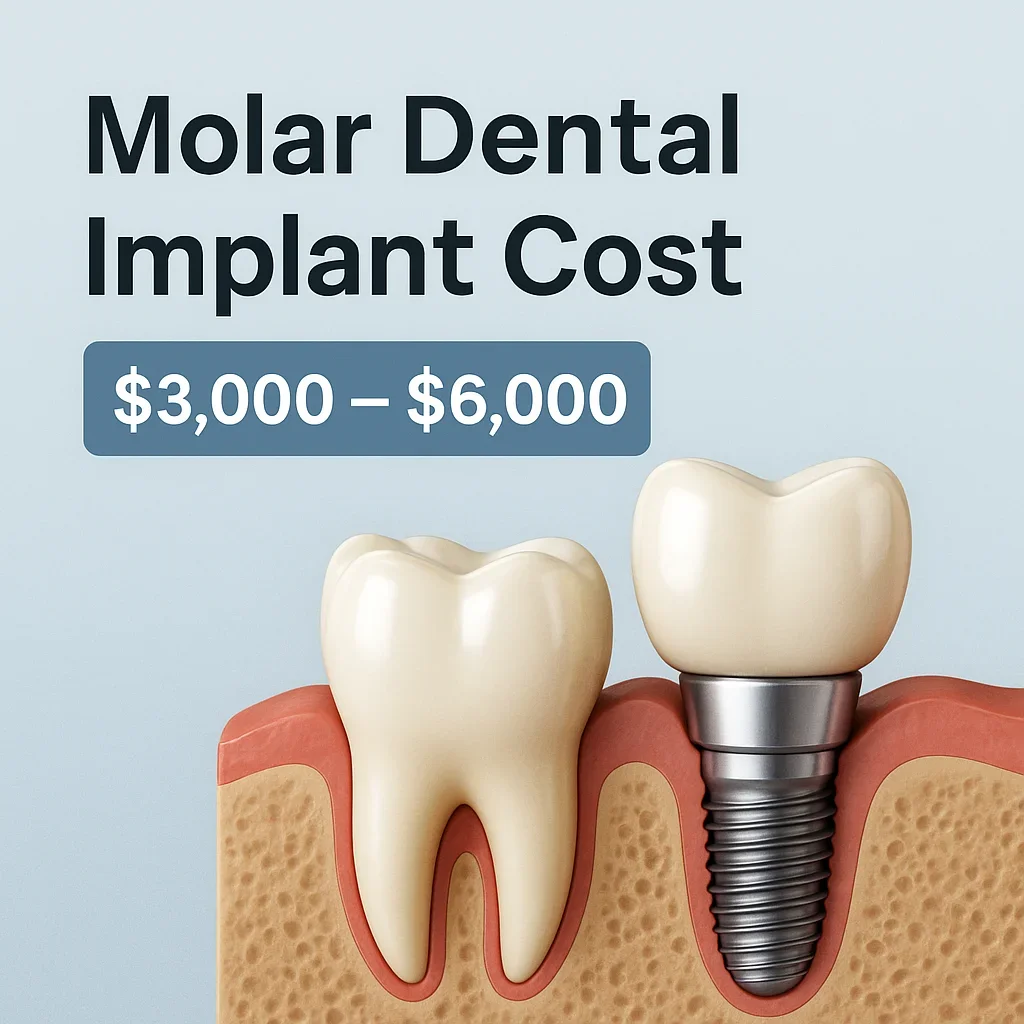
Globally, the average molar dental implant cost can range widely. In countries like the United States, the price for a single molar implant may vary between $3,000 and $6,000. In the United Kingdom, costs are generally between £2,500 and £4,500. However, dental tourism destinations such as Turkey often provide high-quality implants for significantly lower prices—sometimes as low as $800 to $1,200 per implant. This difference does not necessarily mean a compromise in quality; in fact, clinics in Turkey have gained a reputation for using the same top-grade materials and technologies as their Western counterparts, but with lower overhead expenses. For patients searching for affordability without sacrificing safety, comparing these international options can be a smart move.
Another essential factor that shapes the molar dental implant cost is the complexity of the procedure. Molars often have larger roots and are positioned close to nerves or sinus cavities. This means that additional procedures, such as a sinus lift or bone grafting, may be required before an implant can be placed successfully. Each of these steps adds to the overall cost. For example, a bone graft can cost an extra $500–$1,000, while a sinus lift procedure may increase the price by $1,500 or more. While these add-ons may seem expensive, they ensure the stability and longevity of the implant, which is critical for chewing-intensive molars.
Beyond the technical elements, patients must also account for hidden fees in the overall molar dental implant cost. These can include diagnostic imaging like X-rays or CBCT scans, consultation charges, anesthesia, and post-operative care. A complete treatment plan should outline every detail, so there are no financial surprises. Many clinics, especially those with transparent policies, will provide an all-inclusive package price. This gives patients peace of mind knowing that they are paying for the full treatment journey rather than being billed separately for every step.
Of course, the financial side of treatment is only part of the story. Patients often ask: “Is the investment in a molar implant really worth it?” The answer is almost always yes. Replacing a missing molar with a high-quality implant prevents other teeth from shifting, reduces the risk of bone loss in the jaw, and restores chewing efficiency. Over time, these health benefits outweigh the initial expense. Chewing properly also supports better digestion and nutrition, which has long-term positive effects on overall health. Therefore, while the molar dental implant cost may seem significant upfront, it is actually a long-term investment in quality of life.
When researching clinics, it is crucial to choose a provider with proven experience in implantology. Organizations such as the American Dental Association recommend patients look for certified specialists who use FDA-approved implant materials. Additionally, those considering international treatment options should contact clinics directly for quotes and ask about accreditations, guarantees, and patient reviews. If you are evaluating options in Turkey, you may consider reaching out to Redent Klinik Contact Page for personalized guidance and transparent pricing details. Reputable clinics will ensure you understand the entire treatment process, from consultation to final restoration, with no hidden costs.
Financing options are another part of the equation. While dental insurance often covers extractions or basic dental care, it rarely pays the full molar dental implant cost. However, many providers offer flexible payment plans, breaking down the total cost into manageable monthly installments. This helps make high-quality implants more accessible, particularly for patients who may not have the ability to pay upfront. Exploring financing solutions can reduce financial stress and make the journey smoother.
To summarize, the molar dental implant cost is shaped by a variety of factors, including geographical location, clinic reputation, additional surgical procedures, and hidden fees. On average, patients should expect a range between $800 and $6,000, depending on the country and complexity of the case. While this may sound like a significant expense, the long-term health, comfort, and confidence benefits of a properly placed molar implant are invaluable. By carefully researching providers, comparing international options, and planning for potential additional procedures, patients can make informed decisions that align with both their budget and health goals. Investing in a molar implant is not just about restoring a missing tooth—it’s about restoring balance, functionality, and a confident smile. 😃
Why Molar Dental Implants Are Different From Other Teeth
When evaluating the molar dental implant cost, it’s essential to understand why molars require a different approach compared to other teeth. Unlike incisors or canines, molars are located at the very back of the mouth, where they handle most of the chewing forces. These teeth grind food into smaller pieces, enabling proper digestion. Because of their critical function and anatomical complexity, molars require stronger, carefully positioned implants, and this directly influences both the treatment process and overall expenses. 🦷
The Role of Molars in Oral Health
Molars are the “powerhouses” of the mouth. They have multiple roots, wide chewing surfaces, and are designed to withstand heavy bite pressure. When a molar is missing, patients often underestimate its importance because the gap is less visible than a missing front tooth. However, this absence can cause neighboring teeth to drift, affect jawbone density, and even lead to uneven wear on other teeth. For this reason, replacing a molar with a dental implant is more than cosmetic—it is functional and preventive. Understanding this role helps explain why the molar dental implant cost may differ from the price of other implants.
Structural Challenges of Molar Implants
Replacing molars comes with unique challenges. Their position at the back of the mouth makes them harder to access surgically. Dentists often need advanced tools and imaging technologies such as CBCT scans to plan the implant’s placement. Additionally, molars are close to sensitive areas such as the maxillary sinuses in the upper jaw and the mandibular nerve in the lower jaw. To avoid complications, dentists must carefully evaluate bone quality and available space. These extra diagnostic and surgical considerations add to the overall molar dental implant cost, but they also ensure the long-term success of the procedure.
Bone Grafting and Sinus Lifts
Many patients who have lost molars experience bone resorption, where the jawbone gradually shrinks due to lack of stimulation. In such cases, bone grafting may be required to create a stable foundation for the implant. Similarly, for upper molars, a sinus lift may be necessary to make room for implant placement. Both procedures add cost, time, and recovery to the treatment plan. While this increases the molar dental implant cost, it also significantly enhances the durability of the implant, ensuring it can withstand daily chewing forces for years.
Why Molars Require Larger or Stronger Implants
Unlike single-rooted front teeth, molars often require wider or longer implants to replicate the natural root structure. In some cases, multiple implants may be recommended to replace one large molar, particularly if the chewing load is heavy. These technical variations mean that more titanium or zirconia material is used, and the dentist may need advanced surgical expertise. Naturally, this increases the molar dental implant cost, but it also ensures that the replacement functions like a natural molar in both strength and durability.
Aesthetic Considerations vs. Functional Needs
Front teeth implants are often driven by aesthetics, as patients want their smile to look natural. Molars, however, are judged more on performance than appearance. While aesthetics are still important, molar implants must first and foremost handle chewing stress. This functional priority requires specialized abutments and crowns designed to distribute pressure evenly. Investing in this precision is part of what makes the molar dental implant cost higher compared to other dental restorations.
Impact on Long-Term Oral Stability
If a missing molar is not replaced, patients risk shifting teeth, misalignment, and bite problems, which can eventually lead to temporomandibular joint (TMJ) issues. Over time, these complications may require costly orthodontic or restorative treatments. By understanding that the initial molar dental implant cost prevents future dental problems, patients can better appreciate the long-term value of the investment. In other words, paying upfront for a molar implant often saves money in the long run.
Technological Advancements in Molar Implants
Modern dentistry has developed innovations specifically designed to improve molar implant success rates. Guided implant surgery, 3D-printed surgical templates, and digital impressions ensure precise placement, reducing complications and recovery time. While these technologies may slightly increase the molar dental implant cost, they also improve patient comfort and enhance the durability of the implant. Patients today benefit from higher success rates and faster recovery thanks to these advancements.
Cost vs. Value Perspective
When patients ask why the molar dental implant cost is higher than expected, dentists often explain that molars require greater effort, materials, and expertise. While the upfront cost may feel daunting, molars provide the foundation for effective chewing, proper digestion, and a balanced bite. Neglecting to replace them can create a cascade of oral health issues. Therefore, the value of molar implants should not be measured by cost alone but by the overall improvement in quality of life and prevention of long-term damage.
In conclusion, molar implants are unique because they demand more strength, precision, and sometimes additional procedures compared to other dental implants. This complexity directly impacts the molar dental implant cost. By understanding the anatomical challenges, functional importance, and technological requirements of molar implants, patients can see why the price is justified. Ultimately, investing in molar implants means protecting oral health, ensuring long-term stability, and enjoying the ability to eat and smile with confidence. 😃
Average Molar Dental Implant Cost in 2025
One of the most frequent questions patients ask their dentists is, “What is the molar dental implant cost today?” In 2025, the average price of replacing a molar with a dental implant varies greatly depending on the country, clinic reputation, and whether additional procedures are required. Because molars are large, load-bearing teeth located in a complex part of the mouth, they typically cost more than front-tooth implants. This section will break down global averages, regional differences, and what patients can expect to pay in 2025. 🦷
Global Averages for Molar Dental Implants
Across the globe, the molar dental implant cost has stabilized in recent years thanks to advancements in technology and wider access to implant materials. However, price ranges remain broad:
- United States: $3,000 – $6,000 per molar implant (including crown).
- United Kingdom: £2,500 – £4,500 per implant.
- Canada: CAD $3,500 – $5,500.
- Australia: AUD $4,000 – $6,500.
- Turkey: $800 – $1,500 (dental tourism hotspot with high-quality services).
- India: $600 – $1,200 (lower costs due to economic differences and clinic competition).
These numbers represent averages in 2025 and are subject to variations based on bone quality, the need for grafting, and the complexity of the surgery. While patients in Western countries face higher costs due to labor and regulatory expenses, destinations like Turkey offer the same FDA-approved materials at a fraction of the cost, making them highly attractive for dental tourism.
Breakdown of Molar Implant Costs
To fully understand the molar dental implant cost, it helps to look at the typical components included in the total fee. Many clinics offer itemized billing, while others provide all-inclusive packages. Here is a typical breakdown in 2025:
- Consultation and diagnostic imaging: $150 – $500
- Surgical placement of the implant: $1,500 – $3,500
- Abutment and crown placement: $1,000 – $2,000
- Additional procedures (bone graft/sinus lift): $500 – $2,500
Altogether, this explains why patients often see price quotes ranging from $3,000 to $6,000 in the U.S. and U.K. In contrast, clinics in Turkey or India bundle these services for under $2,000, making them significantly more affordable. The variation highlights why patients must carefully compare both costs and quality.
Single vs. Multiple Molar Costs
Replacing one molar is relatively straightforward, but patients missing two or three molars may pay a different fee structure. In some cases, dentists can place two implants to support three molars with a bridge, reducing the molar dental implant cost per tooth. This approach is commonly recommended when multiple adjacent molars are missing, as it lowers cost while maintaining function.
Regional Differences in 2025
Economic and healthcare systems play a significant role in determining the molar dental implant cost. For example:
- USA: Higher costs due to malpractice insurance, strict regulations, and advanced clinic infrastructure.
- UK & Europe: Moderate to high costs; some countries subsidize dental care but implants are usually private expenses.
- Turkey & Eastern Europe: Lower costs but high quality; popular among international patients seeking affordability.
- Asia (India, Thailand): Budget-friendly, but patients should research clinic certifications and materials used.
These differences make dental tourism appealing, but patients must also consider travel, accommodation, and follow-up care when calculating the true overall cost.
Hidden Expenses to Watch For
In 2025, one of the most important aspects to consider is transparency. Not all clinics include every fee in their initial quotes. Hidden costs such as anesthesia, follow-up visits, temporary crowns, or medications can add hundreds of dollars. To avoid surprises, patients should request a detailed treatment plan outlining every step. Understanding these extras gives a more accurate picture of the molar dental implant cost.
Insurance Coverage in 2025
Most dental insurance plans in 2025 still classify implants as elective, meaning they may cover only part of the procedure, such as extraction or X-rays, while excluding the implant itself. Some high-tier plans, however, have begun to cover 30–50% of the implant fee. This development reduces the out-of-pocket molar dental implant cost for insured patients, though it still requires careful verification with providers.
Cost vs. Quality Considerations
While affordability is important, patients should remember that the lowest price is not always the best choice. A poorly placed implant may lead to failure, infection, or additional corrective surgery, which ultimately raises the molar dental implant cost. Clinics accredited by organizations such as the American Dental Association or international equivalents offer safer and more reliable treatment, making the investment worthwhile.
For those seeking affordable yet reliable options, contacting reputable clinics is essential. If you are exploring treatment in Turkey, you may wish to consult the Redent Klinik Contact Page for transparent and personalized quotes. These clinics often include aftercare and warranties, adding value beyond the initial procedure.
In conclusion, the molar dental implant cost in 2025 ranges significantly—from as low as $600 in parts of Asia to as high as $6,000 in Western countries. Factors such as additional procedures, insurance coverage, and regional economies all play a role. By comparing international averages, requesting transparent pricing, and balancing affordability with quality, patients can make informed decisions that ensure long-term success and value. 😃
Factors That Influence Molar Dental Implant Prices
When patients begin researching the molar dental implant cost, one of the first things they notice is how widely the prices vary from one clinic or country to another. This difference is not random—it reflects multiple factors that influence the final fee. Understanding these elements helps patients prepare financially and ensures they are comparing costs fairly when evaluating clinics. In this section, we will break down the key factors, including clinical expertise, materials, complexity of the procedure, and even location-based economics. 🦷
Geographical Location
The most significant factor influencing the molar dental implant cost is geography. For instance, the same implant system that costs $4,500 in the United States may be priced under $1,200 in Turkey. Why? Operating expenses such as rent, staff salaries, and insurance premiums vary greatly between countries. In Western nations, high malpractice insurance and regulatory standards contribute to higher costs, while countries like Turkey or India benefit from lower operating expenses without compromising quality, making dental tourism attractive for many patients.
Expertise of the Dental Surgeon
The experience and reputation of the dental professional also play a crucial role in determining the molar dental implant cost. Highly skilled implantologists with advanced training often charge higher fees, but their expertise significantly improves the success rate. In contrast, inexperienced providers may offer lower prices, but this can lead to complications or implant failure—costing more in the long run. Patients should view the higher fees of specialists as an investment in safety and longevity.
Board Certifications and Accreditations
Surgeons certified by organizations like the American Dental Association or other international dental boards generally charge more. However, this higher cost is associated with guaranteed standards of safety and quality. Patients can rest assured that their treatment follows internationally accepted protocols, which is especially important for complex molar replacements.
Implant Materials
The choice of materials affects both performance and pricing. Most implants are made of titanium, known for its strength and biocompatibility. Recently, zirconia implants have become popular due to their aesthetic advantages and hypoallergenic properties. However, zirconia implants tend to raise the molar dental implant cost by 10–20% compared to titanium options. Additionally, the type of crown (porcelain-fused-to-metal, zirconia, or all-ceramic) also influences the final bill, with all-ceramic crowns being the most expensive due to their natural appearance and durability.
Additional Procedures
Molars are more likely to require supporting treatments before an implant can be placed. These add-ons significantly impact the total molar dental implant cost:
- Bone grafting: $500 – $1,500 depending on material and complexity.
- Sinus lift surgery: $1,000 – $2,500 for upper molars near the maxillary sinus.
- Tooth extraction: $150 – $500 per tooth.
These procedures ensure that the implant has a stable foundation, preventing long-term failure. While they raise the cost upfront, they are critical to the implant’s success.
Healing and Recovery Time
In cases where bone grafting is necessary, patients may face extended healing times before implant placement. This staged approach means more appointments and follow-up visits, which contribute to the overall molar dental implant cost. Clinics with streamlined digital workflows may reduce this timeline, saving both time and money for the patient.
Technology and Equipment Used
Modern dental clinics that use advanced imaging (CBCT scans), digital impressions, and guided surgery systems often charge higher fees. However, these technologies increase accuracy, reduce surgical risks, and shorten recovery times. Patients must weigh whether paying a slightly higher molar dental implant cost is worthwhile for the added safety and comfort these innovations bring.
Clinic Reputation and Aftercare
Reputable clinics that provide comprehensive aftercare typically charge more than budget-focused practices. Follow-up visits, warranty policies, and transparent pricing structures all influence the total molar dental implant cost. For example, clinics that offer a 5–10 year guarantee on implants may appear more expensive initially, but they provide significant long-term value by covering potential complications without extra charges.
Hidden Fees and Transparency
Some clinics advertise a low base price for implants but exclude essentials like abutments, crowns, or anesthesia. This can mislead patients into believing the molar dental implant cost is lower than it truly is. The best approach is to request a detailed written treatment plan that outlines all expected fees, from diagnostics to final crown placement. Transparent clinics, such as Redent Klinik Contact Page, typically provide all-inclusive pricing, ensuring patients avoid financial surprises.
Insurance and Financing
Insurance coverage remains limited for implants in 2025, but some premium plans cover part of the treatment. Patients with insurance may see their molar dental implant cost reduced by 30–50%. Additionally, many clinics offer financing programs, allowing patients to pay in installments. This makes implants accessible without requiring full upfront payment, easing the financial burden.
In summary, the molar dental implant cost is shaped by multiple interrelated factors. Geographic location, dental expertise, materials, supporting procedures, technology, and aftercare all play a part in determining the final fee. Patients should look beyond the price tag and focus on value, safety, and long-term results. By understanding what influences cost, patients can make informed decisions, avoid hidden fees, and ensure that their investment leads to a durable, functional, and healthy smile. 😃
Single vs. Multiple Molar Implant Costs
When patients research the molar dental implant cost, one of the most important considerations is whether they need a single implant or multiple implants. The number of missing molars plays a huge role in determining overall expenses, as treatment approaches differ for single-tooth replacement compared to restoring multiple molars. In this section, we will explain the financial, clinical, and functional differences between single and multiple molar implants in 2025, providing clarity on what patients can expect. 🦷
Single Molar Implant Cost
A single molar implant is the most straightforward treatment option. It involves placing one titanium or zirconia implant into the jawbone, attaching an abutment, and fitting a custom crown. In 2025, the average molar dental implant cost for a single tooth ranges between $3,000 and $6,000 in the United States and £2,500 to £4,500 in the United Kingdom. In countries known for dental tourism, such as Turkey or India, the cost can be as low as $800–$1,500 per implant. These variations are due to labor costs, clinic reputation, and additional procedures such as bone grafting or sinus lifts.
When Is a Single Molar Implant Ideal?
Single implants are recommended when only one molar is missing and surrounding teeth are healthy. This option preserves natural tooth structure because it does not require grinding down adjacent teeth, unlike dental bridges. Patients benefit from a durable, functional replacement that looks and feels natural. While the molar dental implant cost may seem high for a single tooth, the long-term benefits of stability and bone preservation justify the investment.
Multiple Molar Implant Costs
For patients missing two or more molars, the treatment plan becomes more complex. Instead of placing one implant per missing tooth, dentists often use strategic approaches to balance cost and function. For instance, two implants may support a three-unit bridge, effectively restoring three missing molars with fewer implants. In 2025, this reduces the average molar dental implant cost per tooth compared to replacing each molar individually.
Cost Breakdown for Multiple Molars
- Two adjacent molars: $5,000 – $10,000 in the U.S., or $1,500 – $2,500 in Turkey.
- Three adjacent molars with two implants and a bridge: $7,000 – $12,000 in the U.S., or $2,000 – $3,000 in Turkey.
- Full molar replacement on one side of the jaw: Costs vary widely, from $10,000+ in the West to under $4,000 in dental tourism destinations.
This demonstrates how the molar dental implant cost per tooth decreases with multiple placements, especially when bridges are used strategically. Patients save money while restoring chewing function across multiple missing molars.
Functional Benefits of Multiple Implants
Replacing several molars ensures even distribution of bite pressure, which protects remaining teeth and prevents jawbone deterioration. While patients may hesitate at the higher upfront molar dental implant cost, multiple implants often deliver better long-term stability than partial dentures, which can shift or wear down surrounding teeth. In addition, implants prevent bone resorption, maintaining facial structure and oral health over time.
Single vs. Multiple: Cost Efficiency
Although a single implant has a lower price tag, multiple implants provide better cost efficiency when several molars are missing. For example, instead of paying $15,000 to replace three molars with three individual implants, patients may spend around $10,000 to achieve the same result with two implants and a bridge in the U.S. In Turkey, the same procedure might cost under $3,000. This makes multiple implants an attractive choice for those who want to balance affordability with function.
Additional Procedures for Multiple Molars
The more molars that are missing, the more likely additional procedures will be necessary. Bone grafting is especially common in cases of multiple molar loss, as the jawbone may have deteriorated significantly. These procedures add to the molar dental implant cost but ensure long-term stability. Patients missing several molars should expect a more comprehensive treatment plan, including longer healing times and possibly staged surgeries.
Insurance and Financing Differences
Insurance coverage for multiple implants is still limited in 2025, though some premium plans cover a percentage of the treatment. This means that the full molar dental implant cost for multiple teeth can be financially challenging. To address this, many clinics provide financing options, breaking payments into manageable monthly installments. This approach makes multi-tooth implant treatment accessible, especially when done in countries where base costs are lower.
Making the Right Choice
Patients deciding between single and multiple molar implants should consider both short-term affordability and long-term value. Single implants are ideal for isolated tooth loss, while multiple implants offer better efficiency and stability for extensive molar loss. Regardless of the option chosen, it is crucial to select a reputable clinic with transparent pricing. Trusted providers, such as those found through the Redent Klinik Contact Page, can help patients understand the full financial commitment and avoid hidden fees.
In conclusion, whether choosing a single implant or multiple implants, the molar dental implant cost is shaped by the number of teeth, the complexity of treatment, and regional differences. Single implants are excellent for isolated molar loss, while multiple implants provide cost-effective solutions for restoring chewing function across larger gaps. By weighing these options, patients can make informed decisions that protect oral health, improve daily life, and deliver long-term value. 😃
Molar Implant Cost Comparison: USA, UK, and Turkey
When considering the molar dental implant cost, one of the most useful approaches is to compare prices across different countries. In 2025, the United States and the United Kingdom remain among the most expensive places for dental implants, while Turkey has emerged as a global hub for affordable, high-quality dental care. Patients often weigh these three destinations when planning treatment, especially those interested in balancing cost, quality, and accessibility. 🦷
Average Molar Implant Cost in the USA
In the United States, the molar dental implant cost is typically between $3,000 and $6,000 per tooth. This price often includes the implant placement, abutment, and crown, but additional procedures such as extractions, bone grafting, or sinus lifts can add thousands more. U.S. dental clinics justify the higher prices with cutting-edge technology, rigorous regulations, and highly trained specialists. However, patients without comprehensive insurance coverage may find these costs prohibitive.
Why Costs Are Higher in the USA
Several factors contribute to the high molar dental implant cost in the U.S. These include malpractice insurance, advanced facility overheads, and strict safety standards. While this ensures high-quality care, it also means that even a straightforward molar implant procedure is significantly more expensive than in many other countries. Insurance coverage for implants remains limited, so patients often pay the majority of the expense out of pocket.
Average Molar Implant Cost in the UK
The United Kingdom has slightly lower costs than the U.S., but the molar dental implant cost still ranges from £2,500 to £4,500 per tooth. Private dental clinics dominate the implant market, as the National Health Service (NHS) typically does not cover implants except in rare medical cases. Patients in the UK often report long waiting times for NHS-supported alternatives, such as dentures, which encourages many to seek implants privately.
Private vs. NHS Options
While NHS coverage for molar implants is extremely rare, private clinics provide faster access and high-quality services. However, the tradeoff is cost. UK patients often look abroad, particularly to Turkey, for more affordable treatment options. For example, a patient who might pay £3,500 for a single implant in London could receive the same treatment for under £1,200 in Istanbul, including travel and accommodation.
Average Molar Implant Cost in Turkey
Turkey has become a leading destination for dental tourism, attracting thousands of international patients every year. In 2025, the average molar dental implant cost in Turkey ranges from $800 to $1,500 per tooth, often including consultation, X-rays, surgery, abutment, and crown in one package. Some clinics even provide travel assistance, airport transfers, and hotel partnerships to make the process seamless for international visitors.
Why Turkey Offers Lower Costs
The affordability of implants in Turkey is not due to inferior quality but rather to lower operating expenses, favorable exchange rates, and government support for medical tourism. Turkish clinics frequently use globally recognized brands such as Straumann, Nobel Biocare, and MIS. Many dentists are trained in Europe or the U.S., ensuring that international patients receive care on par with Western standards. This combination of quality and affordability makes Turkey highly competitive in the implant market.
Comparative Cost Table: USA, UK, and Turkey
| Country | Average Cost per Molar Implant (2025) | Insurance Coverage | Additional Benefits |
|---|---|---|---|
| USA | $3,000 – $6,000 | Limited; often excludes implants | Advanced technology, strict safety standards |
| UK | £2,500 – £4,500 | Rarely covered by NHS | Private clinics with shorter wait times |
| Turkey | $800 – $1,500 | Private payment; some financing options | All-inclusive packages, medical tourism support |
Beyond Price: Value and Quality
Although the molar dental implant cost is lowest in Turkey, patients should evaluate value as well as price. U.S. and UK clinics may charge more but offer convenient aftercare and proximity for follow-up visits. Turkish clinics, meanwhile, excel in affordability and service packages but require patients to plan for travel and possible future visits. This tradeoff must be considered carefully when making a decision.
Travel Considerations
Patients choosing Turkey must factor in travel costs, though many find that even with flights and hotels, the total expense remains far lower than local treatment in the U.S. or UK. Clinics such as those accessible via the Redent Klinik Contact Page often assist with planning, making the process stress-free for international patients.
Which Country Should You Choose?
The decision depends on individual priorities. Patients in the U.S. and UK who prioritize convenience and local aftercare may prefer domestic treatment despite higher prices. Those seeking affordability without sacrificing quality often select Turkey, where savings of up to 70% are common. Importantly, patients should research clinic accreditations, materials used, and reviews before making a final choice.
In conclusion, the molar dental implant cost varies dramatically between the USA, UK, and Turkey. While U.S. and UK prices remain high, Turkey offers a unique balance of affordability and international-quality care. By comparing not just price but also long-term value, patients can make informed decisions that suit both their budget and oral health needs. 😃
Hidden Expenses Beyond Molar Dental Implant Cost
Many patients begin their treatment journey by focusing only on the advertised molar dental implant cost. However, what is often overlooked are the hidden expenses that can significantly increase the total bill. While some clinics provide transparent, all-inclusive packages, others may exclude key components such as imaging, anesthesia, or aftercare. These additional fees can turn what seems like an affordable treatment into a far more costly experience. Understanding these hidden costs ensures that patients make informed financial decisions before committing to treatment. 🦷
Diagnostic and Consultation Fees
Before an implant can be placed, dentists must perform thorough evaluations. This includes initial consultations, digital X-rays, and 3D CBCT scans. These imaging tools allow dentists to plan the surgery precisely, reducing risks and improving outcomes. However, they are often billed separately. In 2025, these diagnostic steps can add $200 – $500 to the overall molar dental implant cost. Patients should ask their clinic if the initial quote includes these fees or if they will be billed as extras.
Example Costs for Diagnostics
- Panoramic X-ray: $50 – $150
- CBCT scan: $200 – $400
- Consultation fee: $100 – $250
Though these costs may seem small compared to the implant itself, they add up quickly and should be factored into the total molar dental implant cost.
Anesthesia and Sedation
Most implant procedures require local anesthesia, which is usually included in the base fee. However, patients with dental anxiety or complex cases may opt for sedation or general anesthesia. These services often cost an additional $300 – $1,000 depending on the method used. Unfortunately, many clinics do not disclose this upfront, causing patients to underestimate their true financial responsibility.
Sedation Options and Costs
- Local anesthesia: Often included in implant fee
- Oral sedation: $150 – $300
- IV sedation: $500 – $1,000
- General anesthesia: $800 – $2,500
Choosing sedation for comfort can significantly increase the molar dental implant cost, but for many patients, it makes the experience far less stressful.
Temporary Restorations
After the implant post is placed, healing can take several months before the final crown is attached. During this time, temporary crowns or partial dentures may be needed for function and aesthetics. These temporary restorations are not always included in the initial quote, and they can cost $300 – $600 each. Patients should verify if their clinic provides a temporary solution within the quoted molar dental implant cost.
Additional Surgical Procedures
While the implant procedure itself is straightforward for some, many molar cases require extra steps such as bone grafting or sinus lifts. These procedures strengthen the jawbone and create enough space for implant placement. However, they add $500 – $2,500 to the treatment plan. Since molars are located near sensitive anatomical structures, these add-ons are common and should be anticipated when calculating the full molar dental implant cost.
Post-Operative Care and Medications
After surgery, patients may require antibiotics, pain medication, and follow-up visits. While individual prescriptions are not overly expensive, multiple follow-up appointments can increase costs by $200 – $500. Some clinics include follow-up care in the treatment package, while others bill separately. Patients should always ask for clarity to avoid being surprised by additional charges.
Laboratory and Material Upgrades
Another hidden factor affecting the molar dental implant cost is laboratory work. While standard crowns are often included in the base fee, patients who prefer premium options—such as full zirconia or porcelain-fused-to-gold—can face surcharges of $300 – $800. Similarly, advanced abutments (angled, custom-made, or aesthetic-grade) may cost more than standard options. These upgrades provide superior durability or cosmetic appeal, but they are rarely included in the advertised price.
Common Upgrade Costs
- Standard crown: Included
- Zirconia crown upgrade: +$400 – $600
- Custom abutment: +$250 – $500
Maintenance and Long-Term Expenses
Although implants are designed to last decades, patients must commit to long-term care. Professional cleaning, routine checkups, and occasional replacement of crowns all add to lifetime expenses. On average, crown replacement may cost $1,000 – $2,000 every 10–15 years. While this is not part of the immediate molar dental implant cost, patients should plan for these long-term commitments to maintain their investment.
Hidden Costs in International Treatments
For patients traveling abroad, hidden costs extend beyond the clinic. Flights, accommodations, meals, and transportation can add $1,000 or more to the trip. While Turkey remains far more affordable overall than the USA or UK, patients should calculate these travel-related expenses to see the real total. Some clinics, such as those available via the Redent Klinik Contact Page, offer all-inclusive packages that bundle treatment, accommodation, and transfers, minimizing hidden travel expenses.
In summary, the molar dental implant cost is rarely just the number advertised on a clinic’s website. Diagnostic tests, anesthesia, temporary restorations, surgical add-ons, aftercare, material upgrades, and even travel expenses can significantly increase the final bill. Patients who request detailed, transparent treatment plans and ask the right questions upfront will avoid financial surprises and make more confident decisions. By accounting for hidden costs, patients ensure their investment leads to long-term oral health, stability, and peace of mind. 😃
Insurance and Financing Options for Molar Implants
One of the most common concerns patients face when evaluating the molar dental implant cost is how to pay for treatment. Since implants are often classified as elective by insurance providers, patients may worry about covering the entire expense out of pocket. Fortunately, in 2025, both insurance and financing options have evolved, giving patients more ways to manage costs effectively. Understanding coverage limitations, financing programs, and available payment structures can make the difference between postponing treatment and moving forward with confidence. 🦷
Insurance Coverage for Dental Implants in 2025
Historically, dental insurance has been limited when it comes to implants. Most standard plans covered extractions or dentures but excluded implants. However, in recent years, some insurance providers have expanded their policies to partially reimburse the molar dental implant cost. Today, coverage varies significantly depending on the policy and provider:
- Basic dental plans: Usually do not cover implants but may pay for related procedures, such as tooth extractions or X-rays.
- Mid-tier plans: May cover 30–50% of the implant crown or abutment but not the surgical placement.
- Premium plans: Some high-end insurance packages now cover up to 50% of the total molar dental implant cost, though annual maximums (often $2,000–$3,000) still limit reimbursement.
While insurance can reduce costs, patients should read policy details carefully to understand exclusions, waiting periods, and coverage limits. Many plans impose annual maximums that cover only part of the total expense, leaving patients to pay the balance themselves.
Medical Insurance vs. Dental Insurance
In special cases where tooth loss is related to trauma, cancer treatment, or medical conditions, some health insurance policies may contribute to implant costs. This can reduce the molar dental implant cost considerably, but patients must provide medical documentation and pre-authorization. Dental-only insurance, on the other hand, typically offers less support.
Financing Options for Molar Implants
For patients without comprehensive insurance, financing programs provide an accessible way to manage the molar dental implant cost. Most dental clinics in the U.S., UK, and Turkey now partner with third-party financing companies or offer in-house payment plans. These options allow patients to spread payments across several months or years, making treatment more affordable.
Common Financing Plans
- Installment plans: Fixed monthly payments over 12–60 months, often with interest.
- 0% interest financing: Short-term plans (6–18 months) where the clinic absorbs the interest cost.
- Extended credit lines: Similar to medical credit cards, offering revolving credit for multiple procedures.
- Clinic-managed payment plans: Direct arrangements with the dental office, often interest-free but with strict payment schedules.
These plans make it easier for patients to begin treatment without needing the full sum upfront. While financing adds predictability, patients should review interest rates carefully, as high-interest loans can increase the total molar dental implant cost over time.
Employer and Membership Benefits
Some employers now include dental implant coverage as part of enhanced benefits packages, especially in competitive industries. Additionally, dental savings memberships are growing in popularity. For an annual fee, these programs provide discounts of 20–40% on treatments, including implants. While they are not traditional insurance, they can significantly reduce the final molar dental implant cost at participating clinics.
International Treatment and Insurance
Patients considering dental tourism—particularly in Turkey—should be aware that most domestic insurance policies do not cover procedures performed abroad. This means the molar dental implant cost must usually be paid entirely out of pocket. However, since Turkish clinics charge far less than Western providers, patients often still save thousands, even without insurance support. To ease the burden, many Turkish clinics offer bundled pricing and financing tailored to international patients.
Example: Turkey vs. USA Financing
In the U.S., financing a $5,000 molar implant might mean $200 per month over two years. In Turkey, the same implant may cost only $1,200, which many clinics allow patients to pay in two or three installments—sometimes without interest. This highlights how both cost and financing structures differ globally.
Steps to Maximize Insurance and Financing Benefits
To get the most value and reduce the molar dental implant cost, patients should follow these steps:
- Verify coverage: Contact your insurance provider for a pre-treatment estimate and clarification on implant-related benefits.
- Request a detailed treatment plan: Ensure the clinic provides a breakdown of surgical fees, crown, abutment, and potential extras.
- Explore financing options early: Apply for financing before treatment begins to secure the best interest rates.
- Compare international savings: If considering dental tourism, calculate not only treatment but also travel and accommodation to see the true total cost.
Trusted Clinics and Transparency
Reputable providers, such as those accessible via the Redent Klinik Contact Page, often provide both clear pricing and financing support. Transparent clinics will explain which services are covered by insurance, offer flexible payment options, and ensure patients avoid hidden costs. This level of trust is essential when making a long-term investment in oral health.
In conclusion, while insurance coverage for implants remains limited, patients in 2025 have more options than ever to manage the molar dental implant cost. Partial reimbursements, financing programs, employer benefits, and international treatment alternatives all provide opportunities to make implants accessible. By carefully reviewing insurance policies, considering financing options, and selecting trusted providers, patients can achieve a healthy, functional smile without overwhelming financial strain. 😃
Long-Term Value: Are Molar Implants Worth the Price?
When patients evaluate the molar dental implant cost, they often wonder whether the investment truly pays off in the long run. Unlike temporary solutions such as bridges or dentures, molar implants are designed to last decades, sometimes even a lifetime. This durability, combined with functional and health benefits, makes implants a unique treatment that provides long-term value far beyond the upfront cost. In this section, we will explore why molar implants are considered a worthwhile investment, focusing on their health, financial, and quality-of-life benefits. 🦷
Durability and Lifespan
One of the most compelling reasons molar implants are worth the molar dental implant cost is their longevity. Traditional dental restorations, like bridges or dentures, often need replacement every 5–10 years. In contrast, a properly placed implant can last 25 years or more with good oral hygiene. While the crown may need replacement every 10–15 years, the implant post itself—integrated into the jawbone—can remain stable indefinitely. This longevity means patients save money over time, as they avoid repeated restorative treatments.
Implants vs. Bridges and Dentures
Dental bridges typically last 7–10 years and require grinding down adjacent healthy teeth, which weakens them. Dentures, while less expensive upfront, need frequent adjustments and replacements due to bone loss and wear. Although the initial molar dental implant cost is higher, implants ultimately prove more economical by reducing the need for recurring treatments and preserving healthy teeth and jawbone structure.
Prevention of Bone Loss
A unique advantage of implants is their ability to prevent bone resorption. When a molar is missing, the jawbone in that area gradually deteriorates due to lack of stimulation. This can alter facial shape, weaken oral stability, and cause further tooth loss. By integrating directly into the bone, implants preserve bone density and stimulate growth, ensuring long-term oral health. This biological benefit is one of the main reasons why patients view the molar dental implant cost as an investment in overall well-being.
Improved Oral Function
Molars are responsible for chewing and grinding food efficiently. Without them, digestion suffers, and patients may experience dietary limitations. Alternatives like dentures cannot replicate the natural strength of molars, often slipping or reducing bite force. Implants restore full chewing capacity, enabling patients to enjoy a balanced diet and better nutrition. The functional improvement gained makes the molar dental implant cost far more justifiable compared to less effective restorations.
Impact on Digestion and Nutrition
Poor chewing efficiency can lead to digestive problems and nutritional deficiencies, especially in older adults. By restoring molar function, implants support proper digestion and absorption of nutrients, contributing to overall health. In this way, the benefits of paying the molar dental implant cost extend well beyond oral care—they enhance long-term systemic health.
Aesthetic and Confidence Benefits
Although molars are less visible than front teeth, missing them can still affect facial aesthetics. Bone loss in the posterior jaw can cause facial sagging and premature aging. Implants preserve bone and maintain facial structure, preventing these changes. Patients also report improved self-confidence, knowing that their smile is complete and functional. Even though the molar dental implant cost is significant, the confidence gained contributes greatly to quality of life.
Financial Value Over Time
While the initial outlay for implants may feel expensive, a long-term financial perspective shows why they are cost-effective. Consider this example: a dental bridge costing $2,500 may need replacement two or three times over 20 years, totaling $7,500. In contrast, a single implant at $4,000 may last the same 20 years with only minor maintenance, resulting in lower overall expense. This illustrates why the molar dental implant cost often saves money over time compared to alternatives.
Cost Savings in Preventive Care
By preserving bone and preventing adjacent teeth from shifting, implants reduce the risk of needing orthodontics, root canals, or further restorative work. These indirect savings make the initial molar dental implant cost even more valuable. Patients investing in implants today may avoid thousands of dollars in corrective procedures later.
Psychological and Lifestyle Benefits
Beyond health and finances, implants improve daily living. Patients with secure implants no longer worry about dentures slipping, avoiding embarrassment in social settings. They also experience improved speech clarity, something often compromised by missing molars or removable prosthetics. The psychological relief of having a natural-feeling tooth replacement reinforces the long-term worth of the molar dental implant cost.
Trusted Clinics and Long-Term Guarantees
Many reputable clinics provide warranties or guarantees for implants, covering potential failures within the first 5–10 years. Clinics like those available through the Redent Klinik Contact Page often include aftercare and maintenance advice, ensuring that patients maximize their investment. These assurances provide peace of mind and make the decision to invest in implants even more worthwhile.
In conclusion, the molar dental implant cost represents more than just a financial transaction. It is an investment in durability, oral health, aesthetics, function, and overall quality of life. While the initial expense is higher compared to other options, the long-term advantages—from bone preservation and chewing efficiency to confidence and financial savings—make molar implants a wise and valuable choice. Patients who choose implants are not simply replacing a tooth; they are safeguarding their oral and general health for years to come. 😃
How to Find the Best Clinic for Affordable Molar Implants
Choosing the right clinic is one of the most important steps in managing the molar dental implant cost. While price plays a major role, quality of care, expertise of the dental team, and use of advanced technology all influence both the success of the procedure and its long-term value. Patients who research carefully can find clinics that offer affordable treatment without compromising on safety or quality. In this section, we’ll explore key criteria, red flags, and expert tips for selecting the best dental clinic for molar implants. 🦷
Evaluating Clinic Credentials and Reputation
Before committing to treatment, patients should verify the credentials of both the clinic and the dental professionals. A trustworthy clinic will have implant specialists with formal training in implantology and memberships in respected organizations like the American Dental Association. Reviews, patient testimonials, and case studies also provide valuable insight. A clinic with consistently positive feedback is more likely to deliver reliable results and ensure the quoted molar dental implant cost reflects quality service.
What to Look For
- Certifications from international dental boards
- Membership in professional associations
- Documented before-and-after photos of past cases
- Transparency in pricing and treatment planning
Technology and Materials Used
Another major factor that affects both treatment outcomes and the molar dental implant cost is the technology and materials a clinic uses. Advanced clinics invest in 3D CBCT scanning for accurate diagnosis and guided implant surgery. They also use implant systems from reputable brands such as Straumann, Nobel Biocare, or MIS. Patients should ask about these details, as they directly impact both durability and cost-effectiveness of the procedure.
Questions to Ask
- Which implant brands do you use?
- Do you provide 3D scanning for surgical planning?
- Are crowns made in-house or by a certified laboratory?
Comparing Costs Across Locations
Geographic location significantly influences the molar dental implant cost. Clinics in the USA and UK often charge several times more than those in Turkey or Eastern Europe. Dental tourism has made international clinics increasingly popular, offering patients high-quality treatment at a fraction of the price. However, it’s essential to weigh savings against travel expenses, follow-up needs, and aftercare support.
Example Cost Ranges
| Country | Average Cost per Molar Implant (2025) |
|---|---|
| USA | $3,000 – $6,000 |
| UK | £2,500 – £4,500 |
| Turkey | $800 – $1,500 |
This table highlights why many patients look abroad, particularly to Turkey, for affordable options without compromising on quality.
Transparency in Pricing
One of the most important signs of a reputable clinic is transparency. Clinics should provide a detailed treatment plan, breaking down the molar dental implant cost into consultation, implant placement, abutment, crown, and any additional procedures. Hidden fees, such as those for X-rays, anesthesia, or temporary crowns, should be disclosed upfront. Patients should always request a written quote before agreeing to treatment.
Aftercare and Long-Term Support
A successful implant doesn’t end with the surgery. Follow-up visits, professional cleanings, and long-term monitoring are essential to ensure implants remain healthy. A clinic that includes aftercare in the quoted molar dental implant cost offers better long-term value than one that charges extra for every follow-up appointment. Patients should ask whether the clinic provides warranties or guarantees on implants, which can add significant peace of mind.
Red Flags to Watch Out For
- Unrealistically low prices without explanation
- Lack of clear treatment plan or itemized quote
- No mention of aftercare or follow-up visits
- Pressure tactics to commit immediately
Importance of Communication and Comfort
Good communication between patient and dentist is crucial for a successful outcome. Patients should feel comfortable asking questions about the procedure, risks, and alternatives. Clinics with multilingual staff and patient coordinators make the process easier, especially for international patients seeking affordable care abroad. Comfort, trust, and professionalism are just as important as the quoted molar dental implant cost.
Trusted Clinics for International Patients
For those considering treatment abroad, clinics like Redent Klinik Contact Page specialize in dental tourism and offer transparent pricing with no hidden costs. They often provide travel support, including airport transfers and hotel partnerships, making the process more convenient and stress-free. Choosing an established clinic with international accreditation ensures that affordability does not come at the expense of quality.
In conclusion, finding the best clinic for affordable molar implants requires careful research into credentials, technology, costs, transparency, and aftercare. While the molar dental implant cost varies across countries, the true value lies in combining affordability with long-term reliability. Patients who prioritize both price and quality will enjoy a healthier, more confident smile for years to come. 😃