
Sedation in dentistry has become an essential solution for patients who feel anxious, fearful, or uncomfortable during dental procedures. 🦷 Many people avoid necessary treatments because of dental phobia, leading to worsening oral health over time. Sedation provides a safe, medically supervised method to help individuals relax and undergo procedures without overwhelming stress. In this comprehensive guide, we will explore what sedation is, how it works, why it is used, and what patients should expect before, during, and after treatment.
At its core, sedation refers to the use of medication to induce a state of relaxation or calmness. Depending on the method chosen, sedation can range from minimal relaxation—where the patient remains fully awake but calm—to deep sedation, where consciousness is almost completely suppressed. In dentistry, the purpose is not only to eliminate fear but also to allow dentists to perform treatments more efficiently. When patients are relaxed, procedures like root canals, implants, or even cleanings become smoother and less stressful for everyone involved.
Different types of sedation exist, such as oral sedation, inhaled sedation (commonly known as laughing gas or nitrous oxide), and intravenous sedation. Each has its own indications, benefits, and levels of effectiveness. The choice depends on the complexity of the procedure, the patient’s medical history, and the level of anxiety. Dentists are trained to select the most suitable method, ensuring both safety and comfort. Importantly, sedation is not the same as general anesthesia. Unlike anesthesia, where a patient is completely unconscious, sedation usually allows patients to remain responsive while still deeply relaxed.
One of the main reasons patients seek sedation is fear of pain. Dental anxiety is a widespread issue, with studies showing that up to 36% of adults experience some degree of fear when visiting the dentist. This anxiety often results in postponed appointments, untreated cavities, and even advanced gum disease. By offering sedation, dental clinics provide a way for these patients to receive care without emotional distress. For children, individuals with special needs, and patients undergoing complex procedures, sedation becomes not just a comfort option but sometimes a necessity.
Another benefit of sedation is time efficiency. For example, treatments that might normally require multiple visits can often be completed in a single appointment when the patient is sedated. Because the individual is relaxed and cooperative, dentists can work without interruption, completing restorations, extractions, or implant placements more quickly. This efficiency saves time, reduces overall costs, and minimizes the stress of returning for repeated visits.
Safety is a common concern when it comes to sedation. Modern dental practices follow strict protocols to ensure that sedatives are administered in a controlled environment. Dentists and staff are trained in monitoring vital signs, adjusting doses as necessary, and responding to emergencies. Organizations like the American Dental Association provide guidelines that ensure sedation dentistry remains one of the safest practices available when performed by qualified professionals. Patients are carefully evaluated beforehand to determine their suitability for sedation, including reviewing medical history, allergies, and medications currently in use.
Before a sedation appointment, dentists often provide clear instructions to patients. These might include fasting for a certain number of hours, arranging transportation (since sedatives can impair coordination), and ensuring post-treatment support at home. Patients are also encouraged to ask questions, such as how long the sedative will last, what sensations they may feel, and whether they will remember the procedure. This transparency helps build trust and reduces uncertainty.
After the procedure, recovery times vary depending on the type of sedation used. For example, nitrous oxide typically wears off within minutes, allowing patients to drive themselves home. Oral or IV sedation, however, may require several hours of rest, during which patients should avoid driving, operating machinery, or making important decisions. Post-care instructions are given to ensure safety during this recovery phase. Proper hydration, rest, and avoiding alcohol or certain medications may also be recommended by the dental team.
It is important to note that sedation is not limited to invasive or surgical procedures. Even routine treatments such as fillings, deep cleanings, or cosmetic dentistry can be performed under sedation for individuals who need extra support. By normalizing sedation as a standard option, dental practices encourage more patients to seek care earlier, preventing minor problems from escalating into major complications.
In summary, sedation dentistry represents a patient-centered approach that prioritizes comfort, safety, and accessibility. Whether you are someone who avoids the dentist due to fear, require extensive dental work, or simply want a more relaxed experience, sedation can transform your dental visit into a positive one. If you are considering sedation, consult your dentist about the available options and whether you are a suitable candidate. For those looking to book a consultation, you may visit the Redent Klinik Contact Page to learn more and schedule an appointment. By understanding the benefits, safety measures, and recovery process, patients can make informed decisions and move forward with confidence in their oral health journey. ✨
What Is Sedation Dentistry? 🦷
Sedation dentistry refers to the use of medications to help patients relax and remain calm during dental procedures. Unlike general anesthesia, where a patient is completely unconscious, sedation allows the individual to stay responsive, although in a deeply relaxed or drowsy state. This technique has transformed modern dental care, making it possible for millions of people worldwide to overcome dental fear and receive essential treatments. The practice is especially valuable for patients who experience high levels of anxiety, have a low pain threshold, or require extensive dental work.
Defining Sedation Dentistry
In its simplest form, sedation dentistry can be described as the intentional use of sedative drugs to reduce stress and discomfort in patients during oral health procedures. These medications may be inhaled, taken orally, or delivered intravenously, depending on the patient’s needs and the dentist’s recommendation. Sedation does not eliminate pain on its own—that is the role of local anesthesia—but it makes patients far more comfortable and tolerant of treatment. Together, anesthesia and sedation form a powerful combination that addresses both pain and anxiety. 😌
How Sedation Differs From General Anesthesia
Many patients confuse sedation with anesthesia. While both involve medications, they are fundamentally different. General anesthesia results in complete unconsciousness, typically requiring the support of an anesthesiologist in a hospital setting. In contrast, dental sedation is designed to keep patients awake or semi-conscious, but in a relaxed state. Patients may not even remember the procedure afterward, thanks to the amnesic properties of certain sedatives. This distinction makes sedation safer, less invasive, and more practical for dental offices compared to full anesthesia.
Levels of Sedation in Dentistry
Sedation dentistry is not a “one size fits all” approach. It involves different levels, carefully tailored to each patient:
- Minimal Sedation: The patient is awake but calm, often achieved with nitrous oxide (laughing gas).
- Moderate Sedation: Sometimes called “conscious sedation,” this level makes the patient drowsy and less aware of the procedure, but still able to respond.
- Deep Sedation: The patient is on the edge of consciousness, may not respond easily, and often remembers little to nothing about the treatment.
This range ensures that patients with different needs—from mild dental anxiety to severe phobia—can receive care that suits their comfort level.
Methods of Administering Sedation
There are several ways dentists administer sedation, each with unique advantages:
Nitrous Oxide Sedation
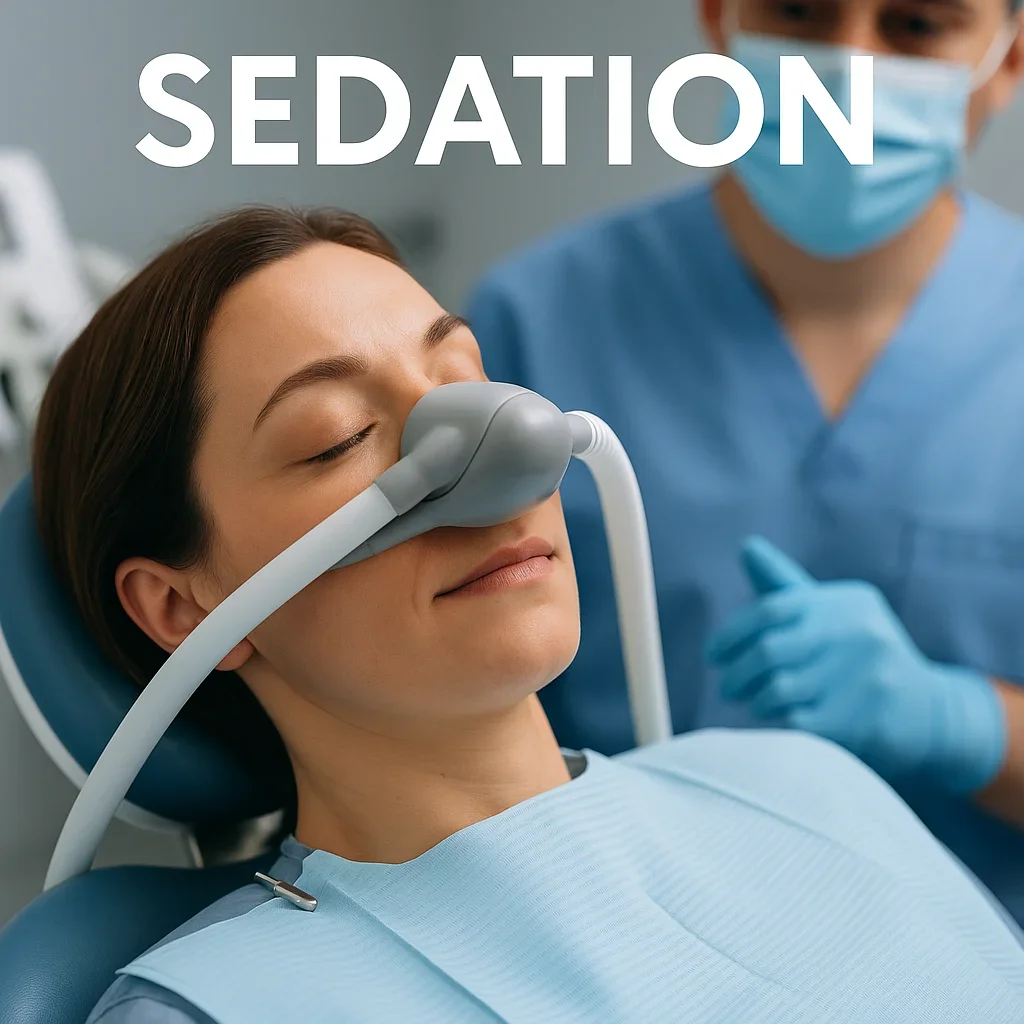
Commonly known as laughing gas, nitrous oxide is inhaled through a mask placed over the nose. It acts quickly, wears off rapidly, and allows patients to drive home afterward. This makes it one of the most widely used forms of sedation in dentistry.
Oral Sedation
Oral sedatives, often in the form of pills, provide moderate sedation. Patients usually take the medication about an hour before the procedure. While they remain awake, they often feel drowsy and less aware of their surroundings. Depending on the dosage, oral sedation can range from minimal to moderate.
Intravenous (IV) Sedation
IV sedation is administered directly into the bloodstream, offering rapid effects and precise dosage control. This method allows dentists to adjust sedation levels instantly, making it ideal for longer or more complex procedures.
Combination Approaches
In certain cases, dentists may combine methods—for example, using oral sedation in conjunction with nitrous oxide—to achieve the desired level of relaxation. Such flexibility ensures that each patient’s unique needs are met safely.
Who Benefits Most From Sedation Dentistry?
While sedation is beneficial for many patients, it is particularly valuable for those who:
- Suffer from severe dental anxiety or phobia.
- Have a very low tolerance for pain.
- Require extensive or multiple dental treatments in one visit.
- Have difficulty sitting still for long periods due to age or medical conditions.
- Possess a sensitive gag reflex that interferes with dental care.
By offering sedation, dental clinics ensure that even patients with unique challenges can receive the care they need without unnecessary stress.
Misconceptions About Sedation Dentistry
Despite its popularity, sedation dentistry is often misunderstood. Some patients worry that sedation is unsafe or that they will lose complete control. In reality, when administered by trained professionals, sedation is extremely safe. Others believe sedation is only for invasive procedures, but in truth, even routine cleanings or cosmetic treatments can be performed under sedation for anxious individuals. Dispelling these myths is crucial to encouraging more patients to explore sedation as an option.
Safety and Professional Standards
The American Dental Association sets strict guidelines to ensure that sedation is delivered safely. Dentists receive specialized training, and offices are equipped with monitoring systems to track vital signs. Patients are evaluated before treatment to identify any potential risks, such as interactions with medications or pre-existing health conditions. These precautions ensure that sedation dentistry is both effective and safe for the vast majority of patients.
Ultimately, sedation dentistry is about more than just making patients comfortable. It represents a broader commitment to patient-centered care, where emotional well-being is valued just as highly as clinical outcomes. For individuals who have avoided dental care due to fear, understanding sedation can be life-changing. By reducing anxiety, minimizing pain, and making treatments more efficient, sedation opens the door to better oral health and improved quality of life.
Types of Sedation Techniques Explained
Sedation in dentistry is not a single approach—it consists of several techniques tailored to meet patient needs, levels of anxiety, and the complexity of the procedure. Understanding the different methods helps patients make informed decisions, reduce uncertainty, and feel more confident about their treatment. Each technique has specific benefits, applications, and safety considerations, but all share one common goal: to provide a relaxed, pain-free, and stress-free dental experience. 🦷
Nitrous Oxide Sedation (Laughing Gas)
Nitrous oxide, often called laughing gas, is one of the most common and widely used forms of dental sedation. Administered through a mask placed over the nose, this colorless gas helps patients feel light, calm, and slightly euphoric within minutes. The greatest advantage of nitrous oxide is its quick onset and rapid recovery. Once the mask is removed, the sedative effects wear off almost immediately, allowing patients to drive home safely. Because of its safety profile, nitrous oxide is suitable for both adults and children, making it a versatile option in dentistry.
Advantages of Nitrous Oxide
- Quick onset and rapid recovery.
- Adjustable dosage throughout the procedure.
- Minimal side effects.
- Safe for pediatric patients.
Nitrous oxide is especially useful for minor procedures, such as fillings, cleanings, or pediatric treatments. For patients with mild dental anxiety, it often provides just enough relaxation to make the appointment comfortable.
Oral Sedation
Oral sedation involves taking a prescribed pill before the dental procedure. The most common medications are from the benzodiazepine family, such as diazepam, lorazepam, or triazolam. These drugs act on the central nervous system to induce a calm, drowsy state. Patients remain conscious but feel significantly less anxious. Depending on the dosage, oral sedation can range from minimal to moderate strength.
Key Benefits of Oral Sedation
- Easy administration through a simple pill.
- Effective for moderate anxiety or longer procedures.
- Provides partial amnesia, meaning patients may not remember the procedure clearly.
Since oral sedation can last several hours, patients usually need someone to drive them to and from the appointment. Dentists often recommend oral sedation for patients who require extensive dental work or those who suffer from moderate to severe anxiety.
Intravenous (IV) Sedation
IV sedation is a powerful method where sedative medication is delivered directly into the bloodstream via an intravenous line. This technique allows for immediate effects and precise control of sedation levels throughout the procedure. Patients under IV sedation are typically in a twilight state—they may drift in and out of sleep but remain responsive to verbal commands.
Why Choose IV Sedation?
- Rapid onset of sedative effects.
- Dosage can be adjusted instantly during treatment.
- Ideal for complex or lengthy dental surgeries such as implants, wisdom tooth extractions, or full-mouth restorations.
- Provides strong amnesic effect, so patients remember little or nothing of the procedure.
IV sedation requires specialized training and certification. Dental teams that provide this service are equipped with monitoring systems to track heart rate, oxygen levels, and blood pressure, ensuring the highest level of safety.
General Anesthesia in Dentistry
Although not technically classified under typical sedation methods, general anesthesia is sometimes used in dentistry for patients with severe dental phobia, special medical needs, or extensive surgical requirements. Unlike sedation, general anesthesia induces complete unconsciousness and requires hospital-grade facilities and anesthesiology professionals. While effective, it carries higher risks compared to dental sedation and is therefore reserved for rare or complex cases.
Combination Approaches to Sedation
In many situations, dentists use a combination of sedation methods to achieve optimal results. For example, a patient may take an oral sedative before the appointment and then receive nitrous oxide during the procedure for added relaxation. These customized approaches help maximize comfort while ensuring that treatments can be carried out smoothly and efficiently.
Matching Sedation Type to Patient Needs
The choice of sedation depends on several factors, including:
- Level of dental anxiety or phobia.
- Type and length of the dental procedure.
- Patient’s age, weight, and overall health.
- Previous experiences with sedation or anesthesia.
For children, nitrous oxide is often preferred due to its safety. Adults with moderate anxiety may benefit from oral sedation, while those undergoing lengthy or surgical treatments might require IV sedation. Ultimately, the dentist evaluates all variables and recommends the safest, most effective option for the individual.
Safety Guidelines for All Sedation Types
Regardless of the method, safety is always the top priority. The American Dental Association has clear protocols to regulate sedation use in dental offices. Dentists are required to maintain proper licensing, emergency equipment, and ongoing training. Patients are carefully screened before treatment, including assessments of medical history, allergies, and potential drug interactions. Continuous monitoring ensures that sedation remains one of the safest practices in modern dentistry.
In summary, understanding the different types of sedation techniques empowers patients to approach dental visits with confidence. From nitrous oxide for quick relaxation to IV sedation for complex surgeries, these methods ensure that dentistry is accessible and stress-free for everyone. If you are considering sedation, consult with a qualified dentist who can explain which method best suits your needs. This knowledge not only reduces fear but also promotes healthier, happier smiles. ✨
Who Needs Sedation During Dental Treatments?
Sedation dentistry is not limited to patients with extreme dental fears; it can benefit a wide range of individuals with diverse needs. Understanding who requires sedation helps both patients and dentists determine the most effective way to ensure comfort, safety, and successful treatment. Dental procedures vary in complexity, and patient experiences differ—some may need sedation for simple cleanings due to anxiety, while others may require it for surgical treatments. 🦷 Let’s explore the groups of patients who most often benefit from sedation and why it is a valuable option.
Patients With Dental Anxiety and Phobia
One of the most common reasons for using sedation is dental anxiety. Many people fear needles, drills, or even the sounds and smells associated with dental clinics. For some, this anxiety escalates into a full-blown phobia, preventing them from seeking treatment altogether. Unfortunately, avoiding dental visits often leads to advanced tooth decay, gum disease, or infections that require even more complex interventions later on.
Sedation dentistry helps break this cycle by providing a calm, stress-free experience. Patients with severe phobia can undergo necessary treatments without feeling trapped or overwhelmed. By reducing psychological barriers, sedation improves overall oral health outcomes and encourages patients to maintain regular dental visits.
Children and Pediatric Patients
Children often struggle to stay calm or sit still during dental treatments. Their small mouths, sensitivity to unfamiliar environments, and limited ability to understand instructions make procedures challenging. In these cases, sedation can be a valuable tool. Nitrous oxide (laughing gas) is particularly effective for children because it is safe, fast-acting, and wears off quickly. For more invasive treatments, oral sedation may be recommended.
Benefits of Sedation for Children
- Reduces fear and anxiety during treatment.
- Helps children remain still, making procedures easier and safer.
- Minimizes emotional trauma and negative associations with dentistry.
Parents should discuss sedation options with pediatric dentists to ensure the right approach for their child’s specific needs and comfort.
Patients With Low Pain Threshold
Some individuals have a naturally low tolerance for pain, making even minor dental procedures feel unbearable. While local anesthesia numbs specific areas, the fear of pain often persists in these patients. Sedation dentistry addresses both the physical and psychological aspects of pain management. By creating a relaxed state, patients are less sensitive to discomfort, ensuring treatments proceed smoothly and without unnecessary stress.
Individuals With a Strong Gag Reflex
A hypersensitive gag reflex can make dental work challenging for both patient and dentist. Routine procedures such as taking X-rays, impressions, or working in the back of the mouth may become nearly impossible. Sedation helps suppress the gag reflex, allowing dentists to perform procedures effectively while keeping patients comfortable. This is particularly helpful for treatments involving crowns, bridges, or implants that require precision work in the posterior areas of the mouth.
Patients Requiring Extensive or Multiple Procedures
Complex treatments, such as full-mouth restorations, multiple extractions, or implant surgeries, often require long hours in the dental chair. For many patients, this can be exhausting and stressful. Sedation allows dentists to complete multiple procedures in a single appointment by keeping the patient calm and cooperative. This not only saves time but also reduces the emotional toll of repeated visits.
Advantages of Sedation for Long Treatments
- Fewer appointments needed to complete complex work.
- Improved efficiency for dentists and staff.
- Enhanced patient comfort throughout lengthy sessions.
Patients With Special Needs
Individuals with physical, developmental, or cognitive conditions may require sedation to undergo dental care safely. Conditions such as autism, cerebral palsy, or Down syndrome can make cooperation during procedures difficult. Sedation provides a controlled, calm environment where dentists can deliver care without causing distress to the patient. Specialized dental teams often work closely with caregivers to design the best sedation plan tailored to individual needs.
Elderly Patients and Those With Medical Conditions
Elderly patients, or those with chronic medical conditions, may face unique challenges during dental care. Arthritis, Parkinson’s disease, or cardiovascular concerns can make it difficult to remain still for extended periods. Sedation can reduce stress on the body, lower anxiety, and make treatment more manageable. Of course, a thorough medical evaluation is always conducted beforehand to ensure that sedation is safe and appropriate for these patients.
Patients Who Have Experienced Past Trauma
A history of traumatic dental experiences can lead to long-lasting fear and avoidance of treatment. Patients who recall painful procedures or insensitive care in the past may associate dental visits with distress. Sedation provides a fresh opportunity to rebuild trust by ensuring comfort and minimizing awareness during treatment. Over time, this positive experience helps patients overcome past trauma and adopt healthier oral care habits.
In conclusion, sedation dentistry is not only for the fearful—it is a versatile solution that benefits children, adults, the elderly, and patients with unique medical or psychological needs. Whether you struggle with anxiety, pain sensitivity, or require extensive procedures, sedation ensures a safe, comfortable, and effective dental experience. To explore whether sedation is right for you, consult your dentist or visit the Redent Klinik Contact Page to schedule a consultation. By identifying who needs sedation and applying it appropriately, modern dentistry ensures that no patient is left behind in the pursuit of healthy, confident smiles. ✨
Benefits of Sedation for Patient Comfort
Sedation dentistry has revolutionized the way patients experience dental treatments. For many, fear, anxiety, or discomfort were once unavoidable parts of dental visits, leading to neglected oral care and worsening dental conditions. With modern sedation techniques, however, patients can now undergo procedures in a relaxed, stress-free state. The benefits extend beyond comfort—they improve efficiency, treatment outcomes, and even long-term oral health. Let’s explore in detail how sedation enhances patient comfort and why it has become a cornerstone of modern dentistry. 🦷
Reducing Dental Anxiety and Fear
One of the most significant benefits of sedation is its ability to calm anxious patients. Dental anxiety is widespread, affecting both children and adults, and is a leading reason people avoid treatment. Sedation creates a state of relaxation that helps patients overcome fear of drills, needles, or simply sitting in the dental chair. By reducing psychological stress, sedation transforms dental visits into manageable, even positive experiences. Patients who once dreaded dental care are more likely to attend regular check-ups and maintain healthier smiles.
Minimizing Pain and Discomfort
Although local anesthesia effectively blocks physical pain, many patients still experience discomfort from pressure, vibrations, or long procedures. Sedation dentistry enhances comfort by reducing awareness of these sensations. For individuals with a low pain threshold, this is especially valuable. By combining anesthesia with sedation, dentists ensure that patients remain relaxed and free from unnecessary stress throughout the procedure.
Improved Cooperation During Treatment
A calm, relaxed patient is easier to treat. Sedation allows dentists to work more efficiently without frequent interruptions caused by anxiety, fidgeting, or sensitivity. This is particularly important for complex or lengthy procedures, where precision and patient stillness are essential. The result is a smoother experience for both patient and dental team, reducing treatment time and improving overall results.
Allowing Multiple Procedures in One Visit
Sedation makes it possible to complete multiple treatments in a single appointment. Patients who require several fillings, extractions, or even implant placements benefit greatly from this efficiency. Instead of returning for multiple sessions, sedation enables dentists to address everything at once. This reduces overall stress, saves time, and minimizes the inconvenience of repeated visits.
Key Benefits of Fewer Appointments
- Less disruption to daily life and work schedules.
- Reduced overall treatment duration.
- Lower cumulative anxiety from repeated visits.
Enhancing Comfort for Patients With Special Needs
Sedation is invaluable for patients with physical or cognitive challenges who may find it difficult to remain still during treatment. Conditions such as autism, cerebral palsy, or severe gag reflexes can complicate routine procedures. Sedation helps these patients receive necessary care in a safe, supportive environment. By improving cooperation and comfort, sedation ensures that individuals with special needs are not excluded from high-quality dental care.
Reduced Memory of the Procedure
For many anxious patients, one of the most comforting aspects of sedation is its amnesic effect. Medications used in sedation dentistry often cause partial or complete memory loss of the procedure. This means patients recall little to nothing about the treatment itself. For those with dental phobia or past traumatic experiences, this benefit reduces fear of future visits and fosters trust in dental care.
Increased Safety and Control
Sedation is not only about comfort; it is also about safety. Modern protocols, supported by organizations such as the American Dental Association, ensure that sedation is administered under strict monitoring. Patients’ vital signs are continuously tracked, and dosages are carefully adjusted to meet individual needs. Knowing that sedation is safely managed provides additional peace of mind, further enhancing patient comfort.
Supporting Elderly Patients and Those With Medical Conditions
Elderly individuals or patients with chronic conditions often find dental visits physically demanding. Long sessions in the dental chair can cause fatigue, joint pain, or stress on the cardiovascular system. Sedation reduces these physical burdens by keeping the body relaxed and calm. This makes it easier for dentists to provide necessary care while ensuring patients remain comfortable throughout the appointment.
Encouraging Long-Term Oral Health Habits
By removing the fear and discomfort associated with dental visits, sedation encourages patients to seek treatment earlier and more consistently. Regular preventive care reduces the likelihood of severe problems like advanced decay, gum disease, or tooth loss. Over time, this leads to better oral and overall health. In this sense, sedation dentistry is not only about immediate comfort but also about long-term health benefits.
In conclusion, sedation dentistry delivers far more than short-term relaxation. It empowers anxious patients to seek treatment, reduces discomfort, improves cooperation, and enables multiple procedures in fewer visits. By addressing both the psychological and physical challenges of dental care, sedation ensures that everyone—from children to elderly patients—can experience dentistry in a safe, stress-free, and positive way. To learn more about how sedation can make your dental care more comfortable, consider contacting your dentist or visiting the Redent Klinik Contact Page to book a consultation. ✨
Risks and Safety of Sedation Dentistry
While sedation dentistry has transformed the patient experience by reducing fear and discomfort, it is important to recognize that no medical intervention is entirely without risks. Sedation is generally safe when administered by trained professionals, yet patients should be aware of potential complications, safety measures, and how risks are minimized. Understanding both the benefits and the limitations of sedation empowers patients to make informed choices about their oral health. 🦷
Common Side Effects of Sedation
Most patients tolerate sedation well, but minor side effects can occur, depending on the type of sedative used. These effects are usually temporary and resolve within hours. Common side effects include:
- Drowsiness or grogginess after the procedure.
- Mild nausea or vomiting, especially with oral or IV sedation.
- Dry mouth or slight headache.
- Temporary memory gaps of the procedure (amnesic effect).
While these side effects are typically not dangerous, patients are often advised to arrange transportation and avoid driving or operating machinery until the sedative wears off completely.
Potential Risks of Sedation
Though rare, sedation does carry potential risks, especially when not managed properly. Possible complications include:
- Allergic reactions to sedative medications.
- Respiratory depression (slowed or irregular breathing).
- Changes in heart rate or blood pressure.
- Over-sedation, leading to deeper unconsciousness than intended.
These risks highlight the importance of professional oversight and careful monitoring during all sedation procedures.
Who May Face Higher Risks?
Certain groups of patients may be more vulnerable to complications and therefore require extra caution:
Elderly Patients
Older adults often metabolize sedative drugs more slowly, which can increase the risk of prolonged drowsiness or cardiovascular stress. Careful dosage adjustments are critical in these cases.
Patients With Medical Conditions
Those with chronic conditions such as heart disease, diabetes, obesity, or sleep apnea may have a higher risk of adverse effects. A detailed medical history is essential before recommending sedation.
Patients on Multiple Medications
Drug interactions can increase risks. For example, sedatives may amplify the effects of antihistamines, painkillers, or alcohol, leading to exaggerated sedation or respiratory suppression.
Safety Protocols in Sedation Dentistry
To minimize risks, dental practices follow strict safety protocols outlined by organizations like the American Dental Association. These include:
- Comprehensive pre-treatment evaluation of the patient’s health history.
- Use of the lowest effective dose of sedation medication.
- Continuous monitoring of vital signs such as blood pressure, heart rate, and oxygen levels during treatment.
- Availability of emergency equipment and trained personnel in case of complications.
Dentists and their teams undergo specialized training to ensure that sedation is administered responsibly, reducing the likelihood of any serious issues.
How Patients Can Contribute to Safety
Patients also play a role in ensuring safe sedation. To minimize risks, they should:
- Provide a complete and accurate medical history, including current medications and allergies.
- Follow pre-sedation instructions, such as fasting when required.
- Arrange for transportation after the procedure, especially for oral or IV sedation.
- Report any unusual symptoms promptly after treatment.
Clear communication between patient and dental team helps establish trust and creates a safer, smoother treatment process.
Monitoring During and After Sedation
Monitoring is one of the most important components of safe sedation. Dental teams use equipment to measure oxygen saturation, heart rate, and blood pressure throughout the procedure. After sedation, patients are usually observed in the clinic until their vital signs stabilize. Depending on the type of sedation, full recovery may take minutes (nitrous oxide) or several hours (oral or IV sedation). Follow-up calls from the dental office are also common to ensure patient well-being after they return home.
Long-Term Safety Record
Decades of research confirm that sedation dentistry has an excellent safety record when practiced under established guidelines. Complications are extremely rare, especially with nitrous oxide and oral sedation. IV sedation, while more complex, is also highly safe in the hands of trained professionals. By maintaining rigorous standards and ongoing staff training, dental offices continue to make sedation a reliable option for patients of all ages.
In conclusion, while sedation dentistry does carry some risks, these are minimal when proper safety measures are followed. By understanding potential side effects, recognizing higher-risk groups, and trusting in professional safety protocols, patients can undergo sedation with confidence. For personalized advice about sedation safety and whether it is right for you, contact your dentist or visit the Redent Klinik Contact Page. Sedation remains one of the safest and most effective methods to reduce fear and discomfort, ensuring that patients receive the care they need in a calm and controlled environment. ✨
How to Prepare for a Sedation Appointment
Preparing for a sedation appointment is a critical step in ensuring a safe, smooth, and stress-free dental experience. 🦷 While sedation dentistry is generally safe and effective, following proper guidelines before the procedure can greatly reduce risks and increase comfort. Patients who prepare adequately often find their appointments more successful, their recovery faster, and their overall experience more positive. Let’s explore the essential steps every patient should take before undergoing sedation.
Consultation and Pre-Assessment
Before scheduling a sedation procedure, patients undergo a thorough consultation with their dentist. During this visit, the dental team reviews medical history, allergies, medications, and past experiences with anesthesia or sedation. This evaluation ensures that the chosen sedation method is safe and appropriate. Patients with conditions such as heart disease, diabetes, asthma, or sleep apnea may require additional monitoring or a tailored approach. Being open and honest about one’s health background helps the dentist create a personalized sedation plan.
Pre-Sedation Instructions
Dentists typically provide detailed instructions to follow before the sedation appointment. These may vary depending on the type of sedation, but common guidelines include:
- Fasting: For oral or IV sedation, patients are often instructed not to eat or drink anything for 6–8 hours before the procedure. Nitrous oxide usually does not require fasting.
- Medication Adjustments: Patients taking blood thinners, insulin, or heart medications should consult both their dentist and physician about dosage adjustments prior to sedation.
- Avoid Alcohol and Tobacco: These substances can interfere with sedation medications and increase risks.
- Clothing: Wearing loose, comfortable clothing ensures that monitoring devices can be applied easily during the procedure.
Following these instructions carefully minimizes potential complications and allows sedation to be administered more effectively.
Arranging Transportation and Support
One of the most important aspects of preparing for sedation is arranging transportation. With the exception of nitrous oxide, most forms of sedation impair reflexes and judgment for several hours. Patients must have a responsible adult drive them to and from the appointment. In some cases, dentists also recommend having someone stay with the patient for the first 12–24 hours to provide assistance during recovery. Planning this support in advance ensures both safety and peace of mind.
Mental Preparation and Reducing Anxiety
Knowing what to expect can greatly reduce pre-appointment anxiety. Dentists often encourage patients to ask questions about the sedation process, recovery, and possible side effects. Relaxation techniques such as deep breathing, meditation, or listening to calming music the night before can also help. By addressing concerns beforehand, patients enter the dental office with greater confidence and less fear.
Dietary and Hydration Guidelines
Specific dietary restrictions may apply before a sedation appointment. Patients are often advised to avoid heavy or fatty meals prior to fasting, as these can delay digestion and increase the risk of nausea. Staying well-hydrated the day before (but not immediately before sedation if fasting is required) can also improve comfort during recovery. Following these dietary rules supports smoother sedation and minimizes side effects.
Special Considerations for Children and Elderly Patients
Children
Pediatric patients often require extra preparation, as parents must ensure that children follow fasting rules and arrive calm. Explaining the process in child-friendly language, bringing comfort items like a toy, and reassuring them that sedation will help them feel safe can make a big difference.
Elderly Patients
Older adults may need medical clearance from their physician before sedation, especially if they have chronic conditions. Adjusting medications, confirming cardiovascular stability, and arranging extended recovery support are often recommended. Sedation in elderly patients is generally safe but requires additional planning to ensure comfort and safety.
What to Bring to the Appointment
Patients preparing for sedation should bring:
- A list of current medications and allergies.
- Comfortable clothing and possibly a blanket if IV sedation is planned.
- Contact information for their support person or caregiver.
- Insurance documents if relevant to coverage for sedation procedures.
These simple preparations ensure that the dental team has everything they need to provide safe and effective sedation.
Post-Sedation Planning
Preparation does not end with the appointment itself—patients should also plan for recovery. Stocking up on soft foods, arranging time off from work, and ensuring a safe, quiet space at home all make recovery smoother. Depending on the type of sedation, patients may feel drowsy for several hours, so planning light activities and plenty of rest is recommended.
In summary, proper preparation for a sedation appointment involves careful planning, following dentist instructions, arranging transportation, and managing pre- and post-treatment care. By taking these steps, patients ensure a safe, comfortable, and successful experience. Sedation dentistry is designed to make treatments less stressful, and with the right preparation, it can truly transform the way patients feel about visiting the dentist. For more personalized guidance or to schedule your own sedation appointment, visit the Redent Klinik Contact Page. ✨
Sedation Costs and Insurance Coverage
When considering sedation dentistry, one of the most common questions patients ask is: “How much will it cost, and is it covered by insurance?” 🦷 Understanding the financial aspects of sedation is just as important as knowing the medical details. While sedation provides comfort, reduces anxiety, and makes complex treatments easier, the costs can vary significantly depending on the type of sedation, length of the procedure, and the dental clinic’s policies. Let’s take a detailed look at what patients can expect when it comes to sedation costs and how insurance plays a role.
Factors That Influence the Cost of Sedation
The price of sedation depends on several variables. Patients should be aware of these before making financial decisions:
- Type of Sedation: Nitrous oxide (laughing gas) is generally the most affordable, while IV sedation and general anesthesia are more expensive due to the equipment, drugs, and specialized training required.
- Duration of Treatment: Longer procedures require more medication and monitoring, increasing the total cost.
- Complexity of Procedure: Simple fillings under nitrous oxide cost much less than complex implant surgeries requiring IV sedation.
- Geographic Location: Prices vary between countries and even within cities due to differences in operating costs.
- Dentist’s Expertise: Clinics with highly trained sedation specialists may charge higher fees.
Average Cost of Different Sedation Methods
While exact figures vary, here are general ranges often reported by dental associations and clinics:
- Nitrous Oxide Sedation: $50 – $100 per session.
- Oral Sedation: $150 – $300, depending on the drug prescribed and dosage.
- IV Sedation: $300 – $700 per hour, sometimes more for extended procedures.
- General Anesthesia: $800 – $1,500 or more, usually performed in a hospital or surgical setting.
These figures are estimates and can fluctuate. Patients are encouraged to request a detailed cost breakdown during their consultation to avoid surprises.
Insurance Coverage for Sedation Dentistry
Insurance coverage for sedation is often limited. Many providers classify sedation as an elective or “comfort” service, meaning it is not fully covered. However, there are exceptions:
- Medical Necessity: If sedation is required due to severe dental phobia, special needs, or complex surgical procedures, some insurance plans may provide partial coverage.
- Pediatric Patients: Insurance is more likely to cover sedation for children who cannot safely undergo treatment without it.
- Surgical Procedures: For oral surgeries such as wisdom tooth extraction or implant placement, sedation may be partially or fully covered.
It is always best to check directly with the insurance provider and request pre-authorization to confirm coverage before scheduling the procedure.
Financing Options for Sedation
For patients whose insurance does not cover sedation, many dental offices offer financing solutions to make the cost more manageable. These may include:
- Monthly payment plans through the dental office.
- Third-party financing options such as CareCredit.
- Discount programs or membership plans for routine and sedation dentistry.
Discussing financing during the initial consultation ensures patients can plan appropriately without compromising their oral health.
Is Sedation Worth the Cost?
Patients often ask whether sedation is truly worth the additional expense. For many, the answer is yes. The benefits of reduced anxiety, increased comfort, and the ability to complete multiple procedures in fewer visits often outweigh the costs. Sedation can be life-changing for individuals who have avoided dental care for years due to fear. By making treatment possible, sedation ultimately prevents more expensive and invasive procedures in the future.
Cost Transparency and Patient Rights
Dentists are encouraged to provide full transparency regarding sedation costs. Patients should feel comfortable requesting written estimates and asking how charges are calculated. Ethical dental practices explain the breakdown of fees for the sedation itself, the monitoring equipment, and any associated professional services. Patients also have the right to ask whether less expensive sedation options might be suitable for their case.
International Variations in Sedation Costs
The cost of sedation can vary widely from country to country. For example:
- In the United States, IV sedation averages $500–$700 per session.
- In Turkey, the same service may cost significantly less, ranging from $150–$300, due to lower healthcare expenses.
- European countries like Germany or the UK often fall in between, with IV sedation ranging from $300–$600.
These differences explain why many patients consider dental tourism for procedures requiring sedation. Clinics such as Redent Klinik in Turkey offer competitive pricing without compromising quality or safety.
In conclusion, sedation dentistry involves additional costs, but its benefits often outweigh the financial burden. Understanding the factors that influence cost, knowing how insurance coverage applies, and exploring financing options helps patients make informed decisions. To get personalized cost estimates and insurance guidance, contact your dentist directly or visit the Redent Klinik Contact Page. Investing in sedation is ultimately an investment in comfort, confidence, and better oral health. ✨
Recovery and Aftercare Following Sedation
Recovery and aftercare are crucial stages of the sedation dentistry process. While sedation helps patients remain calm and comfortable during procedures, the effects can last for several hours depending on the type used. Proper aftercare ensures that patients recover safely, avoid complications, and return to normal activities smoothly. Understanding what to expect during the hours and days following sedation can reduce anxiety, improve healing, and make the overall experience far more positive. 🦷
Immediate Recovery After Sedation
Immediately after the procedure, patients are typically moved to a recovery area where the dental team monitors vital signs, such as blood pressure, oxygen levels, and heart rate. This step ensures that the sedative is wearing off as expected and that no adverse reactions occur. For nitrous oxide sedation, patients usually recover quickly—often within 10–15 minutes—and can drive themselves home. For oral or IV sedation, however, grogginess, dizziness, and impaired coordination may persist for several hours, making it essential to have a companion for transportation and support.
Common Side Effects During Recovery
Most patients experience only mild, short-term side effects after sedation. These can include:
- Drowsiness or fatigue lasting a few hours.
- Temporary memory gaps or confusion.
- Mild nausea, especially after oral or IV sedation.
- Dry mouth or slight sore throat (from oxygen or airway support).
These effects usually subside within 12–24 hours. Drinking water, resting in a quiet environment, and following dentist instructions help reduce discomfort.
Post-Sedation Care Instructions
Dentists provide personalized aftercare guidelines, but common recommendations include:
- Rest for the remainder of the day; avoid strenuous activity.
- Do not drive, operate heavy machinery, or make critical decisions for at least 24 hours after oral or IV sedation.
- Drink plenty of fluids to stay hydrated.
- Stick to soft foods until fully alert to avoid biting the tongue or cheeks accidentally.
- Take prescribed medications as directed, especially if pain management is needed.
By carefully following these instructions, patients minimize risks and support a smoother recovery.
Special Considerations for Children and Elderly Patients
Children
Pediatric patients may recover faster from nitrous oxide sedation but often feel tired after oral sedatives. Parents should supervise children closely, ensuring they rest, avoid running or climbing, and consume soft, easy-to-digest foods. Comfort items such as blankets or toys can help them feel secure during recovery.
Elderly Patients
Older adults may take longer to recover because their bodies metabolize drugs more slowly. Caregivers should monitor for dizziness, low blood pressure, or prolonged drowsiness. In some cases, elderly patients may require follow-up calls from the dental office to ensure they are recovering appropriately.
Warning Signs That Require Medical Attention
Although complications are rare, patients should be aware of signs that indicate a need for immediate medical evaluation:
- Persistent vomiting or severe nausea.
- Difficulty breathing or chest pain.
- Allergic reactions such as rash, swelling, or itching.
- Unusual or prolonged confusion lasting more than 24 hours.
If any of these occur, patients should seek emergency care right away or contact their dentist for guidance.
Long-Term Aftercare and Oral Health Maintenance
Recovery from sedation is usually short-term, but it is also a perfect opportunity to reinforce healthy oral care habits. Many patients who undergo sedation for extensive treatments—such as implants, extractions, or periodontal therapy—are advised to:
- Attend follow-up appointments to check healing progress.
- Practice excellent oral hygiene, including gentle brushing and rinsing with antibacterial mouthwash.
- Avoid smoking and alcohol, as these can slow healing.
- Follow dietary recommendations provided by the dentist.
By combining sedation recovery with proper oral care, patients can protect the results of their treatment and prevent future problems.
Emotional Recovery and Building Positive Experiences
Another often-overlooked aspect of recovery is the emotional benefit. Patients who once feared dentistry find that sedation helps them undergo procedures without distress. Over time, these positive experiences reduce fear and encourage regular dental visits. In this way, recovery from sedation is not only physical but also psychological, contributing to long-term oral health confidence.
In conclusion, recovery and aftercare following sedation are essential parts of ensuring a safe and comfortable dental journey. From immediate monitoring in the clinic to at-home rest and dietary adjustments, each step contributes to successful healing. By following dentist instructions, recognizing warning signs, and prioritizing self-care, patients can return to normal activities with confidence. For personalized aftercare support or to schedule a consultation, visit the Redent Klinik Contact Page. ✨
Frequently Asked Questions About Sedation
Sedation dentistry is widely used to make dental visits more comfortable, but many patients still have questions about its safety, effectiveness, and practical details. Addressing these questions helps reduce anxiety and allows patients to feel confident about their treatment choices. Below, we’ve compiled some of the most common FAQs about sedation dentistry, with clear, detailed answers. 🦷
Will I Be Awake During Sedation?
The level of alertness during sedation depends on the type administered. With nitrous oxide or mild oral sedatives, patients remain awake but calm. They are able to respond to questions and instructions, but the fear and tension are greatly reduced. Moderate sedation often causes drowsiness and partial memory loss of the procedure, while IV sedation can create a twilight state where patients feel as if they slept through the entire appointment. General anesthesia, which is not typical for most dental procedures, results in complete unconsciousness.
Is Sedation Dentistry Safe?
Yes, sedation is considered safe when administered by a qualified dentist or anesthesiologist following established protocols. The American Dental Association provides strict guidelines to ensure safety. Dentists receive specialized training, and patients are monitored throughout the procedure. Vital signs such as oxygen saturation, heart rate, and blood pressure are continuously checked. While minor side effects like grogginess or dry mouth are common, serious complications are extremely rare when the sedation is properly managed.
How Long Do the Effects of Sedation Last?
The duration of sedation depends on the type used:
- Nitrous Oxide: Effects wear off within 10–15 minutes after the mask is removed, allowing patients to resume normal activities quickly.
- Oral Sedation: Can last 2–6 hours, leaving patients drowsy for the rest of the day.
- IV Sedation: Effects wear off in a few hours, but grogginess may continue until the following day.
- General Anesthesia: Requires longer recovery and close monitoring in a hospital or surgical setting.
Because recovery varies, most patients are advised to arrange transportation and avoid driving or making important decisions after oral or IV sedation.
Can Children Receive Sedation?
Yes, children can safely receive sedation under pediatric dental care. Nitrous oxide is the most commonly used method for children because it is mild, fast-acting, and quickly reversible. For more extensive treatments or children with severe dental anxiety, oral sedation may be recommended. Pediatric dentists take extra precautions by adjusting dosages based on weight and medical history, ensuring a safe experience for younger patients.
Does Sedation Replace Local Anesthesia?
No, sedation does not replace anesthesia. While sedation calms patients and reduces anxiety, it does not block pain signals on its own. Local anesthesia is still required to numb the treatment area. The two work together: anesthesia manages pain, while sedation manages fear and stress. This combination ensures both physical and emotional comfort during the procedure.
Who Should Avoid Sedation Dentistry?
While most people are good candidates for sedation, certain patients may need alternative approaches. Those with severe allergies to sedative medications, uncontrolled medical conditions (such as heart disease or severe respiratory issues), or pregnant individuals should consult their healthcare provider before undergoing sedation. A detailed health assessment by the dentist helps determine whether sedation is safe for each patient.
How Much Does Sedation Dentistry Cost?
Costs vary depending on the type of sedation, the complexity of the procedure, and the clinic’s location. Nitrous oxide is usually the most affordable, while IV sedation and general anesthesia are more expensive. Some insurance providers may cover sedation when deemed medically necessary, but most classify it as elective. For exact estimates, patients should consult their dentist and insurance provider directly. For personal guidance, visit the Redent Klinik Contact Page.
Will I Remember the Procedure?
Memory of the procedure depends on the type and level of sedation. With mild sedation, patients usually remember the experience but feel calm and relaxed. Moderate oral sedation and IV sedation often cause partial or complete amnesia, meaning patients recall little or nothing. For many anxious individuals, this lack of memory is one of the most reassuring benefits of sedation.
What Should I Do Before and After Sedation?
Preparation and recovery steps are essential for safety:
- Follow fasting guidelines if required.
- Avoid alcohol, recreational drugs, or certain medications that may interfere with sedatives.
- Arrange for a companion to provide transportation and support.
- Plan for rest and avoid strenuous activity for at least 24 hours after oral or IV sedation.
By following these instructions, patients minimize risks and ensure a smoother recovery.
Can Sedation Be Used for All Dental Procedures?
Yes, sedation can be used for a wide variety of procedures, from routine cleanings for anxious patients to complex surgeries such as implant placements. While not every procedure requires sedation, having it available as an option ensures that all patients can receive care in a way that feels safe and manageable.
In conclusion, frequently asked questions about sedation highlight its safety, effectiveness, and versatility. By addressing common concerns, patients gain a clearer understanding of what sedation involves and what to expect before, during, and after treatment. If you still have questions, consulting with your dentist is the best way to get personalized answers. Sedation dentistry continues to provide reassurance and comfort to patients of all ages, making dental care more accessible than ever. ✨