
If you need help paying for dental implants, you are far from alone. Millions of people delay or completely avoid implant treatment not because they don’t understand its benefits, but because the financial burden feels overwhelming. Dental implants are widely recognized as the gold standard for tooth replacement, yet their cost often creates uncertainty, anxiety, and confusion 😟. This guide is designed to give you clarity, confidence, and real-world solutions if you truly need help paying for dental implants.
Dental implants are not cosmetic luxuries. They restore chewing function, protect jawbone health, improve speech, and prevent the shifting of surrounding teeth. When a missing tooth is left untreated, bone loss begins almost immediately, which can later increase both medical risks and costs. That’s why patients who need help paying for dental implants should view them as a long-term health investment rather than an optional procedure.
One of the main reasons people need help paying for dental implants is the misunderstanding around what the total cost actually includes. Implant treatment is a multi-step medical process involving advanced diagnostics, surgical expertise, biocompatible materials, and long-term follow-up care. Unlike dentures or bridges, implants integrate with the jawbone, offering stability and longevity that can last decades or even a lifetime 🦷.
Search intent behind “need help paying for dental implants” usually comes from patients asking very specific questions:
– Why are implants so expensive?
– Are there safe ways to lower the cost?
– Can insurance or financing really help?
– Is traveling abroad a legitimate option?
This article answers all of these questions in depth, starting with a clear understanding of why implant pricing varies so widely.
When people say they need help paying for dental implants, they are often facing an unexpected dental crisis. A failed root canal, broken bridge, or traumatic tooth loss can force sudden decisions. Unfortunately, emergency dentistry and implants rarely align with insurance coverage timelines, leaving patients responsible for a large upfront payment. This financial shock is one of the biggest barriers to treatment.
Another critical factor is geography. Implant costs in countries like the United States, Canada, and the UK are significantly higher due to labor costs, insurance systems, and regulatory expenses. This is why many patients who need help paying for dental implants begin exploring alternatives such as financing plans, nonprofit support, or international dental care. Each of these options can dramatically reduce financial stress when chosen wisely.
It’s also important to address fear-based misinformation. Some patients believe lower-cost implant options automatically mean lower quality or higher risk. In reality, affordability and quality are not mutually exclusive. Accredited clinics, experienced implantologists, and internationally certified materials can be found at different price points. The key is informed decision-making 🔍.
If you need help paying for dental implants, your first step should always be a professional consultation. A personalized treatment plan reveals whether you need bone grafting, sinus lifting, or multiple implants—all factors that influence total cost. Clinics that provide transparent breakdowns empower patients to plan rather than panic. You can start this process by reaching out through the Redent Klinik Contact Page, where treatment options and financial guidance are discussed openly.
From a medical standpoint, reputable organizations like the American Dental Association emphasize that implant treatment decisions should be based on long-term oral health outcomes, not short-term cost alone. Delaying implants can lead to additional procedures later, making early action financially smarter in many cases.
Ultimately, if you need help paying for dental implants, the goal is not just to find the cheapest option, but the most sustainable one. A solution that fits your budget, protects your health, and delivers lasting results is absolutely possible. In the following sections, we’ll break down real costs, insurance realities, financing solutions, grants, and even international options—so you can move forward with confidence 😊.
Why So Many Patients Need Help Paying for Dental Implants
Understanding why so many people need help paying for dental implants starts with recognizing how modern dentistry has evolved. Dental implants are no longer experimental or rare—they are a clinically proven, long-term solution for missing teeth. Yet despite their effectiveness, affordability remains a major concern. For many patients, the question isn’t whether implants work, but how to realistically pay for them without compromising financial stability 😔.
The Gap Between Medical Necessity and Financial Access
A primary reason patients need help paying for dental implants is the disconnect between medical necessity and insurance coverage. Unlike procedures labeled as “medically essential,” dental implants are often categorized as elective—even when they are critical for chewing, speech, bone preservation, and overall oral health. This classification leaves patients responsible for most or all of the cost.
When a tooth is lost, the jawbone begins to shrink due to lack of stimulation. Over time, this bone loss can affect facial structure, neighboring teeth, and bite alignment. From a health perspective, replacing missing teeth promptly is essential. However, when insurance does not reflect this medical reality, patients understandably need help paying for dental implants and begin searching for alternative solutions.
Rising Healthcare Costs and Economic Pressure
Another major factor explaining why people need help paying for dental implants is the broader rise in healthcare and living costs. Housing, food, transportation, and insurance premiums have all increased significantly. Even patients with stable incomes may struggle to allocate thousands of dollars for dental treatment, especially when implants are not covered under standard plans.
This financial pressure is amplified for retirees, freelancers, and self-employed individuals who may lack employer-sponsored dental benefits. Many people delay treatment not because they want to, but because their monthly budget simply cannot absorb a large one-time expense. In these situations, patients actively need help paying for dental implants through structured financing, staged treatment plans, or alternative care locations.
Unexpected Tooth Loss and Emergency Situations
Tooth loss is rarely planned. Accidents, infections, failed dental work, or advanced gum disease can suddenly make implants necessary. When this happens, patients often have little time to prepare financially. Emergency tooth loss is one of the most common reasons people urgently need help paying for dental implants.
Unlike planned cosmetic treatments, emergency implant cases don’t allow months or years of saving. Patients are forced to make fast decisions under stress, often without fully understanding all available financial options. This urgency increases anxiety and can lead to postponing treatment, which unfortunately increases future costs and complications.
Long-Term Value vs. Short-Term Cost Perception
Many patients need help paying for dental implants because the upfront cost feels intimidating, even though implants are often more cost-effective over time. Traditional bridges may need replacement every 7–10 years, and removable dentures often require frequent adjustments. Implants, when properly placed and maintained, can last decades.
However, human psychology tends to prioritize immediate affordability over long-term savings. Patients see the initial price and assume implants are “too expensive,” without comparing lifetime costs. This perception gap is a major reason people believe they need help paying for dental implants, even when implants may actually reduce future dental spending.
Lack of Clear Financial Education in Dentistry
Another overlooked reason patients need help paying for dental implants is the lack of transparent financial education within dental care. Many clinics focus on clinical explanations but provide limited guidance on budgeting, payment plans, or alternative cost-saving strategies. Without clear information, patients feel overwhelmed and powerless.
Clinics that offer detailed treatment breakdowns, phased approaches, and honest cost comparisons empower patients to make informed decisions. When patients understand exactly what they are paying for—and why—they are more likely to move forward confidently rather than delay care indefinitely.
Emotional Impact of Financial Stress
The emotional side of needing dental care but lacking financial clarity should not be underestimated. Patients who need help paying for dental implants often experience embarrassment, frustration, and even shame. These emotions can prevent people from asking questions or seeking second opinions.
It’s important to emphasize that needing financial assistance does not reflect poor planning or irresponsibility. Dental implant costs are high globally, and many responsible individuals still need help paying for dental implants. Recognizing this reality is the first step toward finding realistic and dignified solutions 😊.
In the next sections, we will explore exactly how costs are calculated, what insurance truly covers, and which financial strategies can make implant treatment accessible without sacrificing quality or safety.
Understanding the Real Cost of Dental Implants
One of the biggest reasons patients need help paying for dental implants is confusion about what the price actually represents. Many people hear a single number and assume it refers only to the implant screw itself. In reality, dental implant treatment is a complex, multi-phase medical process involving advanced technology, specialized expertise, and long-term care. Understanding these components is essential if you need help paying for dental implants and want to make informed decisions rather than emotional ones.
What Is Included in the Total Implant Cost?
When patients first learn they need help paying for dental implants, they are often surprised to discover how many elements are included in the final price. A complete implant treatment typically consists of:
- Comprehensive dental examination and medical history review
- Digital X-rays and 3D CBCT scans
- Treatment planning and case design
- Surgical placement of the implant
- The implant fixture (usually titanium or zirconia)
- Healing abutment and follow-up visits
- The final crown (custom-made)
Each of these steps requires time, precision, and professional expertise. When people need help paying for dental implants, it’s often because they are comparing implant costs to simpler procedures like fillings or extractions, which do not involve nearly the same level of complexity.
Average Implant Costs by Region
Geographic location plays a major role in why patients need help paying for dental implants. Below is a general overview of average single-tooth implant costs based on commonly reported market data:
- United States: $3,000 – $5,500 per implant
- United Kingdom: £2,000 – £3,500
- Western Europe: €2,000 – €4,000
- Turkey: $800 – $1,500
These ranges vary depending on materials, clinic reputation, and additional procedures. Many patients who need help paying for dental implants begin exploring international options once they see how dramatic these differences can be.
Additional Procedures That Increase Costs
Not every patient qualifies for immediate implant placement. Bone loss, sinus proximity, or gum disease may require preparatory procedures. This is another reason people need help paying for dental implants. Common add-ons include:
- Bone grafting
- Sinus lift surgery
- Tooth extractions
- Temporary restorations
Each additional procedure adds to the total cost, sometimes significantly. Patients who delay treatment often face more advanced bone loss, which increases complexity and expense—making them even more likely to need help paying for dental implants.
Why Implants Cost More Than Other Tooth Replacements
It’s natural to ask why implants cost more than dentures or bridges. The answer lies in durability and biology. Dental implants fuse with the jawbone through a process called osseointegration. This creates a stable, long-lasting foundation that mimics natural tooth roots.
While dentures may cost less initially, they often require frequent replacements, relining, and adjustments. Bridges rely on neighboring teeth, which may weaken over time. Patients who choose short-term solutions often end up paying more in the long run—another reason many later need help paying for dental implants after years of temporary fixes.
Hidden Costs of Delaying Implant Treatment
Many patients delay implants because they need help paying for dental implants and hope costs will decrease. Unfortunately, the opposite often happens. Delaying treatment can lead to:
- Progressive bone loss
- Shifting of surrounding teeth
- Bite misalignment and jaw pain
- Additional surgical requirements
Each of these issues adds cost and complexity. From a financial standpoint, early implant placement is often the most economical option—even for those who initially need help paying for dental implants.
Quality Materials vs. Cheap Alternatives
When cost becomes a concern, some patients consider ultra-low-cost implant options without understanding the risks. Substandard materials, poorly regulated clinics, or inexperienced providers can lead to implant failure. Failed implants require removal and replacement, dramatically increasing total expenses.
This is why patients who need help paying for dental implants should focus on value rather than price alone. Certified materials, experienced implantologists, and proper aftercare reduce long-term risks and protect your investment 🛡️.
Understanding the real cost of dental implants empowers you to evaluate solutions realistically. In the next section, we’ll explore how insurance works, what it actually covers, and why so many patients still need help paying for dental implants even when they have dental insurance.
Dental Insurance and Implant Coverage: What You Should Know
One of the most common frustrations for patients who need help paying for dental implants is discovering that dental insurance does not work the way they expected. Many people assume that because implants restore function and health, they will be fully covered. Unfortunately, this is rarely the case. Understanding how dental insurance actually treats implants is critical if you truly need help paying for dental implants and want to avoid costly surprises.
Why Dental Insurance Often Falls Short
The core reason patients need help paying for dental implants is that most dental insurance plans were designed decades ago. These plans focus on basic preventive care—cleanings, fillings, and simple extractions. Advanced restorative treatments like implants were not common when these policies were created, so coverage limits remain outdated.
In many cases, insurance companies classify implants as “major procedures” or even “elective treatments.” This classification significantly reduces reimbursement. Even when coverage exists, it is often capped at a low annual maximum, leaving patients to cover the majority of the expense themselves.
Typical Implant Coverage Scenarios
If you need help paying for dental implants, it’s important to understand the most common insurance scenarios:
- No implant coverage: Some plans explicitly exclude implants.
- Partial coverage: Insurance may cover only the crown, not the implant surgery.
- Alternative benefit clause: The plan pays what it would for a bridge instead.
- Waiting periods: Coverage applies only after 6–12 months.
Because of these limitations, even insured patients often realize they still need help paying for dental implants after reviewing their benefits.
The Annual Maximum Problem
Most dental insurance plans have an annual maximum benefit—commonly between $1,000 and $2,000. While this may sound reasonable, it barely makes a dent in implant costs. Once the maximum is reached, the patient is responsible for 100% of additional expenses.
This is a major reason people with “good insurance” still need help paying for dental implants. The structure of dental plans simply does not align with modern implant dentistry.
Medical Insurance: Does It Ever Help?
Some patients wonder whether medical insurance can help if dental insurance does not. In limited cases, medical insurance may contribute—especially when tooth loss is caused by trauma, tumors, or congenital conditions.
However, routine tooth loss due to decay or gum disease is rarely covered. This is why most patients, even after exploring medical coverage, still need help paying for dental implants through alternative strategies.
Understanding Pre-Authorization and Documentation
If you need help paying for dental implants, pre-authorization is a step you should never skip. This process allows your dentist to submit a treatment plan to the insurance provider in advance. The insurer then outlines exactly what will and will not be covered.
While pre-authorization does not guarantee payment, it prevents misunderstandings and allows you to plan financially. Clinics that assist with insurance paperwork can be especially valuable for patients who need help paying for dental implants and want clarity upfront.
Common Insurance Mistakes Patients Make
Many patients unknowingly reduce their coverage by making avoidable mistakes, such as:
- Skipping pre-authorization
- Choosing out-of-network providers unknowingly
- Missing waiting period requirements
- Not appealing denied claims
These errors often leave patients paying more than necessary, reinforcing why so many people need help paying for dental implants.
Why Insurance Should Be Viewed as Partial Support
The most realistic approach is to view insurance as a supplement—not a solution. Insurance may reduce certain components of the treatment, but it rarely covers everything. Patients who understand this early are better prepared emotionally and financially.
Organizations like the American Dental Association emphasize patient education and informed decision-making. Knowing your benefits allows you to combine insurance with financing, savings plans, or international options if you need help paying for dental implants.
In the next section, we will explore practical financing options that many patients use successfully when insurance alone is not enough and they still need help paying for dental implants.
Financing Options If You Need Help Paying for Dental Implants
For many patients, the turning point comes when they realize that even after insurance, they still need help paying for dental implants. This is where financing options become essential. Modern dental financing has evolved significantly, offering flexible, transparent, and patient-friendly solutions that make implant treatment accessible without requiring a large upfront payment 😌.
In-House Dental Payment Plans
One of the most direct ways patients need help paying for dental implants is through in-house payment plans offered by dental clinics. These plans allow patients to spread the cost over several months, sometimes without interest.
In-house plans are particularly helpful because they often:
- Do not require credit checks
- Offer predictable monthly payments
- Are customized to the patient’s treatment timeline
Clinics that understand patients may need help paying for dental implants often design these plans to align with treatment phases—meaning you may pay for diagnostics first, surgery later, and the final crown separately.
Third-Party Dental Financing Companies
Many patients who need help paying for dental implants turn to specialized healthcare financing companies. These lenders focus specifically on medical and dental procedures, offering structured repayment options.
Common features include:
- Interest-free promotional periods (6–24 months)
- Extended repayment terms (up to 60 months)
- Online approval processes
While these plans can be extremely helpful if you need help paying for dental implants, it’s important to understand the terms. Missing payments or exceeding promotional periods can result in higher interest rates.
Choosing the Right Financing Term
Selecting the correct repayment length is crucial. Short-term plans reduce interest but increase monthly payments. Longer terms lower monthly costs but may increase total repayment. Patients who need help paying for dental implants should balance comfort and long-term affordability rather than choosing the lowest monthly number alone.
Health Credit Cards: Pros and Cons
Health-focused credit cards are another common option for patients who need help paying for dental implants. These cards are designed for medical expenses and often include promotional interest-free periods.
Advantages:
- Fast approval
- Flexible usage
- Widely accepted
Potential drawbacks:
- High interest after promotions
- Strict repayment schedules
- Impact on personal credit score
Used responsibly, these cards can be a valuable tool. Used carelessly, they can worsen financial stress—especially for those who already need help paying for dental implants.
Combining Insurance, Financing, and Savings
Very few patients rely on just one payment method. Most successful cases involve a combination approach. For example:
- Insurance covers diagnostics or crowns
- Financing spreads the surgical cost
- Personal savings cover remaining balances
This layered strategy is ideal for patients who need help paying for dental implants but want to avoid high-interest debt.
Phased Treatment as a Financial Strategy
Phased treatment is another effective approach. Instead of completing everything at once, procedures are spaced out. This allows patients time to manage expenses gradually.
For example, an implant may be placed first, followed by healing, and the final crown months later. Patients who need help paying for dental implants often find this approach far more manageable.
Why Transparency Matters in Financing
Patients should never feel pressured into financing they don’t understand. Reputable clinics explain all options clearly, provide written cost breakdowns, and answer questions honestly.
If you need help paying for dental implants, transparency is non-negotiable. A trustworthy provider will help you plan—not rush you into a financial decision.
In the next section, we’ll explore how dental schools and teaching clinics can significantly reduce costs for patients who still need help paying for dental implants and are open to alternative care settings.
Dental Schools and Teaching Clinics as Affordable Alternatives
For many patients who need help paying for dental implants, dental schools and teaching clinics can be a surprisingly effective and safe alternative. These institutions offer reduced-cost dental care while maintaining high clinical standards, making them an appealing option for patients who want quality treatment without the premium price tag 💡.
How Dental Schools Provide Lower-Cost Implant Care
Dental schools operate under a unique model. Procedures are performed by advanced dental students or residents who are completing specialized training in implant dentistry. Every step of the process is closely supervised by experienced, licensed specialists. This educational structure allows schools to offer services at significantly reduced fees, which is why many patients need help paying for dental implants consider this route.
Lower costs are possible because teaching clinics are not profit-driven in the same way private practices are. Their primary goal is education and patient care, not revenue maximization. As a result, overhead expenses are lower, and savings are passed on to patients.
Typical Cost Differences Compared to Private Clinics
Patients who need help paying for dental implants often find that dental schools charge 30–60% less than private clinics. While prices vary by institution and region, a single implant that may cost several thousand dollars in a private practice can be significantly more affordable in a teaching environment.
These cost reductions can make the difference between postponing treatment indefinitely and moving forward with confidence. For budget-conscious patients, teaching clinics are often one of the most realistic paths to implant care.
What Services Are Usually Included?
Dental school implant programs often include:
- Comprehensive examinations and diagnostics
- X-rays and 3D imaging
- Implant placement surgery
- Follow-up visits and monitoring
- Final implant crown placement
This comprehensive approach is especially helpful for patients who need help paying for dental implants and want predictable, bundled pricing rather than unexpected add-on fees.
Potential Trade-Offs to Consider
While dental schools are an excellent option, they are not ideal for everyone. One important factor is time. Because procedures are part of a learning process, appointments may take longer, and treatment timelines can be extended. Patients who need help paying for dental implants should be prepared for a slower pace compared to private clinics.
Additionally, availability can be limited. Teaching clinics often have waitlists, especially for implant cases, which are more complex. If your situation is urgent, this may influence your decision.
Is Safety Ever a Concern?
A common concern among patients who need help paying for dental implants is whether treatment at a dental school is safe. The answer is reassuring: safety protocols are extremely strict. Students cannot proceed without approval and oversight from senior clinicians, many of whom are leaders in their field.
In fact, teaching environments often involve more detailed planning and review than standard private practices. Multiple professionals evaluate each case, reducing the risk of oversight or error.
Who Is the Best Candidate for a Teaching Clinic?
Dental schools are especially suitable for patients who:
- Have flexible schedules
- Are not facing urgent tooth loss complications
- Need structured, lower-cost care
- Are comfortable in an educational setting
If you need help paying for dental implants and value affordability over speed, a teaching clinic may be an excellent fit.
How to Find Reputable Dental Schools
Start by researching accredited dental schools or university-affiliated clinics in your region. Accreditation ensures that programs meet strict educational and clinical standards. Many patients also consult professional organizations like the American Dental Association for guidance on reputable institutions.
Before committing, schedule a consultation, ask about total costs, treatment timelines, and supervision levels. Clinics that communicate clearly and transparently are ideal for patients who need help paying for dental implants and want peace of mind.
In the next section, we’ll explore grants, charities, and nonprofit programs that may further reduce costs for patients who continue to need help paying for dental implants and are seeking additional financial support.
Grants, Charities, and Nonprofit Programs for Dental Implants
For patients who truly need help paying for dental implants, grants, charities, and nonprofit programs can provide meaningful financial relief. While these options are not as widely known as insurance or financing, they can significantly reduce out-of-pocket costs for eligible patients. Understanding how these programs work—and how to apply effectively—can be a game changer 😊.
How Dental Grants and Nonprofits Work
Dental grants and nonprofit programs are typically funded through donations, foundations, and community partnerships. Their mission is to improve access to essential oral healthcare for individuals who need help paying for dental implants due to financial hardship, medical necessity, or special circumstances.
Unlike loans, grants do not require repayment. However, they are competitive and often come with eligibility requirements. Many programs prioritize patients with documented need, such as functional impairment, medical complications from tooth loss, or limited income.
Common Types of Assistance Programs
Patients who need help paying for dental implants may encounter several types of assistance:
- Need-based grants: Awarded based on income and financial hardship
- Medical necessity programs: Focused on restoring function rather than aesthetics
- Community dental initiatives: Sponsored by local organizations or foundations
- Veteran and senior-focused programs: Tailored to specific populations
Each program has unique criteria, application processes, and funding limits. Patients often increase their chances by applying to multiple programs simultaneously.
What Grants Usually Cover (and What They Don’t)
It’s important to manage expectations. Most programs do not cover the full cost of treatment. Instead, they may contribute a portion of the implant fee or cover specific components such as diagnostics, surgery, or the final crown.
This partial support can still be extremely valuable. For many patients who need help paying for dental implants, combining grants with financing or insurance can make treatment finally achievable.
Eligibility Requirements You Should Expect
Eligibility criteria vary, but most programs require:
- Proof of income or financial need
- A documented treatment plan from a licensed dentist
- Medical or functional justification for implants
- Residency or citizenship verification
Some organizations also require applicants to receive treatment from participating clinics. This is designed to control costs and ensure consistent standards of care.
How to Strengthen Your Application
If you need help paying for dental implants, a strong application can make all the difference. Consider these tips:
- Submit a detailed treatment plan with cost breakdowns
- Include a personal statement explaining how tooth loss affects daily life
- Provide complete and accurate financial documentation
- Meet all deadlines and follow instructions carefully
Programs receive many applications, and incomplete submissions are often rejected automatically. Taking the time to prepare a thorough application improves your chances significantly.
Realistic Timelines and Waiting Periods
Patients who need help paying for dental implants should be prepared for waiting periods. Grant decisions can take weeks or even months. Funding cycles may open only once or twice a year, and some programs have limited annual budgets.
This means grants are best suited for patients whose condition is stable and not an emergency. If immediate treatment is required, grants may still help later stages of care.
Trusted Organizations and Ethical Standards
It’s important to distinguish legitimate nonprofits from misleading “grant” offers online. Reputable programs are transparent about their funding sources, selection criteria, and limitations. They do not guarantee approval and do not require large upfront application fees.
Professional organizations such as the American Dental Association encourage patients to seek assistance through verified channels and to consult licensed professionals when exploring nonprofit options.
Combining Charitable Support with Other Solutions
Grants and charities work best as part of a broader strategy. Patients who need help paying for dental implants often combine nonprofit assistance with:
- Insurance reimbursements
- Dental clinic payment plans
- Personal savings or family support
This blended approach increases flexibility and reduces financial stress. While grants alone may not cover everything, they often make the difference between delaying care and moving forward with treatment.
In the next section, we’ll explore why many patients who need help paying for dental implants consider traveling abroad—and how to do so safely and responsibly.
Traveling Abroad When You Need Help Paying for Dental Implants
For many patients who need help paying for dental implants, traveling abroad—often called dental tourism—has become a practical and increasingly popular solution. Rising healthcare costs in countries like the United States, Canada, and the UK have pushed patients to look beyond their borders for affordable, high-quality implant care 🌍. When done correctly, traveling abroad can reduce costs dramatically without compromising safety or results.
Why Dental Implant Costs Are Lower Abroad
The main reason patients need help paying for dental implants and consider overseas treatment is the significant price difference. Lower labor costs, reduced administrative expenses, and government-regulated healthcare pricing in some countries allow clinics to offer the same procedures at a fraction of the cost.
Importantly, lower prices do not automatically mean lower standards. Many internationally focused clinics use the same implant brands, digital planning tools, and sterilization protocols found in top Western practices. The key difference lies in operating costs, not clinical quality.
Popular Destinations for Affordable Dental Implants
Patients who need help paying for dental implants commonly travel to destinations known for combining affordability with medical expertise. These locations often have dentists trained internationally and clinics that cater specifically to foreign patients.
- Turkey: Known for advanced clinics and competitive pricing
- Hungary: A long-established dental tourism hub in Europe
- Mexico: Convenient for North American patients
- Thailand: High-end medical tourism infrastructure
Each destination offers unique advantages, but all attract patients who need help paying for dental implants and want transparent pricing.
Comparing Total Costs, Not Just Procedure Prices
A common mistake is focusing only on the implant price itself. Patients who need help paying for dental implants should calculate the total cost, including:
- Flights and accommodation
- Local transportation
- Meals and daily expenses
- Follow-up visits or return trips
Even with these added costs, many patients still save thousands of dollars. However, accurate budgeting is essential to avoid surprises.
Safety, Accreditation, and Quality Standards
Safety is the top concern for patients who need help paying for dental implants and consider traveling abroad. Reputable international clinics prioritize patient safety, infection control, and regulatory compliance. Look for clinics that:
- Use internationally recognized implant systems
- Employ dentists with global training or certifications
- Offer digital imaging and guided implant placement
- Provide written treatment plans and warranties
Many clinics serving international patients follow guidelines aligned with organizations like the American Dental Association, even if they operate outside the U.S.
Communication and Language Considerations
Clear communication is essential. Patients who need help paying for dental implants should choose clinics with English-speaking coordinators, written documentation, and clear consent processes. Misunderstandings about treatment scope or aftercare can lead to dissatisfaction or complications.
Clinics experienced in dental tourism often assign patient coordinators who assist with scheduling, travel logistics, and post-treatment support—making the experience far less stressful.
Planning Treatment Timelines Abroad
Dental implant treatment usually requires multiple stages. Patients who need help paying for dental implants should understand whether their case can be completed in one trip or requires multiple visits.
Some clinics offer immediate-load implants for suitable candidates, allowing placement and temporary teeth in a short timeframe. Others require healing periods between stages. Understanding this timeline helps patients plan travel efficiently.
Aftercare and Long-Term Follow-Up
One concern for patients who need help paying for dental implants abroad is follow-up care once they return home. Reputable clinics provide detailed aftercare instructions, remote consultations, and guarantees on materials and workmanship.
Before committing, ask how complications are handled and whether local dentists can assist if needed. Planning ahead reduces risk and increases confidence.
Is Traveling Abroad Right for You?
Dental tourism is not for everyone. Patients who need help paying for dental implants and value affordability, are comfortable traveling, and can plan ahead often benefit the most. Those with complex medical conditions or limited mobility may prefer local options.
Ultimately, traveling abroad can be a powerful solution when approached carefully. For many patients who need help paying for dental implants, it transforms an unaffordable procedure into an achievable investment in long-term health and quality of life ✨.
Creating a Long-Term Plan If You Need Help Paying for Dental Implants
If you need help paying for dental implants, the most effective approach is not a quick fix, but a well-structured long-term plan. Patients who feel overwhelmed by implant costs often focus only on immediate payment barriers. However, those who step back and create a strategic plan are far more likely to complete treatment successfully—without financial burnout or regret 🧠.
Start With a Clear, Personalized Treatment Roadmap
The foundation of any plan begins with a detailed diagnosis. If you need help paying for dental implants, you must first understand exactly what treatment you need—and what you don’t. A personalized roadmap outlines:
- Number of implants required
- Whether bone grafting or additional procedures are necessary
- Treatment phases and timelines
- Total estimated cost, broken down by stage
This clarity prevents over-treatment and allows you to plan finances step by step. Clinics that provide transparent planning are especially valuable for patients who need help paying for dental implants and want control rather than surprises.
Use Phased Treatment to Reduce Financial Pressure
One of the smartest strategies when you need help paying for dental implants is phased treatment. Instead of completing everything at once, procedures are spread over time. For example:
- Phase 1: Consultation, imaging, and extractions
- Phase 2: Implant placement surgery
- Phase 3: Healing period
- Phase 4: Final crown placement
This approach allows you to align payments with income, savings, or financing cycles. Many patients who need help paying for dental implants find phased treatment far more manageable than a single large expense.
Aligning Treatment Phases With Financial Resources
Phased care also allows you to combine multiple resources effectively. Insurance benefits may reset annually, financing promotions may become available, or savings may accumulate over time. Strategic timing is especially helpful for patients who need help paying for dental implants but want to minimize interest and debt.
Budgeting Beyond the Procedure Itself
A long-term plan should account for more than just surgery. Patients who need help paying for dental implants should budget for:
- Follow-up visits
- Temporary restorations
- Maintenance and hygiene appointments
- Potential future adjustments
Including these costs upfront avoids frustration later. Implant success depends on long-term care, and planning for maintenance protects both your health and your investment.
Building a Support Network
Financial planning doesn’t have to be done alone. Patients who need help paying for dental implants often benefit from involving:
- Dental treatment coordinators
- Financial advisors or family members
- Insurance specialists
Open discussions lead to better decisions and reduce emotional stress. Clinics that actively support financial planning empower patients rather than pressure them.
When to Reevaluate Your Plan
Life circumstances change. Income, insurance, or health status may shift. Patients who need help paying for dental implants should reassess their plan if:
- Treatment is delayed longer than expected
- Medical conditions change
- New financing or travel options become available
Flexibility is a strength, not a weakness. A good plan adapts rather than collapses.
Choosing the Right Clinic for Long-Term Success
Not all clinics are equally suited to patients who need help paying for dental implants. Look for providers who:
- Offer clear cost breakdowns
- Support phased or flexible treatment
- Assist with insurance and financing paperwork
- Provide long-term follow-up care
A clinic that understands financial realities is just as important as clinical expertise. If you are exploring options or need guidance, you can start with the Redent Klinik Contact Page to discuss both treatment and financial planning openly.
Focusing on Value, Not Just Cost
Finally, patients who need help paying for dental implants should focus on value rather than the lowest price. A well-placed implant that lasts decades is far more economical than repeated short-term fixes.
Professional organizations like the American Dental Association emphasize informed decision-making and long-term oral health outcomes. By planning carefully, combining resources, and choosing the right provider, even patients who need help paying for dental implants can achieve stable, lasting results with confidence 😊.
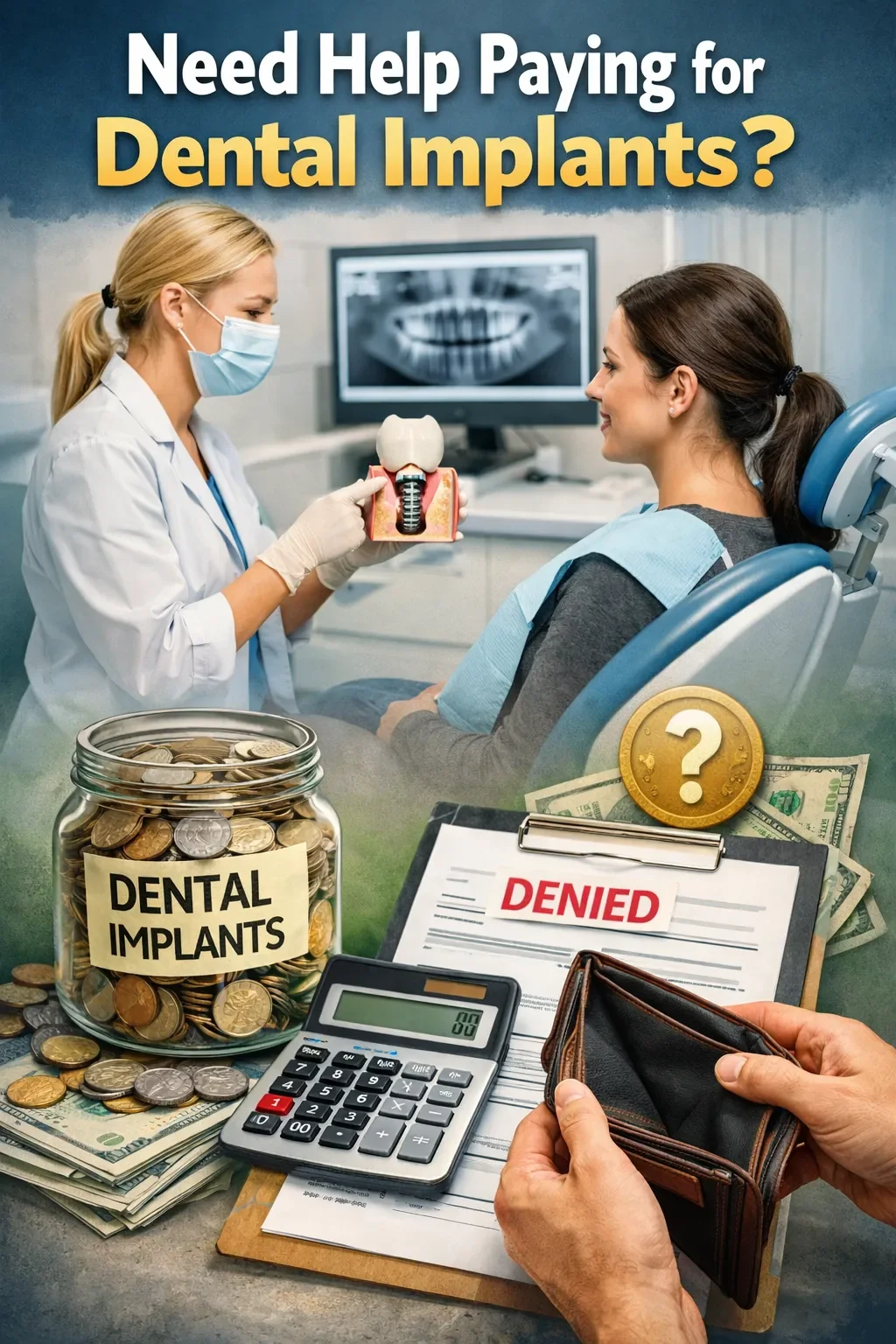
How to Choose the Right Clinic When You Need Help Paying for Dental Implants
When you need help paying for dental implants, choosing the right clinic becomes just as important as choosing the right financial strategy. Cost pressures can push patients toward rushed decisions, but the clinic you select will directly affect not only the final price, but also safety, longevity, and overall satisfaction. A well-chosen clinic can help you reduce costs responsibly, while a poor choice can turn an already expensive situation into a long-term financial and medical burden 😬.
Why Clinic Selection Impacts Total Cost
Many patients who need help paying for dental implants focus only on the headline price. However, the clinic’s approach to diagnosis, planning, and follow-up can significantly influence total expenses. Clinics that cut corners may appear cheaper initially, but complications, implant failure, or poor aesthetics often lead to costly corrective treatments.
On the other hand, clinics that emphasize accurate diagnostics, proper case selection, and long-term care often reduce the risk of future expenses. This is why value—not just price—should guide your decision if you truly need help paying for dental implants.
Key Qualifications to Look For in a Dental Implant Clinic
Patients who need help paying for dental implants should look for clinics that demonstrate credibility and transparency. Important indicators include:
- Licensed and experienced implant dentists or oral surgeons
- Use of internationally recognized implant systems
- Advanced diagnostics such as CBCT imaging
- Clear, written treatment plans and cost breakdowns
These elements reduce uncertainty and help you understand exactly what you are paying for—critical when every dollar matters.
Transparency in Pricing and Treatment Planning
One of the most important qualities for patients who need help paying for dental implants is transparency. A trustworthy clinic will explain:
- Which procedures are necessary and why
- What is optional versus essential
- How costs may change if complications arise
If a clinic avoids direct answers or pressures you into quick decisions, it’s a warning sign—especially when finances are tight.
Experience With Budget-Conscious and International Patients
Clinics that regularly work with patients who need help paying for dental implants often have systems in place to reduce financial strain. This may include phased treatment, flexible scheduling, or assistance with financing and documentation.
For patients considering dental tourism, experience with international patients is especially important. Clinics accustomed to foreign patients typically provide clear communication, treatment guarantees, and coordinated timelines that minimize travel costs.
Aftercare, Warranties, and Long-Term Support
Aftercare is frequently overlooked by patients who need help paying for dental implants, but it plays a crucial role in long-term success. Reputable clinics offer:
- Post-treatment follow-up plans
- Clear maintenance instructions
- Warranties on implants and prosthetics
A warranty can protect you from unexpected expenses if complications occur. This added security is invaluable when finances are already stretched.
Coordination With Local Dentists
If treatment is done abroad or far from home, ask whether the clinic coordinates with local dentists for routine follow-up. Patients who need help paying for dental implants benefit greatly from continuity of care without additional travel expenses.
Ethical Standards and Patient-Centered Care
Ethics matter, especially when patients are financially vulnerable. Clinics that adhere to professional guidelines, such as those promoted by the American Dental Association, prioritize patient well-being over sales.
An ethical clinic will never recommend implants unnecessarily. If a simpler, more affordable option meets your clinical needs, they will explain it honestly. This integrity is essential for patients who need help paying for dental implants and want trustworthy guidance.
Taking the First Step With Confidence
If you need help paying for dental implants, the process can feel intimidating—but the right clinic can make it manageable. Begin with a consultation focused on education, not pressure. Ask questions, request written plans, and compare options calmly.
If you are exploring professional guidance and want a clear, patient-centered discussion about both treatment and cost, you can start by contacting the Redent Klinik Contact Page. A supportive clinic will help you move forward with confidence, dignity, and a plan that fits your financial reality.
Ultimately, when you need help paying for dental implants, the right clinic becomes your partner—not just your provider. Choosing wisely protects both your smile and your long-term financial health 😊.