
An orthodontic appointment is much more than a routine dental visit. It is a structured, goal-oriented session designed to improve the alignment of your teeth, enhance your bite function, and support your long-term oral health. Whether you are visiting an orthodontist for the first time or attending a follow-up visit during ongoing treatment, understanding what an orthodontic appointment involves can significantly reduce anxiety and help you get the most value from each visit 😊.
Many patients underestimate the importance of an orthodontic appointment, assuming it is similar to a general dental check-up. In reality, orthodontic care focuses on diagnosing and correcting misalignment issues such as crowded teeth, gaps, overbites, underbites, and jaw irregularities. Each orthodontic appointment plays a critical role in guiding teeth into their ideal positions safely and efficiently.
During an orthodontic appointment, the orthodontist evaluates how your teeth and jaws are functioning together. This evaluation often includes visual examination, digital scans, X-rays, and bite analysis. These steps allow the specialist to create or adjust a personalized treatment plan. Unlike one-time procedures, orthodontic treatment is a journey, and every orthodontic appointment acts as a checkpoint to ensure progress is on track.
For first-time patients, the initial orthodontic appointment is primarily diagnostic. The orthodontist will review your dental and medical history, assess oral hygiene, and discuss your concerns and expectations. This is also the stage where treatment options—such as braces or clear aligners—are explained in detail. The orthodontic appointment is your opportunity to fully understand the recommended approach and how it aligns with your lifestyle and goals.
For patients already undergoing treatment, a follow-up orthodontic appointment focuses on adjustments and monitoring. Braces may be tightened, wires changed, or aligner progress checked. These adjustments are essential because teeth move gradually, and controlled pressure must be applied over time. Skipping or delaying an orthodontic appointment can slow progress and, in some cases, compromise results.
Another important aspect of an orthodontic appointment is education. Orthodontists and their teams provide guidance on oral hygiene, diet restrictions, and habits to avoid during treatment. Patients often learn how to properly clean around braces or how to wear aligners consistently. This educational component ensures that the orthodontic appointment supports not only alignment but also overall dental health 🦷.
Comfort and communication are also central to a successful orthodontic appointment. Patients are encouraged to report discomfort, loose brackets, or fit issues with aligners. Open communication allows the orthodontist to make timely corrections and prevent minor issues from becoming major setbacks. A well-managed orthodontic appointment is collaborative, with the patient actively participating in their treatment journey.
From a long-term perspective, each orthodontic appointment contributes to more than just straight teeth. Proper alignment improves chewing efficiency, reduces uneven tooth wear, and can even alleviate jaw pain or headaches caused by bite problems. Additionally, aligned teeth are easier to clean, lowering the risk of cavities and gum disease over time.
It is also important to recognize that an orthodontic appointment is tailored to individual needs. Treatment duration, techniques, and visit frequency vary depending on age, case complexity, and chosen appliances. This personalized approach ensures that every orthodontic appointment moves you closer to a healthy, confident smile 😁.
In summary, an orthodontic appointment is a cornerstone of effective orthodontic care. It combines assessment, adjustment, education, and planning into one focused visit. By understanding what happens during an orthodontic appointment and why it matters, patients can approach each visit with confidence and actively support their own treatment success.
Why an Orthodontic Appointment Is Important for Long-Term Oral Health
An orthodontic appointment is not only about achieving a straighter smile; it is a foundational step in protecting and improving your long-term oral health. Many dental issues develop slowly and silently, and misaligned teeth or jaw problems often worsen if left untreated. Regular attendance at each orthodontic appointment ensures these issues are identified early and managed correctly, preventing more serious complications later in life.
How Tooth Alignment Affects Overall Oral Health
One of the primary reasons an orthodontic appointment is so important is its impact on tooth alignment. Crooked or crowded teeth create hard-to-reach areas where plaque and food debris can accumulate. Even with excellent brushing habits, these areas are difficult to clean effectively. Over time, this increases the risk of cavities, gum inflammation, and periodontal disease.
By attending every orthodontic appointment as scheduled, your orthodontist can guide teeth into proper alignment, making daily oral hygiene easier and more effective. Straight teeth are simpler to brush and floss, which directly contributes to healthier gums and a lower risk of tooth decay 🦷.
Bite Correction and Jaw Health
An orthodontic appointment also plays a crucial role in correcting bite issues such as overbite, underbite, crossbite, or open bite. When the upper and lower teeth do not meet properly, excessive stress can be placed on certain teeth and jaw joints. This imbalance may lead to uneven tooth wear, cracked enamel, jaw pain, and even chronic headaches.
During an orthodontic appointment, the orthodontist carefully evaluates how your bite is functioning and makes adjustments to ensure even pressure distribution. Over time, these adjustments help protect both your teeth and temporomandibular joints, supporting healthier jaw movement and reducing discomfort.
Prevention of Long-Term Dental Complications
Many serious dental problems can be prevented through consistent orthodontic care. For example, improperly aligned teeth can contribute to gum recession, where the gum tissue pulls away from the tooth surface. This exposes the tooth root and increases sensitivity and vulnerability to decay. Each orthodontic appointment allows the specialist to monitor gum health and make adjustments that reduce these risks.
Additionally, orthodontic treatment guided through regular orthodontic appointments can help prevent speech difficulties and chewing inefficiencies. Proper alignment ensures that teeth work together harmoniously, improving both function and comfort.
The Role of Orthodontic Appointments in Early Detection
An often-overlooked benefit of an orthodontic appointment is early detection. Orthodontists are trained to spot subtle changes in tooth movement, jaw growth, and oral tissues. These observations can reveal potential issues long before symptoms become noticeable to the patient.
For children and adolescents, early orthodontic appointments are especially valuable. Monitoring jaw development at a young age allows orthodontists to intervene at the optimal time, sometimes reducing the need for more invasive treatments later. For adults, an orthodontic appointment can uncover hidden problems such as impacted teeth or abnormal wear patterns that may otherwise go unnoticed.
Supporting Overall Health Beyond the Mouth
Oral health is closely linked to overall health, and an orthodontic appointment contributes to this connection more than many people realize. Poor oral health has been associated with systemic conditions such as cardiovascular disease and diabetes. By improving alignment and bite function, orthodontic care supports better oral hygiene and reduces chronic inflammation, which can have positive effects throughout the body.
Authoritative organizations like the American Dental Association emphasize the importance of preventive and corrective dental care in maintaining overall wellness. Regular orthodontic appointments align with these recommendations by addressing structural issues that impact long-term oral health.
Consistency and Commitment Matter
The true value of an orthodontic appointment lies in consistency. Orthodontic treatment relies on gradual, controlled tooth movement. Missing or delaying an orthodontic appointment can interrupt this process, potentially extending treatment time or affecting results. Each orthodontic appointment builds upon the previous one, ensuring steady progress toward optimal alignment.
Patients who commit to attending every orthodontic appointment as advised typically experience smoother treatment, fewer complications, and more predictable outcomes 😊. This commitment is an investment not only in aesthetics but also in lifelong dental health.
When to Take Action
If you notice crowded teeth, difficulty chewing, jaw discomfort, or aesthetic concerns, scheduling an orthodontic appointment is a proactive step. Early evaluation allows for timely intervention and personalized treatment planning. For professional guidance or to begin your journey, you can reach out through the Redent Klinik Contact Page.
In conclusion, an orthodontic appointment is a key pillar of preventive and corrective dental care. By improving alignment, protecting jaw health, enabling early detection, and supporting overall wellness, each orthodontic appointment contributes to a healthier mouth and a higher quality of life. Prioritizing these visits today can prevent complex dental problems tomorrow.
What Happens During Your First Orthodontic Appointment?
Your first orthodontic appointment is a crucial starting point that sets the foundation for your entire orthodontic journey. For many patients, this visit comes with curiosity and a bit of nervousness. Understanding exactly what happens during an initial orthodontic appointment can help you feel more confident, prepared, and engaged in the process 😊.
Unlike routine dental check-ups, a first orthodontic appointment is comprehensive and diagnostic in nature. Its main purpose is to evaluate your oral structure, identify alignment or bite issues, and determine whether orthodontic treatment is necessary. This orthodontic appointment is not rushed; it is designed to gather detailed information so the orthodontist can create a precise and personalized treatment plan.
Initial Consultation and Patient Discussion
The first stage of an orthodontic appointment usually begins with a one-on-one discussion. The orthodontist or a trained team member will ask about your dental history, previous treatments, and any concerns you may have about your teeth or jaw. This conversation is extremely important because it helps the orthodontist understand your expectations and lifestyle needs.
During this part of the orthodontic appointment, patients are encouraged to openly discuss aesthetic concerns, chewing difficulties, speech issues, or jaw discomfort. Clear communication ensures that the treatment plan aligns with both clinical needs and personal goals.
Comprehensive Oral Examination
A detailed oral examination is the core of the first orthodontic appointment. The orthodontist will visually inspect your teeth, gums, and jaw alignment. They assess spacing, crowding, tooth rotation, and how your upper and lower teeth fit together when you bite.
This examination allows the orthodontist to identify issues such as overbites, underbites, crossbites, and open bites. Detecting these problems early during the orthodontic appointment is essential for choosing the most effective treatment method.
Digital Scans, X-Rays, and Photographs
Modern orthodontic appointments often include advanced diagnostic tools. Digital scans or impressions may be taken to create a precise 3D model of your teeth. These scans replace traditional messy molds and provide highly accurate data.
X-rays are another key component of the orthodontic appointment. They allow the orthodontist to see beneath the surface, evaluating tooth roots, jawbone structure, and the position of unerupted or impacted teeth. In addition, facial and intraoral photographs may be taken to document your starting point and assist with treatment planning.
Diagnosis and Personalized Treatment Planning
Once all diagnostic information is collected, the orthodontist analyzes the findings and explains the diagnosis in clear, understandable terms. This is one of the most valuable moments of your orthodontic appointment because it helps you fully understand your oral condition.
The orthodontist will then present potential treatment options. These may include traditional braces, ceramic braces, or clear aligners, depending on your specific needs. The orthodontic appointment is your opportunity to ask detailed questions about each option, including expected outcomes, maintenance requirements, and lifestyle considerations.
Estimated Treatment Duration and Next Steps
During this stage of the orthodontic appointment, you will typically receive an estimated treatment timeline. While exact durations vary, the orthodontist will provide a general idea of how long treatment may take based on case complexity and patient compliance.
You will also learn what the next orthodontic appointment will involve. In some cases, appliances may be placed at a follow-up visit, while in others, additional diagnostic steps may be needed first. Clear instructions ensure you leave the orthodontic appointment knowing exactly what to expect next.
Education and Preventive Guidance
Education is an essential part of the first orthodontic appointment. The orthodontic team often provides guidance on oral hygiene, dietary considerations, and habits that may affect treatment success. This includes advice on brushing techniques, flossing with appliances, and avoiding foods that could damage braces.
This educational aspect ensures that patients actively participate in their treatment rather than passively receiving care. A successful orthodontic appointment empowers patients with knowledge and responsibility.
Emotional Reassurance and Building Trust
Beyond clinical evaluation, a first orthodontic appointment is also about building trust. Orthodontic treatment is a long-term commitment, and feeling comfortable with your provider is essential. The orthodontic team aims to address fears, answer questions patiently, and create a supportive environment 🤝.
Many patients leave their first orthodontic appointment feeling relieved and motivated, having gained clarity about their condition and a clear plan for improvement.
In summary, your first orthodontic appointment is a detailed, informative, and patient-centered experience. From consultation and diagnostics to education and planning, every step is designed to set you up for successful treatment. Understanding what happens during this orthodontic appointment helps transform uncertainty into confidence and marks the first step toward a healthier, well-aligned smile.
How to Prepare for an Orthodontic Appointment Successfully
Proper preparation for an orthodontic appointment can make a significant difference in how smooth, productive, and comfortable your visit will be. Whether it is your first consultation or a routine follow-up, knowing how to prepare ensures that you get the maximum benefit from every orthodontic appointment and helps your orthodontist work more efficiently 😊.
Many patients believe that preparation is minimal, but in reality, a well-prepared orthodontic appointment leads to better communication, more accurate assessments, and fewer delays in treatment. From oral hygiene habits to mental readiness, every small step contributes to a successful visit.
Maintain Excellent Oral Hygiene Before Your Visit
One of the most important steps before an orthodontic appointment is ensuring your teeth and gums are clean. Brushing and flossing thoroughly before your visit allows the orthodontist to clearly examine your teeth, brackets, or aligners without plaque or food debris interfering with visibility.
For patients already in treatment, a clean mouth helps the orthodontist accurately assess tooth movement and appliance condition during the orthodontic appointment. For first-time visitors, good oral hygiene sets a positive foundation and may prevent the need for additional cleanings or delays.
Special Tips for Braces or Aligner Wearers
If you wear braces, use interdental brushes or floss threaders before your orthodontic appointment to clean around brackets and wires. If you use clear aligners, remove them and gently clean both your teeth and the aligners before arriving. These small steps demonstrate commitment and help the orthodontist focus on treatment progress rather than hygiene concerns.
Prepare Questions and Concerns in Advance
An orthodontic appointment is also a valuable opportunity for communication. Before your visit, take a moment to think about any questions, discomfort, or concerns you may have experienced since your last orthodontic appointment. Writing these down ensures you don’t forget important details during the visit.
Common topics patients discuss during an orthodontic appointment include soreness, appliance issues, aligner fit, oral hygiene challenges, and estimated treatment timelines. Open communication helps the orthodontist make timely adjustments and keeps your treatment on track.
Understand the Purpose of the Appointment
Not all orthodontic appointments serve the same purpose. Some visits are for adjustments, others for monitoring progress, and some for appliance placement or removal. Knowing why you are attending a particular orthodontic appointment helps set expectations and reduces anxiety.
If you are unsure about the purpose of your upcoming orthodontic appointment, contacting the clinic in advance can be helpful. Clear expectations lead to a more relaxed and productive experience.
Allow Enough Time in Your Schedule
While many orthodontic appointments are relatively short, some may take longer depending on the procedures involved. Arriving on time and allowing flexibility in your schedule prevents stress and ensures the orthodontic appointment is not rushed.
For children and teens, parents should plan to accompany them and allow time for discussion with the orthodontist. For adults, scheduling an orthodontic appointment during a less hectic part of the day can improve focus and comfort.
Be Honest About Discomfort or Compliance
Honesty is essential for successful orthodontic treatment. If you have experienced pain, broken brackets, or difficulty wearing aligners as instructed, discuss this openly during your orthodontic appointment. Orthodontists are there to help, not judge.
Accurate information allows the orthodontist to adjust the treatment plan, provide solutions, and prevent complications. A transparent orthodontic appointment leads to better outcomes and a smoother treatment journey.
Mental Preparation and Anxiety Management
Feeling nervous before an orthodontic appointment is completely normal, especially for first-time patients. Understanding that orthodontic visits are generally painless and focused on gradual improvement can help ease anxiety.
Practicing deep breathing, arriving early, and reminding yourself of the long-term benefits can transform your mindset. A calm, positive attitude makes the orthodontic appointment more comfortable for both the patient and the orthodontic team 😊.
Parents Preparing Children for an Orthodontic Appointment
For children, preparation often involves reassurance. Explaining what an orthodontic appointment involves in simple, positive terms can reduce fear. Emphasize that the visit is about helping their teeth grow strong and straight.
Parents should also encourage questions and praise cooperation. A supportive approach makes each orthodontic appointment a positive experience and builds trust with the orthodontic team.
Practical Items to Bring
Although not always required, bringing certain items can be helpful during an orthodontic appointment. These may include aligner cases, elastic bands, or a list of medications. For new patients, bringing previous dental records or X-rays (if requested) can save time.
Being organized shows readiness and ensures that the orthodontic appointment runs smoothly without unnecessary interruptions.
In conclusion, preparing for an orthodontic appointment involves more than just showing up. Good oral hygiene, thoughtful communication, time management, and mental readiness all contribute to a successful visit. By taking these steps, each orthodontic appointment becomes a productive milestone toward a healthier, more confident smile 😁.
Common Procedures Performed During an Orthodontic Appointment
An orthodontic appointment typically involves a series of well-planned procedures designed to guide teeth into proper alignment over time. While the exact procedures vary depending on your treatment stage and appliance type, each orthodontic appointment follows a structured approach to ensure steady, safe progress. Understanding these common procedures helps patients feel informed, confident, and actively involved in their care 😊.
Unlike general dental visits, an orthodontic appointment focuses on controlled tooth movement, appliance integrity, and bite balance. Every procedure performed during an orthodontic appointment has a specific purpose and contributes to the overall success of the treatment plan.
Clinical Examination and Progress Evaluation
Almost every orthodontic appointment begins with a clinical evaluation. The orthodontist examines tooth alignment, bite relationship, and jaw positioning. This step allows the specialist to assess how well the teeth are responding to the applied forces since the last orthodontic appointment.
During this evaluation, the orthodontist looks for signs of expected movement, potential delays, or complications such as inflammation or unwanted tooth shifts. This careful monitoring ensures that adjustments made during the orthodontic appointment are precise and effective.
Braces Adjustments and Wire Changes
For patients with braces, adjustments are one of the most common procedures performed during an orthodontic appointment. This typically involves tightening or replacing the archwire that connects the brackets. Adjustments apply gentle pressure that encourages teeth to move into their planned positions.
Some orthodontic appointments may also include changing elastic bands or adding new components to guide specific tooth movements. While mild pressure or discomfort may be felt after the orthodontic appointment, this sensation usually subsides within a few days and is a normal part of progress 🦷.
Bracket Repair or Replacement
If a bracket has become loose or broken, repairing it is often addressed during the orthodontic appointment. Prompt repairs prevent delays in treatment and ensure that forces remain evenly distributed. Reporting broken brackets early helps the orthodontic appointment stay efficient and productive.
Clear Aligner Progress Checks
For patients using clear aligners, the orthodontic appointment focuses on evaluating how well the aligners are fitting and whether teeth are tracking as expected. The orthodontist checks aligner wear patterns and confirms compliance with wear instructions.
Based on this evaluation, the orthodontist may provide the next set of aligners or make adjustments to the treatment plan. In some cases, refinements or additional aligners may be recommended to achieve optimal results. Each orthodontic appointment ensures that aligner treatment remains accurate and effective.
Bite Adjustments and Occlusal Balancing
Another key procedure during an orthodontic appointment is bite adjustment. The orthodontist evaluates how the upper and lower teeth meet and distributes biting forces evenly. This step is crucial for preventing uneven wear, jaw strain, and discomfort.
Bite adjustments may involve adding small attachments, reshaping certain areas, or modifying elastics. These subtle changes made during the orthodontic appointment significantly improve function and comfort over time.
Monitoring Jaw Growth in Younger Patients
For children and adolescents, orthodontic appointments may include monitoring jaw growth and development. The orthodontist evaluates how facial structures are changing and determines whether growth modification techniques are needed. Early intervention during an orthodontic appointment can reduce the need for more complex treatments later.
Oral Hygiene Assessment and Guidance
Every orthodontic appointment includes some level of oral hygiene assessment. The orthodontist or dental assistant checks for plaque buildup, gum inflammation, or areas that may require improved cleaning techniques.
Patients receive personalized advice on brushing, flossing, and appliance care during the orthodontic appointment. This guidance helps prevent cavities and gum disease, which can otherwise complicate orthodontic treatment.
Taking Progress Records When Needed
At certain stages, an orthodontic appointment may include taking progress records such as photographs, digital scans, or X-rays. These records help compare current alignment with initial conditions and guide future adjustments.
Progress records also allow the orthodontist to confirm that treatment goals are being met and to identify any necessary refinements. These evaluations ensure that each orthodontic appointment contributes meaningfully to the final outcome.
Patient Education and Q&A
Education is an essential part of any orthodontic appointment. Patients are encouraged to ask questions about discomfort, timelines, dietary restrictions, or appliance care. This open dialogue strengthens trust and promotes better compliance.
An informed patient is more likely to follow instructions accurately, making every orthodontic appointment more effective and efficient 😊.
In summary, a typical orthodontic appointment includes examinations, adjustments, progress checks, hygiene assessments, and education. Each procedure plays a specific role in guiding teeth safely and effectively. By understanding these common procedures, patients can approach every orthodontic appointment with clarity and confidence, knowing that each visit moves them closer to a healthy, well-aligned smile.
How Long Does a Typical Orthodontic Appointment Take?
One of the most common questions patients ask before scheduling an orthodontic appointment is how long the visit will take. Understanding the time commitment helps patients plan their day, reduce anxiety, and set realistic expectations. While there is no single answer that applies to everyone, most orthodontic appointments follow predictable time ranges depending on the purpose of the visit 😊.
An orthodontic appointment is carefully structured to balance efficiency with precision. Orthodontic treatment relies on small, controlled adjustments, and each orthodontic appointment is designed to accomplish specific goals within a reasonable timeframe.
Average Duration of an Orthodontic Appointment
In general, a standard orthodontic appointment lasts between 20 and 45 minutes. Routine adjustment visits are often on the shorter end of this range, while more involved orthodontic appointments—such as initial consultations or appliance placement—may take longer.
It is important to remember that the orthodontic appointment duration reflects the complexity of the procedure being performed. A quick check and minor adjustment require less time than comprehensive evaluations or major appliance changes.
First Orthodontic Appointment vs. Follow-Up Visits
The first orthodontic appointment is usually the longest. Initial consultations often last between 45 and 60 minutes because they involve examinations, diagnostic records, discussions, and treatment planning. This orthodontic appointment sets the foundation for everything that follows.
Follow-up orthodontic appointments are typically shorter. These visits focus on monitoring progress, making adjustments, and ensuring appliances are functioning correctly. Most follow-up orthodontic appointments are completed within 20 to 30 minutes, making them easy to fit into a busy schedule.
Time Differences Based on Treatment Type
The type of orthodontic treatment also influences how long an orthodontic appointment takes. Braces adjustments may take slightly longer than clear aligner check-ups due to wire changes, elastic replacements, or bracket repairs.
Clear aligner orthodontic appointments often involve quick evaluations and distribution of new aligners, which can shorten visit time. However, if refinements or re-scanning are needed, the orthodontic appointment may be extended.
Procedures That May Extend Appointment Time
Certain procedures naturally require more time during an orthodontic appointment. These include placing braces for the first time, removing appliances, taking digital scans or X-rays, and repairing multiple broken brackets.
Emergency orthodontic appointments, such as addressing severe discomfort or appliance damage, may also vary in length depending on the issue. Even in these cases, orthodontic teams aim to resolve problems efficiently while maintaining treatment quality.
Factors That Influence Orthodontic Appointment Length
Several factors can affect how long an orthodontic appointment lasts. Case complexity, patient cooperation, oral hygiene condition, and appliance type all play a role. Patients who consistently follow care instructions often experience smoother and faster orthodontic appointments.
Delays may occur if unexpected issues are discovered during the orthodontic appointment, such as loose brackets, inflammation, or non-compliance with aligner wear. Addressing these concerns is necessary to keep treatment on track.
The Importance of Arriving on Time
Arriving on time for an orthodontic appointment ensures that the full scheduled time is available for care. Late arrivals may result in shortened visits or rescheduling, which can delay treatment progress.
Orthodontic practices often operate on precise schedules to accommodate many patients efficiently. Respecting appointment times benefits both the patient and the clinic.
Time Efficiency Without Compromising Care
Modern orthodontic technology has significantly improved time efficiency. Digital scans, advanced appliances, and streamlined workflows allow orthodontists to perform detailed adjustments within shorter orthodontic appointments.
Despite shorter visit times, the quality of care remains high. Each orthodontic appointment is carefully planned to achieve maximum progress with minimal disruption to daily life 😊.
Planning Your Day Around an Orthodontic Appointment
Knowing the approximate duration of your orthodontic appointment makes planning easier. Most patients can comfortably schedule appointments during lunch breaks, after school, or between work commitments.
Parents scheduling orthodontic appointments for children should allow some flexibility, especially for longer visits such as appliance placement or removal. Being prepared reduces stress and ensures a positive experience.
In conclusion, the length of an orthodontic appointment depends on the type of visit, treatment stage, and individual needs. While most orthodontic appointments are relatively short, each one plays a vital role in achieving successful results. By understanding what influences appointment duration, patients can approach every orthodontic appointment with confidence, knowing their time is being used efficiently to build a healthy, well-aligned smile 😁.
Orthodontic Appointment Frequency: How Often Should You Visit?
The frequency of an orthodontic appointment is a key factor in achieving timely, predictable, and healthy treatment results. Many patients wonder how often they need to visit the orthodontist and why these intervals matter so much. The short answer is that orthodontic appointment frequency is carefully tailored to your treatment plan, appliance type, and biological response to tooth movement 😊.
Orthodontic treatment is a gradual process. Teeth move through bone in small increments, and the orthodontist must monitor and guide this movement closely. Each orthodontic appointment acts as a checkpoint to ensure progress is occurring safely and efficiently.
Typical Orthodontic Appointment Intervals
For most patients, an orthodontic appointment is scheduled every 4 to 8 weeks. This timeframe allows enough time for teeth to respond to adjustments while preventing unwanted movement or complications. The exact interval depends on the stage of treatment and the type of orthodontic appliance being used.
Early stages of treatment may require more frequent orthodontic appointments to establish proper alignment and address initial bite issues. As treatment progresses and movements become more refined, appointment intervals may be slightly extended.
Braces vs. Clear Aligners: Frequency Differences
The type of appliance significantly affects orthodontic appointment frequency. Patients with traditional braces typically attend an orthodontic appointment every 4 to 6 weeks. These visits are necessary for wire adjustments, elastic changes, and bracket monitoring.
For clear aligner patients, orthodontic appointments may occur every 6 to 8 weeks. Because aligners are changed at home according to a set schedule, the orthodontic appointment focuses on progress checks and distributing future aligner sets.
Why Skipping Appointments Can Delay Treatment
Missing or delaying an orthodontic appointment can disrupt the carefully planned sequence of tooth movements. Teeth may drift in unintended directions, appliances may lose effectiveness, and treatment timelines can be extended.
Consistent attendance ensures that each orthodontic appointment builds upon the last, maintaining steady progress and reducing the risk of setbacks.
Age and Growth Considerations
Age plays an important role in determining orthodontic appointment frequency. Children and adolescents often require closer monitoring due to active jaw growth and tooth eruption. An orthodontic appointment during growth phases allows the orthodontist to take advantage of natural development and guide it effectively.
Adults, on the other hand, typically have stable jaw structures. While their orthodontic appointments may be slightly less frequent, consistent monitoring is still essential to ensure controlled tooth movement and protect gum health.
Complexity of the Orthodontic Case
Patients with complex alignment or bite issues may need more frequent orthodontic appointments. Conditions such as severe crowding, impacted teeth, or jaw discrepancies require close supervision and precise adjustments.
In these cases, the orthodontic appointment schedule is designed to address challenges proactively and minimize the risk of complications. Personalized scheduling ensures that treatment remains efficient without compromising safety.
Adjustments Based on Progress
Orthodontic treatment is dynamic. If teeth are moving faster or slower than expected, the orthodontist may adjust orthodontic appointment frequency accordingly. Progress evaluations during each orthodontic appointment allow for flexible, responsive care.
This adaptability is one of the strengths of orthodontic treatment and highlights why regular orthodontic appointments are essential.
Patient Compliance and Appointment Frequency
Patient compliance has a direct impact on orthodontic appointment scheduling. Patients who follow instructions—such as wearing elastics or aligners as prescribed—often experience smoother progress and fewer unexpected visits.
In contrast, poor compliance may require additional orthodontic appointments to correct issues or reinforce guidance. Honest communication during each orthodontic appointment helps maintain an efficient schedule.
Long-Term Benefits of Regular Visits
Maintaining the recommended orthodontic appointment frequency leads to better outcomes, shorter treatment durations, and healthier teeth and gums. Regular visits allow early detection of problems such as appliance wear, hygiene issues, or bite imbalances.
Orthodontic professionals and organizations such as the American Dental Association emphasize the importance of consistent professional monitoring to support oral health and treatment success.
Planning and Commitment
Successful orthodontic treatment requires commitment. Scheduling and attending every orthodontic appointment as recommended is an investment in your smile and oral health. Clinics work to make orthodontic appointments convenient, efficient, and predictable for patients of all ages.
If you need guidance on scheduling or adjusting your orthodontic appointment plan, you can reach out directly through the Redent Klinik Contact Page for personalized support.
In conclusion, orthodontic appointment frequency is not arbitrary—it is a carefully designed part of your treatment strategy. By attending orthodontic appointments at the recommended intervals, patients ensure steady progress, reduce complications, and move confidently toward a healthy, well-aligned smile 😁.
Orthodontic Appointment for Braces vs. Clear Aligners
An orthodontic appointment can look quite different depending on whether you are being treated with traditional braces or clear aligners. While both treatment methods aim to achieve proper tooth alignment and bite correction, the structure, focus, and experience of each orthodontic appointment vary based on the appliance used. Understanding these differences helps patients choose the option that best fits their lifestyle, expectations, and oral health needs 😊.
Regardless of the method, every orthodontic appointment is carefully planned to monitor progress, make necessary adjustments, and ensure that treatment is moving forward safely and efficiently.
What to Expect During an Orthodontic Appointment with Braces
For patients wearing traditional braces, an orthodontic appointment is typically hands-on and adjustment-focused. During these visits, the orthodontist examines the brackets, wires, and elastics to ensure they are functioning correctly.
A common procedure during a braces-related orthodontic appointment is tightening or changing the archwire. This adjustment applies controlled pressure that encourages teeth to move into their planned positions. While some pressure or mild soreness may occur after the orthodontic appointment, it usually fades within a few days and signals that progress is being made 🦷.
Additional Procedures for Braces Patients
Braces orthodontic appointments may also involve replacing elastic bands, adding power chains, or repairing broken brackets. If oral hygiene issues or inflammation are detected, the orthodontist may provide additional guidance during the orthodontic appointment.
Because braces are fixed appliances, regular orthodontic appointments are essential to ensure consistent force application and prevent delays in treatment.
What to Expect During an Orthodontic Appointment with Clear Aligners
An orthodontic appointment for clear aligner patients tends to be shorter and less invasive. Instead of mechanical adjustments, the orthodontist evaluates how well the aligners are fitting and whether the teeth are tracking according to the treatment plan.
During this orthodontic appointment, the orthodontist may review aligner wear patterns, check for gaps between aligners and teeth, and ask about compliance. If everything is progressing as expected, the patient may receive several new sets of aligners to use before the next orthodontic appointment.
Refinements and Re-Scans
In some cases, an orthodontic appointment may include taking new digital scans to refine the aligner plan. Refinements are common and help achieve precise final results. This process is painless and reflects the adaptability of clear aligner treatment.
Clear aligner orthodontic appointments rely heavily on patient compliance. Wearing aligners as prescribed ensures that each orthodontic appointment confirms steady, predictable progress.
Appointment Frequency Differences
Another key difference between braces and aligners is orthodontic appointment frequency. Braces patients usually attend an orthodontic appointment every 4 to 6 weeks due to the need for physical adjustments. These regular visits help maintain consistent force and address any appliance issues promptly.
Clear aligner patients may have orthodontic appointments every 6 to 8 weeks, as much of the tooth movement occurs between visits through sequential aligner changes. Despite fewer visits, each orthodontic appointment remains essential for monitoring and guidance.
Comfort and Lifestyle Considerations
Comfort levels during an orthodontic appointment also differ between the two treatment options. Braces adjustments may cause temporary soreness, while clear aligner appointments are generally associated with minimal discomfort.
From a lifestyle perspective, clear aligner orthodontic appointments often appeal to adults seeking a more discreet option. Braces orthodontic appointments, while more involved, are highly effective for complex cases and provide precise control.
Choosing the Right Option for You
The choice between braces and clear aligners should be made in consultation with an orthodontist. During an orthodontic appointment, the specialist evaluates alignment needs, bite complexity, and patient preferences before recommending the most suitable option.
Both treatment types require commitment, consistency, and active participation. Regardless of the appliance, attending every orthodontic appointment as scheduled is critical for achieving optimal results.
Effectiveness and Outcome Monitoring
Whether you choose braces or clear aligners, the orthodontic appointment serves as a progress checkpoint. The orthodontist ensures that tooth movement aligns with the treatment plan and makes adjustments when needed.
Trusted organizations such as the American Dental Association recognize both braces and clear aligners as effective orthodontic treatments when properly monitored through regular orthodontic appointments.
In conclusion, an orthodontic appointment differs in structure and focus depending on whether you are using braces or clear aligners. Braces appointments involve mechanical adjustments and frequent monitoring, while aligner appointments emphasize evaluation and compliance. Understanding these differences helps patients feel confident in their treatment choice and ensures that every orthodontic appointment contributes to a healthy, well-aligned smile 😁.
After Your Orthodontic Appointment: Care Tips and Next Steps
An orthodontic appointment does not end when you leave the clinic. What you do after your visit plays a crucial role in how effective your treatment will be and how comfortable you feel between visits. Proper post-visit care ensures that the adjustments made during your orthodontic appointment lead to steady progress rather than unnecessary setbacks 😊.
Many patients focus heavily on the appointment itself but overlook the importance of aftercare. In reality, the period following an orthodontic appointment is when your teeth actively respond to the applied forces, making your actions especially important.
Managing Discomfort After an Orthodontic Appointment
It is normal to experience mild soreness or pressure after an orthodontic appointment, especially if adjustments were made or new appliances were placed. This sensation typically peaks within the first 24 to 48 hours and gradually subsides.
Soft foods, cold drinks, and gentle chewing can help manage discomfort after an orthodontic appointment. Over-the-counter pain relievers may be used if recommended by your orthodontist. This temporary discomfort is a sign that your teeth are moving as planned 🦷.
When Discomfort Is Not Normal
While mild soreness is expected, sharp pain, prolonged discomfort, or swelling should not be ignored. If something feels wrong after your orthodontic appointment, such as a wire poking or a bracket coming loose, contact your orthodontic clinic promptly. Early intervention prevents small issues from becoming larger problems.
Oral Hygiene Is Even More Important After Adjustments
Maintaining excellent oral hygiene after an orthodontic appointment is essential. Adjustments can create new pressure points and areas where plaque may accumulate more easily. Thorough brushing and flossing help protect your teeth and gums during this sensitive period.
Patients with braces should pay extra attention to cleaning around brackets and wires after each orthodontic appointment. Clear aligner users should clean both their teeth and aligners regularly to avoid bacterial buildup.
Dietary Guidelines Following an Orthodontic Appointment
Your diet directly affects the success of your orthodontic treatment. After an orthodontic appointment, especially one involving adjustments, it is wise to avoid hard, sticky, or crunchy foods that could damage appliances.
Soft foods such as yogurt, soups, mashed vegetables, and smoothies are ideal in the days following an orthodontic appointment. Gradually reintroducing firmer foods as discomfort decreases helps protect appliances and maintain progress.
Foods to Avoid
Foods like nuts, popcorn, hard candies, and chewing gum can loosen brackets or bend wires. Avoiding these items after your orthodontic appointment reduces the risk of emergency visits and treatment delays.
Following Instructions Between Appointments
Every orthodontic appointment includes specific instructions tailored to your treatment plan. These may involve wearing elastics, changing aligners on schedule, or using special cleaning tools. Following these instructions consistently is critical.
Non-compliance between orthodontic appointments is one of the most common reasons for extended treatment time. Each orthodontic appointment builds on your efforts at home, making consistency essential.
Monitoring Changes and Progress
After an orthodontic appointment, take note of how your teeth feel and look. Subtle changes in alignment or bite are expected, but significant shifts or discomfort should be communicated at your next orthodontic appointment.
Being observant helps you actively participate in your treatment and ensures that concerns are addressed early rather than waiting several weeks.
Keeping a Simple Treatment Journal
Some patients find it helpful to keep brief notes after each orthodontic appointment. Recording discomfort levels, appliance issues, or questions can make future orthodontic appointments more productive and focused.
Preparing for the Next Orthodontic Appointment
The time between orthodontic appointments is also preparation time for the next visit. Maintaining good hygiene, following dietary guidelines, and wearing appliances as instructed ensure that your orthodontist can make the most of your next orthodontic appointment.
If you anticipate scheduling conflicts or concerns, contacting the clinic in advance helps keep your treatment on track. Clinics like Redent Klinik encourage open communication through resources such as the Redent Klinik Contact Page.
Long-Term Success Starts After Each Visit
Orthodontic treatment success is not determined by one orthodontic appointment alone but by the cumulative effect of every visit and your actions in between. Post-appointment care protects your teeth, supports healthy movement, and shortens overall treatment time.
Professional organizations such as the American Dental Association emphasize that patient cooperation is a key factor in orthodontic success. Each orthodontic appointment is a partnership between you and your orthodontist.
In conclusion, what you do after an orthodontic appointment is just as important as what happens during it. Managing discomfort, maintaining hygiene, following instructions, and staying observant all contribute to successful outcomes. By taking these steps seriously after every orthodontic appointment, you actively shape the quality, comfort, and speed of your journey toward a healthy, confident smile 😁.
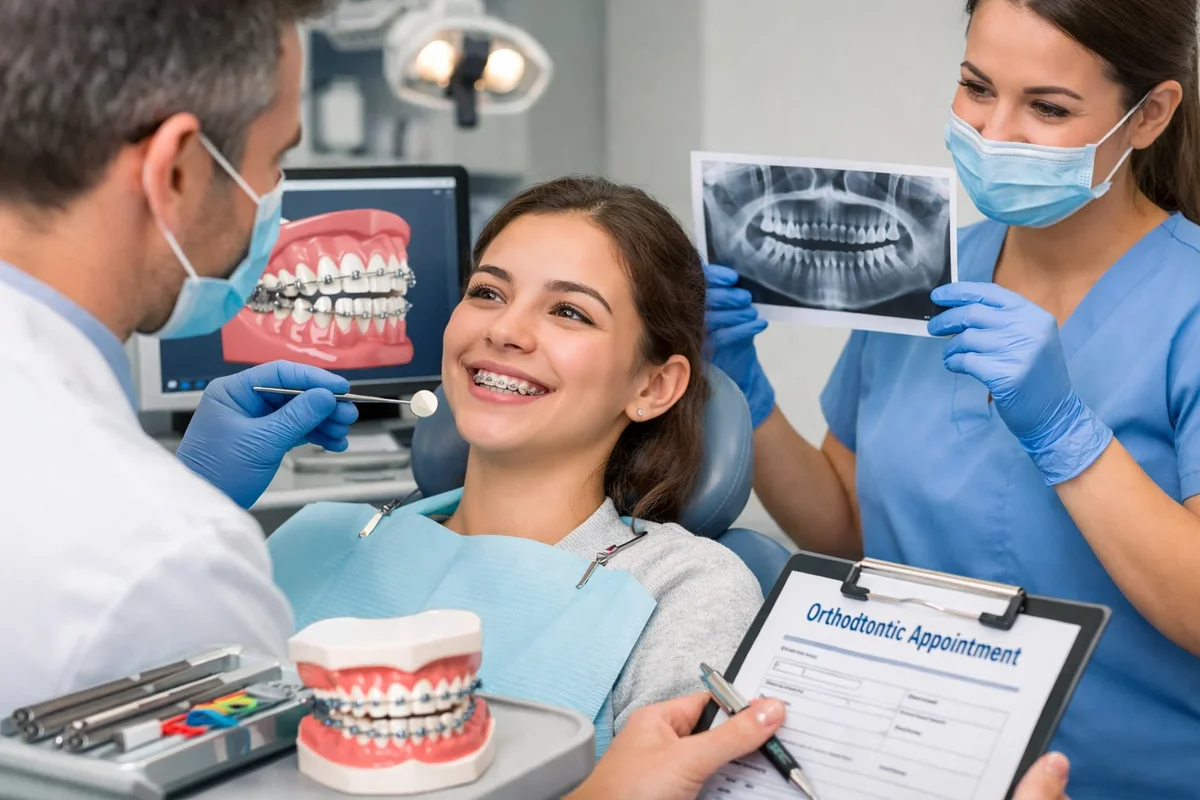
Questions You Should Ask at Your Orthodontic Appointment
An orthodontic appointment is not only a time for clinical adjustments—it is also your best opportunity to ask informed questions and actively participate in your treatment. Patients who ask the right questions during an orthodontic appointment tend to feel more confident, experience fewer surprises, and achieve better outcomes. Open communication transforms each orthodontic appointment into a collaborative planning session rather than a passive visit 😊.
Whether you are at your first consultation or a routine follow-up, preparing thoughtful questions ensures you leave the orthodontic appointment with clarity about progress, expectations, and next steps.
Questions About Your Diagnosis and Treatment Plan
Understanding your diagnosis is essential. During an orthodontic appointment, ask your orthodontist to clearly explain what alignment or bite issues you have and why treatment is necessary. Knowing the “why” behind your treatment helps you stay motivated throughout the process.
Useful questions include asking how severe your case is, what goals the orthodontist is targeting, and how success will be measured. Each orthodontic appointment builds on this plan, so clarity from the beginning prevents confusion later.
Understanding Alternatives and Options
Another important topic during an orthodontic appointment is treatment options. Ask whether braces, clear aligners, or other appliances are suitable for your case and why one option is recommended over another.
This discussion helps you understand trade-offs related to comfort, visibility, maintenance, and effectiveness. An informed decision at the orthodontic appointment leads to higher satisfaction and better compliance.
Questions About Timeline and Progress
Patients often want to know how long treatment will take. During your orthodontic appointment, ask for an estimated timeline and what factors could influence it. While exact durations can vary, understanding expectations helps you plan realistically.
It is also helpful to ask how progress will be evaluated at each orthodontic appointment. Knowing what milestones the orthodontist is watching for makes the process more transparent.
Questions About Pain, Comfort, and Adjustments
Comfort is a common concern. During an orthodontic appointment, ask what level of discomfort is normal after adjustments and how long it typically lasts. Understanding normal sensations versus warning signs helps reduce anxiety.
You can also ask about strategies to manage soreness after an orthodontic appointment, including dietary tips and appliance care. These practical insights improve day-to-day comfort 🦷.
What to Do If Problems Arise
Ask what steps to take if a bracket breaks, a wire pokes, or aligners feel uncomfortable between orthodontic appointments. Knowing when to call the clinic versus when to wait until your next orthodontic appointment can save time and prevent complications.
Questions About Oral Hygiene and Diet
Every orthodontic appointment is an opportunity to refine your oral hygiene routine. Ask whether your brushing and flossing techniques are effective and if additional tools are recommended.
Dietary questions are also important. Clarify which foods to avoid, especially after adjustments, and how diet choices affect appliance durability and treatment speed.
Questions About Appointment Frequency and Scheduling
Understanding how often you need an orthodontic appointment helps with long-term planning. Ask whether your appointment frequency might change as treatment progresses and what happens if you need to reschedule.
Consistent attendance is critical, and discussing scheduling flexibility during an orthodontic appointment helps avoid missed visits and delays.
Questions About Long-Term Results and Retention
An orthodontic appointment is also a good time to ask about life after treatment. Inquire about retainers, how long they must be worn, and what happens if retainers are not used consistently.
Understanding retention early reinforces the idea that long-term success extends beyond the final orthodontic appointment.
Protecting Your Investment
Orthodontic treatment is a commitment. Asking how to maintain results long-term ensures that the effort and time invested in each orthodontic appointment lead to lasting benefits.
Questions About Costs and Practical Considerations
While detailed financial discussions may occur separately, an orthodontic appointment is an appropriate time to ask general questions about what is included in your treatment and how emergency visits are handled.
Clear expectations prevent misunderstandings and allow you to focus on treatment rather than logistics.
Using Trusted Resources for Additional Information
Your orthodontist may also recommend reputable resources for further learning. Organizations like the American Dental Association provide reliable educational materials that complement information shared during your orthodontic appointment.
When You Need Personalized Guidance
If you feel uncertain or need individualized advice, never hesitate to ask for clarification during an orthodontic appointment. Clinics value engaged patients and welcome questions. For direct support or scheduling assistance, you can also reach out via the Redent Klinik Contact Page.
In conclusion, asking the right questions at every orthodontic appointment empowers you to take control of your treatment. Clear communication improves comfort, compliance, and outcomes. By approaching each orthodontic appointment with curiosity and preparation, you turn routine visits into meaningful steps toward a healthy, confident smile 😁.