
Losing one or more teeth can significantly affect a person’s confidence, oral health, and overall quality of life. Dental implants are widely considered the most advanced solution for replacing missing teeth, but unfortunately, the cost of treatment often prevents many people from receiving this life-changing procedure. This is where nonprofit dental implants programs play an essential role. These initiatives aim to make dental implant treatment accessible and affordable for individuals who may not otherwise be able to afford it.
Nonprofit dental implants programs are typically supported by charitable organizations, dental foundations, universities, community clinics, and volunteer dentists who are committed to improving oral health in underserved communities. Their goal is to provide high-quality dental implant treatment either at a reduced cost or sometimes even free of charge, depending on the financial circumstances of the patient.
To understand why nonprofit dental implants are so important, it helps to know what dental implants are and why they are considered the gold standard for tooth replacement. A dental implant is a small titanium post that is surgically placed into the jawbone to replace the root of a missing tooth. Once the implant integrates with the bone through a process called osseointegration, a dental crown, bridge, or denture can be attached to restore the function and appearance of natural teeth.
However, traditional dental implant treatments performed in private clinics can be expensive. In many countries, the cost of a single implant may range between $2,500 and $5,000, depending on factors such as the dentist’s expertise, the clinic location, the type of implant system used, and whether additional procedures like bone grafting are required. For patients who need multiple implants or full-mouth restoration, the total cost can easily exceed $20,000 or more.
This financial barrier is exactly why nonprofit dental implants initiatives have become increasingly important. These programs help bridge the gap between high-quality dental care and affordability. Many nonprofit dental clinics operate with the help of volunteer dentists, dental students under professional supervision, donated implant materials, and funding from charitable organizations.
In addition to financial accessibility, nonprofit dental implants programs also focus heavily on patient education and preventive oral care. Dentists involved in these initiatives often take time to educate patients about proper oral hygiene, gum health, and long-term implant maintenance. This holistic approach helps ensure that the implants last as long as possible and that patients maintain a healthy smile for many years.
Another important aspect of nonprofit dental implants programs is community outreach. Many nonprofit dental organizations collaborate with local health centers, social workers, and public health initiatives to identify individuals who may benefit from dental implant treatment. This includes seniors, low-income families, veterans, and individuals with disabilities who may struggle to access traditional dental services.
Some nonprofit dental clinics also work in partnership with dental schools and research institutions. In these settings, dental students perform implant procedures under the supervision of experienced implant specialists. This arrangement allows patients to receive safe, high-quality care while helping future dentists gain valuable hands-on experience. According to the American Dental Association, dental implants have a success rate of over 95%, making them one of the most reliable restorative treatments in modern dentistry.
Patients who are interested in exploring nonprofit dental implants options should start by researching available programs in their region. Many nonprofit dental clinics require applicants to meet certain eligibility criteria, which may include proof of financial need, a dental examination, and medical clearance for implant surgery. Although waiting lists can sometimes be long due to high demand, these programs remain a valuable pathway for patients seeking affordable implant solutions.
If you are considering dental implant treatment but are unsure where to begin, contacting a professional dental clinic can help you understand your options. Experienced dental teams can guide you through the process, evaluate your oral health, and determine whether you may qualify for nonprofit programs or other financial assistance options. If you would like personalized guidance about implant solutions, you can reach out through the Redent Klinik Contact Page to learn more about possible treatment pathways.
Ultimately, nonprofit dental implants represent an important effort to make advanced dental care more inclusive and accessible. By combining charitable support, professional expertise, and community-focused healthcare initiatives, these programs give thousands of people the opportunity to restore their smiles, improve their oral health, and regain the confidence that comes with having a complete set of teeth.
For individuals who have struggled with missing teeth for years, the availability of nonprofit dental implants programs can truly be life-changing. Beyond restoring function and aesthetics, dental implants also help preserve jawbone structure, improve speech, and allow patients to eat comfortably again. These benefits demonstrate why nonprofit initiatives focused on implant dentistry continue to grow worldwide.
What Are Nonprofit Dental Implants and How Do They Work?
For many people who struggle with missing teeth, dental implants represent the most reliable and natural-looking solution. However, the high cost of treatment often prevents patients from accessing this advanced form of dental care. This is where nonprofit dental implants programs become extremely valuable. These initiatives are designed to make dental implant treatment accessible to individuals who might otherwise be unable to afford it. Through charitable organizations, community clinics, volunteer dentists, and educational institutions, nonprofit dental implants programs provide reduced-cost or sometimes free implant procedures to eligible patients.
The concept behind nonprofit dental implants is simple: high-quality dental care should not be limited only to those who can afford private clinic prices. By combining charitable funding, donated materials, and professional volunteer services, nonprofit programs create opportunities for people to restore their smiles and improve their oral health.
Understanding the Purpose of Nonprofit Dental Implants
The primary goal of nonprofit dental implants programs is to help individuals regain their oral function and confidence. Tooth loss can lead to several complications, including difficulty eating, speech problems, jawbone deterioration, and reduced self-esteem. Unfortunately, many individuals delay treatment because of the financial burden associated with dental implants.
Traditional dental implant procedures at private clinics often cost between $2,500 and $5,000 per tooth, depending on the location and complexity of the case. For patients requiring multiple implants or full-mouth reconstruction, the cost can exceed $20,000. Nonprofit dental implants initiatives aim to reduce or eliminate this financial barrier by offering alternative pathways to treatment.
These programs often focus on helping specific groups of people, including:
- Low-income individuals and families
- Senior citizens with limited retirement income
- Veterans who require dental rehabilitation
- Patients with medical conditions affecting oral health
- People who have lost teeth due to accidents or disease
By prioritizing individuals who are most in need, nonprofit dental implants programs ensure that limited resources are distributed in a meaningful and impactful way.
How Nonprofit Dental Implants Programs Operate
Although each program operates differently, most nonprofit dental implants initiatives follow a structured process that ensures patients receive safe and effective care. These programs typically involve collaboration between dentists, dental laboratories, universities, and nonprofit organizations.
1. Patient Screening and Eligibility
The first step in most nonprofit dental implants programs is determining eligibility. Applicants are usually required to complete an application that includes proof of financial need, medical history, and dental records. A dentist then performs a clinical examination to determine whether the patient is a suitable candidate for implants.
Eligibility criteria often include:
- Good overall health
- Sufficient jawbone structure
- No uncontrolled medical conditions
- Commitment to maintaining oral hygiene
This evaluation ensures that nonprofit dental implants procedures are performed safely and that the implants will have a high chance of long-term success.
2. Treatment Planning
Once approved, patients undergo a detailed treatment planning phase. Dentists assess the number of implants required, evaluate bone density through imaging, and determine whether additional procedures such as bone grafting are necessary. The goal of nonprofit dental implants programs is to provide the same clinical standards used in private implant dentistry.
Advanced diagnostic tools such as digital X-rays and 3D scans may be used to plan implant placement with precision. This ensures that patients receiving nonprofit dental implants benefit from modern dental technology and safe surgical techniques.
3. Implant Surgery
The implant placement procedure involves inserting a small titanium post into the jawbone where the missing tooth root used to be. Titanium is widely used in implant dentistry because it integrates naturally with bone tissue. Over several months, the implant fuses with the jawbone through a process called osseointegration.
Even within nonprofit dental implants programs, the surgical procedure is performed using strict sterilization protocols and professional standards. Many volunteer dentists participating in these initiatives are experienced implant specialists who donate their time to help patients in need.
4. Restoration and Final Tooth Placement
After the implant integrates with the bone, a custom crown, bridge, or denture is attached to the implant. This final step restores both function and aesthetics, allowing patients to chew, speak, and smile comfortably again.
One of the remarkable aspects of nonprofit dental implants programs is that patients often receive the same high-quality prosthetic restorations used in private practices. Dental laboratories may donate materials or offer discounted services to support these charitable initiatives.
The Impact of Nonprofit Dental Implants on Public Health
The availability of nonprofit dental implants programs has a profound impact on public health. Tooth loss is not merely a cosmetic concern; it can affect nutrition, digestion, speech, and overall well-being. By restoring missing teeth, dental implants help patients regain the ability to eat a balanced diet and maintain proper jawbone health.
According to research highlighted by the American Dental Association, dental implants have a success rate exceeding 95%, making them one of the most reliable restorative treatments available. When nonprofit organizations help patients access this treatment, they significantly improve both oral health outcomes and quality of life.
In addition to restoring smiles, nonprofit dental implants programs also raise awareness about preventive dental care. Many nonprofit clinics offer education on oral hygiene, gum disease prevention, and regular dental checkups. This holistic approach ensures that patients maintain their new implants for many years.
If you are exploring options for implant treatment or want professional advice about restoring missing teeth, it may be helpful to speak with an experienced dental team. A consultation can help determine whether you are a candidate for implant treatment or if you may qualify for nonprofit programs. You can also reach out through the Redent Klinik Contact Page to learn more about possible solutions tailored to your dental needs.
Overall, nonprofit dental implants programs demonstrate how collaborative healthcare initiatives can transform lives. By bringing together charitable organizations, dental professionals, and community support, these programs provide access to advanced dental care that would otherwise remain out of reach for many patients.
Top Organizations Offering Nonprofit Dental Implants Assistance
Access to dental implant treatment can be life-changing, but the cost of the procedure often prevents many patients from receiving it. Fortunately, several charitable foundations, nonprofit clinics, and community health programs have developed initiatives that make nonprofit dental implants more accessible. These organizations focus on helping individuals who cannot afford private dental implant treatment by offering reduced-cost or fully sponsored procedures.
The growth of nonprofit dental implants programs worldwide demonstrates a growing awareness that oral health is a critical part of overall well-being. Tooth loss affects millions of people every year and can lead to nutritional deficiencies, speech difficulties, and serious self-confidence issues. By providing access to implant dentistry through nonprofit programs, these organizations help restore both oral function and emotional well-being.
Why Nonprofit Organizations Support Dental Implant Programs
The mission behind most nonprofit dental implants initiatives is to reduce health inequality. Dental implants are considered the most effective long-term tooth replacement option, but they remain financially inaccessible for many patients. Nonprofit organizations aim to close this gap by connecting patients with volunteer dentists, donated materials, and charitable funding.
Many nonprofit dental implants programs also collaborate with dental schools and community clinics. These partnerships allow dental students to gain supervised clinical experience while patients receive high-quality treatment at significantly lower costs. This approach benefits both the education system and patients seeking affordable dental care.
Leading Organizations That Support Nonprofit Dental Implants
Several well-known dental charities and health foundations are actively involved in providing nonprofit dental implants or assisting patients with access to implant dentistry. Each program operates differently, but their goal remains the same: making advanced dental care accessible to underserved populations.
1. Dental Lifeline Network
The Dental Lifeline Network is one of the most recognized organizations supporting dental care for vulnerable populations. Through volunteer dentists and donated services, the organization helps elderly individuals, people with disabilities, and medically compromised patients receive necessary dental treatments.
While the services provided may vary depending on the volunteer dentist, many patients receive advanced procedures through this program, including nonprofit dental implants. The program focuses on restoring oral health for individuals who cannot afford standard dental treatment.
2. Give Back a Smile Program
This charitable program focuses on helping survivors of domestic violence rebuild their smiles and confidence. Dental professionals volunteer their time and skills to provide restorative treatments. In some cases, patients who have suffered severe dental trauma may qualify for nonprofit dental implants as part of their rehabilitation process.
The emotional impact of this program is significant because restoring a person’s smile can help them regain confidence and move forward after traumatic experiences.
3. Mission of Mercy Dental Clinics
Mission of Mercy events are large-scale volunteer dental clinics that provide free care to thousands of patients each year. These events typically offer services such as extractions, fillings, and preventive treatments, but some partner programs also provide referrals for nonprofit dental implants treatment when advanced restorative care is needed.
Patients attending these clinics often receive consultations and referrals to nonprofit programs that specialize in implant dentistry.
4. Community Health Centers and Dental Schools
Dental schools and community health centers are another important source of nonprofit dental implants opportunities. Many dental schools operate teaching clinics where supervised students perform implant procedures at significantly reduced costs. Because these programs are part of an educational system, the prices are often far lower than those of private clinics.
Patients who participate in these programs benefit from advanced technology and the supervision of experienced implant specialists. This ensures that nonprofit dental implants procedures are performed safely while keeping treatment costs manageable.
How These Organizations Fund Nonprofit Dental Implants
The funding behind nonprofit dental implants programs usually comes from several sources, including charitable donations, corporate sponsorships, dental supply manufacturers, and volunteer dental professionals.
Some dental implant manufacturers donate implant systems or surgical materials to support nonprofit initiatives. Dental laboratories may also contribute by providing crowns or prosthetics at reduced prices. These collaborations make it possible for nonprofit clinics to deliver implant treatments that would otherwise be too expensive.
In addition, many nonprofit dental programs rely heavily on volunteer dentists who donate their time and expertise. This professional commitment is one of the most important factors that allows nonprofit dental implants initiatives to function successfully.
The Importance of Professional Standards
Even though the treatment is provided through charitable programs, nonprofit dental implants procedures still follow strict clinical protocols. Implant surgery requires careful planning, sterile surgical conditions, and precise placement to ensure long-term success.
Organizations often work closely with professional dental associations to maintain high treatment standards. According to the American Dental Association, dental implants have one of the highest success rates among restorative dental procedures. This high success rate is achieved through proper patient selection, professional surgical techniques, and ongoing oral hygiene maintenance.
Finding a Trusted Nonprofit Dental Implant Provider
Patients interested in nonprofit dental implants should begin by researching programs available in their region. Many nonprofit dental organizations have application processes that require proof of income, medical records, and a dental evaluation.
Because these programs are in high demand, waiting lists can sometimes be long. However, the opportunity to receive affordable dental implant treatment often makes the application process worthwhile for many patients.
If you are considering dental implants and want guidance about possible treatment options, consulting with a professional dental team can help clarify your choices. Experienced clinics can evaluate your oral health, explain implant procedures, and provide advice on available assistance programs. For personalized guidance, you may contact a dental professional through the Redent Klinik Contact Page to discuss potential solutions for restoring your smile.
Ultimately, nonprofit dental implants programs represent an important effort to improve public health by making advanced dental care more accessible. Through the combined efforts of charitable organizations, volunteer dentists, and community support, thousands of patients are able to regain healthy smiles and improved quality of life.
Benefits of Choosing Nonprofit Dental Implants Over Private Clinics
Dental implants are widely recognized as the most durable and natural-looking solution for replacing missing teeth. However, the high cost of treatment in private clinics can prevent many people from receiving this advanced form of care. This is one of the main reasons why nonprofit dental implants programs have become increasingly popular worldwide. These initiatives focus on providing implant treatment at reduced costs or sometimes even free for patients who meet certain eligibility requirements.
Choosing nonprofit dental implants programs can offer several advantages beyond simple cost savings. These programs often combine professional expertise, charitable support, and community healthcare initiatives to provide safe and effective dental implant treatment. For patients who cannot afford private implant procedures, nonprofit options may represent the most realistic pathway to restoring their smile and oral health.
Significant Cost Savings for Patients
The most obvious advantage of nonprofit dental implants programs is affordability. Traditional dental implant procedures performed at private dental clinics can be expensive, particularly in countries with high healthcare costs. A single dental implant in a private clinic may cost anywhere between $2,500 and $5,000, and full-mouth implant rehabilitation can easily exceed $20,000.
In contrast, nonprofit dental implants programs often reduce treatment costs dramatically. This is possible because nonprofit organizations receive donations, volunteer services, and discounted materials from dental manufacturers and laboratories. As a result, patients may pay only a small portion of the typical treatment price.
Example Cost Comparison
- Private clinic single implant: $3,000 – $5,000
- Private full-mouth implants: $20,000 – $45,000
- Nonprofit dental implants programs: $500 – $2,500 depending on eligibility
While exact costs vary depending on the program and the complexity of the case, nonprofit dental implants initiatives can make life-changing dental treatment accessible to individuals who otherwise would never consider it.
Access to Skilled Volunteer Dentists
Another major benefit of nonprofit dental implants programs is the involvement of highly skilled dental professionals. Many dentists volunteer their time to support nonprofit organizations because they believe in providing healthcare access to underserved communities.
These professionals often have extensive experience in implant dentistry and restorative procedures. Even though the treatment may be offered through a nonprofit program, the quality of care remains comparable to that of many private dental clinics.
Volunteer dentists who participate in nonprofit dental implants initiatives typically follow the same clinical protocols used in standard implant dentistry. This ensures patient safety, successful implant integration, and long-term oral health outcomes.
Community-Based Dental Care and Support
Unlike traditional private clinics that primarily focus on individual treatment, many nonprofit dental implants programs operate within broader community healthcare systems. These programs often collaborate with local hospitals, dental schools, public health organizations, and social service agencies.
This community-based approach provides several benefits for patients, including:
- Access to preventive dental care and oral health education
- Comprehensive treatment planning
- Follow-up care and long-term implant maintenance
- Support services for vulnerable populations
Through these collaborative networks, nonprofit dental implants programs help address both the clinical and social factors that contribute to oral health challenges.
Educational Opportunities in Dental Schools
Many nonprofit dental implants programs are connected with dental universities and training institutions. In these environments, dental students perform implant procedures under the supervision of experienced implant specialists and professors.
This educational setting offers several advantages:
- Advanced diagnostic technology
- Careful treatment planning
- Multiple expert opinions during the procedure
- Reduced treatment costs for patients
Patients receiving nonprofit dental implants in dental schools benefit from a highly controlled and supervised clinical environment. Because these procedures are part of dental education programs, they are closely monitored to ensure both safety and quality.
Improved Quality of Life for Patients
The benefits of nonprofit dental implants extend far beyond financial savings. Dental implants significantly improve oral function, allowing patients to chew comfortably and maintain a balanced diet. Missing teeth can lead to jawbone loss, facial changes, and difficulty speaking clearly.
By restoring missing teeth with implants, patients often experience:
- Improved chewing ability
- Better speech clarity
- Enhanced facial appearance
- Greater self-confidence
- Long-term oral health stability
These improvements can have a profound effect on a person’s daily life. Many individuals who receive nonprofit dental implants report increased confidence in social situations and improved emotional well-being.
Maintaining Professional Treatment Standards
Despite the charitable nature of these programs, nonprofit dental implants procedures still follow professional clinical guidelines. Implant surgery requires precise planning, sterile conditions, and experienced surgical techniques.
Organizations that provide nonprofit implant programs often collaborate with professional dental associations to ensure high-quality care. According to the American Dental Association, dental implants are among the most reliable dental restoration methods available, with success rates exceeding 95% when performed correctly.
Patients considering nonprofit dental implants should still undergo a thorough dental examination to determine whether they are suitable candidates for implant treatment. Factors such as bone density, overall health, and oral hygiene habits play important roles in long-term implant success.
When to Consider Nonprofit Dental Implant Programs
Not every patient requires financial assistance for dental implants, but nonprofit dental implants programs can be extremely helpful for individuals facing economic challenges. These programs are especially beneficial for patients who:
- Have lost teeth due to accidents or disease
- Need multiple implants but cannot afford private treatment
- Are seniors with limited retirement income
- Have medical conditions affecting oral health
- Do not have dental insurance coverage
Exploring nonprofit programs may provide an opportunity to receive high-quality implant care at an affordable price.
If you are interested in learning more about implant treatment options or want professional advice about restoring missing teeth, consulting with a dental specialist can help clarify your choices. A professional evaluation can determine whether implants are the right solution for you and what assistance programs may be available.
For additional guidance about dental implant treatments and personalized care options, you can reach out through the Redent Klinik Contact Page to discuss your situation with experienced dental professionals.
Ultimately, nonprofit dental implants programs provide a valuable opportunity for patients who need advanced dental restoration but face financial barriers. By combining charitable support, professional expertise, and community healthcare resources, these initiatives help thousands of people regain healthy smiles every year.
How to Apply for Nonprofit Dental Implants Step by Step
For individuals struggling with missing teeth but unable to afford traditional implant treatment, applying for nonprofit dental implants programs can be an excellent solution. These programs are specifically designed to help patients who face financial limitations but still require high-quality dental care. However, because resources are limited and demand is high, most nonprofit dental implants initiatives follow a structured application process. Understanding how to apply step by step can greatly improve your chances of being accepted into one of these programs.
Although each organization may have slightly different requirements, the general process for accessing nonprofit dental implants programs is very similar worldwide. The steps usually include researching available programs, submitting documentation, attending dental evaluations, and completing treatment planning before implant surgery begins.
Step 1: Research Available Nonprofit Dental Implants Programs
The first step in obtaining nonprofit dental implants is identifying organizations that offer assistance in your region. Many nonprofit dental programs operate locally, while others work on a national or international level.
Some common places to start searching include:
- Community dental clinics
- Dental school clinics
- Charitable healthcare foundations
- Volunteer dental programs
- Public health dental services
Patients seeking nonprofit dental implants should carefully review each program’s eligibility criteria before applying. Some programs prioritize certain groups such as seniors, veterans, individuals with disabilities, or low-income families.
In many cases, nonprofit organizations also collaborate with dental schools and university hospitals to provide implant treatments at reduced costs.
Step 2: Verify Eligibility Requirements
After identifying potential programs, the next step is confirming whether you qualify for nonprofit dental implants assistance. Because nonprofit resources are limited, organizations typically evaluate applicants carefully to ensure help reaches those most in need.
Common eligibility criteria may include:
- Proof of financial hardship
- Limited or no dental insurance coverage
- Medical clearance for oral surgery
- Sufficient jawbone density for implants
- Commitment to maintaining oral hygiene
Some nonprofit dental implants programs may also require patients to demonstrate that missing teeth significantly affect their ability to eat, speak, or perform daily activities.
Eligibility screenings help ensure that the treatment provided through nonprofit programs has the best possible outcome and long-term success.
Step 3: Submit an Application
Once eligibility has been confirmed, applicants must usually submit a formal application to the organization offering nonprofit dental implants. The application process typically involves completing forms and providing supporting documentation.
Common documents required may include:
- Proof of income or financial statements
- Identification documents
- Dental records or X-rays
- Medical history forms
- A personal statement explaining the need for treatment
Some nonprofit programs also require letters of recommendation from healthcare providers or social workers. These documents help organizations better understand the applicant’s situation and prioritize patients who would benefit most from nonprofit dental implants treatment.
Step 4: Attend a Dental Evaluation
After submitting an application, most nonprofit dental implants programs require a professional dental evaluation. During this consultation, a dentist will assess the patient’s oral health and determine whether implants are the appropriate solution.
The evaluation may include:
- Comprehensive oral examination
- Digital X-rays
- 3D dental scans
- Jawbone density assessment
- Discussion of treatment options
This step is extremely important because not every patient is an immediate candidate for dental implants. Some individuals may require preliminary procedures such as gum disease treatment or bone grafting before receiving nonprofit dental implants.
According to the American Dental Association, proper diagnosis and treatment planning are essential factors in the long-term success of dental implants.
Step 5: Treatment Planning and Scheduling
If the patient is approved for the program and deemed a suitable candidate, the next stage involves detailed treatment planning. Dentists participating in nonprofit dental implants programs create a customized treatment plan that outlines each stage of the procedure.
This plan typically includes:
- Number of implants required
- Surgical placement strategy
- Healing period expectations
- Type of final restoration (crown, bridge, or denture)
- Follow-up care schedule
Because nonprofit programs often have waiting lists, patients may need to wait for available treatment slots. However, once scheduled, the implant procedure follows the same clinical standards used in private dental practices.
Step 6: Implant Placement Procedure
After treatment planning is complete, the dental implant surgery can begin. In nonprofit dental implants programs, this procedure is performed by licensed dentists or implant specialists who volunteer their time or work with charitable organizations.
The procedure involves placing a titanium implant into the jawbone where the missing tooth root once existed. Over the following months, the implant integrates with the bone in a process called osseointegration.
This integration provides the strong foundation necessary for attaching a crown, bridge, or implant-supported denture.
Step 7: Final Restoration and Follow-Up Care
Once the implant has fully healed and fused with the jawbone, the dentist attaches the final restoration. This stage completes the nonprofit dental implants treatment process and restores both function and aesthetics.
The final prosthetic restoration is designed to look and function like a natural tooth. Patients receiving nonprofit dental implants often report dramatic improvements in their ability to chew, speak, and smile confidently.
Long-term success also depends on maintaining excellent oral hygiene and attending regular dental checkups. Many nonprofit clinics provide ongoing support and preventive care to help patients maintain their implants for many years.
Getting Professional Advice Before Applying
Because dental implant treatment involves several clinical steps, it is always beneficial to consult with a dental professional before applying for nonprofit dental implants programs. A professional evaluation can help determine whether implants are the most appropriate solution for your oral health needs.
If you are considering dental implant treatment and would like personalized guidance, you can reach out to experienced dental professionals through the Redent Klinik Contact Page. A consultation can help clarify your options and identify the best pathway toward restoring your smile.
Ultimately, applying for nonprofit dental implants requires patience and preparation, but the rewards can be life-changing. By following the proper steps and providing accurate documentation, many patients successfully gain access to affordable implant treatment that improves both their oral health and overall quality of life.
Average Costs and Financial Aid Options for Nonprofit Dental Implants
One of the main reasons patients search for nonprofit dental implants programs is the high cost of traditional implant treatment. Dental implants are widely considered the most durable and natural-looking tooth replacement option available today, but the financial barrier can prevent many people from receiving this life-changing procedure. Fortunately, nonprofit dental implants initiatives are designed to reduce these costs and provide financial assistance to individuals who might otherwise go without treatment.
Understanding the typical costs of implants and the financial support available through nonprofit dental implants programs can help patients make informed decisions about their oral health. While nonprofit programs cannot always offer completely free treatment, they frequently provide significantly reduced pricing compared to private dental clinics.
Typical Cost of Dental Implants in Private Clinics
Before exploring how nonprofit dental implants reduce treatment costs, it is helpful to understand how much implants usually cost in traditional dental settings. Dental implant treatment involves several stages, each contributing to the total price.
Common Cost Components
- Initial consultation and diagnostics (X-rays or 3D scans)
- Surgical placement of the implant
- Abutment placement
- Custom dental crown or prosthetic restoration
- Follow-up appointments and monitoring
In many private clinics, the price of a single implant can range from $2,500 to $5,000. This estimate includes the implant post, the abutment, and the crown. If additional procedures such as bone grafting or sinus lifts are required, the cost can increase significantly.
For patients needing full-mouth rehabilitation, the price can become much higher:
- Single dental implant: $2,500 – $5,000
- Implant-supported bridge: $6,000 – $15,000
- Full-mouth implants (All-on-4 or similar): $20,000 – $45,000
Because of these costs, many individuals begin searching for nonprofit dental implants programs as a more affordable alternative.
How Nonprofit Dental Implants Reduce Treatment Costs
Nonprofit dental implants programs operate differently from traditional dental clinics. Instead of focusing on profit, these organizations aim to improve access to dental care for underserved populations. This allows them to significantly reduce treatment costs through several strategies.
Volunteer Dental Professionals
Many dentists volunteer their services to support nonprofit dental implants initiatives. By donating their time and expertise, they help reduce labor costs, which are normally a large portion of implant treatment expenses.
Donated or Discounted Implant Materials
Some dental implant manufacturers donate implant systems to nonprofit clinics or provide them at heavily discounted prices. This allows nonprofit dental implants programs to offer the same implant technology used in private clinics but at much lower costs.
Support from Dental Laboratories
Dental laboratories often partner with charitable organizations to create crowns, bridges, and dentures at reduced prices. These collaborations make nonprofit dental implants more financially accessible while maintaining high-quality restorations.
Estimated Cost Range in Nonprofit Dental Implant Programs
While every nonprofit program is different, patients typically pay far less than the standard private clinic price. The final cost depends on factors such as the patient’s financial situation, the complexity of the case, and the specific organization providing assistance.
Approximate Cost Examples
- Nonprofit single implant: $500 – $2,500
- Nonprofit implant-supported denture: $3,000 – $10,000
- Some fully funded cases: $0 for eligible patients
Although these prices can still vary, they demonstrate how nonprofit dental implants programs significantly reduce the financial burden for patients who need dental restoration.
Financial Assistance Options for Implant Treatment
In addition to nonprofit programs, patients may have access to several other financial aid options that can help cover the cost of dental implants. Many people combine these options with nonprofit dental implants programs to further reduce expenses.
Dental School Clinics
Dental universities frequently provide implant procedures at reduced prices because treatments are performed by supervised students. These educational clinics are sometimes connected to nonprofit dental implants initiatives, making them an excellent option for affordable care.
Charitable Grants and Foundations
Some organizations offer grants specifically for dental treatment. These grants may cover part or all of the cost associated with nonprofit dental implants procedures.
Flexible Payment Plans
Even nonprofit dental clinics may offer payment plans that allow patients to spread treatment costs over time. This can make nonprofit dental implants more manageable for individuals with limited financial resources.
The Long-Term Value of Dental Implants
Although implants require a larger initial investment compared to dentures or bridges, they are often more cost-effective over the long term. Dental implants can last decades with proper care, while other dental restorations may require replacement every 5–10 years.
Patients who receive nonprofit dental implants often benefit from long-lasting results that improve their quality of life. Dental implants help preserve jawbone structure, maintain facial appearance, and restore normal chewing ability.
According to the American Dental Association, dental implants are one of the most successful and predictable restorative treatments in dentistry, with success rates above 95% when placed correctly.
When to Consider Nonprofit Dental Implant Programs
Patients may want to explore nonprofit dental implants options if they:
- Cannot afford private dental implant treatment
- Need multiple implants or full-mouth restoration
- Have lost teeth due to trauma or medical conditions
- Are seniors or individuals with limited income
- Have been unable to access dental insurance coverage
Because demand for these programs is high, it is often recommended that patients apply as early as possible and provide accurate documentation when seeking nonprofit dental implants assistance.
Consulting a Professional About Your Options
Even if you plan to apply for nonprofit dental implants, it is still helpful to consult a qualified dental professional first. A dental examination can determine whether implants are the most appropriate solution and whether any preliminary treatments are required.
If you would like to explore dental implant options or receive personalized advice about restoring missing teeth, you can contact experienced dental professionals through the Redent Klinik Contact Page. A consultation can help you understand possible treatment pathways and determine whether nonprofit programs may be suitable for your situation.
Ultimately, nonprofit dental implants programs provide an important pathway for patients who need advanced dental restoration but face financial barriers. By combining charitable funding, professional expertise, and community healthcare initiatives, these programs make life-changing dental care more accessible to people around the world.
Comparing Nonprofit Dental Implants with Traditional Implant Clinics
Patients who are considering dental implants often face an important decision: should they pursue treatment through a private dental clinic or apply for nonprofit dental implants programs? Both options can provide effective and reliable tooth replacement, but they differ in several key areas, including cost, accessibility, treatment timelines, and available resources. Understanding these differences can help patients determine which option best suits their oral health needs and financial situation.
While traditional implant clinics typically operate as private healthcare businesses, nonprofit dental implants programs are designed to provide affordable treatment for patients who cannot easily access implant dentistry due to financial limitations. Despite these differences, both systems follow similar clinical standards to ensure safe and successful implant procedures.
Cost Differences Between Nonprofit and Private Implant Clinics
The most significant difference between private clinics and nonprofit dental implants programs is the cost of treatment. Dental implants require advanced materials, specialized equipment, and experienced dental professionals, which makes the procedure relatively expensive in private practices.
Typical Costs in Private Implant Clinics
- Single dental implant: $2,500 – $5,000
- Implant-supported bridge: $6,000 – $15,000
- Full-mouth implants (All-on-4): $20,000 – $45,000
These prices reflect the cost of the implant post, abutment, crown, laboratory work, and clinical expertise. In contrast, nonprofit dental implants programs significantly reduce these costs by relying on volunteer dentists, donated implant materials, and charitable funding.
Typical Costs in Nonprofit Dental Implants Programs
- Reduced-cost implant: $500 – $2,500
- Subsidized implant-supported dentures: $3,000 – $10,000
- Fully funded cases for qualified patients: $0
Because nonprofit programs prioritize accessibility rather than profit, nonprofit dental implants offer a much more affordable path to restoring missing teeth.
Availability and Waiting Times
Another major difference between private clinics and nonprofit dental implants initiatives is treatment availability. In private dental practices, patients can typically schedule implant consultations quickly and begin treatment within a short time frame.
However, nonprofit dental implants programs often experience high demand because many patients are seeking affordable dental care. As a result, waiting lists can sometimes be long, particularly in regions where charitable dental resources are limited.
Patients applying for nonprofit assistance should be prepared for potential delays during the application and evaluation process. Despite these waiting periods, many individuals still choose nonprofit dental implants because the financial savings can be substantial.
Clinical Expertise and Treatment Quality
A common misconception is that lower-cost care might compromise treatment quality. In reality, nonprofit dental implants programs frequently involve highly skilled dental professionals who volunteer their expertise to help underserved communities.
Volunteer dentists participating in nonprofit initiatives often include experienced implant specialists, oral surgeons, and prosthodontists. Many programs also collaborate with dental schools where procedures are supervised by senior faculty members.
Professional Standards
Both private clinics and nonprofit dental implants programs follow strict clinical protocols to ensure patient safety. These standards include:
- Comprehensive dental examinations
- Digital X-rays and diagnostic imaging
- Proper surgical sterilization procedures
- Customized treatment planning
- Post-operative monitoring
According to the American Dental Association, dental implants have a success rate exceeding 95% when performed by qualified professionals and when patients maintain proper oral hygiene.
Treatment Environment and Technology
Private dental clinics often invest heavily in advanced dental technology, including digital scanning systems, guided implant surgery, and high-end imaging equipment. These tools allow dentists to plan implant procedures with exceptional precision.
Many nonprofit dental implants programs also utilize modern technology, particularly when they operate within dental schools or hospital-based clinics. Educational institutions frequently provide state-of-the-art facilities where students and specialists work together to perform implant procedures.
While some smaller nonprofit clinics may have limited equipment compared to large private practices, the fundamental surgical techniques used in nonprofit dental implants remain the same.
Patient Eligibility and Program Requirements
One important difference between private clinics and nonprofit dental implants programs is patient eligibility. Private clinics generally provide treatment to any patient who can afford the procedure and meets the clinical requirements for implant surgery.
In contrast, nonprofit programs often require patients to meet certain eligibility criteria before receiving assistance. These criteria help ensure that limited charitable resources are distributed fairly.
Common Eligibility Requirements
- Proof of financial hardship
- Lack of dental insurance coverage
- Medical clearance for implant surgery
- Commitment to maintaining oral hygiene
- Willingness to attend follow-up appointments
Applicants for nonprofit dental implants programs must usually complete a screening process that includes financial documentation and dental evaluations.
Long-Term Outcomes and Patient Satisfaction
Regardless of whether implants are placed in private clinics or through nonprofit dental implants programs, the long-term outcomes can be extremely positive. Dental implants restore the function and appearance of natural teeth, allowing patients to eat comfortably, speak clearly, and smile with confidence.
Patients who receive nonprofit dental implants frequently report dramatic improvements in their quality of life. These improvements include better nutrition, increased self-confidence, and enhanced social interaction.
In addition, dental implants help preserve jawbone density and prevent the facial changes that can occur after tooth loss.
Choosing the Best Option for Your Needs
The decision between private implant treatment and nonprofit dental implants programs ultimately depends on several factors, including financial resources, treatment urgency, and program availability.
Patients who require immediate treatment and have the financial means may prefer private clinics because of shorter waiting times. On the other hand, individuals facing financial challenges may find that nonprofit dental implants programs offer a more realistic pathway to restoring their oral health.
If you are considering dental implants and want professional guidance about your options, consulting an experienced dental team can help clarify the best treatment path. For personalized advice and implant consultations, you may contact dental professionals through the Redent Klinik Contact Page.
Ultimately, both private clinics and nonprofit dental implants programs play important roles in modern dentistry. While private practices provide immediate access to advanced treatment, nonprofit initiatives help ensure that life-changing dental care remains accessible to individuals who might otherwise be unable to afford it.
Potential Limitations and Waiting Lists for Nonprofit Dental Implants
While nonprofit dental implants programs provide an incredible opportunity for patients who cannot afford traditional implant treatment, it is important to understand that these programs also come with certain limitations. Because nonprofit initiatives operate with limited funding, donated resources, and volunteer dental professionals, they cannot always serve every patient immediately. As a result, waiting lists and eligibility requirements are common aspects of nonprofit dental implants programs.
Understanding these potential limitations helps patients prepare for the application process and set realistic expectations. Although these programs significantly improve access to dental care, demand for nonprofit dental implants services is often much higher than the number of available treatment slots.
High Demand for Nonprofit Dental Implant Programs
The cost of dental implants in private clinics can be extremely high, which is why many patients search for nonprofit dental implants opportunities. Because these programs provide reduced-cost or fully funded treatments, thousands of individuals apply each year.
This high demand means that nonprofit dental clinics must carefully prioritize patients who need treatment the most. In many regions, the number of applicants seeking nonprofit dental implants assistance significantly exceeds the resources available to nonprofit organizations.
For this reason, applicants may be placed on waiting lists that can last several months or even longer depending on the program.
Limited Funding and Resources
One of the primary challenges faced by nonprofit dental implants programs is limited funding. Unlike private dental practices, nonprofit organizations rely on charitable donations, grants, volunteer labor, and donated dental materials.
Although these contributions make implant treatment more accessible, they also limit the number of procedures that can be performed each year. Implant surgery requires specialized equipment, implant components, and skilled professionals, which means that even nonprofit clinics must carefully manage their resources.
Common Resource Constraints
- Limited number of volunteer implant specialists
- Restricted supply of donated implant materials
- Limited surgical facilities or clinic availability
- Funding restrictions for complex cases
Because of these factors, nonprofit dental implants programs often prioritize patients who have the most urgent clinical or financial need.
Strict Eligibility Requirements
Another limitation of nonprofit dental implants programs is the presence of strict eligibility requirements. Since nonprofit organizations must allocate resources responsibly, they usually evaluate applicants based on both financial need and medical suitability.
Typical Eligibility Criteria
- Demonstrated financial hardship
- Lack of dental insurance coverage
- Good overall health for oral surgery
- Sufficient jawbone density for implant placement
- Commitment to maintaining proper oral hygiene
Applicants who do not meet these criteria may not qualify for nonprofit dental implants programs. In some cases, patients may need to complete preliminary dental treatments—such as periodontal therapy or bone grafting—before becoming eligible.
This evaluation process helps ensure that nonprofit dental implants procedures have the best possible long-term success.
Waiting Periods Before Treatment
Because of the high demand and limited resources, many nonprofit dental implants programs maintain waiting lists. These waiting periods allow clinics to schedule procedures gradually while maintaining high treatment standards.
Waiting times vary depending on several factors:
- The number of patients applying for assistance
- The availability of volunteer dentists
- The complexity of each case
- The funding available for implant materials
Some patients may wait several months before their implant procedure begins. However, even with these delays, many individuals choose to pursue nonprofit dental implants programs because the financial savings can be substantial.
Limited Treatment Scope in Some Programs
Another potential limitation is that certain nonprofit dental implants programs may only offer specific types of treatments. For example, some organizations focus primarily on single implants or implant-supported dentures rather than full-mouth reconstructions.
In addition, nonprofit clinics may not always be able to accommodate extremely complex implant cases that require advanced surgical procedures. Patients who require extensive bone grafting or specialized surgical techniques may sometimes be referred to other providers.
Despite these limitations, nonprofit dental implants initiatives still provide life-changing treatment for many patients who would otherwise go without dental restoration.
Importance of Patient Commitment
Patients applying for nonprofit dental implants programs must also demonstrate commitment to maintaining their oral health. Dental implants require proper hygiene, regular dental visits, and responsible care to ensure long-term success.
Many nonprofit organizations emphasize patient education as part of their treatment programs. Patients receiving nonprofit dental implants are often required to attend oral hygiene workshops or follow strict post-treatment care instructions.
This educational component helps ensure that the implants remain healthy and functional for many years.
Ensuring Safe and High-Quality Treatment
Despite the limitations discussed above, nonprofit dental implants programs still maintain strict clinical standards. Implant surgery requires precise planning, sterile surgical environments, and professional expertise.
Organizations often collaborate with professional dental associations to maintain these standards. According to the American Dental Association, dental implants have a success rate exceeding 95% when proper clinical protocols and patient care practices are followed.
This means that patients receiving nonprofit dental implants can expect the same level of professional treatment provided in many private dental practices.
Exploring Additional Implant Options
If waiting lists for nonprofit dental implants programs are too long, patients may consider alternative options such as dental school clinics, community health centers, or reduced-cost implant programs offered by teaching hospitals.
These institutions often provide implant treatment at significantly lower prices while maintaining professional supervision and modern dental technology.
For patients who want to explore their implant options and receive professional advice about restoring missing teeth, consulting with an experienced dental clinic can be helpful. A consultation can determine whether dental implants are the most appropriate solution and what treatment pathways may be available.
You can reach out to dental professionals through the Redent Klinik Contact Page to receive personalized guidance regarding dental implant treatments and potential assistance programs.
Ultimately, although nonprofit dental implants programs may involve waiting lists and eligibility requirements, they remain an extremely valuable resource for patients seeking affordable dental restoration. By understanding the potential limitations and preparing for the application process, patients can increase their chances of successfully receiving life-changing implant treatment.
How to Find Reliable Nonprofit Dental Implants Programs Near You
For individuals who cannot afford the high cost of traditional implant treatment, locating trustworthy nonprofit dental implants programs can be a life-changing step toward restoring oral health. However, finding legitimate programs requires careful research, because not every organization offering reduced-cost dental services operates under a true nonprofit model. Patients should understand how to identify reliable nonprofit dental implants programs and ensure that the treatment provided meets professional clinical standards.
Dental implants are a significant medical procedure that requires proper planning, surgical expertise, and long-term care. Therefore, selecting a trustworthy provider is extremely important. Fortunately, many reputable organizations and community healthcare networks offer nonprofit dental implants assistance through qualified dental professionals and established clinical programs.
Start with Local Community Health Centers
Community health centers are often the first place patients should explore when searching for nonprofit dental implants services. These clinics frequently collaborate with nonprofit dental organizations, charitable foundations, and government-funded healthcare initiatives.
Many community dental clinics focus on providing affordable dental services for underserved populations, including low-income families, seniors, and individuals without dental insurance. While not every center offers implants directly, many can refer patients to programs that specialize in nonprofit dental implants.
Community clinics typically maintain strong professional networks, making them a reliable starting point when researching nonprofit implant opportunities.
Explore Dental School Clinics
Dental schools are another excellent source for affordable implant treatment. Many universities operate teaching clinics where dental students perform procedures under the supervision of experienced implant specialists.
These educational clinics sometimes partner with charitable initiatives to provide nonprofit dental implants services. Because the procedures are part of training programs, the treatment costs are often significantly lower than those in private dental practices.
Benefits of Dental School Implant Clinics
- Supervised procedures by experienced implant specialists
- Access to advanced diagnostic equipment
- Reduced treatment costs for patients
- Comprehensive treatment planning
Patients receiving nonprofit dental implants through dental school clinics often benefit from highly structured treatment plans and careful clinical supervision.
Check National and International Dental Charities
Several charitable organizations operate nationwide or internationally to support nonprofit dental implants programs. These organizations often connect patients with volunteer dentists who donate their time and expertise.
Examples of services provided by nonprofit dental charities include:
- Financial assistance for implant procedures
- Referrals to volunteer implant dentists
- Funding for implant components and restorations
- Community dental health outreach programs
When researching nonprofit organizations, patients should confirm that the program operates transparently and follows recognized dental standards. Reputable programs typically provide detailed information about eligibility requirements, treatment processes, and professional oversight.
Verify Professional Accreditation
Before committing to any nonprofit dental implants program, it is essential to verify that the dental professionals involved are properly licensed and qualified. Implant surgery requires advanced training, and procedures should only be performed by dentists with experience in implant dentistry.
Patients should look for programs affiliated with recognized professional organizations. For example, information and professional guidelines regarding implant treatment can be found through the American Dental Association, which provides resources about safe dental practices and standards of care.
Ensuring that a nonprofit dental implants program follows professional guidelines helps protect patients and improves the chances of successful treatment outcomes.
Ask About the Full Treatment Process
When evaluating a potential provider for nonprofit dental implants, patients should ask detailed questions about the treatment process. A reputable program will provide clear explanations about each stage of implant therapy.
Important Questions to Ask
- Who will perform the implant surgery?
- What diagnostic tests will be required?
- How long will the treatment process take?
- What follow-up care will be provided?
- Are there any additional costs involved?
Reliable nonprofit dental implants programs will always provide transparent answers and detailed treatment plans.
Look for Patient Reviews and Testimonials
Another useful strategy when searching for nonprofit dental implants providers is reviewing patient testimonials. Many nonprofit organizations publish success stories that highlight the impact of their dental programs.
While testimonials should not be the only factor in decision-making, they can provide insight into the quality of care provided by a particular program. Positive patient experiences often indicate that the nonprofit dental implants program operates professionally and responsibly.
Consider Travel Options for Treatment
In some cases, patients may need to travel to access reliable nonprofit dental implants programs. Larger nonprofit dental centers or university clinics may be located in major cities or regional healthcare hubs.
Although travel may involve additional planning, many patients find that the overall cost savings from nonprofit treatment outweigh transportation expenses.
Some organizations even coordinate patient referrals across different regions to help individuals access nonprofit dental implants opportunities.
Consult a Professional Dental Clinic First
Before applying to a nonprofit program, it is often helpful to consult with a dental professional who can evaluate your oral health. A dentist can determine whether implants are the best solution and identify any preliminary treatments required before implant placement.
A consultation can also help you understand whether you qualify for nonprofit dental implants programs and what documentation may be required during the application process.
If you would like personalized guidance regarding dental implant treatment or assistance programs, you can reach out through the Redent Klinik Contact Page. Experienced dental professionals can evaluate your situation and help you explore possible treatment pathways.
Taking the First Step Toward Restoring Your Smile
Finding reliable nonprofit dental implants programs may require time and research, but the results can be transformative. Dental implants not only restore missing teeth but also improve chewing ability, speech clarity, and overall self-confidence.
By exploring community health clinics, dental school programs, nonprofit organizations, and professional referrals, patients can significantly increase their chances of accessing affordable implant treatment.
Ultimately, nonprofit dental implants initiatives represent an important effort to make advanced dental care accessible to everyone. With proper research and professional guidance, patients can find trustworthy programs that help them regain healthy, functional smiles.
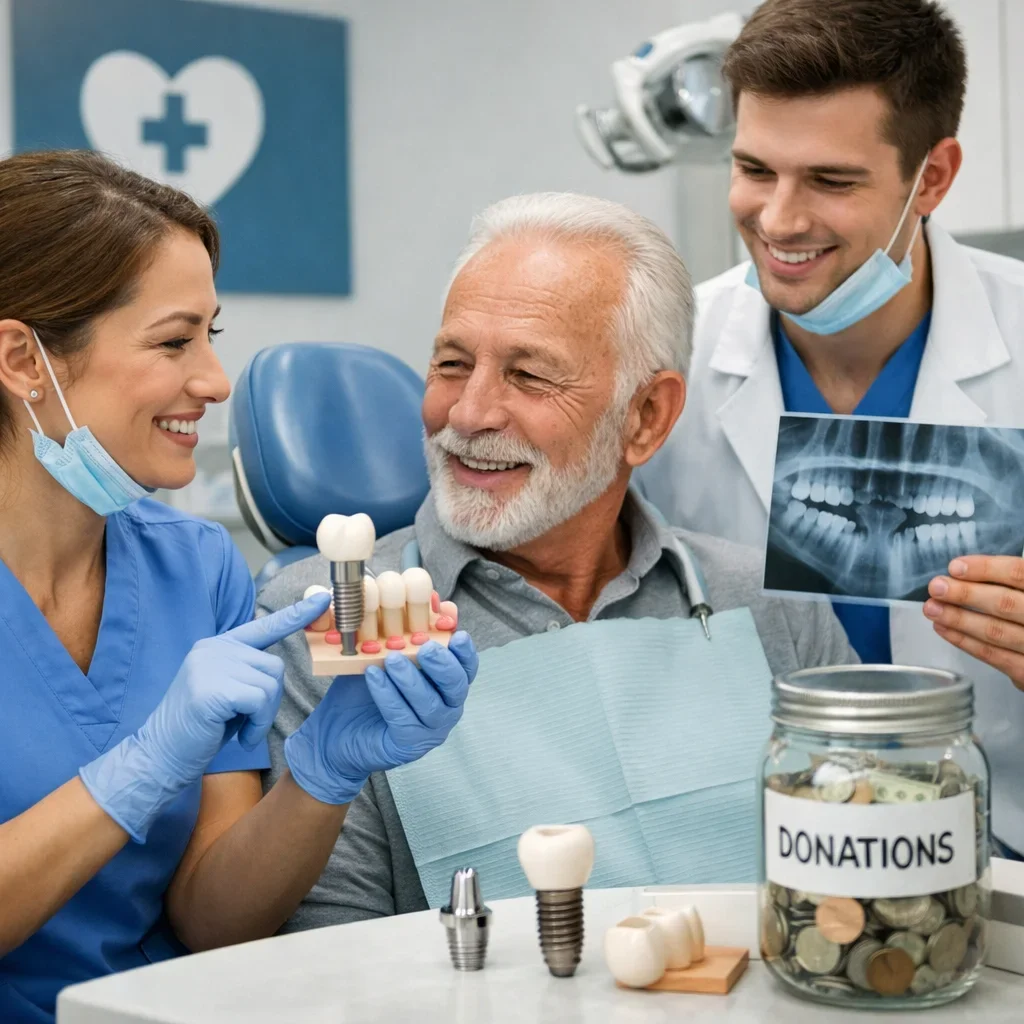
Who Qualifies for Nonprofit Dental Implants Programs?
Access to dental implants can transform a person’s oral health and quality of life, but the cost of treatment often prevents many people from pursuing it. This is why nonprofit dental implants programs exist—to help individuals who need dental restoration but cannot afford the high prices typically charged by private clinics. However, because these programs operate with limited funding and volunteer support, not every applicant automatically qualifies. Understanding who qualifies for nonprofit dental implants programs is essential for anyone considering applying for this type of assistance.
Eligibility requirements vary between organizations, but most nonprofit dental implants initiatives focus on helping individuals who demonstrate both financial need and medical suitability for implant treatment. These programs aim to ensure that limited resources are used effectively while still delivering high-quality dental care to those who need it most.
Financial Eligibility Requirements
The primary goal of nonprofit dental implants programs is to make advanced dental treatment accessible to individuals who would otherwise be unable to afford it. As a result, financial eligibility is usually one of the most important factors when determining whether a patient qualifies.
Applicants typically must demonstrate that they cannot afford implant treatment through traditional dental clinics. This usually involves submitting documentation that verifies income level, employment status, and financial hardship.
Common Financial Documentation
- Proof of income such as pay stubs or tax returns
- Bank statements or financial records
- Documentation of government assistance programs
- Information about existing medical or dental expenses
These documents help nonprofit organizations determine which applicants have the greatest financial need for nonprofit dental implants assistance. Programs often prioritize individuals who fall below certain income thresholds or who face exceptional financial hardship.
Medical and Dental Eligibility
In addition to financial need, patients must also meet specific medical and dental criteria to qualify for nonprofit dental implants. Dental implant surgery requires healthy bone structure and good overall health to ensure successful healing and long-term implant stability.
During the screening process, a dentist will usually perform a comprehensive oral examination and review the patient’s medical history.
Typical Clinical Requirements
- Healthy gums and controlled periodontal health
- Sufficient jawbone density to support implants
- No uncontrolled chronic illnesses
- No active oral infections
- Ability to undergo minor oral surgery safely
If patients do not initially meet these requirements, they may still qualify for nonprofit dental implants after completing preliminary treatments such as gum therapy or bone grafting.
Priority Groups Often Accepted Into Programs
Because demand for nonprofit dental implants assistance is high, many organizations prioritize specific groups of individuals who face greater barriers to dental care. These groups are often considered higher priority because their oral health challenges may significantly affect their overall well-being.
Common Priority Groups
- Senior citizens living on limited retirement income
- Military veterans with service-related dental injuries
- Individuals with disabilities or chronic medical conditions
- Low-income families without dental insurance
- People who have lost teeth due to trauma or accidents
By focusing on these groups, nonprofit dental implants programs aim to provide life-changing dental care to individuals who might otherwise have no access to advanced restorative treatments.
Behavioral and Commitment Requirements
Another important factor in qualifying for nonprofit dental implants programs is the patient’s commitment to maintaining good oral hygiene and attending follow-up appointments. Dental implants require ongoing care, and nonprofit clinics want to ensure that their investment in treatment will lead to long-term success.
Patients are often required to demonstrate that they are willing to follow dental care instructions and maintain regular dental checkups.
Patient Responsibilities
- Practicing proper brushing and flossing techniques
- Attending scheduled follow-up visits
- Avoiding harmful habits such as smoking
- Following dietary recommendations during healing
These requirements help ensure that nonprofit dental implants treatments remain successful for many years.
Evaluation and Approval Process
Once an application is submitted, most nonprofit dental implants programs conduct a detailed evaluation before approving patients for treatment. This process helps ensure that implants are placed safely and that patients receive the most appropriate care.
The evaluation process typically includes:
- Dental consultation and oral examination
- X-rays or 3D imaging scans
- Review of financial documentation
- Medical clearance if necessary
- Development of a personalized treatment plan
Because nonprofit programs often receive many applications, approval may take time. However, once accepted, patients receiving nonprofit dental implants typically benefit from high-quality treatment performed by experienced dental professionals.
The Importance of Professional Guidance
Before applying for a nonprofit program, it can be helpful to consult with a dental professional who can evaluate your oral health and determine whether dental implants are appropriate for your situation. A dentist can also help you understand what documentation you may need when applying for nonprofit dental implants.
Professional guidance can significantly improve the chances of successfully qualifying for nonprofit assistance. If you are interested in learning more about dental implant options or receiving professional advice, you can reach out through the Redent Klinik Contact Page to discuss your dental needs with experienced clinicians.
Dental implants remain one of the most reliable restorative treatments available today. According to the American Dental Association, dental implants have success rates exceeding 95% when properly placed and maintained.
Taking the First Step Toward Affordable Implant Care
For individuals struggling with missing teeth and financial barriers to treatment, nonprofit dental implants programs offer a powerful opportunity to restore both oral health and self-confidence. These initiatives ensure that advanced dental care remains accessible to those who need it most.
By understanding eligibility requirements, preparing documentation, and maintaining good oral health habits, many patients successfully qualify for nonprofit dental implants programs each year. For those who are accepted, the results can be life-changing—providing not only a healthier smile but also renewed comfort, function, and confidence in everyday life.