
A beautiful smile has a powerful impact on confidence, social interactions, and even professional opportunities. For many people, the ideal smile means two things: teeth that are perfectly aligned and brilliantly white. This is where teeth whitening straightening becomes an exciting modern dental solution. Instead of treating discoloration and alignment issues separately, teeth whitening straightening combines two transformative cosmetic dental goals—straight teeth and a brighter smile—into one comprehensive strategy.
In recent years, teeth whitening straightening has become increasingly popular among patients who want fast, noticeable improvements in their smile aesthetics. Advances in orthodontic technology, clear aligners, and professional whitening systems now allow dentists to design personalized treatment plans that address both alignment and color simultaneously or sequentially. The result is a smile that looks healthier, cleaner, and naturally attractive.
When people search for ways to improve their smile, they often wonder whether they should first straighten their teeth or whiten them. The concept of teeth whitening straightening answers that question by combining these treatments in a strategic order. Orthodontic treatment corrects the position of the teeth, while professional whitening enhances the brightness and clarity of the enamel. Together, they create dramatic results that neither treatment could fully achieve on its own.
One reason teeth whitening straightening is so effective is that straight teeth naturally reflect light more evenly. Crooked or crowded teeth can create shadows that make teeth appear darker or uneven in color. After orthodontic correction, whitening treatments distribute evenly across the enamel surface, producing a brighter and more uniform smile.
Modern dentistry offers several ways to achieve teeth whitening straightening. Clear aligner systems, such as transparent orthodontic trays, are among the most popular options. These aligners gradually move teeth into the correct position while remaining almost invisible during daily life. Once alignment improves, professional whitening treatments can further enhance the appearance of the teeth.
Many patients prefer teeth whitening straightening because it provides a comprehensive aesthetic upgrade. Instead of focusing on only one cosmetic issue, dentists can address multiple aspects of the smile, including:
- Tooth alignment
- Tooth brightness and color
- Smile symmetry
- Overall facial aesthetics
This holistic approach explains why cosmetic dentistry often recommends teeth whitening straightening as a complete smile enhancement strategy. When teeth are both straight and white, the entire smile appears healthier and more youthful.
Another advantage of teeth whitening straightening is improved oral health. Straight teeth are easier to clean, which helps reduce plaque buildup and the risk of gum disease. Whitening treatments performed by dental professionals are also safer and more controlled than many over-the-counter options. According to the American Dental Association, professional dental treatments provide more predictable and safe results compared to unsupervised cosmetic procedures.
People considering teeth whitening straightening often have several goals in mind. Some want to correct mild crowding while brightening stained enamel caused by coffee, tea, or smoking. Others want a complete smile makeover that improves confidence in social and professional situations. Regardless of the motivation, the combination of whitening and orthodontic alignment can deliver impressive results.
Patients who are interested in teeth whitening straightening usually begin with a consultation with a cosmetic dentist or orthodontist. During this consultation, the dentist examines tooth alignment, enamel health, gum condition, and bite structure. A customized treatment plan is then created to determine whether whitening should occur before, during, or after orthodontic correction.
For example, some dentists recommend completing orthodontic treatment first so that whitening can be applied evenly across all teeth once they are properly aligned. In other cases, mild whitening treatments may begin during orthodontic therapy using specially designed aligner trays. This flexibility allows teeth whitening straightening to be tailored to the needs of each patient.
The psychological benefits of teeth whitening straightening should not be underestimated. Many people report increased self-confidence and improved social interactions after enhancing their smile. A bright and straight smile is often associated with health, friendliness, and vitality.
Technology also plays a key role in the success of teeth whitening straightening. Digital smile design software allows dentists to show patients a preview of their expected results before treatment even begins. This visualization helps patients understand how orthodontic alignment and whitening will work together to create a balanced and attractive smile.
Patients seeking expert guidance on cosmetic dental treatments can always reach out to dental professionals through the Redent Klinik Contact Page. A consultation allows dentists to evaluate individual needs and determine the most suitable approach for achieving a brighter and straighter smile.
Ultimately, teeth whitening straightening represents one of the most effective cosmetic dental strategies available today. By addressing both tooth alignment and discoloration, this combined approach delivers dramatic and long-lasting improvements. Patients no longer need to choose between straight teeth and white teeth—they can achieve both at the same time.
In the following sections of this guide, we will explore how teeth whitening straightening works, who the ideal candidates are, what treatment options exist, and how patients can maintain their results for years to come. Understanding these details will help you make informed decisions about improving your smile and achieving the bright, confident appearance you deserve.
What Is Teeth Whitening Straightening and Why Is It So Popular?
Modern cosmetic dentistry has transformed the way people improve their smiles. One of the most talked-about approaches today is teeth whitening straightening. This concept refers to the combined strategy of aligning crooked teeth while also brightening their color to create a balanced, radiant smile. Instead of treating alignment and discoloration separately, dentists increasingly recommend teeth whitening straightening as a comprehensive aesthetic solution.
Many people assume that straight teeth automatically look beautiful, but color plays an equally important role. Even perfectly aligned teeth can appear dull if they are stained by coffee, tea, smoking, or aging. On the other hand, whitening treatments alone cannot fully enhance a smile if the teeth are crowded or misaligned. This is why teeth whitening straightening has become such a powerful approach—it addresses both the structure and the appearance of the teeth simultaneously.
The popularity of teeth whitening straightening has grown rapidly over the past decade thanks to improvements in orthodontic technology, digital smile design, and professional whitening systems. Patients today want treatments that are efficient, comfortable, and capable of delivering dramatic results. Combining these two treatments meets all those expectations.
The Concept Behind Teeth Whitening Straightening
At its core, teeth whitening straightening is about creating harmony in the smile. When teeth are properly aligned and evenly colored, they reflect light more naturally and appear healthier. Dentists design treatment plans that gradually reposition the teeth while preparing them for whitening procedures that enhance the enamel’s brightness.
This combined approach allows dentists to correct several common cosmetic concerns, including:
- Crooked or crowded teeth
- Uneven spacing between teeth
- Yellow or stained enamel
- Smile asymmetry
- Uneven tooth surfaces
When these issues are corrected through teeth whitening straightening, the transformation can be remarkable. Patients often feel more confident smiling, speaking, and interacting socially.
Why Patients Prefer Teeth Whitening Straightening
The demand for teeth whitening straightening continues to grow because people are seeking efficient ways to upgrade their smile aesthetics. Rather than scheduling separate cosmetic procedures months apart, this combined approach allows dentists to create a strategic plan that addresses multiple issues.
1. More Balanced Smile Results
When teeth are aligned first, whitening treatments distribute evenly across the enamel. This makes the results of teeth whitening straightening more uniform and visually pleasing. Straight teeth also reflect light more effectively, making them appear naturally brighter even before whitening.
2. Increased Confidence
A straight and bright smile often has a significant psychological impact. Many patients report that teeth whitening straightening improves their confidence in both personal and professional environments. A healthy-looking smile can influence how people perceive friendliness, professionalism, and vitality.
3. Modern Orthodontic Technology
One major reason for the popularity of teeth whitening straightening is the availability of discreet orthodontic treatments. Clear aligners and invisible braces allow patients to straighten their teeth without the noticeable appearance of traditional metal braces.
These modern aligners are comfortable, removable, and nearly invisible. Many systems also allow whitening treatments to be integrated into the same trays used for alignment, making teeth whitening straightening more convenient than ever.
The Role of Professional Whitening
Professional whitening is a key part of teeth whitening straightening. Dentists use safe bleaching agents such as hydrogen peroxide or carbamide peroxide to remove deep stains from the enamel.
Professional treatments are preferred because they:
- Produce faster and more predictable results
- Reduce the risk of gum irritation
- Provide even whitening across the tooth surface
- Allow dentists to control sensitivity
According to the American Dental Association, professional whitening treatments performed under dental supervision are significantly safer and more effective than many over-the-counter products.
Why Straight Teeth Enhance Whitening Results
One interesting advantage of teeth whitening straightening is how alignment improves the effectiveness of whitening treatments. Crooked teeth can create small shadows where stains accumulate and light reflects unevenly.
When teeth are straightened first, whitening agents can reach the entire enamel surface more evenly. This ensures that the brightening effect of teeth whitening straightening is consistent across all teeth, producing a more natural and uniform smile.
Another important benefit is easier oral hygiene. Straight teeth are easier to brush and floss, which helps maintain the results of teeth whitening straightening over time.
The Rise of Cosmetic Dentistry Trends
Social media, video calls, and digital communication have made people more aware of their smiles than ever before. As a result, cosmetic dental treatments have experienced a surge in demand. Many patients now see teeth whitening straightening as one of the most effective ways to achieve a complete smile makeover.
This trend has also encouraged dental clinics around the world to develop customized treatment plans that combine orthodontics with cosmetic whitening. Patients can explore their options during a professional consultation and determine the most suitable approach for their goals.
If you are considering improving your smile, dental professionals can evaluate your teeth and recommend whether teeth whitening straightening is appropriate for your needs. You can also reach out directly through the Redent Klinik Contact Page to discuss personalized treatment options with experienced dental specialists.
In summary, teeth whitening straightening has become popular because it offers a complete solution for smile enhancement. By combining orthodontic alignment with professional whitening treatments, patients can achieve a brighter, healthier, and more symmetrical smile. This dual approach addresses both structural and cosmetic concerns, making it one of the most powerful tools in modern aesthetic dentistry.
How Teeth Whitening Straightening Works: The Science Behind the Smile
The success of teeth whitening straightening lies in the combination of two well-established dental sciences: orthodontics and cosmetic tooth whitening. Orthodontics focuses on correcting the alignment of teeth and bite patterns, while whitening treatments improve the brightness and color of tooth enamel. When these two approaches are strategically combined, teeth whitening straightening creates a powerful transformation that improves both the structure and visual appeal of the smile.
Many patients initially believe that straightening teeth automatically leads to a perfect smile. However, dentists understand that color, light reflection, enamel health, and tooth alignment all work together to create a visually balanced appearance. This is why teeth whitening straightening is often recommended as a complete smile enhancement method rather than treating whitening and alignment as separate procedures.
The Orthodontic Science Behind Teeth Straightening
The first component of teeth whitening straightening involves orthodontic correction. Orthodontic treatment works by applying gentle, controlled pressure to the teeth over time. This pressure gradually moves teeth into better positions within the jawbone.
The biological process behind this movement is called bone remodeling. When pressure is applied to a tooth, the surrounding bone tissue adapts. On one side of the tooth, bone breaks down slightly, while on the other side, new bone forms. This allows the tooth to move safely and gradually to its desired position.
Orthodontic treatments used in teeth whitening straightening may include:
- Clear aligners
- Traditional braces
- Ceramic braces
- Lingual braces placed behind the teeth
Among these options, clear aligners are particularly popular in teeth whitening straightening because they are nearly invisible and can sometimes double as whitening trays.
Why Alignment Improves Smile Aesthetics
Proper tooth alignment plays a crucial role in how light reflects off the teeth. Crooked teeth often create uneven shadows and visual irregularities. Once orthodontic treatment improves the alignment, the surface of each tooth becomes more evenly exposed to light. This makes the smile appear naturally brighter even before whitening begins.
As a result, teeth whitening straightening enhances both structural balance and cosmetic brightness simultaneously.
The Chemistry of Tooth Whitening
The second component of teeth whitening straightening is professional tooth whitening. Whitening treatments work by using safe bleaching agents such as hydrogen peroxide or carbamide peroxide to break down stains within the enamel.
Tooth discoloration occurs when pigments from foods, drinks, smoking, or aging penetrate the enamel and dentin layers. Whitening agents release oxygen molecules that break apart these pigment molecules. Once the stains are broken down, the tooth appears significantly brighter.
This chemical reaction is carefully controlled during professional teeth whitening straightening procedures to ensure safety and effectiveness.
Types of Whitening Used in Teeth Whitening Straightening
Dentists typically use several professional whitening methods as part of teeth whitening straightening treatment plans:
- In-office laser whitening
- Professional bleaching trays
- Custom take-home whitening kits
- Whitening gels used with orthodontic aligners
These methods allow dentists to tailor the whitening stage of teeth whitening straightening based on each patient’s enamel sensitivity, stain severity, and treatment timeline.
The Ideal Treatment Sequence
One of the most important scientific considerations in teeth whitening straightening is the treatment sequence. Dentists often recommend completing most orthodontic movement before performing full whitening treatments.
This is because whitening teeth before alignment may lead to uneven coloration. When teeth move during orthodontic treatment, previously hidden areas of enamel may become visible. If whitening was done earlier, those areas may remain darker.
By aligning teeth first and whitening afterward, teeth whitening straightening ensures that whitening agents reach the entire enamel surface evenly.
Digital Smile Design and Treatment Planning
Modern technology plays a major role in the success of teeth whitening straightening. Dentists now use digital imaging systems and smile design software to plan treatments with exceptional precision.
Digital smile design allows dentists to:
- Analyze facial symmetry
- Simulate orthodontic tooth movement
- Predict whitening results
- Create customized treatment plans
Patients can even preview their expected results before treatment begins. This technology makes teeth whitening straightening more predictable and personalized than ever before.
The Role of Enamel Health
Healthy enamel is essential for successful teeth whitening straightening. Dentists evaluate enamel thickness, gum health, and existing dental restorations before recommending whitening procedures.
Patients with cavities, gum disease, or weakened enamel may require additional treatments before beginning teeth whitening straightening. Addressing these issues first ensures the safety and longevity of the cosmetic results.
The American Dental Association emphasizes that professional dental supervision is important when undergoing cosmetic treatments like whitening and orthodontic care.
How Orthodontics Improves Whitening Longevity
An interesting advantage of teeth whitening straightening is that straight teeth tend to stay whiter for longer. When teeth are aligned properly, patients can brush and floss more effectively. This reduces plaque buildup and prevents new stains from forming quickly.
Because of improved oral hygiene, many patients find that the results of teeth whitening straightening last longer compared to whitening treatments alone.
Combining Function and Beauty
Beyond aesthetics, teeth whitening straightening can also improve dental function. Proper alignment reduces strain on the jaw joints, improves bite stability, and decreases uneven wear on tooth surfaces.
When combined with whitening, the overall effect is both functional and cosmetic. Patients gain a healthier bite while also enjoying the confidence of a brighter smile.
If you are considering teeth whitening straightening, it is always best to consult a qualified dental professional. A personalized evaluation can determine the best treatment plan for your smile goals. For expert guidance and consultation options, you can visit the Redent Klinik Contact Page to connect with experienced dental specialists.
Understanding the science behind teeth whitening straightening helps patients appreciate why this approach delivers such dramatic and lasting improvements. By combining orthodontic alignment with advanced whitening chemistry, dentists can create smiles that are not only straight but also brilliantly bright.
Benefits of Combining Teeth Whitening and Straightening Treatments
One of the most exciting advancements in cosmetic dentistry today is the ability to improve both tooth alignment and tooth color at the same time. This combined approach, commonly known as teeth whitening straightening, offers a powerful solution for patients who want a dramatic smile transformation without undergoing multiple separate treatments. Instead of focusing only on alignment or brightness, teeth whitening straightening improves the entire appearance and function of the smile.
Many dental professionals now recommend teeth whitening straightening because it addresses several aesthetic concerns simultaneously. When teeth are straight but stained, the smile can still appear dull. Similarly, whitening treatments alone cannot fully correct the appearance of crooked or crowded teeth. By combining these treatments, dentists create a more balanced, symmetrical, and naturally bright smile.
Beyond aesthetics, teeth whitening straightening also improves oral health, enhances confidence, and provides long-lasting results. Understanding the key benefits of this approach can help patients decide whether it is the right cosmetic dental solution for their needs.
Improved Overall Smile Aesthetics
The most obvious advantage of teeth whitening straightening is the dramatic improvement in smile appearance. Straight teeth reflect light more evenly, while whitening treatments enhance the brightness of the enamel. When these two improvements are combined, the result is a smile that looks healthier, more youthful, and naturally attractive.
Misaligned teeth often create shadows that make teeth appear darker or uneven. By correcting the alignment first, teeth whitening straightening ensures that whitening agents distribute evenly across the entire enamel surface.
Better Smile Symmetry
Symmetry is an important factor in facial aesthetics. When teeth are crooked or unevenly spaced, the smile may appear unbalanced. Through teeth whitening straightening, dentists can improve both tooth position and color harmony, creating a more symmetrical and visually pleasing smile.
Boosted Confidence and Self-Esteem
A bright and well-aligned smile often has a strong psychological impact. Many patients report increased confidence after completing teeth whitening straightening. Feeling comfortable about one’s smile can influence social interactions, professional communication, and overall self-image.
When people feel proud of their smile, they tend to smile more often. This can positively affect first impressions and make interactions feel more natural and engaging.
Positive Social and Professional Impact
Studies in cosmetic dentistry suggest that individuals with attractive smiles are often perceived as more confident, approachable, and professional. Because teeth whitening straightening significantly improves smile aesthetics, many patients find that it enhances their confidence in both social and workplace environments.
Improved Oral Hygiene
Straight teeth are much easier to clean than crowded or overlapping teeth. One of the lesser-known advantages of teeth whitening straightening is that improved alignment makes brushing and flossing more effective.
When teeth are properly aligned:
- Plaque buildup is reduced
- Food particles are easier to remove
- The risk of gum disease decreases
- Tooth decay becomes less likely
Because of these benefits, teeth whitening straightening does more than improve appearance—it also supports long-term oral health.
Longer Lasting Whitening Results
Another major advantage of teeth whitening straightening is the longevity of the whitening results. Crooked teeth often trap plaque and stains in areas that are difficult to clean. After orthodontic alignment, the enamel surface becomes easier to maintain.
This means that whitening treatments performed after alignment tend to last longer because the teeth remain cleaner and healthier.
More Even Whitening Coverage
When teeth are misaligned, certain areas of enamel may be partially hidden. Whitening treatments applied before orthodontic correction may leave uneven color once the teeth move. With teeth whitening straightening, dentists typically straighten teeth first, ensuring that whitening agents reach the entire enamel surface evenly.
Minimally Invasive Smile Transformation
Compared to other cosmetic dental procedures such as veneers or crowns, teeth whitening straightening is considered minimally invasive. These treatments improve the appearance of natural teeth without requiring significant removal of enamel.
Orthodontic alignment gently moves teeth into the correct position, while whitening treatments simply brighten the enamel. Because natural tooth structure is preserved, this approach is often preferred by patients seeking conservative cosmetic treatments.
Customized Treatment Plans
Every patient’s smile is unique, which is why teeth whitening straightening treatments are typically customized. Dentists evaluate several factors before recommending a treatment plan, including:
- Tooth alignment
- Existing stains or discoloration
- Enamel thickness
- Bite alignment
- Gum health
Using digital imaging and smile design technology, dentists can create highly personalized treatment plans that combine orthodontic correction with professional whitening.
Patients interested in learning whether teeth whitening straightening is suitable for their smile can schedule a professional consultation. For example, individuals seeking personalized dental advice can visit the Redent Klinik Contact Page to connect with experienced dental specialists.
Backed by Professional Dental Organizations
Professional dental organizations emphasize the importance of supervised cosmetic dental treatments. The American Dental Association highlights that professional whitening procedures and orthodontic care performed by trained dentists provide the safest and most predictable results.
This is why teeth whitening straightening should always be performed under professional supervision rather than relying on unsupervised at-home treatments.
A Complete Smile Makeover
Ultimately, the greatest benefit of teeth whitening straightening is that it offers a complete smile makeover. By correcting alignment and improving tooth color simultaneously, patients achieve a balanced, healthy-looking smile that enhances both appearance and confidence.
Instead of choosing between straight teeth or white teeth, teeth whitening straightening allows patients to enjoy the best of both worlds. The result is a smile that looks naturally bright, symmetrical, and beautifully aligned.
Who Is the Ideal Candidate for Teeth Whitening Straightening?
While many people dream of having a brighter and straighter smile, not everyone is automatically an ideal candidate for teeth whitening straightening. This comprehensive cosmetic dental approach combines orthodontic alignment with professional whitening treatments. Because it involves two separate dental disciplines, dentists carefully evaluate several factors before recommending teeth whitening straightening as the most suitable solution.
Understanding who benefits the most from teeth whitening straightening helps patients set realistic expectations and achieve the best possible results. In general, this treatment is ideal for individuals who want to improve both the alignment and brightness of their teeth while maintaining a natural-looking smile.
Patients With Mild to Moderate Tooth Misalignment
One of the most common candidates for teeth whitening straightening is someone with mild to moderate orthodontic concerns. These include crooked teeth, small gaps, or minor crowding. When teeth are misaligned, the smile may appear uneven and less attractive even if the teeth are otherwise healthy.
Through orthodontic treatment—often using clear aligners—dentists gradually move the teeth into their correct positions. Once alignment improves, whitening treatments can enhance the overall appearance of the enamel.
Common Alignment Problems Treated
- Minor crowding of the front teeth
- Small gaps between teeth
- Rotated teeth
- Slight bite irregularities
- Uneven tooth positioning
For patients with these issues, teeth whitening straightening can produce dramatic improvements in smile symmetry and brightness.
People With Tooth Discoloration
Another important group of candidates for teeth whitening straightening includes individuals who experience staining or discoloration of their teeth. Tooth stains can occur due to a variety of reasons, including:
- Coffee or tea consumption
- Red wine
- Smoking or tobacco use
- Aging of the enamel
- Certain medications
When these stains occur alongside misaligned teeth, the smile can appear both crooked and dull. Teeth whitening straightening addresses both issues at once by first aligning the teeth and then brightening the enamel through professional whitening techniques.
Adults Seeking Cosmetic Smile Improvements
Although orthodontic treatments were traditionally associated with teenagers, modern dentistry has made teeth whitening straightening extremely popular among adults. Many adults who did not receive orthodontic treatment earlier in life now seek subtle and discreet solutions for improving their smiles.
Clear aligners, invisible braces, and customized whitening trays make teeth whitening straightening an attractive option for adult patients who prefer treatments that are comfortable and minimally noticeable.
Why Adults Prefer This Approach
Adults often choose teeth whitening straightening because it offers several advantages:
- Discreet orthodontic solutions
- Minimal disruption to daily life
- Improved smile aesthetics
- Professional supervision and safety
- Long-lasting cosmetic results
This makes teeth whitening straightening one of the most appealing cosmetic dental procedures for professionals and individuals seeking a confidence boost.
Patients With Good Oral Health
Before recommending teeth whitening straightening, dentists evaluate the patient’s overall oral health. Healthy gums and strong tooth enamel are essential for successful orthodontic and whitening treatments.
Patients who have untreated dental issues may need preliminary treatments before beginning teeth whitening straightening. These conditions may include:
- Cavities
- Gum disease
- Tooth infections
- Severely worn enamel
Addressing these problems first ensures that teeth whitening straightening can be performed safely and effectively.
People Seeking a Comprehensive Smile Makeover
Some patients want more than just small cosmetic improvements—they want a full smile transformation. For these individuals, teeth whitening straightening provides an excellent solution.
Instead of undergoing multiple cosmetic treatments separately, this combined approach improves alignment, color, and overall smile balance. The result is a healthier-looking and more attractive smile.
Many patients choose teeth whitening straightening because it offers a complete aesthetic upgrade without the need for invasive procedures like veneers or crowns.
Patients Who Maintain Good Oral Hygiene
Maintaining good oral hygiene habits is important for anyone considering teeth whitening straightening. Straight teeth are easier to clean, but patients must still brush and floss regularly to preserve the results.
Dentists typically recommend:
- Brushing twice daily
- Flossing every day
- Regular dental cleanings
- Avoiding stain-causing foods and beverages
These habits help extend the benefits of teeth whitening straightening and keep the smile bright for many years.
Professional Consultation Is Essential
The best way to determine whether teeth whitening straightening is appropriate is through a professional dental consultation. During this visit, dentists examine the teeth, gums, bite alignment, and enamel condition.
Advanced imaging technology may also be used to create a digital smile simulation. This allows patients to visualize how teeth whitening straightening could transform their smile before treatment even begins.
Patients who want personalized guidance about their smile can contact dental professionals through the Redent Klinik Contact Page to schedule a consultation.
Expert Recommendations From Dental Authorities
Professional dental organizations emphasize the importance of supervised cosmetic treatments. According to the American Dental Association, dental procedures such as whitening and orthodontic correction should always be performed under the guidance of trained dental professionals.
This ensures that treatments like teeth whitening straightening are safe, effective, and tailored to each patient’s unique dental structure.
When Teeth Whitening Straightening May Not Be Ideal
Although teeth whitening straightening works well for many people, certain cases may require alternative treatments. For example:
- Severe orthodontic problems may require traditional braces.
- Internal tooth discoloration may require veneers instead of whitening.
- Significant enamel damage may limit whitening effectiveness.
A dentist will carefully assess these factors before recommending teeth whitening straightening.
Overall, the ideal candidate for teeth whitening straightening is someone with healthy teeth, mild to moderate alignment issues, and cosmetic discoloration who wants a brighter and more symmetrical smile. With proper evaluation and professional care, this treatment can provide stunning and long-lasting results.
Different Treatment Options for Teeth Whitening Straightening
Modern cosmetic dentistry offers a variety of techniques to achieve a brighter and straighter smile. When it comes to teeth whitening straightening, dentists combine orthodontic alignment with professional whitening procedures to produce comprehensive results. However, the exact methods used can vary depending on the patient’s dental condition, lifestyle preferences, and cosmetic goals.
Because every smile is unique, dentists typically design personalized treatment plans that integrate several possible approaches to teeth whitening straightening. Some patients may benefit from clear aligners combined with whitening trays, while others may complete orthodontic treatment first and whitening afterward. Understanding these treatment options helps patients make informed decisions about their smile transformation.
Clear Aligners With Whitening Trays
One of the most popular modern solutions for teeth whitening straightening is the use of clear aligner systems. These transparent orthodontic trays gradually move teeth into their correct positions while remaining almost invisible during daily activities.
Many clear aligner systems allow whitening gels to be used inside the aligner trays. This means patients can sometimes perform whitening treatments during the orthodontic phase of teeth whitening straightening. This dual-purpose system makes the treatment more convenient and efficient.
Advantages of Clear Aligners
- Nearly invisible appearance
- Removable for eating and brushing
- Comfortable and custom-fitted
- Possible combination with whitening gels
- Predictable tooth movement using digital planning
For many adults and professionals, clear aligners represent the most discreet and convenient way to complete teeth whitening straightening.
Traditional Braces Followed by Professional Whitening
Although modern aligners are popular, traditional braces still play an important role in teeth whitening straightening, especially for patients with more complex orthodontic issues. Braces use brackets and wires to gradually move teeth into proper alignment.
In most cases, dentists recommend completing orthodontic treatment before performing professional whitening. This ensures that all tooth surfaces are exposed and can be whitened evenly.
Why Whitening Usually Happens After Braces
If whitening occurs before teeth are fully aligned, hidden areas of enamel may remain darker once the teeth move. By performing whitening at the end of orthodontic treatment, teeth whitening straightening produces more consistent color results across the entire smile.
In-Office Professional Whitening Treatments
Professional whitening treatments performed at dental clinics are one of the most effective components of teeth whitening straightening. Dentists use highly concentrated whitening agents that penetrate the enamel and break down deep stains.
These treatments often involve hydrogen peroxide-based gels activated by special lights or lasers. In-office whitening can significantly brighten teeth in just one or two sessions.
Because the procedure is performed under professional supervision, teeth whitening straightening treatments can achieve stronger whitening effects while minimizing tooth sensitivity.
Benefits of In-Office Whitening
- Fast results, often within one visit
- Professional control over sensitivity
- Even whitening across all teeth
- Safe supervision by dental professionals
These advantages make in-office whitening a common final step in many teeth whitening straightening treatment plans.
Custom Take-Home Whitening Kits
Another option used in teeth whitening straightening is the professional take-home whitening kit. Dentists create customized trays that perfectly fit the patient’s teeth, along with professional-grade whitening gels.
Patients wear these trays for a specified period each day, usually for one to two weeks. Because the trays are custom-designed, the whitening gel distributes evenly across the enamel.
This method allows patients undergoing teeth whitening straightening to brighten their teeth gradually in the comfort of their own home while still following a dentist’s supervision.
Laser Teeth Whitening
Laser whitening is another advanced technique sometimes used in teeth whitening straightening. During this treatment, a specialized whitening gel is applied to the teeth and activated using a dental laser or LED light.
The light accelerates the whitening process, helping the bleaching agents penetrate deeper into the enamel. This can produce dramatic whitening results in a short amount of time.
Laser whitening is particularly beneficial for patients who want immediate results after completing the orthodontic phase of teeth whitening straightening.
Combination Cosmetic Treatments
In some cases, dentists may combine additional cosmetic procedures with teeth whitening straightening to enhance the final results. These may include:
- Dental bonding for minor chips
- Enamel contouring to reshape uneven edges
- Gum contouring for better smile symmetry
These treatments refine the smile after orthodontic alignment and whitening, ensuring that the final result of teeth whitening straightening looks natural and harmonious.
Digital Smile Design for Treatment Planning
One of the most exciting developments in teeth whitening straightening is the use of digital smile design technology. Dentists can now scan the patient’s teeth and simulate how orthodontic movement and whitening will affect the final appearance of the smile.
This technology allows dentists to:
- Create precise treatment plans
- Predict tooth movement
- Preview whitening results
- Show patients a digital simulation of their future smile
Digital planning makes teeth whitening straightening more predictable and personalized than ever before.
Professional Guidance Is Essential
Because multiple treatment methods are available, professional dental evaluation is essential before starting teeth whitening straightening. Dentists assess alignment issues, enamel health, and gum condition to determine the most effective combination of treatments.
Individuals who want to explore their treatment options can schedule a consultation through the Redent Klinik Contact Page. A professional consultation ensures that teeth whitening straightening is tailored to the patient’s unique dental needs.
Dental professionals also emphasize the importance of safe whitening procedures. According to the American Dental Association, supervised whitening treatments provide more reliable and safer results than unsupervised cosmetic products.
Ultimately, the success of teeth whitening straightening depends on selecting the right treatment combination. With modern orthodontic tools, professional whitening systems, and digital planning technologies, patients today have more options than ever to achieve a bright, balanced, and confident smile.
Step-by-Step Process of Teeth Whitening Straightening
Understanding the full treatment journey is essential for anyone considering teeth whitening straightening. This cosmetic dental approach is not a single procedure but a carefully planned process that combines orthodontic alignment and professional whitening treatments. Each stage plays a crucial role in achieving a smile that is both beautifully straight and brilliantly bright.
Dentists follow a structured treatment plan to ensure that teeth whitening straightening produces safe, predictable, and long-lasting results. The process typically involves consultation, orthodontic correction, whitening treatments, and long-term maintenance. By following each step carefully, patients can achieve a balanced and healthy smile transformation.
Step 1: Initial Dental Consultation
The first stage of teeth whitening straightening begins with a comprehensive dental consultation. During this appointment, the dentist evaluates the patient’s oral health, tooth alignment, enamel condition, and gum health.
This evaluation is important because cosmetic treatments should always be performed on a healthy dental foundation. Dentists check for conditions such as cavities, gum inflammation, or enamel erosion that may need treatment before starting teeth whitening straightening.
What Happens During the Consultation?
- Dental X-rays and digital scans may be taken
- Tooth alignment and bite patterns are analyzed
- Existing stains and discoloration are evaluated
- Oral hygiene habits are discussed
- A personalized treatment plan is created
Patients who want professional guidance can schedule a consultation through the Redent Klinik Contact Page to explore personalized teeth whitening straightening treatment plans.
Step 2: Digital Smile Planning
Modern dental clinics often use advanced digital technologies to plan teeth whitening straightening. Digital smile design software allows dentists to simulate how orthodontic adjustments and whitening will affect the patient’s smile.
This technology provides several advantages:
- Accurate prediction of tooth movement
- Visual preview of whitening results
- Customized orthodontic aligner planning
- Improved communication between dentist and patient
With digital planning, teeth whitening straightening becomes more precise and tailored to each patient’s facial features and smile structure.
Step 3: Orthodontic Alignment Phase
The next stage of teeth whitening straightening focuses on correcting tooth alignment. Orthodontic treatments gradually move teeth into their proper positions using gentle and controlled pressure.
Depending on the complexity of the case, dentists may recommend:
- Clear aligners
- Ceramic braces
- Traditional metal braces
- Lingual braces placed behind the teeth
Clear aligners are particularly popular for teeth whitening straightening because they are discreet and comfortable. These transparent trays are custom-made and replaced every few weeks as the teeth gradually move.
How Long Does Orthodontic Treatment Take?
The duration of orthodontic treatment during teeth whitening straightening varies depending on the severity of misalignment. Mild cases may take 4–6 months, while moderate cases may require 12–18 months.
Throughout this stage, patients visit their dentist regularly to monitor progress and ensure that tooth movement is occurring safely.
Step 4: Preparing Teeth for Whitening
Once the teeth have reached their correct alignment, dentists prepare the teeth for the whitening stage of teeth whitening straightening. This preparation often includes a professional dental cleaning to remove plaque, tartar, and surface stains.
Cleaning ensures that whitening agents can penetrate the enamel evenly and produce consistent results. Without proper cleaning, stains and plaque may interfere with the whitening process.
Step 5: Professional Teeth Whitening Treatment
The whitening stage is one of the most exciting phases of teeth whitening straightening. Dentists use professional bleaching agents such as hydrogen peroxide or carbamide peroxide to remove stains and brighten the enamel.
Several whitening techniques may be used, including:
- In-office whitening treatments
- Laser-assisted whitening
- Custom take-home whitening trays
- Whitening gels used with aligner trays
Professional whitening treatments are more powerful and predictable than over-the-counter products. According to the American Dental Association, professional whitening treatments supervised by dental professionals provide safer and more reliable results.
How Much Brighter Can Teeth Become?
Depending on the whitening method used during teeth whitening straightening, teeth can become several shades brighter. Many patients achieve improvements of 5–8 shades after professional whitening treatments.
Step 6: Final Smile Refinement
After completing orthodontic alignment and whitening, dentists evaluate the final results of teeth whitening straightening. At this stage, minor cosmetic refinements may be recommended to perfect the smile.
These refinements may include:
- Enamel polishing
- Minor tooth reshaping
- Dental bonding for small chips
- Smile contouring
These finishing touches ensure that the outcome of teeth whitening straightening appears natural and harmonious.
Step 7: Retainers and Long-Term Maintenance
The final stage of teeth whitening straightening focuses on maintaining the results. After orthodontic treatment, patients typically receive retainers to keep their teeth in their new positions.
Retainers are important because teeth naturally tend to shift slightly over time. Wearing retainers as recommended helps preserve the alignment achieved through teeth whitening straightening.
Tips to Maintain Results
- Brush and floss daily
- Attend regular dental cleanings
- Avoid excessive coffee, tea, or smoking
- Use whitening touch-up treatments if needed
Following these maintenance steps helps patients enjoy the benefits of teeth whitening straightening for many years.
A Complete Smile Transformation
The step-by-step approach of teeth whitening straightening ensures that both the structure and color of the teeth are improved safely and effectively. By combining orthodontic science with advanced whitening techniques, dentists can create smiles that are not only straight but also vibrant and healthy.
For patients seeking a comprehensive smile makeover, teeth whitening straightening offers one of the most effective paths to achieving a confident and radiant smile.
Teeth Whitening Straightening Costs Around the World
One of the most common questions patients ask before starting treatment is about the cost of teeth whitening straightening. Because this cosmetic dental approach combines orthodontic alignment and professional whitening treatments, the total cost can vary depending on several factors. These include the complexity of tooth alignment, the whitening method used, the dental clinic’s expertise, and the country where the treatment is performed.
Understanding the typical pricing structure of teeth whitening straightening helps patients plan their treatment and choose the most appropriate dental clinic. While cosmetic dentistry costs may initially seem high, many patients consider the long-term benefits—such as improved confidence, oral health, and smile aesthetics—to be well worth the investment.
Factors That Influence Teeth Whitening Straightening Costs
The total cost of teeth whitening straightening is influenced by several variables. Because every patient’s smile is unique, dentists must tailor treatment plans to match the individual’s orthodontic and cosmetic needs.
1. Complexity of Tooth Alignment
The orthodontic phase of teeth whitening straightening can vary significantly in complexity. Mild alignment issues may require only a few months of clear aligner treatment, while more complex cases may require longer orthodontic correction.
Generally, the more complicated the alignment problem, the longer the treatment and the higher the cost of teeth whitening straightening.
2. Type of Orthodontic Treatment
The type of orthodontic system used also affects the price of teeth whitening straightening. Clear aligners, ceramic braces, and lingual braces may cost more than traditional metal braces because they offer greater comfort and improved aesthetics.
Many adult patients prefer clear aligners during teeth whitening straightening because they are nearly invisible and removable.
3. Whitening Method Used
The whitening stage of teeth whitening straightening can involve different methods, including in-office laser whitening, professional bleaching trays, or customized take-home kits.
In-office whitening procedures are typically more expensive but provide faster and more dramatic results compared to at-home treatments.
Average Teeth Whitening Straightening Costs by Region
Because dental care costs vary widely around the world, the price of teeth whitening straightening can differ significantly depending on location. Many patients travel internationally for cosmetic dental treatments because some countries offer high-quality care at more affordable prices.
United States
- Clear aligner orthodontics: $3,500 – $7,500
- Professional teeth whitening: $500 – $1,200
- Total teeth whitening straightening cost: $4,000 – $8,700
The United States offers advanced dental technologies, but treatment costs tend to be higher than in many other countries.
United Kingdom
- Clear aligners or orthodontics: £2,500 – £5,500
- Professional whitening: £350 – £800
- Total teeth whitening straightening cost: £2,850 – £6,300
Cosmetic dentistry in the UK is widely available, although waiting times and private treatment costs can vary.
Turkey (Popular Dental Tourism Destination)
- Clear aligners or orthodontics: $1,200 – $3,000
- Professional whitening: $150 – $400
- Total teeth whitening straightening cost: $1,350 – $3,400
Many international patients travel to Turkey for teeth whitening straightening because clinics often combine modern dental technology with more affordable pricing.
Germany
- Orthodontic treatment: €3,000 – €6,000
- Professional whitening: €300 – €700
- Total teeth whitening straightening cost: €3,300 – €6,700
Germany is known for high-quality dental care, although cosmetic procedures are often privately funded.
Why Some Patients Choose Dental Tourism
Because the cost of teeth whitening straightening can be significantly lower in certain countries, many patients explore dental tourism as an option. Dental tourism allows individuals to combine cosmetic dental treatment with travel.
Countries such as Turkey, Hungary, and Poland have become popular destinations for international patients seeking affordable teeth whitening straightening treatments performed by experienced dentists.
Patients considering treatment abroad can explore consultation options through the Redent Klinik Contact Page to receive personalized treatment plans and pricing information.
Are Teeth Whitening Straightening Costs Worth It?
While the cost of teeth whitening straightening may initially seem significant, many patients view it as a long-term investment in their appearance and oral health. A straighter and brighter smile can improve confidence, enhance professional presence, and support better dental hygiene.
Additionally, properly aligned teeth reduce the risk of uneven tooth wear, jaw strain, and plaque buildup. These long-term oral health benefits can prevent more expensive dental problems in the future.
How to Choose a Reliable Dental Clinic
Before starting teeth whitening straightening, patients should carefully research dental clinics to ensure they receive safe and high-quality care. Important factors to consider include:
- Dentist qualifications and experience
- Patient reviews and testimonials
- Modern dental technology
- Transparent pricing
- Customized treatment planning
Trusted dental organizations such as the American Dental Association recommend seeking treatment from licensed dental professionals who follow established clinical guidelines.
Flexible Payment Options
Many dental clinics offer flexible payment plans or financing options to make teeth whitening straightening more accessible. Monthly payment plans allow patients to spread the cost of treatment over time.
Some clinics also provide bundled packages that combine orthodontics and whitening treatments at a discounted rate.
Investing in Your Smile
Ultimately, the cost of teeth whitening straightening reflects the advanced technology, expertise, and personalized care involved in creating a beautiful smile. When performed by experienced dental professionals, this treatment offers long-lasting results that improve both appearance and oral health.
For patients seeking a brighter, straighter smile, teeth whitening straightening represents one of the most effective cosmetic dental investments available today.
How Long Do Teeth Whitening Straightening Results Last?
One of the most important questions patients ask before beginning treatment is how long the results of teeth whitening straightening will last. Because this cosmetic dental approach combines orthodontic alignment with professional whitening, the longevity of the results depends on several factors including oral hygiene habits, lifestyle choices, and ongoing dental care.
In general, the alignment results from teeth whitening straightening can last many years or even a lifetime when patients follow the dentist’s recommendations. Whitening results, on the other hand, may gradually fade over time as teeth are exposed to staining foods and beverages. However, with proper maintenance, the bright and straight smile achieved through teeth whitening straightening can remain attractive for many years.
The durability of teeth whitening straightening results is influenced by both the orthodontic and whitening components of the treatment. Understanding these factors helps patients maintain their smile improvements for the longest possible time.
Longevity of Orthodontic Straightening Results
The orthodontic portion of teeth whitening straightening is designed to produce long-lasting alignment improvements. When teeth are moved into their correct positions through braces or clear aligners, the surrounding bone structure adapts to support those new positions.
However, teeth naturally have a tendency to shift slightly over time. This process is known as orthodontic relapse. Without proper maintenance, the alignment achieved during teeth whitening straightening could gradually change.
The Importance of Retainers
To prevent unwanted tooth movement after orthodontic treatment, dentists usually recommend wearing retainers. Retainers help stabilize the teeth in their new positions following teeth whitening straightening.
There are several types of retainers commonly used:
- Removable clear retainers
- Wire retainers
- Permanent bonded retainers placed behind the teeth
Wearing retainers as instructed is essential to preserving the alignment results of teeth whitening straightening. Many dentists recommend wearing retainers every night to maintain long-term stability.
How Long Whitening Results Typically Last
The whitening component of teeth whitening straightening typically lasts between six months and three years depending on lifestyle habits. Unlike orthodontic alignment, which can remain stable for many years, tooth color may gradually change over time due to daily exposure to staining substances.
Common factors that influence the longevity of whitening results after teeth whitening straightening include:
- Consumption of coffee, tea, or red wine
- Smoking or tobacco use
- Poor oral hygiene habits
- Aging of tooth enamel
- Dietary habits
Patients who maintain good oral hygiene and avoid heavy staining foods can enjoy longer-lasting results from teeth whitening straightening.
Professional Whitening Touch-Ups
Many dental professionals recommend occasional whitening touch-up treatments after completing teeth whitening straightening. These touch-ups help restore the brightness of the enamel without repeating the entire whitening procedure.
Touch-up whitening can be performed using professional take-home kits or short in-office treatments. These simple maintenance steps help extend the cosmetic benefits of teeth whitening straightening for many years.
Daily Habits That Protect Your Results
Maintaining the results of teeth whitening straightening requires consistent oral hygiene and mindful lifestyle habits. Patients who adopt healthy dental routines often preserve their smile improvements far longer than those who neglect daily care.
Recommended Daily Oral Care
- Brush teeth at least twice per day
- Use fluoride toothpaste
- Floss daily to remove plaque between teeth
- Rinse with antibacterial mouthwash
- Schedule regular professional dental cleanings
These practices support the long-term success of teeth whitening straightening and help prevent stains or plaque buildup that could affect the brightness of the teeth.
Foods and Drinks That May Cause Staining
While the whitening phase of teeth whitening straightening removes existing stains, certain foods and beverages can gradually discolor the teeth again over time.
Some common staining substances include:
- Coffee and espresso
- Black tea
- Red wine
- Dark berries
- Soy sauce
- Tobacco products
This does not mean these items must be completely avoided. However, moderating consumption and rinsing the mouth with water afterward can help preserve the whitening results of teeth whitening straightening.
Regular Dental Checkups Are Essential
Routine dental visits play a major role in maintaining the results of teeth whitening straightening. Dentists can monitor tooth alignment, check the condition of retainers, and perform professional cleanings that remove surface stains.
Professional dental organizations such as the American Dental Association recommend visiting a dentist at least twice per year for preventive care. These appointments help protect the investment patients make in cosmetic treatments like teeth whitening straightening.
Professional Advice for Maintaining Your Smile
Patients who have completed teeth whitening straightening often receive personalized maintenance instructions from their dentist. These recommendations may include:
- Wearing retainers consistently
- Using dentist-approved whitening toothpaste
- Avoiding smoking or tobacco products
- Scheduling whitening touch-ups every 12–24 months
Following these guidelines ensures that the results of teeth whitening straightening remain stable and visually appealing.
When to Consider Whitening Again
Even with excellent care, teeth may gradually lose some brightness over time. Patients who notice mild discoloration after completing teeth whitening straightening may consider repeating professional whitening treatments.
Fortunately, whitening procedures are relatively quick and can restore the smile’s brightness without repeating the orthodontic phase of treatment.
Patients who want to maintain their smile or explore follow-up treatments can schedule a consultation through the Redent Klinik Contact Page to receive professional guidance.
Long-Term Benefits of Teeth Whitening Straightening
With proper care, the results of teeth whitening straightening can last for many years. The alignment improvements often remain stable with retainer use, while whitening results can be refreshed through simple maintenance treatments.
Ultimately, patients who invest in teeth whitening straightening gain not only a brighter smile but also improved oral health, greater confidence, and long-lasting cosmetic results. By maintaining good dental habits and following professional advice, the benefits of teeth whitening straightening can be enjoyed for a lifetime.
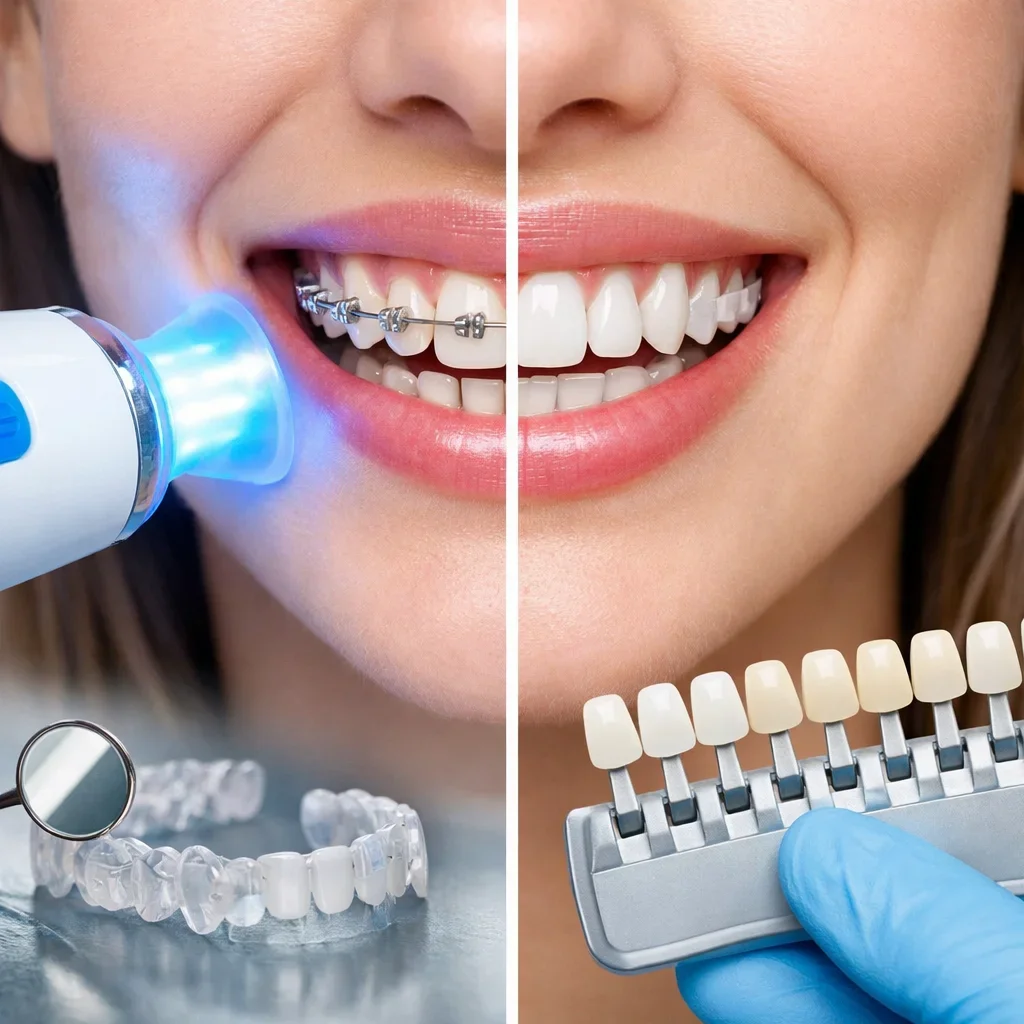
Expert Tips to Maintain Your Teeth Whitening Straightening Results
Completing a successful teeth whitening straightening treatment is a major milestone in achieving a healthier and more attractive smile. However, maintaining the results requires consistent care and attention. While orthodontic alignment and professional whitening provide impressive improvements, daily habits and long-term dental care play a critical role in preserving the benefits of teeth whitening straightening.
Without proper maintenance, teeth can gradually shift or become stained again over time. Fortunately, following expert recommendations can help patients enjoy the results of teeth whitening straightening for many years. These tips focus on oral hygiene, lifestyle choices, dental visits, and whitening maintenance.
Maintain Excellent Daily Oral Hygiene
The most important step in preserving the results of teeth whitening straightening is maintaining consistent oral hygiene. Straight teeth are easier to clean, but plaque and bacteria can still accumulate if brushing and flossing are neglected.
Patients who maintain strong oral hygiene habits help protect both the alignment and brightness achieved through teeth whitening straightening.
Essential Daily Dental Care Routine
- Brush teeth twice daily for at least two minutes
- Use fluoride toothpaste to strengthen enamel
- Floss daily to remove plaque between teeth
- Rinse with antibacterial mouthwash
- Use a soft-bristled toothbrush to protect enamel
These habits help prevent plaque buildup, which can lead to staining and reduce the effectiveness of teeth whitening straightening over time.
Wear Retainers as Recommended
After completing orthodontic alignment during teeth whitening straightening, dentists typically provide retainers to maintain the new tooth positions. Teeth naturally tend to shift slightly over time, and retainers prevent this movement.
Most dentists recommend wearing retainers every night after completing teeth whitening straightening treatment. Consistent retainer use helps ensure that the straight smile achieved through orthodontics remains stable for years.
Types of Retainers Used After Treatment
- Clear removable retainers
- Wire retainers
- Permanent bonded retainers
Following the dentist’s instructions regarding retainer use is essential for preserving the alignment results of teeth whitening straightening.
Avoid Foods and Drinks That Cause Staining
While professional whitening treatments brighten the enamel during teeth whitening straightening, certain foods and beverages can gradually cause discoloration. Being mindful of dietary habits helps extend the whitening results.
Common staining substances include:
- Coffee
- Black tea
- Red wine
- Dark sodas
- Colored sauces such as soy sauce
- Tobacco products
Patients do not necessarily need to eliminate these items completely. However, limiting consumption and rinsing the mouth with water afterward can help protect the results of teeth whitening straightening.
Use Whitening-Friendly Oral Care Products
Many dentists recommend using whitening toothpaste or dentist-approved oral care products after completing teeth whitening straightening. These products help remove surface stains and maintain the brightness of the enamel.
Recommended Products
- Whitening toothpaste approved by dental professionals
- Electric toothbrushes for more effective plaque removal
- Fluoride mouth rinses
- Non-abrasive whitening gels
These products support the long-term success of teeth whitening straightening by keeping teeth clean and reducing the buildup of stains.
Schedule Regular Dental Checkups
Routine dental visits are essential for maintaining the results of teeth whitening straightening. Dentists can identify early signs of staining, alignment changes, or plaque buildup before they become major issues.
Most dental professionals recommend scheduling checkups every six months. During these visits, dentists perform professional cleanings that remove plaque and surface stains.
Trusted dental authorities such as the American Dental Association emphasize the importance of regular dental visits to maintain oral health and cosmetic dental results.
Consider Periodic Whitening Touch-Ups
Even with excellent care, teeth may gradually lose some brightness over time due to aging and dietary habits. Periodic whitening touch-ups can restore the brightness achieved during teeth whitening straightening.
These touch-up treatments may include:
- Short in-office whitening sessions
- Professional take-home whitening trays
- Whitening gels used for a few days
Touch-ups are usually quick and inexpensive compared to the original whitening phase of teeth whitening straightening.
Stay Hydrated and Promote Natural Cleaning
Drinking water throughout the day helps rinse away food particles and staining substances. Staying hydrated supports the long-term success of teeth whitening straightening by reducing the accumulation of pigments on the enamel.
Some foods can also naturally help clean teeth. For example:
- Apples
- Carrots
- Celery
- Cucumbers
These crunchy foods stimulate saliva production, which helps naturally cleanse the teeth and maintain the results of teeth whitening straightening.
Quit Smoking for Long-Term Whitening Results
Smoking is one of the most significant causes of tooth discoloration. Tobacco products contain pigments that penetrate the enamel and quickly reverse the whitening effects achieved during teeth whitening straightening.
Patients who quit smoking often maintain their whitening results much longer and experience improved overall oral health.
Follow Personalized Dental Advice
Every patient’s smile is unique, and dentists may provide customized maintenance instructions after completing teeth whitening straightening. Following these personalized recommendations helps protect both the alignment and brightness of the teeth.
Patients who have questions about maintaining their smile or scheduling whitening touch-ups can contact dental professionals through the Redent Klinik Contact Page for professional guidance.
Enjoy Your Long-Term Smile Transformation
When patients follow expert care recommendations, the results of teeth whitening straightening can remain beautiful for many years. By combining strong oral hygiene habits, regular dental visits, and occasional whitening touch-ups, individuals can protect their investment in a brighter and straighter smile.
Ultimately, maintaining the results of teeth whitening straightening is not difficult—it simply requires consistency and professional guidance. With proper care, patients can enjoy the confidence and aesthetic benefits of their enhanced smile for a lifetime.