
Visiting an oral dental clinic is one of the most important steps you can take toward maintaining your overall health and confidence. A bright, healthy smile doesn’t just make a good first impression — it plays a key role in your digestion, speech, and even self-esteem. In this complete guide, we’ll explore what an oral dental clinic is, what to expect during your visit, and how modern clinics use cutting-edge technology to keep your teeth and gums in top shape. 🦷
So, what exactly is an oral dental clinic? It’s a professional healthcare center focused on diagnosing, preventing, and treating a wide range of oral health issues. From basic cleanings and fillings to advanced cosmetic and surgical procedures, these clinics offer comprehensive care under one roof. Whether you’re dealing with a cavity, tooth sensitivity, or just want a brighter smile, an oral dental clinic can provide the right solution.
Understanding the Role of an Oral Dental Clinic
In modern dentistry, an oral dental clinic serves as both a preventive and corrective hub. Dentists and specialists work together to identify potential issues early and prevent them from becoming major problems. Services often include professional teeth cleaning, oral cancer screening, gum disease treatment, root canal therapy, dental implants, and orthodontic care. The goal is not only to fix existing problems but also to maintain long-term oral wellness. Regular visits help detect hidden problems that are invisible to the naked eye, ensuring your mouth remains healthy inside and out.
Patients often overlook the connection between oral health and general health. Studies have shown that untreated gum disease can lead to heart disease, diabetes complications, and even respiratory problems. By visiting an oral dental clinic regularly, you can reduce the risk of these systemic issues. In fact, many doctors now recommend dental checkups as part of a holistic healthcare plan, especially for adults with chronic conditions.
Modern Approach to Dental Care
Today’s oral dental clinics combine advanced technology with patient-centered care. Digital X-rays, 3D imaging, and laser dentistry have replaced older methods, making treatments faster, safer, and less painful. Clinics now use computer-aided design (CAD) and computer-aided manufacturing (CAM) systems to create perfectly fitted crowns and veneers in a single visit. Additionally, the use of sedation dentistry and pain-free anesthetics helps patients overcome fear and anxiety during procedures.
At a top-rated oral dental clinic, you can expect a welcoming environment where professionals prioritize comfort and communication. Dentists take time to explain procedures, show visual aids, and create personalized treatment plans. Some clinics even offer virtual consultations, making it easier to discuss your concerns before you step inside the office.
Why Choose Professional Care?
While home dental care is essential, it cannot replace professional treatment. Brushing and flossing daily help remove surface plaque, but only a qualified dental hygienist can perform deep cleaning that eliminates bacteria hidden beneath the gum line. Professional fluoride applications, sealants, and dental scaling can protect enamel and prevent decay. Visiting an oral dental clinic twice a year ensures that small problems don’t become large, painful, or expensive ones.
Professional dentists also evaluate bite alignment, jaw health, and the condition of soft tissues like gums, tongue, and cheeks. These examinations are crucial in detecting oral cancers and other diseases early. Many clinics offer digital patient records, which help track your dental history and monitor changes over time.
Building Trust With Your Dentist
One of the most underrated benefits of a reliable oral dental clinic is building a long-term relationship with your dentist. This trust leads to better communication, personalized care, and consistent follow-up. Many patients who once feared dental visits find themselves more relaxed and confident after finding the right clinic. A compassionate dental team understands your concerns, provides realistic treatment options, and works to make your experience as pleasant as possible. 😊
In addition to providing excellent care, an Redent Klinik Contact Page can connect you directly with experienced professionals who specialize in all aspects of oral health — from preventive cleanings to restorative dentistry. If you’re ever unsure about your dental health, reaching out to a professional is the first step toward regaining your smile and confidence.
Trusted Sources and Continuing Education
Every reputable oral dental clinic follows guidelines set by trusted institutions like the American Dental Association. These standards ensure that clinics maintain the highest levels of safety, sterilization, and patient care. Dentists regularly attend continuing education programs to stay updated on innovations in the field, from new filling materials to minimally invasive surgical techniques.
In conclusion, visiting an oral dental clinic is more than just about fixing cavities or cleaning teeth — it’s an investment in your overall well-being. With modern technology, personalized care, and professional expertise, today’s clinics make it easier than ever to achieve and maintain a radiant, healthy smile. Don’t wait for pain or discomfort to appear — schedule your next appointment and experience the difference that professional dental care can make in your life. ✨
What Services Does an Oral Dental Clinic Provide?
An oral dental clinic is more than a place to fix cavities — it is a complete care center for everything related to oral health. From preventive treatments to advanced surgical procedures, dental clinics today combine the expertise of general dentists, specialists, and hygienists under one roof. Understanding the full range of services available helps patients make informed choices and maintain lifelong dental wellness. In this section, we’ll explore each major service category offered by a professional oral dental clinic and explain how each contributes to a healthier smile. 🦷
1. Preventive Dental Services
The foundation of every successful oral dental clinic is preventive care. Prevention not only saves money but also protects your teeth from avoidable damage. Common preventive services include:
- Professional Cleaning: Regular cleanings remove plaque, tartar, and stains that daily brushing can’t reach.
- Oral Examinations: Dentists inspect for early signs of decay, gum disease, or oral cancer.
- Fluoride Treatments: Strengthen enamel and reduce the risk of cavities, especially in children.
- Dental Sealants: Thin coatings applied to molars to prevent decay in deep grooves.
These preventive procedures are the first line of defense against oral diseases. A top-rated oral dental clinic encourages routine checkups every six months to maintain optimal oral health and prevent costly future treatments.
2. Restorative Dental Services
Even with the best hygiene habits, damage and decay can occur. That’s when restorative dentistry steps in. The goal is to repair, rebuild, or replace damaged teeth using modern materials and techniques. Common restorative services include:
- Dental Fillings: Used to treat cavities and restore function while maintaining a natural look.
- Crowns and Bridges: Custom-made restorations to replace or cover damaged teeth.
- Root Canal Therapy: A procedure to save infected teeth by cleaning and sealing the tooth root.
- Dental Implants: Permanent replacements for missing teeth that look and function like natural ones.
Each oral dental clinic may use different technologies — such as digital impressions and 3D printing — to enhance precision and patient comfort. These innovations reduce waiting time and improve long-term results.
3. Cosmetic Dentistry Services
A beautiful smile can transform self-confidence. Cosmetic dentistry focuses on enhancing the aesthetic appearance of your teeth and gums. Popular services offered in an oral dental clinic include:
- Teeth Whitening: Professional whitening systems can lighten teeth several shades in one session.
- Veneers: Thin porcelain shells that correct chips, discoloration, and misalignment.
- Gum Contouring: Laser reshaping of the gums for a balanced and attractive smile.
- Smile Design: A personalized plan combining multiple treatments for the perfect look.
These services are customized according to facial structure, tooth color, and smile goals. When performed by skilled dentists at an oral dental clinic, cosmetic treatments not only improve appearance but also enhance oral function and hygiene.
4. Orthodontic Treatments
Orthodontic care helps correct misaligned teeth and jaws. In the past, braces were the only solution, but now patients have more choices. Most oral dental clinics offer both traditional braces and clear aligner systems like Invisalign. Proper alignment not only enhances aesthetics but also makes cleaning easier, reducing the risk of decay and gum problems. Advanced clinics use digital 3D scanners to design aligners precisely suited to each patient’s dental structure. 😁
5. Periodontal (Gum) Treatments
Gum health is critical for maintaining strong teeth. An oral dental clinic provides specialized periodontal services to diagnose and treat gum infections. These include scaling and root planing, laser therapy, and pocket reduction surgery. Early detection is key — untreated gum disease can lead to tooth loss and even affect heart health. Modern clinics also use antibacterial rinses and minimally invasive lasers to reverse early gum disease effectively.
6. Oral Surgery and Dental Implants
When simple treatments aren’t enough, surgical procedures may be necessary. Oral surgeons in advanced oral dental clinics perform a wide range of operations including wisdom tooth extraction, jaw correction, and bone grafting. One of the most requested procedures is dental implantation. A titanium post is surgically placed in the jawbone, acting as an artificial root for a replacement tooth. This not only restores chewing function but also prevents bone loss. Recovery is usually quick with modern sedation and laser techniques.
Cost of Oral Surgery at a Dental Clinic
While prices vary, here’s a general estimate based on 2025 data:
Tooth Extraction: $100 – $350 per tooth
Dental Implant (per tooth): $1,200 – $2,500
Wisdom Tooth Removal: $250 – $700
Bone Grafting: $300 – $1,000
These costs depend on factors like the complexity of the case, materials used, and geographic location. Some oral dental clinics also offer financing or insurance plans to make procedures more affordable.
7. Pediatric Dentistry
Children’s dental needs require a gentle, patient-centered approach. A family-friendly oral dental clinic creates a welcoming environment for young patients, offering treatments such as fluoride varnishes, cavity fillings, and space maintainers. Pediatric dentists educate children on brushing techniques and the importance of limiting sugary snacks. Regular visits starting from the age of one help prevent long-term dental problems and establish good habits early on. 👶
8. Emergency Dental Care
Dental emergencies can happen anytime — from a broken tooth to sudden pain. An oral dental clinic typically offers emergency care to handle urgent issues promptly. Whether it’s a severe toothache, infection, or accident-related damage, emergency dentists can relieve pain, control infection, and prevent permanent damage. Some clinics operate extended hours or even provide 24/7 support to handle emergencies efficiently.
9. Preventive Education and Long-Term Maintenance
Beyond treatment, the best oral dental clinics prioritize patient education. Dentists guide patients on effective brushing techniques, the right toothpaste, and the importance of flossing daily. Nutrition counseling is another key element — avoiding acidic and sugary foods can significantly lower cavity risk. Clinics may also schedule follow-up visits to track progress and maintain consistency in oral hygiene. The collaboration between the dentist and the patient forms the foundation for lifelong dental health.
10. Integrative and Holistic Dental Care
Some modern oral dental clinics adopt a holistic approach that connects oral health to overall body wellness. This includes evaluating posture, airway function, and even sleep quality. Treatments like ozone therapy, herbal mouth rinses, and biocompatible fillings are increasingly popular among patients seeking natural alternatives. These techniques reduce chemical exposure while promoting healing and sustainability. 🌿
In summary, the range of services provided by an oral dental clinic extends far beyond basic cleaning. From preventive to restorative, cosmetic to surgical, every treatment is designed to improve your smile and overall health. Choosing a full-service clinic ensures that you receive comprehensive, coordinated care under one roof — making it easier to achieve and maintain the radiant, healthy smile you deserve.
Advanced Technologies Used in Modern Oral Dental Clinics
In today’s world, an oral dental clinic is no longer limited to traditional instruments and manual methods. The rise of digital dentistry and high-precision tools has revolutionized how dentists diagnose, treat, and monitor oral health. Patients now benefit from faster, safer, and more comfortable procedures — often completed in a single visit. In this section, we’ll explore the most cutting-edge technologies that modern oral dental clinics use to deliver exceptional care. 🦷
1. Digital X-Rays and 3D Imaging
Gone are the days of waiting for film-based X-rays. A modern oral dental clinic uses digital X-rays to capture detailed images of teeth, bones, and surrounding tissues instantly. These images provide high-resolution results with up to 90% less radiation compared to traditional X-rays. Dentists can easily zoom in to identify cavities, infections, or bone loss — all within seconds.
Another innovation is 3D Cone Beam Computed Tomography (CBCT), which creates a three-dimensional model of the patient’s mouth. This is especially useful in planning dental implants, root canal treatments, and jaw surgeries. With CBCT technology, a dentist at an oral dental clinic can visualize nerves, sinuses, and bone structures with remarkable accuracy, reducing the risk of surgical complications.
2. Intraoral Cameras
Transparency is key in modern dentistry. Intraoral cameras allow patients to see exactly what the dentist sees. These tiny, high-definition cameras are inserted into the mouth to capture real-time images of the teeth and gums. The results are displayed on a monitor, helping patients understand their treatment options clearly. This technology enhances trust and communication between the dentist and patient. 😊
Benefits of Intraoral Imaging
- Early detection of cavities and fractures
- Visual education for patients
- Accurate documentation of treatment progress
- Improved treatment planning and follow-up
3. Laser Dentistry
Laser technology is one of the most exciting advancements in any oral dental clinic. It allows dentists to perform both hard and soft tissue procedures with minimal pain and bleeding. Dental lasers can reshape gums, remove decay, and even whiten teeth with extreme precision. Because lasers sterilize as they cut, the risk of infection is significantly reduced. Patients experience less discomfort and faster healing times compared to traditional techniques.
Applications of Laser Dentistry
- Gum contouring and periodontal treatment
- Tooth whitening and stain removal
- Decay removal and cavity preparation
- Cold sore and ulcer treatment
In many cases, procedures performed with lasers don’t even require anesthesia, making them ideal for patients with dental anxiety. A technologically advanced oral dental clinic uses laser tools not only to improve treatment outcomes but also to enhance patient comfort.
4. CAD/CAM and 3D Printing
Computer-Aided Design and Computer-Aided Manufacturing (CAD/CAM) systems have transformed the way dental restorations are made. Using digital scans, the dentist designs crowns, veneers, or bridges on a computer. These are then milled or printed using high-precision machines within the clinic itself. What used to take several weeks can now be completed in a single visit. 🖥️
3D printing technology further complements this process by producing ultra-accurate dental prosthetics and surgical guides. This innovation ensures a perfect fit, reducing the need for adjustments or remakes. Patients visiting a modern oral dental clinic can expect same-day restorations that are durable, aesthetic, and customized for their exact anatomy.
5. Digital Smile Design (DSD)
Many patients struggle to visualize what their smile will look like after treatment. That’s where Digital Smile Design comes in. Using high-quality photos, videos, and 3D scans, the dentist can digitally simulate your future smile. You can preview how veneers, whitening, or orthodontics will change your appearance before committing to treatment. This innovative service is increasingly popular in cosmetic-focused oral dental clinics because it improves communication and patient satisfaction.
6. Artificial Intelligence and Predictive Diagnostics
The integration of artificial intelligence (AI) has brought predictive analytics to dentistry. AI algorithms analyze dental scans, detect anomalies, and even predict future dental problems. For instance, AI can identify early signs of cavities, gum disease, or bone loss long before symptoms appear. Dentists at an oral dental clinic can then create proactive treatment plans that save patients from pain and costly interventions later. 🤖
AI-Powered Patient Benefits
- Faster and more accurate diagnosis
- Personalized treatment recommendations
- Early disease prevention
- Reduced risk of human error
7. Teledentistry and Remote Consultations
Since the pandemic, teledentistry has become a valuable addition to modern dental care. Many oral dental clinics now offer video consultations for preliminary assessments, follow-ups, or second opinions. Patients can discuss symptoms, show oral conditions via webcam, and receive professional advice from the comfort of home. This approach saves time and increases accessibility for patients living in rural areas or with mobility issues. An Redent Klinik Contact Page makes it even easier to reach specialists online and book appointments instantly.
8. Digital Record Systems and Cloud-Based Management
Paper records are a thing of the past. Modern oral dental clinics use digital management systems to securely store patient data, X-rays, and treatment plans. Cloud-based platforms ensure instant access from any device while maintaining high security standards. This seamless integration improves coordination among different specialists within the clinic, ensuring efficient and consistent care.
9. Sedation and Pain-Free Dentistry
For patients with dental fear, pain-free treatments are a major advancement. Many clinics use computer-assisted local anesthesia delivery systems that eliminate the discomfort of traditional injections. Combined with sedation dentistry — using nitrous oxide or oral sedatives — procedures at an oral dental clinic are now virtually painless. This technology encourages even the most anxious patients to seek regular care without hesitation.
10. Eco-Friendly and Sustainable Dentistry
Environmental sustainability is becoming a major focus for forward-thinking oral dental clinics. Clinics are now switching to eco-friendly materials, digital workflows (reducing paper waste), and energy-efficient equipment. Even sterilization systems and suction units are designed to minimize water and chemical usage. By adopting green practices, dental professionals contribute not only to patient health but also to a healthier planet. 🌍
In conclusion, the technological transformation of the oral dental clinic has redefined modern dental care. From 3D imaging and AI-powered diagnostics to pain-free laser procedures, every innovation aims to enhance precision, comfort, and efficiency. These tools don’t just make treatments faster — they make them smarter, safer, and more satisfying for every patient. The future of dentistry is digital, and by choosing a technologically advanced oral dental clinic, you’re choosing the best path toward a healthier, brighter smile. ✨
How to Choose the Best Oral Dental Clinic Near You
Selecting the right oral dental clinic can make the difference between a comfortable, satisfying dental experience and one filled with stress or disappointment. With so many clinics available, it’s important to understand how to evaluate quality, safety, and professionalism. Your oral health deserves the same careful consideration as any other aspect of your overall well-being. This guide will walk you through the key factors to consider when choosing the best oral dental clinic near you, so you can make an informed and confident decision. 🦷
1. Check the Dentist’s Qualifications and Experience
The first and most crucial step in selecting an oral dental clinic is to review the credentials of the dentists and specialists who work there. A qualified dentist should hold degrees from recognized dental schools and have valid professional certifications. You can verify their qualifications through national dental boards or reputable organizations such as the American Dental Association.
Experience also plays a significant role. Dentists who have been practicing for several years typically have a deeper understanding of complex dental problems and patient needs. Additionally, look for continuing education and specialization in fields like orthodontics, implantology, or cosmetic dentistry. A top-tier oral dental clinic ensures that its staff regularly updates their skills to stay aligned with modern treatment standards.
2. Evaluate the Range of Services Offered
A well-equipped oral dental clinic should offer a comprehensive range of services, including preventive care, restorative treatments, orthodontics, cosmetic dentistry, and oral surgery. This allows you to receive all necessary treatments under one roof, without the need for multiple referrals. Clinics with specialized departments ensure seamless coordination between dentists, hygienists, and technicians, improving the quality and consistency of care.
3. Assess Technology and Equipment
Modern technology significantly improves treatment outcomes and patient comfort. When visiting an oral dental clinic, observe whether it uses advanced equipment such as digital X-rays, laser tools, CAD/CAM systems, and 3D scanners. These technologies enable more accurate diagnoses and shorter treatment times while minimizing pain. A technologically advanced clinic shows that it invests in quality and innovation for its patients.
Red Flags to Watch Out For:
- Old or outdated dental tools and machinery
- Lack of sterilization equipment or visible hygiene protocols
- Unclear explanations of treatment procedures
Choosing a clinic that prioritizes safety and technology ensures better long-term results for your dental health.
4. Examine the Clinic’s Hygiene Standards
Cleanliness and sterilization are non-negotiable aspects of any medical facility. A reliable oral dental clinic should strictly follow international hygiene standards. The dental chair, tools, and surfaces must be disinfected between patients, and staff should always wear gloves and masks. Autoclaves, disposable instruments, and single-use needles are signs of a professional setup. During your first visit, pay attention to the overall cleanliness — a spotless environment reflects a clinic’s commitment to safety and professionalism.
5. Patient Reviews and Testimonials
One of the most effective ways to assess an oral dental clinic is by reading online reviews and testimonials. Patient feedback provides honest insights into the clinic’s environment, staff behavior, treatment quality, and pricing. Check Google Maps, social media pages, or healthcare platforms for verified reviews. Consistently positive comments and high ratings indicate a clinic that values its patients. However, if you see multiple complaints about long waiting times, poor communication, or hidden fees, it’s best to look elsewhere.
6. Transparency in Pricing and Treatment Plans
Reliable dental clinics believe in full transparency. Before beginning any treatment, they provide a detailed plan outlining the costs, procedures, and expected outcomes. A trustworthy oral dental clinic avoids unnecessary upselling and explains alternative options clearly. It’s also helpful to ask about insurance compatibility or payment plans, as many clinics now offer flexible financing for expensive procedures like implants or orthodontics.
Example Price Ranges (Average Estimates)
Routine Checkup and Cleaning: $70 – $150
Teeth Whitening: $200 – $500
Root Canal Treatment: $500 – $1,200
Dental Implant: $1,200 – $2,800
Keep in mind that prices can vary depending on the country, city, and materials used. You can always contact your preferred clinic directly for accurate estimates through their Redent Klinik Contact Page.
7. Location, Accessibility, and Clinic Hours
Convenience matters. A high-quality oral dental clinic should be easily accessible from your home or workplace. Clinics located near public transportation or with dedicated parking make visits stress-free. Also, consider their working hours — flexible schedules that include evenings or weekends are ideal for busy patients. Some clinics even provide emergency services outside regular hours, which is a major plus if you ever experience sudden pain or injury.
8. Dentist-Patient Communication
Good communication is at the heart of excellent dental care. A professional oral dental clinic ensures that its staff listens to patients, answers questions thoroughly, and explains procedures using clear, non-technical language. You should feel respected, informed, and involved in every step of your treatment. If a dentist rushes through appointments or fails to address your concerns, consider it a warning sign. Compassionate care and transparency are strong indicators of a clinic that genuinely values your well-being. 😊
9. Specialized Care and Family Dentistry
If you’re looking for care for your entire family, choose an oral dental clinic that offers both pediatric and adult dentistry. Family-oriented clinics have separate areas for children, making visits fun and comfortable for young patients. Similarly, specialized care — such as orthodontics, periodontics, or implantology — ensures that you won’t need external referrals for complex cases. Having all specialists under one roof guarantees comprehensive care and consistency in treatment quality.
10. Personal Comfort and Atmosphere
The overall ambiance of an oral dental clinic can greatly influence your experience. A welcoming reception area, friendly staff, calming decor, and soothing background music can ease dental anxiety. Many clinics now design patient-centered spaces with modern furniture and relaxing lighting to create a spa-like environment. This attention to comfort demonstrates that the clinic genuinely cares about patient satisfaction, not just clinical results.
Ultimately, the best oral dental clinic combines professionalism, compassion, and innovation. Take the time to research, visit, and ask questions before committing to treatment. A truly great clinic will make you feel informed, comfortable, and confident that your smile is in expert hands. By choosing wisely, you invest not only in your oral health but also in your overall happiness and quality of life. ✨
Common Dental Problems Treated in an Oral Dental Clinic
Every day, thousands of people visit an oral dental clinic seeking relief from common dental issues. Oral health problems can range from mild discomfort to severe pain, and when left untreated, they may lead to long-term complications such as infection or tooth loss. Understanding the most frequent dental conditions — and how they are treated — can help you take proactive steps toward maintaining a healthy mouth. Below is a detailed overview of the most common problems addressed by modern oral dental clinics and the advanced solutions available to treat them effectively. 🦷
1. Tooth Decay (Cavities)
Tooth decay is one of the most widespread oral diseases treated in an oral dental clinic. It occurs when plaque, a sticky bacterial film, produces acids that erode the enamel. Early cavities may cause sensitivity to sweets or temperature changes, while advanced decay can lead to severe toothache or infection.
Treatment Options
- Fluoride Treatment: Re-mineralizes the enamel in the early stages of decay.
- Dental Fillings: Restores the damaged area after removing decay.
- Root Canal Therapy: Removes infected tissue if the cavity reaches the pulp.
- Dental Crowns: Protects the tooth after extensive decay or large fillings.
Most oral dental clinics use composite resin materials that match the natural tooth color, ensuring both functional and aesthetic results.
2. Gum Disease (Gingivitis and Periodontitis)
Gum disease is another common reason people visit an oral dental clinic. It starts as gingivitis — redness, swelling, and bleeding gums — and can progress to periodontitis if left untreated. This condition can damage the bone supporting the teeth and eventually cause tooth loss.
Treatment Options
- Scaling and Root Planing: Deep cleaning to remove plaque and tartar below the gumline.
- Laser Therapy: Targets bacteria without the need for invasive surgery.
- Antibiotic Therapy: Controls bacterial infection and inflammation.
- Gum Surgery: Reconstructs and restores healthy tissue attachment.
Regular dental cleanings at an oral dental clinic can prevent gingivitis from turning into a more serious form of gum disease.
3. Tooth Sensitivity
Tooth sensitivity causes sharp pain when consuming hot, cold, or sweet foods. It is typically the result of worn enamel, exposed dentin, or receding gums. Dentists at an oral dental clinic often perform diagnostic tests to identify the root cause and recommend tailored treatments.
Effective Solutions
- Desensitizing toothpaste for mild sensitivity
- Fluoride varnish to strengthen enamel
- Gum grafts for exposed roots
- Bonding agents or sealants for added protection
With proper care and treatment from an oral dental clinic, most patients can significantly reduce or completely eliminate discomfort from sensitivity.
4. Toothaches and Infections
Persistent tooth pain is a clear sign that something is wrong. The cause may be decay, cracked teeth, or deep infection. An experienced dentist at an oral dental clinic will perform X-rays and vitality tests to determine whether the nerve is damaged or infected.
Common Treatments
- Root Canal Therapy: Removes infection from the tooth pulp and seals it.
- Antibiotic Prescription: Used to control bacterial spread.
- Extraction: Performed when a tooth is too damaged to be saved.
After the infection is controlled, restorative solutions such as crowns or implants are often provided at the same oral dental clinic to rebuild dental structure and function.
5. Missing Teeth
Missing teeth affect not only your appearance but also your ability to chew and speak properly. Modern oral dental clinics offer a range of restorative options to replace missing teeth effectively.
Restoration Options
- Dental Implants: Permanent replacements that mimic natural teeth in both look and function.
- Bridges: Fixed prosthetics supported by adjacent teeth.
- Dentures: Custom removable replacements for multiple missing teeth.
Implant placement has become one of the most successful procedures performed in an oral dental clinic, with success rates exceeding 95%. 😁
6. Misaligned or Crooked Teeth
Malocclusion — or misaligned teeth — can lead to jaw pain, bite issues, and self-esteem problems. Orthodontic treatment is commonly offered in a full-service oral dental clinic to correct these issues.
Popular Orthodontic Treatments
- Traditional metal braces
- Ceramic braces (less visible)
- Clear aligners (Invisalign)
Modern orthodontics uses 3D imaging to design personalized aligners, ensuring faster and more discreet treatment. Some oral dental clinics even combine orthodontic and cosmetic care for comprehensive smile makeovers.
7. Bad Breath (Halitosis)
Persistent bad breath is often a symptom of an underlying condition such as gum disease, dry mouth, or infection. During a consultation, dentists at an oral dental clinic identify the source using specialized diagnostic tools.
Solutions for Fresh Breath
- Professional cleaning and plaque removal
- Antibacterial mouth rinses
- Saliva stimulation therapy
- Treatment of decay or infection
Addressing halitosis improves not only oral freshness but also overall confidence and social comfort. 😊
8. Oral Cancer Screening
Early detection saves lives. Most reputable oral dental clinics offer oral cancer screenings as part of regular checkups. Using advanced imaging and light-based detection tools, dentists can identify abnormal lesions or tissue changes at early stages. If suspicious signs are found, biopsy or referral to a specialist follows immediately. The key to survival is routine screening — painless, quick, and potentially life-saving.
9. Jaw Pain and TMJ Disorders
Jaw discomfort, clicking sounds, or headaches can indicate temporomandibular joint (TMJ) disorders. Dentists in an oral dental clinic use advanced diagnostic imaging to assess the joint’s condition and develop personalized treatment plans.
Treatment Methods
- Mouthguards or splints to reduce stress on the jaw
- Physical therapy and relaxation exercises
- Corrective orthodontics for bite alignment
- Anti-inflammatory medications or injections
Timely intervention prevents chronic pain and helps restore normal jaw movement and comfort.
10. Dental Emergencies
Accidents happen — a chipped tooth, lost filling, or sudden pain can strike anytime. An emergency-ready oral dental clinic provides same-day or after-hours appointments to manage urgent cases quickly. Having an emergency number or online booking link like the Redent Klinik Contact Page ensures immediate access to professional help when needed most.
In conclusion, an oral dental clinic is equipped to handle all types of dental problems — from preventive cleanings to complex surgical procedures. Regular visits and timely treatments can protect your smile, boost confidence, and improve overall health. Whether you’re dealing with a cavity, gum issue, or missing tooth, modern dental care offers safe, effective, and lasting solutions for everyone. ✨
Cost and Insurance Options for Oral Dental Clinic Treatments
When planning your next dental visit, understanding the cost and insurance coverage options available at an oral dental clinic is essential. Many people delay necessary treatments due to fear of high expenses, not realizing that most clinics offer flexible payment systems and insurance partnerships to make care affordable. In this section, we’ll explain in detail how pricing works, the factors that influence it, and the various payment and insurance options you can use to access quality dental care without financial stress. 💳
1. Understanding the Cost Structure in an Oral Dental Clinic
The cost of dental treatment at an oral dental clinic depends on several variables such as the type of procedure, materials used, complexity, and the location of the clinic. Urban areas typically have slightly higher prices than rural regions due to rent and staff costs. However, modern clinics provide transparent pricing and personalized treatment plans to help patients plan their budget effectively.
Generally, dental care costs are divided into three main categories:
- Preventive Care: Routine checkups, cleanings, and X-rays.
- Restorative Treatments: Fillings, crowns, root canals, and implants.
- Cosmetic Procedures: Whitening, veneers, and orthodontics.
Each service category has its own price range. For example, preventive care is usually affordable, while cosmetic and surgical treatments cost more due to the advanced technology and materials involved.
Average Price Ranges (2025 Estimates)
Dental Cleaning and Exam: $70 – $150
Tooth Filling (Composite): $100 – $300
Root Canal Therapy: $500 – $1,200
Crown or Veneer: $800 – $1,500 per tooth
Dental Implant: $1,200 – $3,000 per tooth
Teeth Whitening (In-Office): $250 – $600
These prices vary depending on the clinic’s expertise, the quality of materials used, and whether advanced technology (such as laser dentistry or CAD/CAM systems) is involved. A professional oral dental clinic always provides a written estimate before beginning treatment, so there are no hidden fees.
2. Factors Influencing Dental Treatment Costs
Understanding what affects pricing helps patients make smarter choices. Below are the main cost determinants at an oral dental clinic:
- Complexity of the Procedure: Simple fillings cost less than multi-step surgeries.
- Materials Used: Porcelain, zirconia, and titanium are premium materials with higher durability and aesthetic appeal.
- Technology and Equipment: Clinics using advanced digital scanners, 3D printing, or lasers often charge slightly more but provide superior comfort and precision.
- Expertise of the Dentist: Specialists such as implantologists or orthodontists typically have higher fees than general practitioners.
- Geographic Location: Costs vary between countries and cities — for instance, Turkey often offers affordable, high-quality treatments compared to Western nations.
A transparent and reputable oral dental clinic ensures that patients receive a clear cost breakdown for every step of their treatment plan. This builds trust and helps prevent financial surprises later on.
3. Dental Insurance Coverage Explained
Dental insurance can significantly reduce out-of-pocket costs for patients. Most insurance plans cover preventive and basic restorative care but may have limitations for cosmetic or elective procedures. Before starting treatment at an oral dental clinic, always confirm your policy’s coverage and whether the clinic is part of your insurance provider’s network.
Typical Insurance Coverage Breakdown
- Preventive Care: 80–100% covered (cleanings, exams, X-rays)
- Basic Procedures: 50–80% covered (fillings, extractions, root canals)
- Major Procedures: 30–50% covered (crowns, bridges, dentures)
- Cosmetic Treatments: Usually not covered
Many oral dental clinics assist patients in submitting insurance claims directly to their providers. Some even have in-house insurance coordinators who handle all paperwork, ensuring a smooth experience. It’s always a good idea to ask about pre-authorization requirements for major procedures before beginning treatment.
4. Flexible Payment and Financing Options
For patients without insurance or those seeking additional flexibility, an oral dental clinic often provides multiple payment plans. This makes advanced dental care accessible to everyone, regardless of financial background.
Common Payment Options Include:
- Installment Plans: Monthly payments over a defined period.
- Credit Card Payments: Many clinics accept Visa, Mastercard, and American Express.
- Third-Party Financing: Companies such as CareCredit or local lenders offer low-interest healthcare loans.
- Discount Packages: Membership plans offering annual cleanings, checkups, and discounts on treatments.
Some oral dental clinics even provide discounts for students, seniors, or returning patients. This patient-friendly approach ensures that high-quality care remains affordable to all income groups.
5. International Dental Tourism and Cost Savings
With global travel becoming more accessible, many patients now choose to receive dental care abroad, especially in countries known for affordable yet world-class treatment. Turkey, for example, has become a leading destination for dental tourism. A well-established oral dental clinic in Turkey can offer procedures like implants, veneers, and full-mouth restorations at up to 70% less than in the United States or Western Europe — without compromising quality.
Advantages of Dental Tourism
- Lower treatment costs
- High-quality materials and modern technology
- Experienced and internationally certified dentists
- Opportunity to combine treatment with travel experiences
Before booking, it’s essential to verify the clinic’s accreditations, read patient reviews, and request a detailed cost quotation. Clinics such as Redent Klinik Contact Page make it easy to plan consultations online and arrange complete treatment packages for international patients.
6. Comparing Quality and Value
While price is important, it should never be the sole factor when choosing an oral dental clinic. The cheapest option may save money upfront but lead to costly corrections later. Always consider the clinic’s reputation, technology, safety standards, and aftercare services. A transparent clinic will gladly explain each cost element and offer documentation for all procedures. Investing in quality dental care ultimately means investing in your health, confidence, and long-term well-being. 😁
7. Tax Deductions and Employer Benefits
In some regions, dental expenses can be partially deducted from income tax or covered through employer health programs. Check with your company’s HR department or tax advisor to determine whether your oral dental clinic treatments qualify. Employers often offer health savings accounts (HSA) or flexible spending accounts (FSA), allowing you to pay for dental expenses using pre-tax income — a practical way to save money annually.
8. Transparency and Ethical Billing Practices
A reputable oral dental clinic practices complete transparency in billing. This means no hidden fees, clear itemized invoices, and open communication about potential additional costs. Before starting any treatment, patients should receive a written treatment plan and a cost estimate. This ethical approach builds trust and ensures there are no financial surprises along the way.
9. Tips to Save on Dental Costs
- Schedule regular checkups to prevent expensive problems later.
- Ask about combination treatments or package deals for multiple procedures.
- Consider dental schools or clinics offering student-supervised care at reduced rates.
- Use insurance benefits before they expire annually.
Maintaining good oral hygiene also reduces long-term costs, as preventive care is always more affordable than restorative treatments.
In conclusion, while dental treatments may seem expensive at first glance, most oral dental clinics offer practical ways to make them affordable through insurance, financing, and transparent billing. By understanding your options, comparing quotes, and prioritizing quality over price alone, you can ensure a smooth, stress-free dental experience — one that protects both your smile and your wallet. ✨
Tips for Maintaining Oral Hygiene Between Dental Visits
Even with regular appointments at an oral dental clinic, maintaining proper oral hygiene at home is essential for a healthy, confident smile. Daily habits play a major role in preventing cavities, gum disease, bad breath, and other oral health issues. Your dentist can treat problems effectively, but it’s what you do between visits that determines long-term success. This guide explains the best at-home oral care practices, tools, and habits to keep your teeth and gums in top condition — straight from the recommendations of dental professionals. 🦷
1. Brush Your Teeth Correctly and Consistently
Brushing twice a day is one of the simplest yet most powerful ways to maintain oral health. However, many people don’t brush correctly. Dentists at an oral dental clinic often emphasize proper technique over frequency alone.
Best Brushing Practices
- Use a soft-bristled toothbrush to avoid enamel damage and gum irritation.
- Hold the brush at a 45-degree angle to the gum line and use gentle circular motions.
- Brush for at least two minutes, covering all tooth surfaces — front, back, and chewing surfaces.
- Replace your toothbrush or brush head every 3 months or sooner if bristles become frayed.
Electric toothbrushes are highly recommended by experts at an oral dental clinic, as they provide consistent pressure and movement, leading to cleaner and healthier teeth. Choose a model with a built-in timer to ensure you brush long enough. 😁
2. Don’t Forget to Floss Daily
Flossing removes plaque and food debris from areas your toothbrush can’t reach, particularly between teeth and under the gum line. Neglecting this step can lead to gum inflammation and cavities in hard-to-clean spots. Dentists at every oral dental clinic recommend flossing at least once daily, ideally before bedtime.
How to Floss Properly
- Use about 45 cm (18 inches) of floss and wind most of it around your middle fingers.
- Gently slide the floss between teeth using a back-and-forth motion.
- Curve it around the base of each tooth, going slightly beneath the gum line.
- Use a clean section of floss for each tooth.
For those who find traditional floss difficult, water flossers or interdental brushes are great alternatives. An oral dental clinic can help you choose the best flossing method based on your gum sensitivity or dental restorations.
3. Use Mouthwash for Extra Protection
Mouthwash is not just for fresh breath — it’s a vital part of daily hygiene. Antibacterial mouth rinses help reduce plaque, kill germs, and strengthen enamel. An oral dental clinic may recommend a fluoride-based or alcohol-free mouthwash depending on your needs.
Types of Mouthwash and Their Benefits
- Antiseptic Mouthwash: Fights bacteria and helps prevent gum disease.
- Fluoride Mouthwash: Strengthens enamel and prevents cavities.
- Whitening Mouthwash: Helps remove surface stains for a brighter smile.
For best results, rinse for 30–45 seconds after brushing and flossing. Do not swallow the rinse, and avoid eating or drinking for 30 minutes afterward to allow the ingredients to take effect.
4. Maintain a Tooth-Friendly Diet
Your diet plays a significant role in oral health. Foods high in sugar and acid can damage enamel, while nutrient-rich foods support strong teeth and gums. A qualified oral dental clinic often provides nutritional counseling as part of its preventive care program.
Foods That Promote Healthy Teeth
- Dairy Products: Cheese, yogurt, and milk are rich in calcium and phosphates.
- Crisp Fruits and Vegetables: Apples, carrots, and celery help clean teeth naturally.
- Leafy Greens: Packed with vitamins and minerals that strengthen gums.
- Water: Keeps the mouth hydrated and washes away food particles.
Foods to Limit or Avoid
- Sugary drinks and candies
- Sticky snacks like dried fruit or caramel
- Acidic beverages such as soda and citrus juices
- Hard foods that can crack teeth, like ice or unpopped popcorn kernels
Maintaining a balanced diet supports not only oral health but also your overall well-being.
5. Stay Hydrated and Avoid Dry Mouth
Dry mouth increases the risk of cavities and bad breath by reducing saliva flow, which helps neutralize acids and wash away bacteria. To combat this, drink plenty of water throughout the day. Dentists at an oral dental clinic might also recommend sugar-free gum to stimulate saliva production.
6. Quit Smoking and Limit Alcohol
Tobacco and excessive alcohol use are leading causes of oral cancer, gum disease, and tooth discoloration. Every oral dental clinic stresses the importance of quitting smoking and moderating alcohol intake. Nicotine restricts blood flow to the gums, making them more prone to infection. If you struggle to quit, your dentist can refer you to cessation programs or prescribe nicotine replacement therapies.
7. Replace Your Toothbrush Regularly
Old toothbrushes harbor bacteria and lose effectiveness. Replace your toothbrush or brush head every 3 months — or sooner after an illness. Many oral dental clinics provide personalized hygiene kits that include recommended brushes, pastes, and floss types tailored to your dental condition.
8. Protect Your Teeth During Sports and Sleep
Grinding (bruxism) and sports injuries are common causes of dental damage. If you grind your teeth at night or play contact sports, an oral dental clinic can create a custom-fitted mouthguard. These protect your teeth from fractures, wear, and jaw strain.
Types of Mouthguards
- Sports Guards: Ideal for athletes in football, basketball, or martial arts.
- Night Guards: Designed for people who grind or clench during sleep.
- Dual-Purpose Guards: Suitable for both protection and bite alignment.
Wearing a properly fitted mouthguard can prevent costly dental repairs and long-term complications.
9. Schedule Regular Dental Visits
No matter how well you care for your teeth at home, professional cleaning and exams remain vital. Visiting an oral dental clinic every six months allows early detection of issues that aren’t visible to the naked eye, such as cavities between teeth or early gum disease. Routine visits also include oral cancer screening, tartar removal, and fluoride application. Consistency ensures lifelong dental health and reduces the need for complex treatments later on. 🦷
To schedule a professional checkup or cleaning, visit the Redent Klinik Contact Page — your trusted gateway to expert dental care and personalized hygiene advice.
10. The Power of Daily Discipline
Ultimately, maintaining oral hygiene is a daily commitment. Consistency matters more than perfection. By following these evidence-based tips and maintaining regular appointments with your oral dental clinic, you can prevent most dental issues before they even start. Remember: your smile is an investment in confidence, health, and longevity. Take care of it every day, and it will reward you for life. ✨
As dental professionals often say, “Healthy habits at home are the best extension of your dental clinic.” By combining good daily practices with professional care, you’ll enjoy strong teeth, healthy gums, and a radiant smile that lasts a lifetime. 😊
The Role of Cosmetic Dentistry in an Oral Dental Clinic
Cosmetic dentistry has evolved from being a luxury service to an essential part of modern dental care. In today’s world, where first impressions matter, having a beautiful and confident smile is more than just aesthetics — it’s a reflection of overall health and self-esteem. An oral dental clinic specializing in cosmetic treatments offers advanced procedures to improve the color, shape, and alignment of teeth, helping patients achieve natural-looking, radiant smiles. This section explores how cosmetic dentistry works, the most popular treatments, and the technologies that make them safer, faster, and more effective. ✨
1. Understanding Cosmetic Dentistry
Cosmetic dentistry focuses on enhancing the appearance of teeth, gums, and overall smile harmony. While traditional dentistry emphasizes oral health and function, cosmetic dentistry adds an artistic dimension by improving visual appeal. However, at a professional oral dental clinic, the two often go hand in hand — aesthetic improvements also strengthen dental structure and promote better hygiene habits.
Core Goals of Cosmetic Dentistry
- Whitening and brightening discolored teeth
- Repairing chips, cracks, or uneven surfaces
- Correcting misaligned or misshapen teeth
- Replacing missing teeth for a complete smile
- Balancing gum-to-tooth ratios for an attractive appearance
Ultimately, cosmetic treatments performed at an oral dental clinic are about achieving both health and beauty through a personalized approach.
2. Professional Teeth Whitening
One of the most requested cosmetic treatments in any oral dental clinic is professional teeth whitening. Everyday habits such as drinking coffee, tea, red wine, or smoking can lead to stains and discoloration over time. Whitening treatments performed by professionals use medical-grade bleaching agents that are far more effective and safer than over-the-counter products.
Common Whitening Methods
- In-Office Whitening: A one-hour session where a dentist applies a concentrated gel activated by laser or LED light for instant results.
- Take-Home Kits: Custom-fitted trays provided by the dentist for gradual whitening over 1–2 weeks.
Modern whitening systems used in an oral dental clinic minimize sensitivity while achieving up to eight shades of improvement in just one visit. 😁
3. Dental Veneers
Veneers are ultra-thin shells made of porcelain or composite material that cover the front surface of teeth. They are ideal for correcting imperfections such as discoloration, gaps, and minor misalignments. A skilled dentist at an oral dental clinic carefully designs veneers to match the patient’s natural tooth color and facial structure, ensuring a seamless, natural look.
Benefits of Veneers
- Long-lasting and stain-resistant
- Minimal tooth reduction compared to crowns
- Instant smile transformation
- Durability of 10–15 years with proper care
Thanks to digital smile design software, patients can preview their new look before the procedure, guaranteeing satisfaction with the final results.
4. Dental Bonding and Contouring
Bonding involves applying a tooth-colored resin to fix chips, cracks, or gaps, while contouring reshapes uneven edges for a smoother appearance. These are among the most cost-effective treatments available at an oral dental clinic. Bonding can usually be completed in a single session, making it an excellent choice for those looking for a quick and affordable aesthetic improvement.
Typical Uses of Bonding
- Closing small gaps between teeth
- Repairing chipped or fractured teeth
- Improving tooth length or shape
- Covering mild discoloration
Advanced composite materials used in bonding are durable and can be polished to match the shine of natural enamel, providing a nearly invisible repair.
5. Orthodontic Aesthetic Treatments
Not all cosmetic treatments involve surface changes. Orthodontic care — such as braces or clear aligners — plays a major role in improving both function and appearance. At a modern oral dental clinic, patients can choose between traditional braces and invisible systems like Invisalign. The latter uses transparent aligners that gently shift teeth into place without the metallic look of standard braces.
Benefits of Cosmetic Orthodontics
- Discreet and removable
- Shorter treatment duration (in many cases)
- Improved comfort and oral hygiene
- Enhanced overall facial aesthetics
Digital scans and 3D modeling ensure that every step of the orthodontic process is customized for optimal alignment and aesthetic results.
6. Gum Contouring and Smile Design
Sometimes, the issue isn’t the teeth themselves but the gum line. Excessive or uneven gums can make teeth appear short or asymmetrical. In such cases, an oral dental clinic may offer laser gum contouring to reshape the gums and create a balanced smile. This minimally invasive procedure is quick, virtually painless, and yields dramatic results.
What Is Digital Smile Design?
Digital Smile Design (DSD) is an innovative technique that uses digital photography, video, and 3D software to simulate the patient’s future smile before any treatment begins. Dentists at an oral dental clinic analyze facial proportions, lip movement, and tooth alignment to design the ideal outcome. This process allows patients to preview their new look and collaborate in treatment planning — ensuring confidence in the final result.
7. Dental Implants for Aesthetic Restoration
When a tooth is missing, it doesn’t only affect function — it also impacts facial symmetry and confidence. Dental implants, commonly offered in a modern oral dental clinic, restore both aesthetics and function by replacing missing teeth permanently. Implants are surgically placed titanium posts that support natural-looking crowns, bridges, or even full dentures.
Advantages of Implants
- Look, feel, and function like natural teeth
- Prevent bone loss and preserve facial structure
- Last for decades with proper care
- Require no alteration to neighboring teeth
Implant-supported restorations have become the gold standard in aesthetic and functional dentistry, providing patients with long-lasting results and renewed confidence. 🦷
8. The Role of Technology in Cosmetic Dentistry
Technology has transformed cosmetic dentistry from art into precision science. An oral dental clinic that uses tools such as 3D scanners, CAD/CAM design systems, and laser technology can deliver faster, more accurate, and minimally invasive treatments. Intraoral cameras help patients visualize the transformation process, while digital imaging ensures perfect shade matching and symmetry.
Cutting-Edge Innovations
- Laser whitening and gum contouring
- 3D-printed veneers and crowns
- AI-based smile simulations
- Same-day CAD/CAM restorations
These advancements allow dentists to combine artistry with technology, producing stunning results that are both durable and natural-looking.
9. Maintenance and Longevity of Cosmetic Results
After investing in cosmetic treatment at an oral dental clinic, proper maintenance ensures long-lasting beauty. Patients should maintain good oral hygiene, avoid staining foods, and schedule routine cleanings. Most clinics recommend using non-abrasive toothpaste, limiting coffee or wine intake, and wearing night guards if you grind your teeth.
Follow-Up Care Essentials
- Regular checkups every six months
- Professional cleanings to prevent discoloration
- Touch-up whitening as needed
- Immediate consultation for any chips or damage
By following your dentist’s advice and maintaining consistent care, your radiant smile can last for many years. For ongoing guidance, reach out through the Redent Klinik Contact Page — a reliable connection to professional support and advice.
10. The Confidence Boost of a Beautiful Smile
The psychological benefits of cosmetic dentistry are often underestimated. Patients who enhance their smile at an oral dental clinic report improved confidence, social comfort, and even professional success. A bright, well-aligned smile communicates health, approachability, and vitality — attributes that can positively influence every area of life. Cosmetic dentistry is not vanity; it’s self-care, empowering individuals to look and feel their best every day. 🌟
In summary, cosmetic dentistry at an oral dental clinic combines science, technology, and artistry to create smiles that inspire confidence and well-being. From teeth whitening to full-mouth makeovers, today’s dental professionals offer safe, personalized, and transformative solutions that help you rediscover the power of your smile. ✨
Children’s Dental Care: Why Early Visits Matter
Establishing good oral health habits early in life sets the foundation for a lifetime of healthy smiles. A professional oral dental clinic plays a crucial role in helping children develop these habits through preventive care, education, and gentle treatment. Pediatric dentistry focuses not only on maintaining healthy teeth but also on teaching both children and parents the importance of consistent hygiene and regular dental visits. This comprehensive section explains why early dental care is essential, what to expect during your child’s first appointment, and how a modern oral dental clinic creates a safe and positive environment for young patients. 🦷
1. The Importance of Early Dental Visits
The American Dental Association recommends that a child’s first dental visit take place by their first birthday or within six months of their first tooth erupting. Early visits allow the oral dental clinic to detect potential issues such as tooth decay, misalignment, or enamel defects at an early stage. Detecting problems early ensures less invasive, more affordable, and more effective treatments later on.
In addition, early exposure to a dental environment helps children feel comfortable with dental care. Familiarity with the dentist’s office reduces fear and anxiety, making each visit smoother and more enjoyable.
Benefits of Early Visits
- Promotes lifelong oral hygiene habits
- Prevents early childhood cavities
- Encourages proper tooth and jaw development
- Reduces dental anxiety
- Teaches parents effective home care techniques
By visiting an oral dental clinic early, parents can ensure their child’s dental health develops properly and confidently.
2. Common Pediatric Dental Problems
Even baby teeth need professional care. Many parents mistakenly believe that because primary teeth fall out, they don’t need treatment. However, untreated decay in baby teeth can affect the development of permanent teeth. A trusted oral dental clinic treats and educates families about common childhood oral health issues, such as:
- Early Childhood Caries: Caused by prolonged bottle use or sugary drinks.
- Gum Inflammation: Often due to plaque buildup and poor brushing.
- Thumb Sucking: Can lead to misaligned teeth if it continues past age 4.
- Tooth Eruption Problems: Delayed or irregular eruption of baby or permanent teeth.
- Tooth Injuries: Chips or fractures from falls or sports activities.
With timely intervention at an oral dental clinic, these issues can be addressed early, ensuring optimal growth and development for the child’s smile.
3. Preventive Treatments for Children
Preventive care is the cornerstone of pediatric dentistry. The goal is to stop cavities and gum problems before they begin. Pediatric dentists at an oral dental clinic use gentle, child-friendly techniques and simple procedures that protect teeth without discomfort.
Most Common Preventive Procedures
- Fluoride Treatments: Strengthen enamel and reduce decay risk.
- Dental Sealants: A thin protective coating applied to molars to block bacteria and plaque.
- Regular Cleanings: Remove tartar and plaque buildup safely.
- Diet Counseling: Educates parents on limiting sugary foods and promoting tooth-friendly snacks.
These preventive measures are fast, painless, and highly effective. Regular appointments at an oral dental clinic every six months keep children’s teeth healthy and strong as they grow.
4. Creating a Positive Dental Experience
For many children, the dental chair can seem intimidating. A compassionate oral dental clinic focuses on creating a fun, relaxed environment designed specifically for young patients. From colorful walls and cartoons to toys and reward systems, pediatric dental offices make every visit enjoyable.
Child-Friendly Techniques
- Using simple, encouraging language to explain procedures
- Allowing children to touch dental tools before use
- Playing calming music or videos during treatments
- Providing rewards, stickers, or certificates after appointments
These strategies help reduce fear and build trust between the child, parents, and the dental team. Over time, visiting the oral dental clinic becomes a positive habit rather than a source of stress. 😊
5. The Role of Parents in Children’s Oral Health
Parents are key partners in maintaining their child’s oral hygiene. Dentists at an oral dental clinic often spend part of each appointment educating parents about brushing, diet, and preventive care. Parents should supervise brushing until the child can manage it independently — usually around age seven or eight.
Home Care Recommendations
- Brush twice a day with a pea-sized amount of fluoride toothpaste.
- Encourage flossing once teeth start touching each other.
- Limit sugary snacks and beverages, especially before bedtime.
- Use a soft-bristled, age-appropriate toothbrush.
- Promote water as the primary drink during the day.
Positive reinforcement — such as rewarding consistent brushing — helps children adopt good oral hygiene habits that last a lifetime.
6. Orthodontic Evaluation and Early Intervention
Many alignment issues can be detected early. An oral dental clinic often recommends an orthodontic evaluation by age seven. Early intervention can guide jaw growth, correct bite issues, and make future orthodontic treatments shorter and less complicated.
Signs Your Child May Need an Orthodontic Assessment
- Difficulty chewing or biting
- Thumb or pacifier habits beyond age 4
- Crowded or crooked teeth
- Speech difficulties or mouth breathing
Modern orthodontic technologies, including clear aligners and removable appliances, allow children to receive gentle, discreet correction while maintaining comfort and confidence.
7. Handling Dental Emergencies in Children
Accidents can happen anytime — a fall, a sports injury, or biting into something hard. When such incidents occur, having a reliable oral dental clinic to call makes all the difference. Pediatric dental teams are trained to manage knocked-out teeth, broken crowns, and soft-tissue injuries quickly and effectively.
First Aid Tips for Parents
- For a knocked-out permanent tooth, gently place it back in the socket or keep it in milk until reaching the dentist.
- Apply a cold compress to reduce swelling after trauma.
- Never try to reinsert a baby tooth — it could damage the permanent tooth beneath.
- Contact your Redent Klinik Contact Page immediately for emergency guidance.
Timely action within 30 minutes can often save a damaged tooth and prevent long-term complications.
8. Preventing Dental Anxiety for Life
Dental fear often originates in childhood. By making early experiences positive, an oral dental clinic can prevent lifelong dental anxiety. Sedation options such as nitrous oxide (laughing gas) are available for particularly anxious children, providing comfort and calmness during procedures. Over time, this trust-based approach builds confidence and encourages routine care into adulthood.
9. Building Lifelong Healthy Habits
The goal of pediatric dental care extends beyond the treatment chair — it’s about building lifelong healthy habits. When children grow up visiting a trusted oral dental clinic regularly, they’re more likely to continue those habits as adults. They understand the importance of preventive care, avoid major dental problems, and enjoy healthier, brighter smiles throughout their lives. 🌟
10. Conclusion: Giving Children the Gift of a Healthy Smile
Children’s dental care is an investment in their future. By choosing a professional oral dental clinic that prioritizes prevention, education, and comfort, parents can ensure their kids develop not only strong teeth but also positive attitudes toward oral health. Early visits, proper home care, and consistent monitoring protect against cavities, misalignment, and fear — paving the way for a lifetime of confident, beautiful smiles. 😁
For parents seeking trusted pediatric dental guidance, the Redent Klinik Contact Page provides easy access to expert advice and appointments with specialists who care about every child’s well-being. Together, you can make dental visits a joyful part of growing up.
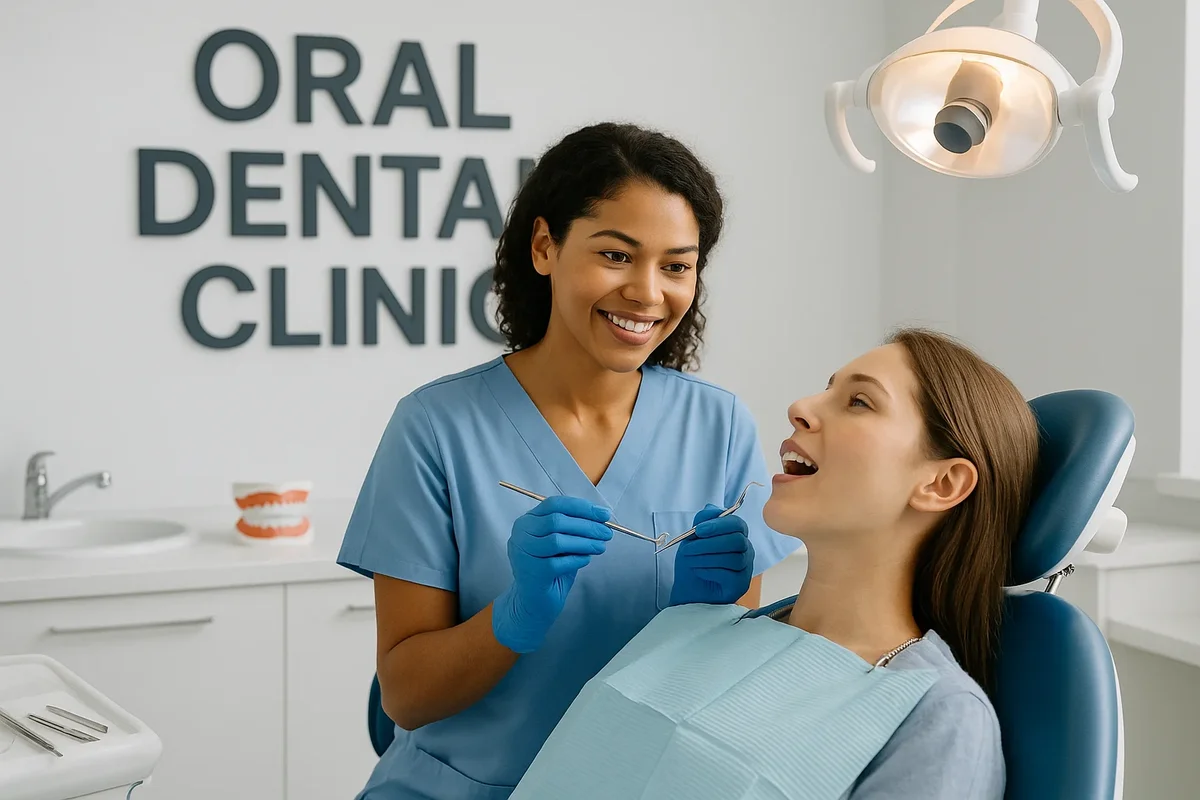
How to Overcome Dental Anxiety Before Visiting an Oral Dental Clinic
For many people, visiting an oral dental clinic triggers anxiety, fear, or even panic. This fear — often called “dental anxiety” — is more common than you might think. Studies show that nearly 60% of adults experience some level of fear before dental visits, leading many to delay essential treatments. Unfortunately, postponing care only worsens oral health, leading to more pain, cost, and complications later. The good news is that modern oral dental clinics are designed to provide a calm, pain-free, and reassuring experience. Let’s explore why dental anxiety happens and how you can overcome it with the right mindset, techniques, and professional support. 🦷
1. Understanding Dental Anxiety
Dental anxiety is a complex emotional response that can stem from past negative experiences, fear of pain, embarrassment, or loss of control. The sounds, smells, and sights of a dental office may also trigger unease for some patients. Recognizing that your fear is valid and common is the first step toward managing it.
Common Causes of Dental Anxiety
- Previous Painful Experiences: Memories of discomfort during past procedures can create lasting fear.
- Fear of Needles or Drills: The anticipation of pain or loud sounds can heighten stress.
- Embarrassment: Concerns about the appearance or condition of teeth.
- Loss of Control: Feeling helpless while sitting in the dental chair.
- Generalized Anxiety: Existing anxiety disorders may intensify dental fear.
At a modern oral dental clinic, these fears are addressed with compassion, communication, and gentle care tailored to each patient’s needs.
2. The Role of Communication and Trust
Open communication with your dentist can significantly reduce anxiety. A trustworthy oral dental clinic encourages patients to express their concerns before treatment begins. Dentists trained in patient-centered care explain every procedure in simple terms, answer questions, and let you set the pace.
How to Build Trust with Your Dentist
- Schedule a consultation before treatment to discuss fears and expectations.
- Ask the dentist to explain each step of the procedure beforehand.
- Establish a “stop signal” (like raising your hand) during treatment for added control.
- Choose an oral dental clinic that offers a calm environment and personalized care.
When you feel heard and respected, anxiety diminishes and confidence grows. 🌿
3. Modern Pain-Free Dentistry Techniques
Technological advancements have revolutionized how dentistry feels. Most treatments today are virtually painless, thanks to improved anesthesia, sedation, and precision tools. At a reputable oral dental clinic, even complex procedures like root canals or implant placements can be performed comfortably.
Techniques That Make Dentistry Pain-Free
- Local Anesthetics: Numb only the treatment area, ensuring comfort without full sedation.
- Laser Dentistry: Reduces the need for drills and minimizes bleeding and discomfort.
- Conscious Sedation: Light sedation helps patients stay relaxed yet awake during treatment.
- General Anesthesia: For severe anxiety or complex surgeries, patients can sleep through the procedure.
Discussing these options with your dentist before your appointment allows you to choose the most suitable comfort method. A professional oral dental clinic tailors each treatment to the patient’s comfort level and anxiety threshold.
4. Relaxation Techniques Before and During Visits
Managing anxiety doesn’t always require medication. Many oral dental clinics encourage relaxation exercises that calm the mind and body naturally. Practicing these techniques can make your next visit much more peaceful.
Helpful Relaxation Strategies
- Deep Breathing: Inhale slowly through the nose for 4 seconds, hold for 4, and exhale through the mouth for 6 seconds.
- Progressive Muscle Relaxation: Tense and release different muscle groups to ease tension.
- Visualization: Picture yourself in a relaxing place, like a beach or forest, while in the dental chair.
- Listening to Music: Many clinics allow patients to use headphones during procedures.
These methods, when combined with the compassionate approach of a skilled oral dental clinic, can significantly ease fear and promote comfort.
5. Bringing a Support Companion
If you’re nervous, don’t go alone. Bringing a trusted friend or family member to your appointment provides emotional support and reassurance. Many oral dental clinics welcome companions during initial consultations or non-surgical treatments. Their presence can reduce stress and help you remain calm throughout the visit.
6. The Power of Gradual Exposure
For patients with severe dental phobia, gradual exposure therapy is often effective. Start with a non-invasive consultation or cleaning visit. As your confidence builds, progress to more complex treatments. Reputable oral dental clinics often create step-by-step care plans designed to desensitize patients over time.
Example of Gradual Steps
- Step 1: Visit the clinic for a simple conversation and tour.
- Step 2: Schedule a professional cleaning or dental X-ray.
- Step 3: Proceed with minor treatments under mild sedation.
- Step 4: Continue with comprehensive dental care confidently.
With consistent positive experiences, anxiety gradually transforms into trust and comfort.
7. Choosing the Right Environment
The physical atmosphere of an oral dental clinic has a major impact on comfort levels. Many clinics now use calming designs with soft lighting, soothing colors, and relaxing aromas. Some even incorporate nature views or entertainment systems to distract patients from stress. When selecting a clinic, look for one that prioritizes patient comfort as much as treatment quality.
Elements of a Relaxing Dental Clinic
- Warm and welcoming staff
- Quiet waiting areas with soft music
- Comfortable chairs with ergonomic support
- Child-friendly spaces for families
A stress-free environment combined with empathetic staff creates an overall positive dental experience that encourages regular visits. 🌸
8. Cognitive and Behavioral Techniques
Cognitive-behavioral therapy (CBT) can help patients reshape negative thoughts about dental care. Some oral dental clinics collaborate with psychologists to offer integrated care for individuals with severe dental phobia. CBT teaches patients to recognize fear triggers and replace them with logical, calming thoughts. Over time, this rewiring of emotional response leads to long-term confidence in dental settings.
9. Children and Dental Anxiety
Dental fear often begins in childhood. Pediatric dentists at an oral dental clinic use gentle explanations, playful language, and rewards to make kids feel safe. Parents play a key role by modeling calm behavior and avoiding negative words like “pain” or “needle.” When children have positive early experiences, they grow into adults who view dental care as routine rather than frightening. 🧸
10. Taking the First Step Toward Calm and Confidence
Overcoming dental anxiety begins with action — scheduling that first appointment. Choose an oral dental clinic that prioritizes patient comfort, offers sedation options, and listens without judgment. Start with a simple consultation, ask questions, and share your fears honestly. With each visit, your confidence will grow, transforming fear into familiarity.
For personalized care and compassionate support, contact the Redent Klinik Contact Page. Their experienced dental professionals specialize in gentle techniques that prioritize patient comfort and understanding. No matter how anxious you feel, there’s always a solution — and a team ready to help you smile again. 🌟
In conclusion, dental anxiety is not a barrier but a challenge that can be overcome with the right care and preparation. A modern oral dental clinic combines advanced pain-free technologies, empathy, and patient education to make every visit calm, comfortable, and empowering. By taking small steps today, you pave the way for a lifetime of fearless, healthy smiles. 😁