
Visiting orthodontist offices can be one of the most rewarding decisions for anyone seeking a straighter, healthier, and more confident smile 😁. Orthodontics is not only about aesthetics — it plays a vital role in improving oral health, jaw alignment, and long-term dental stability. In this detailed guide, we’ll explore how orthodontist offices operate, what to expect from your first appointment, and why choosing the right clinic can make all the difference in your dental journey.
Most orthodontist offices specialize in diagnosing, preventing, and correcting dental irregularities such as crooked teeth, overcrowding, and bite issues (malocclusion). Their services go beyond traditional braces — modern offices now offer advanced treatments like Invisalign aligners, ceramic braces, lingual braces, and even AI-based treatment planning 🦷. With the right orthodontist, patients can achieve not only a beautiful smile but also enhanced functionality and oral hygiene.
At your first visit to an orthodontist office, the process usually begins with a detailed consultation. The orthodontist will examine your teeth, take digital X-rays, and sometimes create 3D scans of your jaw. These technologies help the specialist design a personalized treatment plan that addresses your unique needs. Modern orthodontist offices often use cutting-edge diagnostic tools like iTero scanners and Cephalometric X-rays, ensuring maximum precision and comfort during your evaluation.
When it comes to choosing the right orthodontist, patients should focus on a few key aspects: credentials, experience, technology, and patient reviews. Many professional organizations, such as the American Dental Association, provide certifications and resources to help patients make informed choices. Always verify that your chosen orthodontist is licensed and board-certified. Certified specialists must undergo years of additional training after dental school, making them experts in tooth movement and jaw alignment.
Another important element in orthodontist offices is the environment itself. The best clinics combine professional expertise with a welcoming, patient-centered atmosphere. From friendly front-desk staff to hygienic and comfortable treatment rooms, a good orthodontic practice makes you feel relaxed and confident about your care. Some modern offices even offer digital scheduling, online consultations, and flexible payment plans, reflecting how much the industry has evolved in recent years.
Most orthodontic treatments last between 12 to 36 months, depending on the case’s complexity. During this time, you’ll visit your orthodontist office every 4–8 weeks for adjustments and progress tracking. These visits are essential to ensure your treatment stays on course and your teeth move safely and efficiently. Patients are often surprised at how comfortable and painless modern orthodontic care has become — gone are the days of bulky metal brackets and frequent discomfort!
One of the biggest advantages of visiting professional orthodontist offices is the use of customized treatment plans. Every mouth is unique, and so should be your orthodontic journey. Whether you’re a teenager with newly erupted permanent teeth or an adult seeking smile correction later in life, today’s orthodontic technology offers a suitable option for everyone. Invisalign and other clear aligners are particularly popular among adults who prefer a discreet treatment approach while maintaining their professional appearance.
Maintaining oral hygiene during orthodontic treatment is another topic that orthodontist offices emphasize heavily. Proper brushing, flossing, and dietary choices are essential to prevent plaque buildup and tooth decay around braces or aligners. Many clinics provide hygiene training and professional cleaning services specifically designed for orthodontic patients. Following these recommendations not only speeds up your treatment but also ensures your teeth remain healthy throughout the process.
If you’re considering starting treatment, contacting a reputable clinic like Redent Klinik Contact Page is a great first step. They can provide personalized consultations, explain available treatment options, and guide you through every stage of the process. The consultation also allows you to ask questions about pricing, insurance coverage, and post-treatment retainers — all vital parts of planning your orthodontic care responsibly.
In conclusion, orthodontist offices are no longer places you visit only for braces. They represent centers of innovation, where dental science meets patient comfort. With advancements in digital imaging, 3D printing, and AI-guided treatment planning, orthodontics has entered a new era. By selecting a qualified orthodontist, staying committed to your appointments, and maintaining excellent oral hygiene, you can achieve a lifelong, radiant smile that boosts both your confidence and dental health 🌟.
Ultimately, the journey to a perfect smile begins with understanding what makes orthodontist offices unique. From technology and expertise to personalized care and patient support, every aspect plays a critical role. Don’t hesitate to book your consultation today and experience firsthand how modern orthodontics can transform your smile — and your life!
1. What Services Do Orthodontist Offices Offer?
Modern orthodontist offices provide a wide range of specialized dental services designed to align teeth, correct bite problems, and improve overall oral health. Whether you’re a teenager seeking your first set of braces or an adult considering aligners for a more discreet treatment, orthodontic clinics have evolved to meet every patient’s unique needs 🦷. Their services combine science, technology, and aesthetics — ensuring patients not only gain a beautiful smile but also maintain healthy and functional teeth for life.
Comprehensive Diagnosis and Treatment Planning
Every journey in orthodontist offices begins with a detailed consultation and diagnosis. Orthodontists perform thorough evaluations, including X-rays, digital scans, and bite analysis. This allows them to identify problems such as misaligned teeth, overbites, underbites, or spacing issues. Advanced clinics often use 3D imaging tools like the iTero or CBCT scanner, which help in visualizing how your teeth will move during treatment. These diagnostic steps are crucial in developing a personalized treatment plan tailored to your needs, lifestyle, and budget 💡.
Traditional and Modern Braces
One of the core services of orthodontist offices is braces treatment. Traditional metal braces are still widely used for complex cases, offering durability and effectiveness. However, many modern clinics also offer ceramic braces that blend with your natural teeth color, making them less noticeable. For patients seeking an even more aesthetic option, lingual braces — attached to the back of the teeth — provide an invisible alternative. Orthodontists determine the best choice based on alignment issues, patient age, and desired results.
Clear Aligners and Invisible Solutions
Invisalign and other clear aligner systems have revolutionized orthodontic treatment. These transparent trays gradually shift your teeth into position without the need for brackets or wires. Most orthodontist offices offer these systems as a preferred solution for adults and teens who want to maintain confidence in social and professional settings. Aligners are removable, making it easier to eat, brush, and floss. However, they must be worn for at least 20–22 hours a day for optimal results.
Retainers and Post-Treatment Care
After completing your orthodontic treatment, retainers become essential to maintain your results. Most orthodontist offices provide both fixed and removable retainers to prevent your teeth from shifting back to their original position. Post-treatment checkups are also scheduled to ensure long-term stability and address any discomfort. Retainer maintenance is a lifelong commitment — but with modern materials, they’re now more comfortable and durable than ever before.
Jaw Alignment and Orthognathic Services
Some patients require more than just tooth alignment. Orthodontist offices often collaborate with oral surgeons to correct jaw discrepancies through orthognathic surgery. These treatments help in improving facial symmetry, chewing efficiency, and speech. Orthodontists play a vital role in preparing the teeth before surgery and ensuring that the bite aligns properly afterward. Patients undergoing such procedures receive comprehensive care and ongoing monitoring to achieve functional and aesthetic success.
Interceptive and Pediatric Orthodontics
Early intervention can prevent major orthodontic issues in the future. Pediatric orthodontics is a major service offered in many orthodontist offices. By identifying growth patterns early, orthodontists can guide jaw development and ensure permanent teeth erupt correctly. Treatments like spacers, partial braces, or functional appliances are often used to create room for growing teeth. The American Dental Association recommends that children have their first orthodontic assessment by age seven, ensuring any potential problems are addressed at the right time. You can learn more about guidelines from the American Dental Association.
Cosmetic and Aesthetic Enhancements
Beyond traditional treatments, orthodontist offices increasingly offer cosmetic enhancements to complement orthodontic care. These may include teeth whitening, reshaping, or bonding procedures after the braces or aligners are removed. By combining aesthetic dentistry with orthodontics, patients can achieve a more harmonious and radiant smile ✨. This integrated approach underscores the growing trend of comprehensive dental aesthetics in modern clinics.
Emergency and Maintenance Services
Sometimes, orthodontic emergencies occur — such as broken wires, loose brackets, or lost retainers. The best orthodontist offices offer emergency appointments to address these issues promptly. Quick intervention prevents further damage or treatment delays. Clinics may also provide guidance on at-home care until you can see your orthodontist. Many offices have hotlines or online support portals for urgent questions, reflecting how patient convenience is prioritized in today’s orthodontic care landscape.
Digital and Tele-Orthodontic Services
In the era of digital dentistry, some orthodontist offices now offer virtual consultations and remote progress monitoring through smartphone apps 📱. Patients can upload photos of their teeth for orthodontists to assess treatment progress. This service is particularly useful for patients with busy schedules or those living in remote areas. Digital orthodontics enhances accessibility while maintaining the same level of professional care found in traditional visits.
Lastly, for individuals interested in beginning their orthodontic journey, scheduling a consultation through trusted clinics such as Redent Klinik Contact Page can be a great starting point. Their specialists provide personalized care plans, modern technologies, and patient-centered approaches that make treatment efficient and comfortable. Whether you need braces, aligners, or specialized jaw correction, orthodontist offices are your partners in achieving lifelong oral health and a confident smile 😊.
To sum up, orthodontist offices today are multidisciplinary centers that combine innovation, precision, and personalized care. From early diagnosis to final retainers, their services cover every aspect of orthodontic wellness. By choosing a certified and technology-driven clinic, you invest not only in a beautiful smile but also in improved functionality and long-term dental stability — making every visit worthwhile.
2. How to Choose the Best Orthodontist Office Near You
Finding the right orthodontist offices near you can make all the difference between a comfortable, efficient treatment and a frustrating experience. With so many options available, it’s essential to know what to look for when selecting the perfect orthodontic clinic. Whether you’re searching for metal braces, clear aligners, or a complete smile transformation, making an informed decision ensures your investment leads to lasting results. In this comprehensive guide, we’ll break down every factor to consider — from credentials and technology to atmosphere and affordability 🦷.
Check Credentials and Certifications
When researching orthodontist offices, your first priority should be to confirm that the orthodontist is fully licensed and board-certified. Board certification from recognized bodies such as the American Dental Association guarantees that the specialist has completed advanced training and continues to meet strict professional standards. Certification also indicates ongoing education, which is critical in a field that evolves rapidly with new technologies and treatment methods. Always verify these credentials through online directories or by asking the office directly before committing to treatment.
Evaluate Experience and Specialization
Experience plays a crucial role in determining the quality of orthodontic care. Some orthodontist offices specialize in specific treatments, such as Invisalign, lingual braces, or early childhood orthodontics. Others may focus on complex bite correction or surgical orthodontics. An experienced orthodontist who has handled similar cases to yours can better anticipate challenges and design an efficient, personalized treatment plan. Ask how long they’ve been practicing, what kind of cases they treat most often, and request before-and-after photos of their work to assess consistency and skill level.
Assess Technology and Treatment Options
Modern technology has transformed how orthodontist offices diagnose and treat patients. Look for clinics equipped with advanced digital scanners, 3D imaging, and AI-driven treatment planning systems. Tools like iTero or CBCT scanners eliminate the need for messy molds and deliver precise digital impressions. Additionally, clinics offering innovative options such as clear aligners, ceramic braces, and self-ligating systems demonstrate a commitment to staying ahead of industry trends. A technologically advanced office typically ensures faster, more accurate, and more comfortable treatments for patients.
Office Environment and Staff Friendliness
The overall environment of orthodontist offices is an important yet often overlooked factor. A welcoming, organized, and clean clinic sets the tone for a positive patient experience. The friendliness and professionalism of the staff contribute significantly to comfort — especially for children or anxious patients. When visiting an office, pay attention to how the staff interacts with patients, how they explain procedures, and whether they address your concerns clearly. A great orthodontist office makes you feel cared for and valued from your very first visit 😊.
Read Reviews and Ask for Recommendations
In the digital age, patient reviews are one of the best tools for evaluating orthodontist offices. Check Google, Yelp, or healthcare-specific platforms to see what previous patients say about their experiences. Look for recurring themes — such as punctuality, communication, comfort, and treatment outcomes. You can also ask your general dentist, family, or friends for recommendations. Real-world testimonials provide invaluable insight into an orthodontist’s reliability, consistency, and patient satisfaction levels.
Compare Pricing and Payment Options
Orthodontic treatment is a significant investment, but it doesn’t have to be financially stressful. Reputable orthodontist offices are transparent about their pricing and often provide flexible payment plans. During your consultation, ask for a detailed cost breakdown that includes all possible fees — from diagnostics to retainers. Some clinics also offer interest-free monthly payments or discounts for upfront payments. On average, traditional braces cost between $3,000 and $7,000, while clear aligners like Invisalign can range from $4,000 to $8,000, depending on case complexity. Comparing multiple clinics ensures you find one that fits your budget without sacrificing quality 💰.
Convenience and Accessibility
When choosing among local orthodontist offices, consider convenience factors like location, office hours, and appointment flexibility. If you’ll be visiting every few weeks for adjustments, selecting an office close to home or work can save time and reduce stress. Additionally, look for clinics that offer online scheduling, teleconsultations, or reminder systems for appointments. Accessibility is particularly important for families or professionals balancing busy schedules — modern orthodontic practices understand and accommodate these needs.
Patient Education and Communication
Excellent communication is a hallmark of the best orthodontist offices. The orthodontist should take time to explain your treatment plan, expected timeline, and care instructions in clear, understandable language. Educating patients helps them feel more confident and engaged in their treatment process. Many top clinics also provide digital resources, blogs, or email updates to keep patients informed about oral hygiene, brace maintenance, and dietary recommendations. This educational approach fosters trust and ensures better long-term outcomes.
Trial Consultation and First Impression
Before committing to a full treatment plan, schedule a consultation to get a feel for the office. Many orthodontist offices offer initial assessments at little or no cost. This visit allows you to observe how the orthodontist listens to your concerns, explains options, and interacts with patients. A good first impression matters — if the environment feels professional, welcoming, and well-organized, that’s a strong sign of a trustworthy clinic. During this visit, don’t hesitate to ask questions about pricing, equipment, and staff qualifications.
If you’re ready to start your journey toward a confident smile, reaching out to a trusted provider such as Redent Klinik Contact Page can be your first step. Their team emphasizes personalized treatment, modern technologies, and patient-centered care, making them a leading example of quality in orthodontic services.
In conclusion, choosing the best orthodontist offices requires research, patience, and a clear understanding of your personal needs. Prioritize credentials, experience, technology, comfort, and transparent communication. The right orthodontic team doesn’t just straighten your teeth — they guide you through a seamless, enjoyable journey toward a healthier and more radiant smile 🌟. Take your time to make an informed choice, and your smile will thank you for years to come.
3. The Difference Between Dentists and Orthodontists Explained
Many people assume that dentists and orthodontists provide the same services, but in reality, they specialize in different aspects of oral health. Understanding the difference helps patients make better choices when it comes to improving their smiles and maintaining long-term dental health. While dentists focus on general care and prevention, orthodontist offices specialize in correcting misaligned teeth, jaw issues, and bite irregularities. Let’s explore these distinctions in depth and see how both professionals play essential roles in comprehensive dental care 🦷.
General Dentists: The Foundation of Oral Health
General dentists are the primary care providers for your teeth and gums. Their main role is to diagnose, treat, and prevent oral diseases. When you visit your local dental clinic for cleanings, fillings, or cavity prevention, you’re seeing a general dentist. They handle a wide variety of tasks, including:
- Routine cleanings and fluoride treatments
- Filling cavities and treating tooth decay
- Extracting damaged or decayed teeth
- Performing root canals and minor oral surgeries
- Cosmetic procedures like whitening or veneers
However, when it comes to tooth alignment or jaw structure correction, most general dentists refer patients to orthodontist offices for specialized treatment.
Orthodontists: The Experts in Tooth and Jaw Alignment
Orthodontists are specialists who undergo additional years of training after dental school. They focus exclusively on diagnosing and correcting misaligned teeth and jaws. Their expertise lies in understanding how teeth move and how jaw structure affects overall oral harmony. At orthodontist offices, you’ll find professionals using braces, aligners, and retainers to create functional and aesthetic smiles. Their treatments not only improve appearance but also enhance bite efficiency, speech clarity, and even breathing patterns in some cases.
Educational Path: How Training Differs
Both dentists and orthodontists begin with a dental degree, but orthodontists continue their education for an additional 2–3 years in an accredited residency program focused entirely on tooth movement, facial growth, and biomechanics. This advanced training equips orthodontists to handle complex malocclusions (bite issues), skeletal irregularities, and craniofacial problems. That’s why orthodontist offices are staffed with specialists who can design precise and individualized treatment plans rather than general dental care.
When to See a Dentist vs. an Orthodontist
In most cases, your dentist is your first line of defense against oral problems. You should visit your dentist every six months for cleanings and checkups. If your dentist notices crooked teeth, bite issues, or jaw misalignment, they will refer you to an orthodontist for specialized care. Orthodontist offices are particularly important for children and teenagers whose teeth are still developing, as early intervention can prevent more serious problems later on. Adults seeking cosmetic correction also benefit from orthodontic consultations to explore discreet options like Invisalign or ceramic braces.
Treatment Focus and Tools Used
Another key distinction between dental clinics and orthodontist offices lies in the tools and technology they use. Dentists primarily rely on instruments for cleaning, restorative treatments, and cosmetic work. Orthodontists, on the other hand, use advanced imaging systems, digital scanners, and specialized equipment for tooth movement and alignment. Examples include:
- Braces: Metal, ceramic, or lingual braces used to gradually shift teeth.
- Clear Aligners: Custom-made removable trays like Invisalign for subtle corrections.
- Retainers: Devices to maintain tooth alignment post-treatment.
- Headgear and expanders: Tools for managing jaw growth and alignment.
These specialized instruments allow orthodontist offices to offer long-term structural correction, not just cosmetic improvements.
The Role of Technology in Modern Orthodontics
Advanced orthodontist offices now integrate technology like 3D scanning, AI-powered treatment simulations, and digital smile design to plan accurate and efficient treatments. For example, software can predict tooth movement before treatment begins, ensuring both the orthodontist and patient understand the process and expected outcome. Dentists may also use technology, but their focus remains on restoration and prevention rather than movement and alignment. This makes orthodontists the go-to experts for comprehensive smile transformation.
Cosmetic vs. Functional Benefits
While dentists enhance the aesthetic appearance of teeth through whitening or veneers, orthodontist offices address the functional aspect of your smile. Correcting misalignments reduces stress on the jaw joint, prevents abnormal wear on teeth, and improves chewing efficiency. In many cases, orthodontic treatment can also alleviate speech difficulties or breathing issues related to misaligned jaws. The benefits are both cosmetic and medical — creating harmony between function and form.
Collaboration Between Dentists and Orthodontists
Successful dental care often involves collaboration between general dentists and orthodontists. Many orthodontist offices work closely with local dental practices to coordinate treatment plans. Your dentist ensures oral health maintenance during orthodontic treatment, while the orthodontist focuses on structural corrections. This teamwork provides a holistic approach that leads to optimal oral health outcomes for the patient.
How to Decide Which Specialist You Need
If you’re unsure whether you need a dentist or an orthodontist, start with a dental checkup. Your dentist can assess the overall condition of your teeth and gums and refer you to orthodontist offices if alignment or bite issues are detected. If you already know you want braces or aligners, you can directly schedule an orthodontic consultation. Clinics like Redent Klinik Contact Page provide personalized guidance on which specialist fits your needs best.
In summary, while both professionals share the common goal of improving oral health, their expertise diverges in focus and function. Dentists maintain and restore, while orthodontist offices align and transform. Knowing this difference empowers you to seek the right specialist for your specific dental goals. Together, they ensure your teeth not only look great but also perform perfectly — giving you a confident and healthy smile for life 😄.
4. Types of Braces You’ll Find in Modern Orthodontist Offices
Over the past few decades, orthodontic technology has advanced dramatically, giving patients more options than ever before when it comes to teeth straightening. Modern orthodontist offices now offer a variety of braces designed to suit different needs, aesthetics, and budgets. From traditional metal braces to nearly invisible clear aligners, the range of choices allows orthodontists to customize treatment plans for children, teens, and adults alike. In this comprehensive guide, we’ll explore the major types of braces you can find in professional orthodontic clinics and the pros and cons of each option 🦷.
Traditional Metal Braces: The Reliable Classic
Traditional metal braces are the most common and time-tested method used in orthodontist offices. Made from high-quality stainless steel, these braces consist of metal brackets attached to each tooth and connected by an archwire. The orthodontist periodically adjusts this wire to gradually move the teeth into alignment. Metal braces are durable, efficient, and suitable for even the most complex orthodontic cases. Although they are visible, modern versions are smaller, sleeker, and more comfortable than those of previous generations.
One major advantage of metal braces is cost-effectiveness — they are generally the most affordable option. In the U.S., the average cost ranges between $3,000 and $7,000 depending on case complexity. For patients who prioritize function over appearance, metal braces remain a highly effective and dependable choice.
Ceramic Braces: Aesthetic and Effective
For those concerned about appearance, ceramic braces are a popular alternative. These braces use tooth-colored or clear brackets that blend with the natural shade of teeth, making them less noticeable. Many orthodontist offices recommend ceramic braces for adults and teens who want a subtle option without sacrificing effectiveness. They function similarly to metal braces but require a bit more care to avoid staining. The clear materials can discolor if not properly maintained, so patients must follow strict oral hygiene and dietary guidelines.
Despite being slightly more expensive — typically ranging from $4,000 to $8,500 — ceramic braces strike an ideal balance between aesthetics and performance. They’re perfect for individuals who want a confident smile throughout treatment 😁.
Lingual Braces: Hidden Behind the Teeth
Lingual braces are among the most discreet options available in modern orthodontist offices. Unlike traditional braces placed on the front of the teeth, lingual braces are attached to the back (lingual side) of each tooth, making them virtually invisible from the outside. These braces are custom-made to fit each tooth precisely, providing both efficiency and discretion.
Lingual braces are particularly favored by professionals and public figures who value aesthetics during treatment. However, they can take longer to adjust to and may slightly affect speech at the beginning. Their cost tends to be higher — usually between $8,000 and $10,000 — due to the customization and precision required. Nevertheless, for patients seeking a hidden solution, lingual systems offer the best of both worlds: invisibility and power 💎.
Self-Ligating Braces: Faster and More Comfortable
Self-ligating braces represent a major innovation found in many high-tech orthodontist offices. Unlike traditional braces that require elastic bands to hold the archwire, self-ligating systems use a built-in clip mechanism. This design reduces friction and pressure, allowing teeth to move more freely and comfortably. Patients often experience fewer adjustment appointments and shorter treatment times overall.
These braces come in both metal and ceramic versions, catering to functional and aesthetic preferences. They also tend to make cleaning easier since there are no rubber bands where plaque can accumulate. Many patients report that self-ligating braces make their orthodontic journey smoother and more comfortable.
Clear Aligners: The Modern Revolution
No discussion about modern orthodontist offices would be complete without mentioning clear aligners, such as Invisalign and similar systems. These transparent, removable trays are custom-designed to shift teeth gradually without the need for wires or brackets. They are ideal for adults or teens seeking a virtually invisible treatment. Clear aligners are not only discreet but also convenient — patients can remove them when eating, brushing, or attending special occasions.
While aligners are suitable for mild to moderate cases, some complex orthodontic issues may still require braces. The typical cost ranges between $4,000 and $8,000. Compliance is crucial: patients must wear their aligners 20–22 hours a day for optimal results. Nevertheless, the comfort and flexibility they offer make them one of the fastest-growing treatment options worldwide 🌍.
Retainers: The Final Step in Every Orthodontic Journey
After active treatment, orthodontist offices provide retainers to preserve the results achieved. There are two main types — removable and fixed retainers. Removable ones are easy to clean and use, while fixed retainers ensure long-term stability. Wearing retainers as prescribed by your orthodontist prevents teeth from shifting back into their original positions. Think of this as the “insurance policy” for your new smile — a crucial final phase in every orthodontic plan.
Specialty Braces for Complex Cases
Some orthodontist offices handle complex jaw or skeletal problems using specialty appliances. These may include expanders to widen the upper jaw, elastics for bite correction, or Herbst appliances for underbites. These tools work in conjunction with braces or aligners to guide jaw development and enhance facial balance, especially in younger patients. For adults, surgical orthodontics may be combined with braces for optimal functional and aesthetic outcomes.
Choosing the Right Option for You
With so many types of braces available, choosing the right one can feel overwhelming. The best approach is to schedule a consultation with a qualified orthodontist who can evaluate your bite, smile goals, and budget. Trusted clinics like Redent Klinik Contact Page offer advanced diagnostic imaging and personalized recommendations to ensure every patient receives the most suitable treatment option. The orthodontist will explain the pros and cons of each system and guide you through the process step by step.
In conclusion, today’s orthodontist offices are equipped with a variety of braces and appliances to meet every patient’s unique needs. From traditional metal braces to ultra-modern clear aligners, the possibilities for achieving your dream smile have never been greater. By understanding these options and consulting with a skilled orthodontist, you can select the system that aligns with your lifestyle, comfort, and long-term dental health goals. A perfect smile is no longer a dream — it’s a choice 🌟.
5. Cost of Orthodontic Treatments and Payment Options
Understanding the cost of orthodontic care is a major factor when choosing among orthodontist offices. While every patient’s case is unique, most orthodontic treatments require a significant investment of both time and money. However, with the variety of payment options and technological advancements available today, orthodontic care has become more accessible and affordable for people of all ages. This section provides a complete overview of treatment pricing, influencing factors, and flexible payment alternatives offered by modern orthodontic clinics 🦷.
Average Cost of Orthodontic Treatments
When visiting orthodontist offices, the total cost of treatment typically depends on several variables such as case complexity, treatment duration, and the type of braces or aligners used. On average, prices in the United States fall within the following ranges:
💰 Average Orthodontic Treatment Costs:
- Traditional Metal Braces: $3,000 – $7,000
- Ceramic (Clear) Braces: $4,000 – $8,500
- Lingual (Hidden) Braces: $8,000 – $10,000
- Self-Ligating Braces: $4,000 – $7,500
- Clear Aligners (e.g., Invisalign): $4,000 – $8,000
- Retainers (Post-Treatment): $200 – $1,000
Each of these systems is available in most orthodontist offices, and the final price often includes diagnostic imaging, monthly adjustments, and follow-up appointments. It’s important to ask for a detailed cost breakdown during your consultation so that you understand what’s included in your treatment plan.
Factors That Influence Orthodontic Costs
Several factors determine the overall cost of orthodontic care. Understanding these can help you make better financial decisions when choosing a clinic:
- Case Complexity: Severe crowding, jaw misalignment, or bite irregularities usually require longer treatment times and more advanced appliances, raising the cost.
- Treatment Duration: The longer your orthodontic journey, the higher the total cost due to additional visits and adjustments.
- Type of Appliance: Clear or lingual braces cost more because of the materials and customization involved, while traditional braces are usually the most affordable.
- Technology Used: High-tech orthodontist offices that use digital imaging, AI-driven treatment planning, or 3D printing may charge slightly higher fees, reflecting advanced precision and faster results.
- Geographic Location: Urban clinics, especially in large metropolitan areas, tend to have higher overhead costs, which can influence treatment pricing.
Initial Consultation and Diagnostic Fees
Before starting treatment, most orthodontist offices require an initial consultation and diagnostic evaluation. This typically includes panoramic X-rays, 3D scans, and clinical examinations. Consultation fees can range from $100 to $300, though many clinics offer free or discounted consultations to new patients. Always ask whether this cost is applied toward the total treatment fee if you decide to proceed.
Insurance Coverage and Orthodontic Benefits
Many dental insurance plans include partial coverage for orthodontic services, particularly for children and teenagers. Adult coverage, however, varies widely depending on the insurance provider. It’s advisable to contact your insurance company before beginning treatment to understand your benefits. Most orthodontist offices will also help you verify insurance coverage and handle claim submissions for convenience. If your plan covers 50% of orthodontic costs (up to a certain limit), it can substantially reduce your out-of-pocket expenses.
Flexible Payment Plans
To make treatments more accessible, reputable orthodontist offices offer flexible payment options tailored to patient budgets. These may include:
- Interest-Free Monthly Plans: Payments are divided across treatment duration without added interest.
- Down Payment Discounts: Paying a portion upfront often reduces the total cost.
- Third-Party Financing: Services like CareCredit or dental financing programs allow extended payment terms up to 24–36 months.
- Employer Health Accounts: HSAs (Health Savings Accounts) and FSAs (Flexible Spending Accounts) can be used to pay for orthodontic expenses with pre-tax income.
Transparent pricing and financial flexibility are hallmarks of high-quality orthodontist offices. Always ask about hidden costs or administrative fees before signing your agreement.
Affordable Options for Families and Students
Some orthodontist offices provide special discounts for multiple family members undergoing treatment at the same time or for students. These offers are a great way to make orthodontic care more affordable without compromising quality. Additionally, university-affiliated dental schools often run supervised orthodontic programs at reduced rates, providing professional-grade care at a lower cost — though with slightly longer treatment times due to training processes.
Long-Term Value of Orthodontic Treatment
While orthodontic care requires an upfront investment, the long-term benefits are substantial. Straight teeth are easier to clean, reducing the risk of cavities and gum disease. Correct bite alignment prevents jaw pain, enamel wear, and even chronic headaches. Studies show that patients who complete treatment at professional orthodontist offices report higher self-confidence and improved social interactions — benefits that extend far beyond aesthetics.
Tips for Managing Orthodontic Costs
To manage your orthodontic budget wisely, follow these practical tips:
- Request itemized quotes from multiple orthodontist offices to compare value and services.
- Ask about seasonal promotions, referral bonuses, or free retainers after treatment completion.
- Ensure you fully understand the retainer replacement policy and aftercare costs.
- Prioritize quality and experience over low pricing — a poorly planned treatment can lead to costly corrections later.
For personalized financial consultation and treatment cost estimation, you can reach out to Redent Klinik Contact Page. Their financial coordinators guide patients through insurance verification and payment planning, ensuring a smooth and transparent experience from start to finish.
In conclusion, while orthodontic treatment may seem like a big financial commitment, today’s orthodontist offices make it manageable through flexible payment structures and transparent pricing. When you consider the long-term benefits — improved oral health, enhanced confidence, and a lifetime of beautiful smiles — the investment proves worthwhile. With the right clinic, smart financial planning, and dedication, achieving your dream smile is well within reach 💎.
6. What to Expect During Your First Visit to an Orthodontist Office
Visiting orthodontist offices for the first time can feel both exciting and a little intimidating — especially if you’re unsure of what happens during the initial consultation. However, modern orthodontic clinics are designed to make this experience comfortable, informative, and completely stress-free. This detailed guide will walk you through every stage of your first orthodontic visit, helping you know exactly what to expect and how to prepare for a successful start to your smile transformation 🦷.
Warm Welcome and Initial Registration
Your journey at orthodontist offices usually begins at the reception desk, where you’ll complete some initial paperwork. The friendly administrative staff will collect essential details such as your medical history, dental insurance information, and any past orthodontic records. These forms allow the orthodontist to understand your background, allergies, and overall oral health status. Some clinics offer online pre-registration forms so that patients can save time by completing them before arrival — a common feature in technologically advanced offices.
In addition to standard health information, you may also be asked about your smile goals. Are you seeking cosmetic improvement, bite correction, or both? By sharing this information early, you help the orthodontist tailor the consultation to your unique needs.
Comprehensive Oral Examination
Once you’re seated in the dental chair, the orthodontist or an assistant will perform a thorough oral examination. This step helps identify alignment issues, crowding, gaps, or jaw imbalances. Many orthodontist offices use state-of-the-art diagnostic equipment like 3D scanners, digital X-rays, and intraoral cameras to evaluate your mouth with incredible precision. These tools not only enhance accuracy but also make the process quick and comfortable — no more messy molds or uncomfortable impressions!
3D Imaging and Digital Records
Modern orthodontist offices rely heavily on digital technology for diagnosis. The orthodontist might use devices such as the iTero Element scanner or CBCT (Cone Beam Computed Tomography) imaging to create a detailed 3D model of your teeth and jaw. This digital map helps in analyzing bite mechanics and determining the best treatment approach. The process is painless and typically takes only a few minutes. You’ll often be able to see a 3D simulation of your smile, giving you a preview of the potential results 🤩.
Discussion of Treatment Options
After the examination, the orthodontist will sit down with you to discuss findings and present treatment options. This consultation is one of the most important parts of your first visit. You’ll learn whether you need braces, aligners, or other appliances, and what the treatment process will involve. Experienced orthodontists explain every step clearly — from tooth movement mechanics to the estimated duration of your treatment.
Different orthodontist offices may offer varying systems, such as traditional braces, clear ceramic braces, self-ligating brackets, or clear aligners like Invisalign. The orthodontist will help you compare these options based on cost, comfort, and aesthetics. Patients appreciate when clinics use visual aids or digital animations to make complex dental movements easier to understand.
Financial Consultation and Cost Estimation
Once you’ve chosen a potential treatment plan, a financial coordinator (or office manager) will meet with you to explain the costs, payment options, and insurance coverage. This is standard practice in all professional orthodontist offices. The coordinator will outline total fees, payment timelines, and any available discounts. They’ll also assist with filing insurance claims or setting up a payment plan that aligns with your budget.
Some clinics offer complimentary consultations that include both diagnostic imaging and a cost estimate at no charge. Others may credit your consultation fee toward your total treatment cost if you proceed with care. Transparency is key, and reputable orthodontic clinics always ensure that patients understand every aspect of the financial process before beginning treatment 💳.
Customized Treatment Plan and Timeline
After discussing costs and options, your orthodontist will create a customized treatment plan. This plan includes the specific goals of your treatment, estimated duration, and the type of braces or aligners recommended. Many orthodontist offices now use AI-assisted software to simulate tooth movement and predict results over time. Patients can even visualize how their teeth will look at different stages of treatment, making the process more engaging and motivating.
Duration and Follow-Up Visits
Typical orthodontic treatment lasts between 12 and 36 months, depending on the case’s complexity. The orthodontist will schedule follow-up appointments — usually every 4–8 weeks — to adjust appliances, check progress, and ensure everything is on track. Some modern clinics even offer remote monitoring, where you can send digital photos of your teeth between visits using a mobile app 📱. This allows the orthodontist to make adjustments or provide feedback without requiring an in-person visit each time.
Educational Guidance and Oral Hygiene Tips
Before you leave, the team at orthodontist offices will provide oral care instructions to ensure your treatment goes smoothly. They’ll demonstrate proper brushing and flossing techniques and discuss dietary habits to avoid damage to braces or aligners. You may receive a “starter kit” containing orthodontic wax, a travel toothbrush, and interdental brushes. Education is a core part of every orthodontic journey — the more informed you are, the better your outcome will be.
Creating a Comfortable Patient Experience
Top-rated orthodontist offices emphasize patient comfort and communication. Clinics today are equipped with modern amenities such as comfortable seating, entertainment systems, and calming music to reduce anxiety. Some offices even have digital kiosks for check-ins and automatic reminders for upcoming visits. The goal is to make patients feel relaxed and confident about their decision to begin orthodontic treatment.
Scheduling the Next Steps
Once everything is explained, your next appointment will be scheduled — usually to begin active treatment. This could be the day your braces are fitted or when your clear aligners are ordered. Reputable orthodontist offices ensure you leave the consultation with a clear understanding of your plan, financial details, and next steps toward your new smile. The orthodontist and their team will also remind you to contact them if you have questions or concerns at any stage.
For an excellent example of a professional clinic that provides thorough consultations and advanced technology, visit Redent Klinik Contact Page. Their approach reflects the best practices of modern orthodontic care — combining precision diagnostics, personalized treatment plans, and patient-first communication.
In conclusion, your first visit to orthodontist offices marks the beginning of an exciting journey toward a healthier, more confident smile. You can expect a welcoming environment, advanced technology, detailed consultation, and transparent financial discussions. By knowing what to expect, you’ll feel prepared and empowered to take the next step. Orthodontic treatment is not just about straight teeth — it’s about enhancing your oral health, self-esteem, and quality of life for years to come 🌟.
7. How Technology Is Transforming Orthodontist Offices
The world of orthodontics has changed dramatically thanks to rapid technological advancements. Today’s orthodontist offices no longer rely solely on manual tools and physical impressions; instead, they integrate cutting-edge digital systems, artificial intelligence, and 3D imaging to deliver faster, more accurate, and more comfortable treatment experiences. This technological evolution has not only improved efficiency but also made orthodontic care more accessible, aesthetic, and personalized than ever before 🦷.
Digital Imaging and 3D Scanning
One of the most transformative developments in orthodontist offices is the adoption of digital imaging and 3D scanning technology. Traditional orthodontic diagnostics involved messy dental molds and time-consuming physical impressions. Now, high-resolution intraoral scanners such as the iTero Element and TRIOS allow orthodontists to capture detailed, three-dimensional images of a patient’s teeth and bite in just a few minutes. These digital scans provide unparalleled precision, allowing orthodontists to plan treatments with microscopic accuracy and eliminate the discomfort of traditional methods.
Moreover, 3D imaging enables a “digital twin” of your mouth — a virtual model that can be manipulated on-screen to simulate tooth movement over time. Patients can now see how their smile will look before treatment even begins, making the consultation process much more engaging and transparent 😁.
Artificial Intelligence (AI) and Predictive Treatment Planning
AI technology has made significant strides in optimizing how orthodontist offices design and execute treatment plans. Advanced orthodontic software can analyze complex data points, simulate different alignment paths, and predict how teeth will respond to applied forces. AI-driven systems are especially beneficial for clear aligner therapy, where each stage of tooth movement must be precisely calculated. These programs help orthodontists create treatment plans that are not only accurate but also time-efficient.
Some AI platforms can even detect minor deviations in tooth movement during treatment, allowing real-time adjustments without in-person visits. This innovation has made orthodontic care smarter and more adaptive, saving time for both patients and specialists. The result is a smoother, faster, and more predictable orthodontic experience.
3D Printing: Custom Appliances and Faster Results
3D printing has become a game-changer in modern orthodontist offices. Orthodontists can now design and produce custom-fit brackets, retainers, and aligners in-house, drastically reducing turnaround time. Instead of waiting weeks for a lab to fabricate appliances, patients can receive their custom devices within days. This technology also ensures that appliances are tailored perfectly to each individual’s anatomy, improving comfort and treatment outcomes.
Furthermore, 3D printing minimizes waste and allows orthodontists to maintain better control over production quality. From aligner trays to orthodontic models, the precision and speed of this technology represent a new era of personalized orthodontic care.
Custom Bracket Systems
Some orthodontist offices now offer fully customized braces systems, where brackets are digitally designed and robotically bent wires are fabricated based on 3D models. These systems ensure that every tooth receives the exact amount of force needed, enhancing precision and reducing overall treatment time. It’s orthodontic engineering at its finest!
Remote Monitoring and Virtual Consultations
In today’s digital world, convenience matters. Many leading orthodontist offices now incorporate teleorthodontics — the ability for patients to check in remotely using smartphone apps or digital platforms. Patients can take high-quality photos or scans of their teeth, upload them securely, and receive feedback or instructions from their orthodontist without visiting the clinic.
This remote monitoring approach is especially beneficial for busy professionals, students, and parents who find it difficult to schedule frequent appointments. AI-powered monitoring systems can even track tooth movement between visits, ensuring treatment stays on track. This trend gained significant momentum after the COVID-19 pandemic and continues to redefine patient accessibility and convenience worldwide 🌍.
Augmented Reality (AR) and Digital Smile Design
One of the most exciting technologies used in advanced orthodontist offices is augmented reality. With AR-based smile simulation software, patients can visualize their future smiles in real time. During consultations, orthodontists use these interactive tools to show projected results based on the chosen treatment type. It’s not only motivational but also enhances patient engagement by allowing them to take an active role in decision-making.
Digital Smile Design (DSD) programs combine 3D facial scans, photography, and AI to craft a smile that complements each patient’s facial proportions and expressions. This holistic approach ensures that the final result looks natural and harmonious — a perfect blend of art and science 🎨.
Robotic and Laser-Assisted Orthodontics
Some high-tech orthodontist offices are implementing robotic wire bending systems and laser-assisted treatments. Robots can create perfectly customized archwires, minimizing human error and ensuring precision down to the millimeter. Laser treatments, on the other hand, can speed up tooth movement and alleviate discomfort during bracket removal or gum contouring procedures. These advancements make orthodontic care faster, less invasive, and more comfortable for patients.
Smart Braces and Real-Time Tracking
The latest innovation in orthodontics involves “smart braces” — systems embedded with micro-sensors that track tooth movement and wire pressure in real time. Although still emerging, these smart devices give orthodontist offices the ability to monitor progress continuously and adjust treatment digitally. This technology promises greater accuracy and potentially shorter treatment durations.
Eco-Friendly and Sustainable Technologies
Another growing trend in orthodontist offices is sustainability. Digital workflows drastically reduce paper use, and 3D printing minimizes material waste. Additionally, some clinics are switching to biodegradable aligner materials and energy-efficient equipment. Patients are becoming increasingly conscious of environmental impact, and eco-friendly orthodontics reflects that shift toward responsible healthcare.
Patient Comfort Through Technology
Technology doesn’t just make treatments faster — it also makes them more comfortable. Modern orthodontist offices now use digital scanners that eliminate gag reflexes, self-ligating braces that reduce friction, and AI-based progress tracking that minimizes unnecessary adjustments. Many clinics even offer digital sedation options and immersive relaxation environments with noise-canceling headphones or video goggles to reduce anxiety during procedures.
For example, at clinics like Redent Klinik Contact Page, technology plays a central role in creating patient-friendly, efficient, and results-oriented experiences. The combination of digital diagnostics, 3D printing, and AI-supported planning ensures every patient receives world-class orthodontic care.
In conclusion, technology is redefining the standards of modern orthodontics. From AI-driven diagnostics to 3D printing, digital monitoring, and sustainable practices, orthodontist offices are evolving into high-tech care centers focused on precision, comfort, and patient satisfaction. The future of orthodontics is digital, data-driven, and highly personalized — offering patients faster treatments, better results, and smiles that truly last a lifetime 🌟.
8. Tips for Maintaining Oral Health During Orthodontic Treatment
Maintaining excellent oral hygiene while wearing braces or aligners is absolutely essential. Proper care ensures that your teeth stay clean, healthy, and cavity-free throughout your orthodontic journey. Many patients underestimate how important daily cleaning routines are during treatment, but neglecting them can lead to stains, gum inflammation, and even prolonged treatment time. Fortunately, modern orthodontist offices provide detailed guidance and professional tools to help patients maintain top-notch dental health. This section covers everything you need to know to keep your mouth fresh, clean, and healthy during orthodontic treatment 🦷.
Why Oral Hygiene Is More Important Than Ever
Braces and aligners create new surfaces and small spaces where food and bacteria can easily hide. Without proper cleaning, these areas can quickly become breeding grounds for plaque and tartar. That’s why orthodontist offices emphasize a strict oral hygiene routine during treatment. Maintaining clean teeth doesn’t just protect your gums — it also ensures that brackets, wires, and aligners work efficiently to move teeth into their correct positions. Poor hygiene can slow progress and lead to unwanted complications such as white spot lesions, gingivitis, or bad breath.
Brushing Techniques for Braces and Aligners
Regular brushing remains the foundation of good oral health. However, with braces or aligners, your technique and tools must be more precise. Most orthodontist offices recommend brushing after every meal to remove trapped food particles and plaque buildup. Use a soft-bristled toothbrush or an electric toothbrush for better cleaning efficiency. Here’s how to brush effectively during treatment:
- For Braces: Angle your toothbrush at 45 degrees above and below the brackets. Brush gently in circular motions to clean both the teeth and brackets. Don’t forget the gum line!
- For Aligners: Always remove them before brushing. Clean your teeth and aligners separately using antibacterial soap or aligner cleaning crystals.
- Electric Brushes: Many orthodontist offices recommend oscillating or sonic toothbrushes because they remove plaque more effectively than manual ones.
Choosing the Right Toothpaste and Mouthwash
Use fluoride toothpaste to strengthen enamel and prevent cavities. Avoid whitening toothpaste while wearing braces since it can cause uneven coloration once braces are removed. For aligner users, fluoride rinses are equally important to protect enamel. Orthodontist offices often provide professional fluoride treatments or recommend medicated mouth rinses to prevent demineralization around brackets and wires. Alcohol-free mouthwash options are best since they avoid dryness and irritation while keeping your mouth fresh.
Flossing and Interdental Cleaning
Flossing can be challenging with braces, but it’s non-negotiable for healthy gums. Traditional floss may not always fit between wires, so orthodontists recommend tools like floss threaders or orthodontic floss picks. These allow you to guide floss under the wire and between teeth easily. For those using aligners, flossing remains just as important — plaque can still build up along the gum line if neglected.
Another effective option endorsed by modern orthodontist offices is using interdental brushes or water flossers. Interdental brushes clean around brackets and hard-to-reach spots, while water flossers use a pressurized stream of water to flush out debris and bacteria. Devices like the Waterpik are particularly helpful for patients with fixed appliances, ensuring deep cleaning without damaging wires or gums.
Diet and Nutrition Tips During Treatment
Your diet has a direct impact on oral hygiene during orthodontic treatment. Sticky, hard, or sugary foods can damage brackets, wires, or aligners and promote decay. Orthodontist offices typically advise patients to avoid foods like caramel, popcorn, chewing gum, and hard nuts. Instead, focus on nutrient-rich options such as soft fruits, cooked vegetables, yogurt, and lean proteins.
Drinking plenty of water helps rinse away food particles and reduce bacterial buildup. Avoid frequent consumption of acidic drinks like soda or fruit juices, as they can erode enamel. Remember — every meal presents an opportunity for plaque to form, so good dietary habits go hand-in-hand with excellent oral hygiene 🥦.
What to Do if You Have an Emergency or Discomfort
Occasionally, wires may poke or brackets may come loose, causing irritation. In such cases, contact your orthodontist immediately. Many orthodontist offices provide orthodontic wax, which can be applied to relieve discomfort until you can schedule an appointment. Never try to fix or remove any appliance parts on your own, as this may cause further damage or delay your treatment progress.
Professional Cleanings and Regular Checkups
Even with perfect at-home care, professional cleanings are essential during orthodontic treatment. Most orthodontist offices recommend visiting your general dentist every 3–6 months for a professional cleaning and checkup. These visits remove tartar buildup that can’t be reached with regular brushing and ensure that your gums remain healthy. Orthodontists also monitor your treatment progress closely, checking for early signs of decay or gum inflammation.
Maintaining Oral Health with Clear Aligners
Patients using clear aligners like Invisalign enjoy the convenience of removable trays — but they still require discipline. Always rinse aligners before reinserting them, and avoid drinking anything other than water while wearing them. Orthodontist offices advise against using toothpaste to clean aligners since it can scratch the surface. Instead, use aligner cleaning solutions or mild soap with lukewarm water. Never use hot water, as it can deform the plastic. Consistent cleaning prevents bacteria buildup and keeps aligners clear and odor-free.
Importance of Retainer Hygiene After Treatment
Once your braces or aligners are removed, maintaining oral hygiene remains just as important. Retainers are often worn daily for several months or years, depending on the treatment plan. Orthodontist offices recommend cleaning retainers daily with specialized cleaning tablets or mild soap and water. Neglecting retainer hygiene can lead to bacterial buildup, unpleasant odors, and reinfection risks. Store retainers in a clean, ventilated case when not in use and never wrap them in tissues — they’re easy to lose!
Long-Term Benefits of Good Oral Hygiene During Treatment
Consistent hygiene during orthodontic treatment doesn’t just protect your teeth now — it ensures your smile remains healthy for decades. Patients who follow care guidelines from their orthodontist offices experience fewer complications, faster treatment completion, and brighter results. Good habits like regular brushing, flossing, and professional cleanings create a foundation for lifelong dental wellness. Remember, orthodontics is not just about alignment; it’s about building a stronger, healthier mouth overall 💎.
For additional guidance or to schedule a consultation, visit Redent Klinik Contact Page. Their specialists provide personalized hygiene recommendations and professional care plans tailored to your orthodontic needs. With the right techniques, consistent effort, and expert support, maintaining perfect oral health during treatment is entirely achievable 🌟.
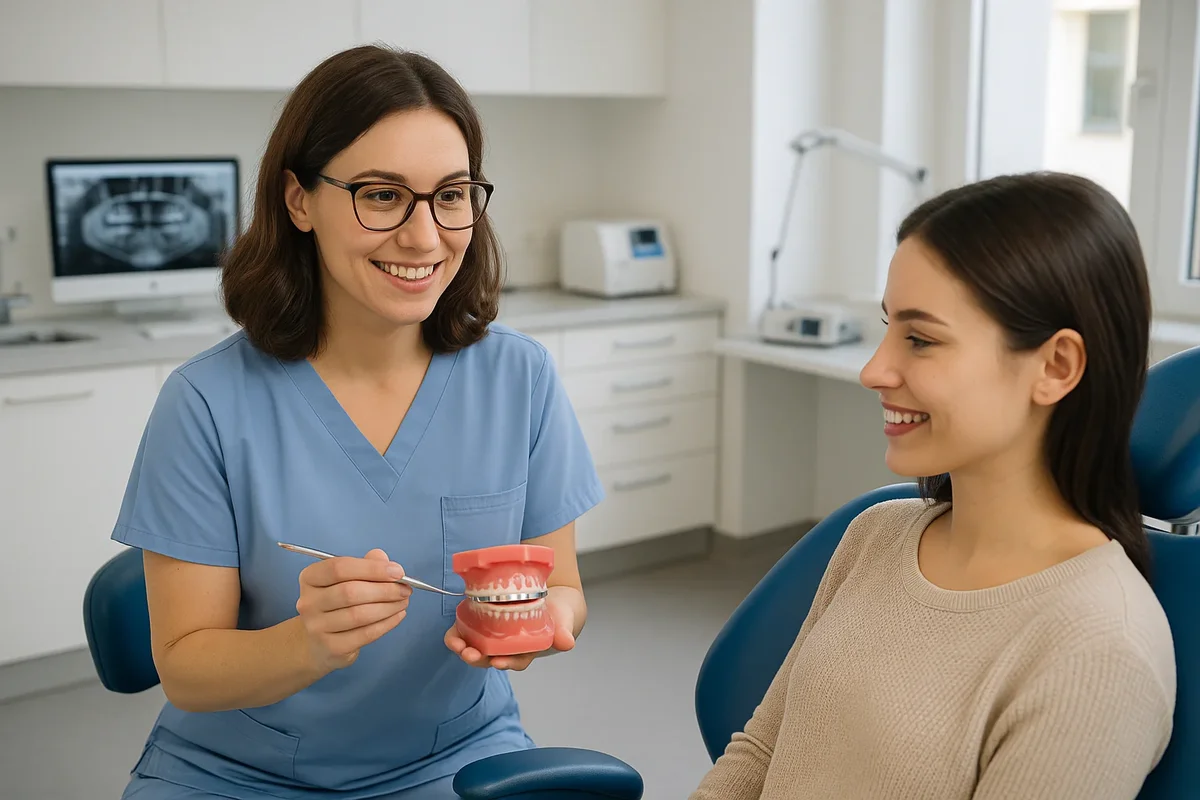
9. The Importance of Choosing Certified Orthodontist Offices
Selecting the right clinic for orthodontic treatment is one of the most critical decisions you’ll make on your journey to a healthier and more beautiful smile. Certified orthodontist offices offer not just experience and skill but also a guarantee of professional ethics, safety, and long-term treatment success. Many patients mistakenly assume that all dental clinics provide the same level of orthodontic care, but in reality, only certified orthodontists have completed advanced education and board-accredited training that ensures precision, quality, and safety. Let’s explore why certification matters, what credentials to look for, and how choosing a trusted orthodontist can make all the difference 🦷.
Understanding Orthodontic Certification
Certification in orthodontics signifies that the practitioner has completed specialized postgraduate training—usually two to three additional years after dental school—and is licensed to diagnose and treat misalignments of teeth and jaws. Certified orthodontist offices employ professionals who are recognized by authoritative bodies such as the American Dental Association (ADA) and the American Board of Orthodontics (ABO). These certifications are more than just titles; they reflect a commitment to continuing education, clinical excellence, and adherence to strict professional standards.
In contrast, some general dentists may offer limited orthodontic treatments without specialized training, often focusing on simple cases. While this may seem convenient, it carries higher risks of misdiagnosis or improper treatment planning. Certified orthodontists are uniquely trained to handle complex bite issues, skeletal discrepancies, and growth-related problems, ensuring safer and more predictable results.
Why Certification Guarantees Quality and Safety
Certified orthodontist offices follow standardized treatment protocols, use high-grade materials, and maintain strict sterilization procedures. They also have access to advanced diagnostic tools and continuing education programs that keep them up to date with modern orthodontic innovations. This ensures patients receive treatment that’s not only effective but also safe and evidence-based.
When you choose a certified orthodontist, you can be confident that your care plan has been developed based on a deep understanding of facial anatomy, biomechanics, and long-term stability. These specialists understand how orthodontic forces affect both teeth and jaw structures, preventing unwanted side effects like root resorption, gum recession, or relapse after treatment completion.
Standards Followed by Certified Clinics
- Clinical Excellence: Certified orthodontists undergo rigorous peer reviews and examinations to demonstrate mastery in diagnosis and treatment planning.
- Continuing Education: They participate in ongoing training to stay updated with the latest orthodontic technologies and research.
- Ethical Responsibility: Certified practitioners follow ethical codes outlined by professional associations to protect patient interests.
- Technology Integration: Certified orthodontist offices often use AI-driven simulations, 3D imaging, and digital scanning to improve accuracy and patient comfort.
Recognizing a Certified Orthodontist Office
To verify whether a clinic or orthodontist is certified, patients can check official association directories, such as the ADA’s “Find a Dentist” tool or the American Association of Orthodontists (AAO) website. These directories list professionals who meet strict qualification criteria. Certified orthodontist offices will proudly display their certificates in reception areas or on their websites, often alongside their affiliations and awards.
During your initial consultation, don’t hesitate to ask about your orthodontist’s credentials, board status, and years of specialized experience. Transparency is a hallmark of reputable clinics, and professionals are always happy to share proof of certification. Avoid clinics that are vague about their qualifications or claim “fast results” without clear explanations or supporting evidence — this can be a red flag 🚫.
Benefits of Choosing Certified Orthodontist Offices
There are multiple advantages to choosing certified practitioners and clinics, both in treatment outcomes and overall experience:
- Personalized Care: Certified orthodontist offices design customized treatment plans tailored to each patient’s dental anatomy and lifestyle.
- Precision and Accuracy: With advanced diagnostic technology, certified orthodontists ensure accurate tooth movement and balanced facial aesthetics.
- Comprehensive Solutions: They can handle complex orthodontic issues that general dentists may not be equipped to treat.
- Long-Term Stability: Treatments performed by certified orthodontists are less likely to relapse, thanks to proper biomechanics and post-treatment retention plans.
- Patient Safety: Certified clinics maintain the highest sterilization and procedural standards, reducing risks of infection or damage.
Examples of Professional Excellence
Top-tier orthodontist offices often participate in research, clinical trials, and community outreach programs. Their expertise extends beyond clinical practice—they contribute to scientific journals and mentor new orthodontists in training programs. This continuous pursuit of knowledge benefits patients directly by ensuring they receive care that reflects the latest scientific advancements and best practices.
The Role of Technology in Certified Clinics
Certified orthodontic clinics integrate cutting-edge technology to provide superior results. They use digital scanners for accurate impressions, AI-based analysis for treatment simulation, and 3D printers to produce customized appliances. These tools not only enhance precision but also make the treatment process faster and more comfortable. Patients in certified orthodontist offices often experience fewer adjustments and shorter overall treatment times due to optimized planning and execution.
Patient Reviews and Reputation
Another way to evaluate an orthodontic clinic’s credibility is through patient feedback and online reviews. Certified orthodontist offices tend to have consistent five-star reviews that highlight professionalism, communication, and visible results. Look for testimonials that mention staff friendliness, transparency, and technology use. Word-of-mouth recommendations from friends or family can also be a strong indicator of quality care.
Global Standards and International Recognition
In countries with strong regulatory frameworks, certified orthodontist offices align with global standards of dental care. For instance, clinics accredited by international associations like the World Federation of Orthodontists (WFO) adhere to the same quality benchmarks as top American or European practices. This global recognition ensures consistent treatment quality, no matter where you receive care 🌍.
Choosing a Clinic That Fits Your Needs
When selecting an orthodontic provider, consider not only certification but also clinic environment, communication style, and available technology. Certified orthodontist offices combine technical excellence with compassionate, patient-centered care. They take time to explain treatment options clearly and ensure you feel informed and comfortable at every stage.
If you’re looking for a trusted and certified clinic, Redent Klinik Contact Page offers expert consultations and internationally recognized orthodontic care. Their certified specialists combine advanced techniques with personalized attention to deliver beautiful, long-lasting smiles.
In conclusion, choosing certified orthodontist offices ensures you receive the highest standard of care, backed by education, ethics, and technology. Certification is not merely a title—it’s a promise of safety, quality, and professional accountability. By trusting a certified orthodontist, you invest in both the health and beauty of your smile for life 💎.