
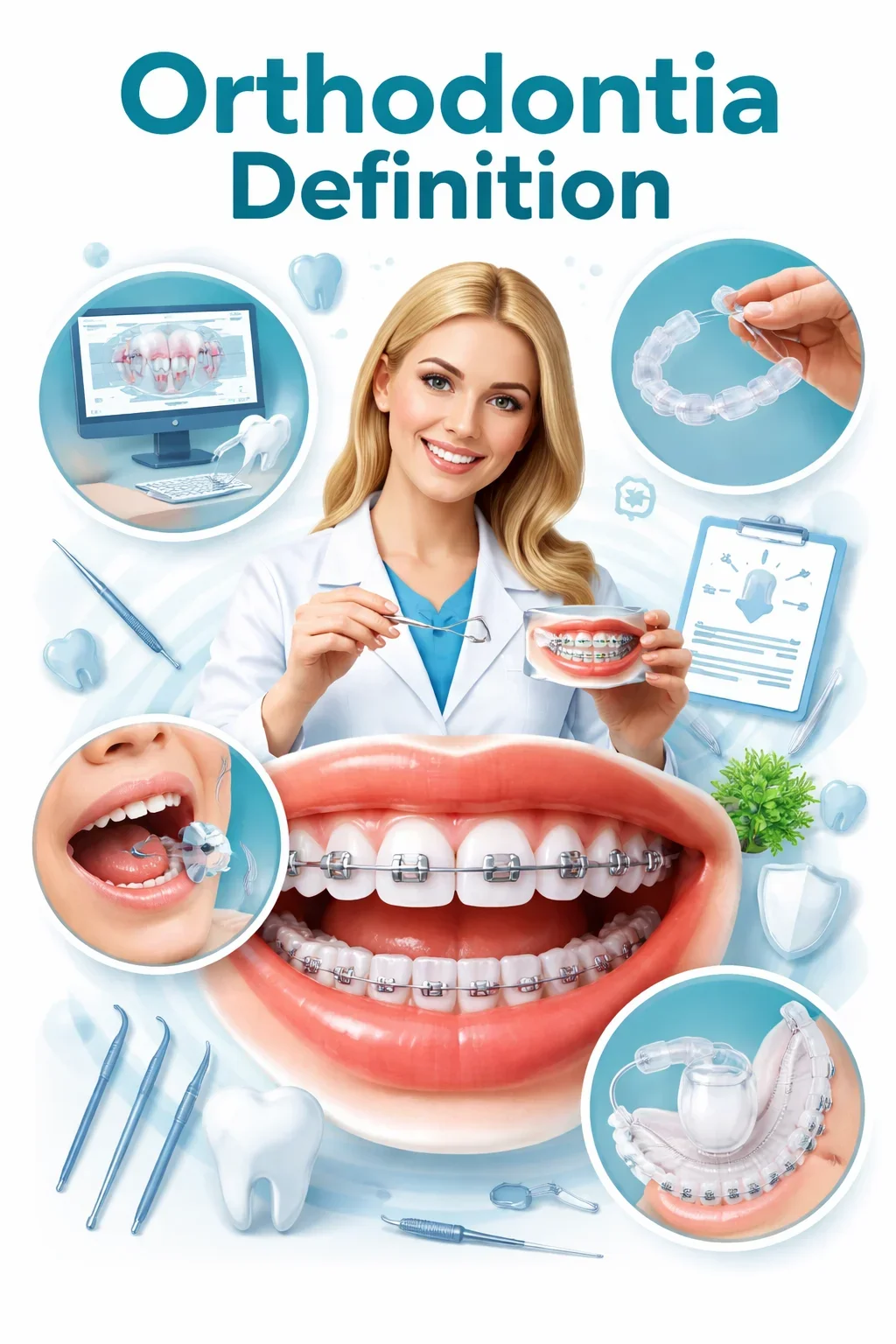
The orthodontia definition is one of the most commonly searched terms by patients who want to understand how dental alignment affects both appearance and overall oral health. In simple terms, orthodontia is a specialized branch of dentistry focused on diagnosing, preventing, and correcting misaligned teeth and jaws. However, a truly accurate orthodontia definition goes far beyond “straightening teeth.” It includes the science, planning, and long-term management of how teeth, jaws, and facial muscles work together in harmony.
When people search for an orthodontia definition, they are usually trying to answer practical questions: What does orthodontia actually involve? Is it only about braces? Who needs orthodontic treatment, and why is it medically important? Understanding the orthodontia definition helps patients make informed decisions, avoid misconceptions, and appreciate why orthodontic care is often recommended not just for cosmetic reasons, but for functional and health-related ones as well 😊.
From a professional standpoint, the orthodontia definition refers to the dental specialty that focuses on malocclusion. Malocclusion is the medical term for improper alignment of the teeth or incorrect relationships between the upper and lower jaws. These alignment issues can lead to difficulty chewing, speech problems, jaw pain, uneven tooth wear, and increased risk of cavities and gum disease. Therefore, the orthodontia definition naturally includes prevention and correction strategies that support long-term oral health.
Historically, the orthodontia definition has evolved alongside advances in dental science. Early orthodontic treatments were limited and often uncomfortable, but modern orthodontia uses precise diagnostics, digital imaging, and customized appliances. Today, orthodontia is a highly sophisticated field that combines biology, biomechanics, and aesthetics. This evolution has expanded the orthodontia definition to include patient comfort, efficiency, and long-term stability of results.
Another important aspect of the orthodontia definition is that it applies to patients of all ages. While orthodontic treatment is often associated with teenagers, adults increasingly seek orthodontic care as well. The orthodontia definition does not restrict treatment by age; instead, it focuses on the condition of the teeth, jaws, and supporting structures. As long as gums and bone are healthy, orthodontic correction can be effective at nearly any stage of life.
In clinical practice, the orthodontia definition also includes early intervention. This is known as interceptive orthodontics and is commonly used in children. Early evaluation allows orthodontists to guide jaw growth, create space for erupting teeth, and reduce the severity of future problems. Understanding this preventive aspect of the orthodontia definition helps parents see orthodontic care as a proactive health measure rather than a purely reactive one.
Many patients misunderstand the orthodontia definition by assuming it is purely cosmetic. While a straighter smile certainly improves appearance 😁, the core purpose of orthodontia is functional health. Properly aligned teeth are easier to clean, which reduces plaque buildup and lowers the risk of gum disease. Balanced jaw alignment also minimizes stress on jaw joints, reducing the likelihood of headaches and temporomandibular joint (TMJ) disorders.
A complete orthodontia definition must also acknowledge its role within comprehensive dental care. Orthodontists often work closely with general dentists, oral surgeons, and periodontists to achieve optimal outcomes. For example, orthodontic treatment may be recommended before dental implants, crowns, or cosmetic procedures. In this way, the orthodontia definition includes collaboration and long-term treatment planning rather than isolated tooth movement.
From a patient education perspective, knowing the orthodontia definition empowers individuals to ask better questions and set realistic expectations. Orthodontic treatment is a process that requires time, consistency, and professional monitoring. By understanding the orthodontia definition, patients are more likely to commit to treatment, follow instructions, and achieve stable, healthy results that last for decades.
If you are considering orthodontic care or want a professional evaluation tailored to your needs, you can easily reach out through the
Redent Klinik Contact Page. For broader professional guidelines and public education on orthodontic and dental health, the
American Dental Association is also a trusted global authority.
In summary, the orthodontia definition describes a vital dental specialty that protects oral function, enhances facial balance, and supports lifelong dental health. It is not limited to braces or aesthetics, but instead represents a comprehensive approach to correcting alignment issues that can impact comfort, confidence, and quality of life 🌟.
What Is the Orthodontia Definition in Modern Dentistry?
In modern dentistry, the orthodontia definition represents a highly specialized and evidence-based field focused on correcting irregularities in tooth position and jaw alignment. While many people associate orthodontia solely with braces, the true orthodontia definition encompasses diagnosis, prevention, interception, and correction of dental and skeletal irregularities. It is a discipline that blends medical science, engineering principles, and patient-centered care to improve both oral function and facial harmony.
Understanding the orthodontia definition in today’s dental world is essential because orthodontic treatment has evolved significantly over the last few decades. Advances in technology, materials, and clinical research have transformed orthodontia into a precise and predictable specialty. Modern orthodontia does not rely on guesswork; instead, it is guided by digital imaging, 3D scans, and carefully calculated treatment plans designed for long-term stability 😊.
The Clinical Meaning Behind the Orthodontia Definition
Clinically, the orthodontia definition refers to the branch of dentistry that addresses malocclusion, which is the improper alignment of teeth or incorrect positioning of the jaws. Malocclusion can be mild, such as slightly crowded teeth, or severe, involving jaw discrepancies that affect chewing, speech, and breathing. A modern orthodontia definition recognizes that these issues are not merely cosmetic but functional conditions that can impact overall health.
Orthodontists use the orthodontia definition as a framework for evaluating how teeth fit together, how jaws relate to the skull, and how muscles and joints function during everyday activities like eating and speaking. This comprehensive view ensures that treatment does not simply straighten teeth temporarily but improves the entire oral system. As a result, the orthodontia definition emphasizes balance, function, and long-term oral health rather than quick fixes.
How Technology Has Expanded the Orthodontia Definition
Technology plays a major role in shaping the modern orthodontia definition. Digital impressions have largely replaced traditional molds, making the diagnostic process more comfortable and accurate. Cone-beam CT scans allow orthodontists to analyze jaw structure and tooth roots in three dimensions, leading to safer and more precise treatment planning. These innovations have broadened the orthodontia definition to include advanced diagnostics and personalized care.
Computer-aided treatment simulations also contribute to a clearer orthodontia definition. Patients can now see predicted tooth movements and expected outcomes before treatment even begins. This transparency improves patient understanding and trust, making orthodontia a collaborative process rather than a mysterious one. The modern orthodontia definition therefore includes patient education and informed consent as key components.
Orthodontia Definition Beyond Braces
A common misconception is that the orthodontia definition is limited to metal braces. In reality, modern orthodontia includes a wide range of appliances such as clear aligners, ceramic braces, lingual braces, expanders, and functional appliances. Each option serves a specific purpose depending on the patient’s needs. This variety reflects how the orthodontia definition has expanded to accommodate different lifestyles, ages, and clinical conditions.
For example, clear aligner therapy is often preferred by adults who want discreet treatment, while functional appliances may be used in growing children to guide jaw development. These approaches all fall under the same orthodontia definition because they share the same core goal: correcting alignment issues to improve function and health.
The Preventive Role Within the Orthodontia Definition
Another crucial element of the orthodontia definition in modern dentistry is prevention. Orthodontists do not only fix existing problems; they also identify risk factors early and intervene before issues become severe. Early orthodontic evaluations can detect jaw growth problems, harmful habits like thumb sucking, or space issues that could lead to future crowding.
This preventive focus is why many dental associations recommend orthodontic screenings for children at an early age. The orthodontia definition includes this proactive approach because guiding development early can reduce treatment complexity later. Prevention is often more comfortable, more efficient, and more cost-effective for patients and families alike.
Why the Modern Orthodontia Definition Matters to Patients
For patients, understanding the orthodontia definition in modern dentistry helps set realistic expectations. Orthodontic treatment is not an overnight solution; it is a structured medical process that requires time, compliance, and professional monitoring. Knowing the orthodontia definition encourages patients to see treatment as an investment in long-term health rather than a short-term cosmetic upgrade.
Additionally, a clear orthodontia definition empowers patients to recognize when orthodontic care may be beneficial. Symptoms such as jaw pain, frequent biting of the cheeks, difficulty chewing, or speech issues can all be signs that orthodontic evaluation is needed. Modern orthodontia addresses these concerns holistically, improving comfort, confidence, and quality of life 🌟.
In conclusion, the orthodontia definition in modern dentistry reflects a comprehensive, technology-driven, and patient-focused specialty. It integrates advanced diagnostics, preventive strategies, and customized treatments to ensure both functional efficiency and aesthetic balance. By understanding this updated orthodontia definition, patients can make informed decisions that support lifelong oral health.
Why the Orthodontia Definition Matters for Oral Health
Understanding the orthodontia definition is essential for anyone who wants to protect not only the appearance of their smile but also their long-term oral health. Many people delay or avoid orthodontic care because they believe alignment issues are minor or purely cosmetic. However, the orthodontia definition clearly shows that orthodontic problems are medical concerns that can affect chewing efficiency, gum health, jaw comfort, and even overall well-being.
When patients fully grasp the orthodontia definition, they begin to see orthodontic treatment as preventive healthcare rather than optional enhancement. Teeth and jaws are part of a complex system, and even small alignment problems can create a chain reaction of oral health issues over time. This is why the orthodontia definition plays a critical role in patient education and early intervention 😊.
The Link Between Orthodontia Definition and Functional Health
A core element of the orthodontia definition is function. Properly aligned teeth allow for balanced chewing forces, efficient digestion, and reduced strain on jaw joints. When teeth are crowded, rotated, or misaligned, chewing becomes uneven. Over time, this imbalance can lead to excessive wear on certain teeth, enamel erosion, and sensitivity.
The orthodontia definition emphasizes correcting these functional issues before they cause permanent damage. For example, a misaligned bite can place extra stress on the temporomandibular joints (TMJ), potentially leading to jaw pain, headaches, and clicking sounds during mouth movement. By addressing alignment problems early, orthodontic care helps preserve both comfort and function.
Orthodontia Definition and Gum Disease Prevention
Another important reason the orthodontia definition matters is its connection to gum health. Crooked or crowded teeth are more difficult to clean effectively, even with excellent oral hygiene habits. Plaque and food debris can accumulate in hard-to-reach areas, increasing the risk of gingivitis and periodontal disease.
According to the orthodontia definition, improving tooth alignment directly supports better oral hygiene. Straighter teeth are easier to brush and floss, which helps reduce inflammation, bleeding gums, and bone loss around the teeth. In this way, orthodontic treatment is not just corrective but also preventive, protecting the foundation of the teeth for the long term.
How Misunderstanding the Orthodontia Definition Leads to Delayed Care
Many patients misunderstand the orthodontia definition and assume treatment is only necessary when teeth look severely crooked. This misconception often leads to delayed care, allowing minor issues to progress into complex problems. Over time, untreated misalignment can contribute to gum recession, tooth fractures, and bite collapse.
A clear orthodontia definition helps patients recognize early warning signs such as uneven tooth wear, difficulty biting into food, or frequent cheek and lip biting. These symptoms indicate that orthodontic evaluation may be needed, even if the smile appears relatively straight at first glance.
The Orthodontia Definition and Overall Quality of Life
Beyond physical health, the orthodontia definition also includes quality-of-life considerations. Misaligned teeth can affect speech clarity, facial symmetry, and self-confidence. Many patients feel hesitant to smile or speak freely due to embarrassment about their teeth. Orthodontic treatment can dramatically improve self-esteem by creating a balanced, confident smile 😁.
Moreover, the orthodontia definition acknowledges the psychological benefits of improved oral function. Patients who can chew comfortably, speak clearly, and smile confidently often experience reduced stress and greater social comfort. These benefits highlight why orthodontic care should be viewed as a holistic health investment.
Orthodontia Definition in Preventive and Restorative Dentistry
The orthodontia definition is closely linked to both preventive and restorative dentistry. Orthodontic treatment often prepares the mouth for future dental procedures such as crowns, bridges, or implants. Proper alignment ensures that restorative work lasts longer and functions correctly.
For example, placing a dental implant in a crowded or misaligned area can compromise its longevity. By applying the orthodontia definition and correcting alignment first, dentists can create an ideal foundation for restorative success. This collaborative approach protects both oral health and financial investment.
Why Dentists Emphasize the Orthodontia Definition Today
Modern dentists emphasize the orthodontia definition because research consistently shows the long-term benefits of proper alignment. Advances in materials and techniques have made orthodontic treatment more comfortable and accessible than ever before. As a result, orthodontia is no longer reserved for severe cases but is recommended as part of comprehensive oral care.
Dentists and orthodontists now work together to educate patients about how the orthodontia definition applies to their individual needs. This personalized approach ensures that treatment decisions are based on health, function, and stability rather than trends or short-term appearance.
In summary, the orthodontia definition matters for oral health because it connects alignment with function, prevention, comfort, and confidence. Understanding this definition helps patients recognize the importance of early evaluation, informed treatment choices, and long-term care planning. By respecting the orthodontia definition, individuals can protect their smiles and overall oral health for a lifetime 🌟.
Orthodontia vs. General Dentistry: Key Differences Explained
Understanding the orthodontia definition becomes much clearer when it is compared directly with general dentistry. Many patients assume that all dentists perform the same functions, but this is not the case. While general dentists provide broad oral healthcare, orthodontia is a specialized field that focuses specifically on correcting tooth and jaw alignment. Knowing these differences helps patients seek the right type of care at the right time.
The orthodontia definition highlights specialization. Orthodontists are dentists who have completed additional years of advanced education focused exclusively on dental and skeletal alignment. This extra training allows them to diagnose complex bite issues, plan precise tooth movements, and manage long-term alignment stability. In contrast, general dentistry focuses on maintaining oral health through preventive care, diagnosis, and basic treatments 😊.
How the Orthodontia Definition Defines a Specialty
At its core, the orthodontia definition describes a dental specialty dedicated to the correction of malocclusion. This includes crowded teeth, spacing issues, overbites, underbites, crossbites, and jaw discrepancies. Orthodontists are trained to understand facial growth patterns, biomechanics, and how forces affect teeth and bone over time.
General dentistry, on the other hand, addresses a wide range of oral health needs such as cleanings, fillings, root canals, and basic restorations. While general dentists may identify alignment issues, the orthodontia definition makes it clear that complex corrections fall under the expertise of an orthodontist. This distinction ensures patients receive care that is both safe and effective.
Diagnostic Depth: Orthodontia Definition vs. General Dental Exams
One major difference highlighted by the orthodontia definition is the depth of diagnostic analysis. Orthodontic evaluations involve detailed measurements of tooth position, jaw relationships, facial symmetry, and growth patterns. Advanced imaging and digital models are often used to plan treatment with precision.
In general dentistry, diagnostic exams focus primarily on tooth decay, gum health, and existing restorations. While bite alignment is observed, it is not analyzed to the same extent. The orthodontia definition therefore emphasizes comprehensive analysis of how teeth and jaws interact over time, not just their current condition.
Treatment Goals Defined by the Orthodontia Definition
The orthodontia definition places long-term function and stability at the center of treatment goals. Orthodontic care aims to create a balanced bite that distributes chewing forces evenly and supports healthy jaw joints. Achieving these goals requires carefully planned tooth movements over months or years.
General dentistry typically focuses on resolving immediate problems, such as relieving pain or restoring damaged teeth. While these treatments are essential, they do not address alignment at a structural level. This difference underscores why the orthodontia definition exists as a separate and vital specialty within dentistry.
Appliances and Techniques: A Clear Distinction
Another important distinction revealed by the orthodontia definition is the use of specialized appliances. Orthodontists work with braces, clear aligners, expanders, and functional devices designed to guide tooth and jaw movement. Each appliance is selected based on precise biomechanical principles.
General dentists may use retainers or provide limited orthodontic services in mild cases, but the orthodontia definition clarifies that complex appliance therapy requires specialized training. This ensures treatment progresses safely without damaging roots, bone, or surrounding tissues.
Why Referrals Matter Under the Orthodontia Definition
Referrals are an essential part of respecting the orthodontia definition. General dentists often identify alignment problems during routine exams and refer patients to orthodontists for specialized care. This collaborative approach improves outcomes and protects patient health.
Ignoring the orthodontia definition and attempting complex orthodontic treatment without proper expertise can lead to complications such as root resorption, gum recession, or unstable results. Understanding professional boundaries helps patients make informed decisions about their care.
Patient Experience: Orthodontia Definition in Practice
From a patient perspective, the orthodontia definition also affects the treatment experience. Orthodontic care involves regular adjustments, progress monitoring, and long-term retention strategies. Patients are educated about compliance, hygiene, and lifestyle factors that influence success.
General dentistry visits are typically shorter and less frequent, focusing on maintenance and problem-solving. Both roles are essential, but the orthodontia definition explains why orthodontic treatment requires a different level of commitment and planning 🌟.
Why Understanding the Orthodontia Definition Protects Your Smile
When patients understand the orthodontia definition, they are better equipped to choose the right provider and treatment plan. Alignment issues that seem minor can have significant long-term effects if left untreated. Orthodontic specialists are trained to see these risks early and address them effectively.
In summary, the orthodontia definition clearly distinguishes orthodontia from general dentistry by emphasizing specialization, advanced diagnostics, and long-term functional goals. Both fields work together to support oral health, but orthodontia plays a unique and critical role in creating stable, healthy, and confident smiles for life 😊.
Common Dental Problems Explained by the Orthodontia Definition
To truly understand why orthodontic care is recommended, it is essential to look at common dental problems through the lens of the orthodontia definition. Many oral health issues that people consider “normal” or unavoidable are actually direct results of misaligned teeth or improper jaw relationships. The orthodontia definition helps explain not only what these problems are, but also why they develop and how they can be corrected in a medically sound way.
When patients first explore the orthodontia definition, they often realize that symptoms they have lived with for years—such as jaw discomfort, uneven tooth wear, or difficulty cleaning between teeth—are not isolated issues. Instead, these problems are interconnected and often share a common root: malocclusion. This is why the orthodontia definition plays a crucial role in diagnosing and treating dental problems before they worsen 😊.
Tooth Crowding and Spacing Issues
One of the most common problems explained by the orthodontia definition is tooth crowding. Crowding occurs when there is insufficient space in the jaw for all teeth to align properly. As a result, teeth may overlap, rotate, or become trapped beneath the gum line. According to the orthodontia definition, crowding is more than a cosmetic concern; it significantly increases the risk of cavities and gum disease.
Spacing issues, on the other hand, occur when there is excess space between teeth. While some people view gaps as harmless, the orthodontia definition explains that spacing can lead to food impaction, gum irritation, and bite instability. Both crowding and spacing disrupt the balance of the bite and often require orthodontic intervention to restore proper alignment.
Bite Problems Defined by the Orthodontia Definition
Bite problems are a central focus of the orthodontia definition. These include overbites, underbites, crossbites, and open bites. Each type of bite issue affects how the upper and lower teeth meet during chewing and speaking. An improper bite can cause excessive pressure on certain teeth, leading to cracks, fractures, and premature wear.
From the perspective of the orthodontia definition, bite problems also affect jaw joints and muscles. An uneven bite forces the jaw to compensate during movement, which can result in jaw pain, headaches, and neck discomfort over time. Correcting these issues is essential for maintaining comfort and preventing chronic conditions.
How Crossbites and Open Bites Affect Oral Health
A crossbite occurs when upper teeth bite inside the lower teeth, while an open bite leaves a gap between upper and lower teeth when the mouth is closed. The orthodontia definition explains that both conditions interfere with normal chewing and speech. Open bites, in particular, can make biting into foods difficult and may contribute to speech impediments.
Crossbites can lead to uneven jaw growth in children and asymmetric facial development if left untreated. This highlights how the orthodontia definition connects alignment problems to broader skeletal and facial concerns, not just tooth position.
Jaw Pain and TMJ Disorders
Jaw pain is another common issue clarified by the orthodontia definition. When teeth do not align properly, the jaw joints must work harder to compensate for imbalance. Over time, this strain can contribute to temporomandibular joint (TMJ) disorders, which may cause pain, clicking sounds, and limited jaw movement.
The orthodontia definition recognizes that correcting alignment can reduce stress on the jaw joints and improve muscle coordination. Orthodontic treatment often plays a key role in relieving TMJ-related symptoms by restoring a more balanced bite.
Uneven Tooth Wear and Enamel Damage
Uneven tooth wear is frequently overlooked but is clearly explained by the orthodontia definition. When certain teeth absorb more force than others, enamel wears down faster in those areas. This can lead to sensitivity, increased risk of decay, and changes in tooth shape.
The orthodontia definition emphasizes that alignment correction distributes biting forces evenly, helping preserve enamel and extend the lifespan of natural teeth. This preventive benefit is one of the strongest arguments for orthodontic care.
Speech and Chewing Difficulties
Speech issues and chewing difficulties are also addressed within the orthodontia definition. Misaligned teeth and improper jaw positioning can affect tongue placement and airflow, leading to unclear speech. Chewing efficiency may also be reduced, which can impact digestion and overall comfort during meals.
By applying the orthodontia definition, orthodontists evaluate how teeth and jaws function together during speaking and eating. Correcting alignment often leads to noticeable improvements in clarity of speech and ease of chewing, enhancing daily quality of life 🌟.
Why These Problems Should Not Be Ignored
Ignoring alignment-related problems can allow minor issues to evolve into complex conditions. The orthodontia definition highlights the importance of early diagnosis and timely intervention to prevent long-term damage. What begins as mild crowding or a slight bite issue can eventually require extensive restorative treatment if left untreated.
In summary, the orthodontia definition provides a clear framework for understanding common dental problems such as crowding, bite disorders, jaw pain, and uneven wear. By viewing these issues through the orthodontic lens, patients can appreciate the medical importance of alignment and make informed decisions that protect their oral health for the future 😊.
How Orthodontia Treatments Work According to the Definition
To fully understand orthodontic care, it is essential to examine how treatments function through the lens of the orthodontia definition. Many patients know that orthodontic treatment moves teeth, but fewer understand how this process works biologically and mechanically. The orthodontia definition explains that treatment is a carefully controlled medical process that applies gentle, continuous forces to guide teeth and jaws into healthier positions over time.
Rather than forcing teeth into place, orthodontic treatments work by stimulating natural bone remodeling. This principle is central to the orthodontia definition and distinguishes professional orthodontic care from unsafe or cosmetic shortcuts. Teeth move because the surrounding bone responds to pressure in a predictable and scientifically understood way 😊.
The Biological Foundation of the Orthodontia Definition
At the biological level, the orthodontia definition relies on the body’s natural ability to adapt. Teeth are not fixed directly into bone; they are supported by a periodontal ligament that allows controlled movement. When orthodontic force is applied, bone is resorbed on one side of the tooth and rebuilt on the other.
This process, known as bone remodeling, is why orthodontic treatment takes time. According to the orthodontia definition, moving teeth too quickly can damage roots and supporting tissues. Controlled, gradual movement ensures that teeth remain healthy while achieving stable alignment.
Appliances Explained by the Orthodontia Definition
The orthodontia definition includes a wide range of appliances designed to deliver precise forces. Braces, for example, use brackets and wires to guide teeth along a planned path. Clear aligners apply sequential pressure through custom-made trays that gradually shift tooth position.
Functional appliances and expanders address jaw relationships rather than individual teeth. These devices are often used in children and adolescents to guide jaw growth. The orthodontia definition recognizes that influencing growth at the right time can reduce the need for more invasive treatment later.
Why Adjustments Are Essential
Regular adjustments are a critical part of orthodontic treatment under the orthodontia definition. Teeth move in response to force, but they also need time to stabilize in their new positions. Periodic adjustments ensure that forces remain optimal and that treatment progresses safely.
Skipping appointments or delaying adjustments can slow progress or compromise results. This is why the orthodontia definition emphasizes professional monitoring throughout the entire treatment process.
Personalized Treatment Planning
Another key aspect of the orthodontia definition is customization. No two mouths are identical, and orthodontic treatment must be tailored to each patient’s anatomy, age, and goals. Modern orthodontia uses digital scans, X-rays, and facial analysis to create precise treatment plans.
This individualized approach ensures that tooth movement supports both function and aesthetics. The orthodontia definition therefore includes long-term planning, not just short-term correction.
The Role of Patient Cooperation
Patient cooperation is an often-overlooked part of how orthodontia treatments work. According to the orthodontia definition, successful outcomes depend on following instructions, maintaining oral hygiene, and wearing appliances as prescribed.
Clear aligner treatments, in particular, require consistent wear to be effective. Understanding the orthodontia definition helps patients appreciate their role in achieving lasting results 🌟.
Retention: The Final Step in the Orthodontia Definition
Orthodontic treatment does not end when appliances are removed. The orthodontia definition includes retention as a vital phase. Retainers help maintain new tooth positions while bone and surrounding tissues stabilize.
Without proper retention, teeth may shift back toward their original positions. This is why the orthodontia definition stresses long-term maintenance as part of successful treatment.
Why Orthodontia Is a Medical Process, Not a Shortcut
The orthodontia definition clearly establishes orthodontic care as a medical treatment, not a cosmetic shortcut. Attempts to straighten teeth without professional guidance can cause permanent damage. Proper orthodontic care respects biology, timing, and individual variation.
In summary, orthodontia treatments work by applying controlled forces that guide natural biological processes. The orthodontia definition explains how appliances, adjustments, patient cooperation, and retention come together to create healthy, stable alignment. Understanding this process helps patients commit confidently to treatment and achieve results that last a lifetime 😊.
Who Needs Orthodontic Care? Understanding the Orthodontia Definition
A common question patients ask is who actually needs orthodontic treatment, and the answer becomes much clearer when viewed through the orthodontia definition. Many people assume orthodontic care is only for teenagers with visibly crooked teeth. In reality, the orthodontia definition applies to a wide range of age groups and dental conditions. Orthodontic care is recommended whenever tooth or jaw alignment interferes with proper function, comfort, hygiene, or long-term oral health.
Understanding the orthodontia definition helps patients recognize that orthodontic needs are not always obvious at first glance. Some alignment problems develop gradually and may not cause noticeable symptoms until significant damage has already occurred. This is why orthodontic evaluation is important even for individuals who believe their teeth look “good enough” 😊.
Children and the Orthodontia Definition
Children are one of the primary groups addressed by the orthodontia definition. Early orthodontic evaluations allow specialists to monitor jaw growth, tooth eruption, and bite development. According to the orthodontia definition, early intervention can guide proper growth and reduce the severity of future alignment problems.
Common signs that a child may need orthodontic care include crowded baby teeth, early or late tooth loss, mouth breathing, thumb sucking beyond early childhood, or difficulty biting and chewing. The orthodontia definition emphasizes that addressing these issues early can shorten treatment time and improve outcomes later in life.
Why Early Evaluation Matters
The orthodontia definition supports early evaluation because children’s jaws are still growing and more adaptable. This allows orthodontists to use gentle guidance rather than forceful correction. In many cases, early treatment can prevent the need for tooth extractions or surgery in the future.
Parents who understand the orthodontia definition are better equipped to make proactive decisions that protect their child’s oral development and overall well-being.
Teenagers and Orthodontic Treatment
Teenagers are the group most commonly associated with orthodontic care, and for good reason. During adolescence, most permanent teeth have erupted, and jaw growth is still ongoing. The orthodontia definition identifies this period as ideal for comprehensive alignment correction.
Orthodontic treatment during the teenage years can correct crowding, spacing, and bite issues efficiently. Because growth is still occurring, treatment often progresses more smoothly. The orthodontia definition highlights this stage as a balance between biological adaptability and treatment effectiveness.
Emotional and Social Benefits for Teens
Beyond physical health, the orthodontia definition also considers emotional well-being. Teenagers with misaligned teeth may feel self-conscious about their smiles. Orthodontic care can significantly improve confidence during an important developmental stage.
Understanding the orthodontia definition helps families see orthodontic treatment as a supportive step toward both health and self-esteem 🌟.
Adults and the Expanding Orthodontia Definition
Adults are increasingly seeking orthodontic care, and the orthodontia definition fully supports treatment at any age. As long as the gums and bone are healthy, teeth can be moved safely. Adults may pursue orthodontic treatment for functional reasons, aesthetic improvement, or preparation for restorative procedures.
The orthodontia definition acknowledges that adults often face different challenges, such as existing dental work or slower bone response. However, modern techniques and appliances make treatment comfortable and effective for adult patients.
Orthodontia Definition and Restorative Planning
Many adults need orthodontic care as part of a larger dental plan. Crowded or misaligned teeth can complicate implants, crowns, or bridges. According to the orthodontia definition, proper alignment creates a stable foundation for long-lasting restorative work.
This integrated approach highlights how orthodontic care supports overall dental health rather than functioning in isolation.
Signs You May Need Orthodontic Care
The orthodontia definition outlines several signs that indicate a need for orthodontic evaluation. These include frequent jaw pain, difficulty chewing, uneven tooth wear, speech issues, and chronic headaches related to bite imbalance.
Even if teeth appear relatively straight, these symptoms suggest underlying alignment issues. Understanding the orthodontia definition encourages individuals to seek professional assessment rather than ignoring subtle warning signs.
Functional vs. Cosmetic Needs
While many patients seek orthodontic treatment for cosmetic reasons, the orthodontia definition emphasizes function first. A healthy bite supports chewing efficiency, joint comfort, and long-term tooth stability. Cosmetic improvement is often a natural result of correcting functional issues.
Recognizing this distinction helps patients prioritize health-driven decisions over purely aesthetic concerns.
Why No Age Is “Too Late” Under the Orthodontia Definition
The orthodontia definition clearly states that orthodontic care is not limited by age. Adults of all ages can benefit from improved alignment, provided their oral tissues are healthy. Modern orthodontia focuses on safety, comfort, and predictable outcomes for every stage of life.
In conclusion, understanding who needs orthodontic care begins with understanding the orthodontia definition. Children, teenagers, and adults can all benefit from proper alignment when functional or health concerns are present. By recognizing the signs early and seeking professional guidance, patients can protect their smiles and enjoy lasting oral health 😊.
Types of Orthodontic Treatments Within the Orthodontia Definition
The orthodontia definition includes a wide spectrum of treatment methods designed to correct tooth alignment, jaw position, and bite function. Many patients assume orthodontic care means only traditional metal braces, but modern orthodontia offers multiple treatment options tailored to different ages, lifestyles, and clinical needs. Understanding these options through the orthodontia definition helps patients choose treatments that are effective, comfortable, and aligned with long-term oral health goals.
Each treatment type exists because alignment problems vary in severity and cause. The orthodontia definition recognizes that no single solution works for every patient. Instead, orthodontic care relies on personalized planning, selecting the right appliance to deliver controlled forces safely and predictably 😊.
Traditional Braces Explained by the Orthodontia Definition
Traditional braces are one of the most well-known treatments included in the orthodontia definition. They consist of brackets bonded to the teeth and connected by archwires that guide tooth movement. Despite advances in alternative treatments, braces remain one of the most effective solutions for complex alignment and bite problems.
According to the orthodontia definition, braces allow orthodontists to control tooth movement in multiple dimensions. This makes them especially useful for severe crowding, rotated teeth, and significant bite discrepancies. Modern braces are smaller, more comfortable, and more efficient than earlier versions, making them suitable for both teenagers and adults.
Metal vs. Ceramic Braces
The orthodontia definition includes both metal and ceramic braces. Metal braces are highly durable and often the most cost-effective option. Ceramic braces, on the other hand, blend more naturally with tooth color, offering a more discreet appearance.
Both types function similarly, and the choice depends on aesthetic preference, treatment goals, and budget considerations. Understanding the orthodontia definition allows patients to weigh these factors realistically.
Clear Aligners and the Modern Orthodontia Definition
Clear aligners have become increasingly popular and are fully recognized within the orthodontia definition. These removable, transparent trays are custom-made to gradually move teeth into proper alignment. Aligners are particularly appealing to adults and professionals who want a discreet treatment option.
From the perspective of the orthodontia definition, clear aligners are effective for mild to moderate alignment issues. They require consistent wear to achieve desired results. Because they are removable, aligners also make eating and oral hygiene easier compared to fixed appliances.
Who Is Best Suited for Clear Aligners?
The orthodontia definition emphasizes patient suitability. Clear aligners work best for individuals who are disciplined enough to wear them as instructed. Complex bite problems or severe jaw discrepancies may still require traditional braces.
An orthodontic evaluation ensures that aligners are used appropriately and safely, in line with the orthodontia definition.
Lingual Braces Within the Orthodontia Definition
Lingual braces are another treatment option included in the orthodontia definition. These braces are placed on the inner surfaces of the teeth, making them virtually invisible from the outside. They offer the effectiveness of traditional braces with enhanced discretion.
The orthodontia definition acknowledges that lingual braces require specialized training and customization. They may take longer to adjust to and are not suitable for every case, but they provide an excellent option for patients prioritizing aesthetics.
Functional Appliances and Growth Modification
Functional appliances play a unique role in the orthodontia definition, particularly for growing children and adolescents. These devices influence jaw growth rather than simply moving teeth. Examples include expanders and functional retainers that guide skeletal development.
By addressing jaw discrepancies early, functional appliances can reduce the need for more invasive treatments later. This preventive approach is a key component of the orthodontia definition.
Why Timing Matters
The orthodontia definition stresses the importance of timing when using functional appliances. These treatments are most effective during periods of active growth. Early evaluation ensures that opportunities for growth modification are not missed.
Retainers as Part of the Orthodontia Definition
Retention is an essential phase included in the orthodontia definition. After active treatment, retainers help maintain newly aligned teeth while supporting tissues stabilize. Without retention, teeth may gradually shift back toward their original positions.
The orthodontia definition makes it clear that retention is not optional but a necessary step in preserving results. Retainers may be removable or fixed, depending on individual needs.
Long-Term Success and Treatment Choice
Choosing the right orthodontic treatment is about more than appearance. The orthodontia definition prioritizes health, function, and stability over trends. A professional evaluation ensures that treatment selection supports long-term oral wellness.
In summary, the orthodontia definition encompasses a diverse range of treatments, including braces, clear aligners, lingual systems, functional appliances, and retainers. Each option serves a specific purpose, and understanding these choices empowers patients to make informed decisions that protect their smiles for life 🌟.
The Long-Term Benefits of Orthodontia Defined Clearly
When patients explore orthodontic care, they often focus on short-term results such as straighter teeth or an improved smile. However, the orthodontia definition places strong emphasis on long-term benefits that extend far beyond appearance. Orthodontia is designed to create lasting improvements in oral function, dental stability, and overall health. Understanding these long-term outcomes helps patients see orthodontic treatment as a lifelong investment rather than a temporary solution.
A clear orthodontia definition explains that proper alignment supports the teeth, gums, jaw joints, and facial muscles over time. When these structures work in harmony, the risk of future dental complications decreases significantly. This is why orthodontists prioritize stability and balance, not just immediate visual results 😊.
Long-Term Oral Health Benefits
One of the most important long-term advantages explained by the orthodontia definition is improved oral health. Properly aligned teeth are easier to clean, making daily brushing and flossing more effective. This reduces plaque accumulation and lowers the risk of cavities, gum inflammation, and periodontal disease.
The orthodontia definition highlights that misaligned teeth often create tight or overlapping areas where bacteria thrive. Over time, this can lead to chronic gum disease and tooth loss. By correcting alignment, orthodontic treatment helps preserve natural teeth and maintain healthy gums well into adulthood.
Reduced Risk of Tooth Wear and Damage
Another long-term benefit described by the orthodontia definition is the reduction of uneven tooth wear. When the bite is misaligned, certain teeth absorb excessive pressure during chewing. This can cause enamel erosion, cracks, and sensitivity.
Orthodontic treatment redistributes biting forces evenly, protecting enamel and reducing the likelihood of fractures. This protective effect plays a key role in maintaining dental health over decades.
Jaw Health and Comfort Over Time
Jaw health is a central consideration within the orthodontia definition. Proper alignment minimizes strain on the temporomandibular joints (TMJ) and surrounding muscles. Over time, this can reduce the risk of chronic jaw pain, headaches, and joint disorders.
Patients with untreated bite problems may develop compensatory jaw movements that worsen with age. The orthodontia definition explains that correcting alignment early helps prevent these progressive issues, supporting comfortable jaw function throughout life.
Improved Chewing and Digestion
Efficient chewing is another long-term benefit addressed by the orthodontia definition. Properly aligned teeth break down food more effectively, which supports digestion and nutrient absorption. While this benefit is often overlooked, it contributes to overall health and comfort.
Orthodontic treatment ensures that teeth work together harmoniously, reducing fatigue and discomfort during meals.
Stability and Longevity of Dental Treatments
The orthodontia definition also emphasizes how alignment affects the longevity of other dental treatments. Crowns, bridges, implants, and veneers last longer when placed in a properly aligned bite. Misalignment can place excessive stress on restorations, leading to premature failure.
By creating a stable foundation, orthodontic care protects both natural teeth and dental investments. This long-term stability is a core principle of the orthodontia definition.
Orthodontia Definition and Aging Gracefully
As people age, natural changes in bone density and muscle tone can affect tooth position. The orthodontia definition recognizes that proper alignment helps teeth age more gracefully. Aligned teeth are less likely to shift dramatically, fracture, or require extensive corrective treatment later in life.
Retention strategies further support this stability, ensuring that orthodontic results are preserved over time.
Psychological and Social Benefits
The orthodontia definition includes psychological well-being as an important long-term benefit. A confident smile can positively influence social interactions, professional opportunities, and self-esteem. Many patients report lasting improvements in confidence after orthodontic treatment.
These emotional benefits often extend far beyond the treatment period, enhancing quality of life in both personal and professional settings 😊.
Speech and Communication Improvements
Proper alignment can also improve speech clarity. Misaligned teeth or improper jaw positioning may interfere with pronunciation. The orthodontia definition acknowledges that correcting these issues can enhance communication and reduce self-consciousness.
Clear speech contributes to confidence and effective communication throughout life.
Why Long-Term Thinking Is Central to the Orthodontia Definition
Unlike cosmetic procedures that focus on immediate appearance, the orthodontia definition prioritizes long-term health, function, and stability. Orthodontic treatment is planned with future outcomes in mind, ensuring that results remain beneficial for years to come.
This long-term perspective is what distinguishes orthodontia as a medical specialty rather than a cosmetic service. Patients who understand the orthodontia definition are more likely to commit to treatment and follow retention guidelines.
A Lifelong Investment in Health
In conclusion, the orthodontia definition clearly outlines the long-term benefits of orthodontic care. These include improved oral health, reduced dental damage, enhanced jaw comfort, stable restorations, and increased confidence. Orthodontia is not just about straight teeth—it is about creating a healthy, functional, and balanced oral system that supports well-being for a lifetime 🌟.
Orthodontia Definition in Daily Life: What Patients Should Expect
Understanding the orthodontia definition is not only important in theory but also in everyday life, especially for patients who are considering or already undergoing orthodontic treatment. Many people feel uncertain about what orthodontic care actually involves on a daily basis. The orthodontia definition helps clarify expectations by outlining how treatment fits into routine life, what responsibilities patients have, and how orthodontic care gradually improves oral health over time.
When viewed practically, the orthodontia definition describes a structured journey rather than a single procedure. Orthodontic treatment unfolds in stages, each designed to guide teeth and jaws safely into healthier positions. Knowing what to expect reduces anxiety and helps patients stay motivated throughout the process 😊.
Daily Life During Orthodontic Treatment
According to the orthodontia definition, orthodontic care is an ongoing process that requires active participation from the patient. Daily life with braces or aligners may involve small adjustments, especially during the early stages. Patients may experience mild pressure or tenderness as teeth begin to move, which is a normal and expected part of treatment.
The orthodontia definition emphasizes that discomfort should be temporary and manageable. Most patients adapt quickly and can continue their normal activities, including work, school, and exercise. Understanding this helps patients approach treatment with realistic expectations rather than unnecessary concern.
Eating and Lifestyle Adjustments
Dietary habits often change slightly during orthodontic treatment. The orthodontia definition advises avoiding very hard, sticky, or chewy foods that could damage appliances. While these adjustments may seem inconvenient at first, they are temporary and help ensure smooth treatment progress.
For clear aligner users, the orthodontia definition includes the responsibility of removing aligners before eating and cleaning teeth before reinsertion. These habits support both oral hygiene and treatment effectiveness.
Oral Hygiene and the Orthodontia Definition
One of the most important daily responsibilities explained by the orthodontia definition is oral hygiene. Orthodontic appliances create additional surfaces where plaque can accumulate. As a result, brushing and flossing become even more important during treatment.
The orthodontia definition encourages patients to use specialized tools such as interdental brushes, floss threaders, or water flossers. These tools help maintain gum health and prevent complications such as cavities or inflammation during treatment.
Why Hygiene Directly Affects Results
Poor oral hygiene can slow orthodontic progress and compromise results. The orthodontia definition clearly links patient habits with treatment success. Maintaining clean teeth and healthy gums ensures that tooth movement occurs safely and efficiently.
Patients who understand this aspect of the orthodontia definition are more likely to stay consistent with hygiene routines and avoid preventable issues.
Regular Appointments and Progress Monitoring
Another practical element of the orthodontia definition is the need for regular follow-up visits. These appointments allow orthodontists to adjust appliances, monitor progress, and address any concerns. Each visit plays a crucial role in keeping treatment on track.
The orthodontia definition explains that skipping appointments can delay progress or lead to complications. Consistent monitoring ensures that tooth movement remains controlled and aligned with the treatment plan.
Communication With Your Orthodontist
Open communication is part of the orthodontia definition in daily practice. Patients should report discomfort, broken appliances, or concerns promptly. Addressing issues early prevents delays and maintains treatment efficiency.
Understanding this communication role helps patients feel more confident and involved in their care 😊.
Emotional and Social Considerations
The orthodontia definition also acknowledges the emotional side of treatment. Some patients may feel self-conscious when appliances are first placed. However, this feeling usually fades as patients adjust and begin to see progress.
Modern orthodontic options offer discreet solutions that fit seamlessly into daily life. The orthodontia definition recognizes that confidence and comfort are important aspects of successful treatment.
Tracking Progress and Staying Motivated
Seeing gradual changes in alignment can be highly motivating. The orthodontia definition encourages patients to view progress as a series of small improvements that add up to significant long-term benefits.
Staying focused on the end goal helps patients remain patient and committed throughout treatment.
Life After Treatment According to the Orthodontia Definition
Daily life does not end with appliance removal. The orthodontia definition includes retention as a long-term responsibility. Wearing retainers as prescribed helps preserve results and prevent unwanted tooth movement.
Retention becomes part of daily routine, much like brushing and flossing. Understanding this final phase ensures that the benefits of orthodontic treatment last for many years.
Why Realistic Expectations Matter
In summary, the orthodontia definition in daily life emphasizes routine, responsibility, and gradual improvement. Orthodontic care is not disruptive but requires small, consistent efforts that lead to meaningful health benefits.
By understanding what to expect day to day, patients can approach orthodontic treatment with confidence, clarity, and commitment. The orthodontia definition ultimately describes a manageable, structured process that integrates smoothly into daily life while delivering long-lasting oral health and confidence 🌟.