
Orthodontic treatment has become one of the most common dental procedures for improving both oral health and confidence. However, the cost of braces or aligners often raises an important question for many patients: does insurance help? This is where orthodontic dental coverage becomes extremely important. Understanding how orthodontic dental coverage works can help individuals and families make smarter financial and healthcare decisions before starting treatment.
Simply put, orthodontic dental coverage refers to the portion of a dental insurance plan that helps pay for treatments designed to correct tooth alignment, bite issues, and jaw positioning. Orthodontic treatments typically include braces, clear aligners, retainers, and other corrective dental appliances. Because these treatments can take months or even years to complete, orthodontic dental coverage often works differently from basic dental insurance.
Many people assume their standard dental insurance automatically includes orthodontic dental coverage. In reality, that is not always the case. Some dental insurance plans include orthodontic dental coverage as an optional benefit, while others offer it only for children or require an additional premium. Therefore, reviewing your dental policy carefully is essential before beginning orthodontic treatment.
One of the biggest advantages of orthodontic dental coverage is cost reduction. Orthodontic treatments can be expensive depending on the complexity of the case. For example, the cost of braces or aligners in many countries can range between:
- Traditional metal braces: $3,000 – $7,000
- Ceramic braces: $4,000 – $8,000
- Lingual braces: $8,000 – $10,000
- Clear aligners (such as Invisalign-style systems): $3,500 – $8,500
Without orthodontic dental coverage, patients usually need to pay the full amount out of pocket. However, a dental plan that includes orthodontic dental coverage may cover a portion of these costs, sometimes paying up to 50% of treatment expenses depending on the policy. Some insurance plans even provide lifetime orthodontic benefits that significantly reduce the financial burden for families with multiple children needing treatment.
Orthodontic dental coverage does not only provide financial assistance. It also encourages patients to seek treatment earlier. Misaligned teeth and bite problems can lead to long-term oral health complications, including tooth wear, jaw pain, gum disease, and difficulty chewing. When orthodontic dental coverage makes treatment more accessible, patients are more likely to address these issues before they become more serious.
According to information from the
American Dental Association, orthodontic care plays a crucial role in maintaining long-term oral health. Correcting alignment issues not only improves appearance but also helps teeth function properly and remain easier to clean. This is why orthodontists often recommend treatment during adolescence, although many adults now pursue orthodontic treatment as well.
Another important aspect of orthodontic dental coverage is eligibility. Many dental plans offer orthodontic dental coverage primarily for children under the age of 18. However, modern dental insurance policies increasingly include adult orthodontic dental coverage options due to the growing popularity of clear aligner systems and cosmetic orthodontic treatments. Adults who previously believed orthodontic treatment was financially impossible may find that orthodontic dental coverage significantly lowers the barrier to care.
Patients considering orthodontic treatment should also understand that orthodontic dental coverage often includes waiting periods. A waiting period means the patient must be enrolled in the dental plan for a certain amount of time before orthodontic benefits become active. These waiting periods may range from 6 to 24 months depending on the insurance provider. Understanding this detail helps avoid unexpected delays in treatment planning.
In addition to insurance plans, some dental clinics also provide payment plans that complement orthodontic dental coverage. Flexible payment options allow patients to combine insurance benefits with monthly financing to manage treatment costs more comfortably. If you are exploring orthodontic treatment and want professional guidance, you can easily reach a specialist through the
Redent Klinik Contact Page.
Ultimately, orthodontic dental coverage provides a bridge between high-quality orthodontic care and financial accessibility. When patients understand how orthodontic dental coverage works, what treatments it includes, and how benefits are applied, they can make informed decisions that improve both their smile and their overall oral health. As orthodontic technology continues to advance, orthodontic dental coverage will likely become an even more important factor in helping patients access modern dental treatments.
Before starting braces or aligner therapy, taking the time to review your orthodontic dental coverage can save thousands of dollars and help you plan your treatment with confidence. Knowing your benefits, limitations, and eligibility ensures that your journey toward a healthier smile begins with clear expectations and fewer financial surprises. 😁
What Orthodontic Dental Coverage Means for Patients
For many patients considering braces or aligners, one of the first questions is how much the treatment will cost. Orthodontic care can be life-changing, but it can also be expensive. This is where orthodontic dental coverage becomes extremely valuable. Understanding what orthodontic dental coverage means helps patients plan treatment, avoid unexpected expenses, and access the care they need for a healthier smile.
In simple terms, orthodontic dental coverage refers to the part of a dental insurance policy that helps pay for orthodontic treatments designed to correct teeth alignment, jaw positioning, and bite issues. Treatments such as braces, clear aligners, retainers, and other orthodontic appliances may be partially covered depending on the insurance plan. Because orthodontic treatments often take many months or even years to complete, orthodontic dental coverage works differently from routine dental benefits.
Most standard dental insurance plans primarily focus on preventive and basic care, such as cleanings, fillings, and exams. Orthodontic dental coverage is usually categorized as a major dental benefit, meaning it may have separate limits, eligibility requirements, and reimbursement structures. Patients who understand these details are far more prepared when beginning orthodontic treatment.
Why Orthodontic Dental Coverage Is Important for Long-Term Oral Health
Orthodontic dental coverage is not only about reducing costs. It also plays an important role in encouraging people to seek treatment earlier. Crooked teeth or misaligned bites can cause more than cosmetic concerns. They may lead to a variety of oral health problems, including:
- Difficulty cleaning teeth properly
- Increased risk of cavities and gum disease
- Jaw discomfort or TMJ disorders
- Uneven tooth wear
- Speech or chewing difficulties
When patients have access to orthodontic dental coverage, they are more likely to pursue orthodontic care before these complications worsen. According to the
American Dental Association, correcting alignment issues improves both function and oral hygiene. Straight teeth are easier to clean, which helps prevent future dental problems.
Orthodontic dental coverage therefore supports both preventive healthcare and long-term dental stability. Many dentists recommend evaluating orthodontic needs early in childhood, but orthodontic dental coverage can also benefit adults seeking improved oral function and aesthetics.
How Orthodontic Dental Coverage Typically Works
The structure of orthodontic dental coverage varies widely depending on the insurance provider and policy. However, most plans follow a few common principles. Patients should always review their policy details before starting treatment.
Coverage Percentage
Most orthodontic dental coverage plans pay a percentage of treatment costs rather than the full amount. A common structure is that the insurance provider pays approximately 50% of the treatment cost while the patient pays the remaining balance.
For example, if orthodontic treatment costs $5,000 and orthodontic dental coverage pays 50%, the insurance may cover $2,500 while the patient pays the other $2,500.
Lifetime Benefit Maximum
Unlike preventive dental benefits that reset every year, orthodontic dental coverage usually includes a lifetime maximum benefit. This means the insurance provider will only pay up to a certain amount for orthodontic treatment throughout the policyholder’s lifetime.
Typical orthodontic dental coverage lifetime limits range from:
- $1,000 lifetime orthodontic benefit
- $1,500 lifetime orthodontic benefit
- $2,000 lifetime orthodontic benefit
- $3,000 or more for premium plans
Once the lifetime maximum is reached, additional orthodontic treatment costs must be paid by the patient.
Payment Distribution Over Time
Another unique feature of orthodontic dental coverage is how insurance payments are distributed. Instead of paying the full coverage amount at once, many insurance providers release payments gradually over the course of treatment.
For example, if treatment lasts 24 months, orthodontic dental coverage might pay the benefit in installments every few months. This system helps ensure the treatment continues as planned and prevents early termination of coverage.
Who Qualifies for Orthodontic Dental Coverage?
Eligibility for orthodontic dental coverage depends on the specific dental plan. Historically, orthodontic benefits were designed mainly for children and teenagers. Many policies still restrict orthodontic dental coverage to patients under the age of 18.
However, modern dentistry has seen a large increase in adult orthodontic treatments, especially with clear aligners. Because of this growing demand, many insurance companies now offer orthodontic dental coverage for adults as well.
Patients should carefully check whether their dental insurance plan includes:
- Child orthodontic dental coverage
- Adult orthodontic dental coverage
- Family orthodontic dental coverage
- Optional orthodontic dental coverage add-ons
If orthodontic dental coverage is not included in the base plan, some insurance providers allow patients to upgrade their policy to include orthodontic benefits.
How Patients Can Confirm Their Orthodontic Dental Coverage
Before starting orthodontic treatment, patients should verify their orthodontic dental coverage details directly with their dental insurance provider or orthodontist. Important questions to ask include:
- Does my plan include orthodontic dental coverage?
- What percentage of orthodontic treatment is covered?
- What is the lifetime orthodontic maximum?
- Is there a waiting period before orthodontic benefits begin?
- Does the plan cover adult orthodontic treatment?
Dental clinics can often assist with verifying orthodontic dental coverage and submitting insurance claims. If you want professional guidance about orthodontic treatment options, you can contact dental specialists directly through the
Redent Klinik Contact Page.
Ultimately, understanding orthodontic dental coverage allows patients to approach orthodontic treatment with confidence. By knowing what orthodontic dental coverage includes, how benefits are calculated, and what limitations may apply, patients can make well-informed decisions about their dental health. With the right orthodontic dental coverage plan, achieving a healthier and more confident smile becomes significantly more accessible. 😊
Types of Orthodontic Dental Coverage in Modern Insurance Plans
When exploring dental insurance options, one of the most important aspects to understand is the type of orthodontic dental coverage included in a plan. Orthodontic dental coverage can vary significantly depending on the insurance provider, the policy level, and the patient’s age. Some plans offer comprehensive orthodontic dental coverage for both children and adults, while others provide limited benefits or optional upgrades. Understanding these different types of orthodontic dental coverage helps patients choose the right insurance plan before starting orthodontic treatment.
Orthodontic treatment has become increasingly common, not only for teenagers but also for adults seeking healthier and more confident smiles. Because of this growing demand, modern dental insurance policies now offer multiple types of orthodontic dental coverage designed to meet the needs of different patients. These plans often vary in coverage limits, waiting periods, reimbursement percentages, and eligible treatments.
Employer-Sponsored Orthodontic Dental Coverage
One of the most common types of orthodontic dental coverage is offered through employer-sponsored dental insurance plans. Many companies include dental insurance as part of their employee benefits package. In some cases, orthodontic dental coverage is included automatically, while in other situations employees can add orthodontic dental coverage by paying a slightly higher premium.
Employer-sponsored orthodontic dental coverage often provides strong benefits because insurance companies negotiate group rates with employers. This means employees may receive better orthodontic dental coverage at a lower monthly cost compared to individual insurance plans.
Typical Features of Employer-Based Orthodontic Dental Coverage
- Coverage of approximately 50% of orthodontic treatment costs
- Lifetime orthodontic benefits between $1,000 and $3,000
- Coverage available for dependent children
- Some plans extend orthodontic dental coverage to adults
These plans are often the most affordable way for families to access orthodontic dental coverage, particularly if multiple children require braces or aligners.
Individual Dental Insurance With Orthodontic Dental Coverage
For individuals who do not receive dental insurance through their employer, purchasing a private dental insurance plan with orthodontic dental coverage may be an option. Individual dental insurance plans are widely available and often allow patients to customize their benefits.
However, orthodontic dental coverage in individual plans may come with certain limitations. Insurance providers sometimes include waiting periods before orthodontic dental coverage becomes active. These waiting periods typically range from 6 to 24 months depending on the policy.
Despite these limitations, individual orthodontic dental coverage still offers valuable financial assistance for orthodontic treatments such as braces or clear aligners.
Key Characteristics of Individual Orthodontic Dental Coverage
- Monthly premiums determined by the insurance provider
- Waiting periods before orthodontic dental coverage begins
- Coverage percentages typically between 25% and 50%
- Lifetime orthodontic benefit limits
Patients considering this option should carefully compare multiple insurance providers to find the most suitable orthodontic dental coverage plan.
Child Orthodontic Dental Coverage
Historically, orthodontic dental coverage has focused primarily on children and teenagers. Many dental insurance plans automatically include orthodontic dental coverage for patients under the age of 18. This is because orthodontists often recommend early intervention when teeth and jaw structures are still developing.
Child orthodontic dental coverage usually helps pay for treatments such as:
- Traditional metal braces
- Ceramic braces
- Palatal expanders
- Space maintainers
- Retainers after treatment
Because orthodontic care during childhood can prevent more serious dental problems later in life, insurance companies often prioritize orthodontic dental coverage for younger patients. Parents with orthodontic dental coverage may significantly reduce the cost of their child’s orthodontic treatment.
Adult Orthodontic Dental Coverage
In recent years, adult orthodontic treatment has grown rapidly due to the popularity of discreet options like clear aligners. As a result, many insurance companies have expanded orthodontic dental coverage to include adult patients as well.
Adult orthodontic dental coverage may apply to treatments such as:
- Clear aligner therapy
- Ceramic braces
- Lingual braces placed behind the teeth
- Retainers and follow-up orthodontic care
Although adult orthodontic dental coverage is becoming more common, it may have lower lifetime benefit limits than child orthodontic coverage. Some plans also restrict orthodontic dental coverage to medically necessary treatments rather than cosmetic improvements.
According to guidance from the
American Dental Association, orthodontic care can improve both dental function and long-term oral health. For adults, correcting bite problems may reduce jaw discomfort and prevent uneven tooth wear.
Supplemental Orthodontic Dental Coverage Plans
Another option available in modern insurance systems is supplemental orthodontic dental coverage. These plans are designed to enhance existing dental insurance benefits by providing additional orthodontic coverage.
Supplemental orthodontic dental coverage can be particularly helpful for families expecting high orthodontic treatment costs. Instead of relying on a single dental plan, patients combine two policies to increase their total orthodontic benefits.
Benefits of Supplemental Orthodontic Dental Coverage
- Higher reimbursement for orthodontic treatments
- Additional lifetime orthodontic benefit limits
- Reduced out-of-pocket costs
- Greater financial flexibility for families
However, patients should review policy details carefully because insurance coordination rules may apply when combining orthodontic dental coverage from multiple plans.
How Dental Clinics Help Patients Understand Orthodontic Dental Coverage
Navigating orthodontic dental coverage can be confusing, especially for patients unfamiliar with insurance terminology. Fortunately, many orthodontic clinics offer insurance verification services to help patients understand their benefits.
Dental clinics often assist patients by:
- Checking orthodontic dental coverage eligibility
- Estimating insurance reimbursement amounts
- Submitting insurance claims on behalf of patients
- Explaining remaining out-of-pocket costs
If you are considering orthodontic treatment and want personalized advice about insurance benefits, you can speak directly with dental professionals through the
Redent Klinik Contact Page.
Ultimately, understanding the different types of orthodontic dental coverage allows patients to choose the most appropriate insurance plan for their needs. Whether through employer-sponsored plans, individual insurance policies, or supplemental orthodontic dental coverage, the right plan can significantly reduce treatment costs while helping patients achieve a healthier and more confident smile. 😁
How Orthodontic Dental Coverage Works for Braces and Aligners
Understanding how orthodontic dental coverage works is essential for anyone considering braces or clear aligners. Orthodontic treatment is a long-term dental investment that improves bite alignment, oral health, and overall confidence. However, these treatments can be costly. That is why orthodontic dental coverage plays a major role in making orthodontic care more accessible and financially manageable for many patients.
In most dental insurance policies, orthodontic dental coverage functions differently from routine dental benefits such as cleanings or fillings. Orthodontic treatments typically require months or even years of care, so insurance companies structure orthodontic dental coverage to distribute payments gradually over the treatment period rather than paying the full amount upfront.
Whether a patient chooses traditional braces or modern clear aligners, orthodontic dental coverage generally follows similar reimbursement rules. However, the details can vary depending on the insurance provider, policy terms, and treatment plan recommended by the orthodontist.
Orthodontic Dental Coverage for Traditional Braces
Traditional braces remain one of the most common orthodontic treatments worldwide. These braces use metal or ceramic brackets and wires to gradually move teeth into proper alignment. Because braces are considered a medically beneficial orthodontic treatment rather than purely cosmetic, many insurance policies include orthodontic dental coverage for them.
When a patient begins treatment with braces, orthodontic dental coverage typically helps pay a portion of the total treatment cost. Most insurance providers cover between 25% and 50% of orthodontic treatment expenses, depending on the plan.
Example Cost Breakdown with Orthodontic Dental Coverage
Here is an example of how orthodontic dental coverage may reduce the cost of braces:
- Total orthodontic treatment cost: $5,000
- Orthodontic dental coverage pays 50%
- Insurance contribution: $2,500
- Patient responsibility: $2,500
However, orthodontic dental coverage usually includes a lifetime maximum benefit. If the lifetime orthodontic maximum is $2,000, the insurance provider will only pay up to that amount regardless of treatment cost.
Orthodontic Dental Coverage for Clear Aligners
Clear aligners have become increasingly popular in recent years because they offer a more discreet alternative to traditional braces. These removable trays gradually shift teeth into proper alignment without visible brackets or wires. Many adults prefer clear aligners because they are nearly invisible and easier to maintain.
The good news is that many insurance providers now include orthodontic dental coverage for clear aligner therapy. However, this coverage may depend on whether the treatment is considered medically necessary or cosmetic.
Insurance companies typically cover aligners when they are used to correct functional bite issues or alignment problems. In these cases, orthodontic dental coverage may reimburse a portion of the treatment cost similar to traditional braces.
Typical Cost of Aligners With Orthodontic Dental Coverage
- Average aligner treatment cost: $3,500 – $8,500
- Insurance coverage percentage: 25% – 50%
- Maximum orthodontic dental coverage benefit: $1,000 – $3,000
Patients should always verify whether their insurance provider includes orthodontic dental coverage for aligner therapy before starting treatment.
Payment Structure in Orthodontic Dental Coverage
One unique aspect of orthodontic dental coverage is how payments are distributed. Unlike standard dental treatments that are reimbursed after each visit, orthodontic insurance benefits are often paid in installments throughout the treatment process.
For example, if orthodontic treatment lasts 24 months, orthodontic dental coverage may release insurance payments every few months while treatment continues. This approach ensures that orthodontic care remains active and consistent.
This payment structure usually includes:
- An initial payment when braces or aligners are placed
- Periodic payments during ongoing orthodontic adjustments
- A final payment near the end of treatment
This system protects both the insurance company and the patient while supporting long-term treatment success.
Waiting Periods in Orthodontic Dental Coverage
Another important factor to understand is the waiting period. Many dental insurance policies include waiting periods before orthodontic dental coverage becomes active. Waiting periods are designed to prevent patients from purchasing insurance solely to immediately begin expensive orthodontic treatments.
Typical waiting periods for orthodontic dental coverage include:
- 6 months for basic orthodontic eligibility
- 12 months for full orthodontic benefits
- Up to 24 months in some premium insurance plans
Patients should carefully review their insurance policy to determine whether a waiting period applies before orthodontic dental coverage begins.
How Orthodontists Work With Insurance Plans
Orthodontic clinics regularly work with insurance providers to help patients understand their orthodontic dental coverage benefits. Dental offices often verify insurance details, calculate expected reimbursements, and submit claims on behalf of patients.
Orthodontists may also create flexible payment plans that combine insurance benefits with manageable monthly payments. This approach helps patients begin treatment sooner without facing overwhelming upfront costs.
According to the
American Dental Association, orthodontic care plays a crucial role in maintaining proper bite alignment and long-term oral health. Early treatment can help prevent future dental complications and improve overall quality of life.
Planning Orthodontic Treatment Using Orthodontic Dental Coverage
Before starting braces or aligner therapy, patients should take time to review their orthodontic dental coverage carefully. Understanding coverage limits, reimbursement percentages, and payment structures helps avoid financial surprises during treatment.
Patients who want guidance about orthodontic treatment options or insurance benefits can consult experienced dental professionals through the
Redent Klinik Contact Page.
Ultimately, orthodontic dental coverage plays a vital role in making orthodontic treatment more accessible. Whether a patient chooses braces or clear aligners, orthodontic dental coverage can significantly reduce treatment costs and allow more people to achieve healthy, properly aligned smiles. By understanding how orthodontic dental coverage works, patients can approach orthodontic treatment with confidence and clear financial expectations. 🙂
What Treatments Are Included in Orthodontic Dental Coverage
When patients begin researching orthodontic treatment, one of the most important questions they ask is which procedures are included in orthodontic dental coverage. Orthodontic care includes a wide range of treatments designed to correct tooth alignment, improve bite function, and enhance oral health. However, not every treatment is automatically included in orthodontic dental coverage, and the extent of coverage can vary depending on the insurance plan.
Most insurance providers define orthodontic dental coverage as benefits that support treatments correcting misaligned teeth, jaw irregularities, or bite problems. These treatments are often considered medically beneficial rather than purely cosmetic. Because orthodontic treatments typically involve specialized equipment and long-term monitoring by orthodontists, orthodontic dental coverage is usually categorized as a major dental benefit.
Understanding which treatments fall under orthodontic dental coverage allows patients to plan their orthodontic journey with confidence. It also helps them estimate potential out-of-pocket costs and determine whether additional financing or insurance upgrades may be necessary.
Traditional Braces and Orthodontic Dental Coverage
Traditional braces remain one of the most widely covered treatments under orthodontic dental coverage. These braces consist of brackets, wires, and elastic components that gradually move teeth into the correct position. Orthodontists carefully adjust these appliances over time to guide the teeth and jaw into proper alignment.
Because traditional braces address both functional and structural dental problems, orthodontic dental coverage frequently includes them as a primary treatment option. Insurance providers recognize braces as an effective and proven orthodontic solution, particularly for moderate to severe alignment problems.
Types of Braces Commonly Covered
- Metal braces
- Ceramic braces
- Self-ligating braces
- Lingual braces (in some policies)
Although orthodontic dental coverage often helps pay for these treatments, the coverage percentage may vary. Most plans cover between 25% and 50% of the treatment cost up to a lifetime orthodontic benefit maximum.
Clear Aligners and Orthodontic Dental Coverage
In recent years, clear aligner systems have become extremely popular. These transparent trays gradually move teeth into alignment without the appearance of traditional braces. Clear aligners are especially appealing to adults who want a more discreet orthodontic solution.
Many modern insurance policies now include orthodontic dental coverage for clear aligner therapy. However, eligibility may depend on the severity of the dental condition and whether the treatment is considered medically necessary.
If aligners are used to correct functional problems such as bite misalignment, orthodontic dental coverage may reimburse a portion of the treatment cost. Some insurance providers treat aligners similarly to traditional braces within their orthodontic dental coverage benefits.
Typical Aligners Covered by Orthodontic Dental Coverage
- Clear removable aligner systems
- Orthodontist-supervised aligner treatments
- Sequential tray-based tooth alignment systems
Patients should confirm with their insurance provider whether their orthodontic dental coverage specifically includes clear aligner therapy.
Retainers and Post-Treatment Orthodontic Care
Orthodontic treatment does not end when braces are removed or aligners are completed. Retainers are essential for maintaining the new position of teeth after orthodontic correction. Without retainers, teeth can gradually shift back toward their original alignment.
Some orthodontic dental coverage plans include retainers as part of the overall treatment package. In many cases, the first retainer provided after braces removal is included in orthodontic dental coverage, while replacement retainers may require additional payment.
Retainers may include:
- Removable clear retainers
- Hawley retainers
- Fixed bonded retainers
Orthodontists typically recommend wearing retainers consistently to preserve treatment results. Including retainers in orthodontic dental coverage ensures that patients maintain their newly aligned smiles long after active treatment ends.
Early Orthodontic Intervention Treatments
In some cases, orthodontists recommend early orthodontic treatment for children while their jaws and teeth are still developing. These treatments are sometimes referred to as interceptive orthodontics and may also be included in orthodontic dental coverage.
Early orthodontic interventions may include appliances designed to guide jaw growth and create space for incoming teeth. When these treatments prevent more severe orthodontic problems later in life, insurance providers may include them under orthodontic dental coverage.
Examples of Early Orthodontic Treatments
- Palatal expanders
- Space maintainers
- Growth modification appliances
- Partial braces during early development
Parents who have orthodontic dental coverage for their children may benefit significantly from early intervention treatments. These treatments can simplify future orthodontic care and improve long-term oral health outcomes.
Treatments That May Not Be Covered
Although orthodontic dental coverage includes many orthodontic procedures, some treatments may fall outside the scope of insurance benefits. Insurance providers sometimes exclude procedures considered cosmetic rather than medically necessary.
Treatments that may have limited orthodontic dental coverage include:
- Cosmetic aligner treatments without functional correction
- Optional aesthetic upgrades
- Replacement orthodontic appliances due to loss or damage
- Accelerated orthodontic technologies
Patients should carefully review their orthodontic dental coverage plan details to understand any exclusions that may apply.
Professional Guidance for Treatment and Coverage Decisions
Choosing the right orthodontic treatment can be complex, especially when insurance coverage is involved. Orthodontists and dental clinics often help patients evaluate their orthodontic dental coverage and identify treatments that qualify for insurance reimbursement.
Dental professionals may assist patients by verifying orthodontic dental coverage, estimating insurance contributions, and coordinating claims with insurance providers. This guidance helps patients make informed treatment decisions while minimizing financial uncertainty.
According to recommendations from the
American Dental Association, orthodontic treatment should always be based on individual dental health needs. Insurance benefits such as orthodontic dental coverage can help patients access these necessary treatments more easily.
Patients who wish to discuss orthodontic treatment options or verify their orthodontic dental coverage can connect with dental specialists through the
Redent Klinik Contact Page.
Ultimately, orthodontic dental coverage plays an essential role in supporting many orthodontic procedures. From braces and aligners to retainers and early intervention appliances, orthodontic dental coverage helps patients achieve healthier smiles while reducing the financial burden of orthodontic care. Understanding which treatments are included in orthodontic dental coverage allows patients to approach orthodontic treatment with clarity and confidence. 😁
Average Costs With and Without Orthodontic Dental Coverage
Orthodontic treatment is a significant investment in oral health, and understanding the financial impact is essential before starting care. One of the most important factors that influences the overall cost is whether a patient has orthodontic dental coverage. The presence or absence of orthodontic dental coverage can dramatically change how much a patient pays out of pocket for braces, aligners, and other orthodontic treatments.
Orthodontic procedures require specialized expertise, multiple appointments, and long-term monitoring. Because of this, the total cost of treatment can range from a few thousand dollars to more than ten thousand depending on the complexity of the case. When orthodontic dental coverage is included in a dental insurance plan, it can significantly reduce these expenses and make treatment more accessible for both adults and children.
Average Orthodontic Treatment Costs Without Orthodontic Dental Coverage
Patients who do not have orthodontic dental coverage typically need to pay the full cost of orthodontic treatment themselves. These expenses can vary depending on several factors, including the type of orthodontic appliance, the severity of misalignment, the length of treatment, and the geographic location of the dental clinic.
Below are common price ranges for orthodontic treatments when orthodontic dental coverage is not available:
- Traditional metal braces: $3,000 – $7,000
- Ceramic braces: $4,000 – $8,000
- Lingual braces (placed behind teeth): $8,000 – $10,000
- Clear aligners: $3,500 – $8,500
- Early orthodontic appliances for children: $2,000 – $5,000
These prices reflect the full treatment cost, including consultations, orthodontic adjustments, monitoring visits, and the final retainer used to maintain tooth alignment. Without orthodontic dental coverage, patients must cover these expenses entirely out of pocket. Some orthodontic clinics offer installment payment plans to help manage the cost, but the financial responsibility remains with the patient.
Average Costs With Orthodontic Dental Coverage
Having orthodontic dental coverage can significantly reduce the total cost of orthodontic treatment. Most dental insurance plans that include orthodontic dental coverage typically pay between 25% and 50% of the treatment cost up to a specified lifetime benefit limit.
For example, if a patient requires orthodontic treatment costing $6,000 and their orthodontic dental coverage provides 50% reimbursement with a lifetime maximum of $2,000, the insurance plan may cover $2,000 while the patient pays the remaining $4,000.
Example Cost Comparison
| Treatment Type | Total Cost | With Orthodontic Dental Coverage | Patient Cost |
|---|---|---|---|
| Metal Braces | $5,000 | $2,000 covered | $3,000 |
| Ceramic Braces | $6,500 | $2,000 covered | $4,500 |
| Clear Aligners | $7,000 | $2,000 covered | $5,000 |
Although orthodontic dental coverage rarely pays the full treatment cost, it can reduce expenses by thousands of dollars. This financial assistance often makes orthodontic treatment possible for families who might otherwise delay or avoid it due to high costs.
Lifetime Maximums in Orthodontic Dental Coverage
One of the most important features of orthodontic dental coverage is the lifetime benefit maximum. Unlike preventive dental benefits that reset each year, orthodontic dental coverage typically includes a single maximum amount that the insurance company will pay during the policyholder’s lifetime.
Common lifetime orthodontic dental coverage limits include:
- $1,000 lifetime orthodontic benefit
- $1,500 lifetime orthodontic benefit
- $2,000 lifetime orthodontic benefit
- $3,000 or more in premium insurance plans
Once the lifetime orthodontic dental coverage limit is reached, additional orthodontic treatment expenses must be paid by the patient. This is why understanding orthodontic dental coverage details before starting treatment is extremely important.
Additional Factors That Influence Orthodontic Costs
Even with orthodontic dental coverage, several other factors may affect the final cost of orthodontic treatment. Patients should consider these variables when planning their orthodontic care.
Complexity of the Dental Condition
Severe bite misalignments or complex orthodontic cases often require longer treatment times and additional appliances. These cases may increase the overall treatment cost even if orthodontic dental coverage helps reduce some expenses.
Length of Treatment
Orthodontic treatments usually last between 12 and 30 months depending on the patient’s condition. Longer treatments may involve additional adjustments and monitoring visits, which can influence total costs.
Technology and Appliance Type
Some orthodontic technologies, such as lingual braces or advanced aligner systems, may cost more than traditional braces. While orthodontic dental coverage often applies to these treatments, the reimbursement amount may remain limited by the policy’s lifetime maximum.
Why Orthodontic Dental Coverage Is Financially Valuable
Orthodontic treatment offers benefits that extend far beyond cosmetic improvements. Properly aligned teeth improve chewing efficiency, reduce tooth wear, and support overall oral health. Insurance benefits like orthodontic dental coverage help make these treatments more financially accessible.
According to the
American Dental Association, orthodontic care can prevent long-term dental complications and improve oral function. Addressing alignment problems early can reduce the risk of gum disease, tooth damage, and jaw discomfort.
Because orthodontic dental coverage reduces the financial barrier to treatment, more patients can pursue orthodontic care that improves both their health and confidence.
Getting Professional Advice About Orthodontic Costs
Patients considering orthodontic treatment should always consult a dental professional to understand their options and insurance benefits. Orthodontists can evaluate dental conditions, recommend treatment plans, and help verify orthodontic dental coverage before treatment begins.
Dental clinics frequently assist patients with insurance verification and cost estimates. If you want to explore orthodontic treatment options or confirm your orthodontic dental coverage benefits, you can connect with dental specialists through the
Redent Klinik Contact Page.
Ultimately, orthodontic dental coverage plays a crucial role in reducing treatment costs and making orthodontic care more accessible. By understanding the difference between costs with and without orthodontic dental coverage, patients can make informed decisions and plan their orthodontic treatment with greater financial confidence. 🙂
How to Choose the Best Orthodontic Dental Coverage Plan
Selecting the right orthodontic dental coverage plan is an important step for anyone considering braces, aligners, or other orthodontic treatments. Because orthodontic procedures can require significant time and financial investment, choosing a dental insurance plan with appropriate orthodontic dental coverage can make a major difference in both affordability and treatment accessibility. Patients who understand how orthodontic dental coverage works are better equipped to evaluate their insurance options and select the plan that best fits their dental needs and budget.
Not all dental insurance policies offer the same orthodontic dental coverage. Some plans include orthodontic benefits automatically, while others require policy upgrades or additional premiums. Evaluating multiple aspects of orthodontic dental coverage—such as reimbursement percentages, lifetime maximums, and waiting periods—helps patients make informed decisions before starting orthodontic treatment.
Understand the Coverage Percentage
One of the first factors to review when choosing orthodontic dental coverage is the percentage of treatment costs that the insurance provider will pay. Most orthodontic dental coverage plans reimburse between 25% and 50% of the total treatment cost. This percentage determines how much financial support the patient receives from the insurance company.
For example, if orthodontic treatment costs $6,000 and orthodontic dental coverage provides 50% reimbursement, the insurance provider may pay $3,000 while the patient pays the remaining balance. However, this reimbursement may still be limited by a lifetime maximum benefit, which is another critical factor when selecting orthodontic dental coverage.
Typical Reimbursement Levels
- Basic orthodontic dental coverage: 25% reimbursement
- Standard orthodontic dental coverage: 40% reimbursement
- Premium orthodontic dental coverage: 50% reimbursement
Higher reimbursement percentages typically require higher monthly insurance premiums, so patients should balance affordability with coverage benefits.
Evaluate the Lifetime Orthodontic Benefit Limit
Another crucial component of orthodontic dental coverage is the lifetime benefit maximum. Unlike preventive dental benefits that reset annually, orthodontic dental coverage usually provides a single total amount that the insurance company will pay toward orthodontic treatment during the policyholder’s lifetime.
Common lifetime orthodontic dental coverage limits include:
- $1,000 orthodontic lifetime benefit
- $1,500 orthodontic lifetime benefit
- $2,000 orthodontic lifetime benefit
- $3,000 or more in premium dental plans
A higher lifetime maximum allows patients to receive greater financial support for orthodontic treatments. Families with children who may require braces often prioritize orthodontic dental coverage plans with higher lifetime limits to reduce out-of-pocket expenses.
Consider Waiting Periods Before Coverage Begins
Many dental insurance policies include waiting periods before orthodontic dental coverage becomes active. Waiting periods prevent individuals from purchasing insurance solely to immediately start costly orthodontic treatments. These waiting periods can vary depending on the insurance provider and plan level.
Typical Waiting Period Durations
- 6 months before limited orthodontic dental coverage begins
- 12 months before full orthodontic dental coverage benefits activate
- Up to 24 months for certain premium orthodontic insurance plans
Patients who anticipate needing orthodontic treatment soon should select orthodontic dental coverage with shorter waiting periods whenever possible.
Check Age Eligibility for Orthodontic Dental Coverage
Another important detail when choosing orthodontic dental coverage is age eligibility. Some insurance providers restrict orthodontic benefits to patients under 18 years old. These plans are primarily designed to support orthodontic care for children and teenagers.
However, adult orthodontic treatment has become increasingly popular, particularly with the introduction of discreet clear aligner systems. Many modern dental insurance policies now offer orthodontic dental coverage for adult patients as well.
Before choosing a plan, patients should verify whether orthodontic dental coverage applies to:
- Children and teenagers
- Adult orthodontic treatment
- Family orthodontic benefits
Selecting orthodontic dental coverage that supports both children and adults can be especially valuable for families planning orthodontic care for multiple members.
Review In-Network Orthodontist Options
Many dental insurance plans require patients to visit orthodontists within the insurance network to receive full orthodontic dental coverage benefits. Choosing an in-network orthodontist often results in lower treatment costs and higher reimbursement rates.
Patients should confirm whether their preferred orthodontic clinic accepts their orthodontic dental coverage plan. Insurance networks vary, so verifying this information before beginning treatment helps prevent unexpected expenses.
Dental professionals can also assist patients in understanding orthodontic dental coverage details and estimating potential treatment costs.
Compare Monthly Premiums and Overall Value
While orthodontic dental coverage reduces treatment costs, it also increases the monthly insurance premium. Patients should carefully evaluate the balance between monthly payments and the financial benefits provided by orthodontic dental coverage.
For example, a dental insurance plan with orthodontic dental coverage may cost an additional $20–$40 per month. Over several years, these premiums add up, so patients should ensure that the potential orthodontic benefits outweigh the additional insurance costs.
Comparing multiple dental insurance providers helps patients identify the orthodontic dental coverage plan that offers the best long-term value.
Consult Dental Professionals Before Choosing a Plan
Because orthodontic insurance policies can be complex, many patients benefit from consulting dental professionals before selecting orthodontic dental coverage. Orthodontists and dental clinics frequently help patients review insurance benefits and determine whether orthodontic treatment is likely to be needed in the future.
According to guidance from the
American Dental Association, orthodontic treatment plays a vital role in maintaining proper bite function and long-term oral health. Choosing the right orthodontic dental coverage plan can help ensure patients receive the care they need without excessive financial stress.
Patients who want personalized guidance about orthodontic treatment options and insurance benefits can connect with dental specialists through the
Redent Klinik Contact Page.
Ultimately, selecting the best orthodontic dental coverage requires careful evaluation of multiple factors, including coverage percentages, lifetime limits, waiting periods, and provider networks. When patients take time to research orthodontic dental coverage options thoroughly, they can secure a plan that supports both their financial needs and their long-term dental health goals. 😁
Common Limitations in Orthodontic Dental Coverage Policies
While orthodontic dental coverage can significantly reduce the cost of braces, aligners, and other orthodontic treatments, it is important for patients to understand that these insurance plans often come with limitations. Dental insurance providers structure orthodontic dental coverage carefully to manage risk and control costs, which means that not every orthodontic expense will be fully covered. Understanding these limitations helps patients plan their orthodontic treatment realistically and avoid unexpected financial surprises.
Orthodontic dental coverage limitations can vary depending on the insurance company, policy level, and geographic region. However, most dental insurance plans share several common restrictions that patients should review before beginning treatment. By understanding these limitations, patients can maximize the benefits of their orthodontic dental coverage and make better-informed treatment decisions.
Lifetime Maximum Benefit Limits
One of the most common restrictions in orthodontic dental coverage is the lifetime maximum benefit. Unlike preventive dental benefits, which usually reset each year, orthodontic dental coverage typically provides a single lifetime allowance for orthodontic treatment.
This means the insurance provider will only pay up to a fixed total amount toward orthodontic treatment for the entire duration of the policyholder’s life. Once that limit is reached, any additional orthodontic treatment costs must be paid entirely by the patient.
Typical Lifetime Maximum Amounts
- $1,000 lifetime orthodontic dental coverage
- $1,500 lifetime orthodontic dental coverage
- $2,000 lifetime orthodontic dental coverage
- $3,000 or more in premium plans
For example, if orthodontic treatment costs $6,000 and the patient’s orthodontic dental coverage has a $2,000 lifetime limit, the insurance provider will only contribute $2,000. The remaining $4,000 becomes the patient’s responsibility.
Because orthodontic treatment costs can exceed these limits, patients should evaluate the lifetime benefit carefully when choosing an orthodontic dental coverage plan.
Waiting Periods Before Orthodontic Dental Coverage Begins
Another important limitation of orthodontic dental coverage is the waiting period. Many dental insurance providers require policyholders to maintain active coverage for a certain amount of time before orthodontic benefits become available. This prevents individuals from purchasing insurance solely to immediately begin expensive orthodontic treatment.
Typical Waiting Period Lengths
- 6 months before limited orthodontic dental coverage
- 12 months before full orthodontic dental coverage benefits begin
- Up to 24 months for some premium insurance plans
If orthodontic treatment begins before the waiting period ends, orthodontic dental coverage may not apply. Patients planning orthodontic treatment should therefore enroll in dental insurance well in advance.
Age Restrictions in Orthodontic Dental Coverage
Some dental insurance policies restrict orthodontic dental coverage based on the patient’s age. Historically, orthodontic insurance was designed primarily for children and teenagers because orthodontists often recommend early treatment during developmental years.
As a result, certain dental insurance plans only provide orthodontic dental coverage for patients under 18 years old. Adult orthodontic treatment may not be included in these policies.
However, many modern dental insurance providers now recognize the growing demand for adult orthodontic care. Newer policies may include orthodontic dental coverage for adults, especially for treatments that address functional dental issues.
Patients should carefully verify whether their orthodontic dental coverage applies to:
- Children only
- Teenagers and adolescents
- Adult orthodontic treatment
- Family orthodontic dental coverage plans
Understanding age eligibility ensures that patients select the correct orthodontic dental coverage plan for their needs.
Coverage Percentage Limits
Even when orthodontic treatment qualifies for insurance benefits, orthodontic dental coverage typically does not pay the full cost. Most dental insurance plans cover only a portion of orthodontic treatment expenses.
Typical Orthodontic Coverage Percentages
- 25% coverage in basic orthodontic dental coverage plans
- 40% coverage in mid-level insurance plans
- 50% coverage in premium orthodontic dental coverage policies
This means patients are usually responsible for paying the remaining balance after insurance reimbursement. For example, if orthodontic treatment costs $5,000 and orthodontic dental coverage pays 50%, the patient will still pay $2,500 out of pocket.
Understanding this cost-sharing structure helps patients prepare financially before starting orthodontic treatment.
Excluded Cosmetic Orthodontic Treatments
Another common limitation of orthodontic dental coverage involves cosmetic procedures. Some orthodontic treatments are considered aesthetic rather than medically necessary. Insurance providers may exclude these procedures from orthodontic dental coverage.
Examples of treatments that may have limited orthodontic dental coverage include:
- Cosmetic aligner treatments without functional correction
- Optional aesthetic upgrades
- Accelerated orthodontic technologies
- Luxury orthodontic appliances
Patients should confirm whether their orthodontic dental coverage includes these treatments before selecting a specific orthodontic option.
Network Restrictions for Orthodontists
Many dental insurance plans require patients to visit orthodontists within the insurance provider’s network to receive full orthodontic dental coverage benefits. If a patient chooses an out-of-network orthodontist, insurance reimbursement may be reduced or unavailable.
Patients should verify that their preferred orthodontist accepts their orthodontic dental coverage plan. This helps ensure that insurance benefits apply and reduces the risk of higher out-of-pocket costs.
Professional Guidance Helps Navigate Coverage Limitations
Because orthodontic dental coverage policies can contain multiple restrictions, patients often benefit from professional guidance before starting treatment. Orthodontists and dental clinics frequently help patients review insurance policies and verify orthodontic dental coverage details.
According to the
American Dental Association, understanding insurance coverage and treatment options is an important part of responsible dental care planning. Orthodontic treatment should always be based on clinical needs rather than insurance limitations alone.
Patients who want assistance verifying orthodontic dental coverage or discussing treatment options can contact dental professionals through the
Redent Klinik Contact Page.
Ultimately, recognizing the limitations of orthodontic dental coverage helps patients plan orthodontic treatment more effectively. By understanding factors such as lifetime benefit limits, waiting periods, age restrictions, and coverage percentages, patients can navigate orthodontic dental coverage policies with confidence and avoid unexpected financial challenges during their orthodontic journey. 🙂
Tips to Maximize Your Orthodontic Dental Coverage Benefits
Having orthodontic dental coverage can significantly reduce the cost of braces, aligners, and other orthodontic treatments. However, many patients do not fully utilize their insurance benefits simply because they are unaware of how orthodontic dental coverage works. By understanding the structure of orthodontic dental coverage and following strategic planning tips, patients can maximize their benefits and minimize out-of-pocket expenses.
Orthodontic treatment often lasts months or even years, making it essential to manage insurance benefits carefully throughout the entire process. Patients who take a proactive approach to orthodontic dental coverage can ensure they receive the maximum financial support available under their insurance policy.
Review Your Orthodontic Dental Coverage Before Starting Treatment
The first step to maximizing orthodontic dental coverage is reviewing the details of your insurance policy before beginning orthodontic treatment. Many patients start treatment without fully understanding their benefits, which can lead to unexpected costs later.
Key details to verify in your orthodontic dental coverage plan include:
- Coverage percentage for orthodontic treatment
- Lifetime orthodontic benefit limit
- Waiting period requirements
- Eligibility for adult orthodontic treatment
- Approved orthodontists within the insurance network
Understanding these aspects of orthodontic dental coverage allows patients to plan treatment more effectively and avoid insurance surprises.
Choose an In-Network Orthodontist
Another important strategy for maximizing orthodontic dental coverage is selecting an orthodontist who participates in your insurance provider’s network. Insurance companies typically negotiate lower service fees with in-network providers, which helps reduce the total treatment cost.
When patients visit an in-network orthodontist, their orthodontic dental coverage usually provides the highest reimbursement percentage available. In contrast, visiting an out-of-network orthodontist may result in lower insurance payments or additional costs.
Benefits of Choosing In-Network Orthodontists
- Lower treatment costs due to negotiated insurance rates
- Higher reimbursement through orthodontic dental coverage
- Direct insurance billing handled by the clinic
- Simplified insurance claim processing
Before starting orthodontic treatment, patients should confirm that their orthodontist accepts their orthodontic dental coverage plan.
Time Your Treatment Around Waiting Periods
Many dental insurance policies include waiting periods before orthodontic dental coverage becomes active. Patients who start orthodontic treatment too early may not receive any insurance reimbursement.
Waiting periods typically range from:
- 6 months for limited orthodontic dental coverage
- 12 months for full orthodontic dental coverage benefits
- Up to 24 months in some premium plans
To maximize orthodontic dental coverage benefits, patients should schedule orthodontic treatment after the waiting period has expired. This ensures that insurance contributions apply to the treatment costs.
Take Advantage of Family Orthodontic Dental Coverage
Families with multiple children may benefit greatly from family dental insurance plans that include orthodontic dental coverage. Many family policies allow each dependent child to receive their own orthodontic benefit allowance.
For example, if a family plan includes orthodontic dental coverage with a $2,000 lifetime benefit per child, two children could receive up to $4,000 in combined orthodontic benefits.
Parents planning orthodontic treatment for their children should review their orthodontic dental coverage plan carefully to ensure each child receives the maximum benefit available.
Coordinate Orthodontic Dental Coverage With Payment Plans
Orthodontic clinics often offer flexible financing options to complement orthodontic dental coverage. Because orthodontic treatments require multiple appointments over time, many clinics allow patients to divide the remaining treatment cost into manageable monthly payments.
Combining orthodontic dental coverage with a payment plan allows patients to begin treatment without paying the full cost upfront. Insurance benefits reduce the overall treatment price, while financing options make the remaining balance easier to manage.
Advantages of Combining Coverage and Payment Plans
- Lower upfront costs
- Predictable monthly payments
- Full use of orthodontic dental coverage benefits
- Greater affordability for long-term treatment
Patients should discuss financing options with their orthodontist when planning treatment.
Maintain Continuous Insurance Coverage
Another critical factor in maximizing orthodontic dental coverage is maintaining continuous insurance coverage throughout the entire treatment period. Because orthodontic treatment can last one to three years, insurance benefits are often distributed over time.
If a patient cancels their dental insurance policy before treatment is completed, remaining orthodontic dental coverage benefits may be lost. This could result in additional out-of-pocket costs.
Patients should ensure their orthodontic dental coverage remains active until treatment is fully completed.
Work With Dental Clinics That Handle Insurance Claims
Many orthodontic clinics assist patients with verifying orthodontic dental coverage and submitting insurance claims. This support can simplify the process and ensure that insurance benefits are applied correctly.
Orthodontic offices often:
- Verify orthodontic dental coverage eligibility
- Submit insurance claims to providers
- Track reimbursement payments
- Estimate out-of-pocket costs for patients
Professional guidance helps patients navigate orthodontic dental coverage more efficiently while reducing administrative challenges.
Seek Professional Advice When Planning Orthodontic Treatment
Before beginning orthodontic care, patients should consult with dental professionals who can explain treatment options and insurance benefits. Orthodontists can evaluate dental conditions and determine how orthodontic dental coverage may apply to specific treatments.
According to the
American Dental Association, orthodontic treatment improves both dental function and long-term oral health. Proper alignment helps prevent tooth wear, jaw discomfort, and oral hygiene complications.
Patients who want personalized guidance regarding orthodontic treatment and insurance benefits can reach dental specialists through the
Redent Klinik Contact Page.
Ultimately, maximizing orthodontic dental coverage requires careful planning, insurance awareness, and professional guidance. Patients who review their orthodontic dental coverage policies, choose in-network providers, and coordinate insurance with payment plans can significantly reduce treatment costs while achieving healthier, properly aligned smiles. By taking these steps, orthodontic dental coverage becomes a powerful tool that makes orthodontic care more accessible and financially manageable for individuals and families alike. 🙂
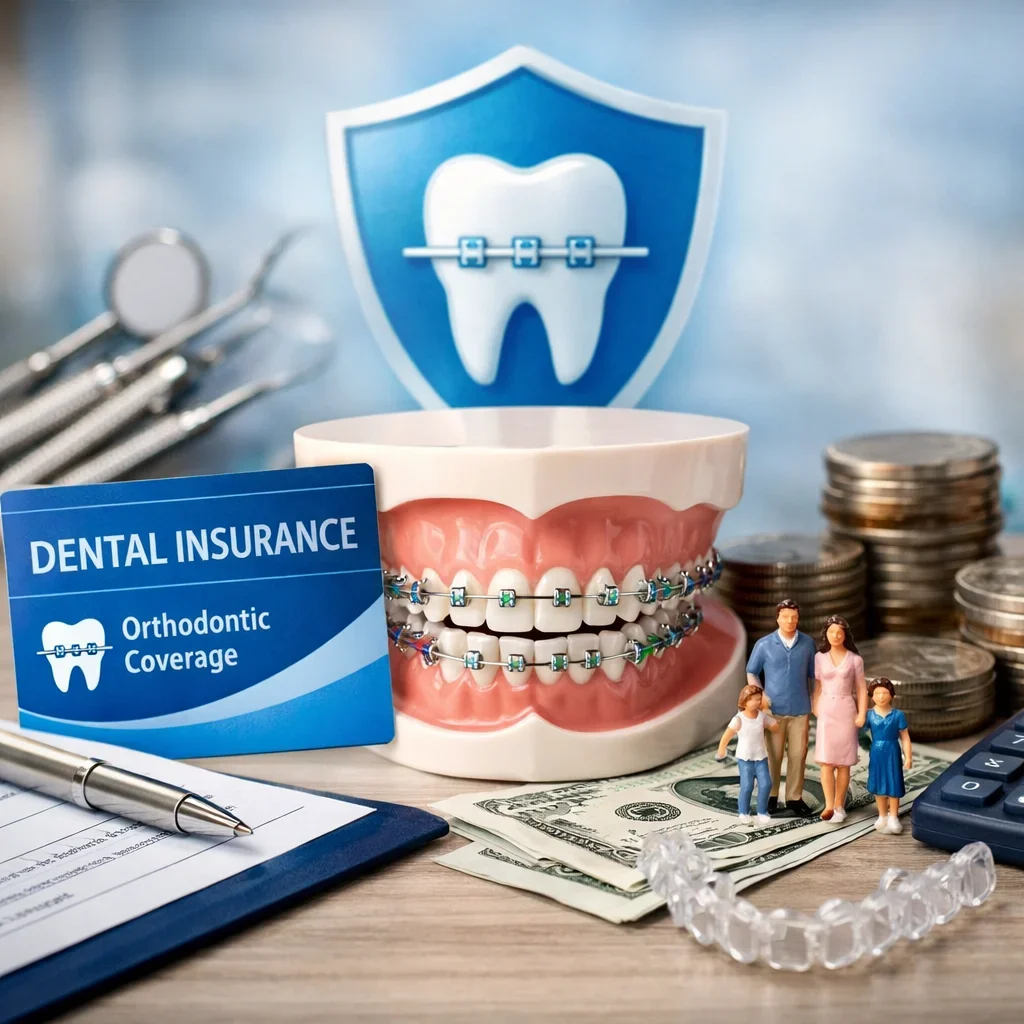
Is Orthodontic Dental Coverage Worth It for Families?
For many households, dental insurance decisions are closely tied to long-term health planning and financial stability. One of the most frequently asked questions parents and individuals have is whether orthodontic dental coverage is truly worth the cost. Orthodontic treatments such as braces, aligners, and other corrective appliances can be expensive, so having orthodontic dental coverage can make a substantial difference in affordability. Understanding the long-term value of orthodontic dental coverage helps families decide whether investing in this type of insurance benefit makes sense for their needs.
Orthodontic treatment is not only about achieving a beautiful smile. Properly aligned teeth contribute to better chewing function, improved oral hygiene, and reduced risk of dental complications later in life. Because orthodontic treatments often occur during childhood or adolescence—and sometimes during adulthood—families frequently face significant dental expenses. Orthodontic dental coverage is designed to reduce those financial pressures by sharing the cost of treatment between the patient and the insurance provider.
The Financial Benefits of Orthodontic Dental Coverage for Families
One of the biggest advantages of orthodontic dental coverage is the financial protection it offers families with children who may require orthodontic care. Braces and aligners can cost several thousand dollars per patient, and when multiple family members require treatment, expenses can quickly accumulate.
For example, consider a family with two children who both need braces. Without orthodontic dental coverage, the total treatment cost could look like this:
- Child 1 braces treatment: $5,000
- Child 2 braces treatment: $5,000
- Total orthodontic treatment cost: $10,000
If the family has orthodontic dental coverage providing a $2,000 lifetime benefit per child, the insurance plan could contribute $4,000 toward treatment. This significantly reduces the total financial burden for the family.
Even when orthodontic dental coverage does not pay the entire treatment cost, it often reduces expenses enough to make orthodontic care more accessible.
Health Advantages of Orthodontic Treatment
Families often consider orthodontic dental coverage because orthodontic treatment improves more than just appearance. Misaligned teeth and bite problems can create several oral health issues if left untreated. Orthodontic dental coverage helps families address these problems earlier, preventing more complicated and costly dental conditions in the future.
Common Health Benefits of Orthodontic Treatment
- Improved bite alignment and chewing ability
- Reduced risk of tooth decay due to easier cleaning
- Lower likelihood of gum disease
- Prevention of uneven tooth wear
- Better jaw alignment and reduced discomfort
By making orthodontic treatment more affordable, orthodontic dental coverage encourages families to pursue treatment that supports long-term oral health.
Orthodontic Dental Coverage for Adult Family Members
While orthodontic care has traditionally focused on children and teenagers, adult orthodontic treatment has become increasingly popular in recent years. Many adults now seek orthodontic treatment to correct bite problems or improve the appearance of their smile. Modern clear aligner systems have made orthodontic treatment more discreet and convenient for adult patients.
Some dental insurance plans now offer orthodontic dental coverage for adults as well as children. Families considering orthodontic dental coverage should verify whether their policy includes adult orthodontic benefits.
Adult orthodontic dental coverage may apply to treatments such as:
- Clear aligner therapy
- Ceramic braces
- Lingual braces placed behind the teeth
- Retainers and follow-up orthodontic care
When orthodontic dental coverage includes adult treatment, families gain greater flexibility in planning orthodontic care for multiple members.
When Orthodontic Dental Coverage May Be Less Necessary
Although orthodontic dental coverage offers many benefits, it may not be necessary for every family. Some individuals may not expect to require orthodontic treatment in the near future. In these cases, paying higher insurance premiums for orthodontic dental coverage might not provide immediate financial value.
Families should consider several factors before deciding whether orthodontic dental coverage is worthwhile:
- Likelihood that children will need braces
- Family history of orthodontic issues
- Cost of monthly insurance premiums
- Availability of dental payment plans
- Lifetime orthodontic benefit limits
If orthodontic treatment is likely in the future, orthodontic dental coverage often proves to be a wise financial investment.
Long-Term Value of Orthodontic Dental Coverage
When evaluating insurance options, families should look beyond immediate costs and consider the long-term benefits of orthodontic dental coverage. Orthodontic treatment can improve oral function, boost self-confidence, and prevent complex dental problems that might require expensive restorative treatments later in life.
According to the
American Dental Association, correcting bite alignment and tooth positioning contributes to improved oral health and overall dental stability. Orthodontic care is therefore an important part of comprehensive dental health management.
Orthodontic dental coverage helps families access these benefits without bearing the entire financial burden themselves.
Consulting Dental Experts Before Making a Decision
Before deciding whether orthodontic dental coverage is the right choice, families may benefit from consulting dental professionals who can evaluate orthodontic needs and discuss insurance options. Orthodontists can assess bite alignment, tooth development, and other factors that may indicate future orthodontic treatment.
Dental clinics also help patients verify orthodontic dental coverage benefits and estimate potential treatment costs. Families interested in orthodontic consultations or insurance guidance can contact dental professionals through the
Redent Klinik Contact Page.
Ultimately, orthodontic dental coverage can be an extremely valuable resource for families planning long-term dental care. By reducing treatment costs, supporting preventive orthodontic care, and improving access to dental services, orthodontic dental coverage allows families to prioritize both oral health and financial stability. When used strategically, orthodontic dental coverage helps families invest in healthier smiles that last a lifetime. 😁