
Orthodontic treatment is one of the most common dental procedures recommended for both teenagers and adults who want healthier, straighter smiles. However, many patients quickly discover that braces and orthodontic care can be expensive. This is where orthodontic insurance for braces becomes extremely important. Understanding how orthodontic coverage works can help patients reduce costs, plan treatments better, and avoid unexpected financial surprises.
Orthodontic insurance for braces is a specialized type of dental insurance designed to help cover part of the cost of orthodontic treatments such as traditional metal braces, ceramic braces, and sometimes clear aligners. Unlike general dental insurance, orthodontic coverage specifically focuses on correcting misaligned teeth and jaw structures. These treatments not only improve the appearance of a smile but also enhance oral health by correcting bite problems, preventing uneven tooth wear, and making teeth easier to clean.
Many patients assume that standard dental insurance automatically covers orthodontic procedures, but that is not always the case. In fact, most traditional dental plans provide little or no orthodontic coverage unless the plan specifically includes orthodontic insurance for braces. Because orthodontic care is often considered a specialized treatment rather than routine dental care, patients need to carefully review their insurance plans before starting treatment.
Another key factor to understand is how orthodontic benefits are structured. Most plans offering orthodontic insurance for braces operate with a lifetime maximum benefit rather than an annual maximum. This means the insurance company will pay up to a specific amount for orthodontic treatment during the lifetime of the policy. Once this limit is reached, the patient becomes responsible for all remaining treatment costs.
For example, many orthodontic plans offer a lifetime orthodontic maximum ranging from $1,000 to $3,500. If the total cost of braces is $5,000 and the insurance covers $2,000, the remaining $3,000 would be paid by the patient. This structure makes orthodontic insurance for braces extremely valuable but also highlights the importance of understanding the full financial picture before treatment begins.
Orthodontists typically create treatment plans that last between 12 and 24 months. Because of this long treatment timeline, insurance providers often pay orthodontic benefits gradually over the course of treatment instead of paying the full amount upfront. Patients using orthodontic insurance for braces should therefore expect payments to be distributed over time while their orthodontic progress continues.
Age eligibility is another important consideration. Some insurance providers offer orthodontic benefits only for children under the age of 18. However, many modern plans now include adult orthodontic benefits because more adults are seeking orthodontic treatment than ever before. As a result, choosing the right orthodontic insurance for braces plan can make a significant difference for adult patients who want to improve their smile later in life.
Orthodontic treatment is not just about aesthetics. Misaligned teeth and jaw issues can lead to long-term dental health problems if left untreated. Conditions like overbites, underbites, crowding, and spacing issues can increase the risk of tooth decay, gum disease, and jaw pain. Because of these health implications, many dental professionals strongly recommend orthodontic treatment when alignment issues are present.
Patients considering orthodontic treatment should always consult with a qualified dental professional to determine the most appropriate treatment plan. Trusted professional organizations such as the American Dental Association emphasize the importance of orthodontic evaluation for both children and adults. Proper diagnosis and treatment planning help ensure that patients receive effective care that improves both oral health and smile aesthetics.
In addition to understanding insurance coverage, patients should also communicate openly with their dental clinic about payment options. Many clinics offer flexible payment plans, financing options, or assistance in verifying orthodontic insurance for braces benefits before treatment begins. If you have questions about orthodontic treatments, insurance coverage, or treatment planning, you can easily reach out through the Redent Klinik Contact Page to receive professional guidance.
Ultimately, orthodontic insurance for braces can play a major role in making orthodontic treatment more affordable and accessible. By understanding coverage limits, eligibility requirements, waiting periods, and payment structures, patients can make smarter decisions about their dental care. Orthodontic treatment is a long-term investment in both health and confidence, and the right insurance plan can significantly reduce the financial burden while helping patients achieve the beautiful, healthy smile they deserve.
As orthodontic technology continues to advance, more treatment options are becoming available, including discreet ceramic braces and nearly invisible aligners. Fortunately, many modern insurance plans are beginning to expand orthodontic coverage to include these innovative treatments. This means that orthodontic insurance for braces is evolving to meet the growing demand for modern orthodontic solutions.
For patients planning orthodontic treatment, learning how orthodontic insurance for braces works is the first step toward achieving a healthier smile while managing treatment costs effectively. With the right knowledge and preparation, orthodontic care becomes far more accessible, allowing patients to enjoy both improved oral health and greater confidence in their smiles. 😊
What Is Orthodontic Insurance for Braces and How Does It Work?
For many patients considering orthodontic treatment, one of the first questions that arises is how to manage the cost of braces. Orthodontic care is a long-term treatment that can significantly improve both oral health and smile aesthetics, but it often requires a substantial financial investment. This is where orthodontic insurance for braces becomes extremely valuable. Understanding what this type of insurance is and how it functions can help patients make better financial and healthcare decisions.
Orthodontic insurance for braces is a specialized form of dental insurance that helps cover part of the cost associated with orthodontic treatments. These treatments typically include traditional metal braces, ceramic braces, lingual braces, and sometimes clear aligner systems such as Invisalign. While standard dental insurance focuses mainly on preventive and restorative procedures like cleanings, fillings, or crowns, orthodontic coverage is designed specifically for correcting dental alignment and bite issues.
Patients often assume that braces are purely cosmetic, but orthodontists and dental professionals emphasize that braces play an important role in improving overall oral health. Misaligned teeth can lead to issues such as uneven tooth wear, jaw discomfort, difficulty cleaning teeth, and an increased risk of cavities or gum disease. Because of these health benefits, many dental insurance providers offer orthodontic insurance for braces as an optional or upgraded coverage feature.
How Orthodontic Insurance Coverage Is Structured
One of the most important aspects of orthodontic insurance for braces is understanding how insurance companies structure their benefits. Unlike standard dental treatments that may have annual coverage limits, orthodontic plans typically operate using a lifetime maximum benefit. This means that the insurance company will pay a certain maximum amount toward orthodontic treatment during the lifetime of the policy.
For example, many insurance plans provide orthodontic lifetime benefits ranging from approximately $1,000 to $3,500. If a patient’s braces treatment costs $5,500 and their insurance policy offers a lifetime orthodontic maximum of $2,000, the insurance company will cover that portion while the remaining balance is paid by the patient.
This structure makes orthodontic insurance for braces an important financial tool, but it also means patients must carefully plan their treatment expenses. Understanding coverage limits in advance helps avoid unexpected financial surprises during the course of treatment.
Monthly Premiums and Cost Sharing
Another essential part of understanding orthodontic insurance for braces is the concept of premiums and cost sharing. Insurance plans usually require patients to pay a monthly premium in order to maintain coverage. In addition to the premium, the patient may also be responsible for deductibles, copayments, or coinsurance depending on the specific policy.
For example:
- Monthly insurance premium: $30–$60
- Annual deductible: $50–$150
- Orthodontic coverage percentage: 50%
- Lifetime orthodontic maximum: $1,500–$3,000
In this structure, orthodontic insurance for braces may cover roughly half of the orthodontic treatment cost until the lifetime maximum is reached. Patients then pay the remaining portion through out-of-pocket payments or payment plans offered by dental clinics.
Example Cost Breakdown With Orthodontic Insurance
To better understand how orthodontic insurance for braces works in practice, consider the following simplified example:
Average braces treatment cost: $5,000
Insurance coverage: 50%
Lifetime orthodontic maximum: $2,000

Insurance pays: $2,000
Patient pays remaining balance: $3,000
This example demonstrates how orthodontic coverage can significantly reduce the financial burden of braces treatment.
Payment Timeline for Orthodontic Insurance Benefits
Unlike many dental procedures that are completed in a single visit, orthodontic treatment usually lasts between 12 and 24 months. Because of this extended treatment period, insurance companies often distribute payments gradually over time instead of paying the entire benefit immediately.
When patients use orthodontic insurance for braces, the insurance provider may send periodic payments to the orthodontist as treatment progresses. This process is sometimes referred to as “installment reimbursement.” It ensures that insurance payments align with the ongoing progress of orthodontic care.
This system benefits both patients and insurance providers because it confirms that treatment is continuing as planned while also allowing insurance funds to be distributed fairly over the duration of treatment.
Age Restrictions and Eligibility
Another important detail about orthodontic insurance for braces involves age eligibility. Many insurance plans historically focused on orthodontic coverage for children and teenagers under the age of 18. This is because orthodontic treatment is often recommended during adolescence when jaw growth is still developing.
However, the demand for adult orthodontics has grown rapidly in recent years. Many adults now seek orthodontic treatment to improve their smiles or correct long-standing alignment issues. As a result, some modern dental insurance providers now include orthodontic coverage for adult patients as well.
Before choosing a plan, patients should carefully verify whether the orthodontic insurance for braces policy includes adult orthodontic benefits or if it is limited to younger patients.
Why Understanding Insurance Coverage Matters
Learning how orthodontic insurance for braces works helps patients prepare financially for orthodontic treatment. When patients understand coverage limits, payment timelines, and eligibility rules, they can plan their treatment with greater confidence.
Orthodontic care is an investment in both health and self-confidence. With proper planning and the right orthodontic insurance for braces policy, many patients find that achieving a straighter, healthier smile becomes far more affordable and manageable over time. 😁
Who Needs Orthodontic Insurance for Braces the Most?
Orthodontic treatment has become increasingly common for both children and adults who want healthier, straighter smiles. However, the cost of braces can often be a concern for many families. This is why orthodontic insurance for braces is an important financial tool for individuals who anticipate orthodontic treatment. While anyone considering braces can benefit from insurance coverage, certain groups of patients benefit the most from having a well-structured orthodontic insurance plan.
Understanding who needs orthodontic insurance for braces the most helps patients and families make informed decisions about dental coverage before starting treatment. Orthodontic insurance is particularly valuable for individuals who are likely to require long-term orthodontic care, which often includes multiple appointments, adjustments, and monitoring over a period of months or years.
Children and Teenagers With Developing Teeth
Children and teenagers are among the most common candidates for orthodontic treatment. Dentists and orthodontists often recommend braces during adolescence because the jaw and facial bones are still developing. This growth phase makes it easier to guide teeth into proper alignment and correct bite problems.
Because orthodontic treatment is frequently recommended for young patients, families often invest in orthodontic insurance for braces to help reduce the financial burden of treatment. Braces for teenagers typically last between 18 and 24 months, requiring multiple visits and ongoing adjustments. Without insurance coverage, these costs can quickly add up.
Common Orthodontic Issues in Children
Many orthodontic problems begin to appear during childhood or adolescence. When these issues are identified early, orthodontists can intervene with braces or other appliances to prevent more complex dental problems later in life.
- Crowded teeth
- Overbite or underbite
- Crossbite
- Spacing between teeth
- Jaw alignment problems
For families with children experiencing these issues, orthodontic insurance for braces can significantly reduce treatment expenses while ensuring the child receives timely orthodontic care.
Adults Seeking Smile Improvements
In recent years, orthodontic treatment for adults has grown rapidly. Many adults who did not receive orthodontic treatment during childhood now choose braces or clear aligners to improve their smiles and oral health. Adult orthodontics has become more popular due to advances in technology, including discreet ceramic braces and nearly invisible aligner systems.
For adults considering orthodontic treatment, orthodontic insurance for braces can play a major role in making treatment more affordable. Adult orthodontic procedures often require similar treatment durations as adolescent braces, meaning the total cost may range between $4,000 and $7,500 depending on complexity.
Although some insurance plans historically limited orthodontic benefits to children, many modern plans now include adult orthodontic coverage. Adults who are planning orthodontic treatment should review insurance policies carefully to confirm that their orthodontic insurance for braces includes adult eligibility.
Families Planning Long-Term Dental Care
Families with multiple children often benefit greatly from having orthodontic insurance for braces. When more than one child requires braces, the total orthodontic cost for a family can become quite significant. Insurance coverage helps distribute these costs over time and reduces the financial pressure on parents.
For example, if two children require braces and each treatment costs approximately $5,000, the total family expense could reach $10,000 without insurance coverage. With orthodontic insurance benefits, a portion of these costs may be covered, allowing families to manage treatment expenses more comfortably.
Benefits for Families With Orthodontic Coverage
Families that invest in orthodontic insurance for braces often gain several advantages:
- Lower out-of-pocket orthodontic costs
- Predictable treatment budgeting
- Access to recommended orthodontic care
- Reduced financial stress during treatment
These benefits make orthodontic insurance an appealing option for families prioritizing both dental health and financial planning.
Patients With Complex Orthodontic Conditions
Some individuals require more advanced orthodontic treatment due to complex dental conditions. These cases may involve severe crowding, bite misalignment, or jaw development issues that require extended orthodontic care. In such situations, orthodontic insurance for braces can provide important financial support.
Complex orthodontic cases sometimes require additional procedures such as expanders, retainers, or multi-phase treatment plans. The longer and more complex the treatment process becomes, the more valuable orthodontic insurance coverage can be.
Patients facing these types of dental challenges often benefit greatly from orthodontic insurance for braces because it helps offset the cost of specialized orthodontic services that might otherwise be financially overwhelming.
Patients Focused on Preventive Dental Health
Orthodontic treatment is not only about achieving a beautiful smile. Properly aligned teeth contribute significantly to long-term oral health. Straight teeth are easier to clean, which helps reduce the risk of cavities and gum disease. Additionally, correcting bite problems can prevent uneven tooth wear and jaw discomfort.
Patients who prioritize preventive dental care often choose orthodontic insurance for braces as part of their overall health strategy. Investing in orthodontic treatment today can prevent more serious dental issues in the future, making insurance coverage a valuable long-term investment.
In many cases, orthodontic treatment improves both function and appearance, allowing patients to enjoy better oral hygiene and greater confidence in their smiles. When combined with orthodontic insurance for braces, this treatment becomes more accessible and financially manageable for a wide range of patients.
Ultimately, while anyone considering braces may benefit from orthodontic coverage, children, teenagers, adults seeking smile improvements, families with multiple orthodontic needs, and patients with complex dental conditions are among those who benefit the most from having reliable orthodontic insurance for braces. By planning ahead and choosing the right insurance plan, patients can ensure they receive the orthodontic care they need without unnecessary financial stress. 😊
Types of Orthodontic Insurance Plans That Cover Braces
Choosing the right insurance plan can make a significant difference when planning orthodontic treatment. Because braces are considered a specialized dental procedure, not every insurance policy offers the same level of coverage. Understanding the different types of plans that provide orthodontic insurance for braces helps patients select coverage that fits both their dental needs and financial situation.
Insurance providers offer several types of dental insurance structures, and many of them include optional orthodontic benefits. However, the details of orthodontic insurance for braces vary widely depending on the type of plan. Some policies offer partial coverage for orthodontic care, while others may limit coverage based on age, waiting periods, or lifetime benefit caps.
By learning how these insurance plans work, patients can better evaluate which form of orthodontic insurance for braces provides the most value for their orthodontic treatment.
Employer-Sponsored Dental Insurance Plans
One of the most common ways people obtain orthodontic insurance for braces is through employer-sponsored dental insurance. Many companies provide dental coverage as part of their employee benefits packages. Some of these plans include orthodontic benefits for employees and sometimes their dependents.
Employer-sponsored dental plans often provide structured orthodontic coverage with specific limits and cost-sharing arrangements. Typically, orthodontic benefits in these plans cover approximately 50% of treatment costs up to a lifetime maximum.
Typical Coverage Structure in Employer Plans
Most employer-based orthodontic insurance for braces policies follow a structure similar to the following example:
Average braces treatment cost: $5,000 – $6,500
Insurance coverage percentage: 50%
Lifetime orthodontic maximum: $1,500 – $3,000
Patient responsibility: remaining balance
These plans often allow employees to enroll during annual benefits enrollment periods. Families with children who may require braces frequently choose dental plans that include orthodontic insurance for braces as part of their long-term healthcare planning.
Individual Dental Insurance Plans
Individuals who do not receive dental benefits through their employer can still purchase private dental insurance plans. Many insurance companies offer individual policies that include orthodontic coverage as an optional feature.
Individual dental plans offering orthodontic insurance for braces are especially useful for freelancers, self-employed professionals, or individuals without employer-provided healthcare benefits. However, these policies may come with specific conditions that patients should carefully review.
For example, individual orthodontic policies often include waiting periods before orthodontic benefits become active. This waiting period may range from 6 months to 12 months depending on the insurance provider.
Common Features of Individual Orthodontic Plans
- Monthly premiums between $30 and $70
- Orthodontic coverage typically around 50%
- Lifetime orthodontic benefit limits
- Waiting periods before orthodontic coverage begins
- Eligibility rules for adult orthodontics
Although individual plans may have slightly higher premiums, they still provide valuable orthodontic insurance for braces for patients planning orthodontic treatment in the future.
Dental Discount Plans
Dental discount plans are another option that some patients use when seeking affordable orthodontic care. Unlike traditional insurance, dental discount programs are membership-based services that provide reduced fees at participating dental clinics.
While dental discount plans are not technically insurance, they can still function as a form of cost assistance for orthodontic procedures. Patients enrolled in these programs may receive discounted rates on braces and orthodontic consultations.
For example, a discount plan may reduce the cost of orthodontic treatment by 10% to 30%. Although this type of plan does not reimburse treatment costs directly, it can still complement orthodontic insurance for braces by lowering overall treatment expenses.
Government-Supported Dental Coverage
In some countries or regions, government-supported healthcare programs provide orthodontic coverage for children when treatment is considered medically necessary. Programs such as Medicaid in the United States may offer limited orthodontic benefits for qualifying patients.
These programs typically focus on severe orthodontic conditions that affect oral function or jaw development. When treatment is deemed necessary, government programs may help provide orthodontic insurance for braces for eligible patients.
However, eligibility criteria can be strict, and cosmetic orthodontic treatments may not qualify for coverage under these programs.
Supplemental Orthodontic Insurance Plans
Some insurance providers offer supplemental orthodontic policies designed specifically to cover orthodontic treatments. These supplemental plans are purchased in addition to a regular dental insurance policy.
Supplemental policies often increase the available orthodontic coverage or expand treatment eligibility. For example, patients who already have basic dental coverage may purchase additional orthodontic insurance for braces to reduce their out-of-pocket expenses.
These plans may also offer additional coverage options for modern orthodontic treatments such as clear aligners or ceramic braces.
Advantages of Supplemental Coverage
- Higher orthodontic benefit limits
- Expanded treatment coverage
- Additional financial protection
- More flexibility in orthodontic treatment options
Patients considering more advanced orthodontic solutions often find supplemental orthodontic insurance for braces useful when planning their treatment strategy.
Choosing the Right Plan for Your Needs
Because orthodontic treatment is a long-term investment in dental health and appearance, choosing the right insurance plan requires careful consideration. Patients should compare coverage percentages, lifetime maximum benefits, waiting periods, and eligibility requirements before selecting a plan.
Regardless of the type of plan chosen, having reliable orthodontic insurance for braces can significantly reduce treatment costs while making orthodontic care more accessible. Whether through employer benefits, private insurance, discount programs, or supplemental coverage, orthodontic insurance plays a critical role in helping patients achieve healthier and more confident smiles.
By understanding the different types of orthodontic insurance for braces available, patients can make informed decisions that balance financial planning with their long-term dental health goals. 😁
What Treatments Are Usually Covered by Orthodontic Insurance for Braces?
Many patients who are planning orthodontic treatment wonder exactly which procedures are covered by orthodontic insurance for braces. While orthodontic insurance is designed to reduce the cost of braces and related treatments, the specific services included in coverage can vary depending on the insurance provider and the type of plan selected. Understanding what treatments are commonly included in orthodontic insurance for braces helps patients plan their treatment journey with fewer financial surprises.
Orthodontic care focuses on correcting problems with the alignment of teeth and jaws. Misaligned teeth can affect chewing, speech, and long-term dental health. Because these conditions can impact overall oral function, many dental insurance providers include some level of orthodontic coverage within their policies. However, it is important to remember that orthodontic insurance for braces typically covers only specific orthodontic procedures and often includes certain limits or conditions.
Traditional Metal Braces Coverage
The most commonly covered orthodontic treatment under orthodontic insurance for braces is traditional metal braces. Metal braces remain one of the most effective and widely used orthodontic solutions for correcting moderate to severe dental alignment problems. They use brackets attached to each tooth and a wire system that gradually moves teeth into proper alignment.
Because traditional braces are considered a standard orthodontic treatment, most insurance plans offering orthodontic insurance for braces include at least partial coverage for this procedure. Typically, insurance providers pay a percentage of the total cost up to the policy’s lifetime orthodontic maximum.
Typical Cost Example for Metal Braces
Average treatment cost: $4,000 – $6,000
Insurance coverage: about 50%
Lifetime orthodontic maximum: $1,500 – $3,000
Patient responsibility: remaining balance
These numbers can vary depending on the complexity of the case, but metal braces are usually the most straightforward procedure supported by orthodontic insurance for braces.
Ceramic Braces and Aesthetic Options
Ceramic braces are another orthodontic treatment that may be covered by orthodontic insurance for braces. These braces work similarly to metal braces but use tooth-colored or clear brackets, making them less noticeable. Because they provide a more aesthetic option for patients concerned about appearance, ceramic braces are popular among adults and older teenagers.
Some insurance policies treat ceramic braces the same as metal braces in terms of coverage. However, other plans may limit reimbursement to the cost of traditional braces. If the patient chooses ceramic braces, they may need to pay the difference between the standard braces cost and the ceramic option.
Even when cosmetic orthodontic options are selected, orthodontic insurance for braces can still provide partial financial assistance for the overall treatment cost.
Clear Aligners and Invisible Orthodontics
Clear aligner systems such as Invisalign have become increasingly popular in recent years. These orthodontic devices use transparent plastic trays that gradually shift teeth into alignment. Many patients prefer clear aligners because they are removable, comfortable, and nearly invisible during daily activities.
Some modern dental insurance providers now include coverage for clear aligners under orthodontic insurance for braces. However, coverage rules may vary. Certain insurance plans reimburse clear aligners at the same rate as traditional braces, while others may provide reduced benefits.
Average Cost for Clear Aligners
Average treatment cost: $4,500 – $7,500
Insurance contribution (if covered): 25% – 50%
Remaining balance: paid by patient
Before starting clear aligner treatment, patients should verify whether their orthodontic insurance for braces plan includes coverage for invisible orthodontic systems.
Orthodontic Evaluations and Diagnostic Services
Before braces can be placed, orthodontists must first conduct a detailed diagnostic evaluation. These evaluations often include dental X-rays, digital scans, photographs, and bite analysis. These diagnostic procedures allow orthodontists to design a customized treatment plan for each patient.
Many insurance providers include orthodontic evaluations as part of orthodontic insurance for braces. Diagnostic services may be partially or fully covered depending on the insurance plan. This coverage helps reduce the upfront costs associated with orthodontic consultations.
Early diagnostic assessments are especially important for children and teenagers, as orthodontists can detect alignment issues before they become more severe.
Orthodontic Adjustments and Follow-Up Visits
Orthodontic treatment requires regular follow-up appointments to adjust braces and monitor progress. These visits allow orthodontists to tighten wires, replace elastics, and ensure that teeth are moving according to the treatment plan.
When patients have orthodontic insurance for braces, these routine orthodontic visits are typically included within the overall treatment coverage. Since orthodontic treatment can last between 12 and 24 months, these regular adjustments are an essential part of the process.
Insurance providers usually distribute payments gradually throughout the treatment period rather than covering the entire procedure upfront. This ensures that orthodontic insurance for braces continues to support treatment as long as the orthodontic care remains active.
Retainers After Braces Treatment
Once braces are removed, patients typically need to wear retainers to maintain the new position of their teeth. Retainers prevent teeth from shifting back to their original alignment. Orthodontists usually recommend wearing retainers regularly after treatment to ensure long-term success.
Some orthodontic insurance for braces plans include coverage for the first set of retainers as part of the treatment package. However, replacement retainers may not always be covered. Patients should confirm whether retainer coverage is included in their insurance plan before completing treatment.
Typical Retainer Costs
Initial retainer (often included in treatment): covered by insurance
Replacement retainers: $150 – $500 per set
Even though retainers represent a smaller portion of orthodontic treatment costs, having them included in orthodontic insurance for braces can still provide additional financial value.
Understanding Coverage Limitations
Although orthodontic insurance for braces covers many orthodontic treatments, patients should remember that insurance plans often have limitations. These may include waiting periods, lifetime benefit caps, age restrictions, or exclusions for cosmetic-only procedures.
Carefully reviewing insurance policy details allows patients to understand exactly which treatments are covered and what portion of the cost will remain their responsibility.
Overall, orthodontic insurance for braces can significantly reduce the financial burden associated with orthodontic treatment. By covering many essential procedures—such as braces installation, adjustments, diagnostic services, and sometimes retainers—orthodontic insurance makes achieving a healthy and confident smile far more accessible for patients of all ages. 😁
Average Cost of Braces With and Without Orthodontic Insurance
The cost of orthodontic treatment is one of the most important factors patients consider before deciding to get braces. While braces can significantly improve dental health and confidence, the total treatment price can be substantial. This is why understanding the financial difference between having and not having orthodontic insurance for braces is essential for anyone planning orthodontic treatment.
Orthodontic care involves a series of professional services including consultation, diagnostics, braces installation, periodic adjustments, and retention therapy. Because treatment typically lasts between 12 and 24 months, the total cost can vary depending on several factors such as the complexity of the case, the type of braces used, the orthodontist’s experience, and the geographic location of the clinic. Having orthodontic insurance for braces can significantly reduce the financial burden by covering part of these expenses.
Average Cost of Braces Without Orthodontic Insurance
Patients who do not have orthodontic insurance for braces must usually pay the full cost of treatment out of pocket. The price of braces varies depending on the type of orthodontic system selected and the length of treatment.
Below are common average price ranges for braces in many dental clinics:
Typical Orthodontic Treatment Costs
Traditional metal braces: $4,000 – $6,500
Ceramic braces: $4,500 – $7,000
Lingual braces: $8,000 – $10,000
Clear aligners (e.g., Invisalign): $4,500 – $7,500
These estimates include diagnostic examinations, braces installation, adjustment visits, and the initial retainer provided after treatment. However, without orthodontic insurance for braces, patients must often manage these costs through personal savings, payment plans, or orthodontic financing programs.
Many orthodontic clinics offer monthly payment options to make treatment more accessible. For example, a $5,000 orthodontic treatment might be divided into monthly payments over 24 months. Even with payment plans, however, the total cost can still represent a significant financial commitment without orthodontic insurance for braces.
Average Cost of Braces With Orthodontic Insurance
When patients have orthodontic insurance for braces, insurance providers usually cover a portion of orthodontic treatment expenses. Most dental insurance plans with orthodontic benefits pay approximately 50% of the treatment cost up to a lifetime maximum.
Lifetime orthodontic coverage limits typically range between $1,000 and $3,500, depending on the insurance plan. This means the insurance company will contribute toward orthodontic treatment until that maximum benefit is reached.
Example Cost Comparison
Total orthodontic treatment cost: $5,500
Insurance coverage percentage: 50%
Lifetime orthodontic maximum: $2,000

Insurance pays: $2,000
Patient pays remaining balance: $3,500
Although the patient still pays part of the cost, orthodontic insurance for braces can significantly reduce the overall financial burden. In many cases, insurance coverage can lower treatment expenses by thousands of dollars.
Factors That Influence Braces Pricing
The final cost of orthodontic treatment can vary widely depending on several factors. Even when using orthodontic insurance for braces, understanding these cost variables helps patients plan their orthodontic care more effectively.
1. Complexity of the Dental Case
Some patients require more extensive orthodontic corrections than others. Severe crowding, bite misalignment, or jaw positioning issues may require longer treatment periods and additional orthodontic appliances. These factors can increase treatment costs even when orthodontic insurance for braces helps cover part of the expense.
2. Type of Orthodontic Appliance
Different types of braces have different price points. Traditional metal braces are typically the most affordable option. Ceramic braces and clear aligners may cost more due to their aesthetic advantages and advanced materials. Insurance plans providing orthodontic insurance for braces may cover the base cost of traditional braces while requiring patients to pay the difference if they choose premium treatment options.
3. Length of Treatment
Orthodontic treatment duration also affects the overall cost. Some treatments may take only 12 months, while others require up to 24 months or longer. The longer the treatment continues, the more adjustment visits and orthodontic monitoring appointments are required. Fortunately, orthodontic insurance for braces usually distributes payments gradually throughout the treatment timeline.
4. Geographic Location
Dental treatment costs often vary depending on the region or city where the orthodontic clinic operates. Clinics in large metropolitan areas may charge higher fees compared to smaller towns or rural areas. Patients with orthodontic insurance for braces can still benefit from insurance contributions regardless of location, but local treatment costs may influence how much the patient ultimately pays.
Additional Costs to Consider
Although braces treatment usually includes most orthodontic services, patients should also be aware of possible additional costs that may not always be covered by orthodontic insurance for braces.
Common Additional Orthodontic Costs
- Replacement retainers: $150 – $500
- Broken bracket repairs
- Lost aligner replacements
- Emergency orthodontic visits
Many orthodontists include some of these services within the total treatment cost, but coverage policies can vary. Reviewing insurance plan details helps patients understand how their orthodontic insurance for braces applies to these situations.
Why Insurance Makes Orthodontic Treatment More Accessible
Orthodontic care is not only about improving appearance; it also contributes to long-term dental health. Straight teeth are easier to clean, which reduces the risk of cavities and gum disease. Proper bite alignment can also prevent jaw pain and uneven tooth wear.
Because of these long-term benefits, investing in orthodontic insurance for braces can be a smart financial decision. Insurance coverage helps reduce treatment costs, making orthodontic care more accessible for both families and adults seeking dental improvements.
By comparing costs with and without orthodontic insurance for braces, patients can clearly see how valuable orthodontic coverage can be. Even partial insurance benefits can significantly lower treatment expenses while helping patients achieve healthier, more confident smiles. 😊
Waiting Periods and Limitations in Orthodontic Insurance for Braces
While orthodontic coverage can significantly reduce treatment costs, it is important for patients to understand that most insurance plans include certain restrictions. These limitations are designed to prevent misuse of insurance and to ensure long-term sustainability for insurance providers. When considering orthodontic insurance for braces, one of the most important aspects to review is the waiting period and the various limitations that may apply to orthodontic treatment.
Waiting periods and coverage restrictions can influence when treatment begins and how much financial support patients receive from their insurance policy. By understanding these factors early, patients can avoid unexpected surprises and plan orthodontic treatment more effectively. A well-informed patient who understands the details of orthodontic insurance for braces is far more prepared to manage both treatment timelines and financial expectations.
What Is a Waiting Period in Orthodontic Insurance?
A waiting period is the amount of time a patient must wait after enrolling in a dental insurance plan before orthodontic benefits become available. Many insurance providers include this delay to prevent individuals from purchasing insurance solely to immediately cover expensive orthodontic procedures.
For example, a patient might enroll in a dental plan that includes orthodontic insurance for braces, but the policy may require a waiting period of several months before orthodontic treatment becomes eligible for reimbursement.
Typical Waiting Period Duration
Preventive dental services: often no waiting period
Basic dental treatments: 3–6 months waiting period
Major dental procedures: 6–12 months waiting period
Orthodontic insurance for braces: 6–12 months waiting period (sometimes longer)
This means that patients planning orthodontic treatment should ideally purchase orthodontic insurance for braces well in advance of beginning treatment. Waiting until braces are urgently needed may result in delays due to the insurance activation timeline.
Lifetime Maximum Benefit Limits
Another common limitation in orthodontic insurance for braces is the lifetime orthodontic maximum. Unlike many standard dental treatments that renew annually, orthodontic coverage usually has a lifetime limit that applies to the entire duration of the policy.
Once the insurance company reaches this maximum contribution amount, the patient becomes responsible for paying the remaining treatment costs. This limit is an important factor when calculating the overall financial value of orthodontic insurance for braces.
Typical Lifetime Maximum Coverage
Minimum orthodontic lifetime benefit: $1,000
Average orthodontic lifetime benefit: $1,500 – $2,500
Premium orthodontic lifetime benefit: up to $3,500
Because orthodontic treatments often cost between $4,000 and $7,500, the lifetime benefit usually covers only a portion of the total treatment cost. Even so, orthodontic insurance for braces can still reduce out-of-pocket expenses by thousands of dollars.
Age Restrictions for Orthodontic Coverage
Some insurance providers impose age limitations when offering orthodontic insurance for braces. Historically, orthodontic benefits were primarily designed for children and teenagers because orthodontic treatment was traditionally recommended during developmental years.
In many cases, policies limit orthodontic coverage to patients under the age of 18. However, as adult orthodontics has become increasingly popular, many modern insurance plans have expanded their policies to include orthodontic coverage for adults as well.
Before purchasing a policy, patients should carefully review whether their orthodontic insurance for braces includes coverage for adult orthodontic treatment. This is especially important for adults considering braces later in life.
Pre-Existing Condition Limitations
Insurance providers sometimes apply limitations to treatments related to pre-existing dental conditions. If an orthodontist has already recommended braces before the insurance policy begins, the insurance company may classify this as a pre-existing condition.
In such cases, orthodontic insurance for braces may not cover the treatment immediately or may exclude it entirely depending on the policy terms. This rule encourages patients to obtain dental insurance before orthodontic problems become severe.
Patients should always disclose their dental history when enrolling in a policy and carefully review the fine print regarding pre-existing orthodontic conditions.
Coverage Percentage Limits
Even when orthodontic benefits are available, insurance providers rarely cover the entire cost of treatment. Most plans offering orthodontic insurance for braces cover approximately 50% of orthodontic treatment costs.
This means that patients remain responsible for paying the remaining portion of treatment expenses. While this shared-cost structure may seem challenging at first, orthodontic insurance still provides meaningful financial support for long-term orthodontic care.
Example Cost Sharing
Total braces cost: $5,500
Insurance coverage: 50%
Lifetime orthodontic maximum: $2,000

Insurance contribution: $2,000
Patient responsibility: $3,500
This example demonstrates how orthodontic insurance for braces can significantly reduce treatment costs while still requiring patients to share some financial responsibility.
Network Restrictions and Approved Providers
Some insurance plans limit orthodontic coverage to a specific network of dental providers. If patients choose an orthodontist outside of the approved network, the insurance provider may reduce the coverage amount or refuse reimbursement.
Patients who plan to use orthodontic insurance for braces should confirm that their preferred orthodontist is part of the insurance network before beginning treatment. Choosing an in-network orthodontist usually results in lower costs and smoother insurance claims processing.
Understanding Insurance Policies Before Treatment
Reading and understanding the terms of an insurance policy is essential before starting orthodontic treatment. Waiting periods, lifetime limits, age restrictions, and provider networks can all influence how orthodontic insurance for braces works for each patient.
Patients who carefully review these policy details can make
How to Choose the Best Orthodontic Insurance for Braces
Selecting the right insurance plan can make a significant difference in the affordability of orthodontic treatment. Because braces treatment often lasts between one and two years and can cost several thousand dollars, choosing the right orthodontic insurance for braces is an important decision for both individuals and families. With many insurance providers offering different coverage structures, benefits, and limitations, patients must evaluate multiple factors before selecting the most suitable plan.
Understanding how to compare insurance policies helps ensure that patients receive the most value from orthodontic insurance for braces. By carefully reviewing coverage percentages, lifetime maximums, waiting periods, and provider networks, patients can identify a plan that supports their orthodontic treatment while minimizing financial stress.
Evaluate the Orthodontic Coverage Percentage
One of the most important aspects of any orthodontic insurance for braces policy is the percentage of treatment costs that the insurance company will cover. Most orthodontic insurance plans typically cover around 50% of the total cost of braces treatment.
However, some plans may offer lower coverage percentages, especially for more advanced orthodontic options such as ceramic braces or clear aligners. When comparing policies, patients should confirm the exact coverage percentage provided by their orthodontic insurance for braces plan.
Typical Coverage Percentages
Basic orthodontic insurance plans: 40% coverage
Standard orthodontic insurance plans: 50% coverage
Premium orthodontic insurance plans: 60% coverage (rare)
While the percentage may seem similar across many plans, even small differences in coverage can affect the total amount patients pay for treatment.
Review the Lifetime Orthodontic Maximum
Another critical factor when selecting orthodontic insurance for braces is the lifetime orthodontic maximum benefit. Unlike regular dental insurance that often resets annually, orthodontic benefits typically have a lifetime limit.
This means the insurance company will contribute up to a specific amount toward orthodontic treatment during the lifetime of the policy. Once this limit is reached, the patient becomes responsible for all remaining treatment expenses.
Typical Lifetime Maximum Ranges
Entry-level plans: $1,000 lifetime orthodontic benefit
Standard plans: $1,500 – $2,500 lifetime orthodontic benefit
Premium plans: up to $3,500 lifetime orthodontic benefit
When choosing orthodontic insurance for braces, a higher lifetime maximum can provide greater financial protection, especially for complex orthodontic cases that require longer treatment durations.
Check Waiting Period Requirements
Many dental insurance policies include waiting periods before orthodontic benefits become active. A waiting period is the time patients must wait after enrolling in a plan before they can begin orthodontic treatment and receive reimbursement.
For most policies offering orthodontic insurance for braces, waiting periods typically range between 6 and 12 months. This means patients planning orthodontic treatment should ideally enroll in insurance coverage well before beginning treatment.
Patients who anticipate braces treatment for themselves or their children should consider enrolling early so their orthodontic insurance for braces benefits are fully active when treatment begins.
Verify Age Eligibility for Coverage
Some insurance providers restrict orthodontic coverage to children and teenagers under a certain age, often under 18. Historically, orthodontic treatment was most commonly performed during adolescence when jaw growth is still developing.
However, adult orthodontics has become increasingly popular. Many adults now pursue braces or clear aligners to improve their dental health and appearance. Because of this growing demand, some insurance providers now include adult orthodontic coverage within their orthodontic insurance for braces policies.
Patients considering orthodontic treatment later in life should confirm that their selected plan includes adult eligibility before purchasing orthodontic insurance for braces.
Review the Network of Orthodontic Providers
Insurance companies often work with a network of approved dentists and orthodontists. Patients who receive treatment from in-network providers usually benefit from lower treatment costs and simplified insurance claims.
When selecting orthodontic insurance for braces, patients should verify that their preferred orthodontist participates in the insurance provider’s network. Choosing an in-network orthodontist can significantly reduce out-of-pocket costs and ensure smoother communication between the dental clinic and the insurance provider.
Benefits of Using In-Network Orthodontists
- Lower negotiated treatment costs
- Simplified insurance claims processing
- Predictable payment structures
- Better coordination between provider and insurer
These advantages make in-network providers an important consideration when selecting orthodontic insurance for braces.
Consider Coverage for Modern Orthodontic Options
Orthodontic technology has advanced significantly in recent years. In addition to traditional metal braces, many patients now choose ceramic braces, lingual braces, or clear aligners for more discreet treatment options.
Not all insurance plans treat these treatments equally. Some policies cover only the cost of traditional braces, while others may provide partial coverage for modern orthodontic systems.
Patients interested in advanced orthodontic treatments should confirm that their orthodontic insurance for braces policy includes coverage for the specific treatment they prefer.
Compare Monthly Premium Costs
Insurance premiums represent the monthly payment required to maintain coverage. While plans with lower premiums may appear attractive at first, they sometimes offer lower orthodontic benefits or stricter limitations.
When comparing plans, patients should evaluate both the premium cost and the orthodontic benefits offered. A slightly higher premium may provide better coverage for orthodontic insurance for braces, resulting in greater overall savings during orthodontic treatment.
Example Premium Range
Basic dental insurance premium: $20 – $30 per month
Standard orthodontic insurance premium: $30 – $60 per month
Premium orthodontic coverage: $60 – $90 per month
Balancing premium costs with orthodontic benefits helps patients choose a plan that delivers the best value.
Seek Professional Guidance Before Choosing a Plan
Choosing the right orthodontic insurance for braces can feel complicated, especially for patients unfamiliar with insurance terminology. Consulting with dental professionals or insurance specialists can provide valuable guidance when evaluating different policies.
Orthodontists and dental clinics often have experience working with multiple insurance providers and can help patients understand how different policies apply to orthodontic treatment.
Ultimately, selecting the best orthodontic insurance for braces requires careful comparison of coverage percentages, lifetime benefits, waiting periods, provider networks, and premium costs. Patients who take the time to research these factors can secure insurance coverage that supports their orthodontic treatment while minimizing financial stress.
With the right insurance plan in place, achieving a healthy and confident smile becomes far more accessible and affordable for patients of all ages. 😊
Tips to Maximize Benefits From Orthodontic Insurance for Braces
Orthodontic treatment can be a significant investment, but the right strategy can help patients make the most of their insurance coverage. Many people enroll in dental insurance plans yet do not fully utilize the benefits available to them. By understanding how orthodontic insurance for braces works and applying smart financial planning strategies, patients can significantly reduce their out-of-pocket expenses while still receiving high-quality orthodontic care.
Maximizing the value of orthodontic insurance for braces requires careful planning, communication with dental providers, and a clear understanding of insurance policy details. Patients who take time to learn how their insurance works often find that they can lower treatment costs and avoid unnecessary expenses during their orthodontic journey.
Start Insurance Coverage Before Orthodontic Treatment
One of the most important strategies for maximizing orthodontic insurance for braces is enrolling in an insurance plan before orthodontic treatment becomes urgent. Many dental insurance policies include waiting periods that delay orthodontic coverage for several months after enrollment.
If a patient waits until braces are immediately needed before purchasing insurance, they may have to delay treatment due to these waiting periods. Starting insurance coverage early allows the waiting period to pass so that orthodontic insurance for braces becomes fully active when treatment begins.
Typical Waiting Period Timeline
Preventive dental services: no waiting period
Basic dental treatments: 3–6 months
Major dental procedures: 6–12 months
Orthodontic insurance for braces: often 6–12 months
Planning ahead ensures patients can fully benefit from their orthodontic insurance coverage.
Understand the Lifetime Maximum Benefit
Most dental insurance plans offering orthodontic insurance for braces include a lifetime orthodontic maximum benefit. This limit represents the total amount the insurance provider will pay toward orthodontic treatment during the life of the policy.
Patients should carefully review this maximum amount before beginning treatment. Understanding the lifetime cap helps patients estimate how much financial assistance they will receive and how much they will need to pay themselves.
Typical Orthodontic Lifetime Limits
Basic orthodontic coverage: $1,000
Standard orthodontic coverage: $1,500 – $2,500
Premium orthodontic coverage: $3,000 – $3,500
Even though braces treatment often costs more than the lifetime maximum, having orthodontic insurance for braces can still reduce treatment costs by thousands of dollars.
Choose In-Network Orthodontists
Insurance providers often partner with a network of approved dental professionals. Orthodontists within the insurance network usually agree to negotiated treatment rates, which means patients can receive orthodontic care at lower prices.
Choosing an in-network provider allows patients to maximize the value of orthodontic insurance for braces. In-network orthodontists typically handle insurance paperwork directly with the provider, making the claims process simpler and faster.
Advantages of Using Network Providers
- Reduced treatment costs
- Faster insurance reimbursement
- Simplified claims process
- Transparent pricing structures
Patients who select orthodontists within their insurance network usually benefit from the most efficient use of orthodontic insurance for braces.
Coordinate Insurance With Flexible Payment Plans
Many orthodontic clinics offer flexible payment plans that allow patients to spread the cost of treatment across multiple months. When these payment plans are combined with orthodontic insurance for braces, patients can significantly reduce the financial burden of orthodontic treatment.
For example, if insurance covers part of the treatment cost, the remaining balance can often be divided into manageable monthly payments. This combination makes orthodontic care accessible for families who might otherwise struggle to pay the full treatment cost upfront.
Patients should discuss available financing options with their orthodontist while also verifying how their orthodontic insurance for braces will contribute during the treatment period.
Use Insurance Benefits for Diagnostic Evaluations
Orthodontic treatment begins with a detailed diagnostic process. Orthodontists typically perform dental examinations, X-rays, digital scans, and bite analysis to determine the best treatment plan.
Many dental insurance plans include coverage for these diagnostic services as part of orthodontic insurance for braces. Taking advantage of these benefits can reduce the initial cost of orthodontic consultations and treatment planning.
Patients should confirm whether their insurance plan covers orthodontic evaluations and imaging services before scheduling their first orthodontic appointment.
Review Coverage for Different Types of Braces
Modern orthodontic treatments offer several options beyond traditional metal braces. Patients can now choose ceramic braces, lingual braces, or clear aligner systems depending on their personal preferences and treatment needs.
However, not every insurance policy treats these options equally. Some policies reimburse orthodontic treatments based on the cost of traditional braces, meaning patients may need to pay additional fees if they select more advanced options.
Before beginning treatment, patients should verify how their orthodontic insurance for braces applies to the specific orthodontic system they intend to use.
Common Orthodontic Treatment Options
Traditional metal braces: $4,000 – $6,500
Ceramic braces: $4,500 – $7,000
Lingual braces: $8,000 – $10,000
Clear aligners: $4,500 – $7,500
Even when advanced orthodontic systems are chosen, orthodontic insurance for braces can still help offset part of the treatment cost.
Keep Detailed Records of Insurance Claims
Maintaining organized documentation is another effective strategy for maximizing the benefits of orthodontic insurance for braces. Patients should keep copies of insurance claims, payment receipts, and treatment plans.
Having accurate records helps resolve potential insurance issues and ensures that patients receive all eligible benefits from their orthodontic coverage.
Dental clinics often assist patients with insurance documentation, but patients should still maintain their own records for personal financial tracking.
Communicate Regularly With Your Orthodontist
Open communication between patients, orthodontists, and insurance providers helps ensure that orthodontic treatment progresses smoothly. Orthodontic clinics frequently work with insurance companies and can help patients understand how their orthodontic insurance for braces applies to each stage of treatment.
By discussing insurance benefits early and maintaining clear communication throughout treatment, patients can avoid confusion and ensure they receive the maximum financial support available through their insurance policy.
Ultimately, patients who understand their insurance policy and apply these strategies can greatly increase the value they receive from orthodontic insurance for braces. With proper planning and careful use of available benefits, orthodontic treatment becomes far more affordable while still delivering the long-term dental health improvements that braces provide. 😊
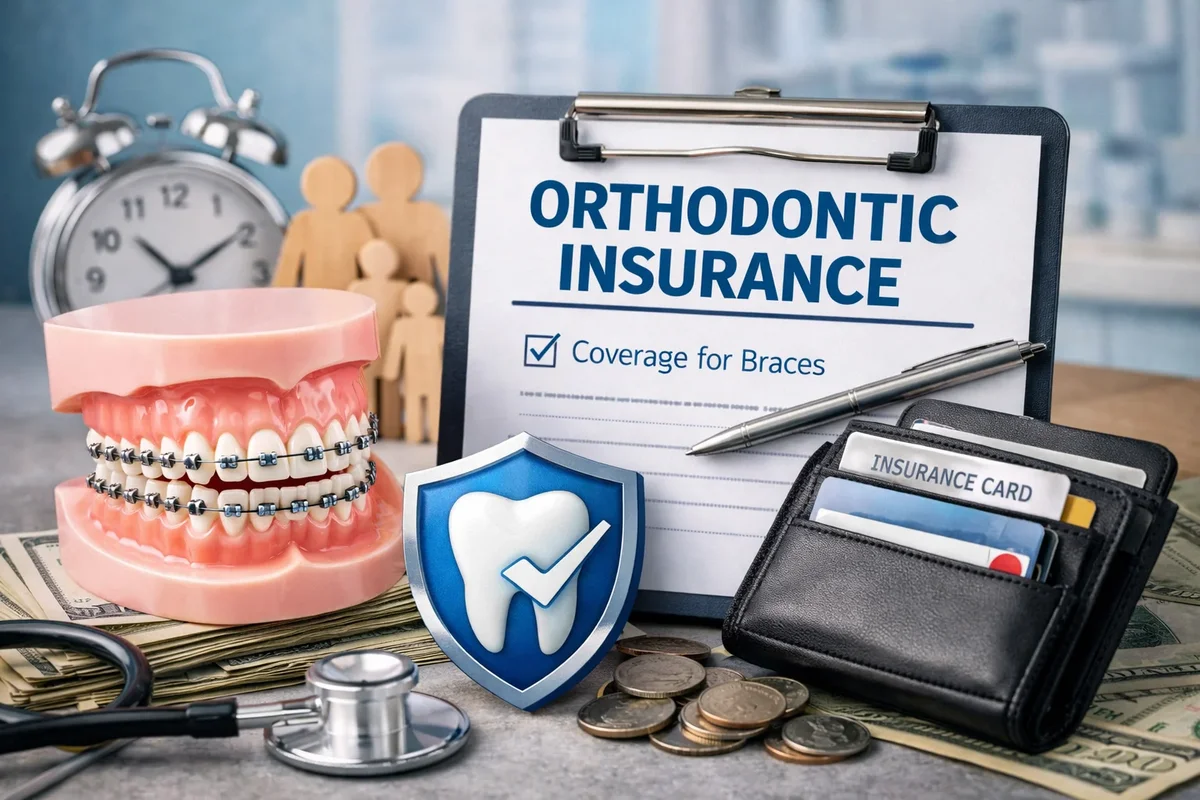
When Orthodontic Insurance for Braces Is Not Enough: Alternative Options
Although orthodontic insurance for braces can significantly reduce the cost of orthodontic treatment, it does not always cover the entire expense. Most dental insurance plans provide partial reimbursement with a lifetime maximum benefit, which means patients are still responsible for paying a portion of the treatment cost. For many individuals and families, understanding alternative payment options becomes essential when orthodontic insurance for braces does not fully cover orthodontic care.
Orthodontic treatment is an investment in both oral health and personal confidence. Even when insurance benefits are limited, several practical solutions exist that can make braces more affordable. By combining orthodontic insurance for braces with additional financial strategies, patients can successfully manage treatment costs while receiving the orthodontic care they need.
Dental Clinic Payment Plans
One of the most common alternatives when orthodontic insurance for braces does not fully cover treatment costs is a flexible payment plan offered by the orthodontic clinic. Many dental practices understand that orthodontic treatment can be expensive and therefore provide financing options that allow patients to spread the remaining balance over several months.
Instead of paying the entire treatment cost upfront, patients can divide the remaining balance into manageable monthly payments. This approach is particularly helpful for families whose orthodontic insurance for braces covers only part of the treatment.
Example Monthly Payment Structure
Total braces cost: $5,500
Insurance contribution: $2,000
Remaining balance: $3,500

Monthly payment over 24 months: about $145/month
By combining flexible payment plans with orthodontic insurance for braces, many patients find orthodontic treatment much more financially manageable.
Health Savings Accounts (HSA)
Health Savings Accounts are another effective way to cover orthodontic treatment expenses when orthodontic insurance for braces is not sufficient. HSAs allow individuals to set aside pre-tax income specifically for healthcare expenses.
Funds stored in an HSA can be used for many dental treatments, including orthodontic procedures such as braces, retainers, and orthodontic consultations. Because these funds are contributed before taxes are applied, patients may save money while paying for orthodontic care.
For individuals who already have orthodontic insurance for braces, using an HSA can help cover deductibles, copayments, and any remaining treatment costs.
Benefits of Using an HSA
- Pre-tax healthcare savings
- Flexible spending on dental treatments
- Ability to combine with insurance benefits
- Unused funds can roll over to the next year
This financial strategy can significantly improve affordability when orthodontic costs exceed the coverage provided by orthodontic insurance for braces.
Flexible Spending Accounts (FSA)
Flexible Spending Accounts operate similarly to Health Savings Accounts but are typically offered through employer-sponsored benefit programs. Employees can allocate a portion of their salary into an FSA to pay for qualified medical and dental expenses.
Patients with employer-provided FSAs can use these funds to cover orthodontic expenses not fully reimbursed by orthodontic insurance for braces. This combination allows patients to manage orthodontic treatment costs using both insurance and tax-advantaged healthcare funds.
However, it is important to note that FSA funds generally must be used within the same calendar year or they may expire depending on employer policies.
Dental Discount Plans
Dental discount programs provide another alternative for patients who need additional financial support beyond orthodontic insurance for braces. These programs operate on a membership basis and offer reduced pricing for dental services through participating dental providers.
Although dental discount plans are not traditional insurance policies, they can still help reduce orthodontic treatment costs by offering negotiated rates for braces and orthodontic consultations.
Typical Discount Plan Benefits
- 10% – 30% reduction on orthodontic treatments
- No waiting periods
- Access to participating dental networks
- Affordable annual membership fees
When used together with orthodontic insurance for braces, dental discount plans may help lower remaining treatment costs.
Orthodontic Financing Programs
Some dental clinics partner with third-party healthcare financing companies that provide loans specifically for medical and dental procedures. These financing programs allow patients to pay for orthodontic treatment over an extended period of time.
Patients who already use orthodontic insurance for braces can apply financing only to the portion of treatment costs not covered by insurance. Depending on the financing provider, patients may qualify for low-interest or interest-free payment plans.
Typical Orthodontic Financing Options
Short-term financing: 6–12 months interest-free
Mid-term financing: 12–24 months low interest
Long-term financing: 24–60 months extended payment plans
This option can make orthodontic treatment accessible for patients who need additional financial flexibility beyond the coverage offered by orthodontic insurance for braces.
Early Orthodontic Consultation and Planning
Another strategy to reduce orthodontic treatment costs is scheduling early orthodontic consultations. Early diagnosis allows orthodontists to identify alignment problems before they become more severe.
Early treatment planning can sometimes shorten the duration of orthodontic care or reduce the complexity of treatment. This may help lower total orthodontic costs, even when relying on orthodontic insurance for braces and additional payment options.
Dental professionals and organizations such as the American Dental Association recommend early orthodontic evaluations for children to detect potential alignment issues before they worsen.
Contacting a Dental Clinic for Personalized Guidance
Every orthodontic case is unique, and treatment costs can vary depending on the complexity of the dental condition. For patients who find that orthodontic insurance for braces does not fully cover treatment costs, consulting directly with a dental clinic is often the best approach.
Orthodontists can provide detailed cost estimates, discuss insurance coverage, and recommend financing solutions tailored to the patient’s needs. Patients who would like professional assistance or personalized treatment advice can reach out through the Redent Klinik Contact Page for more information.
Ultimately, while orthodontic insurance for braces is a valuable financial resource, it is not the only option available. By combining insurance coverage with flexible payment plans, tax-advantaged healthcare accounts, dental discount programs, and financing solutions, patients can make orthodontic treatment more affordable and accessible.
With the right financial planning and professional guidance, achieving a healthy, aligned smile becomes possible for patients even when insurance coverage alone does not fully meet their orthodontic needs. 😊