
Orthodontic intervention is a specialized dental approach designed to correct misaligned teeth and jaw irregularities before they lead to long-term functional or aesthetic problems. In simple terms, orthodontic intervention involves identifying bite or alignment issues early and applying appropriate treatment methods to guide teeth and jaw development into healthier positions. Whether performed during childhood, adolescence, or adulthood, orthodontic intervention plays a crucial role in creating balanced facial structure, improving oral function, and enhancing confidence. 😊
Many people believe orthodontic intervention is purely cosmetic. However, this assumption overlooks the essential medical and functional aspects of treatment. Misaligned teeth can lead to difficulty chewing, speech issues, jaw pain, uneven enamel wear, gum recession, and even chronic headaches. Through timely orthodontic intervention, these complications can often be prevented rather than corrected later through more invasive procedures. Early corrective treatment may reduce the need for tooth extractions, jaw surgery, or complex restorative dentistry in the future.
From a clinical perspective, orthodontic intervention includes a range of techniques such as braces, clear aligners, expanders, space maintainers, and growth-modifying appliances. The goal of orthodontic intervention is not just to straighten teeth, but to ensure proper occlusion—meaning upper and lower teeth fit together correctly. A well-aligned bite distributes chewing forces evenly, protects tooth enamel, supports gum health, and promotes long-term stability.
According to the American Dental Association, early orthodontic assessment is recommended to detect developmental irregularities. Orthodontic intervention often begins with a comprehensive examination that includes digital X-rays, intraoral scans, bite analysis, and facial symmetry evaluation. These diagnostic tools allow specialists to design a personalized treatment plan tailored to each patient’s dental structure.
One of the most important aspects of orthodontic intervention is timing. In children, orthodontic intervention may guide jaw growth while bones are still developing. In teenagers and adults, orthodontic intervention focuses on repositioning teeth efficiently while maintaining periodontal health. Modern advancements in dental technology have made orthodontic intervention more comfortable, discreet, and faster than ever before. Clear aligner systems, for example, offer nearly invisible treatment options while achieving predictable results.
Functionally, orthodontic intervention improves more than appearance. Proper alignment makes daily oral hygiene easier. Crowded or overlapping teeth create tight spaces where plaque accumulates, increasing the risk of cavities and gum disease. By correcting these issues through orthodontic intervention, patients often experience better oral health outcomes. Additionally, correcting bite imbalances can relieve strain on the temporomandibular joint (TMJ), reducing discomfort and improving jaw mobility.
Another major benefit of orthodontic intervention is psychological impact. A confident smile contributes to positive self-image and social comfort. Studies consistently show that individuals who undergo orthodontic intervention report improved self-esteem and greater willingness to smile in social and professional settings. 😁 This emotional transformation is often just as valuable as the physical improvement.
When considering orthodontic intervention, patients should understand that every case is unique. Some individuals may require minor alignment corrections, while others need comprehensive treatment plans lasting 12–24 months or longer. The complexity of orthodontic intervention depends on factors such as crowding severity, bite type (overbite, underbite, crossbite, open bite), jaw growth pattern, and overall oral health.
At advanced dental clinics like Redent Klinik, orthodontic intervention is planned with digital precision and patient-centered care. If you are unsure whether orthodontic intervention is right for you or your child, a professional consultation is the best starting point. You can easily schedule an evaluation through the Redent Klinik Contact Page to receive a personalized assessment.
In summary, orthodontic intervention is not merely about straight teeth—it is a comprehensive dental strategy aimed at improving bite function, oral health, facial harmony, and overall well-being. By addressing alignment issues early and accurately, orthodontic intervention can prevent future complications, reduce long-term costs, and support lifelong dental stability. Whether for preventive care or corrective treatment, orthodontic intervention remains one of the most impactful investments in oral health today. 🦷✨
What Is Orthodontic Intervention?
Orthodontic intervention refers to the strategic and timely correction of teeth and jaw misalignment to improve oral function, facial balance, and long-term dental health. Unlike routine dental care that focuses on cleaning and treating decay, orthodontic intervention specifically targets structural alignment issues such as crowding, spacing, overbite, underbite, crossbite, and jaw discrepancies. This proactive approach helps prevent future complications while enhancing both aesthetics and function. 🦷
At its core, orthodontic intervention is about guiding the teeth and jaw into their proper positions. When teeth are misaligned, daily functions like chewing and speaking can become inefficient. Over time, this imbalance may lead to uneven enamel wear, gum recession, temporomandibular joint (TMJ) discomfort, and even chronic headaches. Orthodontic intervention addresses these root causes rather than simply managing symptoms.
The Primary Goals of Orthodontic Intervention
The main objective of orthodontic intervention is to achieve a healthy, stable, and well-aligned bite. Proper occlusion ensures that upper and lower teeth meet evenly, distributing pressure correctly during chewing. Without orthodontic intervention, abnormal bite forces can strain certain teeth, increasing the risk of fractures and periodontal issues.
Another important goal of orthodontic intervention is facial harmony. Jaw alignment significantly affects facial proportions. Early orthodontic intervention, particularly in growing children, can guide jaw development and reduce the likelihood of surgical correction later in life. For adults, orthodontic intervention focuses on correcting dental positioning while maintaining gum and bone health.
Functional Improvements Through Orthodontic Intervention
Many patients seek orthodontic intervention for cosmetic reasons, but the functional benefits are equally significant. Correct alignment improves speech clarity, enhances chewing efficiency, and reduces jaw tension. When orthodontic intervention is performed correctly, patients often notice better breathing patterns and reduced clenching habits.
Additionally, orthodontic intervention simplifies oral hygiene. Crooked or crowded teeth create hard-to-reach spaces where plaque accumulates. By straightening teeth through orthodontic intervention, brushing and flossing become more effective, lowering the risk of cavities and gum disease. According to the American Dental Association, properly aligned teeth contribute to better long-term oral health outcomes.
When Is Orthodontic Intervention Recommended?
Orthodontic intervention can be recommended at different stages of life. Pediatric orthodontic intervention often begins around age 7, when jaw growth can still be guided. Early evaluation allows specialists to detect developing bite problems before they become severe. This phase is sometimes referred to as interceptive treatment, a preventive form of orthodontic intervention that may reduce treatment complexity later.
Teenagers frequently undergo orthodontic intervention because most permanent teeth have erupted, making this an ideal time to correct alignment efficiently. Adults also benefit from orthodontic intervention thanks to modern technologies such as clear aligners and discreet braces. There is no strict age limit—successful orthodontic intervention depends more on oral health status than age.
Types of Problems Addressed by Orthodontic Intervention
Orthodontic intervention is used to treat a wide range of dental and skeletal conditions, including:
- Crowded teeth
- Excessive spacing
- Overbite or deep bite
- Underbite
- Crossbite
- Open bite
- Jaw growth discrepancies
Each condition requires a customized orthodontic intervention plan. Diagnostic tools such as digital scans, panoramic X-rays, and bite analysis help specialists determine the most effective treatment approach.
How Orthodontic Intervention Differs from General Dentistry
While general dentistry focuses on maintaining teeth and treating decay, orthodontic intervention specializes in alignment correction. Orthodontists receive advanced training beyond dental school to understand jaw growth, facial development, and biomechanics of tooth movement. This expertise allows orthodontic intervention to be performed safely and predictably.
Modern orthodontic intervention integrates advanced technologies like 3D imaging, digital treatment simulation, and customized aligner systems. These innovations allow patients to visualize expected results before treatment even begins. As a result, orthodontic intervention today is more precise, comfortable, and efficient than ever before. 😊
If you are considering orthodontic intervention and want a personalized evaluation, scheduling a consultation is the best first step. You can contact experienced specialists through the Redent Klinik Contact Page to determine whether orthodontic intervention is appropriate for your needs.
In summary, orthodontic intervention is a comprehensive dental solution designed to correct misalignment, improve bite function, and enhance overall oral health. Whether performed in childhood, adolescence, or adulthood, orthodontic intervention offers long-term benefits that extend far beyond cosmetic improvement. By addressing structural issues early and accurately, orthodontic intervention helps ensure healthier smiles, balanced facial development, and lasting dental stability. ✨
Why Early Orthodontic Intervention Matters
Early orthodontic intervention plays a critical role in preventing complex dental and skeletal problems later in life. When bite irregularities and jaw growth discrepancies are identified at a young age, orthodontic intervention can guide natural development instead of correcting fully formed structural issues. This proactive approach reduces treatment difficulty, shortens overall treatment time, and may even eliminate the need for surgical procedures in adulthood. 😊
Orthodontic intervention during childhood focuses on guiding jaw growth, creating space for erupting permanent teeth, and correcting harmful oral habits. Because children’s bones are still developing, orthodontic intervention can influence growth patterns more effectively than treatment performed after skeletal maturity. This is why many dental professionals recommend an orthodontic evaluation around age seven. At this stage, early orthodontic intervention can detect subtle issues that may not yet be visible to parents.
The Biological Advantage of Early Orthodontic Intervention
The primary advantage of early orthodontic intervention lies in bone plasticity. A child’s jawbone is more adaptable, which allows orthodontic intervention to gently direct growth rather than forcefully reposition fully developed bone structures. This growth-modification phase often uses appliances such as palatal expanders or functional devices designed to harmonize upper and lower jaw development.
For example, if a child has a narrow upper jaw causing crossbite, orthodontic intervention can widen the palate gradually. Without early orthodontic intervention, this same condition might require surgical expansion in adulthood. The ability to guide development rather than correct established abnormalities makes early orthodontic intervention highly effective and less invasive.
Preventing Severe Bite Problems
Untreated bite problems rarely resolve on their own. Over time, minor alignment issues can evolve into severe overbites, underbites, or open bites. Early orthodontic intervention addresses these concerns before they progress. By stabilizing jaw relationships early, orthodontic intervention supports balanced facial proportions and proper chewing function.
Additionally, orthodontic intervention can prevent uneven enamel wear caused by improper bite forces. When teeth do not meet correctly, certain teeth absorb excessive pressure. Early orthodontic intervention redistributes these forces evenly, protecting both enamel and supporting bone structures.
Reducing the Risk of Tooth Extractions
One significant benefit of early orthodontic intervention is space management. When permanent teeth erupt into crowded arches, the risk of impaction increases. Orthodontic intervention can create adequate space by guiding jaw expansion or strategically preserving space after early tooth loss.
Without orthodontic intervention, severe crowding may require tooth extractions later. Early orthodontic intervention often minimizes or eliminates the need for removing permanent teeth because growth guidance provides the necessary room naturally. This conservative approach supports long-term dental health and structural stability.
Correcting Harmful Oral Habits
Thumb sucking, prolonged pacifier use, and tongue thrusting can negatively affect jaw development. Early orthodontic intervention can correct these habits before they permanently alter dental alignment. Appliances used in orthodontic intervention may gently discourage harmful habits while allowing normal growth to continue.
By addressing these behaviors early, orthodontic intervention prevents future complications such as open bite or speech difficulties. Early guidance ensures that the tongue rests properly and that swallowing patterns remain healthy.
Psychological and Social Benefits
Children with noticeable dental misalignment may experience self-consciousness at a young age. Early orthodontic intervention can improve appearance during critical developmental years, supporting confidence and positive self-image. 😁 When children feel comfortable smiling, their social interactions often improve significantly.
Beyond aesthetics, orthodontic intervention also enhances speech clarity and chewing efficiency. These improvements contribute to better communication skills and overall quality of life.
Long-Term Cost Efficiency of Early Orthodontic Intervention
While some parents hesitate due to financial considerations, early orthodontic intervention can reduce long-term treatment costs. By intercepting complex issues early, orthodontic intervention may shorten comprehensive treatment phases later. Preventing surgical procedures or complicated corrections ultimately makes orthodontic intervention a smart long-term investment.
According to guidance from the American Dental Association, early evaluation allows clinicians to determine whether immediate orthodontic intervention is necessary or if monitoring growth is sufficient. This balanced approach ensures treatment is neither delayed nor performed prematurely.
When Should Parents Seek Evaluation?
Parents should consider orthodontic intervention if they notice early signs such as mouth breathing, difficulty chewing, early or late tooth loss, jaw clicking, or visibly misaligned teeth. Even subtle asymmetry may indicate a developing skeletal imbalance. Early orthodontic intervention allows specialists to monitor and act at the optimal time.
If you are considering orthodontic intervention for your child, scheduling a consultation is the best next step. You can connect with specialists through the Redent Klinik Contact Page for a personalized assessment.
In conclusion, early orthodontic intervention is not merely about straightening teeth—it is about guiding healthy development, preventing severe complications, and ensuring functional balance. By addressing alignment concerns during growth phases, orthodontic intervention provides safer, more efficient, and more predictable outcomes. Acting early allows orthodontic intervention to work in harmony with natural development, leading to healthier smiles and greater long-term stability. ✨
Signs You May Need Orthodontic Intervention
Recognizing the early warning signs that indicate the need for orthodontic intervention is essential for preventing long-term dental complications. Many alignment and bite problems develop gradually, often without causing immediate pain. However, subtle symptoms can signal that orthodontic intervention may be necessary to restore balance, function, and aesthetics. Identifying these signs early allows patients to seek professional evaluation before minor issues evolve into complex structural concerns. 🦷
Orthodontic intervention is not limited to visibly crooked teeth. In fact, some of the most important indicators relate to bite function, jaw alignment, and facial symmetry. Because orthodontic intervention focuses on correcting both dental and skeletal irregularities, understanding these warning signs can help patients make informed decisions about their oral health.
Crooked, Crowded, or Overlapping Teeth
One of the most obvious signs that orthodontic intervention may be needed is dental crowding. When there is insufficient space in the jaw for all teeth to align properly, they overlap or rotate. Crowded teeth are not merely cosmetic concerns—they create tight spaces where plaque accumulates, increasing the risk of cavities and gum disease. Orthodontic intervention corrects this misalignment by creating space and guiding teeth into proper positions.
In many cases, orthodontic intervention can prevent long-term periodontal damage caused by improper spacing. Straightened teeth are easier to clean, reducing inflammation and protecting supporting bone structures.
Gaps Between Teeth
Excessive spacing can also signal the need for orthodontic intervention. While small gaps may seem harmless, larger spaces can affect bite balance and speech patterns. Orthodontic intervention closes these gaps while ensuring that teeth maintain correct proportional alignment within the dental arch.
Bite Irregularities and Jaw Misalignment
Bite problems are among the most significant reasons for orthodontic intervention. Common bite issues include overbite, underbite, crossbite, and open bite. Each of these conditions affects how the upper and lower teeth meet, potentially causing uneven wear, jaw strain, and functional discomfort.
Orthodontic intervention corrects these imbalances by adjusting tooth position and, when necessary, guiding jaw alignment. Without orthodontic intervention, abnormal bite forces may lead to enamel erosion, tooth fractures, and chronic jaw pain.
Difficulty Chewing or Biting
If chewing feels uneven or uncomfortable, orthodontic intervention may be required. Difficulty biting into food or frequent accidental cheek biting can indicate misalignment. Orthodontic intervention restores proper occlusion, allowing teeth to function harmoniously during eating.
Jaw Clicking or TMJ Discomfort
Clicking sounds, jaw locking, or chronic tension in the jaw area can signal temporomandibular joint stress. Orthodontic intervention may relieve this strain by correcting underlying bite discrepancies. When teeth align correctly, jaw muscles operate more efficiently, reducing tension and discomfort.
Speech Difficulties and Breathing Patterns
Speech impediments such as lisping or unclear pronunciation may be linked to dental positioning. Orthodontic intervention can improve tongue placement and airflow, enhancing speech clarity. Additionally, mouth breathing or chronic snoring in children may indicate jaw development concerns that orthodontic intervention can address early.
According to recommendations from the American Dental Association, early orthodontic evaluation helps identify structural issues affecting function. Timely orthodontic intervention supports healthier airway development and balanced facial growth.
Early or Delayed Tooth Loss in Children
In pediatric patients, losing baby teeth too early or too late may signal alignment concerns. Orthodontic intervention can preserve space for erupting permanent teeth, preventing crowding or impaction. Without orthodontic intervention, erupting teeth may shift into incorrect positions, complicating future treatment.
Thumb Sucking and Oral Habits
Prolonged thumb sucking, tongue thrusting, or pacifier use can alter jaw growth patterns. Orthodontic intervention may be necessary to correct resulting open bites or protrusion. Early orthodontic intervention in such cases often prevents more extensive treatment later in life.
Facial Asymmetry or Imbalanced Profile
Orthodontic intervention is not only about teeth—it also impacts facial harmony. Noticeable asymmetry, protruding jaws, or receding chin structure may indicate skeletal discrepancies. Orthodontic intervention can guide jaw growth in children or reposition teeth strategically in adults to enhance facial balance.
If you notice any of these signs, a professional consultation is strongly recommended. You can schedule a personalized assessment through the Redent Klinik Contact Page to determine whether orthodontic intervention is appropriate for your needs.
In conclusion, the signs that indicate a need for orthodontic intervention range from visible misalignment to subtle functional discomfort. Crooked teeth, bite irregularities, jaw pain, speech issues, and developmental concerns all serve as important indicators. Addressing these symptoms through timely orthodontic intervention ensures improved oral health, balanced facial development, and long-term stability. Recognizing the warning signs early empowers patients to take proactive steps toward a healthier, more confident smile. 😊✨
Types of Orthodontic Intervention Treatments
Orthodontic intervention includes a wide range of treatment methods designed to correct dental misalignment and jaw irregularities at different stages of life. Because every patient presents a unique combination of skeletal structure, tooth positioning, and functional needs, orthodontic intervention must be highly individualized. Modern dentistry offers multiple solutions that make orthodontic intervention more comfortable, efficient, and aesthetically discreet than ever before. 😊
The type of orthodontic intervention recommended depends on factors such as age, severity of misalignment, jaw growth stage, and overall oral health. Some patients require early growth guidance, while others benefit from corrective alignment techniques during adolescence or adulthood. Below are the primary forms of orthodontic intervention used in contemporary dental practice.
Traditional Braces as Orthodontic Intervention
Traditional braces remain one of the most effective forms of orthodontic intervention. They consist of brackets bonded to teeth and connected by archwires that gradually guide teeth into their correct positions. This type of orthodontic intervention is particularly effective for moderate to severe crowding, complex bite issues, and significant rotations.
Metal braces are highly durable and provide precise control over tooth movement. Ceramic braces offer a more aesthetic alternative, blending with natural tooth color while delivering similar results. In both cases, orthodontic intervention using braces allows continuous, controlled force application to achieve predictable alignment.
Lingual Braces
Lingual braces are another orthodontic intervention option placed on the inner surface of the teeth. Because they are not visible from the outside, this orthodontic intervention method appeals to adults who prefer discreet treatment. Although slightly more technique-sensitive, lingual orthodontic intervention provides effective correction without compromising aesthetics.
Clear Aligners for Discreet Orthodontic Intervention
Clear aligner systems represent a major advancement in orthodontic intervention. These transparent, removable trays gradually reposition teeth according to a digitally planned treatment sequence. Clear aligners are particularly popular among adult patients seeking orthodontic intervention without noticeable hardware.
This form of orthodontic intervention allows patients to remove aligners during meals and oral hygiene routines, improving convenience and comfort. Digital scanning technology enables precise customization, ensuring each stage of orthodontic intervention is carefully controlled.
However, successful orthodontic intervention with aligners depends on patient compliance. Aligners must be worn 20–22 hours per day to achieve optimal results.
Growth Modification Appliances in Early Orthodontic Intervention
For children with developing jaw discrepancies, orthodontic intervention may include growth-modifying appliances. These devices guide skeletal development while bones are still forming. Early orthodontic intervention with expanders or functional appliances can correct crossbite, narrow palate, or jaw imbalance before growth completion.
Palatal Expanders
A palatal expander is a common orthodontic intervention used to widen the upper jaw. This appliance gradually creates space, improving bite alignment and reducing crowding. Early orthodontic intervention with expanders often prevents the need for more invasive procedures later.
Functional Appliances
Functional appliances are used in orthodontic intervention to correct significant overbite or underbite during growth phases. These devices reposition the jaw to encourage balanced development. Early orthodontic intervention using functional appliances may reduce the likelihood of surgical correction in adulthood.
Space Maintainers and Interceptive Orthodontic Intervention
When a child loses a baby tooth prematurely, orthodontic intervention may include a space maintainer. This preventive orthodontic intervention ensures that adjacent teeth do not drift into the empty space, preserving room for permanent teeth.
Interceptive orthodontic intervention addresses problems at their earliest stages. Instead of waiting for full permanent dentition, early orthodontic intervention may simplify future comprehensive treatment and reduce complexity.
Surgical Orthodontic Intervention
In severe skeletal discrepancies, orthodontic intervention may involve orthognathic surgery combined with braces or aligners. This advanced orthodontic intervention corrects jaw misalignment that cannot be resolved through tooth movement alone. Surgical orthodontic intervention is typically reserved for adult patients whose jaw growth is complete.
Such procedures are carefully planned using digital imaging and multidisciplinary collaboration. Although more complex, surgical orthodontic intervention significantly improves function, facial symmetry, and long-term stability.
Choosing the Right Orthodontic Intervention
Determining the appropriate orthodontic intervention requires comprehensive evaluation. Digital scans, panoramic X-rays, and bite analysis help specialists select the most effective treatment. According to guidance from the American Dental Association, individualized assessment ensures safe and predictable outcomes.
If you are considering orthodontic intervention, a personalized consultation is essential. You can schedule an evaluation through the Redent Klinik Contact Page to discuss which orthodontic intervention option aligns with your needs.
In conclusion, orthodontic intervention encompasses a variety of treatment modalities, including braces, clear aligners, growth appliances, space maintainers, and surgical approaches. Each orthodontic intervention method serves a specific purpose, tailored to the patient’s age, alignment severity, and functional requirements. By selecting the appropriate orthodontic intervention strategy, patients achieve not only straighter teeth but also improved oral health, facial balance, and long-term stability. ✨
Orthodontic Intervention for Children vs Adults
Orthodontic intervention can be successfully performed at almost any age, but the approach, timing, and biological considerations differ significantly between children and adults. Understanding these differences helps patients and parents make informed decisions about when orthodontic intervention should begin and what results can realistically be expected. While the ultimate goal of orthodontic intervention remains the same—achieving a balanced bite and properly aligned teeth—the treatment strategies vary depending on skeletal maturity and oral health status. 😊
Orthodontic Intervention in Children
Orthodontic intervention in children often focuses on growth guidance rather than simple tooth movement. Because a child’s jawbones are still developing, orthodontic intervention can influence skeletal growth patterns. This phase is commonly referred to as interceptive treatment or early corrective care.
Growth Modification Advantages
The primary advantage of early orthodontic intervention is the ability to guide jaw development. If a child has a narrow palate, crossbite, or jaw imbalance, orthodontic intervention can gradually redirect growth using expanders or functional appliances. This proactive orthodontic intervention may prevent severe bite discrepancies that would otherwise require surgery later in life.
For example, if the upper jaw grows too slowly compared to the lower jaw, orthodontic intervention can stimulate balanced development. This early guidance reduces strain on teeth and improves long-term stability.
Space Management and Eruption Control
Another benefit of orthodontic intervention in children is space preservation. If baby teeth are lost prematurely, adjacent teeth may shift into the empty space. Orthodontic intervention using space maintainers ensures that permanent teeth erupt correctly. Without early orthodontic intervention, crowding and impaction risks increase.
Because bone density in children is lower, orthodontic intervention generally progresses faster and more predictably. The biological responsiveness of developing tissues makes tooth movement efficient and stable.
Orthodontic Intervention in Teenagers
Adolescence is one of the most common periods for orthodontic intervention. At this stage, most permanent teeth have erupted, allowing comprehensive correction. Orthodontic intervention in teenagers typically involves braces or clear aligners to correct crowding, spacing, and bite misalignment.
The advantage of orthodontic intervention during teenage years is that mild growth potential may still be present. This allows limited skeletal adjustments alongside tooth alignment. Teen orthodontic intervention often produces excellent long-term outcomes when properly planned.
Orthodontic Intervention in Adults
Many adults believe they are too old for orthodontic intervention, but this is a misconception. Modern orthodontic intervention techniques make treatment highly accessible for adults. Clear aligners, ceramic braces, and lingual systems allow discreet orthodontic intervention without affecting professional appearance.
Differences in Bone Structure
Unlike children, adult jawbones have completed growth. Therefore, orthodontic intervention in adults focuses on repositioning teeth within existing bone structures. While skeletal modification is limited, orthodontic intervention remains highly effective for correcting alignment and bite discrepancies.
Adult orthodontic intervention may take slightly longer due to increased bone density. However, with advanced digital planning and controlled force application, results are both predictable and stable.
Periodontal Considerations
Before beginning orthodontic intervention in adults, gum health must be carefully evaluated. Periodontal stability is essential for safe tooth movement. Orthodontic intervention is most successful when underlying gum conditions are treated beforehand.
According to the American Dental Association, maintaining good oral hygiene during orthodontic intervention significantly improves outcomes for both children and adults.
Psychological and Lifestyle Factors
Children undergoing orthodontic intervention often adapt quickly to appliances and view treatment as a routine part of growth. Adults, however, may prioritize aesthetics and convenience. Fortunately, modern orthodontic intervention options accommodate these concerns with removable and nearly invisible systems.
Regardless of age, orthodontic intervention improves confidence and quality of life. Straightened teeth and balanced facial structure positively influence social and professional interactions. 😁
Which Age Is Ideal for Orthodontic Intervention?
The ideal timing for orthodontic intervention depends on individual needs. Early evaluation around age seven allows specialists to determine whether immediate orthodontic intervention is necessary or if monitoring is sufficient. Adults can begin orthodontic intervention at any stage, provided their oral health supports treatment.
If you are considering orthodontic intervention for yourself or your child, scheduling a professional consultation is the best step. You can contact specialists through the Redent Klinik Contact Page for a comprehensive evaluation.
In conclusion, orthodontic intervention for children emphasizes growth guidance and prevention, while orthodontic intervention for adults focuses on corrective alignment within mature bone structures. Both approaches are highly effective when tailored to individual conditions. Whether performed early or later in life, orthodontic intervention remains a powerful tool for achieving functional balance, improved oral health, and long-lasting smile confidence. ✨
Benefits of Timely Orthodontic Intervention
Timely orthodontic intervention offers far more than cosmetic improvement. When alignment and bite issues are addressed at the appropriate stage, orthodontic intervention delivers functional, structural, and psychological advantages that can last a lifetime. Acting at the right moment allows orthodontic intervention to work with natural growth patterns or existing dental structures, minimizing complications and maximizing long-term stability. 😊
Many patients delay orthodontic intervention because they believe misalignment is a minor aesthetic issue. However, untreated bite problems can gradually affect chewing efficiency, speech clarity, jaw comfort, and even overall oral health. Timely orthodontic intervention prevents these secondary complications, ensuring that small concerns do not evolve into complex dental conditions.
Improved Oral Health Through Orthodontic Intervention
One of the most important benefits of timely orthodontic intervention is improved oral hygiene. Crooked or crowded teeth create tight areas where plaque accumulates. These difficult-to-clean zones increase the risk of cavities and gum inflammation. Orthodontic intervention straightens teeth, making brushing and flossing significantly more effective.
When orthodontic intervention corrects spacing and alignment, gum tissue adapts more evenly around each tooth. This balanced support reduces the likelihood of periodontal disease. According to the American Dental Association, properly aligned teeth contribute to healthier gums and reduced long-term dental risks.
Reduced Risk of Tooth Wear and Damage
Improper bite alignment often leads to uneven enamel wear. Over time, certain teeth absorb excessive pressure, causing chipping, cracking, or erosion. Timely orthodontic intervention redistributes bite forces evenly, protecting enamel and preventing premature tooth damage.
By correcting these structural imbalances early, orthodontic intervention helps preserve natural teeth and reduces the need for future restorative procedures such as crowns or veneers.
Enhanced Jaw Function and Comfort
Orthodontic intervention plays a critical role in supporting healthy jaw mechanics. Misaligned teeth can place excessive strain on the temporomandibular joint (TMJ), leading to jaw clicking, headaches, and facial discomfort. Timely orthodontic intervention aligns the bite properly, reducing stress on surrounding muscles and joints.
Patients who undergo orthodontic intervention often report relief from chronic jaw tension and improved chewing efficiency. When the bite functions harmoniously, everyday activities such as eating and speaking become more comfortable.
Prevention of Complex Future Treatments
Delaying orthodontic intervention may result in more complicated procedures later in life. For example, untreated skeletal discrepancies in children could require surgical correction as adults. Early orthodontic intervention often guides growth patterns, preventing severe malocclusion and reducing overall treatment intensity.
Similarly, timely orthodontic intervention in adults can prevent worsening crowding or gum recession that might otherwise require multidisciplinary care. Acting early simplifies treatment planning and improves predictability.
Psychological and Social Benefits
The emotional impact of orthodontic intervention should not be underestimated. A well-aligned smile enhances confidence and self-esteem. Many patients feel more comfortable smiling, speaking, and engaging socially after orthodontic intervention. 😁
Children and teenagers, in particular, benefit from improved self-image during formative years. Adults undergoing orthodontic intervention often experience increased confidence in professional environments.
Long-Term Financial Advantages of Orthodontic Intervention
Although orthodontic intervention represents an investment, timely treatment can reduce long-term dental expenses. Correcting alignment issues early prevents enamel damage, gum disease progression, and structural complications that may require costly restorative work.
Orthodontic intervention also protects dental restorations. Proper bite alignment ensures crowns, bridges, and implants are not subjected to uneven forces, enhancing their longevity.
Typical Cost Overview
The cost of orthodontic intervention varies depending on complexity, duration, and treatment type. On average:
- Traditional braces: $3,000 – $7,000
- Ceramic braces: $4,000 – $8,000
- Clear aligners: $3,500 – $8,000
- Early growth appliances: $2,000 – $5,000
These ranges may differ based on geographic location and case severity. Timely orthodontic intervention often reduces the need for extended treatment phases, potentially lowering overall costs.
Improved Facial Harmony and Aesthetic Balance
Orthodontic intervention not only straightens teeth but also enhances facial proportions. Balanced jaw alignment contributes to symmetrical facial contours and improved profile appearance. Timely orthodontic intervention can guide these structural improvements before asymmetry becomes pronounced.
If you are considering orthodontic intervention, scheduling a professional consultation ensures accurate diagnosis and personalized planning. You can connect with specialists through the Redent Klinik Contact Page to discuss your treatment options.
In conclusion, the benefits of timely orthodontic intervention extend far beyond appearance. From improved oral hygiene and reduced enamel wear to enhanced jaw comfort and long-term cost savings, orthodontic intervention provides comprehensive health advantages. Addressing alignment issues at the appropriate time allows orthodontic intervention to deliver predictable, stable, and lasting results—supporting healthier smiles and improved quality of life for years to come. ✨
Orthodontic Intervention Process Step by Step
Understanding the orthodontic intervention process step by step helps patients feel confident and prepared before beginning treatment. Orthodontic intervention is not a single procedure but a carefully structured journey that includes diagnosis, planning, active correction, and long-term retention. Each stage of orthodontic intervention plays a critical role in achieving stable, functional, and aesthetic results. When performed systematically, orthodontic intervention ensures predictable outcomes and long-term oral health. 😊
Step 1: Comprehensive Consultation and Evaluation
The orthodontic intervention process begins with a detailed clinical examination. During this stage, the specialist evaluates tooth alignment, bite relationships, jaw symmetry, and facial proportions. Diagnostic tools such as panoramic X-rays, digital intraoral scans, and photographic analysis are commonly used to assess the need for orthodontic intervention.
This initial phase determines whether orthodontic intervention is necessary immediately or if monitoring growth is more appropriate. According to recommendations from the American Dental Association, early assessment ensures that orthodontic intervention is initiated at the optimal time.
Personalized Treatment Planning
After diagnosis, a customized orthodontic intervention plan is created. Digital software may simulate tooth movement, allowing patients to visualize projected results. The treatment plan outlines the type of orthodontic intervention required—such as braces, aligners, or growth-modifying appliances—as well as the estimated duration.
Clear communication at this stage ensures patients understand every aspect of their orthodontic intervention, including expected progress and maintenance responsibilities.
Step 2: Preparation Before Active Orthodontic Intervention
Before beginning active orthodontic intervention, oral health must be stabilized. Any cavities, gum inflammation, or periodontal concerns are treated first. Healthy gums and strong supporting bone are essential for safe orthodontic intervention.
In some cases, minor preparatory procedures such as tooth reshaping or space creation may be performed. This preparation ensures that orthodontic intervention proceeds efficiently and safely.
Appliance Placement
Once preparation is complete, the chosen orthodontic intervention appliance is placed. For braces, brackets are bonded to teeth and connected with archwires. For clear aligners, custom trays are provided with instructions for wear. The placement marks the official start of active orthodontic intervention.
Step 3: Active Alignment Phase
The active phase is the core of orthodontic intervention. During this period, controlled forces gradually move teeth into their ideal positions. Regular follow-up appointments allow adjustments to wires or replacement of aligners to maintain consistent progress.
Orthodontic intervention relies on biological adaptation. As gentle pressure is applied, bone tissue remodels around moving teeth, stabilizing their new positions. This gradual process ensures that orthodontic intervention remains safe and sustainable.
Monitoring Progress
Progress evaluations occur every 4–8 weeks, depending on the orthodontic intervention method. During these visits, the specialist assesses alignment changes and ensures bite correction is advancing as planned. Patient cooperation—such as wearing aligners consistently—is essential for successful orthodontic intervention.
Step 4: Bite Correction and Finishing Adjustments
As teeth approach alignment, orthodontic intervention shifts focus to refining bite relationships. Small adjustments ensure upper and lower teeth meet properly. This finishing phase enhances stability and prevents uneven pressure distribution.
Attention to detail during this stage distinguishes high-quality orthodontic intervention from basic alignment correction. Proper finishing ensures long-term success and functional harmony.
Step 5: Retention Phase After Orthodontic Intervention
Retention is one of the most critical stages of orthodontic intervention. After active treatment ends, teeth naturally attempt to return to their original positions. Retainers are used to maintain alignment achieved through orthodontic intervention.
Types of Retainers
Retention devices may be removable or fixed behind the teeth. The choice depends on the complexity of orthodontic intervention and patient lifestyle. Wearing retainers as instructed ensures that orthodontic intervention results remain stable for years to come.
Neglecting the retention phase can compromise orthodontic intervention outcomes. Long-term compliance protects the investment made during treatment.
How Long Does Orthodontic Intervention Take?
The duration of orthodontic intervention varies depending on case complexity. Mild alignment issues may require 6–12 months, while comprehensive orthodontic intervention typically lasts 18–24 months. Early orthodontic intervention in children may occur in phases, combining growth guidance and later comprehensive treatment.
If you are considering orthodontic intervention, a professional consultation is the first step toward a personalized treatment roadmap. You can schedule an appointment through the Redent Klinik Contact Page for expert evaluation.
In summary, the orthodontic intervention process follows a structured pathway: evaluation, planning, preparation, active correction, finishing, and retention. Each step contributes to achieving balanced bite function and long-term stability. By understanding this journey, patients can approach orthodontic intervention with clarity and confidence, knowing that every phase is designed to support healthier teeth, improved comfort, and lasting smile harmony. ✨
How Much Does Orthodontic Intervention Cost?
The cost of orthodontic intervention is one of the most common concerns for patients considering treatment. While orthodontic intervention provides long-term functional and aesthetic benefits, understanding the financial aspect helps patients plan realistically and confidently. The overall cost of orthodontic intervention depends on several variables, including case complexity, treatment duration, appliance type, geographic location, and the expertise of the specialist. 😊
It is important to recognize that orthodontic intervention is not a one-size-fits-all procedure. Each patient requires a personalized treatment plan, which directly influences the final cost. Mild alignment cases may involve shorter orthodontic intervention timelines and simpler appliances, while complex bite discrepancies require extended orthodontic intervention with advanced techniques.
Average Cost of Orthodontic Intervention
Although prices vary globally, general cost estimates for orthodontic intervention are as follows:
- Traditional metal braces: $3,000 – $7,000
- Ceramic braces: $4,000 – $8,000
- Clear aligners: $3,500 – $8,000
- Early growth appliances: $2,000 – $5,000
- Surgical orthodontic intervention: $10,000 – $30,000 (combined orthodontic and surgical care)
These figures represent general ranges and may differ depending on case severity. Comprehensive orthodontic intervention that corrects both dental and skeletal issues naturally requires more planning and clinical time, influencing overall cost.
Factors That Influence Orthodontic Intervention Cost
1. Complexity of the Case
The severity of misalignment significantly affects orthodontic intervention expenses. Minor spacing issues require fewer adjustments and shorter treatment durations. In contrast, severe crowding, jaw discrepancies, or bite imbalances demand more intensive orthodontic intervention.
2. Type of Orthodontic Intervention Appliance
Different appliances have varying manufacturing and clinical costs. Traditional braces are generally more affordable, while clear aligners involve advanced digital planning and custom fabrication. Lingual systems or aesthetic ceramic braces may increase orthodontic intervention costs due to technical precision.
3. Treatment Duration
Longer orthodontic intervention periods require more follow-up visits and adjustments. Comprehensive orthodontic intervention typically lasts 18–24 months, while simpler cases may require only 6–12 months. Duration directly influences total expense.
4. Geographic Location and Clinic Expertise
The location of the clinic plays a major role in orthodontic intervention pricing. Dental care in metropolitan areas may be higher due to operational costs. Additionally, highly experienced orthodontists with advanced training may charge more for orthodontic intervention due to their specialized expertise.
Is Orthodontic Intervention Worth the Investment?
When evaluating cost, it is essential to consider long-term value. Orthodontic intervention improves oral health, bite function, and facial harmony. By correcting alignment early, orthodontic intervention can prevent future restorative procedures such as crowns, gum surgeries, or jaw corrections.
According to the American Dental Association, preventive and corrective dental care significantly reduces long-term oral health expenses. Timely orthodontic intervention protects enamel, gum tissue, and jaw joints, reducing the likelihood of costly complications later.
Insurance and Payment Options for Orthodontic Intervention
Many dental insurance plans partially cover orthodontic intervention, particularly for children and medically necessary cases. Coverage limits vary, so reviewing policy details is essential before beginning orthodontic intervention.
Flexible Payment Plans
Most clinics offer installment plans to make orthodontic intervention more accessible. Monthly payment options spread the cost over the treatment period, allowing patients to begin orthodontic intervention without significant upfront financial burden.
Health Savings Accounts (HSA) and Financing
In some regions, orthodontic intervention may be eligible for payment through health savings accounts or medical financing programs. These options further support affordability.
Cost Differences Between Early and Delayed Orthodontic Intervention
Early orthodontic intervention may reduce overall treatment expenses by preventing severe complications. Interceptive orthodontic intervention in children can minimize the need for surgical correction or prolonged braces treatment later. Delaying orthodontic intervention often increases complexity and cost.
Adults who postpone orthodontic intervention may face additional periodontal or restorative expenses, which can significantly increase total investment. Therefore, addressing alignment concerns promptly is often financially beneficial.
Personalized Cost Assessment
Because orthodontic intervention plans are highly individualized, the most accurate cost estimate comes after professional evaluation. Digital scans and diagnostic imaging allow specialists to outline the scope of orthodontic intervention and provide transparent pricing.
If you are considering orthodontic intervention and would like a personalized cost assessment, you can schedule a consultation through the Redent Klinik Contact Page. A comprehensive evaluation ensures clarity regarding treatment duration, appliance choice, and financial planning.
In conclusion, the cost of orthodontic intervention varies depending on complexity, appliance type, duration, and clinic location. While orthodontic intervention represents a financial commitment, its long-term benefits—including improved oral health, functional stability, and enhanced confidence—make it a valuable investment. By understanding pricing factors and exploring payment options, patients can approach orthodontic intervention with confidence and clarity, ensuring both dental wellness and financial preparedness. ✨
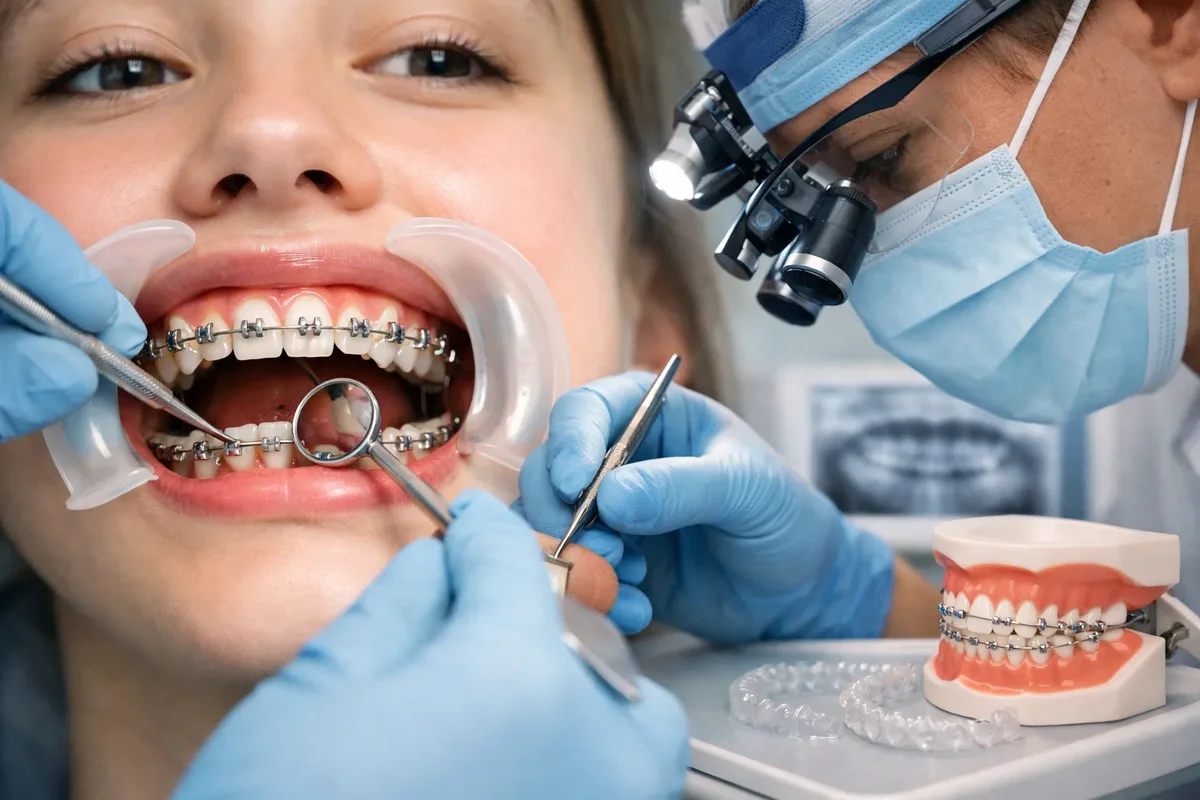
How to Choose the Right Clinic for Orthodontic Intervention
Choosing the right clinic for orthodontic intervention is one of the most important decisions in your dental journey. While orthodontic intervention techniques and appliances matter, the expertise, technology, and patient-centered approach of the clinic ultimately determine the quality and stability of your results. A well-planned orthodontic intervention can transform not only your smile but also your long-term oral health, so selecting the right provider requires careful consideration. 😊
Orthodontic intervention is a specialized field that demands advanced training, diagnostic precision, and long-term follow-up. Because treatment often lasts months or even years, you need a clinic that combines clinical excellence with consistent communication and support.
Verify Qualifications and Specialist Experience
The first step in selecting a clinic for orthodontic intervention is confirming the qualifications of the orthodontist. An orthodontist undergoes additional years of specialized training beyond general dentistry. This advanced education focuses specifically on jaw growth, bite correction, and biomechanics of tooth movement—core principles of orthodontic intervention.
Ask about the clinic’s experience with complex orthodontic intervention cases, including severe crowding, bite discrepancies, or growth modification in children. A highly experienced specialist can anticipate potential complications and adjust orthodontic intervention plans accordingly.
Membership in Professional Organizations
Affiliation with recognized professional organizations demonstrates commitment to ethical standards and continuing education. The American Dental Association emphasizes the importance of evidence-based practice in orthodontic intervention. Clinics that follow these guidelines ensure safe and effective treatment protocols.
Evaluate Technology and Diagnostic Tools
Modern orthodontic intervention relies heavily on advanced technology. Clinics offering digital intraoral scanning, 3D imaging, and computerized treatment simulations can plan orthodontic intervention with higher precision. Digital planning improves accuracy and allows patients to visualize expected outcomes before treatment begins.
Technology-driven orthodontic intervention also enhances comfort. For example, digital impressions replace traditional molds, providing a more pleasant patient experience. Clinics that invest in updated equipment demonstrate commitment to delivering efficient orthodontic intervention.
Customized Treatment Planning
No two orthodontic intervention cases are identical. The right clinic should create a fully personalized treatment plan rather than offering a standardized approach. Comprehensive orthodontic intervention includes detailed evaluation of bite dynamics, jaw alignment, gum health, and facial symmetry.
During consultation, the orthodontist should clearly explain the rationale behind the recommended orthodontic intervention, outline alternative options, and provide realistic timelines.
Assess Communication and Patient Support
Orthodontic intervention is a collaborative process between patient and specialist. Effective communication ensures that you understand appliance care, oral hygiene requirements, and follow-up schedules. A clinic that encourages questions and provides transparent information builds trust throughout orthodontic intervention.
Consistent follow-up appointments are essential for monitoring progress and adjusting orthodontic intervention mechanics. A reliable clinic schedules regular evaluations and promptly addresses concerns.
Before-and-After Case Documentation
Reviewing documented orthodontic intervention cases helps you evaluate the clinic’s expertise. Before-and-after photographs demonstrate treatment quality and finishing detail. Look for cases similar to your condition to better understand expected orthodontic intervention results.
Consider Treatment Options and Flexibility
A high-quality clinic offers multiple orthodontic intervention options, including traditional braces, ceramic braces, clear aligners, and growth-modifying appliances. The availability of diverse orthodontic intervention methods ensures that treatment is tailored to your needs, lifestyle, and aesthetic preferences.
Additionally, flexible payment plans and transparent pricing structures make orthodontic intervention more accessible. Financial clarity reflects professional integrity.
Hygiene Standards and Clinic Environment
Strict sterilization and hygiene protocols are fundamental in orthodontic intervention. Since treatment involves repeated adjustments, maintaining a clean clinical environment is essential for preventing infection and ensuring patient safety.
The overall atmosphere of the clinic also matters. A welcoming, organized, and professional environment enhances your orthodontic intervention experience.
Schedule a Comprehensive Consultation
Before committing to orthodontic intervention, schedule a detailed consultation. This visit allows you to evaluate the clinic’s professionalism, ask questions, and receive a diagnostic assessment. A thorough consultation should include imaging, bite analysis, and discussion of your orthodontic intervention goals.
If you are considering orthodontic intervention and want expert guidance, you can arrange a personalized consultation through the Redent Klinik Contact Page. A comprehensive evaluation ensures your orthodontic intervention plan is accurate, safe, and tailored to your needs.
In conclusion, choosing the right clinic for orthodontic intervention requires evaluating qualifications, technology, communication style, treatment options, and patient support. High-quality orthodontic intervention depends not only on appliances but also on strategic planning and professional expertise. By selecting a reputable and experienced clinic, you ensure that your orthodontic intervention journey leads to stable alignment, improved oral health, and long-lasting confidence. ✨