
An orthodontic retainer is one of the most important yet often misunderstood parts of orthodontic treatment. Many patients believe their journey ends once braces or clear aligners are removed, but in reality, that is only the beginning of long-term smile preservation 😊. Without an orthodontic retainer, teeth have a natural tendency to move back toward their original positions—a process known as relapse. This guide explains everything you need to know about an orthodontic retainer, why it is essential, and how it protects the results you worked so hard to achieve.
When orthodontic treatment straightens your teeth, it does not permanently lock them in place. Teeth are surrounded by living tissues, ligaments, and bone that need time to stabilize. An orthodontic retainer holds your teeth in their corrected alignment while the surrounding structures adapt. Without consistent retainer use, even perfectly aligned teeth can shift within months. This is why dentists and orthodontists worldwide consider the orthodontic retainer a lifelong investment in oral health rather than a temporary accessory.
An orthodontic retainer is especially important during the first year after treatment, which is the most unstable phase. During this period, bone remodeling occurs, and the teeth are highly susceptible to movement. Wearing an orthodontic retainer exactly as prescribed dramatically reduces the risk of crowding, gaps, or bite problems returning. Over time, retainer wear may be reduced, but it rarely stops completely. Many dental professionals recommend nighttime use indefinitely to maintain optimal results.
There are several types of orthodontic retainer designs, but they all share the same purpose: maintaining alignment. Whether removable or fixed, each orthodontic retainer is customized to the patient’s mouth for maximum effectiveness and comfort. Some patients prefer clear retainers for their discreet appearance, while others benefit from fixed retainers bonded behind the teeth. Regardless of the type, the orthodontic retainer plays a critical role in preserving dental aesthetics and function.
Beyond appearance, an orthodontic retainer also supports long-term oral health 🦷. Straight teeth are easier to clean, reducing the risk of cavities, gum disease, and uneven tooth wear. When teeth shift out of alignment, plaque accumulation increases, and bite imbalances may develop. By wearing an orthodontic retainer consistently, patients help protect their gums, enamel, and jaw alignment. This makes the orthodontic retainer not just a cosmetic tool, but a preventive dental device.
Another important benefit of an orthodontic retainer is bite stability. Orthodontic treatment often corrects issues such as overbite, underbite, or crossbite. Without an orthodontic retainer, these functional improvements can slowly deteriorate, potentially leading to jaw discomfort or temporomandibular joint (TMJ) problems. Retainers help maintain a balanced bite, which supports comfortable chewing and clear speech over time.
Patient compliance is the single most important factor in orthodontic retainer success. Even the highest-quality orthodontic retainer cannot work if it is not worn as instructed. Many cases of orthodontic relapse occur simply because patients underestimate the importance of retainer wear. Establishing a routine—such as wearing your orthodontic retainer every night—can make long-term compliance easier and more effective.
Dental authorities like the American Dental Association emphasize that retention is a permanent phase of orthodontic care. According to clinical research, teeth continue to shift throughout life due to aging, muscle pressure, and natural changes in the jaw. An orthodontic retainer acts as a safeguard against these ongoing forces. This is why even adults who completed orthodontic treatment years ago may still benefit from continued retainer use.
If you have questions about choosing, wearing, or replacing an orthodontic retainer, professional guidance is essential. A qualified dental clinic can evaluate your bite, alignment, and lifestyle to recommend the most suitable retainer type. If you need personalized advice or follow-up care, you can reach out through the Redent Klinik Contact Page for expert assistance and tailored solutions.
In summary, an orthodontic retainer is not optional—it is the key to protecting your smile for years to come ✨. From preventing relapse to supporting oral health and bite stability, the orthodontic retainer ensures that your orthodontic investment delivers lasting value. Understanding its role and committing to proper use empowers you to enjoy a confident, healthy smile long after active treatment ends.
What Is an Orthodontic Retainer and Why Is It Necessary?
An orthodontic retainer is a custom-made dental device designed to hold teeth in their corrected positions after orthodontic treatment such as braces or clear aligners. While many patients feel a sense of completion once their braces come off, orthodontists view this moment as the beginning of the retention phase. The orthodontic retainer is the key tool used during this phase to ensure that the teeth do not gradually shift back to their original misaligned positions 😬.
Teeth are not fixed structures; they are supported by bone and connective tissues that constantly respond to pressure. When orthodontic treatment moves teeth into alignment, the surrounding bone and fibers need time to reorganize and stabilize. An orthodontic retainer provides gentle, consistent support during this critical period. Without it, the forces from chewing, speaking, and even natural aging can cause unwanted movement.
Understanding the Role of an Orthodontic Retainer
The primary role of an orthodontic retainer is retention—keeping teeth exactly where orthodontic treatment placed them. After braces or aligners are removed, the periodontal ligaments around the teeth remain elastic and memory-driven. This means teeth naturally “want” to return to their previous positions. An orthodontic retainer counteracts this tendency by maintaining alignment while the bone remodels and hardens around the new tooth positions.
In addition to alignment, an orthodontic retainer also preserves bite correction. Many orthodontic treatments fix issues like crowding, spacing, overbite, or crossbite. These corrections are functional as well as cosmetic. If teeth shift, the bite can become uneven again, potentially leading to jaw strain, headaches, or abnormal tooth wear. Wearing an orthodontic retainer helps ensure that these functional improvements remain stable over time.
Why Teeth Shift Without an Orthodontic Retainer
Tooth movement is a lifelong process. Even people who never had braces experience gradual dental changes as they age. Factors such as jaw growth, tooth wear, gum changes, and muscle pressure from the tongue and lips all contribute to movement. After orthodontic treatment, these forces are even more influential because the teeth have recently been repositioned.
An orthodontic retainer acts as a protective barrier against these natural forces. Without it, relapse can occur surprisingly quickly—sometimes within weeks or months. This is especially common in the lower front teeth, which are highly prone to crowding. Consistent orthodontic retainer use dramatically reduces this risk and protects the long-term success of treatment.
Biological Factors That Make Retainers Essential
From a biological perspective, bone remodeling takes time. When teeth move, bone is resorbed on one side of the tooth and rebuilt on the other. This process can take many months to fully stabilize. An orthodontic retainer ensures that teeth remain immobile during this healing phase. Skipping retainer use interrupts this process and increases the chance of relapse.
Hormonal changes, stress, and general health can also influence tooth movement. This is why even adults who completed orthodontic treatment years ago may still rely on an orthodontic retainer. It provides long-term insurance against unpredictable changes that occur throughout life.
Is an Orthodontic Retainer Really Necessary for Everyone?
Yes—almost every orthodontic patient requires an orthodontic retainer. The specific type and wear schedule may vary, but the need for retention is universal. Some patients may only need nighttime wear after the first year, while others may benefit from a fixed orthodontic retainer bonded behind the teeth. The choice depends on individual risk factors such as initial misalignment, age, and bite complexity.
Skipping an orthodontic retainer often leads to regret. Patients who experience relapse may require additional orthodontic treatment, which can be costly and time-consuming. In contrast, wearing an orthodontic retainer as instructed is simple, non-invasive, and highly effective 😊.
Long-Term Benefits of Wearing an Orthodontic Retainer
Beyond preventing relapse, an orthodontic retainer supports overall oral health. Straight teeth are easier to clean, reducing plaque buildup and lowering the risk of
What Is an Orthodontic Retainer and Why Is It Necessary?
An orthodontic retainer is a custom-made dental device designed to hold teeth in their corrected positions after orthodontic treatment such as braces or clear aligners. While many patients feel a sense of completion once their braces come off, orthodontists view this moment as the beginning of the retention phase. The orthodontic retainer is the key tool used during this phase to ensure that the teeth do not gradually shift back to their original misaligned positions 😬.
Teeth are not fixed structures; they are supported by bone and connective tissues that constantly respond to pressure. When orthodontic treatment moves teeth into alignment, the surrounding bone and fibers need time to reorganize and stabilize. An orthodontic retainer provides gentle, consistent support during this critical period. Without it, the forces from chewing, speaking, and even natural aging can cause unwanted movement.
Understanding the Role of an Orthodontic Retainer
The primary role of an orthodontic retainer is retention—keeping teeth exactly where orthodontic treatment placed them. After braces or aligners are removed, the periodontal ligaments around the teeth remain elastic and memory-driven. This means teeth naturally “want” to return to their previous positions. An orthodontic retainer counteracts this tendency by maintaining alignment while the bone remodels and hardens around the new tooth positions.
In addition to alignment, an orthodontic retainer also preserves bite correction. Many orthodontic treatments fix issues like crowding, spacing, overbite, or crossbite. These corrections are functional as well as cosmetic. If teeth shift, the bite can become uneven again, potentially leading to jaw strain, headaches, or abnormal tooth wear. Wearing an orthodontic retainer helps ensure that these functional improvements remain stable over time.
Why Teeth Shift Without an Orthodontic Retainer
Tooth movement is a lifelong process. Even people who never had braces experience gradual dental changes as they age. Factors such as jaw growth, tooth wear, gum changes, and muscle pressure from the tongue and lips all contribute to movement. After orthodontic treatment, these forces are even more influential because the teeth have recently been repositioned.
An orthodontic retainer acts as a protective barrier against these natural forces. Without it, relapse can occur surprisingly quickly—sometimes within weeks or months. This is especially common in the lower front teeth, which are highly prone to crowding. Consistent orthodontic retainer use dramatically reduces this risk and protects the long-term success of treatment.
Biological Factors That Make Retainers Essential
From a biological perspective, bone remodeling takes time. When teeth move, bone is resorbed on one side of the tooth and rebuilt on the other. This process can take many months to fully stabilize. An orthodontic retainer ensures that teeth remain immobile during this healing phase. Skipping retainer use interrupts this process and increases the chance of relapse.
Hormonal changes, stress, and general health can also influence tooth movement. This is why even adults who completed orthodontic treatment years ago may still rely on an orthodontic retainer. It provides long-term insurance against unpredictable changes that occur throughout life.
Is an Orthodontic Retainer Really Necessary for Everyone?
Yes—almost every orthodontic patient requires an orthodontic retainer. The specific type and wear schedule may vary, but the need for retention is universal. Some patients may only need nighttime wear after the first year, while others may benefit from a fixed orthodontic retainer bonded behind the teeth. The choice depends on individual risk factors such as initial misalignment, age, and bite complexity.
Skipping an orthodontic retainer often leads to regret. Patients who experience relapse may require additional orthodontic treatment, which can be costly and time-consuming. In contrast, wearing an orthodontic retainer as instructed is simple, non-invasive, and highly effective 😊.
Long-Term Benefits of Wearing an Orthodontic Retainer
Beyond preventing relapse, an orthodontic retainer supports overall oral health. Straight teeth are easier to clean, reducing plaque buildup and lowering the risk of cavities and gum disease. Proper alignment also helps distribute chewing forces evenly, protecting enamel and supporting jaw health.
From a confidence perspective, an orthodontic retainer protects the smile you invested time and effort to achieve. Knowing that your teeth are staying aligned allows you to smile freely without worrying about changes over time. This peace of mind is one of the most underrated benefits of consistent orthodontic retainer use.
In summary, an orthodontic retainer is not an optional add-on—it is a fundamental part of orthodontic care. It preserves alignment, stabilizes the bite, supports oral health, and protects your smile for the long term ✨. Understanding what an orthodontic retainer is and why it is necessary empowers patients to take full control of their orthodontic results and enjoy lasting benefits.
Different Types of Orthodontic Retainers Explained
An orthodontic retainer is not a one-size-fits-all device. There are several types of retainers, each designed to meet different clinical needs, lifestyles, and risk levels for tooth movement. Understanding the differences between each orthodontic retainer option helps patients make informed decisions and improves long-term compliance 😊. While all retainers serve the same purpose—maintaining tooth alignment—their design, comfort, visibility, and durability can vary significantly.
Orthodontists select an orthodontic retainer based on factors such as the original alignment problem, patient age, oral hygiene habits, and likelihood of consistent wear. Some retainers are removable and flexible, while others are fixed and remain in place permanently. Each orthodontic retainer type has specific advantages and limitations that should be carefully considered.
Removable Orthodontic Retainers
A removable orthodontic retainer can be taken out for eating, brushing, and special occasions. This flexibility makes them popular among patients, especially adults. However, removable retainers require discipline, as forgetting to wear them is one of the most common causes of orthodontic relapse.
Hawley Orthodontic Retainer
The Hawley orthodontic retainer is one of the most traditional designs and has been used for decades. It consists of a plastic or acrylic base that sits against the roof of the mouth or inside the lower jaw, combined with a thin metal wire that wraps around the front teeth. This orthodontic retainer is adjustable, allowing orthodontists to make minor corrections if slight movement occurs.
One major advantage of the Hawley orthodontic retainer is durability. With proper care, it can last for many years. It also allows the teeth to settle naturally while still maintaining alignment. However, some patients find the visible wire less aesthetic, and speech adaptation may take a short adjustment period.
Clear Plastic (Essix-Style) Orthodontic Retainer
Clear plastic retainers, often called Essix retainers, are among the most popular orthodontic retainer choices today. These are made from transparent plastic and fit snugly over the teeth, similar to clear aligners. Because they are nearly invisible, many patients prefer this orthodontic retainer for aesthetic reasons.
While comfortable and discreet, clear orthodontic retainer designs are generally less durable than Hawley retainers. They can crack, warp, or discolor over time, especially if exposed to heat. Regular replacement may be necessary, but many patients find the convenience and appearance worth the trade-off.
Fixed Orthodontic Retainers
A fixed orthodontic retainer is permanently bonded to the back of the teeth, usually the lower front teeth. This type of orthodontic retainer works continuously without relying on patient compliance, making it an excellent option for individuals at high risk of relapse.
Bonded Lingual Orthodontic Retainer
The bonded lingual orthodontic retainer consists of a thin metal wire glued to the inner surfaces of the teeth. Because it is hidden behind the teeth, it is completely invisible from the outside. This orthodontic retainer is particularly effective for preventing crowding in the lower incisors, an area that commonly shifts over time.
However, fixed orthodontic retainer designs require meticulous oral hygiene. Plaque and tartar can accumulate around the wire if cleaning is inadequate. Regular dental checkups and professional cleanings are essential to maintain gum health while wearing this type of orthodontic retainer.
Which Orthodontic Retainer Type Is Best?
The “best” orthodontic retainer depends on individual needs rather than a universal standard. Some patients benefit from a combination approach, such as a fixed orthodontic retainer on the lower teeth and a removable retainer for the upper arch. This strategy balances stability and flexibility while minimizing relapse risk.
Patients with a history of severe crowding, spacing, or bite issues may require a more permanent orthodontic retainer solution. On the other hand, patients with mild corrections and excellent compliance may succeed with a removable orthodontic retainer worn nightly. Your dentist or orthodontist will evaluate your case to determine the most suitable option.
Comfort, Lifestyle, and Compliance Considerations
Comfort plays a major role in orthodontic retainer success. A retainer that fits poorly or causes irritation is less likely to be worn consistently. Modern orthodontic retainer designs prioritize comfort and customization, ensuring a snug but gentle fit.
Lifestyle factors also matter. Athletes, frequent travelers, or individuals with busy schedules may prefer a fixed orthodontic retainer to eliminate the risk of forgetting or losing it. Meanwhile, patients who value flexibility and aesthetics may lean toward a clear removable orthodontic retainer.
Ultimately, the effectiveness of any orthodontic retainer depends on proper use and maintenance. Even the most advanced retainer cannot protect your smile if it is neglected. Understanding the different types of orthodontic retainers empowers patients to commit confidently to long-term smile preservation ✨.
In conclusion, there are multiple orthodontic retainer options available, each designed to support lasting alignment in different ways. By choosing the right orthodontic retainer and following professional guidance, patients can protect their orthodontic results and enjoy a stable, healthy smile for life.
How Long Should You Wear an Orthodontic Retainer?
One of the most common questions patients ask after completing orthodontic treatment is how long they need to wear an orthodontic retainer. The short answer is: longer than most people expect 😊. Retainer wear is not a temporary phase but an essential, long-term part of maintaining straight teeth. Understanding the timeline and reasoning behind orthodontic retainer use helps patients protect their results and avoid frustrating relapse.
After braces or aligners are removed, teeth are in a vulnerable state. The bone, ligaments, and surrounding tissues need time to stabilize in their new positions. An orthodontic retainer ensures that teeth remain aligned during this healing and adaptation process. The duration of orthodontic retainer wear depends on several factors, including age, type of correction, and individual risk of tooth movement.
The First Year: The Most Critical Phase
The first 6–12 months after orthodontic treatment are the most important period for wearing an orthodontic retainer. During this time, teeth are highly prone to shifting because the supporting bone is still remodeling. Most orthodontists recommend wearing an orthodontic retainer full-time during the initial months, removing it only for eating and cleaning.
Skipping orthodontic retainer wear during this phase significantly increases the risk of relapse. Even short breaks can allow teeth to move, sometimes permanently. Patients who commit fully to orthodontic retainer use during the first year set the foundation for long-term stability.
Full-Time vs. Part-Time Retainer Wear
Full-time orthodontic retainer wear typically means 20–22 hours per day. After several months of consistent use, many patients transition to part-time wear, usually at night. This gradual reduction allows the teeth to settle naturally while still being protected by the orthodontic retainer.
It is important to follow your dentist’s exact instructions, as reducing wear too quickly can undo months or years of orthodontic treatment. Each orthodontic retainer plan is personalized and should not be compared directly to others.
Long-Term and Lifetime Orthodontic Retainer Use
Many patients are surprised to learn that orthodontic retainer use is often recommended for life—at least at night. Teeth continue to move throughout adulthood due to aging, jaw changes, and daily muscle pressure. An orthodontic retainer worn a few nights per week or nightly helps counteract these lifelong forces.
Research and clinical experience consistently show that patients who stop wearing their orthodontic retainer entirely are more likely to experience crowding, spacing, or bite changes years later. Nighttime orthodontic retainer wear is a simple habit that can preserve alignment indefinitely.
Does Age Affect Orthodontic Retainer Duration?
Yes, age plays a significant role in orthodontic retainer wear recommendations. Younger patients, such as teenagers, often require longer retention because their jaws are still growing. An orthodontic retainer helps guide teeth as facial development continues.
Adults may experience slower tooth movement, but they are not immune to relapse. In fact, adults often benefit from consistent orthodontic retainer use because age-related changes in bone density and gum health can affect tooth stability. Regardless of age, an orthodontic retainer remains essential.
Fixed vs. Removable Retainers and Wear Time
The type of orthodontic retainer also influences how long and how often it must be worn. A fixed orthodontic retainer works continuously and does not rely on patient compliance. This makes it an excellent long-term solution for high-risk areas, especially the lower front teeth.
Removable orthodontic retainer designs, on the other hand, require daily commitment. While they offer flexibility and ease of cleaning, they must be worn exactly as prescribed to be effective. Many orthodontists recommend combining a fixed orthodontic retainer with a removable one for maximum stability.
What Happens If You Stop Wearing Your Orthodontic Retainer?
Stopping orthodontic retainer use too soon can lead to relapse, sometimes quickly. Teeth may shift subtly at first, but even minor movement can affect bite alignment and aesthetics. In severe cases, additional orthodontic treatment may be required to correct the changes.
The good news is that consistent orthodontic retainer wear dramatically reduces this risk. Compared to the time, cost, and effort of retreatment, wearing an orthodontic retainer is a small but powerful commitment.
Creating a Sustainable Orthodontic Retainer Routine
Long-term success depends on making orthodontic retainer wear part of your daily routine. Wearing your orthodontic retainer every night before bed, storing it properly, and keeping it clean all contribute to consistent use. Setting reminders or pairing retainer wear with nighttime habits can help maintain compliance.
In conclusion, there is no universal end date for wearing an orthodontic retainer ✨. The safest and most effective approach is long-term, often lifelong, nighttime use. By understanding how long to wear your orthodontic retainer and why it matters, you can confidently protect your smile and enjoy the lasting benefits of orthodontic treatment.
Orthodontic Retainer Care, Cleaning, and Maintenance Tips
Proper care of an orthodontic retainer is essential for maintaining both oral health and the effectiveness of the device. A clean, well-maintained orthodontic retainer not only lasts longer but also protects your teeth and gums from bacteria, odors, and staining 😊. Many problems patients experience with retainers—such as bad smells, breakage, or poor fit—are the direct result of inadequate cleaning or improper handling.
Because an orthodontic retainer sits directly against your teeth for hours at a time, it can quickly accumulate plaque, saliva, and bacteria. Without regular cleaning, this buildup may increase the risk of cavities, gum inflammation, and oral infections. Establishing a consistent orthodontic retainer care routine is just as important as brushing and flossing your teeth.
Daily Cleaning Routine for an Orthodontic Retainer
Daily cleaning is the foundation of orthodontic retainer maintenance. Each time you remove your orthodontic retainer, it should be rinsed with lukewarm water to remove saliva and debris. Avoid hot water, as heat can warp plastic materials and compromise the fit of your orthodontic retainer.
At least once per day, clean your orthodontic retainer using a soft toothbrush and a mild, non-abrasive cleaner. Many dental professionals recommend gentle liquid soap rather than toothpaste, as toothpaste particles can scratch the surface of the orthodontic retainer. Scratches create tiny grooves where bacteria can hide and multiply.
What Cleaning Products Should You Avoid?
Certain products can damage an orthodontic retainer. Bleach, alcohol-based cleaners, and harsh household chemicals should never be used. These substances can weaken the material, cause discoloration, and leave harmful residues. Similarly, mouthwash containing alcohol may dry out and degrade some orthodontic retainer materials over time.
Effervescent retainer-cleaning tablets can be used occasionally for deep cleaning, but they should not replace daily brushing. Overuse may reduce the lifespan of your orthodontic retainer if not used according to instructions.
Proper Storage to Protect Your Orthodontic Retainer
When not in use, your orthodontic retainer should always be stored in its protective case. Leaving it exposed increases the risk of damage, contamination, or accidental loss. Many retainers are thrown away unintentionally when wrapped in napkins or left on tables.
Keeping your orthodontic retainer in a ventilated case also allows it to dry properly, reducing bacterial growth. Avoid airtight containers that trap moisture, as a damp environment promotes odor and microbial buildup.
Maintaining Oral Hygiene While Wearing an Orthodontic Retainer
Excellent oral hygiene is critical when using an orthodontic retainer. Always brush and floss your teeth before inserting your retainer, especially with removable designs. Food particles trapped between teeth and the orthodontic retainer can lead to plaque buildup and enamel damage.
For fixed orthodontic retainer wearers, special flossing tools such as floss threaders or water flossers are recommended. These tools help clean around the bonded wire and prevent gum inflammation. Regular dental checkups are essential to ensure that the orthodontic retainer does not interfere with gum health.
Signs Your Orthodontic Retainer Needs Professional Attention
Even with excellent care, an orthodontic retainer may occasionally need professional evaluation. Signs that your orthodontic retainer requires adjustment or replacement include cracks, sharp edges, persistent odor, looseness, or discomfort. A retainer that no longer fits snugly may allow teeth to shift.
Do not attempt to bend or repair an orthodontic retainer yourself. DIY adjustments often cause permanent damage and can make the retainer ineffective. Always consult your dentist or orthodontist for repairs or replacements.
Travel and Lifestyle Tips for Orthodontic Retainer Care
Traveling with an orthodontic retainer requires extra planning. Always carry your retainer case and cleaning supplies. Never place your orthodontic retainer loose in a pocket or bag, where it can be crushed or contaminated.
If you participate in sports, remove your orthodontic retainer during physical activity unless advised otherwise. For fixed orthodontic retainer wearers, wearing a mouthguard during contact sports helps protect both the retainer and your teeth.
How Long Does an Orthodontic Retainer Last with Proper Care?
The lifespan of an orthodontic retainer depends largely on how well it is maintained. With proper cleaning and careful handling, a Hawley orthodontic retainer may last several years, while clear plastic retainers often need replacement every 1–3 years. Fixed orthodontic retainer wires can last many years but should be monitored regularly.
Consistent orthodontic retainer care reduces replacement costs and ensures continuous protection against tooth movement. A well-maintained orthodontic retainer is a long-term partner in preserving your smile.
In conclusion, caring for an orthodontic retainer is a simple yet powerful way to protect your orthodontic results ✨. By following proper cleaning, storage, and maintenance practices, you ensure that your orthodontic retainer remains hygienic, comfortable, and effective. A few minutes of daily care can safeguard years of orthodontic progress.
Common Problems with Orthodontic Retainers and How to Avoid Them
While an orthodontic retainer is a simple and effective device, many patients experience problems due to improper use, lack of maintenance, or misunderstanding how the retainer should function. These issues can reduce the effectiveness of the orthodontic retainer and, in some cases, lead to tooth movement or oral health complications 😟. Understanding the most common orthodontic retainer problems—and how to prevent them—helps patients protect their smiles long term.
Most orthodontic retainer issues are preventable with proper care, consistent wear, and regular dental checkups. When patients know what warning signs to look for, they can address problems early before they compromise alignment or comfort.
Orthodontic Retainer No Longer Fits Properly
One of the most frequent complaints is that an orthodontic retainer suddenly feels tight or uncomfortable. This usually happens when the retainer has not been worn consistently. Even a short break in orthodontic retainer use can allow teeth to shift slightly, making reinsertion uncomfortable.
If an orthodontic retainer feels tight but still fits, it may indicate minor movement that can be corrected by resuming proper wear. However, forcing a retainer that does not fit can damage both the device and the teeth. If discomfort persists for more than a few days, professional evaluation is necessary.
How to Prevent Fit Issues
The best prevention is consistency. Wearing your orthodontic retainer exactly as prescribed—even when teeth appear stable—keeps alignment intact. Storing the orthodontic retainer properly and avoiding heat exposure also helps maintain its original shape.
Broken or Cracked Orthodontic Retainer
Orthodontic retainers, especially clear plastic types, are susceptible to cracking if dropped, chewed on, or exposed to heat. A cracked orthodontic retainer may still fit initially, but it often loses effectiveness and can worsen quickly.
Continuing to wear a damaged orthodontic retainer can allow teeth to shift unevenly. Sharp edges may also irritate the gums or tongue. Any visible damage should be addressed immediately.
What to Do If Your Orthodontic Retainer Breaks
Stop wearing the broken orthodontic retainer and contact your dental provider as soon as possible. Do not attempt to glue or repair it yourself. Temporary solutions often fail and may expose you to harmful chemicals or improper alignment.
Bad Odor or Discoloration
An orthodontic retainer that smells bad or appears cloudy is usually a sign of bacterial buildup. This problem often results from inadequate cleaning or storing the retainer in a moist environment.
Odor-causing bacteria can transfer to the teeth and gums, increasing the risk of cavities and gum inflammation. A clean orthodontic retainer should never have a strong smell.
How to Keep Your Orthodontic Retainer Fresh
Daily cleaning, proper drying, and occasional deep cleaning help prevent odor and discoloration. Avoid sugary drinks or eating while wearing a removable orthodontic retainer, as this accelerates bacterial growth.
Lost Orthodontic Retainer
Losing an orthodontic retainer is more common than many patients expect. Retainers are often misplaced when wrapped in napkins, left on trays, or removed in public places.
Going without an orthodontic retainer for even a short time can allow noticeable tooth movement. The longer the delay in replacement, the greater the risk of relapse.
Tips to Avoid Losing Your Orthodontic Retainer
Always store your orthodontic retainer in its case when not in use. Never place it directly in your pocket or bag. Developing a routine—such as always putting the retainer in the same place—significantly reduces loss.
Irritation or Soreness from an Orthodontic Retainer
Mild soreness is normal when starting or resuming orthodontic retainer wear, especially after a break. However, persistent pain, sores, or gum irritation are not normal and should be evaluated.
An orthodontic retainer that rubs against soft tissue or applies uneven pressure may require adjustment. Fixed orthodontic retainer wires can sometimes loosen or break, causing irritation.
Poor Oral Hygiene with Fixed Orthodontic Retainers
Fixed orthodontic retainers can make cleaning more challenging. Plaque buildup around the bonded wire may lead to gum inflammation if not properly managed.
Using floss threaders, interdental brushes, or water flossers helps maintain gum health while wearing a fixed orthodontic retainer. Regular professional cleanings are especially important in these cases.
Ignoring Dental Checkups
Skipping dental visits can allow orthodontic retainer problems to go unnoticed. Routine checkups allow dentists to monitor retainer condition, fit, and impact on oral health.
An orthodontic retainer is not a “set it and forget it” device. Ongoing professional oversight ensures it continues to function effectively.
In conclusion, most orthodontic retainer problems are preventable with awareness and consistency ✨. By wearing your orthodontic retainer as instructed, maintaining proper hygiene, and seeking professional care when issues arise, you can avoid setbacks and protect your smile for years to come.
Orthodontic Retainer Costs, Insurance, and Replacement Options
The cost of an orthodontic retainer is an important consideration for many patients, especially because retainer use is a long-term commitment rather than a one-time expense. While an orthodontic retainer is far less expensive than repeat orthodontic treatment, prices can vary depending on the type of retainer, geographic location, and whether replacements are needed over time 💰. Understanding orthodontic retainer costs, insurance coverage, and replacement options helps patients plan realistically and avoid unexpected expenses.
It is also important to view the orthodontic retainer as an investment. Compared to the cost, time, and inconvenience of orthodontic retreatment due to relapse, maintaining a properly fitted orthodontic retainer is highly cost-effective.
Average Orthodontic Retainer Costs by Type
The price of an orthodontic retainer depends largely on its design and materials. Removable and fixed retainers differ not only in function but also in cost structure.
Estimated Orthodontic Retainer Price Ranges
- Hawley orthodontic retainer: $150 – $300 per retainer
- Clear plastic orthodontic retainer (Essix): $100 – $250 per retainer
- Fixed/bonded orthodontic retainer: $250 – $500 (one-time bonding fee)
- Replacement orthodontic retainer: $75 – $250 depending on type
These figures are approximate and may vary based on the dental clinic and region. Some orthodontic treatment packages include the first orthodontic retainer in the total treatment cost, while others bill it separately. It is always advisable to clarify this detail at the end of active orthodontic treatment.
Does Dental Insurance Cover an Orthodontic Retainer?
Insurance coverage for an orthodontic retainer varies widely. Many dental insurance plans consider the orthodontic retainer part of orthodontic treatment, meaning the initial retainer may be partially or fully covered if orthodontic benefits are included.
However, replacement orthodontic retainers are often not covered, especially if the original retainer was lost, broken, or damaged due to misuse. Some insurance plans offer limited replacement coverage, typically once every few years.
Key Insurance Questions to Ask
- Is the initial orthodontic retainer included in orthodontic coverage?
- Are replacement orthodontic retainers covered?
- Is there a waiting period or frequency limit?
Understanding your insurance policy helps avoid surprises and ensures you can budget appropriately for orthodontic retainer maintenance.
Why Orthodontic Retainer Replacement Is Common
Even with excellent care, most orthodontic retainers will eventually need replacement. Clear plastic orthodontic retainer designs wear down faster due to daily insertion and removal. Over time, they may become loose, cloudy, or cracked.
Fixed orthodontic retainers may last many years, but they can still require repair if the bonding loosens or the wire breaks. Regular dental visits help identify these issues early, reducing the risk of tooth movement.
What Happens If You Delay Replacing an Orthodontic Retainer?
Delaying orthodontic retainer replacement can quickly become costly. A retainer that no longer fits properly allows teeth to shift, sometimes within weeks. Minor movement may be reversible with a new orthodontic retainer, but significant relapse may require additional orthodontic treatment.
From a financial perspective, replacing an orthodontic retainer promptly is far less expensive than braces or aligners. Acting quickly protects both your smile and your budget.
Affordable Strategies to Manage Orthodontic Retainer Costs
There are several practical ways to reduce orthodontic retainer expenses over time:
- Store your orthodontic retainer properly to avoid loss or breakage
- Follow cleaning and maintenance guidelines to extend lifespan
- Ask about discounted replacement programs at your dental clinic
- Consider keeping a backup orthodontic retainer if recommended
Some clinics offer reduced fees for replacement orthodontic retainers if impressions are already on file. This can significantly lower costs if a retainer is lost or damaged.
Cost vs. Value: Is an Orthodontic Retainer Worth It?
When evaluating orthodontic retainer costs, it is essential to consider long-term value. An orthodontic retainer preserves the alignment, function, and aesthetics achieved through orthodontic treatment. The cost of maintaining a retainer over many years is minimal compared to the expense of correcting relapse.
In addition, a well-maintained orthodontic retainer supports oral health by keeping teeth easy to clean and reducing uneven wear. This can help prevent future dental expenses related to cavities, gum disease, or bite problems.
In summary, orthodontic retainer costs are predictable, manageable, and worthwhile ✨. Whether covered by insurance or paid out of pocket, an orthodontic retainer is a smart investment in protecting your smile for the long term. Understanding pricing, coverage, and replacement options allows patients to make confident, informed decisions and avoid unnecessary setbacks.
When to See a Dentist for Orthodontic Retainer Adjustments
An orthodontic retainer is designed to be comfortable, effective, and long-lasting, but it is not a device that should be ignored once delivered. Over time, changes in your mouth, normal wear, or unexpected issues can affect how well your orthodontic retainer works. Knowing when to see a dentist for orthodontic retainer adjustments is essential to protecting your alignment and preventing relapse 😊.
Many patients assume that as long as they are wearing their orthodontic retainer, everything is fine. In reality, subtle problems can develop gradually and go unnoticed until tooth movement or discomfort occurs. Regular professional evaluation ensures that your orthodontic retainer continues to fit correctly and perform its intended function.
Signs Your Orthodontic Retainer Needs Adjustment
There are several clear warning signs that indicate it’s time to see a dentist or orthodontist. One of the most common signs is discomfort. While mild pressure can be normal when resuming retainer wear, persistent pain, sharp edges, or sore spots are not normal and should be evaluated.
Another major sign is looseness. An orthodontic retainer that feels loose may no longer be holding the teeth in their proper positions. This is especially important for removable retainers, as even small changes in fit can allow gradual tooth movement.
Fit Changes and Tooth Movement
If your orthodontic retainer suddenly feels tight after previously fitting well, this may indicate that your teeth have already started to shift. In some cases, minor movement can be corrected with prompt orthodontic retainer adjustment. Waiting too long, however, may require a completely new retainer—or additional orthodontic treatment.
Routine Dental Checkups and Orthodontic Retainer Monitoring
Even if your orthodontic retainer feels fine, regular dental checkups play a critical role in long-term success. Dentists are trained to spot early signs of retainer wear, bonding failure, or gum issues related to fixed orthodontic retainer wires.
During routine visits, your dentist can assess whether your orthodontic retainer is maintaining proper alignment and whether any adjustments are needed. For fixed orthodontic retainers, professional monitoring is especially important because problems may not be visible or noticeable to the patient.
Fixed Orthodontic Retainer Adjustments
A fixed orthodontic retainer requires special attention. If the bonding loosens or the wire breaks, teeth may begin to shift unevenly. Patients may feel rough edges with their tongue or notice difficulty cleaning around the retainer.
Any damage to a fixed orthodontic retainer should be addressed immediately. Delaying repair increases the risk of relapse and gum inflammation. Dentists can re-bond or replace the wire quickly if caught early.
Gum Health and Fixed Retainers
Gum irritation, swelling, or bleeding around a fixed orthodontic retainer may signal plaque buildup or improper wire positioning. Professional cleaning and adjustment help restore gum health and prevent long-term periodontal issues.
After Dental Work or Oral Changes
Any dental procedure—such as fillings, crowns, or deep cleanings—can slightly alter tooth shape or positioning. After such treatments, it is important to have your orthodontic retainer checked to ensure it still fits correctly.
Natural changes like wisdom tooth eruption, jaw growth in younger patients, or age-related shifting can also affect orthodontic retainer fit. Periodic evaluation ensures your retainer adapts to these changes rather than allowing relapse.
What to Do If You Lose or Damage Your Orthodontic Retainer
If your orthodontic retainer is lost or damaged, do not wait to seek professional help. Teeth can begin shifting quickly without retention. Contact your dentist as soon as possible to discuss replacement options.
In some cases, impressions or digital scans may already be on file, allowing for faster replacement. Acting quickly minimizes the risk of tooth movement and avoids the need for corrective treatment.
Why Self-Adjustment Is a Bad Idea
Attempting to adjust an orthodontic retainer yourself can cause serious damage. Bending wires, trimming plastic, or using adhesives often leads to improper force distribution and can harm teeth or gums.
Orthodontic retainers are precision devices. Even small, unprofessional changes can compromise their effectiveness. Always rely on trained dental professionals for adjustments or repairs.
Long-Term Success Through Professional Oversight
Seeing a dentist regularly for orthodontic retainer evaluations ensures long-term stability and peace of mind. These visits help confirm that your orthodontic retainer is doing its job and that your smile remains protected.
In conclusion, knowing when to see a dentist for orthodontic retainer adjustments is just as important as wearing the retainer itself ✨. Prompt attention to fit, comfort, and condition prevents relapse, protects oral health, and preserves the results of orthodontic treatment for life. A well-maintained orthodontic retainer, combined with professional care, is the key to a stable, confident smile.
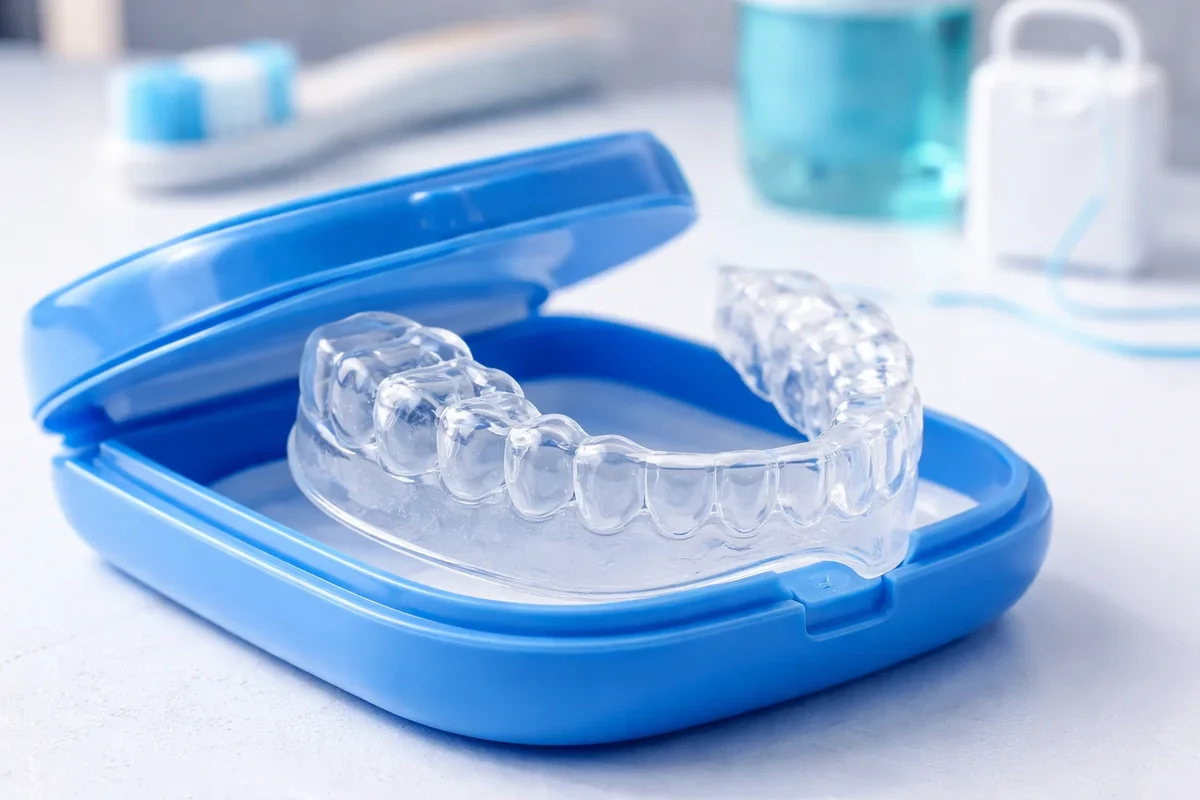
Long-Term Benefits of Wearing an Orthodontic Retainer Consistently
Wearing an orthodontic retainer consistently is one of the most impactful habits a patient can adopt after orthodontic treatment. While the immediate purpose of an orthodontic retainer is to prevent teeth from shifting, its long-term benefits extend far beyond simple alignment. Patients who commit to proper orthodontic retainer use enjoy better oral health, long-lasting aesthetics, and reduced risk of future dental complications 😊.
Unfortunately, many patients underestimate the importance of long-term orthodontic retainer wear and stop using it once their teeth appear stable. This decision often leads to gradual changes that could have been easily prevented. Understanding the full scope of benefits helps reinforce why an orthodontic retainer should remain part of your routine for years to come.
Preserving Straight Teeth for Life
The most obvious benefit of consistent orthodontic retainer use is maintaining straight teeth. Teeth are constantly exposed to forces from chewing, speaking, tongue pressure, and natural aging. An orthodontic retainer counteracts these forces by holding teeth in their ideal positions.
Patients who wear their orthodontic retainer as instructed—often nightly—are far less likely to experience crowding, spacing, or bite changes later in life. This stability is especially important for the lower front teeth, which are particularly prone to shifting over time.
Protecting Bite Alignment and Jaw Health
An orthodontic retainer does more than keep teeth straight—it also preserves proper bite alignment. A balanced bite ensures that chewing forces are distributed evenly across the teeth and jaw. When alignment changes, uneven pressure can lead to tooth wear, jaw discomfort, or temporomandibular joint (TMJ) issues.
By maintaining bite correction, an orthodontic retainer supports comfortable chewing, clear speech, and long-term jaw health. This functional benefit is often overlooked but plays a major role in overall oral comfort.
Reducing the Risk of TMJ-Related Symptoms
Shifts in tooth alignment can subtly alter how the jaw closes. Over time, this may contribute to jaw clicking, headaches, or facial pain. Wearing an orthodontic retainer helps maintain a stable bite, reducing the likelihood of developing these symptoms.
Supporting Better Oral Hygiene
Straight teeth are easier to clean, and an orthodontic retainer helps keep them that way. Proper alignment reduces tight overlaps and hard-to-reach areas where plaque and food particles can accumulate.
Patients who wear an orthodontic retainer consistently often find it easier to maintain good oral hygiene, lowering the risk of cavities and gum disease. This benefit becomes increasingly important with age, as gum health naturally becomes more vulnerable.
Avoiding the Cost and Stress of Retreatment
One of the most practical long-term benefits of an orthodontic retainer is avoiding retreatment. Orthodontic relapse can require braces or aligners again, leading to additional costs, time, and inconvenience.
Compared to the expense of repeat orthodontic treatment, maintaining an orthodontic retainer is simple and affordable. Consistent wear protects the investment you already made in your smile.
Confidence and Psychological Benefits
A stable, attractive smile has a powerful effect on confidence. Patients who know their teeth are staying aligned feel more comfortable smiling, speaking, and socializing. An orthodontic retainer provides reassurance that their smile will not gradually change without warning.
This sense of control and confidence is an important but often underappreciated benefit of long-term orthodontic retainer use.
Adapting to Natural Changes Over Time
As the body ages, subtle changes in bone structure, muscle tone, and gum tissue occur. These changes can influence tooth position even decades after orthodontic treatment. An orthodontic retainer acts as a safeguard against these natural processes.
Many adults who wore braces in their teens experience shifting later in life because they stopped using their orthodontic retainer. Continued nighttime wear helps adapt to aging-related changes while preserving alignment.
Building a Sustainable Lifetime Habit
The key to maximizing the benefits of an orthodontic retainer is consistency. Wearing your orthodontic retainer at night, storing it properly, and attending regular dental checkups turns retainer use into a simple, sustainable habit.
Patients who view their orthodontic retainer as part of normal oral care—just like brushing and flossing—are the most successful in maintaining long-term results.
The Big Picture: Why Long-Term Retention Matters
An orthodontic retainer is not just a follow-up device; it is a long-term partner in oral health. It preserves alignment, supports function, reduces future dental risks, and protects the confidence that comes with a healthy smile.
In conclusion, the long-term benefits of wearing an orthodontic retainer consistently are substantial and far-reaching ✨. From maintaining straight teeth and a stable bite to supporting oral hygiene and preventing retreatment, the orthodontic retainer plays a vital role in lifelong dental wellness. Patients who commit to proper orthodontic retainer use enjoy the full, lasting value of their orthodontic treatment.