
Orthodontist retainers are one of the most critical yet often underestimated parts of orthodontic treatment 🦷. Many patients believe that once braces or clear aligners are removed, their smile journey is complete. In reality, this is only the beginning of the retention phase. Orthodontist retainers are specifically designed appliances that help maintain the new position of your teeth after active orthodontic treatment has ended. Without orthodontist retainers, teeth have a natural tendency to shift back toward their original positions—a process known as relapse.
After months or even years of orthodontic correction, the bone and surrounding tissues need time to stabilize. Orthodontist retainers support this biological adaptation by holding teeth in their corrected alignment while the jawbone hardens around them. This is why orthodontists worldwide emphasize that orthodontist retainers are not optional; they are essential for preserving your results. Whether you used traditional braces or modern clear aligners, orthodontist retainers ensure that your investment in your smile lasts a lifetime 😊.
Orthodontist retainers also play a vital role in protecting bite alignment. Teeth do not move independently; they work together as a system. When teeth shift even slightly, it can affect chewing efficiency, jaw comfort, and even speech clarity. By wearing orthodontist retainers as prescribed, patients help maintain balanced occlusion and reduce the risk of jaw strain or uneven tooth wear. In this sense, orthodontist retainers contribute not only to aesthetics but also to long-term oral health.
Another important function of orthodontist retainers is muscle adaptation. The tongue, lips, and cheeks exert constant pressure on teeth. Before orthodontic treatment, these muscles adapted to crooked or crowded teeth. After correction, orthodontist retainers help retrain these muscles to accept the new alignment. This adaptation period is crucial, especially in the first year after treatment, when teeth are most vulnerable to movement.
It is also important to understand that orthodontist retainers are customized devices. They are fabricated based on precise dental impressions or digital scans, ensuring an exact fit for each patient. This personalization allows orthodontist retainers to be comfortable, discreet, and highly effective. In some cases, orthodontist retainers are referred to as dental retainers or orthodontic retainers, but their purpose remains the same: stability and preservation of alignment.
Patients of all ages benefit from orthodontist retainers. Teenagers, whose jaws are still developing, rely on orthodontist retainers to guide proper growth and prevent relapse during hormonal changes. Adults, on the other hand, often face stronger relapse forces due to fully developed bone structures. For both groups, orthodontist retainers are the key to maintaining straight teeth long after braces are removed 🔑.
Professional dental organizations such as the
[American Dental Association](chatgpt://generic-entity?number=0)
consistently highlight the importance of retention in orthodontic care. According to widely accepted clinical guidelines, patients should expect to wear orthodontist retainers long-term, often nightly, to ensure lasting results. This recommendation is based on decades of clinical research and patient outcomes.
In summary, orthodontist retainers are not an afterthought—they are the foundation of successful orthodontic treatment. They protect tooth alignment, support bone stabilization, guide muscle adaptation, and preserve bite function. Ignoring orthodontist retainers can undo months of hard work in a surprisingly short time. By understanding their purpose and committing to proper use, patients can enjoy a confident, healthy smile for many years to come 😁.
Types of Orthodontist Retainers: Fixed vs. Removable Options
Orthodontist retainers are not a one-size-fits-all solution. Modern orthodontics offers several types of orthodontist retainers, each designed to meet different clinical needs, lifestyles, and long-term retention goals 🦷. Understanding the differences between fixed and removable orthodontist retainers helps patients make informed decisions and improves long-term compliance. Choosing the right orthodontist retainers can be just as important as wearing them consistently.
Orthodontists typically recommend a specific type of orthodontist retainers based on factors such as tooth movement severity, age, bite structure, and patient habits. Some orthodontist retainers remain permanently attached, while others can be removed for eating and cleaning. Both approaches are effective when used correctly, but they serve different purposes during the retention phase.
Fixed Orthodontist Retainers (Bonded Retainers)
Fixed orthodontist retainers, often called bonded retainers, consist of a thin metal wire permanently attached to the back of the teeth—usually the lower front teeth. These orthodontist retainers are completely invisible from the front and provide continuous retention without relying on patient memory or discipline. Because they stay in place 24/7, fixed orthodontist retainers are especially effective for teeth that have a high risk of shifting.
One of the biggest advantages of fixed orthodontist retainers is consistency. Since they cannot be removed, they eliminate the risk of forgetting to wear them. This makes fixed orthodontist retainers ideal for patients who previously struggled with compliance during orthodontic treatment. They are also highly durable and can last many years with proper care.
However, fixed orthodontist retainers do require excellent oral hygiene. Plaque and tartar can accumulate around the bonded wire if brushing and flossing are neglected. Orthodontists often recommend special floss threaders or interdental brushes to clean effectively around fixed orthodontist retainers. With proper maintenance, these orthodontist retainers can protect alignment for a very long time.
Who Is Best Suited for Fixed Orthodontist Retainers?
Fixed orthodontist retainers are commonly recommended for patients with severe crowding, spacing issues, or rotated teeth before treatment. Adults are also frequent candidates, as adult teeth have a stronger tendency to relapse. In these cases, orthodontist retainers that provide constant stabilization offer the highest level of security 🔒.
Removable Orthodontist Retainers
Removable orthodontist retainers are the most widely recognized type and are designed to be taken out when eating or cleaning. These orthodontist retainers are typically worn full-time at first and then transitioned to nighttime use. Their flexibility makes them a popular choice for many patients, especially those who value convenience.
There are two main styles of removable orthodontist retainers: clear plastic retainers and traditional wire-and-acrylic retainers. Both types serve the same purpose—holding teeth in place—but differ in comfort, appearance, and durability. Regardless of style, removable orthodontist retainers must be worn exactly as instructed to be effective.
Clear Plastic Orthodontist Retainers
Clear plastic orthodontist retainers, often similar in appearance to aligners, are custom-molded to fit snugly over the teeth. These orthodontist retainers are nearly invisible, making them especially popular among adults and professionals. They are lightweight, comfortable, and easy to wear during sleep.
Despite their advantages, clear orthodontist retainers require careful handling. They can warp if exposed to heat and may crack if not stored properly. Orthodontists often advise patients to keep their orthodontist retainers in a protective case when not in use to prevent damage or loss.
Traditional Wire-and-Acrylic Orthodontist Retainers
Traditional orthodontist retainers use a combination of metal wire and acrylic material. These orthodontist retainers are durable and adjustable, allowing orthodontists to make minor corrections if needed. Although they are more visible than clear options, they remain a reliable and cost-effective choice.
Because these orthodontist retainers are sturdy, they are often recommended for younger patients or those who require slight post-treatment adjustments. With proper use, traditional orthodontist retainers can remain effective for many years.
Choosing the Right Orthodontist Retainers
Selecting between fixed and removable orthodontist retainers depends on individual needs and lifestyle. Some patients even use a combination approach, wearing a fixed orthodontist retainer on the lower teeth and a removable one on the upper teeth. Orthodontists tailor retention strategies to maximize long-term stability and comfort.
Ultimately, the success of orthodontist retainers depends not only on the type chosen but also on patient commitment. Whether fixed or removable, orthodontist retainers are a lifelong investment in oral health and smile confidence 😊. Understanding your options empowers you to protect the results you worked so hard to achieve.
How Orthodontist Retainers Work After Braces or Aligners
Orthodontist retainers play a critical biological and mechanical role once braces or clear aligners are removed 🦷. Many patients assume that straight teeth are “locked in” after orthodontic treatment, but in reality, teeth are naturally mobile structures. Orthodontist retainers work by counteracting the forces that constantly try to move teeth back to their original positions. Understanding how orthodontist retainers function after treatment helps patients appreciate why consistent wear is essential for long-term success.
During orthodontic treatment, teeth are moved through bone using controlled pressure. This process temporarily softens the surrounding bone and periodontal ligaments. Once braces or aligners are removed, these tissues need time to reorganize and stabilize. Orthodontist retainers act as a holding mechanism during this healing phase, preventing unwanted tooth movement while the bone hardens around the newly positioned teeth.
The Biological Process Behind Tooth Stabilization
After orthodontic correction, the periodontal ligament fibers around each tooth remain stretched and unstable. These fibers have a natural “memory” and attempt to pull teeth back to their former positions. Orthodontist retainers work by neutralizing this memory effect. By holding teeth firmly in place, orthodontist retainers allow the fibers to reorganize and adapt to the new alignment over time.
Bone remodeling is another crucial factor. The jawbone does not instantly conform to the new tooth positions. Orthodontist retainers maintain alignment while new bone forms and strengthens around the roots. This process can take months or even years, which explains why orthodontist retainers are often recommended for long-term or lifelong use.
Why the First Year Is the Most Critical
The highest risk of relapse occurs during the first 6–12 months after braces or aligners are removed. During this period, orthodontist retainers must be worn exactly as prescribed, often full-time initially. Skipping wear during this stage can quickly undo treatment results. Orthodontist retainers provide constant stabilization when teeth are at their most vulnerable.
Orthodontist Retainers After Traditional Braces
Following traditional braces, teeth may feel stable, but they are still prone to shifting. Orthodontist retainers are custom-designed to maintain the precise alignment achieved by brackets and wires. Fixed orthodontist retainers are especially common after braces, as they provide continuous retention without relying on patient compliance.
Removable orthodontist retainers are also frequently used after braces, particularly for upper teeth. These orthodontist retainers are typically worn full-time for several months before transitioning to nighttime wear. This gradual reduction allows the mouth to adapt while maintaining alignment.
Orthodontist Retainers After Clear Aligners
Patients who complete treatment with clear aligners still require orthodontist retainers to protect their results. Even though aligners gradually move teeth, the same biological principles apply. Orthodontist retainers following aligner treatment often resemble the aligners themselves but are made from more durable materials for long-term use.
One common misconception is that aligner patients can simply stop wearing trays after treatment. In reality, orthodontist retainers are essential to prevent relapse. Many orthodontists recommend nighttime wear indefinitely, as aligner-treated teeth can shift just as easily as those corrected with braces.
Muscle Forces and Bite Pressure
Chewing, speaking, and swallowing all generate forces that act on teeth daily. The tongue, lips, and cheeks apply continuous pressure that can gradually alter tooth position. Orthodontist retainers counterbalance these forces, ensuring that teeth remain in their corrected alignment despite daily functional stress.
Functional and Aesthetic Benefits of Proper Retention
Beyond keeping teeth straight, orthodontist retainers help preserve bite balance and jaw comfort. A stable bite reduces uneven tooth wear, minimizes jaw strain, and supports proper chewing efficiency. From an aesthetic standpoint, orthodontist retainers protect smile symmetry and prevent spacing or crowding from reappearing.
Patients who experience discomfort, tightness, or shifting sensations when not wearing their orthodontist retainers are often witnessing early signs of relapse. These warning signs highlight how actively teeth attempt to move and why orthodontist retainers remain necessary long after treatment ends.
If you have questions about retention protocols or feel unsure about how your orthodontist retainers should be used, professional guidance is essential. You can reach a dental specialist through the
Redent Klinik Contact Page
to receive personalized advice tailored to your treatment history.
In summary, orthodontist retainers work by supporting biological healing, neutralizing muscle forces, and preserving the mechanical alignment achieved through orthodontic treatment 🔐. Whether used after braces or aligners, orthodontist retainers are the final and most important phase of the smile transformation process. Commitment to proper retainer use ensures that the results you worked hard for remain stable, healthy, and visually pleasing for years to come.
How Long Should You Wear Orthodontist Retainers?
One of the most common and important questions patients ask is how long orthodontist retainers should be worn after braces or clear aligners 🦷. The short answer is that orthodontist retainers are usually a long-term, often lifelong commitment. However, the exact duration and schedule depend on individual factors such as age, the severity of the original orthodontic problem, and how the teeth respond after treatment. Understanding the timeline helps patients set realistic expectations and avoid preventable relapse.
Orthodontist retainers are designed to protect teeth during a period when they are biologically unstable. After orthodontic treatment, the surrounding bone, ligaments, and muscles need extended time to adapt. Teeth may look straight, but without orthodontist retainers, they can gradually shift—sometimes within weeks. This is why orthodontists emphasize strict adherence to retainer wear instructions, especially in the early stages.
The Initial Retention Phase (First 3–6 Months)
The first few months after treatment are the most critical. During this phase, orthodontist retainers are typically worn full-time, meaning 20–22 hours per day. They are removed only for eating, drinking anything other than water, and oral hygiene. At this stage, orthodontist retainers act as a protective shield, preventing immediate relapse while the jawbone begins to stabilize.
Skipping wear during this phase can lead to rapid tooth movement. Many patients notice that orthodontist retainers feel tight if they miss even a day or two, which is a clear sign that teeth are trying to shift back. Consistent wear during the initial phase dramatically increases the chances of long-term success.
Why Full-Time Wear Matters Early On
The periodontal fibers around teeth have elastic memory. Orthodontist retainers counteract this memory by holding teeth firmly in place while the fibers reorganize. Without orthodontist retainers during this phase, the risk of noticeable relapse is extremely high ⚠️.
The Transition Phase: Nighttime-Only Wear
After the initial phase, most orthodontists gradually reduce wear time. Orthodontist retainers are then worn primarily at night, usually for 8–10 hours while sleeping. This transition phase allows teeth to experience natural daily forces while still being stabilized overnight.
Nighttime wear is often recommended for at least one to two years, depending on the patient’s response. Some individuals may need orthodontist retainers at night for longer periods due to crowding, spacing, or bite issues. The key is consistency—nightly use of orthodontist retainers maintains alignment without interfering with daily activities.
Long-Term and Lifelong Retainer Use
Many orthodontic professionals now agree that orthodontist retainers should be worn indefinitely, especially at night. Teeth continue to shift throughout life due to aging, jaw changes, and muscle pressure. Orthodontist retainers provide a simple and non-invasive way to preserve alignment long-term.
Adults, in particular, are often advised to wear orthodontist retainers for life. Because adult bone is denser and less adaptable, relapse forces can be stronger. Long-term use of orthodontist retainers helps maintain not only straight teeth but also bite stability and jaw comfort.
Is Lifelong Wear Really Necessary?
While the idea of lifelong orthodontist retainers may seem overwhelming, most patients adapt easily. Wearing orthodontist retainers at night becomes a routine, similar to brushing teeth. Compared to the time, cost, and discomfort of repeat orthodontic treatment, long-term retainer use is a small commitment with significant benefits 😊.
Factors That Affect Retainer Wear Duration
Several factors influence how long orthodontist retainers are needed. These include the severity of initial misalignment, age at treatment completion, oral habits such as grinding or tongue thrusting, and whether fixed or removable orthodontist retainers are used. Patients with fixed orthodontist retainers may still need removable ones for added security.
Orthodontists evaluate these factors during follow-up visits and may adjust retainer schedules accordingly. Ignoring professional advice or reducing wear prematurely can compromise results. Orthodontist retainers work best when used exactly as prescribed.
Warning Signs You’re Not Wearing Orthodontist Retainers Enough
Tightness, pressure, or discomfort when putting on orthodontist retainers are early warning signs of tooth movement. Visible spacing, crowding, or bite changes can also indicate insufficient wear. Addressing these signs early—by increasing retainer use—can often prevent permanent relapse.
In conclusion, orthodontist retainers are not a short-term accessory but a long-term safeguard for your smile 🔐. Full-time wear in the early months, followed by nighttime use and often lifelong maintenance, ensures that orthodontic results remain stable. By committing to proper orthodontist retainers use, patients protect their smile, oral health, and confidence for years to come.
Daily Care and Cleaning Tips for Orthodontist Retainers
Proper daily care is essential to ensure orthodontist retainers remain effective, hygienic, and comfortable over the long term 🦷. Many problems associated with orthodontist retainers—such as bad odors, discoloration, bacterial buildup, and even breakage—are directly linked to poor maintenance habits. Since orthodontist retainers are worn for extended periods and come into close contact with saliva and oral bacteria, cleaning them correctly is just as important as brushing your teeth.
Orthodontist retainers are medical-grade dental devices, not simple accessories. Neglecting their care can lead to oral health issues such as gum inflammation, plaque accumulation, and unpleasant taste. By establishing a consistent cleaning routine, patients protect both their orthodontist retainers and their overall oral health 😊.
Why Cleaning Orthodontist Retainers Matters
Every time orthodontist retainers are placed in the mouth, they are exposed to bacteria, food particles, and plaque. Over time, these substances can harden into tartar, which is difficult to remove and can damage the surface of orthodontist retainers. Bacteria trapped on unclean retainers may also be transferred back into the mouth, increasing the risk of cavities and gum disease.
Additionally, poorly maintained orthodontist retainers often develop unpleasant odors or stains. This can discourage patients from wearing them consistently, increasing the risk of tooth relapse. Clean orthodontist retainers are more comfortable, discreet, and easier to commit to long-term.
Daily Cleaning Routine for Orthodontist Retainers
Orthodontist retainers should be cleaned at least once daily, ideally every time they are removed. Rinsing alone is not sufficient. A gentle but thorough cleaning routine helps prevent buildup and prolongs the lifespan of orthodontist retainers.
Step-by-Step Daily Cleaning
First, rinse orthodontist retainers with lukewarm water immediately after removal. This helps wash away saliva and loose debris before it hardens. Next, use a soft-bristled toothbrush to gently brush the retainers. Avoid using regular toothpaste, as many contain abrasive particles that can scratch orthodontist retainers and create spaces for bacteria to hide.
Instead, orthodontists often recommend mild liquid soap or specialized retainer-cleaning solutions. Brush all surfaces carefully, paying close attention to grooves and edges. After cleaning, rinse orthodontist retainers thoroughly to remove any residue before placing them back in the mouth or storing them.
Deep Cleaning Orthodontist Retainers
In addition to daily cleaning, orthodontist retainers benefit from regular deep cleaning. This process removes stubborn bacteria and mineral deposits that daily brushing may miss. Deep cleaning is especially important for clear orthodontist retainers, which can become cloudy over time.
Safe Deep-Cleaning Methods
Soaking orthodontist retainers in a dentist-approved cleaning solution once or twice a week is highly effective. Effervescent retainer tablets are commonly used and are designed to kill bacteria without damaging the material. Always follow the manufacturer’s instructions and rinse thoroughly afterward.
Avoid home remedies such as vinegar, bleach, or alcohol-based products. These substances can weaken orthodontist retainers, cause discoloration, and even pose health risks if residue remains. Heat should also be avoided, as hot water can warp orthodontist retainers permanently.
Proper Storage of Orthodontist Retainers
How orthodontist retainers are stored when not in use is just as important as how they are cleaned. Retainers left exposed on countertops or wrapped in tissues are easily contaminated, damaged, or accidentally thrown away.
Always store orthodontist retainers in a well-ventilated protective case. This prevents bacterial growth while protecting them from physical damage. The case itself should be cleaned regularly, as it can also harbor bacteria.
Common Cleaning Mistakes to Avoid
Many patients unknowingly damage their orthodontist retainers through improper cleaning habits. Using toothpaste, boiling water, or harsh chemicals are among the most common mistakes. Scrubbing too aggressively can also weaken orthodontist retainers and shorten their lifespan.
Another frequent issue is forgetting to clean orthodontist retainers after meals or drinks other than water. Sugars and acids trapped between retainers and teeth can increase the risk of decay if not cleaned promptly.
How Proper Care Extends the Life of Orthodontist Retainers
Well-maintained orthodontist retainers last longer, fit better, and remain more comfortable. Proper care reduces the need for frequent replacements and ensures that orthodontist retainers continue to hold teeth in their correct positions effectively 🔐.
In conclusion, daily care and cleaning are essential responsibilities for anyone wearing orthodontist retainers. A simple, consistent routine protects your oral health, preserves your orthodontic results, and keeps orthodontist retainers hygienic and comfortable for long-term use. Treating orthodontist retainers with the same care as your teeth ensures a healthier smile and lasting confidence 😁.
Common Problems With Orthodontist Retainers and How to Avoid Them
While orthodontist retainers are essential for maintaining straight teeth, many patients experience problems due to misuse, lack of care, or misunderstandings about how orthodontist retainers function 🦷. These issues can range from minor discomfort to significant relapse of tooth alignment. The good news is that most problems with orthodontist retainers are preventable when patients understand the causes and take proactive steps to avoid them.
Orthodontist retainers are precision devices designed to fit your teeth exactly. Even small mistakes—such as inconsistent wear or improper cleaning—can reduce their effectiveness. Recognizing common problems early allows patients to correct habits before long-term damage occurs 😊.
Inconsistent or Skipped Wear
One of the most common problems with orthodontist retainers is inconsistent use. Many patients underestimate how quickly teeth can shift when orthodontist retainers are not worn as prescribed. Skipping nights, wearing retainers only occasionally, or stopping use altogether often leads to relapse.
Teeth are biologically programmed to move throughout life. Orthodontist retainers counteract this movement, but only when worn consistently. Even short breaks in wear can cause orthodontist retainers to feel tight or uncomfortable when reinserted—a clear warning sign that teeth have shifted.
How to Avoid This Problem
The solution is simple but requires discipline. Follow your orthodontist’s instructions precisely and treat orthodontist retainers as part of your daily routine. Setting reminders or pairing retainer wear with nightly habits, such as brushing teeth, helps maintain consistency 🔁.
Damage, Cracks, or Warping
Physical damage is another frequent issue with orthodontist retainers. Clear orthodontist retainers can crack or warp if exposed to heat, while wire retainers may bend if handled improperly. Damaged orthodontist retainers may no longer fit correctly, reducing their ability to hold teeth in place.
Many cases of damage occur when orthodontist retainers are left loose in bags, pockets, or napkins. Pets are also a common culprit, as retainers can resemble chew toys.
How to Avoid Damage
Always store orthodontist retainers in a sturdy, ventilated case when not in use. Avoid hot water, direct sunlight, and leaving retainers in cars. If orthodontist retainers feel loose, tight, or visibly damaged, stop wearing them and consult your orthodontist immediately 🛑.
Poor Fit and Discomfort
Discomfort or pressure when wearing orthodontist retainers is often a sign of tooth movement or improper fit. While mild pressure is normal initially, ongoing pain may indicate that orthodontist retainers no longer match your tooth alignment.
Ill-fitting orthodontist retainers can also rub against gums or soft tissues, causing irritation or sores. This discomfort may discourage wear, further increasing the risk of relapse.
What to Do if Retainers Feel Uncomfortable
Never attempt to adjust orthodontist retainers yourself. Instead, schedule a professional evaluation. Orthodontists can determine whether teeth have shifted or if new orthodontist retainers are needed to restore proper fit and comfort.
Hygiene-Related Problems
Poor cleaning habits often lead to unpleasant odors, discoloration, and bacterial buildup on orthodontist retainers. These hygiene issues can affect oral health, contributing to gum inflammation, plaque accumulation, and bad breath.
Unclean orthodontist retainers may also discourage consistent use, indirectly increasing the risk of tooth movement. Hygiene problems are among the most easily preventable retainer-related issues.
Prevention Through Proper Care
Daily cleaning, regular deep cleaning, and proper storage are essential. Clean orthodontist retainers should feel fresh, fit comfortably, and remain clear or smooth depending on the type. Good hygiene habits protect both orthodontist retainers and overall oral health 🪥.
Loss or Misplacement of Orthodontist Retainers
Lost orthodontist retainers are a surprisingly common problem. Wrapping retainers in tissues during meals, leaving them in public places, or failing to use a case increases the risk of loss. Without orthodontist retainers, teeth can begin shifting in a matter of days.
Replacing lost orthodontist retainers can be costly and inconvenient, especially if significant tooth movement occurs before replacement.
How to Prevent Losing Retainers
Always use a designated retainer case and develop the habit of placing orthodontist retainers in the same location every time they are removed. Consistency in storage reduces loss and protects alignment.
Ignoring Follow-Up Appointments
Some patients assume orthodontist retainers do not require monitoring. In reality, follow-up visits are essential to ensure orthodontist retainers continue to fit properly and function effectively. Teeth and jaws change over time, and retention plans may need adjustments.
Skipping check-ups increases the risk of unnoticed issues, such as subtle shifting or wear-related damage.
Long-Term Success With Orthodontist Retainers
Most problems with orthodontist retainers stem from habits—not from the retainers themselves. With proper use, cleaning, storage, and professional oversight, orthodontist retainers are highly reliable tools for maintaining a straight, healthy smile 🔐.
In conclusion, understanding common problems with orthodontist retainers empowers patients to avoid them. Consistent wear, careful handling, good hygiene, and regular dental follow-ups ensure orthodontist retainers perform their job effectively. By addressing small issues early, patients protect their orthodontic results and enjoy long-lasting confidence in their smile 😁.
Orthodontist Retainers for Adults vs. Teenagers
Orthodontist retainers are essential for patients of all ages, but the way they are prescribed, worn, and maintained can differ significantly between adults and teenagers 🦷. While the ultimate goal of orthodontist retainers is the same—preserving tooth alignment after braces or aligners—the biological, behavioral, and lifestyle differences between age groups influence retention strategies. Understanding these differences helps patients and parents set realistic expectations and achieve long-term success.
Both adults and teenagers face the risk of orthodontic relapse, but the underlying causes and challenges vary. Orthodontist retainers must be adapted to these age-specific factors to ensure effectiveness, comfort, and compliance 😊.
Biological Differences Between Adults and Teenagers
One of the most important distinctions lies in bone biology. Teenagers are still growing, and their jawbones are more adaptable. This means teeth may move more easily—but they can also relapse more quickly if orthodontist retainers are not worn consistently. For this reason, orthodontist retainers play a crucial role during adolescence, when growth spurts and hormonal changes can influence tooth position.
Adults, on the other hand, have fully developed jawbones that are denser and less flexible. While tooth movement during treatment may take longer, relapse forces can be stronger over time. Orthodontist retainers for adults often need to be worn longer—sometimes indefinitely—to counteract age-related changes and muscle pressure.
Why Bone Maturity Matters
Because adult bone remodels more slowly, orthodontist retainers must provide long-term stabilization. Teenagers may eventually reduce retainer wear under professional guidance, but adults are frequently advised to maintain nightly use of orthodontist retainers for life 🔐.
Compliance Challenges in Teenagers
Teenagers often struggle with consistency when it comes to orthodontist retainers. Busy school schedules, social activities, and forgetfulness can lead to skipped wear. Lost or damaged orthodontist retainers are also more common among younger patients.
To address these challenges, orthodontists may recommend fixed orthodontist retainers for teenagers, especially on the lower front teeth. Fixed options eliminate reliance on daily habits and ensure continuous retention during critical growth years.
Supporting Teen Retainer Success
Parental involvement is key. Encouraging routine use, monitoring cleaning habits, and attending follow-up appointments help teenagers develop responsibility for their orthodontist retainers. Establishing habits early increases the likelihood of long-term compliance.
Lifestyle Considerations for Adults
Adults generally demonstrate higher compliance with orthodontist retainers, as they are often more motivated to protect their investment in orthodontic treatment. However, adult lifestyles introduce different challenges. Work schedules, travel, and stress-related habits such as teeth grinding can affect how orthodontist retainers fit and function.
Clear orthodontist retainers are especially popular among adults due to their discreet appearance. These retainers integrate easily into professional and social settings, making nighttime wear more comfortable and convenient.
Bruxism and Adult Retainer Wear
Many adults grind or clench their teeth during sleep. Orthodontist retainers can help protect alignment but may wear down faster in these cases. Orthodontists may recommend reinforced orthodontist retainers or combined retainer–night guard solutions for added durability.
Differences in Retainer Types and Treatment Plans
Teenagers are more likely to use a combination of fixed and removable orthodontist retainers to accommodate growth and reduce compliance risks. Adults, by contrast, often rely on removable orthodontist retainers worn at night, sometimes paired with fixed retainers for extra stability.
Orthodontists tailor retainer plans based on age, dental history, and risk of relapse. What works for a teenager may not be ideal for an adult, which is why personalized orthodontist retainers are essential.
Long-Term Retention Expectations
Teenagers may eventually reduce retainer wear as growth stabilizes, but this decision must always be guided by an orthodontist. Adults should expect orthodontist retainers to be part of their long-term oral health routine. Teeth naturally shift with age, and orthodontist retainers provide ongoing protection against these changes.
Regardless of age, skipping orthodontist retainers increases the risk of relapse. The difference lies not in whether retainers are needed, but in how long and how consistently they must be worn.
Final Thoughts on Age-Specific Retainer Use
Orthodontist retainers are equally important for adults and teenagers, but success depends on age-appropriate strategies 🧩. Teenagers benefit from structured support and fixed retention options, while adults require long-term commitment and solutions that fit their lifestyle.
In conclusion, understanding how orthodontist retainers differ for adults and teenagers empowers patients and families to make informed decisions. With proper planning, consistent use, and professional guidance, orthodontist retainers ensure that smiles remain straight, healthy, and confident at every stage of life 😁.
Cost of Orthodontist Retainers and What Affects the Price
The cost of orthodontist retainers is a major concern for many patients after completing braces or clear aligner treatment 🦷. While orthodontist retainers are generally far less expensive than orthodontic treatment itself, their price can vary widely depending on several important factors. Understanding what influences the cost helps patients plan ahead and avoid unexpected expenses while protecting their orthodontic results.
Orthodontist retainers should be viewed as a long-term investment rather than a short-term purchase. Their primary role is to preserve the time, effort, and money already spent on straightening teeth. Choosing appropriate orthodontist retainers—and maintaining them properly—can prevent costly retreatment in the future 😊.
Average Cost of Orthodontist Retainers
On average, orthodontist retainers fall within predictable price ranges. While exact fees depend on location and provider, the following estimates reflect commonly reported costs in many dental clinics:
Typical Price Ranges
• Clear removable orthodontist retainers: $100–$300 per set
• Traditional wire-and-acrylic orthodontist retainers: $150–$350
• Fixed (bonded) orthodontist retainers: $250–$500
• Replacement orthodontist retainers: $100–$300
Some orthodontic treatment plans include the first set of orthodontist retainers in the overall treatment cost, while others charge separately. It is always important to clarify this with your provider before treatment is completed.
Factors That Influence the Cost of Orthodontist Retainers
Several variables affect how much orthodontist retainers cost. These factors explain why prices can differ significantly between patients, even within the same clinic.
Type of Orthodontist Retainers
The type of orthodontist retainers prescribed has the greatest impact on cost. Fixed orthodontist retainers typically cost more due to the bonding procedure and professional chair time required. Removable orthodontist retainers may be less expensive initially but can incur replacement costs if lost or damaged.
Material and Manufacturing Method
Clear orthodontist retainers made using digital scans and advanced materials often cost more than traditional wire retainers. However, they offer aesthetic benefits and comfort that many patients value. Custom fabrication ensures precise fit, which directly affects the effectiveness of orthodontist retainers.
Geographic Location
Dental fees vary by region. Orthodontist retainers in large cities or high-cost areas are generally more expensive than those in smaller towns. Local laboratory fees and operational costs influence pricing.
Replacement Frequency
Orthodontist retainers are not indestructible. Clear retainers may need replacement every few years due to wear, while fixed orthodontist retainers may require rebonding if the wire loosens. Factoring in potential replacements helps patients understand the true long-term cost.
Are Orthodontist Retainers Covered by Insurance?
Insurance coverage for orthodontist retainers varies widely. Some dental insurance plans cover retainers as part of orthodontic treatment, while others exclude them entirely. Replacement orthodontist retainers are often not covered unless medically necessary.
Patients are encouraged to review their insurance benefits carefully and ask their orthodontist for documentation if coverage questions arise. Flexible spending accounts (FSA) or health savings accounts (HSA) are often used to pay for orthodontist retainers with pre-tax dollars.
Cost vs. Value: Are Orthodontist Retainers Worth It?
When considering cost, it is important to compare orthodontist retainers with the expense of retreatment. A second round of braces or aligners can cost thousands of dollars, far exceeding the price of proper retention. Orthodontist retainers protect alignment, bite function, and smile aesthetics at a fraction of that cost 💡.
In addition to financial value, orthodontist retainers provide peace of mind. Knowing that your smile is protected allows you to enjoy the results of treatment without constant worry about shifting teeth.
Tips to Reduce Long-Term Retainer Costs
Patients can minimize expenses by caring for orthodontist retainers properly, storing them in protective cases, and attending regular check-ups. Avoiding heat, pets, and improper cleaning methods significantly extends the lifespan of orthodontist retainers.
Prompt replacement is also key. If orthodontist retainers no longer fit correctly, replacing them early can prevent tooth movement and avoid more expensive interventions later.
Final Thoughts on Retainer Costs
The cost of orthodontist retainers varies, but their value is undeniable 🔐. Prices are influenced by retainer type, materials, location, and replacement needs, yet they remain one of the most cost-effective tools in modern dentistry.
In conclusion, orthodontist retainers are a smart and necessary investment in long-term oral health. Understanding their cost and the factors that affect pricing empowers patients to plan wisely and protect their smile for years to come 😁.
When to Replace Orthodontist Retainers and Signs You Shouldn’t Ignore
Orthodontist retainers are built to be durable, but they are not permanent devices 🦷. Over time, wear, tear, and natural changes in your mouth can reduce their effectiveness. Knowing when to replace orthodontist retainers—and recognizing early warning signs—can prevent tooth movement, discomfort, and the need for costly retreatment. Many patients delay replacement because retainers “still fit,” but subtle issues can undermine retention long before obvious problems appear.
Orthodontist retainers must maintain precise contact with your teeth to do their job. Even small distortions, cracks, or changes in fit can allow teeth to shift. Being proactive about replacement is one of the most important habits for long-term smile stability 😊.
Typical Lifespan of Orthodontist Retainers
The lifespan of orthodontist retainers varies by type and usage. Clear removable orthodontist retainers generally last 1–3 years with proper care. Traditional wire-and-acrylic retainers may last longer—often 3–5 years—while fixed orthodontist retainers can last many years but may require occasional rebonding or repairs.
Daily habits such as grinding, improper cleaning, exposure to heat, and inconsistent storage can significantly shorten the lifespan of orthodontist retainers. Regular check-ups help determine whether your retainers are still functioning optimally.
Why “Still Fits” Doesn’t Always Mean “Still Works”
A retainer may feel wearable but still be ineffective. Micro-cracks, warping, or loss of tight contact can allow gradual tooth movement. Orthodontist retainers must hold teeth firmly—not loosely—to prevent relapse 🔎.
Clear Signs Your Orthodontist Retainers Need Replacement
There are several clear indicators that orthodontist retainers should be replaced. Ignoring these signs can lead to alignment changes that become harder to correct over time.
Visible Damage or Wear
Cracks, chips, thinning plastic, bent wires, or rough edges are strong indicators that orthodontist retainers are compromised. Damaged retainers cannot distribute pressure evenly and may irritate gums or soft tissues.
Persistent Tightness or Pain
Some pressure is normal if you’ve missed a night, but ongoing pain when wearing orthodontist retainers may signal tooth movement or a poor fit. This often means the retainers no longer match your current alignment and need replacement.
Discoloration and Odor That Won’t Go Away
If orthodontist retainers remain cloudy, stained, or odorous despite proper cleaning, bacteria may be embedded in the material. This is common with aging clear retainers and indicates it’s time for a new set.
Functional Warning Signs You Shouldn’t Ignore
Not all issues are visible. Functional changes can signal that orthodontist retainers are no longer effective—even if they appear intact.
Teeth Shifting or Bite Changes
If you notice spacing, crowding, or changes in how your teeth come together, your orthodontist retainers may not be holding alignment properly. Early replacement can often stop further movement.
Speech Changes or Jaw Discomfort
Ill-fitting orthodontist retainers can alter tongue position or bite balance, leading to speech changes or jaw strain. These symptoms warrant a professional evaluation.
When Fixed Orthodontist Retainers Need Attention
Fixed orthodontist retainers are durable, but they are not maintenance-free. Wires can loosen, break, or detach from individual teeth. Even partial detachment reduces effectiveness and allows selective tooth movement.
If you feel sharp edges, notice floss snagging, or see gaps between the wire and teeth, your fixed orthodontist retainers likely need repair or replacement 🛠️.
What Happens If You Delay Replacement?
Delaying replacement of orthodontist retainers can lead to gradual relapse that may not be reversible with a simple new retainer. In advanced cases, limited orthodontic retreatment may be required to realign teeth before retention can resume.
Prompt action saves time, money, and discomfort. Replacing orthodontist retainers early is almost always simpler and more cost-effective than correcting relapse later.
How Often Should You Check Retainer Fit?
Orthodontists recommend periodic evaluations, especially in the first few years after treatment. Even long-term retainer wearers should have orthodontist retainers checked every 1–2 years to ensure proper fit and function.
If you’ve lost your orthodontist retainers, stopped wearing them for an extended period, or noticed any of the warning signs above, schedule an evaluation as soon as possible.
Final Guidance on Replacing Orthodontist Retainers
Orthodontist retainers are only effective when they fit well, remain intact, and are worn consistently 🔐. Knowing when to replace them—and acting promptly—protects your smile from preventable changes.
In conclusion, replacing orthodontist retainers at the right time is a crucial part of long-term orthodontic success. Pay attention to damage, discomfort, fit changes, and hygiene issues. With timely replacement and professional guidance, orthodontist retainers will continue to safeguard your smile for many years to come 😁.
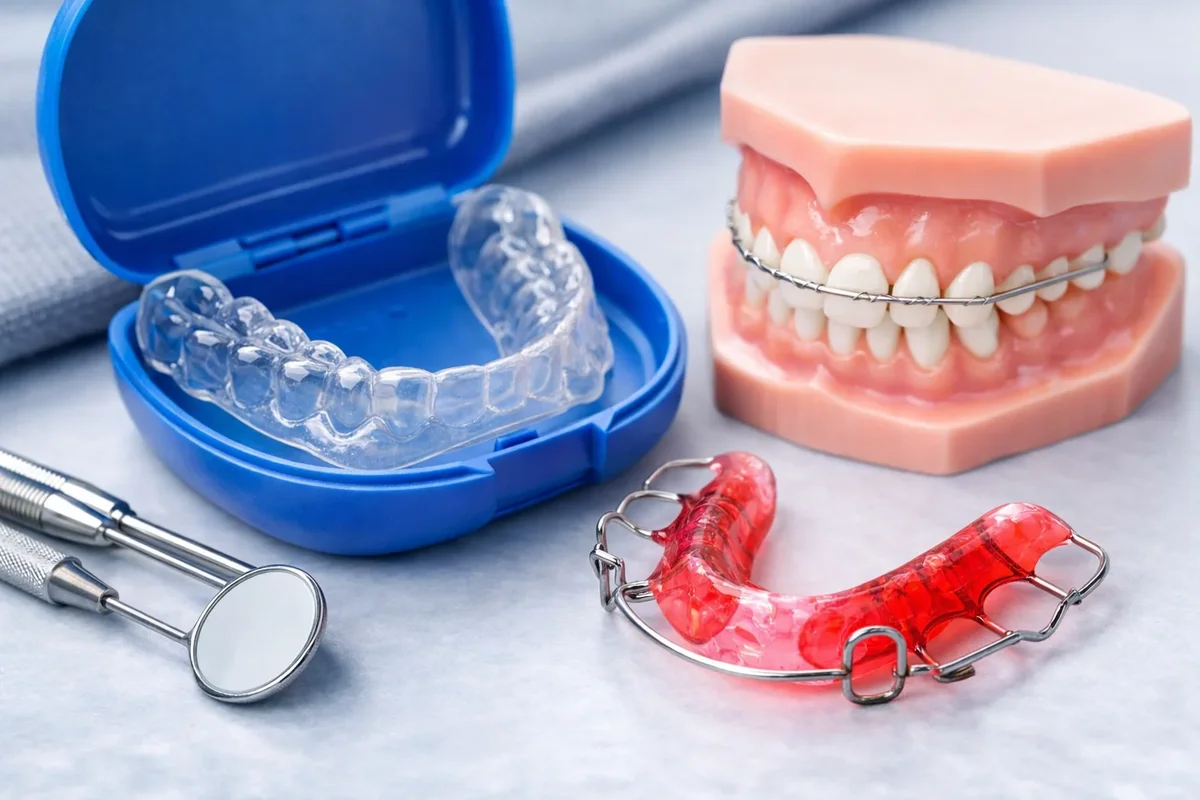
Choosing the Right Orthodontist Retainers With Professional Guidance
Choosing the right orthodontist retainers is one of the most important decisions patients make after completing orthodontic treatment 🦷. While many people assume that any retainer will work as long as it is worn, the reality is more complex. Orthodontist retainers must be carefully selected, customized, and monitored by a professional to ensure long-term stability, comfort, and oral health. Making the wrong choice—or relying on generic solutions—can increase the risk of relapse and discomfort.
Orthodontist retainers are not interchangeable products. They are medical devices tailored to your unique dental anatomy, bite relationship, and treatment history. Professional guidance ensures that orthodontist retainers are designed to meet your specific needs rather than offering a one-size-fits-all approach 😊.
Why Professional Evaluation Matters
An orthodontist evaluates multiple factors before recommending orthodontist retainers. These include how much movement occurred during treatment, the original alignment problems, jaw position, muscle habits, and age-related risks. Without this assessment, orthodontist retainers may fail to provide adequate retention.
For example, patients with severe crowding before treatment often require more robust orthodontist retainers than those with minor spacing issues. Similarly, bite-related concerns may influence whether fixed or removable orthodontist retainers are more appropriate.
Customization vs. Over-the-Counter Solutions
Online or over-the-counter retainers may seem convenient or affordable, but they lack the precision required for effective retention. Orthodontist retainers created under professional supervision are custom-made using dental impressions or digital scans, ensuring accurate fit and pressure distribution 🔬.
Poorly fitting retainers can cause uneven force, tooth movement, gum irritation, or jaw discomfort. Professional orthodontist retainers minimize these risks by matching your exact dental structure.
Factors Orthodontists Consider When Recommending Retainers
Orthodontists consider both short-term and long-term factors when selecting orthodontist retainers. These decisions are based on clinical evidence and years of experience managing post-treatment stability.
Risk of Relapse
Some teeth are more prone to shifting than others, especially lower front teeth. In high-risk cases, orthodontists may recommend fixed orthodontist retainers or a combination of fixed and removable options to maximize retention.
Lifestyle and Compliance
Patient lifestyle plays a major role in retainer selection. Individuals who travel frequently, work long hours, or struggle with routine habits may benefit from fixed orthodontist retainers. Others who value flexibility may be better suited to removable orthodontist retainers worn at night.
Oral Hygiene and Maintenance Ability
Good oral hygiene is essential for certain types of orthodontist retainers. Fixed retainers require meticulous cleaning, while removable retainers demand consistent daily care. Orthodontists consider a patient’s ability and willingness to maintain hygiene when recommending orthodontist retainers.
The Role of Follow-Up and Monitoring
Choosing orthodontist retainers is not a one-time decision. Regular follow-up appointments allow orthodontists to monitor fit, detect early signs of wear, and assess whether adjustments are needed. Teeth continue to change subtly over time, and orthodontist retainers must adapt accordingly.
Professional monitoring also ensures that orthodontist retainers remain comfortable and effective. Small issues—such as minor loosening of a fixed retainer or thinning of a clear retainer—can be addressed early before they lead to relapse.
When Retainer Needs Change Over Time
As patients age, their dental needs evolve. Orthodontist retainers that worked well immediately after treatment may need modification years later due to natural tooth movement, jaw changes, or wear. Professional guidance ensures timely replacement or adjustment.
Life events such as wisdom tooth eruption, dental restorations, or changes in bite can also affect how orthodontist retainers function. Regular professional evaluations help align retention strategies with these changes 🔄.
Combining Retainers With Long-Term Oral Health Goals
Orthodontist retainers should support not only straight teeth but also overall oral health. A well-chosen retainer plan minimizes plaque buildup, supports bite balance, and reduces strain on the jaw. This holistic approach protects teeth, gums, and joints over the long term.
In some cases, orthodontist retainers may be combined with night guards or other appliances to address grinding or jaw tension. These integrated solutions are only possible through professional planning.
Final Thoughts on Professional Guidance
Choosing orthodontist retainers without professional input is a risk that can compromise years of orthodontic effort ⚠️. Expert guidance ensures proper fit, appropriate type selection, and long-term monitoring—key elements of successful retention.
In conclusion, orthodontist retainers work best when chosen and managed under professional supervision. Personalized evaluation, ongoing monitoring, and timely adjustments ensure that orthodontist retainers protect your smile effectively for years to come. With the right guidance, orthodontist retainers become a reliable, comfortable, and lifelong safeguard for your oral health 😁.