
Orthodontic retainers are a critical part of any successful orthodontic treatment, yet they are often misunderstood or underestimated by patients. Many people believe that once braces or clear aligners are removed, their smile is permanently corrected. In reality, teeth have a natural tendency to shift back toward their original positions, especially in the months and years following treatment. This is exactly where orthodontic retainers play an essential role 😊.
At their core, orthodontic retainers are custom-made dental devices designed to maintain the alignment of teeth after orthodontic treatment. Whether you’ve worn traditional braces or modern aligners, your teeth need time to stabilize in their new positions. The surrounding bone, gums, and ligaments must adapt gradually, and without orthodontic retainers, this process can fail—leading to relapse and loss of treatment results.
One of the most important things to understand about orthodontic retainers is that they are not optional. They are a continuation of treatment, not an accessory. Orthodontists worldwide agree that long-term success depends heavily on proper retainer use. According to guidance supported by organizations such as the
American Dental Association, retainers are fundamental to preserving tooth alignment and bite correction over time.
Orthodontic retainers work by gently holding teeth in their corrected positions. After braces or aligners are removed, the periodontal ligaments around the teeth still “remember” their old positions. These fibers exert pressure that can slowly move teeth back if they are not restrained. Orthodontic retainers counteract this biological tendency by providing consistent, controlled support while the bone remodels around the teeth 🦷.
Another key reason orthodontic retainers are essential is aging. Even people who never had braces can experience tooth movement as they get older. Jaw growth, changes in bite force, and natural wear can all influence alignment. Orthodontic retainers help protect your smile not just immediately after treatment, but long into adulthood.
From a functional standpoint, orthodontic retainers also help maintain proper bite alignment. A stable bite is crucial for even chewing forces, jaw comfort, and long-term dental health. Without orthodontic retainers, teeth shifting out of alignment can contribute to jaw pain, uneven tooth wear, headaches, and even temporomandibular joint (TMJ) issues.
Patients often ask whether orthodontic retainers are uncomfortable or difficult to wear. The good news is that modern orthodontic retainers are designed with comfort and convenience in mind. Custom fabrication ensures a precise fit, and most people adapt to wearing them very quickly. In fact, many patients report feeling more secure and confident knowing their smile is protected 😄.
It is also important to highlight that orthodontic retainers come in different designs to suit individual needs. Some are removable, while others are fixed behind the teeth. The choice depends on factors such as treatment complexity, bite correction, patient compliance, and lifestyle. Regardless of the type, the purpose of orthodontic retainers remains the same: long-term stability.
Consistency is the single most important factor in retainer success. Orthodontic retainers must be worn exactly as prescribed by your orthodontist. Skipping days or reducing wear time too soon can allow teeth to shift, sometimes permanently. Once relapse begins, orthodontic retainers may no longer fit properly, making additional treatment necessary.
For patients who have questions about orthodontic retainers, professional guidance is always recommended. A qualified dental clinic can assess your individual situation and help you choose the right retainer plan. If you need expert advice or follow-up care, you can reach out directly through the
Redent Klinik Contact Page to get personalized support.
In summary, orthodontic retainers are the foundation of long-lasting orthodontic success. They protect your investment in braces or aligners, preserve your smile, and support both dental function and aesthetics. Understanding their purpose and committing to proper use ensures that the results you worked hard for remain stable, healthy, and beautiful for years to come ✨.
How Orthodontic Retainers Work After Braces or Aligners
After braces or clear aligners are removed, many patients feel a sense of completion—but biologically, the orthodontic process is not truly finished yet. This transitional phase is where orthodontic retainers become absolutely essential. Understanding how orthodontic retainers work after active treatment helps patients realize why consistent wear is critical for protecting their results 🦷.
The Biological Reason Teeth Want to Move Back
Teeth are not fixed objects embedded permanently in bone. Instead, they are supported by periodontal ligaments, soft tissues, and surrounding bone that constantly respond to pressure. During orthodontic treatment, braces or aligners apply controlled forces that move teeth into new positions. However, once these forces are removed, the supporting tissues need time to stabilize.
Orthodontic retainers work by counteracting the natural “memory” of these tissues. The periodontal ligaments tend to pull teeth back toward their original alignment, especially during the first 6–12 months after treatment. Without orthodontic retainers, this rebound effect—known as orthodontic relapse—can begin surprisingly fast 😬.
How Orthodontic Retainers Stabilize Bone and Gums
One of the lesser-known roles of orthodontic retainers is their impact on bone remodeling. When teeth move, the jawbone reshapes itself through a process called bone resorption and deposition. This process does not stop the moment braces are removed. Orthodontic retainers hold the teeth steady while new bone forms around their roots, locking them into place over time.
This stabilization phase can last months or even years, depending on age, genetics, and the complexity of treatment. Younger patients often experience faster bone adaptation, but adults rely even more heavily on orthodontic retainers for long-term stability. In both cases, orthodontic retainers act as a protective framework while the mouth adjusts.
The Role of Orthodontic Retainers in Bite Alignment
Beyond keeping teeth straight, orthodontic retainers help maintain proper bite alignment. When braces or aligners correct issues such as overbites, underbites, or crossbites, the jaw muscles and bite forces must adapt to a new balance. Orthodontic retainers ensure that teeth do not drift in a way that disrupts this balance.
If orthodontic retainers are not worn as prescribed, bite instability can develop. This may lead to uneven chewing pressure, jaw discomfort, or accelerated tooth wear. In severe cases, patients may experience headaches or temporomandibular joint (TMJ) symptoms. Orthodontic retainers play a quiet but powerful role in preventing these complications.
Daytime vs Nighttime Retainer Function
Many patients are instructed to wear orthodontic retainers full-time immediately after treatment, followed by nighttime-only wear later on. This phased approach reflects how orthodontic retainers work at different stages of stabilization. Early on, continuous support is necessary because the teeth are highly mobile. As tissues adapt, orthodontic retainers mainly guard against slow, nighttime shifting.
Nighttime wear remains important even years after treatment. Teeth can still move due to grinding, clenching, or subtle jaw changes. Orthodontic retainers worn at night act as a long-term insurance policy, preserving alignment with minimal effort from the patient 😴.
Why Compliance Determines Retainer Success
Orthodontic retainers are only effective if they are worn correctly and consistently. Even short breaks in wear—especially early on—can allow teeth to shift enough that the retainer no longer fits properly. When orthodontic retainers feel tight after skipping wear, it is a clear warning sign that movement has already begun.
Once a retainer no longer fits, forcing it can damage teeth or gums. At that point, professional intervention may be required, sometimes involving new orthodontic treatment. This is why dental professionals emphasize that orthodontic retainers are not optional or temporary—they are a lifelong commitment to oral health.
Professional Guidance and Long-Term Monitoring
Orthodontists and dental clinics play a vital role in ensuring orthodontic retainers function as intended. Regular check-ups allow professionals to assess retainer fit, tooth stability, and bite alignment. Trusted organizations such as the
American Dental Association consistently highlight the importance of follow-up care in orthodontic success.
If you ever feel unsure about how your orthodontic retainers are working or whether your wear schedule is correct, professional advice is essential. You can always consult experienced clinicians through the
Redent Klinik Contact Page for personalized guidance and retainer evaluations.
In summary, orthodontic retainers work by stabilizing teeth, supporting bone remodeling, maintaining bite alignment, and preventing relapse after braces or aligners. They bridge the gap between active treatment and permanent results. When worn as prescribed, orthodontic retainers quietly protect your smile every day and night, ensuring that the effort invested in orthodontic care truly lasts 🌟.
Types of Orthodontic Retainers Explained
Choosing the right orthodontic retainer is a crucial decision that directly affects how well your smile is preserved after braces or aligners. Orthodontic retainers are not one-size-fits-all devices; they come in different designs, materials, and wear styles to match individual dental needs, lifestyles, and long-term stability goals. Understanding the different types of orthodontic retainers helps patients make informed decisions and improves compliance 😊.
Orthodontists select orthodontic retainers based on factors such as tooth movement severity, bite correction, age, and patient habits. While all orthodontic retainers share the same purpose—preventing teeth from shifting—the way they function and feel can vary significantly.
Removable Orthodontic Retainers
Removable orthodontic retainers are among the most commonly prescribed options. As the name suggests, these orthodontic retainers can be taken out for eating, cleaning, and special occasions. Their flexibility makes them popular, especially among patients who value convenience and hygiene.
Hawley Retainers: The Traditional Option
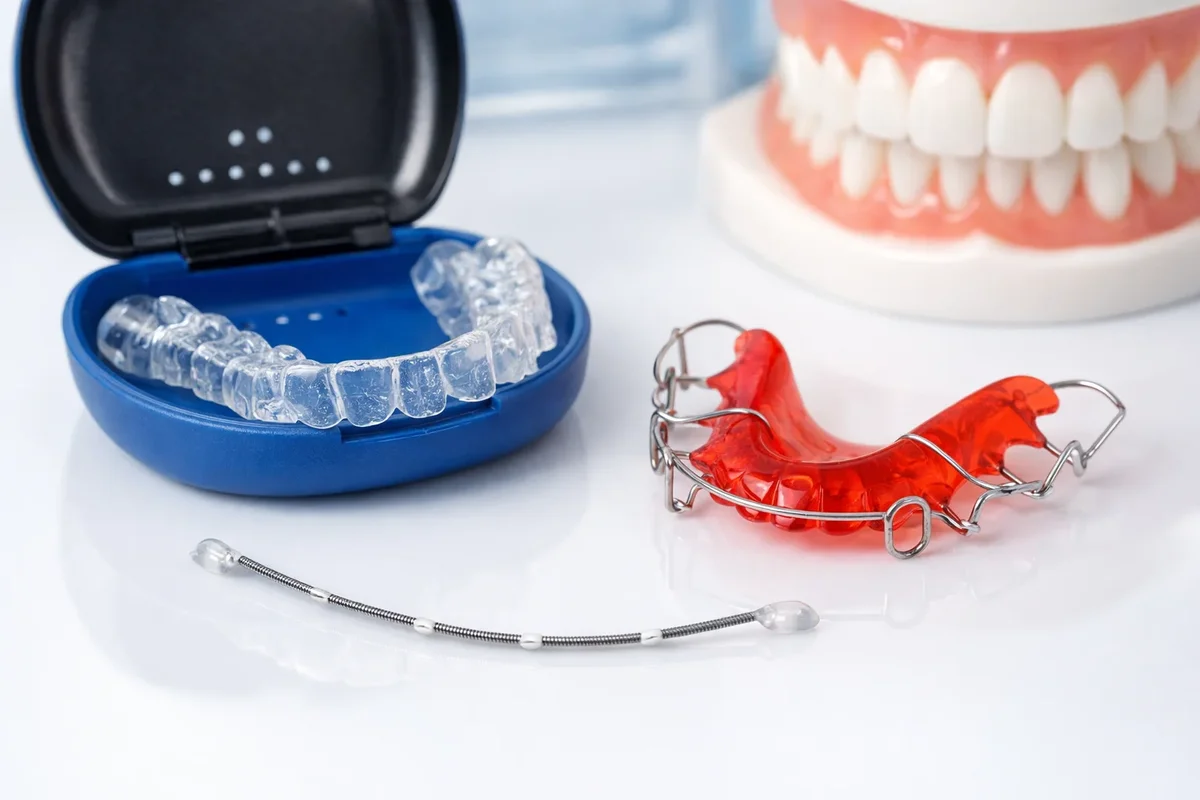
Hawley retainers are one of the oldest and most durable types of orthodontic retainers. They consist of a metal wire that runs across the front teeth and an acrylic base that sits against the roof of the mouth or behind the lower teeth. Hawley orthodontic retainers are adjustable, allowing orthodontists to make minor corrections even after braces are removed.
One advantage of Hawley orthodontic retainers is their durability. With proper care, they can last many years. However, they are more visible than other orthodontic retainers, which may concern patients focused on aesthetics.
Clear Plastic Retainers (Essix-Style)
Clear plastic orthodontic retainers, often called Essix retainers, are made from transparent thermoplastic material that fits snugly over the teeth. These orthodontic retainers are extremely popular because they are discreet, lightweight, and comfortable.
Patients who have worn clear aligners often transition seamlessly to clear orthodontic retainers. However, while they are aesthetically pleasing, they can wear out faster than Hawley orthodontic retainers and may need replacement over time.
Fixed (Bonded) Orthodontic Retainers
Fixed orthodontic retainers are permanently attached to the back of the teeth, usually along the lower front teeth where relapse is most common. These orthodontic retainers consist of a thin wire bonded with dental adhesive and are not removable by the patient.
Because fixed orthodontic retainers work continuously, they are ideal for patients who may struggle with compliance. There is no risk of forgetting to wear them, which makes them highly effective for long-term stability.
Advantages of Fixed Orthodontic Retainers
The biggest advantage of fixed orthodontic retainers is consistency. Since they stay in place 24/7, teeth remain stable without relying on patient discipline. Fixed orthodontic retainers are also invisible from the outside, making them aesthetically appealing.
However, fixed orthodontic retainers require excellent oral hygiene. Food and plaque can accumulate around the wire if proper cleaning techniques are not followed. Regular dental check-ups are essential to ensure these orthodontic retainers remain intact and hygienic.
Combination Retainer Approaches
In some cases, orthodontists recommend a combination of fixed and removable orthodontic retainers. For example, a patient may have a bonded retainer on the lower teeth and a removable orthodontic retainer for the upper arch. This hybrid approach offers maximum protection against relapse.
Combination strategies are especially useful after complex orthodontic cases or when long-term tooth stability is a major concern. By layering support, orthodontic retainers provide enhanced security and peace of mind.
Which Orthodontic Retainer Is Right for You?
The best orthodontic retainers depend on individual needs. Lifestyle, oral hygiene habits, aesthetic preferences, and the likelihood of compliance all influence the final recommendation. Dental professionals often rely on guidelines and best practices supported by organizations such as the
American Dental Association when advising patients.
If you are unsure which orthodontic retainers suit you best, professional consultation is essential. An experienced dental clinic can evaluate your teeth, bite, and long-term goals to design the most effective retainer plan. For personalized advice or follow-up care, you can reach out via the
Redent Klinik Contact Page.
In conclusion, orthodontic retainers come in multiple forms—removable, fixed, or combined—each offering unique benefits. Understanding these options empowers patients to protect their orthodontic results effectively. When chosen wisely and used correctly, orthodontic retainers ensure that your smile remains straight, healthy, and confident for years to come ✨.
How Long Should You Wear Orthodontic Retainers?
One of the most common and important questions patients ask after completing orthodontic treatment is how long orthodontic retainers should be worn. The answer is not the same for everyone, but one principle applies universally: orthodontic retainers are a long-term commitment. Understanding the timelines, phases, and biological reasons behind retainer wear helps patients protect their smile and avoid unnecessary relapse 😁.
The Critical First Year After Treatment
The first year after braces or aligners is the most vulnerable period for tooth movement. During this time, the bone and periodontal ligaments surrounding the teeth are still remodeling. Orthodontic retainers play a crucial role in stabilizing the teeth while these tissues adapt to their new positions.
Most orthodontists recommend wearing orthodontic retainers full-time during the initial phase. This usually means 20–22 hours per day, removing them only for eating, drinking anything other than water, and oral hygiene. Skipping wear during this stage significantly increases the risk of relapse, even if the teeth appear stable.
Why Early Compliance Matters Most
Orthodontic retainers are most effective when worn consistently from the very beginning. If teeth shift early on, orthodontic retainers may no longer fit properly, making correction more difficult. Tightness or discomfort when reinserting orthodontic retainers after skipping wear is a clear sign that teeth are already moving.
This is why orthodontists emphasize discipline during the first months. Orthodontic retainers are not just passive devices; they actively protect the investment you made in orthodontic care.
Transitioning to Nighttime Retainer Wear
After the initial stabilization period, many patients are advised to transition to nighttime-only wear. At this stage, orthodontic retainers are typically worn while sleeping, usually for 8–10 hours per night. This schedule allows orthodontic retainers to counteract subtle forces caused by nighttime clenching, grinding, and jaw movement.
Nighttime wear is often recommended indefinitely. Teeth can shift throughout life due to aging, changes in bite force, or natural jaw development. Orthodontic retainers worn at night act as a safeguard against these slow, often unnoticed changes 🌙.
Is Lifetime Retainer Wear Really Necessary?
Many patients are surprised to hear that orthodontic retainers may be needed for life. While this does not mean wearing them full-time forever, long-term nighttime use is widely considered best practice. Teeth are never completely “locked” in place, even years after treatment.
Clinical experience and research consistently show that patients who stop wearing orthodontic retainers entirely are at a much higher risk of relapse. Even small shifts can affect smile aesthetics and bite function over time. This is why many orthodontists adopt the philosophy: “Retainers for life.”
Factors That Influence Retainer Wear Duration
The length of time orthodontic retainers are needed depends on several individual factors:
- Severity of original tooth misalignment
- Type of orthodontic treatment used
- Age at the end of treatment
- Growth patterns and jaw structure
- Consistency of retainer use
Patients with significant crowding, rotated teeth, or corrected bite issues often require longer or more consistent orthodontic retainer wear than those with minor alignment corrections.
Fixed vs Removable Retainers and Wear Time
The type of orthodontic retainers you have also influences how long and how often they must be worn. Fixed orthodontic retainers provide continuous support and do not rely on patient compliance. However, they may still be supplemented with removable orthodontic retainers at night.
Removable orthodontic retainers, on the other hand, require strict adherence to wear instructions. Their effectiveness depends entirely on how consistently they are used. Patients who struggle with compliance may benefit from a fixed option or a combined approach.
Professional Monitoring and Adjustments
Regular dental check-ups are essential to ensure orthodontic retainers continue to fit correctly and function as intended. Over time, retainers can wear out, warp, or loosen. Dental professionals assess whether orthodontic retainers still provide adequate support or need replacement.
Organizations such as the
American Dental Association emphasize the importance of follow-up care to maintain orthodontic results. Monitoring ensures that orthodontic retainers evolve with your dental needs.
If you have concerns about how long you should wear your orthodontic retainers or whether your current routine is sufficient, professional guidance is always recommended. You can consult experienced clinicians through the
Redent Klinik Contact Page for personalized retainer advice.
In conclusion, orthodontic retainers should be worn full-time initially, then transitioned to long-term nighttime use. For most patients, orthodontic retainers are a lifelong tool for preserving alignment, bite health, and confidence. With consistent use and professional monitoring, orthodontic retainers ensure your smile remains straight and stable for decades to come ✨.
Orthodontic Retainers Care, Cleaning, and Maintenance Tips
Proper care and maintenance of orthodontic retainers are just as important as wearing them consistently. Even the most perfectly fitted orthodontic retainers can lose effectiveness or cause oral health problems if they are not cleaned and handled correctly. Because orthodontic retainers are worn daily and exposed to saliva, bacteria, and food particles, maintaining hygiene is essential for both dental health and retainer longevity 😷.
Why Cleaning Orthodontic Retainers Matters
Orthodontic retainers sit in a warm, moist environment—ideal conditions for bacteria and plaque buildup. If orthodontic retainers are not cleaned regularly, they can develop unpleasant odors, discoloration, and even contribute to cavities or gum disease. Bacteria trapped on orthodontic retainers can transfer directly onto teeth and gums, undermining the results of orthodontic treatment.
In addition, poor retainer hygiene may lead to oral infections, inflammation, or fungal growth. This is why dental professionals stress that orthodontic retainers must be treated with the same level of care as your teeth themselves.
Daily Cleaning Routine for Orthodontic Retainers
The foundation of orthodontic retainers care is daily cleaning. Ideally, orthodontic retainers should be cleaned every time they are removed from the mouth. This prevents plaque from hardening and becoming difficult to remove.
Step-by-Step Daily Cleaning
- Rinse orthodontic retainers immediately after removal with lukewarm water
- Use a soft toothbrush dedicated only to retainer cleaning
- Gently brush all surfaces without toothpaste unless approved by your dentist
- Allow orthodontic retainers to air-dry before storage
Toothpaste is often abrasive and can create micro-scratches on orthodontic retainers, especially clear plastic ones. These scratches trap bacteria and cause cloudiness over time, reducing both hygiene and aesthetics.
Deep Cleaning Orthodontic Retainers
In addition to daily cleaning, orthodontic retainers benefit from regular deep cleaning. This helps remove mineral deposits, stubborn bacteria, and odors that daily brushing may not eliminate.
Safe Deep Cleaning Methods
Most orthodontists recommend soaking orthodontic retainers in specialized retainer-cleaning solutions or tablets. These products are designed to disinfect without damaging materials. Soaking orthodontic retainers once or twice per week is usually sufficient.
Alternatively, a mild solution of water and vinegar or baking soda may be used occasionally if approved by your dental professional. However, harsh chemicals, bleach, or alcohol-based cleaners should never be used, as they can weaken or deform orthodontic retainers.
Storage Tips to Protect Orthodontic Retainers
Improper storage is one of the most common reasons orthodontic retainers are lost or damaged. Whenever orthodontic retainers are not being worn, they should be stored in a ventilated, protective case.
Leaving orthodontic retainers wrapped in napkins or placed loosely in pockets often leads to accidental disposal or breakage. Pets are also attracted to the scent of saliva on orthodontic retainers and may chew them if left unattended 🐶.
Handling Fixed Orthodontic Retainers
Fixed orthodontic retainers require special attention even though they cannot be removed. Cleaning around the bonded wire is essential to prevent plaque buildup. Interdental brushes, floss threaders, or water flossers are often recommended to clean under and around fixed orthodontic retainers.
Regular dental visits help ensure fixed orthodontic retainers remain securely bonded and free from debris. If a fixed retainer becomes loose or broken, it should be repaired promptly to prevent unwanted tooth movement.
What to Avoid When Caring for Orthodontic Retainers
Certain habits can significantly shorten the lifespan of orthodontic retainers. Avoid exposing orthodontic retainers to heat, such as hot water, dishwashers, or leaving them in a hot car. Heat can warp retainers, causing improper fit.
Eating or drinking anything other than water while wearing removable orthodontic retainers can also cause staining, odors, and bacterial buildup. Always remove orthodontic retainers before meals unless your orthodontist advises otherwise.
Professional Check-Ups and Long-Term Maintenance
Dental professionals play an important role in maintaining orthodontic retainers. During routine check-ups, orthodontists assess fit, hygiene, and structural integrity. Over time, orthodontic retainers may wear down or lose effectiveness and require replacement.
Guidance from trusted organizations such as the
American Dental Association supports regular professional monitoring to maintain orthodontic results and oral health.
If you have questions about cleaning methods, damaged orthodontic retainers, or hygiene concerns, professional support is always recommended. You can reach experienced clinicians through the
Redent Klinik Contact Page for personalized advice.
In summary, caring for orthodontic retainers involves daily cleaning, safe storage, regular deep cleaning, and professional monitoring. When orthodontic retainers are properly maintained, they remain comfortable, hygienic, and effective. Good retainer care protects your smile, your health, and the long-term success of your orthodontic treatment ✨.
Common Problems with Orthodontic Retainers and How to Avoid Them
While orthodontic retainers are designed to protect your smile, they are not immune to problems. Many issues arise not because orthodontic retainers are ineffective, but because of improper use, poor maintenance, or lack of professional follow-up. Understanding the most common problems with orthodontic retainers—and how to prevent them—can save patients from relapse, discomfort, and unnecessary additional treatment 😬.
Poor Fit and Tightness Issues
One of the most frequent problems patients experience with orthodontic retainers is poor fit. This often occurs when orthodontic retainers are not worn consistently. Even short breaks in wear can allow teeth to shift slightly, making the retainer feel tight or uncomfortable when reinserted.
Tight orthodontic retainers are a warning sign, not something to ignore. They indicate that teeth have already begun to move. Forcing orthodontic retainers onto teeth can cause pain, gum irritation, or even damage to the retainer itself.
How to Prevent Fit Problems
- Wear orthodontic retainers exactly as prescribed
- Do not skip days, especially during the first year
- Schedule regular check-ups to confirm proper fit
If orthodontic retainers no longer fit comfortably, professional evaluation is essential before further wear.
Loss or Breakage of Orthodontic Retainers
Another extremely common issue is losing or breaking orthodontic retainers. Removable orthodontic retainers are particularly vulnerable to accidental damage when they are not stored properly. Many retainers are thrown away accidentally after being wrapped in napkins or damaged by pets who are attracted to their scent 🐾.
Cracks, warping, or broken wires can compromise the effectiveness of orthodontic retainers. Even minor damage can allow teeth to move unpredictably.
Prevention Tips for Loss and Damage
- Always store orthodontic retainers in a protective case
- Never place them loosely in pockets or bags
- Avoid heat exposure such as hot water or sunlight
Hygiene-Related Problems
Poor cleaning habits can turn orthodontic retainers into a source of oral health problems. Bacteria, plaque, and tartar can build up quickly on orthodontic retainers if they are not cleaned properly. This may lead to bad breath, gum inflammation, or increased risk of cavities.
Clear orthodontic retainers are especially prone to discoloration and odor if hygiene is neglected. Fixed orthodontic retainers can also trap plaque if flossing techniques are inadequate.
How to Maintain Healthy Orthodontic Retainers
Daily cleaning, weekly deep cleaning, and regular dental visits are key. Dental professionals and organizations such as the
American Dental Association emphasize that retainer hygiene is essential for long-term oral health.
Damage to Teeth or Gums
Ill-fitting or damaged orthodontic retainers can irritate gums or place uneven pressure on teeth. Fixed orthodontic retainers that become loose may rub against soft tissues, causing sores or inflammation. In rare cases, prolonged irritation can lead to gum recession.
Ignoring these symptoms can worsen the problem. Orthodontic retainers should feel secure and comfortable, not painful.
When to Seek Professional Help
Signs that orthodontic retainers need professional attention include persistent soreness, bleeding gums, visible wire damage, or difficulty seating removable retainers. Prompt repair prevents further complications and protects alignment.
Relapse Despite Wearing Orthodontic Retainers
Some patients are surprised to experience minor tooth movement even while wearing orthodontic retainers. This can happen if orthodontic retainers are worn inconsistently, are worn only part of the night, or have lost their structural integrity.
Relapse can also occur due to growth changes, grinding, or strong bite forces. In such cases, orthodontic retainers may need adjustment or replacement.
Psychological and Compliance Challenges
Long-term retainer wear can be mentally challenging for some patients. Over time, motivation may decline, leading to skipped nights or reduced wear. Unfortunately, orthodontic retainers are only effective when used consistently.
Understanding that orthodontic retainers are a lifelong investment—not a temporary inconvenience—helps patients maintain compliance. Establishing routines, such as wearing orthodontic retainers every night before bed, greatly improves long-term success 😊.
The Importance of Professional Monitoring
Many problems with orthodontic retainers can be prevented through regular professional monitoring. Dentists and orthodontists assess wear patterns, hygiene, fit, and tooth stability during routine visits.
If you are experiencing discomfort, damage, or uncertainty about your orthodontic retainers, professional advice is always the safest option. You can contact experienced clinicians through the
Redent Klinik Contact Page for guidance and retainer evaluations.
In conclusion, common problems with orthodontic retainers include poor fit, loss, hygiene issues, discomfort, and relapse. Fortunately, most of these issues are preventable with consistent wear, proper care, and regular dental follow-up. When managed correctly, orthodontic retainers remain a reliable and effective tool for protecting your smile long term ✨.
Orthodontic Retainers Costs, Lifespan, and Replacement Options
Understanding the costs, lifespan, and replacement options of orthodontic retainers is essential for patients who want to protect their smile long term. While orthodontic retainers are generally more affordable than braces or aligners, they are still a critical investment in maintaining dental alignment. Knowing what influences pricing, how long orthodontic retainers last, and when replacement is necessary helps patients plan realistically and avoid unexpected issues 😊.
How Much Do Orthodontic Retainers Cost?
The cost of orthodontic retainers varies depending on several factors, including the type of retainer, materials used, geographic location, and whether the retainer is part of a post-treatment package or ordered separately. In many orthodontic practices, the initial set of orthodontic retainers is included in the overall treatment fee. However, replacements or additional retainers are usually charged separately.
Average Cost Ranges (Approximate)
Based on widely available clinical data and dental practice averages, orthodontic retainers typically fall within the following ranges:
- Clear plastic orthodontic retainers: $100–$300 per set
- Hawley orthodontic retainers: $150–$400
- Fixed (bonded) orthodontic retainers: $250–$500
These figures can vary depending on customization, follow-up care, and regional dental fees. While orthodontic retainers represent an additional expense, they are far more cost-effective than correcting relapse with new orthodontic treatment.
What Affects the Price of Orthodontic Retainers?
Several factors influence the final cost of orthodontic retainers. Custom fabrication is one of the biggest contributors, as orthodontic retainers are designed specifically for each patient’s teeth. High-quality materials and precise dental impressions ensure a proper fit and long-term effectiveness.
Other factors include:
- Type of orthodontic retainer selected
- Complexity of the original orthodontic case
- Need for adjustments or follow-up visits
- Laboratory and material quality
Dental professionals often follow best-practice guidelines supported by organizations such as the
American Dental Association when determining retainer protocols and recommendations.
How Long Do Orthodontic Retainers Last?
The lifespan of orthodontic retainers depends largely on the type of retainer and how well it is cared for. With proper maintenance, orthodontic retainers can last anywhere from several years to over a decade.
Lifespan by Retainer Type
- Clear plastic orthodontic retainers: 1–3 years on average
- Hawley orthodontic retainers: 5–10 years or longer
- Fixed orthodontic retainers: 5–15 years with proper care
Clear orthodontic retainers tend to wear out faster due to material fatigue, grinding, or warping. Hawley and fixed orthodontic retainers are more durable but still require monitoring and occasional repair.
Signs That Orthodontic Retainers Need Replacement
Even well-maintained orthodontic retainers eventually need replacement. Common signs include visible cracks, discoloration, persistent odor, loose wires, or a noticeable change in fit. Orthodontic retainers that feel tight or no longer seat fully may indicate tooth movement or retainer distortion.
Ignoring these signs can reduce effectiveness and increase the risk of relapse. Replacing orthodontic retainers promptly helps maintain alignment and comfort.
Replacement Options and What to Expect
Replacing orthodontic retainers is typically a straightforward process. Dental professionals take new impressions or digital scans to ensure the replacement orthodontic retainers fit accurately. In many cases, replacement retainers can be fabricated quickly, minimizing disruption to wear routines.
Some patients choose to order multiple sets of orthodontic retainers as backups, especially if they travel frequently or have a history of losing retainers. This proactive approach can prevent gaps in wear that might allow teeth to shift.
Insurance and Orthodontic Retainers
Dental insurance coverage for orthodontic retainers varies widely. Some plans include retainers as part of orthodontic benefits, while others may only cover initial retainers provided after treatment. Replacement orthodontic retainers are often considered out-of-pocket expenses.
It is always recommended to review your dental insurance policy or consult your provider for specific coverage details related to orthodontic retainers.
Professional Guidance for Long-Term Planning
Because orthodontic retainers play a lifelong role in maintaining dental alignment, long-term planning is essential. Dental professionals help patients choose durable options, establish replacement timelines, and monitor fit during routine visits.
If you have questions about orthodontic retainers costs, replacement, or long-term care, personalized advice is invaluable. You can consult experienced clinicians through the
Redent Klinik Contact Page to receive tailored recommendations.
In conclusion, orthodontic retainers are a cost-effective, long-term investment in your smile. While costs and lifespan vary by type, proper care and timely replacement ensure orthodontic retainers remain effective for years. By understanding pricing, durability, and replacement options, patients can confidently protect their orthodontic results and enjoy lasting dental health ✨.
Orthodontic Retainers for Children, Teens, and Adults
Orthodontic retainers are not limited to a single age group. In fact, orthodontic retainers play a vital role for children, teenagers, and adults alike—but the way they are prescribed, worn, and monitored can differ significantly depending on age and dental development. Understanding how orthodontic retainers function across different life stages helps patients and parents set realistic expectations and achieve long-term success 😊.
Orthodontic Retainers for Children
Children often complete orthodontic treatment while their jaws and teeth are still developing. Because of this ongoing growth, orthodontic retainers are especially important during childhood. Teeth may shift rapidly if orthodontic retainers are not worn consistently, as bone and soft tissues are more adaptable at younger ages.
In many cases, orthodontic retainers for children are designed to accommodate growth while maintaining alignment. Removable orthodontic retainers are commonly used so adjustments can be made as the child’s mouth changes. Parents play a key role in ensuring orthodontic retainers are worn correctly and cleaned properly.
Parental Supervision and Habits
Children may forget or resist wearing orthodontic retainers, especially during school or social activities. Establishing routines—such as wearing orthodontic retainers every night—helps build habits that support long-term compliance. Positive reinforcement and regular dental follow-ups are essential during this stage.
Orthodontic Retainers for Teenagers
Teenagers represent one of the largest groups of orthodontic patients, and orthodontic retainers are crucial during this transitional phase. Hormonal changes, growth spurts, and lifestyle habits can all influence tooth stability. Orthodontic retainers help counteract these forces and preserve treatment results.
Teenagers often prefer clear orthodontic retainers due to their discreet appearance. However, compliance can be challenging. Busy schedules, sports, and social life may lead to inconsistent wear, which increases the risk of relapse.
Balancing Aesthetics and Responsibility
Orthodontists may recommend a combination of fixed and removable orthodontic retainers for teenagers. Fixed orthodontic retainers provide continuous support without relying on memory, while removable orthodontic retainers offer additional protection at night.
Education is key. When teenagers understand that orthodontic retainers protect the time and effort invested in braces or aligners, compliance tends to improve 😄.
Orthodontic Retainers for Adults
Adults increasingly seek orthodontic treatment, and orthodontic retainers are just as important—if not more so—for this group. Unlike children and teens, adults do not benefit from growth-related stabilization. As a result, orthodontic retainers are often required long-term or even for life.
Adults may experience tooth movement due to aging, grinding, stress, or changes in bite force. Orthodontic retainers help prevent these slow, gradual shifts that might otherwise go unnoticed until alignment is compromised.
Long-Term Commitment for Adults
Many adults are advised to wear orthodontic retainers indefinitely at night. Fixed orthodontic retainers are also common, especially for lower front teeth, where relapse is frequent. Adults typically demonstrate higher compliance, making removable orthodontic retainers a viable option as well.
Differences in Retainer Monitoring by Age
The way orthodontic retainers are monitored varies by age group. Children and teens often require more frequent check-ups to account for growth and behavioral factors. Adults usually need periodic evaluations to assess wear, hygiene, and long-term stability.
Dental professionals follow evidence-based practices and guidance supported by organizations such as the
American Dental Association to tailor retainer protocols for different age groups.
Psychological and Lifestyle Considerations
Each age group faces unique psychological challenges with orthodontic retainers. Children may feel discomfort or resistance, teens may worry about appearance, and adults may struggle with long-term commitment. Addressing these concerns openly helps improve adherence and outcomes.
Orthodontic retainers should be viewed not as a burden, but as a tool for maintaining confidence and oral health at every stage of life ✨.
Professional Support Across All Ages
Regardless of age, professional guidance is essential for retainer success. Dental clinics assess fit, wear patterns, and hygiene while adjusting recommendations as patients grow and age. Early intervention prevents small issues from becoming major problems.
If you or your child have questions about orthodontic retainers at any life stage, personalized advice is invaluable. You can contact experienced clinicians through the
Redent Klinik Contact Page for age-specific retainer guidance.
In conclusion, orthodontic retainers are essential for children, teenagers, and adults—but their use must be adapted to each stage of life. With proper wear, monitoring, and professional support, orthodontic retainers ensure stable alignment, healthy bites, and confident smiles for years to come 🌟.
Choosing the Right Orthodontic Retainers and Getting Professional Support
Selecting the right orthodontic retainers is one of the most important decisions patients make after completing braces or aligner treatment. While orthodontic retainers may appear simple, choosing the wrong type—or using them incorrectly—can compromise years of orthodontic effort. This final step in treatment requires careful evaluation, professional guidance, and a long-term mindset to ensure your smile remains healthy, stable, and confident 😊.
Why One Type of Orthodontic Retainers Is Not Right for Everyone
Every patient’s mouth is unique, which means orthodontic retainers must be customized to individual needs. Factors such as tooth alignment, bite correction, jaw structure, age, and lifestyle all influence which orthodontic retainers will be most effective. Some patients benefit from removable orthodontic retainers, while others require fixed solutions or a combination of both.
For example, patients with a history of severe crowding or rotated teeth often need more rigid and consistent support. In contrast, those with minor alignment corrections may do well with removable orthodontic retainers worn primarily at night. Understanding these differences helps prevent relapse and frustration.
Key Factors Professionals Consider
- Degree of tooth movement corrected
- Risk of orthodontic relapse
- Patient compliance and habits
- Oral hygiene ability
- Aesthetic preferences
The Importance of Professional Evaluation
Although over-the-counter or mail-order retainers may seem convenient, orthodontic retainers should always be prescribed and monitored by qualified dental professionals. Proper evaluation includes checking bite alignment, tooth stability, gum health, and retainer fit. Ill-fitting orthodontic retainers can cause discomfort, uneven pressure, or even tooth damage.
Dental professionals rely on clinical experience and evidence-based guidelines supported by organizations such as the
American Dental Association to determine the safest and most effective retainer protocols.
Customization and Technology in Modern Orthodontic Retainers
Advances in dental technology have significantly improved orthodontic retainers. Digital scanning, 3D printing, and advanced materials allow for highly accurate and comfortable designs. These innovations improve fit, durability, and patient satisfaction.
Customized orthodontic retainers reduce pressure points, improve comfort, and increase compliance. Patients are more likely to wear orthodontic retainers consistently when they fit well and feel natural.
Monitoring and Adjusting Orthodontic Retainers Over Time
Orthodontic retainers are not “set and forget” devices. Over time, changes in teeth, jaw muscles, and bite forces can affect how orthodontic retainers function. Regular check-ups allow professionals to identify early signs of wear, distortion, or relapse.
In some cases, orthodontic retainers may need adjustment or replacement to continue providing effective support. Addressing these issues early prevents small shifts from becoming major alignment problems.
When Adjustments Are Necessary
Patients should seek professional evaluation if orthodontic retainers feel tight, loose, uncomfortable, or show visible damage. Ignoring these signs may lead to tooth movement that orthodontic retainers can no longer control.
Building a Long-Term Retainer Routine
Successful use of orthodontic retainers depends heavily on routine. Incorporating orthodontic retainers into daily life—such as wearing them every night before bed—makes compliance effortless over time. Consistency transforms orthodontic retainers from a temporary obligation into a normal part of oral care.
Viewing orthodontic retainers as long-term protection rather than a short-term inconvenience helps patients stay motivated. The small effort required to wear orthodontic retainers is far less than the time and cost of repeat orthodontic treatment 😄.
Accessing Professional Support When Needed
Questions, concerns, or issues with orthodontic retainers should never be ignored. Prompt professional support ensures problems are addressed before alignment is compromised. Whether you need a fit check, replacement, or reassurance, expert guidance makes a significant difference.
If you are unsure which orthodontic retainers are best for you or need ongoing support, personalized care is essential. You can contact experienced dental professionals through the
Redent Klinik Contact Page to receive expert advice tailored to your needs.
In conclusion, choosing the right orthodontic retainers requires professional evaluation, customization, and long-term commitment. With the right guidance and consistent use, orthodontic retainers protect your smile, maintain bite health, and preserve the results of orthodontic treatment for life. When supported by expert care, orthodontic retainers become a powerful tool for lifelong dental confidence ✨.
Frequently Asked Questions About Orthodontic Retainers
As patients transition from active orthodontic treatment to long-term maintenance, many practical questions arise. Orthodontic retainers may seem simple, but their correct use, care, and long-term role often generate uncertainty. This section addresses the most frequently asked questions about orthodontic retainers in a clear, detailed, and patient-focused way, helping readers feel confident and well-informed 😊.
What Happens If I Stop Wearing Orthodontic Retainers?
Stopping the use of orthodontic retainers is one of the most common reasons for orthodontic relapse. Teeth are biologically programmed to move throughout life, and without orthodontic retainers, they often drift back toward their original positions. This movement may begin subtly, but over time it can significantly affect alignment and bite function.
Even patients who had minor orthodontic issues initially are at risk if orthodontic retainers are discontinued completely. In many cases, relapse is gradual and painless, meaning patients may not notice changes until the retainer no longer fits or visible crowding appears.
Can Orthodontic Retainers Move Teeth?
Orthodontic retainers are designed to hold teeth in place, not actively move them like braces or aligners. However, certain types—such as Hawley orthodontic retainers—can be adjusted slightly by orthodontists to correct very minor shifts. This is typically done under professional supervision.
If orthodontic retainers feel tight, it usually means teeth have already moved due to inconsistent wear. In this case, orthodontic retainers may exert light pressure, but they are not a substitute for corrective orthodontic treatment.
Is It Normal for Orthodontic Retainers to Feel Tight?
Yes, mild tightness can be normal, especially if orthodontic retainers have not been worn for a short period. This sensation indicates that the retainers are doing their job by holding teeth in alignment. However, significant pain or inability to fully seat orthodontic retainers is not normal and should be evaluated professionally.
When Tightness Becomes a Problem
Persistent discomfort, pressure lasting several days, or visible gaps when wearing orthodontic retainers may signal tooth movement or retainer distortion. Continuing to wear ill-fitting orthodontic retainers without professional advice can worsen the issue.
Can I Eat or Drink While Wearing Orthodontic Retainers?
For removable orthodontic retainers, eating while wearing them is generally discouraged. Food particles can become trapped, increasing the risk of bacteria buildup, staining, and damage. Drinking water is usually safe, but hot or sugary beverages should be avoided.
Fixed orthodontic retainers do not require removal for eating, but extra care must be taken to clean around them thoroughly to prevent plaque accumulation.
How Often Should Orthodontic Retainers Be Replaced?
Replacement frequency depends on the type of orthodontic retainers, wear habits, and oral conditions. Clear orthodontic retainers typically need replacement every 1–3 years, while Hawley and fixed orthodontic retainers can last much longer with proper care.
Regular dental visits help determine when orthodontic retainers are no longer effective and need replacement. Dental professionals follow guidance supported by organizations such as the
American Dental Association to ensure retainer safety and effectiveness.
Do Orthodontic Retainers Affect Speech?
Some patients experience a brief adjustment period when first wearing orthodontic retainers. Slight changes in speech, such as a lisp, are common initially but usually resolve within a few days as the tongue adapts.
Consistent wear helps speed up this adaptation. If speech issues persist, orthodontic retainers may need adjustment for improved comfort and fit.
What Should I Do If My Orthodontic Retainers Are Lost or Broken?
If orthodontic retainers are lost or damaged, prompt action is critical. Teeth can begin shifting within days, especially in the early months after treatment. Contacting a dental professional immediately helps minimize the risk of relapse.
Replacement orthodontic retainers are typically easy to fabricate, but delays can make replacement more complex if teeth have already moved.
Are Orthodontic Retainers Really a Lifetime Commitment?
For most patients, the safest approach is lifelong nighttime wear. While this may sound daunting, orthodontic retainers require minimal effort and provide significant long-term benefits. Teeth continue to respond to aging, bite forces, and lifestyle habits throughout life.
Viewing orthodontic retainers as a protective habit—similar to brushing or flossing—helps patients maintain alignment with ease and confidence ✨.
Where Can I Get Personalized Advice About Orthodontic Retainers?
While general information is helpful, orthodontic retainers should always be managed with professional input. Individual dental anatomy, treatment history, and lifestyle factors all influence the ideal retainer plan.
If you have specific questions, concerns, or need professional evaluation, you can reach experienced dental clinicians through the
Redent Klinik Contact Page for personalized guidance and long-term support.
In conclusion, orthodontic retainers often raise many questions—but with accurate information and professional guidance, they become easy to manage. Understanding how orthodontic retainers work, how to care for them, and when to seek help empowers patients to protect their smile confidently. When used correctly, orthodontic retainers remain one of the most reliable tools for lifelong dental alignment and oral health 🌟.