
An orthodontist retainer is one of the most critical yet often misunderstood parts of orthodontic treatment. Many patients believe that once braces or aligners are removed, their journey to a perfect smile is complete. In reality, this is only half the process. Without an orthodontist retainer, teeth have a natural tendency to shift back toward their original positions, a phenomenon known as orthodontic relapse. This guide explains in detail what an orthodontist retainer is, why it matters, and how it protects your long-term dental health 🦷.
After months or even years of orthodontic treatment, the teeth may look perfectly aligned, but the surrounding bone, gums, and periodontal ligaments need time to stabilize. An orthodontist retainer holds the teeth in their corrected position while these supporting structures adapt. Without this stabilization phase, even minor movements can undo significant orthodontic progress. This is why orthodontists universally recommend retainers as a lifelong component of smile maintenance.
The primary purpose of an orthodontist retainer is to maintain alignment. Teeth are constantly influenced by chewing forces, tongue pressure, jaw movement, and even habits like teeth grinding or mouth breathing. An orthodontist retainer counteracts these forces by gently holding teeth in place. Over time, this allows the bone to remodel around the new tooth positions, significantly reducing the risk of crowding, spacing, or bite problems returning.
Another important role of an orthodontist retainer is bite stabilization. Orthodontic treatment does not only straighten teeth; it also corrects how the upper and lower teeth fit together. If retainers are not worn as prescribed, the bite may gradually shift, leading to jaw discomfort, uneven tooth wear, or even temporomandibular joint (TMJ) issues 😬. By wearing an orthodontist retainer consistently, patients protect both aesthetics and functional balance.
From a health perspective, an orthodontist retainer also supports better oral hygiene. Properly aligned teeth are easier to clean, reducing plaque accumulation and lowering the risk of cavities and gum disease. If teeth relapse due to lack of retainer use, tight spaces can form again, making brushing and flossing more difficult. In this way, an orthodontist retainer indirectly contributes to long-term periodontal health.
It is important to understand that an orthodontist retainer is not a one-size-fits-all solution. Orthodontists customize retainers based on the patient’s original dental issues, age, bite structure, and treatment method. Some patients may need full-time wear initially, while others may transition to nighttime use sooner. Regardless of the schedule, skipping retainer use dramatically increases the likelihood of tooth movement. Consistency is key 🔑.
Many patients ask whether an orthodontist retainer is truly necessary forever. Scientifically and clinically, the answer is yes. Teeth continue to shift subtly throughout life due to aging and changes in jaw structure. Long-term or nighttime use of an orthodontist retainer is the safest way to preserve orthodontic results indefinitely. Orthodontists often say, “Teeth never forget where they came from,” which highlights the biological memory of tooth positioning.
An orthodontist retainer also plays a psychological role. Patients who have invested time and resources into orthodontic treatment often feel more confident when their smile remains stable. Knowing that an orthodontist retainer is protecting that investment provides peace of mind and reinforces positive oral care habits 😊.
Professional dental organizations, including the American Dental Association, emphasize the importance of post-orthodontic retention as a standard of care. Retainers are not optional accessories; they are medically recommended devices designed to ensure long-term treatment success. If you have questions about retainer types, usage schedules, or follow-up care, reaching out to a dental professional is essential.
If you are unsure whether you are wearing your orthodontist retainer correctly, or if your retainer feels uncomfortable or loose, professional guidance is crucial. You can easily get expert advice by contacting a qualified dental clinic through the Redent Klinik Contact Page. Early adjustments can prevent relapse and avoid the need for retreatment.
In summary, an orthodontist retainer is the foundation of long-term orthodontic success. It protects tooth alignment, stabilizes the bite, supports oral health, and preserves the confidence gained from orthodontic treatment. Wearing an orthodontist retainer as prescribed is not just a recommendation—it is a lifelong commitment to a healthy, beautiful smile 🌟.
How an Orthodontist Retainer Works After Braces
After braces or clear aligners are removed, many patients assume their teeth are “locked” into place. In reality, this stage is when teeth are most vulnerable. An orthodontist retainer works as a stabilization device that protects the results achieved through orthodontic treatment. Understanding how an orthodontist retainer works after braces helps patients realize why this phase is just as important as active treatment 🦷.
The Biological Reason Teeth Shift After Braces
Teeth are held in place by periodontal ligaments and surrounding bone. During orthodontic treatment, these structures are stretched and compressed to allow teeth to move. When braces are removed, the ligaments still “remember” their old positions and naturally try to pull teeth back. An orthodontist retainer counteracts this biological memory by holding teeth steady while the bone remodels and hardens around the new alignment.
This bone remodeling process can take months or even years. Without an orthodontist retainer, the teeth can begin shifting within weeks. This is why orthodontists emphasize strict retainer use immediately after braces removal. The orthodontist retainer acts as a protective anchor during this critical healing window.
Immediate Post-Braces Phase: Full-Time Retention
In the first phase after braces, an orthodontist retainer is usually worn full-time. This means 20–22 hours per day, removing it only for eating and oral hygiene. At this stage, the teeth are highly unstable, and even short periods without the orthodontist retainer can lead to noticeable movement. This is not a precaution—it is a necessity.
During this phase, the orthodontist retainer ensures that spacing, rotations, and bite corrections remain intact. Patients who skip wear during the early weeks often experience tightness when reinserting the retainer, which is a clear sign that teeth have already started to shift.
Why Compliance Matters More Than Perfection
Some patients worry about wearing their orthodontist retainer “perfectly.” In reality, consistency matters more than occasional minor lapses. However, repeated skipping of retainer use dramatically increases relapse risk. Orthodontists consistently report that the most common reason for retreatment is poor orthodontist retainer compliance 😕.
Transition Phase: Moving to Nighttime Wear
Once the orthodontist determines that the teeth have stabilized sufficiently, patients may transition to nighttime-only use. Even at this stage, the orthodontist retainer remains essential. Nighttime wear counteracts daily forces such as chewing, clenching, and tongue pressure that slowly influence tooth position.
Many patients mistakenly stop wearing their orthodontist retainer during this phase because their teeth “look fine.” Unfortunately, relapse often happens gradually and is not immediately visible. By the time changes are noticeable, correction may require braces or aligners again.
How an Orthodontist Retainer Supports Bite Stability
An orthodontist retainer does more than keep teeth straight—it maintains the corrected bite relationship. After braces, the jaw muscles and bite forces need time to adapt to the new alignment. If the orthodontist retainer is not worn, uneven pressure can cause certain teeth to shift faster than others, leading to bite imbalance.
This imbalance can result in jaw pain, uneven tooth wear, headaches, or temporomandibular joint discomfort. Wearing an orthodontist retainer helps distribute forces evenly and allows the bite to settle into a healthy, stable position.
Long-Term Function: Why Retainers Are a Lifelong Tool
Even years after braces, an orthodontist retainer continues to play an important role. Teeth naturally move throughout life due to aging, changes in jaw structure, and habits like grinding or nail-biting. Long-term use of an orthodontist retainer—usually at night—acts as insurance against these gradual changes.
Dental authorities such as the American Dental Association support lifelong retention as the best practice for preserving orthodontic results. This guidance is based on decades of clinical evidence showing that teeth are never completely immune to movement.
Psychological and Financial Benefits of Proper Retainer Use
Using an orthodontist retainer correctly also provides psychological reassurance. Patients feel confident knowing their smile is protected, which reinforces positive oral care habits 😊. Financially, consistent retainer use prevents the need for costly retreatment, making the orthodontist retainer one of the most cost-effective dental devices available.
If a retainer feels uncomfortable, loose, or no longer fits properly, it may indicate tooth movement or wear. In such cases, professional evaluation is essential. Early intervention can often correct minor issues before they become major problems. You can easily seek expert guidance through the Redent Klinik Contact Page.
In conclusion, an orthodontist retainer works by stabilizing teeth, supporting bone remodeling, maintaining bite alignment, and protecting orthodontic results for life. It is not a temporary accessory but a critical medical device that ensures the long-term success of braces or aligner treatment 🌟.
Types of Orthodontist Retainers Explained
Choosing the right orthodontist retainer is a critical decision that directly affects the long-term success of orthodontic treatment. Not all retainers are the same, and each type of orthodontist retainer is designed to address different clinical needs, lifestyles, and dental structures. Understanding the available options helps patients make informed decisions and improves compliance with retainer use 🦷.
Why There Are Different Types of Orthodontist Retainers
Every patient’s orthodontic journey is unique. Factors such as the severity of misalignment, bite correction, age, oral habits, and even speech patterns influence which orthodontist retainer is most suitable. Orthodontists select retainer types based on how likely teeth are to relapse and how much control is needed to maintain alignment.
Some patients require maximum stability, while others prioritize aesthetics or convenience. This is why orthodontist retainer options range from removable to fixed designs, each with distinct advantages and limitations.
Removable Orthodontist Retainers
Removable orthodontist retainers are the most commonly prescribed option. They can be taken out for eating, brushing, and flossing, which makes them appealing for daily use. However, their effectiveness depends heavily on patient compliance.
Clear Plastic Orthodontist Retainer (Essix-Style)
A clear plastic orthodontist retainer is made from transparent thermoplastic material that fits snugly over the teeth. It is popular because it is nearly invisible, lightweight, and comfortable. Many patients prefer this orthodontist retainer because it does not interfere with appearance or speech.
However, clear orthodontist retainers can wear out over time, especially in patients who grind their teeth. They may also crack if exposed to heat or improper cleaning. Despite these limitations, they are highly effective when worn consistently and replaced as recommended.
Hawley Orthodontist Retainer
The Hawley orthodontist retainer is a classic design consisting of a metal wire across the front teeth and an acrylic base that rests against the palate or inside the lower jaw. This orthodontist retainer is adjustable, allowing orthodontists to fine-tune tooth positioning even after braces are removed.
While more visible than clear retainers, the Hawley orthodontist retainer is durable and long-lasting. It is especially useful for patients who need minor post-treatment adjustments or who are prone to damaging clear retainers.
Fixed (Bonded) Orthodontist Retainers
A fixed orthodontist retainer is permanently bonded to the back of the teeth, usually on the lower front teeth or sometimes the upper teeth. This type of orthodontist retainer works continuously without requiring patient action, making it ideal for individuals at high risk of relapse.
Because it is hidden behind the teeth, a fixed orthodontist retainer is completely invisible from the outside. It provides constant retention and eliminates compliance issues, which is why orthodontists often recommend it for severe crowding cases.
Advantages and Challenges of Fixed Orthodontist Retainers
The biggest advantage of a fixed orthodontist retainer is reliability. Since it cannot be removed, it offers round-the-clock protection against tooth movement. This makes it particularly effective for maintaining alignment in areas that are prone to shifting.
However, fixed orthodontist retainers require meticulous oral hygiene. Food and plaque can accumulate around the bonded wire, increasing the risk of tartar buildup if cleaning is inadequate. Regular dental checkups are essential to ensure the orthodontist retainer remains intact and hygienic.
Choosing the Right Orthodontist Retainer for Your Lifestyle
Selecting the right orthodontist retainer involves balancing effectiveness, comfort, aesthetics, and daily habits. Active individuals may prefer removable options, while those who struggle with consistency may benefit from a fixed orthodontist retainer.
Orthodontists often combine retainer types—for example, a fixed orthodontist retainer on the lower teeth and a removable one for the upper teeth. This hybrid approach maximizes stability while maintaining convenience.
Durability and Longevity of Different Orthodontist Retainers
The lifespan of an orthodontist retainer varies by type and care. Clear retainers may need replacement every 1–3 years, while Hawley retainers can last significantly longer with proper maintenance. Fixed orthodontist retainers can last many years but may require occasional rebonding.
Ignoring signs of wear, such as cracks or looseness, can compromise the effectiveness of an orthodontist retainer. Early replacement or adjustment prevents relapse and protects orthodontic results.
Professional Guidance Is Essential
No orthodontist retainer should be chosen without professional evaluation. What works well for one patient may be ineffective for another. A dental professional considers tooth movement patterns, bite stability, and long-term goals before recommending a specific orthodontist retainer.
If you are unsure which orthodontist retainer is best for you or feel that your current retainer no longer fits correctly, professional advice is crucial. You can consult experienced specialists by visiting the Redent Klinik Contact Page for personalized guidance.
In summary, understanding the different types of orthodontist retainer options empowers patients to protect their smile effectively. Whether removable or fixed, each orthodontist retainer plays a vital role in preserving alignment, bite stability, and long-term oral health 🌟.
Clear vs Fixed Orthodontist Retainers: Key Differences
Choosing between a clear and a fixed orthodontist retainer is one of the most important decisions after orthodontic treatment. Both options are effective, but they work in different ways and suit different lifestyles, dental conditions, and compliance levels. Understanding the key differences helps patients protect their results and avoid unnecessary relapse 🦷.
What Is a Clear Orthodontist Retainer?
A clear orthodontist retainer is a removable appliance made from transparent thermoplastic material. It fits snugly over the teeth, similar to a clear aligner, and is designed to hold teeth in their corrected positions. Because it is nearly invisible, many patients prefer a clear orthodontist retainer for aesthetic reasons.
This type of orthodontist retainer is especially popular among adults and teens who want a discreet solution. It is typically custom-made using digital impressions or molds, ensuring a precise and comfortable fit.
Advantages of a Clear Orthodontist Retainer
The most obvious benefit of a clear orthodontist retainer is appearance. Since it is difficult to notice, patients feel more confident wearing it in social and professional settings 😊. Clear retainers are also easy to insert and remove, making daily oral hygiene routines more convenient.
Another advantage is comfort. A clear orthodontist retainer has no wires or acrylic components, reducing irritation to the gums and soft tissues. For patients who prioritize comfort and aesthetics, this option is often ideal.
Limitations of a Clear Orthodontist Retainer
Despite its benefits, a clear orthodontist retainer requires strong compliance. Because it is removable, its effectiveness depends entirely on how consistently it is worn. Skipping wear—even occasionally—can allow teeth to shift.
Clear orthodontist retainers are also less durable than other types. They can crack, warp with heat, or wear down over time, especially in patients who grind their teeth. Regular replacement may be necessary to maintain effectiveness.
What Is a Fixed Orthodontist Retainer?
A fixed orthodontist retainer, also known as a bonded retainer, is a thin wire permanently attached to the back surfaces of the teeth, usually the lower front teeth. This orthodontist retainer works continuously without needing to be removed, offering constant retention.
Because it is bonded behind the teeth, a fixed orthodontist retainer is completely invisible from the outside. It is often recommended for patients with a high risk of relapse or a history of severe crowding.
Advantages of a Fixed Orthodontist Retainer
The biggest advantage of a fixed orthodontist retainer is reliability. Since it is always in place, there is no risk of forgetting to wear it. This makes it ideal for patients who struggle with consistency or have busy lifestyles.
A fixed orthodontist retainer provides long-term stability, especially for teeth that are prone to shifting. Many orthodontists consider it the most effective option for maintaining lower front tooth alignment.
Challenges of a Fixed Orthodontist Retainer
While effective, a fixed orthodontist retainer requires excellent oral hygiene. Food particles and plaque can accumulate around the bonded wire, increasing the risk of tartar buildup if cleaning is inadequate. Special flossing tools may be needed to clean properly.
Another limitation is that damage may go unnoticed. If the wire partially detaches, teeth can move without the patient realizing it. Regular dental checkups are essential to ensure the orthodontist retainer remains intact.
Clear vs Fixed Orthodontist Retainer: Lifestyle Considerations
Lifestyle plays a major role in choosing the right orthodontist retainer. Patients who value flexibility and aesthetics often prefer a clear orthodontist retainer, while those who want a “set it and forget it” solution may benefit from a fixed option.
Orthodontists often recommend a combination approach—for example, a fixed orthodontist retainer on the lower teeth and a clear removable retainer for the upper teeth. This strategy maximizes stability while maintaining convenience.
Which Orthodontist Retainer Is More Effective?
Effectiveness depends less on the type and more on proper use. A clear orthodontist retainer worn consistently can be just as effective as a fixed one. Conversely, a fixed orthodontist retainer that is not properly maintained can fail.
Dental authorities, including the American Dental Association, emphasize that retention success relies on professional monitoring and patient commitment, regardless of retainer type.
Making the Right Decision with Professional Guidance
The best orthodontist retainer is the one that fits your dental needs, lifestyle, and long-term goals. Orthodontists assess factors such as tooth movement patterns, bite stability, age, and oral hygiene habits before making a recommendation.
If you are unsure whether a clear or fixed orthodontist retainer is right for you, professional advice is essential. You can get personalized guidance and follow-up care by contacting specialists through the Redent Klinik Contact Page.
In conclusion, both clear and fixed orthodontist retainer options offer powerful protection for orthodontic results. Understanding their differences allows patients to choose confidently and maintain a healthy, stable smile for years to come 🌟.
How Long You Should Wear an Orthodontist Retainer
One of the most common and important questions patients ask after orthodontic treatment is how long they need to wear an orthodontist retainer. The short answer is: much longer than most people expect. Retainer wear is not a brief follow-up phase but a long-term commitment designed to protect the alignment, bite, and overall oral health achieved through orthodontic treatment 🦷.
The Critical First Phase After Braces or Aligners
Immediately after braces or aligners are removed, teeth are at their highest risk of shifting. During this initial phase, an orthodontist retainer is typically worn full-time—usually 20 to 22 hours per day. This period often lasts several months, depending on how much tooth movement occurred during treatment and how stable the bite is.
The reason full-time wear is essential is biological. The bone and periodontal ligaments surrounding the teeth are still remodeling and adapting to the new tooth positions. An orthodontist retainer holds teeth steady while this healing process takes place. Skipping wear during this stage can undo months or years of orthodontic progress in a very short time.
What Happens If Full-Time Wear Is Ignored
Patients who reduce orthodontist retainer use too early often notice tightness or discomfort when reinserting the retainer. This sensation is a clear warning sign that teeth have already begun to move. In more severe cases, visible crowding or spacing can develop, sometimes requiring retreatment.
The Transition Phase: Moving to Nighttime Wear
Once the orthodontist confirms that the teeth are more stable, patients may gradually transition to nighttime-only use of the orthodontist retainer. This phase is often misunderstood. Nighttime wear does not mean the retainer is no longer important—it simply means the teeth can now tolerate short periods without support.
During the day, teeth are exposed to forces from chewing, speaking, clenching, and tongue pressure. Wearing an orthodontist retainer at night counteracts these forces and helps “reset” the teeth back into their ideal positions while you sleep 😴.
How Long Does the Nighttime Phase Last?
For most patients, nighttime use of an orthodontist retainer is recommended indefinitely. Some orthodontists suggest wearing it every night, while others may allow every other night after several years. However, stopping retainer use completely is one of the most common causes of orthodontic relapse.
Why Orthodontist Retainer Use Is Often Lifelong
Teeth continue to move throughout life due to natural aging, changes in jaw structure, and habits such as grinding or nail-biting. Even wisdom tooth pressure and minor bone changes can influence alignment over time. A long-term orthodontist retainer acts as insurance against these gradual shifts.
Dental organizations like the American Dental Association support long-term or lifelong retention as the most reliable way to maintain orthodontic results. Clinical studies consistently show that teeth are never completely “locked” into place.
Does Age Affect How Long You Need an Orthodontist Retainer?
Age plays a role, but it does not eliminate the need for an orthodontist retainer. Younger patients may experience faster bone adaptation, but they are also more prone to growth-related changes. Adults may have slower bone remodeling, which can increase the risk of relapse without consistent retainer use.
Regardless of age, wearing an orthodontist retainer as prescribed remains the safest approach for preserving alignment and bite stability.
Fixed vs Removable Retainers and Wear Time
The type of orthodontist retainer also affects wear recommendations. Fixed retainers work continuously and do not require patient compliance, making them ideal for long-term retention in high-risk areas. Removable orthodontist retainers, on the other hand, require disciplined use according to the orthodontist’s instructions.
In many cases, orthodontists recommend a combination: a fixed orthodontist retainer for constant support and a removable retainer worn at night for added protection.
Signs You May Need to Increase Retainer Wear
If your orthodontist retainer feels tight, does not fit properly, or causes discomfort after being left out, these are signs that teeth are shifting. Increasing wear time immediately and seeking professional evaluation can often prevent permanent changes.
If you are unsure about your current wear schedule or feel that your orthodontist retainer is no longer effective, professional guidance is essential. You can get expert advice by contacting specialists through the Redent Klinik Contact Page.
In summary, wearing an orthodontist retainer is a long-term commitment that evolves over time but never truly ends. Full-time wear transitions to nighttime use, and for most patients, lifelong retention is the key to protecting a straight, healthy, and confident smile 🌟.
Common Problems Without an Orthodontist Retainer
Not wearing an orthodontist retainer after braces or aligner treatment is one of the most common reasons orthodontic results fail over time. While teeth may appear stable at first, the absence of an orthodontist retainer allows natural biological forces to slowly reverse treatment outcomes. Understanding these common problems helps patients appreciate why consistent retainer use is essential 🦷.
Orthodontic Relapse: Teeth Moving Back Out of Alignment
The most frequent and significant problem without an orthodontist retainer is orthodontic relapse. After treatment, periodontal ligaments and surrounding bone retain a “memory” of the teeth’s former positions. Without the stabilizing effect of an orthodontist retainer, these tissues gradually pull teeth back, leading to crowding, spacing, or rotation.
Relapse often starts subtly. Patients may not notice changes for months, but once misalignment becomes visible, correction is far more difficult. In many cases, the only solution is additional orthodontic treatment—something that could have been prevented by wearing an orthodontist retainer consistently.
Why Relapse Can Happen Even Years Later
Many patients assume relapse only occurs shortly after braces. In reality, teeth can shift years later due to aging, jaw changes, or habits like grinding. A long-term orthodontist retainer acts as insurance against these delayed changes.
Bite Problems and Jaw Discomfort
Another serious issue without an orthodontist retainer is bite instability. Orthodontic treatment carefully aligns how upper and lower teeth meet. When teeth shift unevenly, the bite can become unbalanced, placing excess pressure on certain teeth or jaw joints.
This imbalance may lead to jaw pain, headaches, uneven tooth wear, or temporomandibular joint (TMJ) discomfort 😬. Wearing an orthodontist retainer helps maintain proper bite relationships and reduces stress on the jaw muscles.
Increased Risk of Tooth Wear and Damage
Misaligned teeth are more prone to abnormal wear patterns. Without an orthodontist retainer, teeth that shift out of position may grind against each other unevenly. Over time, this can cause enamel erosion, sensitivity, and even cracks or fractures.
An orthodontist retainer preserves alignment, ensuring that biting forces are distributed evenly across the teeth. This protection is especially important for patients who clench or grind their teeth.
Oral Hygiene Challenges and Gum Health Issues
Proper alignment makes brushing and flossing easier. When teeth relapse due to lack of orthodontist retainer use, tight spaces and overlaps can reappear. These areas trap plaque and food debris, increasing the risk of cavities and gum disease.
Gum inflammation, bleeding, and periodontal problems are more common in crowded teeth. By maintaining alignment, an orthodontist retainer indirectly supports long-term gum health and overall oral hygiene.
Aesthetic and Psychological Impact
Beyond physical health, not wearing an orthodontist retainer can have a significant emotional impact. Many patients invest time, money, and effort into achieving a straight smile. Watching those results fade can lead to frustration and loss of confidence 😔.
An orthodontist retainer protects not only the teeth but also the confidence and satisfaction that come with a stable, attractive smile.
Financial Consequences of Skipping Retainer Use
Ignoring orthodontist retainer wear often leads to retreatment, which can be costly and time-consuming. Minor relapse may require clear aligners, while severe cases might need full braces again. Compared to the cost of replacement retainers, retreatment is significantly more expensive.
Dental organizations such as the American Dental Association emphasize retention as a cost-effective strategy to preserve orthodontic outcomes and avoid unnecessary procedures.
Hidden Problems with Fixed Retainers That Go Unchecked
Even patients with a bonded orthodontist retainer can face problems if it breaks or loosens without notice. A partially detached wire allows teeth to move while giving a false sense of security. Regular dental checkups are essential to ensure the orthodontist retainer remains intact.
Warning Signs You Should Not Ignore
Signs of trouble include tightness when reinserting a removable orthodontist retainer, visible shifting, discomfort, or difficulty flossing around a fixed retainer. These symptoms indicate that teeth are moving or hygiene issues are developing.
When to Seek Professional Help
If you suspect changes in alignment or feel that your orthodontist retainer is no longer fitting properly, immediate professional evaluation is crucial. Early intervention can often reverse minor movement before it becomes permanent.
You can seek expert assessment and guidance by reaching out through the Redent Klinik Contact Page, where experienced professionals can help protect your orthodontic investment.
In summary, skipping an orthodontist retainer can lead to relapse, bite problems, oral health issues, emotional stress, and financial costs. Consistent retainer use is the simplest and most effective way to preserve a healthy, stable, and confident smile for life 🌟.
How to Clean and Maintain an Orthodontist Retainer
Proper cleaning and maintenance of an orthodontist retainer are essential for both oral health and the longevity of the device. A retainer that is not cleaned correctly can quickly become a breeding ground for bacteria, plaque, and odors, reducing its effectiveness and potentially harming your teeth and gums. Understanding how to care for an orthodontist retainer ensures it remains safe, hygienic, and comfortable for daily use 🦷.
Why Cleaning an Orthodontist Retainer Is So Important
An orthodontist retainer sits directly against your teeth and gums for many hours each day. During this time, saliva, plaque, and food particles can accumulate on its surface. If not cleaned regularly, the orthodontist retainer can harbor harmful bacteria that increase the risk of cavities, gum inflammation, and bad breath.
In addition, poor hygiene can lead to discoloration, unpleasant odors, and material breakdown. A well-maintained orthodontist retainer not only protects your smile but also lasts significantly longer, reducing the need for frequent replacements.
Daily Cleaning Routine for an Orthodontist Retainer
The foundation of orthodontist retainer care is a consistent daily cleaning routine. Ideally, the retainer should be cleaned every time it is removed from the mouth. This prevents buildup from hardening and becoming more difficult to remove.
Step-by-Step Daily Cleaning
Rinse your orthodontist retainer with lukewarm water immediately after removal. Avoid hot water, as heat can warp plastic retainers. Use a soft toothbrush to gently brush all surfaces of the orthodontist retainer. Mild liquid soap or a retainer-specific cleanser is recommended.
Avoid using toothpaste, as many formulas are abrasive and can scratch the surface of the orthodontist retainer. Scratches create tiny grooves where bacteria can accumulate, making the retainer harder to clean over time.
Deep Cleaning: Weekly Maintenance
In addition to daily cleaning, a deeper cleaning once or twice a week helps keep the orthodontist retainer fresh and bacteria-free. This is especially important for clear retainers, which can discolor over time.
Safe Soaking Options
Retainer cleaning tablets are one of the safest and most effective options. These tablets are designed to break down plaque and kill bacteria without damaging the orthodontist retainer material. Simply dissolve the tablet in water and soak the retainer as directed.
Some patients use a diluted vinegar or baking soda solution, but these methods should be used cautiously and infrequently. Overuse can weaken the orthodontist retainer material or leave unpleasant tastes.
Special Care for Fixed Orthodontist Retainers
A fixed orthodontist retainer requires a different approach to maintenance. Since it cannot be removed, meticulous oral hygiene is essential. Food and plaque can easily collect around the bonded wire, increasing the risk of tartar buildup.
Using floss threaders, interdental brushes, or water flossers can help clean around a fixed orthodontist retainer effectively. Regular professional cleanings are also crucial to ensure plaque does not accumulate in hard-to-reach areas.
What to Avoid When Cleaning an Orthodontist Retainer
Certain cleaning habits can damage an orthodontist retainer and shorten its lifespan. Avoid boiling water, dishwashers, or microwaves, as high temperatures can permanently distort the retainer’s shape.
Harsh chemicals such as bleach, alcohol-based cleaners, or strong mouthwashes should never be used. These substances can weaken the material and pose health risks when the orthodontist retainer is placed back in the mouth.
Proper Storage to Protect Your Orthodontist Retainer
When not in use, an orthodontist retainer should always be stored in a protective case. Leaving it exposed increases the risk of contamination, loss, or damage. Many retainers are accidentally thrown away when wrapped in napkins during meals.
The storage case should be cleaned regularly as well. A dirty case can transfer bacteria back onto a freshly cleaned orthodontist retainer.
Recognizing When Your Orthodontist Retainer Needs Replacement
Even with excellent care, an orthodontist retainer does not last forever. Signs that it may need replacement include cracks, warping, persistent odor, or a loose fit. A retainer that no longer fits snugly cannot effectively hold teeth in place.
Ignoring these signs can allow teeth to shift without noticeable discomfort. Regular checkups help ensure the orthodontist retainer remains functional and hygienic.
Professional Guidance and Regular Checkups
Dental professionals recommend bringing your orthodontist retainer to routine dental visits for inspection. They can identify early signs of wear, plaque buildup, or damage that may not be obvious at home.
If you are unsure about the best way to clean or maintain your orthodontist retainer, professional advice is always the safest option. You can receive personalized guidance by contacting experienced specialists through the Redent Klinik Contact Page.
In summary, proper care of an orthodontist retainer involves daily cleaning, regular deep maintenance, safe storage, and professional monitoring. These simple habits protect your oral health, extend the life of your retainer, and ensure your smile stays straight, healthy, and confident for years to come 🌟.
Orthodontist Retainer Costs and What Affects Pricing
The cost of an orthodontist retainer is a common concern for patients finishing orthodontic treatment. While retainers are generally far less expensive than braces or aligners, their price can vary significantly based on several factors. Understanding what influences orthodontist retainer costs helps patients plan ahead and avoid unexpected expenses 🦷.
Average Cost of an Orthodontist Retainer
In general, the price of an orthodontist retainer depends on the type prescribed, the materials used, and the region where treatment is provided. Below is a realistic cost overview based on commonly reported clinical ranges:
Typical Orthodontist Retainer Price Ranges
- Clear removable orthodontist retainer: $150 – $400 per arch
- Hawley orthodontist retainer: $200 – $500 per arch
- Fixed (bonded) orthodontist retainer: $250 – $600
- Replacement orthodontist retainer: $100 – $350
These prices may vary depending on clinical complexity, customization, and follow-up care. Some orthodontic treatment packages include the initial orthodontist retainer in the total treatment fee, while others charge separately.
Factors That Affect Orthodontist Retainer Costs
There is no single standard price for an orthodontist retainer. Several important factors influence how much a patient may pay.
Type of Orthodontist Retainer
Removable clear retainers are usually less expensive upfront but may need replacement more often due to wear or cracking. Hawley orthodontist retainers are more durable and adjustable, which can increase their cost. Fixed orthodontist retainers require professional bonding and occasional maintenance, contributing to higher pricing.
Customization and Technology Used
Modern orthodontist retainers are often created using digital scans and advanced manufacturing techniques. High-precision digital retainers may cost more but offer superior fit and comfort. Customization ensures better retention and long-term effectiveness.
Geographic Location and Clinic Expertise
Orthodontist retainer costs can vary widely by region. Clinics in metropolitan areas or specialized orthodontic centers may charge higher fees due to overhead costs and expertise. However, higher cost often reflects advanced materials, technology, and follow-up care.
Insurance Coverage and Orthodontist Retainers
Dental insurance coverage for an orthodontist retainer varies by provider and plan. Some orthodontic insurance policies include retainers as part of post-treatment care, while others consider them a separate expense.
It is important to check with your insurance provider to determine whether your orthodontist retainer is covered, partially reimbursed, or excluded entirely. Flexible spending accounts (FSA) and health savings accounts (HSA) are often accepted for orthodontist retainer expenses.
The Cost of Not Wearing an Orthodontist Retainer
While some patients hesitate over orthodontist retainer costs, the financial consequences of not wearing one are far greater. Orthodontic relapse can require retreatment with clear aligners or braces, which may cost thousands of dollars.
In comparison, investing in an orthodontist retainer is one of the most cost-effective ways to protect your orthodontic results. Dental authorities, including the American Dental Association, emphasize long-term retention as essential to avoid unnecessary retreatment.
Replacement Costs and Long-Term Budgeting
Even with proper care, an orthodontist retainer may eventually need replacement due to wear, loss, or changes in fit. Planning for occasional replacement helps patients avoid disruption in retainer use.
Clear orthodontist retainers typically require replacement every 1–3 years, while Hawley retainers may last much longer. Fixed orthodontist retainers can last many years but may need rebonding if damaged.
Is a More Expensive Orthodontist Retainer Worth It?
Higher-cost orthodontist retainers often provide better durability, comfort, and precision. A well-fitted retainer reduces the risk of tooth movement and discomfort, improving compliance and long-term outcomes.
Orthodontists select retainers based on effectiveness, not just price. Choosing the cheapest option without professional guidance may lead to poor retention and additional costs later.
Getting a Personalized Cost Estimate
The most accurate way to determine orthodontist retainer costs is through a professional consultation. Factors such as your treatment history, bite stability, and risk of relapse all influence the final recommendation.
If you would like a personalized evaluation or have questions about orthodontist retainer pricing, you can contact experienced professionals through the Redent Klinik Contact Page for clear guidance and transparent information.
In summary, the cost of an orthodontist retainer varies based on type, customization, and long-term needs. When viewed as an investment in preserving your smile, an orthodontist retainer offers exceptional value, protecting both your dental health and the results you worked hard to achieve 🌟.
When to Replace or Adjust an Orthodontist Retainer
Knowing when to replace or adjust an orthodontist retainer is essential for maintaining long-term orthodontic results. Retainers are durable medical devices, but they are not permanent. Over time, normal wear, changes in tooth position, and oral habits can reduce the effectiveness of an orthodontist retainer. Recognizing the warning signs early helps prevent relapse and protects the investment made in orthodontic treatment 🦷.
How Long an Orthodontist Retainer Typically Lasts
The lifespan of an orthodontist retainer depends on its type, material, and how well it is cared for. Clear removable retainers generally last between one and three years, while Hawley retainers can last much longer with proper maintenance. Fixed orthodontist retainers may remain effective for many years but can still require adjustment or rebonding.
Regardless of type, no orthodontist retainer should be assumed to last forever. Regular evaluation ensures that it continues to fit correctly and perform its intended function.
Clear Signs Your Orthodontist Retainer Needs Replacement
Several clear indicators suggest it may be time to replace an orthodontist retainer. One of the most common signs is visible damage. Cracks, chips, warping, or thinning material compromise the retainer’s ability to hold teeth in place.
Another important sign is a poor fit. If an orthodontist retainer feels tight, loose, or uncomfortable after consistent use, it may indicate tooth movement or material distortion. A retainer that does not fit snugly cannot provide proper stabilization.
Odor and Discoloration Issues
Persistent odor or discoloration that does not improve with proper cleaning can also signal the need for replacement. Over time, microscopic scratches and pores can harbor bacteria, making the orthodontist retainer unhygienic even with regular maintenance.
When an Orthodontist Retainer Needs Adjustment Instead of Replacement
Not every issue requires a full replacement. In some cases, an orthodontist retainer can be adjusted. Hawley retainers, in particular, allow orthodontists to fine-tune wire tension to improve fit or make minor corrections.
Fixed orthodontist retainers may also need adjustment if the bonding loosens or the wire bends. Early repair prevents unwanted tooth movement and avoids the need for more extensive intervention.
Why You Should Never Adjust a Retainer Yourself
Attempting to adjust an orthodontist retainer at home can cause permanent damage. Bending wires or reshaping plastic without professional tools often worsens fit and increases the risk of tooth movement. Always seek professional care for adjustments.
Life Changes That May Require Retainer Reevaluation
Certain life changes can affect how well an orthodontist retainer fits. Dental work such as fillings, crowns, or tooth extractions may alter tooth shape or spacing. Jaw growth in younger patients and age-related changes in adults can also influence alignment.
Additionally, habits like teeth grinding or clenching can accelerate wear. In such cases, an orthodontist retainer may need reinforcement, redesign, or more frequent replacement.
The Risks of Delaying Replacement or Adjustment
Delaying replacement or adjustment of an orthodontist retainer can have serious consequences. Even small amounts of tooth movement can lead to noticeable crowding or bite changes over time. Once relapse occurs, correction may require aligners or braces again.
Dental organizations, including the American Dental Association, emphasize the importance of ongoing retainer monitoring as part of standard orthodontic care. Prevention is always simpler and more affordable than retreatment.
How Often You Should Have Your Orthodontist Retainer Checked
Orthodontists generally recommend checking the orthodontist retainer at least once a year, even if no issues are noticeable. During these visits, fit, wear, and hygiene are evaluated to ensure continued effectiveness.
Patients with fixed orthodontist retainers should be especially vigilant, as damage may not be immediately visible. Regular professional inspections help catch problems early.
What to Do If You Lose or Break Your Orthodontist Retainer
If an orthodontist retainer is lost or broken, immediate action is crucial. Teeth can begin shifting within days, especially if the retainer has not been worn consistently. Contacting a dental professional as soon as possible minimizes the risk of relapse.
Prompt replacement ensures that tooth position is preserved and avoids the need for corrective treatment.
Getting Professional Help at the Right Time
If you notice changes in fit, comfort, or alignment, do not wait for visible tooth movement. Early evaluation allows for simple adjustments or timely replacement of the orthodontist retainer.
You can receive expert assessment and personalized recommendations by contacting specialists through the Redent Klinik Contact Page. Professional guidance ensures that your orthodontist retainer continues to protect your smile effectively.
In conclusion, knowing when to replace or adjust an orthodontist retainer is vital for long-term orthodontic success. Regular monitoring, timely replacement, and professional adjustments keep teeth stable, healthy, and beautifully aligned for life 🌟.
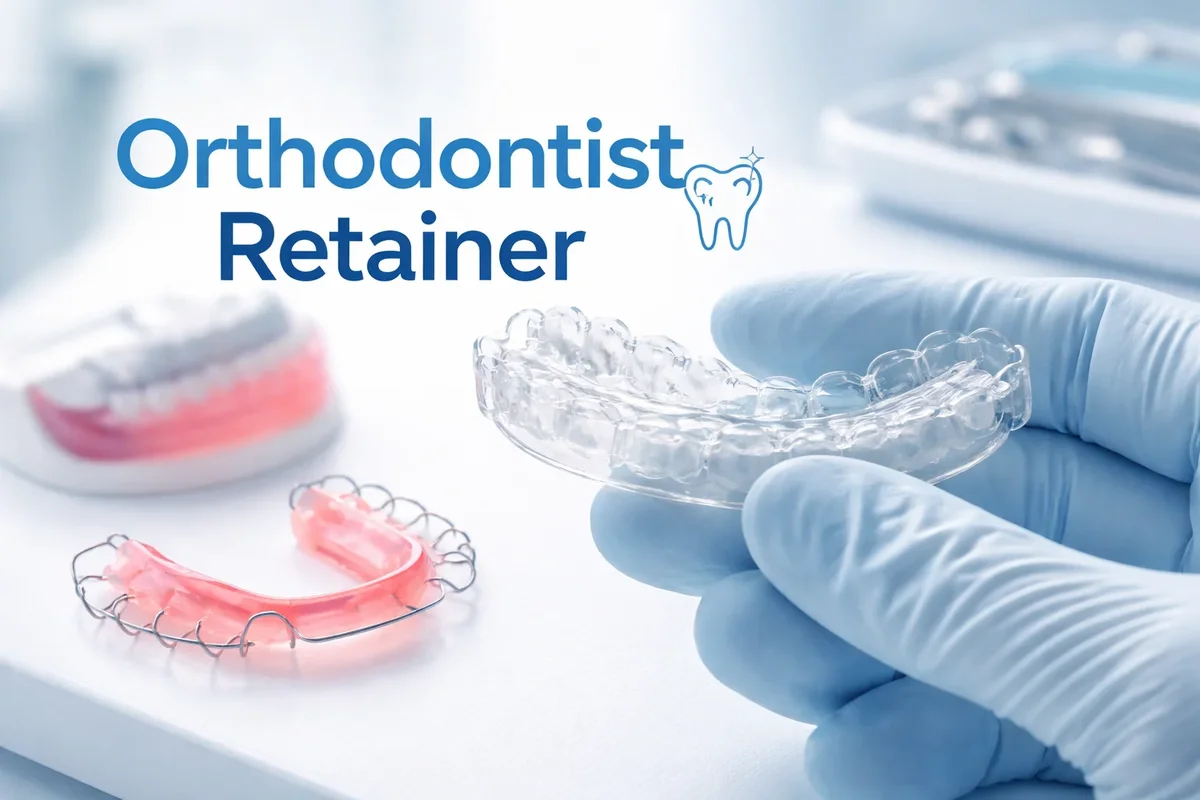
How to Choose the Right Orthodontist Retainer for Your Needs
Choosing the right orthodontist retainer is a crucial step in protecting the results of orthodontic treatment. While all retainers are designed to keep teeth in place, the best option depends on individual dental anatomy, lifestyle, compliance habits, and long-term goals. Making an informed choice ensures comfort, effectiveness, and lasting smile stability 🦷.
Why One Orthodontist Retainer Does Not Fit Everyone
Every patient’s teeth respond differently after orthodontic treatment. Factors such as the severity of the original misalignment, bite correction, jaw structure, and age all influence how likely teeth are to shift. An orthodontist retainer must be selected based on these individual risk factors.
For example, patients with severe lower crowding often benefit from a fixed orthodontist retainer, while those prioritizing aesthetics may prefer a clear removable option. The “best” orthodontist retainer is always the one that suits the patient’s specific situation.
Key Factors to Consider When Choosing an Orthodontist Retainer
Risk of Orthodontic Relapse
If your teeth were significantly rotated or crowded before treatment, your risk of relapse is higher. In such cases, orthodontists may recommend a fixed orthodontist retainer or a combination of fixed and removable retainers for maximum stability.
Lifestyle and Daily Habits
Your daily routine plays a major role in orthodontist retainer selection. Patients who travel frequently, have irregular schedules, or tend to forget removable appliances may benefit from a bonded orthodontist retainer that works continuously without effort.
On the other hand, highly disciplined patients who value flexibility and appearance may successfully use a removable orthodontist retainer long term.
Oral Hygiene Ability
Maintaining oral hygiene is essential with any orthodontist retainer, but especially with fixed retainers. If a patient struggles with flossing or plaque control, a removable orthodontist retainer may be easier to keep clean and hygienic.
Comfort and Speech Considerations
Comfort is an often-overlooked aspect of orthodontist retainer choice. Clear retainers are thin and smooth, making them comfortable for most patients. Hawley retainers may initially affect speech, while fixed orthodontist retainers usually have minimal impact once the tongue adapts.
Discussing comfort concerns openly with your orthodontist helps ensure the selected orthodontist retainer is one you will actually wear consistently 😊.
Short-Term vs Long-Term Retention Strategy
Retention is not a single phase—it evolves over time. Some orthodontists design a short-term strategy using a removable orthodontist retainer immediately after treatment, followed by long-term stabilization with a fixed retainer.
Understanding your long-term retention plan helps you choose an orthodontist retainer that fits both current and future needs.
Cost vs Value in Orthodontist Retainer Selection
While cost is an understandable concern, it should not be the primary deciding factor. A cheaper orthodontist retainer that is uncomfortable or poorly fitting is unlikely to be worn consistently. This increases the risk of relapse and future treatment costs.
Investing in a well-designed orthodontist retainer provides long-term value by protecting alignment, bite health, and confidence.
The Importance of Professional Evaluation
Choosing an orthodontist retainer should never be a self-directed decision. Orthodontists use clinical experience, dental records, and post-treatment evaluations to determine which retainer will be most effective.
Dental authorities such as the American Dental Association emphasize that professional guidance is essential for successful long-term orthodontic retention.
When to Reevaluate Your Orthodontist Retainer Choice
Your needs may change over time. Life events such as dental restorations, jaw changes, or new habits like grinding may require a different orthodontist retainer approach. Regular checkups ensure your retainer choice continues to meet your needs.
Getting Personalized Guidance
If you are unsure which orthodontist retainer is right for you—or if your current retainer no longer feels ideal—professional advice is the safest next step. Personalized evaluation ensures that your orthodontist retainer supports both comfort and long-term stability.
You can receive expert consultation and tailored recommendations by contacting specialists through the Redent Klinik Contact Page.
In summary, choosing the right orthodontist retainer requires careful consideration of relapse risk, lifestyle, hygiene, comfort, and long-term goals. With professional guidance and the right orthodontist retainer, you can protect your smile and enjoy the lasting benefits of orthodontic treatment for a lifetime 🌟.