
Orthodontic treatment has transformed millions of smiles worldwide, and one of the most essential components behind this transformation is the orthodontic wire. Although braces are often associated with brackets and bands, the orthodontic wire is the true driving force that moves teeth into their correct positions. Without a properly designed orthodontic wire, orthodontic appliances would not be able to apply the precise and controlled forces necessary to gradually align teeth and correct bite issues.
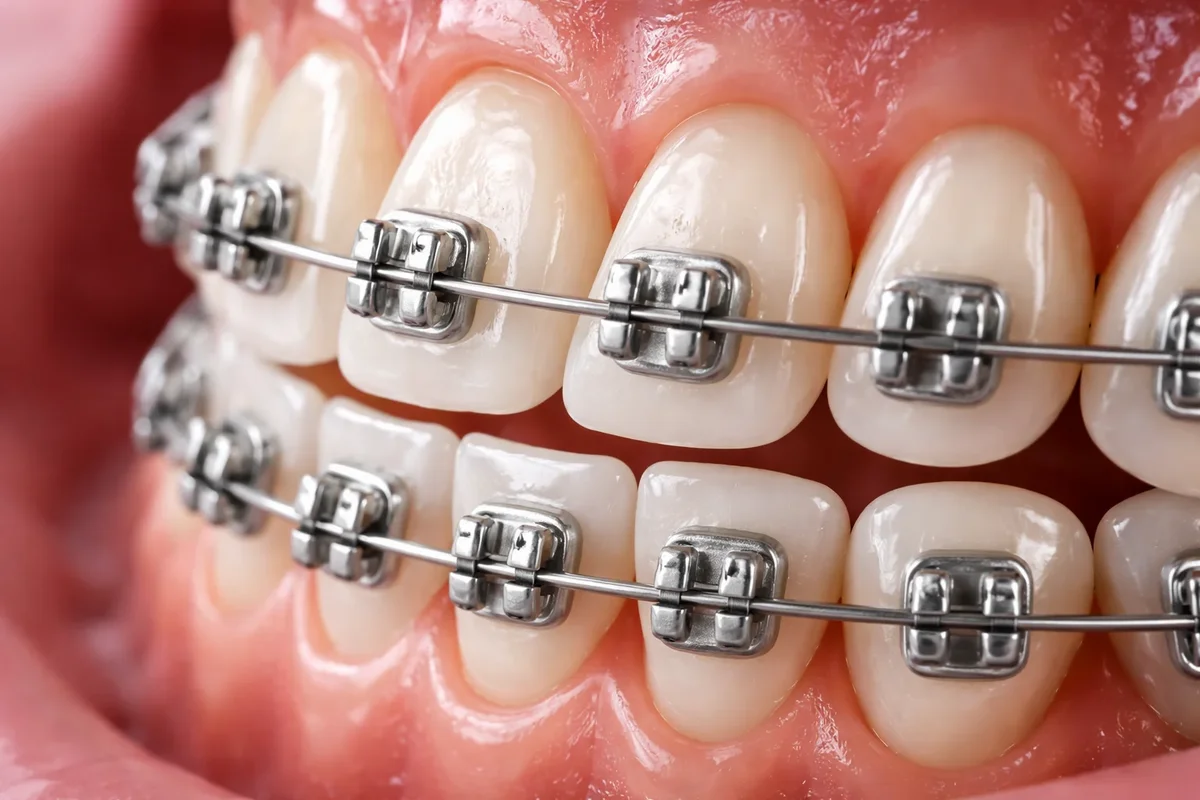
In simple terms, an orthodontic wire is a specially engineered metal or alloy wire that runs through the brackets attached to teeth during orthodontic treatment. This wire works by applying gentle and continuous pressure, guiding teeth into their optimal alignment over time. Orthodontists carefully adjust and replace the orthodontic wire throughout treatment to ensure the right amount of pressure is applied as teeth gradually shift into their new positions.
The science behind an orthodontic wire is fascinating. Each wire is designed to remember its original shape. When it is placed into misaligned brackets on crooked teeth, the orthodontic wire attempts to return to its original form. This creates controlled forces that slowly move teeth into better alignment. Because teeth move through bone tissue, this process must occur gradually to avoid discomfort or damage. Orthodontists therefore choose specific types of orthodontic wire at different stages of treatment to maintain optimal results.
One reason the orthodontic wire is so important is its ability to apply consistent force over long periods. Teeth cannot be moved instantly. Instead, the pressure generated by an orthodontic wire stimulates the surrounding bone to remodel. Bone tissue breaks down slightly on one side of the tooth while rebuilding on the other side, allowing the tooth to migrate into its new position. This biological process ensures the final alignment remains stable and healthy.
Modern orthodontics relies heavily on advanced materials for every orthodontic wire. Early orthodontic wires were made from basic stainless steel and required frequent adjustments. Today, orthodontists use high-tech alloys that provide superior flexibility and memory. These improvements allow a single orthodontic wire to maintain constant pressure for longer periods, making treatment more efficient and comfortable for patients.
For patients beginning orthodontic treatment, understanding the role of an orthodontic wire can help reduce anxiety and improve cooperation during treatment. Many people assume the brackets themselves move the teeth, but the brackets simply hold the orthodontic wire in place. The wire is what actively creates the forces necessary to correct crowding, spacing, overbites, underbites, and other dental misalignments.
Orthodontists also carefully select the thickness and shape of the orthodontic wire depending on the stage of treatment. At the beginning of treatment, a thinner and more flexible orthodontic wire is usually used. This helps start the alignment process gently and comfortably. As teeth become straighter, thicker and stronger versions of the orthodontic wire are introduced to refine the bite and improve overall stability.
The development of advanced orthodontic wire technology has also improved treatment times. Many modern wires can continue working for weeks or even months without adjustment. This allows orthodontists to space out appointments while maintaining continuous progress. In addition, innovations such as heat-activated orthodontic wire designs can respond to body temperature, providing gentle force when placed in the mouth.
Another advantage of modern orthodontic wire systems is patient comfort. Earlier orthodontic appliances often caused significant pressure or irritation. Today’s orthodontic wires are designed to be smoother, more flexible, and less likely to cause discomfort. While patients may still experience mild soreness when a new orthodontic wire is placed, the discomfort usually fades within a few days as the teeth begin adjusting.
Orthodontic professionals around the world follow strict guidelines when selecting and adjusting orthodontic appliances. Organizations such as the
American Dental Association provide clinical guidance and research that helps dentists deliver safe and effective orthodontic care. These standards ensure that each orthodontic wire used in treatment meets quality and safety expectations.
Patients who are considering orthodontic treatment should always consult with experienced dental professionals before starting therapy. Each smile is unique, and the ideal orthodontic wire system must be customized for the patient’s specific needs. A qualified orthodontist can evaluate dental alignment, jaw structure, and bite relationships to determine the best treatment plan.
If you are exploring orthodontic treatment options or want to learn more about braces and tooth alignment, professional guidance is essential. You can easily reach specialists through the
Redent Klinik Contact Page to receive personalized advice and treatment recommendations.
Ultimately, the orthodontic wire is the hidden engine behind successful braces treatment. By applying carefully controlled pressure, guiding tooth movement, and adapting to different treatment stages, the orthodontic wire plays a central role in creating a healthy, functional, and confident smile. Understanding how this small yet powerful component works can help patients appreciate the science behind orthodontics and stay motivated throughout their journey toward perfectly aligned teeth.
What Is an Orthodontic Wire and Why It Matters in Braces Treatment
In orthodontic treatment, many people focus on brackets, colorful bands, or clear aligners, but the true engine behind tooth movement is the orthodontic wire. This thin yet powerful component is responsible for applying the controlled force required to guide teeth into proper alignment. Without a carefully designed orthodontic wire, braces would simply be decorative attachments on teeth rather than an effective medical device capable of correcting dental irregularities.
The orthodontic wire works together with brackets and other orthodontic components to create a precise biomechanical system. Once brackets are bonded to each tooth, the orthodontic wire is threaded through them and secured with small elastic ties or clips. As the wire attempts to return to its original shape, it produces gentle and consistent pressure that gradually moves teeth into healthier and more functional positions.
The Basic Role of Orthodontic Wire in Braces
The primary purpose of an orthodontic wire is to move teeth safely and predictably. Orthodontists design treatment plans that rely on a sequence of wires with different thicknesses and material properties. Each orthodontic wire plays a specific role at different stages of treatment, allowing teeth to shift slowly through the surrounding bone without causing damage to roots or gums.
At the beginning of orthodontic treatment, a flexible orthodontic wire is typically used. This wire gently starts aligning crowded or rotated teeth. Because early tooth movement requires light pressure, orthodontists select a soft and flexible orthodontic wire that adapts easily to irregular tooth positions. Over time, stronger versions of the orthodontic wire are introduced to refine the bite and stabilize alignment.
Orthodontists carefully adjust the orthodontic wire during regular appointments. These adjustments ensure the correct amount of force is maintained throughout treatment. Each time a new orthodontic wire is placed, it continues the process of guiding teeth toward their ideal positions.
How Orthodontic Wire Creates Tooth Movement
The biological process behind tooth movement is complex. When an orthodontic wire applies pressure to a tooth, the surrounding bone begins to remodel. Bone tissue gradually breaks down on the pressure side of the tooth and rebuilds on the opposite side. This process allows the tooth to migrate into its new position without damaging the supporting structures.
Because this process occurs slowly, the design of the orthodontic wire is extremely important. The wire must deliver consistent force without excessive pressure. If the orthodontic wire is too strong, it could cause discomfort or slow the movement process. If it is too weak, teeth may not move effectively.
Modern orthodontics therefore relies on advanced engineering to create highly efficient orthodontic wire systems. These wires maintain continuous force for weeks, allowing teeth to move gradually between appointments.
Why Orthodontic Wire Is Essential for Successful Treatment
An effective orthodontic wire ensures that orthodontic treatment progresses smoothly. While brackets hold the system in place, the orthodontic wire is the component that actively produces movement. Without it, orthodontic treatment would not be possible.
In addition to moving teeth, the orthodontic wire also helps correct bite problems such as overbite, underbite, crossbite, and open bite. These bite issues can lead to long-term dental problems including uneven tooth wear, jaw discomfort, and difficulty chewing. By guiding teeth into correct alignment, the orthodontic wire contributes to better oral function and improved facial balance.
Another key advantage of modern orthodontic wire technology is treatment efficiency. Thanks to improvements in dental materials, orthodontists can now use wires that remain active for longer periods. This reduces the number of adjustments needed and improves overall patient comfort during treatment.
Orthodontic Wire and Patient Comfort
Many patients worry that braces will be painful, but modern orthodontic wire systems are designed with comfort in mind. Flexible materials allow the wire to deliver gentle pressure while minimizing irritation to cheeks and gums. When a new orthodontic wire is placed, mild soreness may occur for a few days, but this sensation usually fades quickly as the mouth adapts.
Orthodontists also polish and shape the ends of each orthodontic wire to prevent sharp edges from causing irritation. If a wire becomes loose or pokes the cheek, patients can contact their dental provider for a quick adjustment.
Professional Standards and Safety
Orthodontic care is guided by professional organizations and clinical research. Institutions such as the
American Dental Association provide scientific guidance on safe orthodontic practices and dental materials. These standards help ensure every orthodontic wire used in treatment meets strict safety and performance requirements.
Patients seeking orthodontic treatment should always consult qualified dental professionals. Every smile requires a customized approach, and the correct orthodontic wire selection depends on individual dental structure and treatment goals.
If you are considering orthodontic treatment and want expert guidance, you can easily reach a professional team through the
Redent Klinik Contact Page. Experienced dental specialists can evaluate your smile and determine the most appropriate orthodontic solution for you.
Ultimately, the orthodontic wire is the critical component that makes braces effective. By delivering precise and controlled forces, the orthodontic wire enables orthodontists to guide teeth into healthier positions while maintaining comfort and safety for patients. Understanding how this small but powerful element works can help patients feel more confident and informed throughout their orthodontic journey.
Types of Orthodontic Wire Used in Modern Orthodontics
Modern orthodontic treatment relies heavily on different types of orthodontic wire to guide teeth into their correct positions. While brackets are the visible component of braces, the orthodontic wire is the functional element responsible for applying controlled pressure that moves teeth gradually over time. Orthodontists carefully select the type of orthodontic wire used at each stage of treatment because every material has unique mechanical properties that influence how teeth respond to force.
Throughout orthodontic therapy, patients will typically experience several changes in their orthodontic wire. Each change represents a step forward in tooth alignment. Early wires focus on flexibility and comfort, while later wires provide stronger control for refining bite alignment and stabilizing the final results. Understanding the various types of orthodontic wire helps patients appreciate how orthodontists design treatment plans to achieve predictable outcomes.
Nickel-Titanium Orthodontic Wire
One of the most commonly used materials in modern orthodontics is the nickel-titanium orthodontic wire. This wire is well known for its remarkable flexibility and shape-memory properties. When a nickel-titanium orthodontic wire is placed into crooked brackets, it attempts to return to its original shape, creating gentle and continuous pressure that moves teeth gradually.
Orthodontists often use nickel-titanium orthodontic wire during the early stages of treatment. At this stage, teeth may be significantly misaligned, so a flexible wire is necessary to initiate movement without causing excessive discomfort. Because nickel-titanium orthodontic wire can maintain constant force for long periods, it allows teeth to move steadily between orthodontic appointments.
Heat-Activated Nickel-Titanium Wire
A special variation of nickel-titanium orthodontic wire is the heat-activated type. This wire responds to body temperature inside the mouth. When the orthodontic wire warms up, it becomes slightly more active and begins applying gentle pressure to the teeth. This feature makes heat-activated orthodontic wire extremely comfortable for patients while still delivering effective tooth movement.
Stainless Steel Orthodontic Wire
Another widely used type is stainless steel orthodontic wire. Compared with nickel-titanium, stainless steel wires are stronger and less flexible. Orthodontists usually introduce stainless steel orthodontic wire in the later stages of treatment when teeth are already partially aligned.
The advantage of stainless steel orthodontic wire lies in its ability to maintain precise control over tooth positioning. Because it is rigid and durable, this type of orthodontic wire allows orthodontists to fine-tune tooth rotation, adjust bite relationships, and improve the overall symmetry of the smile.
Stainless steel orthodontic wire is also extremely resistant to corrosion and wear, making it a reliable option for long-term orthodontic treatment. Many orthodontists prefer this orthodontic wire when they need to apply stronger forces to correct complex bite problems.
Beta-Titanium Orthodontic Wire
Beta-titanium is another advanced material used for orthodontic wire production. This type of orthodontic wire offers a balance between flexibility and strength. It is more flexible than stainless steel but more rigid than nickel-titanium, making it useful during intermediate stages of treatment.
Orthodontists appreciate beta-titanium orthodontic wire because it allows detailed adjustments without losing stability. The wire can be bent and customized easily, enabling orthodontists to apply precise forces where needed. This makes beta-titanium orthodontic wire particularly valuable when refining tooth alignment or correcting specific bite issues.
Multi-Stranded Orthodontic Wire
Multi-stranded orthodontic wire is another option sometimes used in orthodontic treatment. Instead of being a single solid wire, this type consists of several smaller wires twisted together. The structure gives the orthodontic wire increased flexibility and resilience.
Orthodontists may choose multi-stranded orthodontic wire when treating sensitive teeth or when very gentle force is required. Because this orthodontic wire distributes pressure more evenly across the teeth, it can improve patient comfort while still maintaining steady tooth movement.
How Orthodontists Choose the Right Orthodontic Wire
Selecting the appropriate orthodontic wire is one of the most important decisions an orthodontist makes during treatment. Several factors influence this choice, including the patient’s age, severity of misalignment, bite condition, and overall treatment goals.
For example, patients with severe crowding may require an extremely flexible orthodontic wire at the beginning of treatment to initiate movement gently. As alignment improves, orthodontists gradually transition to stronger forms of orthodontic wire that provide greater control over final tooth positioning.
Orthodontic specialists follow clinical guidelines and scientific research when selecting orthodontic materials. Organizations such as the
American Dental Association provide valuable information about dental materials and orthodontic treatment standards. These guidelines help ensure that every orthodontic wire used in patient care meets strict safety and performance requirements.
Why Understanding Orthodontic Wire Types Matters
For patients undergoing braces treatment, learning about different types of orthodontic wire can help reduce uncertainty and improve cooperation during treatment. Each wire change represents progress toward a straighter smile and healthier bite.
If you are considering orthodontic treatment or currently wearing braces, it is important to maintain regular dental visits and follow your orthodontist’s instructions carefully. Professional monitoring ensures the orthodontic wire continues working effectively and prevents complications during treatment.
Patients seeking professional guidance can easily reach experienced dental specialists through the
Redent Klinik Contact Page. An orthodontic consultation can help determine the most suitable treatment plan and identify which type of orthodontic wire will best support your smile transformation.
Ultimately, the variety of orthodontic wire materials available today allows orthodontists to design highly personalized treatment strategies. By carefully selecting the appropriate orthodontic wire at each stage of treatment, dental professionals can guide teeth safely, efficiently, and comfortably toward their ideal alignment.
How Orthodontic Wire Moves Teeth Safely and Effectively
The success of braces treatment depends largely on the controlled forces produced by the orthodontic wire. While brackets hold the system in place on each tooth, it is the orthodontic wire that generates the gentle pressure required to move teeth into proper alignment. Orthodontists carefully design treatment plans that rely on the biomechanical properties of the orthodontic wire to guide teeth gradually through the bone while preserving the health of the surrounding tissues.
Understanding how an orthodontic wire moves teeth safely requires an appreciation of both dental biology and engineering. Teeth are not rigidly fixed in the jawbone. Instead, they are supported by a specialized structure known as the periodontal ligament. When an orthodontic wire applies pressure through brackets, this ligament responds by initiating a controlled remodeling process in the surrounding bone. Over time, this biological adaptation allows the tooth to shift into a new and improved position.
The Biomechanics Behind Orthodontic Wire
Orthodontic biomechanics refers to the scientific principles that explain how forces generated by an orthodontic wire create tooth movement. Each time an orthodontist places or adjusts an orthodontic wire, the wire stores energy due to its shape and elasticity. Once attached to brackets on misaligned teeth, the orthodontic wire attempts to return to its original shape. This natural tendency produces a steady force that gently guides teeth toward alignment.
The most important feature of a properly designed orthodontic wire is its ability to apply continuous, low-intensity force. If the force from the orthodontic wire is too strong, it could damage the periodontal ligament or slow the movement process. Conversely, if the force is too weak, the teeth may not move efficiently. Orthodontists therefore select a specific orthodontic wire thickness and material to maintain the ideal balance between effectiveness and safety.
Bone Remodeling and Tooth Movement
The movement of teeth caused by an orthodontic wire is made possible through a biological process known as bone remodeling. When pressure from the orthodontic wire pushes a tooth in a particular direction, specialized cells called osteoclasts begin breaking down bone tissue on the side receiving pressure. At the same time, osteoblasts rebuild bone on the opposite side of the tooth.
This continuous remodeling allows the tooth to gradually migrate into a new position. The force from the orthodontic wire must remain gentle and consistent throughout this process to ensure that the bone adapts naturally. This is why orthodontic treatment takes time and cannot be rushed. The orthodontic wire works slowly but effectively to guide teeth through the bone while maintaining the stability of the jaw structure.
The Role of Controlled Force
Controlled force is the key principle behind successful orthodontic treatment. Every orthodontic wire used in braces is engineered to deliver predictable levels of pressure. During the early stages of treatment, a flexible orthodontic wire is used to begin alignment gently. As the teeth move closer to their correct positions, orthodontists switch to stronger forms of orthodontic wire that provide greater control over bite correction.
Because each patient’s dental structure is unique, orthodontists customize the orthodontic wire sequence to suit the specific treatment goals. This personalized approach ensures that the forces applied by the orthodontic wire remain safe and effective throughout the entire orthodontic journey.
Stages of Tooth Movement with Orthodontic Wire
The process of tooth movement driven by an orthodontic wire typically occurs in several phases. Each phase plays a crucial role in achieving the final alignment of the teeth and bite.
Initial alignment phase: In the early stage, a thin and flexible orthodontic wire begins correcting crowding and rotations. This stage focuses on gently guiding teeth into a more organized arch shape.
Space closure phase: Once the teeth are partially aligned, orthodontists use a stronger orthodontic wire to close gaps between teeth or adjust their spacing. At this stage, the orthodontic wire may also work alongside elastics or additional orthodontic appliances.
Finishing phase: In the final stage of treatment, a rigid orthodontic wire helps refine tooth positioning and correct minor bite discrepancies. The orthodontist makes detailed adjustments to the orthodontic wire to ensure the final result is both functional and aesthetically pleasing.
Why Orthodontic Wire Must Be Adjusted Regularly
Regular orthodontic appointments are essential because the orthodontic wire gradually loses its stored energy as teeth move. When the wire becomes passive, it no longer produces the force required for further movement. Orthodontists therefore replace or adjust the orthodontic wire periodically to continue guiding the teeth toward their ideal positions.
These adjustments allow orthodontists to monitor progress and ensure that the orthodontic wire continues to apply safe levels of pressure. Each adjustment moves the treatment one step closer to the final goal of a well-aligned smile and balanced bite.
Professional Guidelines for Orthodontic Treatment
Orthodontic procedures follow strict clinical standards to ensure patient safety and treatment success. Professional organizations such as the
American Dental Association provide scientific guidance on dental materials, orthodontic techniques, and patient care. These standards help orthodontists select the appropriate orthodontic wire and maintain the highest level of treatment quality.
Patients who are interested in orthodontic treatment should always consult experienced dental professionals. Every smile is unique, and the correct orthodontic wire strategy depends on individual dental conditions, bite relationships, and treatment goals.
If you are considering braces or want expert advice about orthodontic care, you can contact dental specialists through the
Redent Klinik Contact Page. Professional consultation helps determine the most effective orthodontic plan and ensures the correct orthodontic wire sequence is used to achieve long-lasting results.
In summary, the orthodontic wire is the central component that drives tooth movement during braces treatment. By applying gentle, controlled forces and working in harmony with the body’s natural bone remodeling process, the orthodontic wire allows orthodontists to move teeth safely and effectively. This combination of biological science and precise engineering is what ultimately makes orthodontic treatment successful.
Materials Used to Manufacture Orthodontic Wire
The effectiveness of braces treatment depends not only on the design of the brackets but also on the materials used to create the orthodontic wire. Over the decades, dental technology has evolved significantly, allowing orthodontists to use advanced materials that improve comfort, precision, and treatment efficiency. The composition of an orthodontic wire determines how flexible, strong, and responsive it will be during treatment. Each material offers unique properties that orthodontists rely on to move teeth safely and predictably.
Today, orthodontists use several high-performance alloys to manufacture orthodontic wire. These materials are carefully engineered to provide consistent force, durability, and resistance to corrosion inside the mouth. Because orthodontic treatment requires months or sometimes years of continuous function, the material of the orthodontic wire must withstand constant pressure, saliva exposure, and temperature changes.
Stainless Steel Orthodontic Wire
One of the most traditional and widely used materials for orthodontic wire is stainless steel. Stainless steel became popular in orthodontics because of its excellent strength, durability, and resistance to corrosion. A stainless steel orthodontic wire provides reliable performance and precise control over tooth movement, especially in the later stages of treatment.
Orthodontists often introduce stainless steel orthodontic wire after the teeth have already begun to align. Because this type of wire is relatively rigid compared to other materials, it allows orthodontists to fine-tune tooth positions and correct bite relationships with great accuracy. Stainless steel orthodontic wire is also easy to bend and customize, which allows orthodontists to perform detailed adjustments during appointments.
Another advantage of stainless steel orthodontic wire is its cost-effectiveness and long-lasting performance. It maintains its structure even under strong forces, making it an excellent option when precise orthodontic control is required.
Nickel-Titanium Orthodontic Wire
Nickel-titanium has revolutionized modern orthodontics and is now one of the most commonly used materials for orthodontic wire. This alloy is known for its remarkable flexibility and shape-memory effect. When a nickel-titanium orthodontic wire is inserted into misaligned brackets, it attempts to return to its original shape. This natural tendency generates a gentle, continuous force that gradually moves teeth into alignment.
Orthodontists typically use nickel-titanium orthodontic wire during the early phases of treatment. At this stage, teeth may be severely crowded or rotated, so a flexible wire is necessary to begin movement comfortably. The ability of nickel-titanium orthodontic wire to deliver steady force over long periods reduces the need for frequent adjustments and improves patient comfort.
Heat-Activated Nickel-Titanium Wire
A particularly advanced version of the nickel-titanium orthodontic wire is the heat-activated variety. This wire responds to the temperature inside the mouth. When the orthodontic wire warms to body temperature, it becomes slightly more active and begins applying controlled pressure to the teeth.
Heat-activated orthodontic wire technology improves comfort because the wire remains relatively soft at room temperature but becomes more effective once placed in the mouth. This innovation allows orthodontists to initiate tooth movement while minimizing discomfort during the first few days after placement.
Beta-Titanium Orthodontic Wire
Beta-titanium is another important material used to manufacture orthodontic wire. Often referred to as TMA (titanium molybdenum alloy), this wire offers a balance between flexibility and stiffness. A beta-titanium orthodontic wire is more flexible than stainless steel but stronger than nickel-titanium.
Because of these intermediate properties, orthodontists frequently use beta-titanium orthodontic wire during the middle stages of treatment. This wire allows for precise bending and customization while still delivering consistent orthodontic forces. Many orthodontists prefer beta-titanium orthodontic wire when they need to control tooth rotation or adjust bite relationships with greater precision.
Another advantage of beta-titanium orthodontic wire is that it does not contain nickel, which may be beneficial for patients who have mild nickel sensitivities.
Multi-Stranded Orthodontic Wire
Multi-stranded wires represent another variation of orthodontic wire used in orthodontic treatment. Instead of a single solid strand, this design consists of multiple thin wires twisted together. This structure increases flexibility and resilience while still providing effective force.
Orthodontists may choose a multi-stranded orthodontic wire when gentle force distribution is required. Because this wire adapts easily to tooth irregularities, it can be particularly helpful during the early stages of alignment. Patients often find this type of orthodontic wire comfortable because it applies lighter pressure while still maintaining steady tooth movement.
Importance of Material Selection
Choosing the right material for an orthodontic wire is critical for successful treatment. Each patient’s dental structure, bite condition, and treatment goals require a customized approach. Orthodontists carefully select the most appropriate orthodontic wire material at each stage of treatment to ensure efficient and safe tooth movement.
Dental professionals rely on clinical research and established standards when selecting orthodontic materials. Organizations such as the
American Dental Association provide valuable information about dental materials and treatment safety. These guidelines help ensure that every orthodontic wire used in orthodontic care meets high standards for quality and reliability.
If you are considering orthodontic treatment and want to understand which materials may be used in your braces system, professional consultation is recommended. Specialists can evaluate your dental condition and determine the most suitable orthodontic wire sequence for your treatment plan. You can reach experienced dental professionals through the
Redent Klinik Contact Page to receive personalized advice and treatment guidance.
In modern orthodontics, the material composition of the orthodontic wire plays a crucial role in treatment success. By combining advanced metallurgy with precise orthodontic planning, dental specialists can move teeth efficiently while maintaining patient comfort. The continuous development of new orthodontic wire materials ensures that orthodontic treatment will continue to become more effective, predictable, and comfortable for patients around the world.
Stages of Orthodontic Treatment and Wire Changes
Orthodontic treatment is a carefully planned process that unfolds in several stages, and each stage relies heavily on the strategic use of an orthodontic wire. While braces may appear simple from the outside, orthodontists follow a highly structured sequence of wire changes to gradually guide teeth into proper alignment. Each new orthodontic wire introduced during treatment is designed to apply a specific type of force, allowing teeth to move safely through the surrounding bone without causing damage to gums or roots.
The journey toward a straight smile typically involves multiple phases of orthodontic treatment, and each phase requires a different form of orthodontic wire. Orthodontists carefully evaluate tooth movement, bite alignment, and patient comfort before deciding when to replace or adjust an orthodontic wire. These changes are essential because as teeth shift into new positions, the previous orthodontic wire gradually becomes passive and stops delivering effective force.
Initial Alignment Stage
The first stage of orthodontic treatment focuses on correcting crowding, rotations, and irregular spacing between teeth. At this early phase, orthodontists typically use a thin and highly flexible orthodontic wire. This type of wire is designed to initiate tooth movement gently while minimizing discomfort for the patient.
A flexible orthodontic wire is particularly important during this stage because many teeth may be significantly misaligned. The wire must adapt to the irregular positions of the brackets without applying excessive pressure. As the orthodontic wire attempts to return to its original shape, it creates gentle force that slowly guides teeth into a more organized dental arch.
During the initial alignment phase, orthodontists may change the orthodontic wire several times as the teeth begin to respond. Each new orthodontic wire typically becomes slightly thicker or stronger than the previous one, allowing the orthodontist to maintain steady progress.
Leveling and Alignment Phase
Once the teeth begin to straighten, the treatment moves into the leveling and alignment stage. At this point, orthodontists introduce a slightly stronger orthodontic wire to further refine tooth positions. The purpose of this stage is to ensure that the dental arch becomes smooth and balanced.
The leveling phase also helps correct differences in tooth height and minor rotations that remain after the initial alignment. The orthodontic wire used here provides more consistent control over tooth movement, allowing orthodontists to create a more symmetrical smile.
How Wire Thickness Changes During Alignment
As treatment progresses, orthodontists gradually increase the thickness of the orthodontic wire. Thicker wires provide greater stability and control, which is necessary once the teeth are closer to their desired positions. However, each new orthodontic wire is introduced carefully to avoid excessive pressure on the teeth.
Patients may feel mild pressure for a few days after a new orthodontic wire is placed, but this sensation usually fades quickly as the teeth adapt to the new forces.
Space Closure Phase
In many orthodontic cases, patients require spaces between teeth to be closed. These spaces may exist naturally or may result from tooth extractions performed to correct severe crowding. During the space closure phase, orthodontists use a stronger and more rigid orthodontic wire to guide teeth closer together.
At this stage, the orthodontic wire may work together with elastic bands or additional orthodontic appliances. The goal is to ensure that the teeth move evenly while maintaining a balanced bite relationship. A carefully adjusted orthodontic wire helps distribute force across multiple teeth, preventing unwanted movement in other areas of the mouth.
Bite Correction Phase
Correcting the bite is another critical stage of orthodontic treatment. Even if the teeth appear straight, the upper and lower jaws must fit together properly for optimal chewing and long-term dental health. Orthodontists often use specialized adjustments to the orthodontic wire during this stage to improve bite alignment.
A stronger orthodontic wire is typically required to control the position of the teeth during bite correction. The orthodontist may also use elastics or additional attachments to guide the jaw relationship into a healthier position. This stage ensures that the final smile is not only aesthetically pleasing but also functional.
Finishing and Detailing Stage
The final phase of orthodontic treatment focuses on small refinements that perfect the smile. During this stage, orthodontists use a rigid and precisely adjusted orthodontic wire to fine-tune tooth positioning. Minor adjustments are made to correct subtle rotations, spacing, or bite discrepancies.
The finishing stage often involves carefully bending the orthodontic wire to apply targeted forces on specific teeth. These adjustments ensure that each tooth sits correctly within the dental arch and that the bite functions properly.
Why Regular Wire Changes Are Necessary
Throughout orthodontic treatment, the orthodontic wire gradually loses the stored energy that produces tooth movement. Once the wire becomes passive, it can no longer guide teeth effectively. Regular orthodontic appointments allow the orthodontist to replace or adjust the orthodontic wire so that treatment continues progressing smoothly.
Professional dental organizations such as the
American Dental Association provide clinical guidance on orthodontic care and dental treatment standards. These guidelines help orthodontists determine the most effective sequence for each orthodontic wire used during treatment.
Patients undergoing orthodontic treatment should attend scheduled appointments and follow their orthodontist’s instructions carefully. Proper monitoring ensures that the orthodontic wire continues working effectively and that the treatment remains safe and predictable.
If you are considering braces or have questions about orthodontic treatment stages, professional consultation is recommended. You can contact dental specialists through the
Redent Klinik Contact Page to receive personalized guidance and treatment planning.
Ultimately, the strategic use of an orthodontic wire throughout each stage of treatment is what allows orthodontists to create healthy, well-aligned smiles. By gradually adjusting the type and strength of the orthodontic wire, dental professionals ensure that teeth move safely and efficiently toward their ideal positions.
Common Problems with Orthodontic Wire and How to Fix Them
Although braces are highly effective at correcting misaligned teeth and bite issues, patients may occasionally experience small complications related to the orthodontic wire. These issues are usually minor and temporary, but understanding how they occur—and how to manage them—can make orthodontic treatment much more comfortable. The orthodontic wire is constantly applying gentle pressure to guide teeth into proper alignment, so it is normal for adjustments or minor irritations to occur as the wire continues to do its job.
In most cases, problems involving an orthodontic wire are easy to resolve either at home with simple techniques or through a quick visit to your orthodontist. By recognizing common situations and knowing when to seek professional help, patients can keep their orthodontic treatment progressing smoothly and comfortably.
Poking Orthodontic Wire
One of the most common complaints patients have during braces treatment is a poking orthodontic wire. As teeth gradually move, the ends of the wire may extend slightly beyond the last bracket, causing irritation to the cheeks or gums. This happens because the orthodontic wire remains fixed in length while the teeth shift positions.
When a orthodontic wire begins poking the inside of the mouth, the irritation can cause mild soreness or small ulcers on the cheek. Fortunately, this issue is usually temporary and easy to manage.
How to Manage a Poking Wire
If a orthodontic wire begins poking your cheek, orthodontic wax is often the quickest solution. A small piece of wax can be placed over the sharp edge of the orthodontic wire, creating a smooth barrier that protects the soft tissues of the mouth.
In some cases, patients may carefully push the orthodontic wire back into place using a clean cotton swab or pencil eraser. However, if discomfort continues, scheduling a short visit with the orthodontist is recommended so the orthodontic wire can be trimmed or adjusted properly.
Loose Orthodontic Wire
Another issue that may occur during treatment is a loose orthodontic wire. This can happen if the elastic ties holding the wire in place break or if the wire slips out of a bracket. When the orthodontic wire becomes loose, it may move around slightly in the mouth and feel uncomfortable.
Although a loose orthodontic wire may feel alarming, it usually does not cause serious problems. However, because the wire plays a critical role in tooth movement, it is important to address the issue promptly.
Patients can sometimes reposition a loose orthodontic wire gently using clean tweezers. If this is not possible or if the wire continues to move freely, contacting your orthodontist for a quick repair is the safest option.
Broken Orthodontic Wire
In rare situations, an orthodontic wire may break due to excessive pressure or biting into very hard foods. While modern orthodontic wires are designed to be durable, they can occasionally fracture if placed under unusual stress.
A broken orthodontic wire should always be evaluated by a dental professional because the wire must maintain proper tension to guide teeth effectively. If a break occurs, orthodontists typically replace the damaged orthodontic wire with a new one to restore the treatment process.
Discomfort After Wire Adjustments
It is completely normal to experience mild discomfort after your orthodontist adjusts or replaces the orthodontic wire. These adjustments are necessary because each new orthodontic wire introduces a different level of force to continue guiding teeth toward alignment.
This pressure may cause temporary soreness in the teeth for a few days. Over-the-counter pain relievers, soft foods, and warm saltwater rinses can help relieve discomfort while the teeth adapt to the new orthodontic wire.
Tips to Reduce Wire-Related Discomfort
Patients can minimize irritation from the orthodontic wire by following a few simple habits:
- Use orthodontic wax to cover sharp areas of the orthodontic wire.
- Avoid chewing hard foods that may bend or damage the orthodontic wire.
- Maintain excellent oral hygiene to prevent inflammation around braces.
- Attend regular orthodontic appointments to monitor the condition of the orthodontic wire.
Importance of Professional Monitoring
Orthodontic treatment is carefully supervised by dental professionals to ensure safety and effectiveness. Organizations such as the
American Dental Association provide guidance and research on orthodontic materials and treatment standards. These guidelines help ensure that every orthodontic wire used in braces treatment meets high levels of quality and safety.
If you experience persistent problems with your orthodontic wire, it is important to seek professional advice rather than attempting major adjustments at home. Orthodontists are trained to modify the orthodontic wire safely without interfering with the treatment plan.
Patients who need assistance or want professional evaluation can easily reach dental specialists through the
Redent Klinik Contact Page. A quick consultation can resolve most orthodontic wire concerns and ensure your braces treatment continues progressing as planned.
Ultimately, minor issues with an orthodontic wire are a normal part of orthodontic treatment and usually easy to fix. With proper care, regular orthodontic visits, and prompt attention to small problems, the orthodontic wire will continue performing its essential role—guiding your teeth toward a healthier, straighter smile.
Orthodontic Wire Maintenance and Oral Hygiene Tips
Proper maintenance of braces is essential for achieving successful orthodontic results, and special attention must be given to the orthodontic wire. While this small component may seem simple, the orthodontic wire is responsible for applying continuous pressure that guides teeth into their correct positions. Because the orthodontic wire remains in the mouth for extended periods and interacts with food, saliva, and daily oral activities, maintaining excellent hygiene around it is critical.
When patients take good care of their braces system—including the orthodontic wire—they reduce the risk of plaque buildup, gum inflammation, and unwanted treatment delays. Orthodontists always emphasize that maintaining the health of the teeth and gums during treatment is just as important as the mechanical work performed by the orthodontic wire.
Why Orthodontic Wire Hygiene Is Important
During orthodontic treatment, brackets and the orthodontic wire create additional surfaces where food particles and plaque can accumulate. If these areas are not cleaned properly, bacteria may develop around the orthodontic wire, increasing the risk of cavities and gum disease.
The presence of braces can make brushing slightly more challenging because the orthodontic wire and brackets create tight spaces around the teeth. However, with proper technique and the right tools, patients can maintain excellent oral hygiene while the orthodontic wire continues performing its role in tooth movement.
Maintaining cleanliness around the orthodontic wire also prevents staining and discoloration on teeth after braces are removed. Patients who follow good hygiene routines typically achieve not only straight teeth but also healthier gums and brighter smiles.
Daily Brushing Techniques Around Orthodontic Wire
Brushing teeth with braces requires extra attention because the orthodontic wire runs across the surface of the teeth. Orthodontists recommend brushing at least twice a day, though brushing after every meal is ideal when braces are present.
When brushing with an orthodontic wire, patients should angle the toothbrush slightly above and below the wire to reach all surfaces of the teeth. This method ensures that plaque does not accumulate around the brackets or along the orthodontic wire.
Recommended Brushing Steps
- Use a soft-bristled toothbrush to clean gently around the orthodontic wire.
- Brush above the orthodontic wire to remove plaque near the gum line.
- Brush below the orthodontic wire to clean the lower surfaces of the teeth.
- Spend at least two minutes brushing thoroughly around brackets and the orthodontic wire.
Some orthodontists also recommend electric toothbrushes because they can clean effectively around the orthodontic wire and brackets without requiring excessive pressure.
Flossing with an Orthodontic Wire
Flossing can be more challenging when braces and an orthodontic wire are present, but it remains essential for maintaining gum health. Because the orthodontic wire blocks direct access between teeth, patients must thread the floss carefully under the wire before cleaning the sides of each tooth.
Special orthodontic floss threaders or orthodontic floss products can make this process easier. These tools help guide the floss under the orthodontic wire so patients can reach the areas between teeth where plaque often accumulates.
Regular flossing ensures that the gums remain healthy while the orthodontic wire continues guiding the teeth into their ideal positions.
Foods to Avoid with Orthodontic Wire
Diet also plays an important role in protecting the orthodontic wire. Certain foods can bend, damage, or dislodge the wire, which may slow down treatment progress. Orthodontists typically recommend avoiding extremely hard, sticky, or crunchy foods that could place excessive pressure on the orthodontic wire.
Foods that should generally be limited during braces treatment include:
- Hard candies that may bend the orthodontic wire
- Sticky caramel or chewing gum that can pull on the orthodontic wire
- Crunchy foods like popcorn kernels that can damage the orthodontic wire
- Ice chewing, which can place extreme pressure on the orthodontic wire
Choosing softer foods during treatment helps protect the braces system and ensures the orthodontic wire continues working effectively.
Regular Orthodontic Appointments
Routine orthodontic visits are essential for monitoring the condition of the orthodontic wire. During these appointments, the orthodontist evaluates tooth movement, replaces the orthodontic wire when necessary, and ensures the braces system remains functioning properly.
Professional organizations such as the
American Dental Association emphasize the importance of regular dental visits and proper oral hygiene during orthodontic treatment. These guidelines help ensure that each orthodontic wire continues to deliver safe and effective results.
When to Contact Your Orthodontist
Even with excellent care, situations may arise where the orthodontic wire requires professional attention. Patients should contact their orthodontist if the wire becomes loose, broken, or causes persistent irritation. Early intervention prevents treatment delays and ensures the orthodontic wire continues guiding the teeth correctly.
If you have concerns about your braces or need professional guidance, you can reach dental specialists through the
Redent Klinik Contact Page. Professional support ensures that your orthodontic treatment stays on track.
Ultimately, maintaining good hygiene and protecting the orthodontic wire throughout orthodontic treatment is essential for achieving the best results. With consistent brushing, proper flossing, mindful food choices, and regular dental visits, patients can ensure that the orthodontic wire continues performing its vital role—helping create a healthier, straighter, and more confident smile.
Cost Factors Associated with Orthodontic Wire in Braces Treatment
When patients consider braces or orthodontic treatment, one of the most common questions involves cost. While the full treatment price includes many components such as brackets, appointments, diagnostics, and retainers, the orthodontic wire plays an important role in the overall treatment system. The orthodontic wire is the key element responsible for moving teeth gradually into alignment, and different types of wires may be used throughout treatment depending on complexity and stage.
Although patients typically pay for orthodontic treatment as a complete package rather than purchasing each component individually, the type and sequence of orthodontic wire used during treatment can influence the overall cost of braces. The materials used, treatment duration, and orthodontist expertise all affect how the orthodontic wire contributes to total orthodontic expenses.
How Orthodontic Wire Influences Braces Costs
Every orthodontic treatment plan requires multiple adjustments and replacements of the orthodontic wire. During the early stages, orthodontists often use flexible wires designed to initiate gentle tooth movement. As the teeth gradually align, stronger forms of orthodontic wire are introduced to refine the bite and stabilize results.
Because orthodontic treatment can last between 12 and 24 months—or longer in complex cases—the orthodontic wire may be changed several times throughout treatment. Each replacement ensures that the braces system continues applying effective pressure. While patients are rarely billed separately for each orthodontic wire, the complexity of the treatment plan and the number of adjustments required can influence the final cost.
Common Materials Used and Their Cost Impact
Different materials used in manufacturing an orthodontic wire may also affect treatment pricing. Advanced alloys such as nickel-titanium and beta-titanium offer superior flexibility and performance, allowing orthodontists to move teeth more efficiently. These modern materials have significantly improved orthodontic outcomes, but they may also increase the overall treatment investment compared with older technologies.
Typical Orthodontic Wire Material Costs
While patients usually pay a single treatment fee rather than purchasing individual components, the approximate cost of orthodontic materials can vary depending on the type of orthodontic wire used in treatment.
Estimated Material Costs (per orthodontic wire type)

Nickel-Titanium Orthodontic Wire:   $10 – $40
Heat-Activated Orthodontic Wire:    $20 – $60
Stainless Steel Orthodontic Wire:   $5  – $30
Beta-Titanium Orthodontic Wire:     $30 – $80
Multi-Stranded Orthodontic Wire:    $15 – $45
These values represent estimated material costs used by orthodontists and laboratories, not the price patients pay directly. The actual orthodontic treatment fee includes professional expertise, diagnostic imaging, treatment planning, office visits, and appliance adjustments involving the orthodontic wire.
Total Braces Treatment Cost
The overall cost of orthodontic treatment varies widely depending on geographic location, treatment complexity, and orthodontic technology. Since the orthodontic wire is one of many components used during braces treatment, it contributes to—but does not solely determine—the final cost.
Average Orthodontic Treatment Costs

Traditional Metal Braces:       $3,000 – $7,000
Ceramic Braces:                 $4,000 – $8,000
Lingual Braces:                 $8,000 – $12,000
Clear Aligners (Invisalign):   $4,000 – $7,500
In each of these treatment options, some form of orthodontic wire may still be used in traditional braces systems, while aligner treatments rely on different technologies to apply controlled pressure. For patients using braces, the orthodontic wire remains the essential mechanical element responsible for tooth movement.
Factors That Influence Orthodontic Treatment Pricing
Several factors determine the total investment required for orthodontic treatment involving an orthodontic wire. Understanding these variables helps patients better prepare for treatment costs and evaluate their options.
- Treatment complexity: Severe misalignment may require more adjustments and additional orthodontic wire changes.
- Treatment duration: Longer treatment times typically involve more visits and more orthodontic wire replacements.
- Orthodontist expertise: Highly experienced specialists may charge higher fees due to advanced skills in managing orthodontic wire systems.
- Geographic location: Treatment costs vary significantly between countries and regions.
- Technology used: Modern braces systems with advanced orthodontic wire materials may influence pricing.
Insurance and Financing Options
Many dental insurance plans provide partial coverage for orthodontic treatment involving braces and the orthodontic wire system. Coverage varies depending on the insurance provider and the patient’s specific policy. Some plans cover a percentage of treatment costs, while others offer a fixed orthodontic benefit.
Orthodontic clinics often provide flexible payment plans that allow patients to spread the cost of treatment over several months. These payment plans typically include the full braces system, adjustments to the orthodontic wire, and follow-up appointments throughout the treatment period.
Professional Standards in Orthodontic Treatment
Orthodontic treatment is guided by scientific research and professional standards to ensure patient safety and treatment effectiveness. Organizations such as the
American Dental Association provide clinical guidelines for orthodontic procedures and dental materials. These standards help ensure that every orthodontic wire used in braces treatment meets strict quality and safety requirements.
Patients who are interested in orthodontic treatment should always consult qualified dental professionals before starting therapy. A personalized consultation allows the orthodontist to evaluate your dental structure and determine the most appropriate treatment approach involving the correct orthodontic wire sequence.
If you would like to receive a personalized orthodontic evaluation or learn more about braces options, you can easily reach dental professionals through the
Redent Klinik Contact Page. Expert consultation helps patients understand treatment costs and select the best orthodontic solution for their needs.
In summary, while the orthodontic wire itself represents only one component of orthodontic treatment, it plays a crucial role in guiding teeth into proper alignment. The materials used, treatment complexity, and professional expertise all contribute to the overall cost of braces. By understanding how the orthodontic wire functions within the larger orthodontic system, patients can make more informed decisions about their smile transformation journey.
Future Innovations and Technologies in Orthodontic Wire Development
Orthodontics has evolved dramatically over the past few decades, and the orthodontic wire remains at the center of this transformation. While early braces relied on simple stainless-steel components, modern orthodontic systems now incorporate advanced materials, smart technologies, and improved engineering. Researchers and dental manufacturers are constantly developing new types of orthodontic wire that aim to improve treatment efficiency, reduce discomfort, and shorten overall treatment time.
Future innovations in orthodontic wire technology focus on creating wires that deliver more precise forces while adapting to individual patient needs. These innovations combine material science, digital orthodontics, and biomedical engineering. As a result, the next generation of orthodontic wire systems will likely become even more responsive, comfortable, and effective in guiding teeth into proper alignment.
Smart Materials in Orthodontic Wire Technology
One of the most promising developments in orthodontics is the use of smart materials for orthodontic wire manufacturing. These materials can respond to environmental changes such as temperature, pressure, or stress. A smart orthodontic wire can adapt its mechanical properties depending on the conditions inside the mouth, allowing orthodontists to apply consistent and controlled forces throughout treatment.
Heat-activated nickel-titanium wires already represent an early version of this concept. When the orthodontic wire warms to body temperature, it becomes more active and begins exerting gentle pressure on the teeth. Researchers are now exploring even more advanced alloys that could allow an orthodontic wire to automatically adjust force levels depending on tooth movement progress.
Such innovations may reduce the need for frequent orthodontic appointments because the orthodontic wire could maintain optimal pressure levels without constant manual adjustments.
Shape-Memory and Superelastic Orthodontic Wire
Shape-memory alloys are already widely used in orthodontics, but future improvements will further enhance the capabilities of the orthodontic wire. Shape-memory materials allow the wire to return to its original form after deformation. This property enables the orthodontic wire to deliver continuous force as it attempts to regain its pre-designed shape.
Superelastic orthodontic wire technology is also advancing rapidly. These wires can stretch and bend significantly without losing their mechanical strength. Because of this property, superelastic wires can deliver steady force over a long period, making tooth movement more efficient and comfortable.
Future research may lead to orthodontic wire designs that maintain perfect force levels throughout the entire treatment cycle, further improving orthodontic outcomes.
3D-Printed Orthodontic Wire Designs
Another emerging innovation is the possibility of 3D printing customized orthodontic wire systems. With digital orthodontic planning, orthodontists can create a detailed map of how each tooth should move during treatment. Using this data, laboratories may eventually produce a fully customized orthodontic wire tailored specifically to a patient’s dental anatomy.
A personalized orthodontic wire could potentially reduce treatment time by applying precise forces exactly where they are needed. Instead of gradually adjusting wires over many appointments, orthodontists may be able to use a custom-designed orthodontic wire that guides teeth along an optimized path from the beginning.
Integration with Digital Orthodontics
Digital dentistry is transforming the way orthodontic treatment is planned and executed. Advanced imaging technologies, such as 3D scanning and computer modeling, allow orthodontists to visualize tooth movement before treatment even begins. These digital tools can help design a more effective orthodontic wire sequence tailored to the patient’s specific needs.
By integrating digital treatment planning with advanced orthodontic wire materials, orthodontists may achieve greater precision in tooth movement. This integration could allow for shorter treatment durations and fewer adjustments to the orthodontic wire throughout the orthodontic process.
Biocompatible and Hypoallergenic Materials
Future orthodontic research also focuses on improving the biocompatibility of the orthodontic wire. Some patients may have mild sensitivities to metals such as nickel, which is commonly used in orthodontic alloys. Scientists are exploring alternative materials that maintain the performance of traditional wires while reducing the risk of allergic reactions.
Titanium-based alloys and polymer-coated orthodontic wire systems are among the materials currently being studied. These materials may offer improved comfort while maintaining the strength and elasticity required for effective tooth movement.
Reducing Treatment Time with Advanced Orthodontic Wire
One of the most exciting goals of orthodontic innovation is reducing the total time required for braces treatment. Traditional orthodontic therapy can last between 18 and 24 months, depending on the complexity of the case. Future orthodontic wire technologies may significantly shorten this timeline by delivering more precise and consistent forces.
Advanced orthodontic wire systems may also reduce the number of orthodontic visits required during treatment. Because these wires can maintain optimal pressure for longer periods, patients may experience fewer adjustments while still achieving excellent results.
The Role of Research and Professional Standards
The development of new orthodontic technologies is supported by ongoing research and professional organizations dedicated to improving dental care. Institutions such as the
American Dental Association provide valuable research and guidelines that help ensure every orthodontic wire used in clinical practice meets strict safety and performance standards.
These organizations play a critical role in evaluating new materials and technologies before they become widely available in orthodontic clinics. Their work ensures that innovations in orthodontic wire technology continue to prioritize patient safety and treatment effectiveness.
Consulting an Orthodontic Professional
While new technologies continue to improve orthodontic care, the expertise of a qualified orthodontist remains essential. A dental professional evaluates each patient’s dental structure and selects the most appropriate orthodontic wire sequence for optimal results.
Patients who are considering orthodontic treatment or exploring advanced orthodontic solutions can seek professional advice from experienced dental teams. If you would like to learn more about braces or orthodontic care, you can contact dental specialists through the
Redent Klinik Contact Page.
In the coming years, innovations in orthodontic wire technology will likely continue transforming orthodontic treatment. With smarter materials, digital customization, and improved biocompatibility, the next generation of orthodontic wires will provide patients with faster, more comfortable, and highly precise smile transformations. As research progresses, the orthodontic wire will remain a fundamental component of orthodontics, guiding teeth safely into their ideal positions while advancing the future of dental care.