
A confident smile can transform the way you look, feel, and interact with others. For millions of people around the world, achieving that confident smile often begins with orthodontic treatment. One of the most effective and reliable orthodontic solutions available today is straight braces. These orthodontic devices are specifically designed to correct crooked teeth, bite problems, and alignment issues while gradually guiding teeth into their ideal positions.
Orthodontists use straight braces to apply controlled pressure to teeth over time. This gentle pressure slowly shifts teeth into the correct alignment while also improving the way the upper and lower teeth fit together. The result is not only a more attractive smile but also better oral health and improved dental function. Because of their reliability and predictable results, straight braces remain one of the most trusted orthodontic treatments recommended by dental professionals.
Many people believe that braces are only for teenagers, but this is a common misconception. Today, straight braces are widely used for both adolescents and adults who want to improve their smiles. Modern orthodontic technology has made braces more comfortable, more efficient, and more aesthetically pleasing than ever before. As a result, more adults are choosing straight braces to correct alignment problems that may have existed for years.
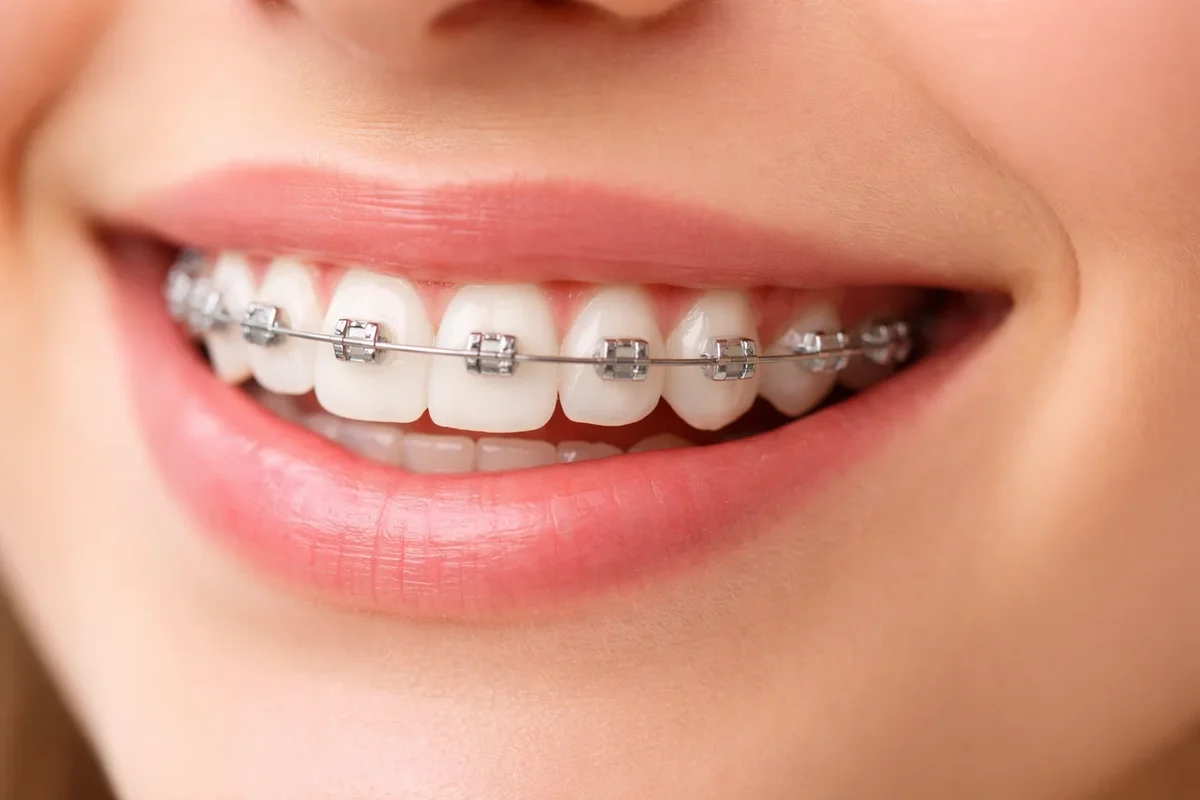
Understanding how straight braces work is essential for anyone considering orthodontic treatment. Braces consist of several important components working together as a system. Small brackets are bonded to the surface of each tooth, and these brackets hold an orthodontic wire, often called an archwire. The archwire applies continuous, gentle pressure that gradually moves teeth into proper alignment. Over time, adjustments are made to ensure the teeth continue moving in the correct direction. This controlled movement is the key reason why straight braces are so effective.
Beyond cosmetic improvements, straight braces provide important health benefits. Crooked or misaligned teeth can create areas where plaque and bacteria accumulate more easily. When teeth overlap or rotate, it becomes more difficult to clean them properly with brushing and flossing. By correcting these alignment issues, straight braces help reduce the risk of tooth decay, gum disease, and long-term dental complications.
Another advantage of straight braces is their ability to correct bite problems. Bite issues such as overbite, underbite, crossbite, and open bite can cause significant stress on the teeth and jaw joints. Over time, these problems may lead to jaw pain, uneven tooth wear, or even difficulties with chewing and speaking. Orthodontists use straight braces to reposition the teeth and improve the overall balance of the bite, which can dramatically improve oral function and comfort.
Patients who choose straight braces often experience improvements not only in their dental health but also in their self-confidence. A straighter smile can positively influence social interactions, professional opportunities, and personal confidence. Many patients report feeling more comfortable smiling in photos, speaking in public, or interacting with others after completing treatment with straight braces.
While braces require patience and commitment, the long-term results are worth the effort. Orthodontic treatment with straight braces typically takes between 12 and 24 months depending on the complexity of the case. During this time, regular orthodontic visits ensure that the braces continue guiding the teeth toward their ideal positions. These visits also allow orthodontists to monitor progress and make necessary adjustments.
It is also important to choose an experienced dental team when starting orthodontic treatment. Professional guidance ensures that straight braces are properly planned, monitored, and adjusted throughout the treatment process. Patients who want personalized orthodontic advice or consultation can visit the Redent Klinik Contact Page to speak with qualified dental professionals about their options.
In addition, trusted organizations such as the American Dental Association emphasize the importance of orthodontic treatment in maintaining long-term oral health. According to dental experts, properly aligned teeth are easier to clean, less prone to damage, and contribute to overall oral stability.
In summary, straight braces represent one of the most reliable and proven orthodontic treatments available today. They address both aesthetic concerns and functional dental issues, offering patients a comprehensive solution for improving their smiles. Whether you are dealing with crooked teeth, bite misalignment, or spacing problems, straight braces can gradually guide your teeth into their optimal positions and help you achieve the healthy, confident smile you deserve.
What Are Straight Braces and How Do They Work?
Orthodontic treatment has evolved significantly over the years, but one of the most reliable and effective methods for correcting dental alignment remains straight braces. These orthodontic appliances are designed to gradually move teeth into their correct positions, improving both the appearance and functionality of your smile. Dentists and orthodontists around the world recommend straight braces for patients who have crooked teeth, spacing issues, or bite problems that affect oral health and confidence.
In simple terms, straight braces are a system of small dental components that work together to apply gentle and continuous pressure to the teeth. Over time, this controlled pressure shifts teeth into better alignment. While the process may take several months or years depending on the severity of the misalignment, the final results achieved with straight braces are often long-lasting and highly predictable.
The Main Components of Straight Braces
Understanding how straight braces function begins with knowing the components involved. Each part plays a specific role in guiding the teeth into their proper position.
1. Brackets
Brackets are small square attachments that are bonded to the front surface of each tooth. These brackets act as anchors for the orthodontic wire. When orthodontists place straight braces, each bracket is positioned carefully according to the patient’s unique dental structure. The placement is extremely precise because it determines the direction in which each tooth will move during treatment.
2. Archwire
The archwire is the thin metal wire that runs through the brackets. This wire is one of the most important components of straight braces because it provides the force that moves the teeth. As the orthodontist adjusts the wire over time, it gradually encourages the teeth to shift into the correct position.
Modern orthodontics uses advanced materials such as nickel-titanium wires that have shape-memory properties. These materials allow straight braces to apply consistent and gentle pressure while adapting to the shape of the dental arch.
3. Ligatures
Ligatures are tiny elastic bands that hold the archwire in place within the brackets. They ensure that the archwire stays connected to each tooth while treatment progresses. In many cases, patients with straight braces can choose colorful ligatures, making orthodontic treatment more personalized and fun.
4. Bands and Additional Components
In some orthodontic cases, metal bands are placed around molars to provide additional support. Rubber bands or springs may also be used with straight braces to correct bite issues such as overbites or underbites. These extra components help guide the jaw and teeth into a healthier alignment.
The Science Behind Straight Braces
The effectiveness of straight braces comes from the biological process known as bone remodeling. When pressure is applied to a tooth, the bone surrounding that tooth begins to change shape. On the side where pressure is applied, bone tissue gradually breaks down. On the opposite side, new bone tissue forms to support the tooth in its new position.
This natural process allows straight braces to move teeth safely without damaging the surrounding structures. Because bone remodeling takes time, orthodontic treatment is gradual and requires patience. However, this slow process ensures that teeth remain stable after the braces are removed.
Why Orthodontists Prefer Straight Braces
Orthodontists often recommend straight braces because they provide precise control over tooth movement. Unlike some removable orthodontic solutions, braces are fixed directly to the teeth. This means the treatment works continuously throughout the day and night, producing reliable and consistent results.
Another advantage of straight braces is their ability to treat complex orthodontic cases. Severe crowding, rotated teeth, and complicated bite problems often require the controlled force that only braces can provide. For this reason, straight braces remain the gold standard for comprehensive orthodontic treatment.
How the Adjustment Process Works
During orthodontic treatment, patients with straight braces visit their orthodontist regularly for adjustments. These appointments typically occur every four to eight weeks. At each visit, the orthodontist evaluates the progress of the teeth and adjusts the archwire if necessary.
These adjustments allow straight braces to continue guiding the teeth toward their final positions. As the treatment progresses, the wires may be replaced with stronger ones that provide more precise control over tooth movement.
Although patients may experience mild pressure or soreness after adjustments, this is a normal sign that straight braces are actively working. The discomfort usually fades within a few days as the teeth adapt to the new pressure.
The Result: A Healthier and More Balanced Smile
By the end of orthodontic treatment, straight braces can dramatically improve dental alignment, bite function, and overall oral health. Straight teeth are easier to clean, reducing the risk of cavities and gum disease. Proper alignment also distributes biting forces evenly across the teeth, preventing excessive wear.
Most importantly, straight braces give patients the confidence to smile freely. A straight and healthy smile not only improves dental health but also enhances overall quality of life.
Thanks to modern orthodontic technology and experienced dental professionals, straight braces continue to be one of the most effective tools for transforming smiles around the world. With proper care and regular orthodontic visits, patients can achieve a balanced, beautiful smile that lasts for many years.
7 Key Benefits of Choosing Straight Braces for Teeth Alignment
Orthodontic treatment has become increasingly popular as more people recognize the long-term health and cosmetic advantages of properly aligned teeth. Among the various orthodontic solutions available today, straight braces remain one of the most reliable and widely recommended treatments by dental professionals. Whether you are dealing with crooked teeth, spacing issues, or bite problems, straight braces can provide a comprehensive solution that improves both the function and appearance of your smile.
Many patients initially seek orthodontic treatment for cosmetic reasons, but the benefits of straight braces extend far beyond aesthetics. Properly aligned teeth are easier to maintain, healthier in the long term, and contribute to improved oral function. Let’s explore the seven most important benefits that make straight braces such a valuable orthodontic treatment.
1. Improved Dental Alignment and Straighter Teeth
The most obvious advantage of straight braces is their ability to correct misaligned teeth. Crooked or crowded teeth can make your smile appear uneven and may also affect how your teeth function together. By gradually applying controlled pressure, straight braces guide each tooth into its ideal position.
This process improves the overall symmetry of your smile and ensures that your teeth are aligned along the dental arch. As a result, patients who complete treatment with straight braces often notice a dramatic transformation in their smile and facial aesthetics.
2. Better Oral Hygiene and Easier Cleaning
When teeth are crowded or overlapping, it becomes much harder to brush and floss effectively. Food particles and plaque tend to accumulate in hard-to-reach areas, increasing the risk of tooth decay and gum disease. By correcting alignment problems, straight braces make it easier to maintain good oral hygiene.
After treatment with straight braces, patients often find that brushing and flossing become more effective. Straight teeth allow toothbrush bristles and dental floss to reach areas that were previously difficult to clean. This improvement significantly reduces the likelihood of cavities and periodontal issues.
3. Correction of Bite Problems
In addition to aligning teeth, straight braces are highly effective at correcting bite irregularities. Bite problems can include overbite, underbite, crossbite, and open bite. These conditions occur when the upper and lower teeth do not meet properly.
Common Bite Issues Treated with Straight Braces
- Overbite – when the upper teeth overlap the lower teeth excessively
- Underbite – when the lower teeth extend beyond the upper teeth
- Crossbite – when some upper teeth sit inside the lower teeth
- Open bite – when the upper and lower teeth do not meet when the mouth closes
Orthodontists use straight braces to gradually reposition the teeth and create a balanced bite. This correction reduces strain on the jaw joints and helps improve chewing efficiency.
4. Reduced Risk of Dental Damage
Misaligned teeth can place uneven pressure on certain areas of the mouth during chewing. Over time, this uneven stress may cause excessive wear, chipping, or cracking of teeth. Treatment with straight braces distributes biting forces more evenly across the dental arch.
By correcting alignment problems early, straight braces can prevent long-term dental damage and protect the structure of your natural teeth. This preventive benefit is one of the reasons orthodontists often recommend treatment even when cosmetic concerns are minimal.
5. Improved Speech and Pronunciation
Some alignment issues can affect the way sounds are produced during speech. Teeth play an important role in forming certain consonant sounds, and severe misalignment may lead to speech difficulties.
By repositioning the teeth into their correct alignment, straight braces can improve speech clarity for some patients. While speech improvement may not be the primary reason for orthodontic treatment, it can be a valuable additional benefit of wearing straight braces.
6. Enhanced Confidence and Self-Esteem
One of the most noticeable advantages of straight braces is the confidence boost that comes with a straighter smile. Many people feel self-conscious about crooked teeth and may avoid smiling in photos or social situations.
After completing treatment with straight braces, patients often experience a significant increase in self-confidence. A well-aligned smile can positively influence personal relationships, social interactions, and even professional opportunities.
For many individuals, the emotional benefits of straight braces are just as important as the physical improvements.
7. Long-Term Oral Health Benefits
Perhaps the most important benefit of straight braces is their long-term impact on oral health. Properly aligned teeth contribute to better jaw function, improved oral hygiene, and reduced risk of dental complications.
Straight teeth are less prone to plaque buildup and are easier to maintain with routine dental care. Orthodontic treatment with straight braces also helps preserve the natural structure of teeth by ensuring that biting forces are distributed evenly.
Dental organizations such as the American Dental Association highlight the importance of orthodontic treatment in maintaining overall oral health. By addressing alignment and bite issues early, straight braces can prevent more serious dental problems in the future.
Why Straight Braces Remain a Trusted Orthodontic Solution
Despite the introduction of newer orthodontic technologies, straight braces continue to be one of the most dependable and effective treatments available. Their ability to correct both simple and complex alignment issues makes them a preferred choice for orthodontists worldwide.
Patients who are considering orthodontic treatment can speak with dental professionals to determine whether straight braces are the right solution for their needs. If you would like to discuss your orthodontic options or schedule a consultation, you can visit the Redent Klinik Contact Page for professional guidance.
Ultimately, the benefits of straight braces extend far beyond achieving a beautiful smile. They improve dental health, enhance oral function, and contribute to long-term confidence and well-being. For these reasons, orthodontists continue to recommend straight braces as one of the most effective tools for creating healthier and more attractive smiles.
Who Is a Good Candidate for Straight Braces Treatment?
Orthodontic treatment can dramatically improve both dental health and the appearance of a smile. However, many people wonder whether they are suitable candidates for straight braces. The truth is that straight braces can help a wide range of patients, including children, teenagers, and adults who want to correct alignment problems or improve their bite. Thanks to modern orthodontic technology, straight braces are more comfortable, efficient, and adaptable than ever before.
A good candidate for straight braces is someone who has dental alignment issues that cannot be corrected naturally. These issues may include crooked teeth, crowded teeth, gaps between teeth, or bite problems such as overbite or underbite. Orthodontists evaluate each patient individually to determine whether straight braces are the most effective solution for their specific needs.
Common Dental Problems That Require Straight Braces
There are several orthodontic conditions that can be successfully treated with straight braces. While some problems are purely cosmetic, many alignment issues also affect oral health and bite function.
Crooked or Misaligned Teeth
One of the most common reasons patients seek orthodontic care is crooked teeth. Teeth that grow in the wrong direction can affect the symmetry of the smile and make cleaning more difficult. Straight braces gradually guide these teeth into their correct positions, creating a more balanced dental arch.
Crowded Teeth
Crowding occurs when there is not enough space in the jaw for all the teeth to fit properly. This can cause teeth to overlap or twist. Orthodontists often recommend straight braces to gently create space and move each tooth into alignment.
Gaps Between Teeth
Excessive spacing between teeth can occur due to missing teeth, jaw size differences, or abnormal tooth development. Straight braces can gradually close these gaps, improving both the appearance and function of the teeth.
Bite Problems
Misalignment of the upper and lower teeth is known as a bite problem or malocclusion. Conditions such as overbite, underbite, crossbite, and open bite often require orthodontic correction. Straight braces are highly effective at repositioning teeth so the bite becomes more balanced and functional.
Age Groups That Can Benefit from Straight Braces
Contrary to popular belief, orthodontic treatment is not limited to teenagers. Patients of many different ages can benefit from straight braces.
Children and Early Orthodontic Evaluation
Orthodontists often recommend that children have their first orthodontic evaluation around the age of seven. At this stage, the dentist can identify developing alignment issues and determine whether early treatment with straight braces might be beneficial.
In some cases, early orthodontic intervention helps guide jaw development and prevent more severe problems later in life. While not every child will need braces immediately, monitoring their dental growth allows orthodontists to plan the best time for straight braces.
Teenagers
Teenagers are the most common patients for orthodontic treatment. During adolescence, the jaw is still developing, which allows straight braces to move teeth more efficiently. Many teenagers receive orthodontic treatment to correct alignment issues before adulthood.
Because orthodontic treatment is common among teenagers, wearing straight braces has become a normal part of growing up. Modern braces are smaller and more comfortable than those used in the past, making treatment easier for young patients.
Adults
More adults are choosing orthodontic treatment than ever before. Many people who did not receive braces during childhood decide to improve their smiles later in life. Straight braces are highly effective for adult patients who want to correct misalignment or bite issues.
Although treatment may take slightly longer for adults because the jawbone is fully developed, straight braces can still achieve excellent results. Orthodontic care for adults focuses on improving dental health while also enhancing confidence and appearance.
Health Requirements for Straight Braces Treatment
Before starting orthodontic treatment, dentists evaluate the overall oral health of the patient. Healthy teeth and gums are essential for successful treatment with straight braces.
Patients who have untreated cavities, gum disease, or severe dental infections may need to address these issues before braces are placed. Once oral health is stabilized, orthodontic treatment with straight braces can begin safely.
Maintaining good oral hygiene is also critical throughout the treatment process. Because straight braces create additional surfaces where plaque can accumulate, patients must brush and floss carefully to protect their teeth and gums.
Commitment and Responsibility During Treatment
Successful orthodontic treatment requires commitment from the patient. Individuals who receive straight braces must follow their orthodontist’s instructions carefully. This includes attending regular adjustment appointments, maintaining proper oral hygiene, and avoiding foods that could damage the braces.
Patients who take good care of their straight braces usually experience smoother treatment and better long-term results. Cooperation between the patient and orthodontist plays a crucial role in achieving a healthy and beautiful smile.
Consulting a Professional About Straight Braces
The best way to determine whether straight braces are right for you is to schedule a professional consultation. An orthodontist will examine your teeth, evaluate your bite, and recommend the most suitable treatment plan.
If you are considering orthodontic treatment, you can reach out to dental professionals through the Redent Klinik Contact Page to receive personalized advice about straight braces and other orthodontic options.
Dental authorities such as the American Dental Association emphasize that orthodontic care plays an important role in maintaining long-term oral health. Proper alignment achieved through straight braces can prevent future dental complications and improve overall quality of life.
Ultimately, a good candidate for straight braces is anyone who wants to improve their dental alignment, enhance oral health, and achieve a more confident smile. With the guidance of experienced dental professionals, straight braces can transform both the function and appearance of your teeth.
Types of Straight Braces Used in Modern Orthodontics
Orthodontic technology has advanced significantly in recent decades, giving patients more treatment choices than ever before. While the goal of orthodontic treatment remains the same—aligning teeth and improving bite function—the materials and designs used for straight braces have evolved to provide greater comfort, efficiency, and aesthetics. Today, orthodontists can customize straight braces according to the needs, lifestyle, and preferences of each patient.
Understanding the different types of straight braces available can help patients make informed decisions about their orthodontic treatment. Each type of braces has unique advantages, and the most suitable option depends on factors such as the severity of the alignment problem, cosmetic preferences, and budget.
Traditional Metal Straight Braces
Traditional metal straight braces are the most widely recognized orthodontic treatment. These braces have been used for decades and remain one of the most effective methods for correcting complex dental alignment problems.
How Metal Straight Braces Work
Metal straight braces consist of stainless-steel brackets that are attached to the front surface of each tooth. A flexible archwire runs through these brackets and gradually moves the teeth into their proper positions. Small elastic bands hold the wire in place and allow orthodontists to adjust the tension during treatment.
Because of their strength and durability, metal straight braces are especially useful for patients with severe crowding, rotated teeth, or bite misalignment. Orthodontists often prefer this type of braces when precise control over tooth movement is required.
Advantages of Metal Straight Braces
- Highly effective for complex orthodontic problems
- Durable and resistant to damage
- Usually the most cost-effective orthodontic option
- Faster results in certain cases
Although metal straight braces are more visible than other types, modern versions are smaller, smoother, and more comfortable than the braces used in previous decades.
Ceramic Straight Braces
Ceramic straight braces offer a more discreet orthodontic solution while still providing the effectiveness of traditional braces. These braces function similarly to metal braces but use tooth-colored or transparent materials that blend more naturally with the teeth.
Why Patients Choose Ceramic Straight Braces
Many adult patients prefer ceramic straight braces because they are less noticeable during daily activities. The brackets are made from clear or tooth-colored ceramic material, which helps them blend with the natural color of the teeth.
Despite their aesthetic advantages, ceramic straight braces work in the same way as metal braces. The orthodontic wire still applies gradual pressure to guide teeth into proper alignment.
Pros and Considerations
- Less visible than traditional metal braces
- Effective for many orthodontic cases
- Popular among adults seeking discreet treatment
- Slightly more fragile than metal braces
While ceramic straight braces provide a more subtle appearance, patients must take extra care to maintain good oral hygiene, as the brackets can stain if not cleaned properly.
Self-Ligating Straight Braces
Self-ligating straight braces represent a more modern orthodontic design that eliminates the need for elastic ligatures. Instead of small rubber bands holding the archwire in place, these braces use specialized clips or sliding mechanisms within the brackets.
How Self-Ligating Braces Improve Treatment
The advanced bracket design used in self-ligating straight braces allows the wire to move more freely. This reduces friction and may make tooth movement more efficient. As a result, some patients experience shorter treatment times and fewer orthodontic adjustments.
Another benefit of self-ligating straight braces is improved comfort. Because there are no elastic bands to create additional pressure, many patients report that these braces feel smoother and cause less irritation.
Benefits of Self-Ligating Straight Braces
- Reduced friction during tooth movement
- Potentially fewer orthodontic appointments
- Easier cleaning due to fewer components
- Available in both metal and ceramic versions
Self-ligating straight braces are becoming increasingly popular in modern orthodontics due to their convenience and efficiency.
Lingual Straight Braces
Lingual straight braces offer a unique solution for patients who want their orthodontic treatment to remain nearly invisible. Unlike traditional braces that are attached to the front of the teeth, lingual braces are placed on the inner surfaces facing the tongue.
Why Lingual Straight Braces Are Invisible
Because lingual straight braces are positioned behind the teeth, they are hidden from view when a patient smiles or speaks. This makes them an attractive option for professionals or individuals who prefer a completely discreet orthodontic treatment.
Despite their hidden placement, lingual straight braces function just like traditional braces by gradually applying pressure to move teeth into alignment.
Challenges of Lingual Braces
- May require a longer adjustment period for speech
- Cleaning can be more challenging
- Often more expensive than traditional braces
Although lingual straight braces may require some adaptation, they provide excellent orthodontic results for patients seeking maximum discretion.
Choosing the Right Type of Straight Braces
The best type of straight braces depends on several factors, including the complexity of the orthodontic problem, the patient’s lifestyle, and cosmetic preferences. Orthodontists carefully evaluate each case to determine which braces will provide the most effective results.
Consulting a professional orthodontist is the most reliable way to determine the appropriate treatment plan. Patients who are interested in orthodontic treatment can visit the Redent Klinik Contact Page to receive personalized guidance from dental professionals.
In addition, organizations such as the American Dental Association highlight the importance of selecting orthodontic treatments based on professional evaluation rather than personal preference alone.
Ultimately, all types of straight braces share the same goal: creating a healthier, more balanced smile. Whether patients choose metal, ceramic, self-ligating, or lingual braces, modern orthodontics ensures that straight braces remain one of the most effective and reliable treatments for achieving long-term dental alignment.
The Step-by-Step Process of Getting Straight Braces
Beginning orthodontic treatment can feel exciting and a little overwhelming at the same time. Many patients are curious about what actually happens during orthodontic care and how straight braces are applied and adjusted over time. Understanding the step-by-step process helps patients feel more comfortable and confident about starting treatment. From the initial consultation to the final retainer stage, straight braces follow a carefully planned process designed to deliver safe, predictable, and long-lasting results.
Orthodontic treatment is not simply about attaching brackets to teeth. Instead, it involves detailed diagnosis, personalized planning, gradual tooth movement, and continuous monitoring. Each phase of treatment ensures that straight braces move teeth efficiently while protecting the health of the teeth, gums, and jaw.
Initial Orthodontic Consultation
The first step toward receiving straight braces is a comprehensive orthodontic consultation. During this appointment, the dentist or orthodontist evaluates the patient’s dental structure and identifies alignment or bite problems.
Diagnostic Examination
The orthodontist begins by examining the teeth, gums, and jaw alignment. They assess issues such as crooked teeth, overcrowding, gaps between teeth, and bite irregularities. Many patients discover during this stage that straight braces can address multiple concerns at once, improving both dental appearance and oral function.
X-Rays and Digital Scans
Modern orthodontics often uses digital scans and X-rays to create a detailed map of the patient’s mouth. These images allow the orthodontist to analyze the position of the teeth and roots beneath the gums. By studying this data carefully, dental professionals can design a customized treatment plan using straight braces.
Advanced 3D imaging technology also helps orthodontists predict how teeth will move during treatment. This allows them to plan each adjustment in advance and ensure that straight braces guide the teeth safely into their ideal positions.
Developing the Personalized Treatment Plan
Once diagnostic records are complete, the orthodontist develops a treatment strategy. No two orthodontic cases are exactly the same, so each patient receives a personalized plan for their straight braces treatment.
Evaluating Tooth Movement
The orthodontist determines which teeth must move and in which direction. They also calculate how long the treatment with straight braces will likely take. Most orthodontic treatments last between 12 and 24 months, although more complex cases may require additional time.
Choosing the Type of Straight Braces
Patients may have several options when selecting their orthodontic appliances. Depending on the patient’s preferences and dental needs, the orthodontist may recommend metal, ceramic, or self-ligating straight braces. Each type works effectively but offers slightly different aesthetic and functional benefits.
Placement of Straight Braces
After the treatment plan is finalized, the next step is the placement of straight braces. This procedure is painless and typically takes between one and two hours.
Cleaning and Preparing the Teeth
Before attaching the braces, the orthodontist thoroughly cleans and dries the teeth. This ensures that the brackets will bond securely to the enamel.
Bonding the Brackets
Small orthodontic brackets are carefully attached to each tooth using a special dental adhesive. Once the brackets are in place, the orthodontist inserts an archwire through them. This wire is the main component responsible for guiding tooth movement with straight braces.
Elastic ligatures or self-ligating clips hold the archwire in position. Once the wire is secured, the braces begin applying gentle pressure that gradually moves the teeth.
Adjustment Appointments
Orthodontic treatment does not end once straight braces are placed. Regular adjustment appointments are essential to ensure that teeth continue moving in the correct direction.
How Adjustments Work
Most patients visit their orthodontist every four to eight weeks. During these visits, the orthodontist checks the progress of the treatment and adjusts the archwire if necessary. These adjustments allow straight braces to maintain the proper pressure needed for tooth movement.
Patients may feel mild pressure after adjustments, which usually disappears within a few days. This sensation indicates that the straight braces are actively working to reposition the teeth.
Monitoring Progress Throughout Treatment
Throughout the treatment process, orthodontists carefully monitor how the teeth respond to straight braces. Periodic imaging and examinations ensure that teeth are moving according to the treatment plan.
If necessary, orthodontists may introduce additional components such as rubber bands or springs to enhance the effectiveness of straight braces. These tools help correct bite alignment and guide jaw positioning.
Removing Straight Braces
Once the teeth have reached their ideal positions, the orthodontist removes the straight braces. This process is simple and painless. The brackets are gently detached from the teeth, and any remaining adhesive is polished away.
After months of treatment, patients can finally see the full results of their straight braces. The transformation often includes straighter teeth, improved bite alignment, and a healthier smile.
The Retention Phase
After the removal of straight braces, patients enter the retention phase. This stage is critical for maintaining the results achieved during orthodontic treatment.
Why Retainers Are Important
Teeth naturally tend to shift back toward their original positions. Retainers help stabilize the teeth while the surrounding bone and tissues adapt to their new alignment.
Orthodontists typically recommend wearing retainers regularly for several months after treatment with straight braces. Over time, the frequency of retainer use may decrease as the teeth become more stable.
Professional Guidance During Treatment
Working with experienced dental professionals ensures that orthodontic treatment proceeds safely and effectively. Patients who want to learn more about orthodontic care or discuss treatment options can visit the Redent Klinik Contact Page to connect with specialists.
Dental organizations such as the American Dental Association emphasize that professional orthodontic care plays an important role in maintaining oral health. With proper supervision and care, straight braces can deliver long-lasting improvements in both dental health and smile aesthetics.
Ultimately, the journey of orthodontic treatment is a gradual but rewarding process. Each step—from consultation to retention—ensures that straight braces safely guide the teeth into their correct positions, creating a confident and healthy smile that lasts for years.
How Long Does It Take for Straight Braces to Work?
One of the most common questions patients ask before beginning orthodontic treatment is how long it will take to achieve results. While every case is different, straight braces typically require time because tooth movement must occur gradually and safely. Orthodontic treatment is a biological process that involves carefully guiding teeth into new positions while allowing the surrounding bone and tissues to adapt. Because of this natural process, straight braces cannot move teeth instantly. Instead, they work slowly and steadily to produce stable, long-lasting results.
In most orthodontic cases, treatment with straight braces lasts between 12 and 24 months. However, some mild alignment issues may take less time, while more complex cases may require additional months of treatment. The exact timeline depends on several important factors, including the severity of the dental problem, the patient’s age, and how well the patient follows orthodontic instructions during treatment.
Average Treatment Time for Straight Braces
Although treatment duration varies from patient to patient, orthodontists generally categorize treatment timelines into three broad ranges. These ranges help patients understand what to expect when beginning treatment with straight braces.
Mild Alignment Cases
Patients who have minor crowding or small gaps between teeth may only need straight braces for 6 to 12 months. In these situations, the orthodontist only needs to move a few teeth into slightly better positions. Because the adjustments are minimal, the treatment process can be completed relatively quickly.
Moderate Orthodontic Problems
Most patients fall into the moderate treatment category. These individuals typically require straight braces for 12 to 24 months. During this time, the orthodontist gradually corrects crowding, spacing, and bite alignment while ensuring that teeth move safely and evenly.
Complex Orthodontic Cases
Severe misalignment, significant bite problems, or rotated teeth may require longer treatment. In some cases, straight braces may be worn for 24 to 36 months to fully correct the dental structure. Although this may seem like a long time, the results often lead to lifelong improvements in oral health and smile aesthetics.
Factors That Influence the Duration of Straight Braces
Several factors can influence how quickly straight braces move teeth into their ideal positions. Understanding these variables helps patients recognize why orthodontic treatment timelines vary.
Severity of the Dental Misalignment
The more severe the alignment problem, the longer the treatment will take. Teeth that are severely rotated or crowded require greater movement, which naturally extends the time needed for straight braces to correct them.
Age of the Patient
Age can influence the speed of orthodontic treatment. Teenagers often respond more quickly to straight braces because their jawbones are still developing. This flexibility allows teeth to shift more easily.
Adults can still achieve excellent results with straight braces, but treatment may take slightly longer because adult bones are denser and less adaptable than those of younger patients.
Patient Cooperation
Patient cooperation plays a significant role in the success and speed of orthodontic treatment. Patients who follow their orthodontist’s instructions carefully typically experience smoother progress with straight braces.
Examples of good patient cooperation include:
- Attending regular orthodontic adjustment appointments
- Wearing rubber bands or additional appliances as instructed
- Maintaining excellent oral hygiene while wearing straight braces
- Avoiding foods that can damage brackets or wires
When patients follow these guidelines, straight braces can work efficiently without unexpected delays.
The Role of Orthodontic Adjustments
Throughout the treatment process, orthodontists schedule regular appointments to adjust straight braces. These visits typically occur every four to eight weeks. During each appointment, the orthodontist may replace or tighten the archwire to maintain the correct level of pressure on the teeth.
These adjustments are essential because straight braces rely on controlled force to move teeth gradually. Without periodic adjustments, the braces would lose their effectiveness and treatment could slow down.
Although some patients experience mild discomfort for a day or two after adjustments, this sensation is a normal sign that straight braces are actively moving the teeth.
Accelerating Results with Proper Care
Patients can help ensure that straight braces work as efficiently as possible by maintaining proper oral care and following orthodontic advice. Good dental hygiene prevents complications such as cavities or gum inflammation that could delay treatment.
Brushing after meals, flossing daily, and attending professional cleanings are essential habits for anyone wearing straight braces. Healthy teeth and gums allow orthodontic treatment to progress smoothly.
Life After Straight Braces
Once orthodontic treatment is complete, the orthodontist removes the straight braces and evaluates the final alignment of the teeth. Many patients are amazed by the transformation they see in their smiles.
However, the journey does not end immediately after the removal of straight braces. Patients typically enter a retention phase where they wear retainers to maintain the results achieved during treatment. Retainers help stabilize the teeth while the surrounding bone adapts to the new alignment.
Consulting Professionals About Treatment Duration
The best way to determine how long orthodontic treatment will take is to consult an experienced dental professional. Every patient’s dental structure is unique, and only a qualified orthodontist can accurately estimate the treatment timeline for straight braces.
If you are considering orthodontic treatment, you can speak with dental experts through the Redent Klinik Contact Page to receive personalized guidance and evaluation.
Trusted organizations such as the American Dental Association emphasize that orthodontic treatment is an investment in long-term oral health. With proper care and patience, straight braces can deliver lasting improvements that benefit both dental health and personal confidence.
Although orthodontic treatment requires time and commitment, the final outcome is worth the effort. Patients who complete treatment with straight braces enjoy straighter teeth, improved bite function, and a smile that can last a lifetime.
Daily Care and Maintenance Tips for Straight Braces
Proper care and maintenance are essential for anyone undergoing orthodontic treatment. While straight braces are designed to gradually move teeth into better alignment, their effectiveness depends heavily on how well patients maintain oral hygiene and follow orthodontic guidelines. Because braces create additional surfaces where food particles and plaque can accumulate, patients must pay extra attention to their daily dental routine. With the right habits, individuals wearing straight braces can protect their teeth, prevent complications, and ensure their treatment progresses smoothly.
Developing a consistent oral hygiene routine is the most important part of maintaining straight braces. Good care not only protects your teeth during orthodontic treatment but also helps avoid delays that could extend the treatment timeline. By following simple daily practices, patients can keep their straight braces functioning effectively and maintain healthy teeth throughout the entire orthodontic journey.
Brushing Properly with Straight Braces
Brushing is the foundation of oral hygiene for patients with straight braces. Because brackets and wires create additional areas where plaque can accumulate, brushing must be done more carefully and frequently than usual.
Recommended Brushing Routine
Patients wearing straight braces should brush their teeth after every meal whenever possible. Food particles can easily become trapped around brackets and wires, which increases the risk of cavities and gum irritation.
- Use a soft-bristled toothbrush designed for orthodontic care.
- Hold the toothbrush at a 45-degree angle toward the gum line.
- Brush gently around each bracket and along the archwire.
- Spend at least two minutes brushing all surfaces of the teeth.
Many orthodontists recommend using an electric toothbrush because it can clean more effectively around straight braces. These brushes often remove plaque more efficiently and help maintain healthy gums during treatment.
Flossing Techniques with Straight Braces
Flossing becomes slightly more challenging when wearing straight braces, but it remains an essential part of daily oral hygiene. Floss removes plaque and food particles from between the teeth—areas that a toothbrush cannot fully reach.
Tools That Make Flossing Easier
Several specialized tools can make flossing easier for patients with straight braces:
- Floss threaders – help guide dental floss under the archwire
- Orthodontic floss – designed specifically for braces
- Water flossers – use a stream of water to remove debris around braces
Although flossing may take a little longer with straight braces, it plays a crucial role in preventing gum disease and maintaining oral health during orthodontic treatment.
Choosing the Right Foods with Straight Braces
Diet also plays an important role in protecting straight braces. Certain foods can damage brackets or wires, which may delay treatment and require additional orthodontic visits.
Foods to Avoid
Patients with straight braces should avoid foods that are hard, sticky, or extremely crunchy. These foods can break brackets or bend wires.
- Hard candies
- Popcorn kernels
- Chewing gum
- Caramel or sticky sweets
- Ice cubes
- Very crunchy snacks
Foods That Are Safe for Straight Braces
Fortunately, many foods are safe and easy to eat while wearing straight braces. Soft foods reduce the risk of damaging orthodontic components and make eating more comfortable.
- Yogurt and smoothies
- Soft fruits such as bananas
- Cooked vegetables
- Pasta and rice
- Eggs and soft proteins
By choosing appropriate foods, patients can help ensure their straight braces remain intact and effective throughout treatment.
Managing Discomfort from Straight Braces
Some patients experience mild discomfort after receiving straight braces or following orthodontic adjustments. This discomfort is usually temporary and indicates that the braces are actively moving the teeth.
Simple Ways to Reduce Discomfort
Several methods can help patients manage mild soreness associated with straight braces:
- Use orthodontic wax to cover irritating brackets.
- Eat soft foods during the first few days after adjustments.
- Rinse the mouth with warm saltwater.
- Take over-the-counter pain relievers if recommended by a dentist.
Most patients find that any discomfort caused by straight braces fades within a few days as the mouth adapts.
Regular Orthodontic Checkups
Routine orthodontic visits are an essential part of maintaining straight braces. These appointments allow the orthodontist to monitor progress, adjust wires, and ensure that teeth are moving correctly.
Most patients with straight braces visit their orthodontist every four to eight weeks. During these appointments, the orthodontist may replace archwires, adjust elastic bands, or evaluate how the teeth are responding to treatment.
Skipping appointments can slow down the progress of straight braces, so it is important to attend all scheduled visits.
Protecting Straight Braces During Sports
Patients who participate in sports should take extra precautions to protect their straight braces. Physical activities, especially contact sports, increase the risk of mouth injuries.
Orthodontists often recommend wearing a specialized orthodontic mouthguard. These mouthguards are designed to fit comfortably over straight braces while protecting both the teeth and braces from impact.
Professional Guidance for Straight Braces Care
Maintaining straight braces successfully requires guidance from experienced dental professionals. If patients have questions about orthodontic care or want personalized advice about treatment, they can visit the Redent Klinik Contact Page to connect with specialists.
In addition, trusted dental organizations such as the American Dental Association emphasize the importance of maintaining excellent oral hygiene throughout orthodontic treatment.
With consistent care, healthy habits, and professional supervision, patients wearing straight braces can successfully navigate orthodontic treatment while protecting their dental health. By following these daily maintenance tips, individuals can ensure their straight braces work efficiently and lead to a healthy, confident smile.
Common Problems and Solutions During Straight Braces Treatment
Orthodontic treatment with straight braces is highly effective for correcting dental alignment and bite issues. However, like any long-term dental treatment, patients may occasionally experience minor challenges during the process. Understanding the most common issues associated with straight braces can help patients manage them effectively and continue progressing toward a healthier, straighter smile.
Most problems related to straight braces are temporary and can be easily resolved with proper care or guidance from an orthodontist. By recognizing potential issues early and responding appropriately, patients can ensure their orthodontic treatment continues smoothly and successfully.
Mild Discomfort and Tooth Sensitivity
One of the most common experiences during treatment with straight braces is mild discomfort, especially after the braces are first placed or adjusted. This sensation occurs because the braces are applying gentle pressure to move the teeth.
Why Discomfort Happens
When straight braces begin shifting teeth into new positions, the surrounding bone and tissues must adapt. This process naturally causes temporary soreness or sensitivity. Most patients notice this feeling within the first few days after adjustments.
How to Manage Discomfort
Fortunately, there are several ways to reduce the mild soreness caused by straight braces:
- Eat soft foods such as soup, yogurt, or mashed vegetables.
- Use orthodontic wax to cover brackets that irritate the inside of the mouth.
- Rinse with warm saltwater to soothe gum tissues.
- Take over-the-counter pain relief medication if recommended by your dentist.
These simple steps help patients remain comfortable while straight braces continue their work of aligning the teeth.
Irritation of Lips and Cheeks
During the first few weeks of treatment, patients wearing straight braces may experience slight irritation inside the cheeks or lips. This happens because the mouth is adjusting to the presence of brackets and wires.
Why Irritation Occurs
The soft tissues inside the mouth may initially rub against the metal components of straight braces. As the mouth adapts, the tissues gradually become less sensitive.
Practical Solutions
Orthodontic wax is one of the most helpful tools for patients with straight braces. By placing a small amount of wax over the bracket edges, patients can create a smooth surface that reduces irritation.
Most patients find that irritation decreases significantly within a few weeks as the mouth becomes accustomed to straight braces.
Loose Brackets or Wires
Occasionally, a bracket may loosen or a wire may shift while wearing straight braces. This can occur if a patient eats very hard foods or accidentally bumps the braces.
Signs of a Loose Bracket
Patients may notice that a bracket moves slightly on the tooth or that a wire feels out of place. When this happens, it is important to contact an orthodontist promptly so the issue can be corrected.
Temporary Solutions Before an Appointment
If a wire from straight braces begins to poke the inside of the cheek, orthodontic wax can be applied to reduce irritation. In some cases, patients can carefully reposition a loose wire using a clean cotton swab.
However, permanent repairs should always be performed by an orthodontic professional to ensure that straight braces continue functioning correctly.
Food Getting Stuck in Straight Braces
Because straight braces include brackets and wires, food particles may occasionally become trapped around the orthodontic appliances. This is a normal part of wearing braces, but it requires careful cleaning to prevent plaque buildup.
Why Cleaning Is Important
Food trapped in straight braces can lead to plaque accumulation, which may cause cavities or gum inflammation. Maintaining proper oral hygiene ensures that orthodontic treatment remains safe and effective.
Effective Cleaning Tools
Several tools can help patients keep their straight braces clean:
- Interdental brushes designed for orthodontic appliances
- Water flossers that remove debris around brackets
- Orthodontic toothbrushes with V-shaped bristles
Using these tools regularly helps ensure that straight braces remain clean and functional throughout treatment.
White Spots or Staining Around Brackets
If oral hygiene is neglected during orthodontic treatment, patients with straight braces may develop white spots on the teeth. These spots indicate early enamel demineralization caused by plaque buildup.
Preventing Enamel Damage
Patients can prevent these marks by brushing thoroughly around their straight braces after meals and flossing daily. Fluoride toothpaste and mouthwash also help strengthen tooth enamel during treatment.
By maintaining excellent hygiene habits, patients can ensure that their teeth remain healthy while wearing straight braces.
Delayed Treatment Progress
Sometimes orthodontic treatment may progress more slowly than expected. This can happen if patients miss adjustment appointments or fail to follow orthodontic instructions.
How to Keep Treatment on Track
Patients wearing straight braces should attend all scheduled orthodontic visits so adjustments can be made regularly. Wearing rubber bands or additional orthodontic appliances as instructed also helps ensure efficient tooth movement.
When patients cooperate fully with their orthodontist, straight braces can work effectively and produce excellent results.
Getting Professional Help When Needed
If any unusual problems occur during treatment with straight braces, patients should contact their orthodontist for advice. Professional guidance ensures that small issues do not become larger complications.
Patients who need expert orthodontic assistance or wish to discuss treatment options can visit the Redent Klinik Contact Page to connect with experienced dental professionals.
Trusted organizations such as the American Dental Association emphasize that orthodontic treatment requires ongoing monitoring to ensure safe and effective results.
Staying Positive During Orthodontic Treatment
Although minor challenges may arise, most patients find that treatment with straight braces becomes easier over time. As the teeth gradually move into alignment, patients begin to see visible improvements in their smiles.
By understanding common issues and knowing how to manage them, patients can navigate orthodontic treatment with confidence. With patience, proper care, and professional support, straight braces can successfully transform both dental health and smile appearance.
Straight Braces vs Clear Aligners: Which Option Is Better?
Orthodontic technology has expanded significantly in recent years, offering patients several options to correct misaligned teeth and bite issues. Two of the most popular treatments today are straight braces and clear aligners. Both solutions aim to gradually move teeth into proper alignment, improve oral health, and create a more confident smile. However, the way these treatments work and the types of cases they address can differ considerably. Understanding the differences between straight braces and clear aligners can help patients choose the best orthodontic solution for their specific needs.
While clear aligners have gained popularity due to their discreet appearance, straight braces remain one of the most reliable and effective orthodontic treatments available. Dentists and orthodontists frequently recommend straight braces for patients who require precise control over tooth movement or who have more complex dental alignment problems.
Understanding How Straight Braces Work
Straight braces consist of brackets, wires, and small elastic components that work together to gradually reposition teeth. The brackets are bonded directly to the teeth, and a thin archwire connects them. This wire applies gentle, consistent pressure that moves the teeth into their correct positions over time.
Because straight braces are fixed appliances, they work continuously throughout the day and night. Patients cannot remove them, which means the orthodontic process remains consistent and controlled. This constant pressure allows orthodontists to treat a wide variety of alignment problems using straight braces.
How Clear Aligners Work
Clear aligners are transparent plastic trays designed to fit over the teeth. These trays gradually shift teeth by applying controlled pressure, similar to straight braces. However, instead of a fixed appliance, aligners are removable and replaced every few weeks with a new set that continues the alignment process.
Patients typically wear aligners for 20–22 hours per day to achieve the desired results. Although clear aligners are convenient, their effectiveness depends heavily on patient compliance. If the trays are not worn consistently, treatment progress may slow down.
Key Differences Between Straight Braces and Clear Aligners
Although both treatments aim to straighten teeth, several important differences exist between straight braces and aligner systems.
1. Effectiveness for Complex Cases
One of the biggest advantages of straight braces is their ability to treat complex orthodontic problems. Severe crowding, rotated teeth, and complicated bite issues often require the precise force provided by straight braces. Because the braces are fixed to the teeth, orthodontists can apply highly controlled adjustments.
Clear aligners work best for mild to moderate alignment issues. In more complicated cases, orthodontists often recommend straight braces because they offer greater control over tooth movement.
2. Appearance
Clear aligners are nearly invisible, which makes them appealing for patients who prefer a discreet orthodontic treatment. In contrast, traditional straight braces are more visible because the brackets are attached to the front surfaces of the teeth.
However, modern orthodontics offers more subtle versions of straight braces, including ceramic brackets that blend with the natural color of the teeth.
3. Comfort
Both orthodontic options are designed to be comfortable, but they may feel different. Some patients experience mild irritation from the brackets of straight braces during the initial adjustment period.
Clear aligners are smooth and removable, which may reduce irritation for some patients. However, aligners must be removed when eating and drinking certain beverages.
4. Maintenance and Hygiene
Maintaining oral hygiene requires different approaches depending on the treatment. Patients wearing straight braces must brush carefully around brackets and wires to remove plaque and food particles.
With clear aligners, patients remove the trays before brushing and flossing, which allows for easier cleaning. However, aligners themselves must also be cleaned regularly to prevent bacterial buildup.
5. Treatment Discipline
Because straight braces are permanently attached during treatment, they work continuously without relying on patient discipline. This makes them highly reliable for patients of all ages.
Clear aligners require a high level of commitment. Patients must remember to wear them for the recommended amount of time each day. If aligners are worn inconsistently, the treatment may not progress as expected.
Cost Comparison
The cost of orthodontic treatment varies depending on the complexity of the case, the type of braces used, and the duration of treatment. In many cases, straight braces are more affordable than clear aligner systems.
Typical Price Ranges
Prices may vary by location, but typical orthodontic treatment costs include:
- Traditional straight braces: $3,000 – $7,000
- Ceramic straight braces: $4,000 – $8,000
- Clear aligners: $4,000 – $8,500
Orthodontists can provide personalized cost estimates during an initial consultation. Patients interested in learning more about orthodontic options can visit the Redent Klinik Contact Page to speak with dental professionals.
Professional Recommendations
Dental organizations such as the American Dental Association emphasize that orthodontic treatment should always be guided by professional evaluation. Orthodontists consider factors such as tooth alignment, jaw structure, and overall oral health before recommending a treatment plan.
In many cases, orthodontists recommend straight braces because they offer predictable results and can correct even the most complicated orthodontic issues.
Choosing the Best Orthodontic Solution
Ultimately, the choice between clear aligners and straight braces depends on the individual needs of the patient. Some patients prefer the discreet appearance of aligners, while others benefit from the precision and reliability of straight braces.
For patients with complex dental problems or those seeking the most reliable orthodontic treatment, straight braces remain one of the most trusted options available. With proper care and professional supervision, straight braces can deliver long-lasting results and transform both dental health and smile confidence.