
For many people, the idea of replacing missing teeth with dental implants feels exciting — until they think about the cost. That’s where understanding payments for dental implants becomes essential. Dental implants are among the best long-term investments you can make in your oral health, but they can also be costly without proper planning. In this comprehensive guide, we’ll explain every aspect of how payments work, what financing options are available, and how you can make dental implants affordable without compromising on quality. 🦷💳
Before diving into specific implant payment plans, it’s important to recognize why dental implants often have a higher price tag than other tooth replacement options. Each implant involves a surgical process where a titanium post is inserted into the jawbone to act as an artificial root. Over several months, the bone fuses with the implant — a process called osseointegration. This ensures strength, stability, and a natural appearance. The materials, technology, and expertise involved all contribute to the cost. Therefore, understanding your financial options helps you plan responsibly and confidently.
Most patients are surprised to learn that clinics often offer multiple ways to manage payments for dental implants. Instead of paying the full amount upfront, many dental offices now provide flexible installment plans, interest-free financing, or partnerships with third-party lenders. These payment methods allow patients to receive treatment immediately and spread the cost over several months or years. Some options include credit-based payment plans, in-house financing, healthcare credit cards, or personal loans designed specifically for medical procedures. Each of these options has its benefits depending on your financial situation and credit profile.
Another key factor influencing affordability is geographic location. In major cities, prices tend to be higher because of increased operational costs. However, clinics in countries such as Turkey, Thailand, or Mexico — including trusted facilities like Redent Klinik Contact Page — often provide the same high-quality implants at a fraction of the price. These clinics cater to international patients seeking world-class dental care combined with affordable payment options for dental implants. For example, Redent Klinik offers consultation and financing guidance to help patients create a payment plan suited to their budget and treatment needs.
When thinking about how to organize your finances, it’s wise to start by obtaining a detailed cost estimate from your chosen clinic. This quote usually includes the implant post, abutment, crown, and sometimes bone grafting or sinus lift if necessary. Once you know the total, you can decide which payment structure fits best. For instance, some patients prefer a monthly payment plan that breaks down the total into manageable installments. Others may choose a lump-sum payment to take advantage of potential discounts. Whatever the case, transparency is key — always ask for a written breakdown of all costs and payment timelines before signing any agreement.
It’s also valuable to understand that payments for dental implants can sometimes be partially covered by insurance, depending on your policy. While most dental insurance plans cover only basic restorative care, some include partial coverage for implants if the procedure is deemed medically necessary. It’s a good idea to check with your insurer about reimbursement policies and annual limits. Some patients also use health savings accounts (HSAs) or flexible spending accounts (FSAs) to offset the cost with pre-tax dollars, effectively reducing the overall financial burden.
For those who prefer to finance their dental work, healthcare-focused credit options such as CareCredit or dental-specific loans can provide interest-free terms if paid within a certain period. These solutions are excellent for people who want flexibility but wish to avoid high-interest rates associated with traditional credit cards. Just ensure that payments are made on time to maintain eligibility for promotional interest-free terms. Responsible financial management helps prevent unexpected costs later on.
It’s equally important to recognize the value that dental implants offer compared to alternatives such as dentures or bridges. Implants are permanent, durable, and designed to last decades — often a lifetime with proper care. When viewed over the long term, the cost becomes an investment in confidence, health, and overall well-being. A single implant may seem expensive initially, but the savings from avoiding replacements or repairs make it worthwhile. 🌟
Finally, remember that every reputable dental clinic should offer clear communication about payment methods for dental implants. Always ask whether there are administrative fees, early repayment penalties, or additional charges hidden in fine print. Reputable clinics like Redent Klinik are known for providing transparent and ethical financial guidance to their patients, helping them understand every aspect before committing to treatment. And if you’d like to explore dental implant standards or safety protocols further, visit the official American Dental Association website — an authoritative source for dental care information and best practices.
In short, managing payments for dental implants doesn’t have to be intimidating. By understanding your options, comparing financing solutions, and working with trustworthy dental professionals, you can achieve a healthy, beautiful smile without overwhelming your budget. Whether you’re paying upfront, in installments, or through insurance support, careful planning ensures you enjoy both affordability and peace of mind throughout your implant journey. 😄
Understanding the True Cost of Dental Implants 💰
When patients first hear about the total price of dental implants, they often feel overwhelmed. However, understanding the true cost is essential for making informed financial decisions. The term payments for dental implants refers not only to the amount you owe but also to the structure of how you pay for your treatment. Dental implants are an advanced restorative solution — and like any investment in your health, they involve various components that affect the total cost. By breaking down each element, you’ll be able to see where your money goes and how to optimize your budget for the best long-term results.
What Makes Up the Cost of Dental Implants?
Each dental implant involves several steps, and each contributes to the final price. The cost structure usually includes:
- Implant post (fixture): A titanium or zirconia screw surgically placed in the jawbone, acting as an artificial tooth root.
- Abutment: A connector that attaches the implant post to the final crown.
- Crown or prosthesis: The visible part of the tooth that restores both function and aesthetics.
- Surgical and diagnostic costs: Including X-rays, CT scans, local anesthesia, and the surgical procedure itself.
- Follow-up care: Post-surgical checkups and possible adjustments to ensure proper healing.
Altogether, these steps can vary based on the clinic’s location, the materials used, and the dentist’s experience. Understanding this breakdown helps patients grasp why payments for dental implants may differ between providers or regions.
Regional Price Differences and Global Opportunities 🌍
Geographical location plays a major role in determining dental implant costs. In the United States or Western Europe, the price of a single implant can range between $3,000 and $6,000. In contrast, highly qualified dental clinics in Turkey — such as Redent Klinik Contact Page — provide the same quality of care for a fraction of the cost, often between $600 and $1,000 per implant. The difference arises from lower operational costs and favorable currency exchange rates, not lower quality. Many patients now travel abroad for affordable implant dentistry while still enjoying international standards of safety and comfort.
Material Choice and Its Impact on Cost
The material used in the implant post significantly affects the price. Titanium implants are widely used due to their high biocompatibility and success rate, but zirconia implants, being metal-free and more aesthetic, tend to cost slightly more. The crown material — porcelain, ceramic, or zirconia — also influences the final cost. When planning your payments for dental implants, it’s important to ask your dentist about the materials being used and why they’re recommended for your specific case.
Hidden and Additional Costs to Consider
Sometimes, the advertised price of an implant doesn’t include all the necessary procedures. For instance, if you have bone loss, you may require a bone graft or sinus lift before implant placement. These additional treatments can add anywhere from $300 to $1,000 per procedure. Other potential add-ons include:
- Temporary prosthetics or healing caps
- Specialized imaging (3D scans, panoramic X-rays)
- Medication and post-operative care
- Follow-up cleaning and maintenance visits
When budgeting for your payments for dental implants, always ask for a detailed, itemized estimate that covers all stages of treatment. This ensures you won’t be surprised by hidden fees later in the process.
Insurance and Out-of-Pocket Costs
While some dental insurance plans contribute to implant-related procedures, many still categorize implants as “cosmetic.” Nevertheless, you might be eligible for partial reimbursement if the implant replaces a tooth lost due to an accident or medical necessity. Contact your insurance provider for exact coverage details and documentation requirements. Even partial reimbursement can significantly reduce your out-of-pocket costs, making implant payment plans more manageable in the long run.
Financing the Cost of Dental Implants
For patients who don’t have dental insurance or prefer more flexible arrangements, financing options offer excellent solutions. Clinics may collaborate with health credit providers, offering monthly installments over six, twelve, or twenty-four months. Interest-free options are often available for shorter payment periods. It’s also common to use health-focused credit cards like CareCredit or MediCard, which offer promotional rates for healthcare treatments. These methods make payments for dental implants accessible to a wider audience while maintaining financial stability.
Why Dental Implants Are Worth the Investment 🦷
Although implants have a higher initial cost compared to dentures or bridges, they are more cost-effective in the long run. Dentures often need replacement every 5–7 years, while implants can last a lifetime with proper care. This means your investment in payments for dental implants pays off over decades of comfort, confidence, and improved oral health. Additionally, implants preserve bone density and facial structure — benefits that cheaper alternatives cannot offer. Considering these advantages, dental implants are not just an expense; they’re an investment in your health and self-esteem.
Understanding Clinic Transparency and Price Ethics
A trustworthy dental clinic should be transparent about every step of the process. Reputable centers like Redent Klinik provide clear pricing, detailed treatment plans, and flexible payment structures that fit your budget. Their ethical approach ensures patients understand exactly what they’re paying for and why. Transparency is crucial because it builds trust and helps patients feel confident in their payment options for dental implants.
External Resources and Professional Standards
If you want to learn more about professional pricing standards, materials, and procedure guidelines, the American Dental Association provides reliable information about dental implant safety, patient education, and best practices. Consulting such resources helps you evaluate whether your chosen clinic meets international quality standards and adheres to proper pricing ethics.
Ultimately, understanding the true cost of dental implants allows you to make informed, confident, and financially sound decisions. Whether you pay upfront or choose a structured financing plan, knowing every component of your treatment empowers you to take control of your oral health journey. By comparing prices, exploring options, and managing payments for dental implants strategically, you’ll find the perfect balance between affordability and world-class dental care. 🪙
Why Dental Implants Are a Long-Term Investment in Your Health 🦷
When people think about the cost of dental implants, they often focus on the immediate expense rather than the lifetime value. However, understanding why dental implants are a long-term investment in both oral and overall health helps put the cost — and payments for dental implants — into perspective. Unlike removable dentures or short-term solutions, implants provide a permanent foundation that restores function, aesthetics, and confidence for decades. Let’s explore how this investment pays dividends in health, comfort, and quality of life.
The Lifespan Advantage of Dental Implants
One of the most compelling reasons dental implants are considered a valuable investment is their durability. While dentures and bridges typically need replacement every 5–10 years, implants are designed to last a lifetime with proper care. The titanium or zirconia post integrates with the jawbone, creating a stable structure that mimics a natural tooth root. This biological bonding, known as osseointegration, makes implants incredibly reliable. When calculating payments for dental implants, it’s essential to view them as a one-time investment that can serve you for decades, rather than a recurring expense that accumulates over time.
Maintenance Costs Compared to Alternatives
Traditional dentures require regular relining, adhesives, and replacements, all of which add up financially. Bridges, on the other hand, often compromise the adjacent teeth and may need full replacement after several years. Implants, in contrast, only need routine checkups and standard oral hygiene — brushing, flossing, and professional cleanings. This minimal maintenance reduces long-term costs significantly. When considering financing or installment plans, patients can feel confident that they’re not just paying for a product, but for a long-term health solution that minimizes future dental expenses.
Preserving Bone Health and Facial Structure
Beyond aesthetics, dental implants play a critical role in preserving jawbone density. After tooth loss, the bone begins to deteriorate due to lack of stimulation. Over time, this bone resorption leads to a sunken facial appearance and further dental complications. Implants stimulate the jawbone just like natural roots, maintaining bone integrity and preventing facial sagging. When evaluating the overall value of payments for dental implants, this biological benefit cannot be overstated. Preventing bone loss not only saves money on future restorative procedures but also preserves natural facial harmony.
Improved Oral Function and Digestive Health
Dental implants restore full chewing function, allowing patients to enjoy a balanced diet without discomfort. In contrast, dentures can limit the types of foods you eat, leading to nutritional deficiencies and digestive issues. Being able to chew properly supports better digestion, absorption of nutrients, and overall health. Over the years, this improvement in nutrition translates into better systemic health — another reason why the cost of implants represents an intelligent long-term investment. When calculating payments for dental implants, remember that you’re not just paying for teeth — you’re investing in lifelong wellness.
Speech, Confidence, and Psychological Benefits
Speech clarity is another underestimated benefit of dental implants. Unlike dentures that can slip or click, implants stay firmly in place, supporting natural pronunciation. This stability boosts self-confidence and eliminates the embarrassment that often comes with removable prosthetics. Patients often report improved social interactions and a renewed sense of self-esteem after implant treatment. When viewed holistically, payments for dental implants also represent an emotional and psychological return on investment — one that cannot be measured in simple monetary terms. 😊
Preventing Secondary Dental Issues
Replacing missing teeth with implants also protects adjacent teeth from shifting or overloading. Without implants, neighboring teeth may drift into the empty space, creating misalignment and bite problems. Furthermore, bridges require grinding down healthy teeth, weakening their structure. Dental implants eliminate these issues entirely. By preventing secondary dental problems, patients save thousands in future restorative work. This is why many experts consider implant financing plans an investment in preventative care — they stop small problems from becoming expensive ones later on.
Comparing Short-Term vs. Long-Term Costs
Let’s put things into perspective: dentures may cost less initially, but they require replacement, adhesives, and adjustments that can easily surpass the total implant cost over time. On the other hand, a well-placed implant can last 25 years or more, with no recurring expenses other than basic dental hygiene. When evaluating payments for dental implants, think long-term. The upfront cost may seem higher, but the durability and stability offer unmatched value. Over a 20-year period, implants often become the most cost-effective solution available.
Financial Planning for Long-Term Oral Health
To manage implant expenses wisely, patients should approach financing strategically. Many clinics, including Redent Klinik Contact Page, provide flexible installment options or partnerships with medical credit providers. These allow you to spread the cost without sacrificing quality. Moreover, using health savings accounts (HSAs) or flexible spending accounts (FSAs) can reduce taxable income, helping offset expenses. Combining these financial tools ensures that payments for dental implants remain affordable and stress-free, while still giving you access to world-class dental care.
Health and Longevity Benefits Backed by Science
Multiple clinical studies — including research from the American Dental Association — show that dental implants have a success rate exceeding 95%. They not only restore missing teeth but also improve oral health by stabilizing the jaw and supporting surrounding tissues. Over time, this reduces the risk of gum disease, jawbone atrophy, and further tooth loss. Considering the strong clinical data, payments for dental implants are an investment in science-backed, proven healthcare that enhances both your smile and your systemic well-being.
Conclusion: Value Beyond Price
When viewed holistically, the value of dental implants goes far beyond their price tag. They improve confidence, support nutrition, preserve bone structure, and maintain oral function — all of which contribute to overall health and happiness. Although payments for dental implants may seem substantial at first, their long-term benefits make them one of the most worthwhile investments in modern dentistry. By understanding this perspective and planning your payments wisely, you can enjoy a lifetime of smiles, health, and confidence. 🌟
Common Payment Plans and Financing Options Explained
When considering dental implants, one of the biggest concerns for most patients is how to manage the cost. Thankfully, there are several payment plans and financing options available that make treatment more affordable and accessible to everyone. Understanding the structure of payments for dental implants allows patients to plan effectively without delaying their oral health care. From in-house payment programs to third-party healthcare financing and credit-based options, there’s a solution for almost every financial situation. 💳
Why Payment Flexibility Matters
Dental implants are a long-term solution that can significantly improve quality of life, but the upfront cost can seem intimidating. Flexible payment options allow patients to start treatment immediately while spreading the expense over time. This is particularly helpful for individuals who want to avoid delaying treatment and risking further oral health problems. Properly structured payments for dental implants not only make treatment financially accessible but also eliminate the emotional stress associated with large one-time payments.
1. In-House Dental Payment Plans
Many clinics today, including international facilities such as Redent Klinik Contact Page, offer in-house payment programs. These plans are managed directly by the dental office and allow patients to make monthly installments without involving a third-party lender. Some clinics require an initial deposit (usually 20–30% of the total treatment cost) followed by fixed monthly payments. In-house plans often feature:
- No credit checks, making them accessible to more patients.
- Low or zero interest rates for short-term payment durations.
- Flexible scheduling based on treatment stages.
In-house plans are ideal for patients who prefer a personal, direct financial relationship with their clinic. They also allow more transparency in managing payments for dental implants since there are no intermediary financial institutions involved.
2. Third-Party Dental Financing Companies
For those seeking additional flexibility or longer payment terms, partnering with third-party financing companies is a popular choice. These lenders specialize in medical and dental procedures, offering installment options with varying interest rates and approval criteria. Well-known examples include CareCredit, LendingClub, and Proceed Finance. Depending on credit history and the chosen plan, patients may qualify for:
- Interest-free financing for 6 to 24 months (promotional periods).
- Extended payment terms up to 60 months with competitive rates.
- Quick online application and instant approval decisions.
These third-party solutions are particularly useful for patients seeking high-value treatments such as full-mouth restorations or multiple implants. They enable patients to customize payments for dental implants according to their budget and timeline, avoiding financial strain.
3. Healthcare Credit Cards and Personal Loans
Another financing option involves using healthcare-specific credit cards or personal loans. Healthcare credit cards work similarly to traditional credit cards but are designed exclusively for medical and dental procedures. If the balance is paid within a promotional period, interest is often waived. On the other hand, personal loans from banks or credit unions provide a lump sum payment directly to the patient, which can then be used to pay the dental clinic upfront.
Benefits of Credit and Loan-Based Solutions
- Immediate access to full treatment funds.
- Ability to combine with insurance reimbursements later.
- Potential to build credit history through responsible repayment.
While this route can offer convenience, patients should carefully review interest rates and repayment terms. Late payments may trigger additional fees or penalties, which can increase the overall cost of payments for dental implants.
4. Dental Insurance Reimbursements
Although many insurance providers do not cover the full cost of implants, some offer partial reimbursement for related procedures such as extractions, bone grafts, or crowns. It’s essential to review your policy to understand what is included. Combining insurance benefits with a structured payment plan significantly reduces out-of-pocket expenses. Clinics like Redent Klinik often assist patients by providing detailed documentation required for insurance claims. Even if coverage is limited, every partial reimbursement helps lower the total payments for dental implants.
5. Medical Savings Accounts and Tax-Advantaged Plans
If you have access to a Health Savings Account (HSA) or a Flexible Spending Account (FSA), you can use these funds to pay for dental implant treatment. Since contributions to these accounts are tax-free, you effectively reduce the overall cost by paying with pre-tax dollars. This is one of the most efficient financial strategies for managing payments for dental implants, particularly for patients with planned treatments in the upcoming year. Always check with your employer or financial advisor to confirm eligible expenses and contribution limits.
Example: Combining Financing with Tax Advantages
Imagine a patient who plans to spend $4,000 on implants. By paying part of it through an HSA and financing the rest through a low-interest dental loan, the patient can significantly reduce both tax liability and monthly payments. Such smart planning ensures treatment affordability without sacrificing financial stability.
6. Government or Nonprofit Financial Assistance
In some countries, public health initiatives or nonprofit organizations provide financial aid for essential dental procedures. While dental implants are often classified as elective, some programs cover them when tooth loss affects nutrition or speech. It’s worth researching local health authorities or charity organizations that might assist in offsetting part of your payments for dental implants. Combining assistance programs with flexible financing provides a balanced, manageable approach for patients on tighter budgets.
7. Understanding Interest, Terms, and Conditions
Before signing any financing agreement, always review the fine print. Key details to verify include:
- Interest rate (APR) and whether it is fixed or variable.
- Late payment penalties or prepayment fees.
- Eligibility for interest-free promotional periods.
Transparency is vital when managing payments for dental implants. Clinics with reputable partners will always provide detailed documentation outlining your payment schedule, ensuring no hidden surprises later.
8. How to Choose the Right Payment Option for You
Every patient’s financial situation is unique. Those with stable credit may prefer long-term financing, while others might benefit from in-house plans or hybrid models that combine insurance and personal funding. Consulting your dental provider about available plans ensures you select the most suitable option for your circumstances. A well-planned approach transforms what initially feels like an expensive procedure into a manageable investment in your health and confidence.
Final Thoughts on Financing Dental Implants
Managing payments for dental implants effectively is about more than just affording treatment — it’s about achieving lifelong oral health without financial stress. Whether through credit-based financing, insurance assistance, or flexible in-house installments, the key is to plan ahead, understand your options, and choose the path that aligns with your financial goals. For expert advice and transparent guidance, you can always reach out to trusted professionals like Redent Klinik, or review the recommendations provided by the American Dental Association to ensure your treatment plan meets both medical and financial best practices. 🦷💰
How Dental Insurance Can Help Cover Implant Costs
When it comes to payments for dental implants, dental insurance can play a significant role in reducing overall treatment expenses. While not all insurance policies cover implants in full, understanding how dental insurance works, what it typically covers, and how to optimize your benefits can save you thousands of dollars. For many patients, insurance coverage combined with a smart payment plan makes dental implants an attainable investment rather than a financial burden. Let’s explore exactly how dental insurance contributes to affordability and what you can do to maximize your coverage. 🦷💡
Understanding Dental Insurance and Its Limitations
Dental insurance operates differently from general health insurance. While health insurance often covers necessary medical treatments, dental insurance has more limited coverage, often capping annual benefits at around $1,000–$2,000. Because of this, patients seeking implants must carefully plan their treatments and understand what their policies include. Most standard dental insurance plans classify implants as a “major restorative procedure.” This means they may cover certain parts of the treatment—such as extractions, X-rays, or crowns—while not paying for the implant fixture itself.
Even though complete coverage is rare, partial insurance support can significantly reduce the total payments for dental implants. For example, if your plan covers 50% of restorative treatments, it may pay for the abutment and crown, while you cover the implant post and surgical procedure. Some modern insurance companies now recognize dental implants as medically necessary rather than cosmetic, which opens the door for broader reimbursement opportunities.
What Types of Insurance Plans Cover Dental Implants?
Different insurance models offer different levels of support. Knowing which plan you have helps you strategize your financing more effectively:
- PPO (Preferred Provider Organization): Offers flexibility to choose your dentist and often includes partial coverage for implants. The reimbursement percentage is usually between 40–60% for major procedures.
- HMO (Health Maintenance Organization): Limited to specific dental providers, and implant coverage is less common. However, out-of-network discounts may apply.
- Indemnity Plans: These reimburse patients a percentage of the cost regardless of which dentist performs the procedure. This type offers the most flexibility for payments for dental implants.
Hybrid and Supplemental Insurance Options
In addition to standard plans, some providers offer supplemental dental policies that can be added to existing coverage. These supplemental policies often include implants and prosthetics as part of their expanded benefits. Reviewing your employer’s dental benefits or purchasing supplemental insurance privately can make a significant difference in managing your out-of-pocket expenses.
Steps to Maximize Your Insurance Coverage
To make the most of your dental benefits, follow these steps before beginning your implant treatment:
- Request a pre-treatment estimate: Your dentist can submit a detailed treatment plan to your insurance company. This helps determine exactly how much coverage you’ll receive before you begin treatment.
- Check annual maximums: Many insurance policies have yearly limits. If your procedure costs exceed that limit, consider scheduling part of the treatment in the following year to access a new benefit cycle.
- Use combined coverage: If you and your spouse both have dental plans, you may be eligible for “dual coverage.” This allows you to use two policies to cover different portions of your payments for dental implants.
- Submit claims promptly: Delays in paperwork can lead to denied claims. Work closely with your dental office to ensure all documentation is submitted accurately.
Communicating With Your Insurance Provider
Insurance terms can be confusing, but clear communication with your insurer can make all the difference. Ask specific questions such as:
- “Do you cover the implant post, abutment, and crown separately?”
- “Is the procedure considered cosmetic or medically necessary under my plan?”
- “Are there waiting periods or pre-authorization requirements?”
By knowing these details, you’ll avoid surprises and ensure a smoother payment process. Clinics like Redent Klinik Contact Page often help patients by preparing detailed insurance reports and assisting in claim submissions to make payments for dental implants as seamless as possible.
Combining Insurance With Other Payment Methods
Even if your insurance doesn’t cover 100% of your implant treatment, combining insurance benefits with other financial tools can dramatically reduce costs. Here are some effective strategies:
- Flexible Spending Accounts (FSA): Use pre-tax dollars to pay for out-of-pocket expenses not covered by insurance.
- Health Savings Accounts (HSA): Similar to FSA but with higher contribution limits and rollover benefits.
- Third-party financing: Combine partial insurance coverage with financing for the remaining balance. This approach allows you to keep monthly payments for dental implants manageable.
Understanding Medically Necessary Coverage
Some insurance policies cover implants when deemed “medically necessary.” This typically applies to cases involving severe bone loss, speech difficulties, or inability to eat properly due to missing teeth. Documentation from your dentist or oral surgeon can help establish medical necessity, increasing the likelihood of approval. In such cases, the insurer may cover both surgical and restorative aspects of the procedure, substantially lowering your total cost.
Sample Scenario: Using Insurance to Reduce Costs
Let’s say the total cost for one implant is $3,000. Your dental plan covers 50% of restorative services with an annual maximum of $1,500. If the crown and abutment total $1,200, your insurance could reimburse $600–$700. This instantly lowers your out-of-pocket balance, and you can finance the remainder through a low-interest installment plan. By strategically combining both methods, your payments for dental implants become significantly more affordable.
International Patients and Insurance Reimbursement
Even if you choose to receive treatment abroad—such as at Redent Klinik in Turkey—you may still be eligible for partial reimbursement from your insurer. Many global insurance providers allow patients to claim international procedures, provided the clinic meets quality and certification standards. Always verify whether your policy supports out-of-country treatments and request itemized invoices for reimbursement purposes. International dental tourism can dramatically reduce costs while still maintaining high-quality care.
Final Thoughts on Dental Insurance and Implants
While dental insurance alone might not cover every expense, it serves as an important tool to reduce overall treatment costs. By understanding the scope of your coverage, preparing documentation, and combining insurance with flexible financing options, you can create an affordable path toward permanent tooth replacement. Trusted clinics like Redent Klinik assist patients in navigating these financial steps and ensuring transparency throughout the process. For more information on standards and coverage ethics, visit the American Dental Association website for guidance on dental care and insurance practices.
With careful planning and smart utilization of benefits, payments for dental implants can be comfortably managed — turning what once seemed like an expensive dream into a practical and achievable solution for restoring your smile and confidence. 😄
Flexible Monthly Payment Plans: What to Expect
One of the main reasons patients postpone getting dental implants is cost. However, with the growing availability of flexible monthly payment plans, dental implants have become more accessible than ever. Understanding how these plans work, what terms to expect, and how to choose the right one will help you manage payments for dental implants effectively without sacrificing quality or peace of mind. In this section, we’ll explore in detail how monthly installment plans function, what options exist, and how you can use them to make your treatment financially comfortable. 💳
What Are Monthly Payment Plans for Dental Implants?
Monthly payment plans are structured financial agreements that allow you to spread out the cost of treatment over time instead of paying it all upfront. This system makes dental implants affordable to a much wider range of patients. Depending on the clinic and provider, payment durations can range from 6 months to 60 months. Many dental offices, including Redent Klinik Contact Page, offer customized schedules that match your income and lifestyle.
In essence, you get your implants now and pay gradually through monthly installments — similar to a car loan or mortgage. This approach not only makes payments for dental implants more manageable but also allows you to begin treatment immediately, avoiding the health complications that come with delaying care.
Types of Monthly Payment Plans
Clinics and financial institutions offer several variations of monthly installment programs. Understanding the differences between them helps you make informed decisions about which option best suits your situation:
- Interest-free plans: Typically last between 6–12 months. You pay the total treatment amount divided equally into monthly payments without any added interest.
- Low-interest financing: Offered for longer durations (24–60 months). Ideal for patients needing extended time to pay off their payments for dental implants.
- Deferred payment plans: Allow you to begin treatment and start making payments after a grace period, usually 3–6 months after completion of the procedure.
- In-house financing: Managed directly by the dental clinic, often with more lenient approval processes and flexible terms.
Example of a Typical Plan
Let’s assume your dental implant procedure costs $3,000. With a 12-month interest-free plan, you might pay $250 per month. If you extend it to 24 months with a small interest rate of 6%, your monthly payment might decrease slightly, but the total cost could rise to around $3,200. This illustrates how important it is to balance affordability and total interest costs when structuring payments for dental implants.
Eligibility Requirements and Approval Process
While most clinics aim to make financing widely available, certain eligibility requirements still apply. Typically, patients must:
- Be at least 18 years old.
- Provide proof of income or employment.
- Have a valid identification document.
- Undergo a quick credit check (for third-party lenders).
In-house plans often have simpler approval processes, making them ideal for patients with lower credit scores. However, external lenders like CareCredit or Proceed Finance may offer longer payment terms or higher financing limits, especially for multi-implant cases. Both options aim to simplify payments for dental implants while ensuring that treatment remains accessible to everyone.
Advantages of Monthly Payment Plans
Flexible monthly plans come with numerous benefits beyond affordability. They allow patients to proceed with essential dental care without financial strain. Key advantages include:
- Immediate treatment access: Begin your implant procedure right away without waiting to save up the full amount.
- Predictable budgeting: Fixed monthly payments make it easier to plan and manage your finances.
- Improved dental health: Timely treatment prevents bone loss and additional costs from delayed care.
- Low stress: Patients avoid the emotional burden of high upfront payments.
With these benefits, monthly payment structures have become one of the most popular ways to handle payments for dental implants worldwide.
Combining Payment Plans With Other Financial Tools
One of the smartest strategies for managing implant costs is to combine monthly plans with other financial resources. For example, if you have a dental insurance policy or an HSA (Health Savings Account), you can use those funds to cover a portion of the treatment while financing the rest. This hybrid method significantly reduces your overall financial load. Additionally, some clinics offer small discounts if you set up automatic debit payments — a simple way to save even more.
Common Mistakes to Avoid
While payment plans offer convenience, it’s essential to be mindful of common pitfalls:
- Ignoring fine print: Always review interest rates, fees, and late payment penalties before signing any contract.
- Missing payments: Defaulting on a payment could affect your credit score or lead to extra charges.
- Overextending terms: Spreading payments too far can increase total interest, making your payments for dental implants costlier in the long run.
Transparency between patient and clinic is key. Reputable dental centers like Redent Klinik always ensure patients understand every detail of their financing plan, including timelines and associated costs.
How Clinics Structure Monthly Plans
Many dental practices design payment plans in collaboration with financial partners to offer patients the best flexibility. These structured systems may include:
- Graduated payments that start low and increase gradually over time.
- Split payments aligning with treatment stages (e.g., deposit before surgery, balance after crown placement).
- Auto-pay options for convenience and reduced missed payments.
Each of these arrangements aims to make payments for dental implants as convenient as possible, aligning with each patient’s income flow and personal budget.
Global Perspective: Affordable Care Through Structured Payments
In countries like Turkey, dental clinics have pioneered accessible pricing models that include flexible installment structures for international patients. Clinics such as Redent Klinik combine world-class technology with transparent financial plans to make implant care achievable for patients traveling from abroad. This approach has transformed the global dental market, proving that high-quality care and affordability can coexist.
Expert Tips for Managing Your Monthly Payments
To make the most of your financing plan, follow these expert tips:
- Set up automatic payments to avoid missing due dates.
- Pay slightly more than the minimum each month to reduce total interest.
- Check if your lender offers early payment discounts.
- Track your statements to ensure accuracy in billing.
With disciplined payment management, you can maintain good financial standing and complete your payments for dental implants smoothly.
Conclusion: Making Implants Affordable for Everyone
Flexible monthly payment plans have revolutionized how patients approach implant treatment. They remove the biggest obstacle — cost — and make premium oral care achievable without financial hardship. Whether you choose in-house financing, third-party options, or a hybrid solution, the key is transparency and responsible planning. Reputable clinics like Redent Klinik provide honest, patient-first payment structures backed by medical excellence and financial integrity. To ensure your chosen plan meets safety and ethical standards, you can also refer to trusted sources such as the American Dental Association. With the right approach, payments for dental implants can fit easily into your lifestyle — giving you both a beautiful smile and financial peace of mind. 😁
Comparing Credit, Loans, and In-House Payment Solutions
When exploring payments for dental implants, patients are often presented with several financing options: credit-based solutions, personal loans, and in-house payment programs. Each has unique benefits, eligibility requirements, and long-term implications. Choosing the right one can make a huge difference in how affordable and stress-free your treatment becomes. Understanding how these financial structures differ — and when to use them — is essential for making a smart, informed decision about your oral health investment. 🦷💳
Overview of the Three Main Financing Categories
To make dental implant costs manageable, clinics and financial institutions typically offer three primary methods:
- Credit-based financing (via healthcare credit cards or third-party lenders)
- Personal loans from banks or credit unions
- In-house payment plans offered directly by the dental clinic
Each of these options serves different types of patients. For example, individuals with excellent credit may prefer third-party healthcare financing for lower interest rates, while others without credit history may benefit more from in-house plans with no approval barriers. Below, we’ll compare each option in depth to help you determine the most suitable approach for managing your payments for dental implants.
Credit-Based Financing Options
Credit-based financing is one of the most popular ways to pay for dental implants, especially in the U.S. and Europe. Specialized healthcare credit cards — such as CareCredit, Sunbit, or Alphaeon Credit — allow patients to pay their dental clinic upfront while spreading payments over several months or years. These cards often come with promotional interest-free periods, typically ranging from 6 to 18 months.
Advantages of Credit-Based Solutions
- Instant approval: Many providers offer online applications with quick decisions.
- Interest-free options: If the balance is paid off within the promotional period, you may avoid paying any interest.
- Revolving credit line: You can reuse the card for future dental treatments or emergencies.
However, it’s important to stay disciplined with repayment schedules. Missing a payment or failing to clear the balance by the end of the promotional period can result in high deferred interest rates. If you’re considering this route, ensure your monthly budget comfortably accommodates your payments for dental implants before committing.
Best For:
Patients with good or excellent credit scores who want short-term, interest-free options and the flexibility to finance additional dental care in the future.
Personal Loans for Dental Implants
Personal loans are another common option for financing implants. These loans, available from banks, credit unions, and online lenders, allow you to borrow a lump sum to cover treatment costs. You then repay the amount in fixed monthly installments over an agreed term, typically between 12 and 60 months. Unlike credit cards, personal loans have predictable payments and do not revolve — meaning the balance only decreases with time.
Advantages of Personal Loans
- Fixed payments: Monthly installments remain consistent throughout the loan term, simplifying budgeting.
- Competitive interest rates: Especially for borrowers with strong credit histories.
- No collateral required: Most personal loans for healthcare are unsecured, eliminating the need for property or asset guarantees.
Personal loans work well for those seeking clear repayment timelines and stable costs. However, the total interest paid can vary depending on your credit score, loan term, and lender policies. As such, you should compare multiple offers before finalizing. When done right, this method makes payments for dental implants predictable, transparent, and stress-free.
Best For:
Patients who prefer structured, long-term repayment plans with fixed terms and predictable monthly costs.
In-House Dental Payment Plans
In-house financing is a clinic-managed payment program that doesn’t rely on banks or third-party lenders. Many modern dental clinics, such as Redent Klinik Contact Page, provide flexible in-house plans designed to help patients start treatment right away. These plans often involve low or no interest, minimal paperwork, and adjustable timelines tailored to the patient’s financial situation.
Advantages of In-House Payment Plans
- Immediate accessibility: No lengthy approval process or credit checks.
- Flexible scheduling: Payment duration can align with treatment phases — for example, 50% upfront, 25% mid-treatment, and 25% after crown placement.
- Personalized agreements: Directly negotiated with the clinic, ensuring transparency and comfort for patients managing payments for dental implants.
While in-house options are generally easier to obtain, they may come with shorter repayment periods and higher initial deposits compared to external financing. Still, for many patients, the convenience and simplicity outweigh these limitations.
Best For:
Patients who want a straightforward, relationship-based financial arrangement without dealing with banks or credit evaluations.
Comparative Analysis: Which Option Is Best?
Choosing the right financing path depends largely on your credit status, income stability, and comfort level with interest-bearing debt. Here’s a quick comparison:
| Financing Type | Approval Difficulty | Interest Range | Term Length | Best For |
|---|---|---|---|---|
| Credit-Based Financing | Moderate (credit check required) | 0% (promo) – 25% | 6–24 months | Patients with good credit |
| Personal Loans | Moderate to High (based on credit) | 5% – 18% | 12–60 months | Stable-income individuals seeking predictability |
| In-House Payment Plans | Low (no credit check) | 0% – 10% | 6–18 months | Patients seeking simplicity and speed |
Combining Multiple Payment Solutions
Some patients choose to combine different financing methods to optimize affordability. For example, using insurance reimbursements to reduce the total cost, applying an HSA/FSA account for partial payments, and financing the remainder through a credit-based plan. This multi-strategy approach balances out-of-pocket expenses and long-term payments for dental implants without overburdening your monthly budget.
Example Scenario
Suppose your total implant treatment cost is $5,000. You could pay $1,000 using your HSA, finance $2,500 through a 0% credit card offer, and handle the remaining $1,500 via an in-house plan spread over 6 months. This combination allows for maximum flexibility and minimum financial strain while keeping all payments organized and trackable.
Evaluating the Total Cost of Financing
Before signing any agreement, request a full breakdown of all associated costs, including interest, administrative fees, and penalties for late payments. Transparent financial planning prevents surprises later. Reputable clinics like Redent Klinik emphasize honesty in explaining these details, ensuring patients fully understand how their payments for dental implants will evolve over time.
Guidance from Trusted Authorities
For further insights into ethical dental financing and consumer protection, refer to resources from the American Dental Association. Their guidelines promote transparency, fair lending, and patient-first financial practices in dental care.
Conclusion: Choosing the Right Balance
Each financing option — credit-based, loan-based, or in-house — has its strengths. The ideal choice depends on your financial health, personal preferences, and how quickly you want to begin treatment. Combining thoughtful research with professional advice ensures your payments for dental implants are not only affordable but also stress-free. With the right plan, you can confidently move forward, knowing your smile restoration is supported by a financial strategy as solid as your new implants. 😄
How to Choose the Best Clinic Offering Implant Payment Support
Selecting the right dental clinic is not only about medical expertise but also about financial transparency. When planning payments for dental implants, finding a clinic that offers flexible, ethical, and patient-focused payment support can make the entire process smoother and more affordable. The right clinic doesn’t just place implants; it helps patients navigate financial options with clarity, honesty, and professionalism. Let’s explore how to evaluate a clinic from both medical and financial perspectives, ensuring your investment in oral health is secure, affordable, and worthwhile. 🦷💰
What Defines a Reliable Dental Implant Clinic?
Choosing a clinic involves more than just comparing prices. A trustworthy dental center should demonstrate proven results, use high-quality materials, and provide flexible financing arrangements tailored to each patient’s circumstances. Clinics like Redent Klinik Contact Page set an excellent example by combining advanced dental technology with transparent cost explanations and easy payment options. When assessing clinics, focus on these three critical aspects:
- Professional credentials: Check if the dentists are licensed specialists with postgraduate training in implantology.
- Financial transparency: Reputable clinics should provide detailed treatment plans with clear pricing and payment options upfront.
- Patient communication: Look for clinics that explain each stage of the procedure — both medical and financial — without rushing you into a decision.
These standards ensure you’ll receive not only excellent clinical outcomes but also peace of mind when managing your payments for dental implants.
Evaluating Financial Flexibility
One of the most important things to consider when selecting a clinic is how they structure their financial programs. Top-tier dental centers often offer multiple payment solutions to suit different financial situations, such as:
- Interest-free installment plans: Ideal for short-term financing (6–12 months).
- Extended payment terms: Longer plans (24–60 months) through third-party financing partners.
- In-house flexible payments: Customized arrangements directly managed by the clinic.
The goal is to make payments for dental implants simple and accessible to every patient. Clinics that restrict payment options or require full prepayment may not be prioritizing patient comfort or financial inclusion. Always ask for a written breakdown of all potential fees, interest rates, and repayment terms before agreeing to any plan.
Signs of a Financially Supportive Clinic
A clinic that genuinely cares about patients’ financial well-being will demonstrate certain characteristics, including:
- Offering free consultations or cost estimates before commitment.
- Providing detailed explanations of each financial option, including pros and cons.
- Assisting with insurance documentation and reimbursement processes.
- Allowing phased treatment scheduling to align with a patient’s budget.
Such clinics build trust by ensuring that patients can proceed with their payments for dental implants confidently, without hidden charges or financial surprises later in treatment.
Checking Clinic Reviews and Reputation
Online reviews are one of the best ways to gauge a clinic’s reliability. Look for consistent feedback about affordability, payment flexibility, and transparency. Patients often highlight whether the clinic helped them manage costs effectively. Positive reviews about payment experiences are a strong indicator of ethical business practices. Additionally, check third-party review platforms and dental associations to confirm the clinic’s standing.
Testimonials and Real-World Experiences
Many clinics publish patient testimonials on their websites or social media. Focus on those that describe both the clinical and financial aspects of care. Real-world examples of patients successfully managing payments for dental implants demonstrate the clinic’s ability to balance affordability with quality. You can also request to speak with previous patients (with consent) to hear their experiences directly.
Comparing Local and International Options 🌍
In recent years, dental tourism has gained immense popularity, especially for patients from the UK, Europe, or the United States seeking high-quality yet affordable care. Countries like Turkey, where Redent Klinik is based, offer world-class implant treatments at significantly lower prices due to favorable economic conditions. International clinics catering to foreign patients often provide comprehensive financial packages that include payment plans, travel coordination, and post-operative care.
When evaluating overseas clinics, always ensure they comply with international dental standards and use certified implant systems. Many clinics abroad also accept international health insurance or help arrange low-interest medical loans in collaboration with global lenders, further simplifying payments for dental implants.
Accreditations and International Standards
Check for certifications such as ISO 9001 or accreditation from global organizations like the American Dental Association or equivalent national authorities. These credentials indicate compliance with the highest levels of clinical hygiene, safety, and ethical pricing. A clinic adhering to these standards is far more likely to offer transparent, patient-friendly payment structures.
Comparing Cost and Value — Beyond the Price Tag
When evaluating implant clinics, remember that the cheapest option isn’t always the best. Some clinics may quote lower prices but use inferior materials or skip essential diagnostic steps. High-quality clinics emphasize value over cost — offering durability, aesthetic precision, and long-term oral health. Think of your payments for dental implants as an investment in lifetime functionality and confidence rather than a short-term expense.
Checklist for Evaluating Value
- Does the quote include implant post, abutment, and crown?
- Are follow-up visits, X-rays, and maintenance included in the price?
- What materials and brands are being used?
- Is the dentist’s experience reflected in the treatment cost?
Answering these questions ensures you’re comparing complete, apples-to-apples estimates across clinics — not misleading partial offers. Remember, a slightly higher upfront cost may save you thousands in the future by reducing the risk of implant failure or revision surgery.
Personalized Consultation and Cost Transparency
The best clinics prioritize personalized care. During your consultation, the dental team should evaluate your oral condition, discuss treatment options, and provide a written financial plan detailing every cost component. If the clinic hesitates to share details or uses vague terms like “estimated price,” proceed with caution. Transparency is the foundation of trust, and a reputable clinic will make your payments for dental implants clear, predictable, and well-structured from the very beginning.
Conclusion: Choosing a Partner, Not Just a Provider
When choosing a dental implant clinic, think of the relationship as a partnership. A reliable clinic will not only restore your smile but also respect your financial comfort, guiding you through every payment step with clarity and empathy. Clinics like Redent Klinik are exemplary in this regard, offering world-class implantology supported by accessible payment systems tailored to patient needs. Always ensure the clinic provides full transparency, certified expertise, and patient-first financial options before committing. With the right partner, your payments for dental implants will feel like a well-managed investment — one that pays back in confidence, comfort, and a radiant smile for years to come. 😁
Insurance and Tax Benefits That Can Reduce Your Implant Costs
While dental implants are often viewed as a major investment, many patients overlook valuable ways to reduce their financial burden through insurance coverage, tax deductions, and reimbursement programs. Understanding these financial tools can significantly ease your payments for dental implants, helping you receive high-quality care without straining your budget. In this comprehensive guide, we’ll break down how dental insurance, health savings accounts, and tax incentives can all work together to make your implant treatment more affordable and financially efficient. 💡
Understanding Dental Insurance Coverage for Implants
Dental insurance policies vary widely in terms of what they cover for implant treatments. Historically, many insurance plans excluded implants altogether, considering them “cosmetic.” However, this trend is changing rapidly — with most modern insurance providers recognizing dental implants as a medical necessity that restores function, prevents bone loss, and supports oral health. If you’re managing your payments for dental implants, the first step is to understand exactly what your insurance plan includes and how you can maximize your benefits.
What Insurance Typically Covers
Depending on your provider and policy type, dental insurance may cover:
- The initial consultation and diagnostic imaging (like X-rays or CT scans)
- Surgical placement of the implant post
- Abutment and crown (often partially covered as “restorative” procedures)
- Bone grafting, if medically necessary
Some insurance plans apply a yearly coverage cap (for example, $1,500–$2,500), which can be used toward your implant treatment. Strategic planning — such as splitting the procedure between two calendar years — can help you maximize those benefits. Many clinics, including Redent Klinik Contact Page, assist patients in coordinating this process to optimize insurance reimbursements and reduce overall payments for dental implants.
How to Verify Your Insurance Benefits
Before starting treatment, request a detailed “predetermination of benefits” from your insurance provider. This document outlines what portions of your procedure are covered, what exclusions apply, and how much of the total expense you’ll be responsible for. Clinics experienced in handling insurance claims can submit this paperwork on your behalf, saving you time and stress. Be sure to ask:
- Does the policy cover implant placement or only the restoration (crown/bridge)?
- Are pre-authorization or medical documentation required?
- What is the annual maximum benefit, and how much of it is already used?
Knowing these details allows you to plan your payments for dental implants more strategically and avoid unexpected costs during treatment.
Using Health Savings Accounts (HSA) and Flexible Spending Accounts (FSA)
Even if your insurance provides limited implant coverage, you can still take advantage of tax-advantaged savings programs like HSAs and FSAs. These accounts allow you to set aside pre-tax income specifically for medical or dental expenses — including dental implants.
How HSAs and FSAs Work
With an HSA or FSA, you can contribute a portion of your salary before taxes are deducted. This reduces your taxable income while providing a dedicated pool of funds for healthcare costs. For example, if you earn $60,000 per year and contribute $3,000 to your HSA, you’re taxed on $57,000 instead — effectively saving around $600–$900 depending on your tax bracket. You can then use that $3,000 toward your payments for dental implants without any tax penalty.
- HSA: Available with high-deductible health plans (HDHPs). Funds roll over yearly and can even grow with interest.
- FSA: Available through your employer. Funds must typically be used within the same year, but some plans offer limited rollovers.
Both options are incredibly valuable tools for financing dental implants while reducing your tax burden at the same time. In some cases, combining these accounts with an insurance claim and a monthly installment plan can make implant costs surprisingly manageable.
Tax Deductions for Dental Implant Procedures
In many countries — including the United States — the IRS allows taxpayers to deduct certain medical and dental expenses that exceed a percentage of their annual income (usually 7.5% of adjusted gross income). If your out-of-pocket costs for implants meet this threshold, you may be eligible for a deduction. This can be particularly beneficial for patients paying for multiple implants or full-mouth restoration treatments.
How to Claim a Tax Deduction
To qualify, you’ll need to itemize your deductions using Schedule A of your federal tax return. Keep detailed receipts from your dental clinic showing payment dates, amounts, and procedures performed. Expenses that may qualify include:
- Implant surgery and related materials
- Bone grafting and sinus lifts
- Diagnostic imaging and lab tests
- Anesthesia and post-operative medications
- Travel expenses directly related to treatment (in some cases)
Consult your tax professional or refer to official resources like the American Dental Association for updated guidance on allowable medical deductions. By using these deductions, you can reduce the effective cost of your payments for dental implants and improve your financial outcome significantly.
Employer Reimbursement and Dental Wellness Programs
Some employers offer additional benefits that indirectly reduce implant costs. Dental wellness programs or “employee health stipends” may reimburse part of your out-of-pocket expenses for procedures that restore oral function. Larger organizations may even provide supplemental coverage for dental prosthetics, including implants. Always check with your HR department or benefits manager to confirm eligibility.
Tip:
Even if your company doesn’t have a formal program, you can often request to use your healthcare reimbursement allowance (HRA) or “lifestyle spending account” toward dental work. This flexibility can further offset your payments for dental implants while improving your long-term oral health.
Combining Benefits for Maximum Savings
The best financial strategy often involves layering multiple benefits. For example, you might use dental insurance to cover a portion of the surgery, apply HSA funds for the remainder, and claim a tax deduction on any remaining out-of-pocket costs. When structured properly, this can reduce the total amount paid by 30–40%, depending on your location and income bracket. Clinics that specialize in patient financing — such as Redent Klinik — can guide you through this process, ensuring your payments for dental implants are optimized for both affordability and tax efficiency.
Common Mistakes to Avoid
Many patients miss out on substantial savings due to simple oversights. Here are some common pitfalls:
- Failing to request insurance pre-authorization before treatment
- Not saving receipts for tax documentation
- Letting FSA funds expire at year-end
- Overlooking employer reimbursement opportunities
By avoiding these mistakes, you ensure that your investment in implants remains financially strategic and fully compliant with all relevant regulations.
Conclusion: Smarter Financing Through Strategic Planning
When planned intelligently, your dental implant treatment can be both affordable and tax-efficient. Between insurance reimbursements, savings accounts, and potential tax deductions, there are multiple ways to ease your payments for dental implants while maintaining high-quality care. Clinics like Redent Klinik specialize in guiding patients through every financial option available, from insurance processing to payment scheduling. Remember — investing in dental implants is not just a health decision but a financial one, too. With the right planning, you can restore your smile and protect your wallet at the same time. 😁
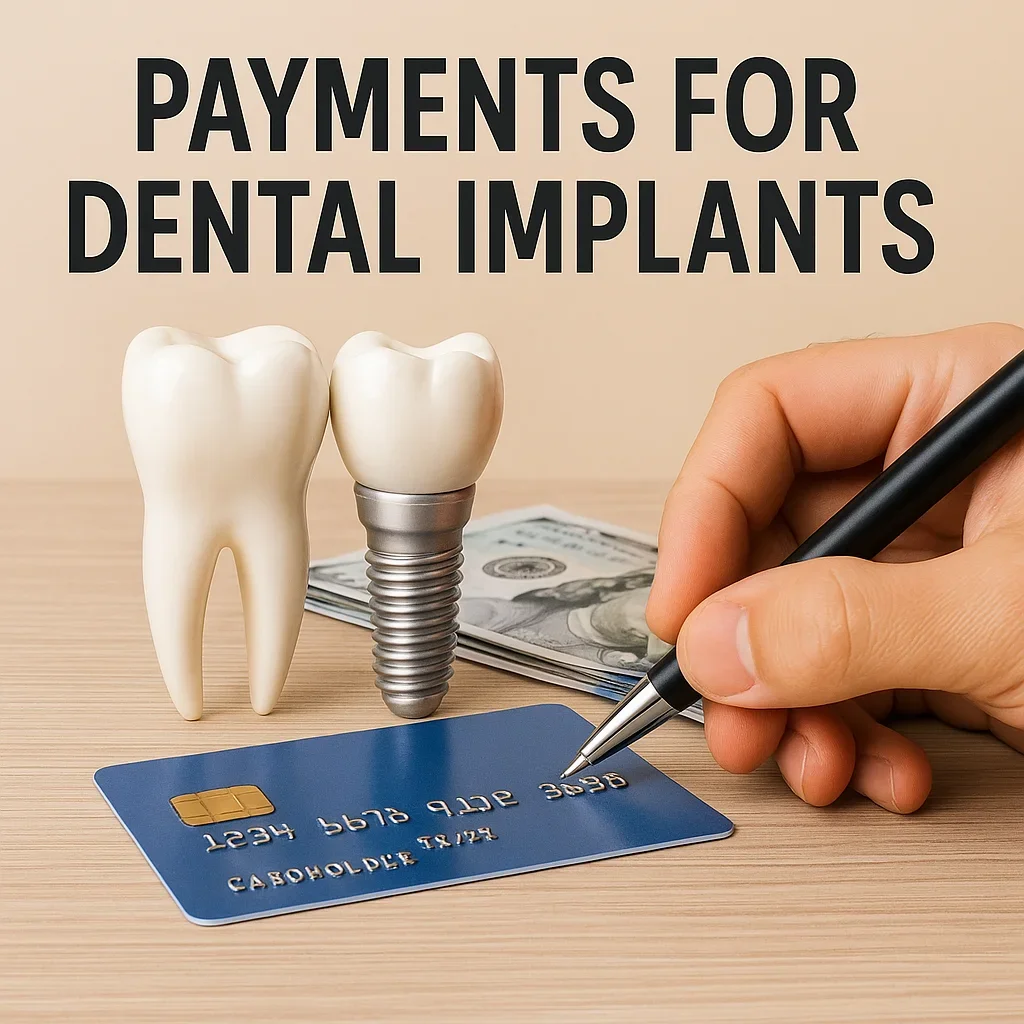
Practical Tips for Managing and Planning Your Dental Implant Payments
Managing payments for dental implants effectively requires organization, foresight, and an understanding of your financial options. Dental implants are a long-term health investment that can dramatically improve your confidence, oral function, and quality of life — but without proper planning, the financial side can feel overwhelming. This section provides practical, step-by-step guidance to help you budget smartly, minimize stress, and ensure your implant journey remains smooth from start to finish. 🦷💰
Step 1: Start With a Detailed Cost Breakdown
Before beginning treatment, ask your dentist for a complete written quote that includes every stage of the procedure. This should cover diagnostic scans, surgery, implant posts, abutments, crowns, anesthesia, and follow-up visits. A detailed breakdown prevents surprises and helps you plan realistic payments for dental implants. Many clinics, such as Redent Klinik Contact Page, provide itemized cost sheets so patients can see exactly where their money goes.
Having this transparency also allows you to identify potential areas of savings — for example, opting for a titanium post instead of zirconia if medically appropriate, or scheduling multi-implant procedures together to reduce appointment fees. Knowing every component of your treatment helps you budget confidently and avoids underestimating the total expense.
Tip:
Ask your clinic if they include post-operative care, follow-ups, and maintenance cleanings in the total cost. These small but essential services can affect your final payments for dental implants more than you might expect.
Step 2: Create a Dedicated Implant Savings Plan
Even if you plan to use financing or credit, setting aside a personal dental fund can provide flexibility. You can open a separate savings account specifically for implant-related expenses and contribute regularly — even small monthly amounts accumulate over time. By doing this early, you’ll have an emergency cushion to cover additional treatments like bone grafting or gum care without disrupting your main budget.
Some banks also offer health-specific savings accounts that earn interest and allow pre-tax contributions. Using these can further optimize your payments for dental implants while keeping your finances organized.
Budgeting Example:
Let’s say your total treatment cost is $3,600. If you begin saving $200 per month, you’ll accumulate $2,400 in just one year — enough to cover a large portion upfront and reduce the amount you need to finance. Combining savings with a payment plan makes treatment far more manageable.
Step 3: Leverage Free Consultations and Second Opinions
Many clinics offer free or low-cost initial consultations for implant candidates. Use this opportunity to compare both treatment plans and payment structures. Ask detailed questions such as:
- Are installment options available directly through the clinic?
- Is there a discount for full upfront payment?
- What happens if my treatment requires additional steps later?
Comparing different clinics’ financial flexibility allows you to identify the most cost-effective structure for your payments for dental implants. Remember: The cheapest option is not always the best; the ideal clinic balances affordability with proven experience and reliable aftercare.
Step 4: Combine Payment Strategies for Maximum Flexibility
Instead of relying on a single payment method, blend multiple financial tools to reduce stress. You might use insurance coverage for a portion, apply your Health Savings Account (HSA) funds, and finance the remainder with a monthly plan. This hybrid approach prevents overextension of any single resource and ensures all parts of your budget work efficiently together.
For instance, you could pay 30% upfront, use your FSA balance for another 20%, and finance the remaining 50% over 12 months with low or zero interest. This layered strategy keeps your payments for dental implants predictable, minimizing financial pressure during treatment.
Step 5: Schedule Procedures Strategically
Implant treatment often involves several phases — from bone grafting to implant placement and final crown installation. By strategically spacing these steps, you can distribute payments over time. This approach is especially helpful if your insurance has an annual maximum benefit. Performing part of the treatment in one calendar year and the rest in the next allows you to double your coverage amount.
Timeline Example:
Let’s say your insurance covers $2,000 per year. If your treatment spans across December and February, you could potentially claim up to $4,000 in benefits over two years. This simple scheduling trick can significantly reduce your total out-of-pocket payments for dental implants.
Step 6: Track Every Expense and Payment
Maintaining a digital or paper log of every transaction is essential for managing long-term treatment costs. Record the date, amount, and purpose of each payment, along with receipts or invoices. Doing so ensures accuracy when reconciling accounts or claiming deductions during tax season. Keeping organized records also makes it easier to track progress toward completing your payments for dental implants and avoids confusion if financing adjustments are needed later.
Suggested Tools:
- Budgeting apps like Mint or YNAB (You Need A Budget)
- Google Sheets or Excel trackers with monthly summaries
- Dedicated folders for dental receipts and insurance documents
These tools simplify financial oversight and ensure no payment is missed or duplicated.
Step 7: Communicate Regularly With Your Dental Clinic
Maintaining open communication with your dental team about financial matters is key. If you encounter difficulties making a payment or need to adjust your plan, contact the clinic immediately. Many offices are willing to modify timelines or offer temporary flexibility to accommodate patients facing financial hardship.
Transparent discussions also build trust and ensure your payments for dental implants continue smoothly without interruptions to care. Clinics like Redent Klinik are known for their patient-first approach, offering flexible, customized solutions that align with each person’s financial capacity.
Step 8: Seek Professional Financial Advice if Needed
For complex cases involving multiple implants or full-mouth reconstructions, consider consulting a financial planner or tax advisor. They can help you maximize deductions, structure payments efficiently, and avoid unnecessary interest. This is especially helpful if you plan to use loans, credit-based financing, or cross-border dental tourism for your treatment.
Professionals can also advise whether refinancing or consolidating other debts could free up monthly cash flow for your payments for dental implants. While not everyone needs financial counsel, those managing larger treatment costs benefit significantly from expert planning.
Step 9: Take Advantage of Loyalty and Referral Discounts
Many reputable dental clinics reward loyal patients with small but meaningful discounts for referrals or future treatments. Some may even offer a percentage off for family members who undergo implant procedures at the same clinic. Though these savings might seem minor individually, they can collectively lower your overall payments for dental implants and make premium care more accessible.
Ask About:
- Referral bonuses or future procedure credits
- Seasonal promotions or multi-implant discounts
- Package deals for complete smile restoration
These programs are a win-win — helping clinics grow their patient base while making quality care affordable for returning clients.
Step 10: Maintain Your Implants to Protect Your Investment
Once your implants are placed, proper maintenance ensures they last a lifetime. Regular checkups, professional cleanings, and at-home oral hygiene protect your implants and the surrounding bone. Neglecting these steps can lead to complications like peri-implantitis, which may require costly corrective procedures. Protecting your investment is just as important as financing it wisely.
Think of your routine care as part of your ongoing payments for dental implants — not in terms of money, but commitment. Consistency in aftercare guarantees that your financial and health investments continue to pay off for decades to come. 🌟
Conclusion: A Strategic Approach to Financial Wellness
Managing dental implant costs doesn’t have to be stressful. With structured planning, proactive budgeting, and open communication with your dental clinic, you can transform what seems like a daunting expense into an achievable financial goal. Combining insurance benefits, savings tools, and flexible financing will help you stay in control of your payments for dental implants while enjoying the lifelong rewards of a restored, confident smile. Clinics like Redent Klinik emphasize this holistic approach — blending medical precision with financial compassion — ensuring every patient can access world-class care without compromise. 😁