
When exploring the price of invisible aligners, most people are not just curious about numbers — they want to understand what’s behind those numbers 💡. Invisible aligners, often known as clear aligners, have become one of the most in-demand orthodontic treatments worldwide due to their discreet design, comfort, and effectiveness. However, the cost can vary greatly depending on several factors, such as brand, dentist experience, and treatment duration. This article breaks down everything you need to know about the price of invisible aligners, including what influences the cost, what’s included in the total amount, and why investing in your smile can be worth every cent.
Invisible aligners are transparent trays made from medical-grade thermoplastic material that gently move teeth into their desired positions. Each tray is customized using 3D imaging technology to ensure precise alignment adjustments. Unlike traditional braces, which rely on metal brackets and wires, clear aligners are removable — making them more convenient for eating, cleaning, and maintaining oral hygiene. 🌟 But with innovation and comfort come additional expenses that contribute to the final price of invisible aligners.
The price of invisible aligners typically ranges between $1,500 and $8,000, depending on your location and complexity of treatment. For instance, in the United States and Western Europe, advanced systems like Invisalign may reach the upper end of that range, while in countries such as Turkey or India, the same quality treatment can cost significantly less. These price differences often arise from factors such as labor costs, clinic overheads, material expenses, and regional market competitiveness. Understanding this variation helps you identify where you can receive quality treatment without overspending.
One of the main components that determines the price of invisible aligners is the number of aligner sets required. A mild alignment correction may need only 10–14 trays, while more complex cases might require 30 or more. Each tray set must be custom-made, which increases production costs. Additionally, the experience and reputation of the orthodontist play a big role — clinics with advanced technology, personalized monitoring, and post-treatment follow-up care often charge more. Nevertheless, higher costs often correlate with better precision, fewer complications, and more predictable results.
Another key factor influencing the price of invisible aligners is the technology behind them. Modern brands like Invisalign, ClearCorrect, and SureSmile use advanced AI-based simulation tools that allow orthodontists to plan tooth movements accurately before treatment begins. These systems not only enhance treatment predictability but also ensure faster, more comfortable outcomes. The investment in digital infrastructure and 3D scanning equipment inevitably reflects in the total cost — but it also guarantees superior results and long-term satisfaction.
In addition to treatment-related factors, the price of invisible aligners includes several hidden elements that patients often overlook. Diagnostic procedures such as X-rays, intraoral scans, and consultation fees are usually billed separately. Furthermore, patients may need retainers after treatment to maintain their results — a crucial step that can add a few hundred dollars to the final total. Some clinics include these in package deals, while others charge them as extras, so it’s important to clarify the full treatment plan before committing.
When evaluating the price of invisible aligners, it’s also essential to compare it to the benefits. Beyond aesthetics, clear aligners improve dental health by correcting bite problems, reducing wear on teeth, and enhancing oral hygiene since there are no wires to trap food. Many patients report increased confidence and motivation to smile more often 😁. In essence, investing in aligners means investing in long-term oral wellness and self-esteem — outcomes that go far beyond financial value.
For those seeking an affordable yet professional option, it’s wise to explore clinics that combine international quality with competitive pricing. For example, Redent Klinik Contact Page provides a great opportunity to consult with specialists who offer transparent pricing and personalized treatment plans. The clinic is known for combining European-quality dental technology with cost-effective options for global patients, making it a top choice for people comparing the price of invisible aligners internationally.
Finally, always verify that your chosen clinic or provider follows globally recognized dental standards. The American Dental Association offers useful resources about safety and quality standards for orthodontic care. Aligning yourself with accredited dental professionals ensures that your investment in invisible aligners is safe, effective, and long-lasting. ✨
In conclusion, the price of invisible aligners may seem high at first glance, but when you consider the advanced technology, comfort, and aesthetic transformation they provide, the value becomes clear. From digital scans to final retainers, each stage of the process is designed for precision and patient satisfaction. By understanding what drives the cost and exploring reputable clinics, you can make a confident, well-informed decision — one that results in a healthier, more radiant smile for years to come. 💎
What Are Invisible Aligners and How Do They Work?
Before understanding the price of invisible aligners, it’s essential to know what they are and how they function. Invisible aligners, also known as clear aligners, are transparent, removable trays designed to gradually move teeth into the desired position. They are an advanced orthodontic innovation that eliminates the need for metal brackets or wires, offering a discreet and comfortable alternative for patients who want straighter teeth without the traditional look of braces. 🌟
The Basic Concept Behind Invisible Aligners
The price of invisible aligners is largely influenced by the advanced technology used to create them. Each aligner tray is custom-made for the patient using 3D digital scans of their mouth. These scans are analyzed using specialized software that predicts how the teeth will move over time. A series of aligners is then produced, each one slightly different, to guide the teeth through incremental adjustments until they reach the final position.
Patients typically wear each set of aligners for about 1–2 weeks before switching to the next one in the series. The aligners apply gentle, consistent pressure on specific teeth, allowing gradual and controlled movement. The duration of the treatment depends on the complexity of the case but usually ranges from 6 months to 2 years. The more complex the movement required, the longer the treatment — and the higher the price of invisible aligners may be.
Materials and Manufacturing Process
Invisible aligners are crafted from medical-grade thermoplastic materials that are both durable and comfortable. These materials are designed to withstand chewing forces while maintaining transparency and flexibility. Some brands use proprietary materials, like Invisalign’s SmartTrack®, which ensures optimal tooth movement with minimal discomfort. This kind of high-quality engineering directly affects the price of invisible aligners because it ensures better performance, durability, and comfort compared to generic alternatives.
Custom Fit Through 3D Digital Scanning
One of the reasons the price of invisible aligners can be higher than traditional braces is the use of cutting-edge 3D scanning technology. Instead of taking messy dental impressions, clinics use digital scanners to capture detailed models of the teeth and gums. This process is faster, more precise, and allows for a fully customized treatment plan. The aligners are then printed or thermoformed to match each patient’s unique dental structure, ensuring a snug, comfortable fit and effective tooth movement.
The Treatment Process Step-by-Step 🦷
1️⃣ Consultation and Assessment: The first step is a professional evaluation by an orthodontist or dentist. During this consultation, the patient’s bite alignment, oral health, and treatment goals are assessed. Some clinics offer virtual consultations, while others use in-office 3D scans.
2️⃣ Treatment Planning: Once approved, the dentist creates a detailed 3D treatment plan showing how the teeth will move over time. This digital preview helps patients visualize their results and understand the steps ahead. The more advanced the planning software and simulation tools, the higher the potential price of invisible aligners.
3️⃣ Aligner Production: After the plan is finalized, each set of aligners is manufactured using precision-molding techniques. Quality control at this stage ensures that each tray fits accurately and applies the correct pressure to the teeth.
4️⃣ Wearing the Aligners: Patients wear aligners for 20–22 hours a day, removing them only for eating, drinking, or cleaning. Regular check-ups are scheduled every 6–8 weeks to monitor progress. Since aligners are removable, maintaining oral hygiene is much easier compared to braces — a key reason for their growing popularity despite the higher price of invisible aligners.
5️⃣ Retention Phase: After completing the active alignment phase, patients are provided with retainers to maintain the new position of their teeth. Retainers are a crucial part of the treatment and can slightly increase the total price of invisible aligners if not included in the initial plan.
Advantages of Invisible Aligners Over Traditional Braces
Invisible aligners are not just about aesthetics; they offer significant functional advantages. Since they are removable, patients can eat all their favorite foods without restrictions, unlike traditional braces that limit certain foods. Additionally, brushing and flossing remain easy, reducing the risk of plaque buildup or gum problems. Many patients report that aligners are more comfortable and cause less irritation to the cheeks and gums. These benefits explain why many adults and teens are willing to pay the price of invisible aligners for the convenience and lifestyle flexibility they provide.
Predictability and Aesthetic Appeal
Advanced software allows for precise control of tooth movement, giving predictable results. Patients can even preview their final smile before treatment begins! The aligners are virtually invisible, making them ideal for professionals or individuals who want to straighten their teeth discreetly. This unique combination of predictability and invisibility justifies the price of invisible aligners — a premium cost for a high-end, comfortable, and aesthetic solution.
Who Is a Good Candidate for Invisible Aligners?
Clear aligners are effective for most mild to moderate orthodontic issues, including crowding, gaps, overbites, underbites, and crossbites. However, severe misalignments or skeletal issues may still require traditional braces. The suitability of aligners should always be evaluated by an experienced orthodontist. Some clinics, like Redent Klinik Contact Page, provide comprehensive assessments and affordable plans that make the price of invisible aligners more accessible to patients from different regions.
Conclusion: Technology and Comfort in One Package
In summary, invisible aligners represent a remarkable advancement in orthodontic care, blending science, aesthetics, and convenience. From the 3D scanning stage to the final retainer, every step of the process involves precision engineering and patient-centered design. These innovations directly influence the price of invisible aligners, making it a worthwhile investment for those seeking a confident, healthy smile. For further professional guidance and assurance of quality, you can also explore dental standards from the American Dental Association, which ensures that your treatment meets top international standards. 🌍
Ultimately, understanding how invisible aligners work gives you the clarity to appreciate their cost structure and long-term value. The price of invisible aligners may vary, but the confidence and dental health they bring are truly priceless. 😁
Key Factors That Affect the Price of Invisible Aligners
The price of invisible aligners can vary dramatically depending on multiple clinical, material, and regional factors. For anyone considering clear aligner treatment, it’s important to understand what influences these costs so you can make informed decisions and avoid unexpected expenses. 🌍 While many people assume that the price of invisible aligners depends solely on brand reputation, the reality is far more complex. Several elements — from the degree of dental misalignment to the technology used — contribute to the final cost. Let’s explore these in detail to see what truly determines your investment in a better smile.
1. Complexity of the Dental Case
The most significant factor influencing the price of invisible aligners is the complexity of the dental issue being treated. Minor crowding or spacing problems usually require fewer aligner trays and shorter treatment time, making the overall cost lower. However, severe misalignments, bite corrections (like overbites or crossbites), or cases involving jaw repositioning demand more trays, longer treatment periods, and more dentist supervision — all of which increase the cost.
For instance, mild alignment cases might need only 10–14 trays over 6 months, while complex cases may require 30–40 trays over 18–24 months. Each set of aligners must be individually customized, 3D printed, and quality checked, which adds up in terms of manufacturing and labor costs. The greater the complexity, the higher the price of invisible aligners.
2. Type and Brand of Aligner System
Another major determinant in the price of invisible aligners is the brand you choose. Premium brands like Invisalign and SureSmile offer advanced 3D planning tools, precision manufacturing, and high-quality materials, which often come at a higher cost. Mid-range options like ClearCorrect or SmileDirectClub may be more affordable, but they might require more patient discipline or have limited orthodontist supervision. The brand’s technology, reputation, and aftercare support significantly affect the total price of invisible aligners.
Why Branded Aligners Cost More
Top-tier systems invest heavily in R&D, creating proprietary materials that ensure better comfort and predictable movement. Invisalign’s SmartTrack®, for example, offers superior elasticity and pressure distribution, enhancing both comfort and results. These research costs are factored into the price of invisible aligners, but they also bring consistency and reliability — especially for patients with complex dental structures.
3. Dentist’s Expertise and Location
The experience of your orthodontist or dentist also plays a key role in determining the price of invisible aligners. Clinics run by highly skilled specialists with advanced training often charge more for their professional oversight, but that expertise can prevent costly mistakes and ensure better outcomes. Additionally, clinics located in metropolitan areas or in countries with higher living costs typically have higher pricing than those in smaller towns or countries with lower overheads.
For example, aligner treatments in the United States or the UK often range between $4,000 and $8,000, while equally high-quality treatment in Turkey or Thailand may cost between $1,500 and $3,000. Clinics such as Redent Klinik Contact Page combine internationally accredited dental expertise with competitive regional pricing — helping international patients achieve the same standards at a lower total cost. 🌐
4. Duration of Treatment
Longer treatments generally cost more because they involve additional aligners, more clinic visits, and prolonged professional monitoring. The price of invisible aligners for a short six-month cosmetic fix might be significantly lower than a full two-year orthodontic correction. Patients should understand that treatment time is not just about aesthetics — it’s about ensuring proper bite function and long-term stability. Skipping steps to save money can lead to relapse or misalignment later, resulting in additional corrective costs.
Ongoing Supervision and Adjustments
Most clinics include regular progress checkups in the total price of invisible aligners. These appointments allow the dentist to monitor tooth movement and make adjustments if needed. If your provider includes virtual tracking through mobile apps, this can reduce in-person visits, making the process more convenient and sometimes slightly cheaper.
5. Materials and Laboratory Costs
Not all aligners are made from the same materials. High-grade, multi-layer polymers that offer consistent pressure and resist discoloration tend to be more expensive. The more advanced and durable the material, the higher the production cost — and consequently, the higher the price of invisible aligners. Likewise, the laboratory where your aligners are produced matters. Certified dental labs with advanced equipment and rigorous quality control often charge more but ensure precision and safety.
6. Additional Services and Retainers
After completing the main alignment phase, patients must wear retainers to keep their teeth from shifting back. Some clinics include one set of retainers in the treatment package, while others charge them separately — usually between $150 and $500 per set. Diagnostic imaging (like panoramic X-rays or intraoral scans), cleaning, whitening, or post-treatment checkups might also be billed separately. All these components influence the final price of invisible aligners.
7. Insurance, Payment Plans, and Regional Regulations
Insurance coverage can sometimes reduce the price of invisible aligners if your plan includes orthodontic benefits. In countries where public health systems don’t cover cosmetic treatments, private insurance or installment plans may be your best options. Some clinics also offer flexible payment systems, allowing patients to pay monthly rather than upfront, making the treatment financially manageable.
Additionally, different regions have unique dental regulations that affect costs. For example, clinics operating under American Dental Association standards must follow strict sterilization and safety protocols, which increase operating costs — but also ensure the highest level of patient protection.
8. Marketing, Technology, and Clinic Reputation
Some well-known clinics charge higher prices simply because of their brand reputation and advanced technology integration. For example, clinics using AI-driven progress monitoring or augmented reality smile simulations may price their aligner treatments higher due to the convenience and innovation these systems offer. However, this higher price of invisible aligners often reflects a premium experience with guaranteed precision, comfort, and digital transparency.
Conclusion: Why Prices Differ and What You Can Expect
In summary, the price of invisible aligners depends on far more than just the aligners themselves. Treatment complexity, material quality, professional supervision, and geographic location all contribute to the total cost. Patients should always request a detailed cost breakdown and confirm whether retainers, follow-ups, and replacements are included in the initial quote. By understanding these key factors, you can better assess whether a clinic offers genuine value for money or just a lower upfront price. 🦷
Ultimately, invisible aligners are a long-term investment in both dental health and confidence. When evaluated holistically, the price of invisible aligners becomes not an expense — but a strategic, rewarding step toward a lifetime of healthier, more beautiful smiles. ✨
Comparing the Cost of Invisible Aligners vs Traditional Braces
When exploring the price of invisible aligners, one of the most common questions patients ask is how it compares to the cost of traditional braces. Both orthodontic treatments aim to achieve the same goal — properly aligned, healthy teeth — but they differ significantly in terms of materials, comfort, aesthetics, and maintenance. Understanding these differences not only helps patients make an informed choice but also highlights why the price of invisible aligners is often higher, yet more justified, than traditional braces. 😁
Overview: Invisible Aligners vs Metal Braces
Traditional braces have been used for decades and involve brackets bonded to the teeth, connected by wires that are periodically tightened to guide teeth into place. Invisible aligners, on the other hand, use a series of clear, removable trays designed with 3D technology to shift teeth gradually. While both methods can produce excellent results, the experience, convenience, and aesthetic benefits differ greatly — and so does the cost.
On average, the price of invisible aligners ranges between $1,500 and $8,000, while traditional braces typically cost between $3,000 and $7,000. However, these ranges can overlap depending on treatment complexity and the clinic’s location. For patients seeking discretion, comfort, and hygiene convenience, aligners often justify their slightly higher cost. 🌟
1. Aesthetic Appeal and Confidence
One of the biggest reasons patients are willing to pay the price of invisible aligners is aesthetics. Unlike metal braces, which are visible and sometimes cause self-consciousness, clear aligners are virtually invisible. Adults in professional environments, teenagers concerned about appearance, or anyone who values discretion tend to prefer aligners. The ability to straighten teeth without drawing attention is a major advantage — and it’s a big reason why many find the higher cost worthwhile.
Comfort and Lifestyle Impact
Traditional braces can irritate the gums and cheeks due to wires and brackets, while aligners are smooth and comfortable. Since aligners are removable, you can eat your favorite foods and brush your teeth normally — something impossible with braces. This flexibility adds convenience but also contributes to the price of invisible aligners since they require advanced customization and more refined production methods.
2. Treatment Duration and Maintenance
Both aligners and braces require consistent wear and periodic adjustments. However, aligners often lead to faster results for mild to moderate cases. Traditional braces may take 18–36 months, whereas aligner treatments can be completed in as little as 6–18 months depending on the complexity of the case. Time efficiency and fewer clinical visits often balance the slightly higher price of invisible aligners.
Maintenance is also easier with aligners. Traditional braces demand meticulous cleaning around brackets and wires, which increases the risk of plaque buildup and gum inflammation. With invisible aligners, you simply remove them before eating or brushing, ensuring optimal oral hygiene. That convenience and reduction in dental complications can save money on additional cleanings and fillings in the long term — making the price of invisible aligners a smarter long-term investment.
3. Technology and Customization
The technology behind aligners is one of the strongest reasons for their premium pricing. Invisible aligner systems use advanced 3D scanning and AI-based treatment planning to predict tooth movement with precision. Patients can even preview the final outcome before treatment begins. This digital accuracy requires sophisticated equipment and expert training, all of which influence the price of invisible aligners.
Traditional braces rely on manual adjustments by the orthodontist, which can be less predictable and more time-consuming. Aligners, however, are computer-modeled and produced in specialized labs to fit the patient’s mouth perfectly. Each aligner is designed to move specific teeth in small, calculated increments, ensuring optimal results and comfort.
Material Differences
Metal braces use stainless steel or ceramic components that are durable but highly visible. Invisible aligners, made from medical-grade thermoplastic polymers, must balance transparency with strength and elasticity. The cost of producing these specialized materials — especially with top brands like Invisalign — contributes to the total price of invisible aligners. Additionally, aligner production involves laser-cut precision and rigorous quality control, which explains their premium cost structure.
4. Follow-Up Care and Adjustments
Traditional braces require regular tightening appointments every few weeks, which means more frequent clinic visits and sometimes higher overall costs for adjustments and repairs. Invisible aligners, by contrast, require fewer appointments since each tray set is pre-planned and pre-manufactured. This streamlined process saves time for both patient and dentist. In some modern clinics, remote progress monitoring through mobile apps allows virtual check-ins, further reducing clinic visits — a major convenience for international or busy patients. These advanced digital follow-up systems are often included in the price of invisible aligners.
5. Durability and Post-Treatment Care
While braces are physically attached and can’t be removed, aligners require responsibility and consistency from the patient. If aligners are lost or damaged, replacements must be ordered, adding slightly to the overall price of invisible aligners. However, once treatment ends, both braces and aligners require retainers to maintain results. Many aligner packages already include the first set of retainers, but others may charge extra — typically between $200 and $500.
6. Comparing Long-Term Value
Although the initial price of invisible aligners may seem higher, they often deliver greater long-term value. Patients experience fewer oral health complications, faster results, and improved aesthetics without the discomfort or maintenance issues of braces. The financial investment translates directly into daily comfort, confidence, and hygiene benefits. In contrast, braces can occasionally lead to enamel staining or demineralization around brackets, potentially resulting in additional costs for dental restoration.
7. Choosing the Right Option for You
When deciding between aligners and braces, consider your dental goals, lifestyle, and budget. For professionals and adults seeking subtle correction, aligners are usually the preferred option. However, for younger patients with more complex dental structures, traditional braces might still be recommended. Consulting a qualified clinic, such as Redent Klinik Contact Page, ensures a personalized evaluation that balances treatment effectiveness with cost efficiency. Redent Klinik specialists can provide transparent estimates for the price of invisible aligners based on your individual case.
For a broader understanding of orthodontic standards and best practices, refer to resources from the American Dental Association, which outlines global guidelines for safe and effective dental alignment treatment.
Conclusion: Aligners Lead the Future of Orthodontics
In conclusion, while traditional braces remain effective and time-tested, the convenience, aesthetics, and predictability of clear aligners make them a preferred choice for many patients. The price of invisible aligners reflects not only modern technology and customization but also the comfort and confidence they bring. From fewer dental visits to easier cleaning and nearly invisible wear, aligners represent the next evolution in smile correction. When measured against quality of life and long-term results, their cost becomes an investment rather than an expense — one that pays off every time you smile. 😄
Average Global Price of Invisible Aligners: A Country-by-Country Guide
The price of invisible aligners varies significantly across the world, depending on local economic factors, healthcare standards, and dental technology availability. 🌍 Patients seeking to improve their smiles are often surprised to find that the same treatment can cost dramatically different amounts depending on where it’s done. This section explores global price ranges, regional differences, and the main reasons why invisible aligner treatments are more affordable in some countries than others — without sacrificing quality. Understanding this comparison helps patients make informed, budget-friendly decisions when planning orthodontic care.
1. North America: The Highest Cost Bracket
In the United States and Canada, the price of invisible aligners tends to be among the highest globally. This is due to advanced dental technology, labor costs, and strict regulatory standards. In the U.S., treatment typically ranges between $4,000 and $8,000, depending on the case’s complexity and the chosen provider. Brands such as Invisalign dominate the market, offering world-class materials, digital scanning technology, and in-person orthodontist oversight. Patients also benefit from strong consumer protection and insurance support, but that reliability comes with a higher price tag.
In Canada, the cost is similar, usually between $3,500 and $7,000. Urban centers like Toronto or Vancouver may charge more than smaller towns. Canadian dental care often mirrors U.S. practices, ensuring high quality but with fewer low-cost alternatives. Still, some patients travel to nearby countries for more affordable treatment while maintaining similar quality outcomes.
2. Western Europe: High Quality, Moderate Variation
In Western Europe — including the United Kingdom, Germany, France, and the Netherlands — the price of invisible aligners usually ranges from €3,000 to €6,000. Germany and the UK tend to have the highest prices in this region because of their strong regulatory systems and high professional fees. In France, while the technology is comparable, government regulations limit certain orthodontic fees, slightly reducing average costs.
In London, private orthodontic clinics offering Invisalign or SureSmile can charge up to £5,000–£6,000. In Germany, costs often hover around €4,500, while France’s average is closer to €3,500. Western European patients often prioritize trusted brands and clinical precision over price, viewing aligner treatment as an investment in long-term oral health rather than a cosmetic expense.
Insurance and Coverage in Europe
European health systems sometimes provide partial reimbursements for orthodontic treatment, but coverage for adults is limited. Younger patients under 18 may receive partial funding from national health services, particularly for medical-grade misalignment corrections. Adult patients, however, usually pay out of pocket, which reinforces the importance of comparing clinics and understanding the true price of invisible aligners before committing.
3. Eastern Europe: Quality Meets Affordability
Eastern European countries like Poland, Hungary, and Romania have rapidly become popular destinations for affordable, high-quality dental care. Here, the price of invisible aligners can range from €1,200 to €3,000, often with the same quality as Western clinics. The lower prices stem from reduced labor costs and government-supported dental tourism industries. These countries attract thousands of international patients yearly, offering excellent service and English-speaking staff at clinics equipped with the latest technology.
For example, a full Invisalign treatment in Budapest might cost €2,500, compared to €5,000 in Germany. Poland’s capital, Warsaw, offers similar services for around €2,000. Patients traveling to Eastern Europe can save up to 60% without compromising on professionalism or equipment standards.
4. Asia: Expanding Access and Innovation
The Asian market for invisible aligners has expanded rapidly. In Japan, South Korea, and Singapore, costs are relatively high due to advanced technology and strong local brands. The price of invisible aligners in Japan averages between ¥400,000 and ¥900,000 (approximately $2,800–$6,000 USD). In South Korea, where cosmetic dentistry is extremely advanced, prices range from $2,000 to $5,500.
Meanwhile, in countries like India, Thailand, and Malaysia, the price of invisible aligners is significantly lower, typically between $1,200 and $2,800. These countries are emerging as major dental tourism hubs, offering internationally trained orthodontists, ISO-certified labs, and treatments using the same technology as in the West. Many clinics collaborate with top-tier aligner brands and provide bilingual support for global patients seeking affordability and reliability.
Technology and Global Standards
Asian clinics increasingly meet Western standards, adopting 3D scanning, AI-driven planning, and customized aftercare. These factors are crucial when evaluating the price of invisible aligners internationally. A lower price doesn’t necessarily mean lower quality — but it’s vital to verify clinic certifications and brand partnerships before proceeding with treatment abroad.
5. The Middle East and Africa: Growing Orthodontic Markets
In the Middle East, particularly in the UAE, Saudi Arabia, and Turkey, the demand for invisible aligners has surged. The price of invisible aligners here varies between $1,500 and $4,500. Dubai and Riyadh clinics often serve a high-income clientele and feature luxurious facilities, which influence costs. Turkey, however, stands out as a prime location for affordable yet world-class dental care, attracting thousands of European patients each year.
Clinics like Redent Klinik Contact Page in Turkey combine advanced 3D orthodontic technology with internationally accredited dentists. The price of invisible aligners in Turkey is typically 40–60% lower than in Western Europe or the U.S., while maintaining identical materials and precision levels. This makes Turkey one of the best destinations globally for patients looking to balance affordability and excellence in orthodontic care.
6. Australia and New Zealand: Balanced Pricing and High Standards
Australia and New Zealand maintain excellent dental care systems, though they fall on the higher end of the cost scale. The average price of invisible aligners in Australia ranges between $4,000 and $7,000 AUD. Clinics are heavily regulated and emphasize safety, hygiene, and patient experience. Many Australians, however, choose overseas treatment options (especially in Thailand or Turkey) due to significantly lower costs for comparable outcomes.
Tele-Dentistry and Remote Treatment Options
One of the emerging trends in Australia is remote orthodontic supervision via tele-dentistry platforms. Patients receive aligners by mail and complete most of the process at home, with digital check-ins replacing in-person visits. While this can reduce the overall price of invisible aligners, it may also carry limitations for complex cases requiring physical adjustments or in-depth diagnostics.
7. Global Price Comparison Table
| Region | Average Price Range (USD) | Notes |
|---|---|---|
| USA | $4,000 – $8,000 | High due to technology and labor costs |
| Western Europe | $3,500 – $6,000 | Strong clinical standards, moderate insurance support |
| Eastern Europe | $1,200 – $3,000 | Excellent value; popular for dental tourism |
| Asia (India/Thailand) | $1,200 – $2,800 | Affordable with growing quality assurance |
| Middle East (Turkey/UAE) | $1,500 – $4,500 | Modern clinics, international patient focus |
| Australia/NZ | $4,000 – $7,000 | High-quality but expensive, tele-dentistry growing |
8. Conclusion: Finding Global Value in Your Smile
The global differences in the price of invisible aligners prove that location plays a major role in affordability. However, choosing the cheapest option should never compromise quality. Always verify that the clinic uses certified materials, employs licensed orthodontists, and adheres to international hygiene standards — such as those outlined by the American Dental Association.
Whether you opt for premium aligners in the U.S. or a cost-effective treatment in Turkey, what truly matters is balancing price, safety, and professional oversight. By comparing costs worldwide and understanding what influences them, patients can achieve the perfect smile they’ve always dreamed of — without overpaying. ✨
How Long Does Invisible Aligner Treatment Last?
When people evaluate the price of invisible aligners, they often wonder how long the treatment takes and whether it’s worth the time investment. The duration of invisible aligner therapy varies from patient to patient, influenced by several factors such as the severity of misalignment, compliance, and biological response to tooth movement. ⏳ Understanding these timelines is crucial because the overall treatment length directly affects the total cost — longer treatments typically require more aligner trays, more follow-ups, and higher expenses. Let’s explore the treatment process in depth and see how time plays a role in shaping the price of invisible aligners.
1. Average Duration of Invisible Aligner Treatment
On average, invisible aligner treatment lasts between 6 months and 24 months. Simple alignment corrections — such as closing small gaps or straightening slightly crooked teeth — may take as little as 4–6 months. Moderate cases typically require around 12–18 months, while complex bite corrections can extend up to 2 years. The length of your treatment plan directly impacts the price of invisible aligners since more months mean more aligners and more clinic visits.
Each aligner set is worn for 1–2 weeks before progressing to the next one. Most patients go through 20 to 40 sets during the entire treatment process, depending on their individual needs. Every tray moves the teeth gradually by about 0.2 mm, ensuring safe, controlled motion. A longer treatment naturally requires a greater number of trays, which contributes to the higher price of invisible aligners for complex cases.
Quick Treatments vs. Comprehensive Corrections
Some clinics advertise fast-track aligner treatments promising results within 3–6 months. While these can be effective for mild adjustments, they’re not suitable for everyone. If the root positioning or bite alignment needs correction, attempting to rush the process can lead to relapse or discomfort. The most reliable clinics prefer a scientifically structured timeline that balances efficiency with safety — and the price of invisible aligners reflects this precision-based approach.
2. Stages of Invisible Aligner Treatment
Understanding the treatment stages helps patients appreciate where their time and money go. Each phase of aligner therapy contributes to the overall experience and cost structure.
Stage 1: Initial Consultation and 3D Scanning
The first step involves a consultation where the orthodontist evaluates your bite, teeth alignment, and oral health. Digital 3D scans or intraoral imaging are taken to design a precise treatment plan. These diagnostic steps are sometimes billed separately, adding a small percentage to the price of invisible aligners. The 3D model allows both patient and doctor to visualize the expected results even before treatment begins.
Stage 2: Treatment Planning and Aligner Production
Once the scan data is processed, specialized software maps out how each tooth will move in sequence. The treatment plan is then reviewed and approved by the orthodontist before the aligners are manufactured. The design and printing process can take 1–2 weeks. Because every tray is custom-made, this production phase is one of the most resource-intensive parts influencing the price of invisible aligners.
Stage 3: Active Aligner Wear
This is the main treatment period when you wear your aligners for 20–22 hours per day. Each set is replaced approximately every 14 days, with visible improvements appearing after just a few weeks. Compliance during this stage is critical — wearing aligners less than recommended may extend the treatment duration, which could indirectly increase the total price of invisible aligners due to extra aligners or prolonged care.
Stage 4: Refinement and Adjustments
Near the end of the active phase, some patients require refinement aligners for precise finishing touches. These additional trays are designed to correct minor deviations that occurred during treatment. Refinement stages may add a few months and slightly raise the price of invisible aligners, but they ensure an ideal final outcome with perfectly aligned teeth and a stable bite.
Stage 5: Retention and Post-Treatment Care
Once alignment is complete, patients must wear retainers to keep teeth in their new position. Retainers are either fixed (bonded behind the teeth) or removable. The first set of retainers is often included in the total price of invisible aligners, though replacements may cost between $150–$400 per set. Wearing retainers regularly, especially at night, prevents teeth from shifting back — protecting both your investment and your new smile. 😁
3. Factors That Influence Treatment Duration
Several biological and behavioral factors determine how long your aligner journey lasts and, therefore, how much it costs:
- Severity of Misalignment: More complex orthodontic issues take longer to correct, requiring more trays and higher costs.
- Patient Compliance: Skipping wear time extends treatment and increases the price of invisible aligners if refinements are needed.
- Age and Bone Density: Younger patients typically experience faster tooth movement, while adults may require extended periods.
- Technology Used: Clinics that use AI-driven tracking systems and 3D precision modeling often achieve quicker results — albeit with a higher initial cost.
Example Timelines Based on Case Type
| Case Type | Approximate Duration | Estimated Price Range (USD) |
|---|---|---|
| Mild crowding or spacing | 4–6 months | $1,500 – $3,000 |
| Moderate misalignment | 8–12 months | $3,000 – $5,000 |
| Severe bite correction | 18–24 months | $5,000 – $8,000 |
4. How Regular Monitoring Impacts Time and Cost
Most clinics schedule progress reviews every 6–8 weeks to ensure treatment is on track. Some modern providers offer remote monitoring apps that use AI and smartphone scans to analyze tooth movement in real time. These systems enhance convenience and can sometimes shorten treatment time. While this technology can slightly raise the price of invisible aligners, it helps patients achieve optimal results with fewer in-person visits — saving time and travel expenses overall.
5. The Role of Retainers in Long-Term Stability
Many patients overlook the importance of post-treatment care. Retainer wear is crucial to maintaining results. If retainers are neglected, teeth can shift back within months, undoing years of progress. Some premium clinics, like Redent Klinik Contact Page, provide lifetime retainer programs that include periodic evaluations. These preventive measures ensure long-term satisfaction and maximize the return on your investment in the price of invisible aligners.
6. Global Treatment Duration Averages
Interestingly, the treatment length for aligners doesn’t differ much geographically. Whether you start your journey in the U.S., Germany, or Turkey, the biological process of tooth movement remains the same. What changes is the cost and available technology. For example, clinics in Turkey and Eastern Europe may use identical aligner systems at lower costs, reducing the total price of invisible aligners while maintaining treatment duration and effectiveness.
7. Final Thoughts: Time as an Investment in Your Smile
The timeline of invisible aligner treatment is directly tied to its value. Investing several months to a couple of years results in a lifelong improvement in both aesthetics and oral health. Every patient’s timeline is unique, but the key to success lies in discipline and collaboration with your orthodontist. ⏰
Ultimately, understanding the duration and stages of aligner treatment provides valuable perspective on the price of invisible aligners. The cost represents not just the aligners themselves but also the months of professional supervision, advanced technology, and personalized precision that create your perfect smile. For globally recognized quality standards, refer to the American Dental Association, which emphasizes the importance of well-managed orthodontic timelines for predictable, lasting results. 🌟
Hidden Costs: What’s Included and What’s Not in the Price of Invisible Aligners
When people research the price of invisible aligners, they often focus on the base treatment cost without realizing that additional expenses may apply. While many clinics advertise a flat rate, the total investment can vary depending on diagnostic fees, refinements, retainers, and follow-up appointments. Understanding these hidden costs helps you avoid unpleasant surprises and make a clear financial plan for your treatment. 🦷
In this section, we’ll break down what’s typically included — and not included — in the price of invisible aligners, helping you budget effectively and choose a clinic that offers transparency, quality, and value.
1. What’s Usually Included in the Price of Invisible Aligners
Most reputable clinics provide comprehensive treatment packages that include several core services and features. These inclusions ensure your journey from consultation to smile completion is smooth and predictable. Below are the most common elements covered in the price of invisible aligners:
✅ Diagnostic Consultation and Digital Scans
Your first step involves a detailed consultation with an orthodontist or dentist who evaluates your oral condition. Many clinics include an initial exam and 3D intraoral scan in the overall price of invisible aligners. However, in some cases, X-rays, photographs, or additional imaging may come with an extra fee. Digital scanning technology plays a crucial role in creating customized trays, ensuring precision, comfort, and effective movement.
✅ Custom Aligner Fabrication
The aligners themselves are the heart of the treatment. Manufacturing costs are included in the price of invisible aligners, covering design, production, and quality assurance. Premium brands like Invisalign, SureSmile, and ClearCorrect use medical-grade thermoplastics and advanced AI-guided planning, guaranteeing accuracy and comfort. Each aligner is custom-fit to your teeth using data from 3D scans — one of the biggest cost components of the entire treatment.
✅ Regular Checkups and Progress Monitoring
Follow-up visits every 6–8 weeks are typically built into the total price of invisible aligners. These checkups allow your dentist to monitor tooth movement, make adjustments, and issue new aligner sets. Some modern clinics offer digital monitoring via mobile apps, reducing the need for in-person visits — a convenient option especially for international patients.
✅ Mid-Treatment Refinements
Refinements are additional aligner sets made to fine-tune results if some teeth haven’t shifted as expected. Depending on your clinic, one refinement round may be included in the initial price of invisible aligners. However, extra refinements after that can increase costs by a few hundred dollars. Patients with complex cases should always confirm the clinic’s policy on refinements before starting treatment.
✅ Retainers After Treatment
Once your smile is aligned, you’ll need retainers to maintain results. Some clinics include one set of retainers in the price of invisible aligners, while others charge separately. Since retainers wear out over time, replacements can cost between $150 and $400 per set. It’s wise to ask whether the initial price covers retainers and how often they’ll need to be replaced.
2. Hidden Costs Often Not Included
Even with inclusive packages, there are often hidden or optional costs that can increase the total price of invisible aligners. Let’s look at the most common add-ons that patients may overlook:
❌ X-Rays and Additional Imaging
Although 3D scans are frequently included, panoramic X-rays or cephalometric analyses may not be. These diagnostic tools are essential for complex cases involving jaw corrections. Expect to pay an additional $50 to $300 depending on the clinic’s policy. Always confirm whether such imaging is part of the quoted price of invisible aligners before proceeding.
❌ Replacement Aligners
Lost or damaged aligners are not usually covered by the base fee. Replacement trays can cost $75–$150 each. If aligners are frequently misplaced, the cumulative expense can significantly raise the overall price of invisible aligners. Some premium clinics offer limited free replacements as part of their patient care package, while others charge per tray.
❌ Retreatment or Post-Correction Adjustments
If results don’t meet expectations after completing the initial treatment, some patients may require retreatment. While minor touch-ups may be free, major corrections could cost an additional $500–$2,000. This often depends on whether the patient followed instructions correctly during the initial phase. Non-compliance, such as not wearing aligners for the recommended duration, can extend treatment and increase the price of invisible aligners.
❌ Whitening, Cleaning, and Maintenance Kits
While aligners are designed to be removed during meals, maintaining hygiene requires special cleaning crystals or ultrasonic cleaners. These optional kits can cost around $30–$100 and are not typically included in the price of invisible aligners. Teeth whitening treatments, which many patients opt for after alignment, are also billed separately but can enhance your final smile aesthetics. 😁
❌ Travel and Accommodation for Dental Tourism
Many patients travel abroad to countries like Turkey, Thailand, or Hungary to take advantage of affordable treatments. While these trips can cut the price of invisible aligners by up to 60%, you’ll need to factor in flight, lodging, and food expenses. Some clinics — such as Redent Klinik Contact Page — offer bundled travel packages for international patients, reducing logistical costs and providing seamless, all-inclusive dental tourism experiences. 🌍
3. Financing, Insurance, and Tax Considerations
Although the price of invisible aligners may appear high, many clinics provide flexible payment plans and financing options. Patients can spread payments over several months, making the treatment more affordable. Some insurance providers cover part of the cost under orthodontic benefits, typically reimbursing up to 50% of the total amount.
Flexible Spending Accounts (FSA) and Health Savings Accounts (HSA)
In countries like the U.S., patients can use pre-tax funds from FSA or HSA accounts to pay for their aligner treatments, effectively lowering the net price of invisible aligners. Always consult your insurer or accountant to confirm eligibility and claim requirements.
4. Comparing All-Inclusive vs. A-La-Carte Pricing
Some clinics offer transparent all-inclusive packages that bundle every step — from diagnostics to retainers — into one fixed price. Others use an a-la-carte model where each service is charged separately. While the latter may seem cheaper upfront, hidden costs can add up quickly, making the total price of invisible aligners higher than expected. Patients should always request a written cost breakdown before signing any contract.
Example Cost Comparison Table
| Cost Component | Included in Package? | Estimated Cost (USD) |
|---|---|---|
| Initial Consultation & 3D Scan | Usually | $100 – $250 |
| Aligner Trays (Full Treatment) | Yes | $1,500 – $6,000 |
| Refinements | Partially | $200 – $800 |
| Retainers | Sometimes | $150 – $400 |
| Replacements or Adjustments | No | $75 – $150 each |
| Whitening Kits or Cleaners | No | $30 – $100 |
5. How to Avoid Unexpected Expenses
The best way to avoid surprises is to ask for full transparency before starting. Choose clinics that clearly outline what’s covered and provide written guarantees on refinements and aftercare. A trustworthy provider will offer you a detailed treatment plan that matches your expectations and budget. Reliable institutions like American Dental Association emphasize ethical pricing and transparency — essential principles for patient trust and satisfaction.
Conclusion: Understanding the True Cost of Your Smile
In summary, while the advertised price of invisible aligners may look straightforward, the full treatment cost can include hidden extras. Knowing exactly what you’re paying for — and what’s not covered — is vital for financial and emotional peace of mind. Always ask questions, review your agreement carefully, and verify whether retainers, refinements, and diagnostics are part of your plan. When you work with transparent, reputable clinics, your investment truly pays off in comfort, confidence, and a beautiful lifelong smile. ✨
Are Invisible Aligners Worth the Price? Real Patient Experiences
The price of invisible aligners is often debated — are they truly worth it compared to traditional orthodontic treatments? While the initial investment can seem high, thousands of patients around the world agree that the results, comfort, and confidence gained are well worth the cost. 😁 This section explores the real-world value of invisible aligners through patient testimonials, clinical outcomes, and expert insights, revealing why so many people see aligners not as an expense but as a long-term investment in oral health and self-esteem.
1. Beyond Cost: The Real Value of a Confident Smile
For many patients, the true benefit of aligners goes far beyond financial considerations. Straight teeth are not just about aesthetics — they significantly impact oral hygiene, bite functionality, and even confidence in social and professional settings. The price of invisible aligners represents an investment in both physical and emotional well-being. A healthy smile improves speech, chewing efficiency, and even the balance of facial muscles, all of which contribute to a youthful appearance and better quality of life.
According to surveys by leading dental associations, more than 85% of aligner users report increased self-confidence and better oral health within one year of treatment. When viewed this way, the price of invisible aligners seems justified, as it offers lifelong benefits that extend beyond the cosmetic realm. 🌟
2. Real Patient Stories and Testimonials
One of the best ways to evaluate the worth of the price of invisible aligners is to listen to those who’ve completed the treatment. Here are some summarized experiences gathered from real-world patient feedback:
Case 1: Sarah, 29 – Marketing Professional, UK
Sarah struggled with overlapping front teeth that made her self-conscious at work. After considering braces, she chose Invisalign due to its discreet design. Her treatment lasted 10 months and cost around £3,800. “The first two weeks were an adjustment,” she says, “but soon I forgot I was even wearing them. My confidence skyrocketed after the first few months.” For her, the price of invisible aligners was worth every penny because it boosted her confidence in client meetings and presentations.
Case 2: Daniel, 35 – Engineer, USA
Daniel had mild spacing issues that were corrected within eight months using ClearCorrect aligners. His total cost was $3,500. “I didn’t want to deal with metal braces, and aligners fit my lifestyle perfectly,” he shares. He especially appreciated being able to remove them during meals and important events. The convenience and subtle appearance justified the price of invisible aligners in his eyes, especially compared to the discomfort and visibility of braces.
Case 3: Elif, 26 – Medical Student, Turkey
Elif’s case demonstrates the affordability and efficiency of aligners in other parts of the world. She received treatment at Redent Klinik Contact Page in Istanbul for about $1,900, including retainers and digital scans. “The team was amazing, and my smile looks perfect now,” she says. “I saved nearly half compared to what I would’ve paid in Germany.” Her experience highlights how geographic differences influence the price of invisible aligners — but not necessarily their quality or outcome. 🌍
3. Clinical Benefits That Add Long-Term Value
The benefits of invisible aligners are not just visual; they also enhance oral health. Patients with properly aligned teeth find it easier to brush and floss, reducing the risk of gum disease and tooth decay. Misaligned teeth, on the other hand, can lead to uneven wear, temporomandibular joint (TMJ) discomfort, and chronic headaches. By addressing these issues early, aligners can save patients from costly dental work later in life, making the price of invisible aligners a preventive investment rather than a luxury.
Oral Health Improvement
Research published by the American Dental Association supports the idea that orthodontic correction improves overall oral hygiene. Straight teeth create fewer food traps and are easier to clean, reducing plaque accumulation. In this sense, the price of invisible aligners contributes directly to long-term dental stability and reduced maintenance costs.
Speech and Functional Enhancements
Invisible aligners also improve bite alignment, helping patients chew and speak more naturally. Some users experience a slight lisp during the first few days, but it fades quickly as they adapt. Once the alignment is complete, many report clearer speech and improved chewing efficiency — practical outcomes that further justify the price of invisible aligners.
4. Emotional and Psychological Rewards
Aligner treatment often has profound psychological benefits. People who once avoided smiling in photos or felt embarrassed in social settings find newfound confidence after completing treatment. Smiling triggers positive neurotransmitters like serotonin and dopamine, which promote happiness and reduce stress. Therefore, beyond aesthetics, the price of invisible aligners contributes to a happier and more fulfilling lifestyle.
Many patients describe feeling “reborn” after their treatment. The ability to smile freely without hesitation enhances self-esteem, dating confidence, and even professional success. Studies show that individuals with straight, healthy smiles are perceived as more approachable and competent — adding an intangible yet powerful layer of value to the overall investment.
5. Comparing Satisfaction Levels with Traditional Braces
Multiple studies show that patients using invisible aligners report higher satisfaction rates than those with fixed braces. The comfort, convenience, and shorter adjustment period make the experience more positive overall. The absence of food restrictions and minimal clinic visits also means patients can maintain their lifestyle without disruptions. Although the price of invisible aligners can be slightly higher, their comfort and practicality often outweigh the additional cost.
Patient-Reported Outcomes
| Category | Invisible Aligners | Traditional Braces |
|---|---|---|
| Comfort Level | ★★★★★ (High) | ★★★☆☆ (Moderate) |
| Aesthetics | ★★★★★ (Invisible) | ★★☆☆☆ (Visible) |
| Ease of Cleaning | ★★★★★ | ★★☆☆☆ |
| Treatment Duration | 6–18 months | 18–36 months |
| Patient Satisfaction | 92% | 78% |
These numbers reflect why patients perceive aligners as a modern, life-enhancing treatment despite their higher price tag. The price of invisible aligners essentially buys comfort, confidence, and convenience — something traditional braces can’t always offer.
6. Are There Any Downsides?
Although aligners offer numerous benefits, it’s important to be aware of their limitations. They require discipline — aligners must be worn at least 20–22 hours daily. Forgetting to wear them consistently can delay progress and increase the overall price of invisible aligners if refinements become necessary. Some patients may also experience minor discomfort during tray changes, but it’s generally less severe than the wire tightening associated with braces.
7. Conclusion: A Priceless Investment in Yourself
In conclusion, invisible aligners are more than a cosmetic upgrade; they are a comprehensive solution for better oral health, functionality, and confidence. From real patient stories to clinical results, the evidence consistently supports their value. The price of invisible aligners may appear high initially, but the lasting benefits — improved hygiene, enhanced appearance, and emotional well-being — make it one of the most worthwhile investments you can make in yourself. 🌟
Whether you’re considering treatment at home or abroad, choosing a reputable provider like Redent Klinik Contact Page ensures quality care, professional follow-up, and transparent pricing. When measured against the happiness and confidence of a truly radiant smile, the price of invisible aligners becomes not just reasonable — but priceless. 💎
Choosing the Right Clinic for the Best Price of Invisible Aligners
When comparing the price of invisible aligners, the clinic you choose can make a significant difference in both cost and results. Not all dental providers offer the same level of technology, expertise, or aftercare, and these differences often explain why prices vary so widely between clinics — even within the same city. Selecting the right clinic involves evaluating qualifications, treatment technology, transparency, and patient support. A well-informed choice ensures that you get not just an affordable deal but also long-term results and safety. 🦷
1. Why Clinic Selection Matters
The price of invisible aligners is influenced by several clinic-specific factors, including staff expertise, equipment quality, and treatment protocols. Some clinics provide comprehensive, high-tech orthodontic care, while others focus on volume and affordability. Choosing a clinic solely based on price can sometimes lead to subpar results or even extended treatment durations. Therefore, patients should always prioritize value — not just cost — when assessing potential clinics.
Reputable dental centers often partner with international aligner brands and use advanced imaging systems like iTero or 3Shape. These devices increase accuracy and treatment predictability, ensuring every millimeter of tooth movement is carefully planned. Such precision justifies the slightly higher price of invisible aligners at top-tier clinics, as it minimizes the need for refinements and guarantees long-term satisfaction.
2. Factors to Consider When Choosing a Clinic
Below are the most critical elements to evaluate before committing to treatment:
✅ Orthodontist Expertise and Credentials
The skill of your orthodontist directly affects both the outcome and the total price of invisible aligners. Certified orthodontists undergo extensive training in tooth movement and facial biomechanics, unlike general dentists who may offer aligner treatments with limited specialization. Always verify the orthodontist’s certification, years of experience, and number of completed aligner cases. Clinics that display patient before-and-after results transparently tend to be more reliable.
✅ Technology and Diagnostics
Clinics equipped with digital scanning tools, 3D treatment simulation, and AI-driven aligner planning often provide more precise results. Advanced software visualizes every stage of tooth movement, allowing patients to see their future smile before treatment even begins. This level of technology can slightly increase the price of invisible aligners, but it significantly enhances efficiency and accuracy.
✅ Transparency and Pricing Policies
Always request a detailed breakdown of costs. Reliable clinics will explain what’s included — such as consultations, refinements, and retainers — and clarify potential additional fees. Transparency prevents hidden charges that could raise the overall price of invisible aligners later in the process.
✅ Clinic Reputation and Reviews
Patient testimonials are invaluable. Look for verified reviews on Google, Trustpilot, or dental forums. Clinics with consistent positive feedback and visible case results are usually worth the investment. If possible, schedule a consultation to assess professionalism, cleanliness, and communication quality. ✨
3. Comparing Local and International Clinics
The price of invisible aligners can differ drastically depending on where you undergo treatment. Here’s how local and international options compare:
Local Clinics (USA, UK, Western Europe)
These clinics provide high-quality care but often charge a premium. A typical treatment in the United States ranges from $4,000 to $7,500, while in the UK it’s about £3,000–£5,500. The cost includes advanced facilities, experienced specialists, and frequent follow-ups. However, many patients find these prices prohibitive and seek alternatives abroad.
International Clinics (Turkey, Hungary, Thailand)
Countries like Turkey have become popular destinations for dental tourism thanks to their modern clinics, expert orthodontists, and competitive pricing. At clinics such as Redent Klinik Contact Page, patients receive world-class care at about 40–60% lower cost compared to Western Europe. The price of invisible aligners in Turkey typically ranges between $1,500 and $3,000, including consultation, digital scanning, and retainers. These clinics cater to international patients, offering multilingual staff and tailored travel packages that combine comfort with savings. 🌍
4. Clinic Quality Indicators to Look For
Before booking, evaluate whether the clinic meets international quality standards. These benchmarks ensure patient safety and optimal results:
- Certifications: Look for accreditation from recognized dental authorities or organizations like ISO or the American Dental Association.
- Clean, Modern Facilities: Clinics should maintain strict hygiene standards and modern sterilization protocols.
- Transparent Communication: A professional clinic will clearly explain every treatment phase, cost, and expected outcome.
- Aftercare Support: Ask whether post-treatment checkups or remote monitoring are included in the price of invisible aligners.
Red Flags to Avoid
Be cautious of clinics that:
- Offer drastically lower prices without explaining why.
- Refuse to show patient results or reviews.
- Lack licensed orthodontic professionals.
- Demand full payment upfront without a written agreement.
Such red flags may indicate substandard materials, limited supervision, or hidden charges that could inflate the total price of invisible aligners.
5. How to Verify a Clinic’s Credibility
It’s essential to verify your clinic’s background before committing. Most reputable clinics maintain professional websites, display their certifications, and respond promptly to inquiries. A trustworthy clinic will also provide clear treatment plans and allow virtual consultations. Patients can check credentials through local dental boards or international directories. Transparency, responsiveness, and professionalism all indicate a reliable provider — one that justifies the price of invisible aligners with quality outcomes.
6. Clinic Comparison Table by Region
| Region | Average Price (USD) | Key Benefits |
|---|---|---|
| USA/Canada | $4,000 – $8,000 | Advanced technology, local access |
| Western Europe | $3,500 – $6,000 | High precision, regulated standards |
| Eastern Europe | $1,500 – $3,000 | Affordable, skilled professionals |
| Turkey | $1,500 – $2,800 | World-class service, dental tourism focus |
| Asia (India, Thailand) | $1,200 – $2,500 | Competitive cost, English-speaking staff |
7. The Role of Aftercare and Follow-Up
Aftercare is an often-overlooked part of treatment but essential for lasting results. Good clinics offer follow-up visits, refinements, and retainer checks as part of the price of invisible aligners. Post-treatment monitoring ensures your teeth remain stable and your smile stays perfect. Some providers also use AI-based apps for virtual check-ins — saving time for international patients and maintaining communication long after treatment completion.
8. How to Balance Quality and Cost
The secret to finding the best clinic lies in balancing affordability with excellence. Avoid being drawn to the lowest quote — a suspiciously cheap offer can signal poor materials or lack of supervision. Instead, prioritize clinics that demonstrate consistent outcomes, clear pricing, and patient-centered care. Comparing multiple clinics and reading authentic testimonials helps you identify where you’ll get the best long-term value for the price of invisible aligners.
9. Conclusion: Investing Wisely in Your Smile
Choosing the right clinic is as important as selecting the aligner brand itself. The best provider blends affordability, expertise, and advanced technology to deliver stunning, long-lasting results. While the price of invisible aligners varies globally, selecting a trusted clinic like Redent Klinik Contact Page ensures transparency, safety, and satisfaction. Ultimately, your smile is an investment that pays off every time you look in the mirror — and with the right clinic, every dollar spent becomes part of a priceless transformation. 💎
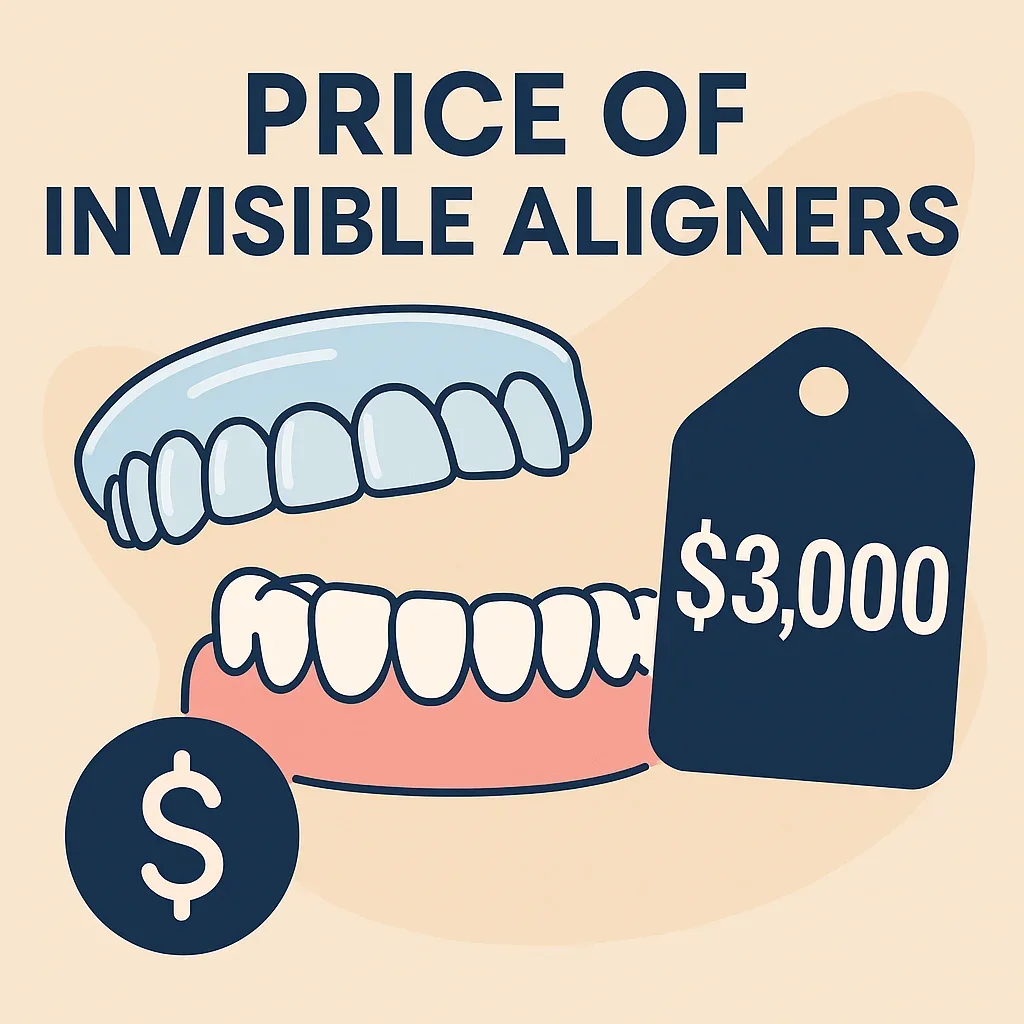
Future Trends: How Technology is Changing the Price of Invisible Aligners
The dental industry is rapidly evolving, and nowhere is this more evident than in orthodontics. The price of invisible aligners has become more competitive over the last decade thanks to technological innovation, automation, and digitalization. As new materials, AI-driven systems, and 3D-printing technologies emerge, aligners are becoming faster to produce, more precise to fit, and more affordable for patients around the world. In this final section, we’ll explore how these technological shifts are redefining the landscape of invisible orthodontics — and how they might impact costs in the years ahead. 🌐
1. Digital Dentistry Revolution
One of the most transformative forces affecting the price of invisible aligners is the rise of digital dentistry. Traditional orthodontics once relied on messy impressions and manual adjustments, but now, advanced intraoral scanners and CAD/CAM (Computer-Aided Design and Manufacturing) systems have replaced outdated processes. These scanners create ultra-precise 3D images of the teeth in seconds, eliminating errors and reducing production time.
Because digital workflows minimize human labor and material waste, they contribute to cost savings — savings that clinics can pass on to patients. Over time, as scanning and design technologies become more widespread, the price of invisible aligners is expected to drop further without sacrificing quality or precision.
3D Printing and Custom Manufacturing
Modern aligner production now relies heavily on 3D printing. Each aligner tray is printed based on the patient’s unique anatomy, ensuring perfect fit and comfort. High-speed resin printers can produce dozens of trays simultaneously, dramatically reducing turnaround times. This efficiency reduces both clinic overhead and manufacturing costs, helping to stabilize or even lower the price of invisible aligners across the market.
2. Artificial Intelligence (AI) and Predictive Treatment Planning
AI has become a game-changer in orthodontics. Today, machine learning algorithms analyze millions of tooth movement data points, predicting how each patient’s teeth will respond to aligner treatment. This predictive modeling allows orthodontists to create faster, more accurate plans with fewer refinements.
By improving accuracy, AI helps reduce wasted materials, minimize delays, and shorten treatment time — all of which impact the final price of invisible aligners. In addition, AI enables real-time monitoring through smartphone-based apps, allowing patients to send weekly photos to their providers. These remote assessments reduce in-office visits, saving patients both time and money.
Remote Monitoring and Smart Aligners
Emerging technologies now include “smart aligners” embedded with micro-sensors that track wear time and pressure levels. These innovations ensure patients follow their prescribed routines, helping to maintain efficient treatment schedules. Clinics that adopt such systems can offer more predictable outcomes and, in the long run, more cost-effective treatment options. As a result, the overall price of invisible aligners becomes more reflective of actual performance and less dependent on physical supervision.
3. Material Advancements and Durability
The materials used in invisible aligners are continuously improving. Earlier generations used basic thermoplastics that sometimes discolored or cracked over time. Today’s aligners are made from multi-layer polymers that are thinner, clearer, and stronger. These next-generation materials maintain consistent pressure on teeth, allowing faster and more comfortable movement.
Durability also affects affordability — fewer replacements mean fewer expenses. As manufacturers refine these materials, patients will enjoy longer-lasting trays that don’t compromise results. In time, innovations like bioengineered polymers could further stabilize the price of invisible aligners while improving sustainability and comfort.
4. The Rise of At-Home Aligner Kits
Direct-to-consumer orthodontic models have exploded in popularity, offering home-based aligner kits at a fraction of the traditional cost. Brands like SmileDirectClub and Byte have disrupted the market by eliminating clinic overhead and leveraging tele-dentistry for remote supervision. These services offer treatments for as little as $1,200 to $2,000, significantly lowering the price of invisible aligners for mild to moderate alignment cases.
However, at-home aligners come with limitations. Without in-person oversight, complex orthodontic issues may not be adequately addressed. While convenient and affordable, these options should be considered only after a professional evaluation to ensure safety and effectiveness.
Hybrid Care Models
To combine the best of both worlds, hybrid models are emerging — offering in-clinic diagnostics with remote progress tracking. This approach maintains medical supervision while leveraging technology for cost efficiency. Clinics adopting this model can offer personalized, affordable plans while keeping the price of invisible aligners accessible to more patients.
5. Globalization and Dental Tourism
Another factor influencing the market is globalization. Dental tourism has become a key driver in lowering the price of invisible aligners worldwide. Countries like Turkey, Thailand, and Mexico are attracting patients with competitive pricing and state-of-the-art facilities. For instance, at clinics such as Redent Klinik Contact Page, patients can receive full Invisalign treatment packages for 50% less than Western Europe or the U.S., with no compromise on quality.
Globalization not only promotes cost competition but also raises overall treatment standards, as clinics strive to maintain international accreditation and patient satisfaction. 🌍
6. Sustainability and Eco-Friendly Manufacturing
The next frontier for the orthodontic industry is sustainability. Manufacturers are increasingly focused on reducing plastic waste and adopting recyclable materials. 3D printing with eco-resins and renewable energy sources is gaining traction. While this transition may temporarily raise production costs, it will eventually help balance and potentially reduce the price of invisible aligners as green technologies become mainstream and more efficient.
7. The Future Outlook: Accessibility Meets Innovation
Experts predict that within the next decade, the average price of invisible aligners could decrease by 20–30% as automation, AI, and global competition continue to drive down costs. Clinics will adopt faster digital workflows, manufacturers will optimize materials, and patients will benefit from unprecedented access to personalized orthodontic care. This democratization of dental technology means that achieving a perfect smile will no longer be considered a luxury — but a standard of modern healthcare. 💫
Key Predictions for 2030
- AI-driven treatment simulations will become the norm in every clinic.
- 3D-printed aligners will reduce production time to under 24 hours.
- Smart aligners with integrated wear sensors will improve compliance and shorten treatment time.
- Eco-materials will dominate manufacturing, reducing environmental impact.
- Average global cost will drop to $1,000–$2,500 for mild to moderate treatments.
8. Conclusion: A Future of Affordable, High-Tech Smiles
The fusion of technology and dentistry is making orthodontic treatment smarter, faster, and more affordable. The price of invisible aligners continues to evolve alongside innovations in AI, 3D printing, and tele-dentistry. These advancements empower patients to receive customized, comfortable, and efficient treatments anywhere in the world.
As clinics like Redent Klinik Contact Page and organizations such as the American Dental Association continue to promote accessibility and ethical standards, the global orthodontic landscape will become more inclusive. The future promises a world where everyone can afford a confident, healthy smile — and the once-premium price of invisible aligners becomes a fair, attainable investment in lifelong dental wellness. ✨