
A periodontal clinic is a specialized dental center dedicated to diagnosing, treating, and preventing diseases that affect the gums, bone structures, and supporting tissues around your teeth. As gum-related conditions become increasingly common due to stress, diet, and lifestyle habits, more patients are actively searching for expert solutions that go beyond standard dental care. This guide aims to provide a deeply informative, patient-friendly, and medically accurate explanation of what a periodontal clinic offers, why it matters, and how it can transform long-term oral health. 😊
Many people associate gum issues with simple bleeding or swelling, but the truth is more complex. Periodontal diseases are silent, progressive, and destructive when left untreated. They affect not only your smile but also your overall health, including cardiovascular function, diabetes control, and even systemic inflammation. That’s why choosing a reliable and experienced periodontal clinic is critical. These clinics focus solely on gum and bone health, offering comprehensive care through advanced technology, tailored treatment plans, and preventive strategies that protect your smile for life.
A modern periodontics center employs skilled periodontists—experts trained for years beyond general dentistry to understand the complexities of gum tissue and the underlying bone structure. Their goal is to restore oral stability, eliminate infection, rebuild bone when necessary, and help patients regain confidence in their smiles. Unlike general dental offices, a periodontal clinic prioritizes soft tissue and bone health through specialized screenings, precision diagnostic tools, and an in-depth understanding of gum biology.
Patients typically visit a periodontal clinic when they notice signs such as persistent bad breath, gum bleeding, tooth mobility, gum recession, or discomfort around the gumline. However, periodontists also work with individuals who show no symptoms but are at risk due to genetics, smoking, medical conditions, or a history of poor oral hygiene. This preventive approach ensures that issues are caught early—long before they develop into advanced gum disease requiring complex interventions.
In addition to treating disease, a periodontal clinic also focuses heavily on patient education. Periodontists understand that successful outcomes rely not only on in-office treatments but also on a patient’s daily habits. During consultations, they walk you through proper brushing techniques, flossing strategies, diet recommendations, and lifestyle adjustments. 🦷 By empowering patients with knowledge, they help prevent recurrence and improve long-term gum stability.
Another significant advantage of choosing a specialized periodontal clinic is access to innovative technologies such as digital imaging, laser-assisted therapies, regenerative procedures, and micro-surgical techniques. These advancements make treatments less invasive, more comfortable, and often faster to recover from. Many clinics also collaborate with restorative dentists and prosthodontists to support patients who need dental implants or bone grafts, ensuring a seamless interdisciplinary approach.
Furthermore, a high-quality periodontal clinic prioritizes safety and cleanliness. Infection control standards are exceptionally strict, and treatment rooms are equipped to manage even the most complex gum conditions. This creates a comfortable, reassuring environment for patients who may feel anxious about dental visits or who have postponed treatment due to fear of discomfort.
If you’re considering treatment or have been advised to see a gum specialist, reaching out through the
Redent Klinik Contact Page can be an excellent starting point. Whether you need deep cleaning, gum disease therapy, cosmetic gum contouring, or advanced bone reconstruction, specialized care ensures the best results.
Trusted authorities such as the
American Dental Association also emphasize the importance of seeking professional periodontal care to prevent tooth loss and safeguard overall oral health.
Ultimately, visiting a periodontal clinic is not just about fixing gum issues—it’s about restoring health, confidence, and quality of life. With expert guidance, cutting-edge treatments, and a personalized care plan, you can protect your smile and prevent future problems before they start. Having access to a dedicated gum care center ensures that your oral health is maintained at the highest level, allowing you to enjoy a strong, beautiful smile for years to come. 🌟
What Does a Periodontal Clinic Do? A Full Overview
A modern periodontal clinic plays a vital role in diagnosing, treating, and preventing gum diseases that affect millions of people worldwide. While a general dentist focuses on overall oral health, a periodontal clinic specializes exclusively in the gums, periodontal ligament, and the bone that supports the teeth. This makes the clinic an essential destination for patients experiencing bleeding gums, mobility, recession, or chronic infections. In this section, you’ll find a fully detailed breakdown of what a periodontal clinic does, how it supports long-term gum health, and why seeing a specialist is often the best decision for your oral wellness. 🦷✨
The Primary Mission of a Periodontal Clinic
The core mission of a periodontal clinic is to provide professional care for the structures that support your teeth. These clinics employ periodontists—specialists who undergo several additional years of training after dental school. Their expertise covers both surgical and non-surgical treatments designed to restore gum health, manage infections, and rebuild bone lost due to periodontal disease.
While periodontal disease may begin silently, it can progress rapidly if untreated. A skilled periodontal team monitors these risks and develops personalized treatment plans based on the patient’s oral condition, lifestyle, medical background, and genetic risk. This makes the clinic not just a treatment center but also an educational and preventive hub.
Comprehensive Examinations and Diagnostic Precision
The first step in any treatment journey at a periodontal clinic is a comprehensive gum evaluation. This detailed assessment involves more than simple visual inspection. Periodontists use specialized diagnostic tools to measure gum pocket depth, assess bone levels, identify infection sites, and evaluate the stability of each tooth.
Digital Imaging and Advanced Technology
Advanced periodontal clinics use cutting-edge digital X-rays, 3D imaging (CBCT), and high-precision periodontal probes to detect structural changes early. This technology allows specialists to build a complete understanding of your gum health, leading to faster and more accurate treatment decisions. Modern imaging also ensures safer, quicker, and more comfortable assessments for patients.
Non-Surgical Periodontal Care and Prevention
One of the most important responsibilities of any periodontal clinic is to provide non-surgical gum therapy. Many patients can avoid surgery altogether with the right preventive approach. Treatments such as scaling and root planing, antimicrobial therapy, and personalized oral hygiene instruction form the foundation of early-stage care.
These methods aim to eliminate harmful bacteria beneath the gumline, smooth the roots of the teeth to prevent plaque buildup, and support the healing of unhealthy tissues. Proper maintenance can stop early gum disease in its tracks, preserving the natural teeth and reducing long-term treatment costs.
Supporting At-Home Care with Professional Guidance
A high-quality periodontal clinic prioritizes patient education. Specialists teach proper brushing and flossing techniques, recommend tools such as interdental brushes or water flossers, and help patients develop routines that reduce inflammation. Their objective is to extend the benefits of in-office care to daily routines so that results become long-lasting and sustainable.
Surgical Treatments Provided by Periodontal Clinics
For moderate to advanced gum disease, surgical procedures may be necessary. A periodontal clinic is fully equipped to perform procedures such as gum flap surgery, regenerative therapy, soft tissue grafting, bone grafting, crown lengthening, and pocket reduction. These techniques aim to restore lost bone, reshape damaged tissues, and create a stable foundation for long-term oral health.
In many clinics, surgical care is complemented by advanced regenerative biomaterials, allowing specialists to stimulate natural bone growth and rebuild tissues damaged by long-term infection. This not only improves the appearance of the gums but also increases functional stability.
Dental Implant Placement and Maintenance
Periodontists are among the most qualified professionals to place dental implants. Because implants depend on strong bone support and stable gum tissue, the expertise of a periodontal clinic becomes invaluable. Specialists evaluate bone density, design implant treatment plans, and perform the necessary preparatory procedures such as sinus lifts or ridge augmentation.
Beyond placement, a periodontal clinic also handles long-term implant maintenance to prevent complications such as peri-implantitis. Their knowledge of soft tissue behavior ensures healthier outcomes and higher success rates.
Interdisciplinary Collaboration for Better Patient Outcomes
A well-structured periodontal clinic collaborates closely with general dentists, orthodontists, prosthodontists, and oral surgeons. This interdisciplinary approach ensures patients receive seamless, holistic treatment. Whether you’re undergoing cosmetic smile work, orthodontic correction, or restorative dentistry, the periodontal team ensures your gums remain strong and stable throughout the process.
The Role of Patient Education and Preventive Strategy
One of the most impactful things a periodontal clinic offers is long-term education and prevention. By understanding your personal risk factors—such as smoking, diabetes, genetics, or stress—periodontists create tailored recommendations that reduce inflammation, promote healing, and help patients maintain strong oral foundations for life.
For individuals needing additional support or wishing to schedule a professional consultation, the
Redent Klinik Contact Page provides direct access to expert periodontal care. Trusted health resources such as the
American Dental Association also reinforce the importance of early gum disease management.
In summary, a dedicated periodontal clinic serves as a center of excellence for gum health—offering precision diagnostics, advanced treatments, preventive education, and a comprehensive approach to protecting the structures that keep your teeth strong for a lifetime. 😃🦷
Common Symptoms That Signal You Need a Periodontal Specialist
Many people delay seeking help from a periodontal clinic because early gum disease symptoms often appear mild or harmless. However, gum problems rarely resolve on their own; instead, they progress silently until they begin harming the bone and tissues that support your teeth. Understanding the early warning signs—and knowing when professional intervention is needed—plays a crucial role in protecting your long-term oral health. In this comprehensive guide, you’ll learn the most important symptoms that should prompt you to visit a periodontal clinic before the condition advances. 🦷⚠️
Bleeding Gums: The Most Common Early Warning Sign
Bleeding while brushing or flossing is often dismissed as “normal,” but dental specialists emphasize that healthy gums should never bleed. Persistent bleeding, even with gentle brushing, typically signals inflammation caused by plaque or tartar buildup beneath the gumline. A periodontal clinic evaluates the cause of bleeding through detailed gum measurements and determines whether the issue stems from gingivitis, early periodontitis, or more advanced disease.
Why Bleeding Should Never Be Ignored
When gums bleed, it indicates that harmful bacteria are triggering an inflammatory response that weakens the tissue attachment around the teeth. Left untreated, this inflammation can progress into deeper periodontal pockets, bone deterioration, and tooth mobility. Periodontists are specially trained to stop this progression using both non-surgical and advanced interventions.
Redness, Swelling, or Gum Sensitivity
Inflamed gums often appear bright red, swollen, or tender to the touch. Patients may also feel discomfort when chewing. These symptoms are common indicators of active gum disease and require evaluation at a periodontal clinic. Through professional cleaning and targeted therapy, specialists can reverse inflammation before permanent damage develops.
Inflammation is often worsened by systemic conditions such as hormonal changes, diabetes, or weakened immune function. A periodontal clinic will review these risk factors to create a customized treatment plan that addresses both the symptoms and underlying causes.
Gum Recession and Visible Tooth Roots
If your teeth appear longer than they used to, you may be experiencing gum recession—a condition where the gum tissue pulls back from the tooth surface. Recession exposes the delicate root surfaces, increasing sensitivity and making teeth more vulnerable to decay and infection.
A periodontal clinic can diagnose the reason behind the recession, whether it’s aggressive brushing, genetics, previous orthodontic treatment, or periodontal disease. Treatments may include soft tissue grafting, regenerative procedures, or advanced microsurgery to restore gum coverage and prevent long-term consequences.
How Periodontal Clinics Treat Recession
Periodontists often use minimally invasive tunneling techniques, connective tissue grafts, or collagen membranes to rebuild lost gum tissue. These procedures protect the roots, enhance aesthetics, and restore gum strength.
Bad Breath That Doesn’t Go Away
Chronic bad breath—or halitosis—is a major indicator of bacterial overgrowth beneath the gumline. When plaque hardens into tartar, bacteria thrive in deep pockets, producing foul-smelling toxins. If brushing, mouthwash, and flossing fail to eliminate the odor, it’s a strong sign that professional attention from a periodontal clinic is needed.
Periodontists can remove bacterial deposits from deep gum pockets using scaling, root planing, and antimicrobial therapy, which significantly reduces odor and improves gum health.
Loose Teeth or Changes in Bite
Tooth mobility is a serious warning sign of advanced periodontal disease. As bacteria break down the bone and ligaments supporting your teeth, your bite alignment changes, and chewing may feel different or uncomfortable. A periodontal clinic uses advanced imaging and bone assessment tools to understand the extent of the damage and recommend treatments such as regenerative surgery, splinting, or bone grafting.
Bone Loss Detection
Periodontists use digital radiographs and CBCT scans to detect bone loss early. Early treatment dramatically improves outcomes and may prevent the need for tooth extraction or implants.
Pus Between the Gums and Teeth
Seeing or feeling pus in the gums is a sign of severe infection. This condition—known as a periodontal abscess—requires immediate treatment at a periodontal clinic. Abscesses can spread rapidly and even lead to systemic infection if not managed promptly.
Treatment typically includes drainage, deep cleaning, antibiotics, and follow-up periodontal therapy to stabilize the area and eliminate bacterial colonies.
Sensitivity to Cold or Hot Temperatures
When gums recede or become inflamed, the roots of your teeth are more exposed and vulnerable. Patients may experience sensitivity to hot drinks, cold foods, or even breathing in cold air. A periodontal clinic identifies whether the sensitivity is linked to root exposure, enamel wear, or active inflammation, and then recommends gum grafting, desensitizing treatments, or periodontal therapy.
When to Seek Professional Help Immediately
If you notice any combination of these symptoms—especially bleeding, bad breath, gum recession, or loose teeth—booking an appointment with a periodontal clinic is essential. Delaying treatment allows bacteria to spread deeper, causing irreversible bone loss and increasing the likelihood of complex surgical interventions.
For patients seeking professional guidance, scheduling through the
Redent Klinik Contact Page provides direct access to specialists who can assess the condition accurately and recommend the best course of action. As emphasized by trusted organizations such as the
American Dental Association, early treatment is the key to preventing long-term gum damage.
Understanding these symptoms empowers you to take control of your oral health. By recognizing early warning signs and visiting a dedicated periodontal clinic promptly, you can preserve your natural teeth, protect your gum health, and ensure long-lasting oral comfort and stability. 😃🦷
Advanced Diagnostic Procedures Used in Modern Periodontal Clinics
A modern periodontal clinic relies on advanced diagnostic tools to detect gum disease early, identify hidden infections, and develop highly personalized treatment plans. While gum disease often progresses silently, technological advancements now allow periodontists to analyze the smallest changes in gum tissue, bone density, and tooth stability with remarkable precision. This section provides an in-depth, highly detailed exploration of the diagnostic procedures that separate a periodontal clinic from a general dental office, ensuring patients receive the most accurate and effective care possible. 🦷🔬
Comprehensive Periodontal Charting
Periodontal charting is the foundational diagnostic step performed in every reputable periodontal clinic. Using calibrated periodontal probes, the specialist measures the depth of gum pockets around each tooth. Healthy gums typically measure between 1–3 mm, while deeper pockets indicate inflammation, bacterial accumulation, or bone loss.
This charting also includes assessments of bleeding points, gum recession, clinical attachment loss, furcation involvement, and tooth mobility. By systematically recording these findings, the periodontist builds a complete map of the patient’s gum health, helping determine disease severity and appropriate treatment strategies.
Why Periodontal Charting Matters
Even if X-rays show no severe damage, pocket-depth readings can reveal early inflammatory patterns that must be addressed promptly. Accurate charting also helps track improvements or worsening trends over time, offering measurable insight into treatment success.
Digital Radiographs for High-Resolution Imaging
Digital X-rays are an essential diagnostic tool in every periodontal clinic. These images allow periodontists to examine the bone supporting the teeth and identify signs of deterioration long before symptoms become visible. Compared to traditional film, digital radiographs offer sharper resolution, reduced radiation exposure, and faster image processing.
Periodontists can zoom in on specific areas, adjust contrast levels, and compare historical images with current ones to monitor changes in bone height, root shape, and periodontal ligament space. This high level of accuracy ensures earlier detection and more effective treatment planning.
Key Indicators Identified Through Digital Radiographs
- Horizontal or vertical bone loss patterns
- Dental calculus deposits beneath the gums
- Cysts, abscesses, or hidden infections
- Root fractures or structural abnormalities
- Bone quality prior to dental implant placement
3D Cone Beam Computed Tomography (CBCT)
CBCT imaging represents one of the most advanced diagnostic technologies available in a periodontal clinic. This 3D imaging system produces a full digital model of the patient’s jawbone, allowing specialists to view structures from every angle. CBCT is particularly valuable in diagnosing advanced periodontitis, planning regenerative treatments, and preparing for dental implants.
The scan reveals precise details such as bone density, sinus location, nerve pathways, and the extent of bone destruction caused by chronic infection. Unlike 2D X-rays, CBCT images eliminate distortion and overlapping shadows, giving the periodontist an exceptionally clear understanding of gum and bone conditions.
How CBCT Enhances Treatment Accuracy
CBCT scans are indispensable for procedures requiring millimeter-level precision. These include implant placements, bone grafts, sinus lifts, and periodontal surgeries. The technology reduces risks, shortens surgical times, and helps create more predictable, stable outcomes.
Intraoral Cameras for Real-Time Visualization
An intraoral camera is a small, high-definition device used to capture real-time images inside the mouth. In a periodontal clinic, this tool enhances patient education and diagnostic accuracy by showing enlarged visuals of gum pockets, plaque accumulation, and tissue damage.
Patients can clearly see the areas of concern on a monitor, making it easier to understand the need for treatment. It also enables the clinician to document progress before and after therapy.
Benefits of Intraoral Imaging
- Improves communication and trust between patient and doctor
- Identifies early-stage gum inflammation
- Supports insurance documentation when needed
- Tracks healing after periodontal therapy
Microbiological and Saliva Testing
Some periodontal clinics utilize microbiological testing to analyze the types of bacteria responsible for gum infection. This advanced diagnostic tool identifies whether aggressive, fast-spreading pathogens are present, allowing the periodontist to tailor treatment accordingly.
Saliva testing, another innovative method, evaluates inflammatory markers and genetic susceptibility to gum disease. This analysis is especially beneficial for patients who continue to experience gum inflammation despite proper care.
The Importance of Bacterial Identification
By understanding the precise bacterial profile, the periodontal clinic can determine whether localized antibiotic delivery, systemic antibiotics, or advanced laser therapy will be most effective.
Occlusal (Bite) Analysis
Bite misalignment plays a major role in periodontal health. Excessive forces from grinding, clenching, or uneven occlusion can worsen mobility and accelerate bone loss. Periodontal specialists use digital bite analysis tools to evaluate how pressure is distributed across the teeth.
If imbalances are detected, the clinic may recommend occlusal adjustment, night guards, or bite rehabilitation to stabilize the gums and protect bone structure.
When Diagnostic Precision Matters Most
Advanced diagnostics are crucial for patients with chronic inflammation, gum recession, bone loss, loose teeth, or implant planning needs. A state-of-the-art periodontal clinic uses all available tools to ensure every treatment plan is accurate, personalized, and structured for long-term success.
If you are experiencing any gum-related symptoms or wish to schedule a diagnostic evaluation, the
Redent Klinik Contact Page provides direct access to expert care. Additionally, trusted resources from the
American Dental Association support the role of advanced diagnostics in preventing tooth loss and managing periodontal disease effectively.
With precise imaging, detailed charting, microbiological testing, and digital analysis, a modern periodontal clinic ensures early detection, accurate diagnosis, and superior clinical outcomes—helping patients maintain a lifetime of healthy gums and confident smiles. 😊🦷
Non-Surgical Periodontal Treatments for Healthier Gums
A reputable periodontal clinic always prioritizes non-surgical treatments as the first line of defense against gum disease. These minimally invasive procedures are designed to stop infection, reduce inflammation, and prevent the progression of periodontal disease without the need for incisions or surgical intervention. For many patients, early and moderate gum problems can be reversed or stabilized entirely through these advanced non-surgical therapies. In this detailed guide, you will discover how these treatments work, what to expect, and why they are essential for long-term gum health. 🦷💚
Understanding the Purpose of Non-Surgical Periodontal Therapy
The goal of non-surgical treatments offered at a periodontal clinic is simple yet highly effective: remove the harmful bacteria beneath the gumline, promote healing, and restore gum attachment. Gum disease develops when plaque hardens into tartar (calculus), creating pockets of infection that the immune system cannot fully eliminate on its own. Non-surgical therapies clean these pockets deeply, creating an environment where the gums can repair, regenerate, and reattach to the tooth surface.
Because these treatments address both the bacterial cause of gum disease and the structural changes occurring in the gums, they are considered the foundation of periodontal therapy before any surgical options are considered.
Scaling and Root Planing (Deep Cleaning)
Often referred to as “deep cleaning,” scaling and root planing is the most widely performed non-surgical procedure in a periodontal clinic. Unlike routine dental cleanings that focus on removing plaque above the gumline, this treatment targets plaque, toxins, and tartar deep beneath the gums.
How Scaling Works
During the scaling phase, specialized ultrasonic instruments and hand tools are used to remove hardened calculus from the surfaces of the teeth and roots. These deposits harbor harmful bacteria responsible for inflammation and gum detachment.
What Root Planing Accomplishes
Root planing smooths the root surfaces to remove bacterial toxins and make it harder for plaque to reattach. Smooth roots promote gum tissue healing and reduce the depth of periodontal pockets over time.
Most patients experience significantly less gum bleeding, improved breath, and reduced inflammation within weeks of treatment. Deep cleaning is typically performed under local anesthesia to ensure comfort.
Antimicrobial Therapy and Local Antibiotic Delivery
In some cases, scaling and root planing alone may not fully eliminate aggressive bacterial colonies. When this occurs, a periodontal clinic may recommend localized antimicrobial therapy. These medications are placed directly into periodontal pockets to destroy infection at its source.
Types of Antimicrobials Used
- Antibiotic gels
- Antimicrobial microspheres
- Chlorhexidine chips
- Time-release medications for extended bacterial control
These targeted therapies reduce bacteria long after the appointment is over, helping the gums heal more effectively and preventing the need for surgical interventions.
Laser-Assisted Periodontal Therapy
Laser therapy has become an increasingly popular non-surgical option in advanced periodontal clinic settings. Dental lasers can precisely remove inflamed tissue, disinfect periodontal pockets, and stimulate healing without incisions.
Patients often appreciate laser therapy because it results in less discomfort, reduced bleeding, and faster recovery times compared to traditional methods. Certain lasers can even promote collagen regeneration, making them beneficial for early to moderate periodontal disease.
Benefits of Laser Gum Therapy
- Minimal discomfort
- Reduced infection and bacteria levels
- Faster healing and minimal swelling
- Precision targeting of diseased tissues
Periodontal Maintenance Programs
Periodontal maintenance is essential for keeping gum disease under control following initial treatment. A periodontal clinic typically schedules maintenance visits every 3–4 months depending on the severity of the condition. These visits are more comprehensive than standard dental cleanings and focus on preventing disease recurrence.
During maintenance visits, the periodontist examines pocket depth, checks for signs of inflammation, evaluates bone stability, and cleans hard-to-reach areas. Regular maintenance is vital for ensuring long-term treatment success and preventing the need for future surgery.
Gum Inflammation Control Through Lifestyle Guidance
A crucial part of non-surgical periodontal therapy is lifestyle modification. Experts at a periodontal clinic help patients identify habits that worsen gum disease, such as smoking, poor oral hygiene, stress, and certain medical conditions. They provide personalized recommendations to reduce inflammation and strengthen gum health.
Common Guidance Includes:
- Choosing the right toothbrush and brushing technique
- Using interdental brushes or water flossers
- Reducing sugar intake
- Managing stress and improving sleep habits
When Non-Surgical Treatment Is Sufficient
Many patients can fully stabilize their gum condition through non-surgical treatments alone, especially when the disease is caught early. A dedicated periodontal clinic monitors improvements over time and determines whether additional therapies are needed.
For those who want expert guidance or wish to book an evaluation, the
Redent Klinik Contact Page is an excellent resource for scheduling professional periodontal care. Trusted organizations like the
American Dental Association also emphasize the importance of early non-surgical therapy in preventing tooth loss.
Non-surgical periodontal treatments are the foundation of long-term gum health. With deep cleaning, antimicrobial therapy, laser treatment, and regular maintenance, a modern periodontal clinic can reverse inflammation, halt disease progression, and help patients restore confidence in their oral health. 🌿🦷
Surgical Options Provided by a Professional Periodontal Clinic
When non-surgical periodontal treatments are not enough to stop the progression of gum disease, a specialized periodontal clinic steps in with advanced surgical solutions designed to restore gum health, rebuild lost bone, and protect the long-term stability of your teeth. Surgical periodontal care has evolved dramatically over the last decade, becoming more precise, minimally invasive, and patient-friendly. With cutting-edge tools, biologically driven techniques, and expert clinical knowledge, periodontal surgery can successfully address even the most complex cases of gum deterioration. 🦷✨
Why Periodontal Surgery Becomes Necessary
In moderate to advanced gum disease, bacteria invade deep periodontal pockets, leading to bone destruction and weakened gum attachment. When pocket depths exceed 5–6 mm or bone loss becomes significant, routine cleaning or non-surgical therapy cannot reach deeply enough to eliminate the infection. A periodontal clinic may then recommend surgery to fully access the infected areas, remove bacterial buildup, and reshape the gums and bone for better long-term stability.
Surgical treatments aim not only to eliminate disease but also to create an oral environment that is easier to maintain. Once deep pockets are reduced and tissues are reshaped, the risk of future infections decreases significantly.
Flap Surgery (Periodontal Pocket Reduction Surgery)
Flap surgery is one of the most common procedures performed in a modern periodontal clinic. This advanced technique involves gently lifting the gum tissue to access tartar and infected areas deep beneath the surface. After thoroughly cleaning the roots and eliminating hardened deposits, the periodontist repositions the gum tissue snugly around the teeth to reduce pocket depth.
Benefits of Flap Surgery
- Significant reduction in periodontal pocket depth
- Improved access for daily home care
- Greater stability around each tooth
- Reduced risk of future bone loss
This procedure is often used when deep cleaning alone cannot resolve chronic infection. With enhanced precision and patient-friendly techniques, modern flap surgery results in faster healing and minimal discomfort.
Bone Grafting for Lost Bone Regeneration
Periodontal disease is a major cause of bone loss around the teeth. When too much bone deteriorates, teeth become loose or may eventually fall out. A periodontal clinic may recommend bone grafting to rebuild these weakened areas. Bone grafts use natural or synthetic materials to stimulate the body’s natural regenerative response.
Types of Bone Grafts Used in Periodontal Clinics
- Autografts (bone from the patient’s own body)
- Allografts (donor bone material)
- Xenografts (bone from biocompatible animal sources)
- Alloplasts (synthetic graft materials)
Combined with membranes or growth factors, these grafts help regenerate lost bone and restore support around the teeth. Bone regeneration also prepares the jaw for future dental implants, making it a crucial component of advanced periodontal care.
Guided Tissue Regeneration (GTR)
Guided Tissue Regeneration is a sophisticated surgical procedure that promotes the regrowth of bone and gum tissue lost due to advanced gum disease. During this procedure, specialists at a periodontal clinic place a biocompatible membrane between the gum and bone, preventing soft tissue from invading areas where bone should regenerate.
This controlled healing environment allows the bone to rebuild naturally. GTR is often combined with bone grafts for better outcomes, especially in deep periodontal defects.
Benefits of Guided Tissue Regeneration
- Regrows natural bone structure
- Improves tooth stability
- Supports long-term periodontal health
Soft Tissue Grafting for Gum Recession
Gum recession exposes the tooth roots, causing sensitivity, aesthetic concerns, and increased risk of decay. A professional periodontal clinic offers various soft tissue grafting techniques to rebuild lost gum tissue.
Common Types of Gum Grafts
- Connective Tissue Grafts: The most common method, taken from beneath the palate.
- Free Gingival Grafts: Adds thickness to thin gums.
- Pedicle Grafts: Nearby gum tissue is repositioned to cover the exposed root.
These techniques not only improve appearance but also protect the teeth from further damage, sensitivity, and deterioration.
Osseous Surgery (Bone Reshaping)
Osseous surgery is performed when irregular bone patterns caused by disease make it difficult to clean beneath the gums. A periodontal clinic reshapes the bone to create a smoother, more natural contour. This reduces bacterial hiding places and makes oral hygiene more manageable.
The procedure often accompanies flap surgery and is known to significantly improve long-term stability for patients with advanced periodontitis.
Crown Lengthening for Functional and Cosmetic Needs
Crown lengthening exposes more of the natural tooth structure by reshaping the gumline and underlying bone. This procedure is often recommended in a periodontal clinic for:
- Teeth that require restorations (when too much decay exists below the gumline)
- Improving aesthetics for a “gummy smile”
- Preparing for dental crowns or veneers
The treatment helps create a more balanced smile while ensuring better access for restorative dental procedures.
Surgical Treatment for Peri-Implantitis
Peri-implantitis is an inflammatory condition affecting dental implants. A modern periodontal clinic performs surgical cleaning, bone regeneration, and implant surface decontamination to preserve the implant and prevent bone loss.
Techniques Include:
- Laser-assisted bacterial reduction
- Mechanical debridement
- Bone grafting around the implant
- Regenerative membranes
When to Seek Surgical Care
If you experience persistent gum bleeding, deep pockets, gum recession, or loose teeth, it may be time to schedule a surgical evaluation at a periodontal clinic. Ignoring these issues can lead to tooth loss and systemic complications.
To get professional guidance, the
Redent Klinik Contact Page is an excellent resource for booking an expert consultation. For additional educational support, the
American Dental Association provides trusted information on periodontal surgery and gum disease management.
In conclusion, surgical treatments offered by a modern periodontal clinic provide life-changing results for patients with moderate to advanced gum disease. Through precision techniques and biologically supportive therapies, periodontists can restore gum health, rebuild bone, improve aesthetics, and secure long-term oral stability. 🌱🦷
How Periodontal Clinics Treat Gum Recession and Bone Loss
Gum recession and bone loss are two of the most serious complications associated with periodontal disease. When left untreated, they can lead to increased sensitivity, aesthetic concerns, tooth instability, and eventually tooth loss. A modern periodontal clinic offers highly specialized solutions to diagnose, manage, and reverse these conditions using advanced regenerative techniques and evidence-based clinical protocols. Understanding how these treatments work empowers patients to take early action and protect their long-term oral health. 🌿🦷
Understanding the Causes of Gum Recession
Gum recession occurs when the margin of the gum tissue pulls away from the tooth, exposing the sensitive root surface. While aggressive brushing is a common cause, recession is most often linked to underlying periodontal disease. At a periodontal clinic, specialists begin by identifying the exact cause through detailed examinations, imaging, and periodontal charting.
Other contributing factors include genetics, hormonal fluctuations, smoking, trauma, misaligned teeth, teeth grinding, and poorly fitted restorations. By addressing the source of the problem, periodontists ensure that treatment not only repairs the damage but also prevents it from recurring.
Why Recession Must Be Treated Early
- Reduces sensitivity to cold, heat, and sweets
- Prevents decay on the exposed root surfaces
- Stops further gum detachment
- Improves smile aesthetics
- Protects long-term tooth stability
Soft Tissue Grafting to Restore Receded Gums
Soft tissue grafting is the most effective technique offered by a periodontal clinic to rebuild lost gum tissue. Through minimally invasive microsurgery, periodontists add new tissue to the affected area, covering exposed roots and strengthening the gumline.
Types of Soft Tissue Grafts
- Connective Tissue Grafts – Tissue is taken from beneath the palate and placed over the recession area. This is the most common and reliable method.
- Free Gingival Grafts – A layer of tissue is taken from the palate’s surface to increase gum thickness.
- Pedicle Grafts – Nearby gum tissue is repositioned to cover the exposed root.
- Allografts or Collagen Matrices – Donor or synthetic materials may be used to avoid a second surgical site.
Soft tissue grafts not only protect the roots but also create a more even, natural-looking gumline. Patients typically experience improved comfort and confidence within a few weeks.
Treating Bone Loss in Periodontal Disease
Bone loss occurs when bacteria erode the jawbone supporting the teeth. A periodontal clinic uses advanced regenerative therapies to rebuild this lost bone, preventing tooth mobility and restoring structural stability.
Early detection is crucial because bone damage cannot fully repair itself without professional intervention. These regenerative techniques stimulate natural bone growth and strengthen the supporting tissues.
Bone Graft Materials Used
- Autografts – Bone taken from the patient’s own body
- Allografts – Donor bone processed for safety
- Xenografts – Biocompatible grafts from animal sources
- Synthetic Grafts – Man-made materials designed to support regeneration
Guided Tissue Regeneration (GTR) for Bone Growth
Guided Tissue Regeneration is a key regenerative technique used in a periodontal clinic to rebuild bone lost around the teeth. During this procedure, a biocompatible membrane is placed between the gum and bone to block soft tissue from interfering with bone healing. This creates a protected environment where bone cells can regenerate.
GTR is often performed alongside bone grafting for optimal results and is commonly used in cases of deep periodontal defects.
Benefits of Guided Tissue Regeneration
- Reverses bone damage caused by gum disease
- Improves tooth stability
- Prepares jawbone for future dental implants
- Slows or halts disease progression
Pinhole Surgical Technique for Minimally Invasive Gum Recession Treatment
Some periodontal clinic specialists offer the innovative Pinhole Surgical Technique (PST), a minimally invasive method that corrects gum recession without grafts or sutures. Small entry points are created in the gum tissue, allowing the gums to be gently repositioned over the exposed roots.
This technique offers quicker healing, minimal discomfort, and immediate aesthetic improvement.
Advantages of the Pinhole Technique
- No scalpel or sutures required
- Multiple recession areas treated in one session
- Instant cosmetic enhancement
- Very short recovery period
Platelet-Rich Fibrin (PRF) Therapy for Faster Healing
To enhance recovery, many periodontal clinics use Platelet-Rich Fibrin—an advanced biological treatment derived from the patient’s own blood. PRF contains healing cells and growth factors that accelerate tissue regeneration.
When applied during bone grafting or gum recession procedures, PRF improves outcomes, reduces inflammation, and supports predictable healing.
Long-Term Maintenance After Recession and Bone Loss Treatment
Successful treatment does not end in the surgical chair. A periodontal clinic provides personalized maintenance programs to ensure long-term stability. These include frequent cleanings, ongoing monitoring, oral hygiene instructions, and tailored lifestyle recommendations.
Patients are advised to avoid aggressive brushing, smoking, and grinding—all of which may worsen gum recession. Custom night guards are often recommended to protect both the gums and teeth.
To schedule an expert evaluation or begin treatment for gum recession or bone loss, you can reach out through the
Redent Klinik Contact Page. Trusted sources like the
American Dental Association also emphasize the importance of early periodontal intervention for long-term oral stability.
With regenerative therapies, grafting techniques, and advanced diagnostics, a modern periodontal clinic can reverse damage, protect vulnerable tissues, and restore the foundation of your smile—ensuring stronger, healthier gums and teeth for years to come. 🌟🦷
Deep Cleaning, Scaling & Root Planing: What to Expect
Deep cleaning—also known as scaling and root planing—is one of the cornerstone procedures performed in every reputable periodontal clinic. It is a highly effective, non-surgical treatment designed to remove hardened plaque, eliminate bacteria beneath the gumline, and allow the gums to heal properly. While routine dental cleaning focuses on the visible surfaces of the teeth, deep cleaning targets the deeper layers where gum disease begins and progresses. This section provides a comprehensive, step-by-step explanation of the entire process, ensuring patients understand what happens before, during, and after treatment. 🦷✨
Why Deep Cleaning Is Necessary
When plaque is not removed regularly, it hardens into tartar, which irritates the gums and allows harmful bacteria to thrive. Over time, this leads to periodontal pocket formation, inflammation, and progressive tissue destruction. A periodontal clinic performs deep cleaning to stop this cycle and restore gum health. The procedure becomes essential when pocket depths reach 4 mm or more, signaling the presence of early or moderate gum disease.
Deep cleaning not only eliminates infection but also prevents the need for future surgical treatment. By intervening early, periodontists ensure the gums reattach to the roots, dramatically improving long-term oral stability.
The Initial Examination and Diagnosis
Before beginning deep cleaning, the specialist conducts a detailed evaluation that includes periodontal charting, probing measurements, and digital imaging. This allows the periodontal clinic to identify which areas require the most attention and to create a customized treatment plan.
What the Exam Typically Includes
- Measuring gum pocket depths around each tooth
- Assessing gum bleeding and inflammation
- Reviewing X-rays for bone loss
- Checking for plaque, tartar, and calculus buildup
- Evaluating tooth mobility
Once the diagnosis is confirmed, the periodontist determines whether the deep cleaning will be completed in one visit or divided across multiple appointments.
Step-by-Step Explanation of Scaling
Scaling is the first phase of deep cleaning. Using advanced ultrasonic instruments and hand tools, the periodontist removes tartar deposits from both above and below the gumline. These deposits contain harmful bacteria that fuel inflammation and bone loss.
Types of Instruments Used
- Ultrasonic Scalers: Vibrate at high frequencies to break apart tartar
- Curettes: Hand tools used for precision cleaning
- Antimicrobial Irrigators: Flush bacterial toxins from gum pockets
Scaling allows the gums to breathe and heal by removing irritants that have been present for months—or even years.
The Role of Root Planing
Root planing smooths the root surfaces, removing bacterial toxins and allowing the gums to reattach. This part of the procedure is crucial because rough root surfaces attract plaque more easily, promoting infection recurrence.
How Root Planing Supports Healing
- Reduces pocket depth over time
- Encourages gum tissue reattachment
- Protects against future bacterial buildup
- Creates a healthier environment for long-term maintenance
After root planing, the periodontist may apply antimicrobial agents to control bacterial activity and enhance healing.
Local Anesthesia and Patient Comfort
Most deep cleaning procedures require local anesthesia to numb the gums and prevent discomfort. A modern periodontal clinic uses gentle injection techniques, topical anesthetics, and stress-reduction strategies to ensure a smooth experience.
Patients often report feeling pressure or vibration during the procedure, but not pain. Many clinics also provide calming music, ergonomic chairs, and warm blankets to improve comfort.
Post-Treatment Sensations and Healing Timeline
After deep cleaning, it is normal to experience mild soreness, slight gum tenderness, or sensitivity to hot and cold foods. These symptoms typically fade within 24–72 hours. The periodontal clinic provides detailed aftercare instructions to support healing and reduce inflammation.
Common Aftercare Recommendations
- Rinsing with warm salt water
- Avoiding spicy or acidic foods for 24 hours
- Using desensitizing toothpaste
- Taking over-the-counter pain relievers if needed
Within weeks, patients notice less bleeding, reduced swelling, and improved breath freshness. Pocket depths also begin to decrease as the gums reattach to previously infected root surfaces.
The Role of Periodontal Maintenance After Deep Cleaning
Deep cleaning is not a one-time solution. A periodontal clinic typically recommends periodontal maintenance every 3–4 months to ensure the gums remain healthy and infection-free. These maintenance visits prevent bacteria from reestablishing deep pockets and help the periodontist monitor long-term progress.
Patients who follow maintenance schedules enjoy significantly better results and lower rates of disease recurrence.
Additional Therapies That Enhance Deep Cleaning Results
Some patients may benefit from supplemental treatments such as laser therapy, localized antibiotic gels, or antimicrobial rinses. These therapies target stubborn bacterial colonies and accelerate healing.
Popular Adjunctive Therapies
- Laser disinfection of gum pockets
- Chlorhexidine chip placement
- Slow-release antibiotic microspheres
- Probiotics to rebalance oral bacteria
When Deep Cleaning Alone Is Not Enough
In advanced cases—especially when deep pockets exceed 6 mm or bone loss is severe—a periodontal clinic may recommend surgical options such as flap surgery, bone grafting, or regenerative therapy. Deep cleaning, however, remains a foundational first step before any surgical intervention.
To schedule a deep cleaning or consultation, patients can visit the
Redent Klinik Contact Page. For verified periodontal health information, the
American Dental Association provides valuable resources as well.
With proper evaluation, expert care, and ongoing maintenance, a periodontal clinic can use deep cleaning and root planing to stop gum disease, restore oral health, and protect your smile for years to come. 🌟🦷
Laser Gum Therapy and Modern Technology in Periodontal Care
Modern dental technology has transformed the way gum disease is diagnosed and treated, and one of the most significant advancements is laser gum therapy. A reputable periodontal clinic uses state-of-the-art tools such as laser systems, digital scanners, ultrasonic instruments, and biologically enhanced materials to deliver faster, safer, and more predictable periodontal care. This section provides a detailed, comprehensive overview of how laser technology works, why it is considered one of the most patient-friendly options, and how additional innovations support better gum health. 🌟🦷
The Role of Laser Technology in Periodontal Treatment
Laser gum therapy, also known as LANAP (Laser-Assisted New Attachment Procedure) or LPT (Laser Periodontal Therapy), uses focused light energy to remove infected tissue, disinfect periodontal pockets, and promote natural regeneration. Unlike traditional surgical methods, lasers allow a periodontal clinic to target diseased areas with exceptional precision while preserving healthy tissue.
Lasers also reduce bleeding, minimize discomfort, and shorten recovery time. Because the beam sterilizes the targeted area, the risk of post-treatment infection is significantly lower. This makes laser therapy a powerful alternative for patients seeking a less invasive approach.
How Laser Gum Therapy Works
Laser therapy relies on a high-frequency light beam that interacts with pigmented bacteria and inflamed tissues. During the procedure, the periodontist inserts a thin laser fiber into the gum pocket to remove infected lining while leaving healthy tissue intact. The laser also eliminates bacteria deep within the pocket and stimulates the formation of new attachments between gum tissue and the tooth root.
Key Benefits of Laser Gum Therapy
- Minimally invasive with no scalpel or sutures
- Faster healing time compared to traditional surgery
- Reduced inflammation and bleeding
- Precise targeting for improved accuracy
- Decreased discomfort during and after treatment
- Lower postoperative infection risk
These benefits make laser therapy an appealing choice for patients who are anxious about surgical procedures or who prefer a more comfortable treatment experience.
Digital Imaging and Diagnostic Innovations
A modern periodontal clinic integrates digital diagnostic tools to improve accuracy and treatment planning. Digital radiographs provide high-resolution images with minimal radiation exposure, while 3D CBCT scans offer detailed views of bone and soft tissue structures.
Digital imaging also helps periodontists evaluate gum recession, bone defects, periodontal pocket depth, and implant suitability with unmatched precision.
Types of Digital Tools Used in Periodontal Clinics
- CBCT Scanners: 3D imaging for bone evaluation and surgical planning
- Intraoral Cameras: High-resolution visuals for patient education
- Digital Probes: Electronic periodontal charting for accurate measurements
- Ultrasonic Scalers: Advanced deep-cleaning instruments with reduced discomfort
Together, these technologies enhance both diagnosis and treatment outcomes, ensuring patients receive personalized, reliable care.
Ultrasonic Scaling and Micro-Electric Instruments
Ultrasonic scaling is a staple in technology-driven periodontal care. Instead of relying solely on manual tools, a periodontal clinic may use ultrasonic devices that vibrate at high frequencies to break apart calculus more efficiently.
These devices deliver powerful cleaning action with significantly less discomfort. The tip vibrates rapidly while water irrigation flushes away bacteria, making the procedure safer and more effective for removing deep tartar deposits.
Advantages of Ultrasonic Technology
- Shorter appointment times
- Gentler on sensitive gum tissues
- Enhanced removal of deep, stubborn deposits
- Built-in irrigation for improved disinfection
Biological Enhancements for Faster Healing
To promote accelerated healing, many periodontal clinics incorporate biologically enhanced materials such as Platelet-Rich Fibrin (PRF) and regenerative membranes. These materials support tissue regeneration by delivering growth factors directly to the surgical site.
PRF is harvested from the patient’s own blood and centrifuged to isolate healing cells. When applied during surgery or advanced therapy, PRF supports clot formation, improves tissue quality, and speeds up recovery.
Benefits of PRF Therapy
- Natural, biocompatible material
- Enhances graft success rates
- Reduces inflammation
- Promotes faster tissue regeneration
Laser Therapy for Peri-Implantitis
Peri-implantitis—a gum infection around dental implants—requires highly precise treatment to avoid implant failure. A modern periodontal clinic uses lasers to clean infected implant surfaces without damaging the titanium. This makes laser therapy a preferred option for implant maintenance and rescue procedures.
Through laser decontamination and regenerative techniques, periodontists can preserve implants and restore bone health around affected areas.
Digital Workflow for Implant Planning
Advanced periodontal care increasingly relies on digital workflows. Periodontists use 3D scans, digital impressions, and software-guided planning tools to design accurate implant placements and predict outcomes. This minimizes surgical risk and improves long-term results.
Key Steps in a Digital Implant Workflow
- 3D imaging to assess bone density and anatomy
- Digital impressions for accurate modeling
- Computer-guided surgical templates
- Virtual simulations before the procedure
This level of precision cannot be achieved through traditional methods alone, making technology essential in modern periodontal practice.
When Modern Technology Makes the Biggest Difference
Laser therapy and modern diagnostics are especially beneficial for patients with moderate to advanced gum disease, deep periodontal pockets, gum recession, or implant complications. A cutting-edge periodontal clinic uses these tools to enhance comfort, accuracy, and long-term treatment success.
To explore advanced periodontal options or schedule a consultation, patients can visit the
Redent Klinik Contact Page. Trusted organizations such as the
American Dental Association reinforce the importance of evidence-based, technology-enhanced periodontal care.
With lasers, digital imaging, ultrasonic instruments, and biologically driven enhancements, a modern periodontal clinic offers patients the safest, most effective, and most comfortable periodontal care available today. 🌐🦷✨
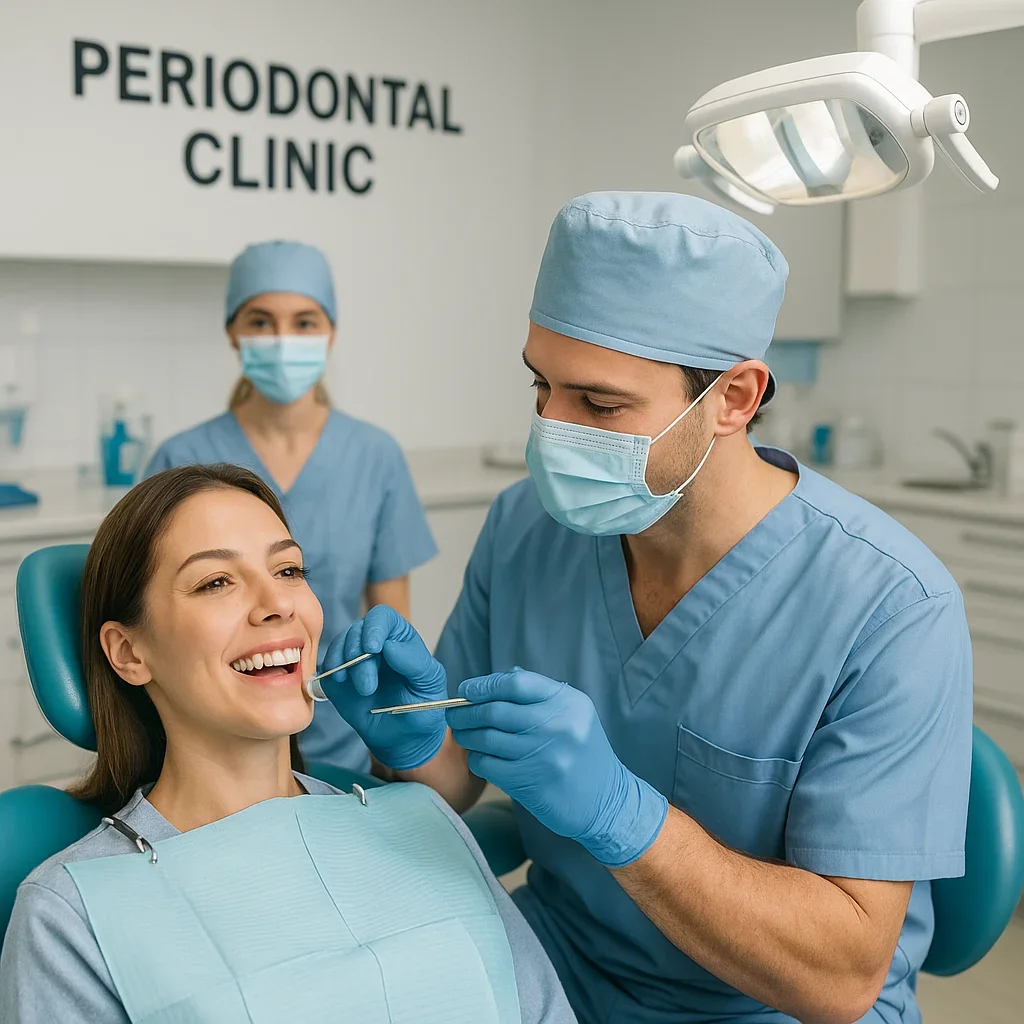
How to Choose the Best Periodontal Clinic for Your Needs
Selecting the right periodontal clinic is one of the most important decisions you can make when it comes to protecting your gum health, preventing tooth loss, and ensuring long-term oral stability. With so many clinics offering different services, technologies, and treatment philosophies, understanding how to make an informed choice is essential. This comprehensive guide will break down all the critical factors you should evaluate—from credentials and technology to communication style and aftercare practices—so you can confidently select a periodontal clinic that aligns with your needs and expectations. 🦷🌟
Evaluate the Periodontist’s Qualifications and Experience
The most important factor in choosing a periodontal clinic is the expertise of the specialist. Periodontists undergo years of additional training after dental school to master gum disease treatment, dental implant placement, bone regeneration, and advanced surgical procedures. Reviewing their credentials gives you insight into their skill level and clinical approach.
Key Qualifications to Look For
- Advanced residency training in periodontology
- Board certification from recognized dental authorities
- Years of experience treating periodontal disease
- Specialized training in laser gum therapy or regenerative treatments
- Membership in professional organizations like the American Academy of Periodontology
A highly qualified specialist ensures safe, predictable, and effective treatment outcomes—especially in moderate to advanced gum disease cases.
Assess the Technology and Equipment Used by the Clinic
A reputable periodontal clinic should incorporate advanced technology into its diagnostic and treatment processes. Modern tools not only make treatments more precise but also reduce pain, shorten healing time, and improve overall patient experience.
Essential Technologies Include:
- 3D CBCT imaging for accurate diagnosis and implant planning
- Laser devices for minimally invasive gum therapy
- Ultrasonic scalers for comfortable deep cleaning
- Digital periodontal charting systems
- Intraoral cameras for patient education
Choosing a technologically advanced clinic ensures you benefit from the latest innovations in periodontal care.
Review Treatment Options and Areas of Expertise
Gum disease can range from mild inflammation to severe periodontal destruction. The best periodontal clinic should offer a wide spectrum of services to treat all stages of the condition—both surgically and non-surgically.
Key Services To Look For
- Deep cleaning (scaling and root planing)
- Laser-assisted periodontal therapy
- Bone grafting and regenerative treatment
- Guided tissue regeneration
- Gum grafting for recession
- Dental implant placement
- Peri-implantitis treatment
A clinic that offers comprehensive care can address all your periodontal needs without requiring multiple referrals.
Consider the Clinic’s Reputation and Patient Reviews
Reviews and patient testimonials provide valuable insight into how a periodontal clinic handles patient care, communication, comfort, and long-term results. Look for consistent themes in patient feedback, especially regarding professionalism, treatment success, and clinic environment.
How to Evaluate Reputation
- Check verified online reviews
- Ask for before-and-after photos
- Look for case studies or patient stories
- Evaluate social media presence for educational content
Positive, detailed reviews can indicate a clinic’s reliability and dedication to patient satisfaction.
Examine the Clinic’s Approach to Patient Education
Periodontal health requires long-term commitment. A great periodontal clinic prioritizes patient education and clear communication. You should feel empowered to understand your treatment options, risks, and expected outcomes before making decisions.
Strong Communication Includes:
- Thorough explanations of treatment steps
- Visual aids such as X-rays and intraoral photos
- Honest discussion about risks and benefits
- A friendly, approachable team that answers questions clearly
Education-focused clinics often achieve better long-term results because patients feel more engaged in their oral care.
Evaluate Post-Treatment Care and Maintenance Programs
Periodontal disease is chronic and requires ongoing management. A reliable periodontal clinic should provide structured maintenance programs, personalized follow-up, and preventive strategies designed to keep gum disease from recurring.
What a Good Maintenance Program Includes
- Regular periodontal cleaning every 3–4 months
- Pocket depth monitoring
- Customized oral hygiene guidance
- Review of lifestyle factors affecting gum health
These programs help patients maintain results and avoid future complications.
Assess Clinic Cleanliness, Professionalism, and Atmosphere
The environment of a periodontal clinic reflects its commitment to safety, professionalism, and patient comfort. Modern clinics maintain high infection control standards, soft lighting, comfortable chairs, and a calm ambiance to minimize patient anxiety.
Signs of a High-Quality Clinic Environment
- Clean, well-organized treatment rooms
- Friendly, respectful staff
- Efficient appointment scheduling
- Private consultation areas
Feeling comfortable and safe during every visit is essential for successful periodontal treatment.
Check Whether the Clinic Offers Transparent Pricing
Cost is an important consideration. A responsible periodontal clinic provides clear, upfront pricing and discusses all available treatment options before beginning care. Transparency helps prevent unexpected charges and ensures that patients fully understand the financial aspects of their treatment plan.
How Pricing Transparency Helps
- Eliminates financial surprises
- Helps patients compare treatment plans
- Supports trust between clinic and patient
When prices vary based on the complexity of treatment, top clinics clearly explain why certain costs apply.
When to Seek a Professional Evaluation
If you have symptoms like bleeding gums, bad breath, tooth mobility, or gum recession, it is essential to schedule an evaluation at a periodontal clinic. Early diagnosis greatly increases the likelihood of successful, minimally invasive treatment.
To schedule a consultation or access expert care, you can visit the
Redent Klinik Contact Page. For further educational support and trusted clinical information, the
American Dental Association is a reliable resource.
Choosing the right periodontal clinic ensures that your gum health is managed with expertise, technology, and compassion. With the right specialist guiding your care, you can achieve stronger gums, healthier teeth, and lasting confidence in your smile. 😄🦷