
A modern periodontal clinic is far more than a place where gum issues are treated—it is a highly specialized center focused on protecting the foundation of your smile, restoring oral health, and preventing long-term complications. In today’s advanced dental landscape, clinics inspired by the approach of renew dentistry emphasize regeneration, prevention, and total oral wellness. This makes periodontal care essential for anyone experiencing bleeding gums, gum recession, persistent bad breath, loose teeth, or early signs of periodontal disease.
Periodontal disease is one of the most common yet underestimated oral conditions worldwide. It silently destroys the gums and bone that support your teeth. While general dentists can provide basic care, only a dedicated periodontal clinic offers the in-depth diagnostic tools and specialized therapies required to fully restore tissue health. With comprehensive evaluations, advanced imaging, and targeted treatments, these clinics address the root causes of gum deterioration rather than masking symptoms.
In alignment with the principles of renew dentistry—which focuses on rebuilding and revitalizing oral tissues—periodontal specialists aim to help patients preserve their natural teeth for life. This approach includes regenerative procedures, minimally invasive techniques, and personalized treatment plans based on scientific data and clinical examination. Such focus ensures that patients receive care that enhances gum structure, stabilizes bone levels, and strengthens the overall oral environment.
Visiting a periodontal clinic is especially important when symptoms appear gradually. Bleeding gums during brushing, swelling, sensitivity, and persistent bad breath are early warning signs of gum disease. Without proper intervention, gum infections progress into deep periodontal pockets, causing irreversible damage. Periodontists are trained to measure pocket depth, analyze bone levels, and detect hidden infections that general checkups often overlook. Their expertise ensures early detection, effective management, and long-term prevention.
A major advantage of specialized periodontal care is access to advanced technologies that support gum regeneration. Procedures inspired by modern biological therapies align closely with the concepts of oral tissue rejuvenation seen in **renew dentistry**. These may include platelet-rich fibrin (PRF), guided tissue regeneration (GTR), and laser-assisted periodontal therapy. Each technique helps the gum tissues repair naturally, speeding up healing and reducing discomfort.
Another critical reason patients choose a periodontal clinic is the structured nature of treatment plans. Instead of providing general cleaning, periodontists use precision-based protocols such as scaling and root planing, microbial analysis, deep detoxification procedures, and targeted antimicrobial therapy. These treatments address bacteria hidden beneath the gumline and eliminate the biological triggers of gum disease. For individuals with diabetes, hormonal fluctuations, smoking habits, or genetic susceptibility, personalized periodontal plans are essential for long-term stability.
A high-quality periodontal clinic also prioritizes patient education. Understanding gum disease, lifestyle impacts, maintenance techniques, and home-care routines empowers patients to protect their results. The clinic team guides patients on brushing techniques, interdental cleaning, lifestyle corrections, and early signs to monitor. This educational support plays a crucial role in preventing reinfection and maintaining strong gum health throughout life.
Additionally, periodontal clinics collaborate with restorative dentists to support broader oral rehabilitation. Many patients require gum stabilization before receiving crowns, veneers, or dental implants. Modern restorative dentistry—especially approaches aligned with tissue renewal—depends heavily on gum and bone health. Therefore, ensuring periodontal stability lays the essential foundation for all long-term cosmetic and functional treatments.
If you experience gum-related symptoms or are planning restorative procedures, visiting a dedicated periodontal clinic is one of the most important steps you can take. For appointment support or to discuss your gum health, feel free to visit the Redent Klinik Contact Page. You may also explore the scientific guidelines provided by the American Dental Association to better understand best practices in periodontal care and oral wellness.
What Makes a Periodontal Clinic Different from General Dentistry?
A dedicated periodontal clinic stands apart from general dentistry because it is designed to diagnose, treat, and prevent complex gum and bone conditions that require advanced expertise. While general dentists focus on overall oral care—such as fillings, cleanings, and restorative treatments—a periodontal clinic specializes in the supporting structures of the teeth: the gums, periodontal ligaments, and jawbone. This level of specialization ensures that patients with early, moderate, or advanced gum disease receive precise, science-based, and highly effective treatment. Clinics inspired by renew dentistry principles take this even further by prioritizing regeneration, biological healing, and long-term tissue stability.
Specialized Training and Expertise in Gum and Bone Health
One of the clearest differences between a general dentist and a periodontal specialist lies in training. Periodontists complete three additional years of intensive education beyond dental school. This postgraduate training focuses on diagnosing periodontal disease, performing surgical and non-surgical treatments, and managing complex cases of gum inflammation, bone loss, and tissue regeneration. In contrast, a general dentist provides essential oral healthcare services but may not have the tools or experience to address severe stages of gum disease. The targeted approach of a periodontal clinic ensures that conditions like chronic periodontitis, aggressive periodontitis, and peri-implantitis are treated with maximum precision.
Advanced Diagnostic Tools for Early and Accurate Detection
A major advantage of visiting a periodontal clinic is access to modern diagnostic technology. Detailed periodontal charting, digital imaging, bone density analysis, and microbial testing allow periodontists to detect gum disease before symptoms become severe. This approach reflects the foundation of renew dentistry, which emphasizes early detection and proactive care to preserve natural tissues. Advanced tools such as CBCT scans, ultrasonic probes, and laser diagnostics make it possible to identify hidden bacterial pockets and early bone deterioration—issues that are often overlooked in a routine general dental exam.
Why This Matters for Long-Term Oral Health
Early detection means early intervention, which significantly increases the chances of preserving natural teeth. Patients who receive specialized periodontal care are less likely to develop complications such as gum recession, mobility, or tooth loss. Because a periodontal clinic focuses on the structures that support the teeth, its interventions protect not just gum health but also the stability of the entire mouth.
Advanced Treatments Not Typically Offered in General Dentistry
General dentists usually provide standard cleanings and preventive care, but a periodontal clinic offers a full spectrum of advanced treatments. These include scaling and root planing, periodontal pocket reduction surgery, bone grafting, soft tissue grafts, guided tissue regeneration (GTR), and laser-assisted periodontal therapy. These services align with the regenerative philosophy of renew dentistry, which aims to rebuild healthy tissues rather than simply treating symptoms. With streamlined protocols and precise surgical techniques, periodontists address the root cause of gum disease at every stage.
Specialized Solutions for Complex Gum Issues
- Soft tissue grafts for gum recession
- Bone grafting procedures for bone loss
- Laser-assisted removal of infected tissue
- Regenerative therapies to rebuild gum attachment
- Advanced implant maintenance and peri-implantitis treatment
These treatments help restore the foundation of natural teeth and create a healthier environment for future dental work.
Comprehensive Approach Rooted in Healing and Prevention
A general dental check-up typically focuses on immediate oral concerns. However, a periodontal clinic adopts a holistic approach that includes disease management, long-term monitoring, and patient education. Specialists evaluate the health of your gums at every visit, measuring pocket depth, identifying inflammation, and reviewing bone levels to ensure stability. This preventive mindset mirrors the philosophy of renew dentistry, which blends modern science with minimally invasive regeneration to promote long-lasting oral health.
Personalized Treatment Plans Tailored to Each Patient
Because gum disease varies from person to person, a periodontal clinic develops customized treatment plans. These plans consider medical history, genetics, oral habits, systemic conditions like diabetes, and lifestyle factors such as smoking. Periodontists adjust treatments depending on the severity of gum disease and the rate of progression, ensuring that every patient receives care suited to their specific needs. This level of precision is rarely matched in general dentistry.
Collaboration With Restorative and Cosmetic Dentists
Periodontists and general dentists often work closely together, especially in cases requiring joint planning. For example, patients who want dental implants, veneers, crowns, or smile makeovers must first establish strong gum health. This collaboration ensures predictable results and long-term success. The synergy between periodontal care and restorative dentistry reflects the integrated model of healing seen in renew dentistry, where gums form the essential foundation for all reconstructive treatments.
Conclusion: Why Choose a Periodontal Clinic for Optimal Gum Care?
In summary, a dedicated periodontal clinic provides a superior level of care for gums, bone, and supporting tissues—care that general dentistry simply cannot match. With specialized training, advanced diagnostics, regenerative treatments, and preventive strategies rooted in modern biological principles, these clinics are essential for anyone experiencing gum disease or planning restorative dental procedures. They offer the precision, technology, and expertise required to build a healthier foundation for your smile and maintain strong gum health for years to come.
The Role of Periodontists in Preserving Your Natural Teeth
The primary mission of any periodontal clinic is to protect and preserve your natural teeth for as long as possible. Periodontists—specialists in gum, bone, and connective tissue health—play a vital role in ensuring that the foundation of your smile remains strong and disease-free. Their expertise and advanced clinical methods make them uniquely qualified to treat conditions that directly threaten tooth stability. Through regenerative procedures, preventive strategies, and precise diagnostics, periodontists help patients maintain natural teeth even in cases where severe gum disease has begun to compromise the oral structure. Their approach aligns closely with the philosophy of renew dentistry, where biological healing and tissue regeneration remain central.
Why Periodontal Health Is Essential for Natural Tooth Preservation
Your gums and the underlying bone structure serve as the foundation for every tooth in your mouth. When gum disease develops, this foundation begins to weaken, leading to pocket formation, inflammation, and eventually bone loss. General dentists can provide routine care, but only a periodontal specialist has the training to halt advanced gum deterioration and restore stability. At a specialized periodontal clinic, periodontists use state-of-the-art diagnostic tools to detect disease early, influence healing responses, and prevent long-term damage.
Periodontists understand how systemic health conditions, oral bacteria, inflammation, and bone levels interact. Their treatments do not focus merely on eliminating symptoms—they aim to restore biological balance. This approach mirrors the regenerative focus of renew dentistry, which supports natural tissue recovery rather than relying solely on artificial replacements.
Advanced Diagnostic Evaluations for Early Detection
Periodontists perform detailed examinations using advanced imaging technologies and periodontal charting that general dentists often do not provide. These evaluations include:
- Periodontal probing to measure pocket depth
- Digital radiographs to examine bone levels
- CBCT scans for 3D imaging of bone health
- Microbial analysis to identify aggressive bacteria
These diagnostic tools help periodontists detect issues before they threaten the survival of natural teeth. Early detection makes treatment more successful and reduces the likelihood of tooth loss.
Understanding the “Silent Progression” of Gum Disease
Most gum disease develops quietly. Patients may not experience pain until significant bone loss has occurred. Because of this silent progression, many people do not realize they need specialized periodontal care until it is too late. A periodontal clinic focuses on intercepting this silent damage by using precision-based diagnostic tools that reveal early warning signs long before symptoms appear. This proactive approach is a core principle of renew dentistry, which prioritizes prevention and early intervention.
Non-Surgical Treatments That Save Natural Teeth
Before surgery is considered, periodontists emphasize non-surgical treatments designed to halt infection and promote healing. These include:
- Scaling and Root Planing – deep cleaning that removes bacteria below the gumline.
- Antimicrobial therapy – targeted medication to eliminate harmful microbes.
- Laser periodontal therapy – minimally invasive removal of infected tissue.
- Host modulation therapy – adjusting the body’s inflammatory response.
These treatments reflect the restorative mindset of renew dentistry, which promotes healing and regeneration. By eliminating infection and encouraging gums to reattach to the teeth, non-surgical care often saves teeth that might otherwise be extracted.
Surgical Interventions When Necessary
In more advanced cases of periodontal disease, non-surgical methods may not be sufficient. Periodontists perform specialized surgical procedures that restore gum and bone health:
- Pocket reduction surgery – decreases the depth of infected pockets.
- Bone grafting – rebuilds lost bone to stabilize teeth.
- Guided tissue regeneration (GTR) – uses membranes to direct new tissue growth.
- Soft tissue grafts – restores gum recession and protects tooth roots.
- Regenerative biologics – PRF and growth factors to enhance healing.
These techniques are at the heart of renew dentistry-aligned periodontal care, where the goal is to rebuild natural support structures rather than replace teeth prematurely.
Stabilizing Teeth at Risk of Mobility
As gum disease advances, bone loss can cause teeth to loosen. Periodontists offer stabilization methods such as splinting, bone regeneration, and deep detoxification procedures that reduce mobility and restore function. Their specialized training allows them to identify which teeth can be saved and create a strategic plan for long-term success.
Supporting Systemic Health Through Periodontal Care
Periodontal health is closely linked to systemic conditions such as diabetes, cardiovascular disease, rheumatoid arthritis, and chronic inflammation. A periodontal clinic prioritizes whole-body wellness by reducing pathogens, lowering inflammatory markers, and restoring balance to the oral microbiome. This holistic outlook aligns perfectly with the biological healing approach seen in renew dentistry, making periodontal care essential for overall health.
Collaboration With Other Dental Specialists
Periodontists work closely with prosthodontists, orthodontists, and restorative dentists to ensure that natural teeth remain strong enough to support future treatments. Whether a patient plans to receive crowns, veneers, or implants, periodontal stability is the foundation. This collaborative model ensures predictable results and long-term oral rehabilitation.
The Final Goal: A Healthy, Long-Lasting Natural Smile
The ultimate role of periodontists is to preserve the natural teeth by eliminating disease, regenerating support structures, and preventing future infections. Their work goes beyond treating symptoms—they restore harmony to the gums and bone so that patients can maintain healthy teeth for decades. This is the essence of a modern periodontal clinic and reflects the vision of renew dentistry, where natural tissues are valued, protected, and renewed whenever possible.
Deep Cleaning, Scaling, and Root Planing Explained
A specialized periodontal clinic plays a crucial role in treating gum disease effectively, and one of the most important procedures performed is deep cleaning — a treatment that includes both scaling and root planing. This therapy goes far beyond a standard dental cleaning because it targets the deeper layers of gum tissue and tooth roots where harmful bacteria accumulate. When left untreated, these bacterial deposits destroy gum attachment, weaken bone support, and eventually lead to tooth loss. Inspired by the principles of renew dentistry, deep cleaning aims not only to remove infection but also to create an environment where the gums can regenerate, reattach, and heal naturally.
What Is Deep Cleaning and Why Is It Necessary?
Deep cleaning is a non-surgical periodontal treatment designed to remove plaque, tartar, and bacterial toxins from below the gumline. Unlike regular dental cleanings, which focus on the visible surfaces of the teeth, deep cleaning addresses the root surfaces in pockets created by gum detachment. When these pockets deepen beyond 4 mm, they become impossible to clean at home. Specialized periodontal tools, ultrasonic instruments, and advanced sterilization techniques allow periodontists to thoroughly detoxify the area. This is fundamental in renew dentistry, which emphasizes regeneration rather than temporary symptom control.
How Gum Pockets Form
Gum pockets are created when plaque and tartar trigger inflammation, causing the gums to separate from the tooth. Over time, bacteria colonize these pockets and attack the surrounding bone. A periodontal clinic uses precise measurements and advanced imaging to identify the severity of pocket depth and track disease progression. Early detection helps prevent irreversible damage and supports long-term oral stability.
The Scaling Process
Scaling is the first phase of deep cleaning and involves removing hardened tartar (calculus) from above and below the gumline. The procedure combines manual scalers with ultrasonic devices that break apart mineralized deposits using high-frequency vibrations. This helps reduce bacterial load and allows the gums to heal. Without this step, the progression of gum disease accelerates, ultimately compromising tooth stability.
Ultrasonic Scaling for Enhanced Efficiency
Modern periodontal clinics use ultrasonic scalers because they can:
- Reach deep areas that manual tools cannot access
- Break up heavy tartar buildup efficiently
- Flush out bacteria with irrigating antiseptic solutions
- Minimize discomfort during the procedure
This technology is aligned with the regenerative and minimally invasive goals of renew dentistry, ensuring superior tissue preservation and patient comfort.
The Root Planing Phase
Root planing is the second phase of deep cleaning and focuses on smoothing the root surfaces. When roots are rough, bacteria attach easily and promote further infection. By creating a smooth, polished surface, planing encourages the gums to reattach more securely. This reattachment reduces pocket depth, stabilizes the tooth, and prevents future buildup. In a high-quality periodontal clinic, root planing is performed with precision and care to stimulate natural healing responses.
Benefits of Root Planing
Root planing provides several important advantages:
- Reduces bacterial colonization
- Promotes gum tissue reattachment
- Prevents future pocket formation
- Improves overall periodontal health
These benefits contribute to the restorative goals seen in renew dentistry, where long-term gum health is prioritized through biologically driven treatment.
Pain Management and Patient Comfort
Many patients worry about discomfort during deep cleaning, but modern periodontal clinics use local anesthetics, numbing gels, and gentle techniques to ensure a relaxed experience. Ultrasonic tools reduce manual scraping, and some clinics even offer sedation options for patients with dental anxiety. The procedure is safe, predictable, and highly effective.
Aftercare and Healing
Following deep cleaning, the gums begin to reattach to the roots, reducing pocket depth and improving stability. Patients may experience slight sensitivity for a few days, but symptoms quickly improve. Periodontists typically recommend:
- Warm salt-water rinses
- Antimicrobial mouthwash
- Soft-bristle brushing techniques
- Avoiding smoking to support healing
This healing phase reflects the biological repair encouraged in renew dentistry, where natural tissue regeneration is supported through science-based care.
How Deep Cleaning Protects Your Long-Term Oral Health
Without professional scaling and root planing, gum disease becomes increasingly aggressive. Bacteria spread deeper into the bone, eventually causing teeth to loosen or fall out. Deep cleaning interrupts this destructive cycle and restores the health of the gum tissue. When performed early enough, it can prevent the need for surgical intervention.
Combining Deep Cleaning With Other Periodontal Therapies
A periodontal clinic often uses deep cleaning as the first step in a broader treatment plan. Depending on disease severity, additional therapies may follow, such as laser periodontal treatment, systemic antibiotics, host modulation therapy, or regenerative procedures. This comprehensive approach is aligned with the whole-mouth healing philosophy of renew dentistry, ensuring patients receive complete and biologically supported care.
A Foundational Step Toward Gum Stability and Regeneration
Deep cleaning, scaling, and root planing remain foundational procedures in periodontal treatment. They remove harmful bacteria, support gum reattachment, and preserve natural teeth. When performed by trained specialists in a dedicated periodontal clinic, these procedures provide long-term protection and set the stage for advanced regenerative therapies. This makes them a central pillar of modern renew dentistry, guiding patients toward healthier gums and a stronger, more resilient smile.
How a Periodontal Clinic Improves Gum Recession and Bone Loss
A specialized periodontal clinic plays a crucial role in treating gum recession and reversing the progression of bone loss—two of the most damaging consequences of periodontal disease. These conditions develop gradually, often without noticeable symptoms, until the supporting structures of the teeth become severely compromised. Through advanced diagnostics, regenerative treatments, and minimally invasive surgical techniques, periodontists restore the health and function of the gums and underlying bone. This restorative approach aligns with the philosophy of renew dentistry, which prioritizes regeneration, biological healing, and long-term tissue preservation.
Understanding Gum Recession: Causes and Early Warning Signs
Gum recession occurs when the gum tissue pulls away from the tooth, exposing the root surface. This condition not only affects the appearance of the smile but also increases sensitivity, promotes root decay, and accelerates periodontal disease. A periodontal clinic identifies the root causes of recession, which may include:
- Chronic periodontal disease
- Aggressive brushing techniques
- Genetic predisposition
- Bruxism or teeth grinding
- Misaligned bite or overcrowding
- Hormonal changes
- Tobacco use
Because gum recession rarely reverses on its own, early intervention is essential. The biological-focused philosophy of renew dentistry promotes early detection to prevent long-term structural damage.
Why Recession Should Never Be Ignored
Exposed roots are highly vulnerable to decay, abrasion, and thermal sensitivity. As recession deepens, the risk of tooth loss increases significantly. A specialized periodontal clinic evaluates both the visible recession and underlying bone levels to develop a long-term regenerative plan.
How a Periodontal Clinic Treats Gum Recession
Periodontists offer multiple treatments to address gum recession depending on its severity and underlying cause. These treatments aim to restore gum coverage, enhance aesthetics, and prevent further disease progression. Many of these methods come directly from the principles of renew dentistry, focusing on regeneration rather than immediate cosmetic fixes.
Soft Tissue Grafting
Soft tissue grafting is one of the most effective treatments for recession. There are several types:
- Connective tissue grafts – the gold-standard method for root coverage.
- Free gingival grafts – used when thicker tissue is needed.
- Pedicle grafts – reposition existing gum tissue for a natural result.
These procedures thicken the gum tissue, prevent further recession, and create a healthier foundation around the teeth. They also reduce sensitivity and improve smile aesthetics.
Regenerative Biologics and Growth Factors
Modern periodontics increasingly uses biologically active materials such as:
- PRF (Platelet-Rich Fibrin)
- Enamel matrix proteins
- Growth factor gels
These materials accelerate healing, stimulate tissue regeneration, and improve long-term stability. This approach reflects the biological tissue renewal emphasis found in renew dentistry.
Understanding Bone Loss: How It Happens
Bone loss results from advanced periodontal disease, chronic inflammation, or trauma. When bacteria invade the gum pockets, they trigger an immune response that gradually destroys bone tissue. Bone does not regenerate naturally without intervention, making treatment by a periodontal clinic essential.
Early Indicators of Bone Loss
Symptoms may include:
- Loose or shifting teeth
- Deep periodontal pockets
- Gum bleeding and inflammation
- Changes in bite alignment
- Pain while chewing
Because early bone loss is often silent, regular periodontal evaluations are crucial.
Advanced Treatments for Bone Loss
A periodontal clinic uses cutting-edge regenerative therapies to rebuild bone, stabilize teeth, and support long-term oral health. These treatments align with the philosophy of renew dentistry, restoring natural structure rather than relying solely on prosthetic solutions.
Bone Grafting
Bone grafting involves placing natural or synthetic bone into areas of loss. Types of bone grafts include:
- Autogenous grafts (from the patient)
- Allografts (donor bone)
- Xenografts (animal-derived bone)
- Alloplasts (synthetic materials)
These grafts provide a supportive scaffold for new bone growth, strengthening the foundation around teeth.
Guided Tissue Regeneration (GTR)
GTR uses a thin membrane to protect the healing area, allowing bone cells to regenerate without interference from gum tissue. This technique is widely used in advanced cases and has shown excellent long-term success.
Sinus Augmentation and Ridge Preservation
In cases where bone loss affects future implant placement, sinus lifts and ridge preservation techniques restore adequate bone height and width. These procedures are essential for maintaining a healthy oral structure.
Laser Therapy for Recession and Bone Loss
Modern periodontal clinics utilize laser-assisted periodontal therapy to remove infection, stimulate healing, and promote tissue regeneration. Lasers are minimally invasive and offer faster recovery, reduced discomfort, and superior precision.
Long-Term Maintenance After Treatment
To prevent relapse, patients require ongoing periodontal maintenance every 3–4 months. Specialized cleaning techniques, microbial monitoring, and lifestyle guidance ensure the gums remain stable. This long-term, health-focused strategy aligns with the foundational pillars of renew dentistry, which encourages ongoing tissue preservation and biological support.
A Regenerative Path to Gum and Bone Health
By combining advanced diagnostics, regenerative therapies, and individualized treatment plans, a periodontal clinic restores gum health and rebuilds bone structure. Whether through grafting, tissue renewal, or laser therapy, periodontists provide comprehensive care that strengthens the foundation of the smile. This approach mirrors the goals of modern renew dentistry, where every treatment supports long-term healing, natural function, and the preservation of the patient’s own oral tissues.
Laser-Assisted Periodontal Therapy for Faster Healing
In a modern periodontal clinic, laser-assisted periodontal therapy has become one of the most innovative, effective, and minimally invasive methods for treating gum disease. This technology uses concentrated light energy to target and eliminate infected tissue, sterilize deep periodontal pockets, and stimulate natural healing responses. The precision and biological safety of dental lasers align perfectly with the principles of renew dentistry, which focuses on tissue preservation, accelerated regeneration, and gentle, patient-centered treatment. For individuals seeking fast recovery with minimal discomfort, laser periodontal therapy has transformed the way gum disease is managed.
What Is Laser Periodontal Therapy?
Laser periodontal therapy is a specialized procedure that uses targeted laser energy to remove diseased gum tissue, kill bacteria, and promote new tissue growth. Unlike traditional surgical treatments, which require cutting and sutures, laser therapy is minimally invasive and selective—meaning it targets only infected areas while preserving healthy tissue. This is one of the key advantages of a high-quality periodontal clinic, where advanced technology is used to enhance patient outcomes and reduce healing time.
The Science Behind Laser Treatment
Dental lasers emit specific wavelengths of light that interact with soft tissue, bacteria, and inflammation. This light energy:
- Vaporizes infected tissue
- Destroys harmful bacteria instantly
- Clots blood vessels for immediate healing
- Promotes natural tissue regeneration
These biological effects closely mirror the goals of renew dentistry, which prioritizes natural restoration and long-term tissue support rather than aggressive surgical intervention.
Benefits of Laser Therapy in a Periodontal Clinic
Laser-assisted periodontal therapy offers numerous advantages that traditional surgical techniques cannot match. Periodontists rely on this technology because it enhances precision, minimizes trauma, and significantly improves patient comfort.
1. Minimally Invasive Treatment
Since lasers can selectively remove infected tissue, there is no need for incisions or sutures. Patients experience less bleeding, reduced swelling, and a faster recovery. This makes laser therapy ideal for individuals seeking gentle care consistent with regenerative philosophies found in renew dentistry.
2. High Bacterial Elimination
Lasers eliminate periodontal bacteria instantly, reducing infection risk and preventing recurrence. Unlike manual tools, lasers penetrate deep periodontal pockets and sterilize hard-to-reach areas.
3. Faster Healing Time
Because lasers cause minimal trauma, the healing process is dramatically faster compared to traditional surgery. Many patients return to normal activities within a day.
4. Reduced Sensitivity
Laser treatment seals nerve endings, which helps reduce postoperative discomfort and sensitivity—common issues in more invasive procedures.
5. Improved Gum Reattachment
By creating a clean and sterile environment, lasers encourage the gums to reattach to the tooth roots. This reattachment is crucial for reducing periodontal pocket depth and stabilizing gum health long-term.
Laser Periodontal Therapy vs. Traditional Gum Surgery
Traditional periodontal surgery typically requires incisions, sutures, and extended healing times. Laser therapy offers a modern alternative, especially for patients who prefer conservative treatments. Although both methods are effective, a periodontal clinic may recommend laser therapy for cases where regeneration is achievable without large surgical intervention.
Key Differences
- Laser Therapy: Minimally invasive, faster recovery, minimal bleeding.
- Traditional Surgery: Involves cutting, stitches, and longer healing.
- Laser Therapy: Promotes natural biological healing consistent with renew dentistry.
- Traditional Surgery: Highly effective but more intensive.
Types of Lasers Used in Periodontal Clinics
Different laser systems offer unique benefits depending on the severity and type of periodontal disease. Periodontists may use:
- Diode lasers for soft tissue removal and sterilization
- Er:YAG lasers for scaling around root surfaces
- Nd:YAG lasers for deep pocket therapy and bacterial elimination
Each laser is carefully selected based on clinical needs and the patient’s periodontal condition.
Step-by-Step: What Happens During Laser Periodontal Therapy?
A typical laser therapy session in a periodontal clinic includes:
- Comprehensive periodontal examination
- Digital imaging to assess bone and pocket depth
- Application of local anesthesia for comfort
- Precise laser application to remove infection and diseased tissue
- Laser sterilization of periodontal pockets
- Root surface decontamination and smoothing
- Final laser pass to stimulate clot formation and reattachment
The entire procedure is comfortable, efficient, and designed to promote natural healing—an essential component of renew dentistry.
Post-Treatment Care and Long-Term Results
Patients typically notice improvement within 24–48 hours. Post-treatment instructions may include:
- Soft diet for the first 48 hours
- Using antimicrobial mouth rinses
- Avoiding smoking to support regeneration
- Gentle brushing near treated areas
Long-term success depends on consistent periodontal maintenance every 3–4 months. With proper care, laser therapy can significantly reduce pocket depth, stabilize gums, and improve overall periodontal health.
Why Laser Therapy Aligns With the Principles of Renew Dentistry
The philosophy behind renew dentistry emphasizes gentle, biological, and regenerative care. Laser therapy fits perfectly into this model because it:
- Preserves healthy tissue
- Stimulates natural regeneration
- Reduces inflammation
- Supports long-term periodontal stability
A Modern Solution for Stronger, Healthier Gums
Laser-assisted periodontal therapy represents the future of gum disease treatment. By combining advanced technology with biologically guided healing, a periodontal clinic can offer faster healing, superior comfort, and long-lasting results. This modern, patient-centered approach reflects the core values of renew dentistry—helping patients regain healthy gums with minimal discomfort and maximum regenerative success.
Periodontal Maintenance: Why Regular Visits Matter
A specialized periodontal clinic does far more than treat gum disease—it provides long-term periodontal maintenance that protects your oral health for life. After active treatment such as deep cleaning, grafting, or laser therapy, patients must follow a structured maintenance program to ensure gum stability and prevent reinfection. This ongoing support is essential because periodontal disease is chronic and can return if bacteria are not regularly controlled. The philosophy behind renew dentistry emphasizes biological healing, long-term preservation, and consistent preventive care, making periodontal maintenance one of the most important components of sustained oral wellness.
What Is Periodontal Maintenance?
Periodontal maintenance is a customized cleaning and monitoring program performed every 3–4 months in a periodontal clinic after gum disease has been treated. Unlike routine dental cleanings, periodontal maintenance focuses on areas where gum pockets remain deep or where bone has previously been lost. These areas are more vulnerable to bacterial accumulation and require specialized tools, antimicrobial therapies, and advanced techniques to keep them healthy. The maintenance process aligns with the regenerative focus of renew dentistry, which aims to support healing tissues long after initial treatment concludes.
Why Standard Dental Cleanings Are Not Enough
General dental cleanings occur every 6 months and target the surfaces of the teeth and mild plaque buildup. However, patients who have experienced gum disease require deeper, more frequent cleanings because:
- Residual periodontal pockets may still harbor aggressive bacteria
- Bone loss makes teeth more vulnerable to reinfection
- Advanced instruments are needed to clean deeper areas
- Periodontal pathogens can repopulate in as little as 90 days
This reality makes periodontal maintenance essential for long-term health and consistent with the preventive strength of renew dentistry.
The Core Components of a Periodontal Maintenance Visit
A periodontal maintenance session is far more comprehensive than a standard cleaning. During each visit, periodontists and hygienists evaluate the gum tissues, clean deep pockets, and monitor any signs of disease progression.
1. Full Periodontal Examination
The appointment begins with a detailed examination that includes:
- Measuring periodontal pocket depths
- Checking gum attachment levels
- Monitoring inflammation or bleeding
- Evaluating bone stability via digital imaging
These evaluations allow the specialist to detect even the smallest changes early. This proactive approach is foundational to renew dentistry, which prioritizes long-term tissue protection.
2. Deep Cleaning of Gum Pockets
Deep pockets require specialized cleaning techniques using ultrasonic tools and precision scalers. This process removes bacteria from the root surfaces and prevents reinfection. Maintaining clean pockets ensures that gum tissues can remain stable and attached.
3. Antimicrobial Therapy
Periodontists may apply local antibiotics or antimicrobial rinses to eliminate harmful bacteria. These targeted solutions stop pathogens from spreading into deeper tissues and help maintain healthy gums.
4. Root Surface Detoxification
Even after initial treatment, root surfaces may accumulate harmful toxins. Detoxification smooths these areas, reduces inflammation, and prevents new bacterial buildup.
5. Bite and Function Evaluation
A misaligned bite increases pressure on compromised gums and bone. Periodontists evaluate bite forces to protect vulnerable teeth. Adjustments help reduce trauma and support long-term periodontal stability.
6. Home Care Guidance
A periodontal clinic provides personalized instructions for brushing, flossing, interdental cleaning, and lifestyle adjustments. These habits are essential to maintain the biological healing supported by renew dentistry.
Why Regular Periodontal Maintenance Visits Are Essential
Periodontal disease is chronic. Even after successful treatment, the bacteria responsible for periodontal destruction can return. Regular maintenance appointments ensure that the gums remain healthy, pockets stay stable, and bone levels do not decrease further.
Preventing Reinfection
Without regular cleanings, periodontal pathogens repopulate quickly. Maintenance appointments disrupt this cycle before damage begins.
Protecting Previous Treatment Investments
Patients who have undergone grafts, laser therapy, or deep cleaning must protect their results. Maintenance ensures long-term success.
Preserving Natural Teeth
The primary goal of any periodontal plan—including approaches aligned with renew dentistry—is to preserve natural teeth. Maintenance significantly lowers the risk of tooth mobility and tooth loss.
Supporting Overall Health
Periodontal inflammation is linked to diabetes, heart disease, stroke, and pregnancy complications. Keeping gums healthy reduces systemic inflammation, supporting total-body wellness.
The Role of Renew Dentistry Philosophy in Periodontal Maintenance
The principles behind renew dentistry make periodontal maintenance more effective and personalized. These principles include:
- Biological tissue regeneration
- Minimally invasive care
- Long-term prevention over short-term fixes
- Advanced diagnostics for early detection
- Holistic and patient-centered therapy
This approach enhances healing, reduces the need for surgery, and strengthens the tissue foundation around each tooth.
A Lifelong Partnership for Oral Health
Periodontal maintenance is not a temporary plan—it is a lifelong partnership with your periodontal clinic. Through regular visits, personalized instructions, and early intervention, patients can enjoy stable gums, strong teeth, and reduced risk of periodontal relapse. This long-term approach reflects the core goals of renew dentistry: regenerating tissues, promoting natural healing, and ensuring excellent oral health for decades.
How Periodontal Care Supports Dental Implants and Overall Oral Health
A well-equipped periodontal clinic plays a central role not only in preventing and treating gum disease but also in ensuring the long-term success of dental implants and the overall health of your mouth. The gums and jawbone form the biological foundation of every tooth—both natural and artificial—and their stability directly determines how long these structures will last. Whether a patient is preparing for implant placement or maintaining existing restorations, periodontal care ensures that the tissues remain healthy, infection-free, and strong enough to support long-term function. This biological, long-range focus is fully aligned with the philosophy of renew dentistry, where the goal is to preserve, restore, and regenerate natural tissue for predictable treatment outcomes.
Why Healthy Gums Are Essential for Implant Success
Dental implants depend on the strength of the surrounding bone and the health of the gum tissue. Even the most advanced implants can fail if the surrounding periodontal structures are not stable. During implant placement, titanium posts fuse with the bone in a process called osseointegration. If the gums are inflamed or bacteria are present, this process becomes disrupted and can lead to early implant failure. That is why implant treatment should always begin with a comprehensive examination at a specialized periodontal clinic.
Evaluating Gum Tissue Before Implant Placement
Before implants are placed, a periodontist assesses:
- Gum thickness and health
- Presence of infection or active gum disease
- Bone density and volume
- Alignment of surrounding teeth
- Patient risk factors such as smoking or clenching
This pre-implant evaluation reflects the preventive, regenerative philosophy of renew dentistry, ensuring the implant is placed into a biologically strong environment.
Strengthening the Bone Foundation for Implants
Bone loss is one of the most common obstacles to implant placement. When gum disease destroys bone tissue, implants cannot be adequately supported. A periodontal clinic offers various regenerative procedures designed to rebuild bone and prepare the mouth for successful implant therapy.
Bone Grafting and Regenerative Techniques
Periodontists use advanced methods to restore bone volume, including:
- Autogenous grafts (from the patient’s own bone)
- Allogenic grafts (donor bone)
- Xenografts (biologically compatible bone substitutes)
- Alloplastic grafts (synthetic materials)
In addition, biologic materials like growth factors, PRF, and enamel matrix proteins stimulate natural bone regeneration—one of the core goals of renew dentistry, which emphasizes optimizing the body’s own healing mechanisms.
Sinus Lift for Upper Jawbone Support
When there is insufficient bone height in the upper molar region, a sinus augmentation (sinus lift) is often required. This procedure increases bone volume, allowing implants to be placed successfully. Without this intervention, implants would lack proper support and stability.
Preventing Peri-Implantitis: A Vital Role of Periodontal Care
Peri-implantitis is an inflammatory condition similar to gum disease but affecting the tissues around a dental implant. It leads to gum inflammation, bone loss, and possible implant failure. Because implants lack the same biological structure as natural teeth, they are particularly vulnerable to bacterial buildup. A periodontal clinic is uniquely qualified to diagnose and treat peri-implantitis at early stages using specialized techniques.
Common Signs of Peri-Implantitis
- Redness or swelling around the implant
- Bleeding during brushing
- Deepening pockets
- Bone loss visible on imaging
- Implant mobility in severe cases
Treating peri-implantitis early is essential to protecting the implant and preventing complete structural failure. Laser therapy, guided biofilm removal, regenerative surgery, and antimicrobial protocols—many of which align with the restorative principles of renew dentistry—are used to manage and reverse this condition.
How Periodontal Care Improves Overall Oral Health
Healthy gums are directly linked to overall oral function and total-body wellness. By eliminating harmful bacteria, reducing inflammation, and restoring the tissues that support the teeth, periodontal care positively affects many aspects of oral and general health.
Key Oral Health Benefits
- Reduced risk of decay and infection
- Improved chewing comfort and function
- Stabilization of natural teeth
- Improved breath quality
- Better long-term cosmetic outcomes
Advanced periodontal care reflects the holistic vision of renew dentistry, emphasizing balanced oral microbiology, healthy inflammation control, and long-term protection of the natural oral tissues.
Periodontal Health and Systemic Wellness
Scientific studies show strong links between periodontal disease and systemic conditions such as heart disease, diabetes, stroke, and inflammatory disorders. A periodontal clinic helps reduce these risks by controlling chronic inflammation and bacterial spread. Patients who maintain healthy periodontal structures often enjoy improved overall health, better immune function, and lower systemic inflammatory markers.
How Gum Health Affects Medical Conditions
Because oral bacteria can enter the bloodstream, untreated infections place stress on the immune system. This makes periodontal therapy especially important for people who have:
- Diabetes
- Cardiovascular disease
- Autoimmune conditions
- Pregnancy-related hormonal changes
A Regenerative Foundation for Lifelong Oral Health
Periodontal care strengthens the biological foundation that supports both natural teeth and dental implants. Through advanced diagnostics, regenerative therapies, and long-term disease control, a periodontal clinic enhances stability, function, and total-mouth health. These methods embody the restorative goals of renew dentistry, where the emphasis is always on natural tissue renewal, biological balance, and long-term treatment success.
Together, periodontal care and dental implant therapy create a long-lasting, healthy oral environment—one where the gums, bone, and implant structures work in harmony. This integrated approach ensures predictable outcomes and helps patients enjoy a stable, confident smile for decades.
Choosing the Right Periodontal Clinic: Key Factors to Consider
Selecting the right periodontal clinic is one of the most important decisions you can make for your long-term oral health. Gum health is not only essential for maintaining natural teeth but also forms the biological foundation for restorations, implants, and overall oral harmony. With the rise of advanced treatments, regenerative therapies, and minimally invasive solutions, choosing a specialist who aligns with the principles of renew dentistry—which focuses on biological healing, tissue preservation, and long-term regeneration—is crucial. A high-quality periodontal clinic has the expertise, equipment, and patient-centered approach necessary to provide predictable and long-lasting results.
Evaluating Professional Expertise and Credentials
The first factor to consider when choosing a periodontal clinic is the training and experience of its specialists. Periodontists complete an additional three years of advanced education beyond dental school, focusing on diagnosing gum disease, performing surgery, managing bone loss, and supporting dental implants. This specialized training ensures they have the knowledge required to treat even the most complex periodontal conditions.
Board Certification and Continuing Education
A reputable periodontal specialist stays updated with the latest techniques and technologies. Look for a periodontist who:
- Is board-certified
- Participates in continuing education programs
- Attends workshops and clinical training courses
- Follows scientifically validated protocols
These commitments demonstrate dedication to quality care consistent with the regenerative approach of renew dentistry.
Advanced Technology and Diagnostic Tools
Technology plays a critical role in accurate diagnosis and predictable treatment outcomes. A modern periodontal clinic should incorporate digital imaging, advanced periodontal charting, and 3D cone-beam CT scans to evaluate bone levels and detect hidden issues. These tools help periodontists identify early signs of gum disease, recession, or bone loss with exceptional precision.
Why Technology Matters
Using state-of-the-art diagnostics allows specialists to create tailored treatment plans that support natural healing and tissue renewal—key principles of renew dentistry. Improved visuals and deeper insight reduce the risk of complications and ensure minimally invasive strategies are applied wherever possible.
Range of Treatment Options Offered
A high-quality periodontal clinic should offer a wide range of services beyond standard deep cleaning. Patients with gum disease or complex oral health issues require access to specialized treatments, including:
- Scaling and root planing
- Laser periodontal therapy
- Bone grafting and soft tissue grafting
- Guided tissue regeneration (GTR)
- Treatment of peri-implantitis
- Periodontal maintenance therapy
These procedures align with renew dentistry, where the focus is not merely removing disease but actively restoring gum and bone health. The more comprehensive the clinic’s services, the better the chances of achieving long-term stability.
Emphasis on Regenerative and Minimally Invasive Techniques
One of the most important aspects of a periodontal clinic is its approach to treatment. Clinics that prioritize minimally invasive, biologically guided therapies often produce superior long-term outcomes. This aligns perfectly with the core goals of renew dentistry, focusing on preserving natural tissue and stimulating biological healing.
Examples of Regenerative Approaches
- PRF (Platelet-Rich Fibrin) therapy to accelerate healing
- Laser-assisted periodontal therapy
- Biologic materials such as enamel matrix derivative
- Advanced guided tissue regeneration membranes
These techniques reduce trauma, speed recovery, and encourage natural tissue regrowth.
Patient Comfort, Communication, and Education
A trustworthy periodontal clinic prioritizes patient comfort and communication. Gum treatment can feel intimidating for many patients, so a supportive and transparent approach makes a significant difference. The clinic should provide:
- Clear explanations of all procedures
- Comfort options such as numbing gels or sedation
- Detailed aftercare instructions
- Educational guidance for home care routines
Empowering patients with knowledge reflects the holistic philosophy of renew dentistry, where education plays a crucial role in maintaining results.
Cleanliness, Safety, and Sterilization Standards
A top-tier periodontal clinic maintains strict sterilization and hygiene protocols. High infection-control standards ensure patient safety and help prevent postoperative complications. Clinics should use:
- Medical-grade sterilization systems
- Single-use instruments when needed
- Regular disinfection protocols
- Protective equipment for all staff members
These safeguards reflect the professional commitment expected from clinics practicing modern renew dentistry, where patient safety comes first.
Reviews, Testimonials, and Patient Experiences
Patient feedback is one of the best indicators of a clinic’s quality. Look for reviews that highlight:
- Successful periodontal treatments
- Friendly and knowledgeable staff
- Comfortable treatment experiences
- Long-lasting results
Positive testimonials show the clinic’s ability to meet patient expectations and deliver consistent outcomes.
Affordability, Transparency, and Treatment Planning
A reputable periodontal clinic provides transparent pricing, clear treatment timelines, and detailed financial explanations. Periodontal care may include multiple treatments, so it’s important that patients understand:
- Treatment phases
- Expected healing times
- Cost breakdowns
- Long-term maintenance requirements
Although periodontists cannot compromise on clinical quality, many offer flexible payment plans. Transparent communication aligns with the ethical standards found in renew dentistry, ensuring patients feel informed and supported.
Final Thoughts: Choosing a Clinic That Protects Your Future Health
Choosing the right periodontal clinic is an investment in your long-term oral health, comfort, and overall well-being. With the right combination of specialist expertise, advanced technology, patient-centered care, and regenerative treatment options, you can achieve a healthier smile that lasts for decades. The clinic you choose should embrace the principles of renew dentistry, focusing on natural tissue preservation, biological healing, and comprehensive periodontal support. When these factors come together, patients experience predictable results, enhanced comfort, and a renewed confidence in their oral health.
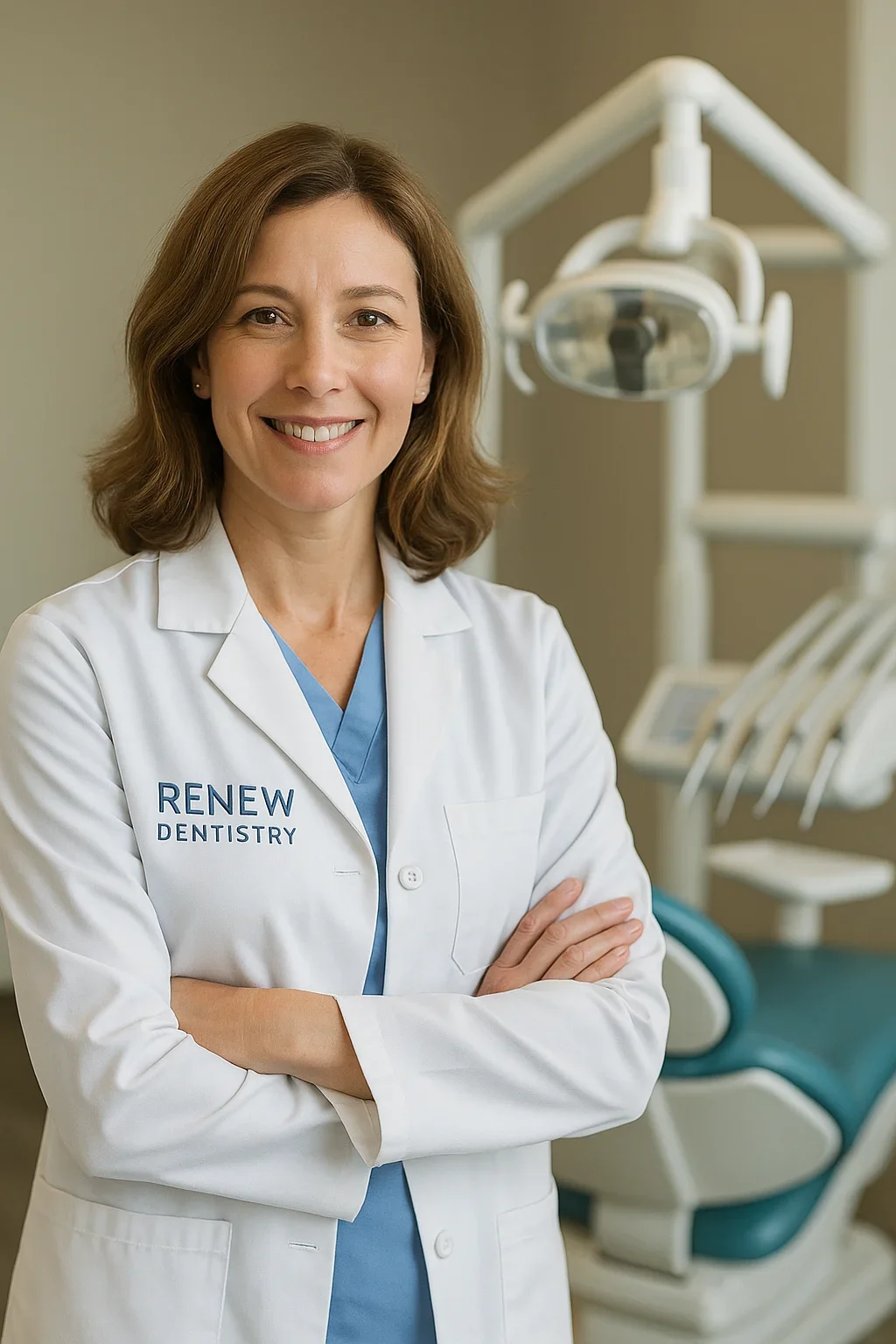
Conclusion: Why Periodontal Clinics Play a Vital Role in Lifelong Oral Health
A dedicated periodontal clinic plays an irreplaceable role in preserving gum health, maintaining strong tooth foundations, and preventing the progression of serious oral diseases. Gum health is frequently overlooked until symptoms become severe, yet it is one of the most critical elements in achieving long-lasting oral stability. Modern periodontal care integrates advanced technology, biologically focused treatment methods, and personalized maintenance strategies—creating a system that supports lifelong oral wellness. This comprehensive approach aligns seamlessly with the principles of renew dentistry, which emphasize tissue regeneration, minimally invasive therapy, and long-term preservation of natural structures.
The Long-Term Importance of Gum Health
Gum health affects far more than the appearance of your smile. It influences the stability of your teeth, the function of your bite, and even systemic health factors such as inflammation and immune response. When gum tissues break down or when bone levels decrease, the entire oral system becomes compromised. A periodontal clinic specializes in diagnosing early signs of disease, addressing existing damage, and preventing future deterioration through structured care.
How Gum Disease Impacts Oral Stability
Periodontal disease can progress silently, gradually destroying the tissues that support your teeth. This leads to problems such as:
- Receding gums exposing sensitive roots
- Loosening teeth due to bone loss
- Chronic inflammation and bleeding
- Painful chewing or shifting teeth
By offering structured treatment plans, a periodontal clinic stabilizes the foundation of your oral health and helps patients avoid tooth loss—a preventive philosophy at the heart of renew dentistry.
The Role of Regenerative Dentistry in Periodontal Care
One of the most transformative developments in modern dentistry is the increased focus on biological and regenerative treatments. Rather than relying solely on surgical interventions or artificial restorations, periodontists are now able to stimulate natural tissue healing through biologically active therapies. This shift forms the core of renew dentistry, which prioritizes natural repair wherever possible.
Examples of Regenerative Solutions
- Platelet-rich fibrin (PRF) to accelerate gum healing
- Growth factor applications to enhance bone regeneration
- Membrane-guided tissue regeneration for predictable bone rebuilding
- Laser therapy to stimulate biological repair
These regenerative approaches minimize trauma, shorten healing times, and create outcomes that are both functional and long-lasting.
Periodontal Care and Systemic Health
A growing body of evidence shows strong links between gum disease and systemic health issues such as heart disease, diabetes, and chronic inflammation. A periodontal clinic not only works to improve oral health but also helps patients lower their risk for serious medical conditions.
The Mouth-Body Connection
Inflamed gums allow harmful bacteria to enter the bloodstream, triggering systemic inflammation. This can worsen underlying conditions or increase the risk of complications. Through structured care programs, clinicians reduce bacterial load and inflammatory responses—benefits that align with the holistic health focus of renew dentistry.
The Importance of Periodontal Maintenance After Treatment
Successful periodontal treatment is only the beginning. Preventing recurrence is the true challenge, and this is achieved through periodontal maintenance visits every 3–4 months. During these visits, specialists clean deep periodontal pockets, remove harmful bacteria, and monitor gum attachment levels. Consistent and proactive maintenance prevents reinfection, supports bone stability, and keeps the gums healthy.
Maintenance as a Lifelong Partnership
Patients who commit to ongoing care significantly reduce their risk of tooth loss and ensure that regenerative treatments deliver durable results. This model mirrors the continuous-care philosophy embedded in renew dentistry, where long-term health is always prioritized over one-time procedures.
Integrating Periodontal Care With Restorative Dentistry
Periodontal health is the foundation of all restorative and cosmetic dentistry. Whether a patient is receiving crowns, veneers, or dental implants, the gums must be healthy and strong. A periodontal clinic collaborates with restorative dentists to create treatment plans that support both short-term needs and long-term dental function.
Why Gum Stability Is Essential for Cosmetic Results
Even the most advanced dental restorations will not last if placed over inflamed or unstable gums. When periodontal health is prioritized, cosmetic treatments become more predictable and remain stable for many years.
Choosing a Periodontal Clinic That Aligns With Renew Dentistry Principles
While many clinics offer basic gum treatments, those aligned with renew dentistry emphasize minimally invasive care, advanced diagnostics, biological regeneration, and patient education. When selecting a periodontal specialist, consider:
- Experience with regenerative procedures
- Use of modern technology such as lasers and digital imaging
- Commitment to preventive and long-term care
- Clear communication and treatment transparency
A clinic that embraces these principles is more likely to deliver treatments that preserve natural tissues and enhance overall oral function.
Final Thoughts: A Lifelong Commitment to Oral Health
In conclusion, the value of a specialized periodontal clinic extends far beyond treating gum disease. From early diagnosis and advanced regenerative therapies to implant support and ongoing maintenance, periodontists safeguard the tissues that keep your smile strong. Their biologically driven strategies reflect the essence of renew dentistry—preserving natural teeth, enhancing function, and promoting long-term oral health. By investing in periodontal care today, patients ensure a healthier future with stronger gums, stable teeth, and a renewed foundation for all dental treatments.