
Placing dental implants is one of the most advanced and reliable solutions for restoring missing teeth 🦷. It involves a surgical procedure in which a titanium post is inserted into the jawbone, acting as a strong and durable root for an artificial tooth. Over time, this post integrates with the bone through a process called osseointegration, forming a secure foundation for crowns, bridges, or dentures. The goal of placing dental implants is to help patients regain natural function, confidence, and aesthetics — offering a long-term alternative to removable prosthetics.
When it comes to placing dental implants, patients often have many questions about the process, safety, and outcomes. Understanding every step — from consultation to recovery — can make the experience smooth and stress-free. Unlike traditional dentures or bridges, dental implants provide a permanent, stable, and lifelike solution that looks and feels like real teeth. Thanks to technological advancements such as 3D imaging, guided surgery, and biocompatible materials, modern dental implant procedures are more predictable and comfortable than ever before.
At its core, the success of placing dental implants depends on precision, planning, and professional expertise. A skilled implant dentist evaluates the jawbone density, gum health, and overall oral condition before starting the procedure. If the bone structure is insufficient, bone grafting may be recommended to ensure implant stability. Each implant placement is uniquely designed for the patient’s anatomy, ensuring the best possible aesthetic and functional results.
One of the main reasons people choose placing dental implants is their durability and ability to mimic natural teeth. When maintained properly, dental implants can last a lifetime. Unlike removable dentures, they don’t slip or move while eating or speaking. Patients can enjoy their favorite foods without discomfort and maintain their oral hygiene routines just like with natural teeth. This life-changing dental innovation restores not only a person’s smile but also their confidence, nutrition, and quality of life.
Modern techniques for implant placement focus on comfort and minimal invasiveness. Many clinics now use digital surgical guides to ensure optimal implant positioning. This digital planning reduces surgical risks and shortens healing time. Local anesthesia and, if necessary, sedation options make the entire process virtually painless. After the implant is placed, a healing period of several weeks allows the bone to fuse around the implant before the permanent crown or bridge is attached.
Another essential aspect of placing dental implants is ensuring long-term oral health. Because the implant integrates into the jawbone, it helps prevent bone resorption — a common issue after tooth loss. This keeps facial contours intact and avoids the “sunken” appearance that often accompanies missing teeth. Dental implants also distribute biting forces evenly, protecting adjacent natural teeth from excessive wear or shifting.
Many patients also appreciate that placing dental implants supports speech clarity and self-esteem. With stable and natural-looking teeth, there’s no fear of slippage or awkward pronunciation, which can sometimes occur with dentures. The visual result is a radiant, confident smile that feels completely natural. From a psychological standpoint, dental implants significantly improve the overall quality of life by restoring normal function and appearance.
According to the American Dental Association, dental implants are among the most effective and scientifically supported tooth replacement solutions. Their success rate typically exceeds 95%, provided patients follow post-operative care guidelines. Maintaining excellent oral hygiene, regular dental visits, and avoiding habits such as smoking play a major role in implant longevity. Dentists also recommend using soft-bristled brushes and non-abrasive toothpaste to protect both the gums and the prosthetic crown.
At Redent Klinik Contact Page, you can learn more about the detailed process, recovery tips, and expert consultation options for placing dental implants. Our team ensures every patient receives personalized care tailored to their specific dental condition, aesthetic goals, and comfort preferences. Whether you need a single tooth implant or a full-mouth restoration, our specialists provide comprehensive guidance from start to finish.
Ultimately, placing dental implants represents a perfect blend of science, precision, and artistry. It’s not just about filling gaps in your mouth — it’s about rebuilding your smile, confidence, and overall health 🌟. With today’s advanced techniques and materials, implants offer a permanent, natural-looking, and highly functional solution for missing teeth. By investing in dental implants, you invest in your long-term well-being, ensuring that every meal, conversation, and smile feels authentic and joyful.
Whether you’ve lost a tooth due to decay, injury, or age, dental implants can restore your oral health with lasting beauty and strength. The journey begins with proper consultation and ends with a life-changing transformation — a confident smile built on the foundation of modern dentistry. That is the true essence of placing dental implants: bringing back not only your teeth but also your self-assurance and happiness every single day.
What Is the Process of Placing Dental Implants?
Understanding the process of placing dental implants helps patients feel confident and prepared for this transformative dental treatment 🦷. The procedure is not only about replacing missing teeth but also about restoring full oral functionality and aesthetics. By learning each phase of the process, patients can make informed decisions and feel comfortable throughout their journey to a new smile. The following section breaks down every step in detail, ensuring that you fully understand what happens before, during, and after placing dental implants.
Initial Consultation and Oral Examination
The first stage of placing dental implants always begins with a comprehensive consultation. During this visit, the dentist evaluates your oral health, reviews your medical history, and discusses your treatment goals. Advanced imaging technologies such as panoramic X-rays and 3D cone-beam CT scans are used to assess bone density and determine the ideal implant position. These digital diagnostics ensure that the implant placement will be both functional and aesthetic. The dentist also evaluates gum condition, bite alignment, and any pre-existing dental concerns that might affect the procedure. If you have insufficient bone mass, bone grafting may be recommended to strengthen the area for implant stability.
Personalized Treatment Planning
After gathering all necessary data, your dental specialist creates a customized treatment plan. This plan outlines the number of implants required, their positions, and the timeline for surgery and restoration. Every patient’s case is unique, and therefore, the plan for placing dental implants is specifically tailored to individual needs. Factors such as jawbone structure, gum thickness, and overall oral hygiene habits influence the surgical approach. Digital planning software is now commonly used in clinics to virtually simulate the implant placement, reducing human error and optimizing accuracy.
Surgical Implant Placement
Once the treatment plan is approved, the actual procedure of placing dental implants begins. The surgery is usually performed under local anesthesia, although sedation may be offered for anxious patients. The dentist makes a small incision in the gum to expose the bone, then drills a precise hole where the titanium implant will be inserted. This titanium post acts as an artificial tooth root. The placement angle and depth are meticulously calculated to ensure long-term stability and proper alignment with future crowns or bridges. After the implant is inserted, the gum tissue is sutured, and the healing process begins. This phase is crucial as it allows the implant to integrate with the bone — a process known as osseointegration.
Osseointegration and Healing Phase
During the healing stage, the bone naturally fuses with the titanium implant. This typically takes anywhere from 8 to 16 weeks, depending on bone quality and patient health. Proper osseointegration ensures that the implant becomes a permanent part of the jaw, capable of withstanding normal chewing forces. Patients are advised to maintain excellent oral hygiene and avoid excessive pressure on the implant site. Regular follow-up appointments allow the dentist to monitor healing progress. This period is vital in the success of placing dental implants, as incomplete fusion can lead to implant failure.
Abutment Placement and Crown Restoration
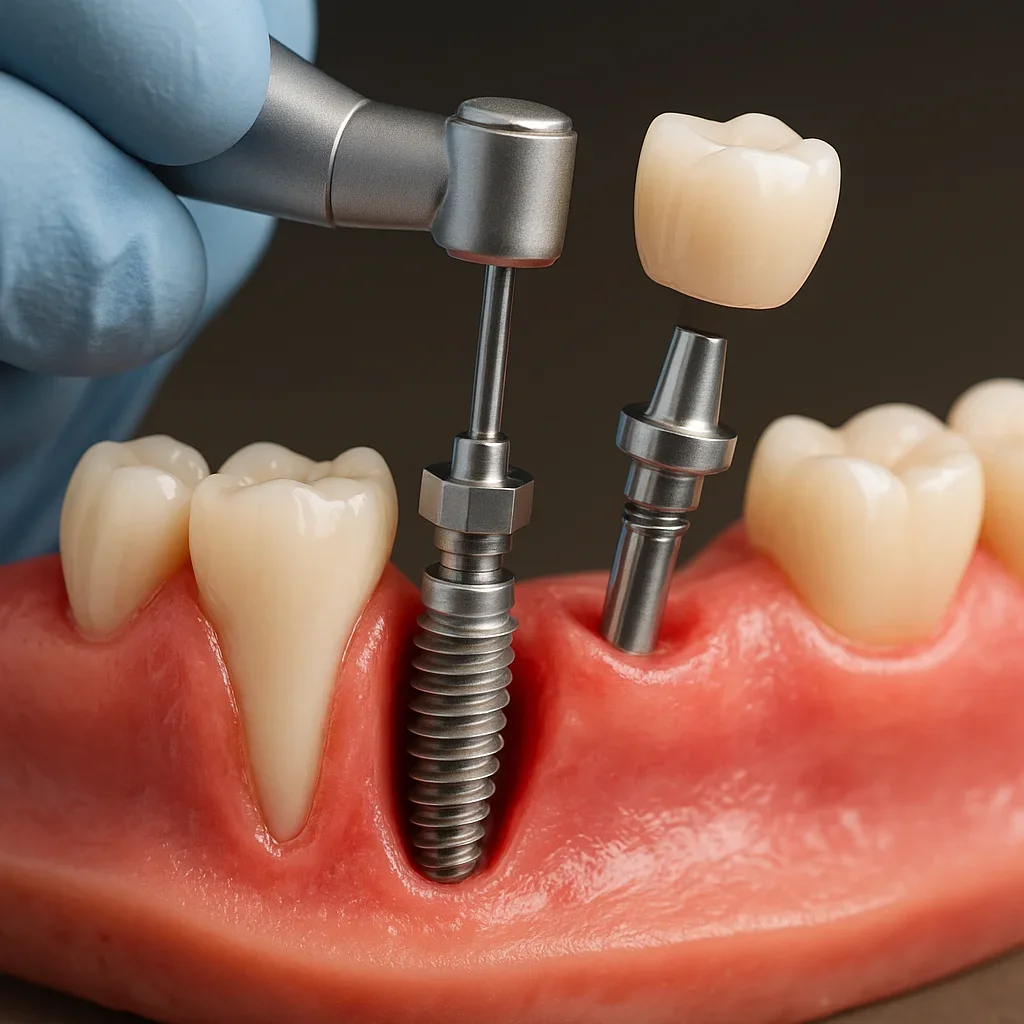
Once osseointegration is complete, the next step involves attaching an abutment — a small connector that links the implant to the final crown. The gums are gently reopened, and the abutment is screwed onto the implant. After a short healing period of about two weeks, the final crown (artificial tooth) is attached. This crown is designed to match the color, shape, and contour of your natural teeth, creating a seamless and natural appearance. With modern digital design and milling technologies, dentists can achieve stunningly realistic results. At this point, the process of placing dental implants is complete, and patients can enjoy a restored smile that looks and feels just like real teeth.
Post-Procedure Care and Follow-Up
After completing placing dental implants, post-operative care is critical. Patients are advised to follow a soft diet, use prescribed antibacterial mouthwash, and avoid smoking to ensure proper healing. Pain or swelling is typically mild and subsides within a few days. Dentists may prescribe mild pain relievers or anti-inflammatory medication to manage discomfort. Regular check-ups help ensure the implant remains stable and the surrounding gum tissue healthy. Proper oral hygiene — including brushing, flossing, and routine professional cleanings — is essential for maintaining long-term implant success.
Advanced Technologies in Implant Placement
Today, the process of placing dental implants is safer and more precise thanks to technological innovations. Guided implant surgery uses 3D imaging and computer-assisted design to map out exact implant positions before surgery. This method minimizes surgical risks, reduces recovery time, and improves accuracy. In addition, laser dentistry has become an effective tool for making incisions with minimal bleeding and faster healing. Patients benefit from less discomfort, shorter procedures, and predictable results. These technological advancements ensure a higher success rate and an overall more comfortable patient experience.
Patient Education and Communication
A key element of successful implant treatment is education. Dentists emphasize explaining each stage of the process so that patients fully understand what to expect. Knowing how placing dental implants works empowers patients to follow aftercare guidelines properly and maintain long-term oral health. Clinics often provide visual aids, 3D simulations, and digital progress tracking to improve communication and patient satisfaction. Educated patients tend to experience better healing outcomes and reduced anxiety during the procedure.
Success Rate and Longevity
The success rate of placing dental implants exceeds 95% when performed by experienced professionals. Proper oral hygiene, healthy lifestyle choices, and regular dental visits contribute significantly to this success. Many patients enjoy functional implants for decades without complications. Studies show that dental implants can last over 25 years, offering superior stability compared to bridges or dentures. The long-term durability makes implant dentistry one of the most cost-effective and sustainable solutions for tooth loss.
In summary, the process of placing dental implants involves meticulous planning, precise surgery, and dedicated aftercare. From the initial consultation to final restoration, every stage plays a vital role in ensuring a natural-looking, long-lasting smile. With advanced tools, skilled professionals, and patient-focused care, dental implant treatment has become a predictable and life-changing procedure that restores confidence, health, and happiness 😁.
Key Benefits of Dental Implant Placement Over Other Treatments
The advantages of placing dental implants go far beyond restoring a missing tooth. They represent a transformative innovation in dentistry, offering durability, aesthetics, and functionality unmatched by other tooth replacement methods. From improved chewing ability to bone preservation and facial aesthetics, dental implants provide a comprehensive solution that mimics the natural structure of real teeth. In this section, we’ll explore why so many patients and dental professionals consider implants the gold standard for tooth replacement 🦷.
Natural Appearance and Functionality
One of the most remarkable benefits of placing dental implants is their lifelike appearance and feel. Each implant is designed to blend seamlessly with the surrounding teeth, matching the natural color, size, and shape. Because the implant fuses directly with the jawbone, it provides the same stability as a natural tooth root. This means patients can eat, smile, and speak confidently without worrying about shifting or discomfort — a common problem with traditional dentures or bridges. The result is a restoration that looks and functions so naturally that most people forget they even have an implant!
Enhanced Chewing Efficiency
Unlike dentures, which can slip or cause sore spots, implants are anchored firmly in place. This allows for efficient chewing of a wide variety of foods, from crunchy vegetables to juicy steaks. The process of placing dental implants restores nearly 100% of the chewing power that natural teeth provide, helping patients maintain proper nutrition and digestive health. Chewing efficiency also prevents digestive issues that can arise from inadequately processed food, making dental implants not just a cosmetic improvement but a functional and health-oriented one as well.
Preservation of Jawbone and Facial Structure
When a tooth is lost, the underlying bone begins to deteriorate due to lack of stimulation. Over time, this bone loss can lead to a sunken facial appearance and misalignment of remaining teeth. However, placing dental implants helps maintain bone integrity by stimulating bone cells through daily chewing forces. This stimulation prevents bone resorption, preserving the patient’s facial structure and youthful contours. Other treatments, such as bridges or dentures, do not address bone loss, which makes implants the superior long-term solution for maintaining oral health and facial aesthetics.
Prevention of Tooth Shifting
When gaps are left unfilled after tooth loss, adjacent teeth gradually shift toward the empty space. This can cause misalignment, bite issues, and increased plaque accumulation. Placing dental implants eliminates this problem by filling the gap with a stable, permanent fixture. The implant acts as a natural barrier, keeping other teeth in their correct positions and maintaining proper alignment. Over time, this prevents the need for additional orthodontic treatments and reduces wear on surrounding teeth.
Longevity and Durability
Dental implants are built to last a lifetime when properly cared for. The titanium post used in placing dental implants is biocompatible and resistant to decay, unlike natural tooth roots that may be affected by cavities or infection. Studies show that the success rate for implants exceeds 95%, significantly higher than bridges or dentures. With routine check-ups and proper oral hygiene, implants can last several decades without requiring replacement — making them a cost-effective investment in long-term dental health.
Minimal Maintenance and Easy Care
Another major benefit of placing dental implants is their simple maintenance. Unlike dentures, which require special cleaning solutions and adhesives, implants can be cared for just like natural teeth. Regular brushing, flossing, and professional dental cleanings are sufficient to keep them in excellent condition. This simplicity encourages better oral hygiene habits and prevents issues such as gum inflammation or bacterial buildup. Additionally, since implants do not rely on adjacent teeth for support (as bridges do), surrounding teeth remain intact and healthy.
Improved Speech and Confidence
Speech clarity is another area where dental implants excel. Poorly fitting dentures can slip or move, causing mumbling or difficulty pronouncing certain words. Because implants are firmly anchored, they allow for natural speech patterns without fear of embarrassment. Patients often report a dramatic boost in self-confidence after placing dental implants, as they can speak, eat, and smile freely. The psychological benefits of a restored smile are profound — increasing social confidence, self-esteem, and overall happiness 😊.
No Damage to Adjacent Teeth
Unlike traditional bridges that require grinding down adjacent teeth for support, placing dental implants leaves surrounding teeth completely untouched. This preservation of natural tooth structure is a significant advantage, as it prevents potential future complications such as decay or sensitivity. Healthy neighboring teeth remain strong and stable, supporting long-term oral health and reducing the need for additional dental work in the future.
Better Long-Term Cost Efficiency
While the initial investment for placing dental implants may seem higher than dentures or bridges, their longevity and durability make them more economical in the long run. Other treatments often need replacement or repair every few years, whereas implants can last a lifetime. This makes them the most cost-effective tooth replacement solution when viewed from a long-term perspective. Patients also save money by avoiding frequent adjustments, adhesives, or special cleaning products required for dentures.
Enhanced Overall Oral Health
Placing dental implants supports healthy gums and bone tissue, maintaining a balanced oral environment. Since implants are independent units, they allow for easier cleaning between teeth, reducing the risk of periodontal disease. Additionally, because the implant stabilizes the jawbone and promotes natural chewing, it contributes to improved circulation and gum health. Patients who choose implants often report fewer oral infections and overall better dental well-being.
In summary, placing dental implants offers a combination of aesthetics, strength, and permanence unmatched by any other restorative method. From preserving bone and preventing tooth movement to boosting confidence and speech, dental implants deliver comprehensive oral rehabilitation. They don’t just replace missing teeth — they restore quality of life, function, and self-assurance 🌟. By choosing implants, patients invest in a long-lasting solution that enhances both their smile and their overall well-being.
Step-by-Step Timeline: From Consultation to Final Crown
The journey of placing dental implants is a carefully structured process designed to ensure precision, comfort, and long-term success. Understanding the full treatment timeline helps patients know exactly what to expect at every stage — from the first consultation to the final placement of the crown. While the overall duration may vary depending on individual needs and healing time, most implant procedures follow a similar sequence. This section provides a detailed breakdown of each step, explaining what happens before, during, and after the procedure to achieve a perfect, natural-looking smile 🦷.
Step 1: Initial Consultation and Diagnostic Evaluation
Every successful case of placing dental implants begins with a thorough initial consultation. During this visit, the dentist performs a detailed examination of your oral and general health. X-rays, 3D cone-beam CT scans, and digital impressions are used to evaluate jawbone density, gum health, and tooth alignment. These advanced diagnostic tools help determine whether you are a suitable candidate for implants. The dentist also discusses your medical history, lifestyle factors, and any habits — such as smoking — that could affect healing. This step ensures that the entire process is safe, personalized, and strategically planned.
Treatment Planning and Digital Simulation
After the evaluation, a customized treatment plan is developed. Modern clinics use digital software to simulate the process of placing dental implants virtually before any physical procedure begins. This 3D planning allows for precise implant positioning and angulation, reducing surgical risks and improving aesthetic outcomes. Patients can even preview their expected results, which helps build confidence and clarity about the treatment ahead. The dentist then explains the timeline, costs, and expected recovery phases to set realistic expectations.
Step 2: Pre-Surgical Preparations
Before the actual implant surgery, certain preparatory steps may be required. For patients with insufficient bone volume, a bone grafting procedure or sinus lift might be performed to strengthen the implant site. These preparatory surgeries enhance bone density and ensure proper stability for the implant. If necessary, tooth extractions are also done at this stage, followed by a short healing period. The dentist might prescribe antibiotics or antiseptic rinses to minimize infection risk before placing dental implants. Once the mouth is ready, the surgical appointment is scheduled.
Step 3: Surgical Implant Placement
The procedure of placing dental implants typically takes 1–2 hours per implant and is usually performed under local anesthesia. After numbing the area, the dentist makes a small incision in the gum to expose the bone. Using precision tools, a small hole is drilled into the bone, and the titanium implant post is inserted. This post serves as the artificial root of the new tooth. Once the implant is positioned, the gum is sutured, and a temporary cap may be placed to protect the site during healing. Thanks to modern techniques and sedation options, patients experience minimal discomfort during this process.
Immediate vs. Delayed Placement
In some cases, immediate placement is possible — meaning the implant is inserted right after tooth extraction. However, most cases of placing dental implants follow a delayed approach, allowing the bone and gums to heal for several weeks before surgery. The choice depends on bone quality, gum condition, and infection risk. Both methods yield excellent results when executed properly, but your dentist will recommend the most suitable timeline for your unique case.
Step 4: Osseointegration Period (Healing Phase)
After surgery, the most critical phase begins — osseointegration. This is the biological process where the jawbone grows and fuses with the titanium implant, creating a stable foundation for the final crown. This healing period generally lasts between 8 and 16 weeks, depending on the patient’s bone health and immune response. During this time, patients should maintain good oral hygiene and avoid applying excessive pressure to the implant area. Dentists may recommend periodic check-ups to ensure proper healing and integration. The success of placing dental implants depends heavily on this phase, as it determines the implant’s long-term stability.
Diet and Lifestyle During Healing
Following implant surgery, patients should adhere to a soft-food diet for the first few days and avoid hard or sticky foods. Hydration and nutrition are crucial for recovery. Smoking and alcohol should be avoided because they delay healing and increase the risk of implant failure. Maintaining good oral hygiene with gentle brushing and prescribed mouth rinses ensures optimal recovery and helps prevent infection at the implant site.
Step 5: Abutment Attachment
Once osseointegration is confirmed, the next step is attaching the abutment — a small connector that links the implant to the crown. The gum is reopened slightly to access the implant, and the abutment is secured in place. This minor procedure requires minimal healing time, usually one to two weeks. Temporary crowns may be fitted during this stage to maintain aesthetics and gum contour. This step finalizes the structural integrity of the implant and prepares it for the permanent restoration.
Step 6: Final Crown Placement
The last stage of placing dental implants involves attaching the permanent crown. The dentist takes impressions or digital scans of your teeth to fabricate a crown that perfectly matches your natural tooth color, shape, and bite alignment. Once ready, the crown is securely attached to the abutment, completing the restoration. The final result is indistinguishable from natural teeth, both in appearance and function. Patients can now chew, smile, and speak confidently — enjoying a fully restored, functional mouth.
Material Options for Crowns
Crowns for dental implants are typically made of porcelain, zirconia, or ceramic fused with metal. Porcelain and zirconia offer superior aesthetics, closely resembling natural enamel. The dentist helps select the most suitable material based on your needs, preferences, and budget. Each crown is custom-made to ensure a seamless integration into your smile.
Step 7: Follow-Up and Maintenance
After completing placing dental implants, follow-up appointments are essential for monitoring gum health and bone stability. Dentists may schedule check-ups at 1 month, 3 months, and 6 months after the final crown placement. During these visits, the dentist checks bite balance, gum condition, and implant attachment. Long-term maintenance includes daily brushing, flossing, and professional cleanings every six months. With proper care, dental implants can last a lifetime, offering one of the most reliable and natural-looking tooth replacement options available today 🌟.
In conclusion, the process of placing dental implants follows a detailed timeline — from consultation and planning to surgery, healing, and restoration. Each step is essential to ensure durability, aesthetics, and long-term success. By understanding this structured journey, patients can approach treatment with confidence, knowing exactly how their new smile will take shape — one precise step at a time.
Who Is a Good Candidate for Dental Implant Placement?
Not everyone is immediately ready for placing dental implants. While dental implants have revolutionized modern restorative dentistry, their success relies on specific health conditions, bone quality, and oral hygiene standards. Understanding the criteria for candidacy helps ensure long-term success and reduces complications. This section explores who qualifies for implants, what medical or dental conditions might delay the process, and how patients can prepare themselves to become ideal candidates 🦷.
General Health Requirements
The foundation of any successful dental implant treatment begins with overall health. Since placing dental implants involves minor oral surgery, patients must be healthy enough to undergo the procedure and heal properly afterward. Individuals with controlled systemic conditions such as diabetes or hypertension can typically proceed, but those with uncontrolled chronic illnesses may require medical clearance first. Healing after implant surgery depends heavily on the body’s ability to repair tissue and integrate bone with the implant. Therefore, a stable immune system and healthy metabolism are essential.
Medical Conditions Affecting Candidacy
Certain medical issues may affect eligibility for placing dental implants. These include uncontrolled diabetes, severe osteoporosis, autoimmune disorders, or radiation therapy in the jaw area. Such conditions can interfere with bone healing and osseointegration — the process where bone fuses with the titanium post. However, with modern medical coordination and careful planning, many patients with mild forms of these conditions can still become good candidates. Dentists often collaborate with physicians to ensure all risk factors are managed before proceeding.
Healthy Gums and Oral Hygiene
Healthy gums are critical for successful implant placement. Since implants rely on gum tissue and bone for support, any signs of active gum disease (periodontitis) must be treated before placing dental implants. Inflammation or infection around the implant site can compromise healing and increase the risk of peri-implantitis — a condition similar to gum disease that can lead to implant failure. Regular dental cleanings, proper brushing, and flossing are vital for maintaining oral hygiene. Dentists often recommend a professional scaling and root planing session to eliminate bacteria before starting implant treatment.
Non-Smoking Lifestyle
Smoking is one of the leading risk factors for implant failure. Nicotine restricts blood flow to the gums, slowing the healing process and reducing oxygen supply to tissues. Studies show that smokers experience up to twice the implant failure rate compared to non-smokers. For this reason, dentists advise quitting smoking at least two months before and after placing dental implants. This simple lifestyle change can dramatically increase the success rate and longevity of your new smile.
Sufficient Bone Density and Volume
The strength and thickness of your jawbone play a central role in supporting dental implants. Since implants act as artificial roots, they must anchor firmly into healthy bone. If bone loss has occurred due to missing teeth, trauma, or periodontal disease, bone grafting may be required before placing dental implants. Bone grafting restores volume and density, ensuring a stable foundation. Advanced diagnostic tools such as 3D imaging allow dentists to measure bone structure accurately and plan precisely where the implant should be positioned for optimal integration.
Bone Grafting and Sinus Lift Procedures
Patients lacking adequate bone height in the upper jaw may need a sinus lift — a minor surgical procedure that raises the sinus floor and adds bone material. Similarly, bone grafts can be harvested from other parts of the mouth or made using synthetic substitutes. While these additional steps may extend the treatment timeline, they dramatically improve the long-term success of placing dental implants. The grafted bone typically takes a few months to heal before implant surgery can proceed.
Age and Growth Considerations
Age is another important factor in determining candidacy. Placing dental implants is not recommended for patients whose jawbones are still developing — typically under the age of 18. However, there is no upper age limit as long as the patient is in good health and has adequate bone density. Many seniors successfully receive implants and enjoy restored functionality and aesthetics. What truly matters is not age, but bone quality, gum health, and overall medical fitness.
Dental Habits and Bite Alignment
Before placing dental implants, the dentist also evaluates your bite alignment (occlusion). Uneven bite pressure or habits such as teeth grinding (bruxism) can damage implants over time. Patients who grind their teeth may need a custom night guard to protect the implant from excessive force. Similarly, correcting misaligned bites before implant surgery ensures even pressure distribution, improving implant stability and comfort.
Commitment to Aftercare and Maintenance
A successful implant journey doesn’t end with surgery — it continues with long-term care. Ideal candidates for placing dental implants are those willing to commit to excellent oral hygiene and regular dental visits. Implants can last decades, but only when properly maintained. Neglecting aftercare can lead to gum inflammation or infection that compromises implant health. Dentists emphasize preventive care, including professional cleaning every six months, to ensure implant longevity.
Emotional Readiness and Expectations
Another overlooked but crucial factor is emotional readiness. Patients should have realistic expectations about the process of placing dental implants. It’s a gradual treatment requiring patience for healing and multiple visits. Understanding this timeline prevents disappointment and helps patients stay motivated during recovery. When patients are mentally prepared and fully engaged in their treatment plan, they experience greater satisfaction and better long-term outcomes.
Summary: Are You a Good Candidate?
In summary, an ideal candidate for placing dental implants is someone with good general health, healthy gums, sufficient bone density, and a commitment to proper oral hygiene. Non-smokers with stable medical conditions and realistic expectations achieve the highest success rates. Even if you’re not currently a perfect candidate, modern dentistry offers pre-treatment options — such as bone grafts, gum therapy, and lifestyle guidance — to help you qualify. Consulting an experienced dental implant specialist is the best way to determine your personalized path toward a confident, lasting smile 🌟.
If you believe you might be ready to begin your journey, contact Redent Klinik Contact Page to schedule a consultation and discover whether dental implants are right for you. Our team will evaluate your needs and design a customized treatment plan that ensures your smile restoration is safe, effective, and life-changing.
Common Challenges and How Experts Overcome Them
Although placing dental implants has become one of the most predictable and successful dental procedures, certain challenges can arise during planning, surgery, or recovery. Understanding these challenges helps both patients and dental professionals prepare for optimal outcomes. Thanks to advanced techniques and precise diagnostic tools, most potential complications are manageable. In this section, we’ll explore the most common obstacles and how expert dentists overcome them to ensure long-lasting success 🦷.
Challenge 1: Insufficient Bone Density or Volume
One of the most frequent challenges in placing dental implants is inadequate bone density or volume. The implant must be anchored into healthy, strong bone to remain stable. Bone loss often occurs after tooth extraction, gum disease, or trauma. Without enough bone mass, the implant may not integrate properly, leading to loosening or failure. Expert clinicians address this by performing bone grafting procedures that rebuild the lost bone. Using natural or synthetic graft materials, the dentist strengthens the jawbone to provide a solid foundation for implant placement.
Solution: Bone Grafting and Regeneration Techniques
Specialists use bone grafts, sinus lifts, or ridge augmentations to correct bone deficiencies. These procedures stimulate new bone growth, creating a secure environment for the implant. Advances such as platelet-rich plasma (PRP) therapy and guided tissue regeneration help accelerate healing and improve success rates. Once the graft has integrated — usually within a few months — the implant can be safely placed with a high degree of stability.
Challenge 2: Gum Recession and Soft Tissue Limitations
Healthy gum tissue is essential for the aesthetic and functional success of placing dental implants. Receding gums can expose implant surfaces or metal components, leading to poor aesthetics and potential bacterial accumulation. Thin or weak gum tissue also reduces the protective barrier around the implant, increasing the risk of infection or peri-implantitis.
Solution: Soft Tissue Grafting and Proper Planning
To overcome this, implant dentists perform soft tissue grafting, transferring tissue from another part of the mouth (often the palate) to the implant site. This procedure thickens and strengthens the gums, ensuring a natural appearance and healthier long-term outcome. Meticulous pre-surgical planning and the use of digital scanners allow for accurate positioning that minimizes gum trauma during placing dental implants.
Challenge 3: Improper Implant Positioning
Precision is key in placing dental implants. Even a small error in angulation or depth can cause bite misalignment, sinus issues, or uneven pressure on neighboring teeth. Improper positioning may also affect the aesthetics of the final restoration, making it appear asymmetrical or unnatural. In severe cases, it can compromise the implant’s integration with bone.
Solution: Computer-Guided Implant Surgery
Modern dentists overcome this challenge by using digital imaging and computer-guided surgical templates. These advanced tools map out the ideal implant location and depth before surgery. The 3D navigation system ensures pinpoint accuracy, reducing human error and maximizing long-term stability. This technology also makes the procedure more comfortable, less invasive, and quicker to heal. In short, guided techniques have revolutionized how professionals approach placing dental implants, turning complex cases into predictable successes.
Challenge 4: Sinus Complications in Upper Jaw Implants
When placing implants in the upper jaw, especially near the back teeth, the dentist must account for the proximity of the sinus cavity. If an implant is placed too deep, it may encroach upon or penetrate the sinus membrane, leading to discomfort or sinusitis. This is a known but manageable challenge during placing dental implants.
Solution: Sinus Lift and Imaging Control
To prevent sinus complications, dentists perform a sinus lift procedure when necessary. This involves gently raising the sinus floor and adding bone graft material to create sufficient space for the implant. Advanced imaging such as cone-beam CT scans ensures precise visualization of the sinus boundaries, allowing safe placement without complications. These precautions make upper jaw implants just as successful as those in other regions of the mouth.
Challenge 5: Infection and Peri-Implantitis
Peri-implantitis is an inflammatory condition affecting the tissue and bone around an implant. It can occur when bacteria accumulate due to poor oral hygiene or surgical contamination. Left untreated, it may cause bone loss and implant failure. Since placing dental implants involves surgical procedures, infection control is one of the top priorities for dentists.
Solution: Sterile Protocols and Maintenance Programs
Professional clinics follow strict sterilization protocols, including the use of sterile instruments and antibacterial rinses during surgery. After surgery, patients receive detailed aftercare instructions. Regular follow-up visits, professional cleanings, and the use of antimicrobial mouthwashes help maintain implant health. Additionally, patients are educated on proper brushing and flossing techniques around the implant to minimize bacterial buildup.
Challenge 6: Nerve Damage or Sensitivity
In rare cases, improper depth or angulation while placing dental implants can cause irritation or injury to surrounding nerves, particularly in the lower jaw. This can result in numbness or tingling in the lips, chin, or gums.
Solution: Advanced Diagnostic Mapping
To avoid this, implant specialists use 3D cone-beam imaging to identify the exact location of nerves before surgery. Digital planning software allows them to position the implant safely away from critical nerve pathways. This level of precision ensures patient safety and comfort while minimizing post-surgical sensitivity.
Challenge 7: Patient Habits and Post-Operative Care
Even after a successful surgery, certain habits can jeopardize implant health. Smoking, poor hygiene, or skipping follow-up visits are among the most common reasons for implant failure after placing dental implants. Grinding teeth (bruxism) also places excessive pressure on the implant, risking damage or loosening.
Solution: Long-Term Monitoring and Lifestyle Guidance
Expert implantologists emphasize patient education. They provide detailed aftercare plans and encourage regular dental checkups to ensure the implant remains stable. Patients who grind their teeth may be fitted with night guards to protect the implant. Smoking cessation programs and nutrition advice further improve healing and long-term success rates. With consistent care, most implants remain functional for decades.
Challenge 8: Aesthetic Complications
Beyond function, aesthetics are crucial for patient satisfaction. Mismatched color, gum asymmetry, or unnatural crown proportions can affect the appearance of the final result. These cosmetic challenges are especially noticeable in front-tooth implant cases.
Solution: Customized Crowns and Digital Smile Design
Advanced smile design technology allows dentists to digitally plan the color, contour, and alignment of the final crown before placing dental implants. Using porcelain or zirconia crowns, the restoration can be perfectly matched to the surrounding teeth. Additionally, soft-tissue sculpting ensures natural gum contours for a seamless, lifelike result. The integration of artistic design with surgical precision is what sets expert implantologists apart.
In conclusion, while placing dental implants may involve certain challenges, modern dental science offers effective, evidence-based solutions for each. Through digital planning, guided surgery, advanced grafting, and meticulous aftercare, dental professionals achieve predictable, long-term success. With expert handling, patients enjoy not only restored function but also the confidence of a beautiful, lasting smile 🌟.
Healing and Recovery After Placing Dental Implants
The healing and recovery phase after placing dental implants is one of the most critical periods for ensuring long-term success. While the surgical procedure itself is typically smooth and minimally invasive, the real foundation for implant stability and longevity develops in the weeks and months that follow. This stage allows the implant to integrate with the bone and the surrounding soft tissues to heal fully. Understanding what to expect after surgery — including normal symptoms, aftercare routines, and recovery milestones — helps patients navigate the process confidently and achieve the best possible results 🦷.
Immediate Post-Surgery Period
Immediately after placing dental implants, patients may experience mild swelling, tenderness, or minor bleeding. These symptoms are natural responses to surgical manipulation and usually subside within 3 to 5 days. Dentists often prescribe pain relievers and anti-inflammatory medication to ensure comfort during this initial phase. Applying cold compresses for the first 24 hours helps control swelling and promotes faster recovery. It is also recommended to rest and avoid strenuous activities for at least the first 48 hours following surgery to prevent unnecessary strain on the implant area.
Managing Bleeding and Swelling
Some light bleeding or pink saliva is common after placing dental implants. Patients are usually instructed to bite gently on sterile gauze for about 30–45 minutes to control bleeding. It’s important to avoid spitting or rinsing forcefully during the first 24 hours, as this can dislodge the blood clot and delay healing. Swelling typically peaks within 48 hours and then gradually reduces. Cold packs should be applied intermittently (15 minutes on, 15 minutes off) to minimize inflammation. Sleeping with the head slightly elevated can also help reduce swelling overnight.
Diet and Nutrition During Recovery
Diet plays a crucial role in recovery after placing dental implants. For the first few days, a soft or liquid diet is recommended — including foods like soups, yogurt, smoothies, mashed potatoes, and scrambled eggs. These foods are gentle on the surgical site and provide essential nutrients to promote healing. Avoid hard, sticky, or crunchy foods that could disturb the implant or irritate the gums. Staying hydrated is equally important, but patients should refrain from using straws, as suction may disrupt the healing blood clot. As healing progresses, patients can gradually return to their normal diet under the dentist’s guidance.
Essential Nutrients for Healing
To speed up recovery after placing dental implants, patients should consume a nutrient-rich diet that supports tissue repair and bone integration. Foods high in protein, vitamin C, calcium, and omega-3 fatty acids promote collagen formation and strengthen bone. Supplements may be recommended if the patient has specific deficiencies. Additionally, avoiding alcohol and smoking is critical, as both can significantly delay healing and compromise implant success.
Osseointegration: The Core Healing Process
The most vital stage in the recovery process is osseointegration — the biological fusion between the titanium implant and the jawbone. This stage typically lasts between 8 to 16 weeks, depending on individual factors such as bone density, health status, and the surgical technique used. During this time, the body naturally forms new bone tissue around the implant, locking it securely in place. The success of placing dental implants largely depends on the completion of this phase. Regular dental visits allow the dentist to monitor integration progress using X-rays and ensure that healing is proceeding properly.
Factors Influencing Osseointegration
Several factors affect the speed and success of osseointegration. These include bone quality, blood circulation, and adherence to post-operative instructions. Smoking, poor oral hygiene, or systemic diseases such as diabetes can slow down healing. That’s why dental professionals emphasize follow-up appointments and provide specific care recommendations. When properly followed, these measures significantly increase the stability and long-term success of the implant.
Oral Hygiene After Implant Surgery
Maintaining oral hygiene during the healing phase is essential but must be done gently. Patients are usually advised to avoid brushing the surgical site for the first few days after placing dental implants. Instead, they can rinse gently with an antibacterial mouthwash prescribed by the dentist. After a few days, soft-bristle toothbrushes and non-abrasive toothpaste can be used to clean the surrounding teeth carefully. Good oral hygiene prevents bacterial buildup and reduces the risk of infection, one of the primary causes of implant failure.
Professional Cleanings and Follow-Ups
Routine follow-ups are scheduled to ensure the gums and bone are healing properly. During these visits, dentists may perform professional cleanings or minor adjustments. Patients should attend all scheduled appointments, even if they feel no discomfort, since many potential complications can be detected early through these evaluations. The dentist also checks for early signs of peri-implantitis, ensuring that the tissues around the implant remain healthy and inflammation-free.
Physical Activity and Lifestyle Adjustments
During the recovery phase after placing dental implants, it’s important to minimize activities that can increase blood pressure or heart rate, such as heavy lifting or intense workouts. These activities can cause bleeding or swelling around the surgical site. Most patients can resume light daily activities within a few days, but exercise should be avoided for at least a week. Additionally, avoiding tobacco and alcohol during this period significantly improves the healing outcome. These substances can interfere with blood flow and slow tissue regeneration.
Sleep and Rest Recommendations
Getting adequate rest is one of the simplest yet most effective ways to promote recovery. Sleeping with the head elevated on an extra pillow helps reduce swelling and improve circulation around the implant site. It’s also advisable to sleep on the opposite side of the implant to avoid pressure on the healing area. Quality sleep aids in tissue repair and enhances immune function, helping the body recover more efficiently from placing dental implants.
Timeline for Complete Healing
The overall recovery timeline after placing dental implants varies between patients. Minor soft tissue healing generally takes 1 to 2 weeks, while bone integration may take several months. Once osseointegration is complete, the abutment and final crown can be attached, finalizing the restoration process. With consistent oral hygiene, proper diet, and professional care, the healing period becomes smooth and complication-free. By following the dentist’s instructions closely, patients can ensure the longevity and success of their implants for decades to come.
In conclusion, recovery after placing dental implants is a gradual but rewarding process that requires patience, attention, and professional guidance. From managing post-surgical discomfort to achieving full osseointegration, every step contributes to a healthy, lasting foundation for your new smile 🌟. By following a disciplined care routine and attending regular check-ups, patients can enjoy not just restored teeth but renewed confidence and oral health for life.
Cost Factors and Financial Options for Dental Implants
When considering placing dental implants, understanding the cost factors and financial options is essential for planning your treatment effectively. Dental implants are an investment in long-term oral health, functionality, and aesthetics — but the total price can vary depending on several clinical and logistical elements. Patients often wonder why implant costs differ between clinics or countries and what components influence the final bill. This section provides a detailed breakdown of these factors, helping you make informed, confident decisions about your smile restoration 🦷.
Key Factors That Influence the Cost
The total expense of placing dental implants depends on various variables, including the patient’s oral health condition, treatment complexity, materials used, and location of the dental clinic. Unlike dentures or bridges, implants involve surgical precision, customized components, and advanced technology. Therefore, it’s important to understand each contributing element before proceeding.
1. Number of Implants Required
The most straightforward cost factor in placing dental implants is the number of implants being placed. A single tooth replacement will naturally cost less than multiple implants or a full-mouth reconstruction. For example, replacing one tooth may require one titanium post and one crown, while restoring an entire arch may involve 4–6 implants supporting a fixed bridge (commonly known as the All-on-4 or All-on-6 technique). Each implant adds to the surgical time, materials, and laboratory work involved.
2. Bone Grafting and Preparatory Procedures
Some patients require preparatory treatments such as bone grafting or sinus lifts before placing dental implants. These procedures restore bone volume and density, ensuring a stable foundation for the implant. Bone grafting materials and additional surgical sessions increase the overall cost, but they are crucial for long-term success. Similarly, tooth extractions or gum treatments done beforehand also contribute to the total price.
3. Type and Material of Implant Components
Implants and crowns come in different materials and quality levels. Titanium is the standard choice due to its biocompatibility and strength, but premium-grade titanium or zirconia implants are more expensive. The prosthetic crown attached after placing dental implants can be made from porcelain, zirconia, or metal-ceramic combinations. Each material varies in aesthetics, durability, and price. High-end materials often look more natural and last longer, making them a worthwhile investment for many patients.
4. Dentist’s Experience and Clinic Technology
The experience of the dental surgeon and the technology used during placing dental implants can significantly influence the cost. Clinics that employ advanced systems such as 3D-guided implant placement, digital scanning, and computer-aided design (CAD/CAM) generally charge higher fees. However, these technologies increase precision and reduce recovery time, minimizing potential complications. A highly experienced implantologist may charge more but ensures predictable, long-lasting results that justify the price.
5. Geographic Location and Clinic Overheads
Costs can also vary based on where the procedure is performed. For example, placing dental implants in major metropolitan cities or international dental tourism hubs like Turkey tends to be more cost-effective compared to clinics in the United States or Western Europe. This difference is mainly due to lower operating expenses, not reduced quality. Many patients travel abroad to take advantage of affordable, high-quality implant treatments in accredited clinics.
Breakdown of Typical Cost Components
The total cost of dental implants usually includes several stages and services, each billed separately. Below is a general breakdown of what contributes to the overall treatment price:
- Initial consultation, X-rays, and 3D imaging
- Surgical placement of the implant post
- Abutment connection and healing cap
- Final crown fabrication and placement
- Follow-up visits and post-operative care
When evaluating the price of placing dental implants, it’s important to ensure the quote covers all these elements. Some clinics offer “package deals” that include everything from diagnostics to final restoration, which can simplify budgeting and prevent hidden costs later on.
Average Price Ranges Around the World
The cost of placing dental implants varies greatly between regions. For example:
• United States: $3,000 – $6,000
• United Kingdom: £2,000 – £4,000
• Germany: €2,500 – €4,500
• Turkey: $700 – $1,200
• India: $600 – $1,000
These ranges depend on the clinic, materials used, and whether additional procedures (like bone grafts) are required. Turkey, for instance, has become a global destination for dental tourism, offering world-class treatment at more affordable rates due to lower labor and overhead costs. Clinics such as Redent Klinik Contact Page provide transparent pricing structures that combine international standards with competitive affordability.
Financing and Payment Options
Many clinics offer flexible financing options to make placing dental implants accessible for more patients. These include installment payment plans, medical loans, or partnerships with financing institutions. Patients can spread the cost over several months, reducing the financial burden of paying all at once. Some dental insurance plans may also cover portions of the treatment, particularly the diagnostic and surgical stages. However, it’s essential to check individual policy terms, as implant procedures are sometimes classified as elective treatments.
Dental Tourism and Savings Opportunities
For patients seeking affordable yet high-quality treatment, dental tourism has become a popular solution. Traveling abroad for placing dental implants can result in significant savings — often 50–70% less than local prices — without compromising quality. Leading clinics in Turkey, Hungary, and Thailand offer comprehensive implant packages that include accommodation, transfers, and aftercare. Patients can enjoy professional care while also exploring a new country, making it a practical and rewarding experience.
Long-Term Value and Cost Efficiency
While placing dental implants may appear costly at first, it’s crucial to view them as a long-term investment rather than an expense. Implants can last for decades, whereas dentures or bridges often need replacement every 5–10 years. Over time, implants prove to be more cost-effective due to their durability, minimal maintenance, and ability to prevent bone loss. Moreover, they preserve adjacent natural teeth, reducing future dental expenses. Patients who maintain good oral hygiene and attend regular check-ups enjoy their implants for life, making them one of the most valuable dental solutions available.
In summary, the cost of placing dental implants is influenced by several interconnected factors — from surgical complexity and materials to geography and the dentist’s expertise. However, modern financial options, insurance support, and dental tourism opportunities make this transformative treatment accessible to a wider audience. By choosing a reputable clinic and understanding all cost components, patients can confidently invest in a lifetime of healthy, beautiful smiles 🌟.
Long-Term Care and Maintenance Tips for Implants
After placing dental implants, proper long-term care is essential to ensure their durability, functionality, and aesthetics for years to come. Dental implants are designed to last a lifetime, but like natural teeth, they require consistent oral hygiene, regular dental visits, and healthy lifestyle choices. Neglecting maintenance can lead to complications such as gum inflammation or peri-implantitis, which may compromise the implant’s stability. In this section, we’ll explore comprehensive maintenance strategies, practical daily routines, and professional recommendations to keep your implants in perfect condition 🦷.
Daily Oral Hygiene for Implants
Maintaining an excellent oral hygiene routine is the cornerstone of long-term success after placing dental implants. While implants are resistant to decay, the surrounding gum tissue remains susceptible to inflammation caused by plaque buildup. Brushing twice a day using a soft-bristled toothbrush and low-abrasive toothpaste is highly recommended. Electric toothbrushes with oscillating heads are particularly effective at cleaning around the implant base. It’s equally important to floss daily using implant-safe floss or interdental brushes to remove food particles and bacteria from hard-to-reach areas.
Best Tools for Cleaning Dental Implants
Traditional floss can sometimes shred or get caught around implant crowns. Therefore, experts recommend using unwaxed, implant-specific floss or water flossers. Water flossers use gentle pressure to clean below the gumline, minimizing the risk of irritation. Interdental brushes with plastic-coated wires are another excellent option, as they can easily fit between implants and natural teeth. These specialized tools help maintain gum health and prevent peri-implant diseases, ensuring that placing dental implants delivers long-lasting benefits.
Professional Dental Checkups and Cleanings
Regular dental checkups are vital for maintaining implants. Even with perfect home care, plaque and tartar can accumulate around the gums. Scheduling professional cleanings every six months ensures that potential issues are detected early. During these visits, the dentist examines the implant’s condition, checks bite alignment, and ensures the crown remains secure. Clinics use non-metallic instruments to clean around implants, preventing surface scratches. Consistent monitoring after placing dental implants allows your dentist to make minor adjustments before problems develop into major complications.
Implant Maintenance Visits
During an implant maintenance appointment, the dentist or hygienist may perform digital X-rays to assess bone health and verify that the implant remains fully integrated. They also evaluate gum depth and check for early signs of inflammation or bone loss. These preventive measures are key to extending the life span of your implants. A customized maintenance schedule may be created based on your oral hygiene habits, smoking status, and overall health condition.
Preventing Peri-Implantitis and Inflammation
Peri-implantitis is one of the most common long-term risks after placing dental implants. It is an inflammatory condition affecting the gum and bone surrounding an implant, similar to periodontitis. Symptoms include redness, swelling, bleeding while brushing, and bad breath. Left untreated, it can lead to bone loss and implant instability. Prevention focuses on plaque control and early detection. Dentists emphasize consistent cleaning habits, professional debridement, and the use of antimicrobial mouth rinses to reduce bacterial load.
Home Remedies and Professional Treatments
In addition to routine cleanings, patients can use antiseptic rinses such as chlorhexidine to manage bacterial growth. If mild inflammation occurs, dentists may recommend localized laser therapy to disinfect the implant surface without surgery. For advanced cases, professional intervention involving scaling, antibiotic treatment, or minor surgical correction might be necessary. The goal is always to preserve bone support and restore healthy tissues around the implant.
Lifestyle and Dietary Considerations
Healthy habits significantly impact the longevity of dental implants. Smoking is the most detrimental factor, as it restricts blood flow to the gums and slows healing. Studies show that smokers have a much higher risk of implant failure. Quitting smoking before and after placing dental implants dramatically improves success rates. A nutrient-rich diet that includes vitamin C, calcium, and omega-3 fatty acids supports tissue regeneration and gum health. Hydration is also important because a dry mouth increases bacterial growth and plaque accumulation.
Foods and Drinks to Avoid
Patients should avoid excessive consumption of sugary foods and acidic beverages such as soda, which can damage gum tissues and weaken enamel around adjacent teeth. Sticky foods, like caramel or toffee, can lodge around the implant crown and create plaque retention areas. Limiting alcohol intake is also advisable, as it can dry out the mouth and hinder tissue recovery. By following a balanced diet, patients protect their implants and overall oral health simultaneously.
Protecting Implants from Physical Stress
Another key component of post-treatment maintenance is protecting implants from physical strain. Excessive bite pressure, teeth grinding (bruxism), or trauma can weaken the implant or loosen the crown. After placing dental implants, dentists may recommend custom night guards for patients who grind their teeth during sleep. These guards distribute pressure evenly and prevent mechanical stress on the implant. Athletes or individuals involved in contact sports should also wear mouthguards to avoid accidental impact on the teeth and jaw.
Adjusting Your Bite for Balance
Sometimes, minor bite misalignment can cause uneven pressure on the implant. Dentists perform occlusal adjustments to ensure that chewing forces are distributed correctly. Balanced biting pressure helps preserve implant stability and prevents micro-movements that could affect osseointegration over time. Regular monitoring allows early correction of such issues before they cause discomfort or structural damage.
Long-Term Benefits of Consistent Maintenance
The advantages of proper aftercare extend far beyond the implant itself. Maintaining your implants helps preserve bone density, gum integrity, and facial structure. Over time, well-cared-for implants enhance not only oral health but also confidence and quality of life. Patients who follow dentist-recommended maintenance protocols after placing dental implants enjoy natural-looking smiles that last for decades with minimal complications.
In conclusion, consistent care is the key to maximizing the lifespan and performance of dental implants. From daily hygiene practices to professional monitoring and healthy lifestyle choices, each action contributes to long-term success. By committing to proper maintenance after placing dental implants, patients safeguard their investment and ensure that their smiles remain strong, beautiful, and functional for life 🌟.
Risks and Complications: What Patients Should Know
While placing dental implants is widely recognized as one of the most successful and predictable procedures in modern dentistry, it is still a surgical process — and like all surgeries, it carries certain risks and potential complications. Understanding these possibilities allows patients to make informed decisions and follow preventive measures that minimize unwanted outcomes. The overall success rate of dental implants exceeds 95%, but ensuring the best result requires awareness, expert care, and proper post-treatment habits. In this section, we will examine every potential complication, its cause, prevention, and management to give you a complete picture 🦷.
General Surgical Risks
As with any minor surgery, placing dental implants may involve temporary side effects such as swelling, bruising, mild bleeding, or discomfort. These symptoms usually resolve within a few days and are considered normal healing responses. Infection, however, is a rare but possible risk. It can occur when bacteria enter the surgical site during or after the procedure. Dentists prevent this by maintaining strict sterilization protocols and prescribing antibiotics post-surgery. Patients can further reduce infection risk by keeping the mouth clean and following aftercare instructions carefully.
How to Minimize Surgical Discomfort
To ensure a smooth recovery, dentists typically use local anesthesia or mild sedation during placing dental implants. This makes the process painless and comfortable. After surgery, applying ice packs, avoiding hard foods, and taking prescribed medication as directed can prevent complications and speed up healing. Good communication with your dental team is essential — any unusual pain or swelling should be reported immediately.
Risk of Implant Failure
Although rare, one of the most significant concerns related to placing dental implants is implant failure. This happens when the implant does not integrate with the jawbone properly — a process known as osseointegration failure. It can result from insufficient bone density, infection, uncontrolled diabetes, or excessive pressure during healing. Smokers are at particularly high risk because nicotine restricts blood flow, impairing bone regeneration.
Signs and Management of Implant Failure
Common signs of implant failure include persistent pain, gum swelling, or mobility of the implant. If detected early, many issues can be corrected. In mild cases, the implant site is cleaned and allowed to heal before reattempting placement. In advanced cases, the dentist may perform bone grafting to rebuild the area before trying again. Thanks to improved materials and technology, the long-term success rate of placing dental implants remains extremely high when performed by qualified professionals.
Nerve and Tissue Damage
Nerve damage is a very rare but serious complication that may occur if an implant is placed too close to a nerve channel, especially in the lower jaw. This can cause temporary or permanent numbness, tingling, or pain in the lips, gums, or chin. Soft tissue injury is another minor risk when delicate gum tissue is irritated or cut during the procedure.
Prevention Through Digital Planning
To avoid these risks, dentists use advanced 3D imaging (CBCT scans) before placing dental implants. This technology allows them to map nerve pathways precisely and determine safe implant positions. Digital surgical guides further enhance accuracy, making nerve damage nearly impossible in skilled hands. If nerve irritation occurs, it often resolves naturally within weeks as the tissues recover.
Sinus Problems with Upper Jaw Implants
For implants placed in the upper jaw, especially near the molars, there is a small chance of sinus membrane perforation. The sinus cavity lies directly above the upper jawbone, and if an implant extends too far, it can cause sinus pressure or mild discomfort.
Sinus Lift Procedure for Safety
To eliminate this risk, dentists may perform a sinus lift before placing dental implants. This involves gently lifting the sinus membrane and adding bone graft material to create adequate space. Modern imaging tools and careful preoperative planning have made this complication extremely rare. Patients who follow aftercare recommendations typically experience no sinus-related problems.
Peri-Implantitis (Infection Around the Implant)
One of the most discussed long-term complications after placing dental implants is peri-implantitis — an inflammatory condition affecting the bone and gum tissue around the implant. It is often caused by plaque buildup, poor oral hygiene, or smoking. Symptoms include bleeding gums, foul odor, and bone loss around the implant. Without timely intervention, peri-implantitis can lead to implant loosening or even loss.
Prevention and Treatment
Preventing peri-implantitis begins with daily brushing, flossing, and regular professional cleanings. If early signs appear, treatment may include deep cleaning, laser disinfection, or localized antibiotics. Severe cases might require minor surgical correction. Choosing a qualified implant dentist significantly reduces this risk, as precise placement and proper gum contouring prevent bacterial accumulation from the start.
Mechanical or Structural Complications
Implant-related mechanical issues are uncommon but possible. These include screw loosening, crown fractures, or implant breakage under excessive biting force. In some cases, poor occlusal alignment during placing dental implants can lead to uneven stress distribution, increasing wear on the components.
How to Prevent Mechanical Failures
To prevent mechanical complications, dentists use high-strength titanium and zirconia components that withstand chewing forces. After placement, regular bite evaluations ensure even load distribution. Patients who grind their teeth are advised to wear night guards to protect their implants and natural teeth alike. With proper monitoring and care, such issues remain minimal and easy to correct.
Systemic Health and Healing Risks
Systemic health conditions such as diabetes, osteoporosis, or autoimmune diseases may influence healing after placing dental implants. Medications like bisphosphonates or steroids can affect bone metabolism, slowing down osseointegration. Therefore, a thorough medical evaluation is conducted before treatment to assess these risks. Patients are encouraged to maintain stable health conditions and inform their dentist about any ongoing treatments or medications.
Holistic Approach to Implant Success
Modern dental clinics integrate a holistic approach — including nutritional guidance, stress management, and regular follow-up care — to enhance implant success. Patients are often advised to adopt balanced diets rich in calcium, vitamin D, and antioxidants to promote bone healing. This comprehensive care significantly reduces the risk of complications and ensures smoother recovery after surgery.
Allergic Reactions and Material Sensitivity
Although extremely rare, some individuals may experience allergic reactions to certain metals used in implants, such as nickel traces in titanium alloys. Today, most implants are made of medical-grade titanium or zirconia, both biocompatible and hypoallergenic materials. These minimize any risk of rejection or inflammation. Before placing dental implants, dentists can perform compatibility tests for patients with known metal sensitivities to ensure safety.
In conclusion, while placing dental implants carries minimal risks, awareness and proactive care are crucial to achieving lasting success. With skilled professionals, cutting-edge imaging, and disciplined maintenance, nearly all complications are preventable or easily manageable. Understanding these potential issues empowers patients to take an active role in their recovery and long-term oral health. When properly planned and maintained, implants offer a safe, permanent, and life-changing solution for restoring smiles 🌟.