
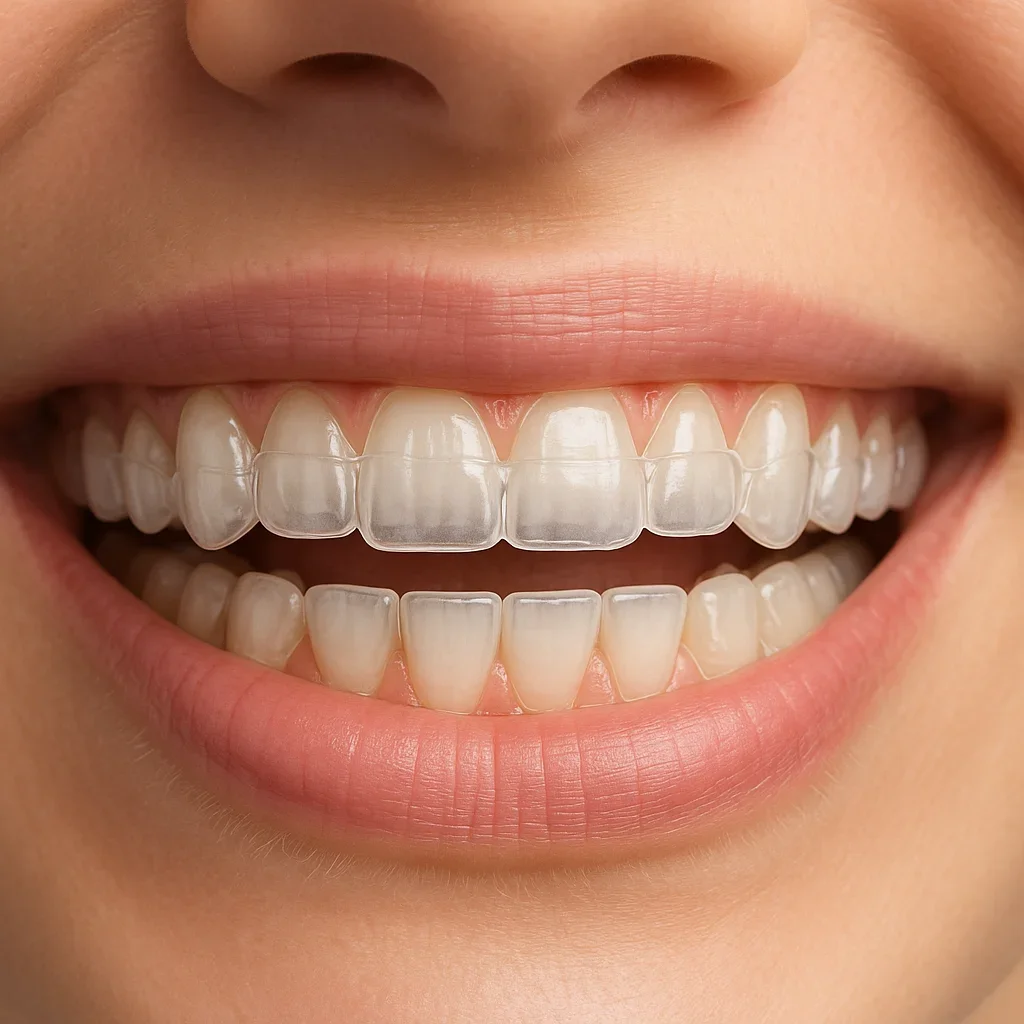
In the evolving world of orthodontics, plastic braces for teeth have emerged as a revolutionary option for those who desire a straighter, healthier smile without the discomfort and aesthetic drawbacks of traditional metal braces. These braces are made from durable, transparent, medical-grade plastic materials that gently move teeth into proper alignment over time. Their discreet design and comfort have made them one of the most sought-after dental treatments worldwide 🌍.
Unlike metal brackets and wires, plastic braces for teeth offer a clear and removable solution that fits seamlessly into your lifestyle. Patients love them because they provide effective results with less pain and fewer dental visits. Whether you’re a teenager hoping to improve your smile before graduation or an adult seeking a confident, professional appearance, these braces offer a balance of beauty, convenience, and performance. Moreover, their nearly invisible design means most people won’t even notice you’re wearing them 😁.
So, what makes plastic braces for teeth so appealing? It’s not just the cosmetic factor — it’s also about hygiene and oral health. Since plastic braces are removable, you can brush and floss your teeth without obstruction, reducing the risk of cavities, gum disease, and staining. This is a major advantage over traditional braces, which can trap food particles and plaque around metal wires. Patients report feeling more confident during treatment and are motivated to maintain better oral hygiene habits.
Modern orthodontic technology has made plastic braces for teeth more precise than ever before. Advanced 3D scanning and digital imaging allow dentists to map out the entire tooth movement process before treatment even begins. Each set of aligners is custom-made to apply targeted pressure to specific teeth, ensuring controlled and predictable results. The materials used today are strong yet flexible, offering optimal comfort while gradually adjusting your teeth into perfect alignment. ⏳
Another reason these braces are becoming increasingly popular is their convenience. Unlike traditional braces, which require frequent tightening and adjustments, plastic braces for teeth are designed for easy progression. Patients usually receive several sets of aligners in advance and switch to a new set every two weeks, according to their dentist’s plan. This allows for more freedom and fewer appointments — ideal for busy professionals and students. You can even remove them for special occasions, meetings, or meals, as long as you wear them for the recommended number of hours each day.
When it comes to aesthetics, plastic braces for teeth are unmatched. They blend naturally with your teeth, providing a smooth and polished appearance throughout your treatment. No metal wires, no irritation — just a clean, comfortable fit. People who once avoided orthodontic care due to self-consciousness now find these braces to be a confidence-boosting solution. You can smile, talk, and laugh freely without worrying about visible hardware or awkward situations.
Financially, plastic braces for teeth have become more accessible as technology advances. Many dental clinics, including Redent Klinik Contact Page, offer flexible payment plans and free consultations to help you determine if this option suits your budget and oral condition. Additionally, the treatment can often be covered partially by dental insurance, depending on your plan. Always consult with your provider to explore your eligibility for orthodontic coverage.
According to the American Dental Association, orthodontic treatments like plastic braces for teeth not only improve appearance but also enhance bite function, speech clarity, and long-term oral health. Misaligned teeth can cause jaw strain, gum recession, and uneven wear — problems that plastic braces can effectively prevent. By addressing these issues early, you invest not only in your smile but in your overall dental well-being for years to come 🦷.
It’s also worth noting that plastic braces for teeth use materials that are biocompatible and safe for oral use. They are free from BPA and other harmful chemicals, making them suitable even for sensitive individuals. The design process ensures each aligner fits snugly and comfortably, minimizing irritation or allergic reactions. Dentists carefully monitor progress throughout the treatment, ensuring teeth move safely and predictably within your bone structure.
In short, plastic braces for teeth represent the perfect blend of innovation, comfort, and aesthetics in modern dentistry. They provide a discreet yet effective way to achieve the smile you’ve always wanted without compromising your daily lifestyle. Whether you’re considering them for functional reasons or purely cosmetic ones, they’re an excellent investment in your confidence and dental health. If you’ve ever wished for a beautiful, aligned smile — now is the time to make it happen 🌟.
What Are Plastic Braces for Teeth and How Do They Work?
Plastic braces for teeth are an innovative orthodontic treatment designed to straighten misaligned teeth using clear, medical-grade plastic aligners instead of traditional metal brackets and wires. These braces—sometimes called clear aligners or transparent braces—have become a popular alternative for patients who value aesthetics, comfort, and convenience. The fundamental concept is simple yet advanced: each aligner tray gently shifts your teeth into the desired position through controlled, gradual pressure. Over time, these small adjustments create a perfectly aligned, confident smile 😁.
Understanding the Design and Structure of Plastic Braces
The design of plastic braces for teeth involves advanced 3D scanning and computer-aided modeling. During your initial consultation, your orthodontist or dentist uses digital imaging technology to capture precise measurements of your teeth and jaw structure. These scans are then transformed into a virtual treatment plan that outlines every stage of tooth movement from start to finish. Based on this plan, a series of customized aligners are fabricated to match your dental anatomy exactly. Each aligner is made from flexible yet durable thermoplastic material that fits snugly over your teeth, making them nearly invisible to others 👀.
Each aligner set is worn for approximately one to two weeks before moving to the next one in the series. Every set applies targeted pressure to specific teeth, gradually guiding them toward their ideal alignment. Unlike metal braces, which remain fixed and require manual tightening by an orthodontist, plastic braces for teeth rely on pre-programmed movements planned by advanced software. This eliminates unnecessary discomfort and frequent dental visits, allowing patients to enjoy a smoother and more predictable experience.
The Step-by-Step Process of Treatment
The process of getting plastic braces for teeth generally follows several clear stages, each of which plays a crucial role in achieving your final results:
1. Initial Consultation and Assessment
At your first visit, your dentist evaluates your teeth, bite, and overall oral health. They discuss your goals, review your dental history, and determine if you are a good candidate for plastic braces for teeth. This may include checking for gum health, jaw alignment, and any existing restorations or cavities that need treatment before starting.
2. Digital Scanning and Treatment Planning
Using state-of-the-art intraoral scanners, your dentist takes a 3D digital impression of your teeth. These digital models replace traditional messy molds. The scans are then used to create a precise simulation of your treatment journey, showing how each aligner will gradually reposition your teeth into proper alignment. Patients often find it motivating to visualize their future smile before treatment even begins 🌟.
3. Fabrication of Custom Aligners
Once your treatment plan is approved, specialized orthodontic labs use biocompatible materials to produce your custom aligners. Each set is labeled in order and designed to be replaced sequentially every one to two weeks. Because they are made from transparent plastic, they remain discreet during use, allowing you to smile confidently at work, school, or social events.
4. Active Treatment Phase
During this stage, you’ll wear your plastic braces for teeth for 20–22 hours a day, removing them only for eating, drinking, brushing, and flossing. Each aligner slightly shifts your teeth until the next one continues the process. You may experience mild pressure at first, which is a normal indication that the aligners are effectively moving your teeth. Routine dental check-ups every 6–8 weeks ensure your progress aligns with your treatment plan.
5. Retention Phase
After achieving your ideal smile, your dentist will provide retainers to help maintain the new position of your teeth. Without this step, your teeth may gradually shift back to their previous alignment. Retainers are often similar in design to plastic aligners and are worn primarily at night for long-term stability 🦷.
How Plastic Braces Actually Move Teeth
To understand how plastic braces for teeth work, it’s helpful to know the biological process behind tooth movement. Teeth are not rigidly anchored in the jawbone; they are held in place by a periodontal ligament—a soft connective tissue that allows slight mobility. When gentle, consistent pressure is applied through the aligners, the ligament compresses on one side and stretches on the other. This stimulates bone remodeling, where bone cells (osteoclasts and osteoblasts) break down and rebuild bone tissue, allowing the tooth to move gradually and safely into its new position.
The controlled pressure is the key to success. Each aligner applies pressure in small, calculated increments, typically moving teeth about 0.25 mm per aligner cycle. This precision ensures that the treatment is both effective and safe, minimizing discomfort while maximizing results. Over time, the repeated cycle of cellular remodeling and alignment leads to a beautifully balanced and healthy smile.
Advantages of the Plastic Material
The materials used in plastic braces for teeth are engineered for both comfort and performance. They are BPA-free, hypoallergenic, and resistant to staining, ensuring long-lasting clarity throughout the treatment. The plastic is smooth to the touch, which prevents irritation or cuts inside the mouth — a common complaint with metal braces. Their flexibility allows for gentle yet effective pressure distribution, minimizing the risk of root resorption or gum damage. This blend of safety and aesthetics makes them ideal for patients seeking a modern, non-invasive orthodontic solution 💎.
Who Manufactures Plastic Braces?
Several well-known brands produce high-quality plastic braces for teeth, including Invisalign, ClearCorrect, and Spark Aligners. Each uses proprietary materials and technologies to enhance comfort and precision. While Invisalign is the most recognized globally, many local dental clinics now offer their own clear aligner systems tailored to individual needs and budgets. At Redent Klinik Contact Page, orthodontists use advanced aligner systems combined with professional supervision to ensure predictable, safe, and lasting results.
Overall, plastic braces for teeth represent a groundbreaking leap in orthodontic care. They combine digital precision with aesthetic appeal, allowing patients to achieve their dream smiles without the social or physical discomfort of metal braces. Backed by research and recognized by trusted authorities such as the American Dental Association, clear aligner systems continue to redefine what modern dentistry can achieve — one confident smile at a time 😊.
Benefits of Choosing Plastic Braces Over Metal Braces
When it comes to orthodontic treatments, one of the most common debates is between plastic braces for teeth and traditional metal braces. While both options aim to align and straighten teeth, the experience, comfort, and aesthetic appeal they offer are vastly different. Over the past decade, technological advancements in dental materials and design have made plastic braces a preferred choice for millions of patients worldwide 🌍. Let’s explore in detail why plastic braces have become the go-to solution for people seeking a healthy, straight smile without compromising appearance or lifestyle.
1. Aesthetic Appeal: The Invisible Advantage
One of the greatest benefits of plastic braces for teeth is their clear and discreet appearance. Traditional metal braces are easily noticeable, often making patients—especially adults—feel self-conscious. In contrast, plastic aligners are nearly invisible, allowing individuals to smile, talk, and interact confidently throughout their treatment. Whether you’re in a business meeting, attending school, or socializing, these aligners blend seamlessly with your natural teeth 😁.
Plastic braces are made from transparent thermoplastic materials that do not reflect light like metal brackets. This ensures a more natural look in photos and everyday life. Patients who previously hesitated to get orthodontic treatment due to cosmetic concerns now find plastic braces for teeth an ideal alternative that maintains both confidence and professionalism.
2. Comfort and Smooth Design
Metal braces often cause irritation to the inner cheeks, lips, and gums due to sharp edges and protruding wires. In contrast, plastic braces for teeth are designed with patient comfort in mind. The smooth, custom-fitted trays minimize friction and eliminate the need for brackets or wires that can poke or scratch. This allows patients to adapt to the aligners quickly and experience less soreness compared to metal braces.
Moreover, these braces are lightweight and flexible. Many patients describe the feeling as similar to wearing a thin dental guard, which becomes barely noticeable after a few days. This comfortable design encourages better treatment compliance since users are more likely to wear them for the recommended 20–22 hours per day.
3. Better Oral Hygiene and Health
Another significant advantage of plastic braces for teeth is the ease of maintaining oral hygiene. Unlike metal braces, which trap food particles and plaque around brackets, plastic aligners are completely removable. You can brush and floss normally, ensuring your teeth and gums stay clean and healthy throughout treatment. This reduces the risk of developing cavities, enamel discoloration, and gum inflammation — issues that are common with traditional braces 🪥.
Because aligners are taken out before eating, there are no restrictions on your diet. You can continue to enjoy crunchy fruits, nuts, or popcorn without worrying about damaging your braces. This flexibility makes plastic braces especially appealing to adults and teenagers who want an easier, more hygienic orthodontic experience.
4. Fewer Dental Visits and Easier Adjustments
Patients using plastic braces for teeth typically need fewer in-office visits compared to those with metal braces. Traditional braces require monthly adjustments to tighten wires and reposition brackets. In contrast, clear aligner systems are pre-programmed using 3D technology, allowing patients to progress through their treatment at home by switching to a new set of aligners every one to two weeks. Dental checkups are only needed every 6–8 weeks to ensure progress aligns with the treatment plan.
This reduced frequency of appointments saves valuable time and makes orthodontic care more convenient for people with busy schedules. Furthermore, digital tracking systems used by clinics like Redent Klinik Contact Page allow dentists to remotely monitor progress, meaning patients can enjoy even more flexibility during their treatment journey 📱.
5. Predictable Results with Digital Precision
Modern plastic braces for teeth rely on 3D scanning and computer modeling to create a fully customized treatment plan. This means you can see a virtual preview of your final smile before you even start. Each aligner is designed to move your teeth in precise increments, reducing guesswork and ensuring predictable outcomes. Digital planning also helps minimize discomfort by ensuring that movements occur gradually and safely, protecting the roots and gums.
Metal braces, while effective, depend on manual adjustments and can occasionally lead to overcorrections or uneven pressure. The precision of clear aligner technology eliminates these risks, leading to faster, more accurate results with fewer complications.
6. Reduced Pain and Irritation
The gentle pressure exerted by plastic braces for teeth results in less discomfort compared to the tightening process of metal braces. Most patients report only mild pressure during the first few days of wearing a new aligner set — a sign that the treatment is working effectively. The absence of metal wires also means there’s no risk of cuts, bleeding, or emergency orthodontic repairs, making plastic braces a far more comfortable experience overall.
7. Improved Confidence and Lifestyle
Because of their nearly invisible design, plastic braces for teeth allow patients to maintain confidence in social and professional settings. Whether you’re presenting at work, going on a date, or taking photos, you can smile freely knowing your braces are hardly noticeable. This psychological advantage often leads to higher patient satisfaction and better treatment adherence, which in turn improves final results 🌟.
8. Durability and Safety
The advanced materials used in plastic braces for teeth are biocompatible and FDA-approved, ensuring safety for long-term oral use. They are resistant to cracking, warping, and discoloration. Unlike metal braces, they do not corrode or irritate sensitive oral tissues. Furthermore, they are BPA-free and hypoallergenic, making them safe even for patients with chemical sensitivities. According to the American Dental Association, these aligners meet rigorous safety and hygiene standards for orthodontic care in both adults and teenagers.
9. Cost Efficiency and Accessibility
While plastic braces for teeth were once considered a luxury, advances in production and wider adoption have made them more affordable. Many clinics now offer flexible financing options and treatment packages tailored to different budgets. Combined with the time saved from fewer appointments and minimal maintenance, they often prove to be cost-effective in the long run. The lasting benefits of a confident smile, improved oral health, and enhanced self-esteem make the investment well worth it 💰.
10. The Future of Orthodontics
In summary, plastic braces for teeth represent the future of orthodontic treatment — combining aesthetic appeal, comfort, and advanced technology. They provide a safer, faster, and more pleasant journey to achieving a beautiful, natural-looking smile. As awareness grows and technology continues to evolve, more patients are embracing this modern approach to teeth alignment. If you’re considering orthodontic care, it’s worth consulting with a specialist to determine whether plastic braces are right for your needs — your smile will thank you later 😄.
Are Plastic Braces Suitable for Everyone?
The decision to choose plastic braces for teeth depends on several individual factors, including age, oral health condition, the severity of misalignment, and lifestyle preferences. While these clear aligners have revolutionized orthodontic treatment, offering comfort and aesthetics, they are not the perfect solution for every dental case. Understanding whether you’re a good candidate requires a comprehensive evaluation by a qualified orthodontist or dentist. In this section, we’ll examine who benefits most from plastic braces, when they may not be suitable, and how professionals determine eligibility 🦷.
1. Ideal Candidates for Plastic Braces
Plastic braces for teeth are highly effective for patients with mild to moderate alignment issues. These include crooked teeth, gaps (diastemas), mild overcrowding, and slight bite irregularities. Teenagers and adults often make the best candidates, as they have fully developed teeth and can commit to wearing the aligners as instructed. Compliance plays a huge role in the success of treatment — since the aligners are removable, consistent wear for 20–22 hours per day is essential.
✔️ Best-Suited Cases Include:
- Minor to moderate crowding or spacing
- Overbite, underbite, or crossbite with mild misalignment
- Relapse cases after previous orthodontic treatment
- Adults seeking discreet orthodontic correction
- Teenagers with good discipline and oral hygiene
For these groups, plastic braces for teeth offer an efficient, aesthetic, and comfortable way to achieve alignment without the inconvenience of traditional braces. The removable nature of aligners makes eating, brushing, and flossing far easier, maintaining oral hygiene at optimal levels throughout treatment 🪥.
2. Cases That May Require Alternative Treatments
While plastic braces for teeth are effective for most alignment problems, they may not be ideal for severe cases requiring complex movements. Patients with major skeletal discrepancies, severe overbites or underbites, or teeth that need vertical repositioning might be better treated with traditional braces or a combination of orthodontic appliances.
❌ Not Recommended For:
- Patients with severe malocclusions requiring major jaw correction
- Those with impacted teeth or rotations exceeding 20–30 degrees
- Individuals with periodontal (gum) disease or bone loss
- Children whose teeth and jaws are still developing
- Patients unwilling to wear aligners consistently
In these cases, fixed metal or ceramic braces provide the necessary force and control for complex tooth movements. Once the major corrections are complete, however, plastic braces for teeth can still be used for fine-tuning alignment and retention phases.
3. The Role of Age and Discipline
Age is a significant factor when determining suitability for plastic braces for teeth. Adults and responsible teenagers are generally ideal candidates because they can commit to wearing the aligners as prescribed. Younger children, however, may struggle with the discipline required. Since the aligners are removable, younger patients sometimes forget to wear them consistently, which can delay progress or reduce effectiveness ⏳.
Moreover, the jawbone structure in children is still developing. This makes traditional braces or orthopedic appliances a better fit for guiding jaw growth and tooth eruption. Adults, on the other hand, benefit from the precision and comfort of plastic aligners, as their bone density and tooth roots are stable enough for gradual, controlled movement.
4. Oral Health and Pre-Treatment Requirements
Before starting treatment with plastic braces for teeth, patients must have a healthy mouth free from decay, infection, or active gum disease. If any oral health issues are present, they should be treated first. This ensures that the aligners can function effectively and safely. Dental professionals often recommend a cleaning session and X-rays to assess bone and gum health before beginning.
🩺 Pre-Treatment Checklist:
- Comprehensive oral examination and X-rays
- Professional dental cleaning
- Checking for cavities, gum inflammation, or loose restorations
- Evaluation of bite patterns and occlusion
- 3D scan or digital impression for treatment mapping
Meeting these pre-treatment criteria ensures smooth progress and reduces potential complications during the alignment process. The team at Redent Klinik Contact Page emphasizes these preparatory steps to guarantee that each patient achieves optimal results from their plastic braces for teeth treatment plan 🧑⚕️.
5. Lifestyle Considerations
One of the defining benefits of plastic braces for teeth is their flexibility, making them compatible with most modern lifestyles. However, patient habits can influence the outcome. For example, individuals who frequently consume coffee, wine, or tobacco may notice aligner discoloration, reducing the clear aesthetic appeal. Those who play contact sports benefit from the removability of plastic aligners, as they can be taken out during activities and replaced afterward.
However, for patients with a tendency to lose or misplace aligners, extra care is necessary. Since replacements can be costly and delay treatment, maintaining a consistent storage routine and using a designated case are key practices for success.
6. Professional Evaluation and Technology
Modern diagnostic tools such as 3D imaging, intraoral scanning, and computer-aided design allow dentists to determine exactly how suitable a patient is for plastic braces for teeth. Using advanced simulation software, professionals can predict tooth movement and estimate treatment time. These digital systems ensure that patients receive personalized treatment plans with predictable outcomes and minimal risk.
Clinics like Redent Klinik use advanced tools supported by dental associations such as the American Dental Association to ensure all orthodontic procedures meet international safety and quality standards. This blend of digital precision and professional expertise ensures that only the right candidates move forward with clear aligner therapy.
7. Long-Term Suitability and Retention
After completing treatment, most patients can maintain their results using retainers that resemble plastic braces for teeth. This stage is crucial, as teeth naturally tend to shift back toward their original positions. The retention phase ensures long-lasting results and prevents relapse. Patients who remain committed to post-treatment maintenance will enjoy a lifetime of beautiful, stable smiles ✨.
8. Conclusion: Finding Out If You Qualify
Ultimately, the best way to know if plastic braces for teeth are right for you is through a detailed consultation with an experienced orthodontic specialist. While these aligners are suitable for most adults and teenagers with mild to moderate alignment concerns, every mouth is unique. A professional evaluation ensures that your treatment plan is customized for safety, comfort, and lasting results. If you’re considering improving your smile discreetly, this modern orthodontic option might be exactly what you need to achieve a confident, healthy smile 😊.
How Long Does Treatment with Plastic Braces Take?
The duration of treatment with plastic braces for teeth depends on several factors, including the complexity of the misalignment, the patient’s age, and how consistently the aligners are worn. Generally, treatment times can range anywhere from 6 months to 24 months, although some mild cases may be completed in as little as 3 months. The key to achieving optimal results lies in wearing the aligners as instructed—usually 20–22 hours per day—and following your dentist’s personalized treatment plan precisely ⏳.
1. Factors That Influence Treatment Duration
While every patient’s journey is unique, several core factors determine how long you’ll need to wear plastic braces for teeth. Understanding these variables helps set realistic expectations and encourages patients to stay consistent throughout their orthodontic process.
1.1 Severity of Misalignment
The most important factor affecting treatment duration is the degree of tooth movement required. Minor crowding, small gaps, or slight rotations can often be corrected within 6 to 9 months. However, complex cases—such as significant overcrowding, overbites, or underbites—may require 18 to 24 months or longer. Because plastic braces for teeth move teeth gradually and precisely, each stage must be completed before progressing to the next set of aligners.
1.2 Patient Compliance
Wearing aligners consistently is essential for success. Since plastic braces for teeth are removable, it’s tempting for some patients to take them out for long periods. However, even a few hours per day without them can extend the overall treatment time. Aligners should be worn for at least 20–22 hours daily, removed only during eating, drinking (except water), and oral hygiene routines. Dentists can often tell if the aligners aren’t being worn properly, as progress will slow or stall completely.
1.3 Age and Bone Density
Younger patients often experience faster tooth movement due to more flexible bone structures. Adults can still achieve excellent results with plastic braces for teeth, but the process may take slightly longer because the bone surrounding the teeth becomes denser with age. This makes tooth movement more gradual—but still highly effective with proper planning and monitoring.
1.4 Treatment Planning and Technology
Modern orthodontic clinics use advanced 3D scanning and digital treatment mapping to design precise tooth movements. The more sophisticated and accurate the plan, the faster and more predictable the outcome. High-quality clinics such as Redent Klinik Contact Page utilize computer-aided design and simulation tools to ensure each patient’s plan is optimized for efficiency and comfort.
2. Typical Stages of Plastic Brace Treatment
Every plastic braces for teeth treatment follows a structured series of steps designed to gradually transform your smile while maintaining comfort and control. Here’s a breakdown of the common stages most patients experience:
2.1 Initial Consultation and Scanning
The first appointment involves digital scanning, X-rays, and clinical evaluation. The dentist examines your bite, jaw alignment, and tooth positioning. Using 3D imaging, they create a detailed model of your teeth and plan each movement in sequence. This allows patients to preview their projected results before treatment even begins—a motivating glimpse into the future of their smile 😁.
2.2 Aligner Fabrication and Delivery
Once the treatment plan is finalized, your customized aligners are produced using biocompatible, transparent thermoplastic. Each aligner set is numbered and designed to be worn for 1–2 weeks. The dentist provides detailed instructions on care, wear time, and replacement schedules.
2.3 Progressive Adjustment Phase
As you progress, each new set of plastic braces for teeth slightly modifies tooth positioning. You may notice mild pressure or tightness when switching to a new aligner—this indicates that your teeth are responding to the treatment. Regular check-ups every 6–8 weeks allow your dentist to monitor progress and make adjustments if necessary. Thanks to digital tracking, many clinics now offer remote progress monitoring via photos or app-based updates 📱.
2.4 Retention and Final Results
Once teeth reach their optimal alignment, treatment concludes with the retention phase. Patients receive retainers—often resembling plastic braces for teeth—to maintain their results and prevent relapse. Retainers are typically worn nightly for several months, then reduced to a few nights per week once stability is achieved.
3. Comparison with Traditional Braces
Compared to metal braces, plastic braces for teeth generally have shorter treatment durations for mild and moderate cases. Traditional braces may require frequent tightening and can be influenced by friction from wires and brackets. Aligners, on the other hand, move teeth efficiently through planned micro-movements using smooth, consistent pressure. However, for complex orthodontic cases, metal braces might still be faster due to their ability to exert stronger forces when necessary.
4. How Dentists Track Progress
Regular dental checkups are crucial to ensure the success of your plastic braces for teeth treatment. At each appointment, your dentist will compare your progress to the original 3D treatment simulation. Any discrepancies can be corrected by modifying the aligner sequence or extending wear time. Some systems even integrate artificial intelligence to analyze progress automatically and predict treatment completion dates with remarkable accuracy 🤖.
5. Tips for a Faster Treatment
Patients can actively contribute to faster and smoother results by following a few simple guidelines:
- Wear aligners for the recommended duration every day.
- Switch to the next aligner on time, as instructed by your dentist.
- Maintain good oral hygiene—clean teeth move more efficiently.
- Avoid chewing or biting aligners, which can distort their shape.
- Attend all checkups, even if your treatment seems on track.
Some clinics also offer acceleration devices that use gentle vibrations or light therapy to stimulate bone remodeling, helping plastic braces for teeth work faster. While results vary, such adjunctive treatments can reduce total treatment time by 20–30% for suitable candidates.
6. The Average Timeline: What to Expect
For most patients, the typical timeline for plastic braces for teeth looks like this:
- Minor corrections: 3–6 months
- Moderate alignment: 9–12 months
- Comprehensive realignment: 18–24 months
These time frames represent averages; actual duration varies per individual. Regular compliance, oral hygiene, and proper aligner handling can make a significant difference. Missing aligner changes or neglecting wear time can delay results by several weeks or even months.
7. Conclusion: A Journey Worth Taking
Although the length of treatment varies, one thing remains certain: the results of plastic braces for teeth are worth the effort. By following your treatment plan carefully, you can enjoy a straighter, more confident smile that lasts a lifetime. The convenience, comfort, and aesthetic benefits make aligners one of the most rewarding orthodontic investments available today. For expert evaluation and personalized timelines, professional clinics like Redent Klinik offer comprehensive consultations designed to help you achieve the best possible outcome. Your perfect smile may be closer than you think — one aligner at a time 😊.
For further information on orthodontic best practices and dental health, you can also visit the American Dental Association website, which provides valuable insights into how treatments like plastic braces for teeth enhance long-term oral wellness.
Plastic Braces vs. Invisalign: Key Differences Explained
When it comes to modern orthodontic care, two of the most popular clear aligner systems are plastic braces for teeth and Invisalign. Both options promise straighter teeth without the need for metal brackets and wires, but they differ in materials, customization methods, technology, and cost. Understanding these distinctions helps patients make informed decisions about which treatment best suits their lifestyle, budget, and dental condition 🦷.
While “plastic braces” is a broad term referring to any clear aligner made of durable medical-grade plastic, Invisalign is a specific brand that pioneered this treatment category. Think of it like comparing a general product to a trademarked version — similar in concept but different in design, manufacturing, and features.
1. Understanding Plastic Braces and Invisalign
Both plastic braces for teeth and Invisalign rely on a series of transparent aligner trays that gradually move teeth into their correct positions. These aligners are removable, comfortable, and nearly invisible, offering an attractive alternative to metal braces. However, while Invisalign uses proprietary SmartTrack™ material and advanced software to customize aligners, other plastic brace systems may vary in material quality, design precision, and monitoring techniques.
1.1 What Are Plastic Braces for Teeth?
Plastic braces for teeth encompass a wide variety of clear aligner brands that follow the same fundamental principles as Invisalign. They use custom-fit trays made from high-quality thermoplastic materials to apply consistent pressure on targeted teeth. Some are made locally by dental laboratories, while others use cloud-based scanning systems. Depending on the brand, aligners can be fabricated using 3D printing or molded plastic, both of which ensure accuracy and flexibility for patients with mild to moderate misalignment.
1.2 What Is Invisalign?
Invisalign, on the other hand, is a global leader in the clear aligner industry. Using advanced 3D modeling technology, Invisalign offers a fully digital workflow from start to finish. The aligners are made of patented SmartTrack™ material that enhances elasticity and grip, ensuring precise tooth movement. Each Invisalign treatment is supervised through its proprietary ClinCheck® software, allowing orthodontists to simulate tooth movement with exceptional detail before fabrication begins.
2. Material and Design Differences
The material used in plastic braces for teeth varies depending on the brand and manufacturing process. Most are made of BPA-free, medical-grade polyurethane or polyethylene terephthalate glycol (PETG). These plastics are lightweight, flexible, and clear, designed to resist staining and deformation during use. Invisalign’s SmartTrack™ material, however, offers an advanced multi-layer composition that provides a snug fit and gentle yet continuous force. This enhances comfort and shortens treatment times for certain patients.
2.1 Comfort and Fit
While both systems are comfortable, Invisalign’s precision manufacturing provides slightly better fit consistency. Generic plastic braces for teeth can sometimes feel looser if made from a single-layer material. However, reputable dental clinics, such as Redent Klinik, use advanced scanning and molding technologies to ensure that all aligners—Invisalign or otherwise—fit securely and comfortably without irritation.
3. Treatment Customization and Monitoring
Another key difference lies in the level of digital customization. Invisalign employs AI-assisted treatment planning, allowing orthodontists to adjust individual tooth movements with microscopic precision. This high level of control is ideal for complex cases. Many plastic braces for teeth systems also use digital mapping but may require manual adjustments by the dentist during treatment.
3.1 Dentist Supervision
Both treatment types are dentist-supervised, but Invisalign often integrates digital tracking through the ClinCheck® platform, enabling progress updates in real time. Generic plastic braces for teeth treatments depend on the dentist’s in-person evaluations every 6–8 weeks, which still ensures safe monitoring but lacks remote visualization tools. Nonetheless, reputable clinics maintain rigorous follow-up schedules to track every stage effectively 👩⚕️.
4. Cost Comparison
Invisalign typically costs more due to its proprietary software, patented materials, and international brand presence. On average, Invisalign treatments can range between $3,000 and $7,000 depending on case complexity. In contrast, plastic braces for teeth—especially those provided by local clinics—may cost 20–40% less while offering similar aesthetic and functional results. Clinics such as Redent Klinik Contact Page often provide affordable customized aligner systems that rival Invisalign in performance and quality without the brand markup 💰.
5. Treatment Time and Efficiency
Both Invisalign and plastic braces for teeth work by moving teeth incrementally with each new set of aligners, typically changed every 1–2 weeks. However, due to Invisalign’s advanced material elasticity, some patients complete treatment a few months faster than with standard plastic aligners. For mild to moderate cases, the difference in duration is usually minimal, averaging between 6 and 18 months for both options. The primary factor remains patient compliance—consistent wear ensures predictable and timely results.
6. Aesthetic and Maintenance Considerations
Both types of aligners are virtually invisible, but maintenance habits can affect appearance. Generic plastic braces for teeth may stain slightly faster if exposed to coffee, tea, or wine, while Invisalign’s material has improved resistance to discoloration. Cleaning is straightforward for both systems—patients should rinse aligners with lukewarm water and brush them gently using a soft toothbrush. Avoid using toothpaste, as it can scratch and dull the plastic surface 🪥.
7. Accessibility and Availability
Invisalign is offered by certified orthodontists worldwide, while plastic braces for teeth can be obtained at most modern dental clinics. The advantage of generic systems is flexibility—they can be produced locally and tailored more affordably without waiting for international shipping. This makes them a practical solution for patients seeking faster treatment initiation and lower costs without sacrificing quality.
8. Aftercare and Retention
Upon completing treatment, both Invisalign and plastic braces for teeth require the use of retainers to maintain results. Invisalign offers its own Vivera® retainers, made from the same SmartTrack™ material, ensuring durability and comfort. Most plastic brace systems use similar clear retainers that preserve alignment effectively when worn consistently. Retainers are essential to prevent teeth from shifting back to their original positions—a natural tendency after orthodontic movement.
9. Which Option Is Right for You?
Choosing between Invisalign and plastic braces for teeth ultimately depends on your goals, case complexity, and budget. Invisalign may be ideal for those seeking a globally recognized brand with advanced tracking and premium comfort. However, for mild to moderate alignment cases, custom plastic aligner systems offer comparable effectiveness at a more affordable price. Clinics like Redent Klinik provide expert consultations to evaluate which solution best fits your specific needs and lifestyle 🩺.
10. Conclusion: Similar Goals, Different Paths
Both Invisalign and plastic braces for teeth share the same ultimate goal — to create a straight, confident, and healthy smile. Invisalign stands out for its proprietary technology and global recognition, while generic plastic braces excel in accessibility and cost efficiency. Regardless of which system you choose, the success of your treatment depends on professional supervision, patient discipline, and consistent follow-up care. For the most accurate advice, consult your orthodontist or a trusted clinic like Redent Klinik. You can also refer to the American Dental Association for verified information about orthodontic safety and material standards. The choice is yours—both paths lead to the same destination: a radiant, perfectly aligned smile 😄.
How to Clean and Maintain Your Plastic Braces
Proper care and maintenance of your plastic braces for teeth are crucial for ensuring both hygiene and treatment effectiveness. Although these aligners are removable and easy to handle, neglecting their cleaning routine can lead to discoloration, unpleasant odors, and even oral health problems like cavities or gum inflammation. To keep your smile bright and your aligners clear, it’s important to establish a consistent cleaning and maintenance habit from the very first day 🪥.
1. Why Cleaning Plastic Braces Matters
Maintaining clean plastic braces for teeth not only preserves their transparency but also protects your oral health. Because aligners fit snugly over your teeth, any trapped bacteria or plaque can multiply quickly, leading to bad breath or staining. Furthermore, residue buildup can affect the fit of the aligners, making them less effective in guiding tooth movement. By following a simple but consistent care routine, you can ensure your aligners stay clear, fresh, and effective throughout treatment.
1.1 The Science Behind Aligner Hygiene
Each aligner in your plastic braces for teeth system creates a micro-environment around your teeth. This environment can easily trap saliva, food debris, and bacteria. If left uncleaned, these elements can cause bacterial growth and acid formation that erodes enamel. That’s why daily cleaning is not optional—it’s a necessary step to protect both your teeth and your aligners.
2. Daily Cleaning Routine
The best way to maintain plastic braces for teeth is to clean them every morning and night, as well as after meals. Here’s an effective daily routine followed by most orthodontic experts:
Step 1: Rinse After Removal
Each time you remove your aligners, rinse them under lukewarm water. This helps eliminate saliva and loose debris. Avoid using hot water, as it can warp the plastic and alter the fit of your plastic braces for teeth.
Step 2: Brush Gently
Use a soft-bristled toothbrush (not the one you use for your teeth) to gently scrub the aligners with mild, clear liquid soap. Avoid colored or scented soaps that can stain or leave residue. Do not use toothpaste, as its abrasive particles can scratch the surface, making the aligners cloudy and less transparent.
Step 3: Use Aligner Cleaning Crystals or Tablets
Once a day, soak your plastic braces for teeth in a special cleaning solution such as Invisalign Cleaning Crystals, Retainer Brite, or any ADA-approved product. These solutions remove tough stains and kill odor-causing bacteria without damaging the plastic. Follow the product instructions carefully and rinse thoroughly afterward.
Step 4: Brush and Floss Your Teeth
Always brush and floss your teeth before putting the aligners back in. This prevents food particles from being trapped between your teeth and the aligner, reducing the risk of decay or gum irritation.
3. Weekly Deep Cleaning
In addition to daily maintenance, orthodontists recommend giving your plastic braces for teeth a deep clean at least once or twice a week. You can use a mixture of white vinegar and lukewarm water (1:1 ratio) to soak them for 15–20 minutes. Alternatively, hydrogen peroxide diluted with water is also effective for removing stubborn stains and buildup. Rinse thoroughly with clean water afterward to ensure no residue remains.
4. Common Mistakes to Avoid
Even though plastic braces for teeth are durable, improper care can shorten their lifespan or cause them to lose their clarity. Here are some common mistakes to steer clear of:
- Using boiling or very hot water — this can deform the aligner shape.
- Brushing with toothpaste — abrasive particles can scratch the plastic.
- Leaving aligners unprotected — always use the provided case when not in use.
- Drinking coffee, wine, or soda with aligners on — these liquids can stain them.
- Skipping cleaning sessions — bacteria and plaque can quickly accumulate.
Small habits can make a big difference. Keeping aligners clean ensures comfort, transparency, and effectiveness in every phase of treatment 💧.
5. Storing Aligners Properly
Whenever you remove your plastic braces for teeth—whether during meals, brushing, or sports activities—store them in a ventilated case. This prevents loss, accidental damage, and bacterial contamination. Never wrap them in napkins or tissues; many patients accidentally throw them away this way. Make sure your storage case is also cleaned regularly with mild soap and water to avoid transferring germs back to your aligners.
6. Managing Stains and Odors
Even with regular cleaning, aligners can sometimes develop mild discoloration or odor. If this occurs, try the following:
- Soak aligners in a mixture of baking soda and water for 15 minutes to neutralize odor.
- Use professional cleaning tablets weekly for deep sanitization.
- Avoid eating colored foods or drinking dark beverages while wearing them.
If staining persists, consult your orthodontist. Clinics such as Redent Klinik can provide professional cleaning advice or replacement aligners if needed.
7. Maintaining Oral Hygiene During Treatment
Good oral hygiene complements aligner care. Since plastic braces for teeth cover your teeth for most of the day, your enamel needs extra protection against bacteria and acid. Here’s how to keep your mouth healthy throughout the process:
✔️ Essential Oral Care Tips:
- Brush your teeth at least twice daily with fluoride toothpaste.
- Floss once per day or use interdental brushes to remove trapped debris.
- Rinse with antibacterial mouthwash to reduce plaque buildup.
- Schedule regular checkups and professional cleanings every 3–6 months.
Combining these steps with proper aligner maintenance guarantees the best long-term results. A clean mouth ensures your plastic braces for teeth stay fresh and your smile remains bright throughout your treatment journey ✨.
8. Travel and Maintenance Tips
When traveling, always carry a compact aligner care kit containing your case, a mini toothbrush, mild soap, and cleaning tablets. Avoid exposing aligners to extreme temperatures, such as leaving them in a car under direct sunlight. For long trips, bring your next set of aligners in case of unexpected delays in your schedule 🧳.
9. Professional Guidance and Support
Each patient’s oral environment is unique. That’s why professional clinics like Redent Klinik provide personalized guidance on maintaining your plastic braces for teeth effectively. If your aligners crack, lose shape, or become cloudy despite cleaning, your orthodontist can recommend replacements or adjustments. For further expert advice, visit the American Dental Association, which outlines best practices for aligner hygiene and safety.
10. Conclusion: Clean Aligners, Confident Smile
Consistent maintenance is the key to maximizing the performance of your plastic braces for teeth. Clean aligners not only look better but also work more efficiently, ensuring faster and healthier results. By adopting simple daily habits—rinsing, brushing, soaking, and proper storage—you protect your investment and enjoy a confident, hygienic smile throughout your treatment journey. Remember: your aligners are as important as your teeth. Treat them with care, and they’ll reward you with a flawless smile 😄.
Common Myths and Misconceptions About Plastic Braces
Despite their growing popularity, plastic braces for teeth are often surrounded by myths and misinformation. Many people still associate orthodontic treatment with bulky metal brackets, painful adjustments, and lengthy procedures. However, modern dentistry has evolved dramatically. Clear aligners made from advanced plastic materials now offer an effective, comfortable, and nearly invisible way to achieve perfectly aligned teeth. Unfortunately, misconceptions can prevent patients from seeking the benefits of these innovations. Let’s clear up the confusion and reveal the truth behind some of the most common myths 🦷.
1. Myth: Plastic Braces Are Only for Minor Corrections
One of the biggest misconceptions about plastic braces for teeth is that they can only fix minor cosmetic issues. While aligners were initially designed for mild cases, advancements in 3D imaging and orthodontic software have made it possible to treat a wide range of dental conditions. Today, aligners can correct issues such as crowding, spacing, overbite, crossbite, and underbite with precision comparable to metal braces.
✅ The Truth:
Modern plastic braces for teeth can manage even moderate to complex misalignments when supervised by experienced orthodontists. Digital treatment planning ensures controlled tooth movements, making them suitable for teenagers and adults alike. Clinics like Redent Klinik use cutting-edge scanning systems that map your smile’s transformation step by step — ensuring accurate, predictable results.
2. Myth: Plastic Braces Are Less Effective Than Metal Braces
Another misconception is that metal braces work faster or more effectively than plastic aligners. In reality, both systems move teeth through the same biological process — bone remodeling — in response to controlled pressure. The main difference lies in how that pressure is applied.
✅ The Truth:
Plastic braces for teeth deliver constant, gentle pressure that guides teeth into position over time. Since aligners are custom-designed for each stage of movement, they provide consistent results without the need for frequent adjustments. For mild to moderate cases, treatment duration is often the same or even shorter compared to traditional braces. The key is patient compliance: wearing the aligners for 20–22 hours daily ensures steady progress ⏳.
3. Myth: Aligners Can Stain or Smell Bad Easily
Many people believe that plastic braces for teeth become yellow or develop an unpleasant odor quickly. This myth likely stems from improper maintenance habits. While aligners can discolor if exposed to coffee, tea, or tobacco, proper cleaning and hygiene prevent staining and odors entirely.
✅ The Truth:
High-quality aligners are made from stain-resistant, medical-grade plastic designed to remain clear when properly cared for. By rinsing after every meal, brushing aligners gently with mild soap, and using approved cleaning tablets, patients can keep their braces fresh and transparent. The material used in advanced systems — including those recommended by the American Dental Association — resists discoloration better than older versions 💎.
4. Myth: Plastic Braces Are Painful
One of the most persistent fears about orthodontics is discomfort. Traditional braces often cause soreness due to wire tightening or sharp edges rubbing against the gums. In contrast, plastic braces for teeth offer a far more comfortable experience.
✅ The Truth:
Most patients describe only mild pressure when switching to a new aligner, which is a sign that it’s working properly. The smooth, rounded edges of plastic aligners eliminate the risk of cuts or mouth irritation. Compared to metal braces, clear aligners provide a pain-free and more enjoyable journey toward straighter teeth 😁.
5. Myth: Plastic Braces Are Too Expensive
There’s a common belief that plastic braces for teeth cost significantly more than traditional braces. This was true when clear aligners first entered the market, but prices have become much more competitive as the technology has advanced and become widespread.
✅ The Truth:
Today, the cost of clear aligners is comparable to — and sometimes lower than — metal braces, depending on case complexity. Many clinics, including Redent Klinik, offer flexible payment plans and transparent pricing options. The convenience, fewer dental visits, and aesthetic advantages often make them the better long-term investment 💰.
6. Myth: You Can Eat and Drink Anything While Wearing Them
Some people mistakenly think they can eat or drink while wearing plastic braces for teeth. However, doing so can damage or discolor the aligners and interfere with treatment progress.
✅ The Truth:
Aligners should always be removed before eating or drinking anything other than water. This prevents staining, odor buildup, and structural deformation caused by hot liquids. Patients can enjoy all their favorite foods freely — just remember to clean teeth and aligners before reinserting them for the best results 🥗.
7. Myth: Plastic Braces Don’t Require Professional Supervision
Online aligner companies have fueled the misconception that orthodontic treatment can be done entirely at home. While direct-to-consumer models promise convenience, they often lack professional evaluation, which is vital for safety and success.
✅ The Truth:
Professional oversight ensures that plastic braces for teeth move teeth safely within the bone structure. Unsupervised treatment risks improper tooth movement, gum recession, or bite imbalance. Clinics like Redent Klinik perform regular checkups to monitor progress and make necessary adjustments for optimal results.
8. Myth: The Results from Plastic Braces Don’t Last
Some believe that teeth will quickly shift back after completing treatment with plastic braces for teeth. While relapse can occur, it’s not due to the aligners themselves but to neglecting post-treatment retention.
✅ The Truth:
All orthodontic treatments — whether metal braces or clear aligners — require retainers afterward. These retainers hold the teeth in their new positions as the bone stabilizes. Patients who follow their retention plan maintain perfectly aligned teeth for life. High-quality retainers often resemble aligners, providing a comfortable way to protect your new smile long-term 😍.
9. Myth: Plastic Braces Are Not Suitable for Adults
Many adults think orthodontic treatment is only for teenagers. This myth has prevented countless individuals from improving their smiles later in life.
✅ The Truth:
Plastic braces for teeth are especially popular among adults because they are discreet, removable, and compatible with professional lifestyles. They offer an excellent alternative for adults who want to correct misalignment without the visibility of traditional braces. Whether you’re in your 20s, 40s, or even 60s, aligner therapy can still deliver impressive results when properly managed by your dentist.
10. Final Thoughts: Trust Facts, Not Myths
It’s easy to get confused by rumors, but the truth is clear — plastic braces for teeth are one of the safest, most effective, and aesthetically pleasing solutions for modern orthodontics. When supervised by professionals and maintained properly, they deliver lasting, healthy smiles with unmatched comfort and convenience. To learn more about whether aligners are right for you, schedule a consultation at Redent Klinik or visit the American Dental Association website for trusted orthodontic guidance. Don’t let myths hold you back — your dream smile could be just a few aligners away 😄.
How Long Does Treatment with Plastic Braces Take?
One of the most common questions patients ask when considering plastic braces for teeth is, “How long will the treatment take?” The answer depends on various factors — from the complexity of your dental alignment to how consistently you wear the aligners. While clear aligners are designed to deliver results efficiently, each smile is unique. Understanding the timeline and what influences it can help set realistic expectations and ensure a smooth orthodontic journey ⏳.
1. Average Duration of Treatment
On average, most patients using plastic braces for teeth complete their treatment in 6 to 18 months. Minor crowding or spacing issues can often be corrected in as little as 3–6 months, whereas more complex cases may require up to 24 months. This is comparable to — and often shorter than — the duration required for traditional metal braces, which typically take between 18 and 36 months.
However, unlike metal braces that require in-office adjustments, aligner treatments progress through a series of custom-made trays. Each aligner is worn for about one to two weeks before moving on to the next one, gradually guiding the teeth into their ideal positions. The efficiency of this process depends largely on how faithfully the patient follows their treatment plan.
2. Factors That Affect Treatment Time
The total duration of your plastic braces for teeth treatment depends on several key variables. Let’s explore these in detail:
2.1 Complexity of Alignment Issues
Simple spacing or mild crowding requires fewer aligners and less time. However, complex orthodontic conditions such as overbite, underbite, or crossbite require longer, more gradual correction. Each tooth moves about 0.25 mm per aligner, meaning that the more movement required, the longer the process takes.
2.2 Age of the Patient
Teeth tend to move faster in younger patients because their bone density is lower and the jawbone is more responsive to orthodontic pressure. Adults can still achieve excellent results with plastic braces for teeth, but their treatment may take slightly longer since mature bones adapt more slowly.
2.3 Consistency of Aligner Wear
One of the most significant factors affecting treatment duration is patient compliance. Aligners must be worn for 20–22 hours daily to be effective. Removing them frequently or forgetting to reinsert them after meals can delay results. In contrast, disciplined wear ensures faster progress and often leads to early completion of treatment 🎯.
2.4 Dental Health and Hygiene
Healthy gums and teeth are crucial for efficient orthodontic movement. If inflammation, decay, or poor oral hygiene occurs during treatment, it can slow progress. Maintaining a clean mouth and aligners allows plastic braces for teeth to perform optimally throughout every stage.
2.5 Professional Monitoring
Regular checkups play a key role in maintaining treatment speed and accuracy. Clinics like Redent Klinik use digital progress tracking and 3D imaging to ensure every tooth is moving as planned. Missing follow-up appointments can cause unnoticed delays or deviations in tooth movement, ultimately extending total treatment time.
3. What to Expect During Each Phase of Treatment
Understanding the different stages of the plastic braces for teeth process helps patients stay motivated and informed throughout their journey. Here’s how a typical treatment progresses:
Phase 1: Initial Assessment and Planning
Your orthodontist begins by taking digital scans, X-rays, and photographs to create a 3D model of your teeth. Using advanced software, a precise treatment plan is developed that maps out every stage of tooth movement. This simulation allows patients to preview their future smile before treatment even begins 😁.
Phase 2: Aligner Fabrication
Each set of aligners is custom-fabricated based on your treatment plan. Typically, a full course consists of 20 to 40 aligners, depending on your case. These aligners are delivered in sets, and you’ll replace each one every 7–14 days as your teeth shift.
Phase 3: Active Treatment
During this stage, your plastic braces for teeth do the heavy lifting — gently guiding teeth into alignment. You’ll wear your aligners daily, removing them only for meals, brushing, and cleaning. Progress is monitored every 6–8 weeks through in-office visits or remote tracking systems, depending on your clinic’s setup.
Phase 4: Refinement Stage
Sometimes, after completing all aligners, minor adjustments may still be needed. This refinement phase uses a few additional aligners to perfect tooth positioning and bite alignment. It typically lasts a few weeks and ensures the best aesthetic and functional results.
Phase 5: Retention Phase
Once your plastic braces for teeth treatment is complete, you’ll move into the retention stage. Retainers — often made from similar clear plastic materials — help maintain your new smile by preventing relapse. Wearing retainers as prescribed (usually at night) keeps your teeth stable long-term 🌙.
4. How to Shorten Treatment Time
While the duration of treatment depends on biological and mechanical factors, patients can take active steps to keep their progress on track:
- Wear aligners consistently for at least 20–22 hours per day.
- Follow your orthodontist’s schedule strictly — don’t skip aligner changes.
- Maintain good oral hygiene to prevent gum or enamel issues.
- Keep aligners clean and avoid exposure to high heat.
- Attend all scheduled appointments at your clinic, such as Redent Klinik.
These small habits can collectively reduce total treatment time by several weeks while ensuring predictable, lasting results.
5. How Does Plastic Compare to Metal Braces in Timing?
When comparing plastic braces for teeth with traditional metal braces, treatment timelines are generally similar — but patient experience is vastly different. Metal braces work continuously since they’re fixed in place, while plastic aligners rely on consistent wear. However, because aligners are digitally planned and replaced frequently, they can achieve fine adjustments more efficiently in certain cases. Moreover, since aligners require fewer clinic visits, patients experience less disruption to their routines while maintaining a comfortable, nearly invisible treatment process 🧠.
6. Long-Term Results and Retention
Completing your plastic braces for teeth treatment is only the beginning of your smile transformation. Retainers play a vital role in maintaining results. Teeth naturally attempt to shift back due to muscle memory and bone elasticity. Therefore, orthodontists recommend wearing retainers every night for at least 6 months, followed by a few nights per week long-term. Consistency during the retention phase guarantees your smile remains straight and stable for years to come.
7. Conclusion: Patience and Consistency Lead to Perfect Smiles
Ultimately, the length of time you’ll need to wear plastic braces for teeth depends on your specific case and your dedication to the process. With proper care, consistent wear, and professional guidance, patients can enjoy beautiful, lasting results in as little as a year. The journey may vary, but every stage brings you closer to a confident, healthy smile. For personalized advice and an accurate timeline estimate, schedule a consultation with the experts at Redent Klinik. You can also visit the American Dental Association for more insights into orthodontic treatment standards. Remember — great smiles aren’t rushed; they’re crafted with precision, care, and time ⌛.
Choosing the Right Dentist for Plastic Braces Treatment
Starting treatment with plastic braces for teeth is an exciting step toward achieving a beautiful, confident smile. However, the success of your treatment doesn’t depend solely on the aligners themselves—it heavily relies on the dentist or orthodontist guiding the process. Choosing the right professional ensures that your treatment plan is precise, safe, and tailored to your specific dental needs. A skilled clinician not only monitors progress but also prevents potential complications while ensuring your smile transformation stays on track 🦷.
1. Why the Right Dentist Matters
The design, fit, and overall success of your plastic braces for teeth treatment are determined by the quality of your dentist’s evaluation and planning. Unlike direct-to-consumer aligners, professional treatments involve in-depth diagnosis, X-rays, and 3D scanning to map out tooth movement accurately. This comprehensive approach allows the dentist to foresee challenges and make personalized adjustments during treatment.
1.1 The Role of the Dentist in Treatment Success
Your dentist is responsible for every critical stage of the plastic braces for teeth journey — from the initial assessment to final retention. They analyze bite alignment, tooth root positions, and jaw balance, ensuring that each aligner moves your teeth safely and efficiently. Without professional oversight, even a small misalignment can cause bite issues, gum strain, or relapse after treatment. Therefore, the right dentist doesn’t just straighten teeth—they safeguard your long-term oral health.
2. Qualifications to Look For
Not all dentists are equally trained in clear aligner therapy. Choosing someone with the right qualifications ensures precision and predictable results. Here’s what to look for when selecting a provider:
- Orthodontic Certification: Ensure the dentist or orthodontist is certified in providing plastic braces for teeth or specific systems like Invisalign or ClearCorrect.
- Experience: A provider with several years of experience treating different alignment cases will be more adept at managing complexities.
- Use of Modern Technology: Clinics using 3D scanners, digital simulations, and AI-powered monitoring provide more accurate treatment outcomes.
- Positive Patient Reviews: Feedback from real patients helps verify the dentist’s skill, professionalism, and ability to deliver satisfying results.
For instance, clinics such as Redent Klinik specialize in advanced orthodontic solutions using digital scanning and custom treatment plans tailored for each individual patient.
3. The Consultation Process
A professional consultation is the foundation of any plastic braces for teeth treatment. During your first visit, the dentist conducts a detailed examination to determine whether you’re a suitable candidate for aligners. This includes assessing your bite, gum health, and alignment level.
3.1 Digital Scanning and 3D Imaging
Instead of traditional molds, modern clinics use digital scanners that create an exact 3D image of your teeth. This not only improves comfort but also provides unmatched accuracy. The data is then uploaded into orthodontic planning software, where your dentist designs a customized treatment plan that shows each step of your smile transformation 📊.
3.2 Personalized Treatment Plan
Once your scans are complete, your dentist will create a detailed roadmap outlining how your plastic braces for teeth will move each tooth into position. This plan includes the estimated number of aligners, treatment duration, and potential refinements. A well-structured plan minimizes errors and ensures that every stage of tooth movement is biologically safe.
4. Communication and Follow-up Care
Clear communication and consistent follow-ups are vital to successful treatment. A good dentist ensures you understand every step of your plastic braces for teeth journey. They’ll also monitor your progress through in-person visits or digital updates to ensure your teeth are moving as expected.
4.1 Regular Checkups
Unlike metal braces that require frequent tightening, aligners only need checkups every 6–8 weeks. These visits allow the dentist to track progress, make refinements, and provide your next set of aligners. Skipping appointments can delay treatment or cause misalignment, so consistency is key.
4.2 Support Between Visits
Leading clinics offer virtual monitoring systems that allow patients to upload photos of their smiles. This way, the dentist can identify any issues early, saving time and ensuring continuous improvement. Personalized feedback between visits keeps treatment efficient and stress-free 💬.
5. Technology and Tools That Make a Difference
Not all plastic braces for teeth systems are created equal. The best dental providers use advanced digital technologies to enhance accuracy and comfort. Here are some tools top clinics utilize:
- Intraoral Scanners: Capture precise 3D images without messy impressions.
- 3D Simulation Software: Visualizes how your teeth will move during each phase.
- AI-Based Monitoring: Tracks treatment progress remotely with predictive accuracy.
- Biocompatible Materials: Ensures your aligners are safe, BPA-free, and durable.
Clinics like Redent Klinik incorporate all of these innovations to make plastic braces for teeth treatments faster, more comfortable, and more predictable. According to the American Dental Association, such digital integration significantly enhances orthodontic precision and reduces treatment time.
6. Comparing General Dentists vs. Orthodontists
Both general dentists and orthodontists can provide aligner treatment, but their expertise levels differ. Orthodontists receive additional years of training in tooth movement and bite correction, making them specialists in complex cases. For mild to moderate misalignment, however, experienced general dentists can also deliver excellent results with plastic braces for teeth.
6.1 When to Choose an Orthodontist
If your teeth require significant repositioning or jaw realignment, an orthodontist is the best choice. They specialize in biomechanics and have the expertise to manage complicated corrections safely.
6.2 When a General Dentist Is Sufficient
For mild to moderate spacing or crowding issues, a well-trained general dentist with clear aligner experience can achieve outstanding results. The key is verifying their track record and ensuring they use reliable, FDA-approved systems.
7. Red Flags to Avoid When Selecting a Dentist
When searching for a provider, watch out for these warning signs that could compromise your plastic braces for teeth experience:
- Clinics offering “instant aligners” without a dental examination.
- Providers who skip X-rays or 3D imaging before creating aligners.
- Unclear pricing or promises of unrealistically short treatment times.
- Lack of follow-up or aftercare support post-treatment.
Such shortcuts can result in poor outcomes, discomfort, and long-term dental complications. Always choose transparency, professionalism, and evidence-based treatment planning.
8. The Importance of Aftercare and Retention
A skilled dentist doesn’t stop caring once your aligners are finished. The post-treatment phase is just as vital. They’ll provide retainers and monitor retention to prevent your teeth from shifting back. Proper follow-up ensures that the effects of your plastic braces for teeth remain permanent and your smile stays beautifully aligned for years to come 🌟.
9. How to Find the Best Dentist Near You
Start by researching dental clinics with high ratings and verified reviews. Look for clinics specializing in aligner treatments and offering free consultations. Visiting the Redent Klinik Contact Page can be a great first step if you’re looking for trusted, internationally certified professionals in Turkey. For broader guidance, you can also consult the American Dental Association database, which lists accredited dental professionals worldwide.
10. Conclusion: Expertise Creates Confidence
Choosing the right dentist is the foundation of a successful journey with plastic braces for teeth. The combination of advanced technology, clinical experience, and personalized care ensures faster, safer, and more satisfying results. Don’t rush the selection process—invest time in finding a qualified professional who listens, explains, and guides you every step of the way. A trusted dentist doesn’t just give you straighter teeth; they help you rediscover confidence in your smile. Schedule a professional consultation today with Redent Klinik to begin your journey toward a healthier, more radiant smile 😄.