
A preventive dentist plays a vital role in protecting your oral health before problems arise. Unlike general dentistry, which often focuses on treating existing issues like cavities or gum disease, preventive dentistry emphasizes maintaining a healthy mouth through early detection, professional cleaning, and education. The goal is to stop dental problems before they start, saving patients time, discomfort, and money in the long run. This proactive approach to dental care is becoming increasingly important as studies continue to show the close connection between oral health and overall well-being.
Visiting a preventive dentist regularly can make a dramatic difference in the long-term health of your teeth and gums. Through thorough examinations, digital X-rays, and professional cleanings, they identify risk factors before they develop into serious concerns. For example, plaque buildup can harden into tartar, which causes gum inflammation and can lead to periodontal disease. However, with regular preventive care, these problems are easily avoided. Dentists also educate patients about proper brushing, flossing, and diet habits—crucial elements in maintaining a healthy smile.
One of the greatest advantages of preventive dentistry is its ability to detect oral health issues early. Cavities, gum disease, and even oral cancer can progress silently, showing little to no symptoms in their early stages. A skilled preventive dentist uses advanced diagnostic tools to catch these concerns before they escalate. For instance, early-stage gum inflammation can be treated with non-invasive methods, while untreated periodontal disease may require deep cleaning or surgery later. Early detection doesn’t just preserve your teeth—it protects your entire health system from inflammation-related illnesses linked to poor oral hygiene, such as heart disease and diabetes.
In addition to regular dental checkups, preventive dentistry also includes fluoride treatments, sealants, and patient-specific hygiene plans. Fluoride strengthens the enamel, making it more resistant to decay, while dental sealants provide a protective layer over the chewing surfaces of molars, preventing bacteria and food particles from settling in. Many preventive dentists also customize treatment schedules based on age, diet, and oral hygiene habits. For example, children may need more frequent fluoride applications, while adults with a history of gum disease may benefit from periodontal maintenance every three to four months instead of the standard six-month interval.
Beyond clinical care, a preventive dentist focuses on patient education. They help you understand how small daily actions—like proper brushing technique, balanced nutrition, and avoiding tobacco—can significantly impact your oral health. Preventive dentistry empowers patients to take control of their well-being. By developing good oral habits and seeing your dentist routinely, you reduce the risk of cavities, bad breath, enamel erosion, and more. As a result, your smile stays whiter, your gums remain stronger, and your overall health improves.
In many cases, a preventive dentist also collaborates with other specialists to ensure comprehensive care. For example, if a patient shows early signs of misalignment, they may be referred to an orthodontist to correct bite issues before they cause damage. Similarly, signs of bruxism (teeth grinding) can be addressed through night guards or stress management techniques. This multidisciplinary approach ensures that every aspect of your oral health is monitored and managed effectively.
Preventive dentistry is not just about avoiding dental treatments; it’s about preserving the natural beauty and functionality of your teeth for a lifetime. Regular appointments help identify potential issues such as weakened enamel, receding gums, or dry mouth. These symptoms can indicate underlying conditions that a preventive dentist can manage with professional intervention. With modern advancements in dental technology—like digital scanning and laser cleaning—preventive dentistry has become more efficient, comfortable, and precise than ever before.
Taking preventive action also saves patients substantial costs. Studies have shown that preventive dental care can reduce the need for major restorative procedures by more than 40%. Instead of paying for crowns, root canals, or implants, patients who visit their preventive dentist regularly enjoy lower expenses and fewer emergencies. To book your next preventive care appointment, you can easily reach out through the Redent Klinik Contact Page and schedule a consultation with experienced professionals who prioritize your oral health.
Preventive dentistry isn’t just a trend—it’s a scientifically backed philosophy that aligns with overall healthcare goals. By visiting a certified preventive dentist, you’re investing in more than just your smile; you’re investing in your future health and quality of life. For further information on evidence-based dental practices, you can explore the resources provided by the American Dental Association, which promotes global standards for preventive oral care and dental education.
In conclusion, a preventive dentist offers much more than cleaning and polishing; they serve as your lifelong partner in maintaining optimal oral health. Through early detection, education, and cutting-edge preventive treatments, they ensure that your teeth remain strong, your gums healthy, and your smile radiant. Investing in preventive dentistry today means fewer complications, greater confidence, and lasting wellness for tomorrow. So don’t wait until you feel pain—start prioritizing preventive care now for a healthier, happier smile that lasts a lifetime. 😁
What Does a Preventive Dentist Do? Understanding Their Role in Modern Dentistry
A preventive dentist is not only a healthcare professional but also an educator, strategist, and guardian of your long-term oral well-being. Their primary mission is to detect and stop dental problems before they occur, making them a cornerstone of modern oral healthcare. While general dentists often address issues after they appear, preventive dentists focus on early intervention and patient education. This approach ensures that you maintain a beautiful, pain-free smile while minimizing the need for complex or costly dental treatments later in life.
The Philosophy Behind Preventive Dentistry
At its core, preventive dentistry is about proactive care. A preventive dentist aims to maintain a stable oral environment, identifying potential risks before they progress into serious conditions. By focusing on prevention rather than reaction, patients can avoid gum disease, tooth decay, and enamel erosion. Regular visits every six months allow for early detection of changes in the mouth, ensuring small issues like plaque buildup or mild inflammation are treated immediately. Preventive dentists often compare their work to that of a personal trainer for your mouth—helping you develop healthy habits and techniques that strengthen your oral resilience over time.
Core Responsibilities of a Preventive Dentist
The duties of a preventive dentist extend beyond basic checkups. Their responsibilities include professional cleanings, fluoride treatments, sealant applications, and comprehensive dental exams. They use advanced diagnostic tools like digital X-rays, intraoral cameras, and laser cavity detection systems to find early signs of decay or disease invisible to the naked eye. Another key role is educating patients on proper brushing and flossing techniques, as well as guiding them on diet choices that promote dental health—reducing sugar intake, increasing calcium-rich foods, and drinking enough water to balance oral pH.
Patient Education and Empowerment
One of the defining features of a preventive dentist is their commitment to patient education. They believe informed patients are empowered patients. During consultations, they teach patients about the importance of oral hygiene routines, explain how specific habits impact teeth and gums, and provide actionable strategies for daily care. This empowerment allows patients to take ownership of their health and significantly reduce the risk of dental problems. For example, learning to brush with gentle circular motions and using a soft-bristled toothbrush can prevent enamel erosion and gum recession.
Using Technology for Prevention
Modern technology has revolutionized how a preventive dentist works. Digital imaging, AI-powered diagnostics, and 3D modeling now make it possible to spot early decay or misalignment before symptoms appear. Laser scanning tools can detect demineralization in enamel long before cavities form, while digital bite analysis can reveal stress points that lead to teeth grinding or jaw discomfort. Preventive dentists also employ saliva testing to measure bacterial levels, helping them identify patients at higher risk for decay or gum disease. This data-driven approach allows for customized treatment plans tailored to each individual’s risk profile.
Preventive Dentistry and Overall Health
One of the most fascinating aspects of preventive dentistry is its deep link with systemic health. A skilled preventive dentist recognizes that oral health is connected to the entire body. Poor oral hygiene and untreated gum disease have been linked to cardiovascular disease, diabetes, and even respiratory infections. By controlling bacteria in the mouth, preventive care reduces inflammation throughout the body. For example, treating gingivitis can lower inflammatory markers that contribute to heart disease. This holistic perspective makes preventive dentistry not only a dental discipline but a vital component of general health care.
The Importance of Early Diagnosis
When it comes to dental health, early detection is everything. Small cavities, if caught early by a preventive dentist, can be treated with simple fillings rather than root canals. Likewise, minor gum inflammation can be reversed before it evolves into periodontitis. This saves both time and money for patients while preserving natural tooth structure. Dentists use specialized diagnostic tools such as transillumination lights and digital probes to identify weak enamel, microfractures, or small areas of decay that may otherwise go unnoticed.
Customized Preventive Plans
Every mouth is unique, which is why preventive care must be personalized. A preventive dentist assesses each patient’s risk level—considering factors such as age, diet, genetics, and medical history—to develop a tailored plan. For instance, patients with diabetes may require more frequent cleanings to manage gum health, while children might need additional fluoride varnishes or sealants to prevent cavities in newly erupted molars. This individualized approach ensures that preventive measures are effective and sustainable for every patient.
Collaborating with Other Dental Specialists
Preventive dentistry is also about collaboration. A preventive dentist often works closely with orthodontists, periodontists, and even physicians to provide complete care. For instance, orthodontic correction can prevent uneven wear or jaw strain, while cooperation with physicians can help manage systemic conditions like diabetes that impact oral health. Such interdisciplinary coordination ensures a full-circle approach to prevention, where every part of the patient’s health is taken into consideration.
In conclusion, understanding the role of a preventive dentist reveals how essential they are to long-term oral and general health. Their expertise combines clinical skill, patient education, and modern technology to create a system where prevention truly becomes the best cure. From personalized care plans to early diagnosis and lifestyle coaching, preventive dentistry empowers individuals to protect their health proactively. To take the first step toward a healthier smile, schedule a visit through the Redent Klinik Contact Page and discover how preventive care can transform your oral wellness journey. For more scientific insights and best practices, explore resources from the American Dental Association, which provides valuable guidelines on preventive oral care worldwide.
Why Preventive Dentistry Is the Foundation of a Healthy Smile
Preventive dentistry is the cornerstone of lifelong oral health and confidence. A preventive dentist focuses on keeping your teeth, gums, and overall mouth healthy before problems ever start. Instead of waiting for pain or decay to appear, preventive care ensures your smile stays strong and beautiful through consistent maintenance and professional monitoring. This forward-thinking approach not only protects your teeth but also boosts your systemic health, saving you time, discomfort, and financial strain in the long run.
The Concept of Preventive Dentistry
Preventive dentistry is built on a simple philosophy: stop problems before they begin. It’s a proactive approach that involves regular checkups, cleanings, and patient education. A preventive dentist doesn’t just clean your teeth—they analyze risk factors such as diet, brushing habits, genetics, and lifestyle. By understanding these influences, they can recommend personalized treatments to keep your teeth and gums in top condition. For example, they might notice enamel erosion caused by acidic foods and suggest remineralizing toothpaste or dietary changes to restore balance.
Preventive vs. Restorative Dentistry
The difference between preventive and restorative dentistry lies in timing. Restorative dentistry repairs damage after it occurs, such as filling cavities or performing root canals. A preventive dentist, however, aims to ensure these treatments are never needed. They track early warning signs of decay, gum disease, and misalignment, using advanced diagnostic tools to detect issues invisible to the naked eye. By addressing these problems early, preventive care maintains the natural integrity of your teeth—something even the best restorations can’t fully replicate.
The Long-Term Benefits of Preventive Dentistry
Regular visits to a preventive dentist provide benefits that go far beyond oral hygiene. When your mouth is healthy, your entire body benefits. Research from the American Dental Association shows a clear connection between oral health and systemic diseases such as diabetes, heart disease, and stroke. Healthy gums and teeth minimize the spread of harmful bacteria that can enter the bloodstream and trigger inflammation throughout the body. Preventive dentistry, therefore, acts as a first line of defense for both oral and general wellness.
Financially, preventive dentistry also makes sense. The cost of routine cleanings and exams is minimal compared to procedures like implants or root canals. According to global dental health studies, preventive care can reduce dental costs by up to 70% over a lifetime. Patients who see their preventive dentist twice a year tend to have fewer emergency visits and longer-lasting restorations when they do need treatment. Prevention truly pays off—in both comfort and savings.
Oral Health as a Reflection of Lifestyle
A preventive dentist understands that oral health mirrors your daily choices. Habits like smoking, consuming sugary drinks, or neglecting flossing can lead to chronic gum inflammation and enamel erosion. Preventive care encourages healthier routines by helping patients make informed decisions. For instance, a dentist might suggest switching from acidic sports drinks to water infused with minerals or adjusting brushing pressure to prevent gum recession. These small changes add up to a lifetime of better dental and systemic health.
The Science of Preventive Care
Modern science has made preventive dentistry more powerful than ever. Through advancements like digital X-rays, 3D scanners, and laser diagnostics, a preventive dentist can now detect micro-level changes in enamel before decay begins. Fluoride treatments remineralize weak spots, while sealants protect molars from bacteria and plaque accumulation. Even the saliva is analyzed for pH balance and bacterial composition, giving dentists valuable insights into a patient’s risk factors. Such innovations have turned preventive care into a data-driven science focused on precision and early intervention.
Psychological and Emotional Benefits
Good oral health also brings emotional and psychological rewards. When your teeth are clean, white, and healthy, you naturally feel more confident smiling and speaking in social settings. A preventive dentist contributes to this confidence by ensuring your teeth remain aesthetically pleasing while functionally strong. Patients who follow preventive care routines often report less anxiety about dental visits because they experience fewer painful procedures or emergencies. This emotional peace of mind encourages long-term commitment to dental wellness.
Preventive Dentistry and Aging Gracefully
Preventive care becomes even more essential as we age. Gum recession, enamel thinning, and bone loss are natural processes that can be slowed down with proper dental care. Regular cleanings and fluoride applications help preserve strength and structure. A skilled preventive dentist monitors changes in bite alignment, bone density, and gum tissue to ensure that aging doesn’t compromise oral function. With age-appropriate treatments and nutrition advice, older adults can maintain their natural teeth well into their senior years, reducing the need for dentures or implants.
Integrating Preventive Care into Everyday Life
The effectiveness of preventive dentistry lies in consistency. A preventive dentist encourages patients to integrate oral care into their daily routines: brushing twice daily with fluoride toothpaste, flossing before bed, and scheduling professional cleanings every six months. Additionally, they may recommend using interdental brushes, antibacterial mouth rinses, or sugar-free chewing gum to maintain a balanced oral environment. These small, steady habits are the true foundation of preventive success.
Ultimately, preventive dentistry is not just about avoiding dental problems—it’s about embracing a lifestyle that supports whole-body health. It teaches patients to value early action, consistent maintenance, and mindful choices. To begin your preventive journey, consider booking a consultation with a trusted preventive dentist through the Redent Klinik Contact Page. Investing in prevention today ensures a radiant, healthy smile that lasts a lifetime—and a future free from dental pain, complications, and unnecessary expense. 😊
How Regular Checkups with a Preventive Dentist Save You Money and Pain
Regular dental checkups are one of the smartest investments you can make for your long-term health and finances. A preventive dentist focuses on early detection and timely intervention—two factors that not only protect your smile but also save you from unnecessary expenses and discomfort. Dental problems rarely appear overnight; they develop gradually, often without noticeable symptoms. With consistent checkups every six months, a preventive dentist can identify and treat issues before they turn into serious, painful, and expensive complications.
The Hidden Cost of Skipping Dental Visits
Many people underestimate how costly avoiding regular dental appointments can be. Without professional care, plaque and tartar build up over time, leading to gum disease, tooth decay, and even bone loss. Treating these conditions often involves complex procedures like root canals, extractions, or implants—all of which are significantly more expensive than preventive visits. By contrast, regular visits to a preventive dentist usually include cleaning, polishing, fluoride treatment, and a full oral exam—affordable, quick, and painless steps that prevent much larger costs down the road.
For example, a small cavity treated early may cost only a fraction of what a crown or implant would later require. According to dental health data from the American Dental Association, patients who visit their dentist twice a year spend 50–70% less on dental care throughout their lifetime compared to those who visit only when pain occurs. Regular checkups are an essential form of financial self-care that ensures both your oral and economic well-being.
Early Detection: The Key to Painless Dentistry
One of the greatest advantages of visiting a preventive dentist regularly is early detection. Dental problems are much easier—and more comfortable—to treat in their early stages. Cavities can be filled before they reach the nerve, gum inflammation can be reversed before it leads to periodontitis, and enamel can be strengthened before erosion becomes irreversible. With the use of modern diagnostic tools such as digital X-rays, 3D imaging, and intraoral cameras, preventive dentists can detect the slightest irregularities, allowing for fast and minimally invasive treatment.
The Power of Routine Cleanings
Even with perfect brushing and flossing habits, plaque can accumulate in hard-to-reach areas. A professional cleaning by a preventive dentist removes this buildup, reducing the risk of gum disease, bad breath, and enamel damage. These sessions also help patients maintain a bright and confident smile. Beyond aesthetics, professional cleanings help prevent infections that could spread into the bloodstream and affect heart health. Regular visits also provide an opportunity for your dentist to reinforce proper hygiene habits and recommend personalized home-care products such as fluoride toothpaste or antimicrobial mouthwash.
Preventing Emergencies Before They Start
Unexpected dental emergencies, like cracked teeth or abscesses, often occur when preventive care is neglected. By visiting a preventive dentist routinely, these emergencies become far less likely. Dentists can identify early signs of teeth grinding, jaw misalignment, or weakened enamel that could lead to sudden fractures or infections. For instance, a custom night guard prescribed at the right time can prevent years of wear and tear caused by grinding during sleep. Prevention doesn’t just protect your mouth—it saves you from the stress and expense of unplanned dental crises.
Saving More Than Money: The Comfort Factor
Dental anxiety often stems from negative experiences with painful treatments. Regular checkups minimize the need for invasive procedures, allowing patients to associate dental visits with comfort rather than fear. A preventive dentist uses gentle cleaning tools, modern anesthesia, and calming techniques to ensure pain-free care. By addressing problems early, they eliminate the need for intense interventions like extractions or surgeries. This approach keeps dentistry positive and stress-free while promoting lifelong compliance with oral health routines.
The Financial Impact of Prevention
Consider this: a six-month cleaning and exam may cost the same as one dinner out, yet skipping these visits can lead to dental bills worth thousands. Patients who delay care often face compounding problems—cavities that turn into root canals, gingivitis that evolves into gum disease, or minor misalignment that causes jaw pain. Each of these conditions requires increasingly expensive solutions. By seeing your preventive dentist regularly, you’re not just maintaining your oral health—you’re practicing smart financial management. Prevention ensures lower long-term costs, fewer missed workdays, and less time spent recovering from painful procedures.
Education and Lifestyle Guidance
During your regular checkups, a preventive dentist also acts as a coach, guiding you toward better lifestyle choices. They can identify the effects of smoking, stress, or poor diet and recommend corrective measures. For instance, patients who frequently consume acidic drinks may receive enamel-protecting treatment, while those with high sugar intake can be counseled on better nutrition. These personalized insights empower patients to maintain strong teeth and healthy gums between visits, minimizing the likelihood of dental emergencies.
Building a Partnership for Lifelong Health
Establishing a consistent relationship with your preventive dentist allows them to track your oral health history over time. This partnership means subtle changes are noticed immediately, leading to faster, targeted responses. It’s a collaborative effort—your dentist provides professional oversight while you follow through with home care. This teamwork approach is the secret to long-term oral stability and confidence.
In conclusion, regular checkups with a preventive dentist are not a luxury—they are a necessity. They help avoid painful, costly treatments and protect your overall health. By committing to routine dental care, you’re investing in a healthier smile, a stronger body, and financial peace of mind. To schedule your next preventive appointment and take control of your oral future, visit the Redent Klinik Contact Page. Prevention truly is the most affordable form of dental care—and it keeps your smile shining bright for years to come. 😁
The Connection Between Preventive Dentistry and Whole-Body Health
When people think of oral health, they often focus only on their teeth and gums. However, a preventive dentist understands that oral health is deeply linked to overall physical wellness. The mouth acts as a gateway to the body—any infection or imbalance here can influence other organs and systems. By maintaining a clean, healthy mouth through preventive dentistry, patients also protect their heart, lungs, digestive system, and even their mental health. In essence, your mouth is a mirror reflecting the state of your entire body.
The Mouth-Body Connection Explained
A preventive dentist knows that bacteria living in the mouth can travel through the bloodstream, causing inflammation and triggering disease in other parts of the body. Gum disease (periodontitis) is especially dangerous because it allows bacteria to enter the circulatory system. Studies published by the American Dental Association reveal a strong correlation between gum infections and chronic conditions like cardiovascular disease, diabetes, and respiratory illness. This means that keeping your mouth healthy doesn’t just preserve your smile—it could literally save your life.
When gums bleed or become inflamed, they release inflammatory markers like C-reactive protein (CRP) into the blood. These markers are also present in conditions such as atherosclerosis and arthritis. A preventive dentist focuses on eliminating these oral sources of inflammation early, reducing the body’s overall inflammatory burden and promoting systemic wellness.
Oral Bacteria and the Heart
One of the most researched connections in preventive dentistry is the link between oral bacteria and cardiovascular health. When plaque builds up below the gumline, bacteria can enter the bloodstream and attach to fatty deposits in the arteries. This accelerates the formation of arterial plaque, leading to higher risks of heart attack and stroke. Regular cleanings by a preventive dentist reduce these bacteria, protecting not only your mouth but your heart as well. Patients with heart conditions are often advised to maintain strict oral hygiene because poor dental health can increase cardiovascular complications.
Diabetes and Preventive Dentistry
Diabetes and oral health have a bidirectional relationship—each condition can worsen the other. High blood sugar levels promote bacterial growth in the mouth, increasing the risk of gum disease. Conversely, gum inflammation makes it harder to regulate blood sugar levels. A skilled preventive dentist works closely with diabetic patients to control both conditions simultaneously. Regular dental visits and deep cleanings help manage bacterial load, while education on proper brushing, flossing, and dietary choices helps stabilize blood glucose levels. This holistic approach highlights how preventive dentistry supports overall metabolic health.
Respiratory Health and Oral Care
Another critical area influenced by preventive dentistry is respiratory wellness. Bacteria from the mouth can be aspirated into the lungs, potentially leading to pneumonia or chronic bronchitis. Elderly patients and individuals with weakened immune systems are especially at risk. A preventive dentist ensures that bacterial colonies in the mouth are kept under control through professional cleanings and antiseptic mouth rinses. These interventions reduce the spread of harmful microbes and protect respiratory health. This is particularly important in hospital settings, where oral hygiene can directly impact patient recovery rates.
Pregnancy and Oral Health
Pregnant women benefit greatly from seeing a preventive dentist. Hormonal changes during pregnancy can increase the risk of gum inflammation, leading to a condition known as pregnancy gingivitis. If untreated, this can progress to periodontitis, which has been linked to premature birth and low birth weight. Preventive dental visits during pregnancy focus on gentle cleaning, monitoring inflammation, and providing safe, non-invasive care to protect both the mother and baby. Maintaining good oral hygiene during this period reduces complications and promotes a healthier pregnancy.
The Impact on Mental Health
There is also a psychological dimension to oral health. Pain, infection, or visible tooth decay can negatively impact self-esteem, leading to anxiety or depression. By maintaining a healthy, attractive smile, patients often experience a boost in confidence and overall happiness. A preventive dentist recognizes this connection and ensures that dental health supports emotional well-being. Preventive care reduces the stress of emergency treatments, helping patients feel more in control of their bodies and their lives.
Nutrition and the Role of Preventive Dentistry
Nutrition plays a significant role in both oral and systemic health. A preventive dentist provides guidance on diet choices that strengthen teeth and support immune function. Foods rich in calcium, vitamin D, and antioxidants help maintain enamel and reduce inflammation. Conversely, sugary and acidic foods erode enamel and disrupt the balance of bacteria in the mouth. Preventive dentistry focuses on teaching patients how nutrition influences both oral microbiota and overall health outcomes, ensuring that each bite contributes to long-term vitality.
Preventive Care as a Gateway to Longevity
Preventive dentistry is not just about avoiding cavities—it’s about extending life expectancy and improving quality of life. Research shows that people who maintain good oral hygiene and see their preventive dentist regularly tend to live longer, healthier lives. By reducing inflammation and bacterial load, preventive care supports heart, brain, and immune function. It’s a holistic form of medicine that begins in the mouth and radiates throughout the body. The message is simple: when you protect your smile, you protect your entire self.
In conclusion, the mouth is far more than a tool for eating or speaking—it’s a vital part of the body’s defense system. A preventive dentist helps you maintain this first line of defense through early detection, education, and personalized treatment. By safeguarding your oral health, you simultaneously strengthen your heart, lungs, immune system, and mental well-being. To take the next step toward a healthier life, schedule a comprehensive evaluation through the Redent Klinik Contact Page. Prevention is the bridge between a radiant smile and a thriving, balanced body. 🌿
Essential Daily Habits Recommended by Preventive Dentists 🪥
Maintaining a radiant, healthy smile isn’t only about professional treatments—it’s about what you do every single day. A preventive dentist emphasizes that consistent oral hygiene habits are the foundation of long-term dental and overall health. These daily routines strengthen your enamel, protect your gums, and reduce the risk of oral infections. Preventive care is built on small, consistent actions that, when practiced properly, can eliminate up to 80% of common dental problems. Below, we explore the essential daily habits that every preventive dentist recommends for keeping your smile healthy for life.
Brushing: Technique Over Frequency
Brushing twice daily is the most basic yet most crucial habit. However, the technique is just as important as frequency. A preventive dentist often observes that many patients brush too hard or too fast, causing gum recession and enamel wear. The ideal method involves using a soft-bristled toothbrush and moving in gentle, circular motions for at least two minutes. Hold the brush at a 45-degree angle toward the gumline to remove both plaque and bacteria hiding beneath the surface. Electric toothbrushes are also highly recommended because they maintain consistent pressure and speed, making cleaning more effective with less effort.
Choosing the Right Toothpaste
Not all toothpaste is created equal. A preventive dentist will typically recommend using a fluoride-based toothpaste to strengthen enamel and prevent cavities. Fluoride helps remineralize weakened tooth surfaces, making them more resistant to acid attacks from bacteria and food. For patients with sensitivity, toothpaste containing potassium nitrate or stannous fluoride can help reduce discomfort. Natural alternatives like hydroxyapatite-based pastes are gaining popularity as fluoride-free options that still protect against decay. The key is to select a product suited to your individual needs—your dentist can guide you in choosing the best formula.
Flossing: The Unsung Hero of Oral Hygiene
Flossing is one of the most overlooked steps in daily dental care, yet it is crucial for preventing gum disease and cavities between teeth. A preventive dentist will tell you that brushing alone only cleans about 60% of tooth surfaces—the rest requires flossing. Flossing removes trapped food particles and bacterial plaque that can lead to bad breath, gum inflammation, and decay. The proper technique involves sliding the floss gently between teeth, curving it around each tooth in a C-shape, and moving it up and down without snapping. For those who find traditional floss difficult, interdental brushes or water flossers can provide equally effective results.
When and How to Floss Effectively
Timing matters. Many experts, including every experienced preventive dentist, recommend flossing at night before bed. This prevents bacteria from multiplying overnight while you sleep. Using waxed or unwaxed floss depends on personal preference, but consistency is key. Make flossing a habit, not an afterthought—it’s your best defense against hidden decay.
Rinsing and Mouthwash Use
Mouthwash plays an important role in killing bacteria and freshening breath. However, a preventive dentist will caution against overuse of alcohol-based rinses, as they can dry out the mouth and disrupt the natural bacterial balance. Instead, dentists often recommend alcohol-free, antibacterial mouthwashes containing chlorhexidine, cetylpyridinium chloride, or essential oils. These ingredients target bacteria without causing irritation. For extra protection, use a fluoride rinse after brushing to help strengthen enamel and neutralize acids left behind by food or drink.
Hydration and Saliva Protection
Saliva is nature’s defense mechanism for your mouth. It neutralizes acids, washes away debris, and provides essential minerals for enamel repair. A preventive dentist emphasizes drinking plenty of water throughout the day to maintain adequate saliva flow. Chewing sugar-free gum after meals can also stimulate saliva production, keeping your mouth moist and clean. Avoid excessive caffeine and alcohol, which can dry out your mouth and contribute to bacterial overgrowth.
Nutrition for Stronger Teeth and Gums
Daily dietary choices greatly affect your oral health. A preventive dentist often reminds patients that what they eat is just as important as how they brush. Calcium-rich foods such as yogurt, cheese, and leafy greens strengthen enamel, while crunchy fruits and vegetables like apples and carrots help mechanically clean teeth. Limiting sugary snacks and acidic beverages prevents enamel erosion and cavities. Instead of frequent snacking, aim to have structured meals, allowing time for saliva to restore your mouth’s pH balance.
Smart Snacking and Meal Timing
Constant snacking exposes your teeth to continuous acid attacks. A preventive dentist advises minimizing snacks and choosing water or herbal tea between meals. When you do snack, pick tooth-friendly options like nuts, celery, or cheese. Rinsing your mouth with water after eating can also help remove food debris and balance acidity levels, protecting enamel over the long term.
Protecting Teeth from Grinding and Damage
Many people unconsciously grind their teeth at night, a condition known as bruxism. Over time, this habit can wear down enamel and cause jaw pain. A preventive dentist can identify signs of grinding and provide a custom night guard to protect your teeth. They may also recommend stress-reduction strategies such as yoga or meditation, as bruxism is often linked to anxiety or tension. Avoid chewing on hard objects like pens, ice, or your fingernails, as these can chip or crack enamel.
Maintaining Consistency and Routine
Success in preventive care lies in routine. A preventive dentist stresses that oral hygiene must be consistent, not occasional. Create a structured schedule—morning and evening care rituals—to ensure that no step is skipped. Replace your toothbrush every three months or sooner if the bristles fray, and schedule professional cleanings twice a year. These small commitments yield lifelong results.
Ultimately, oral health is the sum of your daily actions. By adopting these habits, guided by your preventive dentist, you build a defense system that protects not only your teeth but also your overall health. Each brush, floss, and rinse moves you closer to a healthier, more confident smile. For professional advice and personalized care, book an appointment through the Redent Klinik Contact Page—and take the next step toward a stronger, brighter, and healthier future. 🌟
Preventive Dentistry for Children: Building Lifelong Oral Health
Good oral health habits begin in childhood, and a preventive dentist plays a crucial role in guiding children toward a lifetime of healthy smiles. Pediatric preventive dentistry is not only about regular cleanings or cavity prevention—it’s about education, habit formation, and early intervention. When children learn to value dental care from an early age, they are far less likely to experience severe dental problems in adulthood. Preventive dentistry for kids builds strong teeth, healthy gums, and the confidence that comes with a beautiful smile.
Why Early Dental Visits Matter
A preventive dentist recommends that a child’s first dental visit should occur within six months after the eruption of their first tooth or by their first birthday. These early visits help familiarize the child with the dental environment, making future appointments comfortable and stress-free. During these initial visits, the dentist performs gentle exams to check for proper tooth development and identifies any early signs of decay or alignment issues. Early dental care also allows the dentist to educate parents on brushing techniques, fluoride use, and proper nutrition.
Building Trust and Reducing Dental Anxiety
Children who visit a preventive dentist regularly are less likely to develop dental anxiety. These early experiences build familiarity and trust, helping the child view the dentist as a friendly ally rather than someone to fear. Pediatric preventive dentists use positive reinforcement, gentle communication, and fun educational tools to make dental care engaging. This positive exposure forms the psychological foundation for a lifetime of consistent dental visits.
The Importance of Fluoride and Sealants
Fluoride treatments and sealants are two of the most effective tools in pediatric preventive dentistry. A preventive dentist uses fluoride to strengthen developing enamel and make teeth more resistant to decay. These treatments are quick, painless, and safe for children. Sealants, on the other hand, act as a protective barrier applied to the chewing surfaces of molars, preventing food and bacteria from settling into grooves where cavities often start. Studies show that children with sealants are three times less likely to develop cavities in their permanent molars.
Customized Preventive Plans for Each Child
No two children have the same dental needs. A preventive dentist creates personalized care plans based on factors like diet, oral hygiene habits, and family dental history. For example, children who frequently consume sugary snacks may need more frequent cleanings or fluoride varnish applications. Those with orthodontic issues might be referred to a specialist early to prevent bite problems from worsening. Tailoring care in this way ensures that every child receives optimal protection against decay and gum disease.
Diet and Nutrition: Fueling Strong Teeth
What children eat significantly affects their oral health. A preventive dentist teaches families that nutrition and dental care go hand in hand. Diets high in refined sugars and acidic beverages can weaken enamel and feed harmful bacteria. Instead, children should consume calcium-rich foods like milk, cheese, and yogurt to strengthen their teeth. Crunchy fruits and vegetables such as apples, carrots, and cucumbers naturally clean teeth and stimulate saliva production. These simple dietary habits, when combined with daily brushing and flossing, create a powerful shield against decay.
Parental Involvement and Home Care
Parents play a vital role in their children’s oral health. A preventive dentist encourages parents to supervise brushing and flossing until the child has the dexterity to do it correctly on their own—usually around the age of 8 or 9. Using fun songs, timers, or reward charts can help children stay motivated. Parents should also be cautious about baby bottle tooth decay, which occurs when sugary liquids stay on a child’s teeth for extended periods. Cleaning the gums with a soft cloth even before teeth emerge sets the stage for a lifetime of healthy habits.
Monitoring Growth and Development
Regular dental visits allow a preventive dentist to monitor how a child’s teeth and jaws are developing. Early detection of orthodontic issues, such as crossbites or crowding, can prevent more complicated treatments later. Dentists can also assess speech development, tongue position, and mouth breathing—factors that influence both oral and facial growth. If needed, the dentist can recommend interceptive orthodontics, guiding jaw alignment and spacing while the child is still growing.
Preventing Common Childhood Dental Issues
Children are prone to certain dental problems such as cavities, thumb-sucking damage, and early gum inflammation. A preventive dentist addresses these proactively by teaching correct oral hygiene, applying protective treatments, and guiding behavior modification. For instance, if a child sucks their thumb past age 4, the dentist can recommend gentle habit-breaking appliances to prevent bite misalignment. Preventive measures like these ensure that potential issues are corrected before they escalate.
Creating a Positive Dental Culture at Home
One of the most valuable lessons a preventive dentist teaches is how to make oral care part of family culture. Parents can set examples by brushing and flossing with their children, turning it into a shared routine. Using colorful toothbrushes, fun-flavored toothpaste, and educational videos can make oral hygiene feel exciting rather than a chore. When children see oral care as a normal and enjoyable activity, they’re more likely to maintain these habits for life.
In summary, preventive dentistry for children is not limited to clinic visits—it’s a holistic process involving education, consistent home care, and professional oversight. With the guidance of a skilled preventive dentist, children can avoid cavities, maintain strong teeth, and build lifelong habits that support total health. If you’re ready to start your child’s preventive journey, visit the Redent Klinik Contact Page to schedule a family-friendly consultation. Prevention today builds the healthy, confident smiles of tomorrow. 🦷✨
The Role of Technology in Modern Preventive Dentistry
The field of dentistry has evolved dramatically over the past two decades, and a preventive dentist today relies on cutting-edge technology to detect, diagnose, and prevent oral diseases more accurately than ever before. From digital X-rays and laser cavity detection to AI-powered diagnostics and 3D imaging, modern tools have transformed preventive care into a precise, patient-friendly science. These innovations not only improve diagnostic accuracy but also make dental visits more comfortable, efficient, and proactive—allowing dentists to prevent problems long before they cause pain or damage.
Digital Imaging: Seeing Beyond the Surface
Digital X-rays are one of the most significant advancements in preventive dentistry. A preventive dentist uses them to visualize the internal structure of teeth and surrounding bone with remarkable clarity and minimal radiation exposure. Unlike traditional film X-rays, digital versions produce instant, high-resolution images that can be enlarged, colorized, and shared with patients on-screen. This helps patients better understand their oral health and participate actively in prevention plans. Moreover, 3D cone-beam computed tomography (CBCT) allows dentists to examine complex root systems and bone density, providing deeper insights into potential issues like bone loss or impacted teeth long before symptoms arise.
AI and Predictive Analytics in Dentistry
Artificial intelligence (AI) is revolutionizing how a preventive dentist identifies risks and plans treatments. Machine learning algorithms can analyze large datasets from patient histories, X-rays, and even saliva samples to predict the likelihood of cavities, gum disease, or enamel wear. AI can detect subtle changes invisible to the human eye, offering a new level of precision in early diagnosis. These technologies support dentists in creating personalized prevention strategies, optimizing patient outcomes while minimizing unnecessary interventions.
Laser Technology: A Painless Approach to Prevention
Laser dentistry has become a cornerstone of modern preventive care. A preventive dentist can now use soft and hard tissue lasers for deep cleaning, gum therapy, and early cavity detection. Lasers can painlessly remove plaque, kill harmful bacteria, and stimulate tissue regeneration. In addition, laser fluorescence devices identify demineralized areas in enamel before they turn into full-blown cavities. This means that patients can receive non-invasive remineralization treatments instead of fillings. Lasers also minimize bleeding and swelling, speeding up recovery time and improving overall patient comfort.
Intraoral Cameras: Empowering Patients Through Visualization
Intraoral cameras are another essential tool in preventive dentistry. These small, high-definition cameras allow a preventive dentist to show patients live images of their teeth and gums during an exam. Patients can see tartar buildup, gum inflammation, or small cracks, which motivates them to take preventive action. The real-time visual feedback enhances patient awareness and compliance, transforming dental visits into educational experiences rather than just clinical procedures.
Saliva Testing and Oral Microbiome Analysis
Advancements in biotechnology have enabled saliva testing as a diagnostic and preventive tool. A preventive dentist can now analyze a patient’s saliva to assess pH levels, bacterial composition, and even genetic predispositions to gum disease or tooth decay. These insights help dentists tailor preventive strategies—such as recommending specific probiotics, dietary changes, or antibacterial rinses—to maintain a balanced oral microbiome. Saliva testing is fast, non-invasive, and provides a detailed snapshot of a patient’s oral and systemic health.
Smart Devices and Wearable Oral Health Monitors
With the rise of smart technology, a preventive dentist can now monitor patients’ oral hygiene habits remotely. Smart toothbrushes equipped with sensors track brushing duration, pressure, and coverage areas, sending data to mobile apps for feedback. Some models even alert users when they miss spots or apply too much pressure. Wearable mouthguards with sensors are also being developed to detect teeth grinding or sleep apnea. These devices connect to smartphone applications that share data with the dentist, creating a continuous loop of monitoring, prevention, and adjustment.
Digital Record Keeping and Patient Education
Modern preventive dentistry also relies on advanced digital record systems that store and analyze patient data securely. A preventive dentist can compare historical X-rays, track gum pocket depth over time, and identify trends that might signal emerging issues. This continuity of care allows for long-term prevention strategies tailored to each patient’s unique needs. Furthermore, digital tools and apps empower patients to stay engaged between visits by sending reminders for brushing, flossing, or scheduling checkups. Many practices also use virtual reality (VR) and educational animations to explain procedures in an interactive, stress-free manner.
3D Printing and Custom Preventive Devices
3D printing is changing how a preventive dentist fabricates custom dental devices. From night guards and retainers to fluoride trays and mouthguards, 3D printing allows for perfect fits, greater comfort, and faster production times. Custom-fit devices help prevent problems like teeth grinding, trauma, or enamel wear, and can be produced within hours rather than days. This precision reduces errors, increases durability, and enhances overall treatment outcomes.
Tele-Dentistry: Expanding Access to Preventive Care
Tele-dentistry is another breakthrough that allows patients to consult with a preventive dentist from the comfort of their home. Through video calls and digital scans, dentists can assess oral hygiene, monitor healing, and provide preventive advice remotely. This approach increases accessibility for patients living in rural areas, the elderly, or those with limited mobility. Regular virtual consultations ensure ongoing monitoring and early detection of issues, ensuring that preventive care remains consistent and convenient.
In conclusion, modern technology has elevated preventive dentistry into a realm of precision, comfort, and accessibility that was once unimaginable. A preventive dentist equipped with advanced tools can detect, diagnose, and prevent oral health issues faster and more effectively than ever before. These innovations benefit both the dentist and the patient, making preventive care smarter, more personalized, and more sustainable. To experience high-tech preventive dentistry firsthand, schedule your visit through the Redent Klinik Contact Page and take the next step toward a future of stronger, healthier smiles powered by innovation. 🚀
How to Choose the Right Preventive Dentist for Your Family
Finding a preventive dentist who aligns with your health goals, comfort level, and family’s needs is one of the most important decisions you can make for lifelong oral wellness. The right dentist doesn’t just clean your teeth—they become a trusted partner in maintaining your family’s health, preventing future issues, and educating you about proactive care. Since preventive dentistry emphasizes long-term relationships and consistent monitoring, choosing a qualified professional ensures that your oral health remains strong, predictable, and stress-free for years to come.
Understanding the Role of a Preventive Dentist
A preventive dentist focuses on maintaining oral health before problems begin. Their goal is not only to detect cavities or gum disease early but also to design a customized prevention plan for each patient. This includes dietary guidance, hygiene training, early screenings for oral cancer, and the use of modern technology for diagnostics. A strong preventive partnership means fewer emergencies, less pain, and reduced long-term costs. When evaluating a dental professional, it’s essential to find someone who values prevention as much as treatment.
Key Qualities to Look For
Several traits distinguish an excellent preventive dentist from a general practitioner. Look for someone who emphasizes patient education, takes time to explain findings, and encourages questions. A good preventive dentist listens carefully, provides clear recommendations, and uses evidence-based practices. They should demonstrate a gentle approach, especially for children or anxious patients. Up-to-date training, certification in preventive techniques, and the use of advanced diagnostic tools like intraoral cameras or digital X-rays are also indicators of quality care.
Evaluating Credentials and Experience
Credentials matter in preventive care. Always verify that your preventive dentist has completed an accredited dental program and maintains continuing education in the field of preventive and restorative dentistry. Many dentists also pursue additional certifications in areas like laser hygiene therapy, pediatric prevention, or nutrition-focused oral care. Experience with family dentistry is particularly valuable if you’re selecting a provider for multiple age groups—from toddlers to seniors. Don’t hesitate to ask about years of experience, preventive philosophy, and any specialties related to gum health or minimally invasive treatments.
Modern Technology and Equipment
Technology plays a vital role in prevention. A top-tier preventive dentist should use modern equipment to improve accuracy, comfort, and early detection. Digital imaging reduces radiation exposure and provides faster results. Laser technology can identify microcavities or remove bacteria beneath the gumline without invasive procedures. Saliva testing and AI-assisted diagnostics help create precise preventive plans tailored to each patient. Clinics that integrate these tools show a strong commitment to cutting-edge care and patient well-being.
Assessing Communication and Comfort Level
Dental anxiety affects many people, which is why it’s essential to choose a preventive dentist who communicates clearly and compassionately. During your first consultation, observe how the staff interacts with you and whether they take the time to explain procedures. The best preventive dentists create a calm, friendly environment where patients feel comfortable discussing concerns. Clear communication also ensures that you understand the importance of each preventive step, from brushing techniques to professional cleanings.
Family-Friendly Dental Care
If you’re looking for a preventive dentist for your family, it’s important to find a clinic that caters to all ages. A family-oriented practice provides a welcoming atmosphere for children and offers flexible scheduling for busy parents. Many preventive dentists create special programs for kids, including fluoride treatments and sealant applications. They also educate teenagers about oral hygiene habits and diet, helping to prevent long-term problems. A unified dental home for your family simplifies records, strengthens relationships, and ensures consistency in care.
Reviews, Reputation, and Recommendations
In today’s digital world, online reviews can offer valuable insights into a preventive dentist’s reliability, professionalism, and patient satisfaction. Look for reviews mentioning punctuality, cleanliness, and thoroughness of exams. Ask friends, family, or coworkers for personal recommendations—they can provide honest feedback about their experiences. Additionally, dental associations such as the American Dental Association offer directories of accredited professionals, ensuring that you choose a dentist recognized for ethical and high-quality care.
Insurance, Affordability, and Accessibility
Another essential factor when selecting a preventive dentist is understanding their pricing and insurance options. Preventive visits are typically affordable, but clarity about costs ensures there are no surprises. Confirm whether the clinic accepts your insurance or offers membership plans for families. Also, consider the clinic’s location, office hours, and emergency response procedures. Accessibility and convenience make it easier to maintain regular checkups, which are key to effective preventive care.
Building a Long-Term Relationship
The foundation of successful preventive dentistry is trust and consistency. A preventive dentist who understands your medical history, lifestyle, and habits can create more accurate prevention strategies over time. Regular communication helps detect even subtle changes in your oral health, ensuring that interventions remain minimal and effective. Scheduling biannual visits strengthens this relationship, making preventive dentistry a collaborative process between patient and professional.
In conclusion, choosing the right preventive dentist is about more than convenience—it’s about finding a lifelong health partner. A skilled and empathetic dentist helps you and your family stay one step ahead of dental problems through education, technology, and personalized care. Take the time to research, ask questions, and find a professional who prioritizes prevention and comfort. To start your journey with a trusted expert, visit the Redent Klinik Contact Page and schedule your consultation today. A bright, healthy smile begins with the right preventive care—and the right dentist to guide you every step of the way. 😄
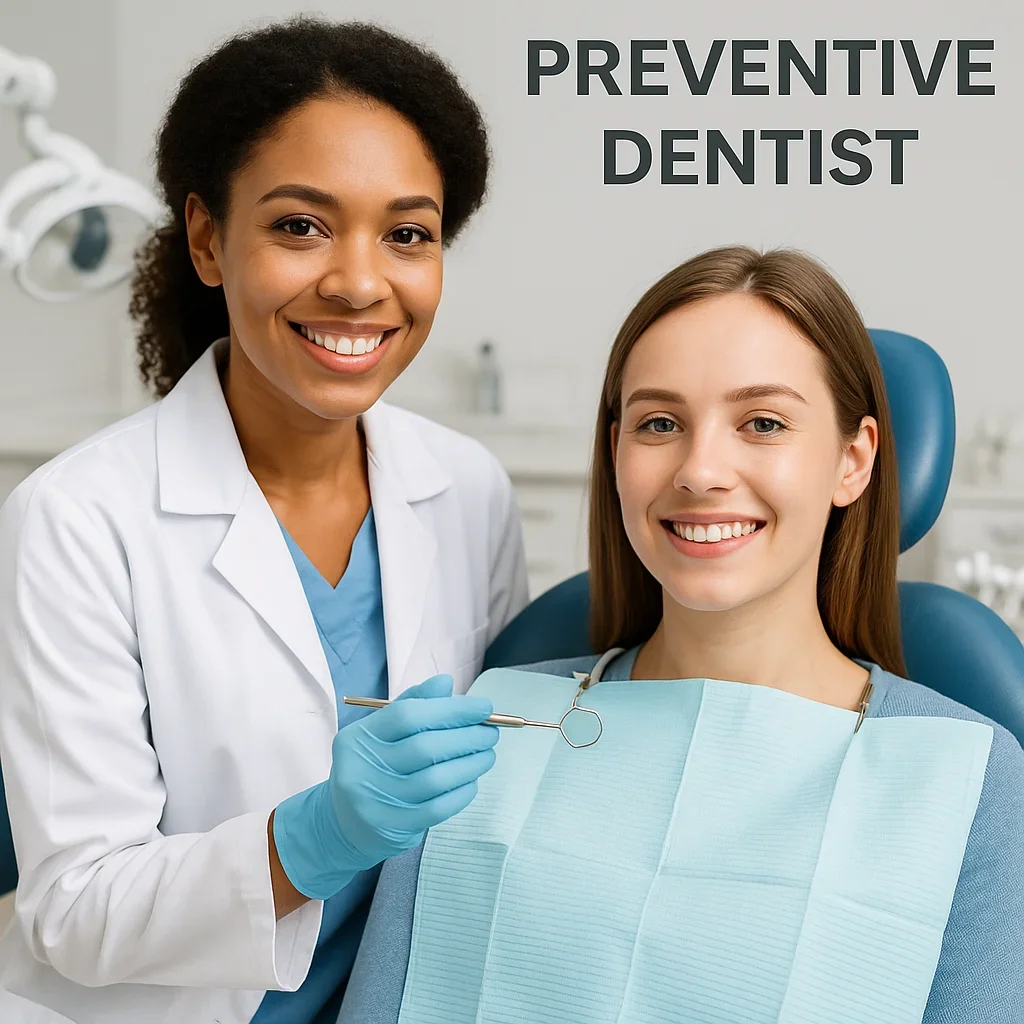
Future Trends in Preventive Dentistry: What’s Next?
As dental science continues to advance, the future of oral healthcare is shifting from reactive treatment to proactive prevention. The modern preventive dentist is not only focused on cleaning teeth but also on predicting risks, customizing care, and integrating technology and holistic health principles. From nanotechnology to artificial intelligence and bio-regenerative solutions, preventive dentistry is entering an era of personalization, precision, and sustainability. Let’s explore how tomorrow’s innovations are shaping the future of oral care and what patients can expect in the coming years.
Personalized Dentistry Through Genetic Profiling
In the near future, a preventive dentist will use genetic profiling to develop individualized oral health plans. By analyzing a patient’s DNA, dentists can identify genetic predispositions to conditions like gum disease, tooth decay, and oral cancer. This allows for hyper-personalized prevention strategies that go beyond standard recommendations. For example, individuals who are genetically prone to weak enamel might receive customized remineralization treatments, while those at risk of gum inflammation could benefit from tailored probiotic therapies. Genetic testing bridges the gap between dentistry and personalized medicine, offering more targeted, effective, and preventive care.
Salivary Biomarkers and Predictive Analytics
Saliva analysis will play an even greater role in preventive dentistry. A preventive dentist will soon be able to detect diseases like diabetes, cardiovascular issues, and even certain cancers by analyzing salivary biomarkers. Combined with predictive analytics powered by AI, these insights can identify early health risks before symptoms appear. This approach will not only improve dental care but also position dentists as vital players in overall healthcare monitoring.
Nanotechnology and Regenerative Oral Care
Nanotechnology is one of the most promising developments in the dental field. A preventive dentist may soon use nano-sized particles to deliver minerals directly to weakened enamel or repair microscopic cracks in teeth. These nanomaterials mimic natural biological processes, strengthening tooth surfaces and preventing cavities from forming. Additionally, regenerative dentistry—using stem cells to regrow enamel, dentin, and gum tissue—is moving from theory to practice. In the next decade, patients could see the rise of bioengineered fillings, tissue-regenerating gels, and self-healing enamel coatings that eliminate the need for traditional restorations.
3D Bioprinting for Tooth Regeneration
Imagine a future where a preventive dentist can bioprint a replacement tooth using your own cells. This is the promise of 3D bioprinting technology. By layering stem cells and biocompatible materials, researchers are developing ways to grow replacement teeth that perfectly match a patient’s natural shape and color. This innovation not only reduces reliance on implants but also revolutionizes how we think about tooth loss prevention and replacement.
Artificial Intelligence and Digital Twins
Artificial intelligence is already transforming diagnostics, but its future potential is even greater. Soon, a preventive dentist will use AI to create “digital twins” of patients—virtual models that simulate oral conditions in real-time. These digital twins will help predict the outcome of certain habits, diets, or treatments before they’re applied. AI will continuously monitor patient data, providing real-time insights and reminders to improve oral hygiene and prevent disease. This level of personalized automation will redefine the patient experience, making prevention seamless and data-driven.
Smart Dental Devices and IoT Integration
Smart devices are becoming standard tools in preventive dentistry. Future toothbrushes, flossing systems, and mouthguards will integrate sensors and IoT (Internet of Things) technology to monitor oral health continuously. A preventive dentist could receive automatic updates about plaque buildup, pH imbalances, or nighttime teeth grinding through cloud-connected systems. These devices will enable remote monitoring, ensuring that dentists can detect and address early warning signs before they become major issues. This evolution makes dental care more accessible and interactive, bridging the gap between clinic visits and daily habits.
Eco-Friendly and Sustainable Dental Practices
As environmental awareness grows, the dental industry is embracing sustainability. The next-generation preventive dentist will adopt eco-friendly materials, biodegradable tools, and water-efficient systems. Traditional single-use plastics will be replaced by compostable alternatives, and energy-efficient sterilization equipment will minimize environmental impact. Moreover, natural and organic preventive products—like herbal toothpastes and plant-based mouthwashes—are becoming mainstream. These innovations not only promote healthier patients but also a healthier planet, aligning preventive dentistry with global sustainability goals.
Holistic and Integrative Preventive Care
Future preventive dentistry will also be more holistic, viewing the mouth as a window into the entire body. A preventive dentist will work alongside nutritionists, sleep specialists, and medical doctors to treat oral and systemic health together. For instance, addressing sleep apnea, gut health, or inflammation will be integrated into dental prevention plans. This multidisciplinary approach recognizes that oral bacteria and systemic health are interconnected, improving outcomes far beyond the mouth.
Tele-Dentistry 2.0: AI-Powered Virtual Prevention
Tele-dentistry will expand to become a major preventive platform. A preventive dentist will use AI-driven video consultations, image recognition, and patient-uploaded scans to monitor oral conditions remotely. Smart algorithms will alert patients about issues like plaque buildup or gum recession, allowing them to take preventive action immediately. Virtual assistants will guide patients through at-home care routines, ensuring that prevention continues seamlessly between visits. This hybrid model of virtual and in-person care will make preventive dentistry more accessible worldwide.
In summary, the future of preventive dentistry is one of innovation, precision, and empowerment. The preventive dentist of tomorrow will combine biotechnology, AI, nanoscience, and holistic health to deliver personalized care that prevents disease at its root. Patients will enjoy longer-lasting oral health, fewer invasive procedures, and deeper integration between dental and general wellness. The path ahead is bright—powered by knowledge, compassion, and cutting-edge science. For those ready to experience the next generation of dental care today, schedule your consultation at the Redent Klinik Contact Page and step into the future of healthy smiles. 🌿🦷