
Dental implant longevity is one of the most important questions patients ask before choosing an implant treatment. Understanding how long dental implants last helps people make confident decisions about restoring their smiles. In most cases, dental implants can last for decades — often a lifetime — when properly placed and maintained. However, several factors like bone health, oral hygiene, and lifestyle choices play crucial roles in determining how durable and successful an implant will be over time.
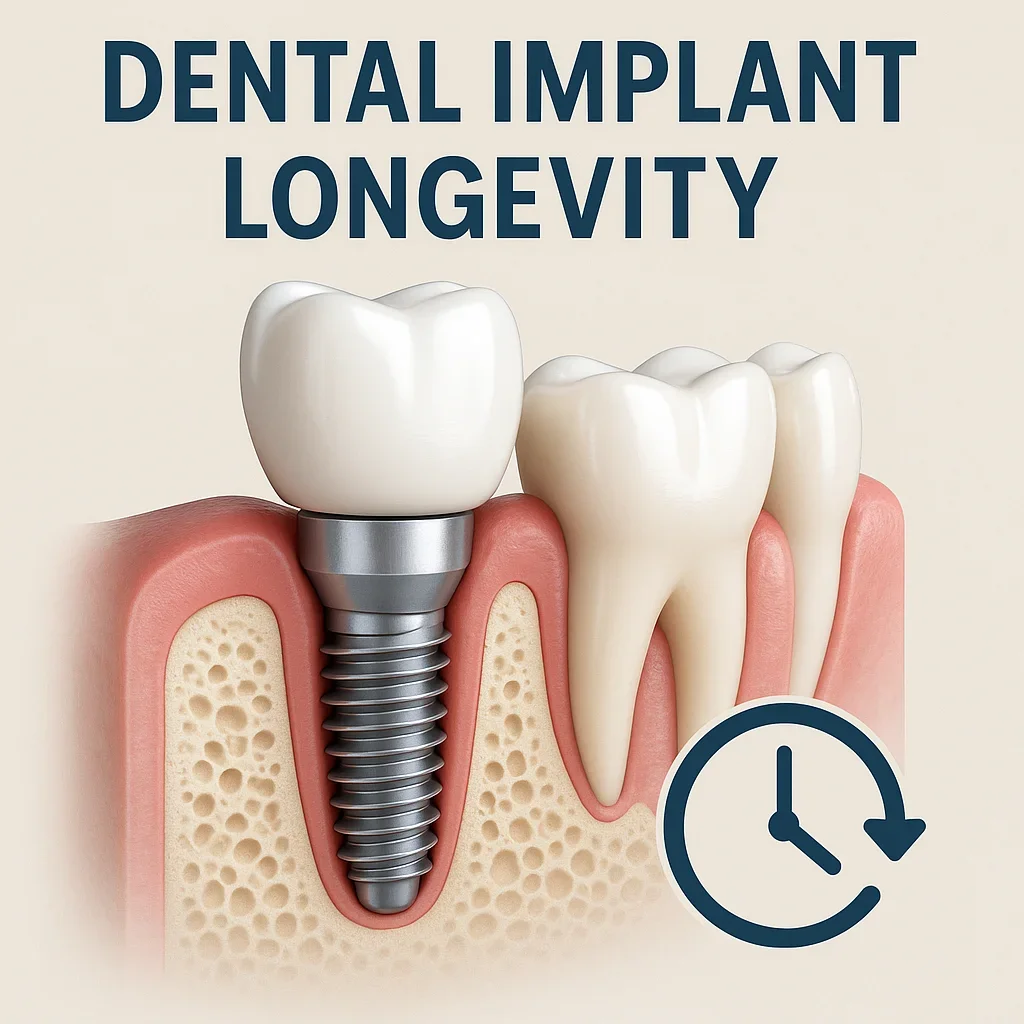
Before diving into the details, it’s important to understand what a dental implant actually is. A dental implant is a small titanium post surgically inserted into the jawbone to replace the root of a missing tooth. Over time, the implant fuses with the bone through a natural process called osseointegration. Once this integration is complete, the implant becomes a solid foundation for crowns, bridges, or dentures, allowing for both functionality and aesthetics that closely resemble natural teeth.
The term “dental implant longevity” refers to how long these implants continue to function properly without complications. Studies show that modern dental implants boast a success rate of over 95% in healthy individuals, making them one of the most reliable and long-lasting dental restorations available today. In fact, many clinical reports and research by organizations such as the American Dental Association highlight that implants can last more than 25 years or even a lifetime with good care.
So, how long do dental implants last in real life? The average lifespan of a dental implant depends on several factors, including oral health habits, the quality of bone where the implant is placed, and whether the patient smokes or not. Generally, the implant itself — the titanium root — can last a lifetime, while the attached crown or prosthetic may need replacement every 10–15 years due to normal wear and tear. With regular checkups and professional maintenance, it’s not uncommon for patients to enjoy their implants for several decades without major issues.
One of the main reasons for the excellent longevity of dental implants lies in the material used. Titanium and zirconia implants are biocompatible, meaning they integrate seamlessly with human bone tissue and are resistant to decay. This is a major advantage over natural teeth, which can decay or require root canal treatments. Additionally, because implants replace the entire tooth structure, they help preserve bone density and prevent facial sagging — common issues after tooth loss.
To better understand what influences dental implant longevity, consider that long-term success isn’t just about surgical placement. Aftercare, lifestyle, and maintenance are equally critical. Daily brushing, flossing, and avoiding excessive pressure on the implant (like chewing ice or using teeth to open packages) can significantly extend the life of an implant. Regular dental visits — at least twice a year — allow professionals to monitor implant stability, check for inflammation, and perform cleanings that reduce bacterial buildup around the gum line.
It’s also worth noting that systemic health conditions can affect dental implant longevity. Diseases like diabetes or osteoporosis can slow bone healing and compromise osseointegration. However, under the care of an experienced dental team and proper management of health conditions, implants can still last many years. Patients are often encouraged to discuss their full medical history before undergoing implant surgery to ensure long-term success.
Another interesting aspect is the evolution of implant technology. Modern implants use advanced surface treatments and computer-guided placement techniques that improve integration and reduce healing time. Digital imaging allows dentists to plan each implant position precisely, minimizing the risk of failure. These innovations contribute significantly to the increasing average lifespan of implants in the 21st century.
People often wonder if implants can fail over time. While rare, implant failure can occur if poor oral hygiene leads to peri-implantitis (a gum infection around the implant). This is why professional aftercare is essential. By maintaining a clean, bacteria-free oral environment, patients can avoid complications and support long-term success. If discomfort, gum swelling, or mobility is ever noticed, patients should immediately contact their dental professional — such proactive measures ensure early intervention before major problems arise.
For those seeking more personalized advice or an expert evaluation of their current implants, visiting an experienced clinic is vital. You can reach out to the Redent Klinik Contact Page for professional guidance, implant checkups, and long-term care recommendations. Personalized assessments by specialists help determine the best strategy for maintaining your implants for life.
Ultimately, dental implant longevity depends on a combination of advanced surgical techniques, proper oral hygiene, and healthy lifestyle habits. With the right care, dental implants can offer a permanent solution that not only restores your smile but also improves your overall oral health and confidence. By investing in maintenance and making routine dental visits a priority, you can enjoy your implants for decades — perhaps even a lifetime. 🌟
Understanding Dental Implant Longevity and Success Rates
When people consider dental implants, one of the most frequently asked questions is about dental implant longevity — how long do implants truly last and what determines their long-term success? Understanding the concept of longevity in dental implants requires a look into both biological and mechanical factors that influence how well the implant integrates with the body and remains functional over time. In this section, we’ll explore the scientific foundations, statistical data, and key clinical indicators that determine the success rate and overall lifespan of dental implants.
What Does Dental Implant Longevity Really Mean?
The term dental implant longevity refers to how long an implant remains stable, functional, and free from complications after being placed in the jawbone. Unlike other dental restorations that might need replacement every few years, dental implants are designed to act as permanent tooth replacements. The titanium post that fuses with the jawbone becomes part of your body’s structure, much like a natural tooth root. In ideal conditions — where bone density is sufficient, and oral hygiene is well maintained — implants can last 25 years or even a lifetime. Clinical research consistently demonstrates survival rates exceeding 90–95% even after two decades, highlighting just how durable these restorations can be.
The Science Behind Implant Success
At the heart of every long-lasting implant lies a biological process known as osseointegration. This is when the titanium surface of the implant bonds with the surrounding jawbone cells, creating a stable foundation that mimics the natural tooth root. Successful osseointegration is essential to dental implant longevity because it determines how well the implant will withstand the pressure of chewing, speaking, and daily use. If this bond is strong and undisturbed, the implant can perform just like a natural tooth, maintaining strength and stability for decades.
Factors such as the implant’s surface texture, surgical precision, and healing conditions all affect the osseointegration process. Modern implant systems often feature micro-roughened or coated surfaces to enhance bone adhesion. These innovations have improved success rates dramatically over the last 20 years. According to studies referenced by the American Dental Association, most patients experience stable implants with minimal complications even after long-term observation.
Statistical Overview of Success Rates
Clinical data on dental implant longevity is impressive. Numerous long-term studies reveal survival rates of over 95% for implants placed in healthy, non-smoking adults. When performed by skilled dental surgeons and followed by proper maintenance, failure rates remain extremely low — around 2–5%. This success is far higher compared to traditional bridges or dentures, which often require adjustments, replacements, or cause bone loss over time. Furthermore, technological advancements such as 3D imaging and guided surgery have helped enhance precision, reducing human error and improving long-term outcomes.
Impact of Jawbone Quality on Implant Survival
The quality of the jawbone plays a critical role in determining how long dental implants last. A strong, dense bone structure provides a better foundation for osseointegration. In cases where bone density is low — often due to aging, tooth loss, or osteoporosis — procedures like bone grafting may be recommended before implant placement. Proper bone support ensures the implant remains stable under pressure and minimizes micro-movements that can weaken the connection between bone and implant. Therefore, maintaining healthy bone mass is one of the pillars of long-term implant success.
The Role of Surgical Skill and Technology
Another major contributor to dental implant longevity is the skill of the dental surgeon performing the procedure. Experienced professionals use precise imaging systems such as cone-beam computed tomography (CBCT) to plan the exact location, depth, and angle for each implant. This precision minimizes risk and ensures proper distribution of biting forces once the implant is restored. At clinics like Redent Klinik Contact Page, digital technology and experienced implantologists combine to deliver optimal outcomes, resulting in implants that not only look natural but also last longer.
Patient Health and Lifestyle Factors
While technology and surgical precision are essential, patient-related factors play an equally significant role in determining the outcome. Smokers, for instance, have a higher risk of implant failure due to poor blood flow and slower healing. Chronic diseases such as diabetes or autoimmune disorders can also influence the body’s ability to heal around the implant. On the other hand, patients who maintain good oral hygiene, eat a balanced diet rich in calcium and vitamin D, and attend regular dental checkups tend to experience much longer implant lifespans.
Another factor to consider is mechanical stress. Just like natural teeth, implants can be damaged by habits such as teeth grinding (bruxism) or chewing hard substances. Custom night guards and bite adjustments are often recommended to protect the implants from unnecessary strain. Managing these habits helps ensure that the implant remains stable and functional for decades, enhancing overall dental implant longevity.
Long-Term Studies and Real-Life Expectations
Long-term follow-up studies provide some of the best insights into dental implant longevity. Research published in peer-reviewed journals has tracked patients for over 20 to 30 years post-implantation, revealing that the vast majority still have their original implants functioning perfectly. Failures, when they occur, are usually associated with lack of maintenance, gum infections, or systemic health issues rather than implant defects. These findings reinforce the notion that dental implants are a permanent, reliable, and safe solution for tooth replacement when proper care is maintained.
Why Success Rate Isn’t the Same as Longevity
It’s essential to understand that a high success rate does not automatically mean an implant will last forever. Success rate refers to how many implants remain functional during a specific observation period — usually 5 or 10 years. Longevity, on the other hand, measures total lifespan and durability across decades. The difference lies in maintenance and ongoing patient care. With proactive oral hygiene and professional monitoring, implants can easily exceed the average time frame of success studies, providing a lifetime of comfort and confidence.
In summary, dental implant longevity depends on a complex interplay of surgical excellence, bone quality, biological compatibility, and patient habits. When all these factors align, implants can remain functional and aesthetically pleasing for life. Investing in high-quality care and consistent follow-up appointments ensures the implant’s long-term performance — protecting both your oral health and your smile for decades to come. 🌿
How Bone Health Influences the Lifespan of Dental Implants
The foundation of every successful dental implant lies in the strength and quality of the bone that supports it. When patients think about dental implant longevity, they often focus on cleaning routines or implant materials, but bone health is arguably the most critical factor determining how long an implant lasts. Without sufficient bone density and volume, even the most advanced implants may fail to integrate properly. This section explains in detail how bone structure, density, and biological activity directly influence the long-term survival and performance of dental implants.
The Connection Between Bone Density and Dental Implant Longevity
Dental implants are designed to fuse with the jawbone through a natural healing process known as osseointegration. This biological bonding process makes the implant a stable part of your jaw, allowing it to function like a natural tooth root. For osseointegration to be successful, adequate bone density is essential. The jawbone must have enough mineral content and thickness to hold the titanium post firmly in place. When bone is too soft or thin, the implant cannot anchor properly, which can compromise its long-term stability.
Bone density is measured in terms of bone mass per volume and varies among individuals. Areas like the lower jaw (mandible) typically have denser bone compared to the upper jaw (maxilla). Because of this, implants in the upper jaw may require additional bone grafting or sinus lift procedures to improve stability. These preparatory treatments help enhance dental implant longevity by ensuring a strong and stable base for osseointegration.
Bone Remodeling and Its Role in Implant Success
After an implant is placed, the surrounding bone undergoes continuous remodeling. This means that old bone cells are replaced by new ones, maintaining structural integrity around the implant. This natural process is essential for long-term durability because it allows the bone to adapt to functional loads, such as chewing or biting. However, if bone loss begins due to infection, excessive stress, or hormonal factors, it can destabilize the implant. Maintaining healthy bone metabolism is therefore vital for sustaining dental implant longevity.
Studies have shown that patients who maintain good calcium and vitamin D levels experience stronger bone remodeling and higher implant success rates. In contrast, individuals with osteoporosis or chronic bone diseases face a higher risk of implant failure unless managed with proper medical supervision.
Factors That Cause Bone Loss Around Implants
Several conditions can affect bone stability after implant placement. The most common cause is peri-implantitis, a bacterial infection that leads to inflammation and bone resorption around the implant. Without timely treatment, peri-implantitis can significantly reduce bone support and eventually cause implant failure. Other contributing factors include trauma, poor bite alignment, smoking, and uncontrolled diabetes, all of which interfere with the body’s natural healing and remodeling processes.
Bone resorption also occurs naturally after tooth loss because the jawbone is no longer stimulated by chewing forces. This is why dentists often recommend getting implants soon after tooth extraction — to prevent significant bone deterioration. Delayed treatment may require bone grafting, which adds time and cost but is crucial to restore the proper structure for long-term implant success.
Bone Grafting and Sinus Lifts: Enhancing Bone Support
For patients with insufficient bone volume, modern dentistry offers several solutions. Bone grafting involves placing natural or synthetic bone material to build up the jaw’s structure before implant placement. Similarly, a sinus lift procedure increases bone height in the upper jaw by lifting the sinus membrane and filling the space with graft material. Both of these procedures significantly improve the chances of long-term implant success by creating a strong foundation for osseointegration.
According to the American Dental Association, bone augmentation procedures have a very high success rate, often exceeding 90%. This means even patients who were previously told they couldn’t get implants due to poor bone quality can now enjoy excellent results with proper treatment planning. Clinics like Redent Klinik Contact Page specialize in evaluating bone health and recommending customized solutions that ensure stability and long-term implant performance.
Systemic Health and Bone Quality
Bone health is not limited to local jaw conditions — it’s also influenced by general health factors. Conditions like osteoporosis, vitamin deficiencies, or hormonal imbalances can weaken bone structure. Additionally, certain medications such as bisphosphonates or corticosteroids may affect bone metabolism. Patients taking these drugs should inform their dentist prior to implant surgery to prevent complications. With proper coordination between medical and dental professionals, implants can still be safely placed, maintaining excellent dental implant longevity.
In women, hormonal changes during menopause can also impact bone density. Estrogen plays a key role in bone regeneration, and reduced levels can lead to gradual bone thinning. Dentists often recommend calcium supplements, dietary improvements, and lifestyle modifications to protect bone health, especially in postmenopausal patients seeking dental implants.
The Importance of Regular Bone Assessments
Periodic evaluations using digital imaging (like cone-beam CT scans) allow dentists to monitor bone density and detect early signs of bone loss. These assessments are especially important for patients who already have implants, as they help identify changes before they lead to structural issues. Preventive care through professional monitoring not only enhances implant stability but also significantly extends its lifespan.
Optimizing Bone Health for Lifetime Implant Success
Maintaining optimal bone health involves both preventive and proactive strategies. A balanced diet rich in calcium, magnesium, and vitamin D is essential. Weight-bearing exercises such as walking or strength training can stimulate bone growth and improve circulation in the jaw area. Avoiding tobacco and limiting alcohol consumption are equally critical, as both habits can slow bone healing and increase the risk of implant failure.
When bone health is prioritized, patients can expect superior long-term outcomes. Implants placed in strong, well-mineralized bone tend to integrate more firmly and resist the stresses of daily chewing, leading to exceptional durability. This is why dental professionals emphasize bone preservation even after successful implant placement — keeping your jawbone healthy ensures your smile remains stable and confident for decades.
In conclusion, bone health serves as the backbone — quite literally — of dental implant longevity. Whether through natural maintenance, grafting, or medical management, strong bone structure guarantees the implant’s ability to perform as a lifelong replacement. By focusing on bone preservation, patients and clinicians together ensure that every dental implant stands the test of time. 🦴✨
Daily Habits That Can Extend Your Dental Implant Longevity
Achieving long-term success with dental implants goes far beyond the surgical procedure itself — it depends heavily on how you take care of them in your daily life. Small, consistent habits can have a huge impact on dental implant longevity. Even though implants are built to be durable and resistant to decay, they still require mindful attention to maintain gum health, prevent infection, and ensure the bone remains strong. This section explores the essential daily routines and lifestyle adjustments that significantly extend the life of dental implants, ensuring they remain functional and beautiful for decades.
The Power of Daily Oral Hygiene in Implant Care
Proper oral hygiene is the cornerstone of maintaining dental implant longevity. Just like natural teeth, implants can accumulate plaque and bacteria if not cleaned regularly. While implants themselves can’t get cavities, the surrounding gums and bone are still vulnerable to infection. A soft-bristled toothbrush and non-abrasive toothpaste are recommended to gently clean the implant area without scratching the crown surface. Brushing twice a day, combined with interdental brushes or floss designed for implants, helps prevent plaque buildup and gum inflammation — two of the biggest threats to implant health.
Electric toothbrushes are also effective because they remove more plaque than manual brushes and help clean hard-to-reach areas around the gumline. Daily flossing is equally crucial. Using floss threaders or water flossers can make it easier to clean between the implant and adjacent teeth. These small steps, when done consistently, create a clean environment that supports gum and bone health, ultimately promoting dental implant longevity.
Morning and Night Routine for Implants
A dedicated morning and nighttime routine can greatly influence how long your implants last. In the morning, rinse your mouth with an antimicrobial mouthwash to eliminate overnight bacterial growth. After brushing, gently massage the gums with your finger or a soft brush to stimulate blood flow. Before bed, clean around the implant carefully, ensuring no food debris remains trapped near the gumline. Nighttime hygiene is particularly important because saliva production decreases during sleep, allowing bacteria to multiply more easily.
Healthy Eating Habits That Support Dental Implant Longevity
What you eat affects more than just your overall health — it also impacts your implant’s lifespan. A balanced diet rich in vitamins, minerals, and antioxidants plays a direct role in maintaining gum and bone health. Nutrients like calcium, phosphorus, and vitamin D strengthen the jawbone, while vitamin C supports gum tissue repair. Including foods such as leafy greens, almonds, yogurt, salmon, and eggs can enhance bone density and healing capacity.
Conversely, certain foods can damage or weaken implants over time. Hard foods like ice, unpopped popcorn kernels, or hard candy can create micro-fractures in crowns or abutments. Sticky foods, such as caramel or toffee, can trap bacteria and make cleaning difficult. Maintaining a nutrient-rich diet while avoiding damaging habits ensures your implants remain strong, improving dental implant longevity naturally.
The Role of Hydration
Staying hydrated supports saliva production, which helps neutralize acids and cleanse the mouth naturally. Saliva is your body’s first line of defense against bacterial growth. When the mouth becomes dry — due to dehydration, medication, or excessive caffeine intake — bacteria can thrive, increasing the risk of gum inflammation around the implant. Make it a habit to drink plenty of water throughout the day to maintain a balanced and healthy oral environment.
Avoiding Harmful Habits That Shorten Implant Lifespan
While good habits help extend implant life, bad habits can drastically shorten it. Smoking is one of the leading causes of implant failure. Nicotine restricts blood flow to the gums, slowing healing and increasing the risk of infection. Numerous studies have shown that smokers have up to three times higher rates of implant failure than non-smokers. Quitting smoking before and after surgery dramatically improves implant success and boosts overall health.
Another harmful habit is teeth grinding (bruxism). Constant clenching exerts unnatural pressure on the implant, which can damage the surrounding bone or cause microscopic cracks in the implant crown. If you suspect that you grind your teeth, your dentist can recommend a custom night guard to protect both your implants and natural teeth. Managing stress through relaxation techniques like meditation or yoga can also reduce bruxism tendencies.
The Hidden Dangers of Poor Posture and Jaw Stress
Interestingly, posture and muscle tension can affect how pressure is distributed across the jaw. Chronic jaw clenching or improper alignment of the bite may strain the implant area. Regular dental evaluations ensure that your bite is balanced and that excessive force doesn’t compromise dental implant longevity. Simple relaxation exercises or facial massages can ease muscle tension, improving overall comfort and function.
Consistency and Professional Maintenance
Daily care is essential, but so are routine professional checkups. Visiting your dentist at least twice a year allows early detection of potential issues such as gum inflammation, bone loss, or loose components. Professional cleaning around implants helps remove tartar and bacterial deposits that normal brushing might miss. Your dentist can also evaluate your bite force and ensure your implant is functioning properly within your oral structure.
At clinics like Redent Klinik Contact Page, specialists use advanced diagnostic tools such as digital X-rays and 3D imaging to monitor implant stability over time. These regular evaluations are vital for preserving implant health and preventing minor issues from becoming major complications. Combining professional care with good home hygiene forms the ultimate defense strategy for maximizing dental implant longevity.
Lifestyle and Mindful Choices for Implant Success
In addition to oral hygiene and diet, lifestyle choices like managing stress, maintaining a healthy weight, and exercising regularly all contribute to overall body balance and bone strength. Chronic stress and hormonal imbalances can influence immune function and bone regeneration — both crucial for long-term implant success. Adequate sleep is another overlooked factor; the body performs most of its healing and tissue repair during rest, directly benefiting gum and bone recovery.
How Technology Helps You Maintain Better Habits
Modern dental technology has made it easier to stay on track with implant care. Smart toothbrushes, reminder apps, and oral irrigators with adjustable pressure can help you maintain consistent hygiene without damaging delicate tissues. Using these tools regularly ensures proper cleaning and enhances dental implant longevity through better prevention of plaque-related complications.
In conclusion, extending the lifespan of your dental implants isn’t about one single act — it’s about developing sustainable, healthy habits that support both your oral and systemic well-being. From daily brushing and smart nutrition to avoiding harmful habits and attending professional checkups, every choice contributes to keeping your implants strong, stable, and beautiful. By embracing these mindful practices, you’ll enjoy a confident, healthy smile for many years to come. 😁🦷
The Role of Oral Hygiene and Regular Dental Checkups 🪥
Oral hygiene and consistent dental checkups are the backbone of maintaining excellent dental implant longevity. Even though dental implants are made of materials that resist decay, the surrounding gum tissue and bone remain vulnerable to bacterial infection and inflammation. Many patients mistakenly believe that once their implant procedure is complete, they can treat implants like indestructible artificial teeth — but that’s far from true. Implants require just as much, if not more, care and maintenance than natural teeth. In this section, we’ll explore how proper hygiene practices and professional monitoring safeguard your investment and help implants last a lifetime.
Why Oral Hygiene Is Critical for Dental Implant Longevity
The number one reason for implant failure is peri-implant disease, a condition similar to gum disease that affects the tissues surrounding an implant. It typically begins with peri-implant mucositis (inflammation of the gum) and, if untreated, progresses to peri-implantitis — where infection leads to bone loss and potential implant instability. The best defense against this destructive cycle is a meticulous oral hygiene routine. Regular brushing, flossing, and rinsing not only keep the gums healthy but also maintain the balance of beneficial bacteria in the mouth.
Consistent cleaning prevents bacterial colonies from forming biofilms on the implant’s surface. Once biofilms harden into tartar, only professional cleaning can remove them. Therefore, staying proactive at home dramatically reduces the risk of infection and improves dental implant longevity. Remember, implants don’t get cavities, but the tissues around them can still get sick.
Choosing the Right Tools for Implant Cleaning
Not all toothbrushes and floss are suitable for implants. Dentists often recommend using soft-bristled or electric toothbrushes with oscillating heads to ensure gentle yet thorough cleaning. Interdental brushes with plastic-coated wires are ideal for reaching under the implant crown without scratching the titanium surface. For flossing, specialized implant threaders or water flossers work effectively to clean between implants and natural teeth, flushing out bacteria and food particles that regular floss might miss.
Additionally, alcohol-free antimicrobial mouthwashes can help reduce bacteria while preserving the mouth’s natural microbiome. Consistency is key — cleaning twice a day with proper tools is the most direct way to boost dental implant longevity and preserve gum health.
The Importance of Professional Dental Checkups
Even with impeccable at-home care, regular professional checkups are vital. Dentists use advanced diagnostic tools like 3D cone-beam imaging and digital X-rays to assess bone integrity, implant stability, and gum health. These technologies allow for early detection of micro-movements or inflammation that might not yet be visible to the naked eye. By identifying potential issues early, your dental team can intervene promptly and prevent small problems from escalating into implant failure.
Routine dental visits are typically recommended every six months, though patients with previous gum disease or systemic health issues might require more frequent monitoring. During these visits, your dentist will perform professional cleaning to remove plaque and tartar around the implant base — areas that even the most diligent brushing may miss. This preventive care is one of the strongest contributors to dental implant longevity.
Monitoring Implant Stability and Bite Alignment
Implant checkups aren’t limited to cleaning. Your dentist also evaluates the implant’s mechanical stability and how it interacts with surrounding teeth. Bite misalignment can cause uneven pressure distribution, leading to bone microfractures or gum irritation. Regular assessments ensure your bite remains balanced, reducing wear and tear on both the implant and adjacent teeth. When necessary, minor adjustments can be made to improve comfort and extend implant durability.
Clinics such as Redent Klinik Contact Page specialize in continuous implant maintenance. Their experienced dental professionals use high-precision instruments and digital tracking systems to ensure every implant remains healthy and functional for the long term. This proactive approach significantly boosts overall dental implant longevity and patient satisfaction.
The Role of Periodontal Health in Implant Maintenance
Your gums act as the protective barrier that keeps bacteria away from the deeper structures of your implant. Poor gum health can quickly lead to inflammation and loss of attachment, which threatens the stability of the implant. Maintaining strong, healthy gums involves more than brushing — it also means being aware of early warning signs such as bleeding, swelling, or bad breath. Addressing these symptoms promptly can prevent serious infections and protect the bone supporting the implant.
Professional periodontal cleanings, also known as maintenance therapy, are often recommended every 3–4 months for patients with implants. These sessions focus on cleaning below the gumline and monitoring the depth of gum pockets around the implant. Healthy gums create a tight seal around the implant collar, ensuring long-term protection and enhancing dental implant longevity.
Fluoride and Antibacterial Treatments
While traditional fluoride strengthens natural enamel, it also helps control bacteria that could harm the gums. Dentists may apply fluoride varnishes or antibacterial gels during checkups to reduce harmful bacteria and prevent infection. In some cases, localized antibiotic treatments are used around implants showing mild inflammation. These small interventions go a long way in maintaining the balance of oral bacteria and ensuring your implants stay healthy and stable.
Integrating Implants Into a Lifetime of Oral Care
Many patients successfully keep their implants for 20–30 years — and often for life — through consistent professional and at-home maintenance. The secret lies in treating implants not as foreign objects but as part of your natural smile. Developing disciplined routines, attending regular appointments, and making informed choices about your oral care products all contribute to enduring success. The American Dental Association continually emphasizes that preventive care remains the cornerstone of oral health and long-term implant preservation.
Another critical aspect is communication with your dental team. Always inform your dentist of any discomfort, clicking, or changes around the implant area. Small symptoms might indicate early complications that can be reversed with timely care. By combining patient awareness with professional expertise, implants can thrive under optimal conditions for decades.
Advanced Maintenance Techniques for Maximum Longevity
Modern dentistry offers cutting-edge cleaning tools like ultrasonic scalers with plastic tips that gently remove tartar without scratching implant surfaces. Laser-assisted cleaning is another innovative method that disinfects deep gum pockets and encourages tissue regeneration. These advanced treatments are particularly beneficial for patients with previous periodontal issues, further enhancing dental implant longevity through targeted care.
Ultimately, maintaining dental implants is an ongoing partnership between you and your dental team. Diligent oral hygiene, consistent professional checkups, and awareness of changes in your mouth collectively ensure your implants remain healthy, functional, and aesthetically pleasing for a lifetime. 🦷💙 By making oral care a daily priority, you’re not just preserving your implants — you’re investing in a confident, radiant smile that lasts forever.
Comparing Dental Implants vs. Bridges and Dentures in Longevity
When considering tooth replacement options, one of the most common questions patients ask is how dental implants compare to traditional bridges and dentures in terms of lifespan, comfort, and performance. Understanding the differences between these solutions is crucial because each option affects oral health, bone structure, and overall function differently. In this section, we will explore the comparative advantages of dental implants, analyze how they excel in dental implant longevity, and why they have become the gold standard in modern restorative dentistry.
The Key Differences Between Implants, Bridges, and Dentures
Dental implants differ fundamentally from bridges and dentures because they replace not only the visible tooth but also the root beneath the gum line. The implant is made from titanium or zirconia and fuses directly with the jawbone through a process called osseointegration. This strong, biological connection gives the implant unmatched stability and durability. Bridges, on the other hand, rely on adjacent teeth for support. The teeth next to the missing gap are filed down to hold the bridge in place, which can weaken those natural teeth over time. Dentures are removable appliances that rest on the gums and are usually held by suction or adhesive, offering less stability and often requiring periodic adjustments.
This structural difference explains why dental implant longevity is far superior. Because implants integrate into the bone, they can last 25 years or even a lifetime, whereas bridges generally last around 10–15 years and dentures may need replacement or relining every 5–8 years.
Comparing Comfort and Functionality
In terms of comfort, dental implants feel and function like natural teeth. They allow patients to chew, bite, and speak normally without discomfort or slippage. Bridges and dentures, by contrast, can sometimes shift or cause irritation to the gums. Over time, dentures may even contribute to bone resorption (bone loss) because they sit on top of the gums rather than stimulating the bone beneath. Implants, by replacing the tooth root, help maintain bone density and facial structure — another key factor that enhances dental implant longevity.
Durability and Maintenance Comparison
Implants require good oral hygiene and regular dental checkups, but they generally need less maintenance compared to dentures or bridges. Because bridges are anchored to natural teeth, decay can develop under the supporting crowns, leading to additional treatment or replacement. Dentures, while more affordable initially, need frequent relining or resizing as the shape of the jaw changes over time. Each replacement adds long-term costs and inconvenience.
With implants, maintenance mainly involves daily brushing, flossing, and periodic professional cleaning. The titanium structure is resistant to decay and corrosion, making it an extremely durable long-term solution. When maintained properly, implants boast success rates above 95%, as supported by research from the American Dental Association. These impressive statistics highlight why patients and dentists alike consider implants the most reliable solution for permanent tooth replacement.
Financial Perspective: Long-Term Value
While dental implants can have a higher upfront cost compared to bridges or dentures, their long-term value is unmatched. Because they last significantly longer and rarely require replacement, implants often turn out to be more cost-effective over a lifetime. Bridges may need replacement multiple times, and dentures require ongoing adjustments and relining. When factoring in these recurring expenses, the one-time investment in implants becomes much more economical, especially considering their role in preserving bone and preventing future dental complications.
For patients evaluating options, consulting with specialists like those at Redent Klinik Contact Page ensures a clear understanding of both the clinical and financial aspects. Personalized assessments help determine whether implants are suitable based on bone quality, gum health, and individual preferences, maximizing long-term satisfaction and implant longevity.
Impact on Bone Health and Facial Aesthetics
One of the most significant advantages of dental implants over bridges and dentures lies in their ability to preserve jawbone health. When a tooth is lost, the bone beneath it begins to resorb (shrink) because it no longer receives the stimulation that comes from chewing. Dentures and bridges do not address this issue since they sit on or above the gumline. Over time, bone loss can alter facial contours, creating a sunken appearance and premature aging. Dental implants, by contrast, stimulate the jawbone in the same way natural tooth roots do, preserving bone mass and facial aesthetics for decades. This biological advantage is a major contributor to dental implant longevity.
Chewing Efficiency and Nutrition
Implants also restore up to 90% of natural chewing power, allowing patients to eat a full range of foods — including hard fruits, nuts, and vegetables. Dentures often reduce bite force, making it difficult to chew certain foods, which can negatively impact nutrition. Bridges restore some function but are limited by their dependence on adjacent teeth. Better chewing efficiency directly contributes to overall health and supports the longevity of both the implant and surrounding oral structures.
Patient Confidence and Quality of Life
Beyond functionality, implants greatly enhance confidence and self-esteem. Because they are fixed and natural-looking, patients can smile, laugh, and speak without worrying about movement or discomfort. Dentures, on the other hand, can sometimes slip or click while talking, which may lead to embarrassment. Bridges offer improved stability over dentures but still fall short in natural feel and bone preservation.
Patients often report that implants feel indistinguishable from their original teeth. This psychological comfort, combined with physical stability, contributes to a better quality of life. Long-term studies confirm that patient satisfaction is consistently higher among implant users compared to those using dentures or bridges — reinforcing the lasting value of investing in dental implant longevity.
Environmental and Technological Considerations
Modern implants benefit from ongoing advances in biomaterials and digital dentistry. Titanium and zirconia implants are designed for maximum biocompatibility, minimizing allergic reactions and ensuring strong osseointegration. Meanwhile, 3D imaging, guided surgery, and digital scanning technologies have made implant placement more accurate than ever before. Bridges and dentures have also improved in design and materials, but they still cannot match the biological integration and functional precision that implants offer. These technological innovations directly enhance implant stability and reduce long-term maintenance needs.
Conclusion: Why Dental Implants Reign Supreme in Longevity
When comparing options side by side, the superiority of implants becomes clear. They are the only restorative solution that replaces both the root and the crown of the tooth, preserves bone health, and offers a permanent, maintenance-friendly result. While bridges and dentures still serve an important role in certain cases, they simply cannot compete with the lifetime benefits and structural integrity that implants provide. By maintaining good oral hygiene, attending regular dental visits, and following professional care guidelines, patients can expect their implants to last for decades — a testament to modern dentistry’s most durable solution for tooth loss. 🌟
Ultimately, dental implant longevity represents more than just durability — it reflects the balance of science, technology, and patient care working together to restore function, beauty, and confidence for life.
What to Expect: The Average Lifespan of a Dental Implant ⏳
Understanding the typical lifespan of dental implants helps patients make informed decisions about their oral health investments. While dental implants are often promoted as a lifelong solution, the reality is that their durability depends on several biological, mechanical, and lifestyle factors. With proper care and regular dental supervision, most implants can last 25 years or more — many even for a lifetime. In this section, we’ll explore the clinical data behind implant durability, what affects their lifespan, and what you can do to optimize dental implant longevity for the best possible outcome.
The Average Lifespan of a Dental Implant Explained
According to numerous long-term clinical studies, the average survival rate of dental implants after 10 years is between 94% and 98%. After 20 years, many of these implants are still functioning well without complications. These numbers make implants one of the most reliable dental restorations in modern dentistry. The titanium post — which serves as the artificial tooth root — can theoretically last a lifetime because it integrates directly with the bone through osseointegration. However, the visible part of the implant, such as the crown or prosthesis, may require replacement after 10–15 years due to normal wear and tear.
In practical terms, this means the implant base (the titanium fixture) is permanent, while the upper structure (the crown or bridge) might need periodic renewal. The durability of both components is closely tied to how well patients maintain oral hygiene, avoid harmful habits, and follow professional recommendations. All of these elements directly influence dental implant longevity.
Implant Components and Their Lifespan
To understand the lifespan of a dental implant, it helps to look at its three main parts:
- Implant Fixture: The titanium or zirconia screw embedded in the jawbone. When placed correctly and maintained, it can last 25 years to a lifetime.
- Abutment: The connector piece that links the fixture to the crown. Typically lasts 10–20 years, depending on stress and material quality.
- Crown or Prosthesis: The visible artificial tooth. Usually replaced every 10–15 years due to aesthetic or structural wear.
Each of these components plays a vital role in determining the overall dental implant longevity. While the implant fixture is nearly permanent, crowns and abutments experience normal wear similar to natural teeth and may eventually need replacement.
Factors Influencing Implant Lifespan
Several variables determine how long a dental implant lasts. These include bone quality, oral hygiene, bite alignment, and even general health conditions. Implants placed in dense bone typically last longer than those in softer bone. Likewise, patients who avoid smoking and maintain excellent oral hygiene tend to enjoy longer-lasting results. Systemic diseases such as diabetes or autoimmune conditions can slightly reduce success rates by affecting healing and bone metabolism.
Technological advances have also improved dental implant longevity dramatically. Surface-treated implants, 3D-guided placement, and advanced materials like zirconia all contribute to greater stability and faster osseointegration, reducing the risk of complications and extending lifespan.
The Impact of Oral Hygiene and Professional Maintenance
Good daily hygiene practices are the single most important factor for preserving implant health. Brushing twice daily with a soft-bristle brush, flossing, and using antibacterial mouthwash can prevent gum inflammation and peri-implant disease. Regular professional checkups — at least twice a year — allow your dentist to monitor implant stability, check the bone level, and perform deep cleanings when necessary. Clinics such as Redent Klinik Contact Page offer specialized maintenance programs that include digital imaging and ultrasonic cleaning to ensure implants remain healthy and functional.
Neglecting oral hygiene can lead to peri-implantitis, a bacterial infection that causes bone loss around the implant. This is one of the main reasons implants fail prematurely. However, with consistent care, the risk can be reduced to nearly zero, ensuring optimal dental implant longevity.
Lifestyle and Dietary Considerations
Just as lifestyle choices affect natural teeth, they also play a significant role in determining how long your implants last. Smoking, excessive alcohol consumption, and poor diet can all weaken gum tissues and slow bone regeneration. A nutrient-rich diet with sufficient calcium, vitamin D, and omega-3 fatty acids supports bone health and enhances osseointegration. Hydration is also crucial, as a well-moisturized mouth environment helps prevent bacterial buildup.
Chewing Pressure and Mechanical Load
Overloading an implant by chewing extremely hard foods, grinding teeth (bruxism), or clenching can reduce its lifespan. These repetitive forces create microscopic stress fractures in the implant or abutment. To prevent this, dentists often recommend wearing a night guard if bruxism is present. Regular bite assessments ensure even distribution of force across all teeth, protecting implants and surrounding structures. Managing stress and maintaining a relaxed jaw also contribute to overall dental implant longevity.
How Technological Advances Improve Longevity
Modern implant systems are engineered for maximum durability. Innovations like surface coatings, improved thread designs, and digital-guided surgery increase precision and healing efficiency. For instance, nano-textured surfaces promote faster bone integration, while computer-aided implant planning reduces human error during placement. These advancements have raised long-term success rates and have made implants a predictable, lifetime solution for tooth loss.
The American Dental Association emphasizes that dental implants, when properly planned and maintained, offer superior long-term performance compared to any other restorative method. With success rates consistently above 95%, modern implantology has transformed the standard of dental care worldwide.
Signs That an Implant May Need Attention
Even though implants are designed to last, it’s important to watch for warning signs such as gum redness, bleeding, discomfort while chewing, or minor implant mobility. These symptoms may indicate early inflammation or mechanical issues. Addressing them promptly ensures they don’t progress into serious complications. Most issues are easily reversible when caught early, maintaining both function and aesthetic quality for years to come.
Expected Timeline: From Placement to Lifelong Stability
The first few months after implant placement are critical for long-term success. During this period, osseointegration occurs, anchoring the implant to the jawbone. Once integration is complete, the implant becomes a stable part of your mouth’s structure. With consistent care, it can last decades — often longer than natural teeth affected by decay or trauma. Many patients today have implants that have functioned perfectly for 30 to 40 years, demonstrating the remarkable potential for true lifetime durability.
Ultimately, dental implant longevity depends on a synergy between professional expertise, patient habits, and ongoing care. With a commitment to proper hygiene, a balanced lifestyle, and regular dental follow-ups, implants can deliver decades of confident smiles and restored oral function. The combination of modern technology and responsible maintenance ensures that your dental implants truly stand the test of time. ⏳🦷
Common Signs That Indicate Your Implant Needs Attention
Even though dental implants are designed to last a lifetime, certain warning signs can signal that something is not quite right. Recognizing these early symptoms is crucial to maintaining dental implant longevity and preventing more serious complications like infection or bone loss. Dental implants rarely fail without warning — most issues start small, giving patients enough time to act if they know what to look for. In this section, we’ll cover the most common indicators that your implant needs professional evaluation, along with preventive measures to keep it healthy and strong.
Understanding the Early Warning Signs
The success of a dental implant depends on a stable foundation in the bone and healthy surrounding tissues. When this delicate balance is disrupted, symptoms often appear in the form of discomfort, gum changes, or slight movement of the implant. Early recognition is key because timely intervention can stop the progression of conditions like peri-implantitis and preserve long-term function. The following symptoms should never be ignored, as they can directly impact dental implant longevity.
1. Gum Inflammation or Bleeding
Healthy gums around a dental implant should appear pink and firm. If you notice redness, swelling, or bleeding during brushing or flossing, it may indicate peri-implant mucositis — the first stage of infection around the implant. This condition is reversible if treated early with professional cleaning and improved oral hygiene. However, if left unchecked, it can develop into peri-implantitis, which causes bone loss and threatens implant stability. Regular dental visits and daily plaque control are the best ways to prevent this issue and ensure dental implant longevity.
2. Pain or Discomfort While Chewing
Although mild sensitivity can occur shortly after implant placement, persistent pain during chewing or biting is not normal. This could indicate that the implant is under excessive pressure or that the bone around it hasn’t fully integrated. Pain may also be a sign of infection or misalignment. Ignoring such discomfort can result in micro-movements of the implant, weakening the bone-implant bond. Early diagnosis by a dental professional helps prevent further complications and restores comfort — both of which are essential for long-term implant success.
3. Implant Mobility or Looseness
One of the clearest signs that your implant needs attention is any sensation of movement. A properly integrated dental implant should feel completely stable, just like a natural tooth root. Movement can occur if the bone fails to integrate with the implant or if bone resorption begins around it. Sometimes the looseness may come from the crown or abutment rather than the implant itself. A dentist can easily determine the cause and make the necessary adjustments to protect dental implant longevity.
Changes in Appearance or Function
Aside from pain or movement, visual and functional changes are also important warning signals. Monitoring how your implant looks and feels daily can help you detect potential issues early.
4. Gum Recession or Exposed Implant Threads
If you notice that your gum line has receded, exposing the metallic part of the implant, it may indicate bone or tissue loss. Recession not only affects aesthetics but also exposes the implant to bacterial infection. Common causes include aggressive brushing, inflammation, or lack of sufficient gum tissue. A specialist may recommend soft-tissue grafting to restore gum coverage and protect the implant’s base, which is vital for maintaining dental implant longevity.
5. Persistent Bad Breath or Unpleasant Taste
Chronic bad breath (halitosis) or a metallic taste in the mouth can signal bacterial buildup or infection around the implant. Even if there’s no visible swelling, this symptom should not be ignored. Professional cleaning and antibacterial rinses can help eliminate harmful bacteria before they cause deeper issues. Consistent oral hygiene and hydration are essential in preventing such complications and ensuring your implants remain healthy and odor-free.
6. Pressure or Clicking Sounds
Hearing a clicking or popping sound when biting down may mean the crown or abutment is loose. While this might not be painful initially, it can cause long-term mechanical stress on the implant and surrounding bone. Early correction by tightening or replacing the component prevents further strain and contributes to dental implant longevity. Ignoring these mechanical issues can lead to structural fatigue and eventual implant failure.
Systemic and Lifestyle Factors That Affect Implant Health
Sometimes, implant complications aren’t purely dental — systemic health or lifestyle habits may also play a role. Patients with conditions such as diabetes or osteoporosis may experience slower healing or higher infection risks. Smoking and alcohol consumption can significantly reduce blood flow to the gums, impeding recovery and bone regeneration. Recognizing these connections allows patients to adopt better habits that enhance both overall well-being and dental implant longevity.
7. Chronic Dry Mouth and Medication Effects
Many medications — such as antihistamines, antidepressants, and blood pressure drugs — can reduce saliva flow, leading to dry mouth. Saliva is a natural defense against bacteria and inflammation. Without enough of it, harmful microorganisms can accumulate around implants. Patients experiencing persistent dryness should drink plenty of water, avoid tobacco and caffeine, and consult their dentist for specialized rinses to restore oral moisture and protect implants long-term.
Professional Evaluation and Diagnostic Methods
At the first sign of discomfort or irregularity, visiting a qualified dental professional is essential. Dentists use diagnostic tools like 3D cone-beam CT scans and digital X-rays to assess bone integrity, gum attachment, and implant stability. Clinics such as Redent Klinik Contact Page provide advanced diagnostic imaging to detect even the smallest signs of bone loss or infection early. This proactive approach ensures that any problems are treated before they escalate, preserving both function and aesthetics.
8. Preventive Treatments and Professional Maintenance
If early inflammation or mechanical issues are detected, non-surgical treatments such as laser cleaning, antibacterial rinses, and minor bite adjustments can restore implant health. In more advanced cases, guided tissue regeneration or bone grafting may be necessary. However, when detected early, these interventions are typically minimal and highly effective, keeping your implant stable and your smile healthy. Preventive care and continuous professional monitoring are the strongest defenses for extending dental implant longevity.
When to Seek Immediate Dental Care
While minor sensitivity can be normal, sharp pain, swelling, or bleeding that doesn’t subside within 48 hours should be addressed immediately. Delaying treatment may lead to irreversible bone loss or implant failure. The sooner a dental specialist intervenes, the higher the chance of saving both the implant and surrounding tissues. Quick action ensures that your investment in implant treatment remains secure for years to come.
In conclusion, recognizing and responding to the early signs of implant complications is key to maintaining lasting oral health. Whether it’s gum inflammation, discomfort, or a subtle change in bite alignment, no symptom should be overlooked. By staying vigilant, maintaining strong oral hygiene, and scheduling regular dental evaluations, patients can preserve their implants for decades — ensuring that dental implant longevity truly lives up to its promise of lifelong stability and confidence. 🦷✨
Expert Tips to Maximize Dental Implant Longevity and Health
Achieving exceptional dental implant longevity requires more than just successful surgery — it’s about adopting a long-term maintenance mindset. While implants are designed to be durable and resistant, their success depends largely on consistent care, healthy habits, and professional supervision. Even the best-quality implant can fail prematurely if not maintained properly. In this section, you’ll discover expert-backed strategies that ensure your implants remain strong, functional, and aesthetically flawless for decades.
1. Commit to a Strict Oral Hygiene Routine
Daily oral hygiene is the foundation of lasting implant success. Dental implants, much like natural teeth, accumulate plaque and biofilm. If not cleaned properly, bacteria can cause gum inflammation or bone deterioration — two conditions that directly reduce dental implant longevity. Brush twice daily using a soft-bristled or electric toothbrush and non-abrasive toothpaste. Pay special attention to the gum line and implant crown edges, where plaque tends to collect most.
Flossing should be part of your daily routine, but it’s important to use the right tools. Traditional dental floss may not effectively clean around implants and can sometimes cause trauma to the gums. Instead, use implant-safe floss or interdental brushes. A water flosser is another excellent option for dislodging food particles and maintaining gum health. These preventive measures keep bacterial buildup under control and ensure that implants stay healthy over the long term.
Choosing the Right Oral Care Products
Selecting implant-friendly products makes a big difference. Alcohol-free antibacterial mouthwash reduces harmful bacteria without irritating the soft tissues. Avoid highly abrasive toothpastes that can scratch implant crowns, as micro-scratches can attract plaque. Fluoride-based formulas can strengthen the gums and prevent peri-implant inflammation. Together, these small changes form a powerful routine for extending dental implant longevity.
2. Schedule Regular Professional Cleanings and Checkups
Even with great at-home care, professional maintenance is essential. Dentists use specialized instruments made from plastic or titanium to clean implants without damaging their surfaces. Regular checkups, ideally every six months, allow your dentist to evaluate gum condition, bone levels, and overall implant stability. Catching early warning signs — such as soft tissue inflammation or minor bone changes — can prevent serious issues later on.
Clinics such as Redent Klinik Contact Page provide advanced aftercare services, including ultrasonic cleaning and laser-assisted disinfection. These professional treatments eliminate harmful bacteria that normal brushing can’t reach, dramatically improving long-term outcomes. Frequent evaluations are also opportunities for bite adjustments and to check if crowns or abutments need tightening — key steps in protecting dental implant longevity.
The Role of Digital Monitoring
Modern clinics use 3D cone-beam imaging and digital scanning to monitor implants with precision. These tools can detect microscopic changes that traditional X-rays may miss. Early intervention guided by digital diagnostics prevents minor issues from progressing into costly repairs. When it comes to maintaining implants, prevention is always more effective than treatment.
3. Protect Your Implants from Mechanical Stress
Excessive mechanical pressure is one of the hidden threats to implant health. Activities like teeth grinding (bruxism), clenching, or chewing on hard objects can create microfractures in the implant structure or the surrounding bone. Over time, this weakens the integration between the implant and jawbone, jeopardizing stability. To minimize these risks, your dentist may recommend a custom night guard — a protective mouthpiece that absorbs excess force during sleep.
Patients who play sports should also consider wearing a mouthguard. Even a minor blow to the face can damage implants or crowns. Protecting your implants from trauma and stress not only preserves function but also enhances dental implant longevity by maintaining bone integrity and structural stability.
Bite Alignment and Force Distribution
A properly balanced bite ensures that chewing pressure is evenly distributed across all teeth and implants. Misaligned bites can overload certain implants, leading to gradual loosening or bone wear. Regular occlusal (bite) evaluations help dentists fine-tune the balance of your bite and ensure long-term comfort and performance. This small adjustment can make a significant difference in the lifespan of your implants.
4. Adopt a Nutrient-Rich Diet to Support Bone Health
Your diet plays a surprisingly large role in maintaining strong bones and healthy gums — both vital for implant longevity. Nutrients like calcium, vitamin D, magnesium, and phosphorus are essential for bone density and tissue repair. Include foods such as salmon, almonds, leafy greens, and yogurt in your diet. Vitamin C-rich fruits also help strengthen connective tissue around the implant.
Conversely, excessive sugar and acidic foods can encourage bacterial growth and compromise gum health. Reducing sugary snacks, soft drinks, and alcohol consumption supports a more balanced oral environment. Staying hydrated is equally important; water helps wash away food debris and maintain the natural pH of your mouth. Proper nutrition ensures that the foundation supporting your implants remains robust, optimizing dental implant longevity.
Supplements and Lifestyle Balance
For individuals with dietary limitations, supplements may be helpful. Calcium and vitamin D supplements promote strong bones, especially for older adults or those with reduced bone density. Pairing these with regular exercise — particularly weight-bearing activities — encourages bone regeneration. Maintaining a balanced lifestyle that includes rest, hydration, and stress management supports both oral and systemic health, enhancing the body’s ability to maintain implants over time.
5. Avoid Habits That Compromise Implant Health
Smoking, excessive caffeine intake, and poor sleep all negatively affect implant stability. Smoking, in particular, reduces blood flow to the gums, slows healing, and increases the risk of peri-implantitis. According to research from the American Dental Association, smokers face up to three times the risk of implant failure compared to non-smokers. Quitting smoking before and after implant surgery dramatically improves healing outcomes and long-term stability.
Chewing hard substances like ice, pen caps, or fingernails can cause tiny fractures in the crown or abutment. Similarly, clenching teeth during stress adds unnecessary strain on the implant and bone. By avoiding these destructive habits, you significantly extend dental implant longevity and maintain your smile’s natural appearance for years to come.
Alcohol and Sleep Quality
Alcohol can dry out the mouth and affect soft tissue healing. Limiting alcohol consumption supports saliva production, which is vital for cleansing the mouth and preventing bacterial growth. Additionally, getting 7–8 hours of restful sleep allows your body to regenerate bone and gum tissue, strengthening the implant’s surrounding structures. A well-rested, healthy body is far better equipped to maintain dental health over time.
6. Maintain Consistent Communication with Your Dentist
Implants thrive on collaboration between patients and professionals. Open communication allows your dentist to adjust your care plan based on changes in health, medication, or lifestyle. If you experience discomfort, bleeding, or shifting in your implant, inform your dentist immediately. Addressing minor problems early prevents costly procedures later and ensures that your implant remains strong and comfortable.
Regular follow-ups also allow for the assessment of bite forces, gum health, and bone stability. The best long-term results occur when patients take an active role in their oral health journey. Consistency and awareness are the keys to long-term success and true dental implant longevity.
Professional Preventive Programs
Many dental centers now offer preventive maintenance plans tailored for implant patients. These programs include scheduled cleanings, imaging reviews, and at-home care kits to help patients stay proactive. Participating in such programs provides peace of mind and measurable improvements in implant lifespan and overall oral health.
Conclusion: Building Habits for a Lifetime Smile
Maximizing dental implant longevity is not about perfection — it’s about consistency. Through diligent hygiene, professional care, balanced nutrition, and mindful habits, your implants can remain as strong and beautiful as the day they were placed. Think of your implants as lifelong companions; they serve you well when you care for them properly. By investing time and effort into maintenance, you secure decades of confident smiles, natural function, and oral health that truly stands the test of time. 🦷🌿
The Future of Dental Implant Longevity: Innovations and Scientific Advances
As technology continues to revolutionize modern dentistry, the field of dental implants is experiencing unprecedented innovation. From advanced materials to AI-driven planning and regenerative techniques, the future of dental implant longevity looks brighter than ever. What was once considered a complex surgical procedure has now evolved into a precise, minimally invasive treatment with near-perfect success rates. In this section, we’ll explore the groundbreaking scientific developments that are reshaping implant dentistry and helping implants last longer, integrate better, and perform more naturally.
1. The Evolution of Implant Materials
For decades, titanium has been the gold standard for dental implants due to its exceptional biocompatibility and strength. However, researchers are now pushing boundaries with new materials designed to further enhance dental implant longevity. Among these, zirconia implants have gained popularity for their aesthetic appearance and superior resistance to corrosion and bacterial accumulation. Unlike metal, zirconia is white and blends seamlessly with natural teeth, making it especially valuable for anterior restorations.
Beyond zirconia, scientists are experimenting with titanium-zirconium alloys — combining the durability of titanium with the biocompatibility of zirconia. These hybrid implants show enhanced osseointegration and flexibility, reducing stress on surrounding bone tissue. Studies have demonstrated that such alloys maintain stability even under heavy bite forces, ensuring implants remain secure and functional for decades.
Nanotechnology and Surface Engineering
Nanotechnology is transforming how implants interact with bone. By modifying surface textures at the microscopic level, manufacturers create implants that integrate more rapidly and firmly with the jawbone. These nano-treated surfaces encourage osteoblast (bone cell) activity, leading to faster healing and stronger bone-to-implant contact. In clinical trials, nano-textured implants have shown a 20–30% reduction in healing time — a major leap forward for dental implant longevity.
2. The Role of Digital Dentistry and Artificial Intelligence
One of the biggest breakthroughs in implantology comes from the integration of artificial intelligence (AI) and digital imaging. Advanced 3D cone-beam CT scans, combined with AI algorithms, now allow dentists to analyze bone density, nerve positioning, and optimal implant angles with pinpoint precision. This eliminates guesswork and reduces the risk of surgical complications. AI-assisted planning ensures that every implant is placed in the most biologically favorable position, enhancing stability and long-term success.
AI is also being used to predict implant performance by analyzing patient-specific data such as bone health, medical history, and bite patterns. Predictive modeling allows dentists to foresee potential challenges and personalize treatment plans. This proactive approach minimizes failure rates and significantly extends dental implant longevity.
3D Printing and Custom Implant Design
3D printing has brought personalization to a whole new level. Instead of relying on standardized implant shapes, dentists can now design custom implants that match each patient’s unique bone anatomy. This precision fit promotes faster healing and improved comfort. Furthermore, 3D-printed surgical guides ensure perfect placement, minimizing surgical trauma and improving long-term bone preservation. These advancements mean implants are not only more accurate but also more biologically compatible, directly boosting their lifespan.
3. Regenerative Medicine and Stem Cell Integration
Another exciting development influencing dental implant longevity is the rise of regenerative medicine. Scientists are now exploring how stem cells can be used to regenerate bone and soft tissue around implants. In cases where patients lack sufficient bone density, stem-cell-derived bone grafts offer a natural, faster-healing alternative to traditional grafting methods. These grafts enhance osseointegration and create a more stable foundation for implants.
Additionally, growth factors such as Platelet-Rich Plasma (PRP) and Platelet-Rich Fibrin (PRF) are increasingly being used during implant surgery. These bioactive substances accelerate tissue regeneration, reduce inflammation, and shorten recovery time. PRF membranes, in particular, have shown excellent results in preserving gum health around the implant collar — a critical factor for maintaining dental implant longevity over decades.
Bone Preservation and Smart Biomaterials
Recent advances in biomaterials now allow implants to actively promote bone growth. Smart biomaterials, infused with bioactive ions such as calcium and phosphate, stimulate bone regeneration and improve the mechanical bond between implant and bone. These materials can even release antibacterial agents to prevent infection — a key cause of implant failure. The fusion of biology and technology is setting a new standard for next-generation implants that actively protect and strengthen themselves.
4. Smart Implants and Real-Time Monitoring
In the near future, dental implants will not just replace missing teeth — they will also communicate with your dentist. Smart implants equipped with micro-sensors are being developed to monitor bone density, temperature, and pressure in real time. This data can be transmitted to dental professionals for early detection of issues like infection, bone loss, or excessive bite force. Such real-time monitoring could make preventive care far more effective, greatly enhancing dental implant longevity.
Some experimental prototypes even integrate wireless energy systems, allowing microchips to transmit information without external power. This innovation marks a transformative step toward proactive dentistry, where potential problems are addressed before they become serious. Imagine an implant that alerts your dentist if it senses unusual stress — the future of implant care is moving rapidly in that direction.
AI-Powered Predictive Maintenance
Beyond diagnostics, AI will soon be able to predict implant wear patterns and recommend maintenance schedules tailored to each patient. By analyzing chewing habits, bite pressure, and saliva composition, AI systems can provide customized advice to preserve implant integrity. This synergy between technology and personalized medicine is expected to redefine what we know about implant durability and preventive care.
5. Sustainability and Eco-Friendly Innovations in Dentistry
As global awareness of environmental responsibility grows, sustainable practices are becoming a key focus in dental care. Eco-friendly sterilization systems, recyclable materials, and biodegradable packaging are making the dental industry greener. Manufacturers are now designing implants with longer lifespans and recyclable components, reducing overall medical waste. These efforts not only benefit the planet but also align with the philosophy of maximizing dental implant longevity — ensuring each implant serves its purpose for as long as possible.
Biocompatibility and Patient Safety
Future implants are being developed with enhanced biocompatibility, minimizing allergic reactions and improving healing outcomes. Advanced coating technologies such as hydroxyapatite and graphene oxide are being tested to improve tissue compatibility and antibacterial resistance. These next-generation coatings can repel harmful microbes while supporting bone regeneration — a dual benefit that promises longer-lasting, healthier implants for all patients.
Conclusion: A Lifelong Smile Through Innovation
The future of dental implant longevity is defined by precision, intelligence, and regeneration. From nanostructured surfaces and AI-assisted surgery to stem-cell-powered healing, every innovation brings us closer to the ideal of lifelong, maintenance-free implants. As dentistry embraces digital technology and biological science, patients can expect implants that not only replace missing teeth but actively preserve oral health. 🌟
For those interested in experiencing advanced dental technology firsthand, visiting a trusted clinic like Redent Klinik Contact Page provides access to cutting-edge treatments that integrate science, art, and care. With expert guidance and modern innovations, your dental implants can deliver unmatched performance, beauty, and durability — ensuring your smile remains strong for a lifetime. 🦷💎