
The price of full set of dental implants is one of the most frequently researched topics by patients who want a permanent, natural-looking smile restoration. Because this treatment involves multiple stages, high-precision technology, and advanced surgical expertise, understanding the true scope of costs is essential for making an informed decision. In this guide, you’ll find a detailed and user-friendly explanation covering what affects pricing, why costs vary between clinics and countries, and how patients can evaluate the long-term value of a full-mouth implant solution. 😊
When people search for the price of full set of dental implants, their main goal is to understand not only how much the treatment will cost but also what they are receiving for that investment. A full-mouth dental implant restoration typically replaces all missing teeth using implant-supported bridges or fixed arches. Because this is a multi-step process involving diagnostics, surgery, prosthetic design, and follow-up visits, each component contributes to the overall price. In most cases, a full-mouth restoration includes extractions (if needed), bone grafting (if required), premium titanium or zirconia implants, abutments, and custom-made prosthetic teeth.
One essential aspect of estimating the price of full set of dental implants is understanding that no two patients have the exact same needs. For example, someone with strong jawbone density may not need any preparatory procedures, while another patient might require sinus lifting or ridge augmentation. These additional treatments can increase the total cost but are necessary for long-term success and stability. In addition, advanced 3D imaging technology, digital smile design, and the type of anesthesia used can all influence final pricing.
Patients often want to know why the price of full set of dental implants varies significantly between different countries. This variation is primarily due to differing labor expenses, material costs, dental regulations, and clinic infrastructure. For instance, Turkey has become an increasingly popular destination for full-mouth implant treatments because it offers European-quality care at more affordable rates. Meanwhile, clinics in places like the United States, Canada, or the United Kingdom tend to have higher overhead costs, which naturally increases treatment prices. Regardless of location, reputable clinics prioritize patient safety, high-quality materials, and internationally recognized standards.
Another important factor that shapes the price of full set of dental implants is the implant brand and prosthetic material. Leading manufacturers such as Straumann, Nobel Biocare, and Astra Tech are known for durability, precision, and long-term success rates. Premium implant systems typically cost more due to their advanced engineering and scientific research background. Prosthetic options also affect pricing—zirconia bridges, for example, cost more than acrylic ones but offer superior aesthetics, strength, and longevity. Patients seeking a lifelong solution often choose premium materials because they provide better overall satisfaction.
While researching the price of full set of dental implants, patients should also consider long-term value. Unlike removable dentures, implants preserve jawbone health, maintain facial structure, improve chewing function, and greatly enhance confidence. Over time, these benefits reduce additional dental expenses, making implants a cost-effective investment. Studies from reputable organizations like the American Dental Association emphasize the long-term oral health advantages of dental implants, further supporting the value of this treatment.
Patients who want to learn more, ask questions, or compare treatment plans can reach out to the clinic through the Redent Klinik Contact Page. Speaking directly with professionals helps clarify individual needs, understand personalized treatment plans, and get a more accurate estimate tailored to your oral health condition.
In addition to understanding the financial aspects, it’s wise to be aware of related terminology, such as “full-mouth implant cost” or “complete arch restoration pricing.” These phrases are commonly used by patients researching the price of full set of dental implants and help create a clearer picture of the treatment process. By learning these synonymous or semantically related terms, patients become more informed and confident in their choices.
Ultimately, the price of full set of dental implants reflects a comprehensive, life-changing solution designed to restore both function and aesthetics. With proper research, realistic expectations, and clear communication with a trusted dental provider, patients can achieve exceptional results that last for decades. This detailed overview serves as a foundation before exploring cost breakdowns, global comparisons, financing options, and expert tips in the upcoming sections.
What Determines the Price of a Full Set of Dental Implants?
Understanding what shapes the price of full set of dental implants is essential for patients comparing treatment options and budgeting for a full-mouth restoration. Because this procedure is a complex, multi-step surgical solution, the cost is influenced by materials, technology, clinical expertise, and anatomical needs. In this detailed guide, we break down every factor that contributes to pricing so patients can make fully informed decisions with confidence. 😊
Comprehensive Diagnostic Evaluation and Its Impact on Cost
Every full-mouth implant treatment begins with a detailed diagnostic evaluation, which plays a significant role in the price of full set of dental implants. Clinics typically rely on panoramic X-rays, 3D CBCT scans, periodontal examinations, and digital impressions to create a precise surgical roadmap. These advanced imaging tools allow the surgeon to analyze bone density, identify nerve pathways, measure sinus proximity, and detect hidden infections. Because these technologies are expensive to operate and maintain, their use contributes to the overall treatment fee.
In some cases, additional assessments may be required—such as bite analysis, airway studies, or digital smile simulations. These tools enhance accuracy but also add to the total cost. While this might initially seem like an extra expense, the reality is that high-quality diagnostics reduce complications, improve implant longevity, and ensure a natural aesthetic outcome. Patients should always prioritize clinics offering complete diagnostic assessments rather than settling for low-cost shortcuts.
Number of Implants Required for Full-Mouth Restoration
One of the biggest determiners of the price of full set of dental implants is the number of implants placed per arch. Treatment protocols vary widely. Some patients may receive four implants supporting a fixed bridge (All-on-4), while others may require five, six, or eight implants per arch for improved strength and long-term durability. More implants offer greater stability—especially for patients with strong bite force or bruxism—but they also increase total cost since each implant has its own surgical and material fee.
Dentists determine the ideal number of implants based on bone density, jaw size, facial structure, and functional needs. A patient with weaker bone density or a wide jaw may require additional implants to distribute pressure evenly. This anatomical variation explains why costs differ significantly from person to person.
Implant Brand, Materials, and Prosthetic Design
Just like medical devices, implant systems come in different quality levels. Premium brands such as Straumann, Nobel Biocare, and Astra Tech offer high-precision engineering, decades of research, and extremely strong long-term success rates. Because they are internationally recognized and clinically proven, these systems naturally raise the price of full set of dental implants. Budget-friendly implant systems exist, but they may not offer the same durability, compatibility, or warranty coverage.
Prosthetic materials also affect cost. Zirconia bridges are premium restorations known for lifelike aesthetics and exceptional strength. Acrylic or composite bridges are more affordable but wear down faster. High-quality prosthetics improve appearance, comfort, and longevity—making them a worthwhile investment for full-mouth cases.
Prosthetic Customization and Its Role in Total Cost
Full-arch prosthetics are not “one-size-fits-all.” Each bridge is custom-designed to match facial proportions, lip support, bite mechanics, and patient preferences. Precision milling machines, 3D printing technology, ceramic layering, and digital smile design tools all add to the total cost. These technologies allow clinics to craft natural-looking teeth that match the patient’s facial symmetry and desired smile style.
Pre-Surgical Treatments That Influence Pricing
Many patients require preparatory procedures before implants can be placed. These steps ensure implant success and long-term stability:
- Bone grafting to restore lost bone
- Sinus lifting for upper jaw augmentation
- Tooth extractions
- Infection treatment or periodontal therapy
Because these procedures require advanced materials and surgical expertise, they increase the overall price of full set of dental implants. However, they are essential for ensuring predictable, long-lasting outcomes. Patients who skip these steps due to budget concerns may face complications later, including implant failure.
Surgeon Expertise, Clinic Technology, and Operating Environment
Clinical experience significantly affects pricing. Highly trained implantologists, oral surgeons, and prosthodontists command higher fees because of their advanced skills and consistent success rates. A reputable clinic that uses modern sterilization systems, guided surgery tools, and digital dentistry equipment usually charges more—but also provides safer and more accurate results.
In addition, a well-equipped surgical environment and certified operating rooms improve patient comfort and reduce risks. These facilities require substantial investment, which contributes to the price of full set of dental implants.
Geographical Pricing Differences
The cost varies internationally due to labor rates, material pricing, and clinic overhead. For example:
- USA/Canada: Extremely high due to overhead and insurance regulations
- UK/EU: High but slightly lower than North America
- Turkey: Affordable, with high-quality treatment options and advanced clinics
These differences explain why many patients research global options to find the best value. Terms such as “full-mouth implant cost” or “complete arch restoration pricing” are often used by people comparing alternatives—making them useful LSI terms to complement the main keyword.
Ultimately, the price of full set of dental implants reflects a combination of surgical expertise, diagnostic accuracy, premium materials, and advanced technology. Understanding these factors empowers patients to choose the right clinic, avoid hidden costs, and invest confidently in a treatment that restores both function and beauty for decades.
Breakdown of Costs When Getting a Complete Implant Restoration
Understanding a detailed breakdown of costs is one of the most essential steps when evaluating the price of full set of dental implants. Because this treatment involves numerous procedures, materials, technologies, and professional expertise, every component plays a vital role in determining the overall investment. For patients seeking clarity, transparency, and a deeper understanding of where each part of their budget goes, this section provides an in-depth explanation of all cost elements—ensuring an informed and confident decision. 😊
Initial Consultation and Advanced Diagnostic Imaging
The first component affecting the price of full set of dental implants is the diagnostic phase. During the initial consultation, patients receive a comprehensive oral examination, and most clinics use Cone Beam Computed Tomography (CBCT) scans to evaluate bone density, nerve pathways, and sinus structures. These 3D images are essential for accurate treatment planning and determining whether bone grafting or sinus lifting is needed.
CBCT scans and panoramic X-rays generally have separate costs. Some clinics offer complimentary diagnostic imaging as part of a treatment package, while others charge individually. This step lays the foundation for success and ensures the implants are placed with precision, minimizing surgical risks.
Digital Smile Design and Treatment Simulation
In modern clinics, Digital Smile Design (DSD) technology allows patients to preview their future smile before surgery. Using digital impressions, facial mapping, and aesthetic guidelines, specialists create 3D simulations showing implant positions, gum contours, and prosthetic alignment. This process helps personalize the treatment and contributes to the overall price of full set of dental implants. While optional in some clinics, DSD is standard in premium facilities due to its accuracy and life-like visualization.
Surgical Costs: Implant Placement, Anesthesia, and Clinical Fees
The surgical phase typically represents a significant portion of the price of full set of dental implants. Each implant has an individual cost, which includes:
- The titanium or zirconia implant screw
- Surgical placement fee
- Sterile operating room use
- Implant abutments
- Surgical guides (if used)
Clinics with advanced surgical environments—such as sterile operating suites, 3D-guided implant placement systems, and computer-aided navigation—tend to charge more due to higher operating expenses. However, these tools significantly increase accuracy and long-term implant success.
Anesthesia also influences cost. Options may include:
- Local anesthesia (included in most packages)
- Conscious sedation
- IV sedation or general anesthesia (higher cost)
Patients who experience dental anxiety often choose deeper sedation, which adds to the total cost but improves comfort and ensures a safer, smoother procedure.
Preparatory Procedures: Extractions, Bone Grafting, and Sinus Lifting
Not all patients are ready for immediate implant placement. Preparatory steps can significantly affect the price of full set of dental implants. These may include:
- Tooth extractions: Removing damaged or decayed teeth.
- Bone grafting: Strengthening thin or deteriorated bone.
- Sinus lifting: Expanding upper jaw bone volume.
- Periodontal therapy: Treating gum infections before surgery.
These procedures enhance long-term durability and stability. Although they represent an added investment, performing them ensures the implants fuse properly with the bone and remain secure for decades.
Material Quality Used for Grafting and Membranes
Bone grafting materials and protective membranes vary in price depending on their source (synthetic, donor, or autogenous bone). Premium materials increase total costs but also improve healing speed and integration success rates. This is especially relevant for patients with extensive bone loss.
Prosthetic Costs: Temporary and Final Implant-Supported Teeth
After the implants heal, patients receive their permanent full-arch prosthetic bridge. This part heavily influences the price of full set of dental implants. The prosthetic phase includes:
- Temporary teeth worn during healing (usually acrylic-based)
- Final bridge made from zirconia, porcelain-fused-to-metal, or advanced composite materials
- CAD/CAM design and milling for accurate shaping
- Custom shading and aesthetic finishing
Premium zirconia bridges, which offer unparalleled durability, stain resistance, and natural translucency, are more expensive but also the preferred choice for long-term results. Acrylic bridges, while more affordable, tend to wear down faster and require periodic replacement.
Follow-Up Visits, Adjustments, and Maintenance Costs
Successful implant treatment requires several follow-up visits to ensure proper healing and alignment. These visits may include:
- Bite adjustments
- Gum health evaluations
- X-rays to verify osseointegration
- Screw-tightening or prosthetic refinement
Some clinics include these visits in the package, while others charge separately—both of which influence the total price of full set of dental implants. Long-term maintenance, although minimal compared to dentures, is crucial for implant longevity.
Warranty and Long-Term Protection
High-quality clinics often provide warranties covering implant failure, prosthetic fractures, or mechanical complications for several years. These warranties indirectly affect cost, as clinics offering extensive coverage must use high-grade materials and maintain strict clinical standards.
Sample Cost Breakdown Based on Online Research
Below is an example of how full-mouth implant restoration costs may be structured (approximate figures based on online averages):
Full Set of Dental Implants (All-on-4 / All-on-6 System):
----------------------------------------------------------
• Diagnostics & Scans: $250 – $750
• Extractions: $50 – $300 per tooth
• Bone Grafting: $300 – $1,200 per area
• Implant Placement: $1,000 – $2,500 per implant
• Surgical Fees & Sedation: $500 – $2,500
• Temporary Prosthetics: $500 – $1,500 per arch
• Final Zirconia Bridge: $3,000 – $7,500 per arch
• Total Estimated Range: $15,000 – $50,000+ per arch
These ranges vary significantly by region, clinic expertise, and materials used. Some countries offer more affordable options without sacrificing quality, which is why global pricing comparisons are essential.
Ultimately, the price of full set of dental implants represents a combination of diagnostics, surgery, prosthetics, and long-term care. Understanding each element ensures patients can evaluate different clinics with clarity and avoid hidden expenses. In the next section, we’ll compare costs across countries to help patients determine where the best value and highest quality intersect.
Comparing the Price of Full Set of Dental Implants Across Countries
Comparing the price of full set of dental implants from one country to another is one of the most effective ways for patients to understand why costs differ so dramatically worldwide. Because dental implants involve advanced surgical techniques, high-quality materials, and skilled clinical expertise, the total cost varies depending on labor expenses, technology standards, import fees, and healthcare infrastructure. In this section, we will examine global pricing differences in detail, highlight the reasons behind cost variations, and explain how patients can make a well-informed decision when considering treatment abroad. 🌍
Why Implant Prices Differ Around the World
A major factor influencing the price of full set of dental implants is the cost of living and operating expenses in each country. Clinics in nations with high labor wages naturally charge more because everything—from dental assistants’ salaries to operational sterilization costs—is significantly higher. In contrast, countries with lower labor expenses can offer affordable, high-quality dental implant treatment without compromising clinical standards.
Another element is the cost of importing premium implant brands such as Nobel Biocare, Straumann, and Astra Tech. In some regions, these materials carry higher taxes or shipping fees, which directly affect the final treatment price. Furthermore, advanced technologies like computer-guided implant systems or fully digital workflows may be more widely available in certain countries, allowing for both improved accuracy and potentially increased cost.
Global Demand and Medical Tourism Trends
Many patients travel abroad for implant treatment, especially to countries known for combining high quality with affordable prices. This trend shapes the overall price of full set of dental implants. Nations like Turkey, Mexico, Thailand, and Hungary have emerged as top destinations, offering premium care at a fraction of the cost seen in the United States or the United Kingdom. The reason is simple: highly experienced dentists, competitive markets, lower operational expenses, and a strong focus on medical tourism infrastructure.
Price Comparison by Region
Below is an in-depth comparison of how the price of full set of dental implants varies globally. These averages are based on publicly available online research, major dental associations, and international clinics that specialize in full-mouth implant rehabilitation. While exact prices differ based on personal anatomy and clinic policies, the ranges below provide a realistic picture.
AVERAGE IMPLANT COST COMPARISON (Full Mouth Restoration – Per Arch)
-------------------------------------------------------------------
USA:              $25,000 – $50,000+
Canada:           $22,000 – $45,000+
United Kingdom:   £12,000 – £25,000+
Australia:        $20,000 – $40,000+
Germany:          €10,000 – €22,000+
Hungary:          €5,000 – €9,000
Thailand:         $6,000 – $12,000
Mexico:           $6,500 – $14,000
Turkey:           $4,000 – $8,500
As demonstrated, countries like Turkey and Mexico provide some of the lowest treatment fees worldwide while maintaining exceptional technical standards. This helps patients significantly reduce the price of full set of dental implants without compromising clinical quality or aesthetic results.
Clinical Quality and Safety Standards by Country
When comparing the price of full set of dental implants internationally, patients must also look beyond cost and focus on safety protocols, clinician experience, and the quality of materials used. For example:
- The United States follows strict ADA and FDA regulations, ensuring high-grade materials but increasing operational costs.
- European Union countries adhere to CE standards, offering excellent quality with moderately lower expenses.
- Turkey and Hungary apply rigorous Ministry-of-Health clinical protocols and attract top dental surgeons who specialize in full-mouth implant restorations.
Because of these variations, patients should never assume that a higher price equals higher quality. Many internationally recognized dentists practice in countries where treatment prices are significantly lower, yet their clinical results rival or surpass those seen in more expensive nations.
How Labor and Operational Costs Influence Pricing
In countries like the USA or Australia, clinical staff wages, insurance premiums, administrative overhead, and office rental costs are significantly higher. This directly impacts the price of full set of dental implants. On the other hand, in regions with lower living costs, clinics can invest in top-tier technology and internationally certified materials without transferring high overhead expenses to their patients.
This economic difference is the primary reason why two clinics using identical implant brands and surgical protocols may charge drastically different fees for the same treatment.
Travel Considerations When Seeking Implant Treatment Abroad
While medical tourism can reduce the price of full set of dental implants dramatically, patients must also factor in travel expenses such as accommodation, flights, and time away from home. Fortunately, many countries with affordable treatment options also have low travel costs. Turkey, Mexico, and Thailand, for example, are popular because:
- Flight prices are competitive.
- Hotels and accommodations are affordable.
- Most clinics offer free airport transfers and concierge services.
These conveniences make it easier for international patients to complete treatment in multiple visits while enjoying smoother recovery conditions.
Long-Term Value vs. Upfront Pricing
When comparing costs, patients should consider long-term value rather than focusing solely on the initial price of full set of dental implants. Full-mouth implants are a lifelong investment that restores full chewing function, prevents bone loss, and dramatically improves quality of life. The durability and aesthetic benefits of premium implants often outweigh the cost difference between countries.
In addition, nations known for dental tourism often provide comprehensive packages that include:
- Temporary prosthetics
- Final zirconia bridges
- Regular check-ups
- Lifetime implant warranties
These inclusions improve overall value and reduce unexpected expenses, making the treatment accessible and predictable.
Ultimately, comparing the price of full set of dental implants across countries gives patients the ability to balance clinical quality, affordability, and travel convenience. With the right research and guidance, it’s entirely possible to receive world-class implant treatment at a fraction of the cost seen in high-priced regions.
Types of Implant Systems and How They Influence Total Cost
When evaluating the price of full set of dental implants, one of the most important but often overlooked factors is the type of implant system used. Not all implants are equal—brands differ in engineering quality, clinical success rates, material composition, surface technology, and long-term durability. These variations directly influence the total cost of full-mouth restoration. Understanding these systems helps patients make informed, long-term decisions rather than simply choosing the lowest initial price. 😊
Premium Implant Brands and Their Impact on Overall Cost
Premium implant systems are known for exceptional engineering precision and decades of clinical research. Brands such as Straumann, Nobel Biocare, Astra Tech, Zimmer Biomet, and Bicon invest heavily in innovation and scientific development. This advanced engineering results in higher long-term success rates and better integration with jawbone tissue. Because of these factors, using premium implants increases the total price of full set of dental implants, but the added cost delivers superior performance and reliability.
For example, Straumann implants use proprietary Roxolid® titanium-zirconium alloy, which is stronger than standard titanium and ideal for patients with limited bone density. Nobel Biocare’s implants often include guided surgery compatibility, meaning surgeons can place implants with remarkable accuracy. These advancements significantly reduce failure rates and postoperative complications—benefits that justify a higher initial cost.
Why Clinics Charge More for Premium Implant Systems
Premium implant companies provide extensive warranties, scientific support, and high-quality prosthetic components. Their products undergo strict manufacturing standards and advanced testing. Clinics pay more to purchase these implants, which naturally increases treatment pricing. However, the long-term value—fewer complications, lower failure rates, and higher aesthetic quality—makes these systems ideal for full-mouth restorations.
Mid-Range Implant Systems: Balancing Quality and Affordability
Many clinics offer mid-range implant systems that provide excellent clinical outcomes at more affordable prices. These implants meet international standards, are widely used, and are supported by strong research, though they may not offer the same advanced material technology as premium systems. Brands such as Osstem, MIS Implant, Neo Biotech, and MegaGen are globally trusted and widely used in full-mouth restorations.
The price of full set of dental implants decreases when using mid-range systems, but patients still receive durable, high-performing solutions. These systems are popular in countries that focus on cost-effective dental tourism. Their prosthetic components are widely available, which keeps maintenance costs manageable.
When Mid-Range Systems Are the Best Choice
These implants work well for patients who:
- Have strong bone density
- Do not require complex surgical procedures
- Are looking for reliable results with a balanced budget
- Want high-quality implants without the premium price tag
In many cases, mid-range systems provide outcomes nearly identical to premium brands but with a more accessible total cost.
Budget Implant Systems and Their Effect on Total Pricing
Budget implant systems lower the price of full set of dental implants significantly, making full-mouth restorations more accessible. However, lower pricing often reflects reduced research investment, limited prosthetic options, and less advanced surface technology. While budget systems may be suitable for some cases, they are typically not ideal for patients seeking long-lasting or high-load-bearing restorations.
These implants may also have shorter clinical histories and fewer scientific studies supporting long-term success rates. In addition, prosthetic components for budget systems may not be compatible with advanced multi-unit abutments or full-arch prosthetic designs, which could limit treatment options.
Risks Associated With Low-Cost Implant Systems
Although affordable, budget implants may carry higher risks, such as:
- Greater likelihood of prosthetic fractures
- Inferior surface coating technologies
- Higher failure rates in patients with bone loss
- Reduced compatibility with advanced prosthetic frameworks
Patients considering these systems should always consult with their surgeon to understand whether the lower cost is worth the potential limitations.
Material Options: Titanium vs. Zirconia Implants
The material used in implants also plays a major role in determining the price of full set of dental implants. Titanium implants are the industry standard due to their biocompatibility and outstanding track record. Zirconia implants, however, are an increasingly popular alternative for patients seeking metal-free solutions.
Titanium implants are more affordable and widely used, while zirconia implants are more expensive because of their ceramic composition and more complex manufacturing process. Zirconia offers exceptional aesthetics for patients with thin gums but may not be suitable for every case. This distinction influences total cost, as zirconia-based restorations tend to be pricier.
How Implant Material Affects Longevity
Both titanium and zirconia implants can provide decades of function when placed correctly. However:
- Titanium implants have decades of clinical evidence supporting them.
- Zirconia implants resist corrosion and do not conduct temperature.
- Titanium offers more flexibility during placement and restoration.
- Zirconia is aesthetically superior but may be less forgiving biomechanically.
Choosing the right material ultimately depends on patient needs, anatomy, and long-term expectations.
Effect of Implant-Abutment Connection Types on Pricing
Implant systems differ in connection designs, such as:
- Internal hex
- Conical connection
- Morse taper
Stronger connection designs reduce micro-movement and lower the risk of bone loss. Premium systems typically use advanced locking mechanisms, which increases the price of full set of dental implants but ensures stable and predictable long-term results.
The Importance of Component Compatibility
Using implant systems with widespread component availability reduces maintenance costs in the future. For full-mouth restorations, compatibility with multi-unit abutments, screw-retained bridges, and CAD/CAM prosthetics is crucial. Premium and mid-range systems excel in this area, ensuring future repairs or adjustments are straightforward and cost-effective.
Overall, the price of full set of dental implants is heavily influenced by the implant system chosen, including brand reputation, material quality, connection design, and prosthetic compatibility. Selecting the right system is a long-term investment that affects durability, aesthetics, function, and patient satisfaction for decades.
Long-Term Value: Why Full-Mouth Dental Implants Are Worth the Investment
When patients first research the price of full set of dental implants, the initial cost may seem higher than other tooth replacement options. However, implants are not just a cosmetic fix—they are a long-term, life-changing solution that restores function, confidence, and oral health for decades. In this section, we explore the long-term value behind the investment, from improved quality of life and durability to overall savings compared to temporary or removable alternatives. Understanding this value helps patients see why dental implants are considered the gold standard in modern dentistry. 😄
Long-Term Durability and Lifespan Compared to Other Solutions
One of the biggest advantages of full-mouth dental implants is their exceptional durability. While dentures typically need replacement every 3–7 years and require frequent adjustments, implants are engineered for long-term stability. The titanium or zirconia implant posts fuse with the jawbone through osseointegration, creating a stable, permanent foundation. This stability reduces maintenance needs and lowers lifetime dental expenses, even if the price of full set of dental implants seems higher initially.
In addition, implant-supported bridges are far more durable than traditional removable dentures or partial bridges. With proper care, implant-supported restorations can last decades, and many premium zirconia bridges maintain their structure and appearance for 20 years or more. This long lifespan significantly reduces the financial burden of repeated dental repairs or replacements.
Reduced Need for Future Dental Procedures
When patients choose implants, they eliminate the need for frequent denture relines, adhesives, replacements, and periodontal treatments associated with bone loss. These ongoing expenses add up over time. By contrast, full-mouth implants maintain bone structure and gum support, reducing both discomfort and the long-term cost of managing oral health issues.
Bone Preservation and Facial Structure Maintenance
A commonly overlooked benefit when considering the price of full set of dental implants is how implants prevent bone loss. When teeth are missing, the jawbone begins to shrink due to lack of stimulation. Dentures do nothing to stop this process, leading to sunken cheeks, premature aging, and compromised facial structure.
Dental implants replace not only the tooth but also the root, providing the necessary stimulation to preserve jawbone density. This helps maintain facial fullness, youthful appearance, and a strong bite force. Over the long term, bone preservation eliminates the need for major restorative procedures later in life, further improving the lifetime value of implant treatment.
Aesthetics and Confidence That Last
Full-mouth implants provide natural-looking, firmly attached teeth that enhance smile aesthetics for years. Unlike dentures, which can loosen or slip, implants remain stable even during speaking, laughing, and eating. This stability boosts confidence and improves social comfort—advantages that cannot be measured in simple cost terms but enhance overall quality of life.
Superior Chewing Strength and Nutritional Benefits
Chewing efficiency is another major factor when evaluating the long-term value of implants. Traditional dentures reduce chewing power by up to 70%, limiting dietary choices and forcing many patients to avoid nutritious foods like raw vegetables, nuts, and lean meats. This restriction can lead to nutritional deficiencies and digestive issues over time.
Implant-supported teeth restore up to 90% of natural bite force, allowing patients to eat comfortably and enjoy a diverse, healthy diet. Over the long term, better nutrition leads to improved overall health—which further supports the worth of the initial price of full set of dental implants.
Cost Comparison Over a 20-Year Period
To understand true long-term value, it’s useful to compare lifetime expenses of implants vs. dentures or bridges. Consider the following 20-year breakdown:
20-Year Cost Comparison (Approximate)
-------------------------------------
Traditional Dentures:
• Denture replacements (every 5 years): $4,000 – $8,000
• Adhesives and cleaners: $2,000 – $3,500
• Adjustments and relines: $3,000 – $6,000
• Tissue treatments due to bone loss: $2,000 – $10,000+
Total: $11,000 – $27,500+

Fixed Bridges:
• Bridge replacements every 10–15 years: $5,000 – $15,000
• Risk of damage to natural teeth: Additional costs
Total: $10,000 – $30,000+

Full-Mouth Dental Implants:
• One-time investment: $15,000 – $50,000 per arch
• Minimal maintenance costs
• Prevents bone loss (saving additional surgical expenses)
Total: Often the most cost-effective long-term option
While the initial price of full set of dental implants may appear higher, implants often end up being more financially efficient due to reduced maintenance, improved durability, and preserved oral health.
Stability and Comfort Transform Daily Life
Full-mouth implants eliminate common frustrations associated with dentures, such as:
- Slipping or sudden movement during meals
- Sore spots or gum irritation
- Difficulty pronouncing certain words
- Fear of dentures shifting in public
By providing fixed, stable teeth, implants offer consistent comfort throughout daily life. These lifestyle improvements provide immense psychological and emotional value.
Medical Benefits That Add Long-Term Value
Full-mouth implants also have measurable medical benefits. Maintaining stable chewing function reduces digestive strain, helps regulate blood glucose levels through better nutrition, and supports better cardiovascular health by allowing patients to follow healthy dietary plans.
Additionally, because implants eliminate the need for adhesives and removable appliances, patients avoid repeated exposure to chemical denture products and bacterial buildup. All of these long-term health improvements reinforce why the price of full set of dental implants is a worthwhile investment.
In summary, full-mouth implants deliver superior longevity, chewing efficiency, bone preservation, aesthetics, and overall quality of life—making their initial cost one of the most valuable healthcare investments a patient can make. The durability and lifelong benefits justify the price of full set of dental implants, providing far greater long-term return compared to traditional alternatives.
Hidden Factors That Increase or Decrease Full-Mouth Implant Pricing
When researching the price of full set of dental implants, most patients focus primarily on the visible elements—such as implant brands, prosthetic materials, and surgical fees. However, there are many hidden factors that significantly influence total cost. These lesser-known elements can either increase expenses or help reduce the overall financial burden depending on the patient’s condition, the clinic’s policies, and the technology used. Understanding these hidden variables allows patients to plan more accurately and avoid unexpected charges. 😊
Patient Anatomy and Biological Conditions
One of the most overlooked contributors to the price of full set of dental implants is the patient’s natural oral anatomy. Every mouth is different, and this uniqueness creates variations in treatment complexity. For example, individuals with strong jawbone density may require fewer surgical steps and no grafting, which lowers the total cost. On the other hand, patients with thin, weak, or deteriorated bone often need pre-implant procedures—such as grafting or sinus lifting—that significantly raise expenses.
Another anatomical factor is gum health. Healthy gums allow implants to integrate smoothly, but patients with periodontal disease may require several sessions of deep cleaning, medication therapy, or soft tissue regeneration before implants can be placed. Although these treatments improve long-term success, they increase the price. Understanding these biological variables helps explain why two individuals can receive dramatically different cost estimates even at the same clinic.
Complex Bite Problems and Occlusion Issues
Patients with severe bite misalignment, bruxism (teeth grinding), or TMJ disorders often require additional adjustments or specialized prosthetic designs. These complexities increase the time and expertise needed, which raises the price of full set of dental implants. In some cases, reinforced zirconia frameworks or thicker prosthetic designs are necessary to withstand pressure, adding to material costs.
Technology Used During Diagnosis and Surgery
Not all clinics use the same level of technology, and this directly affects pricing. High-tech facilities often employ:
- 3D CBCT imaging
- Intraoral digital scanning
- Computer-guided implant placement
- CAD/CAM prosthetic milling
- Digital smile design software
These technologies offer superior accuracy, faster healing times, and more aesthetic results. Because these systems require advanced equipment and highly trained staff, clinics that invest in them may charge more. However, the long-term value is higher because advanced technology reduces complications, ensures more predictable results, and boosts patient comfort.
Manual Surgery vs. Guided Implant Placement
Guided implant placement uses 3D imaging and custom surgical guides to position implants with remarkable precision. This reduces risk, improves alignment, and increases long-term stability. While guided surgery adds to the price of full set of dental implants, it is a powerful tool for achieving consistent, high-quality outcomes—especially in complex full-mouth cases.
Laboratory Quality and Prosthetic Craftsmanship
A significant portion of implant pricing is influenced by the dental laboratory that manufactures the prosthetic teeth. High-end laboratories work with master technicians who specialize in creating lifelike zirconia or porcelain teeth with exceptional detail. These technicians use advanced milling machines, layering techniques, and premium materials. Their craftsmanship is more expensive but provides superior aesthetics and long-term durability.
Low-cost laboratories may use basic acrylic materials, limited shade options, or outdated fabrication methods. While affordable, these prosthetics wear down quickly, stain more easily, and may require more frequent replacement. Patients often underestimate how much lab quality contributes to the final price of full set of dental implants.
Custom vs. Standard Prosthetic Designs
Custom-made prosthetics that match a patient’s facial profile, smile dynamics, speech patterns, and bite force cost more than standardized models. Full customization ensures:
- Proper lip support
- Harmonious facial symmetry
- Clear pronunciation
- Natural-looking aesthetics
While these enhancements increase costs, they also provide far better functional and cosmetic outcomes, especially in full-mouth treatments.
Clinic Reputation, Surgeon Expertise, and Team Qualifications
Another hidden factor affecting the price of full set of dental implants is the professional experience level of the surgical team. Leading implantologists, maxillofacial surgeons, and prosthodontists typically charge more due to their advanced skill sets, high success rates, and extensive training. These clinicians often place thousands of implants per year—providing a level of expertise that improves patient outcomes.
Clinics with international accreditation or those using multidisciplinary teams (prosthodontists, anesthesiologists, periodontists, and implantologists working together) tend to charge higher fees. However, their collaborative approach significantly enhances safety and precision.
Follow-Up Care, Warranty, and Aftercare Services
Full-mouth implant treatment requires several follow-up visits, annual check-ups, and long-term prosthetic maintenance. Clinics offering extensive aftercare programs or lifetime implant warranties often include these services in their pricing. While this increases the initial cost, it also ensures patients receive ongoing support, reducing future repair expenses.
Geographic and Economic Factors
Another hidden variable that impacts the price of full set of dental implants is the cost of living in each region. Countries with high operational expenses, strict medical regulations, and elevated labor costs naturally charge more. Meanwhile, nations with strong medical tourism economies—such as Turkey, Hungary, and Mexico—offer lower pricing due to competitive markets and reduced operating expenses.
Currency fluctuations, import taxes, and local material availability also affect cost from country to country. Understanding these economic drivers helps patients grasp why identical treatment plans can differ significantly across regions.
In conclusion, the price of full set of dental implants is influenced by numerous hidden factors that go beyond basic surgical and material costs. Patient biology, technology level, prosthetic craftsmanship, surgeon expertise, follow-up services, and geographic conditions all play crucial roles. By understanding these behind-the-scenes variables, patients can navigate treatment options more confidently and avoid unexpected expenses—ensuring a smoother and more predictable implant journey.
How to Choose a Clinic for the Best Price of Full Set of Dental Implants
Choosing the right clinic is one of the most critical decisions when evaluating the price of full set of dental implants. While cost is important, it should never be the only factor. The ideal dental center combines advanced technology, experienced specialists, transparent pricing, and exceptional patient care. This section explains exactly what patients should look for, how to compare clinics globally, and what factors truly determine whether a clinic offers genuine value—not just the lowest price. 😊
Evaluating the Clinic’s Implant Expertise and Credentials
The first step in selecting the right clinic is assessing the expertise of the surgical team. Full-mouth implant rehabilitation is a complex procedure that requires a highly trained implantologist or maxillofacial surgeon. Clinics with certified specialists, years of experience, and advanced surgical training tend to offer better outcomes, even if the price of full set of dental implants is slightly higher.
Patients should look for:
- Board-certified implantologists or oral surgeons
- Membership in respected organizations such as ITI or AAID
- Advanced courses in guided surgery and full-arch restorations
- Clinicians who place hundreds of implants annually
These indicators are strong signals of skill and reliability. Experienced surgeons handle complex cases more effectively, reducing risk and ensuring long-lasting results.
Why a Skilled Specialist Reduces Long-Term Costs
A highly skilled implant surgeon may charge more initially, but they dramatically reduce the likelihood of complications or implant failure. This ultimately lowers the long-term price of full set of dental implants by preventing costly repairs, revisions, or replacement prosthetics.
Technology and Equipment Used by the Clinic
Modern dental clinics invest in high-quality technology to ensure accurate, efficient, and comfortable treatment. The availability of advanced equipment directly impacts the patient’s experience and the total treatment cost. Even if a clinic offers lower prices, inadequate technology can lead to errors or an outdated approach.
Essential technologies to look for include:
- 3D CBCT imaging for accurate diagnosis
- Digital intraoral scanning for precise measurements
- Computer-guided implant surgery
- CAD/CAM prosthetic design and milling
- Digital smile design software
These tools make the implant process more predictable and help reduce postoperative complications. High-tech clinics may charge more, but they provide significant long-term value and safer outcomes—helping patients maximize their investment in the price of full set of dental implants.
On-Site Dental Laboratory vs. Outsourced Lab Work
Clinics with in-house dental laboratories offer major advantages, including:
- Faster turnaround times
- More precise custom prosthetics
- Improved communication between surgeon and lab technicians
- Higher quality control
Because onsite labs use advanced milling machines and skilled artisans, the prosthetic quality tends to be superior. While this may slightly increase treatment cost, it improves the final aesthetic outcome and ensures better long-term durability.
Transparency and Pricing Structure
Transparent pricing is essential when evaluating the price of full set of dental implants. A reputable clinic provides a detailed, itemized treatment plan outlining all costs clearly. This includes any of the following:
- Diagnostic imaging
- Surgical fees
- Implant brand
- Abutments and screws
- Temporary prosthetics
- Final zirconia bridge
- Follow-up care
Beware of clinics that advertise extremely low prices without providing full details, as this often indicates hidden charges. Transparency is a sign of professionalism and reliability.
Questions to Ask Before Starting Treatment
Before choosing a clinic, patients should ask:
- What implant system will be used?
- Does the cost include bone grafting if needed?
- Are surgical guides included?
- Is the final prosthetic zirconia or acrylic?
- How many follow-up visits are included?
- Are there any warranty terms?
These questions help patients understand the full scope of the investment and prevent unexpected expenses later.
Patient Reviews, Testimonials, and Before/After Photos
A high-quality clinic demonstrates its success with real patient results. Evaluating before/after photos, testimonials, and independent reviews gives valuable insight into the clinic’s reputation and treatment outcomes. Clinics with consistently positive feedback and strong patient satisfaction typically justify the price of full set of dental implants with outstanding results.
Why Real Patient Stories Matter
Stories from previous patients reveal:
- How comfortable the surgical process was
- Whether the results matched expectations
- How natural and functional the final teeth are
- Whether complications occurred
These details are priceless when choosing the right clinic for full-mouth restoration.
Location, Travel Support, and Convenience
Geography also influences the price of full set of dental implants. Clinics located in major metropolitan areas tend to charge more due to higher operating costs. Meanwhile, medical tourism hubs such as Turkey, Mexico, and Hungary offer lower prices yet maintain exceptional quality.
For international patients, additional factors to consider include:
- Airport transfers
- Hotel accommodation partnerships
- Interpreter assistance
- Flexible scheduling for return visits
These support services make the treatment journey smoother and more comfortable, especially when multiple appointments are required.
Choosing a Clinic with Strong Aftercare Programs
Even after a full-mouth restoration is complete, ongoing maintenance is crucial. A reliable clinic provides:
- Regular check-ups
- Prosthetic adjustments
- Implant warranties
- Emergency support
Quality aftercare ensures long-term success and protects the patient’s investment in the price of full set of dental implants. Patients should always choose a clinic that prioritizes post-treatment stability and comfort.
In summary, selecting the right clinic involves evaluating expertise, technology, transparency, patient satisfaction, and support services. By considering all these factors—not just the initial price of full set of dental implants—patients can make a confident decision that leads to exceptional long-term results and a life-changing smile transformation.
Financing Options and Payment Plans for Full-Mouth Implants
Understanding the price of full set of dental implants is only part of the journey. For many patients, the next important step is exploring how to make this life-changing treatment financially manageable. Because full-mouth restorations can involve a significant upfront cost, clinics and financial institutions now offer flexible payment options, financing plans, medical credit accounts, and specialized healthcare loans. These solutions make implant treatment accessible for patients who want long-term dental health without experiencing immediate financial strain. This section explains every major financing pathway in detail so you can confidently choose the option that best fits your budget. 😊
In-House Clinic Payment Plans
Many clinics offer internal payment plans specifically tailored to make the price of full set of dental implants more affordable. These plans often allow patients to divide their total treatment cost across multiple months or milestones. For example, clinics may structure payment so patients pay an initial deposit at the consultation stage, another portion during implant surgery, and a final installment upon delivery of the permanent prosthetic teeth.
In-house financing plans typically offer:
- 0% interest for short-term payment scheduling
- Flexible installment arrangements
- No credit check requirements
- Direct communication with the clinic’s financial team
These options give patients autonomy and simplify budgeting, especially for those who prefer dealing directly with their dental provider rather than external lenders.
Benefits of Clinic-Based Payment Options
Clinic-based plans provide several advantages:
- The clinic controls the terms, making approval easier
- Patients avoid third-party processing fees
- Adjustments can be tailored to the patient’s treatment timeline
- Payments align with surgical stages, reducing financial pressure
These benefits make internal payment solutions one of the most straightforward ways to manage the price of full set of dental implants.
Third-Party Medical Financing Companies
In many countries, specialized healthcare financing companies play a key role in making dental implants more accessible. These organizations offer structured credit solutions designed exclusively for medical and dental procedures. Patients can apply for financing online, and decisions are often made instantly. Depending on the lender, financing can range from a few months to several years.
Some well-known medical financing providers (varies by country) include:
- CareCredit®
- LendingClub® Patient Solutions
- GreenSky®
- United Medical Credit®
- Mediplan® (EU-based)
These companies allow patients to spread the price of full set of dental implants into predictable monthly payments, making the treatment more budget-friendly without long-term financial stress.
Interest Rates and Approval Requirements
While medical financing companies provide excellent flexibility, they typically require:
- A credit check
- Proof of income
- Stable financial history
Interest rates can vary significantly depending on creditworthiness. Many patients qualify for 0%–14% APR options, especially if financing is secured for shorter terms. Longer-term loans may incur higher interest rates to reduce monthly payments. These companies clearly outline all terms before approval, allowing patients to compare options without hidden fees.
Healthcare Credit Cards
Another convenient way to manage the price of full set of dental implants is through healthcare-specific credit cards. These cards operate similarly to standard credit cards but are designed exclusively for medical and dental services. Many offer promotional interest-free periods to help patients manage the initial costs.
Healthcare credit cards are ideal for:
- Patients needing short-term financing
- Individuals with good credit scores
- Patients wanting fast approval and immediate treatment
These cards often provide flexibility and transparency, making them an excellent choice for smaller payment intervals.
Pros and Cons of Healthcare Credit Cards
Pros:
- Instant approval
- Interest-free promotional periods
- Minimal paperwork
Cons:
- High interest if unpaid after promotional period
- Lower credit limits for some applicants
For patients who can manage payments within the interest-free timeframe, this option offers excellent control over implants-related expenses.
Personal Loans and Bank Financing
Some patients prefer to finance the price of full set of dental implants through traditional bank loans or personal credit lines. Banks often provide competitive interest rates and longer repayment schedules compared to healthcare credit cards. This approach is especially useful for patients planning a full-mouth restoration that requires significant financing.
Advantages include:
- Longer repayment terms (up to 5–7 years)
- Lower average interest rates than credit cards
- No restrictions on which clinic you choose
Banks typically require proof of income, a strong credit history, and documentation of total treatment costs—allowing them to provide customized solutions.
Refinancing Options for Ongoing Treatment
For patients requiring multiple treatment stages across several months, refinancing options can help reorganize expenses into a single manageable loan. These refinancing plans may reduce monthly payments, making it easier to handle the long-term cost of implants.
Insurance Coverage and Reimbursement Possibilities
Dental insurance rarely covers the full price of full set of dental implants, but some plans may partially reimburse specific procedures such as extractions, bone grafting, or temporary prosthetics. Medical insurance may also contribute if tooth loss is related to trauma or specific medical conditions.
Patients should check with their insurance provider to determine whether:
- Diagnostic imaging is covered
- Anesthesia costs can be reimbursed
- Any portion of the prosthetic work qualifies
- There is an annual reimbursement limit
Even partial coverage can significantly reduce out-of-pocket expenses.
Flexible Spending Accounts (FSA) and Health Savings Accounts (HSA)
In some countries, patients can use FSA or HSA funds to pay for implant treatment. These accounts allow individuals to set aside pre-tax income specifically for medical procedures. Using these funds lowers the effective cost of care and makes managing the price of full set of dental implants much easier.
Clinic Discounts, Seasonal Offers, and Bundle Packages
Many dental centers—especially in medical tourism destinations—offer seasonal discounts, referral bonuses, or all-inclusive treatment packages. These packages often include:
- Airport transfers
- Hotel accommodation
- Temporary teeth
- Surgical guides
- Follow-up visits
All-inclusive packages help patients control the price of full set of dental implants by consolidating multiple services into a single predictable fee.
In conclusion, the price of full set of dental implants can be made significantly more manageable through a wide range of financing solutions. Whether through clinic payment plans, medical financing companies, healthcare credit cards, bank loans, or insurance contributions, patients now have more options than ever to access this life-changing treatment without overwhelming financial pressure.
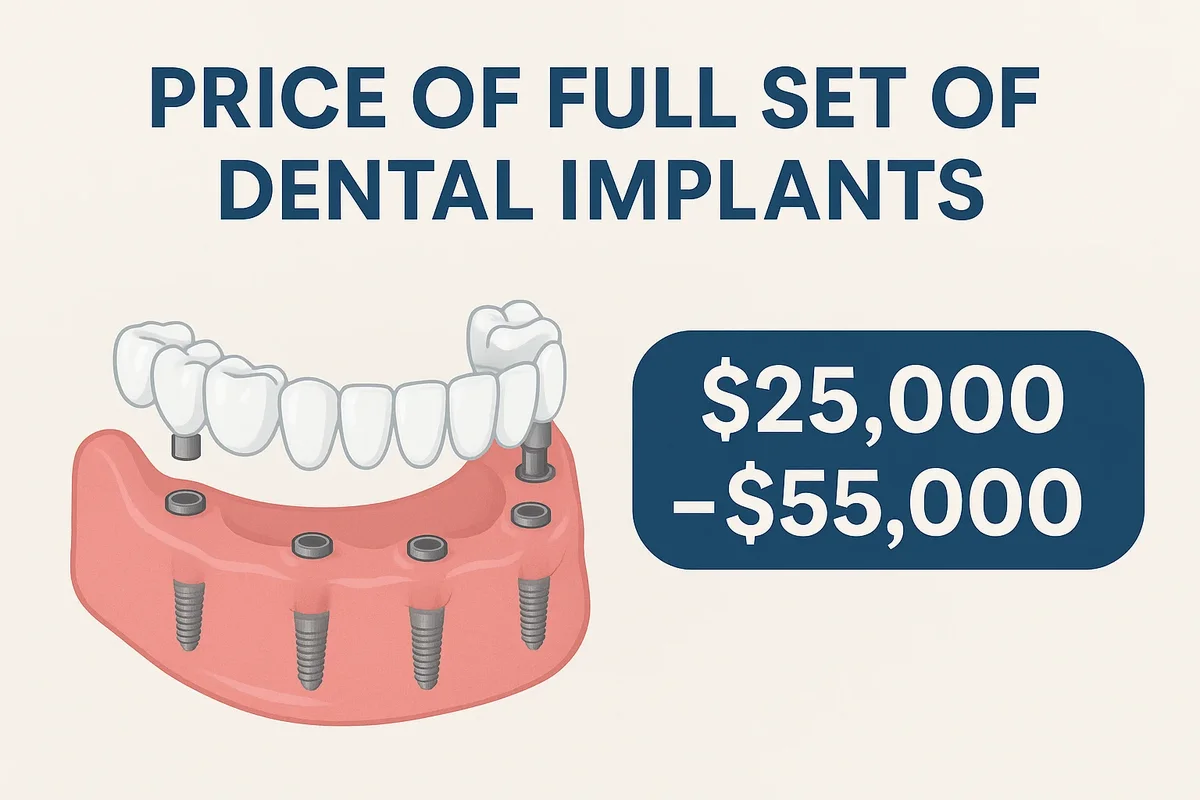
Expert Tips to Reduce the Price of Full Set of Dental Implants Safely
While the price of full set of dental implants may initially appear high, there are several safe and strategic ways to lower the overall cost without compromising clinical quality, implant longevity, or aesthetic results. Many patients unknowingly pay more than necessary simply because they are unfamiliar with cost-saving opportunities, alternative treatment pathways, and regional pricing advantages. This section reveals expert-approved methods to reduce implant treatment expenses while still receiving exceptional care and long-term stability. 😊
Choose a Clinic in a Country With Lower Operational Costs
One of the most effective ways to reduce the price of full set of dental implants is by selecting a reputable clinic in a country with lower operational expenses. Nations such as Turkey, Hungary, Mexico, and Thailand offer world-class dentistry at significantly lower prices than the United States, Canada, or the United Kingdom. The reason is not lower quality but reduced overhead costs and more competitive medical tourism industries.
In these regions, labor, facility costs, and administrative expenses are lower. Implant brands, prosthetic materials, and surgical protocols are typically identical to those used in Western Europe or North America—but offered at a fraction of the cost.
Verifying International Clinic Quality
Patients should always verify:
- Surgeon credentials and implantology training
- Clinic sterilization standards and certifications
- Implant systems offered (preferably globally recognized brands)
- Before/after cases and patient reviews
When done properly, choosing international treatment can dramatically reduce the price of full set of dental implants safely and effectively.
Opt for Mid-Range Implant Systems Instead of Premium Brands
Premium implant systems offer outstanding long-term success, but mid-range implants can provide nearly identical results at a lower cost. Many mid-tier brands—such as Osstem, MIS, and MegaGen—meet international standards while offering more budget-friendly pricing. Choosing these systems can reduce the total price of full set of dental implants by 20–40% without sacrificing quality.
However, patients should always ensure their chosen implant brand has:
- Long-term clinical research
- Wide compatibility with prosthetic components
- Reliable support and warranties
Avoiding unknown or generic implant brands helps reduce future maintenance costs.
Why Cutting Costs on Implant Brands Can Be Risky
Extremely cheap or unknown implant brands may lead to:
- Incompatible prosthetics
- Higher failure rates
- Limited availability of replacement parts
- Increased long-term repair expenses
Therefore, choosing reputable mid-range brands is a safe and cost-effective compromise.
Bundle Treatments to Receive Package Discounts
Many clinics offer comprehensive “all-in-one” packages for full-mouth implant procedures. These packages usually include:
- Diagnostics (CBCT scans, X-rays)
- Surgical fees
- Temporary teeth
- Final zirconia bridge
- Follow-up visits
- Sedation (in some cases)
Package pricing is often 10–30% cheaper than paying for each service individually. This strategy significantly reduces the total price of full set of dental implants while ensuring transparent, predictable costs with no hidden fees.
What to Look for in Package Deals
A good package should include:
- Clear implant brand descriptions
- Warranty terms for implants and prosthetics
- Details of included vs. optional services
- All surgical and prosthetic materials
Packages without full transparency should be avoided.
Consider Staged Treatment to Spread Out Costs
Another smart approach to lowering the price of full set of dental implants is staging treatment across multiple visits. Instead of completing all procedures at once, patients can:
- Begin with essential extractions and bone grafting
- Place implants after healing, when financially comfortable
- Add final bridges in later phases
This allows better budgeting and more time to plan financially, especially for people who prefer paying in smaller segments rather than one large amount.
Advantages of Staged Treatment
Staging can help:
- Distribute costs across multiple months or years
- Reduce financial pressure
- Allow insurance reimbursement over multiple cycles (where available)
Clinically, staged treatment is just as effective as immediate full-mouth restoration when performed correctly.
Using Travel Discounts and Medical Tourism Programs
Medical tourism agencies and clinics often provide travel incentives, which lower total expenses. These may include:
- Discounted hotels for implant patients
- Free airport transfers
- Complimentary follow-up services
- Seasonal offers for groups or couples
Taking advantage of these programs can cut the total price of full set of dental implants significantly while ensuring comfortable travel arrangements.
How to Identify Genuine Travel-Based Savings
Always confirm:
- Whether the discount is truly applied to treatment, not accommodation only
- If the package includes the cost of temporary and final teeth
- Whether follow-up visits are included
Well-structured medical tourism packages can lower total treatment costs without reducing quality.
Take Advantage of Clinic Promotions and Seasonal Specials
Many established clinics offer discounts during certain times of the year—such as holiday promotions, summer campaigns, or early booking discounts. These offers can reduce the price of full set of dental implants by several hundred or even thousands of dollars.
Common promotional incentives include:
- Free CBCT scans
- Discounted implant brands
- Reduced-price zirconia upgrade
- Complimentary consultations
These promotions allow patients to receive high-quality treatment at a more accessible price point.
Ensuring Promotions Are Legitimate
Patients should verify:
- If discounts apply to the entire treatment or only specific components
- Whether the clinic pressures quick decisions (a red flag)
- If the promotional period is clearly stated
True promotions enhance value—not create hidden costs.
Avoid Treatments That Seem “Too Cheap”
Finally, one of the most important tips for safely reducing the price of full set of dental implants is avoiding clinics that advertise unbelievably low prices. Extremely low-cost treatments often involve:
- Unverified implant brands
- Inexperienced surgeons
- Minimal diagnostic imaging
- Poor-quality prosthetics
- Lack of warranties
Although these offers can be tempting, they frequently lead to complications, failures, and costly corrective surgeries—making the long-term cost far higher.
In summary, patients can safely reduce the price of full set of dental implants by choosing cost-effective locations, selecting reputable mid-range implant systems, using package deals, exploring staged treatment, leveraging promotions, and avoiding unrealistically low-cost offers. When done wisely, these strategies deliver exceptional value while preserving safety, function, and long-term implant success.