
When it comes to achieving a healthy, confident smile, choosing the right orthodontic professional is one of the most important decisions you can make. A private orthodontist offers specialized dental care focused on correcting teeth alignment, bite issues, and jaw irregularities through personalized treatment plans. Unlike general dental services that may provide limited orthodontic procedures, a private orthodontist dedicates their practice entirely to orthodontics. This means patients benefit from deeper expertise, advanced treatment options, and individualized attention throughout their smile transformation journey. 😁
Orthodontics is a specialized branch of dentistry that focuses on diagnosing, preventing, and correcting misaligned teeth and jaws. According to the American Dental Association, orthodontic treatment not only improves appearance but also enhances oral health by making teeth easier to clean and reducing the risk of gum disease, cavities, and jaw strain. A private orthodontist plays a key role in delivering these benefits by offering advanced orthodontic care tailored to each patient’s needs.
One of the primary reasons people choose a private orthodontist is the high level of personalization in treatment. Every patient has a unique dental structure, lifestyle, and treatment goal. A private orthodontist carefully evaluates these factors through detailed examinations, digital scans, and X-rays before recommending the most suitable treatment option. This personalized approach ensures that orthodontic care is not only effective but also comfortable and efficient.
Another advantage of visiting a private orthodontist is access to modern orthodontic technology. Many private practices invest heavily in cutting-edge diagnostic tools and treatment systems. Digital impressions, 3D imaging, and computer-guided treatment planning allow a private orthodontist to design highly precise orthodontic solutions. These technologies improve treatment accuracy and can shorten overall treatment time, which is a major benefit for patients who want faster results. 🦷
The treatments offered by a private orthodontist vary widely and can address both cosmetic and functional dental concerns. Some of the most common orthodontic issues treated by a private orthodontist include crooked teeth, overcrowding, gaps between teeth, overbite, underbite, crossbite, and jaw misalignment. Left untreated, these issues can lead to long-term oral health problems such as uneven tooth wear, difficulty chewing, and speech issues.
Many people associate orthodontic treatment only with traditional braces, but a private orthodontist can offer a much wider range of solutions. Today’s orthodontic treatments include ceramic braces, lingual braces, clear aligners, and other discreet orthodontic systems. A private orthodontist helps patients select the most appropriate treatment based on their dental condition, age, and lifestyle preferences.
Comfort and patient experience are also key advantages of choosing a private orthodontist. Private practices often focus strongly on patient satisfaction, providing a relaxed environment and flexible scheduling. Patients typically spend more time discussing their concerns and treatment goals with a private orthodontist, which helps build trust and ensures clear communication throughout the treatment process. 😊
Another major benefit of working with a private orthodontist is continuity of care. From the first consultation to the final retainer stage, patients are usually treated by the same specialist who understands every detail of their treatment plan. This consistent care helps maintain treatment accuracy and allows the private orthodontist to make timely adjustments whenever necessary.
For individuals considering orthodontic treatment, the first step is typically a consultation with a private orthodontist. During this visit, the orthodontist evaluates your teeth, bite alignment, jaw structure, and overall oral health. They may also discuss your aesthetic goals and explain possible treatment options. Patients who wish to explore professional orthodontic services can also reach out through the Redent Klinik Contact Page to learn more about personalized treatment opportunities.
A private orthodontist does more than simply straighten teeth. Their role is to create a balanced bite, improve oral health, and enhance facial harmony. By combining specialized training, modern technology, and individualized care, a private orthodontist can help patients achieve long-lasting results and improved confidence in their smiles.
Ultimately, choosing a private orthodontist is an investment in both oral health and quality of life. Properly aligned teeth are easier to clean, reduce the risk of dental problems, and contribute to a more confident smile. Whether you are considering braces, clear aligners, or another orthodontic treatment, a private orthodontist can guide you through the process and provide the expertise needed to achieve optimal results. ✨
What Is a Private Orthodontist and How Do They Differ From Public Dental Services?
Understanding the role of a private orthodontist is essential for anyone considering orthodontic treatment. Many patients assume that orthodontic care is similar regardless of where it is provided, but there are significant differences between treatment offered by a private orthodontist and services available through public dental systems or general dental practices. These differences often influence treatment quality, waiting times, technology availability, and the level of personalized care patients receive.
A private orthodontist is a dental specialist who focuses exclusively on diagnosing, preventing, and correcting misaligned teeth and jaw structures. After completing dental school, orthodontists undergo several additional years of advanced training specifically in orthodontics and dentofacial orthopedics. This specialized education allows a private orthodontist to handle complex alignment issues and provide highly customized treatment plans designed to produce optimal results.
The Core Role of a Private Orthodontist
The primary responsibility of a private orthodontist is to improve the alignment and function of teeth and jaws. While general dentists may offer limited orthodontic solutions, a private orthodontist dedicates their entire practice to orthodontic care. This focused expertise often results in more precise diagnosis and treatment planning.
A private orthodontist typically treats a wide variety of orthodontic issues, including:
- Crooked or misaligned teeth
- Overbite and underbite
- Crowded teeth
- Spacing problems between teeth
- Jaw alignment irregularities
- Crossbite or open bite conditions
By addressing these problems early, a private orthodontist helps patients avoid complications such as tooth wear, jaw pain, speech difficulties, and periodontal disease. According to the American Dental Association, properly aligned teeth are easier to clean and maintain, which significantly improves long-term oral health.
Private Orthodontist vs Public Dental Services
One of the biggest differences between a private orthodontist and public dental services is accessibility. Public orthodontic systems often prioritize severe medical cases and may have long waiting lists before treatment begins. In contrast, visiting a private orthodontist usually allows patients to start treatment much sooner, which can be crucial for adolescents whose teeth and jaws are still developing.
Another distinction is the variety of treatment options available. A private orthodontist often provides a broader selection of orthodontic solutions tailored to different patient needs and lifestyles. These may include traditional braces, ceramic braces, lingual braces placed behind the teeth, and modern clear aligner systems. Because a private orthodontist operates in a competitive healthcare environment, they often invest in advanced technology and patient-centered services.
Technology and Diagnostic Tools
Modern orthodontics relies heavily on digital technology. A private orthodontist frequently uses advanced diagnostic tools such as digital X-rays, 3D scanning, and computer-assisted treatment planning. These technologies allow a private orthodontist to analyze jaw structure and tooth movement with high precision.
Digital orthodontic planning enables a private orthodontist to simulate treatment outcomes before the process even begins. Patients can often see a preview of their expected smile transformation, which helps them understand the treatment plan and remain motivated throughout the process. 🦷
Personalized Treatment Experience
One of the defining characteristics of a private orthodontist is the personalized level of care patients receive. Unlike busy public clinics where appointments may be short and highly structured, a private orthodontist typically spends more time with each patient. This allows for detailed discussions about treatment options, lifestyle considerations, and expected outcomes.
Personalization also means that a private orthodontist can adjust treatment plans more easily if circumstances change. For example, if a patient experiences discomfort with a particular orthodontic appliance, the private orthodontist may modify the treatment approach or offer alternative solutions.
Patients seeking individualized orthodontic care often choose a private orthodontist because of this flexible, patient-focused approach. Clinics like Redent Klinik offer professional consultations for those interested in orthodontic solutions. Patients can learn more or request an appointment through the Redent Klinik Contact Page.
Patient Comfort and Convenience
Comfort and convenience are also major advantages when choosing a private orthodontist. Private practices typically design their services to enhance patient experience. Appointment scheduling tends to be more flexible, and waiting times are generally shorter. This convenience can be particularly beneficial for working professionals and families with busy schedules.
Additionally, a private orthodontist often provides a more welcoming and relaxed clinical environment. Many private orthodontic clinics invest in patient-centered facilities that make visits more comfortable, especially for children and teenagers who may feel anxious about dental treatment. 😊
Continuity of Care and Long-Term Monitoring
Another important advantage of visiting a private orthodontist is continuity of care. In many private clinics, the same orthodontist manages the entire treatment journey—from initial diagnosis to final retainer placement. This consistent oversight ensures that the private orthodontist fully understands each patient’s dental history and treatment goals.
Long-term monitoring is particularly important after orthodontic treatment is completed. A private orthodontist provides guidance on retainers, follow-up visits, and oral hygiene practices to maintain results. Without proper retention and monitoring, teeth can gradually shift back toward their original positions.
Ultimately, the choice between public dental care and a private orthodontist depends on personal priorities. However, many patients prefer the specialized expertise, advanced technology, faster treatment access, and personalized attention that a private orthodontist provides. These factors often contribute to a smoother orthodontic journey and more predictable treatment outcomes.
Top Benefits of Choosing a Private Orthodontist for Orthodontic Treatment
Choosing the right orthodontic professional is a major step toward achieving a healthy, confident smile. While many dental providers offer orthodontic services, many patients prefer the expertise and personalized care that a private orthodontist can provide. A private orthodontist specializes exclusively in orthodontic treatment, meaning their entire practice is focused on correcting teeth alignment, improving bite function, and enhancing overall oral health. This specialized focus often leads to more precise diagnosis, modern treatment techniques, and highly individualized care plans.
Patients who choose a private orthodontist often benefit from advanced technology, shorter waiting times, and a more comfortable patient experience. Orthodontic treatment is not only about aesthetics—it also contributes significantly to oral health. Properly aligned teeth are easier to clean, reduce the risk of gum disease, and help maintain healthy jaw function. According to the American Dental Association, orthodontic care can play an essential role in maintaining long-term dental health and preventing complications associated with misaligned teeth.
Highly Specialized Orthodontic Expertise
One of the most important advantages of visiting a private orthodontist is their advanced specialization. After completing dental school, orthodontists undergo several additional years of focused training dedicated to orthodontics and dentofacial orthopedics. This extensive education allows a private orthodontist to diagnose and treat complex alignment problems that general dentists may not routinely manage.
Because orthodontics is the sole focus of their practice, a private orthodontist develops significant experience in managing various orthodontic cases. From mild crowding to severe bite misalignment, a private orthodontist has the training and expertise to design customized treatment strategies that produce optimal results.
Personalized Treatment Plans
Another major benefit of choosing a private orthodontist is the level of personalization involved in treatment planning. Every patient’s dental structure, bite alignment, and lifestyle are different. A private orthodontist carefully evaluates these factors through detailed consultations, digital scans, and imaging technology before recommending a treatment approach.
Personalized care ensures that orthodontic treatment aligns with the patient’s goals and expectations. For example, a teenager may prefer nearly invisible orthodontic appliances, while an adult professional might prioritize discreet treatment options that fit comfortably into their daily routine. A private orthodontist can tailor treatment methods accordingly, ensuring that both functional and aesthetic goals are met. 😊
Individual Monitoring Throughout Treatment
Another key advantage of working with a private orthodontist is the consistent monitoring provided throughout the orthodontic process. Unlike larger dental systems where patients may see different providers during each visit, a private orthodontist usually manages the entire treatment journey. This continuity allows the orthodontist to carefully track tooth movement and make precise adjustments when necessary.
Consistent supervision by a private orthodontist ensures that treatment progresses efficiently and safely. If adjustments are required due to unexpected tooth movement or discomfort, the private orthodontist can quickly modify the treatment plan.
Access to Modern Orthodontic Technology
Modern orthodontics relies heavily on advanced diagnostic tools and digital treatment planning. Many private practices invest in cutting-edge equipment that allows a private orthodontist to deliver more accurate and comfortable orthodontic care.
For example, digital 3D scanners can replace traditional dental impressions, providing a more comfortable experience for patients. A private orthodontist can use these digital scans to design highly precise orthodontic appliances and simulate treatment outcomes before the process begins.
These technological advancements enable a private orthodontist to create treatment plans that are both efficient and predictable. Patients often appreciate being able to see a digital preview of their expected results, which increases confidence in the treatment process. 🦷
Greater Range of Orthodontic Treatment Options
Another advantage of visiting a private orthodontist is the wide variety of orthodontic solutions available. Orthodontic technology has evolved significantly over the past decade, and a private orthodontist often offers multiple treatment methods designed for different patient needs.
Common treatment options offered by a private orthodontist include:
- Traditional metal braces
- Ceramic braces
- Lingual braces placed behind the teeth
- Clear aligner systems
- Early orthodontic treatment for children
Because a private orthodontist evaluates each patient individually, they can recommend the most appropriate solution based on dental condition, age, lifestyle, and aesthetic preferences.
Comfortable Patient Experience
Patient comfort is a top priority in many private orthodontic practices. A private orthodontist often creates a welcoming clinic environment designed to reduce anxiety and make orthodontic visits more pleasant. This is especially beneficial for younger patients who may feel nervous about dental treatment.
Private clinics also tend to offer flexible scheduling and shorter waiting times compared to larger dental institutions. Patients receiving care from a private orthodontist typically enjoy more convenient appointment options, making it easier to fit orthodontic visits into their daily routines.
Better Communication and Patient Education
Education plays a major role in successful orthodontic treatment. A private orthodontist usually spends more time explaining treatment options, expected timelines, and oral care practices during orthodontic therapy. Clear communication helps patients understand the importance of following instructions related to braces maintenance, aligner usage, and oral hygiene.
Patients who want to learn more about orthodontic consultation options can explore professional dental services through the Redent Klinik Contact Page. Consulting a private orthodontist allows individuals to receive personalized recommendations based on their specific orthodontic needs.
Long-Term Oral Health Benefits
The benefits of working with a private orthodontist extend far beyond cosmetic improvements. Straight teeth are easier to clean, which reduces the risk of cavities and gum disease. Proper bite alignment also prevents uneven tooth wear and decreases strain on the jaw joints.
By correcting alignment problems early, a private orthodontist helps patients avoid long-term dental complications that could otherwise require more complex treatments later in life. This proactive approach supports both oral health and overall well-being.
Ultimately, choosing a private orthodontist offers patients access to specialized knowledge, personalized treatment planning, modern technology, and a more comfortable orthodontic experience. These advantages make private orthodontic care an appealing option for individuals seeking high-quality treatment and lasting smile improvements. ✨
Common Treatments Offered by a Private Orthodontist
A private orthodontist provides a wide range of orthodontic treatments designed to correct teeth alignment, improve bite function, and enhance the overall appearance of a patient’s smile. Because orthodontics is the sole focus of their practice, a private orthodontist can offer advanced treatment options that are carefully tailored to each patient’s dental structure and personal goals. These treatments are not only cosmetic improvements but also essential procedures that help maintain long-term oral health and prevent complications such as jaw pain, uneven tooth wear, and gum disease.
Orthodontic treatment plans vary depending on the severity of the dental condition, the patient’s age, and lifestyle preferences. A private orthodontist typically performs a detailed examination using digital scans, X-rays, and bite analysis before recommending the most suitable treatment option. Modern orthodontics offers multiple solutions ranging from traditional braces to discreet aligner systems, all of which can be provided by a skilled private orthodontist. According to the American Dental Association, orthodontic treatment plays a vital role in maintaining both oral function and aesthetic harmony.
Traditional Metal Braces
One of the most widely recognized orthodontic treatments provided by a private orthodontist is traditional metal braces. These braces consist of stainless-steel brackets attached to the teeth and connected by archwires that gradually move the teeth into proper alignment. Despite the introduction of newer orthodontic technologies, metal braces remain one of the most effective treatment options for complex alignment issues.
A private orthodontist may recommend metal braces for patients with severe crowding, significant bite problems, or major tooth rotations. These braces apply continuous pressure over time, allowing the orthodontist to carefully guide teeth into their correct positions. Regular adjustment appointments with a private orthodontist ensure that the treatment progresses smoothly and efficiently.
Advantages of Traditional Braces
- Highly effective for complex orthodontic cases
- Durable and reliable treatment method
- Often more affordable than advanced alternatives
- Suitable for both teenagers and adults
A private orthodontist can also customize traditional braces using colored elastics, which is particularly popular among younger patients who want to personalize their orthodontic treatment. 😊
Ceramic Braces
Ceramic braces function similarly to traditional metal braces but use tooth-colored or transparent brackets that blend more naturally with the teeth. Many adults prefer this treatment option because it offers a less noticeable orthodontic solution while still delivering reliable results. A private orthodontist often recommends ceramic braces for patients who want effective orthodontic correction without the highly visible appearance of metal braces.
Although ceramic braces are more discreet, they require careful maintenance and oral hygiene. A private orthodontist provides guidance on proper cleaning techniques to ensure that ceramic brackets remain clear and stain-free during treatment.
Clear Aligners
Clear aligner therapy has become one of the most popular orthodontic treatments offered by a private orthodontist. These aligners are custom-made transparent trays designed to gradually move teeth into the desired position. Patients wear each aligner set for a specific period before progressing to the next stage in the treatment plan.
A private orthodontist uses digital scanning technology to create a series of aligners that precisely guide tooth movement. Because the aligners are removable, patients can take them out while eating, brushing, and flossing. This makes clear aligners one of the most convenient orthodontic solutions available today.
Benefits of Clear Aligners
- Nearly invisible orthodontic treatment
- Removable for eating and oral hygiene
- Comfortable and smooth materials
- Reduced irritation compared to traditional braces
Many adults choose clear aligners when visiting a private orthodontist because they allow orthodontic treatment without significantly affecting professional or social interactions. 🦷
Lingual Braces
Lingual braces are another advanced treatment option that a private orthodontist may offer. Unlike traditional braces placed on the front surface of teeth, lingual braces are attached to the inner side of the teeth facing the tongue. This placement makes them almost completely invisible from the outside.
Because lingual braces require precise customization and specialized training, they are typically provided by experienced orthodontic specialists. A private orthodontist designs these braces to match the exact shape of each patient’s teeth, ensuring effective and discreet orthodontic correction.
Early Orthodontic Treatment for Children
Many parents choose to consult a private orthodontist for early orthodontic evaluation of their children. Early treatment, sometimes referred to as interceptive orthodontics, aims to identify potential alignment problems before they become severe. By monitoring jaw growth and tooth development, a private orthodontist can recommend early interventions that guide teeth into proper positions.
Early orthodontic care may include space maintainers, growth modification appliances, or partial braces. A private orthodontist evaluates each child individually to determine whether early treatment is necessary or if orthodontic monitoring is sufficient.
Retainers and Post-Treatment Care
After active orthodontic treatment is completed, retainers are essential for maintaining results. A private orthodontist provides custom retainers designed to hold teeth in their new positions while surrounding bone structures stabilize. Without retainers, teeth can gradually shift back toward their original alignment.
Retainers may be removable or fixed depending on the patient’s needs. A private orthodontist explains how often retainers should be worn and schedules follow-up visits to ensure long-term stability.
Consultation and Treatment Planning
Patients interested in orthodontic treatment often begin with a consultation appointment with a private orthodontist. During this visit, the orthodontist evaluates the patient’s teeth, jaw alignment, and facial structure before recommending suitable treatment options. Individuals seeking professional orthodontic advice can explore consultation opportunities through the Redent Klinik Contact Page.
Ultimately, the treatments offered by a private orthodontist are designed to address both functional and aesthetic concerns. Whether a patient needs traditional braces, clear aligners, or early orthodontic intervention, a skilled private orthodontist provides expert guidance throughout the entire process. With modern orthodontic techniques and personalized care, patients can achieve healthier, more confident smiles that last a lifetime. ✨
How to Choose the Best Private Orthodontist for Your Needs
Selecting the right private orthodontist is one of the most important steps in achieving a healthy, properly aligned smile. Orthodontic treatment can last many months or even years, so patients should feel confident that they are working with a highly qualified specialist who understands their goals and provides personalized care. A skilled private orthodontist does more than straighten teeth—they evaluate bite alignment, jaw function, and facial harmony to create long-lasting improvements in oral health.
Because orthodontic treatment is a long-term commitment, choosing a private orthodontist should involve careful research and evaluation. Patients should consider several key factors such as professional qualifications, treatment options, technology, patient reviews, and overall clinic experience. Taking the time to select the right private orthodontist ensures that treatment progresses smoothly and produces the desired results.
Professional organizations such as the American Dental Association emphasize the importance of selecting qualified dental specialists when seeking orthodontic care. Working with an experienced private orthodontist can significantly improve treatment accuracy and patient satisfaction.
Check the Orthodontist’s Education and Credentials
The first step in choosing a private orthodontist is verifying their professional qualifications. Orthodontists must complete dental school followed by specialized postgraduate training in orthodontics. This additional training focuses on tooth movement, jaw alignment, facial development, and orthodontic treatment planning.
A reputable private orthodontist should be able to clearly present their credentials, certifications, and professional memberships. These qualifications demonstrate that the orthodontist has completed advanced training and remains committed to maintaining high professional standards.
Signs of a Qualified Orthodontic Specialist
- Completion of accredited orthodontic residency training
- Membership in recognized dental organizations
- Continuing education in modern orthodontic techniques
- Experience treating a wide range of orthodontic conditions
Choosing a well-trained private orthodontist helps ensure that your orthodontic treatment is handled by a professional who understands the complexities of tooth movement and facial structure.
Evaluate Available Treatment Options
Modern orthodontics offers a variety of treatment solutions. A skilled private orthodontist should provide multiple orthodontic options designed to suit different dental conditions and lifestyle preferences. These options may include traditional braces, ceramic braces, lingual braces, and clear aligners.
When visiting a private orthodontist for a consultation, patients should ask about all available treatment methods. The orthodontist should explain the advantages and limitations of each option and recommend the most suitable approach based on the patient’s dental condition.
A flexible treatment approach demonstrates that the private orthodontist prioritizes individualized care rather than offering a one-size-fits-all solution.
Consider the Technology Used in the Clinic
Orthodontic technology has advanced significantly in recent years. Many modern clinics utilize digital scanning, 3D imaging, and computer-guided treatment planning to improve accuracy and efficiency. A private orthodontist who invests in advanced diagnostic tools can often provide more precise treatment outcomes.
Digital scanning technology, for example, allows a private orthodontist to create highly accurate models of the patient’s teeth without uncomfortable traditional impressions. These digital models are then used to design orthodontic appliances and simulate expected treatment results.
Technology also improves communication between the private orthodontist and the patient. Many orthodontists can visually demonstrate how teeth will move during treatment, which helps patients better understand the process.
Review Patient Experience and Reputation
Another important factor when selecting a private orthodontist is the reputation of the clinic. Patient reviews, testimonials, and before-and-after case examples can provide valuable insights into the quality of care offered by the orthodontist.
Positive patient experiences often indicate that the private orthodontist provides professional service, effective treatment plans, and a comfortable clinical environment. Patients frequently share feedback about appointment scheduling, treatment comfort, communication quality, and overall satisfaction.
Questions to Ask When Reading Reviews
- Did patients feel comfortable during treatment?
- Was the orthodontist clear in explaining procedures?
- Were appointments well organized and efficient?
- Did patients achieve the results they expected?
Carefully evaluating patient experiences can help individuals choose a private orthodontist who consistently delivers high-quality care.
Assess Communication and Personal Comfort
Orthodontic treatment requires ongoing interaction between the patient and the orthodontist. Therefore, choosing a private orthodontist who communicates clearly and listens carefully to patient concerns is essential.
During the initial consultation, patients should feel comfortable asking questions about treatment duration, orthodontic appliances, maintenance requirements, and expected results. A professional private orthodontist will take time to explain each step of the treatment plan in a clear and reassuring manner.
Effective communication builds trust and helps patients remain confident throughout the orthodontic process.
Location and Appointment Flexibility
Orthodontic treatment requires regular follow-up visits, which means clinic location and appointment availability are important considerations. Choosing a conveniently located private orthodontist makes it easier to attend routine adjustment appointments without disrupting daily routines.
Many private orthodontic clinics offer flexible scheduling options to accommodate busy lifestyles. Patients who want to explore orthodontic consultation opportunities can visit the Redent Klinik Contact Page to connect with dental professionals and discuss potential treatment options.
Long-Term Care and Treatment Support
Orthodontic treatment does not end when braces or aligners are removed. Retainers and follow-up monitoring are essential for maintaining the new alignment of teeth. A reliable private orthodontist will provide long-term support and guidance to ensure that treatment results remain stable.
Retainers help prevent teeth from shifting back toward their original positions. The private orthodontist will explain how often retainers should be worn and schedule periodic checkups to confirm that the teeth remain properly aligned.
Choosing the right private orthodontist requires careful evaluation, but the effort is worthwhile. A qualified orthodontic specialist provides expertise, modern technology, personalized treatment plans, and ongoing support throughout the orthodontic journey. With the guidance of an experienced private orthodontist, patients can achieve healthier teeth, improved bite function, and a confident smile that lasts for many years. ✨
Private Orthodontist Costs and Payment Options Explained
One of the most common questions patients ask before starting orthodontic treatment is about cost. Visiting a private orthodontist offers many advantages such as personalized treatment, advanced technology, and flexible appointment scheduling, but it is important to understand how pricing works and what factors influence the overall expense. The cost of treatment with a private orthodontist varies depending on several factors including the complexity of the dental condition, the type of orthodontic appliance used, and the duration of treatment.
Orthodontic care should be viewed as a long-term investment in oral health. A properly aligned smile not only improves appearance but also helps prevent issues such as tooth wear, gum disease, and jaw strain. According to the American Dental Association, orthodontic treatment plays a key role in maintaining overall dental health and reducing future dental complications. Working with a private orthodontist allows patients to receive specialized treatment designed to produce long-lasting results.
Factors That Affect Private Orthodontist Treatment Costs
Several variables influence the cost of orthodontic treatment with a private orthodontist. Every patient has a unique dental structure and orthodontic need, which means treatment plans are customized. The following factors commonly determine the final price quoted by a private orthodontist.
1. Complexity of the Orthodontic Problem
Minor alignment issues usually require shorter treatment times and simpler orthodontic appliances. However, severe crowding, jaw misalignment, or bite correction may require more extensive treatment. A private orthodontist evaluates these factors during the consultation to determine the level of treatment required.
Complex orthodontic conditions may involve additional appliances, longer monitoring periods, and more adjustment appointments with the private orthodontist, which can increase the total cost.
2. Type of Orthodontic Treatment
The orthodontic system chosen by the patient significantly impacts pricing. A private orthodontist typically offers several treatment options, each with different costs depending on materials and technology involved.
Estimated Price Ranges
- Traditional metal braces: $3,000 – $7,000
- Ceramic braces: $4,000 – $8,000
- Lingual braces: $8,000 – $12,000
- Clear aligners: $4,000 – $9,000
A private orthodontist will recommend the most suitable treatment option after evaluating the patient’s dental condition, aesthetic preferences, and lifestyle needs. While some options may be more expensive initially, they may offer advantages such as improved comfort or discreet appearance. 🦷
Initial Consultation and Diagnostic Costs
Most orthodontic journeys begin with a consultation appointment. During this visit, a private orthodontist performs a detailed evaluation that may include digital scans, X-rays, photographs, and bite analysis. These diagnostic procedures help the private orthodontist develop an accurate treatment plan.
In some clinics, the initial consultation with a private orthodontist may be complimentary, while other practices charge a small diagnostic fee depending on the tests required. The orthodontist will typically explain these costs in advance so patients know exactly what to expect.
Flexible Payment Plans
Many orthodontic clinics understand that treatment costs can be significant, which is why a private orthodontist often provides flexible payment options. These plans allow patients to spread the cost of orthodontic care over several months or years rather than paying the full amount upfront.
Typical payment plans offered by a private orthodontist may include:
- Monthly installment plans
- Interest-free financing options
- Customized payment schedules
- Partial upfront payment with ongoing installments
These flexible financial arrangements make orthodontic treatment more accessible for many families and individuals. A private orthodontist can help patients understand which payment option works best for their budget.
Insurance Coverage for Orthodontic Treatment
Some dental insurance plans provide partial coverage for orthodontic treatment. However, the extent of coverage varies depending on the insurance provider and policy details. A private orthodontist can often assist patients in reviewing their insurance benefits and determining how much of the treatment cost may be reimbursed.
Insurance coverage may be more common for orthodontic treatment in younger patients, particularly when bite issues affect oral health. Nevertheless, adults can still receive financial support through certain dental plans when visiting a private orthodontist.
Why Investing in a Private Orthodontist Is Worth It
Although orthodontic treatment can involve significant financial commitment, many patients believe the benefits of working with a private orthodontist outweigh the costs. A specialized orthodontist offers advanced diagnostic technology, individualized treatment planning, and consistent supervision throughout the orthodontic process.
The expertise of a private orthodontist can lead to more efficient treatment timelines and better long-term results. Properly aligned teeth improve oral hygiene, reduce the likelihood of dental complications, and enhance facial aesthetics.
Patients interested in learning more about orthodontic treatment options can contact experienced dental professionals through the Redent Klinik Contact Page. Consulting with a private orthodontist allows individuals to receive a personalized cost estimate based on their specific dental needs.
Long-Term Value of Orthodontic Care
Orthodontic treatment is not simply a cosmetic procedure—it contributes to long-term dental health and quality of life. By correcting bite alignment and tooth positioning, a private orthodontist helps patients avoid future dental issues that could require expensive restorative treatments.
Straighter teeth are easier to clean, reducing the risk of cavities and gum disease. Additionally, balanced bite alignment reduces strain on jaw joints and prevents uneven tooth wear. These benefits highlight why many patients view treatment with a private orthodontist as a valuable investment in their overall health.
Ultimately, the cost of treatment with a private orthodontist depends on individual circumstances, but modern payment options and financing plans make orthodontic care more accessible than ever. By understanding the factors that influence pricing and exploring available payment solutions, patients can confidently begin their orthodontic journey and work toward a healthier, more confident smile. ✨
What Happens During Your First Consultation With a Private Orthodontist?
The first visit to a private orthodontist is an important step in beginning your orthodontic journey. During this initial consultation, the orthodontist evaluates your teeth, jaw alignment, and overall oral health to determine whether orthodontic treatment is necessary and which treatment options may be most suitable. A consultation with a private orthodontist is not simply a quick check-up; it is a detailed assessment that forms the foundation of a personalized treatment plan designed to improve both dental function and aesthetics.
Many patients feel nervous before their first orthodontic appointment, but the consultation with a private orthodontist is typically comfortable and informative. The goal is to understand the patient’s dental concerns, explain possible treatment solutions, and provide a clear roadmap for achieving a healthier, straighter smile. According to the American Dental Association, early evaluation by an orthodontic specialist can help detect alignment issues before they become more complex.
Initial Discussion and Medical History Review
The first step during a consultation with a private orthodontist usually involves a detailed discussion about the patient’s dental history and treatment goals. The orthodontist may ask questions about past dental procedures, jaw discomfort, bite issues, and any concerns regarding the appearance of the teeth.
A private orthodontist may also review the patient’s medical history, including any medications or health conditions that could affect orthodontic treatment. This step ensures that the treatment plan created by the private orthodontist is both safe and effective.
Patients are encouraged to openly discuss their expectations and concerns during this stage. For example, some individuals may prioritize discreet orthodontic appliances such as clear aligners, while others may focus on correcting significant bite problems. A private orthodontist carefully listens to these preferences to design a treatment plan that aligns with the patient’s lifestyle and goals. 😊
Comprehensive Oral Examination
After reviewing the patient’s history, the private orthodontist performs a detailed clinical examination. This examination allows the orthodontist to assess the alignment of the teeth, spacing between teeth, bite position, and jaw relationship. The private orthodontist may also evaluate facial symmetry and jaw movement, which can provide important information about how the teeth and jaws function together.
During this stage, the private orthodontist identifies potential orthodontic problems such as crowding, overbite, underbite, crossbite, or open bite. Detecting these issues early helps ensure that treatment can be planned effectively and that potential complications are minimized.
Common Alignment Issues Identified During Examination
- Crowded or overlapping teeth
- Gaps between teeth
- Overbite or deep bite
- Underbite or jaw misalignment
- Crossbite affecting tooth contact
- Teeth that protrude outward
By thoroughly evaluating these factors, a private orthodontist can develop a comprehensive understanding of the patient’s orthodontic needs.
Diagnostic Imaging and Digital Scanning
Modern orthodontic consultations often include digital diagnostic tools that provide detailed images of the teeth and jaw structure. A private orthodontist may take digital X-rays, photographs, and 3D scans of the teeth. These images allow the orthodontist to analyze the position of teeth roots, jawbone structure, and facial proportions.
Digital scanning technology is particularly useful because it eliminates the need for traditional dental impressions, which many patients find uncomfortable. Instead, a private orthodontist uses a handheld scanner to create a precise digital model of the patient’s teeth.
This digital model enables the private orthodontist to simulate tooth movement and predict how the smile will look after treatment. Patients often find it exciting to visualize their potential results before treatment even begins. 🦷
Personalized Treatment Plan Explanation
Once the examination and diagnostic imaging are complete, the private orthodontist explains the findings and outlines possible treatment options. The orthodontist discusses the severity of the alignment problem, recommended orthodontic appliances, and the estimated treatment timeline.
Treatment options presented by a private orthodontist may include traditional braces, ceramic braces, lingual braces, or clear aligner systems. Each option has its own advantages depending on the patient’s orthodontic needs and lifestyle.
During this stage, the private orthodontist also explains how each treatment method works, what adjustments will be required during treatment, and how long the process is expected to take. Clear communication helps patients feel confident and informed about their orthodontic journey.
Cost Estimate and Payment Planning
Another important part of the consultation involves discussing the financial aspects of treatment. The private orthodontist provides a cost estimate based on the recommended treatment plan and explains available payment options.
Many orthodontic clinics offer installment plans that allow patients to spread the cost of treatment over time. The private orthodontist may also review insurance benefits and explain how insurance coverage can reduce out-of-pocket expenses.
Patients who want to explore orthodontic consultation opportunities can connect with dental professionals through the Redent Klinik Contact Page. Scheduling a consultation with a private orthodontist is the first step toward receiving personalized orthodontic care.
Questions Patients Should Ask
Before completing the consultation, patients should take the opportunity to ask important questions. A private orthodontist encourages open communication and ensures that patients fully understand the treatment process.
Helpful Questions to Ask a Private Orthodontist
- What orthodontic treatment options are available for my case?
- How long will treatment take?
- How often will adjustment appointments be required?
- Will I need to wear retainers after treatment?
- What lifestyle changes are required during orthodontic care?
These questions allow patients to gain clarity about the treatment journey and prepare for orthodontic care.
Beginning Your Orthodontic Journey
The first consultation with a private orthodontist provides valuable insights into the condition of your teeth and the possibilities for improving your smile. By combining detailed examination, modern diagnostic technology, and personalized treatment planning, a private orthodontist helps patients understand their orthodontic needs and the steps required to achieve optimal results.
Starting orthodontic treatment can feel like a big decision, but working with an experienced private orthodontist ensures that patients receive expert guidance every step of the way. With the right treatment plan and professional support, individuals can move forward confidently toward a healthier bite and a more confident smile. ✨
Technology and Advanced Techniques Used by a Private Orthodontist
Modern orthodontics has evolved significantly over the past decade, and much of this progress is driven by innovative technology. A private orthodontist often invests in advanced diagnostic tools and treatment systems that improve accuracy, comfort, and treatment efficiency. These technologies allow a private orthodontist to diagnose alignment problems more precisely and create highly customized treatment plans for each patient.
Orthodontic technology plays a major role in improving both the patient experience and treatment outcomes. With digital imaging, 3D treatment planning, and advanced orthodontic appliances, a private orthodontist can guide teeth into proper alignment with greater control than ever before. According to the American Dental Association, advancements in dental technology have significantly improved orthodontic care and patient comfort.
Patients who visit a private orthodontist often benefit from these innovations because private practices frequently adopt new technologies earlier than large public dental systems. This allows a private orthodontist to provide modern orthodontic solutions that are both efficient and comfortable. 🦷
Digital 3D Scanning and Imaging
One of the most important technologies used by a private orthodontist is digital 3D scanning. Traditional orthodontic impressions required patients to bite into trays filled with impression material, which could be uncomfortable and messy. Today, many orthodontic clinics use handheld scanners to create detailed digital models of the patient’s teeth.
With this technology, a private orthodontist can capture a precise 3D image of the teeth within minutes. These digital scans provide extremely accurate representations of the patient’s dental structure, allowing the private orthodontist to analyze alignment problems more effectively.
Advantages of Digital Orthodontic Scanning
- More comfortable than traditional impressions
- Highly accurate digital models of teeth
- Faster treatment planning
- Improved patient communication
Digital scanning also allows the private orthodontist to monitor tooth movement throughout treatment and make precise adjustments when necessary.
Computer-Guided Treatment Planning
Another major advancement used by a private orthodontist is computer-guided treatment planning. Specialized orthodontic software allows the orthodontist to simulate how teeth will move during treatment. By analyzing digital scans and X-rays, a private orthodontist can design a detailed step-by-step plan that guides tooth movement safely and efficiently.
This technology allows the private orthodontist to predict treatment outcomes before orthodontic appliances are even placed. Patients often appreciate seeing a digital preview of their future smile, which helps them feel more confident about the treatment process.
Computer-guided planning also allows a private orthodontist to design orthodontic appliances that are customized specifically for the patient’s dental anatomy.
Clear Aligner Technology
Clear aligners represent one of the most popular orthodontic innovations available today. A private orthodontist uses advanced digital software to design a sequence of transparent aligners that gradually move teeth into the desired position.
Each aligner is precisely manufactured based on the treatment plan created by the private orthodontist. Patients typically wear each aligner set for a specific period before switching to the next set in the series.
Because clear aligners are removable and nearly invisible, many adults choose this treatment option when visiting a private orthodontist. The discreet design allows patients to undergo orthodontic treatment without significantly affecting their appearance or daily activities. 😊
Benefits of Clear Aligner Technology
- Virtually invisible orthodontic treatment
- Removable for eating and oral hygiene
- Reduced irritation compared to metal braces
- Customized treatment plans
A private orthodontist carefully monitors progress throughout aligner therapy to ensure that teeth are moving according to the treatment plan.
Advanced Orthodontic Bracket Systems
Even traditional braces have benefited from technological innovation. Many modern braces used by a private orthodontist feature advanced bracket designs that reduce friction and allow teeth to move more efficiently.
Self-ligating braces, for example, use specialized clips instead of elastic bands to hold the archwire in place. This design allows a private orthodontist to adjust braces more easily while reducing pressure on the teeth.
These improved bracket systems often require fewer adjustment appointments, which makes orthodontic treatment more convenient for patients receiving care from a private orthodontist.
Digital Monitoring and Remote Checkups
Some orthodontic clinics now offer digital monitoring technology that allows patients to share progress updates remotely. A private orthodontist may use smartphone-based scanning tools that allow patients to upload images of their teeth between appointments.
This technology enables the private orthodontist to track tooth movement and detect potential issues without requiring frequent office visits. Digital monitoring is especially beneficial for patients with busy schedules who want to reduce the number of in-person appointments.
3D Printing in Orthodontics
3D printing technology is also transforming orthodontic care. A private orthodontist may use 3D printers to produce orthodontic models, custom aligners, and retainers with remarkable precision.
By using 3D printing technology, a private orthodontist can create appliances that perfectly match the patient’s dental anatomy. This level of customization improves treatment accuracy and ensures that orthodontic appliances fit comfortably.
In many cases, a private orthodontist can produce orthodontic devices much faster using digital manufacturing methods compared to traditional laboratory processes.
Patient Education and Treatment Visualization
Modern technology also improves patient education. A private orthodontist can use digital simulations to demonstrate how teeth will move during treatment and what the final results are expected to look like.
Visualizing the treatment process helps patients understand how orthodontic appliances work and why certain adjustments are necessary. A private orthodontist often uses digital models and animations to explain treatment steps in a clear and engaging way.
Patients who want to learn more about advanced orthodontic treatment options can explore professional consultation services through the Redent Klinik Contact Page. Consulting a private orthodontist allows individuals to discover modern orthodontic technologies that can improve both comfort and treatment outcomes.
The Future of Orthodontic Innovation
Orthodontic technology continues to evolve rapidly, and a private orthodontist plays a key role in adopting these innovations. From artificial intelligence in treatment planning to improved orthodontic materials, new technologies are constantly expanding the possibilities of orthodontic care.
By combining advanced tools with specialized expertise, a private orthodontist can deliver highly effective orthodontic treatment that meets the expectations of modern patients. These technological advancements make orthodontic care more precise, more comfortable, and more efficient than ever before.
Ultimately, visiting a private orthodontist provides access to the latest orthodontic technologies designed to create healthier, straighter smiles. Through digital diagnostics, computer-guided treatment planning, and modern orthodontic appliances, a private orthodontist ensures that each patient receives high-quality orthodontic care tailored to their individual needs. ✨
Private Orthodontist Treatment Timeline: How Long Does It Take?
One of the most common questions patients ask before starting orthodontic care is how long treatment will take. The treatment timeline with a private orthodontist varies depending on the severity of the dental condition, the type of orthodontic appliance used, and how well the patient follows the orthodontist’s instructions. While some minor alignment corrections may be completed within a few months, more complex orthodontic cases may require one to two years of treatment under the supervision of a private orthodontist.
Orthodontic treatment is a gradual biological process. Teeth move slowly through the jawbone as controlled pressure is applied by orthodontic appliances. A private orthodontist carefully manages this process to ensure that tooth movement occurs safely and effectively. Rushing orthodontic treatment can cause complications, which is why experienced specialists design treatment timelines that balance efficiency with patient safety.
According to the American Dental Association, orthodontic treatment is highly individualized and depends on factors such as tooth position, jaw development, and patient age. Working with a skilled private orthodontist ensures that treatment progresses at an appropriate pace for optimal long-term results. 🦷
Typical Stages of Orthodontic Treatment
Orthodontic care provided by a private orthodontist generally follows several stages. Each stage plays a specific role in moving the teeth into proper alignment and ensuring stable long-term results.
Stage 1: Initial Consultation and Diagnosis
The first step in the orthodontic journey involves a consultation with a private orthodontist. During this visit, the orthodontist evaluates the teeth, bite alignment, and jaw structure. Digital scans, photographs, and X-rays are often used to create a comprehensive picture of the patient’s dental condition.
A private orthodontist uses this diagnostic information to develop a personalized treatment plan. This plan outlines the recommended orthodontic appliances, estimated treatment duration, and expected results.
Stage 2: Placement of Orthodontic Appliances
Once the treatment plan is finalized, the private orthodontist places the chosen orthodontic appliance. This may involve traditional braces, ceramic braces, lingual braces, or clear aligners depending on the patient’s needs.
The orthodontic appliances begin applying gentle pressure that gradually moves the teeth into their desired positions. A private orthodontist carefully monitors this process through regular follow-up appointments to ensure that tooth movement occurs correctly.
Stage 3: Active Tooth Movement
The longest stage of treatment with a private orthodontist is the active tooth movement phase. During this period, teeth gradually shift into alignment as the orthodontic appliance continues applying controlled pressure.
Patients typically visit their private orthodontist every four to eight weeks for adjustments or progress checks. During these appointments, the orthodontist may tighten braces, replace wires, or provide new aligner sets depending on the treatment method used.
Regular monitoring by a private orthodontist ensures that treatment remains on track and that any issues are addressed quickly.
Stage 4: Finishing and Refinement
Once the major alignment corrections have been completed, the private orthodontist focuses on refining the final tooth positions. Small adjustments may be made to ensure that the bite fits together properly and that the smile appears balanced and symmetrical.
The finishing stage is essential for achieving the highest level of precision. A private orthodontist may use additional aligners, minor bracket adjustments, or small orthodontic elastics to perfect the final alignment.
Stage 5: Retention Phase
After braces or aligners are removed, the retention phase begins. Retainers are custom devices provided by a private orthodontist to keep the teeth in their new positions. Teeth naturally have a tendency to shift over time, which is why retainers are necessary to maintain treatment results.
The private orthodontist provides instructions regarding how often retainers should be worn and schedules follow-up visits to monitor long-term stability.
Average Treatment Duration by Orthodontic Method
Different orthodontic systems may require varying treatment durations. A private orthodontist evaluates each patient individually to determine the most appropriate treatment timeline.
Estimated Orthodontic Treatment Times
- Minor alignment corrections: 6–12 months
- Traditional braces treatment: 18–24 months
- Ceramic braces treatment: 18–24 months
- Clear aligner therapy: 12–18 months
- Complex bite corrections: 24 months or longer
Although these estimates provide a general guideline, the exact treatment duration recommended by a private orthodontist depends on each patient’s dental condition and cooperation during treatment.
Factors That Influence Orthodontic Treatment Time
Several factors can affect how long orthodontic treatment takes when working with a private orthodontist.
Patient Age
Younger patients often experience faster orthodontic movement because their bones are still developing. However, a private orthodontist can successfully treat patients of all ages, including adults who wish to improve their smile.
Severity of Alignment Problems
More complex orthodontic cases typically require longer treatment times. A private orthodontist evaluates the severity of crowding, bite misalignment, and jaw positioning when estimating the treatment timeline.
Patient Cooperation
Following the instructions provided by a private orthodontist plays a significant role in treatment success. Patients who consistently wear aligners, avoid damaging braces, and attend scheduled appointments often complete treatment faster.
How a Private Orthodontist Ensures Efficient Treatment
An experienced private orthodontist carefully plans each step of the orthodontic process to maximize efficiency. By using modern diagnostic technology and precise treatment planning, the orthodontist can guide teeth into proper alignment as efficiently as possible without compromising safety.
Digital imaging and computer-guided treatment simulations allow a private orthodontist to predict tooth movement with remarkable accuracy. This helps minimize delays and ensures that treatment progresses according to the original plan.
Patients interested in beginning their orthodontic journey can learn more about consultation opportunities through the Redent Klinik Contact Page. Speaking with a private orthodontist allows individuals to receive a personalized timeline based on their specific orthodontic needs.
Achieving Long-Term Orthodontic Success
While orthodontic treatment requires patience, the long-term benefits are significant. By working with a qualified private orthodontist, patients can achieve straighter teeth, improved bite alignment, and better oral health. Properly aligned teeth are easier to clean, reducing the risk of cavities and gum disease.
A private orthodontist ensures that each stage of treatment is carefully managed, resulting in stable and aesthetically pleasing outcomes. With the right treatment plan and patient cooperation, orthodontic care can transform both oral health and confidence.
Ultimately, the timeline for treatment with a private orthodontist depends on the individual case, but most patients find that the results are well worth the time invested. A straighter, healthier smile is a lasting benefit that can improve quality of life for many years. ✨
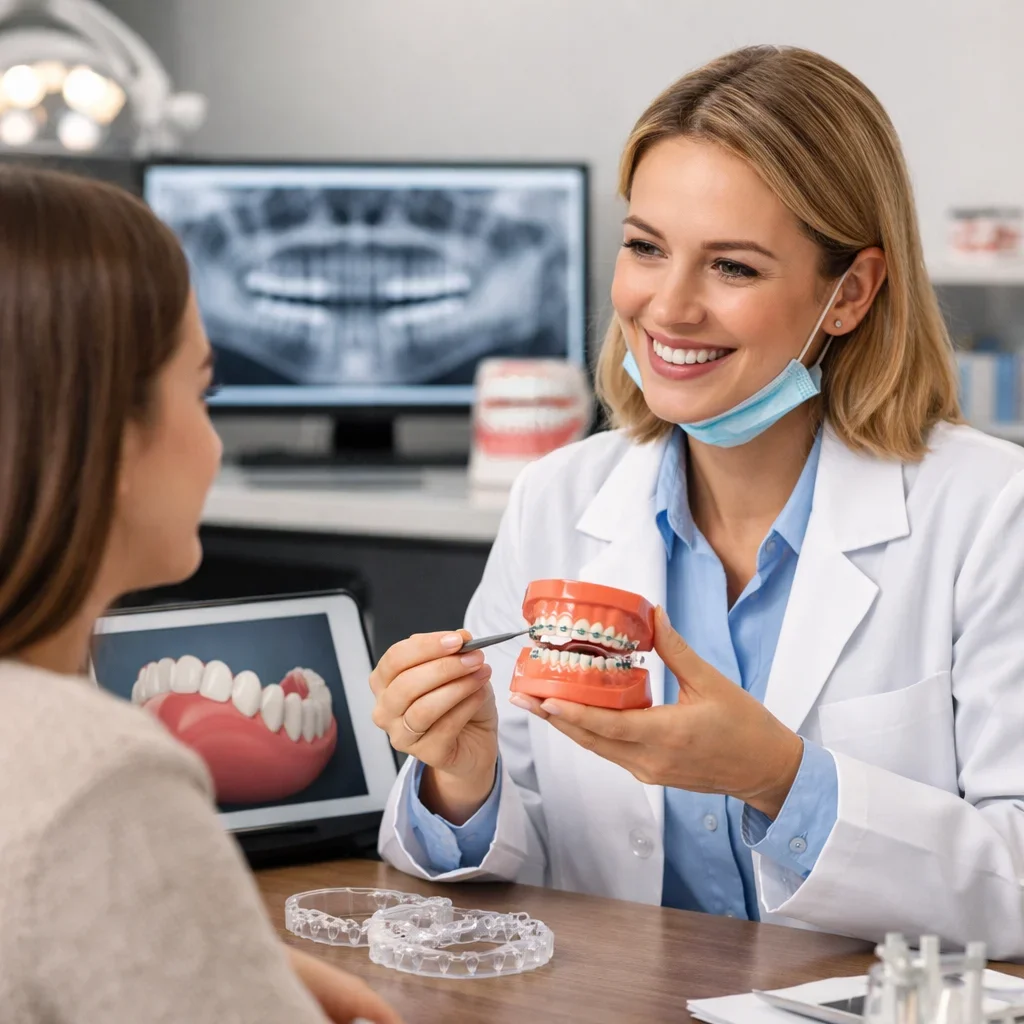
Maintaining Results After Treatment With a Private Orthodontist
Completing orthodontic treatment is an exciting milestone, but maintaining the results is just as important as the treatment itself. After months or even years of carefully guided tooth movement, patients want their newly aligned smile to last for a lifetime. A private orthodontist plays a crucial role not only during active orthodontic treatment but also in helping patients maintain their results afterward. The period following orthodontic treatment is known as the retention phase, and proper care during this stage ensures that teeth remain in their new positions.
Teeth naturally tend to shift back toward their original positions due to the elasticity of surrounding tissues and the natural forces of chewing and speaking. For this reason, a private orthodontist provides retainers and long-term follow-up care to stabilize the teeth after braces or aligners are removed. According to the American Dental Association, proper retention is essential for maintaining orthodontic results and preventing relapse.
Patients who follow the instructions provided by their private orthodontist can enjoy a straight and healthy smile for many years. Maintaining orthodontic results involves wearing retainers correctly, practicing good oral hygiene, attending periodic checkups, and protecting the teeth from unnecessary stress. 😊
The Importance of the Retention Phase
After orthodontic appliances are removed, the teeth and surrounding bone structures need time to stabilize. During orthodontic treatment, a private orthodontist gradually moves teeth into new positions within the jawbone. Once treatment is complete, the bone must rebuild around the newly aligned teeth.
This stabilization process can take several months, which is why retainers are essential. A private orthodontist prescribes retainers to hold teeth in place while the supporting bone and tissues adjust to the new alignment. Without proper retention, teeth may slowly drift back toward their previous positions.
A private orthodontist carefully monitors this phase to ensure that orthodontic results remain stable over time.
Common Types of Retainers
There are several types of retainers that a private orthodontist may recommend depending on the patient’s orthodontic needs and lifestyle.
- Removable clear retainers: Transparent trays similar to aligners that fit snugly over the teeth.
- Hawley retainers: Traditional retainers made of acrylic and metal wires.
- Fixed retainers: Thin wires bonded to the back of the teeth to provide continuous support.
A private orthodontist determines the most appropriate retainer type based on the patient’s treatment history and risk of tooth movement.
How Long Should Retainers Be Worn?
Retainer usage varies from patient to patient. In many cases, a private orthodontist recommends wearing retainers full-time for the first few months following orthodontic treatment. After this initial period, patients may transition to wearing retainers only at night.
Some patients may need to wear retainers for several years to ensure long-term stability. A private orthodontist will provide personalized instructions regarding how often retainers should be worn based on the patient’s orthodontic history.
Consistent retainer use is one of the most important steps patients can take to protect the results achieved by their private orthodontist.
Maintaining Excellent Oral Hygiene
Good oral hygiene is essential for maintaining the results achieved through orthodontic treatment. A private orthodontist often emphasizes the importance of proper brushing and flossing techniques after braces or aligners are removed.
Straight teeth are generally easier to clean than misaligned teeth, but maintaining good hygiene habits remains essential. Patients should brush at least twice a day and floss daily to remove plaque and food particles that could lead to cavities or gum disease.
Daily Oral Hygiene Tips After Orthodontic Treatment
- Brush teeth thoroughly for at least two minutes
- Use fluoride toothpaste to strengthen enamel
- Floss daily to clean between teeth
- Clean removable retainers regularly
- Attend routine dental checkups
Following these hygiene practices helps preserve both the alignment achieved by a private orthodontist and the overall health of the teeth and gums.
Regular Orthodontic Follow-Up Visits
Even after orthodontic treatment is completed, periodic follow-up visits with a private orthodontist remain important. These appointments allow the orthodontist to monitor tooth stability and ensure that retainers are functioning properly.
During follow-up visits, a private orthodontist checks for any signs of tooth movement and evaluates the condition of retainers. If necessary, adjustments can be made to maintain optimal alignment.
Patients who maintain regular appointments with their private orthodontist are more likely to preserve their orthodontic results over the long term.
Protecting Teeth From Damage
Protecting the teeth from unnecessary stress is another important aspect of maintaining orthodontic results. A private orthodontist may recommend wearing a protective mouthguard during contact sports to prevent dental injuries.
Habits such as nail biting, chewing on hard objects, or grinding teeth can also affect dental alignment. A private orthodontist may provide guidance on how to manage these habits and protect orthodontic results.
Lifestyle Habits That Support Long-Term Alignment
Maintaining orthodontic results involves adopting healthy lifestyle habits that support dental stability. Patients who follow the recommendations provided by their private orthodontist are more likely to enjoy lasting results.
Helpful Lifestyle Practices
- Wearing retainers as instructed
- Maintaining regular dental cleanings
- Avoiding excessive sugary foods
- Using mouthguards during sports
- Monitoring dental alignment over time
These habits help protect the smile that a private orthodontist worked carefully to create.
When to Contact Your Private Orthodontist
If patients notice any changes in tooth alignment or experience discomfort while wearing retainers, they should contact their private orthodontist promptly. Early intervention can prevent minor issues from developing into larger orthodontic problems.
Individuals who are considering orthodontic treatment or seeking professional dental advice can connect with experienced dental professionals through the Redent Klinik Contact Page. Consulting with a private orthodontist allows patients to receive personalized guidance on both orthodontic treatment and long-term smile maintenance.
A Lifetime of Healthy Smiles
Orthodontic treatment represents a significant investment in oral health and self-confidence. Maintaining the results achieved by a private orthodontist requires consistent retainer use, proper oral hygiene, and regular follow-up care.
By following the recommendations provided by a private orthodontist, patients can preserve their orthodontic results and enjoy a beautifully aligned smile for many years. The combination of professional orthodontic care and responsible dental habits ensures that the benefits of treatment remain stable throughout adulthood.
Ultimately, the journey with a private orthodontist does not end when braces or aligners are removed. With proper retention and long-term care, patients can maintain their improved smile and continue enjoying the health benefits of properly aligned teeth. ✨