
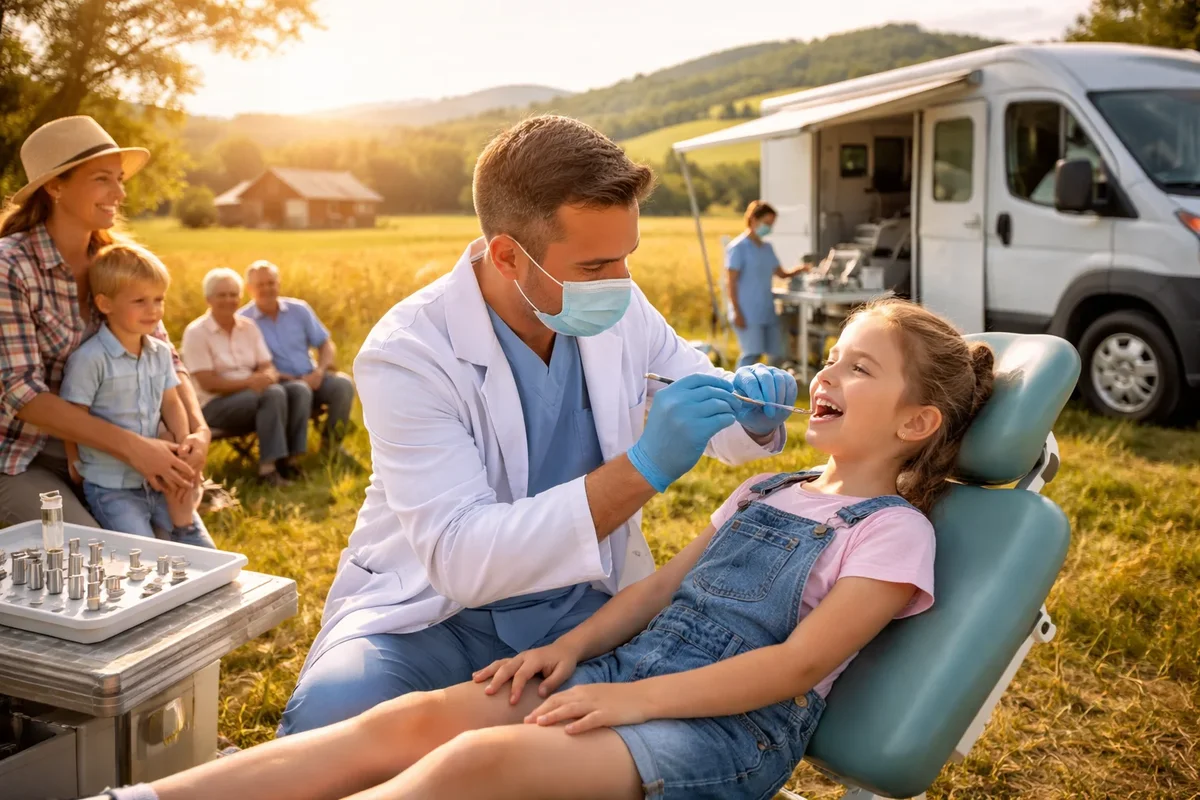
Rural dentistry plays a critical role in ensuring that people living in remote towns, farming communities, and geographically isolated regions have access to essential oral healthcare. While dental services are often readily available in large cities, the situation can be very different in rural areas. Rural dentistry focuses on providing dental care in regions where access to healthcare professionals may be limited, travel distances can be long, and resources are sometimes scarce. Because of these challenges, rural dentistry is not only about treating teeth but also about improving overall community health and quality of life. 🌿
In many parts of the world, rural dentistry represents the primary source of dental care for millions of people. Rural residents may live hours away from urban dental clinics, making routine dental visits difficult. As a result, untreated oral diseases such as cavities, gum infections, and tooth loss can become more common. The purpose of rural dentistry is to bridge this gap by bringing professional dental services closer to underserved populations. By focusing on prevention, education, and accessible treatment, rural dentistry helps reduce long-term oral health complications.
One of the most important aspects of rural dentistry is improving access to dental professionals. In urban areas, it is common to find multiple dental practices within a small radius. However, in rural regions, there may be only one dentist serving several small communities. This shortage highlights why rural dentistry initiatives are essential for maintaining oral health in these areas. Organizations such as the American Dental Association actively support programs that encourage dentists to work in rural and underserved regions.
Another important goal of rural dentistry is preventive care. Prevention is especially important where access to advanced dental treatment may be limited. Dentists working in rural dentistry often focus on educating patients about proper oral hygiene, regular brushing and flossing habits, and the importance of routine dental checkups. Preventive strategies such as fluoride treatments, dental sealants, and early cavity detection can significantly reduce oral health problems in rural populations. 🪥
Community engagement is also a defining feature of rural dentistry. Dentists who practice rural dentistry often become deeply involved in the communities they serve. They may visit local schools, provide educational workshops, or collaborate with healthcare providers to promote oral health awareness. These initiatives are particularly valuable in areas where residents may not have had previous exposure to dental education programs.
Rural dentistry is not limited to simple procedures. Modern rural dental clinics can provide a wide range of services including cleanings, fillings, crowns, extractions, root canal treatments, and even dental implants. However, because some specialized procedures may require advanced equipment, rural dentists often coordinate referrals to larger clinics when necessary. If patients need guidance about treatment options or appointments, they can easily reach professional support through resources such as the Redent Klinik Contact Page.
Technology is also beginning to transform rural dentistry. Tele-dentistry, mobile dental clinics, and portable diagnostic tools are helping dentists deliver care in remote locations more efficiently. These innovations allow dental professionals to evaluate patients, provide consultations, and monitor treatment progress even when patients live far away from major healthcare centers. As technology continues to improve, rural dentistry will become even more accessible and effective.
Another key benefit of rural dentistry is its role in reducing health disparities. Oral health is closely connected to overall health, and untreated dental issues can lead to serious medical conditions. For example, gum disease has been linked to cardiovascular problems, diabetes complications, and systemic infections. By providing accessible care, rural dentistry helps prevent these complications and supports better general health outcomes for rural populations.
Economic factors also play a role in rural dentistry. Rural clinics often work hard to keep treatments affordable and accessible. Some dental programs partner with public health organizations or government initiatives to provide reduced-cost services. Typical preventive treatments in rural dentistry clinics may include:
- Dental exam and consultation: $50 – $120
- Professional cleaning: $80 – $180
- Dental filling: $120 – $350
- Tooth extraction: $150 – $400
- Dental crown: $900 – $1,500
These prices can vary depending on the country, the complexity of the procedure, and the equipment available in the rural dentistry clinic. However, the primary mission of rural dentistry is not profit but accessibility. Many rural dental practices prioritize community health and patient education over high-volume procedures.
Ultimately, rural dentistry represents a vital healthcare service that supports millions of people living outside major urban centers. By focusing on prevention, education, accessibility, and innovative treatment methods, rural dentistry continues to improve oral health outcomes in underserved communities. As more dentists, healthcare organizations, and policymakers recognize the importance of rural dentistry, the future of dental care in rural regions is expected to become more advanced, inclusive, and effective. 🦷
What Is Rural Dentistry and Why It Matters
Rural dentistry refers to the branch of dental healthcare focused on providing oral care services to people living in remote towns, agricultural regions, and geographically isolated communities. Unlike urban dental practices that often operate in areas with dense populations and easy access to healthcare infrastructure, rural dentistry addresses the unique challenges of delivering dental services where clinics, specialists, and transportation options may be limited. Understanding the importance of rural dentistry helps highlight why expanding access to oral healthcare in underserved areas is essential for overall public health. 🌍
In many rural regions, residents face significant barriers when trying to obtain dental treatment. These barriers include long travel distances, limited availability of dental professionals, and fewer healthcare facilities. Rural dentistry aims to reduce these obstacles by bringing dental services closer to the communities that need them the most. Through local clinics, mobile dental units, tele-dentistry consultations, and community outreach programs, rural dentistry works to ensure that individuals living far from cities still receive quality oral healthcare.
The Definition and Scope of Rural Dentistry
The scope of rural dentistry goes beyond simply placing dental clinics in small towns. It involves a comprehensive approach to oral health that includes preventive care, patient education, treatment accessibility, and community involvement. Rural dentistry professionals often provide a wide range of services, from routine dental checkups and professional cleanings to restorative treatments such as fillings, crowns, and extractions. Because many rural areas lack dental specialists, practitioners in rural dentistry frequently manage a broader spectrum of dental procedures than their urban counterparts.
Another important aspect of rural dentistry is collaboration with public health organizations. Many dentists who practice rural dentistry work closely with government health programs, schools, and nonprofit organizations to promote oral hygiene awareness. These partnerships help deliver educational initiatives that encourage better brushing habits, healthier diets, and early detection of dental problems. Organizations such as the American Dental Association often advocate for expanding dental services in underserved communities, which strengthens the infrastructure of rural dentistry programs worldwide.
Why Rural Dentistry Is Essential for Community Health
Oral health is closely connected to overall physical well-being, which is why rural dentistry plays a crucial role in improving public health outcomes. Untreated dental issues can lead to serious complications including infections, chronic pain, and difficulties with eating or speaking. In rural communities where healthcare access may already be limited, poor oral health can significantly affect quality of life. Rural dentistry helps prevent these issues by making dental care more accessible and by encouraging preventive practices.
For example, dentists working in rural dentistry frequently focus on early diagnosis of common oral conditions such as cavities, gum disease, and enamel erosion. Early detection allows for simpler and more affordable treatments, preventing small dental problems from turning into severe complications. Preventive treatments such as fluoride applications, dental sealants, and routine cleanings are particularly valuable in rural dentistry because they reduce the need for complex procedures later. 🦷
The Impact of Rural Dentistry on Children and Families
Children in rural areas often face higher rates of untreated tooth decay compared to those in urban environments. Limited access to pediatric dental specialists and fewer preventive programs contribute to this disparity. Rural dentistry programs frequently collaborate with schools to provide dental screenings, fluoride treatments, and educational sessions that teach children how to care for their teeth properly. By reaching young patients early, rural dentistry helps establish healthy habits that last a lifetime.
Families also benefit significantly from improved access to rural dentistry services. When dental clinics are located closer to home, parents can schedule regular appointments without needing to travel long distances or take extended time off work. This convenience increases the likelihood that families will maintain consistent dental care routines.
Economic and Social Benefits of Rural Dentistry
Rural dentistry contributes not only to better health but also to stronger local economies. Establishing dental clinics in rural areas creates employment opportunities for dentists, hygienists, assistants, and administrative staff. In addition, improved oral health can increase productivity because individuals who receive timely dental care are less likely to miss work or school due to dental pain.
Cost accessibility is another important factor. Many rural dentistry clinics strive to keep services affordable, often working with public health insurance programs or offering community-based pricing models. Typical dental service ranges in rural dentistry clinics may include:
- Routine dental examination: $50 – $120
- Professional dental cleaning: $80 – $180
- Composite dental filling: $120 – $350
- Simple tooth extraction: $150 – $400
- Dental crown restoration: $900 – $1,500
These costs vary depending on the region, the equipment available, and the complexity of the treatment. However, rural dentistry initiatives often aim to minimize financial barriers so that individuals can receive the dental care they need.
How Patients Can Access Rural Dentistry Services
Accessing rural dentistry services has become easier thanks to improvements in healthcare infrastructure and communication technology. Many rural clinics now provide appointment scheduling, tele-consultations, and online patient support systems. Patients who need guidance about dental care or treatment options can reach qualified professionals through resources like the Redent Klinik Contact Page.
In addition, mobile dental units and outreach programs frequently visit remote communities to provide on-site treatments. These mobile clinics allow rural dentistry teams to deliver preventive care, examinations, and minor procedures directly within the community, eliminating the need for patients to travel long distances.
Ultimately, rural dentistry represents an essential healthcare service that ensures equitable access to oral health support for people living outside major urban centers. By focusing on prevention, community engagement, and innovative service delivery, rural dentistry continues to improve health outcomes for millions of individuals worldwide. As awareness grows and healthcare systems invest more resources into underserved areas, the future of rural dentistry looks increasingly promising. 🌱
Major Challenges Facing Rural Dentistry Today
Rural dentistry faces a unique set of challenges that differ significantly from those encountered in urban dental practices. While cities often have an abundance of clinics, specialists, and modern healthcare infrastructure, rural areas frequently struggle with limited access to dental professionals and resources. These barriers make rural dentistry an essential field that focuses on delivering effective oral healthcare despite logistical, economic, and social difficulties. Understanding the challenges faced by rural dentistry helps communities, healthcare organizations, and policymakers create solutions that improve dental care access for underserved populations. 🌍
In many rural regions, residents must travel long distances to reach a dental clinic. This geographical barrier often discourages individuals from scheduling routine dental visits, leading to delayed diagnosis of oral health issues. Rural dentistry professionals therefore play an important role in identifying and treating dental conditions that may have progressed due to lack of early care. By addressing these challenges, rural dentistry helps reduce the risk of severe dental complications.
Shortage of Dental Professionals in Rural Dentistry
One of the most significant challenges affecting rural dentistry is the shortage of dentists and dental specialists working in rural communities. Many dental graduates prefer to practice in cities where there are more career opportunities, higher patient volumes, and access to advanced equipment. As a result, rural dentistry clinics may struggle to recruit and retain qualified professionals.
This shortage means that a single rural dentist may be responsible for providing care to thousands of patients across several communities. Rural dentistry practitioners often perform a wide range of procedures, including preventive care, restorative treatments, and emergency dental services. Their role is therefore broader than that of many urban dentists, requiring flexibility and strong clinical skills.
Impact of Workforce Shortages on Rural Communities
The lack of dental professionals in rural dentistry can lead to long waiting times for appointments and limited availability of specialized procedures. Patients may need to travel to urban hospitals for complex treatments such as orthodontics, oral surgery, or advanced implant procedures. This situation places additional financial and logistical burdens on families living in rural areas.
To address workforce shortages, many healthcare organizations and dental associations encourage young dentists to work in rural dentistry through scholarship programs, loan repayment initiatives, and professional incentives. The American Dental Association actively promotes programs designed to improve dental workforce distribution and support underserved communities.
Transportation and Geographic Barriers
Transportation is another major challenge that affects rural dentistry access. Many rural residents live in remote locations where public transportation systems are limited or nonexistent. Traveling several hours for a dental appointment can be difficult, especially for elderly individuals or families with limited financial resources.
These geographic barriers can result in irregular dental visits, which increases the likelihood of untreated cavities, gum disease, and tooth infections. Rural dentistry initiatives often focus on reducing travel requirements by establishing clinics closer to communities or deploying mobile dental units that bring care directly to rural populations.
Mobile dental clinics are an innovative solution used in rural dentistry. These clinics are equipped with portable dental chairs, diagnostic equipment, and sterilization systems, allowing dentists to provide treatments in schools, community centers, or temporary healthcare facilities. Mobile services significantly improve access to oral care for people living far from traditional clinics. 🚐
Limited Access to Advanced Dental Technology
Another challenge facing rural dentistry is the limited availability of advanced dental technology. Urban clinics often have access to modern imaging systems, digital scanners, and specialized treatment equipment. In contrast, rural dentistry clinics may operate with more basic resources due to financial constraints or lower patient volumes.
This limitation can affect the types of procedures that rural dentists can offer on-site. Some advanced treatments, such as complex oral surgeries or specialized orthodontic care, may require referral to larger medical centers. However, technological advancements such as tele-dentistry are helping bridge this gap by allowing rural dentists to consult with specialists remotely.
The Role of Tele-Dentistry in Rural Dentistry
Tele-dentistry is becoming an increasingly valuable tool in rural dentistry. Through digital communication platforms, dentists can evaluate patient conditions, review diagnostic images, and collaborate with specialists without requiring patients to travel long distances. Tele-dentistry also enables rural dentists to provide follow-up consultations and monitor treatment progress remotely.
This technology improves efficiency and expands the capabilities of rural dentistry clinics, making high-quality dental care more accessible in remote areas.
Economic Challenges Affecting Rural Dentistry
Economic factors also influence the effectiveness of rural dentistry. Many rural communities have lower average incomes compared to urban populations. As a result, patients may postpone dental visits due to financial concerns. Rural dentistry clinics often attempt to reduce these barriers by offering flexible payment options or participating in public healthcare programs.
Typical treatment costs in rural dentistry clinics may include:
- Dental examination and consultation: $50 – $120
- Professional teeth cleaning: $80 – $180
- Composite dental filling: $120 – $350
- Simple tooth extraction: $150 – $400
- Dental crown restoration: $900 – $1,500
While these prices vary depending on location and treatment complexity, many rural dentistry clinics focus on affordable preventive care to help patients avoid expensive procedures in the future.
Improving Access to Rural Dentistry Services
Despite these challenges, efforts to improve rural dentistry continue to expand worldwide. Governments, dental schools, and healthcare organizations are investing in programs designed to increase access to dental care in underserved areas. These initiatives include mobile dental clinics, community education programs, tele-dentistry services, and financial incentives for dentists willing to practice in rural communities.
Patients seeking guidance about dental care options can also connect with professional dental teams online. For example, individuals who need assistance scheduling consultations or learning about available treatments can visit the Redent Klinik Contact Page to receive professional support.
Ultimately, rural dentistry remains a vital healthcare field dedicated to improving oral health in communities that might otherwise struggle to access dental care. By addressing workforce shortages, transportation barriers, economic challenges, and technological limitations, rural dentistry professionals continue to develop innovative solutions that bring essential dental services to rural populations. 🦷
How Rural Dentistry Impacts Community Health
Rural dentistry plays a vital role in improving the health and well-being of people living in remote communities. In areas where access to hospitals and medical specialists may already be limited, oral health services become even more important. Rural dentistry helps ensure that individuals living outside major cities receive preventive dental care, early diagnosis of oral diseases, and timely treatment. Without effective rural dentistry services, many communities would face higher rates of untreated dental problems, which can negatively affect overall health and quality of life. 🌿
The impact of rural dentistry extends far beyond the dental clinic. Oral health is closely linked to general health conditions such as heart disease, diabetes, respiratory infections, and complications during pregnancy. When rural populations lack access to regular dental care, these risks increase. Rural dentistry therefore contributes directly to public health by identifying problems early and preventing serious complications.
The Link Between Oral Health and Overall Health
One of the most important contributions of rural dentistry is the prevention of systemic health issues related to oral infections. Conditions such as periodontal disease, abscesses, and untreated cavities can introduce harmful bacteria into the bloodstream. These bacteria may contribute to inflammation throughout the body and increase the risk of chronic diseases.
Dentists working in rural dentistry often serve as frontline healthcare providers in their communities. Because many patients visit a dentist more frequently than a general physician, rural dentists may detect early signs of medical problems such as diabetes, vitamin deficiencies, oral cancer, or immune disorders. Early identification allows patients to seek medical treatment sooner, improving long-term health outcomes.
Preventive screenings and oral examinations performed in rural dentistry clinics can therefore act as an important gateway to broader healthcare services. Professional organizations such as the American Dental Association emphasize the strong connection between oral health and overall physical health, highlighting the importance of accessible dental care for every community.
Improving Quality of Life Through Rural Dentistry
Rural dentistry significantly improves the quality of life for individuals living in underserved regions. Dental pain, infections, and missing teeth can affect a person’s ability to eat, speak, and interact socially. When these problems remain untreated, they can also lead to emotional stress and reduced self-confidence.
By providing routine dental services such as cleanings, fillings, and restorative treatments, rural dentistry helps patients maintain healthy smiles and comfortable daily lives. Many patients report improved confidence and better social interactions after receiving dental treatment. This emotional and psychological benefit is an often overlooked but important outcome of rural dentistry services. 😊
Nutrition and Eating Habits
Healthy teeth are essential for proper nutrition. When individuals suffer from tooth loss or severe dental pain, they may avoid certain foods such as fruits, vegetables, or proteins that require chewing. This dietary restriction can lead to nutritional deficiencies and reduced energy levels.
Rural dentistry helps address this issue by restoring dental function through treatments like fillings, crowns, bridges, and dentures. By improving chewing ability, rural dentistry allows patients to maintain balanced diets that support overall health and immune function.
The Role of Rural Dentistry in Preventive Healthcare
Preventive care is one of the most important elements of rural dentistry. Because rural communities may have fewer healthcare resources, preventing disease becomes especially valuable. Rural dentists often emphasize oral hygiene education, encouraging patients to brush twice daily, floss regularly, and schedule periodic checkups.
Preventive programs in rural dentistry may also include fluoride treatments, dental sealants for children, and community education campaigns. These initiatives help reduce the risk of cavities and gum disease, especially among younger populations. Schools in rural areas frequently collaborate with dental professionals to organize screening events and oral health awareness programs.
Early Detection of Oral Diseases
Regular examinations in rural dentistry clinics allow dentists to detect early signs of dental conditions such as cavities, gum inflammation, oral infections, and oral cancer. Early detection significantly increases the success rate of treatment and reduces the need for complex procedures.
For example, identifying a small cavity during a routine dental exam allows a dentist to treat the problem with a simple filling. Without access to rural dentistry services, the same cavity might progress into a severe infection requiring root canal therapy or tooth extraction. Early intervention therefore saves both time and treatment costs for patients.
Community Education and Awareness
Education is another powerful tool used in rural dentistry to improve community health. Many rural residents may not have previously received detailed oral hygiene guidance. Dental professionals therefore often organize workshops, school visits, and informational sessions to teach effective oral care practices.
These community outreach efforts focus on topics such as proper brushing techniques, the importance of regular dental visits, the effects of sugar consumption on teeth, and the early warning signs of dental problems. By empowering individuals with knowledge, rural dentistry helps communities take a proactive approach to oral health.
Economic Benefits of Improved Oral Health
Healthy communities are also more economically productive. Untreated dental pain can lead to missed workdays, reduced productivity, and increased healthcare costs. Rural dentistry helps prevent these issues by ensuring that dental problems are treated before they become severe.
Typical preventive treatment costs offered through rural dentistry clinics may include:
- Dental examination and consultation: $50 – $120
- Professional dental cleaning: $80 – $180
- Fluoride treatment: $30 – $80
- Dental sealants for children: $40 – $100 per tooth
These preventive services are generally more affordable than advanced restorative procedures, making rural dentistry an effective long-term healthcare investment for communities.
Accessing Rural Dentistry Support and Guidance
Individuals who need help finding dental care or scheduling consultations can often access professional guidance through online platforms and dental clinics that support rural patients. For example, patients who want more information about treatment options or appointment scheduling can visit the Redent Klinik Contact Page for assistance.
Ultimately, rural dentistry serves as a cornerstone of community health in rural and remote areas. By improving access to dental services, promoting preventive care, and supporting early diagnosis of oral diseases, rural dentistry helps communities achieve better overall health outcomes. As healthcare systems continue to expand outreach programs and technological solutions, the positive impact of rural dentistry on community well-being will continue to grow. 🦷
Common Dental Treatments Offered in Rural Dentistry
Rural dentistry provides a wide range of dental treatments designed to meet the needs of patients living in remote and underserved areas. Although rural communities may not always have access to large hospitals or specialized dental centers, rural dentistry clinics are often equipped to deliver many essential dental services. From preventive care to restorative procedures, rural dentistry focuses on maintaining oral health, relieving pain, and restoring dental function for individuals who might otherwise struggle to access care. 🦷
One of the primary goals of rural dentistry is to ensure that patients receive timely treatment for common oral health conditions. In rural areas, dental problems sometimes go untreated for longer periods because of travel distances, financial barriers, or lack of awareness. Rural dentistry clinics therefore prioritize treatments that address the most frequent dental issues, including tooth decay, gum disease, infections, and tooth loss.
Because rural dentists often serve smaller communities with limited specialist availability, they typically perform a wide variety of procedures themselves. This versatility is a defining characteristic of rural dentistry and allows patients to receive comprehensive dental care without traveling long distances.
Preventive Treatments in Rural Dentistry
Preventive care is one of the most important aspects of rural dentistry. Preventive treatments help stop dental diseases before they develop into serious problems. Since access to specialized procedures may be limited in remote regions, rural dentistry emphasizes early intervention and patient education.
Common preventive services offered through rural dentistry clinics include routine dental examinations, professional cleanings, fluoride treatments, and dental sealants. These services help reduce plaque buildup, strengthen tooth enamel, and protect teeth from cavities.
Routine Dental Examinations
Regular dental checkups are essential in rural dentistry because they allow dentists to detect oral health issues early. During an examination, the dentist evaluates the condition of the teeth, gums, and oral tissues. Early signs of cavities, gum disease, or infections can often be treated quickly and affordably when detected during routine visits.
Preventive examinations in rural dentistry clinics also help identify broader health concerns. Dentists may notice symptoms of conditions such as diabetes, vitamin deficiencies, or oral cancer during a dental exam. Professional organizations such as the American Dental Association emphasize the importance of routine dental visits for maintaining both oral and overall health.
Restorative Treatments in Rural Dentistry
When dental damage occurs, restorative procedures help repair teeth and restore normal function. Rural dentistry clinics commonly perform several restorative treatments that allow patients to continue eating, speaking, and smiling comfortably.
The most frequently provided restorative procedures in rural dentistry include dental fillings, crowns, bridges, and root canal treatments. These procedures address problems such as tooth decay, fractures, and infections that could otherwise lead to tooth loss.
Dental Fillings
Dental fillings are one of the most common treatments performed in rural dentistry. When a cavity forms due to bacterial decay, the damaged portion of the tooth must be removed and replaced with a filling material. Modern rural dentistry clinics often use tooth-colored composite fillings that blend naturally with the surrounding tooth structure.
Treating cavities early through rural dentistry helps prevent more serious complications such as abscesses or severe infections. Fillings are typically quick procedures and can often be completed during a single visit.
Dental Crowns
Dental crowns are another common restorative option in rural dentistry. A crown is a protective cap placed over a damaged or weakened tooth to restore its strength and appearance. Crowns are often recommended after large cavities, root canal treatments, or fractures.
While some rural dentistry clinics may send crown impressions to dental laboratories, many modern clinics now use digital technology that allows crowns to be created more efficiently. This advancement helps rural dentistry patients receive faster treatment.
Tooth Replacement Options in Rural Dentistry
Tooth loss is a common issue in rural populations, often due to untreated decay or advanced gum disease. Rural dentistry clinics provide several options for replacing missing teeth and restoring oral function.
The most common tooth replacement treatments available through rural dentistry include dentures, dental bridges, and dental implants. Each solution has unique advantages depending on the patient’s oral health condition and personal needs.
Dentures
Dentures are frequently used in rural dentistry to replace multiple missing teeth. They can be full dentures, which replace all teeth in the upper or lower jaw, or partial dentures, which replace only several missing teeth.
Dentures help patients regain the ability to chew properly and improve their appearance and speech. Because dentures are generally more affordable than some advanced treatments, they remain a popular option in rural dentistry clinics.
Dental Implants
Dental implants are increasingly becoming available in rural dentistry clinics as technology becomes more accessible. Implants involve placing a titanium post into the jawbone to support a replacement tooth. Although implant procedures sometimes require referral to specialized centers, many rural dentists now collaborate with implant specialists to offer these treatments.
Emergency Dental Care in Rural Dentistry
Dental emergencies can occur at any time, and rural dentistry clinics often serve as the first point of care for patients experiencing severe pain or trauma. Emergency services provided in rural dentistry include treatment for tooth infections, broken teeth, abscesses, and dental injuries caused by accidents.
Prompt treatment in rural dentistry clinics helps prevent infections from spreading and reduces the risk of permanent tooth damage. In many cases, early intervention can save a tooth that might otherwise require extraction.
Typical Costs of Treatments in Rural Dentistry
Rural dentistry clinics often strive to keep treatments affordable for local communities. While costs vary depending on location and procedure complexity, typical treatment prices may include:
- Dental examination and consultation: $50 – $120
- Professional dental cleaning: $80 – $180
- Composite dental filling: $120 – $350
- Tooth extraction: $150 – $400
- Dental crown restoration: $900 – $1,500
- Partial dentures: $600 – $1,200
These prices are general estimates and may vary based on equipment availability, dentist experience, and local healthcare programs. However, many rural dentistry clinics work with community health initiatives to provide affordable care.
How Patients Can Access Rural Dentistry Services
Accessing rural dentistry services has become easier through online communication tools and patient support systems. Many clinics allow patients to schedule appointments digitally or receive consultation advice before traveling to the clinic.
Individuals who wish to learn more about dental treatments or schedule a consultation can visit the Redent Klinik Contact Page to receive professional assistance and guidance regarding dental care options.
Overall, rural dentistry continues to provide essential oral healthcare services to communities that may otherwise face limited access to dental treatment. By offering preventive care, restorative procedures, emergency services, and tooth replacement solutions, rural dentistry ensures that patients living in remote areas can maintain healthy smiles and improved quality of life. 🌱
Technology Transforming Rural Dentistry Services
Technology is rapidly transforming healthcare across the world, and rural dentistry is no exception. In the past, dental care in remote communities was often limited by distance, equipment availability, and a shortage of specialists. Today, technological advancements are helping rural dentistry clinics overcome many of these challenges by improving diagnosis, treatment efficiency, and patient communication. Modern tools and digital systems allow dentists to deliver high-quality care even in geographically isolated areas. 🌍
The integration of technology into rural dentistry not only enhances clinical capabilities but also improves access to care for patients who might otherwise struggle to receive dental treatment. Innovations such as tele-dentistry, portable dental equipment, digital imaging, and mobile dental clinics are making it possible for rural dentistry providers to serve communities more effectively than ever before.
Tele-Dentistry Expanding Access to Rural Dentistry
Tele-dentistry has become one of the most significant technological developments in rural dentistry. Through secure digital communication platforms, dentists can consult with patients remotely, evaluate dental concerns, and determine whether in-person treatment is required. Tele-dentistry allows rural dentistry professionals to provide guidance and preliminary diagnoses without requiring patients to travel long distances.
For example, a patient living in a remote farming community can send photos of a dental problem or participate in a video consultation with a dentist. The rural dentistry provider can then assess symptoms and recommend treatment options or schedule an appointment if necessary. This approach reduces unnecessary travel and allows patients to receive faster advice about urgent dental concerns.
Tele-dentistry also enables collaboration between rural dentists and specialists located in larger cities. By sharing digital records, X-rays, and diagnostic information, rural dentistry practitioners can consult with orthodontists, oral surgeons, or periodontists. This collaboration improves treatment planning and ensures that patients receive appropriate care even if a specialist is not physically present in the rural clinic.
Organizations such as the American Dental Association have increasingly recognized tele-dentistry as an important tool for improving access to oral healthcare services, especially in underserved regions where rural dentistry plays a crucial role.
Portable Dental Equipment Supporting Rural Dentistry
Portable dental equipment has revolutionized how rural dentistry services are delivered. Traditional dental clinics require large, stationary equipment that can be expensive and difficult to install in remote locations. Portable dental units, however, allow dentists to set up fully functional treatment stations in temporary spaces such as schools, community centers, or mobile clinics.
These portable systems typically include compact dental chairs, handheld diagnostic tools, suction devices, and sterilization equipment. By using portable technology, rural dentistry teams can travel directly to communities that lack permanent dental clinics. This approach significantly expands the reach of rural dentistry and ensures that more people receive necessary care.
Mobile Dental Clinics
Mobile dental clinics represent another important technological advancement supporting rural dentistry. These specialized vehicles are equipped with dental chairs, X-ray machines, sterilization units, and treatment tools. Dentists and dental hygienists can travel to rural communities and provide preventive and restorative care directly within the mobile clinic.
Mobile clinics are especially useful for reaching populations such as elderly residents, schoolchildren, or individuals with limited transportation options. By bringing dental services directly to patients, mobile programs strengthen the impact of rural dentistry initiatives. 🚐
Digital Imaging and Diagnostic Tools in Rural Dentistry
Digital imaging technology has significantly improved diagnostic accuracy in rural dentistry clinics. Traditional film X-rays required chemical processing and physical storage, which could be inconvenient for small clinics. Digital radiography systems now allow rural dentistry professionals to capture high-resolution images instantly and store them electronically.
These digital systems provide several advantages. They reduce radiation exposure, allow dentists to enlarge images for detailed analysis, and make it easier to share patient records with specialists. In rural dentistry settings, digital imaging plays an important role in diagnosing cavities, bone loss, infections, and impacted teeth.
3D Imaging and Advanced Diagnostics
Some rural dentistry clinics are beginning to adopt advanced diagnostic tools such as cone-beam computed tomography (CBCT) scanners. These systems create three-dimensional images of the teeth and jawbone, which are especially useful for planning complex treatments such as dental implants or oral surgery.
Although not every rural dentistry clinic has access to such advanced equipment, technological progress is gradually making these systems more affordable and accessible. As adoption increases, patients living in rural areas will benefit from more precise diagnostics and treatment planning.
Digital Patient Records and Communication Systems
Another technological advancement improving rural dentistry services is the use of electronic health records and digital patient management systems. These systems allow dentists to store patient information securely, track treatment history, and coordinate care with other healthcare providers.
Digital records also improve efficiency in rural dentistry clinics by simplifying appointment scheduling, treatment documentation, and billing processes. Patients can receive reminders for upcoming appointments and follow-up care instructions through automated messaging systems.
In addition, digital communication tools make it easier for patients to contact dental professionals when they need guidance about oral health concerns. Individuals seeking dental advice or scheduling assistance can visit the Redent Klinik Contact Page to connect with a professional dental team.
Cost Efficiency and Accessibility Through Technology
Technology not only improves clinical outcomes but also enhances affordability within rural dentistry. Efficient digital systems reduce administrative costs and streamline treatment processes, which can help clinics offer more accessible pricing for patients.
Typical service costs within rural dentistry clinics using modern technology may include:
- Dental consultation and examination: $50 – $120
- Professional dental cleaning: $80 – $180
- Digital dental X-ray: $40 – $150
- Composite dental filling: $120 – $350
- Tooth extraction: $150 – $400
While treatment costs vary depending on location and clinic resources, the integration of digital technology helps rural dentistry providers deliver efficient care that remains accessible for local communities.
The Future of Technology in Rural Dentistry
As technology continues to evolve, rural dentistry will likely benefit from even more innovative tools. Artificial intelligence, remote diagnostic systems, and improved portable treatment equipment are expected to further enhance the capabilities of rural dental professionals. These developments will allow dentists to diagnose conditions earlier, plan treatments more accurately, and provide care to larger populations.
Ultimately, technology is reshaping rural dentistry by removing traditional barriers that once limited access to oral healthcare. Through tele-dentistry, mobile clinics, digital imaging, and advanced communication systems, rural dentistry providers are improving patient care and expanding dental services to communities that need them most. 🦷
Cost of Dental Care in Rural Dentistry Clinics
Understanding the cost of dental care is an important concern for patients living in remote communities. Rural dentistry clinics aim to provide affordable and accessible dental services for individuals who may otherwise struggle to receive regular oral healthcare. While the cost of treatment can vary depending on location, clinic resources, and the complexity of the procedure, rural dentistry often focuses on preventive care and cost-efficient treatment options to reduce financial barriers for patients. 💡
In many rural regions, dental clinics operate with a strong community-oriented approach. The goal of rural dentistry is not only to treat dental problems but also to ensure that patients receive care before issues become severe and expensive. Preventive services such as dental cleanings, examinations, and fluoride treatments are commonly emphasized in rural dentistry because they help prevent more complex procedures later.
Factors That Influence Rural Dentistry Treatment Costs
Several factors influence the cost of dental treatments within rural dentistry clinics. While some procedures may be slightly less expensive than those in urban areas, other services may cost more due to equipment transportation, limited specialists, or laboratory partnerships. Understanding these factors helps patients make informed decisions about their dental care.
Location and Infrastructure
One of the primary cost factors in rural dentistry is clinic infrastructure. Dental equipment, sterilization systems, diagnostic tools, and treatment materials must often be transported to remote areas. In some cases, rural dentistry clinics invest heavily in portable or mobile equipment so they can reach smaller communities. These logistical challenges can influence treatment pricing.
However, rural dentistry clinics frequently work with public health organizations or local healthcare initiatives to reduce costs for patients. Programs supported by institutions such as the American Dental Association aim to improve access to affordable dental care in underserved areas.
Availability of Dental Specialists
Another factor that affects rural dentistry costs is the availability of specialists. In urban areas, patients can easily visit orthodontists, oral surgeons, or implant specialists. In rural dentistry settings, however, dentists often perform a broader range of treatments themselves or collaborate with specialists in nearby cities.
If a patient requires advanced treatment that cannot be performed in a local rural dentistry clinic, referral to a specialized center may increase the total cost due to travel and additional diagnostic procedures. This is why preventive care and early treatment are especially important in rural dentistry.
Typical Prices for Rural Dentistry Treatments
Although prices can vary significantly depending on region and clinic capabilities, many rural dentistry clinics offer competitive and accessible pricing structures. The following examples represent approximate treatment ranges commonly seen in rural dentistry settings:
- Dental examination and consultation: $50 – $120
- Professional teeth cleaning: $80 – $180
- Dental X-ray (digital imaging): $40 – $150
- Composite dental filling: $120 – $350
- Simple tooth extraction: $150 – $400
- Root canal treatment: $700 – $1,400
- Dental crown restoration: $900 – $1,500
- Partial dentures: $600 – $1,200
- Full dentures: $1,200 – $2,500
These price estimates help patients understand the typical cost range of treatments within rural dentistry clinics. However, it is important to remember that costs may differ depending on the dentist’s experience, the materials used, and the equipment available.
Insurance and Financial Support in Rural Dentistry
Insurance coverage and public healthcare programs play a significant role in making rural dentistry more affordable. Many rural dentistry clinics participate in government healthcare plans, community health initiatives, and nonprofit programs designed to reduce treatment costs for low-income families.
In some regions, dental schools and outreach organizations also collaborate with rural dentistry clinics to provide reduced-cost treatments. These programs may include preventive services, educational workshops, and community screening events aimed at improving oral health awareness.
Flexible Payment Options
To make treatments more accessible, rural dentistry clinics often offer flexible payment plans. These may include installment payment options, sliding scale pricing based on income, or discounted preventive care packages. Such financial arrangements allow patients to receive necessary treatment without delaying care due to cost concerns.
Preventive care remains the most cost-effective strategy in rural dentistry. Regular checkups, professional cleanings, and early cavity treatment can significantly reduce the likelihood of expensive procedures such as root canal therapy or dental implants.
Long-Term Value of Rural Dentistry Care
While some patients may initially worry about dental expenses, rural dentistry ultimately provides long-term value by protecting oral health and preventing severe complications. Untreated dental problems can lead to infections, tooth loss, and systemic health issues that require costly medical intervention.
Investing in routine rural dentistry care helps patients maintain healthy teeth, reduce pain, and avoid emergency dental treatments. Additionally, improved oral health can increase overall quality of life by supporting better nutrition, speech, and confidence. 😊
How Patients Can Learn More About Treatment Costs
Patients interested in understanding dental treatment costs or scheduling consultations can often contact dental clinics directly for guidance. Many clinics provide online support where patients can ask questions about available procedures, pricing, and appointment availability.
Individuals seeking professional dental advice or consultation assistance can visit the Redent Klinik Contact Page to connect with a dental care team and receive personalized information regarding treatment options.
Overall, rural dentistry continues to focus on affordability, accessibility, and preventive care. By offering flexible payment options, community health partnerships, and cost-effective treatments, rural dentistry clinics ensure that people living in remote areas can receive the dental care they need without facing overwhelming financial barriers. 🦷
How to Find Reliable Rural Dentistry Services Near You
Finding reliable dental care in remote areas can sometimes feel challenging, but rural dentistry services are becoming increasingly accessible thanks to improved healthcare networks, community outreach programs, and modern communication technologies. Rural dentistry focuses on ensuring that people living outside major cities receive safe, professional, and consistent oral healthcare. Knowing how to identify trustworthy rural dentistry providers can help patients maintain healthy teeth and prevent serious dental problems. 🌿
For many individuals living in rural communities, the nearest dental clinic may be several kilometers away. Because of this distance, choosing the right rural dentistry provider becomes even more important. Patients should look for clinics that offer comprehensive dental services, maintain modern hygiene standards, and provide clear communication about treatments and costs.
Start with Local Healthcare Networks
One of the most effective ways to find rural dentistry services is through local healthcare networks. Community hospitals, health centers, and family doctors often maintain updated lists of dental professionals who serve rural populations. These healthcare providers can recommend trusted rural dentistry clinics that are familiar with the needs of local communities.
Public health programs frequently support rural dentistry initiatives, especially in regions where access to dental care is limited. Many governments and nonprofit organizations fund mobile dental clinics, community oral health programs, and preventive dental education campaigns designed to improve access to rural dentistry services.
Community Health Programs
Community health programs often work closely with rural dentistry providers to ensure that underserved populations receive essential dental care. These programs may organize school dental screenings, oral health awareness workshops, and mobile dental clinic visits.
Patients can contact local public health offices or community health centers to learn about upcoming rural dentistry programs in their area. These initiatives are particularly valuable for families with children and elderly individuals who may face transportation barriers.
Search Online for Certified Rural Dentistry Providers
The internet has made it easier than ever to locate qualified rural dentistry professionals. Many dental clinics maintain websites that provide detailed information about services, appointment scheduling, and treatment options. Online directories, dental association websites, and patient review platforms can also help individuals identify reputable rural dentistry providers nearby.
Professional dental organizations such as the American Dental Association maintain resources that allow patients to verify dental credentials and find licensed practitioners. Checking professional affiliations can help ensure that a rural dentistry clinic follows recognized healthcare standards and ethical practices.
When reviewing rural dentistry providers online, patients should pay attention to several key indicators:
- Verified professional credentials
- Positive patient reviews and testimonials
- Clear treatment explanations and pricing transparency
- Modern equipment and safety protocols
- Availability of preventive and emergency dental care
Evaluate Services Offered by Rural Dentistry Clinics
A reliable rural dentistry clinic should offer a broad range of services that address both preventive and restorative dental needs. Because specialists may not always be available in rural areas, general dentists often provide multiple treatments themselves.
Common services offered by rural dentistry clinics typically include routine examinations, professional cleanings, fillings, extractions, dentures, and treatment for gum disease. Some advanced rural dentistry clinics may also provide dental implants, orthodontic consultations, and digital diagnostic imaging.
Preventive Care Availability
Preventive care is a key indicator of a high-quality rural dentistry clinic. Clinics that prioritize regular checkups, fluoride treatments, and oral hygiene education demonstrate a commitment to long-term patient health. Preventive services help patients avoid more serious and expensive procedures in the future.
Patients should also look for rural dentistry clinics that emphasize patient education. Dentists who explain proper brushing techniques, dietary habits, and early warning signs of dental problems help patients maintain healthier smiles over time.
Consider Accessibility and Travel Distance
Accessibility plays a crucial role when selecting a rural dentistry provider. Because rural areas may have limited transportation infrastructure, choosing a clinic within a manageable travel distance can make regular dental visits easier.
Some rural dentistry providers operate mobile dental clinics that travel to smaller communities on scheduled dates. These mobile units allow patients to receive preventive care and basic treatments without needing to travel long distances. 🚐
Tele-dentistry is another service that improves accessibility in rural dentistry. Through video consultations or digital communication platforms, patients can discuss symptoms with a dentist before scheduling an in-person visit. This approach helps reduce unnecessary travel and ensures that patients receive timely advice.
Understand Typical Costs Before Choosing a Clinic
Before selecting a rural dentistry clinic, patients should inquire about treatment costs and available payment options. Transparent pricing helps patients plan their dental care more effectively.
Typical treatment price ranges in rural dentistry clinics may include:
- Dental examination: $50 – $120
- Professional cleaning: $80 – $180
- Dental filling: $120 – $350
- Tooth extraction: $150 – $400
- Dental crown: $900 – $1,500
Many rural dentistry clinics also offer payment plans, community health discounts, or insurance partnerships that make treatments more affordable.
Communicating with Rural Dentistry Providers
Clear communication with a dental provider is essential for building trust and receiving high-quality care. Patients should feel comfortable asking questions about treatment options, expected outcomes, and preventive strategies.
Many rural dentistry clinics provide online contact forms or patient communication systems. For example, individuals seeking professional dental advice or appointment information can visit the Redent Klinik Contact Page to connect with a dental care team.
Good communication helps ensure that patients fully understand their dental treatment plans and feel confident about the care they receive.
Building Long-Term Relationships with Rural Dentistry Providers
Developing a long-term relationship with a trusted rural dentistry provider can significantly improve oral health outcomes. Dentists who become familiar with a patient’s dental history can detect problems earlier and provide personalized care recommendations.
Long-term relationships also help dentists better understand the needs of their communities. Rural dentistry providers often become active members of the communities they serve, participating in educational programs and supporting local health initiatives.
Ultimately, finding reliable rural dentistry services requires careful research, communication, and community engagement. By choosing qualified dental professionals, understanding available services, and prioritizing preventive care, patients living in rural areas can maintain healthy smiles and improve their overall well-being. 🦷