
When it comes to restoring a healthy, confident smile, understanding the procedures for dental implants is essential. Dental implants are now one of the most trusted and effective methods of replacing missing teeth — providing both functional and aesthetic benefits. Unlike removable dentures or bridges, implants are designed to integrate naturally with your jawbone, ensuring long-term stability and comfort. In this comprehensive guide, we’ll explore every stage of the process so you can feel fully informed before taking the next step. 🦷
The procedures for dental implants typically begin with an in-depth dental examination, where your oral health, bone density, and gum condition are carefully evaluated. This step allows your dentist or implant specialist to determine whether you are an ideal candidate for implant placement. Advanced technologies, such as 3D imaging and digital scans, are often used to map out your jaw structure and create a personalized treatment plan. This ensures that the implants are placed with precision and that the final result aligns perfectly with your natural bite and facial symmetry.
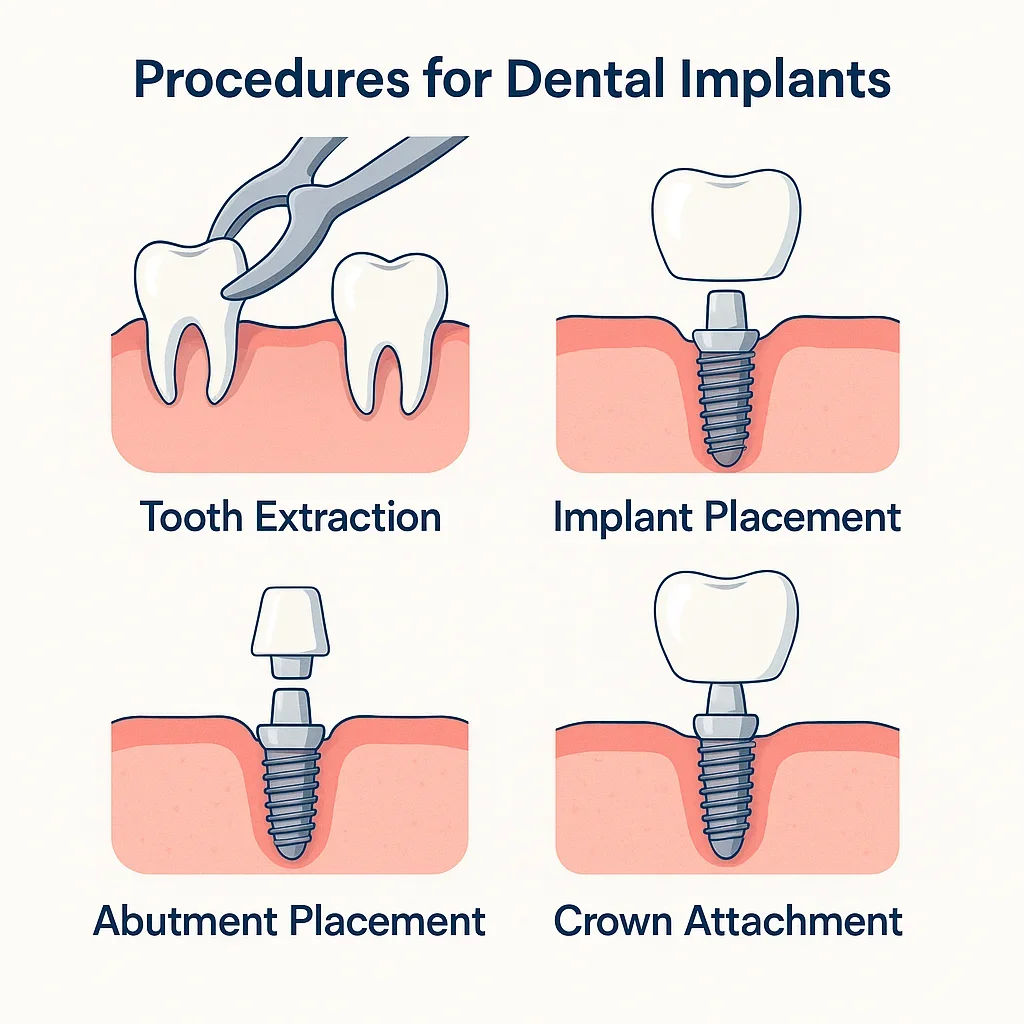
Dental implant treatment is not just a single procedure but a carefully coordinated series of steps. Each stage—from the initial consultation to the placement of the final crown—plays a crucial role in achieving a successful outcome. The primary goal is to restore both function and aesthetics while maintaining the health of the surrounding bone and gum tissues. These implant dentistry procedures are designed to mimic the strength and appearance of natural teeth, making them a long-term solution for patients with missing or damaged teeth.
During the early stages of planning, the dentist may recommend certain preparatory procedures such as bone grafting or sinus lifting if there is insufficient bone mass. This is common for patients who have experienced bone loss due to missing teeth or periodontal disease. Bone grafts help create a solid foundation for the implant screw, which is typically made of biocompatible titanium. This screw acts as an artificial tooth root and is inserted directly into the jawbone. Over time, through a process called osseointegration, the implant fuses with the bone, providing a stable anchor for the final prosthetic tooth.
The healing phase following implant placement can take several weeks to a few months, depending on individual factors such as age, bone density, and overall health. During this period, your dentist will monitor your progress closely, ensuring the implant integrates properly. Once healing is complete, an abutment (a small connector piece) is attached to the implant, and a custom-made crown is fixed on top. The result is a fully functional and natural-looking tooth that blends seamlessly with your existing smile. 😁
One of the reasons patients choose dental implants is their durability and longevity. With proper care, including regular brushing, flossing, and dental checkups, implants can last decades or even a lifetime. They also help preserve bone structure by stimulating natural bone regeneration, something that traditional dentures cannot do. In addition, the success rate of procedures for dental implants is exceptionally high—typically over 95% when performed by qualified professionals using advanced equipment.
From a patient’s perspective, understanding each of the procedures for dental implants reduces anxiety and builds trust in the treatment process. Knowing what to expect during surgery, healing, and restoration helps ensure smoother recovery and better results. Your dental team will also provide post-operative care instructions, including dietary recommendations and hygiene tips to support successful integration. Visiting experienced professionals such as those at Redent Klinik Contact Page can make the journey even more reassuring and comfortable, as their specialists use state-of-the-art technologies for precise and safe implant placement.
For those seeking further information and professional guidelines, you may also refer to the American Dental Association — a trusted authority that offers valuable insights into oral health standards and implant protocols. These resources ensure that patients remain informed about every step of the treatment and can make well-educated decisions regarding their dental care.
Ultimately, the procedures for dental implants combine scientific precision with aesthetic artistry. They are not just about replacing missing teeth but about restoring confidence, chewing efficiency, and overall quality of life. Whether you require a single implant or a full-mouth restoration, a customized plan ensures the best functional and cosmetic outcomes. With continuous advancements in dental technology and materials, the future of implant dentistry promises even faster, safer, and more comfortable treatments for patients worldwide. 🌍
In conclusion, understanding the procedures for dental implants gives you the knowledge and confidence to take control of your oral health journey. Each stage—from consultation to recovery—contributes to a lifelong improvement in comfort, appearance, and self-esteem. By choosing an experienced clinic and maintaining consistent dental care, you can enjoy the benefits of a complete, radiant smile for many years to come.
1. Initial Consultation and Dental Evaluation
The first stage in the procedures for dental implants is the initial consultation and evaluation — a vital step that sets the foundation for long-term success. This phase is much more than a simple dental check-up; it’s a comprehensive oral assessment that allows your implant specialist to determine if you’re a suitable candidate for the procedure. During this visit, both medical and dental histories are reviewed, and a personalized treatment plan is created. 🦷
Comprehensive Oral Examination
The oral examination is the cornerstone of successful procedures for dental implants. Your dentist carefully examines your teeth, gums, and bone structure to identify potential issues such as gum disease, tooth decay, or bone resorption. These factors directly influence how well your implant can integrate with the jawbone. Any active oral infections must be treated before proceeding, as a clean and healthy mouth ensures better healing and implant stability.
Use of Digital Imaging and 3D Scanning
Modern dental practices employ advanced imaging techniques such as panoramic X-rays, CBCT (Cone Beam Computed Tomography), and 3D intraoral scanning to obtain precise views of your oral anatomy. These digital tools help identify bone density, nerve locations, and sinus cavities, all of which are essential for planning accurate implant placement. The digital data allows the dentist to map out the exact angles and depths required for implant insertion, minimizing risks and ensuring symmetry.
Medical History and Health Screening
Understanding a patient’s medical history is equally important during the evaluation phase. Conditions such as diabetes, hypertension, osteoporosis, or smoking habits can impact healing and osseointegration. The dentist may collaborate with your physician to ensure all systemic conditions are well-managed before starting treatment. Medications that affect bone metabolism, such as bisphosphonates, are reviewed carefully since they may interfere with bone healing. This step ensures safety throughout all procedures for dental implants.
Customized Treatment Planning
Once your oral and medical evaluations are complete, the next step involves creating a customized treatment plan. This blueprint outlines the entire sequence of implant-related procedures—from any preparatory bone grafts to the final crown placement. Advanced digital planning software allows simulation of the implant in your jaw structure, ensuring the final restoration looks and feels natural. Patients are also given a clear timeline and cost breakdown to eliminate surprises during the process. For personalized consultation, you can visit the Redent Klinik Contact Page and connect with their experienced specialists.
Photographic Records and Diagnostic Models
In many clinics, detailed photographs and diagnostic impressions are taken to serve as a visual reference for the design of the final prosthetic. These records allow the dental team to analyze the aesthetics, color, and shape of your existing teeth. Matching the implant crown to your natural smile is crucial to achieving a seamless result. The dentist may even use digital smile design software to project how your new teeth will look once treatment is complete. 😁
Discussion of Treatment Options
One of the most empowering aspects of this phase is the open discussion about different treatment options. Not all patients require the same type of implant. Depending on the number of missing teeth and bone structure, options include single-tooth implants, implant-supported bridges, or full-arch restorations such as All-on-4 systems. Your dentist will explain the benefits, timelines, and costs associated with each to help you make an informed decision. According to the American Dental Association, clear communication between dentist and patient is key to successful dental outcomes.
Addressing Patient Anxiety and Expectations
Many patients feel anxious when discussing surgical dental procedures. The consultation phase is an excellent opportunity to address these concerns. Your dentist will explain each stage of the procedures for dental implants in simple terms, discuss anesthesia options, and show examples of past successful cases. Understanding what to expect reduces anxiety and allows patients to approach the process with confidence and peace of mind. This transparency also fosters trust between patient and clinician, leading to smoother treatment experiences.
Financial Planning and Insurance Consultation
Before proceeding, most dental offices provide detailed financial consultations. While procedures for dental implants represent an investment, many clinics offer flexible payment options or collaborate with insurance providers to cover portions of the cost. Some patients may also use health savings accounts (HSAs) or dental financing programs to make the process more affordable. The cost of dental implant procedures typically depends on the complexity of the case, the number of implants, and the need for additional treatments like bone grafting or sinus lifting. A transparent discussion at this stage helps prevent future misunderstandings.
Preparation Before the Procedure
Finally, patients are advised on how to prepare for the upcoming surgery. Instructions may include fasting before anesthesia, quitting smoking to promote healing, and maintaining optimal oral hygiene. Some dentists prescribe antibacterial mouth rinses to reduce infection risk. Proper preparation ensures smoother surgical outcomes and accelerates recovery time. Every step taken during this consultation phase contributes to the overall success of the treatment plan.
In summary, the initial consultation and dental evaluation are the most crucial parts of the procedures for dental implants. They establish the roadmap for treatment, identify potential challenges, and ensure that the patient is fully ready for the next stage. By combining medical precision with advanced imaging and clear communication, dental professionals create a solid foundation for long-lasting implant success. A well-executed evaluation not only leads to superior results but also enhances patient confidence—setting the stage for a radiant, functional smile that can last a lifetime. 🌟
2. Advanced Imaging and 3D Treatment Planning
In modern dentistry, procedures for dental implants rely heavily on advanced imaging and three-dimensional (3D) treatment planning to achieve precision, safety, and aesthetic harmony. These technologies have revolutionized implantology by allowing dentists to visualize a patient’s anatomy with microscopic detail before any surgical step is performed. This stage ensures that the implant is positioned exactly where it will function best, both biomechanically and cosmetically. 🦷
The Importance of Digital Imaging in Implant Planning
Traditional X-rays provided only two-dimensional representations, which often limited diagnostic accuracy. Today, digital imaging techniques—such as Cone Beam Computed Tomography (CBCT)—offer volumetric data that capture the entire oral structure in 3D. With CBCT scans, dentists can assess bone height, density, and width, along with the exact position of nerves, sinus cavities, and blood vessels. These details are crucial in determining implant size, angulation, and insertion depth for safe and long-lasting results.
How CBCT Enhances the Procedures for Dental Implants
CBCT scanning allows implant specialists to plan with surgical precision. The scan’s data are imported into advanced software that simulates the entire procedure virtually before it begins. This simulation helps predict potential challenges, such as insufficient bone or anatomical variations. For example, if the sinus floor is too close to the implant site, the dentist can plan a sinus lift before surgery. This preemptive insight minimizes risks and reduces surgical time, contributing to the remarkable success rate of procedures for dental implants.
3D Treatment Planning Software
Once imaging is complete, the next step is the use of specialized 3D planning software. These programs create a digital blueprint that maps out the implant’s ideal location, angle, and depth within the jawbone. Using this software, clinicians can visualize how the implant will interact with surrounding teeth, bone, and soft tissue. This digital model acts as a guide for both the surgical and restorative phases. It also ensures that the final crown aligns naturally with your existing bite and smile line.
Creating Surgical Guides from Digital Models
One of the most innovative advancements in procedures for dental implants is the fabrication of surgical guides. These are custom-made templates—produced using 3D printing technology—that fit precisely over the patient’s gums. The guide contains pre-defined holes that indicate the exact position and angle for drilling and implant placement. This minimizes human error and eliminates guesswork, ensuring the procedure is as minimally invasive as possible. The use of surgical guides significantly shortens operation time and accelerates recovery, offering greater comfort to patients.
Virtual Mock-Ups and Smile Design
Digital planning goes beyond functionality—it enhances aesthetics too. Using virtual smile design software, dental professionals can create digital mock-ups that show how the patient’s new smile will look after the implant procedure. This visualization tool helps patients feel confident and informed, as they can preview the results before surgery even begins. It also allows the dentist to fine-tune tooth shape, size, and alignment for the most natural and attractive result.
Integration of Intraoral Scanners
Intraoral scanners capture high-resolution 3D images of the patient’s mouth without the need for messy traditional impressions. The resulting digital impressions are more accurate and comfortable. These detailed images are integrated into the 3D planning software to ensure perfect alignment between the implant, abutment, and crown. This technology also speeds up communication between the dentist, laboratory, and patient—streamlining the entire treatment process. 😁
Communication Between Specialists
Advanced imaging also enables seamless collaboration between dental professionals. Periodontists, oral surgeons, and prosthodontists can all access the same digital data in real time, ensuring coordinated and precise treatment. By sharing the 3D plans, each specialist can contribute insights that optimize both the surgical and restorative phases. This interdisciplinary approach is one of the reasons why procedures for dental implants today are safer and more predictable than ever.
Patient Education Through Digital Visualization
Patients are often amazed to see their own 3D scans and digital simulations. These visuals serve as powerful educational tools that help explain the treatment process in an engaging way. Instead of abstract descriptions, patients can see exactly where the implant will go and how it will integrate with the jawbone. This transparency builds trust and reduces anxiety, especially for those nervous about oral surgery. Clinics such as Redent Klinik Contact Page use these technologies to make consultations more interactive and informative, helping patients make confident decisions about their dental health.
Reducing Surgical Risks and Enhancing Outcomes
Advanced imaging significantly reduces surgical risks by allowing precise preoperative mapping. It eliminates the chance of nerve injury, sinus perforation, or misalignment. Moreover, digital planning ensures that implants are placed in optimal load-bearing areas, improving longevity and function. Research endorsed by the American Dental Association emphasizes that digital workflows in implant dentistry improve patient outcomes by up to 30% compared to conventional methods.
Cost Efficiency and Time Savings
Although digital imaging systems represent a technological investment, they often lead to cost savings over time. The precision of CBCT and digital planning reduces the likelihood of complications or revisions, which translates into fewer follow-up visits and faster treatment completion. This efficiency benefits both the patient and the dental team, making the overall process smoother and more predictable.
In conclusion, the integration of advanced imaging and 3D treatment planning has transformed the procedures for dental implants from an art guided by experience into a science driven by precision. By combining CBCT scans, digital impressions, and 3D printed surgical guides, modern implantology delivers outcomes that are safer, faster, and more aesthetically pleasing than ever before. This digital revolution not only enhances patient satisfaction but also sets new standards of excellence in restorative dentistry—paving the way for the next generation of confident, natural-looking smiles. 🌟
3. Tooth Extraction and Site Preparation
The journey through the procedures for dental implants often begins with one of the most essential steps — tooth extraction and site preparation. This stage is crucial because a stable and healthy foundation determines the success of the implant’s long-term performance. Whether a tooth is extracted due to decay, trauma, or periodontal disease, proper site preparation ensures that the implant can be securely anchored into the jawbone. 🦷
When Tooth Extraction Becomes Necessary
Before proceeding with implant placement, any compromised or non-restorable teeth must be removed. These teeth may have suffered from extensive decay, root fractures, or advanced gum disease. Extraction is performed carefully to preserve as much surrounding bone as possible. The less trauma inflicted during removal, the better the healing and bone regeneration that will follow — both of which are key to successful procedures for dental implants. In many cases, modern atraumatic extraction techniques are used, minimizing discomfort and preventing bone collapse around the socket.
Types of Extractions in Implant Dentistry
There are two main types of tooth extractions involved in procedures for dental implants: simple extractions and surgical extractions. A simple extraction is used when the tooth is visible and easily accessible, typically removed using elevators and forceps. A surgical extraction, on the other hand, is necessary when the tooth is broken below the gum line or has complex roots. In such cases, a small incision is made in the gum tissue, and sometimes a portion of the bone may be removed for access. The site is then thoroughly cleaned to prevent infection and promote healing.
Immediate vs. Delayed Implant Placement
After a tooth is extracted, the dentist must decide whether the implant will be placed immediately or after a healing period. Immediate implant placement means the implant screw is inserted into the socket right after extraction, reducing overall treatment time. However, this method requires sufficient bone density and absence of infection. Delayed placement, on the other hand, allows the extraction site to heal first—usually taking several weeks to months. This approach is chosen when bone regeneration or grafting is needed before implant placement. Both options are determined based on diagnostic imaging and the patient’s overall oral condition.
Bone Preservation After Extraction
One of the most critical aspects of procedures for dental implants is maintaining bone volume after tooth removal. Once a tooth is lost, the surrounding bone begins to resorb or shrink, which can compromise future implant stability. To prevent this, dentists often perform socket preservation—a technique involving the placement of bone graft material into the empty socket. This graft acts as a scaffold, encouraging new bone growth and preserving the natural contours of the jaw. The use of collagen membranes and growth factors accelerates healing and ensures the bone remains thick and strong enough to support an implant.
Preparation of the Implant Site
Site preparation is not only about bone; it also involves soft tissue management. Healthy gums around the implant are necessary for proper sealing and long-term protection against bacteria. The dentist carefully shapes the gum tissue during or after extraction to achieve an optimal contour for the future crown. This ensures that once the implant is placed, the gumline looks natural and symmetrical. Advanced digital planning tools also help visualize soft tissue architecture, guiding the clinician to achieve both functional and aesthetic outcomes.
Managing Infection and Inflammation
Before moving forward with the next phase of implant placement, any signs of infection or inflammation must be eliminated. This is especially important in cases where the extracted tooth was affected by an abscess or periodontal disease. Antibiotic therapy, ozone disinfection, or laser-assisted cleaning may be used to sterilize the site completely. By removing harmful bacteria, the dentist ensures that the foundation for the implant is biologically clean and ready for healing.
Grafting Materials and Techniques
Several types of bone grafting materials are available for use in procedures for dental implants. These include autografts (bone from the patient’s own body), allografts (donor bone), xenografts (from animal sources), and synthetic materials. Each option has unique benefits depending on the patient’s anatomy and needs. The graft is usually placed immediately after extraction, covered with a membrane, and left to heal for several months. During this time, natural bone cells gradually replace the graft material, creating a dense, stable base for the implant screw.
Healing and Bone Remodeling Phase
After extraction and grafting, the body begins the natural healing process known as bone remodeling. This phase is essential for integrating the graft material with the surrounding jawbone. Patients are advised to maintain excellent oral hygiene, avoid smoking, and follow a soft diet during the healing period. Regular follow-ups allow the dentist to monitor progress through imaging and ensure the bone is developing properly. When adequate bone density is confirmed, the implant placement procedure can proceed confidently.
Patient Comfort and Pain Management
Modern dental practices prioritize patient comfort during every stage of treatment. Local anesthesia is typically sufficient for extractions and site preparations, but sedation or general anesthesia may be used for anxious patients or complex surgeries. Postoperative pain and swelling are managed with prescribed medications, cold compresses, and gentle care routines. With these measures, most patients experience minimal discomfort and can return to normal activities within a few days. 😊
Communication and Aftercare Guidance
Clear communication between patient and dentist plays a crucial role in the success of procedures for dental implants. Before extraction, patients receive detailed aftercare instructions on oral hygiene, medication, and dietary habits. They are also informed about possible temporary effects such as mild bleeding or sensitivity. For expert advice and personalized consultation, you can reach out to the specialists at Redent Klinik Contact Page. The clinic’s team provides ongoing support throughout each phase, ensuring smooth healing and optimal implant readiness.
In summary, the extraction and site preparation phase is one of the most critical steps in the procedures for dental implants. It requires surgical precision, biological understanding, and advanced planning to create the ideal conditions for implant placement. By preserving bone structure, managing soft tissues, and eliminating infection risks, dental professionals lay the groundwork for lasting implant success. Backed by modern technologies and clinical expertise, this stage ensures that every future implant rests on a foundation as strong and natural as the tooth it replaces. 🌟
For more detailed information about surgical standards and best practices, you can also refer to the American Dental Association, which offers comprehensive guidelines on implant site preparation and bone preservation techniques.
4. Bone Grafting and Sinus Lift Procedures
One of the most critical steps in the procedures for dental implants is ensuring that the jawbone is strong and dense enough to support the implant. Bone grafting and sinus lift procedures are essential techniques used to rebuild or augment bone in areas where it has deteriorated or where natural bone volume is insufficient. These procedures play a pivotal role in determining whether an implant can be placed successfully and remain stable for years to come. 🦷
Why Bone Grafting Is Necessary
When a tooth is lost, the jawbone beneath it begins to resorb, or shrink, because it no longer receives stimulation from the tooth root. Over time, this bone loss can make implant placement challenging. Bone grafting restores the lost structure by using biological or synthetic materials that encourage new bone growth. In the context of procedures for dental implants, this process ensures the implant has a strong, healthy base, mimicking the conditions of a natural tooth root.
Causes of Bone Loss
Bone loss can result from multiple factors, including periodontal (gum) disease, trauma, infection, cysts, and long-term denture use. Additionally, patients who have had missing teeth for many years often experience significant bone atrophy. By performing bone grafting before implant placement, dentists can restore the necessary foundation for a durable and functional result. This preventive approach reduces complications and improves both aesthetics and implant longevity.
Types of Bone Grafts Used in Implant Dentistry
There are several types of grafting materials and techniques used in procedures for dental implants, each chosen based on the patient’s unique needs and health profile. The most common types include:
- Autograft: Bone harvested from the patient’s own body—often from the chin, hip, or jaw—is considered the gold standard because it promotes natural healing and integration.
- Allograft: Bone material obtained from a human donor and processed to ensure safety and compatibility.
- Xenograft: Derived from animal sources, typically bovine, and used for its excellent compatibility and structural stability.
- Alloplastic grafts: Synthetic materials such as hydroxyapatite or calcium phosphate, designed to simulate the properties of real bone while encouraging new tissue growth.
Each material serves as a scaffold that guides natural bone regeneration over several months. Eventually, the graft material is replaced by the patient’s own bone, providing a solid foundation for implant placement.
The Bone Grafting Procedure Step-by-Step
The bone grafting phase of the procedures for dental implants typically begins with local anesthesia to ensure patient comfort. The dentist then makes a small incision in the gum tissue to expose the bone. Graft material is carefully placed into the area of deficiency and secured using a collagen membrane. This membrane protects the graft and prevents soft tissue from invading the healing site. Finally, the gum is sutured closed, and the healing process begins. Patients are provided with antibiotics and pain management instructions to promote optimal recovery. 😌
Healing and Integration Period
Bone graft healing usually takes between three and six months, depending on the type of graft and the patient’s biological response. During this time, the graft material integrates with the natural bone through a process called osteogenesis. Follow-up visits are crucial for monitoring progress through X-rays or 3D scans. Once sufficient bone density is confirmed, the next phase of the procedures for dental implants—implant placement—can safely proceed.
Understanding Sinus Lift Procedures
In the upper jaw, particularly in the area of the molars and premolars, the bone below the sinus cavity is often too thin to support an implant. A sinus lift procedure is performed to address this issue. This involves elevating the sinus membrane and adding bone graft material beneath it to increase bone height. It’s one of the most specialized yet vital procedures for dental implants for patients who have low bone volume in the posterior maxilla.
Types of Sinus Lift Techniques
There are two main types of sinus lift techniques: the lateral window and the transalveolar (crestal) approach. In the lateral window technique, the dentist makes a small opening in the side of the upper jawbone to access and lift the sinus membrane. Bone graft material is then placed into the created space. In the crestal approach, a less invasive method, the sinus membrane is lifted through the implant socket itself. The choice between these methods depends on the amount of bone available and the patient’s specific anatomy.
Post-Operative Care and Recovery
After bone grafting or a sinus lift, patients are advised to follow a soft-food diet and avoid actions that increase sinus pressure, such as blowing the nose or sneezing forcefully. Proper care is essential for the graft to integrate successfully. Regular rinsing with an antimicrobial solution and avoiding smoking are also key factors in ensuring successful healing. Minor swelling and tenderness are normal but typically subside within a few days.
Risks and How They Are Minimized
While bone grafting and sinus lift procedures are highly predictable, potential risks include sinus membrane perforation, infection, or graft displacement. However, when performed by experienced specialists using digital guidance, these risks are minimized. Clinics equipped with advanced 3D imaging technology—such as those at Redent Klinik Contact Page—provide enhanced safety and accuracy, ensuring that every step of the process is precisely controlled.
Long-Term Benefits of Bone Grafting
Bone grafting doesn’t just support implants; it also helps maintain facial structure and aesthetics. Without bone volume, the cheeks can appear sunken, and the jawline may lose definition. Rebuilding bone restores natural contours and prevents premature aging. Moreover, a strong bone foundation increases the success rate of procedures for dental implants and ensures long-term stability for the implant crown or bridge.
Scientific Support and Professional Guidelines
According to the American Dental Association, bone grafting and sinus augmentation are integral components of modern implant dentistry. The organization’s clinical guidelines emphasize the importance of thorough evaluation, digital imaging, and patient education for successful outcomes. These recommendations form the basis of safe, evidence-based practice in implantology.
In summary, bone grafting and sinus lift procedures are vital preparatory phases in the procedures for dental implants. They ensure that the jawbone provides adequate support for the implant fixture, significantly improving both functional and aesthetic outcomes. With modern biomaterials, digital imaging, and expert care, patients today can undergo these treatments with confidence—knowing they are building a strong foundation for a lasting, beautiful smile. 🌟
5. Implant Placement Surgery Step-by-Step
The heart of the procedures for dental implants lies in the surgical placement of the implant itself — a meticulously planned and executed process that blends precision, technology, and biological science. This stage transforms planning into reality, as the titanium implant post is surgically inserted into the jawbone, where it will eventually serve as a permanent root for a new artificial tooth. The success of this phase determines the longevity, function, and aesthetic outcome of the dental implant. 🦷
Pre-Surgical Preparation
Before the implant surgery begins, several preparatory steps are essential to ensure optimal results. The dentist or oral surgeon reviews the 3D imaging and treatment plan developed during earlier stages of the procedures for dental implants. Sterilized surgical instruments are prepared, and the patient is positioned comfortably. Local anesthesia is administered to numb the area completely, while sedation options may be offered for patients with dental anxiety. These measures ensure that the procedure is virtually painless and stress-free.
Sterile Field and Patient Safety
Maintaining a sterile surgical environment is critical. The oral surgeon uses sterile drapes, gloves, and instruments to prevent contamination. Patient monitoring systems track vital signs throughout the procedure. Advanced clinics, such as Redent Klinik Contact Page, adhere to international sterilization standards, ensuring both safety and comfort throughout the surgical phase.
Step 1: Incision and Flap Reflection
The first surgical step involves creating a small incision in the gum tissue to expose the underlying bone. Depending on the approach, a flap of gum may be gently lifted to provide clear access to the implant site. This step is performed with extreme precision to minimize trauma and promote faster healing. In some cases, a flapless technique is used, where a small punch hole is created in the gum instead of an incision — reducing bleeding and postoperative discomfort.
Flapless vs. Traditional Technique
The choice between flapless and traditional flap surgery depends on the bone’s thickness and visibility. The flapless method, guided by 3D imaging, is minimally invasive and preserves soft tissue integrity. However, in complex cases where bone grafting or visualization is necessary, the traditional flap approach provides better control. Both methods, when performed skillfully, yield excellent outcomes in the procedures for dental implants.
Step 2: Drilling the Osteotomy (Bone Channel)
Once the surgical site is exposed, a pilot drill is used to create a small hole in the bone — known as an osteotomy. This channel determines the implant’s depth and angulation. Sequentially larger drills are then used to gradually widen the osteotomy to match the exact diameter of the implant. During this process, sterile saline is used for irrigation to cool the bone and prevent overheating, which could hinder osseointegration. Digital guides derived from 3D scans help ensure the implant is placed at the ideal position and depth for stability and symmetry.
Guided Surgery for Precision
Guided implant surgery is one of the most advanced techniques in modern implantology. Using a custom-designed surgical guide (often 3D printed), the dentist inserts the drill through pre-made channels that correspond exactly to the virtual treatment plan. This reduces the margin of error and ensures that the final implant position aligns perfectly with the planned restoration. This digital precision significantly improves the predictability and success rate of procedures for dental implants.
Step 3: Placement of the Titanium Implant
After the osteotomy is complete, the titanium implant screw — made of medical-grade, biocompatible material — is carefully inserted into the prepared bone. The implant acts as an artificial tooth root and will eventually fuse with the bone through a process called osseointegration. Depending on the case, a healing cap or temporary abutment may be placed to protect the implant during the healing phase. The gum tissue is then repositioned and sutured around the implant site to promote proper healing. 😁
Implant Surface Technology
Modern implant surfaces are engineered to encourage faster bone bonding. Micro-textured or nano-treated surfaces enhance cellular attachment, speeding up the osseointegration process. Some implants even contain calcium phosphate coatings that further stimulate bone growth. These innovations make today’s procedures for dental implants safer, faster, and more predictable than ever before.
Step 4: Immediate vs. Delayed Loading
After the implant is placed, there are two possible approaches: immediate loading and delayed loading. In immediate loading, a temporary crown is attached to the implant on the same day, allowing patients to leave the clinic with a functional tooth. However, this method is suitable only if the bone quality and implant stability are excellent. In most cases, delayed loading is preferred — where the implant is left to heal for three to six months before attaching the permanent crown. This waiting period ensures complete osseointegration and reduces the risk of implant failure.
Healing Timeline and Patient Recovery
The healing phase after implant placement is critical. During the next few months, bone cells grow around and integrate with the implant surface, anchoring it firmly into the jaw. This biological fusion forms the foundation for long-term durability. Patients are advised to maintain good oral hygiene and avoid putting pressure on the implant area. Mild swelling and discomfort may occur for a few days but typically subside quickly with prescribed medication and rest.
Post-Surgical Care and Follow-Up Visits
Following surgery, dentists provide detailed care instructions to ensure smooth healing. Rinsing with antimicrobial mouthwash, eating soft foods, and avoiding smoking are essential for recovery. Follow-up appointments are scheduled to check the healing progress and confirm that the implant is integrating properly. Any signs of infection or abnormal movement are addressed immediately to protect the success of the treatment. The team at Redent Klinik Contact Page monitors patients closely during this phase, offering professional support and personalized guidance.
Minimizing Complications Through Advanced Planning
Complications such as infection, nerve injury, or implant instability are rare when proper protocols are followed. The combination of 3D imaging, surgical guides, and precise instrumentation has drastically reduced these risks. According to the American Dental Association, modern implant surgeries have a success rate exceeding 95%, provided patients follow post-operative care instructions and attend routine evaluations.
In conclusion, implant placement surgery is the defining stage of the procedures for dental implants. It combines advanced digital planning, expert surgical skill, and biological integration to create a strong, lasting foundation for the replacement tooth. Every detail — from the incision to osseointegration — contributes to the final outcome, ensuring that the patient enjoys both the appearance and function of a natural smile. With today’s technologies and experienced clinicians, dental implant surgery is safer, faster, and more comfortable than ever before, offering life-changing results that restore confidence and oral health. 🌟
6. Healing, Osseointegration, and Recovery Timeline
After the surgical phase, the most critical period of the procedures for dental implants begins — the healing and osseointegration stage. This phase is where science, biology, and patience come together to determine the ultimate success of your dental implant. Osseointegration is the process by which the titanium implant fuses with the jawbone, creating a permanent, stable foundation for the future crown or prosthetic. Understanding how this process unfolds and what to expect during recovery can make your implant journey smoother and more successful. 🦷
What Is Osseointegration?
Osseointegration is a biological phenomenon where bone cells attach directly to the surface of the titanium implant. It ensures that the implant becomes part of the natural bone structure rather than just sitting on top of it. This integration gives the implant its incredible strength and durability. For most patients undergoing procedures for dental implants, osseointegration takes between three and six months, depending on bone quality, health conditions, and the type of implant used. During this time, maintaining oral hygiene and following aftercare instructions are essential for successful healing.
The Science Behind Osseointegration
The titanium used in dental implants is biocompatible, meaning the body recognizes it as a friendly material. Its roughened or micro-textured surface stimulates bone cells (osteoblasts) to grow and anchor themselves to the implant. This process begins almost immediately after surgery but gradually strengthens over weeks and months. If osseointegration fails, the implant may feel loose or cause discomfort, which is why the healing stage must be carefully managed with regular dental follow-ups and imaging.
The Healing Phases After Implant Surgery
The healing process following procedures for dental implants can be divided into several stages:
- Inflammation Phase (Days 1–7): Mild swelling, tenderness, and slight bleeding are normal responses as the body begins the repair process. Anti-inflammatory medication and cold compresses help manage these symptoms.
- Proliferation Phase (Weeks 2–6): Soft tissue begins to regenerate around the implant site, while new bone starts forming around the implant threads.
- Maturation Phase (Months 3–6): Bone density increases, and the implant achieves full stability through osseointegration. At this point, the implant is ready to support the abutment and crown.
Factors Affecting Healing Time
Each patient’s healing time is unique. Factors such as bone density, general health, smoking, and oral hygiene can influence how long osseointegration takes. Smokers, for instance, experience slower healing due to reduced blood flow to the gums. Medical conditions like diabetes can also affect recovery. Following your dentist’s instructions and maintaining excellent oral hygiene are the best ways to support efficient healing throughout the procedures for dental implants.
Managing Pain and Discomfort
It’s natural to experience mild soreness or swelling after implant surgery. However, this discomfort usually subsides within a few days. Dentists often prescribe pain relievers or recommend over-the-counter options. Applying ice packs and avoiding hot or crunchy foods also helps minimize irritation. Most patients are pleasantly surprised at how manageable the recovery period is, especially with the minimally invasive techniques used in modern implantology.
Diet and Lifestyle During Recovery
Your diet plays an essential role in the healing phase of procedures for dental implants. Soft foods such as soups, mashed vegetables, yogurt, and smoothies are recommended during the first few days. Hard or sticky foods should be avoided to prevent unnecessary pressure on the implant site. Additionally, smoking and alcohol consumption should be limited, as they can delay healing and compromise blood circulation. Staying hydrated and maintaining a nutrient-rich diet promotes faster tissue regeneration and bone formation.
Monitoring Progress With Follow-Up Visits
Regular follow-up appointments are crucial to assess the healing process. Your dentist will check the implant site visually and may take digital X-rays or 3D scans to confirm that the implant is properly fusing with the bone. During these visits, sutures may be removed, and the surrounding gum tissue will be evaluated for proper healing. Consistent monitoring ensures that any early signs of complications—such as infection or implant movement—are detected and addressed promptly. The team at Redent Klinik Contact Page provides ongoing care throughout this recovery period, ensuring each patient’s healing progresses optimally.
Possible Complications and Prevention
Although rare, complications can occur during the healing stage. The most common include peri-implant mucositis (gum inflammation) or peri-implantitis (bone loss around the implant). These are typically caused by poor oral hygiene or bacterial infection. Prevention involves regular brushing, gentle flossing around the implant area, and professional cleanings. If detected early, such issues are reversible and do not compromise the implant’s success.
Temporary Restorations During Healing
For patients concerned about aesthetics during healing, temporary crowns or dentures can often be used without disturbing osseointegration. These provisional restorations restore appearance and basic function while protecting the surgical site. However, they are designed to avoid putting stress on the implant, which could interfere with bone fusion. The temporary phase is an important psychological boost for patients as they await their final restoration.
Signs of Successful Healing
After several months, successful osseointegration is confirmed when the implant feels firm and pain-free, and there is no inflammation or mobility. Radiographic imaging will show healthy bone growth surrounding the implant threads. At this stage, the dentist can confidently move to the next phase of the procedures for dental implants — connecting the abutment and crafting the final crown that will complete the smile. 😁
Scientific Insight and Clinical Standards
According to research supported by the American Dental Association, osseointegration success rates exceed 95% when proper surgical and postoperative protocols are followed. These standards emphasize the importance of aseptic techniques, digital imaging, and patient compliance in achieving predictable, long-term results.
In conclusion, the healing and osseointegration phase is the biological foundation upon which the success of all procedures for dental implants depends. It’s a process that requires time, care, and collaboration between the patient and the dental team. By adhering to recovery guidelines, attending follow-up appointments, and maintaining excellent oral hygiene, patients can look forward to a fully integrated, functional implant that feels and performs just like a natural tooth. 🌟
7. Abutment Connection and Custom Crown Fabrication
Once healing and osseointegration are complete, the next phase of the procedures for dental implants begins — the connection of the abutment and the fabrication of a custom dental crown. This stage transforms the implant from a hidden titanium fixture into a fully functional, natural-looking tooth. It requires a blend of advanced dental technology, artistic design, and meticulous craftsmanship to ensure that the final result is indistinguishable from surrounding natural teeth. 🦷
Understanding the Role of the Abutment
The abutment acts as the connecting piece between the implant and the crown. It is usually made of titanium, zirconia, or gold alloy, chosen based on aesthetic and structural requirements. During this phase of the procedures for dental implants, the dentist reopens the gum tissue to expose the implant and attaches the abutment securely to its internal thread. This minor surgical procedure is generally quick and performed under local anesthesia for patient comfort. Once in place, the abutment serves as the stable support structure for the custom-made crown that will be installed later.
Healing Abutment vs. Final Abutment
There are typically two types of abutments used in implant dentistry. The healing abutment is a temporary piece placed immediately after implant surgery or during the healing phase. Its purpose is to guide gum tissue to form a natural contour around the future restoration. Once the gum has healed properly, it is replaced with the final abutment, which permanently supports the crown. The transition between these two components is a vital step that contributes to the aesthetic success of the procedures for dental implants.
Taking Impressions for Custom Crown Design
After the final abutment is secured, impressions of the patient’s mouth are taken to create a perfectly fitting crown. Modern dental clinics use digital intraoral scanners instead of traditional impression materials, providing high-definition 3D images of the teeth and gums. These scans are then sent to a dental laboratory, where technicians use CAD/CAM (Computer-Aided Design and Manufacturing) technology to design the crown. This precision ensures that the crown fits seamlessly within the bite alignment and matches the shape, color, and size of adjacent teeth.
Digital Workflow Advantages
Digital impressions eliminate errors associated with traditional molds and increase patient comfort. They also allow real-time adjustments, ensuring that the final restoration is as accurate as possible. The use of CAD/CAM technology in procedures for dental implants significantly reduces turnaround time, enabling some patients to receive their permanent crown in as little as one week. Additionally, digital archives can be stored for future reference, simplifying any necessary repairs or replacements.
Fabrication of the Custom Crown
Once the digital design is approved, the dental lab fabricates the crown using materials such as porcelain, zirconia, or porcelain-fused-to-metal (PFM). Each option has its benefits. Porcelain offers exceptional aesthetics and translucency, while zirconia provides superior strength and resistance to wear. The crown is meticulously crafted to match the patient’s natural tooth color and morphology, ensuring a lifelike result. In this stage of the procedures for dental implants, the artistry of the dental technician plays a crucial role in achieving a flawless outcome.
Trial Fitting and Adjustments
Before the crown is permanently attached, a trial fitting is performed to check the bite, alignment, and aesthetics. The dentist may make minor adjustments to ensure comfort and proper occlusion (bite contact). It’s essential that the crown neither interferes with chewing nor creates pressure on adjacent teeth. Even a fraction of a millimeter in adjustment can make a difference in comfort and longevity. Once approved, the crown is bonded or screwed into place using precise torque control to prevent overtightening.
Screw-Retained vs. Cement-Retained Crowns
There are two primary methods for securing the crown to the abutment: screw-retained and cement-retained. A screw-retained crown is attached using a small screw that can be easily removed for maintenance. This option is favored for its retrievability and precision. A cement-retained crown, on the other hand, is bonded using dental cement, offering a seamless aesthetic appearance with no visible access holes. The choice depends on the implant’s position, aesthetic priorities, and the dentist’s recommendation. Both approaches, when executed correctly, are highly successful within the procedures for dental implants.
Ensuring Aesthetic Harmony
Aesthetics play a major role in patient satisfaction. The dentist carefully adjusts the shade, translucency, and contour of the crown to ensure it blends naturally with the patient’s smile. Advanced shade-matching devices and photography help achieve precision color replication. Gum contouring may also be done around the implant to create a harmonious gumline. These finishing touches transform the mechanical implant structure into a naturally beautiful tooth that restores both confidence and function. 😁
Post-Placement Evaluation
After the crown is placed, the dentist performs detailed checks for bite comfort, gum health, and stability. X-rays or digital scans may be taken to confirm the correct fit and alignment of all components. Patients receive aftercare instructions on how to maintain their new restoration, including proper brushing and flossing techniques. It’s recommended to schedule periodic checkups to ensure the implant and crown remain in excellent condition over the years.
Long-Term Maintenance
The longevity of the final restoration depends on proper oral hygiene and professional maintenance. Patients should avoid using their implant crown to bite hard objects such as ice or pens, as this can damage the porcelain surface. Regular cleanings and inspections allow the dental team to detect early signs of wear or gum inflammation. Clinics like Redent Klinik Contact Page emphasize proactive maintenance programs to ensure that every implant crown continues to function flawlessly for decades.
Scientific and Clinical Perspective
According to studies supported by the American Dental Association, modern abutment and crown systems boast success rates above 97% when designed and installed using digital workflows. These studies highlight the importance of precise torque control, sterilization, and high-quality materials in achieving long-term functionality and aesthetics.
In conclusion, the abutment connection and custom crown fabrication phase marks the transformation of the implant from a hidden fixture into a visible, functional tooth. This step in the procedures for dental implants combines science, technology, and artistry to deliver a result that looks, feels, and functions like a natural tooth. With proper craftsmanship, patient cooperation, and routine care, the new restoration can last a lifetime — restoring not just the smile but also the confidence that comes with it. 🌟
8. Post-Operative Care and Maintenance Tips
Proper post-operative care is one of the most decisive factors in ensuring the long-term success of the procedures for dental implants. Once the implant and crown have been placed, maintaining good oral hygiene, following your dentist’s recovery instructions, and scheduling regular professional checkups all play vital roles in preserving the health and stability of your new smile. Just as important as the surgical precision is the patient’s commitment to ongoing care, which can make the difference between decades of success and potential implant failure. 🦷
Immediate Aftercare Following Surgery
After undergoing implant surgery, the initial 48 hours are crucial for healing. Patients may experience minor swelling, tenderness, or mild bleeding — all normal reactions to the procedure. To minimize discomfort, it’s essential to follow the dentist’s instructions carefully. Applying cold compresses intermittently for the first 24 hours helps reduce swelling. Soft foods and plenty of fluids are encouraged, while hot or spicy meals should be avoided. The key to this early stage of procedures for dental implants is allowing the surgical site to heal undisturbed.
Managing Bleeding and Swelling
Some slight bleeding from the implant site can occur during the first day. Patients are advised to gently bite on sterile gauze pads for 30–45 minutes to control it. Excessive rinsing or spitting should be avoided, as it may dislodge the clot and delay healing. Swelling typically peaks around 24–48 hours and then subsides over the following days. Ice packs applied in 15-minute intervals can effectively manage inflammation. Avoiding physical exertion during this period helps stabilize blood pressure and reduce the risk of bleeding.
Pain Management and Medication
Pain after dental implant surgery is usually mild to moderate and easily managed with over-the-counter or prescribed painkillers. Your dentist may recommend anti-inflammatory medications such as ibuprofen, along with antibiotics to prevent infection. It’s important to take all medications as directed and to avoid self-prescribing alternatives. Following this medical regimen ensures that the healing process aligns with the biological integration phases of the procedures for dental implants.
Oral Hygiene After Implant Surgery
Maintaining oral cleanliness without disturbing the surgical site is essential. For the first 24 hours, rinsing should be avoided to allow clot formation. Afterward, patients may begin gentle rinsing with a prescribed antiseptic mouthwash or warm salt water twice a day. Soft-bristled toothbrushes should be used to clean adjacent teeth, avoiding direct contact with the implant area until the tissue has healed. Over time, as the gums stabilize, brushing and flossing around the implant become part of a normal hygiene routine that keeps bacteria away from the abutment and crown.
Dietary Guidelines for Faster Recovery
Nutrition plays a significant role in the post-operative phase of the procedures for dental implants. For the first few days, soft foods like yogurt, mashed potatoes, scrambled eggs, soups, and smoothies are recommended. Hard, crunchy, or sticky foods should be avoided to prevent pressure on the surgical site. Smoking and alcohol consumption should be completely avoided for at least one week after surgery, as they can interfere with blood flow, increase the risk of infection, and delay healing. Staying hydrated supports tissue regeneration and overall recovery efficiency. 🥗
Exercise and Physical Activity
Patients are encouraged to rest for at least 24–48 hours following the surgery. Strenuous exercise, heavy lifting, or bending over can increase blood pressure and disrupt the healing process. Light walking is acceptable after a couple of days but should be resumed gradually. This approach ensures that healing tissues remain undisturbed during the initial integration phase of the implant.
Regular Follow-Up Appointments
Routine follow-ups are vital components of the procedures for dental implants. The first checkup usually occurs within 7–10 days post-surgery to assess healing and remove any sutures if necessary. Subsequent visits are scheduled over the following months to monitor osseointegration progress and gum health. Digital imaging may be used to verify bone stability around the implant. Any early signs of inflammation or gum recession can be addressed promptly to prevent long-term complications. Clinics such as Redent Klinik Contact Page emphasize structured post-operative care plans to ensure patient comfort and successful implant retention.
Professional Cleaning and Maintenance
Even after full healing, regular professional cleanings are essential. Dental hygienists use specialized tools that do not damage the implant surface. Polishing around the crown and abutment removes bacterial biofilm that cannot be reached through brushing alone. Most experts recommend professional cleaning every 3–6 months for implant patients, depending on individual risk factors such as smoking or gum disease history. This preventive maintenance supports the long-term health of the tissues surrounding the implant.
Recognizing and Managing Complications
Although modern procedures for dental implants have an excellent success rate, complications can occasionally occur. Common issues include peri-implant mucositis (inflammation of the soft tissues) or peri-implantitis (infection causing bone loss). Warning signs include persistent swelling, redness, pain, or implant mobility. Early detection and professional intervention can reverse these problems before they compromise the implant. Regular checkups and impeccable oral hygiene are the most effective preventive measures.
Night Guards and Bite Protection
For patients who grind their teeth at night (bruxism), a custom night guard is highly recommended. Grinding places excessive pressure on the implant crown and can damage both natural and artificial teeth. The night guard distributes pressure evenly and prevents micro-movements that might affect osseointegration. It’s a small investment that protects the longevity of the entire restoration.
Long-Term Care and Lifestyle Habits
Beyond the initial healing phase, the long-term success of the procedures for dental implants depends on daily maintenance and healthy lifestyle choices. Avoiding tobacco, maintaining balanced nutrition, and managing systemic health conditions like diabetes contribute significantly to implant stability. Regular brushing, flossing with implant-specific floss or interdental brushes, and using water flossers can prevent plaque buildup. Patients who commit to these habits enjoy implants that can last decades or even a lifetime.
Clinical Recommendations and Research Support
According to the American Dental Association, post-operative maintenance and regular checkups are as important as the surgery itself. Research shows that patients who adhere to professional maintenance schedules have over a 98% success rate for implants over 10 years. These findings underscore that the long-term success of implant dentistry depends on continuous care and professional oversight.
In conclusion, post-operative care and maintenance represent the cornerstone of the procedures for dental implants. From managing early healing to maintaining daily hygiene and attending professional checkups, each step ensures that the implant remains strong, functional, and aesthetically pleasing for decades. With proper care and expert guidance, your dental implant can feel and perform just like a natural tooth — restoring confidence, function, and lifelong oral health. 🌟
9. Common Complications and How to Prevent Them
While the procedures for dental implants have an exceptionally high success rate—often exceeding 95%—it’s important to understand that complications can still occur. These issues are rare but can impact the stability, function, or aesthetics of the implant if not managed properly. Knowing the potential risks, early symptoms, and preventive measures empowers patients to protect their investment and maintain lifelong oral health. Below is a detailed breakdown of the most common implant complications and the strategies used by dental professionals to avoid or resolve them. 🦷
Understanding the Nature of Implant Complications
Most complications related to procedures for dental implants are either biological or mechanical. Biological complications involve soft or hard tissue reactions—such as inflammation, infection, or bone loss—while mechanical complications involve the structural components, such as screws, abutments, or crowns. Identifying and addressing these issues early ensures the implant continues to function normally without affecting neighboring teeth or gums.
Short-Term vs. Long-Term Complications
Short-term complications often occur during the early healing phase, such as bleeding, infection, or swelling. Long-term complications, however, develop months or even years after surgery and are typically linked to hygiene neglect, improper bite forces, or underlying health issues. Differentiating between the two helps dentists tailor treatment and preventive care effectively.
1. Infection at the Implant Site
Infection—known clinically as peri-implant mucositis or peri-implantitis—is the most common biological complication in procedures for dental implants. It occurs when bacteria accumulate around the implant site, leading to inflammation of the gums and, in severe cases, bone loss. Symptoms may include redness, swelling, bleeding during brushing, or persistent bad breath. If untreated, the infection can compromise osseointegration and result in implant failure.
Prevention and Management
Proper oral hygiene is the first line of defense. Regular brushing, flossing, and professional cleanings help control bacterial growth. Dentists also recommend antimicrobial mouth rinses during recovery. In the event of infection, early intervention with antibiotics or laser-assisted cleaning can reverse mucositis before it progresses to peri-implantitis. At clinics like Redent Klinik Contact Page, patients receive structured maintenance programs that include follow-ups and deep-cleaning sessions to ensure long-term health.
2. Implant Failure Due to Poor Osseointegration
Osseointegration failure occurs when the jawbone does not properly fuse with the implant surface. This problem can arise from poor bone density, excessive micromovement during healing, or uncontrolled medical conditions like diabetes. Patients might notice discomfort, implant mobility, or slight shifts in bite alignment. Without intervention, the implant may loosen and require replacement.
How to Prevent Osseointegration Failure
Pre-surgical evaluation is crucial. Dentists perform 3D imaging and bone density scans to assess suitability. When needed, bone grafting or sinus lift procedures are completed before implant placement. During healing, avoiding hard foods and physical stress on the implant helps ensure stability. According to the American Dental Association, patient compliance with recovery guidelines dramatically increases osseointegration success rates in procedures for dental implants.
3. Nerve or Tissue Damage
Nerve or soft tissue injury is an uncommon but serious risk during implant surgery. It may result in temporary or, in rare cases, permanent numbness, tingling, or discomfort in the lips, gums, or tongue. These symptoms typically occur if an implant is placed too close to a nerve canal or when anatomical variations are not adequately mapped before surgery.
Prevention Through Digital Planning
Advanced diagnostic tools like cone-beam CT (CBCT) scans are invaluable in preventing such injuries. These 3D imaging systems allow precise mapping of nerve pathways and bone structures before surgery. Guided implant placement—where digital surgical guides are used—further minimizes risk. When planning is executed meticulously, the chances of nerve injury during the procedures for dental implants are virtually eliminated.
4. Mechanical Failures (Screw Loosening or Crown Fracture)
Mechanical issues can occur due to excessive biting forces, misaligned implants, or material fatigue. A loose abutment screw can cause discomfort, movement, or even damage the crown. Similarly, porcelain or zirconia crowns may chip or fracture if subjected to hard impacts or grinding.
Preventive Solutions and Material Strength
Modern dentistry has largely solved these issues with the use of precision torque tools, high-performance alloys, and digital bite analysis. Dentists now design crowns with balanced occlusion, ensuring even distribution of bite pressure. Regular checkups detect early loosening, allowing adjustments before complications escalate. Patients prone to teeth grinding should use custom night guards to protect both natural and artificial teeth.
5. Sinus-Related Complications
For implants placed in the upper jaw near the sinus cavity, there’s a risk of sinus perforation if the implant extends too far. This complication can cause sinus discomfort, pressure, or even infection. It’s one of the more specialized risks associated with the procedures for dental implants in the posterior maxilla (upper back teeth).
How to Avoid Sinus Complications
To prevent sinus perforation, preoperative sinus imaging and sinus lift surgery may be recommended when bone height is insufficient. During the procedure, the sinus membrane is gently elevated, and bone graft material is inserted to create a stable foundation for the implant. This preventive step allows secure placement without compromising sinus health.
6. Peri-Implant Bone Loss
Over time, some degree of bone remodeling around the implant is normal. However, excessive bone loss—more than 1.5 mm during the first year—may indicate infection or improper bite forces. This issue weakens the implant’s stability and affects gum aesthetics.
Prevention Through Maintenance and Monitoring
Routine dental visits, digital X-rays, and proper brushing technique prevent long-term bone loss. Specialized cleaning instruments made of plastic or titanium are used to avoid scratching the implant surface. The success of the procedures for dental implants heavily relies on such maintenance protocols and professional monitoring every six months.
7. Aesthetic Complications
Implant success is not only functional but also aesthetic. Gum recession, uneven crown color, or asymmetrical smile lines can affect the final appearance. These aesthetic complications often arise from insufficient soft tissue volume or poorly positioned implants.
Ensuring Aesthetic Excellence
To avoid these issues, dentists carefully plan implant angles, crown contours, and gum sculpting. Soft tissue grafting can also be performed to improve gum thickness and symmetry. The goal is to ensure that the implant looks and feels completely natural — one of the hallmarks of high-quality procedures for dental implants.
8. Allergic Reactions and Material Sensitivity
Although rare, some patients may experience sensitivity to metals like titanium or certain cements used during restoration. These reactions can cause localized irritation or inflammation.
Alternative Materials
In such cases, zirconia implants — which are 100% metal-free — offer a safe and biocompatible alternative. These implants provide excellent strength and natural aesthetics, making them ideal for patients with metal sensitivities while still ensuring the durability associated with modern procedures for dental implants.
Long-Term Prevention and Patient Education
Most implant-related complications are preventable through education, hygiene, and routine dental visits. Patients should be aware of the importance of regular professional maintenance, balanced nutrition, and avoiding harmful habits such as smoking or grinding. Clinics like Redent Klinik Contact Page emphasize long-term follow-up plans, detailed hygiene instructions, and advanced diagnostic imaging for early detection of issues.
In conclusion, while the procedures for dental implants are among the most successful treatments in modern dentistry, understanding potential complications and how to prevent them is essential. Through digital planning, proper hygiene, and consistent aftercare, patients can enjoy the benefits of durable, natural-looking implants for decades. A proactive approach ensures every implant continues to function comfortably and beautifully — reaffirming that prevention is the key to lifelong success in implant dentistry. 🌟