
✨ Modern restorative cosmetic dentistry has transformed the way patients improve both the health and appearance of their smiles. Whether someone has damaged teeth, missing teeth, discoloration, worn enamel, or old dental restorations, restorative cosmetic dentistry offers advanced solutions that combine aesthetics with long-term oral function. Unlike traditional dental care that may focus only on repairing damage, restorative cosmetic dentistry aims to rebuild confidence while restoring comfort, bite alignment, and natural beauty.
Many patients today seek treatments that do more than simply fix a dental issue. They want natural-looking results, durable materials, and minimally invasive procedures. This is where restorative cosmetic dentistry becomes extremely valuable. It combines restorative treatments such as crowns, implants, bridges, and fillings with cosmetic enhancements like veneers, whitening, and smile design. The goal is to create a healthy smile that also looks attractive and balanced.
🦷 One of the biggest advantages of restorative cosmetic dentistry is its ability to solve multiple dental concerns at the same time. A patient who suffers from cracked teeth, discoloration, and tooth loss can receive a personalized treatment plan that restores both oral health and smile aesthetics. This comprehensive approach improves chewing function, speech clarity, jaw support, and self-confidence.
Patients often choose restorative cosmetic dentistry after experiencing issues such as:
- Broken or chipped teeth
- Missing teeth
- Worn enamel from grinding
- Tooth discoloration
- Old metal fillings
- Uneven tooth shape
- Gaps between teeth
- Decay affecting visible teeth
- Damaged dental work
In many cases, restorative cosmetic dentistry can dramatically improve daily quality of life. Patients who once avoided smiling in photos or speaking confidently often regain self-esteem after treatment. Additionally, repairing damaged teeth early may help prevent more serious oral health complications in the future.
😁 Common treatments used in restorative cosmetic dentistry include:
- Dental Implants: Replace missing teeth with permanent, natural-looking restorations.
- Porcelain Veneers: Improve tooth color, shape, and symmetry.
- Dental Crowns: Restore strength and appearance to damaged teeth.
- Teeth Whitening: Brighten stained or discolored enamel.
- Tooth-Colored Fillings: Repair cavities while maintaining a natural appearance.
- Dental Bridges: Fill gaps caused by missing teeth.
- Smile Makeovers: Combine multiple restorative cosmetic dentistry procedures into one customized plan.
Another important benefit of restorative cosmetic dentistry is the use of advanced technology. Modern dental clinics now use digital smile design, 3D imaging, CAD/CAM systems, and highly aesthetic ceramic materials to achieve precise and long-lasting outcomes. These innovations improve patient comfort while allowing dentists to create restorations that closely mimic natural teeth.
📋 Treatment planning in restorative cosmetic dentistry usually begins with a detailed examination. Dentists evaluate oral health, gum condition, bite alignment, jaw structure, and aesthetic goals before recommending procedures. Every patient has unique needs, which is why customized treatment plans are essential for successful results.
Patients considering restorative cosmetic dentistry should also understand that oral hygiene and maintenance play a critical role in treatment longevity. Regular brushing, flossing, professional cleanings, and dental checkups help preserve restorations and maintain healthy gums. Lifestyle habits such as avoiding smoking and limiting sugary foods may also support long-term results.
💰 The cost of restorative cosmetic dentistry depends on several factors, including the complexity of treatment, materials used, clinic location, and the number of procedures required. Approximate international price ranges may include:
| Treatment | Average Price Range |
|---|---|
| Dental Implant | $1,500 – $4,500 per tooth |
| Porcelain Veneer | $800 – $2,500 per tooth |
| Dental Crown | $900 – $2,000 per tooth |
| Professional Teeth Whitening | $300 – $1,000 |
| Tooth-Colored Filling | $150 – $500 |
Patients interested in learning more about treatment options or scheduling a consultation can visit the Redent Klinik Contact Page for additional information about advanced smile restoration services.
For professional oral health resources and educational information about modern dentistry, patients may also review materials provided by the American Dental Association.
🌟 Ultimately, restorative cosmetic dentistry is about much more than appearance alone. It focuses on restoring comfort, oral function, facial harmony, and emotional confidence. Patients who invest in restorative cosmetic dentistry often experience improvements not only in their smiles but also in their overall well-being. With modern materials, skilled specialists, and personalized treatment planning, restorative cosmetic dentistry continues to help millions of people achieve healthier, brighter, and more natural-looking smiles that can last for many years.
What Is Restorative Cosmetic Dentistry and Why Is It Important?
🦷 Restorative cosmetic dentistry is one of the most advanced areas of modern dental care because it combines oral health restoration with aesthetic smile enhancement. Many people mistakenly believe that cosmetic dental procedures only improve appearance, while restorative treatments only repair damage. In reality, restorative cosmetic dentistry brings these two goals together to create healthy, functional, and beautiful smiles at the same time.
Patients often seek restorative cosmetic dentistry when they experience dental problems that affect both appearance and function. Cracked teeth, missing teeth, severe discoloration, worn enamel, gum recession, and damaged restorations can negatively impact self-confidence and oral health. Restorative cosmetic dentistry addresses these issues using modern techniques that improve chewing ability, speech clarity, jaw alignment, and smile aesthetics simultaneously.
The Main Purpose of Restorative Cosmetic Dentistry
The primary goal of restorative cosmetic dentistry is to rebuild damaged teeth while creating a natural-looking smile. Unlike older dental approaches that focused mainly on functionality, today’s restorative cosmetic dentistry procedures prioritize aesthetics as well as long-term oral stability.
For example, traditional metal fillings were effective for cavity repair but often looked unnatural. Modern restorative cosmetic dentistry now uses tooth-colored composite fillings that blend seamlessly with surrounding enamel. Similarly, ceramic crowns and porcelain veneers can restore damaged teeth while maintaining a highly aesthetic appearance.
✨ This combination of beauty and function makes restorative cosmetic dentistry highly attractive for patients who want complete smile improvement rather than basic repair work.
Common Dental Problems Treated with Restorative Cosmetic Dentistry
Restorative cosmetic dentistry can treat a wide range of oral health and aesthetic issues, including:
- Missing teeth
- Cracked or fractured teeth
- Tooth decay
- Discolored enamel
- Worn teeth caused by grinding
- Uneven tooth shape
- Large gaps between teeth
- Old or damaged restorations
- Smile asymmetry
- Bite alignment problems
Because restorative cosmetic dentistry focuses on comprehensive care, dentists often combine several procedures into one treatment plan. This multidisciplinary approach may involve prosthodontics, implant dentistry, cosmetic smile design, and preventive dental care.
How Restorative Cosmetic Dentistry Improves Daily Life
😁 The benefits of restorative cosmetic dentistry extend far beyond appearance alone. Patients frequently report major improvements in confidence, comfort, and quality of life after treatment.
Damaged or missing teeth can make eating difficult and uncomfortable. Some patients avoid certain foods because they cannot chew properly. Others feel embarrassed when speaking or smiling in social situations. Restorative cosmetic dentistry helps restore oral function so patients can eat comfortably, speak clearly, and smile confidently again.
In addition, repairing damaged teeth early through restorative cosmetic dentistry may help prevent future oral health complications such as:
- Jawbone loss
- Tooth shifting
- Gum disease
- Bite imbalance
- Further enamel damage
- Temporomandibular joint discomfort
By treating both structural and aesthetic concerns, restorative cosmetic dentistry supports long-term oral wellness and facial harmony.
Popular Procedures Used in Restorative Cosmetic Dentistry
🪥 Modern restorative cosmetic dentistry includes many advanced procedures designed to rebuild and enhance smiles naturally.
Dental Implants
Dental implants are considered one of the most successful restorative cosmetic dentistry solutions for missing teeth. They replace both the tooth root and visible crown, providing strong support and excellent aesthetics. Implants also help preserve jawbone density and prevent facial collapse associated with tooth loss.
Porcelain Veneers
Porcelain veneers are thin ceramic shells bonded to the front surface of teeth. They are widely used in restorative cosmetic dentistry to improve tooth shape, color, and symmetry while maintaining a natural appearance.
Dental Crowns
Dental crowns strengthen weakened teeth and restore proper function. Modern restorative cosmetic dentistry often uses zirconia or porcelain crowns because they closely resemble natural enamel.
Teeth Whitening
Professional whitening treatments are commonly included in restorative cosmetic dentistry smile makeovers. These procedures brighten stained teeth safely and effectively.
Composite Bonding
Composite bonding allows dentists to repair chips, cracks, and minor imperfections quickly while preserving natural tooth structure.
Advanced Technology in Restorative Cosmetic Dentistry
📱 Technology has significantly improved the precision and comfort of restorative cosmetic dentistry. Many clinics now use:
- Digital smile design software
- 3D cone beam imaging
- CAD/CAM restoration systems
- Intraoral scanners
- Laser dentistry
- Computer-guided implant placement
These innovations help dentists create highly customized restorations with exceptional accuracy. Digital technology also improves patient communication because individuals can preview potential smile results before beginning restorative cosmetic dentistry treatment.
Who Can Benefit from Restorative Cosmetic Dentistry?
Almost anyone experiencing dental damage or cosmetic concerns may benefit from restorative cosmetic dentistry. Candidates often include:
- Adults with missing teeth
- Patients with worn enamel
- Individuals with severe staining
- People with cracked or broken teeth
- Patients unhappy with smile aesthetics
- Older adults seeking smile rejuvenation
However, healthy gums and adequate oral hygiene are essential for successful restorative cosmetic dentistry outcomes. Dentists typically treat active gum disease or severe decay before beginning cosmetic restoration procedures.
The Importance of Choosing an Experienced Dental Clinic
🏥 Successful restorative cosmetic dentistry requires clinical expertise, artistic skill, and advanced technology. Choosing an experienced clinic is extremely important because high-quality restorations must function properly while also looking natural.
Patients interested in learning more about personalized treatment options can visit the Redent Klinik Contact Page for professional consultation information.
For additional educational resources about oral health and dental procedures, patients may also review trusted materials from the American Dental Association.
🌟 Ultimately, restorative cosmetic dentistry is important because it improves both oral health and emotional well-being. A healthy, attractive smile can positively influence confidence, communication, and overall quality of life. Thanks to modern techniques and materials, restorative cosmetic dentistry continues to provide long-lasting, natural-looking solutions for patients who want to restore their smiles safely and effectively.
Top Benefits of Restorative Cosmetic Dentistry for Oral Health
✨ Restorative cosmetic dentistry offers far more than aesthetic improvements alone. While many patients initially seek treatment to enhance the appearance of their smiles, the long-term oral health advantages of restorative cosmetic dentistry are equally important. Modern dental procedures now combine functionality, durability, and natural beauty to help patients achieve healthier smiles that also look attractive and balanced.
Unlike traditional cosmetic procedures that focus mainly on appearance, restorative cosmetic dentistry repairs structural dental problems while improving smile aesthetics at the same time. This dual-purpose approach makes restorative cosmetic dentistry one of the most effective solutions for patients dealing with damaged, missing, worn, or severely discolored teeth.
How Restorative Cosmetic Dentistry Supports Oral Health
One of the greatest benefits of restorative cosmetic dentistry is its ability to restore proper oral function. Teeth are essential for chewing, speaking, jaw support, and maintaining facial structure. When teeth become damaged or missing, patients may experience discomfort, bite imbalance, and gradual oral deterioration.
Restorative cosmetic dentistry helps rebuild the mouth by repairing weak teeth, replacing missing structures, and restoring bite stability. These treatments not only improve appearance but also support healthier long-term oral function.
🦷 Common oral health improvements associated with restorative cosmetic dentistry include:
- Improved chewing efficiency
- Better speech clarity
- Reduced jaw strain
- Protection against tooth shifting
- Preservation of jawbone density
- Improved gum support
- Reduced tooth sensitivity
- Better bite alignment
- Lower risk of future dental damage
Because restorative cosmetic dentistry addresses both structural and visual concerns, patients often experience complete smile rehabilitation rather than temporary cosmetic enhancement.
Restorative Cosmetic Dentistry Can Prevent Further Damage
⚠️ Many dental problems worsen over time if left untreated. Cracked teeth may fracture further, missing teeth can lead to jawbone loss, and worn enamel may increase sensitivity and decay risk. Restorative cosmetic dentistry helps prevent these complications by restoring damaged areas before serious problems develop.
Preventing Tooth Movement
When a tooth is missing, neighboring teeth may gradually shift into the empty space. This can affect bite alignment and increase the risk of jaw discomfort. Restorative cosmetic dentistry procedures such as implants and bridges help maintain proper tooth positioning.
Protecting Weak Teeth
Dental crowns used in restorative cosmetic dentistry strengthen teeth weakened by decay, fractures, or large fillings. By covering and protecting compromised teeth, crowns help prevent extraction and preserve natural tooth structure.
Reducing Enamel Wear
Patients who grind their teeth often experience severe enamel erosion. Restorative cosmetic dentistry can rebuild worn surfaces using crowns, bonding, or veneers to restore proper tooth shape and protect against additional damage.
Improved Confidence Through Restorative Cosmetic Dentistry
😁 Emotional well-being is closely connected to oral health and smile appearance. Many individuals feel embarrassed about damaged or discolored teeth and avoid smiling, speaking, or social interaction. One major advantage of restorative cosmetic dentistry is the improvement in self-confidence that often follows treatment.
Patients who receive restorative cosmetic dentistry commonly report:
- Greater confidence in professional settings
- Improved social comfort
- Better self-esteem
- More willingness to smile in photos
- Reduced anxiety about dental appearance
These emotional benefits can positively affect both personal and professional life. A healthier smile often encourages patients to maintain better oral hygiene habits as well.
Natural-Looking Results in Modern Restorative Cosmetic Dentistry
🌟 Today’s restorative cosmetic dentistry procedures use highly aesthetic materials designed to closely mimic natural enamel. Modern ceramics, zirconia restorations, and tooth-colored composites provide realistic texture, translucency, and color matching.
In the past, some restorative dental treatments looked artificial or overly noticeable. Modern restorative cosmetic dentistry focuses on creating restorations that blend naturally with surrounding teeth.
Advanced Ceramic Materials
Porcelain and zirconia restorations are commonly used in restorative cosmetic dentistry because they provide excellent strength while maintaining a natural appearance.
Digital Smile Design
Digital planning tools allow dentists to customize restorative cosmetic dentistry procedures according to facial symmetry, gum contours, tooth proportions, and smile line aesthetics.
Minimally Invasive Techniques
Modern restorative cosmetic dentistry often preserves more natural tooth structure through conservative treatment approaches and advanced bonding technologies.
Long-Term Benefits of Restorative Cosmetic Dentistry
🪥 Another important advantage of restorative cosmetic dentistry is treatment longevity. High-quality restorations can last many years when properly maintained.
Approximate lifespan of common restorative cosmetic dentistry treatments may include:
| Treatment | Estimated Lifespan |
|---|---|
| Dental Implants | 15–25+ years |
| Porcelain Veneers | 10–15 years |
| Dental Crowns | 10–20 years |
| Composite Bonding | 5–10 years |
| Professional Whitening | 6 months–3 years |
These long-lasting outcomes make restorative cosmetic dentistry a valuable investment in both oral health and quality of life.
Who Benefits Most from Restorative Cosmetic Dentistry?
Patients of various ages can benefit from restorative cosmetic dentistry. Individuals commonly seek treatment after experiencing:
- Tooth loss
- Accidental dental trauma
- Severe staining
- Decay-related damage
- Old failing restorations
- Worn teeth from grinding
- Smile asymmetry
Older adults frequently choose restorative cosmetic dentistry to restore youthful smile appearance and improve oral function. Younger patients may seek treatment after accidents or orthodontic issues.
The Role of Preventive Care After Treatment
📋 Maintaining the results of restorative cosmetic dentistry requires consistent oral hygiene and preventive dental care. Patients should follow professional recommendations such as:
- Brushing twice daily
- Using dental floss regularly
- Attending routine dental cleanings
- Avoiding smoking
- Limiting excessive sugar intake
- Wearing night guards if grinding occurs
These habits help protect restorations and support long-term oral health success.
Patients interested in personalized smile restoration and advanced dental treatments can explore professional consultation options through the Redent Klinik Contact Page.
For additional oral health education and preventive care recommendations, patients may also visit the American Dental Association.
🌈 Ultimately, restorative cosmetic dentistry provides significant benefits for both oral health and emotional confidence. By combining aesthetics with function, restorative cosmetic dentistry helps patients achieve healthier smiles that look natural, feel comfortable, and support long-term dental wellness. With advanced technology, durable materials, and customized treatment planning, restorative cosmetic dentistry continues to transform smiles safely and effectively for patients around the world.
Dental Crowns and Bridges in Restorative Cosmetic Dentistry
🦷 Restorative cosmetic dentistry has evolved significantly in recent years, and dental crowns and bridges remain two of the most effective treatments for restoring damaged or missing teeth. These procedures are widely used because they combine durability, functionality, and aesthetics in a way that supports long-term oral health while improving smile appearance. Patients who suffer from cracked teeth, severe decay, missing teeth, or weakened enamel often benefit greatly from crowns and bridges within restorative cosmetic dentistry treatment plans.
One of the major goals of restorative cosmetic dentistry is to preserve natural oral function while creating a smile that looks healthy and attractive. Dental crowns and bridges help achieve this balance by repairing structural damage and restoring proper bite alignment. Modern materials such as porcelain and zirconia now allow these restorations to blend naturally with surrounding teeth, making restorative cosmetic dentistry more aesthetically advanced than ever before.
What Are Dental Crowns in Restorative Cosmetic Dentistry?
A dental crown is a custom-made cap that completely covers a damaged or weakened tooth. In restorative cosmetic dentistry, crowns are used to restore tooth strength, improve appearance, and protect remaining tooth structure from further damage.
Dental crowns are commonly recommended for patients with:
- Large cavities
- Cracked or fractured teeth
- Worn enamel
- Root canal-treated teeth
- Broken restorations
- Severely discolored teeth
- Misshapen teeth
✨ In restorative cosmetic dentistry, crowns not only improve tooth durability but also enhance smile symmetry and overall aesthetics. Modern crowns are designed to closely imitate natural enamel in both color and translucency.
Types of Dental Crowns Used in Restorative Cosmetic Dentistry
Several materials are commonly used for crowns in restorative cosmetic dentistry, each offering unique advantages.
Porcelain Crowns
Porcelain crowns are highly aesthetic and ideal for visible front teeth. They provide excellent color matching and natural light reflection.
Zirconia Crowns
Zirconia crowns are extremely strong while maintaining a natural appearance. They are widely used in restorative cosmetic dentistry for both front and back teeth.
Porcelain-Fused-to-Metal Crowns
These crowns combine strength with aesthetics, although modern restorative cosmetic dentistry increasingly favors metal-free alternatives for improved appearance.
All-Ceramic Crowns
All-ceramic crowns are popular among patients seeking highly natural restorations without any metal components.
The Dental Crown Procedure
📋 The process of receiving a crown in restorative cosmetic dentistry usually involves several steps.
- Comprehensive examination and digital imaging
- Tooth preparation and shaping
- Digital scanning or impressions
- Temporary crown placement
- Custom crown fabrication
- Final crown bonding and adjustment
Modern restorative cosmetic dentistry often uses CAD/CAM technology to improve precision and reduce treatment time. Some clinics can even create same-day crowns using advanced digital systems.
What Are Dental Bridges in Restorative Cosmetic Dentistry?
🌟 Dental bridges are another essential treatment in restorative cosmetic dentistry. A bridge replaces one or more missing teeth by anchoring artificial teeth to neighboring natural teeth or implants.
Missing teeth can lead to serious oral health complications if left untreated. Neighboring teeth may shift into empty spaces, bite alignment can change, and jawbone deterioration may occur. Restorative cosmetic dentistry uses bridges to restore proper dental function while improving smile appearance.
Types of Bridges Used in Restorative Cosmetic Dentistry
Traditional Dental Bridges
Traditional bridges use crowns placed on adjacent teeth to support the artificial replacement tooth.
Implant-Supported Bridges
Implant-supported bridges are highly stable and help preserve jawbone density. They are often considered one of the most advanced restorative cosmetic dentistry solutions for multiple missing teeth.
Cantilever Bridges
These bridges are supported by only one adjacent tooth and are used in specific restorative cosmetic dentistry cases.
Maryland Bridges
Maryland bridges use metal or ceramic wings bonded to neighboring teeth, requiring less tooth preparation.
Benefits of Crowns and Bridges in Restorative Cosmetic Dentistry
😁 Dental crowns and bridges offer numerous advantages within restorative cosmetic dentistry treatment plans.
- Restore chewing function
- Improve smile appearance
- Protect damaged teeth
- Prevent tooth shifting
- Support facial structure
- Improve speech clarity
- Enhance bite stability
- Increase self-confidence
Because restorative cosmetic dentistry combines aesthetics with oral rehabilitation, patients often experience dramatic improvements in both appearance and daily comfort.
How Long Do Crowns and Bridges Last?
⏳ Longevity is an important consideration in restorative cosmetic dentistry. High-quality crowns and bridges can last many years when properly maintained.
| Restoration Type | Estimated Lifespan |
|---|---|
| Porcelain Crown | 10–15 years |
| Zirconia Crown | 15–20 years |
| Traditional Bridge | 10–15 years |
| Implant-Supported Bridge | 15–25+ years |
Routine dental care, oral hygiene, and avoiding excessive grinding help extend the lifespan of restorative cosmetic dentistry restorations.
Cost of Crowns and Bridges in Restorative Cosmetic Dentistry
💰 Costs for restorative cosmetic dentistry procedures vary depending on materials, complexity, clinic location, and technology used.
| Procedure | Average Price Range |
|---|---|
| Porcelain Crown | $900 – $2,000 |
| Zirconia Crown | $1,000 – $2,500 |
| Traditional Bridge | $2,000 – $5,000 |
| Implant-Supported Bridge | $4,000 – $15,000 |
Patients should remember that restorative cosmetic dentistry is often a long-term investment in oral health, comfort, and confidence rather than simply a cosmetic expense.
Maintaining Crowns and Bridges After Treatment
🪥 Proper maintenance is essential for preserving results achieved through restorative cosmetic dentistry. Patients should follow these recommendations:
- Brush teeth twice daily
- Use floss or interdental cleaners
- Attend regular dental checkups
- Avoid chewing hard objects
- Wear a night guard if grinding occurs
- Limit sugary foods and beverages
These habits help protect restorations and maintain healthy gums surrounding crowns and bridges.
Patients interested in personalized smile restoration and advanced restorative procedures may visit the Redent Klinik Contact Page for consultation information.
For additional oral health education and professional dental guidance, patients can also review resources from the American Dental Association.
🌈 Ultimately, dental crowns and bridges play a vital role in restorative cosmetic dentistry because they restore damaged smiles while improving both function and aesthetics. With modern materials, advanced digital technology, and customized treatment planning, restorative cosmetic dentistry now provides highly natural-looking restorations that help patients smile confidently for many years.
How Dental Implants Improve Restorative Cosmetic Dentistry Results
🦷 Dental implants have become one of the most advanced and reliable treatments in restorative cosmetic dentistry. Patients who suffer from missing teeth often experience not only aesthetic concerns but also functional problems such as difficulty chewing, speech issues, jawbone loss, and reduced self-confidence. Dental implants help solve these challenges by providing permanent, natural-looking tooth replacement solutions that support both oral health and smile appearance.
In modern restorative cosmetic dentistry, dental implants are considered one of the best long-term options because they replace both the visible crown and the underlying tooth root. Unlike removable dentures or traditional bridges, implants integrate directly with the jawbone, creating exceptional stability and durability. This integration allows restorative cosmetic dentistry specialists to restore smiles while preserving facial structure and improving oral function.
What Are Dental Implants in Restorative Cosmetic Dentistry?
Dental implants are titanium or zirconia posts surgically placed into the jawbone to replace missing tooth roots. Once the implant heals and fuses with the bone through a process called osseointegration, a crown, bridge, or denture can be attached to restore the missing tooth or teeth.
✨ In restorative cosmetic dentistry, implants are used because they provide highly aesthetic and functional results. Modern implant restorations are designed to look and feel very similar to natural teeth.
Dental implants are commonly recommended for:
- Single missing teeth
- Multiple missing teeth
- Full arch restoration
- Loose dentures
- Severely damaged teeth requiring extraction
- Patients seeking permanent smile restoration
Because restorative cosmetic dentistry focuses on long-term oral rehabilitation, implants are often preferred over temporary or removable alternatives.
Why Missing Teeth Affect Oral Health
⚠️ Tooth loss can cause serious oral health problems over time. When a tooth is missing, the surrounding bone no longer receives stimulation from chewing forces. This may lead to gradual jawbone deterioration and facial collapse.
Without treatment, missing teeth may also cause:
- Tooth shifting
- Bite imbalance
- Difficulty chewing
- Speech problems
- Gum recession
- Increased wear on remaining teeth
- Jaw discomfort
Restorative cosmetic dentistry uses dental implants to help prevent these complications while restoring smile aesthetics and proper oral function.
Main Benefits of Dental Implants in Restorative Cosmetic Dentistry
😁 Dental implants offer several major advantages compared to traditional restorative options.
Natural Appearance
Modern implant crowns used in restorative cosmetic dentistry are customized to match surrounding teeth in shape, size, and color. This creates a highly natural-looking smile.
Jawbone Preservation
Unlike removable dentures, implants stimulate the jawbone during chewing. This helps preserve bone density and facial structure.
Improved Stability
Dental implants are fixed securely in the jaw, allowing patients to eat and speak comfortably without worrying about movement.
Long-Term Durability
With proper maintenance, implants used in restorative cosmetic dentistry can last decades.
Protection of Neighboring Teeth
Traditional bridges may require reduction of adjacent healthy teeth. Dental implants preserve natural tooth structure because they function independently.
The Dental Implant Process in Restorative Cosmetic Dentistry
📋 The implant treatment process in restorative cosmetic dentistry usually involves multiple stages to ensure long-term success.
Initial Consultation
The dentist evaluates oral health, gum condition, bone density, and smile goals using digital imaging and 3D scans.
Treatment Planning
Modern restorative cosmetic dentistry uses digital planning systems to determine precise implant positioning for optimal function and aesthetics.
Implant Placement Surgery
The implant post is surgically inserted into the jawbone under local anesthesia or sedation.
Healing and Osseointegration
Over several months, the implant integrates with the surrounding bone to create a strong foundation.
Final Restoration
A custom crown, bridge, or denture is attached to complete the restorative cosmetic dentistry treatment.
Types of Implant Restorations in Restorative Cosmetic Dentistry
🌟 Different implant solutions are available depending on the patient’s needs.
Single-Tooth Implants
Used to replace one missing tooth with a custom implant crown.
Implant-Supported Bridges
Ideal for replacing multiple missing teeth without relying on neighboring natural teeth.
Full Mouth Implant Restoration
Patients with extensive tooth loss may benefit from full arch restorative cosmetic dentistry solutions such as All-on-4 or All-on-6 implants.
Implant-Supported Dentures
These restorations improve stability and comfort compared to traditional removable dentures.
Technology Used in Implant Restorative Cosmetic Dentistry
📱 Advanced technology has greatly improved implant success rates in restorative cosmetic dentistry. Modern clinics often use:
- 3D cone beam imaging
- Digital smile design
- Computer-guided surgery
- CAD/CAM restoration systems
- Intraoral scanning technology
These innovations increase precision, improve comfort, and help create highly aesthetic implant restorations.
Dental Implant Costs in Restorative Cosmetic Dentistry
💰 Implant costs vary depending on the complexity of treatment, materials, and clinic location.
| Implant Treatment | Average Price Range |
|---|---|
| Single Dental Implant | $1,500 – $4,500 |
| Implant Crown | $1,000 – $3,000 |
| Implant-Supported Bridge | $4,000 – $15,000 |
| Full Mouth Implants | $15,000 – $50,000+ |
Although implants may initially cost more than other restorative cosmetic dentistry solutions, many patients consider them a worthwhile long-term investment because of their durability and functionality.
How to Maintain Dental Implants
🪥 Proper care is essential for preserving implant results achieved through restorative cosmetic dentistry.
Recommended maintenance habits include:
- Brushing twice daily
- Using floss or interdental brushes
- Attending regular dental checkups
- Avoiding smoking
- Managing teeth grinding
- Maintaining healthy gums
Good oral hygiene helps reduce the risk of peri-implant disease and supports long-term implant success.
Patients interested in advanced implant solutions and personalized smile rehabilitation may explore consultation options through the Redent Klinik Contact Page.
For additional educational resources regarding oral health and implant care, patients can also visit the American Dental Association.
🌈 Ultimately, dental implants play a transformative role in restorative cosmetic dentistry. They provide stable, natural-looking, and highly durable solutions for missing teeth while preserving oral health and facial aesthetics. Thanks to modern technology and customized treatment planning, restorative cosmetic dentistry with implants continues to help patients achieve healthier, stronger, and more confident smiles for many years.
Teeth Whitening and Veneers for a Complete Smile Makeover
✨ Modern restorative cosmetic dentistry is designed not only to repair damaged teeth but also to create attractive, confident smiles. Among the most popular treatments used in restorative cosmetic dentistry are professional teeth whitening and porcelain veneers. These procedures can dramatically improve tooth color, shape, symmetry, and overall smile aesthetics while maintaining a natural appearance.
Many patients seek restorative cosmetic dentistry because they feel unhappy with stained, uneven, chipped, or worn teeth. Even healthy teeth may gradually lose brightness over time due to aging, smoking, coffee, tea, wine, or certain medications. Veneers and whitening treatments provide effective solutions that help patients achieve brighter and more harmonious smiles.
😁 In many cases, restorative cosmetic dentistry combines both whitening and veneers within a personalized smile makeover plan. This approach allows dentists to address multiple concerns simultaneously while creating balanced and aesthetically pleasing results.
What Is Professional Teeth Whitening in Restorative Cosmetic Dentistry?
Professional whitening is one of the most requested procedures in restorative cosmetic dentistry. Unlike over-the-counter whitening products, professional treatments use stronger and safer whitening agents under dental supervision.
Teeth whitening in restorative cosmetic dentistry aims to remove stains and brighten enamel while protecting oral tissues. Professional whitening can significantly improve smile appearance within a short period of time.
Common Causes of Tooth Discoloration
Several factors contribute to tooth staining and discoloration, including:
- Coffee and tea consumption
- Smoking and tobacco use
- Red wine
- Aging
- Certain medications
- Poor oral hygiene
- Fluorosis
- Trauma-related discoloration
Restorative cosmetic dentistry evaluates the underlying cause of discoloration before recommending the most appropriate whitening method.
In-Office Whitening Treatments
In-office whitening procedures are among the fastest options in restorative cosmetic dentistry. Dentists apply professional-grade whitening gel and may use special light activation systems to accelerate results.
Benefits include:
- Immediate brightness improvement
- Professional supervision
- Safer application
- Reduced gum irritation
- More predictable results
Take-Home Whitening Systems
Some restorative cosmetic dentistry clinics also provide customized whitening trays for home use. These systems offer gradual whitening with dentist-approved products.
What Are Porcelain Veneers in Restorative Cosmetic Dentistry?
🦷 Porcelain veneers are thin ceramic shells bonded to the front surface of teeth. In restorative cosmetic dentistry, veneers are used to improve tooth shape, color, spacing, and alignment while preserving a natural appearance.
Veneers are commonly recommended for patients with:
- Severe discoloration
- Chipped teeth
- Uneven tooth shape
- Minor gaps between teeth
- Worn enamel
- Mild alignment concerns
- Smile asymmetry
Restorative cosmetic dentistry often uses veneers as part of comprehensive smile makeovers because they provide dramatic aesthetic transformation with long-lasting results.
Advantages of Porcelain Veneers
🌟 Veneers offer several important benefits in restorative cosmetic dentistry.
- Highly natural appearance
- Stain resistance
- Long-lasting durability
- Improved smile symmetry
- Conservative tooth preparation
- Customized shape and color
Modern restorative cosmetic dentistry uses advanced ceramic materials that closely imitate natural enamel translucency and texture.
The Veneer Process in Restorative Cosmetic Dentistry
📋 Receiving veneers through restorative cosmetic dentistry typically involves several carefully planned stages.
Smile Evaluation
The dentist evaluates tooth structure, gum health, bite alignment, and smile aesthetics.
Digital Smile Design
Many restorative cosmetic dentistry clinics use digital technology to preview expected smile results before treatment begins.
Tooth Preparation
A small amount of enamel is usually removed to allow proper veneer placement and natural appearance.
Impression or Digital Scan
Digital scans or impressions are taken to fabricate custom veneers.
Veneer Placement
Once completed, veneers are bonded securely to the teeth and carefully adjusted.
Combining Whitening and Veneers in Restorative Cosmetic Dentistry
😁 In many smile makeover cases, restorative cosmetic dentistry combines whitening and veneers to create more balanced results. Dentists often whiten natural teeth before selecting veneer shade colors. This helps ensure consistent brightness throughout the smile.
Patients with severe staining that cannot be corrected through whitening alone may benefit from veneers covering the most affected teeth while whitening surrounding enamel.
This personalized approach allows restorative cosmetic dentistry specialists to achieve highly natural and harmonious smile aesthetics.
Who Is a Good Candidate for Veneers and Whitening?
🪥 Good candidates for restorative cosmetic dentistry whitening and veneer treatments generally include:
- Patients with healthy gums
- Individuals seeking smile enhancement
- People with stained or uneven teeth
- Patients without severe untreated decay
- Adults with realistic expectations
However, patients with severe grinding habits or active gum disease may require additional treatment before beginning restorative cosmetic dentistry procedures.
Cost of Whitening and Veneers in Restorative Cosmetic Dentistry
💰 Treatment costs vary depending on materials, technology, and case complexity.
| Procedure | Average Price Range |
|---|---|
| Professional Teeth Whitening | $300 – $1,000 |
| Custom Whitening Trays | $200 – $600 |
| Porcelain Veneers | $800 – $2,500 per tooth |
| Composite Veneers | $250 – $1,500 per tooth |
While restorative cosmetic dentistry treatments may represent a significant investment, many patients consider the long-term aesthetic and emotional benefits extremely valuable.
Maintaining Whitening and Veneer Results
🪥 Long-lasting results in restorative cosmetic dentistry require proper maintenance and oral hygiene.
Patients are usually advised to:
- Brush teeth twice daily
- Floss regularly
- Reduce smoking
- Limit stain-causing beverages
- Attend routine dental cleanings
- Wear night guards if grinding occurs
Good maintenance habits help preserve both whitening and veneer results for many years.
Patients interested in personalized smile makeover treatments and advanced aesthetic procedures may explore consultation options through the Redent Klinik Contact Page.
For additional educational information regarding oral health and cosmetic dental care, patients can also visit the American Dental Association.
🌈 Ultimately, teeth whitening and veneers are two of the most transformative procedures used in restorative cosmetic dentistry. By improving smile brightness, symmetry, and overall appearance, these treatments help patients feel more confident while maintaining healthy oral function. Thanks to advanced materials and digital technology, restorative cosmetic dentistry now provides highly customized and natural-looking smile makeover solutions that can dramatically improve quality of life.
Who Is a Good Candidate for Restorative Cosmetic Dentistry?
🦷 Restorative cosmetic dentistry is designed for individuals who want to improve both the health and appearance of their smiles. Many patients assume that restorative cosmetic dentistry is only for people seeking cosmetic enhancements, but this modern dental field also plays a major role in repairing damaged teeth, restoring oral function, and preventing future dental complications.
People of different ages and oral health backgrounds may qualify for restorative cosmetic dentistry. Whether someone has missing teeth, worn enamel, severe discoloration, cracked restorations, or bite problems, restorative cosmetic dentistry can often provide customized treatment solutions that improve both aesthetics and functionality.
😁 The best candidates for restorative cosmetic dentistry are usually individuals who want healthier, more attractive smiles while maintaining long-term oral wellness.
Common Signs You May Need Restorative Cosmetic Dentistry
Several dental conditions may indicate that a patient could benefit from restorative cosmetic dentistry. These concerns often affect both appearance and oral health simultaneously.
- Missing teeth
- Broken or chipped teeth
- Severely stained enamel
- Old failing dental restorations
- Worn teeth caused by grinding
- Difficulty chewing
- Uneven tooth shape or spacing
- Large fillings
- Jaw discomfort related to bite imbalance
- Low confidence when smiling
Restorative cosmetic dentistry helps address these concerns through personalized treatment planning that combines restorative procedures with cosmetic smile enhancement.
Patients with Missing Teeth
🌟 One of the most common groups seeking restorative cosmetic dentistry includes patients with missing teeth. Tooth loss can negatively affect oral health, facial structure, chewing ability, and confidence.
Missing teeth may lead to:
- Jawbone loss
- Tooth shifting
- Bite instability
- Speech difficulties
- Facial sagging
- Difficulty eating certain foods
Restorative cosmetic dentistry offers several advanced solutions for missing teeth, including:
- Dental implants
- Implant-supported bridges
- Traditional dental bridges
- Implant-supported dentures
These treatments help restore oral function while improving smile aesthetics naturally.
Patients with Damaged or Worn Teeth
⚠️ Patients with cracked, broken, or worn teeth are often excellent candidates for restorative cosmetic dentistry. Damage may occur due to trauma, tooth grinding, aging, decay, or long-term enamel erosion.
Tooth Grinding and Enamel Wear
Bruxism, or chronic grinding, can gradually wear down enamel and change tooth shape. Restorative cosmetic dentistry may use crowns, veneers, or bonding to rebuild damaged surfaces and restore bite alignment.
Cracked Teeth
Cracks may weaken teeth and increase sensitivity. Dental crowns used in restorative cosmetic dentistry help strengthen and protect compromised teeth.
Large Old Fillings
Old metal restorations can weaken over time and affect smile appearance. Modern restorative cosmetic dentistry often replaces them with tooth-colored materials for improved aesthetics and durability.
Patients Concerned About Smile Appearance
✨ Many individuals choose restorative cosmetic dentistry primarily because they feel dissatisfied with their smile aesthetics. Common cosmetic concerns include:
- Yellow or stained teeth
- Uneven teeth
- Smile asymmetry
- Small gaps between teeth
- Irregular tooth shape
- Visible dental damage
Restorative cosmetic dentistry can combine treatments such as whitening, veneers, bonding, crowns, and orthodontic solutions to create balanced and natural-looking smiles.
Older Adults Seeking Smile Rehabilitation
👴 Older adults frequently benefit from restorative cosmetic dentistry because aging often affects both oral health and appearance. Over time, teeth may become worn, darker, weakened, or missing.
Restorative cosmetic dentistry helps older patients:
- Improve chewing comfort
- Restore youthful smile appearance
- Strengthen weakened teeth
- Replace missing teeth
- Improve speech clarity
- Support facial structure
Comprehensive restorative cosmetic dentistry treatment plans can dramatically improve quality of life for aging patients.
Importance of Healthy Gums Before Restorative Cosmetic Dentistry
🪥 Healthy gums are essential for successful restorative cosmetic dentistry outcomes. Patients with active gum disease or severe untreated decay may require preliminary treatment before cosmetic restorations begin.
Dentists often recommend:
- Professional periodontal cleaning
- Gum disease therapy
- Cavity treatment
- Improved oral hygiene routines
Strong gum health provides the foundation necessary for long-lasting restorative cosmetic dentistry results.
Psychological and Emotional Benefits
😁 Good candidates for restorative cosmetic dentistry are often motivated not only by oral health concerns but also by emotional well-being. Smile dissatisfaction can affect self-esteem, social comfort, and confidence in professional environments.
Patients frequently report improvements in:
- Confidence when smiling
- Social interaction
- Professional communication
- Self-image
- Emotional comfort
These emotional benefits are one reason restorative cosmetic dentistry continues to grow in popularity worldwide.
Who May Not Be an Immediate Candidate?
⚠️ While many people qualify for restorative cosmetic dentistry, some individuals may require additional treatment first.
Temporary contraindications may include:
- Untreated gum disease
- Severe tooth decay
- Poor oral hygiene
- Heavy smoking habits
- Uncontrolled teeth grinding
- Insufficient jawbone for implants
Fortunately, restorative cosmetic dentistry treatment plans can often be modified after these issues are addressed.
The Consultation Process in Restorative Cosmetic Dentistry
📋 A detailed consultation is essential before beginning restorative cosmetic dentistry. Dentists evaluate:
- Tooth condition
- Gum health
- Bite alignment
- Jaw structure
- Facial symmetry
- Smile goals
Modern restorative cosmetic dentistry often uses digital imaging and smile design software to create highly personalized treatment plans.
Cost Considerations for Candidates
💰 The cost of restorative cosmetic dentistry varies depending on the procedures required and treatment complexity.
| Treatment | Average Price Range |
|---|---|
| Dental Implant | $1,500 – $4,500 |
| Porcelain Veneer | $800 – $2,500 |
| Dental Crown | $900 – $2,000 |
| Professional Whitening | $300 – $1,000 |
Although restorative cosmetic dentistry may involve a significant investment, many patients consider the long-term health and confidence benefits extremely worthwhile.
Patients interested in customized treatment planning and advanced smile rehabilitation may learn more through the Redent Klinik Contact Page.
For additional oral health guidance and patient education resources, individuals can also visit the American Dental Association.
🌈 Ultimately, restorative cosmetic dentistry is suitable for many individuals seeking healthier, stronger, and more attractive smiles. Whether the goal is repairing damaged teeth, replacing missing structures, or improving smile aesthetics, restorative cosmetic dentistry offers highly personalized solutions that combine beauty, comfort, and long-term oral function.
Restorative Cosmetic Dentistry Costs and Treatment Factors
💰 One of the most common questions patients ask before beginning restorative cosmetic dentistry is how much treatment will cost. Because restorative cosmetic dentistry combines oral rehabilitation with aesthetic enhancement, pricing can vary significantly depending on the patient’s needs, treatment complexity, materials used, and clinic location. Understanding these factors helps patients make informed decisions while planning for long-term oral health improvements.
Unlike single cosmetic procedures, restorative cosmetic dentistry often involves comprehensive treatment plans designed to restore damaged teeth, replace missing structures, improve smile aesthetics, and rebuild proper oral function. Some patients may require only minor cosmetic corrections, while others need full-mouth rehabilitation involving implants, crowns, veneers, and bite reconstruction.
✨ Although restorative cosmetic dentistry can represent a major investment, many patients view the treatment as valuable because it improves confidence, oral health, chewing ability, speech clarity, and overall quality of life.
Main Factors That Influence Restorative Cosmetic Dentistry Costs
Several important elements affect the total cost of restorative cosmetic dentistry. Every patient receives a customized treatment plan based on their specific oral condition and aesthetic goals.
Type of Procedure
The type of restorative cosmetic dentistry treatment has a major impact on pricing. Simple bonding procedures generally cost less than implant-supported restorations or full smile makeovers.
Number of Teeth Treated
Patients requiring treatment for multiple teeth will usually have higher overall restorative cosmetic dentistry costs compared to those needing a single restoration.
Material Selection
Different materials offer varying levels of durability and aesthetics. Zirconia and porcelain restorations used in restorative cosmetic dentistry often cost more because they provide highly natural-looking results and long-term strength.
Technology and Equipment
Advanced digital systems such as 3D imaging, CAD/CAM technology, and digital smile design may influence restorative cosmetic dentistry pricing while improving treatment precision.
Clinic Experience and Location
Highly experienced restorative cosmetic dentistry specialists and clinics located in major cities or internationally recognized dental tourism destinations may charge different fees.
Average Costs of Common Restorative Cosmetic Dentistry Procedures
📋 Below are approximate international price ranges for popular restorative cosmetic dentistry treatments. Prices vary by country, materials, and case complexity.
| Treatment | Average Price Range |
|---|---|
| Dental Implant | $1,500 – $4,500 per tooth |
| Porcelain Veneer | $800 – $2,500 per tooth |
| Zirconia Crown | $1,000 – $2,500 per tooth |
| Dental Bridge | $2,000 – $5,000 |
| Professional Teeth Whitening | $300 – $1,000 |
| Composite Bonding | $250 – $1,500 per tooth |
| Full Mouth Reconstruction | $15,000 – $60,000+ |
Because restorative cosmetic dentistry is highly personalized, exact pricing can only be determined after professional consultation and examination.
Why Restorative Cosmetic Dentistry May Cost More Than Basic Dental Care
🦷 Some patients wonder why restorative cosmetic dentistry procedures may cost more than traditional restorative treatments. The reason is that restorative cosmetic dentistry focuses on both function and aesthetics simultaneously.
Modern restorative cosmetic dentistry often involves:
- Advanced ceramic materials
- Digital smile design
- Customized restorations
- Precision color matching
- High-level artistic planning
- Comprehensive bite analysis
- Long-lasting implant systems
These factors contribute to more natural-looking and durable outcomes.
Full Mouth Restorative Cosmetic Dentistry Rehabilitation
🌟 Patients with severe dental damage or extensive tooth loss may require full-mouth restorative cosmetic dentistry. This type of treatment combines multiple procedures to rebuild the entire smile.
Full-mouth rehabilitation may include:
- Dental implants
- Implant-supported bridges
- Porcelain crowns
- Veneers
- Orthodontic correction
- Periodontal treatment
- Bite adjustment
Because these comprehensive restorative cosmetic dentistry plans require extensive planning and multiple procedures, treatment costs may be significantly higher than single restorations.
Does Insurance Cover Restorative Cosmetic Dentistry?
📑 Insurance coverage for restorative cosmetic dentistry depends on whether procedures are considered medically necessary or purely cosmetic.
Potentially Covered Treatments
- Dental crowns for damaged teeth
- Certain bridges
- Partial implant coverage
- Decay-related restorations
- Functional bite correction
Usually Not Fully Covered
- Teeth whitening
- Purely aesthetic veneers
- Elective smile enhancements
Patients should discuss insurance details with both their provider and restorative cosmetic dentistry clinic before treatment begins.
Dental Tourism and Restorative Cosmetic Dentistry
✈️ Many patients travel internationally for restorative cosmetic dentistry because some countries offer lower treatment costs while maintaining high-quality standards.
Popular dental tourism destinations may provide:
- Lower implant prices
- Affordable veneers and crowns
- Modern technology
- Experienced specialists
- Comprehensive smile makeover packages
However, patients should carefully research clinic reputation, hygiene standards, dentist qualifications, and follow-up care before selecting restorative cosmetic dentistry treatment abroad.
How to Choose High-Quality Restorative Cosmetic Dentistry
😁 Cost should not be the only factor when choosing a restorative cosmetic dentistry provider. Long-term success depends heavily on clinical expertise, materials, and technology.
Patients should evaluate:
- Dentist experience
- Before-and-after cases
- Digital technology availability
- Patient reviews
- Sterilization standards
- Treatment guarantees
- Consultation quality
Choosing high-quality restorative cosmetic dentistry often helps reduce future repair or replacement costs.
Long-Term Value of Restorative Cosmetic Dentistry
🌈 Although restorative cosmetic dentistry may require significant financial investment, many treatments provide long-lasting value. High-quality restorations can improve:
- Oral function
- Smile confidence
- Facial aesthetics
- Speech clarity
- Jaw stability
- Quality of life
With proper care, many restorative cosmetic dentistry procedures can last for decades.
Maintenance Costs After Restorative Cosmetic Dentistry
🪥 Patients should also consider maintenance after completing restorative cosmetic dentistry. Routine care may include:
- Professional cleanings
- Night guards for grinding
- Whitening touch-ups
- Periodic restoration polishing
- Routine implant monitoring
Preventive care helps extend the lifespan of restorations and protects long-term treatment investment.
Patients interested in personalized treatment planning and detailed smile rehabilitation consultations may explore options through the Redent Klinik Contact Page.
For additional oral health information and educational dental resources, patients may also review guidance from the American Dental Association.
✨ Ultimately, restorative cosmetic dentistry costs vary widely depending on the procedures involved, materials selected, and patient goals. However, many individuals consider restorative cosmetic dentistry a valuable investment because it restores oral health, improves smile aesthetics, and enhances overall confidence and quality of life for many years.
Recovery Tips After Restorative Cosmetic Dentistry Procedures
🦷 Proper recovery is an essential part of successful restorative cosmetic dentistry. While modern dental technology has made treatments more comfortable and minimally invasive, patients still need appropriate aftercare to protect restorations, reduce discomfort, and support long-term healing. Whether someone receives dental implants, veneers, crowns, bridges, whitening treatments, or full-mouth rehabilitation, following professional recovery instructions can significantly improve restorative cosmetic dentistry outcomes.
Many patients focus primarily on the procedure itself and underestimate the importance of post-treatment care. However, recovery directly affects how well restorations heal, integrate, and function over time. Good habits after restorative cosmetic dentistry help reduce complications, improve comfort, and extend the lifespan of restorations.
✨ Every restorative cosmetic dentistry procedure has different healing timelines and care requirements. Some treatments, such as whitening or bonding, involve minimal recovery, while implant surgery or full-mouth reconstruction may require several weeks or months of healing.
What to Expect After Restorative Cosmetic Dentistry
😁 Recovery experiences vary depending on the type of restorative cosmetic dentistry performed. Some patients experience only mild sensitivity, while others may notice swelling, temporary discomfort, or chewing limitations.
Common temporary symptoms after restorative cosmetic dentistry may include:
- Mild tooth sensitivity
- Gum tenderness
- Temporary soreness
- Minor swelling
- Pressure around treated areas
- Difficulty chewing hard foods
- Slight speech adjustment
Most of these symptoms gradually improve as the mouth adapts to the new restorations and tissues heal properly.
Recovery After Dental Implant Procedures
🌟 Dental implants are among the most advanced procedures used in restorative cosmetic dentistry. Because implant placement involves oral surgery, proper healing is extremely important.
Managing Swelling and Discomfort
Patients often experience mild swelling during the first few days after implant surgery. Applying cold compresses externally can help reduce inflammation.
Soft Food Recommendations
Soft foods are usually recommended during the initial healing phase of restorative cosmetic dentistry implant procedures. Examples include:
- Yogurt
- Soup
- Mashed potatoes
- Smoothies
- Scrambled eggs
- Soft pasta
Avoid Smoking
Smoking significantly increases implant failure risk in restorative cosmetic dentistry because it interferes with blood circulation and healing.
Maintain Oral Hygiene Carefully
Gentle cleaning around implant sites is essential to prevent infection while protecting healing tissues.
Recovery After Veneers and Crowns
✨ Patients receiving veneers or crowns through restorative cosmetic dentistry usually experience shorter recovery periods compared to surgical treatments.
Temporary Sensitivity
Some sensitivity to cold or hot foods may occur temporarily after tooth preparation.
Avoid Hard Foods Initially
Chewing hard objects immediately after restorative cosmetic dentistry procedures may place unnecessary pressure on newly bonded restorations.
Speech Adaptation
Patients sometimes notice minor speech differences for a few days while adjusting to veneers or crowns.
Protect Against Grinding
Night guards may be recommended in restorative cosmetic dentistry for patients with bruxism to protect ceramic restorations.
Recovery After Teeth Whitening
😁 Professional whitening procedures used in restorative cosmetic dentistry generally involve minimal recovery. However, temporary sensitivity is common.
Avoid Staining Foods
After whitening treatments, teeth may temporarily absorb stains more easily. Patients are often advised to avoid:
- Coffee
- Tea
- Red wine
- Dark sauces
- Smoking
Use Sensitivity Toothpaste
Special toothpaste may help reduce temporary sensitivity after restorative cosmetic dentistry whitening procedures.
Importance of Oral Hygiene After Restorative Cosmetic Dentistry
🪥 Excellent oral hygiene is one of the most important recovery factors in restorative cosmetic dentistry. Even high-quality restorations require healthy surrounding gums and teeth.
Patients should maintain:
- Twice-daily brushing
- Regular flossing
- Routine dental cleanings
- Antibacterial mouth rinses if recommended
- Regular dental checkups
Proper hygiene helps prevent gum disease, decay around restorations, and implant complications.
Diet Recommendations During Recovery
🍎 Nutrition also plays a key role in healing after restorative cosmetic dentistry. Certain foods support tissue repair and reduce irritation.
Recommended Foods
- Soft vegetables
- Protein-rich foods
- Smooth soups
- Fruit smoothies
- Fish
- Eggs
- Hydrating foods
Foods to Avoid
- Hard candies
- Ice chewing
- Sticky foods
- Extremely hot beverages
- Crunchy snacks
- Sugary drinks
These precautions help protect restorations and improve healing after restorative cosmetic dentistry treatment.
Managing Sensitivity After Restorative Cosmetic Dentistry
⚠️ Tooth sensitivity is relatively common after many restorative cosmetic dentistry procedures. Sensitivity usually decreases gradually over time.
Patients can reduce discomfort by:
- Using desensitizing toothpaste
- Avoiding extreme temperatures
- Using soft-bristled toothbrushes
- Following dentist instructions carefully
Persistent or severe pain should always be evaluated by the restorative cosmetic dentistry provider.
Follow-Up Appointments Are Essential
📋 Follow-up visits are an important part of successful restorative cosmetic dentistry. Dentists evaluate healing progress, bite alignment, gum health, and restoration stability during these appointments.
Routine monitoring allows early detection of potential complications such as:
- Gum inflammation
- Bite imbalance
- Implant irritation
- Restoration wear
- Bonding issues
Regular maintenance helps ensure long-lasting restorative cosmetic dentistry results.
How Long Does Recovery Take?
⏳ Healing times vary depending on the procedure performed in restorative cosmetic dentistry.
| Procedure | Typical Recovery Time |
|---|---|
| Teeth Whitening | 1–3 days |
| Composite Bonding | 1–2 days |
| Veneers | Several days |
| Dental Crowns | 1–2 weeks |
| Dental Implants | 3–6 months for full integration |
| Full Mouth Rehabilitation | Several weeks to months |
Following professional instructions carefully often shortens recovery and improves restorative cosmetic dentistry success.
Emotional Benefits During Recovery
🌈 Many patients notice significant emotional improvements shortly after completing restorative cosmetic dentistry. Feeling more comfortable smiling, speaking, and eating often improves confidence and overall well-being.
Although some adjustment is normal during recovery, patients typically become increasingly satisfied as healing progresses and final smile results become visible.
Patients interested in personalized smile restoration and professional aftercare guidance may explore consultation options through the Redent Klinik Contact Page.
For additional oral health recommendations and educational resources, patients may also visit the American Dental Association.
✨ Ultimately, proper recovery is a critical part of successful restorative cosmetic dentistry. By following professional care instructions, maintaining excellent oral hygiene, and attending follow-up visits, patients can protect their restorations and enjoy healthier, more attractive smiles for many years.
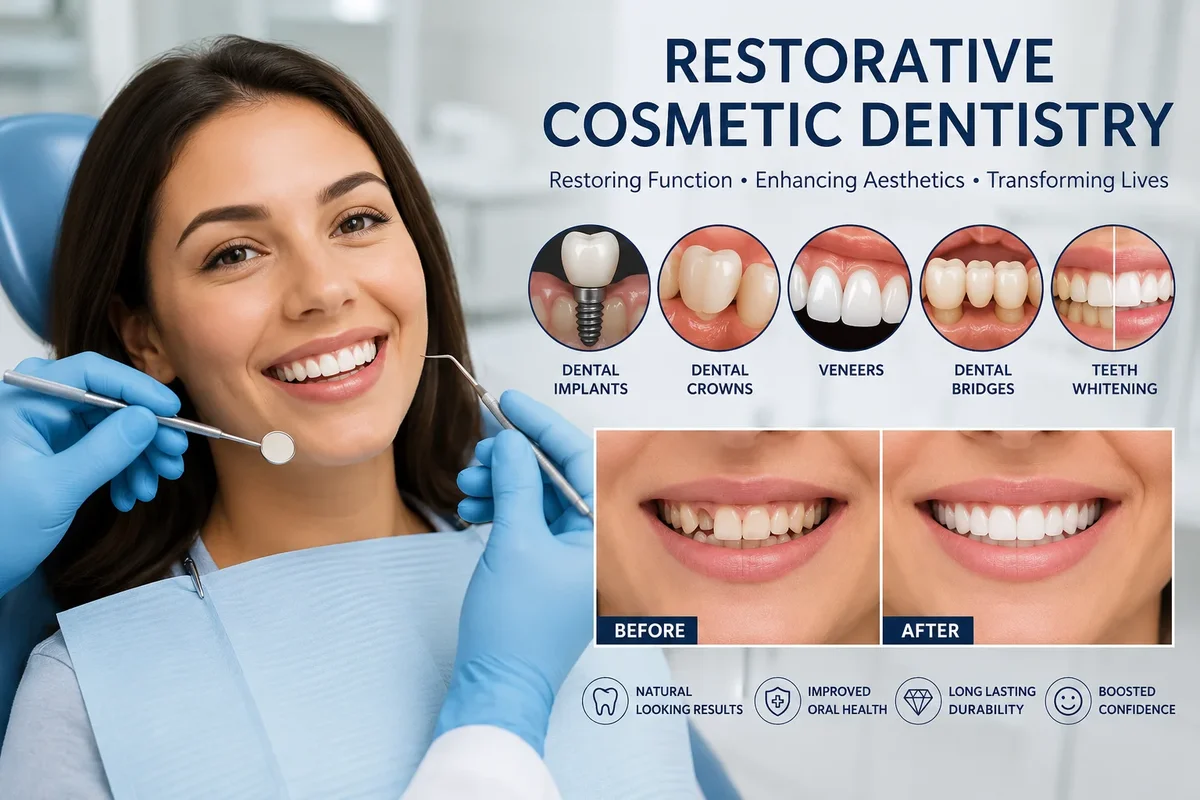
Choosing the Best Clinic for Restorative Cosmetic Dentistry
🦷 Selecting the right clinic for restorative cosmetic dentistry is one of the most important decisions patients can make during their smile transformation journey. Because restorative cosmetic dentistry combines oral rehabilitation with aesthetic enhancement, successful treatment requires not only technical dental expertise but also artistic precision, advanced technology, and long-term treatment planning.
Patients who choose experienced restorative cosmetic dentistry clinics often achieve more natural-looking, comfortable, and durable results. On the other hand, poor treatment planning or low-quality materials can lead to complications, repeated procedures, additional expenses, and unsatisfactory aesthetics. For this reason, carefully evaluating restorative cosmetic dentistry providers is essential before beginning treatment.
✨ Modern restorative cosmetic dentistry involves much more than basic dental repair. It may include dental implants, crowns, veneers, bridges, smile makeovers, bite correction, and full-mouth rehabilitation. Since these treatments directly affect oral health, appearance, speech, and confidence, patients should prioritize quality and experience over short-term convenience alone.
Why Experience Matters in Restorative Cosmetic Dentistry
One of the most important factors when selecting a restorative cosmetic dentistry clinic is professional experience. Highly trained dentists understand both the functional and aesthetic aspects of smile restoration.
Experienced restorative cosmetic dentistry specialists can:
- Create natural-looking smiles
- Improve bite alignment
- Preserve healthy tooth structure
- Reduce long-term complications
- Customize treatment plans accurately
- Use advanced digital planning techniques
Because restorative cosmetic dentistry often combines multiple procedures, comprehensive clinical experience is especially valuable.
Advanced Technology in Restorative Cosmetic Dentistry Clinics
📱 Technology plays a major role in modern restorative cosmetic dentistry. Clinics using advanced digital systems can often provide more precise diagnoses, better treatment planning, and improved patient comfort.
Digital Smile Design
Digital smile design software allows patients to preview expected restorative cosmetic dentistry results before treatment begins.
3D Cone Beam Imaging
3D imaging helps evaluate jawbone structure, tooth positioning, and implant placement accuracy.
CAD/CAM Technology
Computer-aided design and manufacturing systems improve precision for crowns, veneers, and bridges used in restorative cosmetic dentistry.
Intraoral Scanners
Digital scanners replace traditional impressions and increase comfort while improving restoration accuracy.
Clinics investing in modern restorative cosmetic dentistry technology often provide more efficient and predictable outcomes.
Importance of Before-and-After Cases
😁 Reviewing before-and-after photos is an excellent way to evaluate restorative cosmetic dentistry quality. Real patient cases allow individuals to assess the dentist’s aesthetic style, restoration naturalness, and overall treatment success.
When examining restorative cosmetic dentistry results, patients should look for:
- Natural tooth proportions
- Balanced smile symmetry
- Healthy gum appearance
- Consistent tooth color
- Facial harmony
- Realistic smile aesthetics
Overly artificial or excessively white restorations may indicate poor aesthetic planning in restorative cosmetic dentistry.
Patient Reviews and Reputation
🌟 Online reviews and patient testimonials can provide valuable insights when selecting a restorative cosmetic dentistry clinic.
Patients should evaluate:
- Overall satisfaction
- Long-term treatment success
- Clinic cleanliness
- Communication quality
- Comfort during procedures
- Professionalism of the dental team
- Aftercare support
Consistently positive experiences often reflect strong restorative cosmetic dentistry standards and patient-centered care.
Personalized Treatment Planning
📋 High-quality restorative cosmetic dentistry should never use a one-size-fits-all approach. Every patient has unique oral health conditions, facial proportions, smile goals, and functional needs.
During consultation, restorative cosmetic dentistry specialists should carefully evaluate:
- Tooth structure
- Gum health
- Jaw alignment
- Facial balance
- Smile line
- Bite stability
- Patient expectations
Customized treatment planning helps ensure both functional and aesthetic success.
Materials Used in Restorative Cosmetic Dentistry
🪥 The quality of materials used in restorative cosmetic dentistry significantly affects durability and aesthetics.
Porcelain and Ceramic Restorations
Modern ceramics closely mimic natural enamel translucency and color.
Zirconia Restorations
Zirconia offers excellent strength and durability while maintaining aesthetic appearance.
Implant Systems
High-quality implant brands used in restorative cosmetic dentistry often provide better long-term stability and integration.
Patients should ask clinics about the materials and laboratory standards used for restorative cosmetic dentistry restorations.
Questions to Ask During Consultation
💬 Before starting restorative cosmetic dentistry, patients should feel comfortable asking detailed questions.
Helpful consultation questions may include:
- How much experience do you have with restorative cosmetic dentistry?
- Which materials do you recommend?
- Can I see previous patient cases?
- How long will treatment take?
- What maintenance will be required?
- What complications are possible?
- Are financing options available?
Clear communication is essential for successful restorative cosmetic dentistry treatment.
Dental Tourism and International Restorative Cosmetic Dentistry
✈️ Many patients travel internationally for restorative cosmetic dentistry because some countries offer more affordable treatment while maintaining high standards.
However, choosing an international clinic requires careful research. Patients should verify:
- Dentist qualifications
- Sterilization standards
- Technology availability
- Patient reviews
- Follow-up care options
- Treatment guarantees
High-quality restorative cosmetic dentistry should prioritize safety, long-term results, and transparent communication.
Importance of Follow-Up Care
🦷 Follow-up appointments are a critical part of successful restorative cosmetic dentistry. Long-term monitoring helps maintain oral health and restoration durability.
Good clinics provide:
- Routine maintenance programs
- Professional cleanings
- Implant monitoring
- Bite adjustment if necessary
- Emergency support
- Oral hygiene guidance
Long-term support increases restorative cosmetic dentistry success and patient satisfaction.
Balancing Cost and Quality
💰 While affordability matters, patients should avoid selecting restorative cosmetic dentistry providers based solely on low prices. Extremely low-cost treatment may involve:
- Lower-quality materials
- Limited technology
- Insufficient planning
- Inexperienced providers
- Reduced aftercare support
Investing in experienced restorative cosmetic dentistry specialists often leads to better long-term outcomes and lower future repair costs.
Emotional Confidence and Trust
😁 Trust and comfort are also essential when choosing a restorative cosmetic dentistry clinic. Patients should feel listened to, respected, and fully informed throughout treatment.
A supportive restorative cosmetic dentistry team helps reduce anxiety and improves the overall patient experience.
Patients interested in advanced smile rehabilitation and personalized restorative treatments may explore consultation options through the Redent Klinik Contact Page.
For additional oral health education and patient care information, individuals may also review resources from the American Dental Association.
🌈 Ultimately, choosing the best clinic for restorative cosmetic dentistry requires careful research, professional consultation, and attention to both quality and experience. A skilled restorative cosmetic dentistry provider can dramatically improve oral health, smile aesthetics, confidence, and long-term quality of life through personalized and highly advanced treatment solutions.