
Wearing a retainer night appliance is one of the most important steps in maintaining a straight and healthy smile after orthodontic treatment. Many patients believe braces or aligners permanently fix teeth, but the truth is that teeth naturally try to shift back to their original positions over time. A proper retainer night routine helps preserve your orthodontic results, protects your investment, and keeps your smile aligned for years. Whether you recently finished Invisalign treatment or traditional braces, understanding how a retainer night schedule works can prevent unnecessary dental problems and future orthodontic expenses. 😁
A retainer night habit is usually recommended because nighttime wear is convenient, comfortable, and highly effective. During sleep, the jaw and facial muscles are relaxed, allowing the dental retainer to stabilize teeth more efficiently. Orthodontists often advise patients to wear their retainers every night for long-term retention. Skipping even a few nights of a retainer night routine may cause minor tooth movement, tightness, or discomfort when the retainer is worn again.
There are different types of retainers used for a retainer night schedule. The most common options include Hawley retainers, clear plastic retainers, and permanent bonded retainers. Clear retainers are extremely popular because they are nearly invisible and easy to wear during a retainer night routine. Hawley retainers are more durable and adjustable, while bonded retainers remain fixed behind the teeth and may still require additional nighttime support depending on the patient’s orthodontic condition.
Why Teeth Shift Without a Retainer Night Routine
After orthodontic treatment, teeth are not fully stable immediately. The surrounding bone, ligaments, and gum tissues need time to adapt to their new positions. Without a consistent retainer night routine, the teeth may slowly relapse. This process can happen gradually over months or years. Even adults who completed orthodontic treatment long ago may notice changes if they stop following their retainer night habits.
Common causes of tooth movement include:
- Natural aging processes
- Grinding or clenching during sleep
- Wisdom teeth pressure in some cases
- Irregular retainer use
- Loss or damage of the retainer
- Changes in jaw structure over time
Patients who ignore their retainer night schedule often discover that their retainer becomes tight or painful after missing several nights. This is usually a sign that teeth have started shifting. In severe cases, orthodontic retreatment may become necessary.
How Long Should You Follow a Retainer Night Schedule?
One of the most common questions patients ask is how long they need a retainer night routine. The answer depends on the complexity of the orthodontic treatment, the patient’s age, and individual tooth movement tendencies. However, most orthodontists agree that retainers should be worn long-term, and many recommend lifelong nighttime wear.
A general timeline for a retainer night plan may look like this:
- First 3–6 months: Full-time wear except during meals
- After stabilization: Transition to nighttime-only use
- Long-term maintenance: Wear every night or several nights weekly
Following a consistent retainer night routine helps maintain the beautiful smile created by braces or clear aligners. Patients who remain disciplined usually experience fewer orthodontic problems later in life.
Tips for Comfortable Retainer Night Wear
Many first-time users need time to adjust to a retainer night schedule. Mild pressure, increased saliva production, or temporary speech changes are normal during the adaptation phase. Fortunately, most patients adapt quickly within a few nights.
Helpful tips for a better retainer night experience include:
- Brush and floss before inserting the retainer
- Clean the retainer daily with lukewarm water
- Avoid hot water that may warp clear retainers
- Store the retainer safely during meals
- Never wrap retainers in tissues or napkins
- Keep the retainer away from pets 🐶
Maintaining proper oral hygiene is essential during a retainer night routine. Bacteria and plaque can build up on the appliance if it is not cleaned correctly. Dirty retainers may cause bad breath, staining, or gum irritation.
Retainer Night Costs and Replacement Information
The cost of maintaining a retainer night routine depends on the type of retainer and the dental clinic. Replacement retainers may become necessary due to wear, cracks, or accidental damage. Average retainer replacement prices may include:
| Type of Retainer | Estimated Cost |
|---|---|
| Clear Plastic Retainer | $150 – $500 |
| Hawley Retainer | $200 – $600 |
| Bonded Retainer Repair | $150 – $400 |
Patients should consult an experienced dental professional if their retainer night appliance becomes loose, cracked, or uncomfortable. Regular dental checkups can help identify issues before they become serious. You can contact specialists through the Redent Klinik Contact Page for additional guidance regarding orthodontic retention and smile maintenance.
Trusted organizations like the American Dental Association also emphasize the importance of long-term oral care and orthodontic retention. Combining professional dental care with a disciplined retainer night routine supports healthier teeth and long-lasting orthodontic results.
Ultimately, a successful retainer night habit protects your smile, prevents relapse, and improves long-term dental stability. Consistency is the key to keeping your teeth aligned and healthy. By following your orthodontist’s instructions, cleaning your appliance regularly, and maintaining your retainer night schedule, you can enjoy the benefits of a confident smile for many years. 🌟
Why Retainer Night Habits Matter After Orthodontic Treatment
Developing a proper retainer night routine is one of the most important responsibilities after completing orthodontic treatment. Many patients feel excited when braces or clear aligners are removed, but they often underestimate how critical retention is for preserving their new smile. A consistent retainer night habit keeps teeth in their corrected positions and prevents unwanted movement over time. Orthodontic treatment does not permanently lock teeth into place immediately, which is why retainers play such a major role in long-term smile stability. 😁
Whether you completed Invisalign treatment, metal braces, ceramic braces, or another orthodontic procedure, your teeth still need support after treatment ends. The jawbone, gums, and surrounding tissues require time to stabilize around the newly aligned teeth. During this period, following a disciplined retainer night schedule becomes essential for protecting the results you worked hard to achieve.
The Science Behind Tooth Movement
Teeth are constantly exposed to pressure from chewing, speaking, tongue movement, and natural jaw changes. Even after successful orthodontic correction, teeth naturally tend to shift back toward their original positions. This process is known as orthodontic relapse. A proper retainer night routine helps counteract these natural forces and maintains alignment over time.
During orthodontic treatment, braces or aligners gradually move teeth by applying controlled pressure. The bone surrounding the teeth changes shape as the teeth shift into better positions. However, the surrounding tissues remain flexible for some time after treatment. Without a consistent retainer night schedule, the teeth may begin drifting again.
Why Relapse Happens
Several factors contribute to tooth relapse after orthodontic treatment:
- Elastic gum fibers pulling teeth back
- Natural aging changes in the jaw
- Grinding or clenching during sleep
- Irregular retainer use
- Loss or damage of the retainer
- Genetic factors affecting tooth stability
Patients who neglect their retainer night routine often notice tightness when they wear their retainer again after several skipped nights. This pressure indicates that teeth have already started shifting. Over time, even small movements may significantly affect smile appearance and bite alignment.
How Retainer Night Wear Protects Your Smile
A consistent retainer night schedule provides continuous gentle support that keeps teeth properly aligned while the mouth relaxes during sleep. Nighttime wear is highly effective because there are fewer interruptions compared to daytime use. Patients can comfortably wear their retainer while sleeping without interfering with meals, conversations, or social activities.
The benefits of a regular retainer night routine include:
- Maintaining straight teeth long-term
- Reducing the risk of orthodontic relapse
- Protecting the financial investment in braces or aligners
- Improving bite stability
- Supporting jaw alignment
- Enhancing overall confidence and smile aesthetics ✨
For many patients, the idea of wearing a retainer forever may sound frustrating at first. However, most people quickly adapt to their retainer night schedule and eventually view it as a normal part of their oral hygiene routine.
Psychological Benefits of a Retainer Night Routine
Maintaining a straight smile can positively affect self-confidence, social interactions, and emotional well-being. Patients who consistently follow a retainer night plan often feel more satisfied with their appearance and experience fewer concerns about their teeth shifting again.
Orthodontic treatment usually requires a significant investment of time and money. A proper retainer night habit protects those results and helps patients avoid the stress of future orthodontic retreatment. People who skip their retainer schedule sometimes regret it later when they notice gaps, crowding, or bite problems returning.
Confidence and Daily Life
A healthy smile supported by a reliable retainer night routine can improve:
- Professional confidence
- Social comfort
- Public speaking confidence
- Photograph appearance
- Overall self-esteem
Even minor tooth movement may affect facial aesthetics over time. This is why orthodontists strongly encourage patients to maintain long-term retainer night habits.
Common Mistakes That Affect Retainer Night Success
Some patients unintentionally reduce the effectiveness of their retainer night schedule through improper care or inconsistent use. Understanding these mistakes can help prevent long-term complications.
Skipping Nights Frequently
One of the biggest mistakes is forgetting or intentionally skipping a retainer night routine for multiple days. Teeth can shift surprisingly fast, especially during the first year after orthodontic treatment.
Using Hot Water for Cleaning
Many clear retainers become warped when exposed to hot water. A damaged retainer may no longer fit correctly during a retainer night schedule. Always use lukewarm water for cleaning.
Poor Oral Hygiene
Wearing a dirty retainer during a retainer night routine may increase bacterial buildup, bad breath, and plaque accumulation. Proper cleaning protects both the retainer and oral health.
Ignoring Signs of Damage
Cracks, looseness, or discomfort during a retainer night routine should never be ignored. Damaged retainers may fail to maintain tooth alignment effectively.
When to Contact a Dental Professional
If your retainer feels excessively tight, cracked, or uncomfortable during your retainer night routine, it is important to contact a dental clinic promptly. Professional evaluation can prevent more serious orthodontic relapse.
Patients who lose their retainer should replace it quickly to avoid tooth movement. You can reach experienced dental professionals through the Redent Klinik Contact Page for guidance regarding retainer care and orthodontic maintenance.
Trusted organizations such as the American Dental Association also emphasize the importance of long-term oral care and post-orthodontic retention. Combining professional dental guidance with a disciplined retainer night schedule helps preserve healthy, straight teeth for many years.
Ultimately, a successful retainer night routine is not just about wearing a dental appliance while sleeping. It is a long-term commitment to maintaining oral health, smile aesthetics, and orthodontic stability. Patients who remain consistent with their retainer night habits are far more likely to enjoy lasting orthodontic success and avoid unnecessary future treatments. 🌙
How to Wear a Retainer Night Routine the Correct Way
Following a proper retainer night routine is essential for maintaining straight teeth after orthodontic treatment. Many patients spend months or even years wearing braces or clear aligners, but the final success of the treatment often depends on consistent retainer use. A disciplined retainer night habit helps stabilize the teeth, prevents shifting, and protects the long-term results of orthodontic correction. 😴
Although wearing a retainer may seem simple, many people unknowingly make mistakes that reduce its effectiveness. Understanding how to correctly follow a retainer night schedule can help improve comfort, oral hygiene, and smile stability. Whether you use a clear retainer, Hawley retainer, or another type of orthodontic appliance, proper nighttime use is critical for preserving your alignment.
Preparing for a Retainer Night Routine
Before starting your retainer night schedule each evening, proper preparation is important. Oral hygiene plays a major role in preventing bacteria buildup and maintaining both the retainer and your teeth in good condition.
Brush and Floss Before Wearing Your Retainer
One of the most important steps in a successful retainer night routine is brushing and flossing before inserting the appliance. Food particles and plaque trapped under the retainer may increase the risk of cavities, gum irritation, and bad breath.
Recommended oral hygiene steps include:
- Brush teeth thoroughly for at least two minutes
- Use fluoride toothpaste
- Floss carefully between all teeth
- Rinse the mouth completely
- Clean the retainer before insertion
A clean mouth improves the comfort and hygiene of your retainer night schedule while also supporting healthier gums and enamel.
Clean the Retainer Properly
Before beginning your retainer night routine, make sure the appliance itself is clean. Retainers collect saliva, plaque, and bacteria throughout the day. If not cleaned properly, they may develop odors or discoloration.
Most orthodontists recommend:
- Using lukewarm water
- Cleaning gently with a soft toothbrush
- Avoiding harsh toothpaste that may scratch the retainer
- Using approved retainer cleaning tablets occasionally
- Never exposing clear retainers to hot water
Maintaining cleanliness improves the overall experience of a retainer night routine and extends the lifespan of the appliance.
How to Insert a Retainer Correctly
Correct insertion techniques are essential during a retainer night routine. Improper handling may crack or warp the appliance, especially with clear plastic retainers.
Gentle Placement Matters
Always insert your retainer using gentle pressure. Avoid biting the retainer into place because excessive force may damage the material or distort its shape. During a retainer night routine, the retainer should fit snugly but comfortably.
Signs of a proper fit include:
- The retainer feels secure
- No sharp pain occurs
- The appliance fully covers the teeth
- Speech adjusts within a short time
If your retainer night appliance suddenly feels extremely tight, it may indicate tooth movement caused by inconsistent wear.
How Long Should You Wear a Retainer at Night?
The duration of a retainer night routine varies depending on orthodontic history and dental stability. Most patients begin with full-time retainer wear immediately after treatment before transitioning into nighttime-only use.
Typical Retainer Night Timeline
| Treatment Stage | Recommended Wear Time |
|---|---|
| Immediately After Braces | 20–22 hours daily |
| After Initial Stabilization | Nighttime only |
| Long-Term Maintenance | Every night or several nights weekly |
Orthodontists frequently recommend lifelong retainer night use because teeth naturally continue shifting with age. Even patients who completed orthodontic treatment years ago may notice movement if they stop using their retainers consistently.
Common Problems During Retainer Night Wear
Some discomfort during the early stages of a retainer night routine is normal. However, persistent pain or unusual symptoms should not be ignored.
Mild Pressure and Tightness
A slight feeling of pressure during a retainer night schedule is usually expected, especially if the retainer has not been worn consistently. Mild pressure indicates that the retainer is guiding teeth back into proper alignment.
Dry Mouth During Sleep
Some patients experience dry mouth while following a retainer night routine. Drinking water before bed and maintaining proper hydration may help reduce discomfort.
Speech Adjustments
Temporary speech changes may occur when beginning a new retainer night schedule. Most patients adapt quickly within several days.
Retainer Night Storage Tips
Safe storage is another important part of a successful retainer night routine. Retainers are commonly lost or damaged due to improper handling.
Always Use a Protective Case
When the retainer is not in your mouth during your retainer night routine, it should remain inside a protective case. Wrapping retainers in tissues or napkins increases the risk of accidental disposal.
Keep Retainers Away from Pets
Dogs frequently chew retainers because they are attracted to saliva odors. Keeping your retainer night appliance safely stored can prevent expensive replacements. 🐶
When to Replace a Retainer
Even with proper care, retainers eventually wear out. Patients following a long-term retainer night routine should regularly inspect their appliance for signs of damage.
Common replacement signs include:
- Cracks or fractures
- Loose fit
- Warping from heat exposure
- Persistent odor or discoloration
- Sharp edges causing irritation
Replacement costs for a retainer night appliance may vary depending on material and dental clinic location. Clear retainers generally range from $150 to $500, while Hawley retainers may cost slightly more.
If your retainer becomes uncomfortable or damaged, professional dental guidance is recommended. Patients can contact specialists through the Redent Klinik Contact Page for assistance with orthodontic maintenance and retainer replacement.
Trusted organizations such as the American Dental Association also encourage patients to maintain excellent oral hygiene and long-term orthodontic retention habits.
Ultimately, mastering a proper retainer night routine helps preserve your smile, improve dental stability, and reduce the risk of future orthodontic problems. Consistency, cleanliness, and proper handling are the keys to successful long-term retention. Patients who remain committed to their retainer night schedule usually enjoy straighter teeth, healthier gums, and greater confidence for many years. ✨
Common Retainer Night Problems and Easy Solutions
Following a consistent retainer night routine is essential for maintaining straight teeth after orthodontic treatment, but many patients experience small challenges along the way. Some problems are completely normal during the adjustment period, while others may indicate that the retainer requires professional attention. Understanding the most common retainer night issues and knowing how to solve them can help patients stay comfortable, protect their smile, and avoid unnecessary orthodontic complications. 😊
Whether you wear a clear plastic retainer, Hawley retainer, or another orthodontic appliance, it is normal to occasionally experience discomfort, tightness, speech changes, or cleaning difficulties. Fortunately, most retainer night problems can be solved quickly with proper care and guidance.
Tightness During Retainer Night Wear
One of the most common complaints during a retainer night routine is tightness when inserting the retainer. Mild pressure is often normal, especially if the retainer has not been worn consistently. Teeth naturally attempt to move over time, and the retainer works by gently guiding them back into position.
Why Tightness Happens
Several factors may cause tightness during a retainer night schedule:
- Skipping several nights of retainer wear
- Natural tooth movement over time
- Grinding or clenching during sleep
- Minor orthodontic relapse
- Changes in jaw alignment
If the retainer feels slightly snug but still fits, continue following your retainer night routine consistently. The pressure often decreases within a few nights. However, if the retainer no longer fits properly or causes severe pain, professional evaluation may be necessary.
Easy Solution for Tight Retainers
To reduce tightness during your retainer night routine:
- Wear the retainer consistently every night
- Avoid skipping multiple days
- Insert the retainer gently
- Contact your orthodontist if pain persists
Speech Difficulties During Retainer Night Use
Many patients notice temporary speech changes when beginning a new retainer night routine. This is especially common with Hawley retainers because of the acrylic and wire components.
Why Speech Changes Occur
The tongue needs time to adjust to the presence of the retainer inside the mouth. During the first few nights of a retainer night schedule, certain sounds may feel difficult to pronounce.
Common temporary speech effects include:
- Minor lisping
- Difficulty pronouncing “s” sounds
- Extra saliva production
- Mild tongue irritation
Easy Solution for Speech Problems
Most speech issues improve naturally within several days of consistent retainer night use. Reading aloud for a few minutes daily may help the tongue adapt faster. Patients should avoid removing the retainer repeatedly because frequent interruptions slow the adjustment process.
Dry Mouth and Excess Saliva
Dry mouth or excessive saliva production can occur during a retainer night routine, particularly during the first week of use. These reactions are normal responses as the mouth adjusts to the appliance.
Causes of Dry Mouth During Retainer Night Wear
Dry mouth during a retainer night schedule may result from:
- Sleeping with the mouth open
- Reduced saliva flow during sleep
- Dehydration
- Mouth breathing habits
Simple Solutions for Dry Mouth
Patients can improve comfort during their retainer night routine by:
- Drinking enough water throughout the day
- Avoiding excessive caffeine before sleep
- Using a humidifier in the bedroom
- Maintaining good nasal airflow
On the other hand, excessive saliva is usually temporary and often disappears after several nights of retainer wear.
Bad Breath and Odor Problems
Bad breath is another common issue during a retainer night routine. Retainers naturally collect bacteria, plaque, and saliva. Without proper cleaning, unpleasant odors may develop.
Why Retainers Develop Odors
Several habits contribute to odor problems during a retainer night schedule:
- Inadequate retainer cleaning
- Poor oral hygiene
- Storing retainers improperly
- Bacterial buildup
- Wearing retainers after eating without brushing
Easy Cleaning Solutions
To maintain freshness during your retainer night routine:
- Brush the retainer daily with lukewarm water
- Clean teeth thoroughly before bed
- Use approved cleaning tablets occasionally
- Store the retainer in a clean protective case
Never use boiling water because high temperatures may damage the appliance used during your retainer night schedule.
Cracks and Damage During Retainer Night Use
Retainers are durable but not indestructible. Damage may occur during a long-term retainer night routine if the appliance is not handled carefully.
Common Causes of Retainer Damage
- Biting the retainer into place
- Using hot water for cleaning
- Dropping the appliance
- Pets chewing the retainer 🐶
- Improper storage
How to Prevent Damage
Patients can protect their retainer night appliance by:
- Using a protective storage case
- Handling the retainer gently
- Keeping it away from pets
- Cleaning with safe materials
- Avoiding exposure to heat
If cracks or sharp edges develop during your retainer night routine, contact a dental professional promptly to avoid gum irritation or orthodontic relapse.
Retainer Night Anxiety and Forgetfulness
Some patients struggle with consistency during a retainer night routine because they simply forget to wear their retainer regularly. Others feel frustrated about wearing an appliance long-term.
How to Build Better Habits
Helpful strategies include:
- Keeping the retainer case beside the toothbrush
- Using nightly phone reminders
- Following the same bedtime routine daily
- Tracking retainer use with habit apps
Over time, a retainer night schedule becomes a natural part of oral hygiene habits.
When to Seek Professional Help
Although many retainer night issues are minor, some situations require professional attention. Patients should contact a dental clinic if they experience:
- Persistent pain
- Retainers that no longer fit
- Visible cracks or warping
- Bleeding gums
- Major tooth movement
You can contact specialists through the Redent Klinik Contact Page for guidance regarding retainer maintenance and orthodontic care.
Trusted resources such as the American Dental Association also recommend regular dental visits and proper oral hygiene for long-term orthodontic success.
Ultimately, understanding common retainer night problems and their solutions can make orthodontic retention far easier and more comfortable. Most challenges are temporary and manageable when patients remain consistent with their retainer night routine. With proper care, cleaning, and professional guidance, retainers can successfully preserve a healthy, confident smile for many years. 🌙✨
Best Cleaning Methods for a Retainer Night Schedule
Maintaining proper hygiene during a retainer night routine is extremely important for oral health, comfort, and long-term orthodontic success. Many patients focus heavily on wearing their retainers consistently but underestimate the importance of cleaning them properly. A dirty retainer can collect bacteria, plaque, food debris, and odor-causing microorganisms that may negatively affect both the teeth and gums. Following the best cleaning methods for a retainer night schedule helps keep the appliance fresh, comfortable, and safe for daily use. 🦷✨
Whether you use a clear retainer, Hawley retainer, or another orthodontic appliance, cleaning should become part of your daily oral hygiene routine. A properly cleaned retainer improves comfort during a retainer night schedule and may help extend the lifespan of the appliance.
Why Cleaning Matters During a Retainer Night Routine
Retainers stay inside the mouth for many hours during a retainer night routine. Saliva, bacteria, plaque, and food particles naturally accumulate on the appliance over time. Without regular cleaning, the retainer may become cloudy, develop unpleasant odors, or increase bacterial buildup inside the mouth.
Poor hygiene during a retainer night schedule may contribute to:
- Bad breath
- Gum irritation
- Plaque accumulation
- Tooth decay
- Oral infections
- Retainer discoloration
Patients who consistently clean their retainer during their retainer night routine usually experience better comfort and fewer oral health issues.
Daily Cleaning Methods for Retainer Night Care
Daily cleaning is one of the most important parts of a successful retainer night routine. Retainers should ideally be cleaned every morning after removal and before being stored.
Use Lukewarm Water
The safest cleaning method during a retainer night schedule is rinsing the appliance with lukewarm water immediately after removal. This helps wash away saliva and loose debris before buildup hardens.
Hot water should always be avoided because it may warp plastic retainers and affect the fit of your retainer night appliance.
Brush the Retainer Gently
Many orthodontists recommend gently brushing the retainer during a retainer night routine using a soft toothbrush. This removes plaque and bacterial film from the surface.
Helpful cleaning tips include:
- Use a soft-bristled toothbrush
- Brush all surfaces carefully
- Rinse thoroughly afterward
- Avoid aggressive scrubbing
Some patients prefer using mild soap instead of toothpaste because abrasive toothpaste may scratch clear retainers used during a retainer night schedule.
Retainer Cleaning Tablets and Soaking Solutions
Cleaning tablets are popular for deep cleaning during a retainer night routine. These products help remove bacteria, odors, and stains more effectively than water alone.
How Cleaning Tablets Work
Retainer cleaning tablets dissolve in water and create a cleansing solution that breaks down debris and bacterial buildup. Soaking your appliance occasionally during your retainer night schedule may improve freshness and appearance.
Benefits of cleaning tablets include:
- Reducing odors
- Improving retainer clarity
- Removing stains
- Helping eliminate bacteria
How Often Should You Soak a Retainer?
Most orthodontists recommend deep cleaning the retainer several times weekly while following a retainer night routine. However, soaking too frequently in harsh products may weaken some retainer materials.
Always follow product instructions carefully and rinse the retainer completely before wearing it during your retainer night schedule.
Cleaning Mistakes That Can Damage Retainers
Some patients accidentally damage their appliance by using unsafe cleaning methods during their retainer night routine. Understanding these mistakes helps prevent expensive replacements.
Using Hot Water
Hot water is one of the most common causes of damage during a retainer night schedule. Clear plastic retainers may warp even after brief heat exposure.
Using Harsh Chemicals
Bleach, alcohol-based products, and harsh cleaners should never be used on a retainer night appliance because they may damage the material and irritate oral tissues.
Skipping Cleaning for Several Days
Neglecting hygiene during a retainer night routine allows bacteria and plaque to accumulate rapidly. This may lead to unpleasant smells and increased oral health risks.
Using Abrasive Toothpaste
Some whitening toothpastes contain abrasive particles that may scratch clear retainers used during a retainer night schedule. Scratches can trap bacteria and make the appliance appear cloudy.
How to Store a Retainer Properly
Safe storage is another important part of proper retainer night care. Retainers are surprisingly easy to lose or damage if not stored correctly.
Always Use a Protective Case
When the retainer is not being worn during a retainer night routine, it should always remain inside a clean protective case. Leaving retainers exposed increases the risk of contamination or accidental damage.
Avoid Wrapping Retainers in Tissues
Many retainers are accidentally thrown away because patients wrap them in napkins during meals. This common mistake can interrupt a retainer night schedule and lead to tooth shifting.
Keep Retainers Away from Pets
Dogs are especially attracted to retainers because of saliva odors. During your retainer night routine, always store the appliance safely away from pets. 🐶
Signs Your Retainer Needs Professional Cleaning or Replacement
Even with excellent hygiene, retainers eventually wear out. Patients following a long-term retainer night schedule should regularly inspect their appliance.
Signs that professional evaluation may be necessary include:
- Persistent odor after cleaning
- Visible cracks or damage
- Cloudiness that does not improve
- Sharp edges causing discomfort
- Loose or poor fit
Replacement costs for a retainer night appliance vary depending on material and location. Clear retainers commonly range between $150 and $500, while Hawley retainers may cost more depending on customization.
Professional Advice for Long-Term Retainer Night Hygiene
Maintaining proper oral care during a retainer night routine is easier with regular dental checkups. Orthodontists can evaluate the fit, cleanliness, and condition of the retainer while monitoring overall dental health.
Patients seeking additional guidance about orthodontic retention can contact specialists through the Redent Klinik Contact Page.
Trusted organizations such as the American Dental Association also emphasize the importance of oral hygiene and regular dental care for maintaining healthy teeth and gums.
Ultimately, the best cleaning methods for a retainer night schedule combine consistency, proper hygiene, and safe handling techniques. Patients who clean their retainers carefully, store them correctly, and follow a reliable retainer night routine are far more likely to enjoy long-lasting orthodontic results and healthier smiles. 🌙😁
Signs Your Retainer Night Appliance Needs Replacement
A consistent retainer night routine is essential for maintaining straight teeth after orthodontic treatment, but even the highest-quality retainers do not last forever. Over time, normal wear and tear may affect the fit, comfort, and effectiveness of the appliance. Recognizing the warning signs that your retainer night appliance needs replacement can help prevent tooth movement, discomfort, and long-term orthodontic relapse. 😁
Many patients assume their retainer will last indefinitely, especially if it still appears usable. However, retainers experience daily stress during a retainer night schedule from pressure, saliva exposure, cleaning products, and natural aging of the material. Replacing a damaged or worn retainer at the right time is extremely important for preserving your orthodontic results.
Why Retainers Wear Out Over Time
Retainers are designed to stabilize the teeth after braces or aligners, but they are not indestructible. Every retainer night routine exposes the appliance to pressure from the jaw, grinding habits, temperature changes, and bacterial buildup.
Several factors contribute to retainer wear:
- Natural material aging
- Grinding or clenching during sleep
- Frequent insertion and removal
- Improper cleaning techniques
- Heat exposure
- Accidental damage
Patients who maintain a long-term retainer night schedule should regularly inspect their retainer for visible and functional problems.
Cracks and Physical Damage
One of the clearest signs that a retainer night appliance needs replacement is visible physical damage. Even small cracks may compromise the effectiveness of the retainer and lead to tooth movement.
Why Cracks Are Dangerous
During a retainer night routine, cracked retainers may apply uneven pressure to the teeth. This can affect alignment and reduce the retainer’s ability to hold teeth in their correct positions.
Cracks may also:
- Trap bacteria and plaque
- Create sharp edges that irritate the gums
- Cause discomfort during sleep
- Increase the risk of complete breakage
If cracks appear during your retainer night schedule, avoid delaying replacement because the damage may worsen quickly.
Common Causes of Cracks
Cracks often result from:
- Dropping the retainer
- Biting it into place
- Using hot water during cleaning
- Accidental bending
- Long-term wear fatigue
Loose Fit During Retainer Night Wear
A loose retainer is another major sign that your retainer night appliance may no longer function properly. Retainers are designed to fit securely around the teeth. If the fit changes significantly, the appliance may not effectively prevent tooth movement.
Why Retainers Become Loose
Several issues may cause looseness during a retainer night routine:
- Warping from heat exposure
- Material stretching over time
- Natural wear of the plastic
- Damage from improper handling
A loose retainer night appliance may fail to stabilize the teeth properly, increasing the risk of orthodontic relapse.
What a Proper Fit Should Feel Like
During a successful retainer night schedule, the appliance should:
- Fit snugly but comfortably
- Remain stable during sleep
- Cover the teeth evenly
- Cause only mild pressure if any
If the retainer feels unstable or falls out easily during your retainer night routine, professional evaluation is recommended.
Persistent Odors and Discoloration
Even with regular cleaning, some retainers eventually develop persistent odors or discoloration. This often indicates that bacteria have deeply penetrated the material.
Why Odors Develop
Retainers collect saliva, plaque, and bacteria every time they are worn during a retainer night routine. Over time, microscopic buildup may become difficult to remove completely.
Persistent odor problems during a retainer night schedule may occur because of:
- Long-term bacterial accumulation
- Improper cleaning methods
- Worn retainer surfaces
- Small hidden cracks
Cloudiness and Yellowing
Clear retainers may become cloudy or yellow after prolonged use during a retainer night routine. Although mild discoloration is normal, severe staining often indicates that replacement may be necessary.
Professional cleaning may help temporarily, but older retainers frequently need replacement to restore hygiene and comfort.
Pain and Gum Irritation
A properly fitting retainer night appliance should not cause severe pain. While mild pressure may occasionally occur, persistent soreness or gum irritation often signals a problem.
Possible Causes of Discomfort
- Cracked retainer edges
- Warped material
- Tooth shifting from inconsistent wear
- Improper fit
- Damage to the retainer structure
If your retainer night schedule suddenly becomes painful, contact a dental professional promptly.
How Long Do Retainers Usually Last?
The lifespan of a retainer night appliance depends on the type of retainer, oral habits, and maintenance quality.
| Retainer Type | Average Lifespan |
|---|---|
| Clear Plastic Retainer | 1–5 Years |
| Hawley Retainer | 5–10 Years |
| Bonded Retainer | Several Years with Maintenance |
Patients who follow excellent cleaning habits during their retainer night routine may extend the life of their appliance considerably.
Retainer Replacement Costs
The cost of replacing a retainer night appliance varies based on location, dental clinic, and retainer type.
Estimated replacement prices include:
- Clear retainers: $150 – $500
- Hawley retainers: $200 – $600
- Bonded retainer repairs: $150 – $400
Replacing a damaged retainer early during your retainer night schedule is often far less expensive than needing repeat orthodontic treatment later.
Professional Retainer Night Evaluations
Regular dental checkups are important for monitoring the condition of your retainer night appliance. Orthodontists can identify small problems before they become serious.
Patients should seek professional guidance if they notice:
- Visible cracks
- Persistent odor
- Loose fit
- Pain or gum irritation
- Signs of tooth movement
You can contact experienced dental professionals through the Redent Klinik Contact Page for assistance with retainer replacement and orthodontic maintenance.
Trusted organizations such as the American Dental Association also emphasize the importance of long-term oral care and orthodontic retention.
Ultimately, recognizing the signs that your retainer night appliance needs replacement can protect your smile and help maintain long-term orthodontic success. Patients who regularly inspect their retainer, maintain excellent hygiene, and follow a disciplined retainer night routine are more likely to preserve straight teeth and avoid unnecessary dental complications for years to come. 🌙✨
Retainer Night Care Tips for Long-Term Oral Health
Building a consistent retainer night routine is one of the best ways to protect long-term oral health after orthodontic treatment. Straight teeth not only improve appearance but also contribute to healthier gums, easier cleaning, and better bite function. However, orthodontic results can gradually disappear without proper retention. A reliable retainer night schedule helps preserve alignment while also supporting overall dental hygiene and long-term smile stability. 😁
Many patients focus only on the cosmetic benefits of retainers, but proper retainer night care has important health advantages as well. Teeth that remain properly aligned are easier to brush and floss, reducing the risk of plaque buildup, gum disease, and tooth decay. By maintaining healthy habits during your retainer night routine, you can protect both your smile and your oral health for many years.
Why Retainer Night Care Matters
After braces or aligners are removed, the teeth and surrounding tissues still need time to stabilize. During this period, a consistent retainer night routine prevents unwanted shifting while allowing the jawbone and gums to adapt to the new alignment.
Without proper care during a retainer night schedule, several issues may occur:
- Orthodontic relapse
- Crowding or spacing
- Bite misalignment
- Difficulty cleaning between teeth
- Increased plaque accumulation
- Gum inflammation
Patients who follow excellent retainer night habits are more likely to maintain healthier teeth and gums long-term.
Daily Oral Hygiene During a Retainer Night Routine
Proper oral hygiene is essential during a retainer night schedule because bacteria and plaque can easily accumulate on both the teeth and the retainer.
Brush Thoroughly Before Bed
One of the most important steps in a successful retainer night routine is brushing the teeth carefully before inserting the retainer. Food particles trapped under the appliance may increase the risk of cavities and bad breath.
Good nighttime brushing habits include:
- Using fluoride toothpaste
- Brushing for at least two minutes
- Cleaning all tooth surfaces carefully
- Brushing along the gumline
A clean mouth significantly improves comfort during a retainer night schedule.
Floss Every Night
Flossing is another essential part of proper retainer night care. Straight teeth are easier to floss effectively, which helps remove plaque and bacteria between the teeth.
Daily flossing during your retainer night routine may help prevent:
- Gingivitis
- Tooth decay
- Bad breath
- Gum bleeding
Keeping the Retainer Clean
Cleaning the retainer itself is equally important during a retainer night schedule. Dirty retainers can harbor bacteria and contribute to oral hygiene problems.
Best Cleaning Practices
Patients should clean their retainer night appliance daily using safe cleaning methods.
Recommended practices include:
- Rinsing with lukewarm water
- Using a soft toothbrush
- Cleaning the retainer every morning
- Using approved cleaning tablets occasionally
- Avoiding harsh chemicals
Maintaining cleanliness during a retainer night routine reduces odor, staining, and bacterial buildup.
Avoid Hot Water
One of the most common mistakes during a retainer night schedule is exposing the appliance to hot water. Heat may warp clear retainers and affect their fit.
Warped retainers may:
- Cause discomfort
- Fit improperly
- Fail to hold teeth correctly
- Require replacement
Protecting Teeth From Grinding During Retainer Night Wear
Some patients grind or clench their teeth during sleep. This condition, known as bruxism, may place extra pressure on the retainer during a retainer night routine.
Signs of Nighttime Grinding
Symptoms of grinding during a retainer night schedule may include:
- Jaw soreness
- Morning headaches
- Tooth sensitivity
- Retainer wear marks
- Cracks in the appliance
If grinding is severe, the orthodontist may recommend a stronger retainer or additional protective appliances.
Healthy Lifestyle Habits for Retainer Night Success
Long-term oral health depends on more than simply wearing the retainer. Healthy lifestyle habits also improve the effectiveness of a retainer night routine.
Stay Hydrated
Drinking enough water helps reduce dry mouth during a retainer night schedule. Saliva plays an important role in protecting the teeth and gums from bacteria.
Limit Sugary Snacks Before Bed
Eating sugary foods immediately before a retainer night routine increases the risk of cavities, especially if brushing is skipped afterward.
Try to avoid:
- Candy
- Sugary drinks
- Sticky snacks
- Acidic beverages
Avoid Smoking
Smoking may stain retainers and negatively affect oral health during a retainer night schedule. Tobacco use also increases the risk of gum disease and bad breath.
Retainer Night Checkups and Professional Monitoring
Regular dental appointments are important for monitoring oral health and evaluating the condition of the retainer. Professional evaluations help ensure that your retainer night appliance continues functioning properly.
What Dentists Check During Appointments
During routine examinations related to a retainer night routine, dental professionals may evaluate:
- Retainer fit
- Signs of tooth movement
- Gum health
- Retainer damage
- Bite alignment
Early detection of problems may prevent more serious orthodontic complications later.
How Long Should Retainer Night Care Continue?
Many orthodontists recommend lifelong retainer night wear because teeth naturally continue shifting throughout life. Patients who stop wearing retainers completely may experience gradual relapse even years after treatment.
A long-term retainer night schedule is often the simplest and most affordable way to preserve orthodontic results permanently.
Professional Support for Retainer Night Care
Patients experiencing discomfort, looseness, or damage during their retainer night routine should seek professional guidance promptly.
You can contact dental specialists through the Redent Klinik Contact Page for assistance with orthodontic retention and oral health maintenance.
Trusted resources such as the American Dental Association also emphasize the importance of consistent oral hygiene and long-term dental care.
Ultimately, successful retainer night care combines excellent oral hygiene, proper retainer maintenance, healthy daily habits, and regular dental checkups. Patients who remain disciplined with their retainer night routine are far more likely to preserve healthy gums, straight teeth, and a confident smile for many years. 🌙✨
Can You Sleep Comfortably During Retainer Night Use?
Many patients wonder whether it is truly possible to sleep comfortably while following a retainer night routine. This concern is especially common among individuals who recently completed braces or Invisalign treatment and are adjusting to wearing a retainer for the first time. Fortunately, most people adapt very quickly to a retainer night schedule and eventually stop noticing the appliance completely during sleep. 😴
Although some mild discomfort or awareness is normal during the first few nights, a properly fitted retainer should not cause severe pain or major sleep disturbances. Understanding what to expect during a retainer night routine can help reduce anxiety, improve comfort, and encourage long-term consistency.
What Does a Retainer Feel Like at Night?
During the early stages of a retainer night routine, patients commonly notice pressure, tightness, or a slightly unusual sensation inside the mouth. This is completely normal because the teeth, tongue, and jaw are adapting to the appliance.
Most retainers feel:
- Snug but comfortable
- Lightweight
- Smooth against the teeth
- Slightly noticeable during the first nights
A well-designed retainer night appliance should fit securely without sharp pain or severe irritation. Patients who consistently wear their retainer usually adapt much faster.
How Long Does It Take to Adjust to Retainer Night Wear?
Every patient adapts differently to a retainer night schedule. Some people feel comfortable immediately, while others need several nights to fully adjust.
Typical Adjustment Timeline
| Time Period | Common Experience |
|---|---|
| First 1–3 Nights | Mild pressure or awareness |
| First Week | Improved comfort and speech adaptation |
| After Several Weeks | Retainer feels natural during sleep |
Patients who skip their retainer night routine frequently may prolong the adjustment process because the teeth continue shifting slightly between uses.
Common Sleep Challenges During Retainer Night Use
Although most patients eventually sleep comfortably during a retainer night routine, some temporary issues may occur during the adaptation phase.
Mild Pressure and Tightness
A slight feeling of pressure during a retainer night schedule is normal because the retainer is maintaining tooth alignment. Mild tightness usually decreases after consistent wear.
However, severe pain may indicate:
- Tooth movement from inconsistent wear
- A damaged retainer
- An improper fit
- Orthodontic relapse
If discomfort becomes severe during your retainer night routine, professional evaluation is recommended.
Increased Saliva Production
Some patients notice extra saliva during the first few nights of a retainer night schedule. The mouth temporarily treats the appliance like a foreign object.
This usually improves naturally within several days.
Dry Mouth During Sleep
Dry mouth can occasionally occur during a retainer night routine, especially in people who sleep with their mouths open.
Helpful solutions include:
- Drinking enough water during the day
- Using a bedroom humidifier
- Avoiding caffeine before bedtime
- Maintaining nasal airflow
Tips for Comfortable Retainer Night Sleep
Simple habits can make a retainer night routine much more comfortable and easier to maintain long-term.
Create a Relaxing Bedtime Routine
A calm bedtime routine helps patients adapt more easily to a retainer night schedule. Brushing the teeth, flossing, and cleaning the retainer before bed creates consistency and comfort.
Helpful bedtime habits include:
- Cleaning the retainer thoroughly
- Brushing and flossing carefully
- Using lukewarm water only
- Inserting the retainer gently
Wear the Retainer Consistently
Consistency is one of the most important factors for successful retainer night adaptation. Patients who wear the retainer every night usually experience less discomfort because the teeth remain stable.
Skipping several nights may lead to:
- Increased tightness
- Pain during insertion
- Tooth movement
- Longer adjustment periods
Avoid Grinding Pressure
Some individuals grind or clench their teeth while sleeping. This may create additional pressure during a retainer night routine.
Signs of nighttime grinding include:
- Jaw soreness
- Morning headaches
- Retainer wear marks
- Tooth sensitivity
Patients with severe grinding may require additional dental protection or a stronger retainer design.
Can Retainer Night Wear Improve Sleep Confidence?
Many patients feel more confident and relaxed once they become comfortable with their retainer night schedule. Knowing that the retainer is protecting their orthodontic investment often provides peace of mind.
Long-term benefits of a reliable retainer night routine include:
- Reduced risk of orthodontic relapse
- Better smile stability
- Improved confidence
- Lower chance of future orthodontic costs
Patients who stay consistent with their retainer night habits usually report that the appliance eventually becomes almost unnoticeable during sleep.
When Retainer Night Discomfort Is Not Normal
Although mild adjustment symptoms are expected, some problems during a retainer night routine should not be ignored.
Warning Signs to Watch For
Contact a dental professional if your retainer night appliance causes:
- Sharp pain
- Bleeding gums
- Severe headaches
- Visible cracks or damage
- Difficulty fitting properly
- Significant jaw pain
These symptoms may indicate that the retainer requires adjustment or replacement.
How Sleep Quality Benefits From Proper Retainer Night Care
Maintaining excellent hygiene during a retainer night routine improves overall comfort and sleep quality. A clean retainer feels fresher and reduces irritation.
Good hygiene practices include:
- Cleaning the retainer daily
- Using safe cleaning solutions
- Storing the appliance correctly
- Attending regular dental checkups
You can contact experienced dental professionals through the Redent Klinik Contact Page for guidance regarding retainer care and orthodontic maintenance.
Trusted organizations such as the American Dental Association also emphasize the importance of proper oral hygiene and long-term orthodontic retention.
Ultimately, most patients can absolutely sleep comfortably during a retainer night routine once the adjustment period passes. Consistency, proper hygiene, and a correctly fitted appliance make nighttime retainer wear much easier. Patients who remain dedicated to their retainer night schedule are more likely to preserve their beautiful smile, improve long-term oral health, and enjoy greater confidence for years to come. 🌙✨
Retainer Night Costs, Replacement Options, and Dental Visits
Understanding the financial side of a retainer night routine is extremely important for patients who want to protect their orthodontic investment long-term. After spending significant time and money on braces or clear aligners, maintaining the final results becomes the next major priority. A consistent retainer night schedule helps preserve straight teeth, but retainers eventually require maintenance, repairs, or replacement over time. Knowing the potential costs and available options can help patients prepare properly and avoid unexpected dental expenses. 💰😁
Many people assume orthodontic treatment ends once braces are removed, but retention is actually a lifelong process for most patients. A successful retainer night routine often includes regular dental visits, proper cleaning, occasional adjustments, and replacement appliances when necessary.
Why Retainer Night Maintenance Matters Financially
A high-quality retainer night appliance helps protect the results achieved through orthodontic treatment. Without proper retention, teeth may gradually shift back into their previous positions. This orthodontic relapse can eventually require expensive retreatment.
Long-term benefits of maintaining a retainer night schedule include:
- Protecting orthodontic investment
- Reducing the need for retreatment
- Maintaining bite alignment
- Preserving smile aesthetics
- Lowering future dental correction costs
Patients who neglect their retainer night routine sometimes face significantly higher expenses later due to tooth movement and bite problems.
Average Retainer Night Costs
The cost of a retainer night appliance varies depending on the type of retainer, location of the dental clinic, and level of customization required.
Clear Plastic Retainers
Clear retainers are one of the most popular choices for a retainer night routine because they are discreet, lightweight, and comfortable.
Estimated costs:
| Retainer Type | Estimated Cost |
|---|---|
| Single Clear Retainer | $150 – $300 |
| Upper and Lower Set | $300 – $500 |
Clear retainers used during a retainer night schedule may eventually require replacement due to cracks, discoloration, or wear.
Hawley Retainers
Hawley retainers are made with acrylic and metal wire components. Many orthodontists recommend them because of their durability and adjustability.
Estimated Hawley retainer costs:
- Single retainer: $200 – $400
- Upper and lower set: $400 – $600
Although Hawley retainers are often more durable during a retainer night routine, they may still require repairs or adjustments over time.
Bonded Retainers
Bonded retainers remain attached behind the teeth and are commonly used alongside a removable retainer night appliance.
Estimated bonded retainer costs include:
- Initial placement: $250 – $600
- Repair or rebonding: $150 – $400
How Often Do Retainers Need Replacement?
The lifespan of a retainer night appliance depends on several factors, including material quality, oral habits, and cleaning methods.
Average Retainer Lifespan
| Retainer Type | Typical Lifespan |
|---|---|
| Clear Plastic Retainer | 1–5 Years |
| Hawley Retainer | 5–10 Years |
| Bonded Retainer | Several Years with Maintenance |
Patients who maintain excellent hygiene during their retainer night routine may extend the lifespan of their appliance significantly.
Signs Replacement Is Necessary
Common signs that a retainer night appliance may need replacement include:
- Visible cracks
- Loose fit
- Warping
- Persistent odor
- Cloudiness or discoloration
- Pain during wear
Replacing a damaged retainer promptly helps maintain the effectiveness of your retainer night schedule.
Dental Visits During a Retainer Night Routine
Routine dental visits remain extremely important even after orthodontic treatment ends. Regular evaluations help ensure that the retainer night appliance continues fitting properly and maintaining tooth alignment.
What Happens During Retainer Checkups?
During appointments related to a retainer night routine, dental professionals may:
- Inspect retainer condition
- Check tooth stability
- Evaluate gum health
- Monitor bite alignment
- Recommend repairs or replacement
These visits help identify problems early before significant orthodontic relapse occurs.
How Often Are Visits Needed?
Most orthodontists recommend periodic evaluations during a long-term retainer night schedule. Patients with stable teeth may only require occasional follow-ups, while others may benefit from more frequent monitoring.
Can Insurance Cover Retainer Night Costs?
Insurance coverage for a retainer night appliance depends on the patient’s dental insurance plan. Some orthodontic plans include one set of retainers after treatment, while replacements may require out-of-pocket payment.
Possible Insurance Benefits
Insurance may occasionally help cover:
- Initial retainers after braces
- Repairs for bonded retainers
- Orthodontic follow-up visits
However, many replacement retainers used during a retainer night routine are considered the patient’s responsibility.
How to Reduce Retainer Night Expenses
Patients can lower long-term retainer night costs by protecting their appliance carefully.
Helpful Money-Saving Tips
- Store the retainer in a protective case
- Keep it away from pets 🐶
- Clean it properly every day
- Avoid using hot water
- Wear it consistently to avoid retreatment
Preventing damage is often far cheaper than replacing the appliance repeatedly during a retainer night schedule.
Why Retainer Night Consistency Saves Money
One of the biggest financial advantages of a reliable retainer night routine is avoiding future orthodontic retreatment. Teeth can shift surprisingly quickly if retainers are not worn consistently.
Potential costs of orthodontic relapse may include:
- New braces or aligners
- Additional dental visits
- New retainers
- Bite correction procedures
Compared to these expenses, maintaining a simple retainer night schedule is usually much more affordable.
Professional Support for Retainer Night Maintenance
Patients experiencing retainer discomfort, looseness, or damage should seek professional help promptly. Early intervention can prevent more serious problems and help maintain orthodontic results.
You can contact experienced dental professionals through the Redent Klinik Contact Page for assistance with retainer care and orthodontic maintenance.
Trusted organizations such as the American Dental Association also encourage long-term oral care and regular dental monitoring after orthodontic treatment.
Ultimately, understanding retainer night costs, replacement options, and dental visit requirements helps patients make smarter long-term decisions about their oral health. A disciplined retainer night routine not only protects smile aesthetics but also reduces future orthodontic expenses and supports healthier teeth for many years. 🌙✨
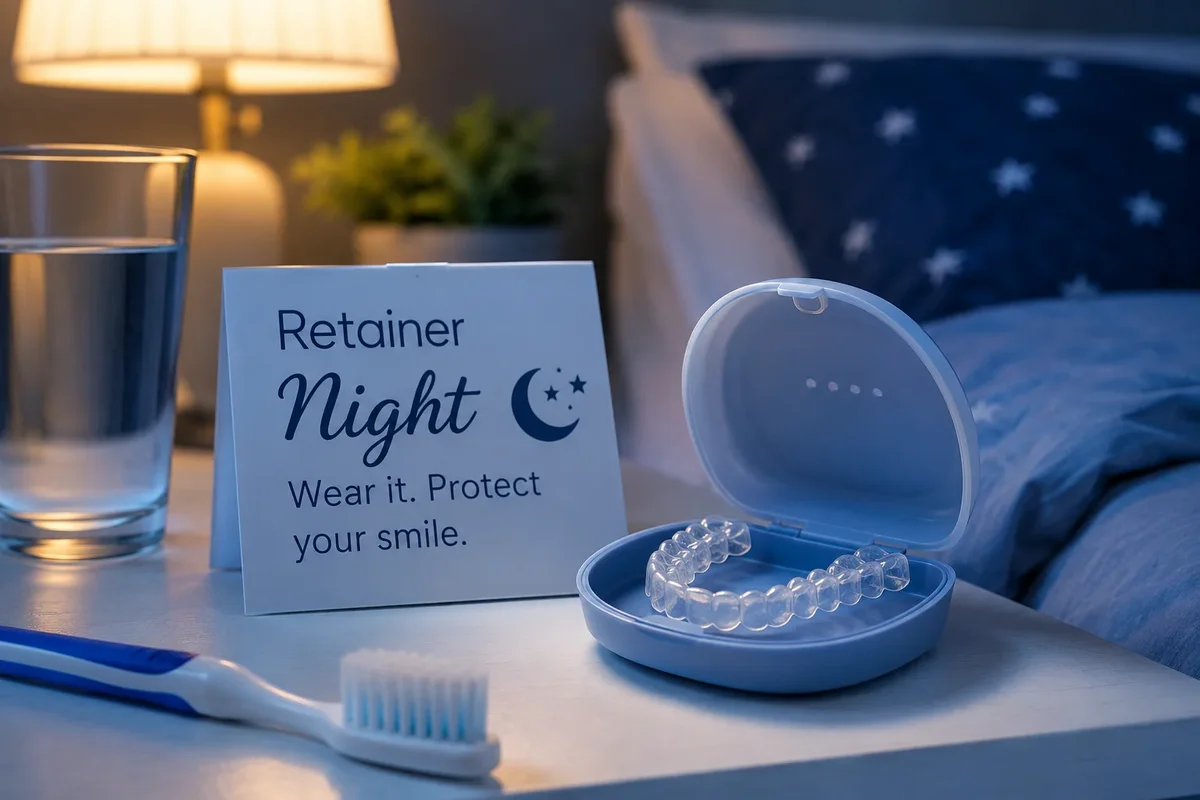
Retainer Night Mistakes That Can Damage Your Teeth Alignment
Maintaining a consistent retainer night routine is one of the most important responsibilities after orthodontic treatment. Unfortunately, many patients unknowingly make mistakes that gradually damage their teeth alignment and increase the risk of orthodontic relapse. Even small errors during a retainer night schedule can affect long-term smile stability, comfort, and oral health. Understanding these common mistakes can help patients protect their orthodontic investment and maintain straighter teeth for years. 😁
After braces or Invisalign treatment, the teeth remain vulnerable to movement because the surrounding tissues and bone continue adapting to the new alignment. A proper retainer night routine keeps the teeth stable while these structures strengthen over time. However, inconsistent wear, poor cleaning habits, and improper retainer care can reduce the effectiveness of the appliance.
Skipping Retainer Night Wear Frequently
One of the biggest mistakes patients make is skipping their retainer night routine for several days or weeks. Teeth naturally attempt to shift back toward their original positions, especially during the first years after orthodontic treatment.
Why Skipping Nights Is Risky
Even short interruptions in a retainer night schedule may allow the teeth to move slightly. Patients often notice that the retainer feels tighter after missing several nights.
Skipping retainer wear may lead to:
- Minor tooth movement
- Orthodontic relapse
- Bite alignment changes
- Retainer discomfort
- Need for orthodontic retreatment
Patients who stay disciplined with their retainer night routine are far more likely to preserve long-term orthodontic results.
How to Avoid Forgetting
Helpful strategies for maintaining a retainer night schedule include:
- Setting nightly reminders
- Keeping the retainer case near the toothbrush
- Following a consistent bedtime routine
- Using habit-tracking apps
Using Hot Water During Retainer Night Cleaning
Many patients accidentally damage their appliance by cleaning it incorrectly during a retainer night routine. Hot water is one of the most common causes of retainer warping.
Why Heat Damages Retainers
Clear plastic retainers used during a retainer night schedule are highly sensitive to heat. Even brief exposure to hot water may change the shape of the appliance.
Warped retainers may:
- Fit improperly
- Cause discomfort
- Fail to stabilize the teeth
- Require replacement
Safe Cleaning Methods
Patients should always clean their retainer night appliance with:
- Lukewarm water
- A soft toothbrush
- Approved retainer cleaning tablets
Avoiding heat exposure helps preserve the effectiveness of a long-term retainer night routine.
Poor Oral Hygiene During Retainer Night Use
Another common mistake is neglecting oral hygiene before wearing the retainer at night. Dirty teeth combined with a retainer create an environment where bacteria can multiply rapidly.
Problems Caused by Poor Hygiene
Inadequate hygiene during a retainer night schedule may contribute to:
- Bad breath
- Plaque buildup
- Cavities
- Gum inflammation
- Retainer discoloration
Brushing and flossing thoroughly before every retainer night routine is essential for long-term oral health.
Best Hygiene Habits
Strong oral hygiene habits include:
- Brushing for at least two minutes
- Flossing carefully every night
- Cleaning the retainer daily
- Rinsing the mouth before insertion
Improper Retainer Storage
Improper storage is another major mistake that affects many retainer night users. Retainers are frequently damaged, lost, or contaminated because patients fail to store them safely.
Common Storage Mistakes
Risky habits during a retainer night routine include:
- Wrapping retainers in tissues
- Leaving them exposed on tables
- Placing them near heat sources
- Keeping them within reach of pets 🐶
Many retainers are accidentally thrown away when wrapped in napkins during meals.
Safe Storage Tips
To protect your retainer night appliance:
- Always use a protective case
- Store the retainer in a clean, dry location
- Keep it away from direct sunlight
- Never place it in a pocket without protection
Ignoring Retainer Damage
Some patients continue using damaged appliances during their retainer night routine instead of seeking professional help.
Why Damaged Retainers Are Dangerous
Cracked or warped retainers may apply uneven pressure to the teeth during a retainer night schedule. This can negatively affect alignment and increase discomfort.
Signs of damage include:
- Visible cracks
- Loose fit
- Sharp edges
- Persistent odor
- Cloudiness
Prompt replacement helps maintain the effectiveness of your retainer night routine.
Grinding and Clenching During Retainer Night Wear
Some patients grind or clench their teeth during sleep without realizing it. This condition, known as bruxism, may place excessive pressure on the retainer.
Signs of Nighttime Grinding
Symptoms affecting a retainer night schedule may include:
- Morning jaw pain
- Headaches
- Retainer cracks
- Tooth sensitivity
- Jaw tension
Orthodontists may recommend stronger appliances or additional protection for patients with severe grinding habits.
Waiting Too Long to Replace a Retainer
Many people continue using worn retainers long after replacement becomes necessary. Over time, the effectiveness of a retainer night appliance naturally decreases.
When Replacement Is Necessary
Patients following a long-term retainer night schedule should seek replacement if the appliance:
- No longer fits properly
- Feels loose
- Shows visible wear
- Causes discomfort
- Develops cracks or stains
Replacing a damaged retainer early is often much less expensive than correcting orthodontic relapse later.
Why Dental Visits Matter for Retainer Night Success
Routine dental visits help identify problems before they become severe. During appointments related to a retainer night routine, dental professionals may evaluate:
- Retainer condition
- Tooth stability
- Signs of shifting
- Gum health
- Bite alignment
Patients experiencing problems during their retainer night schedule should seek professional guidance promptly.
You can contact experienced specialists through the Redent Klinik Contact Page for assistance with orthodontic retention and retainer maintenance.
Trusted organizations such as the American Dental Association also encourage proper oral hygiene and long-term orthodontic care.
Ultimately, avoiding common retainer night mistakes is essential for preserving straight teeth and protecting orthodontic results. Patients who maintain excellent hygiene, wear their retainer consistently, store it safely, and replace it when necessary are far more likely to enjoy long-term smile stability and healthier oral function. A disciplined retainer night routine remains one of the most effective ways to maintain a confident and healthy smile for life. 🌙✨
Disclosure: this page may contain affiliate links. We may earn a commission if you use them, at no extra cost to you.