
Choosing to sign up for a dentist is one of the most important steps you can take for your long-term oral health. Whether you’re moving to a new city, looking for a better dental care experience, or finally deciding to prioritize your smile 😊, understanding how the process works can make everything easier. This comprehensive guide explains what happens before, during, and after registration, what documents you may need, how to compare clinics, and how to make a smart choice that protects both your health and your budget.
For many patients, the biggest challenge isn’t the visit itself—it’s learning how to properly sign up for a dentist and navigate the system without confusion. In fact, studies show that patients who establish a long-term dental home have higher rates of preventive care, fewer dental emergencies, and better overall health. By completing your registration correctly, you ensure smoother appointments, faster treatment planning, and easier access to follow-up care.
When you sign up for a dentist, you are officially becoming a registered patient of that clinic. This means the dental team maintains your records, tracks your medical history, monitors changes in your oral structures, and offers personalized treatment recommendations. Think of it as building a long-term partnership with professionals dedicated to keeping your teeth and gums healthy. Having a stable clinic also helps you stay consistent with checkups, which reduces the risk of gum disease, cavities, infections, and tooth fractures. 🦷
Most clinics allow you to complete registration online, by phone, or in person. Online forms are convenient and usually faster. In many regions, you can even upload documents digitally, including identification, insurance details, medical history, or previous dental X-rays. If you prefer a human touch, calling the clinic gives you the chance to ask questions about availability, specialties, emergency protocols, and dental technology they use. This is especially helpful if you are trying to sign up for a dentist who specializes in cosmetic dentistry, implants, pediatric care, or orthodontics.
Before you finalize your decision, it’s smart to compare clinics in your area. Research their reputation, dentist credentials, sterilization standards, and patient reviews. Reputable institutions often follow guidelines set by organizations like the American Dental Association, which can give you confidence that the clinic practices high-quality, evidence-based care. Patients who take the time to evaluate clinics typically report higher satisfaction and better long-term outcomes.
Once you sign up for a dentist, clinics typically ask for a basic medical questionnaire. This helps them understand allergies, medications, chronic diseases, and previous dental treatments. If you have dental anxiety or special needs, this is the best time to share it. Clinics appreciate this information because it allows the team to prepare personalized care, especially during your first appointment.
Your confirmation message or email usually includes your appointment date, what you need to bring, and sometimes even pricing information. If the clinic provides transparent cost breakdowns, you may see estimates for procedures like cleanings, fillings, root canal consultations, or X-rays. These values vary by country and clinic, but reputable dental centers will always explain payment structures clearly. Some private clinics also offer installment plans or membership programs to make dental care more accessible.
Staying connected with your clinic is important after you sign up for a dentist. Many modern practices offer patient portals, automatic reminder messages, and direct communication for emergencies. If you ever need to update your contact information, insurance details, or medical conditions, the clinic can quickly adjust your file. This ensures accurate treatment planning and smooth communication in every future appointment.
If you are still unsure about choosing a clinic, feel free to contact a trusted dental provider. For example, you can reach out through the Redent Klinik Contact Page to ask questions, schedule appointments, or request more information about dental services.
In summary, learning how to sign up for a dentist properly prepares you for a healthier, more confident future. With clear steps, accurate documentation, and smart clinic comparisons, you can ensure that every visit contributes to long-term oral wellness. Your smile deserves professional care, and taking the first step today brings you closer to stronger teeth, healthier gums, and a lifetime of confident smiles. 😄
Why Signing Up for a Dentist Matters for Long-Term Oral Health
Understanding why it is essential to sign up for a dentist goes far beyond simply booking a routine checkup. It is a proactive investment in your lifelong oral health, your overall well-being, and your long-term ability to prevent costly or painful dental problems. Many individuals delay dental registration because they feel anxious, uncertain, or simply unaware of how beneficial early enrollment can be. In reality, establishing a dental home provides stable, preventive, and personalized care that keeps your smile strong for decades. 😊
Patients who sign up for a dentist early enjoy consistent monitoring, easier access to appointments, better emergency care, and deeper trust with their dental team. When you register with a clinic, the dental professionals track changes in your gums, jaw, enamel, bite alignment, and overall oral structures. This continuity of care allows them to detect issues long before symptoms appear—saving you time, stress, and money in the long run. For example, a tiny cavity or gum inflammation can be treated within minutes if caught early, but if left untreated, it may result in root canals, extractions, or gum disease treatments that are far more complex.
The act of choosing to sign up for a dentist also encourages patients to stay consistent with preventive visits. Most dental organizations recommend checkups every six months, and having a registered clinic ensures you receive reminders, personalized advice, and convenient scheduling options. Research consistently shows that preventive care leads to fewer emergencies, fewer dental infections, and significantly lower lifetime dental costs.
The Role of Preventive Care After You Sign Up for a Dentist
Once you formally register, the preventive care process begins. Preventive care includes professional cleanings, oral cancer screenings, plaque removal, tartar prevention, and personalized oral hygiene instructions. These routine procedures are crucial for maintaining healthy teeth and gums. Patients who delay their decision to sign up for a dentist often underestimate how quickly bacteria accumulate in the mouth. Even with perfect brushing and flossing, plaque hardens into tartar, which can only be removed by a dental professional.
Preventive care also helps in building trust with your dental team. During these visits, dentists take time to understand your lifestyle, dietary habits, and medical background. This allows them to offer tailored advice for preventing enamel erosion, sensitivity, or gum recession. The more familiar your dentist becomes with your oral patterns, the more accurately they can predict potential risks and create effective treatment plans.
How a Registered Dental Relationship Improves Emergency Care
Many people worry about dental emergencies—severe tooth pain, chipped teeth, infections, or sudden swelling. When you sign up for a dentist, you gain priority access in urgent situations. Clinics typically offer emergency slots exclusively for registered patients, meaning you won’t spend hours searching for immediate care. Because your dental records are already on file, the team can quickly diagnose the cause of the emergency and start treatment without delays.
Patients who are not registered often face longer wait times, higher costs, and limited treatment options. Having an established dental home provides peace of mind, knowing that help is always available when you need it. This continuity also reduces the risk of complications, as your dentist is familiar with your medical background and can make safe, informed decisions.
Long-Term Health Benefits of Signing Up Early
Oral health is closely linked to systemic health. Studies indicate that gum disease is associated with diabetes, heart disease, respiratory conditions, and even pregnancy complications. When you sign up for a dentist early, you create opportunities for early detection of oral-systemic connections. A skilled dentist may notice signs of vitamin deficiencies, high blood sugar levels, acid reflux, or hormonal fluctuations long before they appear in other parts of the body.
Early registration also supports long-term cosmetic health. Issues such as enamel erosion, staining, and minor bite misalignments can be managed more effectively if detected early. Patients who maintain a stable dental relationship often enjoy brighter, stronger, and more confident smiles. 😄
How Signing Up Helps With Financial Planning
When you become an official patient, many clinics provide transparent pricing, treatment forecasting, and long-term dental plans. These plans may outline expected dental needs over the next 5–10 years, allowing you to budget more effectively. While each clinic differs, many offer membership discounts, preventive packages, or payment plans that reduce financial stress.
Additionally, clinics registered with reputable organizations—such as the American Dental Association—typically follow strict guidelines for pricing and ethical treatment. Being part of such a network ensures you receive standardized, high-quality care.
Building a Comfortable, Anxiety-Free Dental Routine
Dental anxiety affects millions of people worldwide. The best way to overcome this is by forming a long-term partnership with a dental clinic you trust. When you routinely sign up for a dentist, you build familiarity with the environment, the team, the procedures, and the tools used. This familiarity reduces fear, improves communication, and encourages more frequent visits.
It also helps the dentist customize your experience with sedation options, comfort techniques, and gradual adaptation methods. You’ll feel more relaxed knowing the team understands your personal concerns and medical sensitivities.
Where to Ask Questions Before and After Registering
If you ever feel unsure about a part of the registration process, most clinics offer support lines or online forms to answer patient questions. You can also reach out through the Redent Klinik Contact Page to discuss treatments, appointment scheduling, or service details.
Ultimately, choosing to sign up for a dentist is a long-term commitment to your well-being. With regular care, early detection, financial planning, and emergency support, you build the foundation for a healthy smile that enhances confidence, improves quality of life, and protects your overall health.
How to Sign Up for a Dentist in Your Area Step-by-Step
Knowing how to properly sign up for a dentist in your area is essential for ensuring quick access to reliable oral care, preventive treatments, and consistent checkups. Many people underestimate how valuable early registration can be, and they only think about dental clinics when tooth pain or emergencies appear. However, the smartest approach is to register long before any issues arise. This section provides a complete, step-by-step process that shows you exactly how to choose the right clinic, complete registration correctly, and prepare for your initial appointment. 😊
The process of deciding to sign up for a dentist involves several stages: researching clinics, comparing their services, evaluating their technology and expertise, confirming availability, providing necessary documents, and ensuring that the chosen clinic aligns with your personal preferences and long-term oral health goals. When done carefully, this process guarantees a smooth transition into your new dental home.
Step 1: Research Local Dentists and Clinic Options
Before you can sign up for a dentist, you need to explore the dental clinics available in your region. Start by checking online maps, health platforms, clinic directories, and trusted review sites. Pay special attention to the following factors:
- Clinic reputation: Look for consistently high ratings and positive patient experiences.
- Dentist qualifications: Check if dentists are members of respected organizations such as the American Dental Association.
- Range of services: Whether you need cosmetic dentistry, implants, pediatric care, or orthodontics, make sure the clinic covers your needs.
- Technology: Clinics equipped with digital X-rays, intraoral scanners, and modern tools generally offer more accurate diagnosis.
- Location and accessibility: Choose a clinic that is easy to reach from your home or workplace.
Doing this research early ensures that once you sign up for a dentist, you feel confident about your choice. If multiple clinics match your criteria, shortlist three options so you can compare more easily.
Step 2: Verify Appointment Availability and Registration Requirements
Every clinic has its own appointment schedule, registration method, and patient capacity. Some dental centers allow online forms, while others require in-person verification. Before you sign up for a dentist, call or email the clinic to confirm:
- Available appointment times
- Whether they accept new patients
- Insurance and payment options
- Emergency care policies
- Document requirements for registration
Clear communication helps you avoid delays and ensures your registration process is smooth.
Step 3: Complete the Online or In-Person Registration Forms
Most clinics offer digital forms, making it easier to sign up for a dentist from home. These forms typically request:
- Personal details
- Medical history
- Previous dental treatments
- Allergies or medications
- Insurance or identification information
If you prefer personal interaction, visiting the clinic allows you to meet the staff and observe the clinic atmosphere. This is especially helpful if you experience dental anxiety or want to ensure the environment feels welcoming.
Why Accurate Information Matters During Registration
When you sign up for a dentist, the accuracy of your medical history directly influences treatment planning. Dentists rely on these details to choose the correct anesthesia options, determine your risk level for gum disease, and avoid complications. Being transparent helps the dental team prepare in advance and tailor their approach to your individual needs.
Step 4: Submit Required Documents and Confirm Your Appointment
Depending on your location, clinics may ask for documentation such as ID cards, proof of address, dental insurance files, or previous X-rays. Submitting these promptly accelerates your registration approval. After you send the documents, the clinic will confirm your appointment date, time, and any pre-visit instructions.
Make sure to add the appointment to your calendar and read all confirmation details carefully. Some clinics provide preparation tips, including fasting instructions if sedation may be used, medication guidelines, or advice on what to bring.
Step 5: Prepare for Your First Dental Visit
After you sign up for a dentist, your first appointment is typically a consultation combined with a cleaning, X-rays, or an oral examination. Bring any relevant dental reports, a list of medications, and questions you wish to discuss. This is your chance to build rapport and evaluate whether the clinic meets your expectations.
Many patients find it helpful to prepare a small checklist, including:
- Desired treatments (whitening, implants, fillings, etc.)
- Concerns about sensitivity or discomfort
- Cosmetic goals
- Budget-related questions
If you want additional guidance or help connecting with professional dentists, you may reach out via the Redent Klinik Contact Page.
Step 6: Establish a Long-Term Care Plan
Once you successfully sign up for a dentist, the clinic will advise you on next steps—usually a personalized dental care plan that includes preventive visits every six months. This plan covers oral hygiene strategies, dietary recommendations, and treatment scheduling. By following this plan, you ensure that your teeth remain healthy, your gums stay disease-free, and your smile remains bright for years. 😄
In summary, learning how to correctly sign up for a dentist ensures you receive timely care, tailored treatment recommendations, and a supportive dental team that understands your unique needs. With careful preparation, research, and communication, you can confidently begin your journey toward long-term oral health.
Documents You Need When You Sign Up for a Dentist
When you decide to sign up for a dentist, having the correct documents ready is one of the most important steps in ensuring a smooth and efficient registration. Many patients underestimate how essential proper documentation is. Missing files, incomplete medical history, or outdated identification can delay appointment confirmation or limit the dentist’s ability to create an accurate treatment plan. This detailed guide explains every document you may need, why it matters, and how to prepare everything correctly before submitting your registration. 😊
Dental clinics rely on accurate records to provide safe, personalized, and effective care. Whether you register online or in person, the information you provide will form the foundation of your dental file — something that remains with you throughout your treatment journey. For this reason, being well-prepared before you sign up for a dentist saves time, reduces stress, and helps the dental team offer you the best possible experience.
Identification Documents Required for Dental Registration
The most basic requirement when you sign up for a dentist is valid identification. Clinics must confirm your identity for legal and medical safety reasons. Identification ensures accurate record-keeping and prevents any confusion between patients with similar names.
- Government-issued ID (passport, driver’s license, or national ID)
- Proof of address (utility bill, bank statement, rental contract, or tax document)
- Emergency contact details (family member, partner, or close friend)
Identification also helps clinics match your insurance details and medical history to your file. If you recently moved, updating your address ensures you receive appointment reminders and treatment updates without delay.
Why Clinics Need Proof of Address
Some clinics operate within specific service areas. If you sign up for a dentist outside their zone, they may redirect you or limit appointment options. Proof of address helps clinics verify that you are eligible for their services and helps them plan follow-up treatments efficiently.
Medical History Forms: Essential for Safe Treatment
Completing a detailed medical history form is one of the most important steps when you sign up for a dentist. Oral health is closely connected to your overall health, which means your dentist must understand your medical background to provide safe care. Even minor medical details can affect anesthesia choices, medication options, and treatment plans.
Typical medical information required includes:
- Chronic illnesses (diabetes, heart disease, breathing issues)
- Medications you currently take
- Allergies (especially to anesthesia, latex, or antibiotics)
- Past surgeries or hospitalizations
- Pregnancy or hormonal conditions
- Dental anxiety or phobia history
Even if you feel healthy, dental professionals need these details. For instance, patients with heart conditions or diabetes may require special precautions during dental procedures. Sharing accurate information ensures your dentist protects your health and prevents complications.
The Importance of honesty in Medical Forms
Patients sometimes forget or intentionally skip medications or past health issues. However, honesty is vital when you sign up for a dentist. Missing information may cause delays, incorrect treatment decisions, or even allergic reactions. The more accurate your medical file is, the better the team can support you.
Insurance Information and Payment Documents
Another critical part of the process is providing your dental insurance details (if applicable). When you sign up for a dentist, clinics use this information to check your coverage, confirm eligibility, and prepare cost estimates. Bringing all relevant insurance documents ensures accurate billing and avoids unexpected charges later.
- Insurance card or digital policy
- Policy number and provider contact details
- Coverage breakdown (preventive, restorative, orthodontic treatments)
If you do not have insurance, many clinics still require a payment form or acknowledgment of their pricing structure. Some dental centers offer membership plans, installment options, or preventive care packages. You can ask questions about costs during the registration call or through the Redent Klinik Contact Page.
Previous Dental Records and X-Rays
Transferring previous dental records is extremely helpful when you sign up for a dentist. These records allow the dental team to understand your oral history, identify ongoing issues, and prevent unnecessary procedures.
You may be asked to provide:
- Previous X-rays (bitewing, panoramic, or periapical)
- Past treatment reports (fillings, extractions, implants, root canals)
- Orthodontic evaluations
- Photographs or 3D scans (if available)
Most clinics accept digital versions via email, USB, or patient portals. If you don’t have your old records, your previous dentist can forward them directly to the new clinic.
Why X-Rays Are Important During Registration
X-rays give dentists a complete view of the teeth, gums, bone structure, and hidden problems such as infections or impacted teeth. Sharing your old X-rays can reduce radiation exposure and help dentists create more accurate treatment plans. This step is especially valuable for patients seeking cosmetic or restorative procedures after they sign up for a dentist.
Consent Forms and Privacy Agreements
Most clinics require patients to sign consent forms acknowledging treatment risks, privacy policies, and communication preferences. These documents protect your rights and allow the clinic to contact you for appointments, reminders, or medical updates.
Typical consent forms include:
- Treatment consent
- Medical data privacy (HIPAA or regional equivalent)
- Financial agreement and billing policy
- Photography consent (for cosmetic planning)
Reading these forms carefully ensures you fully understand the clinic’s procedures and how your information will be used.
How to Organize Your Documents Before Submitting Them
To make the process of deciding to sign up for a dentist easier, prepare a folder—physical or digital—with all necessary files. Double-check that your ID is valid, your address is correct, and your medical history is up to date. Keeping everything in one place prevents delays and helps the clinic process your registration quickly.
Whether you are registering for preventive care, cosmetic treatments, or long-term dental follow-up, proper documentation ensures faster service, safer treatment, and a smoother overall experience. Being prepared empowers both you and your dental team, helping you begin a healthier chapter in your oral care journey. 😄
Online Platforms That Make It Easier to Sign Up for a Dentist
In today’s digital world, the process of deciding to sign up for a dentist has become more convenient than ever. Traditional in-person registration still exists, but most clinics now use innovative online platforms that allow patients to complete every step quickly and comfortably. From automated appointment systems to digital health portals, modern platforms help streamline the entire enrollment experience. This section explores the most reliable online tools, how they function, and why they make the registration process smoother and more efficient. 😊
Many patients used to spend time calling clinics, waiting for responses, or traveling in person just to submit forms. Now, the journey to sign up for a dentist can be completed in minutes with the power of technology. Online systems not only save time but also reduce paperwork, prevent errors, and give patients greater flexibility in choosing their preferred dentists and appointment times.
Dedicated Dental Clinic Websites and Patient Portals
Most high-quality clinics offer comprehensive websites with built-in patient portals. These portals allow individuals to sign up for a dentist from anywhere, using their computer or smartphone. A standard patient portal includes features such as:
- Online registration forms that automatically submit your information to the clinic.
- Document upload tools for IDs, medical history, and insurance files.
- Appointment scheduling with real-time availability.
- Secure messaging to communicate with dental staff easily.
- Billing dashboards for payment updates and cost breakdowns.
These platforms are ideal for patients who prefer control and flexibility. They allow you to track appointments, ask questions, and update your details directly without ever needing to call the clinic.
How Patient Portals Enhance the Registration Experience
When you sign up for a dentist using a patient portal, your information is recorded instantly. This eliminates delays caused by handwritten forms or miscommunication. Additionally, digital platforms can verify your details automatically, reducing human error.
For individuals with dental anxiety, portals also offer comfort. You can review treatment options, get familiar with the clinic environment, and communicate with staff before your first visit. This transparency builds trust and makes the transition smoother.
Healthcare Apps Designed for Dental Appointments
Another modern way to sign up for a dentist is through specialized mobile apps. These apps connect you with licensed dentists in your area and often allow same-day appointments. Popular features include:
- Map-based clinic search tools 🚩
- Filters for specialties (implants, orthodontics, pediatric care, cosmetic dentistry)
- Built-in patient reviews and dentist profiles
- Instant chat options with clinic receptionists
- Online payment and insurance integration
Apps offer a user-friendly experience, especially for busy individuals or those who frequently travel. They help you compare clinics quickly and complete your registration in a few taps.
Why Mobile Apps Are Becoming More Popular
People today expect convenience, speed, and accessibility. Mobile apps meet these expectations by allowing patients to sign up for a dentist anytime, even outside business hours. This flexibility is invaluable for people with unpredictable schedules, parents with small children, or professionals who can’t make phone calls during the day.
Third-Party Medical Networks and Dental Registries
There are also verified dental registries and medical networks that help patients find reputable clinics. These platforms allow you to sign up for a dentist after ensuring that the clinic meets professional standards. Some of these networks follow strict guidelines based on organizations like the American Dental Association.
These registries typically provide:
- Verified professional profiles
- Lists of accepted insurance providers
- Clinic accreditation details
- Publicly available pricing ranges
- Direct links to online booking systems
By using these networks, patients gain confidence knowing they are selecting qualified professionals rather than guessing based on random online reviews.
Using Tele-Dentistry Platforms for Digital Consultations
Tele-dentistry has become an increasingly valuable tool, especially for initial assessments, follow-up care, and advice-based sessions. These platforms allow patients to consult dentists remotely before they sign up for a dentist physically.
Tele-dentistry benefits include:
- Quick evaluations for urgent dental concerns
- Virtual explanations of treatment options
- Guidance to choose the right clinic
- Reduced anxiety before the first in-person visit
This is especially helpful for patients with mobility challenges, anxiety, or those living in remote areas.
How Online Platforms Improve Communication and Transparency
One of the biggest advantages of using digital tools to sign up for a dentist is the clarity they offer. Online platforms provide written explanations, treatment plans, cost estimates, and policy details — all in one place. This allows patients to thoroughly understand their choices before committing.
They also create an organized communication trail, meaning you can reference past messages, instructions, or uploaded documents whenever needed.
Where to Ask Questions During Online Registration
If you need guidance while using a clinic’s online system, you can always reach out through their contact page. For example, the Redent Klinik Contact Page allows patients to submit questions about registration, appointments, or treatments.
In summary, using modern digital platforms to sign up for a dentist offers unmatched convenience, accuracy, and confidence. Whether you prefer patient portals, mobile apps, tele-dentistry, or third-party registries, these tools help simplify the process and ensure you make an informed, comfortable decision. 😄
How to Compare Dental Clinics Before You Register
Before you decide to sign up for a dentist, it is essential to compare dental clinics thoroughly. Many patients make the mistake of choosing the closest or cheapest clinic without evaluating important factors like technology, dentist expertise, hygiene standards, and long-term care quality. A thoughtful comparison ensures that the clinic you choose aligns with your health goals, personal comfort, and expectations for professional service. This section provides an in-depth guide on how to evaluate clinics step-by-step so you can feel confident before completing your registration. 😊
Clinic comparison is not just about reviews or pricing — it’s about identifying whether the dental team can support your oral health journey for years. When you sign up for a dentist, you begin a long-term relationship. Choosing wisely now prevents future stress, saves money, reduces risks, and improves your overall experience.
Check Dentist Credentials and Professional Background
The first step in comparing clinics is evaluating the qualifications of the dentists who work there. Before you sign up for a dentist, take time to review their education, certifications, and memberships. Reputable dentists often belong to trusted organizations such as the American Dental Association or regional dental councils.
Key details to check include:
- Dental school and postgraduate training
- Specializations (implants, orthodontics, cosmetic dentistry, pediatric care)
- Years of experience
- Certifications in advanced procedures
- Published research or professional awards
Experienced dentists are better equipped to diagnose problems early, provide personalized care, and manage complex cases. This is especially important if you plan to sign up for a dentist for long-term treatment or advanced procedures.
The Importance of Choosing a Specialist When Needed
If you require braces, implants, root canals, or cosmetic treatment, it may be best to sign up for a dentist who has specific expertise in those areas. Specialists bring a deeper understanding of their field, increasing the likelihood of successful treatment outcomes.
Evaluate Clinic Technology and Equipment
The quality of a clinic’s technology directly affects diagnosis, comfort, and treatment precision. Modern clinics offer state-of-the-art tools that make dental care more effective and less painful. Before you sign up for a dentist, examine whether the clinic uses updated equipment such as:
- Digital X-rays (lower radiation exposure)
- Intraoral cameras for precise imaging
- 3D scanners for crowns and implants
- Laser technology for gum treatments
- Ultrasonic cleaning tools
Clinics that invest in modern technology demonstrate a commitment to high-quality care and patient comfort. Advanced equipment also helps dentists detect issues earlier, making treatments faster and more predictable.
Technology’s Role in Patient Comfort
Modern tools help reduce discomfort, shorten treatment duration, and enhance accuracy. This is especially reassuring for patients who want to sign up for a dentist but feel anxious about traditional methods.
Read Genuine Patient Reviews and Testimonials
One of the best ways to evaluate a clinic is by reading genuine patient reviews. Choose sources that are reliable, transparent, and unfiltered. When deciding to sign up for a dentist, pay attention to the tone of the reviews, common themes, and patterns:
- Are patients satisfied with treatment results?
- Do they mention friendly staff and comfortable environments?
- Are there complaints about pricing transparency or long wait times?
Look for consistency. A clinic may have a few negative reviews, but if most patients express satisfaction, it is a positive sign.
Spotting Real Reviews vs. Promotional Ones
Be cautious of overly generic or unrealistic reviews. Real feedback includes specific experiences, names of dentists, descriptions of procedures, and measurable outcomes.
Compare Treatment Options and Services Offered
Every clinic has strengths and weaknesses. Before you sign up for a dentist, identify what treatments you may need now and in the future. This ensures that the clinic can support your long-term oral health goals.
- Preventive care (cleanings, exams, X-rays)
- Restorative care (fillings, crowns, bridges)
- Cosmetic dentistry (veneers, whitening)
- Oral surgery (implants, extractions)
- Orthodontics (braces, aligners)
- Pediatric care for children
Choosing a clinic with a wide range of services reduces the need for referrals and ensures continuity of care.
Check Pricing Transparency and Insurance Policies
Before committing to any clinic, understanding their financial structure is essential. Patients who sign up for a dentist often face unexpected costs when clinics fail to provide clear pricing.
Checklist for evaluating pricing transparency:
- Are prices listed on the website?
- Do they provide written cost estimates before treatment?
- Are payment plans or memberships available?
- What insurance providers do they work with?
If you have questions about financial policies or want guidance, you can use the Redent Klinik Contact Page to clarify pricing and treatment options.
Assess Hygiene Standards and Clinic Cleanliness
Cleanliness is non-negotiable. A dental clinic must maintain strict hygiene standards to protect patients from infections. When planning to sign up for a dentist, observe:
- How instruments are sterilized
- Whether staff wear gloves and masks
- Cleanliness of waiting rooms and treatment areas
- Professional dress code and organization
A clean environment reflects professionalism, attention to detail, and respect for patient safety.
Evaluate Communication Style and Staff Friendliness
Your comfort matters. Before you officially sign up for a dentist, interact with the staff — either online, by phone, or during a preliminary visit. This helps you gauge their communication style and willingness to assist.
Ask yourself:
- Are they patient and friendly?
- Do they explain procedures clearly?
- Do they respond quickly to messages?
- Do they prioritize patient concerns?
Choosing a clinic that values strong communication ensures a smoother and more enjoyable long-term dental experience. 😄
In conclusion, comparing dental clinics before deciding to sign up for a dentist is a crucial part of your oral health journey. By evaluating credentials, technology, hygiene, service range, and communication quality, you can select a trustworthy clinic that will support your smile for years to come.
Benefits of Signing Up Early With a Professional Dentist
Choosing to sign up for a dentist early provides long-lasting advantages for your oral health, financial well-being, and overall comfort. Many people wait until they experience pain or visible dental problems before seeking care — but proactive registration ensures you build a stable, personalized, and preventive relationship with your dental team. This section explores in detail why early enrollment matters, how it protects your health, and the long-term benefits that patients enjoy when they register before issues occur. 😊
When you sign up for a dentist ahead of time, you eliminate the stress of searching for urgent help during emergencies. You also secure priority appointment access, more accurate treatment planning, and the opportunity to establish trust with professionals who understand your medical history. These benefits accumulate over the years, helping you maintain a healthy, confident smile and avoid major dental complications.
Early Registration Strengthens Preventive Care
Preventive care is one of the cornerstones of modern dentistry. When you sign up for a dentist early, the clinic becomes your long-term oral health partner. Regular checkups, cleanings, and screenings significantly reduce the risk of cavities, infection, gum disease, and structural damage.
Dentists use preventive visits to examine your oral tissues, monitor bone levels, check for early cavities, and evaluate bite alignment. These examinations allow them to spot problems early — many times before symptoms appear. Early detection is not only more comfortable but also less expensive and less invasive.
- Professional cleanings help remove plaque before it turns into tartar.
- Oral cancer screenings identify early signs that patients may miss.
- Fluoride treatments strengthen enamel in vulnerable areas.
- Periodic X-rays reveal hidden infections or bone changes.
By consistently attending these appointments, patients maintain healthier teeth and gums for decades.
The Role of Habit Formation in Oral Health
Once you sign up for a dentist, you are more likely to stay consistent with checkups. This habit reduces long-term risks dramatically, as individuals who skip preventive care often face more serious dental challenges later.
Improved Emergency Response and Priority Access
Dental emergencies can be frightening — severe tooth pain, broken teeth, swelling, and infections require immediate attention. Clinics often prioritize emergency appointments for registered patients. When you sign up for a dentist early, you secure a place on their priority list, allowing you to bypass long wait times and receive faster treatment.
Emergency care typically includes:
- Pain management and infection control
- Same-day X-rays to diagnose the issue
- Temporary or permanent restorations
- Referrals to specialists if needed
Patients who lack a registered clinic frequently struggle to find immediate help, leading to worsening symptoms and more complex procedures.
Better Long-Term Treatment Planning
A major advantage of early registration is the ability to create detailed, long-term treatment plans. When you sign up for a dentist, the clinic collects your medical history, previous dental records, and lifestyle details. Using this information, the dentist develops a personalized plan tailored to your needs, including preventive measures and recommended treatments for the coming years.
Long-term plans may include:
- Routine cleaning and checkup schedules
- Monitoring areas of early decay or gum recession
- Early planning for orthodontics or implants
- Aesthetic procedures for improved appearance
This proactive approach helps eliminate surprises and reduces financial uncertainty.
Financial Savings Over Time
Patients who delay dental care often face more expensive treatments later. When you sign up for a dentist early and follow preventive schedules, you dramatically lower the likelihood of needing root canals, extractions, crowns, or emergency surgeries.
Preventive care is always cheaper than corrective procedures — a reason many clinics offer loyalty discounts, memberships, or preventive plans to registered patients.
Enhanced Comfort and Reduced Dental Anxiety
Dental anxiety is incredibly common. One of the most effective ways to reduce this fear is to build a familiar, trusting relationship with your dental team. When you sign up for a dentist early, you create predictable routines and strengthen communication, helping you feel more relaxed during appointments.
Early registration allows the dental team to understand your worries, adapt treatment approaches, and provide calming techniques tailored to your comfort level. Over time, checkups become easier and far less stressful.
Access to Modern Technology and Better Care Options
High-quality clinics incorporate advanced tools like digital X-rays, 3D imaging, intraoral cameras, and laser systems. Registered patients often get early access to these innovations. When you sign up for a dentist, you benefit from techniques that improve accuracy, comfort, and treatment success.
For example:
- Digital imaging identifies problems earlier than traditional X-rays.
- 3D scanning improves accuracy for crowns and implants.
- Laser dentistry reduces bleeding and speeds healing.
Modern technology supports faster diagnosis, less pain, and improved outcomes — all major advantages for proactive patients.
Better Communication, Follow-Up, and Support
Consistency builds stronger communication. When you routinely sign up for a dentist and attend your appointments, your dental team keeps track of your oral health progress and offers helpful reminders, educational resources, and personalized advice.
Patients who maintain strong communication enjoy smoother checkups, more accurate diagnoses, and better treatment timelines.
Where to Get Help Choosing a Clinic
If you’re unsure where to register, you can always ask for support. Many clinics provide consultation options and contact forms. For example, you may start by reaching out through the Redent Klinik Contact Page to ask questions or explore available services.
In summary, deciding to sign up for a dentist early gives you access to preventive care, emergency prioritization, expert planning, financial savings, reduced anxiety, better communication, and long-term health protection. These advantages combine to create a stronger, healthier, and more confident future for your smile. 😄
Common Mistakes to Avoid When You Sign Up for a Dentist
Deciding to sign up for a dentist is one of the smartest investments you can make for your oral health, but many patients unknowingly make mistakes that complicate the registration process or create problems later. Understanding these mistakes — and learning how to avoid them — helps ensure a smooth, stress-free experience from the moment you begin researching clinics to your first appointment. This detailed guide breaks down the most frequent errors patients make and provides practical tips for making better decisions. 😊
Because the process of choosing a clinic and completing registration involves personal information, health history, financial planning, and trust-building, it’s essential to approach it with care. Patients who rush or overlook important details may experience delays, unexpected costs, or unsatisfactory treatment outcomes. By reading through the following sections, you’ll gain the clarity needed to confidently sign up for a dentist and avoid common pitfalls.
Not Researching the Dentist’s Qualifications Thoroughly
One of the biggest mistakes people make when they sign up for a dentist is choosing a clinic based only on convenience or marketing. While proximity and comfort are important, the dentist’s professional background matters even more.
Many patients do not check:
- The dentist’s education and certifications
- Membership in respected institutions like the American Dental Association
- Years of experience
- Areas of specialization
A qualified dentist provides accurate diagnoses, safer procedures, and more effective long-term care. Taking a few minutes to research credentials can prevent disappointing experiences later.
How to Verify Professional Background Correctly
Always check official clinic websites, dental boards, or professional registries. Many regions offer public verification tools where you can confirm a dentist’s license and certifications.
Ignoring the Importance of Clinic Technology
Another common mistake when patients sign up for a dentist is ignoring the technology the clinic uses. Modern equipment significantly improves comfort, safety, and accuracy.
Patients sometimes assume all clinics are the same, but there is a big difference between basic and advanced dental facilities. Outdated tools may result in longer procedures, less precise diagnoses, or more discomfort.
Essential Technologies to Look For
Before registering, check whether the clinic offers:
- Digital X-rays
- Intraoral cameras
- 3D scanners
- Laser gum treatment technology
- Ultrasonic scaling tools
Clinics that invest in technology typically prioritize patient care and long-term results.
Failing to Read the Financial Policies Carefully
A major source of frustration occurs when patients fail to review pricing structures before they sign up for a dentist. Dental costs vary widely depending on location, clinic quality, and treatment type.
Patients may be surprised by additional fees for X-rays, deep cleanings, consultations, or cosmetic services if they do not ask questions early.
Questions to Ask Before Registration
- What does a typical checkup include?
- Are prices transparent and clearly listed?
- Does the clinic offer payment plans or memberships?
- What insurance providers are accepted?
If you need clarity on pricing, you can always reach out to a trusted provider such as the Redent Klinik Contact Page.
Overlooking Online Reviews and Patient Feedback
One of the easiest ways to understand a clinic’s strengths and weaknesses is by reading patient reviews. Still, many people skip this step when they sign up for a dentist, leading to avoidable disappointment.
Reviews reveal important insights about:
- Customer service quality
- Treatment effectiveness
- Clinic cleanliness
- Staff friendliness
However, it’s important to distinguish genuine reviews from promotional ones.
How to Identify Reliable Reviews
Look for detailed comments, specific experiences, and patterns in feedback. A single negative review is not a reason to reject a clinic — but repeated complaints indicate potential issues.
Not Evaluating Clinic Hygiene and Safety Practices
Hygiene is one of the most critical factors when you sign up for a dentist, yet it is frequently overlooked. A clinic must follow strict sterilization and infection control standards to keep patients safe.
Patients sometimes assume sterilization is guaranteed, but it’s always wise to check.
- Is the clinic visibly clean?
- Do staff wear gloves and masks?
- Are instruments stored properly?
- Is sterilization equipment present and functioning?
A clean clinic indicates professionalism, discipline, and respect for patient well-being.
Forgetting to Transfer Previous Dental Records
Many patients forget to send their old records when they sign up for a dentist. This omission can delay accurate diagnoses and disrupt treatment planning. Dentists need access to your past X-rays, previous treatments, and oral health history to make informed decisions.
How to Request Old Records
Simply contact your former clinic and ask them to transfer your records electronically. Most clinics complete this process within a few days.
Not Asking Enough Questions During Registration
Your first interaction with a clinic sets the tone for your long-term dental experience. But many patients hesitate to ask questions when they sign up for a dentist, which leaves them unprepared for treatment expectations, appointment procedures, or financial policies.
Asking questions builds clarity and trust. A reliable clinic will always be happy to explain their methods, standards, and services.
Helpful Questions You Should Ask
- What will happen during the first visit?
- How often should I schedule checkups?
- What technology does the clinic use?
- What is included in preventive care?
Skipping the First Appointment After Registering
Some patients sign up for a dentist but never attend their first appointment due to fear, discomfort, or scheduling conflicts. This mistake prevents the dentist from beginning necessary evaluations and establishing a baseline for your oral health.
Your first appointment is essential — it is where your dentist assesses your condition, reviews your medical history, and plans your future care.
Conclusion: Avoiding Mistakes Leads to Better Dental Care
When you sign up for a dentist with awareness and preparation, you gain access to better care, clearer communication, and a more comfortable treatment journey. By avoiding common mistakes — such as skipping research, overlooking costs, or ignoring hygiene — you set yourself up for lifelong oral health success and more positive dental experiences. 😄
How Dental Clinics Handle Your First Appointment After Registration
Once you decide to sign up for a dentist, the next major step in your oral health journey is attending your first appointment. This initial visit is more than just a routine checkup — it is the foundation for your long-term dental care. Clinics use this appointment to evaluate your oral health, understand your medical background, address your concerns, and create a personalized treatment plan. A well-handled first appointment ensures comfort, clarity, and confidence for future visits. 😊
Many patients are unsure about what to expect during their first dental appointment. This uncertainty often leads to anxiety or hesitation. However, dental clinics follow a highly organized process. When you sign up for a dentist, every detail is structured to give you a seamless and reassuring experience. Understanding these steps helps you feel prepared and reduces any fear or confusion.
Initial Welcome and Verification of Your Records
Most clinics begin by welcoming you at the reception desk and verifying your documentation. This includes checking the forms you completed when you chose to sign up for a dentist, reviewing identification, confirming insurance details, and making sure your medical history is complete.
The reception team may also confirm emergency contacts, preferred communication methods, and any special notes you provided, such as dental anxiety or medication sensitivities. This step ensures your information is accurate and ready for the dentist to review.
Why Verification Matters
Accurate records help the dental team provide safe, personalized care. Any missing or outdated information may slow down the appointment or impact treatment planning, so clinics take verification seriously.
Meeting the Dentist and Discussing Your History
Your first interaction with the dentist usually begins with a conversation. Dentists ask questions about past treatments, symptoms, lifestyle habits, and any concerns that made you sign up for a dentist in the first place. This conversation builds trust and helps the dentist understand your needs.
Common discussion topics include:
- Current oral discomfort or sensitivity
- Previous dental procedures
- Jaw pain, headaches, or grinding habits
- Dietary habits that may affect oral health
- Expectations for cosmetic improvements
This dialogue allows the dentist to tailor the examination and plan future care appropriately.
A Comprehensive Oral Examination
After reviewing your history, the dentist begins a full examination of your mouth. This is a crucial step after you sign up for a dentist because it establishes your baseline oral health condition.
The examination typically includes:
- Checking teeth for decay, cracks, or enamel erosion
- Measuring gum pockets to evaluate gum disease risk
- Assessing bite alignment and jaw movement
- Inspecting the tongue, cheeks, and throat for abnormalities
- Evaluating existing dental work (fillings, crowns, implants)
Dentists often use mirrors, probes, and intraoral cameras to visualize hard-to-reach areas. This thorough examination helps create a complete picture of your oral health needs.
The Value of Early Detection
Early detection saves patients time, money, and discomfort. Issues identified during your first visit allow the dentist to plan treatments before they escalate into emergencies.
Dental X-Rays and Imaging
In most cases, your first appointment includes X-rays or digital imaging. When you sign up for a dentist, the clinic needs accurate internal visuals, especially if you haven’t had recent X-rays.
X-rays help identify:
- Hidden cavities
- Bone loss around teeth
- Impacted teeth
- Cysts, infections, or root abnormalities
- Jaw structure issues
Advanced clinics may also use 3D scanners or panoramic imaging, depending on your needs.
Why Imaging Is Important for New Patients
Imaging reveals details that a physical examination cannot detect. It ensures the dentist fully understands your oral anatomy and can create accurate treatment plans aligned with your goals.
Professional Cleaning During the First Appointment
Many clinics perform a cleaning during your first visit, unless you require deeper periodontal therapy. After you sign up for a dentist, a hygienist typically removes plaque, tartar, and stains using specialized tools.
A complete cleaning may include:
- Scaling to remove hardened tartar
- Polishing to smooth enamel
- Flossing and hygiene instruction
- Fluoride application for protection
This step improves your oral health immediately and provides a fresh starting point for future care.
Discussion of Findings and Treatment Planning
After the examination, the dentist reviews all findings with you. This is one of the most valuable moments of the appointment. When you sign up for a dentist, you gain access to a personalized treatment plan that outlines what needs attention now and what should be monitored over time.
Treatment plans may cover:
- Cavity treatment
- Gum disease prevention
- Orthodontic evaluations
- Cosmetic dentistry options
- Tooth sensitivity management
The dentist explains each step clearly, discusses alternatives, and answers all your questions.
Financial Review and Optional Scheduling
Before ending the visit, the clinic typically provides a financial overview. This step ensures transparency and helps you budget properly. If you have questions about treatment costs or follow-up appointments, the staff will be available to guide you.
If you need further support or want to discuss your next steps, you can also contact your clinic directly using resources like the Redent Klinik Contact Page.
Conclusion: The First Visit Sets the Foundation
In summary, after you sign up for a dentist, your first appointment establishes the foundation for your long-term oral wellness. From record verification and comprehensive exams to imaging, cleaning, and treatment planning, every step is designed to support your health and build your confidence. With a well-handled first visit, you begin a partnership that enhances your smile, supports preventive care, and strengthens your overall quality of life. 😄
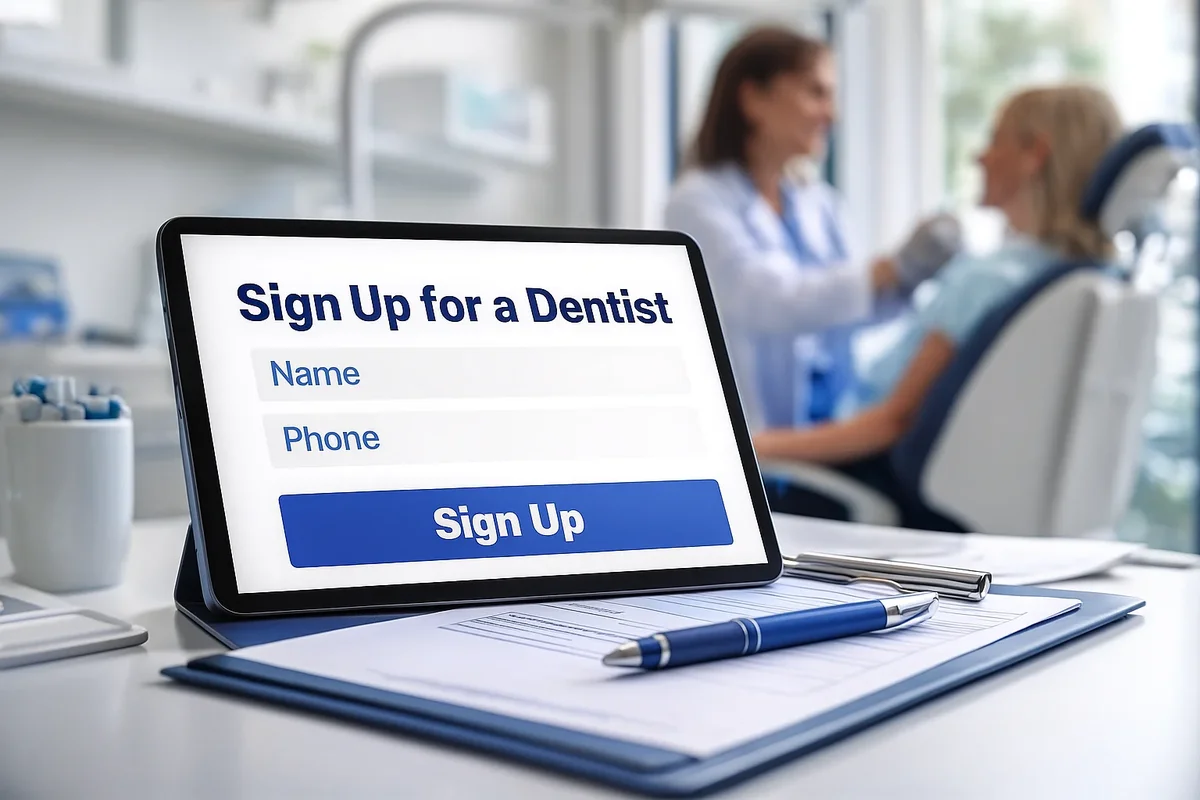
Frequently Asked Questions Before Patients Sign Up for a Dentist
Before individuals decide to sign up for a dentist, they often have several questions about the process, expectations, costs, and long-term benefits. These questions are completely normal — registering with a new dental clinic is an important health decision. Understanding the answers helps reduce anxiety, improve confidence, and ensure you choose the right clinic. This comprehensive FAQ section addresses the most common concerns patients have before committing to a dental provider. 😊
Because the decision to sign up for a dentist affects your preventive care, emergency support, and ongoing oral health, it’s essential to gather accurate and trustworthy information. The following subsections break down everything you need to know in detail, ensuring you feel fully prepared for the registration and appointment process.
What Should I Look for When Choosing a Dentist?
One of the most frequent questions patients ask before they sign up for a dentist is what criteria they should evaluate. Choosing the right clinic involves more than selecting the closest or most affordable option — it requires careful assessment of the dentist’s skills, technology, environment, and services.
Important factors include:
- Qualifications and professional memberships like the American Dental Association
- Clinic hygiene and sterilization protocols
- Modern dental technology such as digital imaging and 3D scanning
- Friendly, responsive staff who communicate clearly
- Transparent pricing and payment plans
- Range of services including preventive, restorative, and cosmetic treatments
Patients who evaluate these factors carefully are more satisfied with their long-term dental partnership.
Should I Choose a General Dentist or a Specialist?
This depends on your needs. General dentists handle most routine procedures, but if you require orthodontics, implants, or periodontal care, you may prefer a specialist. Many patients sign up with a general dentist first and receive specialist referrals as needed.
How Much Does It Cost to Sign Up for a Dentist?
In most cases, registration itself is free. However, the first appointment may include consultation fees, X-rays, or cleanings. Before you sign up for a dentist, it’s helpful to ask the clinic for a pricing breakdown.
Here is a general online-based estimate for common initial services:
• Routine checkup: $50–$120
• Dental X-rays: $25–$100
• Cleaning (standard): $70–$150
• Deep cleaning (if needed): $150–$300 per quadrant
Costs vary by location, clinic reputation, and equipment used. Transparency is essential, so reputable clinics always explain fees clearly and offer written estimates.
Does Insurance Cover My First Visit?
Most insurance plans cover part or all of preventive services, including cleanings and annual exams. Before you sign up for a dentist, check whether the clinic accepts your insurance provider and ask what portion is covered.
What Documents Do I Need for Registration?
Patients often feel overwhelmed about documentation, but the process is simple. Clinics typically require identification, medical history, insurance details, and previous X-rays. These documents help ensure safe and accurate treatment planning once you sign up for a dentist.
Common documents include:
- Government-issued ID
- Insurance card or digital proof
- Medication list
- Previous dental records (optional but helpful)
Can I Register Without Previous Records?
Yes. Clinics can still proceed, but bringing past X-rays and treatment notes helps the dentist understand your oral health more quickly and reduces unnecessary imaging.
What Happens During the First Appointment?
Many patients are unsure what to expect after they sign up for a dentist. The first appointment typically includes a full oral exam, X-rays, and a professional cleaning unless deeper treatment is needed. The dentist also reviews your medical history and discusses treatment goals.
Typical first-visit steps include:
- Record verification
- Oral examination
- X-rays or digital imaging
- Initial cleaning
- Treatment plan discussion
How Long Does the Appointment Take?
Most first visits last 45–90 minutes, depending on the complexity of your case and whether you require digital imaging.
Is It Normal to Feel Nervous Before Registering?
Yes! Dental anxiety is extremely common. Many patients hesitate to sign up for a dentist due to fear of pain, embarrassment about oral conditions, or bad past experiences.
Modern dental clinics are highly trained in managing anxiety and can offer sedation options, calming environments, and compassionate communication.
How Clinics Help Reduce Anxiety
- Explaining procedures clearly
- Offering numbing options or sedation
- Creating a relaxed, clean environment
- Encouraging slow-paced, patient-centered care
Can I Change Clinics After Registering?
Absolutely. Signing up does not lock you into one provider forever. If you feel uncomfortable or unsatisfied, you can switch clinics at any time. Your new clinic may ask you to transfer previous records — a process that most offices complete quickly after you sign up for a dentist.
Transferring records ensures continuity and prevents repetitive procedures.
How Do I Contact a Clinic If I Still Have Questions?
If you have lingering questions or doubts, most clinics offer online forms, phone lines, or email support. You can also get reliable assistance through the Redent Klinik Contact Page, where staff members respond quickly and guide you through the entire process.
Final Thoughts: Getting Informed Helps You Make the Best Decision
In summary, asking questions before you sign up for a dentist is the smartest way to choose a clinic confidently. From pricing and documentation to anxiety management and technology, each answer helps you build realistic expectations and ensures you select a provider who meets your needs. With proper knowledge, your registration experience becomes smooth, empowering, and supportive of long-term oral health. 😄