
Dental implants are one of the most reliable ways to replace missing teeth, but sometimes the jawbone in the upper back area is not strong enough to support them. In these situations, dentists often recommend a sinus graft for dental implants. This procedure, also known as a sinus lift or sinus augmentation, helps create enough bone height in the upper jaw so that dental implants can be placed safely and successfully.
Many patients are unfamiliar with the concept of a sinus graft for dental implants, and it can sound intimidating at first. However, the procedure has become routine in modern implant dentistry and is performed safely by experienced oral surgeons and implant specialists around the world. Understanding how it works can help patients feel more confident and prepared when considering dental implants.
The upper jaw, especially the area near the molars and premolars, sits directly beneath the maxillary sinuses. These air-filled spaces are located behind your cheeks and above your teeth. When teeth are lost in this area, the bone often begins to shrink over time. As the bone resorbs, the sinus cavity gradually expands downward, leaving very little bone for implant placement. In such cases, a sinus graft for dental implants becomes necessary to rebuild the lost bone structure.
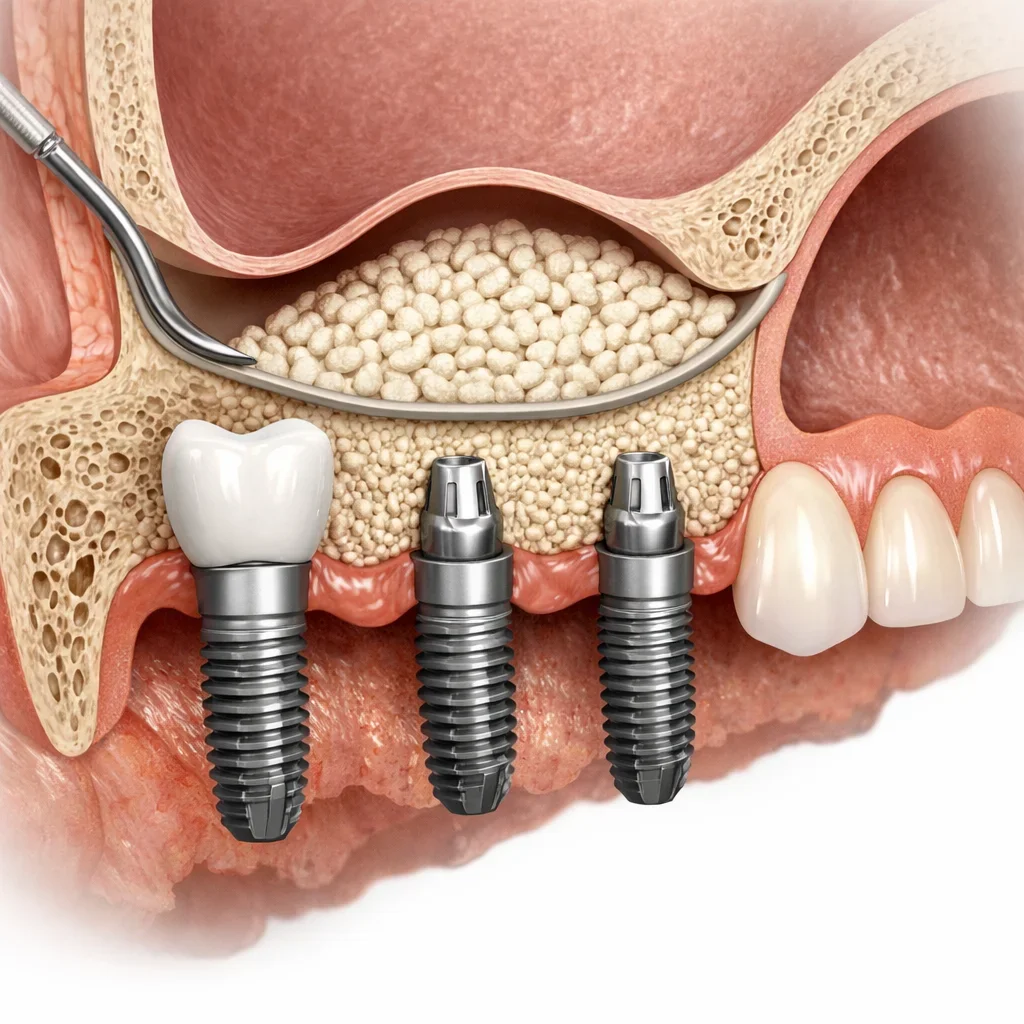
The purpose of a sinus graft for dental implants is to increase bone volume in the upper jaw. During the procedure, the dentist carefully lifts the sinus membrane upward and places bone graft material beneath it. Over several months, this material integrates with the patient’s natural bone and forms a stable foundation for dental implants.
This treatment has become a critical advancement in implant dentistry because it allows many patients who were previously considered unsuitable candidates to receive implants. Without a sinus graft for dental implants, individuals with severe bone loss in the upper jaw might have limited options for replacing missing teeth.
Patients who undergo a sinus graft for dental implants often do so because they have experienced one or more of the following conditions:
- Bone loss due to missing teeth
- Periodontal (gum) disease that weakened the jawbone
- Natural anatomical variations where the sinus sits too close to the jaw
- Bone shrinkage caused by long-term denture use
When these factors are present, placing implants directly into the jaw could be risky or impossible. A properly performed sinus graft for dental implants restores the bone volume necessary for a secure implant placement.
Modern imaging technologies such as 3D cone-beam CT scans help dentists evaluate the bone structure and sinus anatomy before the procedure. These scans allow specialists to determine exactly how much bone is available and whether a sinus graft for dental implants is required.
The procedure itself is typically performed under local anesthesia, sedation, or general anesthesia depending on the complexity of the case. Patients usually experience minimal discomfort and can return home the same day. After the bone graft is placed, the body gradually regenerates new bone around the grafting material.
In most cases, the healing period after a sinus graft for dental implants lasts between four and nine months. During this time, the grafted bone becomes strong enough to support dental implants. Once healing is complete, implants can be placed with a high success rate.
According to information from the American Dental Association, bone grafting procedures such as sinus augmentation have significantly improved the long-term success of implant dentistry. These procedures allow dentists to rebuild bone that was once considered permanently lost.
Patients considering a sinus graft for dental implants often have questions about safety, recovery time, and success rates. The good news is that this procedure has been performed for decades and is regarded as predictable and effective when done by qualified professionals.
If you are exploring dental implant treatment and have been told that you need a sinus graft for dental implants, it simply means your dentist wants to create the strongest possible foundation for your new teeth. With the right preparation and expert care, this procedure can make long-lasting dental implants possible.
If you would like to discuss whether a sinus graft for dental implants is necessary for your case, you can reach out to experienced implant specialists through the Redent Klinik Contact Page. A professional consultation will help determine the best treatment plan for restoring your smile and oral health. 😊
What Is a Sinus Graft for Dental Implants?
A sinus graft for dental implants is a specialized dental procedure designed to increase bone height in the upper jaw, specifically in the area of the molars and premolars. This region of the mouth often presents challenges for implant placement because it sits directly below the maxillary sinus cavity. When there is insufficient bone available, dental implants cannot be safely anchored. In such cases, a sinus graft for dental implants becomes an essential preparatory procedure that rebuilds the lost bone and creates a stable foundation for implants.
Over time, many patients lose bone in the upper jaw due to tooth loss, gum disease, trauma, or natural bone resorption. When this happens, the sinus cavity may expand downward, leaving very little bone between the mouth and the sinus. A sinus graft for dental implants solves this problem by gently lifting the sinus membrane and placing bone graft material beneath it. This new bone eventually integrates with the patient’s natural jawbone, allowing dental implants to be placed securely.
The Anatomy Behind a Sinus Graft for Dental Implants
To understand why a sinus graft for dental implants is sometimes necessary, it helps to understand the anatomy of the upper jaw. The maxillary sinuses are hollow air-filled spaces located above the back teeth and beneath the cheekbones. These sinuses play a role in respiratory function and reduce the overall weight of the skull.
When a tooth is present, its root helps stimulate and maintain the surrounding bone. However, once a tooth is lost, the bone in that area begins to shrink. Over months or years, the bone may resorb significantly. At the same time, the sinus cavity may expand downward, occupying the space previously filled by bone. This combination of bone loss and sinus expansion makes implant placement difficult without performing a sinus graft for dental implants.
By performing a sinus graft for dental implants, the dentist restores lost bone volume and creates enough vertical height to support the implant fixture.
How a Sinus Graft for Dental Implants Works
The procedure for a sinus graft for dental implants involves several carefully controlled steps performed by a trained oral surgeon or implant dentist. The goal is to create new bone between the sinus floor and the jawbone.
Step 1: Accessing the Sinus Area
The dentist begins by making a small incision in the gum tissue to expose the bone in the upper jaw. A small window is then created in the bone to reach the sinus membrane.
Step 2: Lifting the Sinus Membrane
The sinus membrane is gently lifted upward. This creates space beneath the sinus cavity where bone graft material will be placed. Protecting this membrane is extremely important during a sinus graft for dental implants, and experienced surgeons perform this step with great precision.
Step 3: Placing the Bone Graft
Once the membrane is lifted, bone graft material is placed into the newly created space. The graft material may come from the patient’s own bone, a donor source, or synthetic materials designed to support bone regeneration.
After the graft is placed, the gum tissue is closed with sutures. Over the next several months, the graft integrates with the existing bone structure, forming strong new bone.
Types of Sinus Graft for Dental Implants
Not every patient requires the same type of sinus graft for dental implants. The approach depends on how much bone is available before the procedure.
Indirect Sinus Lift
An indirect sinus lift is used when a patient already has a moderate amount of bone height available. In this procedure, the sinus is lifted slightly while the implant is placed at the same time. This technique is less invasive and often allows for faster treatment.
Direct Sinus Lift
A direct sinus lift is used when there is severe bone loss. In this situation, the dentist performs a full sinus graft for dental implants before the implants are placed. The graft must heal and integrate with the jawbone before implant surgery can occur.
Why Dentists Recommend a Sinus Graft for Dental Implants
Dentists recommend a sinus graft for dental implants when there is not enough bone to support an implant securely. Dental implants must be anchored in strong, dense bone to remain stable for many years.
If implants are placed without sufficient bone support, complications such as implant failure, instability, or sinus complications could occur. By performing a sinus graft for dental implants, the dentist ensures that the implant has a solid foundation.
According to information provided by the American Dental Association, bone grafting procedures like sinus augmentation have significantly expanded the number of patients who can safely receive dental implants.
Benefits of a Sinus Graft for Dental Implants
The benefits of a sinus graft for dental implants extend far beyond simply adding bone. The procedure improves long-term implant stability and overall oral health.
- Allows dental implants to be placed in areas with bone loss
- Improves implant success rates
- Restores natural jawbone structure
- Prevents further bone deterioration
- Provides long-term stability for implant-supported restorations
For patients who have been told they do not have enough bone for implants, a sinus graft for dental implants can completely change their treatment options. Many individuals who were once limited to removable dentures can now receive permanent implant-supported teeth.
If you believe you may need a sinus graft for dental implants before implant treatment, consulting with an experienced implant specialist is the best next step. A professional evaluation, including digital imaging, can determine whether this procedure is necessary.
You can also schedule a consultation through the Redent Klinik Contact Page to receive expert guidance about whether a sinus graft for dental implants is the right solution for your dental implant treatment plan. 🦷
Why a Sinus Graft for Dental Implants Is Sometimes Necessary
Dental implants require a strong and stable jawbone foundation to function properly. In the upper jaw—particularly in the area of the molars and premolars—this requirement can sometimes be difficult to meet. When the available bone is not sufficient to hold an implant securely, dentists may recommend a sinus graft for dental implants. This procedure restores lost bone volume and creates the necessary support for successful implant placement.
The need for a sinus graft for dental implants typically arises because of bone loss or anatomical limitations in the upper jaw. Without adequate bone height and density, placing implants could compromise both the stability of the implant and the health of surrounding tissues. A sinus graft procedure helps rebuild the bone structure so that implants can integrate safely with the jawbone.
Understanding why a sinus graft for dental implants is sometimes required can help patients feel more confident about their treatment plan. In many cases, the procedure is simply a preparatory step that allows patients to benefit from long-lasting dental implants.
Bone Loss After Tooth Extraction
One of the most common reasons a sinus graft for dental implants becomes necessary is bone loss following tooth extraction. When a natural tooth is present, its root stimulates the surrounding jawbone every time a person chews or bites. This stimulation helps maintain bone density and volume.
However, when a tooth is lost or extracted, the bone in that area no longer receives stimulation. As a result, the body begins to reabsorb the bone tissue. This process, called bone resorption, can cause significant bone shrinkage over time.
In the upper jaw, this problem is often combined with the expansion of the sinus cavity. As the bone shrinks, the sinus cavity may gradually move downward, occupying the space where bone once existed. When this happens, a sinus graft for dental implants may be required to rebuild the lost bone and restore the proper anatomy for implant placement.
Natural Anatomy of the Maxillary Sinus
Another reason a sinus graft for dental implants may be necessary is the natural anatomy of the upper jaw. Some individuals naturally have large sinus cavities or thinner bone in the upper posterior region of the mouth.
This means that even if a patient recently lost a tooth, the available bone height may already be insufficient for implant placement. Dental implants typically require several millimeters of healthy bone to remain stable and to integrate successfully with the jaw.
In such cases, a sinus graft for dental implants helps create additional vertical bone height between the sinus floor and the oral cavity. By lifting the sinus membrane and placing graft material underneath, dentists can generate the bone volume necessary for successful implant placement.
Periodontal Disease and Bone Deterioration
Advanced gum disease, also known as periodontal disease, can severely damage the bone that supports teeth. When periodontal disease progresses, bacteria destroy both gum tissue and the underlying bone structure.
Patients who have experienced significant bone damage from gum disease may not have enough bone remaining to support dental implants. In these situations, a sinus graft for dental implants can help restore lost bone and rebuild the structural support needed for implants.
Once the bone graft has healed and integrated with the natural bone, implants can often be placed successfully. This makes the sinus graft for dental implants an important solution for patients who previously believed implants were not possible.
Long-Term Denture Use
Another factor that can contribute to bone loss is the long-term use of removable dentures. Dentures rest on the gums rather than being anchored directly into the bone like natural teeth or implants.
Because dentures do not stimulate the jawbone, the bone beneath them may gradually shrink over time. This bone loss can eventually make implant placement impossible without additional treatment.
In these cases, dentists may recommend a sinus graft for dental implants to restore the lost bone volume. Once the bone has regenerated and healed, dental implants can be placed to support fixed prosthetic teeth.
Trauma or Injury to the Jaw
Accidents or facial trauma can sometimes damage the jawbone. When trauma affects the upper jaw, it may reduce the amount of bone available for implant placement.
A sinus graft for dental implants may be necessary to repair the damaged bone structure and create a stable foundation for implants. By rebuilding the bone in the affected area, dentists can restore both function and aesthetics.
Restoring Structural Support for Implants
The primary goal of a sinus graft for dental implants is to provide enough bone support for implants to remain stable over many years. Dental implants must fuse with the bone through a biological process called osseointegration.
If there is not enough bone present, this process cannot occur properly. The implant may become loose or fail entirely. A properly performed sinus graft for dental implants greatly increases the chances of successful osseointegration.
How Dentists Determine the Need for a Sinus Graft
Before recommending a sinus graft for dental implants, dentists conduct a thorough examination using advanced imaging technology. Cone-beam CT scans allow specialists to measure bone height, bone density, and sinus anatomy with high precision.
These images help determine whether there is enough bone to place implants directly or whether a sinus graft procedure is required first.
According to the American Dental Association, bone grafting procedures such as sinus augmentation have significantly improved the success rates of dental implants. These procedures allow dentists to restore bone that was previously lost due to disease, injury, or tooth loss.
Improving Long-Term Implant Success
Ultimately, the reason dentists recommend a sinus graft for dental implants is to ensure long-term implant stability and patient satisfaction. By rebuilding the bone structure in the upper jaw, dentists create a strong and durable foundation for implants.
Patients who undergo a sinus graft for dental implants often enjoy excellent long-term results once the implants are placed. With proper care, dental implants supported by a successful sinus graft can last many years or even a lifetime.
If you have been told that you may need a sinus graft for dental implants, consulting with experienced implant specialists is the best way to understand your options. You can contact a qualified dental team through the Redent Klinik Contact Page to receive personalized guidance and a detailed treatment plan. 🦷
Who Is a Good Candidate for Sinus Graft for Dental Implants?
A sinus graft for dental implants is not required for every implant patient, but it becomes essential when the upper jaw does not have enough bone to support dental implants safely. Determining whether someone is a suitable candidate for a sinus graft for dental implants involves a thorough evaluation of bone structure, oral health, medical history, and treatment goals. Dentists and oral surgeons rely on modern diagnostic tools such as 3D imaging and CT scans to assess whether the procedure is necessary and whether the patient is healthy enough to undergo it.
For many people who have experienced bone loss in the upper jaw, a sinus graft for dental implants can make implant treatment possible when it otherwise would not be. This procedure expands treatment options and allows patients to benefit from the stability and longevity of dental implants. Understanding who is a good candidate for a sinus graft for dental implants helps patients determine whether this procedure may be part of their dental implant journey.
Patients With Bone Loss in the Upper Jaw
The most common candidates for a sinus graft for dental implants are patients who have insufficient bone height in the upper jaw. The upper posterior region of the mouth—where the molars and premolars are located—often experiences bone loss after tooth extraction or long-term tooth absence.
When teeth are missing for an extended period, the jawbone begins to shrink because it is no longer stimulated by tooth roots during chewing. As the bone diminishes, the maxillary sinus expands downward, reducing the available bone even further. In these situations, a sinus graft for dental implants becomes necessary to restore bone height and create a stable foundation for implants.
Patients who have worn dentures for many years may also experience significant bone resorption in the upper jaw. This makes them potential candidates for a sinus graft for dental implants if they wish to transition from removable dentures to implant-supported teeth.
Patients Seeking Dental Implants in the Upper Back Teeth
Another group of individuals who may require a sinus graft for dental implants are patients planning to replace missing upper molars or premolars with implants. The anatomy of this region often presents challenges because the sinus cavity sits very close to the roots of the teeth.
When implants are planned for this area, dentists must evaluate whether enough bone exists between the jaw and the sinus floor. If the bone height is too limited, a sinus graft for dental implants is recommended to prevent implant instability and to reduce the risk of complications.
Importance of Adequate Bone Volume
Dental implants require a certain amount of bone thickness and height to integrate successfully through a biological process called osseointegration. Without sufficient bone support, implants cannot bond properly with the jaw.
A sinus graft for dental implants increases bone volume and density, ensuring that implants can fuse securely with the jawbone. This significantly improves the long-term success rate of implant treatment.
Patients With Healthy Gums and Good Oral Hygiene
Another important factor in determining candidacy for a sinus graft for dental implants is overall oral health. Ideal candidates typically have healthy gums and are free from active periodontal disease.
Gum disease can damage the tissues and bone that support teeth and implants. If periodontal disease is present, it must be treated before performing a sinus graft for dental implants. Once the infection is under control and the gums have healed, the patient may become eligible for the procedure.
Maintaining good oral hygiene after the procedure is also essential. Patients who follow proper brushing, flossing, and professional dental care routines have better outcomes following a sinus graft for dental implants.
Patients in Good Overall Health
Like most surgical procedures, a sinus graft for dental implants requires that patients be in reasonably good overall health. Conditions such as uncontrolled diabetes, severe immune disorders, or certain chronic illnesses may affect the body’s ability to heal after surgery.
However, many medical conditions can still be managed safely during treatment. Dentists and oral surgeons carefully review each patient’s medical history before recommending a sinus graft for dental implants. In some cases, additional precautions or coordination with a physician may be necessary.
Smoking and Healing Considerations
Smoking can significantly affect the healing process after bone grafting procedures. Patients who smoke may experience slower healing or a higher risk of complications after a sinus graft for dental implants.
For this reason, dentists often encourage patients to stop smoking before and after the procedure. Doing so greatly improves the chances of successful bone regeneration and implant integration.
How Dentists Evaluate Candidates for the Procedure
Before recommending a sinus graft for dental implants, dentists perform a comprehensive evaluation that includes clinical examination and advanced imaging. Cone-beam computed tomography (CBCT) scans allow dentists to view the jawbone and sinus structure in three dimensions.
These images help determine the exact amount of bone available and whether additional bone grafting is needed. The dentist also evaluates sinus health, gum condition, and bite alignment before proceeding with a sinus graft for dental implants.
According to the American Dental Association, proper patient selection and planning are critical factors in the success of dental implant procedures. Modern imaging technologies and treatment planning have greatly improved the predictability of procedures like the sinus graft for dental implants.
Consultation and Personalized Treatment Planning
Every patient’s situation is unique, which is why a personalized consultation is essential before undergoing a sinus graft for dental implants. During this consultation, the dentist explains the procedure, discusses potential risks and benefits, and outlines the expected treatment timeline.
If you are considering dental implants but have been told you may not have enough bone, a sinus graft for dental implants could be the solution that makes implant treatment possible. The procedure has helped countless patients restore their smiles with stable and long-lasting dental implants.
To learn whether you are a candidate for a sinus graft for dental implants, you can schedule a consultation through the Redent Klinik Contact Page. A qualified dental professional can evaluate your oral health, review your imaging results, and create a personalized treatment plan tailored to your needs. 😊
Step-by-Step Procedure of Sinus Graft for Dental Implants
The process of performing a sinus graft for dental implants is a carefully planned surgical procedure designed to restore bone in the upper jaw. Dentists and oral surgeons follow precise steps to ensure the graft integrates properly with the natural bone and provides a strong base for dental implants. Although the idea of surgery may sound intimidating, modern techniques have made the sinus graft for dental implants a predictable and highly successful treatment.
The entire procedure typically takes between 45 minutes and two hours depending on the complexity of the case. It is usually performed in a dental clinic or oral surgery center under local anesthesia, sedation, or sometimes general anesthesia. Patients are carefully evaluated before the procedure to ensure that the sinus graft for dental implants will be performed safely and effectively.
Initial Consultation and Diagnostic Imaging
Before scheduling a sinus graft for dental implants, the dentist conducts a comprehensive evaluation. This includes reviewing the patient’s medical history, oral health condition, and bone structure.
One of the most important steps in planning a sinus graft for dental implants is advanced imaging. Dentists commonly use Cone Beam CT (CBCT) scans to obtain a detailed three-dimensional image of the jaw and sinus anatomy. These scans help measure the existing bone height and identify how much additional bone is needed.
With these diagnostic tools, the dentist can determine whether the patient requires a direct sinus lift, an indirect sinus lift, or another form of bone augmentation before dental implants can be placed.
Preparation Before the Sinus Graft Procedure
Once the treatment plan is confirmed, preparation for the sinus graft for dental implants begins. Patients may receive instructions to stop certain medications, avoid smoking, or take antibiotics before the procedure.
Proper preparation ensures that the sinus graft for dental implants can be performed under optimal conditions. Patients are also advised to eat lightly before surgery if sedation will be used.
Anesthesia and Patient Comfort
Patient comfort is a priority during a sinus graft for dental implants. Local anesthesia is typically administered to numb the surgical area. In some cases, conscious sedation or IV sedation may also be used to help the patient relax.
These anesthesia techniques allow the surgeon to perform the sinus graft for dental implants without causing pain or discomfort during the procedure.
Surgical Steps of a Sinus Graft for Dental Implants
The surgical portion of the sinus graft for dental implants involves several carefully controlled steps. Each stage is performed with precision to protect the sinus membrane and promote successful bone regeneration.
Step 1: Creating the Surgical Access
The dentist begins the sinus graft for dental implants by making a small incision in the gum tissue where the implant will eventually be placed. This exposes the underlying jawbone.
A small opening, often called a “lateral window,” is then created in the bone. This allows the surgeon to access the sinus membrane safely.
Step 2: Lifting the Sinus Membrane
The sinus membrane is a delicate lining inside the sinus cavity. During the sinus graft for dental implants, the surgeon gently lifts this membrane upward.
This step creates a space between the sinus floor and the jawbone. The space will later be filled with bone graft material. Protecting the membrane during the sinus graft for dental implants is extremely important to avoid complications.
Step 3: Placing the Bone Graft Material
Once the membrane is lifted, bone graft material is inserted into the newly created space. The graft material acts as a scaffold that encourages the body to generate new bone.
Different types of materials may be used during a sinus graft for dental implants, including:
- Autograft bone (from the patient’s own body)
- Allograft bone (donor bone)
- Xenograft bone (animal-derived grafts)
- Synthetic bone substitutes
Over time, the graft material integrates with the patient’s natural bone and becomes part of the jaw structure.
Step 4: Closing the Surgical Site
After placing the graft material, the dentist carefully closes the incision with sutures. The area is then allowed to heal.
During the healing process, the grafted bone gradually fuses with the existing bone. This integration phase is essential for the success of the sinus graft for dental implants.
Healing Phase After the Sinus Graft
The healing period following a sinus graft for dental implants usually lasts between four and nine months. During this time, the body produces new bone cells that merge with the graft material.
This process creates a stronger and thicker bone structure capable of supporting dental implants. Dentists monitor healing through follow-up visits and imaging.
Patients are typically advised to avoid blowing their nose, sneezing forcefully, or putting pressure on the sinus area after a sinus graft for dental implants. These precautions protect the surgical site and promote proper healing.
When Dental Implants Are Placed
After the grafted bone has fully integrated, dental implants can be placed. In some cases where sufficient bone already exists, the implant may be placed simultaneously with the sinus graft for dental implants.
Once the implants are placed, they undergo a process called osseointegration, where the implant fuses with the jawbone. This provides the stability needed to support crowns, bridges, or implant-supported dentures.
According to the American Dental Association, procedures like sinus augmentation have significantly expanded the number of patients who can benefit from dental implants.
Benefits of the Step-by-Step Sinus Graft Approach
The structured surgical approach used during a sinus graft for dental implants ensures predictable results. Each step is designed to minimize complications while maximizing bone regeneration.
Patients who undergo a well-planned sinus graft for dental implants often experience improved implant stability, better chewing function, and long-term oral health benefits.
If you are considering dental implants and have been told you may need a sinus graft for dental implants, speaking with experienced implant specialists can help clarify your treatment options. You can reach out through the Redent Klinik Contact Page to schedule a consultation and receive a personalized treatment plan.
With modern dental technology and experienced surgeons, the sinus graft for dental implants has become a reliable and highly effective procedure that helps patients regain strong, functional smiles. 🦷
Types of Bone Materials Used in Sinus Graft for Dental Implants
One of the most important elements of a sinus graft for dental implants is the bone graft material used to rebuild the upper jaw. The purpose of this material is to create a scaffold that allows the body to regenerate new bone tissue. Over time, the graft integrates with the existing jawbone and becomes strong enough to support dental implants.
The choice of graft material used during a sinus graft for dental implants depends on several factors, including the patient’s health, the amount of bone needed, the surgeon’s experience, and the specific clinical situation. Dentists today have access to multiple graft materials that are safe, reliable, and supported by extensive clinical research.
Understanding the different types of materials used in a sinus graft for dental implants can help patients feel more informed and confident about their treatment plan.
Autograft Bone: Using the Patient’s Own Bone
An autograft is bone that is taken directly from the patient’s own body and used during a sinus graft for dental implants. This type of graft is often considered the gold standard because it contains living cells that actively promote bone growth.
Autograft bone may be taken from several areas of the body, such as:
- The chin
- The back of the lower jaw
- The hip (in larger graft procedures)
Because the graft material comes from the patient’s own body, there is virtually no risk of immune rejection. For this reason, autografts are highly effective in a sinus graft for dental implants. The bone cells and proteins in the graft help stimulate natural bone regeneration.
Advantages of Autografts
- Excellent bone integration
- Contains living bone cells
- High success rate in a sinus graft for dental implants
Potential Drawbacks
The main disadvantage of using an autograft in a sinus graft for dental implants is that it requires a second surgical site to harvest the bone. This can increase procedure time and recovery.
Allograft Bone: Donor Bone Material
An allograft is bone material obtained from a human donor through accredited tissue banks. This material is processed and sterilized to ensure safety before being used in procedures such as a sinus graft for dental implants.
Allograft materials are widely used because they eliminate the need for a second surgical site. The graft acts as a framework that allows the patient’s own bone cells to grow into it.
During the healing process after a sinus graft for dental implants, the body gradually replaces the donor bone with newly formed natural bone.
Benefits of Allografts
- No need to harvest bone from the patient
- Reduced surgical time
- Reliable bone regeneration
Allografts are frequently used in modern implant dentistry because they provide excellent results while minimizing surgical complexity.
Xenograft Bone: Animal-Derived Bone Grafts
A xenograft is bone material derived from animals, most commonly bovine (cow) bone. This material undergoes extensive purification processes so that only the mineral structure of the bone remains.
In a sinus graft for dental implants, xenograft materials act as a scaffold that supports bone growth. The structure of the graft closely resembles human bone, making it highly compatible for regeneration.
One of the reasons xenografts are commonly used in a sinus graft for dental implants is their ability to maintain volume over time. They resorb more slowly than other graft materials, which helps preserve the height of the grafted area.
Advantages of Xenografts
- Excellent structural stability
- Long-lasting bone volume support
- Widely used in sinus graft procedures
Synthetic Bone Substitutes (Alloplasts)
Another option used in a sinus graft for dental implants is synthetic bone graft material, also known as an alloplast. These materials are manufactured in laboratories and designed to mimic the properties of natural bone.
Common synthetic graft materials include:
- Calcium phosphate
- Hydroxyapatite
- Bioactive glass
These materials gradually dissolve over time while encouraging the body to produce new bone. Many surgeons prefer synthetic materials in a sinus graft for dental implants because they are readily available and completely biocompatible.
Benefits of Synthetic Materials
- No risk of disease transmission
- Consistent material quality
- Highly predictable healing outcomes
Combination Grafts in Sinus Graft Procedures
In many cases, dentists use a combination of graft materials during a sinus graft for dental implants. For example, autograft bone may be mixed with xenograft or synthetic materials.
This combination approach provides several benefits. The patient’s own bone cells stimulate faster regeneration, while the additional graft materials help maintain volume and structural support.
The exact graft combination used in a sinus graft for dental implants depends on the patient’s bone condition and the surgeon’s treatment strategy.
How Dentists Choose the Right Bone Graft Material
Selecting the best material for a sinus graft for dental implants requires careful evaluation. Dentists consider several factors when making this decision:
- The amount of bone needed
- The patient’s overall health
- The location of the implant site
- The expected healing time
Modern dental research continues to refine grafting techniques and materials. According to the American Dental Association, bone grafting procedures such as sinus augmentation have become highly predictable treatments that significantly increase the success rate of dental implants.
Long-Term Results of Bone Grafts
Regardless of which material is used, the ultimate goal of a sinus graft for dental implants is to create strong, healthy bone capable of supporting dental implants for many years.
Once the graft has fully healed and integrated with the natural jawbone, the dental implant can be placed with a high level of stability. Patients who undergo a successful sinus graft for dental implants often enjoy long-lasting results that restore both function and aesthetics.
If you are considering implant treatment and want to learn whether you may need a sinus graft for dental implants, consulting with an experienced implant dentist is the best next step. You can schedule a professional consultation through the Redent Klinik Contact Page to discuss your options and receive personalized guidance. 🦷
Healing Time After Sinus Graft for Dental Implants
The healing period following a sinus graft for dental implants is one of the most important stages in the entire implant treatment process. During this phase, the bone graft material gradually integrates with the patient’s natural jawbone, creating a strong and stable foundation for dental implants. Although many patients focus primarily on the surgery itself, the healing time after a sinus graft for dental implants plays a crucial role in determining the long-term success of the implant.
Healing after a sinus graft for dental implants does not happen overnight. The body needs time to regenerate bone cells, connect new bone with the graft material, and strengthen the upper jaw. In most cases, the healing process takes between 4 and 9 months. However, the exact duration depends on several factors such as the patient’s overall health, the type of bone graft used, and the amount of bone regeneration required.
Understanding the healing timeline after a sinus graft for dental implants helps patients prepare for each stage of recovery and ensures they follow the necessary precautions for optimal results.
Immediate Recovery After Sinus Graft Surgery
The first stage of healing after a sinus graft for dental implants begins immediately after the surgical procedure. During the first few days, the body starts its natural healing response, forming blood clots and initiating tissue repair.
Patients typically experience mild swelling, minor bleeding, or slight discomfort during the first 48 to 72 hours following a sinus graft for dental implants. These symptoms are completely normal and usually subside within a few days.
Common Early Symptoms
- Mild swelling in the cheek or upper jaw area
- Slight bruising near the surgical site
- Nasal congestion or sinus pressure
- Minor discomfort controlled with medication
Dentists usually prescribe antibiotics, anti-inflammatory medication, and pain relievers after a sinus graft for dental implants to reduce the risk of infection and promote smooth healing.
The First Two Weeks of Healing
During the first two weeks after a sinus graft for dental implants, the surgical site begins to stabilize. The gum tissue heals around the graft area, and swelling gradually disappears.
Patients are usually advised to follow several important precautions during this stage to protect the graft and prevent complications.
Important Post-Surgery Guidelines
- Avoid blowing your nose for at least 10–14 days
- Sneeze with your mouth open to reduce sinus pressure
- Avoid drinking through straws
- Do not smoke during the healing phase
- Maintain excellent oral hygiene
These precautions help ensure the graft material remains stable while the body begins regenerating bone after the sinus graft for dental implants.
Bone Regeneration Phase
The most critical stage of healing after a sinus graft for dental implants is the bone regeneration phase. During this time, the body gradually replaces the graft material with natural bone tissue.
Specialized bone cells called osteoblasts begin forming new bone structures around the graft particles. This process strengthens the upper jaw and increases bone height beneath the sinus cavity.
Depending on the type of graft used during the sinus graft for dental implants, bone regeneration can take several months. Autografts and some synthetic materials may stimulate faster healing, while other materials may require longer integration periods.
Typical Bone Integration Timeline
| Healing Stage | Approximate Time |
|---|---|
| Initial tissue healing | 1–2 weeks |
| Bone graft stabilization | 4–8 weeks |
| Bone regeneration | 4–9 months |
| Dental implant placement | After full bone integration |
This gradual bone growth is the key reason dentists carefully monitor healing after a sinus graft for dental implants before placing implants.
Factors That Affect Healing Time
Several factors influence how quickly the body heals after a sinus graft for dental implants. Every patient heals at a different rate, and understanding these factors can help set realistic expectations.
Patient Health and Lifestyle
Patients who maintain good general health tend to heal faster after a sinus graft for dental implants. Chronic illnesses, smoking, or poor nutrition can slow the healing process.
Smoking is particularly harmful because it restricts blood flow to the surgical area and interferes with bone regeneration. Many dentists strongly recommend stopping smoking before and after a sinus graft for dental implants.
Type of Bone Graft Material
The type of graft material used during a sinus graft for dental implants can also affect healing time. Some materials integrate with natural bone more quickly than others. Dentists choose graft materials based on the patient’s condition and the amount of bone required.
Extent of the Bone Deficiency
If a patient has severe bone loss in the upper jaw, the sinus graft for dental implants may involve a larger volume of graft material. In these cases, the healing period may be longer because more bone regeneration is required.
Monitoring Healing Progress
Regular follow-up visits are essential after a sinus graft for dental implants. Dentists monitor healing progress through clinical examinations and imaging such as X-rays or 3D scans.
These evaluations allow the dentist to confirm that the graft is integrating properly with the natural bone and that the sinus membrane remains healthy.
According to information from the American Dental Association, bone grafting procedures like sinus augmentation have significantly improved implant success rates by restoring bone structure before implant placement.
When Dental Implants Can Be Placed
Once the graft has fully integrated with the jawbone, the dentist can proceed with dental implant placement. In many cases, implants are inserted approximately 6 months after a sinus graft for dental implants, although some patients may require a longer healing period.
After the implants are placed, they undergo another healing phase known as osseointegration, during which the implant fuses directly with the bone.
Patients who successfully complete the healing process after a sinus graft for dental implants often enjoy highly stable implants that can last decades with proper care.
Ensuring a Successful Recovery
The success of a sinus graft for dental implants depends not only on the surgeon’s skill but also on the patient’s commitment to proper aftercare. Following post-surgical instructions, maintaining good oral hygiene, and attending follow-up appointments are essential for optimal healing.
If you are considering dental implants and want expert guidance about whether a sinus graft for dental implants may be required, you can consult experienced implant specialists through the Redent Klinik Contact Page.
With modern techniques and proper care, healing after a sinus graft for dental implants is highly predictable, allowing patients to regain strong, functional teeth and long-term oral health. 🦷
Risks, Complications, and Safety of Sinus Graft for Dental Implants
A sinus graft for dental implants is widely considered a safe and predictable procedure when performed by experienced dental professionals. It has been used successfully for decades to help patients regain sufficient bone in the upper jaw for implant placement. However, like any surgical procedure, a sinus graft for dental implants carries some potential risks and complications. Understanding these risks—and how dentists minimize them—can help patients feel informed and confident before undergoing treatment.
The vast majority of patients who receive a sinus graft for dental implants heal without complications and go on to receive successful dental implants. Advances in imaging technology, surgical techniques, and biomaterials have significantly improved the safety and success rates of this procedure.
Is a Sinus Graft for Dental Implants Safe?
Modern dentistry considers a sinus graft for dental implants a routine surgical procedure. Oral surgeons and implant specialists undergo extensive training to perform sinus lift procedures safely and precisely.
Before recommending a sinus graft for dental implants, dentists carefully evaluate the patient’s medical history, sinus anatomy, and bone structure. Advanced imaging tools such as cone-beam CT scans allow clinicians to plan the procedure with exceptional accuracy.
These diagnostic technologies help identify potential risks in advance and ensure that the sinus graft for dental implants is performed in the safest possible way.
Common Temporary Side Effects
Most patients experience mild and temporary side effects following a sinus graft for dental implants. These effects are a normal part of the body’s healing response after oral surgery.
Swelling and Minor Discomfort
Swelling in the cheek or upper jaw area is common after a sinus graft for dental implants. This swelling usually peaks within the first 48 hours and gradually subsides within a few days.
Mild discomfort may also occur but is typically manageable with prescribed pain medication or over-the-counter anti-inflammatory drugs.
Minor Bleeding
Some patients notice slight bleeding during the first 24 hours after a sinus graft for dental implants. This is normal and typically stops quickly as the surgical site begins to heal.
Nasal Congestion or Sinus Pressure
Because the procedure involves the sinus cavity, patients may feel temporary sinus pressure or congestion after a sinus graft for dental implants. This sensation usually disappears within a few days.
Possible Complications of a Sinus Graft for Dental Implants
Although complications are uncommon, they can occur in certain situations. Dentists carefully monitor patients to detect and manage any issues early.
Sinus Membrane Perforation
The sinus membrane is a delicate lining that separates the sinus cavity from the oral cavity. During a sinus graft for dental implants, the surgeon lifts this membrane to create space for bone graft material.
In rare cases, the membrane may tear or perforate. Experienced surgeons can usually repair small perforations immediately, allowing the procedure to continue safely.
Infection
Infection is a potential complication after any surgical procedure, including a sinus graft for dental implants. However, this risk is very low when proper sterilization techniques and antibiotics are used.
Patients are typically prescribed antibiotics after a sinus graft for dental implants to prevent infection while the surgical site heals.
Graft Failure
In rare cases, the bone graft material may not integrate properly with the patient’s natural bone. When this happens, the sinus graft for dental implants may need to be repeated.
Factors that increase the risk of graft failure include smoking, uncontrolled diabetes, and poor oral hygiene.
Factors That Reduce the Risk of Complications
Several factors contribute to the safety and success of a sinus graft for dental implants. Careful planning and patient cooperation play major roles in preventing complications.
Experienced Implant Surgeon
Choosing an experienced oral surgeon or implant dentist significantly improves the outcome of a sinus graft for dental implants. Specialists who perform this procedure regularly are highly skilled at managing the sinus membrane and placing graft materials accurately.
Advanced Imaging Technology
Three-dimensional imaging allows dentists to evaluate sinus anatomy and bone structure before performing a sinus graft for dental implants. This planning reduces the risk of complications and ensures precise graft placement.
Following Post-Surgical Instructions
Patients play an important role in preventing complications after a sinus graft for dental implants. Dentists usually recommend specific guidelines such as:
- Avoid blowing your nose for several days
- Sneeze with your mouth open
- Avoid smoking during healing
- Maintain excellent oral hygiene
- Attend follow-up appointments
Following these instructions helps protect the graft and allows the bone to heal properly.
Long-Term Safety and Success Rates
Research has shown that a sinus graft for dental implants has a very high success rate when performed correctly. Once the bone graft has healed and implants are placed, the long-term stability of the implants is comparable to implants placed in natural bone.
According to the American Dental Association, bone grafting procedures such as sinus augmentation have greatly expanded the number of patients who can receive dental implants safely.
With proper care, implants placed after a successful sinus graft for dental implants can last decades and provide excellent chewing function and aesthetics.
When to Contact Your Dentist
Although complications are rare, patients should contact their dentist if they experience unusual symptoms after a sinus graft for dental implants. Warning signs may include:
- Persistent swelling or severe pain
- Signs of infection such as fever
- Excessive bleeding
- Fluid draining from the nose
Prompt treatment ensures that any issues related to a sinus graft for dental implants can be addressed quickly.
Expert Guidance and Consultation
If you are considering dental implants but have been told you may need a sinus graft for dental implants, speaking with experienced implant specialists is the best way to understand your treatment options.
You can schedule a consultation through the Redent Klinik Contact Page to receive personalized guidance about your dental implant treatment plan.
With modern surgical techniques, careful planning, and proper aftercare, a sinus graft for dental implants remains one of the safest and most effective procedures for restoring bone in the upper jaw and enabling long-lasting dental implants. 🦷
Cost of Sinus Graft for Dental Implants Around the World
The cost of a sinus graft for dental implants can vary significantly depending on several factors such as geographic location, the complexity of the procedure, the materials used, and the experience of the dental specialist performing the surgery. Because a sinus graft for dental implants is often a preparatory step before implant placement, it is important for patients to understand the financial aspect of the treatment as part of their overall dental implant plan.
While the price of a sinus graft for dental implants may initially seem high, it is an investment in long-term oral health. By restoring the necessary bone structure in the upper jaw, this procedure allows patients to receive stable dental implants that can last decades. Without a sinus graft for dental implants, many patients with bone loss would not be able to benefit from implant-supported teeth.
Factors That Influence the Cost of a Sinus Graft for Dental Implants
Several variables affect the final price of a sinus graft for dental implants. Understanding these factors helps patients better estimate the total cost of treatment.
Type of Bone Graft Material
The material used during a sinus graft for dental implants can influence the overall cost. Autografts (bone taken from the patient’s body) may involve additional surgical steps, which can increase the price. Xenografts, allografts, and synthetic materials may vary in cost depending on their availability and processing methods.
Complexity of the Procedure
A simple sinus lift that requires minimal bone augmentation will generally cost less than a complex sinus graft for dental implants involving extensive bone reconstruction. Patients with severe bone loss may require more graft material and longer surgical time.
Clinic Location and Expertise
Dental clinics in major cities or countries with higher healthcare costs often charge more for procedures such as a sinus graft for dental implants. On the other hand, many international dental centers provide high-quality care at significantly lower prices.
Average Cost of Sinus Graft for Dental Implants by Region
The price of a sinus graft for dental implants varies widely around the world. Below is a general overview of average costs in different regions.
United States
| Procedure | Average Cost |
|---|---|
| Sinus graft for dental implants | $1,500 – $5,000 per sinus |
In the United States, the cost of a sinus graft for dental implants is typically higher due to advanced technology, clinic overhead costs, and professional fees.
United Kingdom
| Procedure | Average Cost |
|---|---|
| Sinus graft for dental implants | £800 – £2,500 |
In the UK, prices for a sinus graft for dental implants vary depending on the clinic and the complexity of the case.
Turkey
| Procedure | Average Cost |
|---|---|
| Sinus graft for dental implants | $300 – $900 |
Turkey has become one of the most popular destinations for dental tourism. Patients traveling for a sinus graft for dental implants often benefit from experienced implant specialists, modern clinics, and significantly lower treatment costs.
Europe (General Average)
| Procedure | Average Cost |
|---|---|
| Sinus graft for dental implants | €700 – €2,000 |
Across many European countries, the cost of a sinus graft for dental implants typically falls somewhere between the prices found in the United States and those in medical tourism destinations.
Additional Costs Associated with the Procedure
When planning a sinus graft for dental implants, patients should also consider related costs that may be part of the treatment plan.
Diagnostic Imaging
Advanced imaging such as CT scans or 3D dental scans is usually required before performing a sinus graft for dental implants. These scans allow dentists to evaluate bone structure and sinus anatomy with precision.
Medication and Aftercare
Antibiotics, pain medication, and follow-up appointments may also contribute to the overall cost of a sinus graft for dental implants.
Dental Implant Placement
It is important to remember that the sinus graft for dental implants is typically only one part of the implant treatment process. After the graft heals, the dental implants themselves must still be placed.
Is a Sinus Graft Worth the Investment?
Although the price of a sinus graft for dental implants can seem significant, the long-term benefits often outweigh the cost. Dental implants supported by adequate bone structure provide several advantages:
- Improved chewing ability
- Enhanced smile aesthetics
- Long-term stability
- Prevention of further bone loss
- Greater comfort compared to dentures
Without a sinus graft for dental implants, many patients with upper jaw bone loss would not be able to receive dental implants at all.
Insurance and Financing Options
Some dental insurance plans may partially cover procedures like a sinus graft for dental implants, especially when the graft is considered medically necessary. Patients should check with their insurance provider to understand what portion of the treatment may be reimbursed.
Many dental clinics also offer financing plans that allow patients to pay for a sinus graft for dental implants in installments rather than paying the full amount upfront.
Choosing the Right Dental Clinic
While cost is an important factor, choosing a reputable dental clinic with experienced specialists is even more critical when undergoing a sinus graft for dental implants. A well-performed procedure greatly increases the chances of long-term implant success.
According to the American Dental Association, proper planning, high-quality materials, and experienced clinicians are key factors that contribute to successful bone grafting procedures.
If you are considering dental implant treatment and want to learn more about the cost of a sinus graft for dental implants, you can consult with experienced specialists through the Redent Klinik Contact Page. A professional consultation will help you understand your treatment options, expected costs, and the best approach to restoring your smile.
With the right treatment plan and expert care, a sinus graft for dental implants can be a valuable step toward achieving a healthy, functional, and confident smile. 😊
How to Prepare and Recover After Sinus Graft for Dental Implants
Preparing properly and following the right recovery guidelines after a sinus graft for dental implants can significantly influence the success of the treatment. While the procedure itself is highly predictable, the healing phase plays an essential role in ensuring that the graft integrates well with the natural jawbone. Patients who understand how to prepare for surgery and how to manage recovery after a sinus graft for dental implants often experience smoother healing and better long-term implant outcomes.
A sinus graft for dental implants involves lifting the sinus membrane and placing bone graft material in the upper jaw. Because the procedure involves both bone and sinus structures, proper preparation and careful post-operative care are extremely important. By following professional dental advice and maintaining good oral hygiene habits, patients can maximize the success of their sinus graft for dental implants.
Preparing for a Sinus Graft for Dental Implants
Preparation for a sinus graft for dental implants begins with a thorough dental examination and treatment planning process. Dentists evaluate the condition of the jawbone, sinus anatomy, and overall oral health before scheduling surgery.
Comprehensive Dental Examination
Before undergoing a sinus graft for dental implants, patients typically undergo advanced diagnostic imaging such as a cone-beam CT scan. This scan allows the dentist to analyze the amount of available bone and determine the exact placement of the graft material.
The dentist will also review the patient’s medical history, medications, and lifestyle factors that may influence healing after a sinus graft for dental implants.
Medication and Health Preparation
In some cases, patients may be prescribed antibiotics prior to the sinus graft for dental implants procedure to reduce the risk of infection. Patients may also be advised to temporarily stop certain medications that affect blood clotting.
Maintaining overall health before surgery can also improve healing outcomes after a sinus graft for dental implants. Patients are often encouraged to:
- Eat nutritious foods rich in vitamins and minerals
- Stay well hydrated
- Get adequate sleep before surgery
- Avoid alcohol and tobacco use
What Happens Immediately After Surgery
After the sinus graft for dental implants procedure is completed, patients typically return home the same day. Some swelling and mild discomfort are expected, but these symptoms usually improve within a few days.
Initial Recovery Period
The first 24–72 hours after a sinus graft for dental implants are considered the most critical for managing swelling and protecting the graft site. Dentists typically recommend applying cold compresses to the cheek to reduce inflammation.
Patients may also receive medications to manage discomfort and prevent infection after the sinus graft for dental implants.
Managing Sinus Pressure
Because the sinus cavity is involved in the procedure, patients should take extra care to avoid pressure changes that could disturb the graft. For example, after a sinus graft for dental implants, dentists usually recommend avoiding:
- Blowing your nose for at least 10–14 days
- Sneezing with your mouth closed
- Using drinking straws
- Heavy physical exertion
These precautions help ensure that the graft remains stable while the healing process begins.
Diet After a Sinus Graft for Dental Implants
Nutrition plays a major role in healing after a sinus graft for dental implants. During the early recovery stage, patients should choose soft foods that do not require excessive chewing.
Recommended Foods
- Yogurt
- Mashed potatoes
- Scrambled eggs
- Soups (not too hot)
- Smoothies without straws
A balanced diet helps support bone regeneration after a sinus graft for dental implants. Foods rich in calcium, vitamin D, and protein can contribute to stronger bone healing.
Oral Hygiene During Recovery
Maintaining proper oral hygiene after a sinus graft for dental implants is essential to prevent infection and promote healing. However, patients must clean their mouths gently to avoid disturbing the surgical area.
Recommended Hygiene Practices
- Brush teeth carefully with a soft toothbrush
- Avoid brushing directly over the surgical site initially
- Use antibacterial mouth rinse if prescribed
- Attend follow-up appointments with your dentist
Following these steps ensures that the area surrounding the sinus graft for dental implants remains clean and free from harmful bacteria.
Follow-Up Visits and Monitoring
After a sinus graft for dental implants, dentists schedule follow-up appointments to monitor healing progress. During these visits, the dentist checks whether the graft is integrating properly with the natural bone.
X-rays or 3D scans may be taken to evaluate bone formation. This monitoring process ensures that the sinus graft for dental implants is developing into a stable foundation for future implant placement.
According to the American Dental Association, careful follow-up care after bone grafting procedures plays an essential role in achieving long-term implant success.
When Dental Implants Are Placed After the Graft
Once the bone graft has fully healed, dental implants can be placed. In many cases, implant placement occurs approximately 4–9 months after the sinus graft for dental implants. This waiting period allows new bone to develop and strengthen.
The successful integration of bone during this phase ensures that the implants placed after the sinus graft for dental implants will remain stable for many years.
Tips for a Smooth Recovery
Patients can improve recovery outcomes after a sinus graft for dental implants by following a few simple guidelines:
- Follow all post-surgery instructions carefully
- Avoid smoking during healing
- Maintain good oral hygiene
- Attend all follow-up visits
- Report unusual symptoms to your dentist
By taking these steps, patients help ensure the success of the sinus graft for dental implants and prepare their mouths for successful implant placement.
Professional Consultation for Personalized Care
If you are considering implant treatment and want to know whether you may need a sinus graft for dental implants, a professional consultation is the best place to start. Every patient’s bone structure and oral health condition are unique.
You can schedule a consultation with experienced implant specialists through the Redent Klinik Contact Page. During the consultation, a dental professional can evaluate your condition and explain whether a sinus graft for dental implants will be necessary before implant placement.
With proper preparation, careful aftercare, and professional dental guidance, recovery after a sinus graft for dental implants can be smooth and successful—helping you achieve strong, long-lasting dental implants and a confident smile. 🦷