
Dental implants have become one of the most reliable and long-lasting solutions for replacing missing teeth. However, many patients who want implants in the upper jaw face one common challenge: insufficient bone height. This is where a sinus lift for dental implants becomes essential. A sinus lift is a specialized oral surgery procedure designed to increase the amount of bone in the upper jaw by elevating the sinus membrane and placing bone graft material beneath it. This creates a stable foundation for dental implants to be placed safely and successfully.
Many patients are surprised to learn that the upper jaw often does not naturally have enough bone density to support implants, particularly in the molar and premolar areas. Over time, bone loss occurs after tooth extraction, gum disease, or trauma. When the bone deteriorates, the maxillary sinus — an air-filled cavity located above the upper teeth — gradually expands downward. As a result, the remaining bone becomes too thin to securely anchor implants. A sinus lift for dental implants solves this issue by rebuilding the bone volume necessary for long-term implant stability.
Understanding the purpose of a sinus lift for dental implants is important for patients considering implant treatment. Without enough bone support, implants can fail because they cannot properly integrate with the jawbone. The procedure ensures that there is enough vertical bone height for the implant to fuse with the bone through a process called osseointegration. Once this process is complete, implants function similarly to natural tooth roots, allowing patients to chew, speak, and smile with confidence.
Patients who need implants in the upper jaw often hear about a sinus lift for dental implants during their consultation with an oral surgeon or implant dentist. During this consultation, advanced imaging techniques such as CBCT scans are used to evaluate the patient’s bone structure and sinus anatomy. These scans help determine whether a sinus lift is required and allow the dental professional to plan the surgery with high precision. According to the American Dental Association, modern imaging technology has significantly improved the predictability and safety of implant-related procedures.
One of the biggest advantages of a sinus lift for dental implants is that it makes implant treatment possible for patients who would otherwise not qualify for implants. In the past, people with severe bone loss often had to rely on removable dentures or bridges. Today, bone augmentation procedures like sinus lifts have expanded treatment possibilities, allowing more individuals to benefit from permanent tooth replacement options.
There are several situations in which a dentist may recommend a sinus lift for dental implants. For example, patients who lost their upper molars years ago may have experienced gradual bone resorption. Others may naturally have large sinuses or thin bone in the upper jaw. In these cases, the sinus lift procedure creates enough bone height to safely place implants without risking sinus perforation or implant instability.
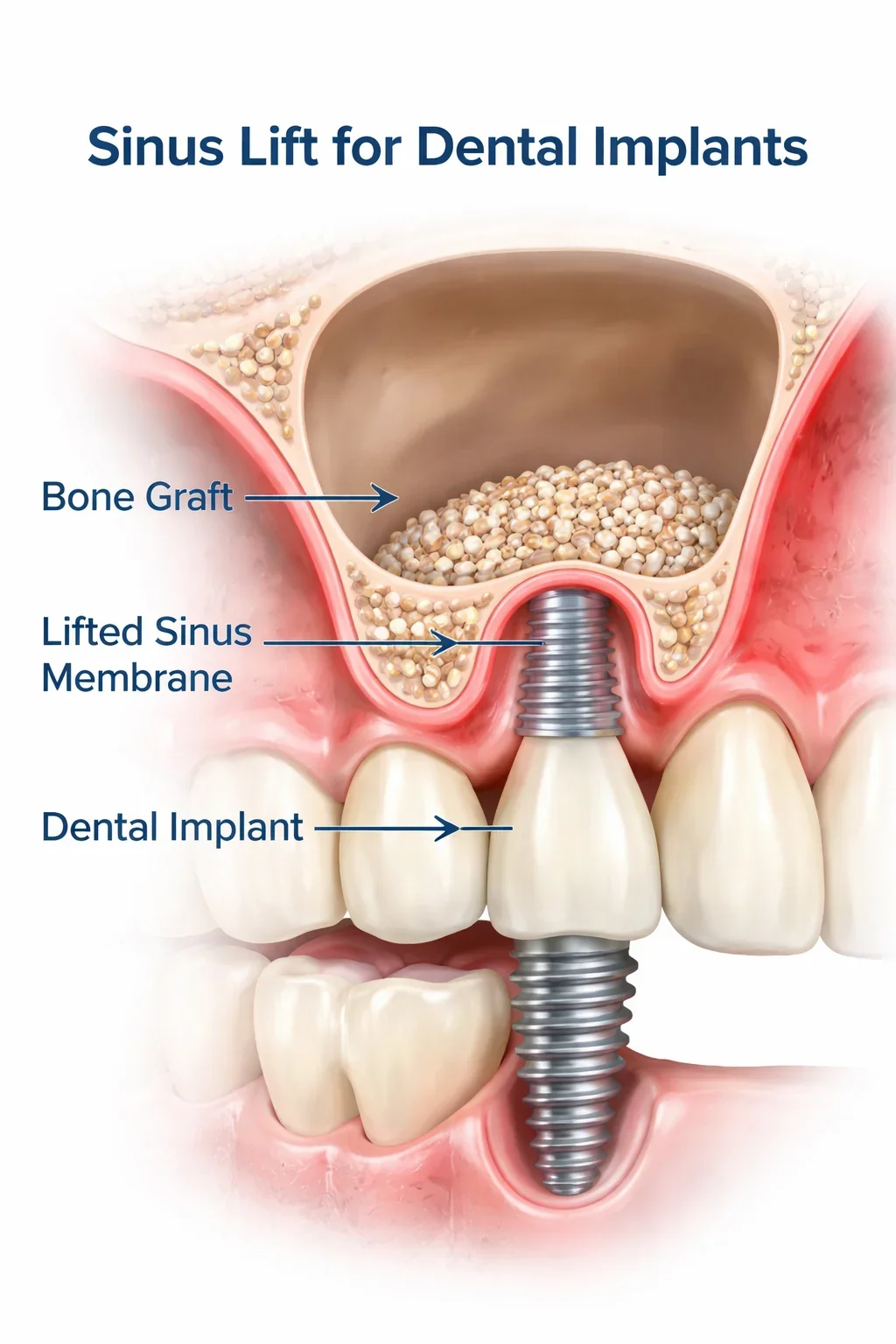
The procedure itself is performed by experienced oral surgeons or implant specialists. During a sinus lift for dental implants, the surgeon gently creates a small opening in the bone where the sinus membrane lies. The membrane is carefully lifted upward, and bone graft material is placed into the newly created space. Over time, this graft integrates with the patient’s natural bone and forms a strong base capable of supporting dental implants.
Many patients worry about discomfort, but a sinus lift for dental implants is typically performed under local anesthesia or sedation, ensuring a comfortable experience. After the surgery, mild swelling and pressure in the sinus area may occur, but these symptoms usually resolve within a few days. The healing period allows the bone graft to fully integrate with the existing jawbone before implants are placed.
Another important factor patients should know is that a sinus lift for dental implants can dramatically improve the success rate of implant treatment. Dental implants require a strong bone foundation to function properly for decades. By restoring lost bone structure, this procedure increases the likelihood that implants will remain stable and functional for many years.
For individuals considering implant treatment, understanding the role of a sinus lift for dental implants can help reduce anxiety and clarify the treatment process. While it may sound complex, this procedure has become routine in modern implant dentistry. Skilled surgeons perform sinus lift procedures safely and effectively every day, helping patients regain both oral health and confidence.
If you are considering implant treatment and want professional guidance, consulting an experienced dental clinic is essential. A thorough examination and personalized treatment plan will determine whether a sinus lift for dental implants is necessary in your case. Patients who want to learn more about implant procedures or schedule a consultation can visit the Redent Klinik Contact Page to receive expert advice and individualized care.
In summary, a sinus lift for dental implants is a highly effective bone augmentation procedure that allows patients with insufficient upper jaw bone to receive dental implants successfully. By lifting the sinus membrane and adding bone graft material, dentists can create the ideal environment for implant placement. This procedure has helped millions of patients restore their smiles and regain full chewing function. In the following sections of this guide, we will explore who needs this procedure, how it is performed, and what patients can expect during recovery.
1. What Is a Sinus Lift for Dental Implants and Why Is It Needed?
A sinus lift for dental implants is a specialized oral surgery procedure designed to increase bone volume in the upper jaw, specifically in the area of the molars and premolars. This procedure is often necessary when patients do not have enough natural bone height to support dental implants. Because the upper jaw sits directly beneath the maxillary sinuses, bone loss in this area can leave insufficient space for implants to be anchored safely. A sinus lift for dental implants solves this problem by gently lifting the sinus membrane and adding bone graft material to create a stronger and thicker bone structure.
Dental implants require a solid foundation of bone in order to integrate properly with the jaw through a biological process known as osseointegration. Without sufficient bone, implants may not stabilize correctly and can fail over time. The goal of a sinus lift for dental implants is to regenerate bone tissue so that implants can be placed with long-term stability and reliability.
Understanding the Maxillary Sinus Anatomy
The maxillary sinuses are hollow cavities located behind the cheeks and above the upper teeth. These sinuses play a role in breathing, voice resonance, and reducing the weight of the skull. However, their position can sometimes interfere with dental implant placement.
When upper molars or premolars are lost, the bone that once supported those teeth gradually begins to shrink. At the same time, the sinus cavity may expand downward into the area where bone previously existed. This natural process can leave only a thin layer of bone between the mouth and the sinus cavity. In such cases, placing implants without a sinus lift for dental implants could risk damaging the sinus or causing implant instability.
Why Bone Loss Happens in the Upper Jaw
Bone loss in the upper jaw is a common dental issue and can occur for several reasons. Understanding these causes helps explain why a sinus lift for dental implants is often required before implant placement.
- Tooth loss: When a tooth is extracted or lost, the surrounding bone begins to resorb because it is no longer stimulated by chewing forces.
- Periodontal disease: Advanced gum disease can destroy the bone that supports teeth.
- Natural sinus expansion: The maxillary sinus may gradually enlarge with age.
- Trauma or injury: Accidents affecting the jaw can lead to bone deterioration.
- Genetic factors: Some individuals naturally have thinner bone in the upper jaw.
In these situations, a sinus lift for dental implants restores lost bone volume, allowing implants to be placed safely.
How a Sinus Lift Creates Space for Dental Implants
The core objective of a sinus lift for dental implants is to increase vertical bone height in the upper jaw. During the procedure, the oral surgeon creates a small access point in the jawbone and gently elevates the sinus membrane upward. Bone graft material is then placed beneath the membrane to fill the newly created space.
Over several months, the graft material integrates with the patient’s natural bone. This process strengthens the jaw and creates the ideal conditions for dental implant placement. Once healing is complete, implants can be inserted into the newly formed bone with a significantly higher success rate.
Modern implant dentistry relies heavily on bone augmentation procedures like the sinus lift for dental implants because they dramatically expand treatment options for patients who previously lacked adequate bone structure.
Situations Where a Sinus Lift Is Necessary
Not every patient who needs dental implants requires a sinus lift. However, there are several clinical situations where a sinus lift for dental implants becomes essential:
- When bone height in the upper jaw is less than 5–7 millimeters
- When the sinus cavity extends downward into the implant area
- When previous tooth loss has caused significant bone resorption
- When multiple implants are planned in the upper molar region
Before recommending a sinus lift for dental implants, dentists typically evaluate the jaw using advanced imaging technologies such as CBCT scans. These scans provide a three-dimensional view of the bone and sinus anatomy, allowing surgeons to plan the procedure with precision.
The Role of Bone Grafting Materials
A critical component of a sinus lift for dental implants is the bone graft used to rebuild the jawbone. Several types of graft materials may be used depending on the patient’s needs:
- Autograft: Bone taken from the patient’s own body
- Allograft: Donor bone obtained from a tissue bank
- Xenograft: Bone derived from animal sources, typically bovine
- Synthetic grafts: Biocompatible materials designed to stimulate bone growth
These materials serve as a scaffold that encourages the body to generate new bone cells. Over time, the graft becomes fully integrated with the patient’s natural bone structure, forming a stable base for implants.
Why This Procedure Improves Implant Success
The success of dental implants largely depends on the quality and quantity of surrounding bone. Without sufficient bone density, implants cannot achieve proper stability. By increasing bone volume, a sinus lift for dental implants dramatically improves the likelihood of successful osseointegration.
Studies in implant dentistry consistently show that implants placed after a sinus lift for dental implants have high long-term success rates when performed by experienced surgeons. According to professional guidelines referenced by the American Dental Association, proper treatment planning and bone augmentation procedures play a key role in maintaining implant health and longevity.
Patients who undergo a sinus lift for dental implants often experience improved chewing ability, enhanced oral function, and restored confidence in their smile. The procedure effectively transforms an area with insufficient bone into a strong and stable foundation for permanent tooth replacement.
In summary, a sinus lift for dental implants is an essential surgical solution for patients who lack the bone structure necessary to support implants in the upper jaw. By elevating the sinus membrane and introducing bone graft material, dentists can rebuild the jawbone and create the ideal conditions for long-lasting dental implant treatment.
2. Who Is the Ideal Candidate for a Sinus Lift for Dental Implants?
Not every patient who wants dental implants requires additional bone surgery. However, many individuals who have lost teeth in the upper back jaw eventually discover that they need a sinus lift for dental implants before implants can be placed safely. The ideal candidate for this procedure is someone who wants dental implants but does not have enough bone height in the upper jaw to support them.
The upper jaw presents unique anatomical challenges. The maxillary sinus sits directly above the upper molars and premolars. When teeth in this area are lost, the bone that once held the tooth root begins to shrink over time. Meanwhile, the sinus cavity may expand downward. This combination of bone resorption and sinus expansion often leaves insufficient bone for implant placement. In these cases, a sinus lift for dental implants becomes the most reliable way to rebuild the missing bone structure.
Understanding who qualifies for this treatment helps patients feel more confident about their implant journey. Dentists and oral surgeons evaluate multiple factors before recommending a sinus lift for dental implants, including bone volume, sinus position, oral health, and overall medical history.
Patients With Significant Bone Loss in the Upper Jaw
The most common candidates for a sinus lift for dental implants are patients who have experienced bone loss in the posterior maxilla (the back part of the upper jaw). Bone loss can occur for several reasons, and when it becomes severe, implants cannot be placed without first rebuilding the bone.
For example, if a patient lost a molar several years ago and did not replace it immediately, the bone in that area may have gradually deteriorated. Without tooth roots stimulating the bone during chewing, the jaw begins to resorb. Over time, the remaining bone may become too thin to securely anchor an implant. A sinus lift for dental implants helps restore that lost bone height and provides a strong foundation for implant placement.
Common Causes of Bone Loss
Several dental conditions can lead to bone deterioration that requires a sinus lift for dental implants:
- Long-term tooth loss: Missing teeth accelerate bone resorption.
- Periodontal disease: Advanced gum disease destroys the supporting bone around teeth.
- Trauma or injury: Accidents can damage the jawbone.
- Untreated infections: Dental infections can cause bone destruction.
- Natural aging: Bone density gradually decreases over time.
When these conditions result in insufficient bone height beneath the sinus cavity, a sinus lift for dental implants may be the most effective treatment solution.
Patients With Large Maxillary Sinuses
Some individuals naturally have larger sinus cavities that extend downward toward the upper jawbone. Even if the patient recently lost a tooth, the sinus may already occupy much of the available bone space. In these cases, implant placement would risk penetrating the sinus cavity.
A sinus lift for dental implants gently raises the sinus membrane upward and fills the space beneath it with bone graft material. This creates additional vertical bone height and allows implants to be placed safely. Patients with naturally large sinuses are therefore frequent candidates for this procedure.
Patients Planning Multiple Upper Dental Implants
Individuals who need several implants in the upper molar region often require additional bone support. When multiple teeth are missing in the back of the upper jaw, bone resorption is typically more severe. In such cases, a sinus lift for dental implants helps rebuild a broader area of bone capable of supporting several implants.
This approach is particularly common in full-mouth implant restorations or when implant-supported bridges are planned. By performing a sinus lift for dental implants before implant placement, dentists can ensure the implants will remain stable and functional for many years.
Patients With Good General Health
While a sinus lift for dental implants is a predictable and safe procedure, ideal candidates should also meet certain health requirements. Because the procedure involves bone grafting and healing, patients must be healthy enough to recover properly.
Health Factors Dentists Evaluate
Before recommending a sinus lift for dental implants, dentists typically review the following factors:
- Overall medical health: Chronic conditions such as uncontrolled diabetes may affect healing.
- Oral hygiene: Good dental hygiene improves implant success.
- Smoking habits: Smoking can slow bone healing and increase implant failure risk.
- Sinus health: Chronic sinus infections may require treatment before surgery.
Patients who maintain good oral hygiene and follow their dentist’s instructions usually heal very well after a sinus lift for dental implants.
How Dentists Determine If You Need the Procedure
Determining whether a patient needs a sinus lift for dental implants requires detailed imaging and examination. Modern dental clinics typically use Cone Beam CT scans (CBCT) to evaluate the bone and sinus structure in three dimensions.
These scans allow the dentist to measure the exact bone height available for implants. If the bone height is too limited, the dentist may recommend a sinus lift for dental implants before proceeding with implant placement. This careful planning significantly increases implant success rates.
Guidelines referenced by the American Dental Association emphasize the importance of thorough diagnostics and proper surgical planning for implant procedures involving bone grafting.
Patients Who Want Long-Term Implant Stability
Ultimately, the ideal candidate for a sinus lift for dental implants is someone who wants a reliable, long-lasting solution for missing teeth. Dental implants are designed to function for decades, but they depend on strong bone support.
By rebuilding the upper jawbone, a sinus lift for dental implants ensures that implants can integrate properly and remain stable over time. Patients who undergo this procedure often enjoy improved chewing ability, restored facial structure, and renewed confidence in their smile.
If you are considering dental implants but have been told you lack sufficient bone in the upper jaw, consulting a specialist is the best next step. Clinics experienced in implant dentistry can evaluate your anatomy and determine whether a sinus lift for dental implants is the right solution for you.
Patients who want personalized advice or wish to schedule an implant consultation can reach out through the Redent Klinik Contact Page. A professional evaluation will determine whether a sinus lift for dental implants is necessary to achieve safe and successful implant treatment.
3. How the Sinus Lift for Dental Implants Procedure Works Step by Step
The procedure known as a sinus lift for dental implants is a carefully planned surgical technique used to increase bone volume in the upper jaw. For patients who lack sufficient bone height in the posterior maxilla, this procedure creates the necessary support structure so dental implants can be placed safely and successfully. Although it may sound complex, modern surgical methods have made the sinus lift for dental implants a predictable and commonly performed treatment in implant dentistry.
Understanding each stage of the procedure can help patients feel more comfortable and confident before treatment. From diagnostic imaging to bone graft healing, every step in a sinus lift for dental implants is designed to maximize implant success and ensure long-term oral health.
Initial Consultation and Diagnostic Planning
The first stage of a sinus lift for dental implants begins with a comprehensive dental consultation. During this appointment, the dentist or oral surgeon evaluates the patient’s oral health, reviews medical history, and determines whether the patient has enough bone in the upper jaw to support implants.
Advanced imaging technology is essential for accurate planning. Most clinics use Cone Beam Computed Tomography (CBCT) scans to examine the bone structure and sinus anatomy in three dimensions. These scans allow the surgeon to measure bone height precisely and determine whether a sinus lift for dental implants is required before implant placement.
CBCT imaging also helps identify the exact location of the maxillary sinus membrane, nearby nerves, and bone thickness. This level of planning significantly reduces surgical risks and improves the success rate of a sinus lift for dental implants.
Treatment Planning and Surgical Preparation
Once the dentist confirms that a sinus lift for dental implants is necessary, a customized treatment plan is created. The plan includes details such as:
- The type of bone graft material that will be used
- The surgical technique required
- The estimated healing time before implant placement
- Whether implants will be placed simultaneously or after healing
In some cases, if enough natural bone remains, implants may be placed at the same time as the sinus lift for dental implants. However, when bone loss is more severe, the bone graft must heal for several months before implants can be inserted.
Step-by-Step Surgical Procedure
The surgical phase of a sinus lift for dental implants is usually performed by an experienced oral surgeon or implant specialist. The procedure typically takes between 45 minutes and 90 minutes depending on the complexity of the case.
Step 1: Anesthesia and Patient Comfort
Before beginning the sinus lift for dental implants, the dentist administers local anesthesia to numb the surgical area. Many clinics also offer sedation options to help patients relax during the procedure. Because of these modern techniques, most patients report minimal discomfort during the surgery.
Step 2: Creating a Small Access Window
Once the area is numb, the surgeon makes a small incision in the gum tissue to expose the jawbone. A tiny opening is then created in the bone wall leading to the sinus cavity. This opening is carefully prepared to allow access to the sinus membrane while protecting surrounding tissues.
This step is one of the most delicate stages of a sinus lift for dental implants, requiring precision and surgical experience.
Step 3: Elevating the Sinus Membrane
The surgeon gently lifts the sinus membrane upward from the jawbone. This creates a small space between the membrane and the bone. The process must be done carefully to avoid tearing the membrane.
By lifting the sinus membrane, the surgeon creates room for bone graft material. This is the defining step of a sinus lift for dental implants, as it allows the bone height to be increased without disturbing the sinus cavity.
Step 4: Placement of Bone Graft Material
Once the membrane has been elevated, bone graft material is placed into the newly created space. This graft acts as a scaffold that encourages the body to generate new bone cells.
Several types of graft materials may be used in a sinus lift for dental implants, including:
- Autografts (bone from the patient)
- Allografts (donor bone from tissue banks)
- Xenografts (bone derived from animal sources)
- Synthetic bone substitutes
Over time, the body integrates the graft material with natural bone tissue, forming a stronger and thicker jawbone.
Step 5: Closing the Surgical Site
After the graft material is placed, the surgeon closes the gum tissue with sutures. At this stage, the main surgical portion of the sinus lift for dental implants is complete.
The patient is then given detailed post-operative instructions to support healing and prevent complications.
Healing and Bone Regeneration
The healing period after a sinus lift for dental implants is critical because it allows the graft material to integrate with the patient’s natural bone. This process typically takes between 4 and 9 months depending on the individual case.
During healing, the body gradually replaces the graft material with new bone cells. This process is known as bone remodeling and results in stronger bone capable of supporting dental implants.
Regular follow-up appointments are scheduled so the dentist can monitor healing progress. Imaging scans may be performed to confirm that sufficient bone has formed before implant placement.
When Dental Implants Are Placed
Once the bone has healed, the dentist proceeds with implant placement. Because the sinus lift for dental implants has created additional bone height, the implants can now be inserted securely into the jaw.
The implant post is placed into the new bone and allowed to fuse through osseointegration. This fusion process ensures that the implant becomes a permanent part of the jaw structure.
Clinical guidelines referenced by the American Dental Association highlight the importance of proper surgical planning and bone grafting techniques to ensure long-term implant success.
Why the Procedure Has a High Success Rate
Modern surgical techniques, improved imaging technology, and advanced graft materials have made the sinus lift for dental implants a highly successful procedure. Success rates for implants placed after sinus lift surgery are extremely high when performed by experienced professionals.
The procedure effectively restores lost bone structure, allowing implants to function like natural tooth roots. Patients who undergo a sinus lift for dental implants often regain full chewing ability and improved oral health.
If you are considering implant treatment but have been told you lack sufficient bone in the upper jaw, a professional consultation can help determine whether a sinus lift for dental implants is the right solution. You can learn more or schedule an evaluation through the Redent Klinik Contact Page.
With proper planning, skilled surgical care, and adequate healing time, a sinus lift for dental implants can transform an area with limited bone into a strong foundation capable of supporting dental implants for many years.
4. Types of Sinus Lift Techniques Used for Dental Implants
Modern implant dentistry offers several surgical approaches for performing a sinus lift for dental implants. Each technique is designed to increase bone volume in the upper jaw, but the method used depends on factors such as the patient’s bone height, sinus anatomy, and overall treatment plan. Choosing the correct technique is extremely important because it affects healing time, surgical complexity, and implant success.
When patients hear about a sinus lift for dental implants, they often imagine a single universal procedure. In reality, implant specialists may choose between multiple techniques depending on how much bone is available and whether implants will be placed immediately or later. Understanding these different approaches helps patients feel more informed and confident during treatment planning.
Open Sinus Lift (Lateral Window Technique)
The most widely known method of performing a sinus lift for dental implants is the open sinus lift, also called the lateral window technique. This approach is typically used when patients have significant bone loss in the upper jaw and require a large amount of bone graft material.
During this procedure, the surgeon creates a small window in the side wall of the upper jawbone. This opening allows direct access to the sinus membrane. The membrane is then gently lifted upward, and bone graft material is placed into the space created beneath it. Over time, the graft integrates with the existing bone, forming a stronger base capable of supporting dental implants.
When the Open Sinus Lift Is Recommended
This technique is usually recommended when the existing bone height is extremely limited. In these situations, a sinus lift for dental implants using the lateral window technique provides the most reliable method for rebuilding bone.
- Bone height is less than 4–5 mm
- Multiple implants are required in the upper molar region
- Severe bone resorption has occurred
- The sinus cavity has expanded significantly
The open sinus lift technique allows surgeons to place a larger volume of bone graft material, making it the preferred method in complex cases where a sinus lift for dental implants must restore substantial bone height.
Closed Sinus Lift (Osteotome Technique)
Another commonly used technique is the closed sinus lift, sometimes referred to as the osteotome sinus elevation method. This approach is less invasive than the open sinus lift and is typically recommended when patients already have moderate bone height.
Instead of creating a side window in the jawbone, the dentist accesses the sinus floor through the same opening used to place the dental implant. Special surgical instruments called osteotomes are used to gently push the sinus membrane upward while adding bone graft material beneath it.
The closed method allows the surgeon to perform a sinus lift for dental implants at the same time the implant is placed. Because the procedure is less invasive, recovery time may be shorter for many patients.
Advantages of the Closed Sinus Lift
Many implant specialists prefer this technique when conditions allow because it offers several benefits:
- Smaller surgical opening
- Reduced procedure time
- Simultaneous implant placement
- Faster recovery for many patients
However, the closed technique can only be used when sufficient bone already exists. When bone loss is severe, the open sinus lift for dental implants remains the most appropriate solution.
Balloon Sinus Lift Technique
The balloon sinus lift is a newer and minimally invasive approach used in some dental clinics. This method involves inserting a small inflatable balloon through a narrow opening in the bone. Once inside the sinus cavity, the balloon is slowly inflated to gently lift the sinus membrane.
After the membrane is elevated, bone graft material is inserted beneath it to increase bone height. This technique is another variation of the sinus lift for dental implants procedure and is designed to minimize trauma to surrounding tissues.
Benefits of Balloon-Assisted Sinus Lift
This technique may provide several advantages for suitable patients:
- Less invasive surgical access
- Reduced risk of sinus membrane perforation
- Minimal post-operative discomfort
- Shorter recovery time
Although promising, the balloon technique is typically recommended only in cases where moderate bone height already exists. For extensive bone augmentation, the traditional sinus lift for dental implants using the lateral window approach may still be preferred.
Choosing the Right Sinus Lift Technique
Determining which surgical approach is best for a sinus lift for dental implants depends on several clinical factors. Implant dentists carefully evaluate the patient’s anatomy using advanced imaging technology before recommending a specific technique.
Factors Dentists Consider
The following factors influence which method will be used:
- Existing bone height beneath the sinus
- Number of implants required
- Size and shape of the sinus cavity
- Patient’s overall oral health
- Surgeon’s clinical experience
With modern imaging tools such as CBCT scans, dentists can analyze the sinus anatomy in detail. This helps ensure that the chosen sinus lift for dental implants technique provides the safest and most effective results.
Why Surgical Expertise Matters
Regardless of which technique is used, the success of a sinus lift for dental implants depends heavily on the experience of the surgeon performing the procedure. Skilled implant specialists understand how to manage delicate sinus structures while ensuring optimal bone graft placement.
Professional organizations such as the American Dental Association emphasize the importance of proper training and surgical planning in implant-related procedures involving bone grafting.
When performed correctly, a sinus lift for dental implants significantly increases the likelihood that dental implants will remain stable and functional for decades.
Consulting a Specialist for the Best Treatment Plan
Because each patient’s anatomy is unique, a personalized consultation is essential before undergoing a sinus lift for dental implants. During this consultation, the dentist will review imaging scans, evaluate bone structure, and recommend the most suitable surgical approach.
If you are considering dental implants but have been told you lack sufficient bone in the upper jaw, an experienced clinic can provide guidance and advanced treatment options. You can request a professional evaluation through the Redent Klinik Contact Page to determine whether a sinus lift for dental implants is necessary in your case.
In summary, multiple surgical techniques can be used to perform a sinus lift for dental implants, including the open sinus lift, closed sinus lift, and balloon-assisted approach. Each method has specific advantages and indications, but all share the same goal: rebuilding the upper jawbone so dental implants can be placed safely and successfully.
5. Benefits of a Sinus Lift for Dental Implants for Long-Term Oral Health
A sinus lift for dental implants is more than just a preparatory surgical procedure. It plays a critical role in improving long-term oral health and ensuring the success of dental implants in the upper jaw. Patients who have experienced bone loss in the posterior maxilla often cannot receive implants without additional bone support. By rebuilding the bone structure beneath the sinus cavity, a sinus lift for dental implants creates a strong and stable foundation that allows implants to function like natural tooth roots.
Modern implant dentistry relies heavily on bone augmentation procedures because they significantly improve treatment outcomes. Without enough bone, implants may loosen, fail to integrate properly, or cause complications with the sinus cavity. A carefully performed sinus lift for dental implants addresses these challenges and enables patients to benefit from permanent tooth replacement solutions that can last decades.
Restores Lost Bone in the Upper Jaw
One of the most important benefits of a sinus lift for dental implants is the restoration of bone volume in the upper jaw. After tooth loss, the surrounding bone gradually deteriorates because it no longer receives stimulation from chewing forces. This process, known as bone resorption, can occur surprisingly quickly.
Over time, the maxillary sinus may expand downward into the area where bone once existed. As the sinus cavity enlarges and bone shrinks, the remaining bone becomes too thin to support dental implants. A sinus lift for dental implants reverses this process by lifting the sinus membrane and inserting bone graft material into the newly created space.
The graft material acts as a scaffold that stimulates the body to generate new bone cells. As healing progresses, the graft integrates with the patient’s natural bone, creating stronger bone structure capable of supporting implants.
Why Bone Volume Matters for Implant Success
Dental implants must fuse with the jawbone through a biological process called osseointegration. Without sufficient bone density, implants cannot integrate properly. This is why restoring bone through a sinus lift for dental implants significantly increases implant success rates.
- Provides adequate bone height for implant placement
- Improves implant stability and long-term durability
- Reduces the risk of implant failure
- Supports proper bite force distribution
By improving bone structure, a sinus lift for dental implants ensures that implants remain securely anchored and function effectively for many years.
Allows More Patients to Receive Dental Implants
Before modern bone grafting techniques were developed, patients with severe bone loss often had limited options for replacing missing teeth. Dentures or traditional bridges were frequently the only solutions available. Today, a sinus lift for dental implants has expanded treatment possibilities dramatically.
Many patients who were previously told they were not candidates for implants can now undergo implant treatment successfully thanks to this procedure. By rebuilding the bone beneath the sinus cavity, dentists can create the conditions necessary for implant placement.
This means that a sinus lift for dental implants opens the door for more individuals to benefit from modern implant dentistry and enjoy the advantages of permanent tooth replacement.
Improves Chewing Function and Oral Stability
Missing teeth in the upper jaw can significantly affect chewing ability. Patients often struggle to eat certain foods, which can impact nutrition and overall health. Once implants are placed following a sinus lift for dental implants, patients typically regain normal chewing function.
Because dental implants act as artificial tooth roots, they allow patients to bite and chew with much greater strength than removable dentures. The improved stability provided by implants supported by a sinus lift for dental implants helps restore natural oral function.
Foods Patients Can Enjoy Again
After implant restoration supported by a sinus lift for dental implants, patients often regain the ability to comfortably eat foods such as:
- Fresh fruits and vegetables
- Steak and other protein-rich foods
- Nuts and crunchy foods
- Whole grains and fibrous foods
This improved chewing capability contributes to better digestion and overall well-being.
Maintains Facial Structure and Prevents Bone Collapse
Bone loss in the jaw does not only affect oral health—it can also impact facial appearance. When teeth are missing and bone deteriorates, the face may gradually appear sunken or aged. This occurs because the jawbone no longer provides structural support for facial muscles and soft tissues.
By rebuilding the jawbone, a sinus lift for dental implants helps maintain the natural shape of the face. When implants are later placed into the regenerated bone, they continue to stimulate the jaw during chewing, preventing further bone deterioration.
This combination of bone grafting and implant placement supports long-term facial stability and helps preserve a youthful appearance.
Supports Long-Term Implant Durability
Dental implants are designed to last many years, but their longevity depends heavily on the quality of the surrounding bone. A sinus lift for dental implants strengthens the jawbone so implants can withstand daily chewing forces without loosening.
When the bone foundation is strong, implants have a much higher chance of remaining stable for decades. Clinical studies referenced by the American Dental Association confirm that proper bone augmentation procedures play a major role in long-term implant success.
Because of this, implant specialists frequently recommend a sinus lift for dental implants whenever bone height beneath the sinus is insufficient.
Enhances Overall Oral Health
Beyond improving implant stability, a sinus lift for dental implants contributes to better overall oral health. Restoring missing teeth prevents surrounding teeth from shifting, reduces abnormal bite pressure, and helps maintain balanced jaw function.
Implant-supported restorations also make oral hygiene easier compared with removable dentures. Patients can brush and floss normally, reducing the risk of gum disease and tooth decay.
For individuals considering implant treatment, consulting a professional dental clinic is an important step. An experienced team can evaluate bone structure and determine whether a sinus lift for dental implants is necessary before implant placement. Patients interested in learning more or scheduling a consultation can visit the Redent Klinik Contact Page for personalized guidance.
In summary, the benefits of a sinus lift for dental implants extend far beyond simply preparing the jaw for implant placement. This procedure restores lost bone, improves oral function, preserves facial structure, and dramatically increases implant success rates. By creating a strong and healthy foundation for implants, a sinus lift for dental implants allows patients to enjoy long-lasting tooth replacement and improved quality of life.
6. Recovery Timeline After a Sinus Lift for Dental Implants
Understanding the recovery process after a sinus lift for dental implants is essential for patients preparing for this procedure. While the surgery itself is usually completed within one to two hours, the healing phase plays a crucial role in ensuring that the bone graft integrates successfully with the jawbone. Proper healing allows the newly formed bone to support dental implants safely and securely.
The recovery timeline after a sinus lift for dental implants can vary depending on the patient’s health, the amount of bone graft material used, and whether implants were placed during the same procedure. In most cases, the healing process occurs in several stages, beginning immediately after surgery and continuing for several months until the jawbone is strong enough for implant placement.
The First 24–48 Hours After Surgery
The initial recovery period after a sinus lift for dental implants is usually mild and manageable. Most patients experience minor swelling, slight bleeding, and a feeling of pressure in the sinus area. These symptoms are normal and typically improve within a few days.
Dentists often prescribe pain medication and antibiotics to prevent infection and control discomfort. Patients are also advised to apply cold compresses to the outside of the cheek to reduce swelling.
Important Post-Surgery Instructions
Following post-operative instructions is critical for protecting the sinus membrane and ensuring proper healing after a sinus lift for dental implants. Patients are typically advised to:
- Avoid blowing their nose for at least 10–14 days
- Sneeze with their mouth open to reduce sinus pressure
- Avoid drinking through straws
- Limit heavy physical activity for several days
- Take prescribed medications as directed
These precautions help prevent pressure changes inside the sinus cavity, which could disrupt the graft material placed during the sinus lift for dental implants.
Week 1: Early Healing Phase
During the first week after a sinus lift for dental implants, most swelling and discomfort gradually decrease. Patients may notice slight bruising around the cheeks or under the eyes, which is a normal response to oral surgery.
The gum tissue surrounding the surgical site begins to heal, and stitches may dissolve on their own or be removed during a follow-up visit. Patients should continue to follow a soft diet and avoid foods that require strong chewing.
Recommended Foods During Early Recovery
Soft foods are recommended during the early healing period following a sinus lift for dental implants. Examples include:
- Yogurt
- Mashed potatoes
- Soup and broth
- Scrambled eggs
- Smoothies (without straws)
Eating soft foods reduces stress on the surgical area and helps the body focus on healing.
Weeks 2–4: Bone Integration Begins
Within the first few weeks after a sinus lift for dental implants, the body begins the process of integrating the bone graft with the surrounding jawbone. This biological process is known as bone remodeling.
During this stage, new bone cells begin to grow around the graft material, gradually transforming it into living bone tissue. Patients usually feel normal again during this time, although they should continue avoiding activities that may create excessive sinus pressure.
Follow-up appointments allow the dentist to monitor healing progress and ensure that the graft placed during the sinus lift for dental implants remains stable.
3–6 Months: Bone Maturation Phase
The most important stage of healing after a sinus lift for dental implants occurs over the next several months. During this period, the bone graft continues to integrate with the patient’s natural bone structure. Gradually, the jawbone becomes thicker and stronger.
Most patients require approximately 4–6 months of healing before dental implants can be placed. However, in cases where sufficient bone already existed before the procedure, implants may have been inserted at the same time as the sinus lift for dental implants.
Factors That Influence Healing Time
The speed of healing after a sinus lift for dental implants can vary depending on several factors:
- The patient’s age and overall health
- The size of the bone graft
- Smoking habits
- Oral hygiene practices
- The type of graft material used
Patients who maintain excellent oral hygiene and follow their dentist’s instructions often experience faster healing and better long-term outcomes.
Implant Placement After Healing
Once the bone has fully healed and matured, the next step is placing the dental implant. Because the sinus lift for dental implants has created sufficient bone height, the implant can now be securely anchored in the jaw.
The implant post is inserted into the regenerated bone and allowed to fuse through osseointegration. This fusion process typically takes several additional months before the final crown or prosthetic tooth is attached.
Professional guidelines referenced by the American Dental Association emphasize the importance of allowing adequate healing time for bone grafts before implant placement to ensure long-term success.
Tips for a Smooth Recovery
Patients can significantly improve their recovery experience after a sinus lift for dental implants by following a few simple care tips.
Post-Surgery Care Recommendations
- Maintain gentle oral hygiene around the surgical area
- Attend all scheduled follow-up visits
- Avoid smoking during the healing period
- Follow dietary recommendations from the dentist
- Contact the dentist if unusual symptoms appear
Proper aftercare ensures that the bone graft placed during the sinus lift for dental implants heals correctly and provides the necessary support for implants.
When to Contact Your Dentist
Although complications are rare, patients should contact their dentist if they experience severe pain, persistent bleeding, or signs of infection after a sinus lift for dental implants. Early intervention helps prevent complications and protects the healing bone graft.
If you are considering dental implants and want to understand whether a sinus lift for dental implants is necessary, consulting a qualified implant specialist is the best first step. Patients can schedule a professional evaluation through the Redent Klinik Contact Page to receive personalized guidance and treatment planning.
In summary, the recovery timeline after a sinus lift for dental implants typically progresses through several stages, including initial healing, bone integration, and long-term bone maturation. With proper care and patience, this healing process allows the jawbone to regenerate and form a stable foundation for dental implants that can last for many years.
7. Risks and Possible Complications of a Sinus Lift for Dental Implants
A sinus lift for dental implants is widely considered a safe and predictable surgical procedure when performed by experienced dental surgeons. However, like any surgical treatment, it carries certain risks and potential complications. Understanding these risks allows patients to make informed decisions and prepare properly for the procedure. In most cases, complications are rare and manageable, especially when proper surgical planning and post-operative care are followed.
Dental professionals perform thousands of sinus augmentation procedures every year, and the success rate of a sinus lift for dental implants is very high. Nevertheless, being aware of possible side effects and complications helps patients recognize symptoms early and seek professional care if necessary.
Sinus Membrane Perforation
One of the most common risks during a sinus lift for dental implants is perforation of the sinus membrane. The membrane that lines the maxillary sinus is extremely thin and delicate. During surgery, the dentist gently lifts this membrane to create space for the bone graft. In some cases, the membrane may tear or develop a small perforation.
When a perforation occurs, the surgeon may repair the membrane immediately using specialized surgical techniques. In more severe cases, the procedure may need to be postponed until the membrane heals. Fortunately, experienced surgeons are trained to manage this complication effectively during a sinus lift for dental implants.
How Dentists Reduce the Risk of Perforation
Modern technology has significantly reduced the risk of sinus membrane perforation during a sinus lift for dental implants. Dentists typically rely on:
- Advanced CBCT imaging to evaluate sinus anatomy
- Precise surgical instruments designed for sinus procedures
- Careful surgical planning before the procedure
- Extensive training in implant and bone graft surgery
These precautions make the procedure safer and improve the overall success rate of a sinus lift for dental implants.
Infection After Surgery
Although uncommon, infection is another possible complication following a sinus lift for dental implants. Because the procedure involves bone grafting and sinus manipulation, bacteria may occasionally enter the surgical site.
Signs of infection may include swelling, persistent pain, fever, or unusual discharge. Dentists typically prescribe antibiotics after surgery to minimize the risk of infection. Maintaining good oral hygiene also plays a key role in preventing complications after a sinus lift for dental implants.
Preventing Infection
Patients can reduce their risk of infection after a sinus lift for dental implants by following these important guidelines:
- Take all prescribed medications exactly as directed
- Avoid touching the surgical site with fingers or tongue
- Rinse gently with antimicrobial mouthwash if recommended
- Attend follow-up appointments for monitoring
Prompt attention to any unusual symptoms helps ensure that healing after a sinus lift for dental implants progresses normally.
Sinus Congestion or Pressure
Because the procedure involves the sinus cavity, patients may temporarily experience sinus congestion or pressure after a sinus lift for dental implants. This sensation often feels similar to sinus congestion during a mild cold or seasonal allergies.
The feeling typically resolves within a few days as swelling subsides. Dentists may recommend decongestants or nasal sprays to relieve sinus pressure during recovery.
Patients are also advised to avoid activities that increase sinus pressure, such as forceful nose blowing or heavy lifting, during the healing period after a sinus lift for dental implants.
Bone Graft Failure
In rare cases, the bone graft placed during a sinus lift for dental implants may fail to integrate with the natural bone. If this occurs, the graft material may not generate sufficient new bone to support implants.
Factors that may increase the risk of graft failure include:
- Smoking
- Poor oral hygiene
- Uncontrolled systemic diseases
- Severe sinus infections
Fortunately, graft failure is uncommon, and many patients who experience this complication can undergo a second sinus lift for dental implants once healing has occurred.
Implant Failure After Sinus Lift
Although dental implants placed after a sinus lift for dental implants have very high success rates, there is always a small possibility that an implant may fail to integrate with the bone.
Implant failure can occur if the implant does not properly fuse with the jawbone or if excessive pressure is applied during healing. Dentists minimize this risk by carefully evaluating bone density and allowing adequate healing time after the sinus lift for dental implants.
Factors That Influence Implant Success
The long-term success of implants following a sinus lift for dental implants depends on several factors:
- Patient’s overall health
- Quality of the regenerated bone
- Experience of the implant surgeon
- Proper post-operative care
- Consistent oral hygiene
Clinical research referenced by the American Dental Association shows that when these factors are properly managed, implants placed after bone grafting procedures have excellent long-term outcomes.
Swelling, Bruising, and Minor Discomfort
Mild swelling, bruising, and discomfort are normal temporary side effects after a sinus lift for dental implants. These symptoms typically appear within the first 24–48 hours after surgery and gradually decrease over the following days.
Cold compresses, anti-inflammatory medications, and rest usually help control these symptoms. Most patients are able to return to normal daily activities within a few days following a sinus lift for dental implants.
Why Complications Are Rare
Advances in dental technology and surgical training have made a sinus lift for dental implants one of the most reliable procedures in implant dentistry. Modern imaging systems, improved graft materials, and refined surgical techniques have significantly reduced complication rates.
When patients choose experienced implant specialists and follow post-operative instructions carefully, complications after a sinus lift for dental implants are extremely uncommon.
Patients who want to learn more about this procedure or determine whether they need a sinus lift for dental implants before implant treatment can schedule a consultation through the Redent Klinik Contact Page. Professional evaluation helps ensure safe treatment planning and optimal long-term results.
In summary, while a sinus lift for dental implants does carry some potential risks, these complications are generally rare and manageable when the procedure is performed by skilled professionals. With proper planning, surgical precision, and patient cooperation during recovery, the vast majority of sinus lift procedures lead to successful implant placement and long-lasting oral health.
8. Cost of a Sinus Lift for Dental Implants Around the World
The cost of a sinus lift for dental implants can vary significantly depending on several factors, including the country where the procedure is performed, the experience of the surgeon, the type of bone graft material used, and the complexity of the case. For patients planning dental implants in the upper jaw, understanding the cost structure of a sinus lift for dental implants is an important step in preparing for treatment.
Because this procedure involves advanced surgical techniques and bone grafting materials, it is typically considered a specialized oral surgery. However, the long-term benefits often justify the investment. A properly performed sinus lift for dental implants increases implant stability and reduces the risk of implant failure, which ultimately protects the patient’s investment in dental implants.
Average Cost of a Sinus Lift for Dental Implants
On average, the cost of a sinus lift for dental implants ranges widely depending on geographic location and clinic reputation. In some countries, the procedure is significantly more expensive due to higher healthcare costs and clinical fees.
Typical Price Ranges by Region
- United States: $1,500 – $5,000 per sinus lift
- United Kingdom: £1,200 – £3,000
- Germany: €1,000 – €3,500
- Turkey: $400 – $1,200
- Mexico: $500 – $1,500
- Thailand: $600 – $1,800
These figures represent typical ranges for a sinus lift for dental implants and may vary depending on the clinic and the specific surgical technique used. For example, an open sinus lift that requires extensive bone grafting will generally cost more than a minimally invasive closed sinus lift procedure.
Factors That Influence the Cost
Several clinical and logistical factors can affect the final price of a sinus lift for dental implants. Understanding these factors helps patients better estimate the overall treatment cost.
Type of Bone Graft Material
The type of bone graft used during a sinus lift for dental implants can significantly influence the cost. Different graft materials have different processing methods and clinical applications.
- Autograft: Bone taken from the patient’s body; may increase cost due to additional surgical steps.
- Allograft: Processed donor bone from tissue banks.
- Xenograft: Bone derived from animal sources, commonly bovine.
- Synthetic graft: Laboratory-made bone substitutes designed to stimulate bone growth.
Each option has advantages and may be recommended based on the patient’s anatomy and treatment goals during a sinus lift for dental implants.
Surgeon Experience and Clinic Reputation
The expertise of the dental surgeon performing the sinus lift for dental implants is another important factor affecting price. Highly experienced implant specialists with advanced surgical training often charge higher fees due to their expertise and success rates.
Clinics that use advanced diagnostic technologies such as 3D CBCT imaging and digital treatment planning may also have higher procedural costs, but these technologies significantly improve the precision and safety of a sinus lift for dental implants.
Additional Costs Associated with the Procedure
Patients should also consider additional costs that may accompany a sinus lift for dental implants. These may include diagnostic imaging, consultation fees, medications, and follow-up visits.
Common Additional Expenses
- CBCT or 3D imaging scans
- Pre-surgical consultation
- Post-surgical medications
- Follow-up examinations
- Dental implant placement after healing
Because a sinus lift for dental implants is typically part of a larger implant treatment plan, patients should discuss the full treatment cost with their dentist before beginning the procedure.
Why Many Patients Travel for Sinus Lift Surgery
Dental tourism has become increasingly popular for procedures such as a sinus lift for dental implants. Many patients travel to countries where dental treatments are more affordable but still performed according to international standards.
For example, countries like Turkey have become well-known destinations for advanced implant dentistry. Patients often receive high-quality care from experienced specialists while paying significantly lower costs compared with clinics in Western Europe or North America.
However, patients should carefully research the clinic, surgeon credentials, and treatment protocols before undergoing a sinus lift for dental implants abroad.
Does Insurance Cover a Sinus Lift?
Dental insurance coverage for a sinus lift for dental implants varies widely depending on the insurance provider and the patient’s policy. In many cases, insurance plans categorize the procedure as elective or implant-related surgery and may not cover the full cost.
Some plans may partially cover bone grafting procedures if they are considered medically necessary. Patients should contact their insurance provider to determine whether their plan includes coverage for a sinus lift for dental implants.
Professional resources such as the American Dental Association provide helpful information about dental procedures and treatment planning.
Is the Procedure Worth the Cost?
While the cost of a sinus lift for dental implants may seem significant at first, it is important to consider the long-term value of dental implants. Implants supported by sufficient bone structure can last decades with proper care, making them one of the most durable tooth replacement solutions available.
Without adequate bone support, dental implants may fail or require additional corrective procedures. By investing in a sinus lift for dental implants, patients increase the likelihood that their implants will remain stable and functional for many years.
Patients who are considering implant treatment and want to explore cost estimates or treatment options can request a consultation through the Redent Klinik Contact Page. A professional evaluation will determine whether a sinus lift for dental implants is required and provide a personalized treatment plan.
In summary, the cost of a sinus lift for dental implants varies widely depending on geographic location, surgical complexity, and the materials used during the procedure. Although it represents an additional investment before implant placement, the procedure plays a crucial role in ensuring long-term implant success and restoring full oral function.
9. Tips for a Successful Sinus Lift for Dental Implants and Faster Healing
Undergoing a sinus lift for dental implants is a major step toward restoring missing teeth and achieving long-term oral health. However, the success of this procedure does not depend only on the surgeon’s skill. Patients also play an important role in ensuring proper healing and long-term implant stability. By following the right preparation strategies and post-operative care instructions, patients can significantly improve the outcome of a sinus lift for dental implants and reduce the risk of complications.
In this section, we will explore the most effective strategies to help ensure that your sinus lift for dental implants heals smoothly and provides a strong foundation for dental implants. These recommendations are based on best practices followed by experienced implant surgeons worldwide.
Prepare Properly Before the Procedure
Preparation is one of the most important factors in achieving a successful sinus lift for dental implants. A well-prepared patient typically experiences fewer complications and a faster healing process.
Pre-Surgery Preparation Tips
Before undergoing a sinus lift for dental implants, patients should follow these guidelines recommended by dental professionals:
- Attend a full dental consultation and imaging evaluation
- Inform your dentist about any medications you take
- Avoid smoking for at least two weeks before surgery
- Maintain excellent oral hygiene
- Follow dietary recommendations from your dentist
These simple steps can greatly improve the body’s ability to heal after a sinus lift for dental implants.
Follow Post-Operative Care Instructions Carefully
The days immediately following a sinus lift for dental implants are critical for healing. Patients must follow their dentist’s post-operative instructions carefully to avoid disrupting the bone graft and sinus membrane.
Important Aftercare Guidelines
After a sinus lift for dental implants, dentists typically recommend the following precautions:
- Avoid blowing your nose for at least 10–14 days
- Sneeze with your mouth open to reduce sinus pressure
- Avoid drinking through straws
- Do not smoke during the healing period
- Take prescribed medications exactly as directed
These precautions protect the surgical area and ensure that the bone graft placed during the sinus lift for dental implants remains stable.
Maintain Excellent Oral Hygiene
Keeping the mouth clean after a sinus lift for dental implants is essential for preventing infection. However, patients must clean their teeth carefully to avoid disturbing the surgical site.
Safe Oral Hygiene Practices
Dentists typically recommend the following oral care routine after a sinus lift for dental implants:
- Brush teeth gently with a soft toothbrush
- Avoid brushing directly on the surgical site for several days
- Use antimicrobial mouthwash if prescribed
- Maintain daily flossing for unaffected areas
These practices help maintain a healthy oral environment while the bone graft from the sinus lift for dental implants integrates with the jawbone.
Eat a Soft, Nutrient-Rich Diet
Nutrition plays a major role in healing after a sinus lift for dental implants. Eating the right foods supports tissue repair and bone regeneration.
Recommended Healing Foods
During the first weeks after a sinus lift for dental implants, patients should focus on soft foods such as:
- Yogurt and kefir
- Mashed vegetables
- Soft eggs
- Protein smoothies
- Oatmeal and soft grains
Foods rich in protein, calcium, and vitamins support bone regeneration after a sinus lift for dental implants.
Avoid Smoking and Alcohol
Smoking is one of the biggest risk factors for complications after a sinus lift for dental implants. Tobacco reduces blood flow to the surgical site, slows bone healing, and increases the risk of infection.
Patients who smoke are significantly more likely to experience bone graft failure or implant failure. Dentists strongly recommend avoiding smoking entirely during the healing period after a sinus lift for dental implants.
Alcohol should also be limited during recovery because it can interfere with medications and slow the healing process.
Attend All Follow-Up Appointments
Regular follow-up visits allow the dentist to monitor healing after a sinus lift for dental implants. These appointments are essential for ensuring that the bone graft integrates properly and that no complications are developing.
During these visits, the dentist may evaluate healing progress using clinical examination or imaging scans. If necessary, adjustments can be made to the treatment plan before implant placement.
Professional dental organizations such as the American Dental Association emphasize the importance of follow-up monitoring after surgical dental procedures.
Be Patient During the Healing Period
Healing after a sinus lift for dental implants requires time. In most cases, bone grafts need approximately four to six months to integrate fully with the jawbone. This waiting period allows the graft to become strong enough to support dental implants.
Although patients may be eager to complete their implant treatment, rushing the process can compromise implant success. Allowing the bone to heal properly after a sinus lift for dental implants ensures a stable foundation for long-lasting implants.
Choose an Experienced Implant Specialist
One of the most important factors in achieving a successful sinus lift for dental implants is selecting a qualified and experienced implant specialist. Skilled surgeons understand sinus anatomy and use advanced imaging technology to plan procedures accurately.
Choosing the right clinic significantly reduces surgical risks and improves long-term implant outcomes.
If you are considering dental implants and want to know whether you need a sinus lift for dental implants, scheduling a professional consultation is the best first step. You can request personalized guidance through the Redent Klinik Contact Page.
In conclusion, following proper preparation and recovery strategies greatly increases the chances of a successful sinus lift for dental implants. By maintaining good oral hygiene, avoiding harmful habits, attending follow-up visits, and choosing an experienced implant specialist, patients can achieve excellent long-term results and enjoy the full benefits of dental implant treatment.