
Missing teeth can affect far more than appearance. They can impact chewing ability, speech clarity, self-confidence, and overall oral health. Dental implants are widely recognized as one of the most effective and long-lasting tooth replacement solutions available today. However, the high cost of treatment often prevents many patients from pursuing implant care. This is where sliding scale dental implants become an important option.
Sliding scale dental implants are dental implant services offered through clinics, dental schools, nonprofit organizations, community health centers, and certain healthcare programs that adjust treatment fees according to a patient’s income and financial circumstances. Instead of charging every patient the same amount, these programs use a sliding fee structure that helps make implant treatment more affordable for individuals and families with limited financial resources.
For many patients, the concept of sliding scale dental implants can be life-changing. Traditional implant treatment may cost several thousand dollars for a single tooth replacement and significantly more for multiple implants or full-mouth rehabilitation. By reducing costs based on financial need, sliding-scale programs help bridge the gap between necessary dental care and affordability.
Dental implants themselves consist of several components. The implant post, usually made of titanium or zirconia, is surgically inserted into the jawbone. After a healing period known as osseointegration, an abutment and custom restoration are attached. This restoration may be a crown, bridge, or full-arch prosthesis. The result is a tooth replacement solution that closely resembles the appearance and function of natural teeth.
One reason patients actively search for sliding scale dental implants is because implant treatment offers significant long-term advantages compared to other tooth replacement methods. Unlike removable dentures, implants remain fixed in place. Unlike traditional bridges, implants do not require the alteration of neighboring healthy teeth. In addition, implants help preserve jawbone density by providing stimulation similar to natural tooth roots.
The growing demand for sliding scale dental implants reflects increasing awareness of the importance of oral health. Research continues to demonstrate that oral health is closely connected to overall health and quality of life. Patients who replace missing teeth often experience improvements in nutrition, confidence, social interactions, and daily comfort.
Several organizations may offer sliding scale dental implants. Community health centers are among the most common providers. These facilities often receive funding that allows them to offer reduced-fee dental services to qualifying patients. University dental schools also represent an excellent resource. In many cases, dental residents perform treatment under the supervision of experienced specialists, allowing costs to remain lower than those found in private practices.
Some charitable organizations and nonprofit foundations may provide assistance for individuals seeking sliding scale dental implants. Eligibility requirements vary considerably. Most programs evaluate annual income, household size, employment status, insurance coverage, disability status, and other financial considerations. Applicants may need to submit tax returns, pay stubs, or documentation demonstrating financial hardship.
Understanding potential costs is important when researching sliding scale dental implants. While exact pricing varies depending on location and complexity, a traditional single dental implant may range from approximately $3,000 to $6,000 or more. Full-mouth implant restorations can exceed $20,000 to $50,000 in certain situations. Sliding-scale programs may reduce these expenses substantially for qualifying patients, although actual fees differ from one provider to another.
Patients should understand that lower costs do not automatically mean lower quality. Many providers offering sliding scale dental implants utilize advanced diagnostic technology, digital treatment planning, three-dimensional imaging, and modern surgical techniques. Dental schools often maintain exceptionally high clinical standards because treatments are supervised by qualified educators and implant specialists.
In addition to reduced treatment fees, some clinics offering sliding scale dental implants may also provide flexible financing plans, monthly payment options, or phased treatment approaches. These additional financial accommodations can further improve access to implant care for patients who would otherwise postpone treatment.
Another reason many patients seek sliding scale dental implants is the long-term value implants provide. Although the initial investment may appear significant, implants often last for decades when properly maintained. Compared to some alternative restorations that may require replacement over time, implants can represent a cost-effective solution throughout a patient’s lifetime.
When evaluating providers, patients should ask detailed questions about the complete treatment process. It is important to understand consultation fees, imaging costs, surgical expenses, restorative fees, follow-up appointments, and maintenance requirements. Transparency is essential when comparing different sliding scale dental implants programs.
Patients should also seek information from trusted organizations. Resources provided by the American Dental Association can help individuals better understand implant procedures, oral health recommendations, and treatment expectations. Reliable educational resources are valuable when making important healthcare decisions.
For patients exploring implant treatment options internationally, professional consultations can provide additional guidance regarding treatment planning and affordability. The Redent Klinik Contact Page offers an opportunity to discuss implant solutions, treatment possibilities, and individualized care options with qualified professionals.
It is also useful to understand that not every applicant will automatically qualify for sliding scale dental implants. Program availability may be limited, waiting lists may exist, and funding resources can vary from year to year. Therefore, patients should begin researching options as early as possible and prepare the necessary documentation in advance.
Several related terms frequently appear when researching sliding scale dental implants, including affordable dental implants, reduced-cost implant programs, low-income dental assistance, community dental care, implant financing options, and income-based dental services. These terms may help patients locate additional resources within their local area.
Ultimately, sliding scale dental implants provide an important pathway toward improved oral health for individuals facing financial challenges. By adjusting fees according to income and financial need, these programs expand access to advanced dental treatment that might otherwise remain unavailable. Whether obtained through community clinics, dental schools, nonprofit organizations, or specialized assistance programs, sliding scale dental implants help patients restore function, confidence, and quality of life while making long-term oral health more attainable.
Benefits of Choosing Sliding Scale Dental Implants for Tooth Replacement
For patients struggling with missing teeth, affordability is often the biggest obstacle to receiving high-quality dental care. While dental implants are considered the most advanced and durable tooth replacement option available, many individuals assume they are financially out of reach. Fortunately, sliding scale dental implants are helping bridge this gap by making implant treatment more accessible to people from a wide range of income levels.
The growing popularity of sliding scale dental implants is largely due to the combination of affordability and long-term oral health benefits they provide. Instead of forcing patients to choose between their budget and their dental health, these programs create opportunities for individuals to receive permanent tooth replacement solutions at reduced costs based on financial need.
Improved Access to Advanced Dental Care
One of the most significant advantages of sliding scale dental implants is increased access to treatment. Traditional implant procedures can be expensive because they involve consultations, diagnostic imaging, implant placement surgery, healing periods, custom restorations, and follow-up appointments. Many patients delay treatment simply because they cannot afford the upfront costs.
With sliding scale dental implants, treatment fees are adjusted according to factors such as income, household size, and financial circumstances. This approach allows patients who might otherwise postpone treatment to move forward with restoring their smiles and oral function.
Affordable access to implants can have life-changing effects. Patients who previously avoided smiling, struggled with chewing, or felt self-conscious in social situations often report significant improvements in confidence after completing treatment through affordable implant programs.
Long-Term Value Compared to Alternative Treatments
Although some patients initially consider removable dentures or dental bridges because of lower upfront costs, implants frequently provide greater value over time. Sliding scale dental implants help patients access these long-term benefits without facing the full financial burden typically associated with implant treatment.
Unlike dentures, dental implants are anchored directly into the jawbone. This creates exceptional stability and allows patients to eat, speak, and smile with confidence. Additionally, implants generally require fewer replacements than many alternative restorations when properly maintained.
Because sliding scale dental implants make advanced treatment more affordable, patients can invest in a solution that may serve them for decades rather than repeatedly replacing temporary alternatives.
Potential Long-Term Savings
While every case is different, implants often reduce future expenses associated with denture repairs, relining procedures, adhesive products, and replacement restorations. Patients who qualify for sliding scale dental implants may discover that the overall value of implant treatment exceeds that of less permanent options.
Preservation of Jawbone Health
A major benefit of dental implants is their ability to help maintain healthy jawbone structure. When a natural tooth is lost, the bone surrounding that tooth no longer receives stimulation from chewing forces. Over time, this can result in bone loss and changes to facial appearance.
Because implants function similarly to natural tooth roots, they provide stimulation that helps preserve bone density. This advantage remains one of the strongest reasons many dental professionals recommend implant treatment whenever possible.
Patients who obtain sliding scale dental implants gain access not only to tooth replacement but also to a treatment option that supports long-term oral health and facial structure preservation.
Enhanced Comfort and Stability
Many patients who wear removable dentures experience concerns such as slipping, movement, sore spots, or difficulties when eating certain foods. Dental implants provide a more secure solution because they become integrated with the jawbone.
The stability offered through sliding scale dental implants can dramatically improve daily quality of life. Patients often feel more comfortable eating tougher foods, participating in conversations, and engaging in social activities without worrying about denture movement.
This increased comfort frequently contributes to higher treatment satisfaction and better overall confidence.
Natural Appearance and Feel
Modern implant restorations are designed to closely mimic natural teeth. Custom crowns and implant-supported restorations are carefully matched to surrounding teeth whenever possible. As a result, many patients find it difficult to distinguish implant restorations from natural teeth.
Patients who qualify for sliding scale dental implants benefit from both functional improvements and highly aesthetic outcomes that can enhance their appearance and self-esteem.
Improved Chewing Efficiency and Nutrition
Missing teeth can significantly limit food choices. Individuals with tooth loss often avoid harder foods such as fruits, vegetables, nuts, and certain proteins because chewing becomes uncomfortable or ineffective.
By restoring stability and bite strength, sliding scale dental implants can help patients return to a more balanced diet. Improved chewing efficiency may contribute to better nutrition, which can positively impact overall health and well-being.
For older adults in particular, maintaining the ability to consume a diverse and nutritious diet is an important factor in long-term health management.
Psychological and Social Benefits
The impact of tooth loss extends beyond physical health. Many individuals experience embarrassment, reduced self-confidence, and anxiety related to their appearance. Smiling less frequently or avoiding social interactions can negatively affect quality of life.
One often overlooked advantage of sliding scale dental implants is their ability to improve emotional well-being. Restoring missing teeth can help patients feel more confident in professional, social, and personal situations.
Patients frequently report feeling younger, more attractive, and more comfortable engaging with others after implant treatment. These psychological benefits can be just as important as the physical improvements achieved through treatment.
Access Through Community Resources
Many patients assume affordable implant treatment does not exist. However, sliding scale dental implants may be available through community health centers, nonprofit organizations, university dental schools, charitable foundations, and government-supported healthcare programs.
These resources are specifically designed to improve access to care for individuals who may not otherwise be able to afford advanced dental treatment. By researching available programs and meeting eligibility requirements, patients can significantly reduce treatment costs while still receiving quality care.
Why Many Patients Prefer Sliding Scale Dental Implants
Ultimately, the primary appeal of sliding scale dental implants lies in their ability to combine affordability with exceptional treatment outcomes. Patients gain access to a permanent tooth replacement solution that supports oral health, preserves jawbone structure, improves comfort, enhances appearance, and boosts confidence.
For individuals who previously believed dental implants were financially unattainable, sliding scale dental implants provide a realistic pathway toward restoring both oral function and quality of life. As awareness of these programs continues to grow, more patients are discovering that achieving a healthy, confident smile may be far more affordable than they once imagined.
Who Qualifies for Sliding Scale Dental Implants Programs?
One of the most common questions patients ask when researching affordable implant treatment is whether they qualify for sliding scale dental implants. While the exact requirements vary between providers, the primary purpose of these programs is to make high-quality dental implant treatment accessible to individuals who may not be able to afford standard market rates.
Unlike traditional dental practices that charge the same fees to every patient, clinics offering sliding scale dental implants typically evaluate a person’s financial situation before determining treatment costs. This evaluation helps providers offer reduced fees to those who demonstrate financial need while maintaining the quality and safety of care.
Because each organization establishes its own guidelines, there is no single universal qualification system for sliding scale dental implants. However, several common factors are frequently used during the eligibility assessment process.
Income-Based Qualification Requirements
The most important factor in determining eligibility for sliding scale dental implants is usually household income. Many programs compare a patient’s income to federal poverty guidelines, local economic standards, or internally established financial thresholds.
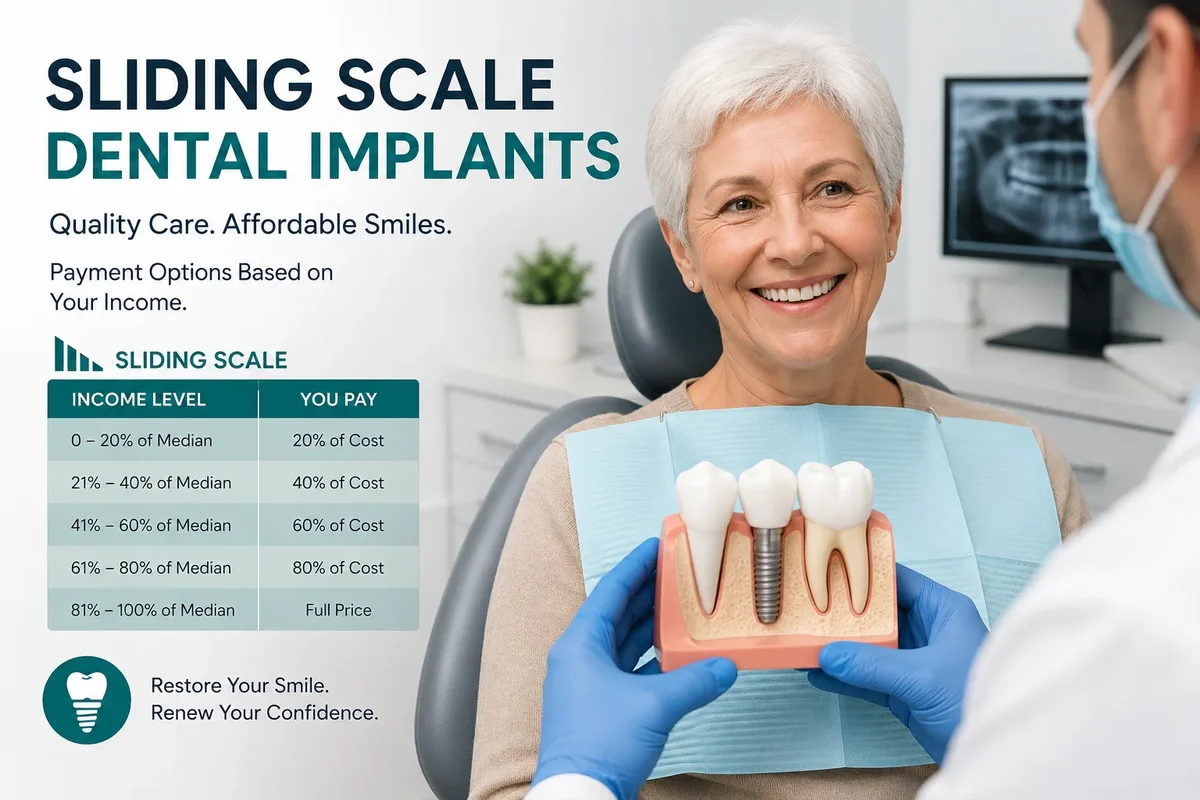
Patients with lower annual incomes generally receive the largest discounts. Some clinics divide applicants into income brackets, with each bracket corresponding to a different treatment fee level. The lower the household income, the lower the potential cost of treatment.
For example, a clinic may offer several pricing tiers:
- Tier 1: Lowest-income households receive maximum discounts.
- Tier 2: Moderate-income households receive partial discounts.
- Tier 3: Higher-income households receive limited financial assistance.
- Tier 4: Standard pricing applies.
This structure allows sliding scale dental implants programs to distribute available resources fairly while helping the greatest number of patients possible.
Documents Commonly Required
Patients applying for sliding scale dental implants may be asked to provide:
- Recent tax returns
- Pay stubs
- Bank statements
- Employment verification
- Proof of government assistance
- Social Security benefit statements
- Retirement income documentation
Providing accurate financial information is essential because eligibility decisions are often based on verified documentation.
Household Size and Family Circumstances
Income alone does not always determine eligibility for sliding scale dental implants. Many organizations also consider household size. A family of six earning a specific income may face far greater financial challenges than a single individual earning the same amount.
For this reason, many programs evaluate total household income relative to the number of dependents supported by that income. Larger families may qualify for greater assistance even when gross income appears relatively high.
Some clinics also consider special circumstances such as:
- Single-parent households
- Families caring for disabled dependents
- Recent job loss
- Major medical expenses
- Temporary financial hardship
These considerations help ensure that sliding scale dental implants remain available to individuals facing genuine financial obstacles.
Patients Without Dental Insurance
Many people searching for sliding scale dental implants do not have dental insurance. Since most dental insurance plans provide limited implant coverage—or no implant coverage at all—uninsured individuals often face the greatest financial burden.
Programs frequently prioritize patients who lack adequate insurance benefits. In some cases, clinics may first require patients to utilize any available insurance benefits before additional discounts are applied.
For uninsured individuals, sliding scale dental implants may represent one of the few realistic pathways to obtaining permanent tooth replacement treatment.
Patients With Limited Implant Coverage
Even patients who have dental insurance may qualify for certain forms of financial assistance. Many policies exclude implant surgery entirely or cover only a portion of related services.
When insurance leaves substantial out-of-pocket costs, some providers offering sliding scale dental implants may help reduce remaining expenses based on financial need.
Eligibility Through Community Health Centers
Community health centers are among the most common providers of sliding scale dental implants. These organizations often receive public funding designed to improve access to healthcare services for underserved populations.
Patients who meet income requirements may receive reduced fees for consultations, diagnostic services, oral surgery procedures, and restorative treatments. Because funding levels vary, waiting lists may exist for implant-related services.
Patients interested in community-based sliding scale dental implants should contact local health centers directly to learn about availability and qualification criteria.
Dental School Qualification Programs
Dental schools represent another valuable resource for affordable implant treatment. While dental schools do not always use traditional sliding-scale models, they often provide lower-cost treatment because procedures are performed by advanced students or residents under close supervision.
Some university programs combine reduced tuition-clinic fees with financial assessment systems that resemble sliding scale dental implants structures.
These institutions frequently maintain high standards of care while helping patients access more affordable treatment options.
Special Considerations for Seniors
Retirees and older adults are among the groups most likely to seek sliding scale dental implants. Fixed retirement incomes often make implant treatment difficult to afford despite the significant oral health benefits implants can provide.
Many assistance programs consider retirement status, Social Security benefits, pension income, and medical expenses when determining eligibility.
Seniors experiencing tooth loss should not assume implant treatment is financially impossible. Numerous programs specifically aim to improve access for older adults.
Veterans and Individuals With Disabilities
Certain nonprofit organizations and assistance programs offer specialized support for veterans, disabled individuals, and medically vulnerable populations. These groups may qualify for enhanced financial assistance through some sliding scale dental implants initiatives.
Eligibility often depends on disability status, military service history, healthcare coverage, and individual financial circumstances.
Patients should explore both local and national resources when researching available options.
Clinical Qualification Still Matters
Financial eligibility alone does not guarantee acceptance into a sliding scale dental implants program. Patients must also meet clinical requirements for implant treatment.
Dental professionals typically evaluate:
- Overall oral health
- Gum health status
- Bone volume and density
- Smoking habits
- Medical conditions
- Oral hygiene practices
- Treatment expectations
If additional procedures such as bone grafting or periodontal therapy are required, these services may be incorporated into the overall treatment plan.
Final Thoughts on Eligibility
Qualifying for sliding scale dental implants depends on a combination of financial, personal, and clinical factors. Income level, household size, insurance status, financial hardship, and oral health condition all play important roles in the evaluation process.
Although qualification requirements vary among providers, patients should not automatically assume they are ineligible. Many people who initially believe implants are beyond their budget discover that sliding scale dental implants programs make treatment surprisingly attainable. By gathering financial documents, researching local resources, and scheduling consultations, patients can significantly improve their chances of accessing affordable implant care while restoring both oral function and confidence.
Average Costs of Sliding Scale Dental Implants Compared to Traditional Implants
One of the primary reasons patients search for sliding scale dental implants is the desire to reduce the financial burden associated with implant treatment. Dental implants are widely recognized as one of the most effective solutions for replacing missing teeth, but their cost can be intimidating. Understanding how the pricing of sliding scale dental implants compares with traditional implant treatment helps patients make informed decisions about their oral health and financial planning.
While implant costs vary significantly based on location, provider experience, treatment complexity, and additional procedures, patients are often surprised to learn that affordable alternatives may exist through community-based programs, nonprofit organizations, university dental schools, and income-based healthcare initiatives. These programs make sliding scale dental implants a realistic option for many individuals who would otherwise delay or avoid treatment.
Understanding Traditional Dental Implant Costs
To appreciate the value of sliding scale dental implants, it is important to first understand how traditional implant pricing is structured. Dental implant treatment involves several stages, each contributing to the overall cost.
Typical treatment expenses may include:
- Initial consultation and examination
- Digital X-rays and 3D CBCT imaging
- Treatment planning
- Tooth extraction if necessary
- Bone grafting procedures when required
- Implant placement surgery
- Healing and follow-up visits
- Abutment placement
- Custom implant crown or restoration
Each component contributes to the final treatment fee. Patients seeking traditional implant care at private practices often pay full market rates for every stage of treatment.
Typical Traditional Implant Price Ranges
Although prices vary by region, the following estimates are commonly cited in the United States:
| Treatment Type | Estimated Cost Range |
|---|---|
| Single Dental Implant | $3,000 – $6,000+ |
| Implant-Supported Bridge | $5,000 – $15,000+ |
| All-on-4 Restoration | $15,000 – $35,000+ |
| Full Mouth Implant Reconstruction | $20,000 – $60,000+ |
| Bone Grafting Procedures | $300 – $3,000+ |
These figures illustrate why so many patients investigate sliding scale dental implants as a more affordable alternative.
How Sliding Scale Dental Implants Reduce Costs
The defining feature of sliding scale dental implants is that treatment fees are adjusted according to a patient’s financial circumstances. Rather than charging identical rates to every patient, providers use income-based formulas to determine appropriate pricing.
In many cases, clinics establish several financial tiers. Patients with lower incomes may qualify for substantial discounts, while those with moderate incomes may receive partial reductions. This structure allows providers to expand access to care while maintaining sustainable operations.
Because funding sources differ among organizations, the exact savings associated with sliding scale dental implants vary considerably from one program to another.
Potential Cost Savings
Depending on eligibility and provider policies, patients may experience savings ranging from modest discounts to significant reductions in overall treatment costs. Some programs may lower consultation fees, diagnostic costs, or surgical expenses, while others provide broader discounts across the entire treatment plan.
Patients who qualify for sliding scale dental implants often find that treatment becomes far more manageable financially than initially expected.
Dental Schools and Reduced-Cost Implant Programs
University dental schools represent an important source of affordable implant treatment. Although they do not always operate under a traditional sliding-scale model, they frequently offer lower fees because treatment is provided by advanced dental students or residents under specialist supervision.
Many patients researching sliding scale dental implants discover that dental schools offer some of the most substantial cost reductions available while maintaining high standards of care.
In these environments, patients may receive treatment using modern technologies, comprehensive treatment planning, and evidence-based clinical protocols at significantly reduced rates compared to private practice fees.
Community Health Centers and Nonprofit Providers
Community health centers and nonprofit organizations frequently offer sliding scale dental implants through funding received from government grants, charitable donations, and healthcare assistance programs.
Because these organizations prioritize accessibility, they often focus on helping underserved populations obtain essential dental care. In some cases, implant treatment may be offered at dramatically reduced prices for qualifying individuals.
Patients should be aware that waiting lists may exist because demand for affordable care frequently exceeds available funding.
Additional Financial Assistance Opportunities
Some clinics combine sliding scale dental implants with other affordability programs, including:
- Interest-free payment plans
- Monthly financing arrangements
- Healthcare credit programs
- Charitable grant assistance
- Veteran support initiatives
- Senior-focused financial aid programs
These options can further reduce barriers to treatment and improve accessibility.
Factors That Influence Implant Costs
Regardless of whether a patient pursues traditional treatment or sliding scale dental implants, several factors influence final pricing.
Important variables include:
- Number of implants required
- Jawbone condition
- Need for extractions
- Requirement for bone grafting
- Type of restoration selected
- Geographic location
- Provider experience
- Laboratory costs
- Materials used
Patients should always request detailed treatment estimates to understand exactly which services are included.
Comparing Cost Versus Long-Term Value
Although affordability is important, treatment decisions should not be based solely on price. One of the strongest arguments in favor of sliding scale dental implants is that they make long-term solutions accessible without sacrificing quality.
Implants are designed to function like natural tooth roots and may last for decades when properly maintained. Unlike some alternatives that require periodic replacement or adjustment, implants often provide exceptional durability and stability.
As a result, many patients view sliding scale dental implants as an investment rather than simply a healthcare expense. The ability to obtain advanced treatment at reduced rates increases the overall value proposition significantly.
Questions Patients Should Ask About Costs
Before committing to treatment, patients researching sliding scale dental implants should ask providers several important questions:
- What services are included in the quoted fee?
- Are imaging costs included?
- Does pricing include the final restoration?
- Are follow-up appointments covered?
- What additional costs might arise?
- Are payment plans available?
- How long will discounts remain valid?
Obtaining clear answers helps prevent misunderstandings and supports better financial planning.
Final Thoughts on Implant Cost Comparisons
When comparing treatment options, many patients discover that sliding scale dental implants offer one of the most effective ways to access advanced tooth replacement care while controlling costs. Traditional implant treatment can require a substantial financial commitment, but income-based programs, community clinics, nonprofit organizations, and dental schools often provide meaningful alternatives.
While exact savings vary by provider and eligibility status, sliding scale dental implants can significantly reduce treatment expenses while preserving the clinical benefits that make implants the preferred tooth replacement solution. For patients who once believed implants were financially impossible, these programs create realistic opportunities to restore oral health, confidence, comfort, and long-term quality of life.
Financial Assistance Options for Sliding Scale Dental Implants
For many patients, the biggest challenge in pursuing dental implant treatment is not determining whether implants are the right solution—it is finding a way to pay for them. Even when treatment is medically necessary, the costs associated with implant placement, restorative work, and follow-up care can be significant. Fortunately, a variety of financial assistance resources exist to help patients access sliding scale dental implants and other affordable implant solutions.
Understanding the available funding options can dramatically improve a patient’s ability to receive treatment. While no single financial assistance program fits every situation, combining multiple resources often makes sliding scale dental implants far more accessible than many people initially assume.
Patients should begin their search early, gather necessary documentation, and explore all available programs. The more financial assistance opportunities a patient investigates, the greater the likelihood of reducing treatment costs.
Community Health Center Assistance Programs
Community health centers remain one of the most important resources for individuals seeking sliding scale dental implants. These organizations are specifically designed to improve access to healthcare services for underserved populations.
Many community clinics receive government funding, public grants, and healthcare subsidies that allow them to reduce treatment costs based on household income. Patients who meet financial eligibility requirements may qualify for significant discounts on implant-related services.
Depending on the clinic, reduced fees may apply to:
- Dental examinations
- Diagnostic imaging
- Treatment planning
- Implant surgery
- Restorative procedures
- Follow-up appointments
Because demand often exceeds available funding, patients interested in sliding scale dental implants through community health centers should contact providers as early as possible.
Advantages of Community-Based Programs
Community-based programs often provide more than financial discounts. Patients may also receive educational resources, preventive care guidance, and referrals to specialists when needed. These services help improve overall treatment outcomes while supporting long-term oral health.
Dental School Implant Programs
Dental schools are another valuable source of affordable implant treatment. Although they may not always advertise services specifically as sliding scale dental implants, many university clinics offer significantly reduced pricing compared to private practices.
In these environments, treatment is typically performed by advanced dental students, residents, or postgraduate specialists under close faculty supervision. Because education is a central component of the clinic’s mission, treatment fees are often lower.
Patients frequently receive:
- Comprehensive treatment planning
- Modern diagnostic imaging
- Evidence-based treatment protocols
- Specialist supervision
- Reduced procedural fees
For individuals researching sliding scale dental implants, dental schools may provide some of the best combinations of affordability and quality available.
Potential Trade-Offs
While costs may be lower, treatment timelines can sometimes be longer because procedures are performed within an educational setting. Patients should discuss scheduling expectations before beginning treatment.
Nonprofit Organizations and Charitable Foundations
Numerous nonprofit organizations support access to dental care for financially disadvantaged individuals. Some foundations specifically focus on helping patients obtain restorative treatments, including sliding scale dental implants.
Eligibility requirements vary depending on the organization, but assistance may be available for:
- Low-income individuals
- Seniors
- Veterans
- People with disabilities
- Victims of medical hardship
- Individuals with severe dental needs
Some nonprofit programs offer grants that partially offset implant expenses, while others partner directly with dental providers to reduce treatment costs.
Patients seeking sliding scale dental implants should investigate both local and national charitable resources to maximize potential assistance opportunities.
Government-Supported Healthcare Resources
Although government programs do not always provide direct coverage for dental implants, certain healthcare initiatives may assist qualifying individuals.
Programs vary by location and may include:
- Community healthcare funding
- Public health dental programs
- Disability-related healthcare benefits
- Senior assistance programs
- Veteran healthcare services
Patients should not automatically assume that implant treatment is excluded. In some circumstances, medically necessary treatment may qualify for partial support, especially when sliding scale dental implants are offered through participating providers.
Importance of Local Research
Healthcare assistance programs differ significantly between regions. Patients should contact local healthcare agencies, social service departments, and community organizations to learn about available resources.
Dental Financing Programs
For patients who do not fully qualify for reduced-cost programs, financing may provide another pathway to obtaining sliding scale dental implants.
Many dental providers partner with healthcare financing companies that allow patients to spread treatment costs over time. Depending on credit approval and program terms, financing options may include:
- Monthly payment plans
- Short-term interest-free promotions
- Extended repayment schedules
- Healthcare credit accounts
Although financing does not directly reduce treatment costs, it can make implant care more manageable by lowering immediate financial barriers.
Employer and Supplemental Benefits
Some patients overlook potential assistance available through workplace benefit programs. While traditional dental insurance often provides limited implant coverage, certain supplemental plans may contribute toward portions of treatment.
Patients interested in sliding scale dental implants should carefully review all available benefit documentation and speak with benefits administrators when necessary.
Even partial reimbursement can significantly reduce overall treatment expenses.
Veteran Assistance Programs
Veterans may have access to specialized healthcare resources that can help support implant treatment. Depending on eligibility status and healthcare coverage, veterans may qualify for dental benefits through government or nonprofit programs.
Several organizations work specifically with former military personnel to improve access to restorative dental care, including sliding scale dental implants.
Veterans should contact appropriate healthcare representatives to determine what resources may be available based on individual circumstances.
Combining Multiple Assistance Sources
One of the most effective strategies for reducing treatment costs is combining multiple forms of assistance. Patients often assume they must rely on a single program, but many successful treatment plans involve several financial resources working together.
For example, a patient may:
- Receive discounted treatment through a community clinic.
- Apply a charitable grant toward surgical costs.
- Use financing for the remaining balance.
- Leverage available insurance benefits where applicable.
This layered approach can make sliding scale dental implants substantially more affordable than patients expect.
Preparing for Applications
To improve approval chances, patients should gather financial documents before applying. Common requirements include tax returns, income statements, identification documents, insurance information, and proof of residency.
Being prepared can accelerate the application process and improve access to available funding.
Final Thoughts on Financial Assistance
While dental implants are often perceived as expensive, numerous resources exist to help patients obtain treatment. Community clinics, dental schools, nonprofit organizations, government-supported programs, healthcare financing providers, and charitable foundations all contribute to expanding access to care.
For many individuals, sliding scale dental implants provide an affordable path toward restoring oral health, confidence, and daily function. By carefully researching available assistance programs and combining multiple funding opportunities when possible, patients can dramatically reduce treatment costs while still benefiting from one of modern dentistry’s most reliable tooth replacement solutions. The key is persistence, preparation, and a willingness to explore every available option before assuming implant treatment is financially out of reach.
How to Find Clinics Offering Sliding Scale Dental Implants Near You
Finding affordable dental implant treatment can feel overwhelming, especially for patients who have already been quoted thousands of dollars for care. Fortunately, clinics offering sliding scale dental implants exist in many regions and can provide a pathway toward affordable, high-quality treatment. The challenge is knowing where to look, how to evaluate providers, and what questions to ask during the search process.
Many patients assume that affordable implant treatment is unavailable in their area simply because they have only contacted traditional private dental offices. In reality, a variety of healthcare organizations, educational institutions, nonprofit groups, and community programs may offer sliding scale dental implants or similar income-based dental services.
Taking a systematic approach to research can significantly improve the chances of finding a provider that matches both financial needs and treatment goals.
Start with Community Health Centers
One of the best places to begin searching for sliding scale dental implants is through community health centers. These organizations are specifically designed to improve healthcare access for underserved populations and often provide dental services at reduced rates.
Community clinics may:
- Offer income-based fee schedules.
- Provide referrals to implant specialists.
- Participate in local assistance programs.
- Coordinate financing options.
- Maintain partnerships with nonprofit organizations.
Patients should contact local community health centers directly and ask whether implant services are available through their dental departments or referral networks.
Questions to Ask Community Clinics
- Do you offer sliding scale dental implants?
- What income documentation is required?
- Are implant consultations available?
- How long is the waiting list?
- What services are included in discounted pricing?
Obtaining clear answers early can help patients avoid unnecessary delays.
Explore University Dental Schools
Dental schools are among the most valuable resources for patients seeking affordable implant treatment. While not every university uses a formal sliding-scale structure, many schools provide implant services at reduced fees because treatment is performed by advanced dental students, residents, or postgraduate specialists under supervision.
Patients searching for sliding scale dental implants often discover that dental schools offer excellent value while maintaining high clinical standards.
University clinics typically provide:
- Comprehensive evaluations.
- Digital imaging technology.
- Advanced treatment planning.
- Specialist supervision.
- Lower procedural fees.
Because educational institutions often have multiple departments involved in implant care, patients may gain access to highly specialized treatment at significantly reduced costs.
Benefits of Dental School Treatment
Although treatment may sometimes require additional appointments, many patients consider the savings associated with dental schools well worth the longer timeline. For individuals seeking sliding scale dental implants, university programs frequently represent one of the strongest options available.
Search Nonprofit Dental Organizations
Many nonprofit healthcare organizations focus on expanding access to dental services. Some specifically support patients who require restorative procedures such as implants but face financial barriers.
Organizations may provide:
- Direct financial assistance.
- Reduced-cost provider networks.
- Grant opportunities.
- Treatment referrals.
- Charitable dental programs.
Patients researching sliding scale dental implants should investigate both local and national nonprofit resources. Even if a nonprofit does not directly provide treatment, it may connect patients with participating clinics that offer affordable implant services.
Use Online Provider Directories
The internet can be an effective tool when used strategically. Patients should search for terms such as:
- Sliding scale dental clinics
- Affordable dental implants
- Income-based dental services
- Community dental care
- Low-cost implant programs
- Dental schools near me
- Reduced-cost implant treatment
Combining these searches with a city or regional name often produces more relevant results.
When evaluating online listings, patients should verify provider credentials, review patient feedback, and confirm that sliding scale dental implants are actually available rather than assuming affordability based solely on advertising language.
Watch for Misleading Marketing
Some providers advertise low-cost implant treatment without offering true income-based pricing. Patients should ask specifically whether financial assistance is linked to income qualifications or whether advertised discounts apply universally.
This distinction is important when comparing options for sliding scale dental implants.
Ask About Government and Public Health Resources
Local public health departments can often direct patients toward available dental assistance programs. While government agencies may not directly provide implant treatment, they frequently maintain information about healthcare providers serving lower-income populations.
Patients should contact:
- County health departments.
- Public health offices.
- Community assistance agencies.
- Social service organizations.
- Healthcare resource centers.
These organizations may identify clinics participating in sliding scale dental implants initiatives or related financial assistance programs.
Check Eligibility Before Scheduling
Before investing time and money in consultations, patients should verify eligibility requirements. Different providers use different criteria when determining qualification for sliding scale dental implants.
Common requirements may include:
- Proof of income.
- Household size documentation.
- Insurance information.
- Proof of residency.
- Tax returns.
- Identification documents.
Preparing these materials in advance can streamline the application process and reduce delays.
Understand Clinical Requirements
Financial eligibility is only one part of the process. Patients must also meet clinical criteria for implant treatment. Factors such as bone density, gum health, smoking status, and medical history can influence treatment eligibility.
Providers offering sliding scale dental implants typically perform comprehensive evaluations before approving treatment plans.
Compare Multiple Providers
Patients should avoid selecting the first affordable clinic they encounter. Comparing several providers often reveals meaningful differences in pricing, services, technology, and treatment approaches.
Important comparison points include:
- Total treatment costs.
- Included services.
- Provider experience.
- Technology used.
- Financing availability.
- Treatment timelines.
- Follow-up care policies.
Because implant treatment represents a long-term investment, careful provider selection is essential.
Consider Traveling for Treatment
In some situations, patients may find significantly better opportunities outside their immediate area. Certain regions have larger networks of community clinics, university programs, or nonprofit dental providers.
For patients pursuing sliding scale dental implants, traveling a reasonable distance may result in substantial savings and improved treatment access.
However, travel costs, follow-up visits, and recovery logistics should always be considered when evaluating distant providers.
Why Persistence Matters
Finding affordable implant care often requires patience and persistence. Many patients contact several clinics before locating a provider offering suitable sliding scale dental implants programs.
Waiting lists, eligibility reviews, and consultation requirements can take time, but the long-term benefits of receiving quality implant treatment frequently justify the effort.
Patients who remain proactive and thoroughly research available resources often discover opportunities that significantly reduce treatment costs.
Final Thoughts on Finding Affordable Providers
Locating clinics that offer sliding scale dental implants requires a combination of research, preparation, and persistence. Community health centers, dental schools, nonprofit organizations, public health agencies, and specialized assistance programs all represent valuable resources for patients seeking affordable care.
By comparing providers, verifying eligibility requirements, gathering financial documentation, and exploring multiple assistance pathways, patients can dramatically improve their chances of accessing high-quality implant treatment at a manageable cost. Ultimately, sliding scale dental implants can transform what appears to be an unattainable procedure into a realistic and affordable investment in long-term oral health, comfort, and confidence.
Questions to Ask Before Starting Sliding Scale Dental Implants Treatment
Choosing a dental implant provider is a major decision, especially when exploring affordable treatment options. While sliding scale dental implants can significantly reduce financial barriers, patients should still conduct thorough research before beginning care. Asking the right questions not only helps patients understand treatment costs but also ensures they receive safe, effective, and high-quality dental care.
Many individuals become focused solely on affordability when searching for sliding scale dental implants. While cost is important, other factors such as provider experience, treatment planning, implant materials, follow-up care, and long-term success rates should also be carefully considered.
A consultation appointment provides the perfect opportunity to gather information and evaluate whether a provider is the right fit. Patients who ask detailed questions often feel more confident about their decisions and experience fewer surprises during treatment.
Questions About Eligibility for Sliding Scale Dental Implants
The first topic patients should discuss involves qualification requirements. Because eligibility standards vary among providers, understanding the financial assessment process is essential.
Helpful questions include:
- Do you offer true sliding scale dental implants based on income?
- What documents are required to qualify?
- How often is eligibility reviewed?
- Are discounts applied to all treatment phases?
- What income levels typically qualify for assistance?
These questions help patients understand whether they are likely to receive financial support and what documentation may be needed.
Understanding the Discount Structure
Not all clinics apply discounts in the same way. Some providers reduce only consultation fees, while others offer comprehensive discounts covering surgery, restorations, and follow-up care.
Patients considering sliding scale dental implants should ask exactly which services are included in any reduced-fee program to avoid unexpected costs later.
Questions About Total Treatment Costs
One of the most important discussions involves understanding the complete financial picture. Implant treatment often consists of multiple stages, and patients should know what expenses to expect before committing to care.
Recommended questions include:
- What is the estimated total treatment cost?
- Are consultation fees included?
- Does pricing cover diagnostic imaging?
- Are implant components included?
- Is the final crown or restoration included?
- Are follow-up appointments covered?
- Could additional procedures increase costs?
Even when participating in sliding scale dental implants programs, understanding the full financial commitment remains essential.
Questions About Implant Materials and Technology
Patients should also learn about the materials and technologies used during treatment. High-quality implant systems and modern diagnostic tools contribute significantly to long-term success.
Important questions include:
- What implant brand do you use?
- Are implants made from titanium or zirconia?
- Do you use 3D CBCT imaging?
- Is digital treatment planning available?
- What technologies improve treatment accuracy?
Patients seeking sliding scale dental implants should remember that affordability does not necessarily require sacrificing quality. Many reduced-cost providers utilize advanced technology and evidence-based treatment methods.
Why Technology Matters
Modern implant dentistry relies heavily on digital planning and advanced imaging. These tools help improve implant placement accuracy, reduce complications, and support predictable treatment outcomes.
Understanding the technology available can provide valuable insight into the overall quality of care.
Questions About Provider Experience
The experience and qualifications of the treatment team are among the most important factors influencing implant success.
Patients should ask:
- How many implant cases have you completed?
- Do you specialize in implant dentistry?
- What training have you received?
- Who performs the implant surgery?
- Who creates the final restoration?
When evaluating sliding scale dental implants, patients should focus on clinical expertise as well as affordability.
Even in dental schools and community clinics, experienced specialists often supervise treatment, helping maintain high standards of care.
Questions About Treatment Timeline
Implant treatment typically occurs over several months, and patients should understand the expected timeline before beginning care.
Useful questions include:
- How long will treatment take?
- When will implant placement occur?
- How long is the healing period?
- Will temporary restorations be provided?
- How many appointments should I expect?
Patients pursuing sliding scale dental implants through educational institutions may experience longer timelines due to scheduling and training requirements.
Understanding Healing Periods
Most implants require a healing phase known as osseointegration, during which the implant fuses with the jawbone. Understanding this process helps patients develop realistic expectations regarding treatment duration.
Questions About Additional Procedures
Not every patient is immediately ready for implant placement. Some individuals require preparatory procedures before surgery can begin.
Questions worth asking include:
- Do I need a tooth extraction?
- Will bone grafting be necessary?
- Do I require periodontal treatment first?
- Could sinus augmentation be recommended?
- How will these procedures affect costs?
These additional services may influence both pricing and treatment timelines, even within sliding scale dental implants programs.
Questions About Success Rates and Risks
No dental procedure is completely risk-free. Understanding potential complications allows patients to make informed decisions.
Important questions include:
- What is your implant success rate?
- What complications are most common?
- How are complications managed?
- What happens if an implant fails?
- Are replacement procedures covered?
Providers offering sliding scale dental implants should be transparent about risks, benefits, and expected outcomes.
Factors Affecting Implant Success
Smoking, uncontrolled diabetes, poor oral hygiene, and inadequate bone volume can all affect implant success. Patients should discuss personal risk factors during consultations.
Questions About Long-Term Maintenance
Dental implants require ongoing care and maintenance. Understanding long-term responsibilities helps protect the investment patients make in treatment.
Recommended questions include:
- How often should implants be checked?
- What cleaning methods are recommended?
- Will maintenance visits be discounted?
- Are warranties available?
- What happens if restorations require repair?
Even with sliding scale dental implants, long-term maintenance remains essential for preserving treatment results.
Questions About Financing and Payment Plans
Although reduced-cost programs lower expenses, some patients may still need financing assistance.
Important financial questions include:
- Do you offer payment plans?
- Are interest-free options available?
- Can treatment be completed in phases?
- What payment methods are accepted?
- Are deposits required?
Many providers offering sliding scale dental implants also provide flexible payment arrangements to further improve affordability.
Final Thoughts on Asking the Right Questions
Patients considering sliding scale dental implants should view consultations as opportunities to gather detailed information rather than simply receive a treatment quote. Asking thoughtful questions about costs, qualifications, technology, provider experience, timelines, risks, and maintenance helps ensure informed decision-making.
By thoroughly evaluating providers and understanding every aspect of treatment, patients can confidently move forward with sliding scale dental implants while minimizing surprises and maximizing the likelihood of long-term success. The more information a patient gathers before treatment begins, the better prepared they will be to achieve a healthy, functional, and confident smile.
Risks, Limitations, and Important Considerations of Sliding Scale Dental Implants
While sliding scale dental implants provide an excellent opportunity for many patients to access affordable tooth replacement treatment, it is important to understand that no healthcare solution is perfect. Just as traditional implant treatment involves certain risks, challenges, and limitations, patients considering sliding scale dental implants should fully understand both the advantages and potential drawbacks before making a decision.
Being informed about possible complications, eligibility restrictions, treatment timelines, and financial considerations helps patients develop realistic expectations and make confident healthcare choices. Fortunately, most risks associated with sliding scale dental implants can be effectively managed through proper planning, professional guidance, and ongoing oral care.
Limited Availability of Sliding Scale Dental Implants
One of the most common challenges patients encounter is simply finding a provider that offers sliding scale dental implants. Unlike traditional dental practices, which are widely available in most cities, income-based implant programs are often limited in number.
Many community health centers, nonprofit organizations, and educational institutions operate with finite resources and funding. As a result, access to affordable implant treatment may vary significantly depending on geographic location.
Patients living in rural or underserved areas may need to travel considerable distances to access providers offering sliding scale dental implants. In some cases, patients may even need to explore treatment options in neighboring cities or regions.
Waiting Lists May Be Common
Because demand for affordable implant care is often high, waiting lists are common. Some programs have limited appointment availability, especially when funding cycles restrict the number of patients who can be treated each year.
Individuals seeking sliding scale dental implants should begin their search early and prepare for possible delays before treatment can begin.
Eligibility Requirements Can Be Restrictive
Although sliding scale dental implants are designed to improve access to care, not every applicant will qualify. Financial eligibility requirements vary between providers, and some programs have strict qualification standards.
Patients may be required to provide:
- Income verification
- Tax documentation
- Proof of residency
- Insurance information
- Household size records
- Employment documentation
Even when patients meet financial requirements, clinical factors may affect eligibility for treatment.
Funding Limitations
Some organizations operate with limited budgets and may prioritize applicants with the greatest financial need. This means that certain individuals who would benefit from sliding scale dental implants may not receive assistance if program resources are exhausted.
Clinical Risks Associated With Dental Implants
Regardless of whether treatment is received through a private practice or a reduced-cost program, all dental implant procedures carry certain clinical risks.
Potential complications may include:
- Infection
- Delayed healing
- Implant failure
- Nerve irritation
- Sinus complications
- Excessive bleeding
- Soft tissue problems
These risks are generally uncommon when treatment is performed by qualified professionals, but patients considering sliding scale dental implants should understand that no surgical procedure is entirely risk-free.
Implant Failure Possibilities
Although dental implants have very high success rates, failures can occur. Factors that may increase the likelihood of complications include smoking, poor oral hygiene, uncontrolled diabetes, severe gum disease, and inadequate bone support.
Patients receiving sliding scale dental implants should follow all clinical instructions carefully to maximize treatment success.
Longer Treatment Timelines
Many patients are attracted to sliding scale dental implants because of the financial savings they offer. However, affordable treatment programs may sometimes involve longer treatment timelines compared to private practices.
This can occur for several reasons:
- High patient demand
- Limited appointment availability
- Educational scheduling requirements
- Funding-related administrative processes
- Referral coordination between providers
Patients should discuss expected treatment timelines during consultations and understand that affordability may occasionally require additional patience.
Dental School Scheduling Considerations
When treatment is performed through dental schools, appointment schedules may align with academic calendars. While care quality is often excellent, patients pursuing sliding scale dental implants through educational institutions should anticipate potentially longer treatment durations.
Additional Procedures May Still Be Necessary
Many patients assume implant placement is the only procedure required. In reality, some individuals need preparatory treatments before implants can be successfully placed.
Additional procedures may include:
- Tooth extractions
- Bone grafting
- Sinus augmentation
- Periodontal treatment
- Infection management
Even when participating in sliding scale dental implants programs, these procedures may affect both treatment costs and timelines.
Patients should request comprehensive treatment plans that clearly outline all anticipated procedures and associated expenses.
Potential Cost Variations
Although the purpose of sliding scale dental implants is affordability, patients should not assume that every aspect of treatment will be heavily discounted.
Different providers apply financial assistance differently. Some programs reduce consultation fees, while others provide discounts on surgery but not restorations. In certain situations, laboratory fees and specialized procedures may remain largely unchanged.
Understanding the exact scope of financial assistance is critical before beginning treatment.
Importance of Written Estimates
Patients should request written treatment estimates whenever possible. Detailed documentation helps clarify what services are included and reduces the risk of misunderstandings later in the treatment process.
Maintenance Responsibilities Remain the Same
A common misconception is that affordable implant treatment requires less long-term maintenance. In reality, implants obtained through sliding scale dental implants programs require the same level of care as implants placed in private practices.
Patients must commit to:
- Excellent oral hygiene
- Regular dental checkups
- Professional cleanings
- Healthy lifestyle habits
- Routine implant monitoring
Failing to maintain implants properly can compromise long-term success regardless of how affordable the initial treatment may have been.
Emotional and Psychological Expectations
While sliding scale dental implants can significantly improve appearance, comfort, and confidence, patients should maintain realistic expectations regarding outcomes.
Implants are highly effective, but they do not instantly solve every dental or cosmetic concern. Treatment often requires multiple appointments, healing periods, and long-term commitment.
Open communication with the dental team helps ensure expectations align with achievable treatment outcomes.
Importance of Patient Education
Patients who understand the complete treatment process generally experience greater satisfaction. Education helps individuals make informed decisions while reducing anxiety related to implant procedures.
Balancing Risks and Benefits
Despite these considerations, the benefits of sliding scale dental implants frequently outweigh the limitations for eligible patients. Access to affordable implant care can dramatically improve oral health, chewing function, self-confidence, and overall quality of life.
Most risks can be minimized through careful provider selection, proper treatment planning, thorough evaluations, and strong patient compliance.
Final Thoughts on Risks and Considerations
Sliding scale dental implants offer a valuable opportunity for individuals who might otherwise be unable to afford implant treatment. However, patients should understand that affordability does not eliminate the need for informed decision-making. Limited availability, qualification requirements, treatment timelines, clinical risks, and maintenance responsibilities all deserve careful consideration.
By approaching treatment with realistic expectations and asking the right questions during consultations, patients can confidently evaluate whether sliding scale dental implants are the right solution for their needs. With proper planning and professional care, these programs can provide access to life-changing dental treatment while maintaining high standards of safety, effectiveness, and long-term success.
Why Sliding Scale Dental Implants Can Be a Long-Term Investment in Oral Health
When patients evaluate tooth replacement options, the discussion often begins with cost. While affordability is certainly important, focusing exclusively on upfront expenses can sometimes overlook the broader value of treatment. One of the strongest arguments in favor of sliding scale dental implants is that they allow patients to access a treatment option that may provide benefits for decades. Rather than viewing implants solely as an expense, many dental professionals encourage patients to consider them a long-term investment in oral health, function, comfort, and quality of life.
Dental implants are widely recognized as the most advanced solution for replacing missing teeth because they address both the visible portion of the tooth and the underlying root structure. Through sliding scale dental implants, patients who may not otherwise be able to afford this level of care gain access to many of the same long-term advantages enjoyed by those receiving treatment through traditional private practices.
Preserving Jawbone Structure Over Time
One of the most significant long-term benefits of dental implants is their ability to help preserve jawbone health. When a natural tooth is lost, the surrounding bone no longer receives stimulation from chewing forces. As a result, the bone gradually begins to shrink through a process known as resorption.
Bone loss can lead to several complications, including:
- Changes in facial appearance
- Reduced support for neighboring teeth
- Difficulties with future restorations
- Progressive oral health challenges
Because implants function similarly to natural tooth roots, they provide stimulation that helps maintain bone density. Patients who receive sliding scale dental implants gain access to this important protective benefit, potentially reducing future oral health complications associated with untreated tooth loss.
Why Bone Preservation Matters
Healthy jawbone structure contributes to both function and appearance. Maintaining bone volume can help support facial contours and improve long-term treatment outcomes. This is one reason many clinicians consider sliding scale dental implants a worthwhile investment rather than simply a cosmetic procedure.
Exceptional Durability Compared to Alternatives
Many traditional tooth replacement options require periodic replacement, adjustment, or repair. Dentures may need relining as the jaw changes shape, while bridges can eventually require replacement due to wear or damage.
Dental implants are known for their remarkable durability. With proper care, many implants remain functional for decades. Although restorations such as crowns may occasionally require maintenance, the implant itself often provides long-term stability.
For patients who qualify for sliding scale dental implants, this durability contributes significantly to overall value. The ability to receive a treatment designed for long-term performance can reduce the likelihood of repeated future expenses associated with alternative solutions.
Reduced Replacement Costs
Because implants often last substantially longer than many traditional restorations, patients may avoid some of the recurring expenses associated with replacement prosthetics. This potential for long-term savings further enhances the value of sliding scale dental implants.
Improved Daily Function and Comfort
The benefits of dental implants extend far beyond appearance. Missing teeth can interfere with eating, speaking, and overall comfort. Removable dentures may shift during meals or conversations, creating frustration and inconvenience.
One reason patients appreciate sliding scale dental implants is that they provide a stable and predictable solution. Because implants are anchored directly into the jawbone, they offer a level of security that closely resembles natural teeth.
Patients often report improvements in:
- Chewing efficiency
- Speech clarity
- Comfort during meals
- Confidence in social situations
- Overall quality of life
These daily benefits accumulate over time, making implants valuable not only clinically but also personally.
Supporting Better Nutrition
Oral health plays an important role in nutrition. Individuals missing multiple teeth frequently avoid certain foods because chewing becomes difficult or uncomfortable.
Foods commonly avoided may include:
- Fresh fruits
- Raw vegetables
- Nuts
- Lean proteins
- Fiber-rich foods
By restoring bite strength and stability, sliding scale dental implants can help patients return to a more varied and nutritious diet.
Improved nutrition supports overall health and may contribute to better long-term wellness outcomes. This connection between oral health and general health reinforces the investment value of implant treatment.
Oral Health and Whole-Body Health
Research increasingly demonstrates that oral health influences broader health outcomes. Maintaining the ability to eat comfortably and effectively can positively impact nutrition, energy levels, and overall well-being.
Boosting Self-Confidence and Emotional Well-Being
Tooth loss often affects more than physical function. Many patients experience embarrassment, reduced confidence, and anxiety about their appearance.
Individuals who receive sliding scale dental implants frequently report substantial improvements in self-esteem. Feeling comfortable smiling, speaking, and interacting with others can have meaningful effects on both personal and professional life.
Confidence-related benefits may include:
- Greater social engagement
- Improved workplace confidence
- Enhanced self-image
- Reduced anxiety about appearance
- Higher overall satisfaction with daily life
These psychological advantages often become some of the most valued outcomes of treatment.
Protecting Adjacent Teeth
Traditional dental bridges often require modification of neighboring teeth to support the restoration. This process can involve removing healthy tooth structure.
One important advantage of sliding scale dental implants is that implants function independently. They do not rely on adjacent teeth for support, helping preserve natural tooth structure whenever possible.
Protecting healthy teeth contributes to long-term oral health and may reduce future treatment needs.
A Conservative Treatment Approach
Many dentists view implants as a conservative restorative option because they replace missing teeth without compromising surrounding healthy structures. This preservation-oriented approach supports long-term oral stability.
Increasing Access to Long-Term Solutions
Without affordable programs, many individuals might never have the opportunity to consider implant treatment. The primary value of sliding scale dental implants lies in making these long-term benefits accessible to patients facing financial limitations.
By reducing cost barriers, income-based programs allow more individuals to benefit from advanced restorative dentistry. Patients gain access to treatment options that support health, function, and quality of life for many years.
Financial Value Beyond Initial Costs
Although implants may still require a financial commitment even within reduced-cost programs, their longevity often changes the overall value equation.
When evaluating treatment, patients should consider:
- Expected lifespan of restorations
- Potential future replacement costs
- Maintenance requirements
- Quality-of-life improvements
- Health-related benefits
Viewed from this broader perspective, sliding scale dental implants frequently represent a cost-effective long-term solution rather than a short-term expense.
Final Thoughts on Long-Term Investment Value
Sliding scale dental implants offer much more than affordable access to tooth replacement. They provide an opportunity to invest in lasting oral health, improved function, enhanced confidence, and greater overall well-being. By preserving jawbone structure, protecting adjacent teeth, supporting nutrition, and delivering long-term durability, implants can generate benefits that continue for decades.
For patients who qualify for income-based assistance programs, sliding scale dental implants transform what might otherwise be an unattainable treatment into a realistic pathway toward better health and quality of life. When considered from a long-term perspective, the value of implant treatment often extends far beyond the initial financial investment, making it one of the most meaningful decisions a patient can make for their oral health future.
Frequently Asked Questions About Sliding Scale Dental Implants
As awareness of affordable dental care programs continues to grow, more patients are researching sliding scale dental implants as a practical solution for replacing missing teeth. However, many people still have important questions about how these programs work, who qualifies, what costs are involved, and whether the quality of care differs from traditional implant treatment.
This FAQ section addresses some of the most common concerns patients have when exploring sliding scale dental implants. Understanding these answers can help individuals make informed decisions and determine whether an income-based implant program may be the right option for their needs.
What Are Sliding Scale Dental Implants?
Sliding scale dental implants are implant treatment programs that adjust patient fees according to financial circumstances. Instead of charging a fixed fee to every patient, providers evaluate factors such as income, household size, insurance status, and financial hardship to determine a reduced treatment cost.
These programs are commonly offered through:
- Community health centers
- Dental schools
- Nonprofit organizations
- Charitable healthcare programs
- Public health clinics
The primary goal of sliding scale dental implants is to improve access to advanced tooth replacement treatment for individuals who may otherwise be unable to afford care.
Do Sliding Scale Dental Implants Provide the Same Quality as Traditional Implants?
In many cases, yes. The quality of sliding scale dental implants is often comparable to treatment provided through private practices. Many community clinics, dental schools, and nonprofit organizations use modern implant systems, advanced imaging technology, and evidence-based treatment protocols.
Patients should evaluate providers based on qualifications, experience, technology, and treatment planning rather than assuming that reduced-cost care means reduced quality.
How Can Patients Verify Quality?
Patients should ask about provider credentials, implant brands, treatment success rates, and available technologies. Reading reviews and requesting consultations can also help evaluate the quality of care.
Who Usually Qualifies for Sliding Scale Dental Implants?
Eligibility requirements vary between providers. Most sliding scale dental implants programs evaluate financial need using criteria such as:
- Annual income
- Household size
- Insurance coverage
- Employment status
- Medical hardship
- Disability status
Some programs prioritize individuals with the greatest financial challenges, while others offer tiered discounts that benefit a broader range of income levels.
Patients should contact individual providers directly to learn about specific qualification requirements.
How Much Can Sliding Scale Dental Implants Cost?
The cost of sliding scale dental implants varies widely because pricing depends on individual financial circumstances and provider policies.
While traditional implant treatment may range from approximately $3,000 to $6,000 or more for a single implant, income-based programs can significantly reduce these costs for qualifying patients.
Actual savings vary depending on:
- Eligibility level
- Treatment complexity
- Geographic location
- Available funding
- Provider-specific policies
Patients should request written treatment estimates whenever possible.
Are There Additional Costs?
Yes. Some patients may require bone grafting, extractions, periodontal treatment, or other procedures before implant placement. These services may affect total treatment costs even within sliding scale dental implants programs.
How Long Does Treatment Take?
The timeline for sliding scale dental implants depends on the patient’s oral health condition and the provider’s scheduling availability.
A typical implant process may include:
- Consultation and evaluation
- Treatment planning
- Preparatory procedures if necessary
- Implant placement surgery
- Healing period (osseointegration)
- Final restoration placement
Complete treatment may take several months, especially when bone grafting or complex restorative work is required.
Educational institutions and community clinics sometimes have longer scheduling timelines due to high demand.
Can Patients Without Insurance Qualify?
Absolutely. Many individuals pursuing sliding scale dental implants do not have dental insurance. In fact, uninsured patients are often among the primary beneficiaries of these programs.
Because many dental insurance plans provide limited implant coverage, reduced-cost programs frequently serve both uninsured patients and those whose insurance leaves significant out-of-pocket expenses.
Are Dental Schools a Good Option?
Dental schools can be an excellent resource for affordable implant treatment. Many patients seeking sliding scale dental implants discover that university clinics offer reduced fees while maintaining high standards of care.
Treatment is typically performed by advanced students or residents under the supervision of experienced faculty members and specialists.
While treatment timelines may sometimes be longer, cost savings can be substantial.
Advantages of Dental School Programs
- Lower treatment fees
- Access to modern technology
- Specialist oversight
- Comprehensive evaluations
- Evidence-based treatment approaches
What Risks Are Associated With Dental Implants?
Like any surgical procedure, dental implants involve potential risks. These risks apply whether treatment is received through traditional providers or sliding scale dental implants programs.
Potential complications may include:
- Infection
- Implant failure
- Delayed healing
- Nerve irritation
- Sinus complications
- Soft tissue problems
Fortunately, implant success rates are generally very high when treatment is properly planned and maintained.
How Long Do Dental Implants Last?
One of the strongest benefits of sliding scale dental implants is access to a solution designed for long-term durability. With appropriate oral hygiene and professional care, many implants remain functional for decades.
Although crowns and restorations may occasionally require maintenance or replacement, the implant itself often provides long-lasting support.
This durability contributes significantly to the overall value of implant treatment.
Can Smoking Affect Implant Success?
Yes. Smoking is one of the most significant risk factors associated with implant complications.
Patients interested in sliding scale dental implants should discuss smoking habits openly with their providers. Quitting or reducing tobacco use before treatment may improve healing and increase the likelihood of long-term success.
Other Risk Factors
Additional factors that may affect implant outcomes include:
- Uncontrolled diabetes
- Poor oral hygiene
- Advanced gum disease
- Insufficient bone volume
- Certain medical conditions
How Can Patients Increase Their Chances of Approval?
Patients seeking sliding scale dental implants can improve their chances of approval by preparing documentation in advance.
Helpful materials often include:
- Tax returns
- Pay stubs
- Identification documents
- Proof of residency
- Insurance information
- Medical records when applicable
Submitting complete and accurate information can accelerate the eligibility review process.
Final Thoughts About Sliding Scale Dental Implants
Sliding scale dental implants provide an important opportunity for patients who need permanent tooth replacement but face financial barriers. By offering income-based pricing and expanding access to advanced dental care, these programs help individuals restore oral function, confidence, and quality of life.
Whether treatment is obtained through community clinics, dental schools, nonprofit organizations, or healthcare assistance programs, patients who thoroughly research their options often discover that implants are far more attainable than they originally believed. Understanding the answers to these frequently asked questions can help patients navigate the process confidently and determine whether sliding scale dental implants are the right solution for their long-term oral health goals.