
Surgical braces are an advanced orthodontic treatment designed to correct severe dental and jaw alignment issues that cannot be resolved with traditional braces alone. Unlike standard orthodontic approaches, surgical braces combine orthodontics with jaw surgery (orthognathic surgery) to achieve optimal function, improved facial aesthetics, and long-term oral health. This comprehensive guide explains everything you need to know about surgical braces, from how they work to who needs them and what results you can expect 😊.
In simple terms, surgical braces are used when the problem is not just about crooked teeth but also involves misaligned jaws. When the upper and lower jaws do not align properly, it can lead to difficulty chewing, speaking problems, breathing issues, and even chronic jaw pain. Surgical braces address both the position of the teeth and the structure of the jaw, making them a powerful solution for complex cases.
The treatment process for surgical braces usually begins with a detailed evaluation by an orthodontist and an oral and maxillofacial surgeon. Advanced imaging technologies such as 3D scans and digital X-rays are used to analyze the jaw structure and plan the treatment precisely. During this stage, patients are carefully assessed to determine whether surgical braces are the best option for their condition.
One of the most important aspects of surgical braces is that they are performed in phases. First, traditional braces are placed on the teeth to begin aligning them in preparation for surgery. This phase can last several months. Once the teeth are in the correct pre-surgical position, the jaw surgery is performed to reposition the bones. After the surgery, surgical braces continue to fine-tune the alignment, ensuring a perfect bite and balanced facial profile.
Surgical braces are commonly recommended for individuals with conditions such as severe overbite, underbite, open bite, facial asymmetry, or jaw discrepancies. These issues often cannot be fixed with orthodontics alone because the underlying problem lies in the bone structure. By combining orthodontic treatment with surgical correction, surgical braces provide a comprehensive and lasting solution.
Another key benefit of surgical braces is the improvement in overall quality of life. Patients who undergo this treatment often experience better chewing efficiency, clearer speech, and reduced jaw discomfort. In addition, the aesthetic transformation can be significant, as surgical braces help create a more harmonious facial appearance. This often leads to increased confidence and improved self-esteem 😁.
It is also important to understand that surgical braces require commitment and patience. The entire process can take one to two years depending on the complexity of the case. However, the long-term results are highly rewarding. Patients who complete surgical braces treatment typically enjoy stable, functional, and aesthetically pleasing outcomes that last for many years.
During the treatment journey, maintaining good oral hygiene is essential. Since surgical braces involve both orthodontic appliances and surgical procedures, keeping the mouth clean helps prevent complications such as infections or gum issues. Regular check-ups with your dental team are also crucial to monitor progress and make necessary adjustments.
For those considering surgical braces, choosing a qualified and experienced clinic is extremely important. A multidisciplinary approach involving orthodontists and surgeons ensures that every aspect of the treatment is carefully planned and executed. If you are exploring your options or want professional guidance, you can visit the Redent Klinik Contact Page to connect with specialists who can evaluate your case.
Additionally, staying informed through trusted organizations such as the American Dental Association can help you better understand the standards and safety of treatments like surgical braces. Reliable information empowers you to make confident decisions about your oral health.
In conclusion, surgical braces are a transformative solution for individuals with complex dental and jaw alignment problems. By addressing both the teeth and the underlying bone structure, surgical braces offer a level of correction that traditional braces simply cannot achieve. While the process may seem extensive, the benefits in terms of function, health, and appearance make surgical braces a highly effective and worthwhile investment in your future.
What Are Surgical Braces and How Do They Work?
Surgical braces are a specialized orthodontic treatment designed to correct severe misalignment of the teeth and jaw that cannot be resolved with traditional orthodontics alone. Unlike standard braces, surgical braces combine orthodontic techniques with orthognathic (jaw) surgery to achieve both functional and aesthetic improvements. This advanced approach is often recommended when the issue lies not only in the positioning of the teeth but also in the structure of the jaw itself.
Understanding the Purpose of Surgical Braces
The primary goal of surgical braces is to align the teeth and jaws so they function harmoniously. When the upper and lower jaws do not meet properly, it can cause significant problems such as difficulty chewing, speech challenges, breathing issues, and even chronic pain in the jaw joints. Surgical braces address these concerns by repositioning the jaw and aligning the teeth simultaneously.
In many cases, patients with severe overbite, underbite, crossbite, or open bite benefit from surgical braces because traditional orthodontic treatments alone cannot correct the underlying skeletal imbalance. Surgical braces are particularly effective in restoring both oral function and facial symmetry, which can significantly improve a patient’s quality of life 😊.
How Surgical Braces Differ from Traditional Braces
While traditional braces focus solely on moving teeth into proper alignment, surgical braces go a step further by correcting jaw discrepancies. This means that surgical braces involve a combination of orthodontic preparation and surgical intervention. The braces are used before and after surgery to ensure that the teeth align correctly with the newly positioned jaw.
Another key difference is the complexity of treatment. Surgical braces require careful coordination between an orthodontist and an oral surgeon. This team approach ensures that every stage of the treatment is precisely planned and executed, leading to optimal results. Because of this, surgical braces are considered a comprehensive solution for complex dental and skeletal issues.
The Role of Orthodontics in Surgical Braces
Orthodontics plays a crucial role in surgical braces treatment. Before the surgery takes place, braces are applied to gradually move the teeth into positions that will allow the surgeon to properly align the jaw. This pre-surgical phase is essential because it sets the foundation for a successful outcome.
After the surgery, surgical braces continue to be used to fine-tune the alignment of the teeth. This ensures that the bite is stable and that the teeth fit together perfectly. Without this orthodontic component, the results of surgical braces would not be as precise or long-lasting.
The Surgical Component Explained
The surgical aspect of surgical braces involves repositioning the jawbones to correct alignment issues. This procedure is performed by an oral and maxillofacial surgeon under general anesthesia. Depending on the case, the upper jaw, lower jaw, or both may be adjusted.
Modern surgical techniques are highly advanced and use digital planning tools to ensure accuracy. The surgeon carefully repositions the jaw and secures it using small plates and screws. Over time, the bones heal in their new position, resulting in improved function and facial balance.
Step-by-Step Overview of How Surgical Braces Work
The process of surgical braces treatment typically involves several stages:
1. Initial Consultation: The orthodontist evaluates your teeth and jaw using imaging and clinical examination to determine if surgical braces are necessary.
2. Pre-Surgical Orthodontics: Braces are placed to align the teeth in preparation for surgery. This stage can last several months.
3. Surgical Procedure: The jaw is repositioned to correct alignment issues. This is the defining step of surgical braces treatment.
4. Post-Surgical Orthodontics: Surgical braces continue to refine the alignment of the teeth after surgery.
5. Retention Phase: Retainers are used to maintain the results achieved with surgical braces.
This structured approach ensures that surgical braces deliver both functional and aesthetic improvements that are stable over time.
Why Surgical Braces Are a Long-Term Solution
One of the biggest advantages of surgical braces is their ability to provide permanent correction for complex dental and jaw issues. Because surgical braces address the root cause of the problem—namely the jaw structure—the results are more stable compared to treatments that only focus on the teeth.
Patients who undergo surgical braces often report significant improvements in their daily lives. Eating becomes easier, speech becomes clearer, and jaw discomfort is reduced or eliminated. Additionally, the improved facial symmetry achieved with surgical braces can boost self-confidence and overall well-being 😁.
It is also worth noting that surgical braces require commitment and patience. The process can take one to two years, depending on the complexity of the case. However, the comprehensive nature of surgical braces makes the investment worthwhile for those seeking lasting results.
Throughout the treatment, maintaining good oral hygiene and attending regular check-ups are essential. This helps ensure that surgical braces function effectively and that the healing process proceeds smoothly.
For more information about dental standards and treatment approaches like surgical braces, you can visit the American Dental Association. Staying informed allows patients to make confident decisions about their oral health.
In summary, surgical braces are a powerful and effective solution for correcting complex dental and jaw alignment issues. By combining orthodontics with surgical precision, surgical braces provide results that go beyond what traditional braces can achieve. Whether improving function, aesthetics, or overall health, surgical braces represent one of the most advanced treatments in modern dentistry.
Who Needs Surgical Braces? Signs You May Require Orthognathic Treatment
Surgical braces are not necessary for every orthodontic patient, but they are essential for individuals with complex dental and jaw problems that cannot be corrected with traditional braces alone. Understanding who needs surgical braces is crucial for making informed decisions about your oral health. In many cases, patients may live for years with functional or aesthetic issues without realizing that surgical braces could provide a complete and lasting solution.
Common Conditions That Require Surgical Braces
Several dental and skeletal conditions may indicate the need for surgical braces. These conditions often involve structural issues with the jaw rather than just misaligned teeth. When the problem originates from the jawbone, surgical braces become the most effective treatment option.
Severe Overbite or Underbite
A severe overbite occurs when the upper teeth significantly overlap the lower teeth, while an underbite is when the lower teeth extend beyond the upper teeth. In mild cases, traditional orthodontics may help, but in severe situations, surgical braces are required to reposition the jaw properly. Surgical braces correct the underlying bone structure, ensuring a balanced bite and improved function.
Open Bite Problems
An open bite is when the upper and lower teeth do not touch when the mouth is closed. This can make chewing difficult and may affect speech. Surgical braces are often necessary to adjust the jaw position and allow proper contact between the teeth.
Facial Asymmetry
Facial asymmetry caused by uneven jaw growth can significantly impact both appearance and function. Surgical braces help correct this imbalance by aligning the jawbones, resulting in a more symmetrical and harmonious facial structure 😊.
Jaw Pain and TMJ Disorders
Chronic jaw pain, headaches, or temporomandibular joint (TMJ) disorders can sometimes be linked to jaw misalignment. Surgical braces can relieve these symptoms by correcting the alignment and reducing strain on the joints.
Functional Signs You May Need Surgical Braces
In addition to visible alignment issues, there are functional signs that may indicate the need for surgical braces. These signs often affect daily activities such as eating, speaking, and breathing.
Difficulty Chewing: If you struggle to chew food properly, it may be due to a misaligned bite that surgical braces can correct.
Speech Difficulties: Jaw misalignment can interfere with proper pronunciation. Surgical braces can help improve speech clarity.
Breathing Problems: In some cases, jaw structure can affect airway space, leading to breathing issues. Surgical braces may improve airflow and overall comfort.
Frequent Biting of Cheeks or Tongue: Misaligned jaws can cause accidental biting, which surgical braces can resolve by correcting the bite.
Aesthetic Indicators for Surgical Braces
While functionality is the primary concern, aesthetics also play a significant role in determining the need for surgical braces. Many patients seek treatment because they are unhappy with their facial appearance.
Signs such as a protruding jaw, recessed chin, or uneven facial proportions can often be corrected with surgical braces. By repositioning the jaw, surgical braces enhance facial balance and improve overall appearance. This transformation often leads to increased confidence and a better quality of life 😁.
Age Considerations for Surgical Braces
Surgical braces are typically recommended for adults or late teenagers whose jaw growth has completed. Performing surgical braces treatment before growth is finished can lead to unstable results. Therefore, orthodontists carefully evaluate growth patterns before recommending surgical braces.
However, younger patients may still be monitored for potential future treatment. Early detection of jaw discrepancies allows for better planning and timing of surgical braces.
When Traditional Braces Are Not Enough
Many patients initially try traditional braces, only to find that their condition does not improve as expected. This is often because the issue lies in the jaw rather than the teeth. Surgical braces are specifically designed to address these complex cases.
Unlike conventional orthodontics, surgical braces provide a comprehensive solution by combining tooth alignment with jaw correction. This ensures that the results are both functional and long-lasting.
Diagnosis and Evaluation Process
Determining whether you need surgical braces involves a thorough evaluation by dental professionals. This process includes clinical examinations, X-rays, 3D imaging, and bite analysis. These tools help identify the exact nature of the problem and whether surgical braces are the best course of action.
If you suspect that you may need surgical braces, it is important to consult with a qualified specialist. Early diagnosis can prevent complications and allow for better treatment outcomes.
You can also reach out to professionals through the Redent Klinik Contact Page to get a personalized assessment and expert guidance tailored to your needs.
Why Early Recognition Matters
Recognizing the signs early can make a significant difference in the success of surgical braces treatment. Delaying treatment may lead to worsening symptoms, increased discomfort, and more complex procedures in the future.
By addressing the issue at the right time, surgical braces can provide a smoother treatment experience and more predictable results. Patients who undergo timely treatment often achieve better functional and aesthetic outcomes.
For additional information on dental health standards and treatment guidelines, you can visit the American Dental Association. Staying informed helps you understand the importance of treatments like surgical braces and how they can improve your overall health.
In conclusion, surgical braces are essential for individuals with severe jaw and dental alignment issues that cannot be corrected with traditional methods. From functional problems like chewing and speech difficulties to aesthetic concerns such as facial asymmetry, surgical braces offer a comprehensive solution. If you notice any of these signs, seeking professional advice is the first step toward achieving a healthier, more balanced smile.
Step-by-Step Process of Getting Surgical Braces Explained
The journey of getting surgical braces is a carefully structured process that combines orthodontic expertise with surgical precision. Unlike traditional treatments, surgical braces require multiple coordinated stages to ensure that both the teeth and jaw align perfectly. Understanding each step helps patients feel more confident and prepared for the transformation ahead 😊.
Initial Consultation and Diagnosis
The first step in getting surgical braces begins with a comprehensive consultation. During this phase, an orthodontist evaluates your dental structure, jaw alignment, and overall oral health. Advanced imaging tools such as digital X-rays, 3D scans, and photographs are used to create a detailed analysis.
This stage is critical because it determines whether surgical braces are necessary. The orthodontist and oral surgeon collaborate to assess the severity of the issue and design a personalized treatment plan. Patients are also informed about the expected timeline, potential outcomes, and commitment required for surgical braces treatment.
Comprehensive Treatment Planning
Once the diagnosis is confirmed, a customized plan is created. This plan outlines every stage of the surgical braces process, including pre-surgical orthodontics, the surgical procedure, and post-surgical adjustments. Precision planning ensures that surgical braces deliver predictable and successful results.
Pre-Surgical Orthodontic Phase
Before the surgical procedure, patients undergo a preparatory phase where traditional braces are placed. This stage is an essential part of surgical braces treatment because it aligns the teeth in a way that prepares them for the upcoming jaw repositioning.
During this phase, the bite may temporarily appear worse. This is completely normal and necessary for achieving optimal results with surgical braces. The orthodontist carefully adjusts the braces over several months to ensure the teeth are in the ideal position for surgery.
Duration of Pre-Surgical Phase
The pre-surgical orthodontic phase typically lasts between 6 to 12 months, depending on the complexity of the case. Regular check-ups are required to monitor progress and make adjustments. This stage lays the foundation for the success of surgical braces.
The Surgical Procedure
The surgical phase is the most defining step in the surgical braces process. It is performed by an oral and maxillofacial surgeon under general anesthesia in a hospital setting. The goal is to reposition the jawbones to correct alignment issues that cannot be fixed with braces alone.
During the procedure, the surgeon carefully adjusts the upper jaw, lower jaw, or both, depending on the patient’s needs. The bones are then stabilized using small titanium plates and screws. Modern techniques ensure that surgical braces procedures are highly precise and safe.
What Happens During Surgery?
The surgery usually takes a few hours. Since it is performed inside the mouth, there are no visible external scars. After the procedure, patients are closely monitored as they begin the healing process. Surgical braces play a crucial role in maintaining alignment during this stage.
Post-Surgical Recovery Phase
After the surgery, the recovery phase begins. This stage is essential for healing and ensuring that the new jaw position stabilizes properly. Patients may experience swelling, mild discomfort, and temporary dietary restrictions.
Surgical braces remain in place during recovery to guide the teeth into their final positions. Follow-up appointments are necessary to monitor healing and make adjustments as needed.
Healing Timeline
Initial healing typically occurs within 2 to 4 weeks, while complete recovery may take several months. During this time, patients are advised to follow their dentist’s instructions carefully, including maintaining oral hygiene and adhering to dietary guidelines.
Post-Surgical Orthodontic Adjustments
Once the jaw has healed sufficiently, the orthodontist continues to adjust the surgical braces to refine the alignment of the teeth. This stage ensures that the bite is perfectly balanced and that the teeth fit together correctly.
This phase can last several months and is crucial for achieving the final results of surgical braces. Without proper post-surgical adjustments, the outcome may not be as precise or stable.
Retention Phase and Long-Term Stability
After the surgical braces are removed, patients enter the retention phase. Retainers are used to maintain the new alignment and prevent the teeth from shifting back to their original positions.
This stage is vital for preserving the results achieved with surgical braces. Patients are typically required to wear retainers as instructed by their orthodontist to ensure long-term stability.
Patient Experience Throughout the Process
The process of getting surgical braces requires patience and commitment, but the results are often life-changing. Patients frequently report improved chewing ability, clearer speech, and enhanced facial aesthetics 😁.
Throughout the journey, communication with your dental team is key. If you have questions or concerns, it is important to address them promptly. You can also seek professional advice through the Redent Klinik Contact Page for personalized support.
Why Following Each Step Matters
Every stage of the surgical braces process is interconnected. Skipping or rushing any phase can compromise the final outcome. From initial planning to retention, each step plays a critical role in achieving a successful result.
For additional guidance on orthodontic and surgical standards, you can refer to the American Dental Association. Reliable information ensures that patients undergoing surgical braces are well-informed and confident in their treatment decisions.
In conclusion, the step-by-step process of getting surgical braces is a comprehensive journey that combines orthodontics and surgery to correct complex dental and jaw issues. While the process may take time, the long-term benefits in terms of function, health, and appearance make surgical braces one of the most effective solutions available in modern dentistry.
Types of Surgical Braces and Treatment Options Available
When considering surgical braces, it is important to understand that there is no one-size-fits-all solution. Surgical braces are highly customizable and tailored to each patient’s unique dental and skeletal structure. The type of surgical braces recommended depends on the severity of the jaw misalignment, the position of the teeth, and the overall treatment goals. By combining different orthodontic systems with surgical techniques, surgical braces provide flexible and highly effective treatment options 😊.
Traditional Metal Surgical Braces
Traditional metal braces are the most commonly used option in surgical braces treatment. These braces are made of high-grade stainless steel and are known for their durability and effectiveness. In cases involving surgical braces, metal braces are often preferred because they provide precise control over tooth movement before and after surgery.
One of the main advantages of using metal surgical braces is their reliability. They allow orthodontists to make detailed adjustments, ensuring that the teeth are perfectly aligned in preparation for the surgical phase. Despite being more visible than other options, their strength makes them ideal for complex surgical braces cases.
Why Metal Braces Are Preferred in Surgical Cases
Metal braces offer superior control, which is essential when preparing for jaw surgery. Surgical braces require exact positioning of the teeth, and metal brackets provide the necessary precision to achieve this.
Ceramic Surgical Braces
Ceramic braces function similarly to metal braces but are designed to be less noticeable. They are made from tooth-colored or clear materials, making them a popular choice for patients who are concerned about aesthetics during their surgical braces treatment.
While ceramic surgical braces are more discreet, they may not be as strong as metal braces. However, in many surgical braces cases, they can still provide excellent results when used under the guidance of an experienced orthodontist.
Advantages of Ceramic Options
Ceramic surgical braces are ideal for patients who want a more subtle appearance without compromising too much on effectiveness. They blend with the natural color of the teeth, making them less visible in daily life.
Lingual Surgical Braces
Lingual braces are placed on the inner surface of the teeth, making them completely invisible from the outside. For patients seeking a discreet option, lingual surgical braces can be an attractive choice.
However, not all patients are suitable candidates for lingual surgical braces. Due to their placement, they can be more challenging to adjust and may not provide the same level of control as traditional braces in complex cases. Therefore, their use in surgical braces treatment is evaluated on an individual basis.
Considerations for Lingual Braces
Lingual surgical braces require a highly skilled orthodontist and may involve a longer adjustment period. Patients may also experience temporary speech changes during the initial stages.
Clear Aligners with Surgical Support
In some cases, clear aligners such as Invisalign may be used as part of surgical braces treatment. These removable trays gradually move the teeth into position before surgery. However, clear aligners are typically limited to specific cases and may not be suitable for severe misalignments that require surgical braces.
When used appropriately, aligners can offer a more comfortable and aesthetically pleasing alternative. However, compliance is crucial, as patients must wear them consistently for effective results.
When Aligners Are an Option
Clear aligners may be used in mild to moderate cases where surgical braces are still required for jaw correction but tooth movement is less complex. Your orthodontist will determine if this option is suitable for you.
Types of Jaw Surgery Used with Surgical Braces
Surgical braces are closely linked with orthognathic surgery. Depending on the patient’s condition, different types of surgical procedures may be performed to reposition the jaw.
Upper Jaw Surgery (Maxillary Osteotomy)
This procedure corrects issues with the upper jaw, such as severe overbite or open bite. Surgical braces are used before and after the surgery to ensure proper alignment.
Lower Jaw Surgery (Mandibular Osteotomy)
Lower jaw surgery is performed to correct underbite or protruding jaw issues. Surgical braces help stabilize and refine the results after the procedure.
Double Jaw Surgery
In complex cases, both the upper and lower jaws are repositioned. Surgical braces play a critical role in coordinating the alignment of both jaws to achieve a balanced and functional bite.
Customized Treatment Plans
Every surgical braces treatment plan is customized based on the patient’s needs. Factors such as age, severity of misalignment, facial structure, and personal preferences are considered when selecting the type of surgical braces.
This personalized approach ensures that surgical braces deliver optimal results for both function and aesthetics. Working with an experienced team of specialists is essential for achieving the best outcome.
Choosing the Right Option for You
Selecting the right type of surgical braces involves careful consultation with your orthodontist and surgeon. They will evaluate your condition and recommend the most suitable option based on your goals and clinical requirements.
If you are unsure which option is right for you, you can seek professional advice through the Redent Klinik Contact Page. Expert guidance can help you make an informed decision about your surgical braces treatment.
Importance of Professional Guidance
Surgical braces are a complex treatment that requires a multidisciplinary approach. Choosing the correct type of braces and surgical method is crucial for achieving successful results. Professional expertise ensures that every aspect of the treatment is carefully planned and executed.
For additional information about orthodontic standards and treatment options, you can visit the American Dental Association. Staying informed helps you understand the benefits and considerations of surgical braces.
In conclusion, surgical braces offer a wide range of treatment options tailored to individual needs. From traditional metal braces to advanced surgical procedures, each option plays a vital role in correcting complex dental and jaw issues. By understanding the types of surgical braces available, patients can make confident decisions and achieve long-lasting, life-changing results 😁.
Benefits of Surgical Braces for Oral Health and Facial Structure
Surgical braces are not only designed to straighten teeth but also to correct underlying jaw problems that affect both function and appearance. Unlike traditional orthodontic treatments, surgical braces provide a comprehensive solution that improves oral health, enhances facial balance, and delivers long-term stability. Patients who undergo surgical braces often experience life-changing improvements that go far beyond aesthetics 😊.
Improved Bite Function and Chewing Efficiency
One of the most significant benefits of surgical braces is the correction of bite alignment. When the upper and lower jaws do not fit together properly, it can make chewing difficult and inefficient. Surgical braces realign the jaws and teeth, allowing them to function harmoniously.
After completing surgical braces treatment, patients typically notice a dramatic improvement in their ability to chew food comfortably. This not only enhances daily eating experiences but also contributes to better digestion and overall health.
Elimination of Bite-Related Strain
Misaligned jaws often cause excessive strain on certain teeth and muscles. Surgical braces distribute biting forces evenly, reducing wear on the teeth and minimizing stress on the jaw joints.
Enhanced Speech Clarity
Jaw misalignment can interfere with proper speech patterns, making it difficult to pronounce certain sounds. Surgical braces help correct these structural issues, leading to clearer and more confident speech.
Patients who previously struggled with articulation often find that surgical braces significantly improve their communication abilities. This benefit can be especially important in both personal and professional settings.
Relief from Jaw Pain and TMJ Disorders
Chronic jaw pain and temporomandibular joint (TMJ) disorders are common problems associated with misaligned jaws. Surgical braces address the root cause of these issues by repositioning the jaw into a more natural and comfortable position.
As a result, many patients experience relief from headaches, facial pain, and joint discomfort after completing surgical braces treatment. This improvement can greatly enhance quality of life and reduce reliance on pain management solutions.
Long-Term Joint Health
By correcting jaw alignment, surgical braces help prevent further deterioration of the TMJ. This ensures long-term joint health and reduces the risk of future complications.
Improved Facial Aesthetics and Symmetry
One of the most noticeable benefits of surgical braces is the enhancement of facial appearance. Jaw misalignment can cause asymmetry, a recessed chin, or a protruding jaw. Surgical braces correct these structural issues, resulting in a more balanced and harmonious facial profile.
Patients often report increased confidence and self-esteem after undergoing surgical braces. The improvement in facial symmetry can have a profound psychological impact, helping individuals feel more comfortable in social and professional environments 😁.
Balanced Facial Proportions
Surgical braces ensure that the upper and lower jaws are properly aligned, which enhances overall facial proportions. This creates a more natural and aesthetically pleasing appearance.
Better Oral Hygiene and Reduced Risk of Dental Issues
Misaligned teeth and jaws can make it difficult to maintain proper oral hygiene. Food particles and plaque can accumulate in hard-to-reach areas, increasing the risk of cavities and gum disease. Surgical braces align the teeth more effectively, making cleaning easier and more efficient.
After surgical braces treatment, patients often find it easier to brush and floss, leading to improved oral health. This reduces the likelihood of developing dental problems in the future.
Improved Breathing and Airway Function
In some cases, jaw misalignment can restrict the airway, leading to breathing difficulties or sleep-related issues such as obstructive sleep apnea. Surgical braces can help open the airway by repositioning the jaw.
This improvement can lead to better sleep quality, increased energy levels, and overall well-being. Patients who undergo surgical braces for airway-related issues often notice significant improvements in their daily lives.
Impact on Sleep Quality
By enhancing airflow, surgical braces can reduce snoring and improve sleep patterns. This benefit is particularly valuable for individuals who suffer from sleep disturbances.
Long-Term Stability and Permanent Results
Unlike some orthodontic treatments that may require ongoing adjustments, surgical braces provide a long-term solution by addressing the root cause of the problem. Because surgical braces correct the jaw structure, the results are more stable and less likely to relapse.
Patients who complete surgical braces treatment often enjoy lasting improvements in both function and appearance. This makes surgical braces a worthwhile investment in long-term oral health.
Psychological and Emotional Benefits
The benefits of surgical braces extend beyond physical improvements. Many patients experience a boost in self-confidence and emotional well-being after treatment. Feeling comfortable with your smile and facial appearance can have a positive impact on mental health and social interactions.
Whether it’s smiling more confidently or speaking without hesitation, surgical braces can transform how individuals perceive themselves and how they are perceived by others.
Comprehensive Care and Professional Support
Surgical braces involve a team of specialists working together to achieve the best results. This multidisciplinary approach ensures that every aspect of the treatment is carefully managed.
If you are considering surgical braces, it is important to consult with experienced professionals. You can reach out through the Redent Klinik Contact Page to receive expert guidance and personalized care tailored to your needs.
For additional information on dental health and treatment standards, you can visit the American Dental Association. Reliable resources can help you better understand the advantages of surgical braces and make informed decisions.
In conclusion, surgical braces offer a wide range of benefits that improve both oral health and facial structure. From enhanced function and reduced pain to improved aesthetics and confidence, surgical braces provide a comprehensive solution for complex dental and jaw issues. With proper planning and professional care, the results of surgical braces can be truly life-changing.
Risks and Complications of Surgical Braces You Should Know
While surgical braces offer transformative results for complex dental and jaw issues, it is important to understand that, like any medical procedure, they come with certain risks and potential complications. Being fully informed about these risks allows patients to make confident decisions and prepare properly for treatment. Fortunately, with modern technology and experienced specialists, surgical braces are generally safe and highly successful when performed correctly 😊.
Understanding the Nature of Surgical Braces Risks
Surgical braces involve both orthodontic treatment and jaw surgery, which means that risks can arise from either component. The majority of patients experience smooth procedures and successful outcomes, but awareness of possible complications is essential for realistic expectations.
Most risks associated with surgical braces are temporary and manageable with proper care. However, in rare cases, more serious complications may occur. Choosing a skilled and experienced dental team significantly reduces these risks.
Common Short-Term Side Effects
After undergoing surgical braces treatment, patients may experience some temporary side effects. These are typically part of the normal healing process and improve over time.
Swelling and Bruising
Swelling is one of the most common side effects following jaw surgery. It usually peaks within the first few days and gradually subsides over a couple of weeks. Surgical braces help maintain alignment during this recovery phase.
Discomfort and Pain
Mild to moderate discomfort is expected after surgery. Pain is usually managed effectively with prescribed medications. Most patients report that the discomfort decreases significantly within the first week.
Limited Jaw Movement
Temporary stiffness in the jaw is common after surgical braces procedures. Patients may find it difficult to open their mouths fully for a short period. Physical therapy and guided exercises often help restore normal movement.
Potential Surgical Risks
Because surgical braces involve orthognathic surgery, there are certain surgical risks to consider. Although these complications are rare, they should be discussed with your surgeon before treatment.
Nerve Sensitivity or Numbness
One of the more notable risks of surgical braces is temporary or, in rare cases, permanent numbness in the lips, cheeks, or tongue. This occurs due to the proximity of nerves during jaw repositioning. Most patients regain full sensation over time.
Infection Risk
As with any surgical procedure, there is a risk of infection. Proper oral hygiene and following post-operative care instructions are essential to minimize this risk. Surgical braces patients are typically prescribed antibiotics to prevent infections.
Bleeding
Minor bleeding is normal immediately after surgery, but excessive bleeding is rare. Surgeons take precautions to control bleeding during the procedure, ensuring a safe surgical braces experience.
Orthodontic-Related Complications
In addition to surgical risks, surgical braces themselves can present certain orthodontic challenges.
Tooth Sensitivity
As the teeth move during treatment, patients may experience sensitivity. This is a normal part of the orthodontic process and usually subsides over time.
Gum Irritation
Brackets and wires used in surgical braces can sometimes irritate the gums and inner cheeks. Orthodontic wax and proper oral care can help alleviate this discomfort.
Long-Term Considerations
While surgical braces provide long-lasting results, there are some long-term considerations to keep in mind.
Relapse Risk
In rare cases, teeth or jaw alignment may shift slightly after treatment. This is why wearing retainers as instructed is crucial to maintaining the results of surgical braces.
Healing Variability
Each patient heals differently. Factors such as age, overall health, and adherence to post-surgical instructions can affect recovery outcomes. Surgical braces require patience and commitment to achieve optimal results.
How to Minimize Risks of Surgical Braces
There are several ways to reduce the risks associated with surgical braces and ensure a successful treatment experience.
Choose Experienced Professionals: Working with a skilled orthodontist and surgeon greatly reduces the likelihood of complications.
Follow Post-Operative Instructions: Adhering to dietary guidelines, oral hygiene routines, and follow-up appointments is essential.
Maintain Good Oral Hygiene: Keeping your mouth clean helps prevent infections and supports healing during surgical braces treatment.
Attend Regular Check-Ups: Ongoing monitoring allows your dental team to address any issues early.
When to Contact Your Specialist
While most side effects are normal, certain symptoms may require immediate attention. These include severe pain, excessive swelling, signs of infection, or unusual bleeding. If you experience any of these, it is important to contact your dental team promptly.
You can also seek professional assistance through the Redent Klinik Contact Page to ensure that any concerns related to surgical braces are addressed quickly and effectively.
Importance of Being Informed
Understanding the risks of surgical braces helps patients approach treatment with realistic expectations. Being informed allows you to prepare mentally and physically, which contributes to a smoother experience and better outcomes.
For additional information on dental safety and treatment standards, you can visit the American Dental Association. Reliable resources can provide valuable insights into procedures like surgical braces.
In conclusion, while surgical braces involve certain risks and potential complications, they are generally safe when performed by experienced professionals. Most side effects are temporary and manageable, and the long-term benefits often outweigh the risks. By understanding what to expect and following professional guidance, patients can achieve successful and life-changing results with surgical braces 😁.
Recovery Timeline After Surgical Braces and Jaw Surgery
The recovery process after surgical braces and jaw surgery is a crucial phase that determines the overall success of the treatment. While surgical braces deliver life-changing results, proper healing and post-operative care are essential to achieve optimal outcomes. Understanding the recovery timeline helps patients set realistic expectations and prepare both physically and mentally for the journey ahead 😊.
Immediate Post-Surgery Phase (First 1–3 Days)
The first few days after surgical braces surgery are typically the most intensive in terms of care and monitoring. Patients usually stay in the hospital for observation immediately following the procedure. During this time, swelling, mild bleeding, and discomfort are common.
Surgical braces remain in place to stabilize the teeth and support the newly positioned jaw. Patients are often placed on a liquid diet, as chewing is not possible during this stage. Pain management is handled with prescribed medications, and medical staff closely monitor the healing process.
What to Expect During This Phase
Swelling usually peaks within 48 to 72 hours after surgery. Ice packs and head elevation are commonly recommended to reduce inflammation. Although this phase can feel challenging, it is temporary and an expected part of surgical braces recovery.
Early Recovery Phase (Week 1–2)
During the first two weeks, patients begin transitioning from hospital care to home recovery. Swelling gradually decreases, and discomfort becomes more manageable. Surgical braces continue to guide the alignment of the teeth and jaw.
A soft or liquid diet is still required, and maintaining proper nutrition is essential for healing. Patients are advised to avoid strenuous activities and focus on rest. Oral hygiene becomes especially important during this phase to prevent infection.
Dietary Adjustments
Foods such as soups, smoothies, yogurt, and mashed vegetables are recommended. Proper nutrition supports tissue repair and helps the body recover faster after surgical braces procedures.
Mid-Recovery Phase (Weeks 3–6)
As the healing process progresses, patients begin to feel more comfortable and regain some normal functions. Swelling continues to subside, and jaw mobility gradually improves. Surgical braces remain active during this phase to maintain alignment and ensure proper healing.
Patients may start incorporating soft solid foods into their diet, depending on their dentist’s recommendations. Regular follow-up appointments are essential to monitor progress and make necessary adjustments to the surgical braces.
Improvement in Daily Activities
By this stage, many patients can return to light daily activities, including work or school. However, it is still important to avoid heavy physical exertion until fully cleared by your specialist.
Advanced Healing Phase (Months 2–3)
Between the second and third months, the jawbones continue to heal and stabilize in their new position. Surgical braces play a key role in fine-tuning the alignment of the teeth during this period.
Most patients experience significant improvement in comfort and function. Chewing becomes easier, and speech clarity improves. At this stage, orthodontic adjustments become more precise, helping to achieve the final results of surgical braces treatment.
Follow-Up Care
Routine visits to the orthodontist and surgeon are essential during this phase. These appointments ensure that healing is progressing correctly and that surgical braces are functioning as intended.
Final Recovery and Adjustment Phase (Months 4–12)
Full recovery from surgical braces and jaw surgery can take several months to a year, depending on the complexity of the case. During this time, the bones fully heal, and the teeth settle into their final positions.
Surgical braces are typically removed once the orthodontist confirms that the desired alignment has been achieved. After removal, retainers are used to maintain the results and prevent relapse.
Long-Term Stability
Wearing retainers as instructed is crucial for preserving the outcome of surgical braces. This ensures that the improvements remain stable over time.
Emotional and Psychological Recovery
Recovery is not only physical but also emotional. Many patients experience a boost in confidence as they begin to see the results of their surgical braces treatment. Adjusting to changes in facial appearance can take time, but the positive impact is often significant 😁.
Support from family, friends, and your dental team can make the recovery journey smoother and more encouraging.
Tips for a Smooth Recovery After Surgical Braces
Following proper care guidelines can greatly enhance the recovery experience and minimize complications.
Maintain Excellent Oral Hygiene: Keeping the mouth clean reduces the risk of infection.
Follow Dietary Recommendations: Stick to approved foods to avoid strain on the jaw.
Attend All Appointments: Regular check-ups ensure that surgical braces are working effectively.
Rest and Avoid Stress: Allow your body enough time to heal properly.
When to Seek Professional Help
While most recovery experiences are smooth, certain symptoms may require immediate attention. Persistent pain, excessive swelling, or signs of infection should not be ignored.
If you have concerns during your recovery, you can contact professionals through the Redent Klinik Contact Page for expert support and guidance tailored to your needs.
Trusted Information and Support
Staying informed about recovery expectations is essential for a successful outcome. Reliable resources such as the American Dental Association provide valuable insights into post-surgical care and oral health.
In conclusion, the recovery timeline after surgical braces and jaw surgery involves several stages, each playing a critical role in achieving the desired results. With patience, proper care, and professional guidance, patients can successfully navigate the recovery process and enjoy the long-term benefits of surgical braces. The journey may require time and dedication, but the outcome is a healthier, more functional, and confident smile 😊.
Cost of Surgical Braces: What to Expect Financially
Understanding the cost of surgical braces is an essential part of planning your treatment journey. Because surgical braces combine orthodontic care with jaw surgery, they are typically more expensive than traditional braces. However, the comprehensive benefits they provide—both functional and aesthetic—often make them a worthwhile long-term investment 😊.
Average Cost of Surgical Braces
The cost of surgical braces can vary significantly depending on several factors, including the complexity of the case, the location of the clinic, and the experience of the specialists involved. On average, surgical braces treatment can range between $15,000 and $40,000 globally.
Estimated Cost Breakdown
Here is a general breakdown of the costs associated with surgical braces:
- Orthodontic Treatment: $3,000 – $10,000
- Jaw Surgery (Orthognathic Surgery): $10,000 – $25,000
- Hospital and Anesthesia Fees: $2,000 – $5,000
- Post-Surgical Care and Follow-Ups: $1,000 – $3,000
These estimates can vary depending on the region and the specific requirements of your surgical braces treatment.
Factors That Affect the Cost of Surgical Braces
Several factors influence the overall cost of surgical braces. Understanding these variables helps patients better plan their budget and avoid unexpected expenses.
Complexity of the Case
More complex jaw misalignments require more extensive surgical procedures and longer orthodontic treatment, which increases the cost of surgical braces.
Type of Braces Used
The choice between metal, ceramic, or lingual braces can affect the total cost. While metal braces are generally more affordable, more discreet options like ceramic or lingual braces may increase the price of surgical braces.
Geographic Location
The cost of surgical braces varies by country and city. In some regions, such as Turkey, patients may find more affordable options without compromising quality, making it a popular destination for dental treatments.
Experience of Specialists
Highly experienced orthodontists and surgeons may charge higher fees, but their expertise often leads to better outcomes. Investing in qualified professionals is crucial for successful surgical braces treatment.
Insurance Coverage for Surgical Braces
In some cases, surgical braces may be partially covered by health insurance, especially if the treatment is deemed medically necessary rather than purely cosmetic. Conditions such as severe jaw misalignment, breathing issues, or functional impairments may qualify for coverage.
It is important to consult with your insurance provider to understand what portion of surgical braces treatment is covered. Documentation from your orthodontist and surgeon may be required to support your claim.
Financing Options and Payment Plans
Many dental clinics offer flexible payment plans to make surgical braces more accessible. These options allow patients to spread the cost over several months or years, reducing the financial burden.
Common Financing Methods
- Monthly installment plans through the clinic
- Medical financing companies
- Credit card payment options
- Personal loans for healthcare expenses
Discussing these options with your clinic can help you find a plan that fits your budget while still receiving high-quality surgical braces treatment.
Is Surgical Braces Worth the Investment?
While the cost of surgical braces may seem high, it is important to consider the long-term benefits. Surgical braces provide a permanent solution to complex dental and jaw issues, improving not only appearance but also function and overall health.
Patients often experience better chewing ability, improved speech, reduced pain, and enhanced confidence. These benefits can have a lasting impact on quality of life, making surgical braces a valuable investment.
Comparing Costs Internationally
Many patients explore treatment options abroad to reduce the cost of surgical braces. Countries known for medical tourism, such as Turkey, offer high-quality care at more affordable prices compared to the United States or Europe.
However, it is essential to thoroughly research clinics and ensure they meet international standards. Choosing a reputable provider is key to achieving safe and successful results with surgical braces.
Hidden Costs to Consider
When planning for surgical braces, it is important to account for potential additional expenses that may not be included in the initial estimate.
Travel and Accommodation
If you are traveling for treatment, you may need to budget for flights, hotel stays, and local transportation.
Time Off Work
Recovery from surgical braces may require time off work, which can impact your income temporarily.
Additional Treatments
In some cases, additional procedures or adjustments may be needed, which can add to the overall cost.
How to Get an Accurate Cost Estimate
The best way to determine the exact cost of surgical braces is to schedule a consultation with a qualified specialist. A personalized treatment plan will provide a detailed breakdown of all expenses involved.
You can get professional advice and a customized quote by visiting the Redent Klinik Contact Page. Expert guidance ensures transparency and helps you plan your surgical braces journey effectively.
Reliable Information and Financial Planning
For more information on dental care standards and treatment considerations, you can refer to the American Dental Association. Trusted resources can help you better understand the value and financial aspects of surgical braces.
In conclusion, the cost of surgical braces varies depending on multiple factors, but the investment often leads to life-changing results. By understanding the financial aspects, exploring payment options, and choosing experienced professionals, patients can confidently move forward with surgical braces treatment. While the upfront cost may be significant, the long-term benefits make it a highly rewarding decision 😁.
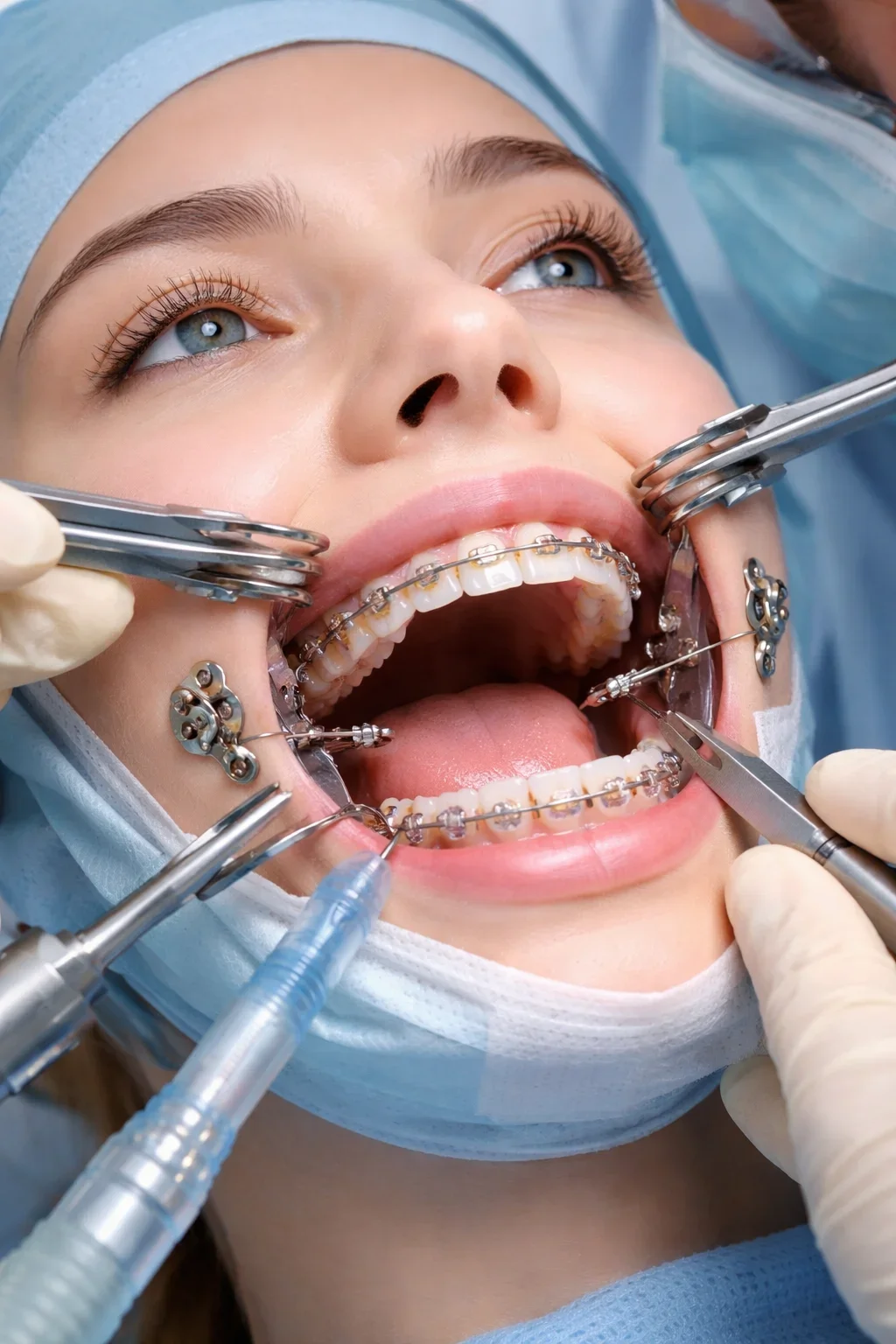
Choosing the Right Clinic for Surgical Braces Treatment
Selecting the right clinic for surgical braces is one of the most critical decisions you will make during your treatment journey. Because surgical braces involve both orthodontic expertise and surgical precision, choosing a qualified and experienced team directly impacts the success, safety, and overall outcome of your treatment. A well-chosen clinic ensures not only excellent results but also a smoother and more comfortable experience from start to finish 😊.
Why Clinic Selection Matters for Surgical Braces
Surgical braces are a complex procedure that requires coordination between orthodontists, oral surgeons, and support staff. Unlike standard orthodontic care, surgical braces demand a multidisciplinary approach. This means that the clinic you choose must have a well-integrated team capable of managing every stage of the treatment process.
Choosing the wrong clinic can lead to complications, unsatisfactory results, or prolonged recovery. On the other hand, selecting a reputable clinic ensures that your surgical braces treatment is handled with precision, care, and professionalism.
Key Factors to Consider When Choosing a Clinic
There are several important factors to evaluate when selecting a clinic for surgical braces. These considerations will help you make an informed and confident decision.
Experience and Qualifications
One of the most important factors is the experience of the orthodontist and surgeon. Look for professionals who specialize in surgical braces and have a proven track record of successful cases. Certifications, training, and years of experience all contribute to the quality of care you will receive.
Advanced Technology and Equipment
Modern clinics use advanced imaging technologies such as 3D scans and digital treatment planning tools. These technologies improve the accuracy of surgical braces procedures and enhance overall outcomes.
Comprehensive Treatment Planning
A good clinic will provide a detailed and personalized treatment plan. This plan should outline every stage of the surgical braces process, including pre-surgical orthodontics, the surgical procedure, and post-surgical care.
Importance of a Multidisciplinary Team
Surgical braces require collaboration between different specialists. A clinic that offers a multidisciplinary team ensures seamless communication and coordination throughout the treatment.
Orthodontist and Surgeon Collaboration
The orthodontist prepares the teeth, while the surgeon performs the jaw correction. Close collaboration between these professionals is essential for achieving optimal results with surgical braces.
Support Staff and Patient Care
Qualified support staff play a vital role in ensuring patient comfort and smooth treatment progression. From scheduling appointments to providing post-operative care instructions, their contribution is invaluable.
Patient Reviews and Testimonials
Reading patient reviews and testimonials can provide valuable insights into the quality of care offered by a clinic. Positive feedback from previous surgical braces patients indicates a high level of satisfaction and successful outcomes.
Look for before-and-after photos, detailed patient experiences, and consistent positive ratings. These factors can help you assess whether the clinic meets your expectations.
Consultation and Communication
A reliable clinic will offer a thorough consultation before starting surgical braces treatment. During this session, you should feel comfortable asking questions and discussing your concerns.
Clear communication is essential throughout the surgical braces process. Your dental team should explain each step in detail, ensuring that you fully understand the treatment plan and expected outcomes.
Questions to Ask During Consultation
- What is your experience with surgical braces?
- What are the expected results for my case?
- What risks should I be aware of?
- How long will the treatment take?
Location and Accessibility
Choosing a clinic that is easily accessible can make your surgical braces journey more convenient. Since the treatment involves multiple appointments, including follow-ups, proximity to the clinic can save time and reduce stress.
For international patients, clinics in destinations like Turkey often provide comprehensive packages that include accommodation and transportation, making surgical braces more accessible and affordable.
Cost Transparency and Payment Options
A trustworthy clinic will provide clear and transparent pricing for surgical braces treatment. There should be no hidden fees, and all costs should be explained upfront.
Flexible payment plans and financing options are also important. These options make surgical braces more manageable financially and allow patients to focus on their treatment without unnecessary stress.
Post-Treatment Support and Follow-Up Care
Aftercare is a crucial part of surgical braces treatment. A good clinic will offer comprehensive post-operative support, including follow-up appointments and guidance during recovery.
Ongoing care ensures that the results of surgical braces remain stable and that any issues are addressed promptly. This long-term support is essential for maintaining the success of the treatment.
Making the Final Decision
Choosing the right clinic for surgical braces requires careful research and consideration. Take your time to evaluate all factors, compare options, and consult with professionals before making a decision.
If you are looking for expert care and personalized guidance, you can visit the Redent Klinik Contact Page to connect with experienced specialists who can help you start your surgical braces journey with confidence.
Trusted Resources and Professional Standards
For additional information on dental treatment standards and best practices, you can refer to the American Dental Association. Reliable resources ensure that you make informed decisions about surgical braces and your overall oral health.
In conclusion, choosing the right clinic for surgical braces is a vital step in achieving successful and long-lasting results. By focusing on experience, technology, patient care, and transparency, you can ensure a positive treatment experience. Surgical braces are a significant investment in your health and confidence, and selecting the right clinic will help you achieve the best possible outcome 😁.