
When people begin exploring orthodontic treatment, one of the most common and important questions they ask is: what does orthodontia cover? 🤔 Understanding this topic is essential because orthodontic care can involve multiple procedures, long-term planning, and financial considerations. Whether you are a parent planning treatment for your child or an adult considering improving your smile, knowing exactly what does orthodontia cover will help you make informed decisions and avoid unexpected surprises.
Orthodontia is a specialized field of dentistry focused on diagnosing, preventing, and correcting misaligned teeth and jaw irregularities. But when patients ask what does orthodontia cover, they are often referring not only to the treatments themselves but also to what insurance or dental plans include. In general, orthodontia covers treatments designed to improve both function and appearance of the teeth and jaw. This means it is not just about aesthetics—it also plays a crucial role in oral health. 🦷
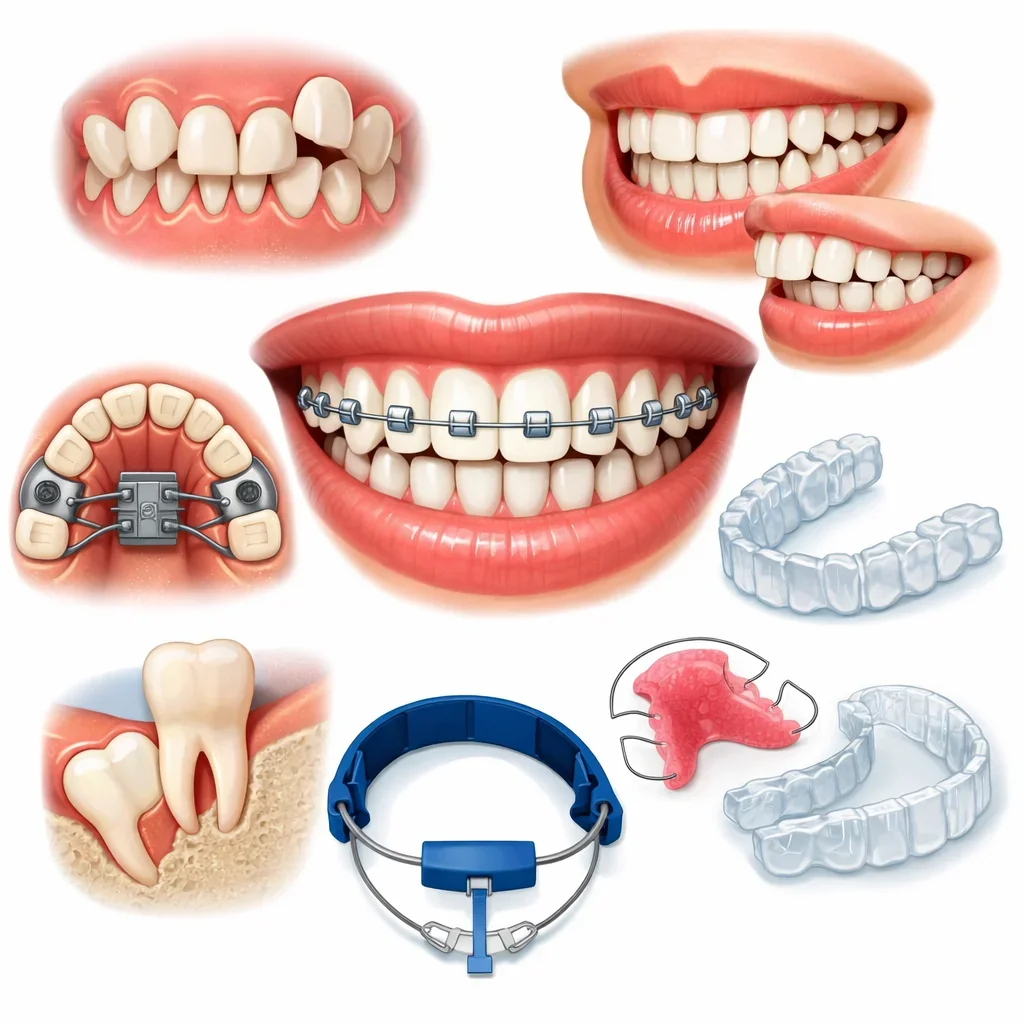
So, what does orthodontia cover in practical terms? Typically, it includes procedures such as braces, clear aligners, retainers, and other corrective appliances that help straighten teeth and align the bite. These treatments address issues like crowding, spacing, overbite, underbite, and crossbite. By correcting these problems, orthodontia helps improve chewing, speaking, and even breathing in some cases.
Another important aspect of understanding what does orthodontia cover is recognizing that treatment plans are often personalized. Orthodontists evaluate each patient individually, using tools like X-rays, digital scans, and physical examinations to determine the most suitable approach. Because of this, what orthodontic treatment includes can vary depending on the severity of the condition and the patient’s age.
From a health perspective, orthodontic care goes beyond creating a beautiful smile. Misaligned teeth can lead to plaque buildup, gum disease, tooth decay, and even jaw pain. That’s why many experts emphasize that orthodontia is both a preventive and corrective discipline. When considering what does orthodontia cover, it is helpful to think of it as an investment in long-term oral health rather than just a cosmetic improvement. 💡
In many cases, orthodontia also includes follow-up care. After active treatment—such as wearing braces or aligners—patients are usually required to wear retainers. These devices help maintain the new alignment of the teeth and prevent them from shifting back to their original positions. Retention is a critical phase, and it is often included when discussing what does orthodontia cover in a complete treatment plan.
Insurance coverage is another major factor. Many dental insurance plans partially cover orthodontic treatments, especially for children and teenagers. However, coverage for adults may be more limited. To fully understand what does orthodontia cover under your specific plan, it is important to review your policy details or consult directly with your provider. You can also reach out to professionals for guidance through the Redent Klinik Contact Page, where experts can help you understand your options.
For reliable information and professional guidelines, organizations like the American Dental Association provide valuable resources about orthodontic care and its benefits. These trusted sources reinforce the importance of early diagnosis and proper treatment planning.
It is also worth noting that orthodontic coverage may differ between medically necessary treatments and purely cosmetic procedures. For example, if misalignment causes pain or functional problems, insurance is more likely to contribute to the cost. However, if the treatment is primarily for aesthetic enhancement, coverage may be limited or unavailable. This distinction is crucial when evaluating what does orthodontia cover in your specific situation.
In summary, the question “what does orthodontia cover” encompasses a wide range of treatments and services aimed at improving both oral health and smile aesthetics. From braces and aligners to retainers and follow-up care, orthodontia provides comprehensive solutions tailored to individual needs. By understanding what orthodontic care includes, patients can approach treatment with confidence and clarity, ensuring better outcomes and long-term satisfaction. 😊
1. What Does Orthodontia Cover in Basic Dental Treatments?
When patients first explore orthodontic care, one of the most essential questions they ask is what does orthodontia cover in basic dental treatments. 🦷 Understanding this foundation is crucial because it sets expectations for both treatment outcomes and financial planning. Orthodontia is not just about straightening teeth—it involves a wide range of basic dental corrections that improve oral health, functionality, and overall well-being.
At its core, what does orthodontia cover includes the correction of misaligned teeth and jaw structures. These problems may seem minor at first glance, but they can significantly impact chewing, speech, and oral hygiene. Basic orthodontic treatments are designed to address these issues early and effectively, preventing more serious complications in the future.
Correction of Tooth Alignment Issues
One of the most important aspects of what does orthodontia cover is the correction of alignment problems such as crowding, spacing, and crooked teeth. These issues occur when there is not enough space in the jaw for all teeth to fit properly, or when teeth grow in irregular positions.
Common alignment issues include:
- Crowded teeth: Teeth overlap due to lack of space
- Gaps between teeth: Excess space between teeth
- Rotated teeth: Teeth that twist out of position
By addressing these conditions, orthodontic treatments make it easier to clean teeth properly, reducing the risk of cavities and gum disease. This clearly shows that what does orthodontia cover goes beyond aesthetics—it directly supports long-term oral health. 😊
Bite Correction (Malocclusion Treatment)
Another major component of what does orthodontia cover is the treatment of bite issues, also known as malocclusions. A proper bite ensures that upper and lower teeth come together correctly when chewing or speaking.
Types of bite problems typically covered include:
- Overbite: Upper teeth excessively overlap lower teeth
- Underbite: Lower teeth extend beyond upper teeth
- Crossbite: Teeth do not align properly when jaws close
- Open bite: Front teeth do not touch when mouth is closed
Correcting these issues is essential because untreated bite problems can lead to jaw pain, uneven tooth wear, and even headaches. Therefore, when evaluating what does orthodontia cover, bite correction is one of the most medically significant treatments included.
Why Bite Alignment Matters
Bite alignment is not just about appearance—it directly affects daily functions such as chewing and speaking. Patients who ignore bite problems may experience long-term discomfort or damage to their teeth. This reinforces the importance of understanding what does orthodontia cover from a functional perspective.
Use of Braces and Orthodontic Appliances
Basic orthodontic treatments often involve the use of appliances such as braces, wires, and elastics. These tools gradually move teeth into their correct positions over time. When asking what does orthodontia cover, it is important to note that these appliances are central to most treatment plans.
Common orthodontic appliances include:
- Traditional metal braces
- Ceramic braces
- Lingual braces (behind the teeth)
- Clear aligners (in some basic cases)
Each of these options serves the same purpose—correcting alignment and improving bite function—but they differ in appearance and comfort. The inclusion of these devices highlights how comprehensive what does orthodontia cover can be.
Retainers and Post-Treatment Care
Orthodontic care does not end when braces are removed. A critical part of what does orthodontia cover is post-treatment retention. Retainers are used to maintain the new position of the teeth and prevent them from shifting back.
There are two main types of retainers:
- Fixed retainers: Bonded to the back of the teeth
- Removable retainers: Worn as instructed by the orthodontist
This phase is essential because without proper retention, the results of orthodontic treatment may not last. Including retainers in the discussion of what does orthodontia cover ensures patients understand the full scope of care.
Diagnostic Procedures and Treatment Planning
Before any treatment begins, orthodontists perform detailed diagnostic procedures. These typically include X-rays, photographs, and digital scans. When considering what does orthodontia cover, these diagnostic steps are often included as part of the initial evaluation.
These assessments help orthodontists:
- Identify alignment and bite issues
- Develop a customized treatment plan
- Monitor progress throughout treatment
Without proper diagnostics, effective treatment would not be possible. This is why these procedures are an integral part of what does orthodontia cover.
Preventive Benefits of Basic Orthodontic Care
Another important aspect of what does orthodontia cover is prevention. By correcting alignment and bite issues early, orthodontic care can prevent more serious dental problems in the future.
Preventive benefits include:
- Reduced risk of tooth decay
- Lower chance of gum disease
- Improved jaw health
- Better overall oral hygiene
These benefits demonstrate that orthodontia is not just reactive—it is proactive. Understanding what does orthodontia cover from a preventive standpoint helps patients appreciate its long-term value. 💡
In conclusion, when asking what does orthodontia cover in basic dental treatments, the answer includes a comprehensive range of services: alignment correction, bite improvement, orthodontic appliances, retainers, diagnostics, and preventive care. Each of these elements works together to create a healthier, more functional smile. By understanding these basics, patients can approach orthodontic treatment with confidence and clarity, knowing exactly what to expect from their journey. 😊
2. Does Orthodontia Cover Braces and Clear Aligners?
One of the most frequently asked questions by patients considering orthodontic care is: what does orthodontia cover when it comes to braces and clear aligners? 🤔 These are the most recognizable and widely used orthodontic treatments, and understanding their coverage is essential for making informed decisions about your smile.
In most cases, when patients ask what does orthodontia cover, the answer includes traditional braces and, increasingly, clear aligners. However, the extent of coverage can vary depending on the complexity of the case, the patient’s age, and whether the treatment is considered medically necessary or cosmetic. Let’s explore these options in detail.
Traditional Braces: The Foundation of Orthodontic Treatment
Traditional braces are often the first thing people think of when discussing what does orthodontia cover. These systems use brackets, wires, and elastics to gradually move teeth into proper alignment over time.
Braces are highly effective for treating a wide range of dental issues, including:
- Severe crowding or spacing
- Complex bite problems (overbite, underbite, crossbite)
- Jaw alignment issues
Because of their effectiveness, traditional braces are almost always included when evaluating what does orthodontia cover, especially for medically necessary treatments. Insurance providers are more likely to contribute to the cost of braces when they are required to correct functional problems rather than purely cosmetic concerns.
Types of Braces Commonly Covered
When analyzing what does orthodontia cover, it is important to understand that there are several types of braces available:
- Metal braces: The most common and cost-effective option
- Ceramic braces: Tooth-colored brackets for a more discreet look
- Lingual braces: Placed behind the teeth for invisibility
Among these, metal braces are the most widely covered by insurance plans. Ceramic and lingual braces may also be included in what does orthodontia cover, but sometimes only partially, as they are considered more aesthetic options.
Clear Aligners: A Modern Alternative
Clear aligners, such as Invisalign-style systems, have become increasingly popular. Many patients now ask what does orthodontia cover regarding these nearly invisible treatment options. Clear aligners use a series of custom-made trays to gradually shift teeth into position.
Benefits of clear aligners include:
- Nearly invisible appearance 😁
- Removability for eating and cleaning
- Improved comfort compared to traditional braces
In terms of coverage, clear aligners are sometimes included in what does orthodontia cover, especially when they are used to treat moderate alignment issues. However, insurance providers may impose limitations or offer lower reimbursement compared to traditional braces.
When Are Clear Aligners Covered?
Clear aligners are more likely to be included in what does orthodontia cover when:
- The treatment addresses functional dental problems
- The patient meets specific insurance criteria
- The aligners are prescribed by a licensed orthodontist
However, if the primary goal is cosmetic improvement, coverage may be reduced or excluded. This distinction is crucial when understanding what does orthodontia cover in modern orthodontic care.
Cost Comparison and Coverage Insights
Another important factor when exploring what does orthodontia cover is cost. While prices can vary depending on location and complexity, here is a general overview:
- Metal braces: $3,000 – $7,000
- Ceramic braces: $4,000 – $8,000
- Lingual braces: $8,000 – $10,000
- Clear aligners: $3,500 – $8,500
Insurance plans that include orthodontic benefits often cover a percentage of these costs, typically ranging from 25% to 50%, up to a lifetime maximum. This means that understanding what does orthodontia cover is essential for budgeting your treatment effectively. 💡
Additional Components Included with Braces and Aligners
When considering what does orthodontia cover, it is not just about the devices themselves. Orthodontic treatment also includes several supporting services:
- Initial consultations and diagnostic imaging
- Regular adjustment appointments
- Monitoring progress throughout treatment
- Post-treatment retainers
These elements are typically part of the overall orthodontic package, making what does orthodontia cover more comprehensive than many patients initially realize.
Choosing the Right Option for Your Needs
Ultimately, the choice between braces and clear aligners depends on your specific dental condition, lifestyle preferences, and budget. While both options are generally included in what does orthodontia cover, the level of coverage may differ.
If you are unsure which option is best for you, consulting with an experienced dental team is essential. You can get personalized guidance and explore your treatment options through the Redent Klinik Contact Page. Their experts can help you fully understand what does orthodontia cover in your individual case.
For additional professional insights and guidelines, you can also refer to the American Dental Association, which provides trusted information on orthodontic treatments and standards of care.
In conclusion, when asking what does orthodontia cover regarding braces and clear aligners, the answer is both broad and nuanced. Traditional braces are widely covered due to their effectiveness in treating complex issues, while clear aligners are increasingly included but may have certain limitations. By understanding these differences, patients can make confident decisions and achieve the best possible results for their smiles. 😊
3. What Does Orthodontia Cover for Children and Teens?
When parents begin researching orthodontic care for their children, one of the first questions they ask is what does orthodontia cover for younger patients. 👶🦷 This is a crucial topic because early orthodontic treatment can significantly influence a child’s oral development, preventing more complex issues later in life. Understanding what does orthodontia cover for children and teens helps families make timely and effective decisions.
Orthodontic treatment for children and teenagers is often more comprehensive than for adults, as it focuses not only on correcting existing problems but also on guiding proper growth. When evaluating what does orthodontia cover, it is important to recognize that early intervention can reduce treatment time and improve long-term outcomes.
Early Orthodontic Evaluation and Screening
A key component of what does orthodontia cover for children is early evaluation. The American Dental Association recommends that children have their first orthodontic check-up by age 7. At this stage, orthodontists can detect developing issues even if all permanent teeth have not yet erupted.
Early evaluations typically include:
- Visual examination of teeth and jaw alignment
- Digital scans or X-rays
- Assessment of bite and spacing
These diagnostic steps are often included when considering what does orthodontia cover, especially in preventive care plans. Early detection allows orthodontists to intervene before problems become more severe.
Why Early Assessment Matters
Identifying issues at a young age can prevent complications such as impacted teeth, jaw misalignment, and severe crowding. This shows that what does orthodontia cover is not just about treatment—it also includes prevention and monitoring. 💡
Interceptive Orthodontic Treatments (Phase 1)
Another important aspect of what does orthodontia cover for children is interceptive treatment, often referred to as Phase 1 orthodontics. This type of treatment is performed while the child still has a mix of baby and permanent teeth.
Common Phase 1 treatments include:
- Palatal expanders to widen the upper jaw
- Space maintainers to preserve room for permanent teeth
- Partial braces to correct specific alignment issues
These treatments are typically included in what does orthodontia cover when they are necessary to guide proper jaw growth and tooth eruption. By addressing problems early, orthodontists can often reduce the need for more invasive procedures later.
Full Orthodontic Treatment for Teens (Phase 2)
As children grow into teenagers, they usually transition into Phase 2 treatment, which involves full orthodontic correction. When discussing what does orthodontia cover, this phase is one of the most comprehensive and commonly included.
Phase 2 treatments typically involve:
- Full sets of braces or clear aligners
- Bite correction techniques
- Jaw alignment adjustments
Teenagers are ideal candidates for orthodontic treatment because their jaws are still developing, making it easier to achieve optimal results. This is why what does orthodontia cover often includes extensive treatment options for this age group.
Benefits of Teen Orthodontic Treatment
Orthodontic care during adolescence offers several advantages:
- Faster treatment times due to active growth
- Improved confidence and self-esteem 😁
- Better long-term oral health outcomes
These benefits highlight the importance of understanding what does orthodontia cover during the teenage years.
Functional and Medical Necessity Coverage
In many cases, orthodontic treatment for children and teens is considered medically necessary. This significantly affects what does orthodontia cover under insurance plans.
Conditions that are often covered include:
- Severe bite problems affecting chewing or speech
- Jaw growth abnormalities
- Risk of trauma due to protruding teeth
Because these issues impact overall health, insurance providers are more likely to contribute to treatment costs. This makes what does orthodontia cover more extensive for younger patients compared to adults.
Cost Overview for Children and Teens
Understanding costs is essential when evaluating what does orthodontia cover. While prices vary depending on location and treatment complexity, here is a general range:
- Early intervention (Phase 1): $2,000 – $4,000
- Full braces (Phase 2): $3,000 – $7,000
- Clear aligners for teens: $3,500 – $7,500
Many insurance plans include orthodontic benefits for children, often covering a portion of these costs up to a lifetime maximum. This makes it even more important to understand what does orthodontia cover before starting treatment.
Parental Guidance and Treatment Planning
Parents play a critical role in ensuring successful orthodontic outcomes. From maintaining oral hygiene to attending regular appointments, their involvement directly impacts treatment success. When considering what does orthodontia cover, it is also important to account for the support system surrounding the patient.
If you are unsure about your child’s orthodontic needs, professional consultation is the best first step. You can easily reach out through the Redent Klinik Contact Page to receive personalized advice and a detailed treatment plan.
Long-Term Benefits of Early Orthodontic Care
Finally, one of the most valuable aspects of what does orthodontia cover for children and teens is the long-term benefit. Early and effective treatment can:
- Prevent severe dental problems in adulthood
- Reduce the need for surgical interventions
- Improve overall oral and facial development
These outcomes demonstrate that orthodontic care is an investment in a child’s future health and confidence. 🌟
In conclusion, when asking what does orthodontia cover for children and teens, the answer includes early evaluations, interceptive treatments, full orthodontic correction, and medically necessary procedures. With proper planning and timely intervention, orthodontic care can provide lifelong benefits, making it one of the most valuable investments in a young person’s health and well-being.
4. What Does Orthodontia Cover for Adults?
In recent years, more adults than ever are seeking orthodontic treatment, which naturally leads to the important question: what does orthodontia cover for adults? 🦷 Unlike treatment for children and teens, adult orthodontics often comes with different expectations, challenges, and coverage limitations. Understanding what does orthodontia cover in this context is essential for making informed decisions about improving both oral health and appearance.
Adult orthodontic care focuses on correcting long-standing dental issues, enhancing aesthetics, and improving overall oral function. While the goals are similar to those for younger patients, the treatment process and coverage can differ significantly. That’s why knowing what does orthodontia cover specifically for adults helps patients plan realistically.
Common Orthodontic Issues Treated in Adults
One of the key aspects of what does orthodontia cover for adults is the treatment of various dental conditions that may have developed over time or remained untreated during childhood.
These conditions often include:
- Crooked or crowded teeth
- Gaps between teeth
- Overbite, underbite, or crossbite
- Jaw misalignment causing discomfort
Correcting these problems improves not only the appearance of the smile but also oral health. Misaligned teeth can lead to gum disease, uneven wear, and difficulty cleaning. This highlights that what does orthodontia cover is not limited to cosmetic improvements—it also addresses functional concerns. 😊
Why Adults Seek Orthodontic Treatment
Adults pursue orthodontic care for several reasons, including:
- Improving self-confidence and smile aesthetics
- Correcting bite issues that cause pain or discomfort
- Enhancing oral hygiene and preventing future problems
These motivations directly influence what does orthodontia cover, especially when treatment is considered medically necessary rather than purely cosmetic.
Types of Treatments Available for Adults
When exploring what does orthodontia cover, it is important to understand the variety of treatment options available for adult patients. Advances in orthodontics have made treatments more discreet and comfortable than ever before.
Common adult orthodontic treatments include:
- Traditional metal braces for complex cases
- Ceramic braces for a less noticeable appearance
- Lingual braces placed behind the teeth
- Clear aligners for nearly invisible treatment
While these options are generally included in what does orthodontia cover, the level of coverage may vary. Insurance plans often prioritize functional treatments over aesthetic preferences.
Discreet Treatment Options
Adults often prefer less visible solutions. Clear aligners and lingual braces are popular choices, but they may not always be fully covered. This is an important detail when evaluating what does orthodontia cover, as aesthetic upgrades can sometimes increase out-of-pocket costs.
Insurance Coverage for Adult Orthodontics
One of the most critical factors when asking what does orthodontia cover for adults is insurance. Unlike pediatric orthodontics, adult coverage is often more limited.
Typical insurance considerations include:
- Partial coverage for medically necessary treatments
- Lifetime orthodontic maximums (e.g., $1,000–$3,000)
- Exclusions for cosmetic-only procedures
Because of these limitations, adults need to carefully review their plans to understand what does orthodontia cover in their specific case. Consulting with professionals through the Redent Klinik Contact Page can provide clarity and personalized guidance.
Cost Overview for Adult Orthodontic Treatment
Understanding costs is a vital part of evaluating what does orthodontia cover. While prices vary depending on treatment complexity and location, general ranges include:
- Metal braces: $3,500 – $7,500
- Ceramic braces: $4,000 – $8,500
- Lingual braces: $8,000 – $12,000
- Clear aligners: $3,500 – $9,000
Insurance may cover a portion of these costs, but adults often pay a larger share compared to younger patients. This reinforces the importance of understanding what does orthodontia cover before starting treatment. 💡
Health Benefits Beyond Aesthetics
Although many adults seek orthodontic treatment for cosmetic reasons, the health benefits are equally significant. When examining what does orthodontia cover, it is essential to consider these functional improvements.
Benefits include:
- Reduced risk of gum disease and tooth decay
- Improved bite function and chewing efficiency
- Relief from jaw pain and tension
These advantages demonstrate that orthodontic care is a long-term investment in overall health, not just appearance.
Treatment Duration and Expectations
Another factor influencing what does orthodontia cover is treatment duration. Adult treatments may take longer than those for younger patients because bone density is higher and growth has stopped.
Typical timelines include:
- 12–24 months for most cases
- Longer durations for complex corrections
Despite the longer timeline, modern techniques ensure effective and predictable results. Understanding this helps patients set realistic expectations when considering what does orthodontia cover.
Professional Guidance and Resources
To fully understand what does orthodontia cover for adults, consulting reliable sources and professionals is essential. Organizations like the American Dental Association provide trusted information about orthodontic standards and patient care.
Additionally, working with experienced orthodontists ensures that your treatment plan is tailored to your needs, maximizing both results and coverage.
In conclusion, when asking what does orthodontia cover for adults, the answer includes a wide range of treatments designed to improve alignment, function, and aesthetics. While coverage may be more limited compared to younger patients, the benefits of orthodontic care remain substantial. With proper planning and professional guidance, adults can achieve healthier smiles and greater confidence at any stage of life. 😊
5. What Does Orthodontia Cover in Terms of Medical Necessity?
When patients ask what does orthodontia cover, one of the most important distinctions to understand is the concept of medical necessity. 🏥 While many people associate orthodontics with improving the appearance of their smile, a significant portion of treatment is actually focused on correcting health-related issues. Understanding what does orthodontia cover in terms of medical necessity can make a major difference in both treatment decisions and insurance coverage.
Orthodontic care is often considered medically necessary when it addresses problems that affect a patient’s ability to chew, speak, breathe, or maintain proper oral hygiene. In these cases, insurance providers are far more likely to contribute to the cost of treatment. Therefore, when evaluating what does orthodontia cover, it is essential to identify whether the condition falls under medical necessity rather than purely cosmetic enhancement.
Defining Medical Necessity in Orthodontics
Medical necessity in orthodontics refers to treatments that are required to correct functional or structural issues that impact overall health. When asking what does orthodontia cover, this category typically includes conditions that could worsen over time if left untreated.
Examples of medically necessary orthodontic conditions include:
- Severe malocclusion (misaligned bite)
- Jaw growth abnormalities
- Impacted teeth that cannot erupt properly
- Speech difficulties caused by dental alignment
- Difficulty chewing or biting food
These conditions go beyond aesthetics and directly affect daily life. That is why they are often prioritized when determining what does orthodontia cover under insurance plans. 💡
How Orthodontists Determine Necessity
Orthodontists use detailed diagnostic tools to evaluate whether treatment is medically necessary. These include X-rays, digital scans, and bite analysis. This thorough assessment ensures that decisions about what does orthodontia cover are based on clinical evidence rather than subjective preference.
Common Conditions That Qualify for Coverage
Understanding which conditions qualify can help patients better grasp what does orthodontia cover. Some of the most commonly covered issues include:
- Overbite and underbite: Severe cases can lead to jaw strain and uneven tooth wear
- Crossbite: Can cause gum recession and bone loss if untreated
- Open bite: Affects proper chewing and speech
- Crowding: Increases risk of cavities and gum disease
Because these problems can lead to long-term health complications, they are typically included when evaluating what does orthodontia cover from a medical standpoint.
Insurance Perspective on Medical Necessity
Insurance providers play a significant role in determining what does orthodontia cover. Most plans distinguish between medically necessary and cosmetic treatments, offering greater financial support for the former.
Key insurance considerations include:
- Documentation from an orthodontist confirming necessity
- Severity of the condition
- Age of the patient (children often receive more coverage)
For medically necessary cases, insurance may cover a percentage of the treatment cost, often between 25% and 50%, up to a lifetime maximum. This makes understanding what does orthodontia cover essential for financial planning.
Pre-Authorization Requirements
Some insurance plans require pre-authorization before treatment begins. This involves submitting diagnostic records and a treatment plan for approval. This step ensures that the procedure meets the criteria for what does orthodontia cover under the policy.
Cost Implications of Medically Necessary Treatment
When orthodontic treatment is deemed medically necessary, patients may benefit from reduced out-of-pocket costs. Here is a general overview:
- Full orthodontic treatment: $3,000 – $8,000
- Insurance contribution: $1,000 – $3,000 (depending on plan)
These figures highlight how understanding what does orthodontia cover can significantly impact affordability. In some cases, flexible payment plans or financing options are also available to make treatment more accessible.
Medical Benefits Beyond Alignment
Another critical aspect of what does orthodontia cover is the long-term health benefit. Treating medically necessary conditions can:
- Prevent chronic jaw pain and headaches
- Reduce the risk of tooth damage and enamel wear
- Improve speech clarity
- Enhance overall oral hygiene
These benefits demonstrate that orthodontic treatment is not just about improving appearance—it plays a vital role in maintaining overall health. 😊
When Treatment Is Not Considered Medically Necessary
It is equally important to understand what does what does orthodontia cover not include in terms of medical necessity. Treatments that are purely cosmetic—such as minor alignment corrections for aesthetic purposes—are less likely to be covered by insurance.
Examples of non-covered treatments may include:
- Minor spacing adjustments
- Cosmetic-only clear aligner treatments
- Upgrades to more aesthetic appliances
This distinction reinforces why it is essential to clearly define your treatment goals when evaluating what does orthodontia cover.
Getting Professional Guidance
If you are unsure whether your condition qualifies as medically necessary, consulting with an experienced orthodontist is the best step. You can receive personalized advice and a detailed evaluation through the Redent Klinik Contact Page.
Additionally, trusted organizations like the American Dental Association provide valuable information on orthodontic standards and treatment guidelines.
In conclusion, when asking what does orthodontia cover in terms of medical necessity, the answer includes a wide range of treatments aimed at improving function, health, and quality of life. By understanding the difference between necessary and cosmetic care, patients can make informed decisions, maximize insurance benefits, and achieve the best possible outcomes for their oral health. 🌟
6. What Does Orthodontia Cover in Insurance Plans?
One of the most critical aspects patients want to understand is what does orthodontia cover in insurance plans. 💳 Orthodontic treatment can be a significant investment, so knowing exactly what your insurance includes—and what it does not—is essential for making smart financial decisions. While orthodontia itself covers a wide range of treatments, insurance coverage varies depending on the provider, the plan type, and the patient’s specific needs.
When asking what does orthodontia cover, it is important to differentiate between general dental insurance and orthodontic benefits. Not all dental plans include orthodontic coverage, and even when they do, the benefits may be limited. Therefore, reviewing your policy carefully is the first step in understanding what does orthodontia cover for your situation.
Types of Orthodontic Insurance Coverage
Insurance plans typically fall into a few categories when it comes to orthodontic benefits. Understanding these categories helps clarify what does orthodontia cover under each plan.
- Full Coverage Plans: These plans include orthodontic benefits as part of comprehensive dental care
- Partial Coverage Plans: Cover a percentage of treatment costs (commonly 25%–50%)
- Limited or No Coverage Plans: Do not include orthodontic benefits at all
In most cases, orthodontic coverage is separate from standard dental benefits. This distinction is crucial when evaluating what does orthodontia cover in your insurance policy.
Lifetime Maximums Explained
Unlike regular dental coverage, orthodontic benefits often come with a lifetime maximum rather than an annual limit. This means your insurance will only pay up to a certain amount over your lifetime for orthodontic treatment.
Typical lifetime maximums include:
- $1,000 – $3,000 for most plans
This cap plays a major role in determining what does orthodontia cover, as any costs beyond this limit must be paid out-of-pocket.
What Treatments Are Usually Covered?
When analyzing what does orthodontia cover, insurance plans generally include treatments that are considered medically necessary. These often involve correcting functional issues rather than purely cosmetic improvements.
Commonly covered treatments include:
- Traditional braces for alignment and bite correction
- Medically necessary clear aligners
- Orthodontic appliances such as expanders or retainers
These treatments are typically included because they address health concerns like chewing difficulties or jaw misalignment. This reinforces the idea that what does orthodontia cover is closely tied to medical necessity. 🦷
What Is Not Typically Covered?
It is equally important to understand what what does orthodontia cover does not include. Insurance plans often exclude treatments that are considered cosmetic or elective.
Common exclusions include:
- Clear aligners used solely for aesthetic purposes
- Lingual braces chosen for cosmetic reasons
- Replacement of lost or damaged retainers
These exclusions highlight why it is essential to carefully review your plan when determining what does orthodontia cover.
Age Restrictions in Orthodontic Coverage
Another key factor influencing what does orthodontia cover is the patient’s age. Many insurance plans provide better coverage for children and teenagers than for adults.
Typical age-related considerations include:
- Full or partial coverage for patients under 18
- Limited or no coverage for adult orthodontic treatment
This is because early orthodontic intervention is often considered more medically necessary. As a result, understanding what does orthodontia cover requires taking age into account.
Exceptions for Adult Coverage
Some premium insurance plans do offer adult orthodontic benefits, especially when treatment is medically necessary. However, these plans are less common and may involve higher premiums.
Payment Structures and Reimbursement
Insurance companies usually do not pay the full cost of orthodontic treatment upfront. Instead, they distribute payments over the course of treatment. This structure is another important element of what does orthodontia cover.
Typical payment methods include:
- Monthly or quarterly reimbursements
- Payments tied to treatment milestones
- Direct payments to the orthodontist
This means patients may still need to pay initial costs and wait for reimbursement. Understanding this process helps clarify what does orthodontia cover in practical terms.
Cost Breakdown with Insurance
To better understand what does orthodontia cover, let’s look at a typical cost scenario:
- Total treatment cost: $5,000
- Insurance coverage (50% up to $2,000 max): $2,000
- Patient responsibility: $3,000
This example shows how insurance reduces costs but does not eliminate them entirely. Therefore, knowing what does orthodontia cover is essential for budgeting and planning. 💡
How to Verify Your Coverage
Before starting treatment, it is crucial to verify your insurance benefits. This step ensures you fully understand what does orthodontia cover and avoid unexpected expenses.
Steps to verify coverage include:
- Review your insurance policy documents
- Contact your insurance provider directly
- Request a pre-treatment estimate from your orthodontist
For personalized assistance, you can consult professionals through the Redent Klinik Contact Page. They can help you navigate your insurance and clarify what does orthodontia cover in your specific case.
Trusted Resources for Orthodontic Coverage
To gain a deeper understanding of orthodontic insurance standards, you can refer to the American Dental Association. Their guidelines provide reliable information about dental and orthodontic care, helping patients make informed decisions.
In conclusion, when asking what does orthodontia cover in insurance plans, the answer depends on multiple factors, including plan type, medical necessity, age, and treatment choice. While insurance can significantly reduce costs, it rarely covers everything. By understanding your policy and working with experienced professionals, you can maximize your benefits and achieve a healthy, confident smile. 😊
7. What Does Orthodontia Cover for Cosmetic vs Functional Needs?
When patients ask what does orthodontia cover, one of the most important distinctions to understand is the difference between cosmetic and functional orthodontic treatments. 🎯 This distinction plays a major role in determining both treatment eligibility and insurance coverage. While orthodontia often improves the appearance of a smile, its primary goal is to correct functional issues that affect oral health.
Understanding what does orthodontia cover requires recognizing that not all treatments are treated equally. Functional treatments are typically considered medically necessary and are more likely to be covered by insurance, while cosmetic treatments are often viewed as optional and may require out-of-pocket payment.
What Are Functional Orthodontic Treatments?
Functional orthodontic treatments focus on correcting problems that affect the way the teeth and jaws work together. When evaluating what does orthodontia cover, these treatments are usually prioritized because they directly impact health and daily function.
Examples of functional orthodontic issues include:
- Severe overbite or underbite that affects chewing
- Crossbite leading to uneven tooth wear
- Jaw misalignment causing pain or discomfort
- Crowded teeth increasing risk of decay and gum disease
Because these conditions can lead to long-term complications, they are almost always included in what does orthodontia cover. Treating these problems improves oral function, reduces pain, and prevents future dental issues. 🦷
Health Benefits of Functional Treatment
Functional orthodontic care offers several important health benefits:
- Improved chewing and digestion
- Reduced jaw strain and headaches
- Better oral hygiene and reduced risk of disease
These benefits highlight why functional treatments are central to understanding what does orthodontia cover.
What Are Cosmetic Orthodontic Treatments?
Cosmetic orthodontic treatments are designed primarily to enhance the appearance of the smile rather than address medical issues. While these treatments can boost confidence and self-esteem, they are not always considered essential when determining what does orthodontia cover.
Common cosmetic treatments include:
- Minor alignment adjustments for aesthetic purposes
- Clear aligners used for slight spacing issues
- Upgraded aesthetic options like ceramic or lingual braces
Although these treatments can deliver beautiful results, they are often classified as elective. This means they may not be fully included in what does orthodontia cover under insurance plans. 😊
Why Cosmetic Treatments Are Often Limited
Insurance providers typically focus on treatments that address health concerns. As a result, cosmetic procedures may receive limited or no coverage. This is a key factor when evaluating what does orthodontia cover in your specific plan.
Overlap Between Cosmetic and Functional Needs
In many cases, orthodontic treatment serves both cosmetic and functional purposes. This overlap is an important consideration when discussing what does orthodontia cover. For example, straightening teeth can improve both appearance and oral hygiene.
Examples of overlapping benefits include:
- Straighter teeth that are easier to clean
- Improved bite that enhances facial symmetry
- Reduced wear on teeth along with a better smile
Because of this dual benefit, some treatments may partially qualify under what does orthodontia cover, depending on how they are classified by the orthodontist and insurance provider.
Insurance Perspective on Cosmetic vs Functional Treatments
Insurance companies play a major role in determining what does orthodontia cover. They typically evaluate whether a treatment is medically necessary before approving coverage.
Key factors considered include:
- Severity of the dental issue
- Impact on daily function (chewing, speaking)
- Risk of future health problems
If a treatment meets these criteria, it is more likely to be included in what does orthodontia cover. Otherwise, it may be categorized as cosmetic and excluded from coverage.
Partial Coverage Scenarios
In some cases, insurance may partially cover a treatment that has both functional and cosmetic elements. For example, standard braces may be covered, while an upgrade to ceramic braces may require additional payment. This nuance is essential when understanding what does orthodontia cover.
Cost Differences Between Cosmetic and Functional Treatments
Cost is another important factor when evaluating what does orthodontia cover. Functional treatments are more likely to receive insurance support, while cosmetic treatments often involve higher out-of-pocket expenses.
- Functional orthodontic treatment: $3,000 – $7,000 (partially covered)
- Cosmetic aligners or upgrades: $4,000 – $9,000 (often self-paid)
Understanding these differences helps patients make informed financial decisions and better understand what does orthodontia cover in real-world scenarios. 💡
How to Determine Your Treatment Type
If you are unsure whether your treatment is cosmetic or functional, consulting with an orthodontist is essential. A professional evaluation will clarify your needs and help you understand what does orthodontia cover in your specific case.
You can easily connect with experts through the Redent Klinik Contact Page to receive personalized advice and a detailed treatment plan.
Trusted Guidance and Professional Standards
For additional information on orthodontic care and treatment classifications, you can refer to the American Dental Association. Their resources provide reliable insights into dental standards and patient care.
In conclusion, when asking what does orthodontia cover for cosmetic vs functional needs, the answer depends largely on the purpose of the treatment. Functional treatments are typically prioritized and covered due to their health benefits, while cosmetic treatments may require additional investment. By understanding this distinction, patients can make informed decisions and achieve the best balance between health, aesthetics, and cost. 😊
8. What Does Orthodontia Cover in Advanced Procedures?
As orthodontic technology continues to evolve, many patients begin to ask a more complex version of the question: what does orthodontia cover when it comes to advanced procedures? 🚀 While basic treatments like braces and aligners are widely understood, advanced orthodontic procedures involve more specialized techniques designed to treat complex dental and skeletal issues.
Understanding what does orthodontia cover in advanced procedures is essential for patients with severe alignment problems, jaw discrepancies, or cases that require multidisciplinary care. These treatments often go beyond standard orthodontics and may involve collaboration with oral surgeons or other dental specialists.
Orthognathic (Jaw) Surgery
One of the most significant advanced procedures included in what does orthodontia cover is orthognathic surgery. This type of surgery is used to correct severe jaw misalignments that cannot be fixed with braces or aligners alone.
Orthognathic surgery may be necessary for:
- Severe underbite or overbite
- Facial asymmetry
- Difficulty chewing or speaking
- Breathing problems such as sleep apnea
Because these issues affect essential functions, orthognathic surgery is often considered medically necessary. As a result, it is frequently included when evaluating what does orthodontia cover, especially under comprehensive insurance plans. 🦷
Pre- and Post-Surgical Orthodontics
Before and after jaw surgery, orthodontic treatment is required to align the teeth properly. These preparatory and follow-up stages are also part of what does orthodontia cover, ensuring that the surgical results are stable and effective.
Temporary Anchorage Devices (TADs)
Another advanced technique included in what does orthodontia cover is the use of Temporary Anchorage Devices (TADs). These are small, screw-like devices placed in the jawbone to provide additional support for moving teeth.
TADs are commonly used for:
- Complex tooth movements
- Correcting severe bite issues
- Reducing the need for tooth extractions
Because TADs enhance treatment precision, they are increasingly considered part of what does orthodontia cover in advanced orthodontic care.
Palatal Expansion in Complex Cases
Palatal expanders are often used in children, but in some advanced cases, adults may also require expansion procedures. When considering what does orthodontia cover, these treatments are included when they address functional issues such as narrow jaw structure or breathing difficulties.
In adults, expansion may involve surgical assistance, making it a more complex procedure. This highlights how what does orthodontia cover can extend into specialized treatments when necessary.
Benefits of Palatal Expansion
- Improved airflow and breathing
- Better alignment of upper and lower jaws
- Enhanced facial symmetry
These benefits reinforce the importance of including such procedures in discussions about what does orthodontia cover.
Impacted Tooth Treatment
Impacted teeth—those that fail to emerge properly—require advanced orthodontic intervention. This is another key area of what does orthodontia cover.
Treatment may involve:
- Surgical exposure of the impacted tooth
- Orthodontic traction to guide the tooth into position
Because impacted teeth can lead to infections, cysts, or damage to neighboring teeth, their treatment is often considered medically necessary. This makes them a common inclusion in what does orthodontia cover.
Multidisciplinary Orthodontic Care
In complex cases, orthodontic treatment may involve collaboration with other dental specialists such as periodontists, prosthodontists, or oral surgeons. When evaluating what does orthodontia cover, this multidisciplinary approach is often included as part of comprehensive care.
Examples include:
- Orthodontics combined with dental implants
- Gum disease treatment alongside alignment correction
- Restorative procedures following orthodontic treatment
This integrated care ensures optimal results, demonstrating how broad what does orthodontia cover can be in advanced scenarios.
Cost of Advanced Orthodontic Procedures
Advanced procedures typically involve higher costs due to their complexity. Understanding these costs is essential when exploring what does orthodontia cover.
- Orthognathic surgery: $20,000 – $40,000
- TADs placement: $500 – $2,000
- Impacted tooth treatment: $1,500 – $6,000
Insurance may cover a portion of these costs if the procedures are deemed medically necessary. However, patients should carefully review their plans to fully understand what does orthodontia cover in these cases. 💡
Insurance Considerations for Advanced Treatments
Coverage for advanced orthodontic procedures depends heavily on medical necessity and proper documentation. Insurance providers often require:
- Detailed treatment plans
- Diagnostic imaging and clinical reports
- Pre-authorization approval
These requirements ensure that advanced procedures meet the criteria for what does orthodontia cover under the policy.
Professional Consultation and Planning
Because advanced orthodontic procedures are complex, consulting with experienced professionals is essential. A thorough evaluation will help determine the best treatment approach and clarify what does orthodontia cover in your specific case.
You can connect with specialists through the Redent Klinik Contact Page to receive expert guidance and a customized treatment plan.
For additional trusted information, the American Dental Association provides valuable resources on advanced dental and orthodontic care.
In conclusion, when asking what does orthodontia cover in advanced procedures, the answer includes a wide range of specialized treatments designed to address complex dental and skeletal issues. From jaw surgery to TADs and multidisciplinary care, these procedures highlight the depth and sophistication of modern orthodontics. With proper planning and professional support, patients can achieve transformative results that go far beyond a simple smile improvement. 🌟
9. What Does Orthodontia Cover and What Is Not Included?
As patients dive deeper into orthodontic care, a critical question arises: what does orthodontia cover—and just as importantly—what is not included? 🤔 While orthodontia offers a wide range of treatments designed to improve oral health and aesthetics, not every procedure or service falls within standard coverage. Understanding both sides of this equation is essential for setting realistic expectations and avoiding unexpected costs.
When analyzing what does orthodontia cover, it is helpful to divide treatments into two main categories: included services and excluded services. This distinction allows patients to better understand their treatment plans and financial responsibilities.
What Orthodontia Typically Covers
First, let’s explore what is generally included when patients ask what does orthodontia cover. Most orthodontic plans focus on treatments that correct alignment, improve bite function, and support long-term oral health.
Commonly covered services include:
- Braces and aligners: For correcting tooth alignment and bite issues
- Retainers: To maintain results after treatment
- Diagnostic procedures: X-rays, scans, and treatment planning
- Adjustments and follow-ups: Regular orthodontic visits
These core treatments form the foundation of what does orthodontia cover, as they directly address both functional and preventive dental needs. 🦷
Comprehensive Treatment Packages
In many cases, orthodontic care is provided as a comprehensive package that includes multiple services over time. This means that when evaluating what does orthodontia cover, patients should consider the entire treatment journey rather than individual procedures.
What Orthodontia Does Not Cover
Equally important is understanding what what does orthodontia cover does not include. Certain treatments and services are often excluded, particularly if they are considered cosmetic or optional.
Common exclusions include:
- Cosmetic-only treatments: Minor adjustments for aesthetic purposes
- Upgraded appliances: Premium options like lingual braces or high-end aligners
- Replacement retainers: Lost or damaged devices may not be covered
- Missed appointment fees: Administrative costs are typically excluded
These exclusions highlight the importance of carefully reviewing your plan to fully understand what does orthodontia cover.
Hidden Costs to Watch For
Patients should also be aware of potential hidden costs, such as emergency visits or additional adjustments beyond the standard treatment plan. These expenses may fall outside what does orthodontia cover, leading to unexpected out-of-pocket payments. 💡
Partial Coverage Scenarios
In some cases, treatments may be partially covered. This means that only a portion of the cost is included when determining what does orthodontia cover.
Examples of partial coverage include:
- Standard braces covered, but aesthetic upgrades require extra payment
- Clear aligners covered only for moderate cases
- Advanced procedures covered only if medically necessary
This nuanced approach makes it essential to understand the fine details of what does orthodontia cover in your specific insurance plan.
Factors That Influence Coverage
Several factors determine what does orthodontia cover and what is excluded. These include:
- Medical necessity: Functional treatments are prioritized
- Age: Children often receive more comprehensive coverage
- Insurance plan type: Premium plans offer broader benefits
- Provider policies: Coverage varies between insurers
Understanding these factors helps patients better navigate what does orthodontia cover and avoid misunderstandings.
Cost Overview: Covered vs Non-Covered Services
To provide a clearer picture, here is a general comparison of costs related to what does orthodontia cover:
- Covered treatments (with insurance): $3,000 – $7,000 (partially reimbursed)
- Non-covered cosmetic treatments: $4,000 – $10,000 (fully out-of-pocket)
This comparison emphasizes the financial impact of understanding what does orthodontia cover before starting treatment.
How to Avoid Coverage Surprises
To avoid unexpected expenses, patients should take proactive steps to clarify what does orthodontia cover in advance.
Recommended steps include:
- Request a detailed treatment plan from your orthodontist
- Verify coverage with your insurance provider
- Ask about additional or optional costs
For personalized support, you can contact experts through the Redent Klinik Contact Page. They can help you fully understand what does orthodontia cover based on your individual needs.
Trusted Information Sources
For reliable and up-to-date information, the American Dental Association offers valuable resources on orthodontic care and coverage standards. These insights can help patients better interpret what does orthodontia cover in different scenarios.
Making Informed Decisions
Ultimately, understanding what does orthodontia cover and what is not included empowers patients to make confident decisions about their oral health. By knowing the limits of coverage, patients can plan ahead, explore alternative options, and prioritize treatments that offer the greatest benefit.
In conclusion, what does orthodontia cover includes a wide range of essential treatments aimed at improving alignment, function, and long-term oral health. However, not all procedures are included, especially those considered cosmetic or optional. By carefully reviewing your plan and consulting with professionals, you can navigate orthodontic care with clarity and achieve the best possible outcomes. 😊