
Losing multiple teeth can deeply affect your confidence, speech, chewing ability, and overall quality of life. Fortunately, modern dentistry has evolved dramatically, and teeth in a day dental implants offer a revolutionary solution for patients who want immediate results without waiting months for a new smile. This advanced treatment allows individuals to walk into a clinic with missing or failing teeth and leave the same day with a fully functional, natural-looking set of fixed teeth. 😊
Teeth in a day dental implants refer to a specialized implant procedure in which dental implants are placed into the jawbone and a temporary fixed prosthesis is attached on the very same day. Unlike traditional implant treatments that require several months of healing before attaching teeth, this method provides immediate restoration. It is sometimes also called same-day dental implants or immediate load implants, but the concept remains the same: fast, predictable smile rehabilitation.
The science behind teeth in a day dental implants is based on strategic implant placement and controlled immediate loading. Instead of placing one implant per missing tooth, dentists often use four to six implants per arch to support a full bridge of teeth. These implants are carefully positioned in areas of strong bone to ensure maximum stability. Because of this stability, a temporary fixed prosthesis can be attached immediately after surgery, allowing patients to leave with functional teeth on the same day.
One of the most important advantages of teeth in a day dental implants is that patients avoid the emotional and physical discomfort of being without teeth during the healing period. Traditional dentures can slip, cause irritation, and reduce chewing efficiency. In contrast, this treatment provides fixed teeth that look and feel far more natural. Patients can smile confidently, speak clearly, and eat soft foods shortly after the procedure.
Another key aspect of teeth in a day dental implants is careful planning. Before the procedure, advanced imaging such as 3D CBCT scans is used to evaluate bone density and anatomical structures. Digital planning software helps determine precise implant angles and positions. This level of planning increases safety, reduces surgical time, and enhances long-term success rates.
Many patients wonder whether teeth in a day dental implants are permanent. The implants themselves are designed to integrate with the jawbone through a process called osseointegration. Over several months, the bone fuses with the titanium implant surface, creating a strong and stable foundation. The temporary teeth placed on the first day are later replaced with a custom-designed permanent prosthesis that is stronger and more aesthetic.
From a medical perspective, teeth in a day dental implants are supported by extensive research and clinical data. According to professional guidelines from organizations like the American Dental Association, dental implants are considered a safe and effective solution for replacing missing teeth when performed by qualified professionals. Immediate loading protocols, when properly planned, have shown high success rates comparable to conventional implant methods.
Patients who consider teeth in a day dental implants often have severely damaged teeth, advanced periodontal disease, or complete tooth loss. Instead of extracting teeth and waiting months for healing before implant placement, this technique allows extraction, implant placement, and temporary teeth delivery in one coordinated procedure. This streamlined approach saves time and significantly reduces the total treatment duration.
Functionality is another major benefit. With teeth in a day dental implants, bite force is significantly improved compared to removable dentures. While patients must follow soft diet instructions during the healing phase, they still enjoy better stability and chewing efficiency than with traditional removable options. This improved function contributes to better nutrition and overall health.
Psychologically, the impact of teeth in a day dental implants can be life-changing. Patients frequently report increased self-esteem and improved social confidence immediately after treatment. Smiling without hesitation, speaking without worrying about loose dentures, and eating comfortably in public are major quality-of-life improvements. 😁
In summary, teeth in a day dental implants represent one of the most advanced full-mouth rehabilitation solutions in modern dentistry. They combine surgical precision, digital planning, and immediate restoration to deliver fast, safe, and highly aesthetic results. While not every patient is a candidate, those who qualify can benefit from a dramatically shortened treatment timeline and immediate smile transformation.
If you are considering whether teeth in a day dental implants are right for you, a comprehensive clinical evaluation is essential. An experienced implant dentist will assess bone quality, overall health, and treatment goals to determine suitability. With proper planning and expert care, this treatment can provide a long-lasting, stable, and beautiful smile that restores both function and confidence for years to come.
What Are Teeth in a Day Dental Implants?
Teeth in a day dental implants are an advanced full-arch tooth replacement solution designed to restore an entire set of missing or severely damaged teeth in just one surgical visit. Unlike traditional implant methods that require several months between implant placement and final teeth attachment, teeth in a day dental implants allow patients to receive fixed, functional teeth on the very same day their implants are placed. This modern approach combines surgical precision, digital planning, and immediate loading techniques to deliver both speed and stability. 😊
In simple terms, teeth in a day dental implants involve placing multiple titanium implants into the jawbone and attaching a temporary fixed bridge within hours. This means patients do not have to leave the clinic without teeth or rely on removable dentures during healing. The concept is often referred to as “same-day implants” or “immediate load implants,” but the most commonly used term in patient-focused discussions is teeth in a day dental implants.
The Core Concept Behind Teeth in a Day Dental Implants
The foundation of teeth in a day dental implants lies in strategic implant placement and controlled immediate loading. Instead of placing one implant for each missing tooth, dentists typically use four to six implants per arch to support a full bridge of prosthetic teeth. This approach distributes chewing forces evenly and ensures primary stability — which is essential for immediate attachment of temporary teeth.
Primary stability refers to how firmly the implants are anchored into the jawbone at the time of surgery. When adequate bone density is present, teeth in a day dental implants can safely support a temporary prosthesis right away. Over time, the implants integrate with the bone through a natural biological process called osseointegration, creating a permanent and strong foundation.
Immediate Loading Explained
Immediate loading is the defining feature of teeth in a day dental implants. In conventional implant treatments, patients must wait three to six months before receiving permanent teeth. However, with this technique, a temporary fixed bridge is attached within 24 hours — often the same day. This temporary bridge is carefully designed to protect the implants during healing while restoring appearance and function.
It is important to understand that the first set of teeth placed during teeth in a day dental implants treatment is usually provisional. After several months of healing, a custom-made permanent bridge — often crafted from high-quality materials like zirconia — replaces the temporary one.
How Teeth in a Day Dental Implants Differ from Dentures
Many patients considering teeth in a day dental implants have previously worn removable dentures. Traditional dentures rest on the gums and may slip, cause discomfort, or limit chewing efficiency. In contrast, teeth in a day dental implants are fixed directly to implants anchored in the jawbone. This provides superior stability, better bite force, and a more natural feel.
Another significant difference is bone preservation. When teeth are missing, the jawbone begins to shrink over time. Because teeth in a day dental implants stimulate the bone similarly to natural tooth roots, they help reduce bone loss and maintain facial structure. This contributes to a more youthful appearance in the long term.
Who Typically Needs Teeth in a Day Dental Implants?
Teeth in a day dental implants are most commonly recommended for patients who:
- Have lost most or all of their teeth
- Suffer from advanced periodontal disease
- Have severely damaged or failing teeth
- Are dissatisfied with unstable dentures
- Want a faster full-mouth restoration solution
For these individuals, teeth in a day dental implants offer a streamlined alternative that significantly shortens the overall treatment timeline while maintaining high success rates.
Technological Planning and Safety
Before performing teeth in a day dental implants, dentists conduct thorough evaluations using digital X-rays and 3D CBCT imaging. These scans provide detailed information about bone volume, nerve positioning, and sinus anatomy. Digital treatment planning software allows the surgical team to determine the ideal implant angles and positions for maximum support and safety.
Modern dentistry has made teeth in a day dental implants highly predictable when performed by experienced professionals. According to guidance from organizations such as the American Dental Association, dental implants are considered a reliable and evidence-based solution for tooth replacement when proper protocols are followed.
Why the “One Day” Concept Matters
The psychological and practical benefits of teeth in a day dental implants are significant. Patients no longer need to experience months without teeth or rely on temporary removable appliances. Walking out of the clinic with a complete smile on the same day dramatically improves confidence and quality of life. 😁
Additionally, teeth in a day dental implants reduce the number of surgical appointments compared to staged procedures. Tooth extraction, implant placement, and temporary prosthesis attachment can all be completed in one coordinated visit. This efficiency is especially valuable for international patients or individuals with busy schedules.
In summary, teeth in a day dental implants are a modern, scientifically supported approach to full-mouth rehabilitation. They combine immediate function, aesthetic restoration, and long-term stability into a single, well-planned procedure. By using strategic implant placement and immediate loading techniques, this treatment allows patients to regain their smile, chewing ability, and confidence in just one day — without compromising long-term success.
How Do Teeth in a Day Dental Implants Work?
Understanding how teeth in a day dental implants work requires looking at both the surgical and prosthetic components of the procedure. This treatment is carefully planned to ensure that implants are stable enough to support temporary fixed teeth immediately after placement. The success of teeth in a day dental implants depends on precise diagnostics, advanced technology, and the biological ability of the jawbone to integrate with titanium implants.
Unlike traditional implant methods that separate surgery and tooth placement by several months, teeth in a day dental implants combine these steps into a single coordinated treatment day. Patients arrive with missing or failing teeth and leave with a new, functional smile. 😊
Step 1: Comprehensive Examination and Digital Planning
The process of teeth in a day dental implants begins long before surgery. A detailed consultation includes clinical examination, digital X-rays, and 3D cone-beam computed tomography (CBCT) scans. These scans allow the dental team to assess bone volume, bone density, nerve pathways, and sinus cavities.
Using digital planning software, specialists virtually position the implants in the most stable areas of the jaw. This planning ensures that teeth in a day dental implants are placed at optimal angles to maximize primary stability. Strategic placement is critical because the implants must be strong enough to support immediate loading.
Why Bone Quality Matters
Bone density plays a crucial role in the success of teeth in a day dental implants. If the jawbone is strong and dense, implants can achieve the stability needed to attach temporary teeth on the same day. In cases where bone is insufficient, additional procedures such as bone grafting may be recommended before performing teeth in a day dental implants.
Step 2: Tooth Extraction (If Needed)
Many patients who undergo teeth in a day dental implants still have damaged or failing teeth. During the surgical appointment, these teeth are carefully removed. The extraction process is performed as atraumatically as possible to preserve bone structure. Preserving bone is essential for the long-term success of teeth in a day dental implants.
In many cases, implants can be placed immediately after extraction, reducing overall treatment time and preventing additional bone loss.
Step 3: Implant Placement
The next step in teeth in a day dental implants is the surgical placement of titanium implants into the jawbone. Typically, four to six implants are inserted per arch. These implants act as artificial tooth roots and provide the foundation for the prosthetic bridge.
For teeth in a day dental implants, implants are often positioned at specific angles to maximize contact with available bone. Angled placement can help avoid anatomical structures such as sinuses or nerves while improving support. This concept is commonly associated with full-arch implant systems.
Primary Stability and Immediate Loading
The most critical factor during implant placement is achieving primary stability. Primary stability refers to the mechanical firmness of the implant in the bone at the time of surgery. If sufficient stability is achieved, teeth in a day dental implants can proceed with immediate loading — meaning the temporary teeth are attached the same day.
This is what makes teeth in a day dental implants different from conventional protocols, where implants are left buried under the gums for months before being restored.
Step 4: Attaching the Temporary Prosthesis
After implant placement, abutments are connected to the implants. These abutments serve as connectors between the implants and the prosthetic bridge. A custom-made temporary bridge is then secured to the implants, completing the teeth in a day dental implants transformation.
The temporary teeth are designed to look natural and restore functionality while protecting the implants during healing. Patients can smile, speak, and eat soft foods shortly after receiving teeth in a day dental implants.
Healing and Osseointegration
Although patients leave the clinic with fixed teeth, healing continues beneath the surface. Over the next three to six months, the implants fuse with the jawbone through osseointegration. This biological process is essential for the long-term success of teeth in a day dental implants.
During this period, patients must follow dietary guidelines and oral hygiene instructions to ensure proper healing. After full integration, the temporary bridge is replaced with a permanent prosthesis that is stronger and more aesthetic.
Safety and Clinical Success
When performed by experienced implant specialists, teeth in a day dental implants have high success rates comparable to traditional implant procedures. According to professional standards supported by the American Dental Association, implant therapy is a reliable and evidence-based solution for full-mouth restoration.
Proper case selection is key. Not every patient qualifies for teeth in a day dental implants, but for those who do, the results can be life-changing. 😁
In summary, teeth in a day dental implants work by combining digital planning, precise surgical placement, and immediate prosthetic restoration into one streamlined procedure. The treatment provides rapid smile transformation while maintaining the biological principles necessary for long-term implant success. Through careful evaluation and expert execution, teeth in a day dental implants offer patients both immediate confidence and lasting function.
Who Is a Good Candidate for Teeth in a Day Dental Implants?
Not every patient with missing teeth automatically qualifies for teeth in a day dental implants. While this innovative treatment offers immediate results and high satisfaction rates, proper case selection is essential for long-term success. A thorough clinical and radiographic evaluation determines whether teeth in a day dental implants are the safest and most effective solution for a specific individual.
In general, teeth in a day dental implants are ideal for patients who need full-arch restoration and want to avoid the long waiting period associated with traditional implant procedures. However, several medical, anatomical, and lifestyle factors must be carefully assessed before proceeding. 😊
Patients with Multiple Missing or Failing Teeth
The most common candidates for teeth in a day dental implants are individuals who have lost most or all of their teeth in one or both arches. Severe tooth decay, advanced periodontal (gum) disease, trauma, or long-term denture use often lead patients to consider this treatment.
Patients with severely damaged teeth that cannot be saved may also benefit from teeth in a day dental implants. In such cases, remaining teeth are extracted during the same appointment, and implants are placed immediately. This streamlined approach reduces total treatment time and eliminates the need for multiple surgical stages.
Those Dissatisfied with Dentures
Many denture wearers seek teeth in a day dental implants because they are frustrated with loose, uncomfortable, or unstable removable prostheses. Traditional dentures can shift while speaking or eating and may cause sore spots on the gums. In contrast, teeth in a day dental implants provide fixed teeth anchored directly to the jawbone, offering significantly greater stability and chewing efficiency.
Adequate Bone Density and Volume
Bone quality is one of the most important factors in determining candidacy for teeth in a day dental implants. Since the implants must support temporary teeth immediately after placement, achieving strong primary stability is critical. Patients with sufficient jawbone density are more likely to qualify for immediate loading protocols.
Before recommending teeth in a day dental implants, dentists perform 3D CBCT imaging to evaluate bone structure. If bone loss is present but not severe, angled implant placement techniques may still make teeth in a day dental implants possible without extensive grafting. However, in cases of advanced bone resorption, preliminary bone grafting procedures may be required.
What If Bone Loss Is Severe?
Severe bone loss does not automatically disqualify a patient from teeth in a day dental implants, but it may require additional preparation. In some situations, zygomatic implants or alternative surgical techniques can provide stability. A personalized assessment ensures that teeth in a day dental implants are only performed when conditions are favorable for long-term success.
Good General Health
Overall health plays a significant role in determining suitability for teeth in a day dental implants. Patients should be in stable medical condition and able to undergo minor oral surgery. Chronic conditions such as uncontrolled diabetes, immune disorders, or certain cardiovascular diseases may increase surgical risks.
Smoking is another important consideration. Tobacco use can impair healing and reduce implant success rates. Patients considering teeth in a day dental implants are strongly advised to quit smoking or significantly reduce tobacco consumption before and after the procedure.
Commitment to Oral Hygiene and Aftercare
Long-term success of teeth in a day dental implants depends not only on the surgical procedure but also on patient commitment to proper oral hygiene. Although implants do not decay like natural teeth, the surrounding tissues must remain healthy. Poor oral hygiene can lead to peri-implantitis, an inflammatory condition that threatens implant stability.
Candidates for teeth in a day dental implants must be willing to maintain daily brushing, flossing (or using specialized implant cleaning tools), and regular dental check-ups. Professional maintenance visits help ensure the longevity of teeth in a day dental implants.
Realistic Expectations
Patients who are emotionally prepared and have realistic expectations are excellent candidates for teeth in a day dental implants. While the transformation is immediate, the final permanent prosthesis is typically placed after a healing period. Understanding the difference between temporary and final restorations helps patients feel more confident throughout the process.
Age Considerations
There is no strict upper age limit for teeth in a day dental implants. Many older adults successfully undergo the procedure and experience life-changing results. However, implants are generally not recommended for individuals whose jaw growth is incomplete, which is why teeth in a day dental implants are typically reserved for adults.
Professional Evaluation Is Essential
The final determination of candidacy for teeth in a day dental implants should always be made by an experienced implant specialist. Comprehensive assessment, digital imaging, and detailed medical history review are necessary to ensure safety and predictability. According to clinical standards supported by organizations like the American Dental Association, proper diagnosis and case selection are key to implant success.
In summary, ideal candidates for teeth in a day dental implants are individuals with multiple missing or failing teeth, adequate bone support, good overall health, and a commitment to oral hygiene. When these criteria are met, teeth in a day dental implants can provide immediate function, improved aesthetics, and long-term stability. 😁 With careful planning and expert care, this treatment offers a safe and efficient pathway to a fully restored smile.
Step-by-Step Procedure for Teeth in a Day Dental Implants
The process of receiving teeth in a day dental implants is carefully structured to ensure both immediate function and long-term stability. While the idea of walking out with new teeth in one day sounds simple, the reality involves precise planning, advanced imaging, and coordinated surgical and prosthetic steps. Understanding each phase of teeth in a day dental implants helps patients feel more confident and prepared for their smile transformation. 😊
Initial Consultation and Treatment Planning
The journey toward teeth in a day dental implants begins with a comprehensive consultation. During this visit, the dentist evaluates oral health, reviews medical history, and determines whether the patient is a suitable candidate. Digital X-rays and 3D CBCT scans are taken to assess bone volume, density, and anatomical structures.
Using advanced digital software, the dental team virtually plans the exact placement of implants. This stage is critical because teeth in a day dental implants rely on precise positioning to achieve immediate stability. The number of implants, their angulation, and their depth are all calculated before surgery day.
Customized Treatment Blueprint
Each patient receives a personalized surgical plan. The blueprint ensures that teeth in a day dental implants are placed in the strongest available bone areas. This customized planning increases predictability and reduces surgical time, which contributes to a smoother recovery process.
Preparation on Surgery Day
On the day of the procedure, patients arrive at the clinic prepared for both surgical and restorative steps. If necessary, sedation options are discussed to ensure comfort. Many patients report that the experience of receiving teeth in a day dental implants is far more comfortable than they initially expected.
The surgical area is carefully disinfected, and local anesthesia is administered. Comfort and safety are top priorities throughout the teeth in a day dental implants procedure.
Tooth Extraction (If Required)
If damaged or failing teeth are still present, they are gently removed. One major advantage of teeth in a day dental implants is that extractions and implant placement can often occur during the same appointment. This eliminates the need for multiple surgeries and reduces total treatment time.
Special care is taken to preserve as much bone as possible. Maintaining bone integrity improves the long-term success of teeth in a day dental implants.
Implant Placement
Once the site is prepared, titanium implants are surgically inserted into the jawbone. Typically, four to six implants per arch are used to support a full set of prosthetic teeth. In teeth in a day dental implants, achieving strong primary stability is essential because the implants must support a temporary bridge immediately.
Angled implant placement techniques may be used to maximize contact with available bone. This strategic positioning allows teeth in a day dental implants to avoid more invasive procedures like extensive bone grafting in many cases.
Primary Stability Check
After placement, the stability of each implant is measured. Only when sufficient torque and stability are achieved can the team proceed with immediate loading. This quality control step ensures that teeth in a day dental implants remain secure during the healing phase.
Attachment of Abutments
Abutments are small connectors attached to the implants. They serve as the link between the implant and the prosthetic bridge. During teeth in a day dental implants, abutments are often placed immediately after the implants to prepare for same-day restoration.
Temporary Prosthesis Placement
The most exciting moment of teeth in a day dental implants occurs when the temporary fixed bridge is attached. This bridge is custom-designed to fit securely onto the implants. Patients leave the clinic with a natural-looking smile and restored chewing function.
Although the temporary teeth are durable, they are designed primarily to protect the implants during healing. Patients receiving teeth in a day dental implants are advised to follow a soft-food diet for several weeks to minimize excessive pressure on the implants.
Immediate Transformation
The psychological impact of walking out with fixed teeth on the same day cannot be overstated. Teeth in a day dental implants allow patients to smile confidently and speak clearly immediately after treatment. 😁
Healing and Final Prosthesis
Over the next three to six months, osseointegration occurs. During this biological process, the jawbone fuses with the titanium implants, creating a stable and permanent foundation. The success of teeth in a day dental implants depends heavily on proper healing during this phase.
After healing is complete, the temporary bridge is replaced with a permanent prosthesis made from high-strength materials such as zirconia or advanced acrylic composites. This final step ensures long-term durability and aesthetics for patients who choose teeth in a day dental implants.
Post-Operative Care and Monitoring
Follow-up appointments are essential to monitor healing and implant stability. Patients must maintain excellent oral hygiene to protect their teeth in a day dental implants. Regular professional check-ups help ensure that the implants remain healthy for years to come.
According to professional guidelines supported by the American Dental Association, proper diagnosis, surgical technique, and aftercare are critical factors in implant success.
In summary, the step-by-step procedure for teeth in a day dental implants involves consultation, digital planning, extraction if needed, implant placement, immediate prosthesis attachment, and long-term follow-up. Each stage is carefully coordinated to provide immediate function without compromising long-term stability. When performed by experienced professionals, teeth in a day dental implants offer a predictable, efficient, and life-changing solution for full-mouth restoration.
Benefits of Choosing Teeth in a Day Dental Implants
Choosing teeth in a day dental implants is not only about restoring missing teeth — it is about transforming your quality of life in the shortest possible time. This advanced full-arch restoration method offers functional, aesthetic, psychological, and long-term health benefits. For patients who want fast results without compromising stability, teeth in a day dental implants provide a highly effective and scientifically supported solution. 😊
Unlike traditional implant procedures that require months of waiting between surgery and final restoration, teeth in a day dental implants allow patients to leave the clinic with fixed, natural-looking teeth on the same day. This immediate improvement delivers both physical comfort and emotional confidence.
Immediate Smile Transformation
One of the most powerful advantages of teeth in a day dental implants is the instant aesthetic result. Patients no longer need to live with missing teeth or unstable dentures during a prolonged healing period. On the day of surgery, they receive a temporary fixed bridge that restores their smile immediately.
This immediate change can have a profound psychological impact. Many patients report a significant boost in self-confidence after receiving teeth in a day dental implants. Smiling freely, speaking comfortably, and engaging socially without hesitation becomes possible right away. 😁
No Need for Temporary Removable Dentures
Traditional implant treatments often require patients to wear removable dentures while waiting for implants to heal. These dentures can be uncomfortable, unstable, and inconvenient. With teeth in a day dental implants, the prosthesis is fixed in place, eliminating the discomfort and embarrassment sometimes associated with removable appliances.
Shorter Overall Treatment Time
Another major benefit of teeth in a day dental implants is the dramatically reduced treatment timeline. Instead of spreading the procedure over multiple months with separate surgeries and healing phases, extractions (if needed), implant placement, and temporary prosthesis attachment are completed in one coordinated visit.
This efficiency makes teeth in a day dental implants especially appealing for patients with busy schedules or those traveling for dental treatment. Fewer appointments mean less disruption to daily life.
Improved Stability and Chewing Function
Because teeth in a day dental implants are anchored directly into the jawbone, they offer significantly greater stability compared to conventional dentures. Patients experience improved bite force and better chewing efficiency.
While a soft-food diet is recommended during the healing phase, teeth in a day dental implants still provide more reliable function than removable options. This improved functionality supports better nutrition and overall health.
Natural Feel and Speech Improvement
Loose dentures can affect pronunciation and cause clicking sounds during speech. Teeth in a day dental implants are securely fixed, allowing patients to speak clearly and naturally. The prosthesis is designed to mimic the shape and alignment of natural teeth, providing a comfortable and realistic feel.
Bone Preservation and Facial Support
When teeth are missing, the jawbone gradually deteriorates due to lack of stimulation. One of the long-term advantages of teeth in a day dental implants is that the implants function like artificial tooth roots. They stimulate the bone during chewing, helping reduce bone loss.
By preserving bone structure, teeth in a day dental implants also help maintain facial contours. This can prevent the sunken appearance often associated with long-term denture use.
High Success Rates and Predictability
Modern implant dentistry is supported by extensive clinical research. When performed by experienced professionals, teeth in a day dental implants have success rates comparable to conventional implant protocols. Careful patient selection and digital planning play a key role in achieving predictable results.
According to guidelines recognized by the American Dental Association, dental implants are considered a safe and reliable treatment option when proper procedures are followed. This applies equally to well-planned teeth in a day dental implants cases.
Enhanced Comfort and Convenience
Because teeth in a day dental implants reduce the number of surgical stages, patients experience fewer interruptions and less overall discomfort. Instead of undergoing separate extraction and implant procedures months apart, everything is completed efficiently in a single surgical session.
This integrated approach not only saves time but also simplifies recovery. Many patients appreciate the streamlined nature of teeth in a day dental implants compared to traditional multi-stage treatments.
Long-Term Investment in Oral Health
Although the initial procedure delivers immediate results, the long-term value of teeth in a day dental implants is equally important. After the healing period, a durable permanent bridge replaces the temporary prosthesis. With proper care, teeth in a day dental implants can last many years, offering stability and reliability.
Routine dental check-ups and good oral hygiene habits help ensure the longevity of teeth in a day dental implants. Patients who maintain their implants properly often enjoy long-term functional and aesthetic benefits.
Improved Quality of Life
Ultimately, the greatest advantage of teeth in a day dental implants is the improvement in overall quality of life. Patients regain confidence, enjoy meals without discomfort, and participate socially without worrying about their teeth. 😊
In summary, teeth in a day dental implants offer immediate aesthetic enhancement, functional stability, shorter treatment time, bone preservation, and high clinical success rates. For eligible patients seeking rapid and reliable full-arch restoration, teeth in a day dental implants represent one of the most advanced and life-changing solutions available in modern dentistry.
Recovery and Aftercare After Teeth in a Day Dental Implants
Proper recovery and aftercare are essential to ensure the long-term success of teeth in a day dental implants. Although patients leave the clinic with a fixed temporary bridge on the same day, healing continues beneath the surface for several months. Understanding what to expect after teeth in a day dental implants helps patients protect their investment and maintain optimal oral health. 😊
The recovery process for teeth in a day dental implants is generally smoother than many patients anticipate. Because the implants are strategically placed and the procedure is carefully planned, discomfort is typically manageable with prescribed medication and proper care instructions.
What to Expect Immediately After Surgery
In the first 24 to 72 hours after receiving teeth in a day dental implants, mild swelling, slight bruising, and minor discomfort are normal. These symptoms are part of the body’s natural healing response. Applying cold compresses during the first day can help reduce swelling.
Patients who undergo teeth in a day dental implants are usually able to return home the same day. It is recommended to rest and avoid strenuous physical activity for at least a few days. Keeping the head elevated while sleeping may also help minimize swelling.
Pain Management and Medication
Most individuals report that discomfort after teeth in a day dental implants is less intense than expected. Dentists typically prescribe pain relievers and, in some cases, antibiotics to prevent infection. Following the medication schedule precisely is important for smooth healing after teeth in a day dental implants.
Dietary Guidelines During Healing
Diet plays a critical role in the early healing phase of teeth in a day dental implants. Although patients leave with fixed teeth, the implants still need time to integrate with the jawbone through osseointegration.
For the first several weeks after teeth in a day dental implants, a soft-food diet is strongly recommended. Suitable foods include soups, yogurt, mashed vegetables, scrambled eggs, smoothies, and soft pasta. Hard, crunchy, or sticky foods should be avoided to prevent excessive pressure on the implants.
Why Soft Foods Matter
The temporary bridge attached during teeth in a day dental implants is designed to support healing, not to handle heavy chewing forces immediately. Limiting bite pressure protects implant stability and increases the success rate of teeth in a day dental implants.
Oral Hygiene After Teeth in a Day Dental Implants
Maintaining excellent oral hygiene is crucial after teeth in a day dental implants. Although implants cannot develop cavities, the surrounding gum tissue must remain healthy to prevent inflammation or peri-implantitis.
Patients are advised to gently clean around their teeth in a day dental implants using a soft-bristled toothbrush. Special implant cleaning tools, such as water flossers or interdental brushes, may be recommended. During the initial healing period, rinsing with an antibacterial mouthwash can further support gum health.
Professional Follow-Up Visits
Regular follow-up appointments are essential after teeth in a day dental implants. These visits allow the dentist to monitor healing, check implant stability, and ensure there are no complications. Professional cleaning sessions help maintain the long-term health of teeth in a day dental implants.
The Osseointegration Phase
One of the most important stages after teeth in a day dental implants is osseointegration. This biological process occurs over three to six months, during which the titanium implants fuse with the jawbone. Successful osseointegration provides the strong foundation needed for the final permanent prosthesis.
During this phase, patients must strictly follow all post-operative instructions. Avoiding smoking is particularly important, as tobacco use can negatively affect healing after teeth in a day dental implants.
Transition to the Final Prosthesis
Once healing is complete, the temporary bridge placed during teeth in a day dental implants is replaced with a permanent restoration. This final prosthesis is typically made from high-strength materials such as zirconia and is custom-designed for durability and aesthetics.
The transition to the permanent bridge marks the final stage of teeth in a day dental implants. At this point, patients can gradually resume a more varied diet under professional guidance.
Long-Term Maintenance
Long-term success of teeth in a day dental implants depends on consistent care. Daily brushing, regular dental visits, and healthy lifestyle habits are key factors. According to professional recommendations supported by the American Dental Association, routine dental evaluations are essential for maintaining implant health.
With proper maintenance, teeth in a day dental implants can last for many years, providing stability and comfort comparable to natural teeth.
When to Contact Your Dentist
Although complications are rare, patients should contact their dental provider if they experience unusual pain, prolonged swelling, mobility of the prosthesis, or signs of infection after teeth in a day dental implants. Early intervention ensures that any issue is addressed promptly.
In conclusion, recovery after teeth in a day dental implants requires careful attention to diet, hygiene, follow-up care, and lifestyle habits. While the visible transformation happens in one day, the healing process continues for several months. By following professional guidelines and maintaining proper care, patients can ensure that teeth in a day dental implants provide long-lasting function, aesthetics, and confidence. 😁
Teeth in a Day Dental Implants vs Traditional Implants
When considering full-mouth restoration, many patients compare teeth in a day dental implants with conventional implant procedures. Both options are effective solutions for replacing missing teeth, but they differ significantly in treatment timeline, healing protocol, and overall patient experience. Understanding the differences between teeth in a day dental implants and traditional implants helps patients make informed decisions based on their needs, expectations, and oral health condition. 😊
While both approaches use titanium implants that integrate with the jawbone, the major distinction lies in how and when the prosthetic teeth are attached. Teeth in a day dental implants focus on immediate restoration, whereas traditional implants typically require a delayed loading process.
Treatment Timeline Differences
One of the most noticeable differences between teeth in a day dental implants and traditional implants is the treatment duration. In conventional implant therapy, implants are placed surgically and then left undisturbed for three to six months to allow osseointegration before attaching permanent teeth.
In contrast, teeth in a day dental implants allow patients to receive a fixed temporary prosthesis on the same day as implant placement. This significantly shortens the visible treatment phase and eliminates the need to wait months without teeth.
Immediate Loading vs Delayed Loading
The key concept behind teeth in a day dental implants is immediate loading. This means that once sufficient primary stability is achieved, the implants can support a temporary bridge right away. Traditional implants, however, typically follow a delayed loading protocol, allowing full healing before any functional pressure is applied.
Immediate loading in teeth in a day dental implants requires careful planning and adequate bone density. Not all patients are suitable candidates for this approach.
Number and Placement of Implants
Traditional implant treatment often involves placing one implant per missing tooth. For example, replacing multiple missing teeth may require several individual implants. With teeth in a day dental implants, however, a full arch of teeth is typically supported by four to six strategically angled implants.
This strategic placement technique used in teeth in a day dental implants maximizes bone contact and distributes bite forces evenly. As a result, fewer implants can effectively support an entire arch of prosthetic teeth.
Bone Grafting Considerations
Traditional implant procedures sometimes require bone grafting if significant bone loss has occurred. This adds additional healing time before implants can be placed. In many cases, teeth in a day dental implants reduce or eliminate the need for bone grafting by using angled implant placement techniques that utilize available bone more efficiently.
Patient Experience and Comfort
From a patient perspective, teeth in a day dental implants often provide a more convenient experience. Instead of undergoing multiple surgical stages spread over several months, the procedure is consolidated into one primary surgical visit.
With traditional implants, patients may need to wear temporary removable dentures during healing. In contrast, teeth in a day dental implants offer a fixed temporary bridge immediately, improving comfort and confidence.
Aesthetic and Psychological Impact
Because teeth in a day dental implants deliver immediate visible results, patients experience an instant smile transformation. This can have a powerful psychological effect. Traditional implants eventually provide excellent aesthetics as well, but the waiting period can be emotionally challenging for some individuals.
Long-Term Success and Durability
Both teeth in a day dental implants and traditional implants have high long-term success rates when performed correctly. Research and clinical guidelines supported by organizations such as the American Dental Association confirm that dental implants are a reliable and evidence-based treatment option.
The long-term success of teeth in a day dental implants depends heavily on proper patient selection, precise surgical technique, and strict adherence to aftercare instructions. When these factors are respected, outcomes are comparable to traditional delayed-loading implants.
Cost and Efficiency Considerations
Because teeth in a day dental implants combine multiple procedures into one coordinated session, the overall treatment process can be more time-efficient. Fewer surgical appointments may translate into reduced indirect costs such as time off work or travel expenses.
However, the complexity and advanced planning required for teeth in a day dental implants may influence the initial treatment fee. Patients should discuss personalized treatment plans to understand the financial aspects of both approaches.
Which Option Is Right for You?
The choice between teeth in a day dental implants and traditional implants depends on several factors, including bone density, overall health, treatment goals, and lifestyle preferences. Some patients prioritize immediate aesthetics and shorter timelines, making teeth in a day dental implants highly appealing. Others may prefer a more conventional staged approach if immediate loading is not suitable.
In summary, teeth in a day dental implants offer faster visible results, immediate function, and streamlined treatment compared to traditional implant methods. While both options provide long-term stability and improved oral health, teeth in a day dental implants stand out for their efficiency and immediate smile transformation. 😁 A thorough consultation with an experienced implant specialist is essential to determine which solution best meets your individual needs.
Cost of Teeth in a Day Dental Implants
The cost of teeth in a day dental implants is one of the most important considerations for patients exploring full-mouth restoration. While this advanced treatment offers immediate results and long-term benefits, pricing can vary significantly depending on several clinical and geographical factors. Understanding what influences the cost of teeth in a day dental implants helps patients plan realistically and make informed decisions. 😊
Unlike single-tooth implants, teeth in a day dental implants involve a comprehensive approach that includes surgical placement of multiple implants, advanced digital planning, temporary prosthesis fabrication, and later replacement with a permanent bridge. Each of these components contributes to the overall investment.
Average Cost Range Worldwide
The price of teeth in a day dental implants varies by country, clinic expertise, and materials used. Below is a general overview of typical price ranges for a full arch (upper or lower jaw):
United States:      $20,000 – $35,000 per arch
United Kingdom:     £15,000 – £25,000 per arch
Western Europe:     €12,000 – €22,000 per arch
Turkey:             $6,000 – $12,000 per arch
These figures reflect the complete treatment cost for teeth in a day dental implants, including surgical procedures, temporary teeth, and final prosthesis. Prices may vary depending on complexity and additional treatments required.
Why Are Prices Different Between Countries?
The cost of teeth in a day dental implants differs internationally due to variations in operational expenses, laboratory costs, clinician experience, and currency exchange rates. In some countries, high-quality teeth in a day dental implants can be provided at more affordable rates while maintaining international clinical standards.
Factors That Influence the Cost
Several key factors determine the final price of teeth in a day dental implants:
- Number of implants placed per arch
- Type of implant brand used
- Material of the final prosthesis (acrylic vs zirconia)
- Need for extractions or bone grafting
- Use of sedation or advanced surgical technology
- Experience and specialization of the dental team
For example, choosing a high-end zirconia final bridge can increase the overall cost of teeth in a day dental implants compared to an acrylic-based prosthesis. However, zirconia offers superior strength and long-term durability.
Temporary vs Permanent Prosthesis Costs
With teeth in a day dental implants, patients receive a temporary fixed bridge on the day of surgery. This temporary restoration is included in the total treatment fee. After the healing phase, a permanent prosthesis is fabricated and attached. The quality and material of this final bridge significantly impact the overall cost of teeth in a day dental implants.
Is Teeth in a Day Dental Implants Worth the Investment?
Although teeth in a day dental implants may appear costly compared to traditional dentures, they offer long-term value. Removable dentures may require frequent adjustments, replacements, and maintenance over time. In contrast, teeth in a day dental implants provide a stable, fixed solution designed to last for many years with proper care.
Additionally, the immediate functional and psychological benefits of teeth in a day dental implants often justify the investment. Patients regain confidence, chewing efficiency, and comfort within a single day — something that conventional staged implant treatments cannot always provide.
Insurance and Financing Options
Coverage for teeth in a day dental implants varies depending on the country and insurance provider. Some dental insurance plans may partially cover implant surgery, but full-arch restorations are often considered elective procedures.
Many clinics offer financing plans to make teeth in a day dental implants more accessible. Flexible payment options allow patients to spread the cost over time while benefiting from immediate treatment.
Consultation and Personalized Quote
Because every case is unique, the exact cost of teeth in a day dental implants can only be determined after a comprehensive evaluation. Digital scans, bone assessment, and medical history review are essential for creating a personalized treatment plan.
Patients interested in learning more about their eligibility and receiving a customized estimate for teeth in a day dental implants can reach out directly through the Redent Klinik Contact Page. A professional consultation ensures transparency and clarity regarding pricing and treatment details.
Long-Term Value and Durability
When evaluating the cost of teeth in a day dental implants, it is important to consider longevity. With proper oral hygiene and regular dental visits, implants can last decades. Professional organizations such as the American Dental Association recognize dental implants as a reliable and durable tooth replacement option when properly maintained.
In conclusion, while the initial investment for teeth in a day dental implants may seem substantial, the long-term benefits in comfort, aesthetics, stability, and quality of life often outweigh the cost. By understanding the factors that influence pricing and consulting with experienced professionals, patients can confidently decide whether teeth in a day dental implants are the right solution for their needs. 😁
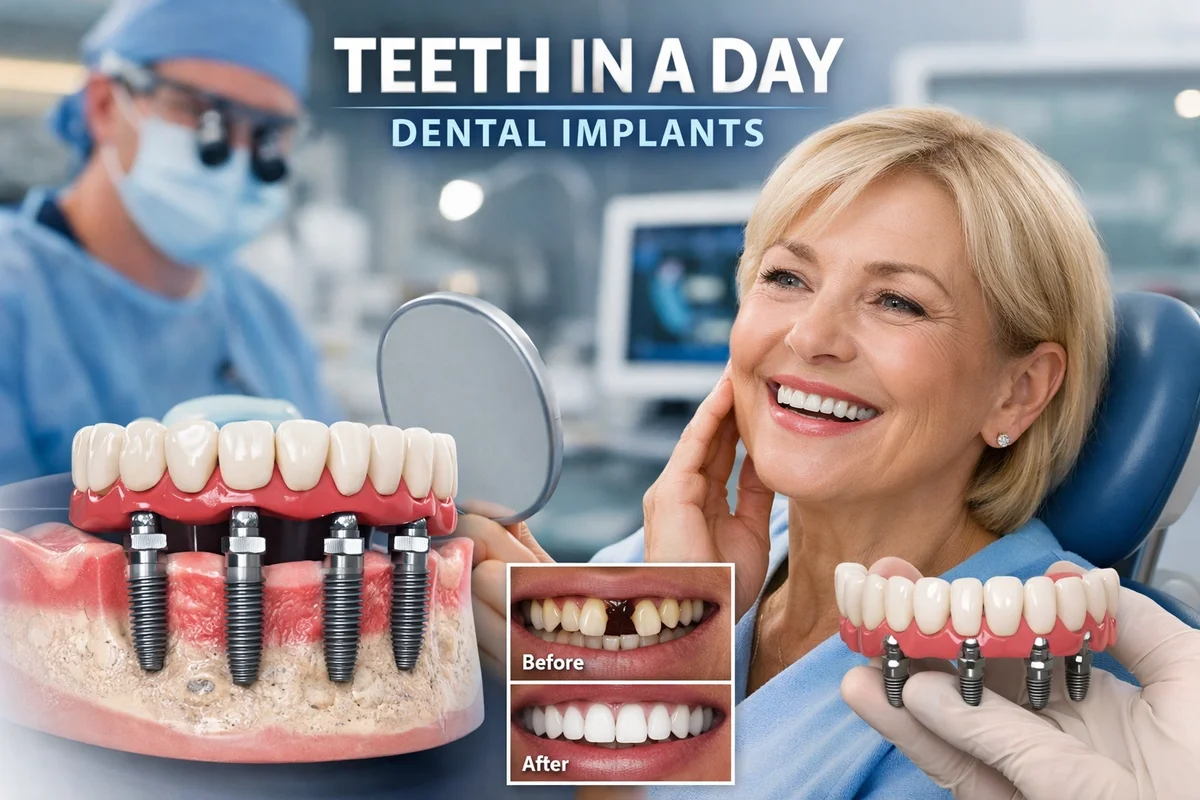
Are Teeth in a Day Dental Implants Safe and Long-Lasting?
Safety and durability are two of the most common concerns for patients considering teeth in a day dental implants. Because this treatment involves immediate restoration, many people wonder whether it is as reliable as traditional implant methods. The reassuring answer is that, when performed by experienced professionals and with proper case selection, teeth in a day dental implants are both safe and designed to last for many years. 😊
Modern implant dentistry is built on decades of scientific research, and teeth in a day dental implants follow the same biological principles as conventional implants. The key difference lies in the timing of prosthesis placement — not in the quality or structure of the implants themselves.
Clinical Safety of Teeth in a Day Dental Implants
The safety of teeth in a day dental implants depends largely on careful diagnosis, digital planning, and surgical precision. Before recommending this treatment, dentists evaluate bone density, medical history, and oral health conditions. Only patients who meet specific clinical criteria are considered suitable candidates.
Advanced imaging technologies such as 3D CBCT scans help ensure that teeth in a day dental implants are placed in the most stable and anatomically safe positions. Digital planning software allows the surgical team to avoid critical structures such as nerves and sinuses, minimizing risks.
Immediate Loading and Safety
One common concern is whether immediate loading compromises implant stability. In reality, teeth in a day dental implants are only performed when sufficient primary stability is achieved. This means the implants are firmly anchored in the bone at the time of surgery.
When proper torque levels and bone conditions are confirmed, teeth in a day dental implants can safely support a temporary bridge during the healing phase. Numerous clinical studies have shown that immediate loading protocols can achieve success rates comparable to delayed loading when case selection is appropriate.
Osseointegration and Long-Term Stability
The long-term durability of teeth in a day dental implants depends on osseointegration — the biological process in which the jawbone fuses with the titanium implant surface. This integration typically occurs over three to six months after surgery.
Once osseointegration is complete, teeth in a day dental implants provide a stable and strong foundation for the permanent prosthesis. The titanium used in dental implants is biocompatible, meaning it is accepted by the body and rarely causes allergic reactions.
Longevity of the Final Prosthesis
After healing, the temporary bridge placed during teeth in a day dental implants is replaced with a durable final prosthesis. High-quality materials such as zirconia or reinforced acrylic are commonly used. With proper care, the implants themselves can last decades, while the prosthetic teeth may require maintenance or replacement over time.
Success Rates and Professional Guidelines
Clinical research supports the safety of teeth in a day dental implants when performed according to established protocols. Organizations such as the American Dental Association recognize dental implants as a reliable and evidence-based solution for tooth replacement.
Studies show that well-planned teeth in a day dental implants procedures can achieve long-term success rates above 95% in suitable candidates. The most important factors influencing success include bone quality, oral hygiene, and patient compliance with aftercare instructions.
Potential Risks and How They Are Managed
As with any surgical procedure, teeth in a day dental implants carry some risks. These may include infection, swelling, temporary discomfort, or implant failure. However, complications are relatively rare when treatment is performed by qualified specialists.
Preventive measures such as sterile surgical techniques, antibiotic protocols, and regular follow-up visits significantly reduce risks associated with teeth in a day dental implants. Patients are also instructed to follow a soft-food diet during the healing phase to protect implant stability.
The Importance of Patient Responsibility
Long-term success of teeth in a day dental implants is not solely dependent on the procedure itself. Patients must maintain proper oral hygiene and attend routine dental check-ups. Smoking cessation is strongly recommended, as tobacco use can negatively affect healing and implant longevity.
How Long Do Teeth in a Day Dental Implants Last?
With proper maintenance, teeth in a day dental implants can last 20 years or more. In many cases, the implants themselves remain functional for a lifetime. The prosthetic bridge may require adjustments or replacement over time due to normal wear.
Regular professional maintenance ensures that teeth in a day dental implants continue to function effectively. Daily brushing, specialized implant cleaning tools, and routine dental visits are essential for protecting both the implants and surrounding gum tissue.
Confidence Backed by Science
Ultimately, teeth in a day dental implants are not a shortcut or compromise — they are a scientifically supported advancement in implant dentistry. When performed under proper clinical conditions, they offer the same biological integration and durability as traditional implants, with the added advantage of immediate restoration. 😁
In conclusion, teeth in a day dental implants are both safe and long-lasting when carefully planned and executed. With advanced technology, professional expertise, and responsible aftercare, patients can enjoy stable, aesthetic, and functional teeth for many years. Choosing an experienced implant team and committing to proper maintenance are the keys to ensuring that teeth in a day dental implants remain a reliable solution for long-term oral health.