
In recent years, today dentistry has revolutionized how people view oral health, aesthetics, and overall well-being. Modern dental care is no longer limited to filling cavities or performing extractions; it now encompasses digital diagnostics, preventive treatments, and highly personalized cosmetic solutions. 🌍 Patients are experiencing faster, safer, and more comfortable procedures than ever before, thanks to the remarkable advancements in dental science and technology. In this guide, we’ll explore what makes today dentistry so unique, how it has evolved, and why it’s essential for maintaining a healthy and confident smile in the 21st century.
Historically, dentistry was often reactive—patients sought treatment only when pain or visible damage occurred. However, modern oral care emphasizes prevention and precision. Dentists now use digital imaging, intraoral cameras, and artificial intelligence (AI) to identify even the smallest irregularities before they become major problems. 🦷 This shift from “repair” to “preserve” defines the heart of today dentistry. It’s about long-term oral wellness, not short-term fixes.
One of the most transformative aspects of today dentistry is technology. Digital X-rays reduce radiation exposure by up to 90% compared to traditional imaging, while 3D cone beam CT scans allow for detailed visualization of bone structures, nerves, and soft tissues. This precision enables dentists to perform procedures like implants and orthodontics with near-perfect accuracy. These innovations improve not just outcomes but also patient confidence and comfort. 😷
Another defining trait of today dentistry is patient-centered care. Dentists are now more focused on patient education, emotional comfort, and personalized treatment plans. For example, anxious patients can benefit from sedation dentistry or virtual reality distractions during procedures. Dental clinics often resemble wellness centers, offering stress-free environments designed to make every visit relaxing and positive. This holistic approach shows that today dentistry values both oral health and emotional well-being.
Cosmetic treatments have also become more advanced and accessible. From digital smile design to laser teeth whitening and invisible aligners, today dentistry empowers patients to achieve beautiful, natural-looking results without extensive surgery. These innovations reflect the public’s growing awareness that oral health and aesthetics go hand in hand. A confident smile doesn’t just boost appearance—it enhances self-esteem, social confidence, and even professional success. 😁
Another notable development in today dentistry is sustainability. Many clinics now use biodegradable sterilization materials, mercury-free fillings, and energy-efficient technologies to reduce their environmental footprint. This eco-friendly approach ensures that oral care not only benefits individuals but also supports global health and sustainability goals. 🌱
Education is another cornerstone of today dentistry. Dental professionals are now focusing on preventive strategies, teaching patients about diet, proper brushing techniques, and lifestyle choices that promote long-term oral health. Gum disease, for instance, has been linked to systemic conditions such as diabetes and cardiovascular disease. By addressing oral issues early, modern dental care contributes to overall body wellness—proving that today dentistry is truly integrative medicine.
Furthermore, digital platforms allow patients to connect with their dentists easily. Tele-dentistry enables online consultations and remote monitoring, providing access to care even for those living in rural or underserved areas. This advancement has made oral health more inclusive, bridging the gap between accessibility and quality. 🌐
For those seeking expert dental advice or appointments, reaching out to trusted professionals is essential. You can learn more or book a consultation directly through the Redent Klinik Contact Page, where patient-centered and technology-driven care meet global standards of excellence. 🌟
When discussing authority in dental standards, the American Dental Association plays a crucial role. Their guidelines continue to shape best practices in safety, hygiene, and patient care, ensuring that today dentistry remains evidence-based and ethical across the globe. These professional standards promote trust, innovation, and accountability in every dental office worldwide.
In summary, today dentistry represents more than just clean teeth—it embodies the perfect balance between art, science, and technology. From AI-powered diagnostics to eco-conscious practices, from patient education to aesthetic transformations, modern oral care reflects the future of healthcare itself. Every aspect of today dentistry aims to improve quality of life, one smile at a time. ✨
Understanding What Today Dentistry Really Means
Today dentistry is far more than a clinical discipline — it represents a dynamic intersection between science, technology, aesthetics, and patient care. The concept defines a new era of oral health where prevention, comfort, and precision take priority over invasive, painful, or outdated methods. 🦷 In essence, today dentistry combines digital innovation with compassionate care, creating a patient experience that is efficient, safe, and empowering.
From Traditional Care to Modern Innovation
Just a few decades ago, dental treatments were mostly mechanical — drills, amalgam fillings, and uncomfortable procedures were standard practice. However, modern dental care has evolved dramatically. Today dentistry leverages technologies like digital scanners, CAD/CAM systems, and 3D printers to produce same-day restorations with microscopic accuracy. The result? Crowns, veneers, and bridges that fit perfectly and look indistinguishable from natural teeth. 🪄
Moreover, dental professionals today rely on AI-assisted diagnostic tools that can analyze radiographs and detect early signs of decay or gum disease long before symptoms appear. This proactive approach makes treatment more predictable and reduces patient anxiety. Today dentistry transforms the once fear-driven dental visit into a collaborative, data-driven health experience.
The Philosophy Behind Today Dentistry
At its core, today dentistry embraces a preventive and holistic philosophy. Dentists are no longer merely “tooth fixers”; they are health partners. This modern perspective emphasizes oral-systemic health — recognizing the vital link between mouth and body. Conditions such as diabetes, cardiovascular disease, and even premature birth have proven connections to oral infections. Thus, maintaining dental hygiene is not just about aesthetics; it’s a crucial aspect of overall wellness.
Additionally, today dentistry prioritizes patient education. Dental practitioners now spend more time explaining procedures, showing real-time images from intraoral cameras, and empowering patients to make informed decisions about their care. This transparency fosters trust and strengthens the doctor-patient relationship, making dental visits feel more personal and collaborative. 💬
Key Elements That Define Today Dentistry
1. Precision Through Technology
Advanced tools like 3D cone beam imaging and digital impressions ensure that today dentistry delivers precision unmatched by past methods. These technologies eliminate guesswork, allowing clinicians to design restorations and surgeries based on accurate anatomical data. Even complex implant surgeries can now be planned virtually before execution, minimizing risk and optimizing results.
2. Pain-Free and Minimally Invasive Approaches
Gone are the days of loud drills and lengthy recovery times. Laser-assisted treatments in today dentistry have replaced scalpels for many soft-tissue procedures, offering virtually pain-free experiences. Patients benefit from reduced bleeding, faster healing, and minimal post-treatment discomfort. This is a major step toward making dentistry more humane and accessible to everyone. 🌿
3. Aesthetic and Functional Harmony
Today dentistry merges aesthetics with health. Procedures like teeth whitening, Invisalign aligners, and gum contouring not only improve appearance but also enhance oral functionality. A well-aligned smile promotes better chewing, clearer speech, and easier cleaning, preventing future complications. It’s a comprehensive transformation — one that uplifts both form and function. ✨
The Global Influence of Modern Dental Standards
The impact of today dentistry extends far beyond local clinics. Global organizations like the American Dental Association continuously update best-practice standards, ensuring that dentists worldwide adhere to safety, ethical, and technological benchmarks. International collaboration allows new methods — such as AI-guided implant placement and regenerative biomaterials — to reach patients across continents faster than ever before.
Additionally, patient expectations have become universal. Whether in New York, London, or Istanbul, people demand efficient appointments, digital documentation, and sustainable materials. As a result, dental clinics have transformed into high-tech environments where innovation meets empathy. 🌎
Patient Empowerment Through Digital Dentistry
Another hallmark of today dentistry is accessibility. With the help of tele-dentistry and mobile apps, patients can consult dentists remotely, track their oral hygiene progress, or receive personalized recommendations. These tools are especially beneficial for individuals with mobility issues or those living in areas without immediate access to dental specialists. This inclusivity marks a significant social advancement within healthcare.
Furthermore, clinics such as Redent Klinik Contact Page exemplify the principles of modern oral care. By combining digital workflows, biocompatible materials, and individualized treatment planning, they embody the full meaning of today dentistry — precise, compassionate, and future-ready.
How Today Dentistry Impacts Long-Term Oral Health
Preventive focus is a defining characteristic of today dentistry. Routine digital checkups, early cavity detection, and professional cleanings help reduce the need for invasive procedures later. Dentists now emphasize patient lifestyle factors such as nutrition, hydration, and stress management, all of which contribute to oral health. The goal is not just to fix problems but to prevent them altogether. 🩺
Scientific research has proven that chronic inflammation in the mouth can influence systemic diseases. Therefore, today dentistry supports the body’s natural healing processes by reducing bacterial load and inflammation. This integrative approach positions oral health as a gateway to total body health — a vision that defines the essence of modern dental philosophy.
Conclusion: A New Era of Confidence and Care
Ultimately, today dentistry represents the perfect synergy between technology, science, and compassion. It’s about redefining oral care as a lifelong commitment rather than a temporary fix. Patients no longer visit dentists only when in pain; they go to enhance wellness, beauty, and confidence. As innovations continue to unfold — from nanotechnology to regenerative tissue therapy — the future of today dentistry looks brighter than ever. 🌟
Digital Diagnostics and 3D Imaging in Today Dentistry
The integration of digital diagnostics and 3D imaging has completely redefined the precision and predictability of today dentistry. In the past, dental evaluations relied heavily on 2D X-rays and manual impressions that could not always capture the full scope of oral conditions. Today, with the help of advanced scanners, AI-based imaging, and 3D visualization, dental professionals can analyze every aspect of the mouth—from bone density to nerve pathways—with unparalleled accuracy. 🦷 This transformation allows for earlier detection, safer procedures, and better communication between dentist and patient.
The Power of Digital Diagnostics in Today Dentistry
One of the most remarkable innovations shaping today dentistry is the use of digital diagnostics for personalized and preventive care. Traditional diagnosis depended on the dentist’s visual examination and X-rays, which sometimes missed early-stage diseases. Modern digital tools, however, provide real-time, high-definition imaging that enhances both accuracy and efficiency.
Intraoral scanners, for example, capture the exact topography of the teeth and gums without the need for messy, uncomfortable molds. These digital scans can then be processed into 3D models, allowing dentists to plan treatments virtually before performing any physical procedure. This means patients can see simulated results of their restorations, implants, or orthodontic treatments before committing. Such visual clarity is one of the defining qualities of today dentistry, fostering transparency and trust. 🖥️
AI and Machine Learning in Dental Diagnostics
The implementation of artificial intelligence (AI) in diagnostic systems further enhances the capabilities of today dentistry. Algorithms trained on thousands of dental images can detect subtle anomalies such as micro-fractures, early decay, or bone loss that may be invisible to the human eye. These systems not only assist professionals but also reduce diagnostic errors. AI-guided analysis creates a second layer of security for patient safety and supports dentists in making data-driven, evidence-based decisions.
3D Imaging: The Core of Precision and Planning
When it comes to treatment planning, 3D imaging is the cornerstone of today dentistry. Cone Beam Computed Tomography (CBCT) provides three-dimensional visualization of the oral and maxillofacial structures, allowing dentists to analyze everything from root canals to sinus cavities. This comprehensive imaging reduces surgical risks and helps plan procedures like dental implant placements, extractions, and jaw realignments with microscopic precision.
For instance, when placing a dental implant, knowing the exact location of nerves and bone structures is essential. Thanks to CBCT, dentists can create a virtual surgical guide before the operation begins. This ensures that the implant is positioned optimally, minimizing pain, trauma, and healing time. Such advances exemplify how today dentistry merges medical science with digital innovation for superior patient outcomes. 🔬
CAD/CAM and 3D Printing in Modern Dentistry
Another groundbreaking innovation in today dentistry is the integration of CAD/CAM (Computer-Aided Design/Computer-Aided Manufacturing) and 3D printing. Using digital impressions, dentists can design and fabricate crowns, bridges, veneers, and even dentures on the same day. This rapid workflow drastically reduces waiting times and ensures better precision compared to traditional methods.
3D printing materials such as zirconia and resin composites offer strength, aesthetics, and biocompatibility, enabling restorations that both look and feel natural. By reducing human error and enabling full digital workflows, these technologies mark the next phase in today dentistry — one that values efficiency, customization, and patient satisfaction. 🪄
Patient Benefits of Digital and 3D Technology
Digital diagnostics in today dentistry are not only advantageous for dentists but also life-changing for patients. Key benefits include:
- Less radiation exposure: Digital X-rays use up to 90% less radiation than traditional imaging systems.
- Immediate results: Images appear instantly on a screen, reducing waiting times and enabling real-time discussion.
- Enhanced comfort: No more uncomfortable molds or repetitive scans—everything is digital, fast, and clean.
- Accurate diagnosis: Early detection prevents complex treatments and long-term complications.
- Better aesthetics: Treatment outcomes are visualized in advance, giving patients confidence in the final result.
With digital systems, communication between dental specialists has also improved. Complex cases such as orthodontic adjustments, implant surgeries, or full-mouth reconstructions can be planned collaboratively among professionals, even across continents. 🌍 This global exchange of data reflects how today dentistry transcends geographical boundaries and redefines healthcare collaboration.
Integration With Preventive Care
The real value of today dentistry lies in prevention. Digital diagnostic tools allow early detection of issues like enamel erosion, gum inflammation, or occlusal imbalance before they evolve into costly or painful conditions. Patients who undergo digital scans can view 3D models of their own mouths, helping them visualize problem areas and understand why certain treatments are necessary. This visual education motivates patients to maintain better oral hygiene and return for regular checkups. 🪥
Preventive care also benefits from American Dental Association guidelines that emphasize evidence-based protocols for early detection. Digital monitoring aligns with these standards, allowing practitioners to document and track oral health over time, ensuring consistency and quality of care in every visit.
Environmental and Ethical Impact
Digital systems also make today dentistry more sustainable. By eliminating disposable molds, reducing chemical waste from film processing, and optimizing resource use, dental clinics can reduce their carbon footprint significantly. Eco-friendly clinics combine patient care with environmental consciousness — a growing demand among modern healthcare consumers. 🌱
Conclusion: Digital Diagnostics Define the Future
In conclusion, today dentistry stands as a symbol of progress through precision. The fusion of digital diagnostics, 3D imaging, AI, and CAD/CAM has not only improved clinical accuracy but has also enhanced patient comfort and engagement. As innovations continue to evolve, the dental industry will become even more predictive, personalized, and preventive. Patients seeking these advanced services can reach out through the Redent Klinik Contact Page to experience first-hand how technology and compassion unite to shape the future of oral health. ✨
Minimally Invasive Procedures for a Pain-Free Experience
One of the most revolutionary achievements of today dentistry is the shift toward minimally invasive techniques that prioritize patient comfort, precision, and long-term oral health preservation. Gone are the days when dental treatments were associated with anxiety, loud drills, and long recovery periods. Thanks to advanced technology, innovative materials, and refined protocols, modern dentistry now offers procedures that are gentler, faster, and virtually pain-free. 🌿
The Concept of Minimally Invasive Dentistry
The philosophy of minimally invasive care in today dentistry centers around three principles: preserving natural tooth structure, reducing discomfort, and enhancing healing. Instead of removing large portions of enamel or tissue, dentists now use specialized tools and digital imaging to target only the affected areas. This approach allows for highly precise treatments that maintain the integrity of surrounding healthy structures. 🦷
Minimally invasive care also aligns perfectly with preventive dentistry. By identifying and treating small issues early—often through digital diagnostics—patients can avoid more invasive and costly procedures later. The combination of prevention, precision, and patient-centered comfort defines the true essence of today dentistry.
Laser Dentistry: Gentle, Silent, and Precise
Laser technology is one of the cornerstones of minimally invasive today dentistry. Dental lasers use concentrated beams of light to remove or reshape soft and hard tissues with remarkable accuracy. This allows dentists to perform procedures such as cavity removal, gum contouring, and frenectomies without traditional drills or scalpels. 🔦
Advantages of Laser-Assisted Treatments
- 🔹 Reduced pain and bleeding: Lasers seal blood vessels and nerve endings, minimizing bleeding and eliminating the need for stitches.
- 🔹 Faster healing: The laser promotes natural tissue regeneration, shortening recovery time dramatically.
- 🔹 No drilling noise: The absence of the traditional dental drill reduces patient anxiety and fear.
- 🔹 Enhanced precision: Targeted energy prevents damage to surrounding healthy tissues.
Soft tissue lasers are particularly effective in treating gum disease and performing cosmetic reshaping, while hard tissue lasers are used for cavity preparation and decay removal. In short, laser technology exemplifies how today dentistry merges comfort with clinical excellence.
Air Abrasion and Ozone Therapy: Alternative Comfort Solutions
For patients who dread the sound and vibration of dental drills, air abrasion offers a silent and gentle alternative. This method uses a stream of fine particles, such as aluminum oxide, to remove decay or prepare teeth for bonding without heat or vibration. It’s ideal for children and those with dental anxiety. 😌
Another minimally invasive technique gaining traction in today dentistry is ozone therapy. Ozone gas is applied to areas of decay to kill bacteria and promote remineralization of the enamel. Because it eliminates infection without drilling, it’s a favorite option for preventive and early-stage treatments. Together, these methods illustrate how today dentistry emphasizes biological preservation over mechanical removal.
Microscopic and Guided Treatments
Microscopes have become indispensable tools in today dentistry. They allow dentists to work with extreme precision, identifying microfractures, root canal pathways, and plaque deposits invisible to the naked eye. In endodontic therapy (root canal treatment), magnification ensures complete cleaning and sealing of the root system, reducing the chance of reinfection. Similarly, guided dental surgeries use 3D navigation software to map the exact path of surgical instruments, minimizing trauma and post-operative complications.
Examples of Guided and Microscopic Procedures
- ✔️ Microscope-assisted root canal therapy
- ✔️ Guided implant placement using 3D printed surgical guides
- ✔️ Minimally invasive crown lengthening with soft tissue lasers
- ✔️ Precision cavity preparation preserving maximum enamel
Such detailed and controlled procedures demonstrate that today dentistry is about quality, not quantity — less drilling, less discomfort, and greater accuracy.
Bioactive Materials and Regenerative Techniques
Modern restorative materials have evolved beyond basic fillings. Today dentistry uses bioactive compounds that interact with natural tooth structures to strengthen and protect them. Glass ionomer cements, for instance, release fluoride over time to prevent secondary decay. Similarly, regenerative materials, such as platelet-rich fibrin (PRF) and stem-cell-based therapies, stimulate natural tissue healing. 🌱
This biological approach to repair aligns perfectly with the principles of minimally invasive dentistry. Rather than merely filling or covering damaged tissue, today dentistry focuses on supporting the body’s natural capacity for regeneration and self-repair.
Comfort-Driven Anesthesia and Sedation
Technological improvements extend even to anesthesia. The traditional needle is gradually being replaced by computerized delivery systems that control dosage precisely and painlessly. Additionally, many clinics now offer conscious sedation options, such as nitrous oxide (“laughing gas”) or oral sedatives, for patients with severe dental anxiety. These methods make treatments smoother and stress-free while maintaining full communication between patient and dentist.
For individuals seeking an exceptionally gentle approach, clinics like Redent Klinik Contact Page exemplify the highest standards of comfort-based care. By combining advanced anesthetic technology with empathy, they embody the mission of today dentistry: providing high-quality treatment that feels effortless for the patient.
Preventive Focus and Long-Term Benefits
Minimally invasive techniques also contribute to preventive care. By treating early-stage problems with targeted precision, today dentistry reduces the risk of extensive decay, infection, or tooth loss. Regular monitoring through digital scans ensures that even the smallest lesions are caught and managed before they progress. Preventive dentistry, therefore, is not just about routine cleaning — it’s about safeguarding the integrity of each tooth for life. 🩺
Ethical and Environmental Advantages
Another often-overlooked benefit of minimally invasive techniques is their environmental and ethical alignment. Using fewer disposable materials, reducing anesthetic waste, and relying on digital workflows make today dentistry more sustainable. Patients are not only protecting their smiles but also contributing to a greener planet. 🌍
Conclusion: A New Standard of Gentle Precision
Ultimately, today dentistry has turned what was once a fear-inducing experience into one characterized by ease, efficiency, and precision. Through lasers, AI guidance, regenerative biomaterials, and patient-focused comfort systems, dental care has become truly transformative. These innovations ensure that every visit is not only pain-free but also proactive, preserving natural beauty and health for decades to come. The age of invasive drills is over — the era of gentle, confident smiles has arrived. ✨
For those seeking the best in modern, minimally invasive care, the principles set by the American Dental Association and world-class clinics like Redent Klinik serve as the gold standard of excellence in today dentistry.
Cosmetic Advancements: From Whitening to Full Smile Makeovers
One of the most fascinating and fast-evolving branches of today dentistry is cosmetic dentistry — the art and science of transforming smiles. Modern aesthetic dentistry goes far beyond superficial beauty; it harmonizes facial structure, oral health, and confidence. 🌟 Whether it’s whitening, veneers, implants, or digital smile design, innovations in today dentistry make it possible to achieve flawless results that look natural, feel comfortable, and last for years.
The Rise of Aesthetic Awareness in Today Dentistry
Over the last two decades, the demand for cosmetic treatments has skyrocketed as patients increasingly view their smile as a reflection of personality, confidence, and health. Today dentistry responds to this trend by blending art, precision, and digital design. Dentists use advanced imaging, shade-matching technology, and minimally invasive procedures to create stunning yet natural smiles. The goal isn’t just to fix imperfections — it’s to reveal the patient’s unique beauty through balance and proportion. 😁
Thanks to digital tools like Smile Design Software, dentists can now preview the final outcome before any procedure begins. This simulation-based planning is central to today dentistry, ensuring that each aesthetic transformation aligns perfectly with the patient’s expectations and facial harmony.
Teeth Whitening: The Foundation of a Radiant Smile
Professional whitening remains one of the most requested aesthetic treatments in today dentistry. Unlike over-the-counter products that may cause uneven results or sensitivity, professional whitening systems use scientifically calibrated gels activated by LED or laser light. These systems safely lift stains caused by coffee, wine, tobacco, and aging without damaging the enamel.
Types of Whitening Treatments
- 💠 In-office laser whitening: Delivers immediate results within an hour using light-activated hydrogen peroxide.
- 💠 Take-home whitening kits: Custom trays designed to fit the patient’s teeth precisely for gradual, even whitening.
- 💠 Internal whitening: Used for darkened teeth that have undergone root canal treatment.
These procedures, integral to today dentistry, are designed for both aesthetics and safety, minimizing tooth sensitivity while providing long-lasting brilliance. Dentists often follow the standards and safety protocols of the American Dental Association to ensure effectiveness and protection.
Veneers and Lumineers: The Art of Perfection
Porcelain veneers represent a milestone in today dentistry. These ultra-thin shells cover the front surface of teeth to correct discoloration, misalignment, or minor damage. Using CAD/CAM technology, veneers can be designed and bonded in a single visit with precise color matching and flawless symmetry.
Newer versions, such as Lumineers, require little to no tooth reduction, preserving the natural enamel — a core principle of minimally invasive today dentistry. Veneers are durable, stain-resistant, and highly aesthetic, creating what many call the “Hollywood Smile.” However, their design has become more natural over time, reflecting a preference for authenticity rather than artificial perfection.
Invisalign and Clear Aligners: Straightening Without Metal
Orthodontic innovation plays a crucial role in today dentistry. Clear aligners such as Invisalign have revolutionized teeth straightening by offering a discreet, comfortable, and removable alternative to braces. Using 3D imaging and digital mapping, dentists can simulate each stage of tooth movement before treatment even begins.
Unlike traditional metal braces, clear aligners blend seamlessly into the lifestyle of modern patients — no restrictions on food, minimal discomfort, and nearly invisible appearance. This aesthetic-friendly solution perfectly represents the patient-first philosophy of today dentistry.
Dental Implants and Smile Reconstruction
Another major breakthrough in today dentistry is the refinement of dental implants as both functional and aesthetic replacements for missing teeth. Implants replicate the natural root structure, ensuring stability, bone preservation, and lifelike appearance. Titanium and zirconia materials used in implants are biocompatible, durable, and resistant to corrosion, offering lifelong benefits.
Advanced Implant Techniques
- 🔹 Guided Implant Surgery: Using 3D navigation to ensure perfect placement with minimal trauma.
- 🔹 All-on-4 and All-on-6 Systems: Complete arch restoration using just a few implants for full smile rehabilitation.
- 🔹 Immediate Implants: Placement immediately after extraction, reducing treatment time and preserving tissue.
These innovations ensure that today dentistry not only restores function but also enhances beauty — proving that modern oral care is both medical and artistic. Patients seeking such services can explore options via the Redent Klinik Contact Page for customized aesthetic solutions.
Digital Smile Design: The Future of Personalization
Digital Smile Design (DSD) is at the heart of personalization in today dentistry. This software-driven process allows dentists to design a smile based on facial proportions, lip movement, and even emotional expression. High-resolution photographs and 3D scans are combined to create a visual model of the patient’s ideal smile.
The DSD approach bridges communication between patient and dentist, ensuring that the final result matches both expectations and anatomical reality. It’s not just cosmetic; it’s emotional — a process where art meets technology. 💻
Gum Aesthetics and Laser Contouring
Gum symmetry plays a vital role in smile aesthetics. Uneven or excessive gums can make teeth appear smaller or asymmetrical. In today dentistry, lasers are used for gum contouring, reshaping, and even pigmentation removal without bleeding or discomfort. The procedure is fast, safe, and enhances both the balance and brightness of the smile.
Non-Invasive Aesthetic Additions
Beyond whitening and veneers, today dentistry incorporates complementary treatments like facial injectables (botulinum toxin and dermal fillers) to improve lip line symmetry and reduce wrinkles around the mouth. These additions help achieve a naturally youthful and balanced look, emphasizing that modern dentistry now encompasses facial harmony as part of oral beauty.
Holistic and Ethical Aesthetic Dentistry
Today’s cosmetic dentistry isn’t just about transformation; it’s about responsibility. Sustainable materials, ethical sourcing, and biocompatible adhesives make today dentistry eco-conscious. Clinics worldwide are transitioning to metal-free restorations, BPA-free resins, and recyclable materials, ensuring that beauty and sustainability coexist. 🌱
Conclusion: Beauty Through Science and Compassion
Ultimately, today dentistry has elevated cosmetic care from luxury to lifestyle. Every innovation — from digital smile design to laser contouring — emphasizes health, function, and individuality. The modern smile is not a copy; it’s a masterpiece of personalization, shaped by science, artistry, and empathy. As patients increasingly seek authenticity over perfection, today dentistry continues to deliver smiles that radiate confidence and well-being. ✨
The Rise of Preventive Dentistry and Early Detection
One of the most transformative movements shaping today dentistry is the rise of preventive dentistry — a proactive, science-driven approach focused on early detection, patient education, and long-term oral wellness. 🦷 Unlike traditional models that treat issues only after they appear, preventive dentistry in today dentistry aims to stop disease before it begins. Through digital monitoring, minimally invasive techniques, and personalized care, patients now enjoy healthier smiles and fewer invasive treatments over their lifetimes.
The Philosophy Behind Preventive Dentistry
The core idea of today dentistry is shifting from “repair and restore” to “predict and prevent.” Dentists now act as health coaches, helping patients understand the relationship between oral hygiene and systemic health. By focusing on early detection and prevention, the dental field reduces not only the need for complex surgeries but also the financial and emotional burden of chronic oral diseases. This philosophy turns a dental visit from a reactive necessity into a routine wellness habit. 🌿
Modern Screening Tools and Diagnostic Innovation
Early detection is made possible by the digital revolution in today dentistry. Traditional X-rays have evolved into 3D cone-beam imaging, while intraoral cameras allow both dentists and patients to see real-time images of their teeth. These innovations improve accuracy and patient engagement, making it easier to detect cavities, gum disease, and structural changes at their earliest stages.
Common Technologies Supporting Preventive Dentistry
- 🔍 Digital radiography: Low-radiation imaging that identifies decay and bone loss early.
- 🖥️ Intraoral scanners: Capture detailed visuals for detecting cracks, plaque accumulation, and alignment issues.
- 🧠 AI-assisted diagnostics: Algorithms that analyze patterns to predict caries progression or gum recession.
- 🪞 Fluorescence imaging: Highlights bacterial activity invisible to the naked eye.
These tools ensure that today dentistry is not only about treating teeth but about maintaining a complete oral ecosystem where prevention guides every decision. Regular screenings using such methods can prevent advanced diseases, ensuring minimal discomfort and optimal long-term outcomes.
Importance of Early Detection in Systemic Health
Research has revealed a strong connection between oral and systemic health. Gum disease, for instance, has been linked to heart conditions, diabetes, respiratory problems, and even Alzheimer’s disease. This means oral hygiene is a vital component of overall health. Today dentistry recognizes this link and uses preventive screenings to protect not just smiles but entire bodies.
Routine dental checkups now include screenings for oral cancer, sleep apnea, and even signs of nutritional deficiencies. These early interventions save lives and contribute to better quality of life. The American Dental Association continually updates its guidelines to promote this integrated approach, emphasizing that modern dental care is an essential pillar of preventive medicine.
Fluoride Therapy and Remineralization Strategies
Fluoride remains one of the most effective preventive tools in today dentistry. Applied topically or through toothpaste and mouth rinses, it strengthens enamel, repairs microscopic damage, and prevents future decay. In addition, remineralization agents like hydroxyapatite and calcium phosphate are used to rebuild weakened enamel naturally. 🌸
These non-invasive treatments embody the gentle and proactive spirit of today dentistry, enabling patients to preserve their natural teeth longer and avoid the need for fillings or crowns.
Gum Health and Periodontal Maintenance
Healthy gums are the foundation of preventive care. Periodontal disease often begins silently, without pain, but can lead to tooth loss and systemic complications if untreated. Modern periodontal care in today dentistry involves ultrasonic cleaning, laser-assisted pocket decontamination, and bacterial DNA testing. 🧬 These methods eliminate harmful bacteria and stimulate tissue regeneration with minimal discomfort.
Steps in Modern Periodontal Prevention
- ✔️ Regular professional scaling and polishing
- ✔️ Laser therapy for gum decontamination
- ✔️ Home care education on brushing and interdental cleaning
- ✔️ Nutritional and lifestyle counseling for gum support
By integrating these practices, today dentistry empowers patients to take an active role in maintaining their gum health and preventing chronic disease progression.
Oral Cancer and AI-Driven Screening
One of the most crucial advancements in today dentistry is the use of AI-powered visual analysis for early cancer detection. AI software can identify suspicious lesions, color changes, and tissue irregularities long before they become visible symptoms. Regular checkups using these tools save lives by enabling timely biopsies and treatments. This innovation ensures that preventive dentistry remains the first line of defense against life-threatening conditions. 🎯
Preventive Care for Children and Teens
Preventive care begins in childhood, and today dentistry places strong emphasis on pediatric education. Fluoride varnishes, dental sealants, and dietary guidance form the basis of early prevention. Sealants, for instance, protect the grooves of molars from bacteria and plaque, reducing cavity risk by up to 80%. 🧒
Furthermore, orthodontic screenings now start as early as age seven, allowing for timely correction of bite or alignment issues. Early intervention minimizes the need for braces or surgery later, reflecting the foresight embedded in today dentistry.
Digital Record-Keeping and Monitoring
Another hallmark of today dentistry is the use of digital record systems that track changes in oral health over time. Dentists can compare scans, measure gum pocket depths, and identify progressive enamel wear. These systems make early detection systematic and data-driven, ensuring no issue goes unnoticed. 📊
Patients also benefit from tele-dentistry follow-ups and reminders, making preventive care convenient and accessible. For example, through platforms like the Redent Klinik Contact Page, patients can schedule remote consultations, receive oral hygiene feedback, or upload photos for digital evaluations — a modern approach perfectly aligned with today dentistry.
Empowering Patients Through Education
Ultimately, prevention starts with awareness. Today dentistry integrates education into every visit, teaching patients about brushing techniques, flossing methods, diet optimization, and lifestyle adjustments. This empowerment reduces the incidence of disease and enhances collaboration between dentist and patient. Education transforms care into partnership — the essence of preventive dentistry. 💬
Conclusion: Prevention Is the Heart of Modern Dentistry
In conclusion, today dentistry defines a new era where prevention replaces repair. By using cutting-edge technology, continuous education, and early detection methods, dentists ensure that every patient’s smile lasts a lifetime. Preventive dentistry is not merely a service; it’s a philosophy — a promise that modern oral health will always focus on preserving nature’s finest creation: the human smile. ✨
How AI and Robotics Are Shaping Dental Precision
The integration of artificial intelligence (AI) and robotics marks one of the most transformative milestones in today dentistry. 🦷 What was once dependent solely on human skill and manual dexterity is now enhanced by machine learning, automation, and real-time data analysis. This fusion of technology and medical expertise has elevated the accuracy, safety, and predictability of dental treatments, setting new standards for both patient experience and clinical performance.
The Role of Artificial Intelligence in Diagnosis
In today dentistry, AI has become the backbone of diagnostic precision. Advanced neural networks can now analyze thousands of dental X-rays, CBCT scans, and intraoral photos within seconds — identifying early signs of cavities, bone loss, or soft tissue abnormalities that might escape human detection. AI systems are trained on massive datasets, enabling them to recognize patterns and anomalies across a wide range of oral conditions.
For instance, AI-assisted tools can measure tooth wear, calculate bone density, and even detect oral cancer in its earliest stages. These intelligent systems provide dentists with risk assessments and treatment recommendations based on evidence-driven analytics. This not only improves outcomes but also supports preventive care, which lies at the heart of today dentistry. 🌿
Examples of AI in Clinical Use
- 🤖 AI-based radiographic analysis: Automatically identifies dental caries, root canal infections, and cysts.
- 📊 Predictive analytics: Assesses patient risk for gum disease or orthodontic relapse.
- 📈 Smile simulation tools: Generate visual models for cosmetic procedures such as veneers and aligners.
- 🧠 Clinical decision support systems: Recommend treatment paths based on patient data and historical outcomes.
These technologies enhance diagnostic reliability while freeing dental professionals to focus on personalized care — a defining characteristic of today dentistry.
Robotics and Automation in Dental Surgery
Robotic systems are redefining the surgical side of today dentistry. By combining 3D imaging, AI guidance, and robotic precision, dentists can now perform complex procedures such as implant placement or endodontic surgery with near-zero error. 🦾
One of the most advanced examples is robot-assisted implantology, where robotic arms guide the exact drilling angle, depth, and placement location as pre-programmed in a digital treatment plan. These systems operate with sub-millimeter accuracy, minimizing tissue trauma and improving long-term stability. Robots do not replace dentists but instead act as ultra-precise extensions of their skill — ensuring safer, faster, and more predictable outcomes.
Benefits of Robotics in Modern Dentistry
- ✔️ Enhanced precision: Eliminates human hand tremor and ensures consistent motion during surgery.
- ✔️ Reduced pain and swelling: Minimally invasive techniques preserve bone and tissue integrity.
- ✔️ Shorter recovery time: Faster healing due to accurate incisions and reduced bleeding.
- ✔️ Improved patient confidence: Data-backed procedures reassure patients about safety and results.
Such robotic applications symbolize how today dentistry merges engineering and medicine, creating a synergy that enhances both performance and patient trust.
Digital Workflow and Data Integration
AI and robotics work best when combined into a seamless digital workflow — a key principle in today dentistry. Digital records, 3D scans, and AI algorithms communicate with robotic systems to create a synchronized treatment ecosystem. From diagnosis to restoration design, every step is data-driven and error-free.
For example, during an implant procedure, the dentist first captures a 3D CBCT scan. AI software analyzes bone density and nerves, while robotic systems use that data to execute precise surgical guidance. This closed-loop process minimizes manual intervention, reduces human error, and ensures exceptional patient outcomes. 🌐
AI in Orthodontics and Cosmetic Planning
Another exciting development in today dentistry is AI’s application in orthodontics and aesthetics. Software systems analyze facial symmetry, lip dynamics, and bite alignment to design orthodontic treatments that are both functional and beautiful. For patients using clear aligners, AI tracks progress remotely, adjusting treatment stages automatically based on real-time data. 📲
Similarly, AI-powered “Smile Design” tools simulate various cosmetic outcomes before any procedure begins. This allows patients to preview their future smiles and make informed decisions. In cosmetic today dentistry, this transparency builds trust and satisfaction while aligning results with patient expectations.
Machine Learning in Preventive and Predictive Care
Beyond diagnostics, AI also supports preventive care by predicting potential oral health issues before they develop. Using historical data and behavioral insights, AI models can forecast the likelihood of cavities, gum inflammation, or orthodontic relapse. These predictions help dentists design personalized preventive plans — another hallmark of today dentistry.
Machine learning algorithms are even being integrated into home-use devices. Smart toothbrushes, for example, use AI to monitor brushing habits, track missed areas, and send data to dental apps for continuous improvement. This connection between daily habits and professional monitoring reflects the future of preventive today dentistry. 🪥
Ethical Considerations and Data Privacy
While AI and robotics bring tremendous potential, today dentistry also emphasizes ethical and privacy considerations. Patient data used for AI training must be encrypted, anonymized, and stored securely. Transparency in AI recommendations is equally important to maintain patient trust. The American Dental Association and similar organizations provide strict guidelines for data usage, ensuring that technological progress aligns with professional ethics.
Training and Human Oversight
Even the most advanced robotic systems require human expertise to interpret and guide decisions. Therefore, today dentistry emphasizes training dental professionals in digital literacy, robotics operation, and AI interpretation. Educational institutions worldwide are introducing AI and robotics modules into dental curricula to prepare the next generation of practitioners. 🎓
Ultimately, AI and robotics are not replacing dentists; they are enhancing their capabilities. Human empathy, critical judgment, and personalized care remain irreplaceable — forming the emotional core of today dentistry.
Practical Applications in Clinics
Clinics around the world, such as those accessible via the Redent Klinik Contact Page, are integrating AI and robotics into their daily workflows. From AI-guided implant surgery to robotic polishing tools and 3D-printing-assisted restorations, these clinics represent the future of dental innovation in action. Patients benefit from shorter appointments, greater precision, and life-like aesthetics — all while enjoying the reassurance that comes from cutting-edge, evidence-based care.
Conclusion: Precision and Compassion in Harmony
In conclusion, today dentistry stands at the intersection of human expertise and technological intelligence. AI ensures diagnostic accuracy, robotics guarantees surgical precision, and digital integration provides seamless care continuity. Yet, the ultimate success of these innovations lies in their alignment with compassion, ethics, and trust. The future of dentistry is not just robotic — it is empathetic, intelligent, and profoundly human. ✨
Sustainability and Eco-Friendly Practices in Dentistry Today
In an era increasingly defined by environmental consciousness, today dentistry is embracing sustainability as one of its core values. 🌍 The dental industry, once known for its high resource consumption and waste generation, is undergoing a green transformation. Eco-friendly technologies, biodegradable materials, and energy-efficient operations are now reshaping clinical standards worldwide. The goal is simple yet profound: to protect both human health and the planet. By integrating sustainable solutions, today dentistry ensures that the care we give to our smiles does not come at the expense of the Earth’s well-being.
The Need for Sustainability in Dental Care
Traditional dental practices rely heavily on single-use plastics, chemical disinfectants, and energy-intensive equipment. Each dental clinic contributes significantly to medical waste streams, often through disposable gloves, suction tips, and plastic barriers. In response, today dentistry is leading the shift toward a more responsible model—one that maintains hygiene and safety standards while reducing ecological impact.
Modern eco-friendly dental clinics now focus on waste reduction, water conservation, and green procurement. Through innovative approaches such as sterilization alternatives, digital workflows, and recyclable materials, today dentistry has proven that sustainability and efficiency can coexist harmoniously.
Green Materials and Biocompatible Innovations
The choice of dental materials is a critical aspect of sustainable practice. Today dentistry prioritizes the use of biocompatible, non-toxic, and long-lasting materials that promote oral and environmental health. Mercury-based amalgam fillings, once standard, are being replaced by composite resins and glass ionomer cements that are both safe and recyclable.
Examples of Eco-Friendly Dental Materials
- ♻️ Composite resins: Free from harmful chemicals and designed to minimize waste during application.
- 🌱 Glass ionomer cements: Release fluoride gradually while bonding naturally to tooth surfaces.
- 🌿 Ceramic and zirconia restorations: Durable, aesthetic, and made using low-emission manufacturing processes.
- 💧 Biodegradable sterilization wraps: Replace plastic-based disposables for cleaner waste management.
These materials represent how today dentistry integrates health, technology, and environmental responsibility into every restorative and preventive treatment.
Digital Dentistry: Reducing Waste Through Technology
One of the most effective ways today dentistry promotes sustainability is by going digital. Traditional impressions, which required plastic trays and chemical-based silicone materials, are being replaced by digital scanners that create 3D images of the mouth. This not only eliminates waste but also enhances accuracy and patient comfort. 📸
Additionally, digital radiography replaces film-based X-rays, which required chemical developers and fixers harmful to the environment. The transition to digital systems drastically reduces water and chemical use while providing instant diagnostic results. AI-driven software and cloud-based patient management systems further decrease paper usage, making digital transformation a cornerstone of sustainable today dentistry.
Energy Efficiency and Green Infrastructure
Dental clinics are adopting green architecture principles to reduce their carbon footprint. Energy-efficient lighting (such as LED systems), motion sensors, and solar-powered sterilization units are now commonplace in forward-thinking practices. Buildings designed with natural ventilation and insulation minimize energy consumption while maintaining ideal temperature control for equipment and patient comfort.
Furthermore, dental units now feature water-saving systems and high-efficiency suction devices that reduce water wastage without compromising clinical performance. These innovations reflect how today dentistry extends sustainability beyond treatment rooms into the very structure of dental healthcare environments. 🏥
Practical Steps for Eco-Friendly Clinics
- 🔋 Installation of renewable energy sources such as solar panels.
- 💡 Use of LED lighting with automatic sensors.
- 🌾 Incorporation of recycled furniture and low-VOC paints in clinic interiors.
- 💧 Implementation of closed-loop water filtration systems.
Each measure not only reduces operational costs but also aligns dental practices with global sustainability goals — proving that today dentistry can be both ethical and economically efficient.
Waste Management and Recycling Protocols
Dental waste includes a wide range of materials — from amalgam particles to disposable masks. Today dentistry addresses this challenge by implementing advanced waste segregation systems, mercury separators, and recycling programs. Amalgam separators, for instance, capture 99% of mercury waste before it enters the water system, significantly reducing environmental contamination. 🧪
Clinics are also switching to reusable instruments, washable gowns, and compostable disposables wherever possible. Recycling partnerships ensure that dental plastics and paper products are properly repurposed, supporting the circular economy. By embracing these practices, today dentistry reduces its ecological footprint without sacrificing infection control or patient safety.
Patient Education and Environmental Awareness
Sustainability in today dentistry is not limited to clinical operations — it also involves educating patients. Dentists now encourage eco-conscious oral hygiene habits such as using bamboo toothbrushes, refillable toothpaste tablets, and biodegradable floss. Educational programs emphasize how small daily actions contribute to long-term environmental protection. 🌏
In this way, dental professionals act as advocates for broader sustainability awareness, helping patients align their personal care routines with global environmental goals. The collaboration between patients and practitioners demonstrates that sustainability in today dentistry is a shared mission.
Regulatory Support and Professional Standards
Organizations like the American Dental Association and the FDI World Dental Federation are developing guidelines for environmentally responsible dentistry. These standards help clinics implement eco-certification programs and sustainability audits to track progress. Many countries are also offering incentives for clinics that adopt energy-efficient systems and waste reduction measures, reinforcing the global importance of green today dentistry.
Examples of Sustainable Clinics
Dental practices such as Redent Klinik Contact Page are leading by example. They incorporate digital workflows, non-toxic materials, and energy-efficient operations into every aspect of patient care. Their approach exemplifies how sustainability and excellence coexist in today dentistry — where high-quality results are achieved responsibly and ethically.
Conclusion: A Greener Future for Smiles
In conclusion, today dentistry has evolved into a discipline that values both people and the planet. Through digital transformation, green materials, and environmental stewardship, dental professionals are creating a future where oral care supports ecological balance. The focus on sustainability not only benefits the environment but also improves patient trust and community well-being. 🌱 The dental chair of tomorrow is not only cleaner and smarter — it’s greener, too.
Patient-Centered Care and the Psychology of a Confident Smile
At the heart of today dentistry lies a powerful evolution: the recognition that oral care is not just clinical—it is deeply emotional. 🦷 Modern dental practices now prioritize the patient’s mental comfort, personal preferences, and self-esteem as much as their physical health. This new model, known as patient-centered care, transforms dentistry from a procedure-driven service into an experience built on empathy, communication, and psychological understanding. In today dentistry, a confident smile is viewed not only as a sign of oral wellness but as a gateway to emotional resilience and social empowerment.
The Shift Toward Humanized Dentistry
In the past, dental visits often carried anxiety, fear, and a sense of vulnerability. However, today dentistry has redefined that perception. Clinics now design patient journeys that emphasize transparency, trust, and participation. Dentists are no longer mere technicians—they are educators, listeners, and partners in the patient’s wellness journey. This humanized approach ensures that every procedure, from cleaning to complex restorations, is performed with compassion and psychological awareness.
Empathy-driven care has proven to enhance treatment success. When patients feel understood, they communicate more openly about their symptoms, habits, and concerns. This helps practitioners design customized care plans that reflect the patient’s lifestyle, budget, and emotional needs—values central to today dentistry. 🤝
Designing Positive Dental Experiences
One of the key innovations in today dentistry is the transformation of the clinical environment itself. Dental clinics are moving away from sterile, intimidating settings to spaces that evoke calm and comfort. Natural lighting, soothing colors, aromatherapy, and soft background music reduce anxiety and create an atmosphere of reassurance.
Some clinics even integrate advanced sensory tools such as virtual reality (VR) or noise-canceling headphones to help patients relax during procedures. These efforts show that today dentistry is as much about emotional experience as it is about clinical precision. The goal is to make every visit stress-free and empowering rather than daunting.
Key Components of a Patient-Centered Environment
- 💬 Open communication and shared decision-making.
- 🪷 Aesthetic, comfortable, and accessible clinic design.
- 🧘 Pain-free and anxiety-reducing technologies.
- 🧑⚕️ Empathetic, well-trained dental professionals.
By integrating these principles, today dentistry replaces fear with familiarity and builds trust between dentist and patient, ensuring long-term commitment to oral health.
The Psychology of Smiling
Smiling is one of the most powerful nonverbal expressions of confidence and positivity. Yet, millions of people worldwide hide their smiles due to dental insecurities. Today dentistry recognizes the psychological impact of this and focuses on restoring not only the teeth but also the patient’s confidence. ✨
Studies show that people who smile often are perceived as more approachable, trustworthy, and successful. Cosmetic treatments such as whitening, veneers, and orthodontic correction thus play a psychological role beyond aesthetics—they rebuild self-esteem. By combining art and science, today dentistry helps individuals reclaim their self-expression and social comfort.
Emotional Intelligence in Dental Practice
Modern practitioners in today dentistry are trained not just in clinical techniques but in emotional intelligence. They learn to recognize signs of dental anxiety, address fears compassionately, and maintain open dialogue throughout treatment. Communication is seen as a therapeutic tool—when patients feel heard, their anxiety decreases and cooperation improves.
Many dentists now apply motivational interviewing techniques, which involve asking open-ended questions and encouraging patients to take ownership of their health. This strategy fosters collaboration and empowerment, making patients active participants in their oral care journey. 🌿
Technology Enhancing the Human Touch
While today dentistry embraces cutting-edge technologies, it uses them to enhance—not replace—the human connection. Digital tools like intraoral cameras and 3D imaging give patients visual insight into their oral health, turning abstract explanations into clear visuals. This transparency fosters trust and informed consent, core tenets of patient-centered ethics.
Additionally, AI-driven communication systems remind patients of appointments, track treatment progress, and even personalize follow-up instructions. Far from dehumanizing care, these innovations make today dentistry more efficient and patient-friendly, freeing practitioners to spend more time on meaningful interaction.
Technology Supporting Patient Empowerment
- 📲 Real-time visualizations of oral conditions via intraoral cameras.
- 💻 Digital treatment simulations for cosmetic or orthodontic planning.
- 🤖 AI-assisted patient education tools and chat support.
- 🌐 Tele-dentistry for convenient consultations and follow-ups.
These digital resources ensure patients remain informed, confident, and actively involved throughout their care—an essential feature of today dentistry.
The Role of Communication and Education
Communication is the cornerstone of modern dental relationships. In today dentistry, practitioners take time to explain each procedure, possible risks, and expected results. This transparency builds mutual trust and encourages compliance with post-treatment care.
Moreover, patient education extends beyond the clinic. Online consultations, blogs, and interactive guides help patients maintain good oral hygiene at home. Clinics like Redent Klinik Contact Page exemplify this approach by offering personalized digital support and educational materials that continue even after appointments. 📖
The Emotional Impact of Restorative and Cosmetic Dentistry
Restorative and aesthetic treatments profoundly affect how patients perceive themselves. Whether through dental implants, smile makeovers, or full-mouth rehabilitation, today dentistry addresses emotional healing as part of physical restoration. Patients often report renewed confidence in social and professional interactions, improved speech clarity, and better overall quality of life after dental rehabilitation.
This holistic view positions the dentist not only as a medical professional but as a confidence architect. By giving patients their smiles back, today dentistry rebuilds their emotional foundation, proving that oral health is inseparable from mental well-being. 💖
Building Long-Term Relationships and Trust
Patient-centered care does not end after the treatment is complete. Today dentistry emphasizes continuity—building relationships that last for years through regular checkups, personalized care plans, and ongoing communication. Trust is cultivated through consistency and genuine concern for each patient’s evolving needs. This long-term approach strengthens both loyalty and health outcomes.
Conclusion: Healing Beyond the Smile
Ultimately, today dentistry transcends the traditional boundaries of oral care. It blends science, empathy, and psychology to nurture the person behind the teeth. A confident smile reflects not just well-aligned enamel but inner harmony, self-assurance, and happiness. By prioritizing comfort, emotional well-being, and individualized attention, today dentistry continues to prove that true healing begins with the human connection behind every smile. 🌟
To experience personalized, compassionate care built around your unique needs, you can reach out to the American Dental Association for guidelines or schedule a consultation through the Redent Klinik Contact Page, where patient-centered excellence defines every appointment.
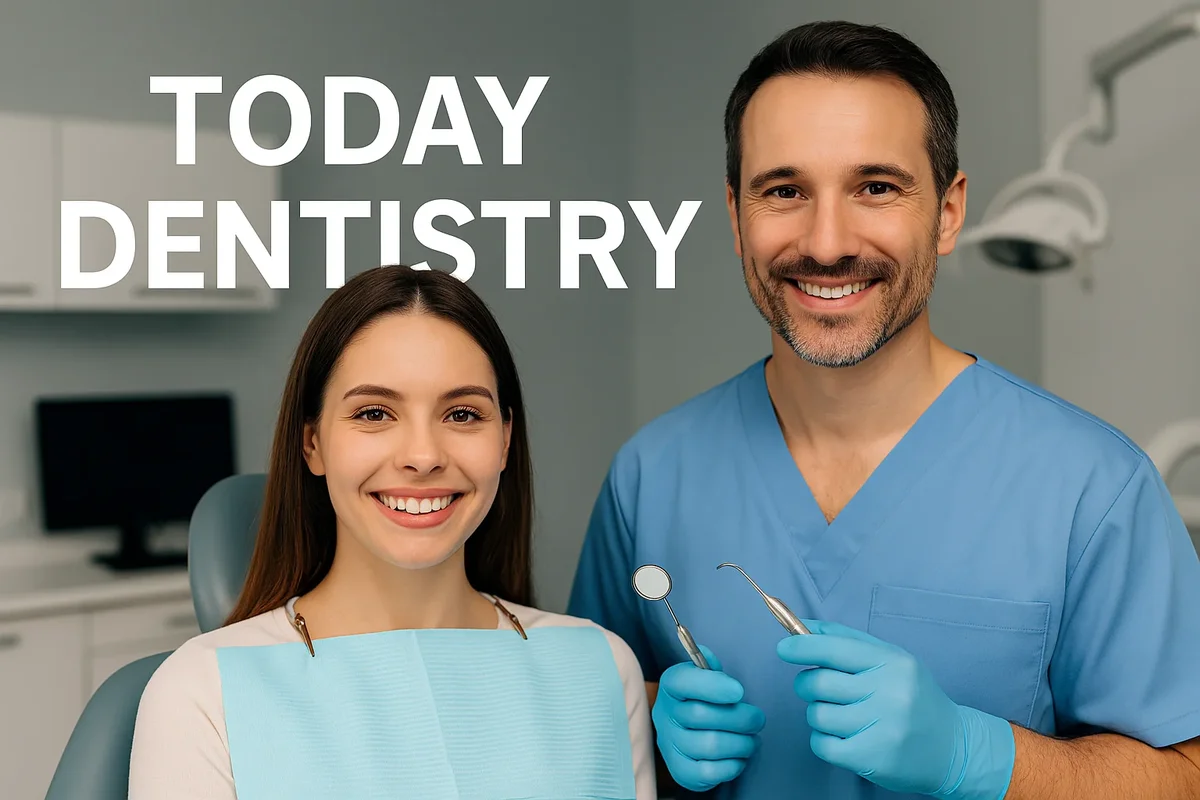
The Future of Oral Health: What Awaits Beyond Today Dentistry
The landscape of today dentistry has already revolutionized how we perceive oral health, but the next decade promises an even greater transformation. 🚀 As technology, biology, and human insight converge, the boundaries of traditional dental care are expanding toward a more predictive, regenerative, and patient-integrated future. From nanotechnology to smart biomaterials and AI-guided prosthetics, the evolution beyond today dentistry is set to redefine not just how teeth are treated, but how oral health is preserved across lifetimes.
The Next Frontier: Predictive and Regenerative Dentistry
Modern research is steering dentistry toward prediction and regeneration rather than repair. In the world beyond today dentistry, scientists envision a future where tooth decay or enamel loss can be reversed before visible symptoms appear. Predictive algorithms will assess genetic predispositions to conditions like periodontal disease or caries, allowing dentists to intervene long before problems arise. 🧬
Regenerative dentistry is another revolutionary field gaining momentum. Stem cell therapy, tissue engineering, and biomimetic materials are being explored to naturally regrow dentin, enamel, and even entire teeth. In essence, the future of today dentistry may mean fewer implants and fillings, replaced by biologically regenerated tissues that integrate seamlessly with the body’s natural systems.
Key Regenerative Innovations on the Horizon
- 🦷 Stem cell-derived dental pulp regeneration: Using patient cells to restore vitality inside damaged teeth.
- 🌱 Enamel regeneration gels: Remineralizing damaged enamel layers without drilling or filling.
- 🧪 3D bioprinting of teeth: Creating organic tooth structures with live cells and biomaterials.
- 💉 Growth factor therapy: Stimulating gum and bone tissue to naturally repair after disease or surgery.
These scientific advances suggest a paradigm shift from mechanical interventions to biological healing — the very definition of the evolution beyond today dentistry.
Nanotechnology: Microscopic Precision for Macroscopic Results
Nanotechnology promises to bring an unprecedented level of precision to dental treatments. Nanoparticles can deliver targeted medications, strengthen enamel, and even detect microscopic damage invisible to the naked eye. In the future, today dentistry will use nanorobots — tiny devices smaller than a red blood cell — to clean plaque, eliminate bacteria, and repair microcracks in enamel autonomously. 🤖
Imagine a scenario where preventive maintenance occurs at the molecular level without any discomfort or drilling. Nanodentistry will not only improve efficiency but also drastically reduce infection risk and treatment time. Researchers believe that nanomaterials will also lead to more durable and aesthetic restorations by closely mimicking the optical and physical properties of natural teeth.
Practical Applications of Nanodentistry
- 🔬 Nanocomposite fillings: Longer-lasting, stain-resistant, and aesthetically superior materials.
- 💧 Nanofluoride delivery systems: Controlled fluoride release that strengthens enamel continuously.
- 🪥 Nanocoated toothbrushes: Enhanced antibacterial protection for daily hygiene.
- 🦠 Smart nanoparticles: Capable of identifying and neutralizing harmful oral bacteria.
These innovations reflect how the precision of nanoscience will refine and elevate every aspect of today dentistry, making procedures more efficient, preventive, and biologically compatible.
Artificial Intelligence and the Rise of Personalized Dental Care
AI’s role in today dentistry is just beginning. In the future, deep-learning systems will go beyond diagnostics and actively assist in real-time decision-making during procedures. They’ll predict treatment outcomes, optimize scheduling, and personalize oral care recommendations for each patient’s genetic and lifestyle profile. 🌐
For instance, AI-driven software will be able to generate a “digital twin” of every patient’s mouth — a virtual model that simulates aging, wear, and disease progression. This will allow dentists to visualize the future condition of a patient’s oral health and take preemptive actions years in advance.
Furthermore, AI will power smart dental assistants, capable of analyzing thousands of case histories to recommend the most successful treatment paths. The future of today dentistry will be guided by data, ensuring precision and consistency like never before.
Smart Materials and Self-Healing Restorations
Biomaterials research is paving the way for “self-healing” dental restorations that mimic natural tooth behavior. These materials respond to temperature, pressure, and pH changes, repairing microfractures automatically. In the era following today dentistry, patients may no longer need repeated restorations; instead, fillings and crowns will adapt dynamically to oral conditions.
Additionally, bioactive ceramics and glass composites are being engineered to release minerals and neutralize acids, maintaining oral equilibrium. These innovations embody the principle that the best dentistry is that which works in harmony with nature. 🌿
Integration of Genomics and Personalized Prevention
Genomics — the study of genetic patterns — is expected to be a cornerstone of the next phase of today dentistry. By analyzing a patient’s genetic code, dentists will predict susceptibility to diseases such as periodontitis, caries, or even oral cancer. Preventive plans can then be customized, focusing on nutrition, hygiene, and tailored interventions that fit each person’s biology.
This level of personalization will transform dentistry from a reactive profession into a predictive science. Combined with lifestyle analytics and wearable oral sensors, it will make oral care fully integrated with overall health management. Patients will receive alerts on hydration, acidity, and bacterial balance directly through smart apps connected to their dental profiles.
Tele-Dentistry and Global Accessibility
Remote dental care, once experimental, will become a universal standard beyond today dentistry. High-resolution intraoral cameras and AI-driven platforms will enable virtual consultations that rival in-person accuracy. For underserved regions, this means affordable, immediate access to quality dental care without geographical barriers. 🌍
Clinics like Redent Klinik Contact Page are already integrating virtual diagnostics and AI consultations, ensuring global accessibility to expert dental advice. Combined with cloud-based records, tele-dentistry will create a world where continuous monitoring replaces sporadic visits — redefining patient engagement and preventive care.
Ethical and Educational Implications of Future Dentistry
With these advancements come ethical questions. As AI and biotechnology become more influential, today dentistry must also ensure transparency, data privacy, and equitable access. Dental professionals will need new education models that combine clinical excellence with digital fluency and ethical literacy. Organizations such as the American Dental Association are already developing frameworks to regulate the responsible use of these technologies in the years ahead.
Holistic Oral Health and Integration with General Medicine
The future of today dentistry will not exist in isolation. Oral health will be fully integrated into broader healthcare ecosystems, monitored alongside cardiovascular, metabolic, and neurological markers. Dentists and physicians will collaborate more closely than ever, ensuring that oral conditions are recognized as indicators of systemic wellness. This holistic vision will make dentistry an essential cornerstone of preventive medicine.
Conclusion: Beyond Innovation Lies Human Connection
In conclusion, the journey beyond today dentistry is not just about smarter tools or regenerative science—it’s about amplifying the human element through innovation. From predictive AI systems to sustainable biotechnologies, every advancement aims to create healthier, happier, and more confident smiles. 🌟
The future belongs to dental care that is anticipatory, personalized, and compassionate—where technology supports, not replaces, the human touch. As clinics and research institutions worldwide continue to push boundaries, patients can look forward to a future where oral health is not merely maintained but optimized. And at the forefront of this evolution stands today dentistry—the bridge between innovation and humanity.