
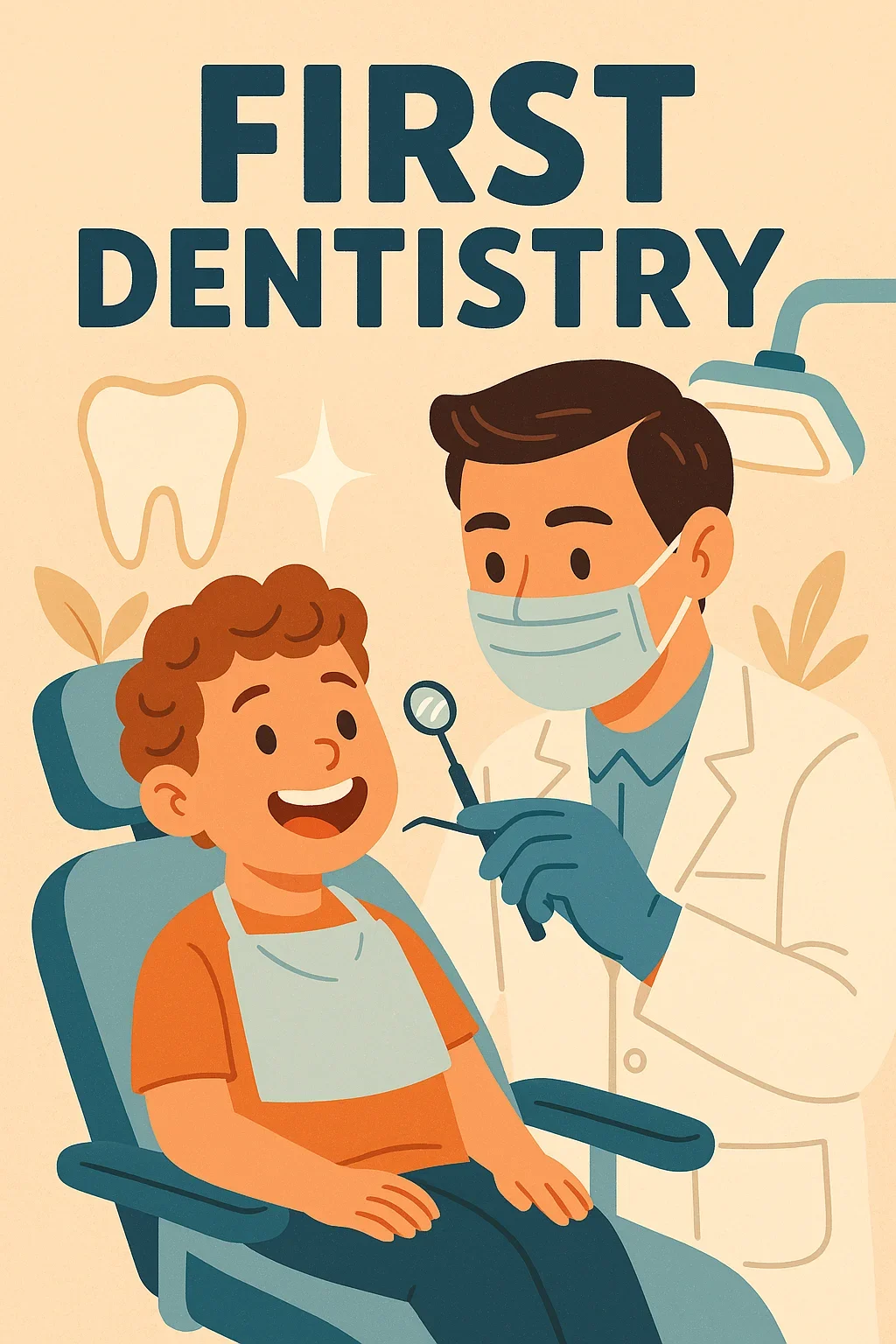
Welcome to a comprehensive journey into the world of first dentistry — a concept that represents the foundation of modern oral healthcare, combining preventive, restorative, and cosmetic approaches to create the perfect smile. Understanding the principles and importance of first dentistry helps patients take proactive steps toward maintaining healthy teeth and gums throughout their lives. Whether you’re new to dental care or seeking expert insight into how today’s advanced dentistry can transform your smile, this guide offers all the details you need in one place.
The term first dentistry refers to the essential stage of dental science focused on prevention and early treatment. It emphasizes how oral hygiene, patient education, and regular checkups form the cornerstone of lifelong oral health. Before high-tech tools and complex surgeries existed, first dentistry laid the groundwork for how we understand dental health today — and it continues to influence every modern dental procedure, from cleanings and fillings to implants and orthodontics.
In simple terms, first dentistry can be thought of as the first line of defense against oral diseases. This includes early diagnosis, timely intervention, and lifestyle changes that promote long-term oral wellness. Dental experts often say that the success of advanced dental treatments depends heavily on how well the fundamentals of first dentistry are applied. These fundamentals include brushing techniques, fluoride use, dietary balance, and routine dental visits — all of which work together to keep your mouth clean, strong, and disease-free.
Modern clinics built around the philosophy of first dentistry focus not only on treating dental problems but also on empowering patients through education. Patients learn how to recognize warning signs such as bleeding gums, tooth sensitivity, and bad breath before they escalate into more serious conditions. Preventive measures like professional cleanings, oral exams, and digital X-rays are part of a continuous care model that reflects the true meaning of first dentistry — care that begins early and continues for life.
Technological innovation has also reshaped first dentistry. Digital scanning, 3D imaging, and laser-assisted procedures now allow dentists to detect cavities, misalignments, or infections at their earliest stages. This evolution from traditional tools to cutting-edge digital systems makes modern first dentistry faster, more comfortable, and more precise. Patients can now experience minimally invasive treatments that require less recovery time while achieving more natural-looking results.
One of the most important benefits of first dentistry is its ability to prevent costly and painful dental complications. For example, early detection of cavities or gum inflammation can eliminate the need for root canal treatments or tooth extractions. A single preventive visit every six months can save patients from extensive future treatments. Therefore, dentists encourage regular checkups as part of a preventive care plan that aligns perfectly with the principles of first dentistry.
Another major component of first dentistry involves patient comfort and emotional well-being. Dental anxiety is a common issue, and many people delay treatment due to fear of pain or discomfort. Today’s dental professionals are trained to create a calm and welcoming environment, using advanced anesthesia techniques and gentle communication. In this way, first dentistry not only heals teeth but also helps restore confidence in dental visits.
Moreover, aesthetic goals have become an integral part of first dentistry. A beautiful smile isn’t just about looks — it boosts mental health and self-esteem. Treatments such as whitening, veneers, and minor orthodontic adjustments fall under the broader umbrella of first-level dental care when performed with preventive and restorative integration. In other words, first dentistry bridges the gap between health and aesthetics, ensuring that every smile is both functional and beautiful.
Globally recognized dental institutions such as the American Dental Association emphasize the importance of early and preventive dental care. These organizations set the professional standards that every modern first dentistry clinic strives to follow. Adhering to these standards guarantees safe procedures, ethical practices, and consistent care quality for every patient.
If you’re considering scheduling a checkup or dental consultation, it’s essential to find a trusted clinic that aligns with these standards. You can book your appointment directly via the Redent Klinik Contact Page — where expert dentists apply the true principles of first dentistry to every treatment plan. Their patient-centered approach combines cutting-edge technology with personalized care to ensure your dental experience is as comfortable and effective as possible.
In conclusion, first dentistry isn’t just a term — it’s a philosophy that defines how dental care should begin: early, proactive, and continuous. It prioritizes education, prevention, and modern innovation to ensure patients enjoy lifelong oral health and confidence. By understanding and embracing the values of first dentistry, anyone can achieve a brighter smile, healthier gums, and a future free from major dental issues. 🌟
What Is First Dentistry and Why It Matters for Your Oral Health?
First dentistry represents the foundation of all modern dental practices, focusing on prevention, early diagnosis, and patient education. It’s the branch of oral health care that aims to stop problems before they begin, ensuring that your teeth and gums remain healthy for life. When people talk about first dentistry, they are referring to the essential principles that every patient should understand — from brushing and flossing techniques to regular professional cleanings. This preventive approach saves time, money, and discomfort while promoting long-term oral wellness.
Understanding the Core Principles of First Dentistry 🦷
The philosophy behind first dentistry is simple yet powerful: treat early, prevent disease, and educate the patient. This concept goes far beyond simply visiting a dentist when you feel pain. It emphasizes building a consistent routine that includes daily care, balanced nutrition, and routine dental assessments. The main goal is to maintain a natural, healthy smile while avoiding major interventions. These principles form the cornerstone of modern dentistry, shaping every treatment plan designed to protect your oral health.
When patients understand how their oral habits affect their long-term dental condition, they become active participants in their own health journey. That’s exactly what first dentistry encourages — a proactive mindset. By focusing on education, early detection, and small lifestyle adjustments, this field dramatically reduces the chances of developing cavities, gum disease, and tooth loss.
The Role of Prevention in First Dentistry
Prevention is the heart of first dentistry. Every preventive step — from professional cleanings to fluoride applications — serves a purpose in maintaining the balance of your oral microbiome. Dentists working under the first dentistry framework aim to detect plaque buildup, enamel erosion, and gum irritation before they become serious. They use digital tools, intraoral cameras, and diagnostic imaging to identify hidden issues, providing treatment at the earliest and most manageable stage.
Daily brushing with fluoride toothpaste, using floss or interdental brushes, and limiting sugary foods are simple yet effective practices. But more importantly, visiting your dentist every six months allows professionals to perform a deep cleaning that no toothbrush can replace. This collaboration between home care and professional attention reflects the true essence of first dentistry — prevention through partnership.
Early Detection and Minimally Invasive Treatments
Another vital component of first dentistry is early detection. The sooner a dental issue is diagnosed, the simpler and less invasive the treatment becomes. For example, detecting a small cavity allows your dentist to repair it with minimal enamel removal, avoiding a future root canal or crown. This approach minimizes patient discomfort and reduces costs, aligning with the mission of first dentistry — to treat effectively while preserving as much of the natural tooth structure as possible.
Modern diagnostic tools, such as digital radiography and 3D oral scanners, enhance the accuracy of early diagnosis. These technologies enable dentists to monitor tiny changes in your teeth and gums, ensuring timely intervention. Thus, first dentistry combines scientific precision with compassionate care to achieve long-lasting results.
Patient Education: A Cornerstone of First Dentistry
Empowering patients is central to first dentistry. Dentists today no longer just “fix” problems — they educate patients to prevent them. This shift in philosophy encourages people to take ownership of their oral hygiene and understand how daily habits influence dental health. Topics such as proper brushing angles, flossing techniques, mouthwash selection, and dietary guidance are explained during checkups. The more knowledge a patient has, the less likely they are to face severe dental issues later in life.
Many first dentistry clinics also use visual aids, digital reports, and progress tracking to help patients see their improvements over time. These educational tools build trust and motivation, making oral care a continuous and rewarding process.
Why First Dentistry Is Essential for Overall Health
Your mouth is a gateway to your overall well-being. Research has shown that poor oral health can contribute to systemic conditions like diabetes, cardiovascular disease, and respiratory infections. By focusing on first dentistry, you are not just protecting your teeth — you are safeguarding your entire body. Preventive dental visits can identify signs of vitamin deficiencies, hormonal imbalances, and even early stages of chronic illnesses.
This holistic connection reinforces the importance of regular dental assessments. A healthy mouth leads to better digestion, clearer speech, improved confidence, and even enhanced cognitive function. That’s why leading institutions like the American Dental Association strongly recommend preventive dental visits as an essential part of overall healthcare. These principles are at the heart of first dentistry — maintaining not just oral wellness but whole-body harmony.
Where to Begin: Taking the First Step Toward First Dentistry Care
If you’ve neglected routine dental visits or feel uncertain about your oral health, now is the perfect time to begin. Book an appointment through the Redent Klinik Contact Page and experience how first dentistry transforms your perception of dental care. At clinics like Redent Klinik, dentists take time to evaluate your oral condition, educate you on preventive strategies, and create a personalized plan that ensures comfort and confidence at every stage.
Ultimately, first dentistry matters because it empowers individuals to make informed decisions about their dental and general health. It’s a science rooted in prevention, a practice guided by compassion, and a lifelong commitment to well-being. When you embrace first dentistry, you invest in more than just your smile — you invest in a healthier, happier, and more confident version of yourself. 🌟
The History and Evolution of First Dentistry Practices
The concept of first dentistry is not a modern invention — it’s the result of thousands of years of medical evolution, innovation, and human curiosity. Understanding the roots of first dentistry helps us appreciate how far oral care has come and why preventive, patient-centered approaches are now at the forefront of dental science. From ancient civilizations using primitive tools to today’s digital innovations, the journey of first dentistry is one of science meeting humanity’s timeless desire for a healthy, confident smile.
From Ancient Civilizations to the Birth of First Dentistry
Archaeological findings reveal that dental care dates back to around 7000 BCE, when early humans in the Indus Valley used bow drills and herbal mixtures to relieve tooth pain. These rudimentary techniques marked the earliest form of what we now call first dentistry. Ancient Egyptians, around 2600 BCE, employed “tooth doctors” who cleaned and extracted teeth, and they even created simple dental prosthetics from animal bone and gold wire. These pioneers understood the importance of oral health long before modern science could explain it.
In ancient Greece, Hippocrates and Aristotle documented dental diseases, extraction techniques, and jaw correction — laying the theoretical groundwork for first dentistry as a scientific discipline. Meanwhile, Chinese and Indian medical texts from the same era emphasized hygiene, herbal rinses, and diet for healthy teeth, reinforcing preventive care as a universal principle.
The Middle Ages and the Foundations of Modern Dental Thought
During the Middle Ages, dentistry was often performed by barbers or general physicians who had limited understanding of oral anatomy. However, by the 16th century, the practice began to change. French physician Ambroise Paré introduced surgical methods and emphasized gentle extraction techniques — a revolutionary approach that reflected the compassionate care philosophy central to first dentistry today.
By the 18th century, Pierre Fauchard — often called the “Father of Modern Dentistry” — published his groundbreaking book, *Le Chirurgien Dentiste* (The Surgeon Dentist). In it, he described dental anatomy, oral pathology, and innovative treatment methods such as fillings, braces, and prosthetics. Fauchard’s contributions effectively formalized first dentistry as a specialized medical field. His focus on cleanliness, regular examinations, and patient education would later inspire global dental standards.
The Industrial Revolution and the Rise of Scientific Dentistry
The 19th century witnessed a major transformation in first dentistry thanks to industrial advancements. The invention of the foot-powered dental drill in 1871 by James Morrison marked the beginning of precision dentistry. Soon after, dental schools began to open worldwide, introducing formal education programs and professional licensing. These developments turned dentistry from a trade into a respected medical profession.
New materials like vulcanized rubber allowed for the creation of affordable dentures, making restorative care accessible to the wider population. Anesthetic techniques also evolved — the use of ether and nitrous oxide minimized pain, transforming patient experience and building trust. These innovations collectively strengthened the philosophy of first dentistry: gentle, effective, and preventive care centered on patient comfort.
The 20th Century: Preventive Dentistry Becomes the Norm
By the early 20th century, public health campaigns began highlighting the importance of daily brushing, fluoride use, and regular dental checkups. The introduction of fluoridated water in the 1940s was a major milestone that dramatically reduced tooth decay across populations. These preventive measures perfectly aligned with the principles of first dentistry, making oral care a household practice rather than a luxury.
During this era, global organizations such as the American Dental Association established research-backed standards for hygiene and treatment. Dentists began shifting their focus from emergency intervention to long-term prevention — a philosophy that remains at the core of first dentistry today. This was also the century when orthodontics, pediatric care, and cosmetic dentistry began to flourish as specialized branches, all rooted in the preventive spirit of early dental science.
Digital Transformation and Modern-Day First Dentistry
In the 21st century, first dentistry has evolved into a highly digital, patient-oriented discipline. Clinics now use AI-based diagnostic systems, intraoral scanners, and 3D printing to plan and perform treatments with unmatched accuracy. These technologies minimize invasiveness, reduce chair time, and enhance patient outcomes. Moreover, digital record systems allow dentists to monitor progress over years, identifying subtle changes that might otherwise go unnoticed.
The advent of laser dentistry and nanomaterials has also revolutionized patient comfort and healing speed. Instead of painful drilling and lengthy recovery times, modern first dentistry emphasizes gentle, tissue-preserving care. Biocompatible materials ensure longer-lasting restorations, while preventive coatings and sealants protect enamel from decay for years.
The Human Side of First Dentistry: Compassion Meets Science
Despite all technological progress, the essence of first dentistry remains deeply human. It’s about empathy, trust, and communication. Modern dentists are not just practitioners — they are educators and partners in their patients’ well-being. Every consultation aims to relieve fear, explain procedures clearly, and build confidence. This human-centered approach is what distinguishes first dentistry from reactive dental care.
At reputable clinics like Redent Klinik Contact Page, professionals combine digital precision with compassionate service. Patients are guided through preventive routines, minimally invasive procedures, and long-term maintenance plans designed to keep smiles radiant for decades. These personalized care strategies exemplify how ancient wisdom and modern innovation coexist within first dentistry today.
From ancient ivory drills to AI-driven diagnostic systems, the history of first dentistry is a testament to human progress. What began as primitive tooth extraction has evolved into a holistic science that protects both oral and general health. As dentistry continues to advance, the timeless principles of prevention, care, and compassion ensure that first dentistry remains the true foundation of a healthy and confident life. 🌍✨
Key Treatments and Services Offered by First Dentistry Clinics
Modern first dentistry clinics offer a broad range of treatments that cover every aspect of oral health — from preventive cleanings and restorative procedures to cosmetic enhancements and advanced diagnostic imaging. These treatments are grounded in the philosophy that early care and consistent follow-up lead to a lifetime of healthy, beautiful smiles. The purpose of first dentistry is not only to fix existing issues but also to prevent future ones through education, advanced technology, and personalized care plans tailored to each patient’s needs.
Preventive Treatments: The Heart of First Dentistry
Preventive dentistry is the foundation of first dentistry. It focuses on stopping dental problems before they develop, using regular examinations, professional cleanings, and patient education as key tools. Most clinics recommend biannual checkups to detect early signs of decay, gum inflammation, or enamel wear. During these visits, dentists perform detailed oral exams, remove plaque and tartar, and apply fluoride treatments to strengthen teeth against future decay.
In addition, modern first dentistry practices employ digital X-rays and 3D scanners to visualize hidden issues such as small cavities, jawbone changes, or misalignment. This proactive approach ensures that even the smallest irregularities are treated before they escalate. Sealants, fluoride gels, and enamel remineralization therapies are also part of the preventive care protocol, especially for children and young adults who are more prone to decay.
Restorative Treatments: Rebuilding the Foundation of Your Smile
Even with the best preventive care, some dental problems can occur over time. That’s where restorative procedures in first dentistry come into play. These treatments repair or replace damaged teeth to restore both function and aesthetics. Common restorative services include tooth-colored fillings, dental crowns, inlays, onlays, bridges, and dental implants. Each of these treatments aims to preserve as much natural tooth structure as possible, staying true to the minimally invasive principles of first dentistry.
Modern materials like zirconia and composite resins have revolutionized the way restorative care looks and feels. Gone are the days of visible metal fillings — now, restorations blend seamlessly with your natural teeth. Clinics that specialize in first dentistry also emphasize bite correction and tooth alignment to prevent future wear or joint issues, ensuring that oral function and aesthetics remain in perfect harmony.
Endodontic and Periodontal Treatments
Endodontic therapy (root canal treatment) and periodontal care (gum treatment) are essential services in first dentistry clinics. When tooth decay or infection reaches the pulp, root canal therapy removes the affected tissue while preserving the outer tooth structure. Similarly, advanced gum treatments — including scaling, root planing, and laser-assisted cleaning — protect the supporting structures of the teeth. Maintaining healthy gums is equally important, as gum disease is one of the leading causes of tooth loss worldwide. Both types of care align with the first dentistry philosophy: treat early, save the tooth, and maintain natural function.
Cosmetic Dentistry: Enhancing Aesthetics Through First Dentistry
While health and function are top priorities, the aesthetic aspect of dentistry has grown immensely in recent years. Cosmetic procedures form an integral part of first dentistry, as they directly impact confidence and psychological well-being. Teeth whitening, porcelain veneers, bonding, and reshaping treatments help patients achieve natural and radiant smiles. These enhancements are carried out using biocompatible materials that not only improve appearance but also strengthen the tooth surface.
One of the hallmarks of first dentistry is combining cosmetic care with preventive measures. For example, before performing whitening or veneer applications, dentists ensure that enamel health and gum balance are optimized. This integrated approach ensures long-lasting results and reduces the risk of sensitivity or structural weakness. Patients often report improved confidence, motivation to maintain hygiene, and overall life satisfaction after cosmetic care guided by first dentistry principles.
Orthodontics and Smile Alignment Solutions
First dentistry clinics also specialize in orthodontic treatments that correct misalignment and bite irregularities. Clear aligners, ceramic braces, and lingual braces are modern alternatives to traditional metal braces. Orthodontic correction not only improves aesthetics but also supports better chewing, speech, and oral hygiene. Straight teeth are easier to clean and less prone to decay, making orthodontics a preventive investment as much as a cosmetic one. Every adjustment reflects the precision and patient-centered approach central to first dentistry.
Advanced Technology and Minimally Invasive Techniques
Technology plays a transformative role in first dentistry. Tools like digital intraoral scanners, cone-beam computed tomography (CBCT), and CAD/CAM design systems have redefined accuracy and comfort in dental treatments. Laser-assisted procedures minimize bleeding and discomfort, while ozone therapy and ultrasonic tools make cleanings more effective. These advancements reflect the ongoing evolution of first dentistry — a commitment to innovation that enhances patient experience while preserving natural structures.
Furthermore, clinics equipped with AI-powered diagnostic systems can detect disease patterns invisible to the naked eye. These predictive tools enable dentists to develop personalized care plans, ensuring that every procedure aligns with the patient’s medical history and dental anatomy. Such innovations demonstrate how first dentistry blends art, science, and technology to deliver superior results.
Comprehensive Patient Care and Collaboration
At the heart of every first dentistry clinic is a philosophy of collaboration — between dentist and patient, and among specialists. A truly comprehensive dental experience often involves teamwork among general dentists, hygienists, orthodontists, periodontists, and oral surgeons. This multidisciplinary model ensures that each patient receives the most effective treatment for their unique condition. Regular case reviews, transparent communication, and continuous monitoring define the ethical standard of first dentistry.
For example, clinics such as Redent Klinik Contact Page embody this principle through personalized consultation systems. Patients are guided through every step of their treatment, from initial diagnosis to post-care maintenance. This approach builds trust and promotes lifelong oral wellness.
In essence, the services offered by modern first dentistry clinics are more than just medical treatments — they represent a complete philosophy of care that values prevention, precision, and patient empowerment. From the simplest cleaning to the most advanced implant procedure, every service is designed with the same goal in mind: preserving natural beauty while ensuring long-term health. That’s the promise of first dentistry — and it’s a promise that continues to redefine how we experience dental care in the modern world. 🌿
How to Choose the Best First Dentistry Clinic Near You
Finding the right clinic for first dentistry services can make all the difference between an average dental experience and one that truly transforms your oral health. The right clinic combines expertise, technology, comfort, and transparency to deliver care that not only treats but also educates and prevents. With so many options available, understanding what to look for is essential to ensuring that your dental journey is guided by quality, safety, and long-term satisfaction.
Understanding What Defines a True First Dentistry Clinic
Not every dental office automatically qualifies as a first dentistry clinic. What sets these clinics apart is their commitment to preventive care, early diagnosis, and personalized treatment. A true first dentistry clinic doesn’t wait for a problem to worsen—it identifies risks, educates the patient, and applies modern technologies to stop issues before they escalate. These practices typically include regular checkups, detailed oral health assessments, customized hygiene plans, and minimally invasive treatments.
Such clinics also emphasize continuous education for both patients and staff. Dentists who practice within the first dentistry philosophy stay updated on the latest research and treatment protocols endorsed by reputable organizations like the American Dental Association. This ensures that patients receive care that meets international standards in hygiene, technology, and ethical practice.
Essential Factors to Consider When Choosing a First Dentistry Clinic
When selecting a first dentistry clinic, several criteria should guide your decision. These factors go beyond basic affordability and location—they focus on quality, reliability, and holistic care. Below are the key aspects to evaluate carefully:
1. Qualifications and Experience of the Dental Team
The credentials of your dentist and their supporting staff play a central role in the quality of care you receive. Specialists trained in first dentistry not only possess technical expertise but also understand the importance of empathy, patient communication, and preventive education. When researching clinics, check if the professionals are members of reputable dental associations or have pursued additional certifications in preventive or restorative dentistry. Experienced practitioners can spot potential issues early and design tailored solutions that align with first dentistry standards.
2. Technology and Equipment
Modern first dentistry relies heavily on technology to deliver accurate diagnoses and painless treatments. A top-tier clinic will feature digital X-rays, 3D imaging, intraoral cameras, and laser systems for precision procedures. These innovations not only enhance accuracy but also make treatments faster and more comfortable. Ask whether the clinic uses CAD/CAM technology for crowns, computerized anesthesia systems, or AI-assisted diagnostics. Clinics that invest in these technologies demonstrate a deep commitment to patient comfort and long-term outcomes.
3. Hygiene and Safety Standards
Cleanliness and sterilization are non-negotiable aspects of first dentistry. The best clinics follow strict infection control protocols, including the use of autoclaved instruments, disposable gloves, and surface disinfectants between patients. Many also employ air purification systems to reduce airborne pathogens. Always ensure that the clinic you choose displays its sterilization process transparently and adheres to global hygiene standards, guaranteeing peace of mind during every visit.
4. Range of Services and Comprehensive Care
A reliable first dentistry clinic should provide a full spectrum of dental services under one roof — from preventive cleanings and diagnostics to cosmetic and restorative care. This eliminates the need for multiple referrals and ensures continuity of care. The ideal clinic integrates various specialties like orthodontics, periodontics, and pediatric dentistry, creating a seamless patient experience. A multidisciplinary approach ensures that every aspect of oral health is addressed cohesively.
5. Personalized Patient Experience
What makes first dentistry special is its focus on personalization. Every patient’s oral anatomy, health history, and comfort level are unique. The best clinics design individual treatment plans based on thorough evaluations and clear communication. They take time to explain each procedure, use visual aids to show progress, and adapt care routines for patients with dental anxiety. This personalized approach builds trust and encourages long-term engagement in preventive care.
Evaluating Reputation and Patient Feedback
Patient reviews and word-of-mouth recommendations are valuable indicators of a clinic’s quality. Look for testimonials that mention professionalism, cleanliness, advanced equipment, and gentle care. Reputable first dentistry clinics are known for their transparency — they welcome feedback and continuously strive to improve their services. You can also explore before-and-after photos of cosmetic cases, which often reflect the skill and precision of the dental team. A good clinic is one that maintains consistent excellence across all treatment categories.
Building a Relationship With Your Dentist
One of the cornerstones of first dentistry is establishing a long-term relationship between dentist and patient. Consistent care from a trusted professional allows for better monitoring, early intervention, and preventive planning. When choosing a clinic, consider whether the team invests in knowing you personally, tracks your oral history, and provides follow-up reminders. This level of care builds not only better health outcomes but also a sense of comfort and loyalty that extends beyond individual appointments.
Where to Begin Your Search for a Trusted Clinic
Begin by researching local clinics that advertise preventive and patient-centered care. Visiting in person can help you assess cleanliness, staff friendliness, and the general atmosphere. During your consultation, ask about the clinic’s approach to preventive treatments, technology integration, and patient education. You can also request a written treatment plan and price transparency for all procedures.
If you’re looking for a proven provider of modern dental care aligned with first dentistry values, visit the Redent Klinik Contact Page. Their professional team combines cutting-edge technology with compassionate, multilingual service, ensuring that patients receive world-class oral care in a comfortable and ethical environment.
In conclusion, selecting the best first dentistry clinic involves more than convenience — it’s about finding a partner in your lifelong oral health journey. The right clinic blends expertise, innovation, empathy, and transparency to ensure that every smile receives the care it deserves. When you invest time in choosing wisely, you invest in the future of your smile — one built on the principles of prevention, precision, and genuine human care. 🌟
The Role of Technology in Advancing First Dentistry
The modern era of first dentistry is defined by rapid technological advancement that has completely transformed how dental care is delivered. From diagnosis to treatment planning and patient education, innovative tools now allow dentists to provide safer, faster, and more comfortable experiences than ever before. Technology does not replace the human touch in dentistry — instead, it enhances precision, efficiency, and patient trust. Understanding the role of digital tools in first dentistry reveals how technology has become the backbone of preventive and restorative dental care.
Digital Diagnostics: The Foundation of Modern First Dentistry
At the core of first dentistry is accurate diagnosis, and digital technology has revolutionized this process. Gone are the days of film X-rays and guesswork. Today, digital radiography offers instant, high-resolution images with up to 90% less radiation exposure than traditional methods. This advancement allows dentists to identify cavities, bone loss, or infections early — long before symptoms appear.
Three-dimensional imaging systems like Cone Beam Computed Tomography (CBCT) take diagnostics even further. These machines produce detailed 3D representations of the patient’s oral anatomy, allowing for precise planning of implants, orthodontic procedures, and root canal treatments. When integrated with computer-aided design tools, first dentistry clinics can simulate entire treatment outcomes before any intervention begins, ensuring accuracy and patient satisfaction.
Intraoral Cameras and AI-Powered Assessment
Intraoral cameras are another essential component of first dentistry. These pen-sized devices provide real-time visuals of a patient’s mouth on a digital screen, enabling both dentist and patient to see issues such as cracks, decay, or gum inflammation. This transparency builds trust and enhances patient understanding. Meanwhile, artificial intelligence (AI) systems can analyze these images to detect minute changes over time, helping clinicians identify disease progression early.
AI-powered diagnostic tools are now trained to recognize cavities, malocclusion, and even oral cancer indicators through machine learning algorithms. In first dentistry, this combination of human expertise and AI precision ensures timely, evidence-based care that leads to superior long-term outcomes.
Precision Treatments with CAD/CAM and Laser Dentistry
Computer-Aided Design and Manufacturing (CAD/CAM) is one of the most significant innovations in first dentistry. It allows dentists to create custom restorations — crowns, veneers, inlays, and bridges — within a single appointment. Using digital impressions instead of messy molds, CAD/CAM technology eliminates discomfort and speeds up production time. The result is a perfect fit with natural aesthetics that supports both function and comfort.
Laser dentistry represents another leap forward. Dental lasers can now perform procedures like cavity removal, gum reshaping, and soft tissue surgery with minimal bleeding and reduced healing time. In first dentistry, lasers are particularly valued for their precision and ability to sterilize treatment areas instantly, reducing the risk of infection. These tools align perfectly with the preventive philosophy — less trauma, less recovery time, and a healthier outcome overall.
Microscopic Dentistry and Minimally Invasive Techniques
Microscopes and magnification tools have become indispensable in first dentistry. They allow clinicians to perform highly detailed work that was once impossible with the naked eye. Endodontic treatments, for instance, now achieve near-perfect success rates thanks to micro-precision tools that clean and seal root canals effectively. This shift toward minimally invasive care ensures that patients retain as much natural tooth structure as possible, a principle central to first dentistry.
Additionally, ultrasonic scalers, ozone therapy, and air-polishing devices have revolutionized cleanings and periodontal treatments. These technologies remove plaque and bacteria painlessly while preserving gum tissue, making professional hygiene sessions more efficient and comfortable for patients of all ages.
3D Printing and Regenerative Materials in First Dentistry
Three-dimensional printing has ushered in a new era for first dentistry. Using digital scans, dentists can now print accurate models, surgical guides, and even temporary restorations with exceptional precision. 3D-printed dental components reduce laboratory time and ensure better-fitting results. This technology also enables personalized orthodontic aligners and implant abutments, streamlining the treatment process and enhancing comfort.
Beyond 3D printing, bioengineering and regenerative materials are paving the way for tissue regeneration and enamel restoration. Researchers are developing bioactive compounds that can help teeth repair minor cracks naturally, potentially eliminating the need for fillings in the future. These innovations reflect the forward-thinking nature of first dentistry — using science to strengthen prevention and natural healing.
Digital Smile Design and Patient Simulation
Digital Smile Design (DSD) tools give patients a preview of their post-treatment results before the procedure even starts. Through digital photography and 3D modeling, dentists can simulate various smile enhancements and make real-time adjustments based on the patient’s feedback. This interactive approach not only increases satisfaction but also reduces anxiety. It embodies the personalized, patient-first mindset that defines first dentistry.
Moreover, digital monitoring systems allow patients to track their oral health progress over time. Apps and cloud-based portals can store before-and-after images, oral hygiene scores, and personalized recommendations. This kind of digital empowerment encourages patients to maintain consistent dental habits and preventive care schedules.
Integrating Data and Communication for Smarter Care
Modern first dentistry clinics are increasingly interconnected through smart data systems. Electronic health records (EHRs) and cloud-based dental management software allow seamless sharing of diagnostic data between specialists. This ensures coordinated treatment plans and prevents redundant procedures. For example, a periodontist, orthodontist, and implant specialist can all access the same 3D model to plan interdisciplinary treatments — a level of collaboration that embodies the precision and teamwork at the heart of first dentistry.
Tele-Dentistry: Remote Care Made Possible
Tele-dentistry is another technological revolution that aligns with the accessibility goals of first dentistry. Through secure video consultations, patients can discuss symptoms, receive advice, or schedule necessary visits without leaving home. This digital convenience is especially valuable for follow-up care, elderly patients, or those living in remote areas. The result is a more inclusive and patient-focused approach that keeps preventive care accessible to all.
Choosing Clinics That Use Technology Wisely
When evaluating dental clinics, patients should prioritize those that implement technology responsibly and transparently. Cutting-edge tools must always complement — not replace — professional expertise and compassion. The best first dentistry clinics combine advanced systems with personalized communication, ensuring that patients feel informed and supported at every step.
For instance, at Redent Klinik Contact Page, technology enhances human care through AI-driven diagnostics, digital impressions, and precision-guided treatments. Each patient receives a fully customized plan that integrates comfort, efficiency, and long-term prevention — hallmarks of first dentistry done right.
In conclusion, the evolution of technology has transformed first dentistry from a manual craft into a precision-driven science. Digital imaging, AI, lasers, and 3D printing work together to deliver safer, faster, and more predictable outcomes. Yet, the true power of innovation lies in its purpose — to make dental care more preventive, comfortable, and patient-centered than ever before. This fusion of science and empathy ensures that the future of first dentistry continues to shine bright. ⚙️🦷
Common Myths and Facts About First Dentistry You Should Know
Despite the progress and accessibility of modern dental care, there are still many misconceptions surrounding first dentistry. These myths often discourage people from visiting the dentist regularly, resulting in preventable oral health problems. Understanding the truth behind these misunderstandings is essential to making informed decisions about your dental care. This section breaks down the most common myths about first dentistry and replaces them with factual, science-backed insights that will help you protect your teeth and gums for life.
Myth 1: First Dentistry Is Only About Cleaning Teeth
One of the biggest misconceptions is that first dentistry simply involves basic cleanings or checkups. While cleanings are indeed an essential part of preventive care, the field goes far beyond that. First dentistry encompasses early detection, education, lifestyle guidance, and minimally invasive treatments that prevent dental issues before they become severe. Dentists trained in this philosophy assess your entire oral ecosystem — including gums, bite alignment, and jaw health — to ensure holistic well-being. Regular visits help detect hidden issues like gum recession, enamel erosion, and even early signs of oral cancer. So, first dentistry is not just about cleaning; it’s about comprehensive protection.
Fact: Preventive Dentistry Saves Money and Time
Studies have shown that preventive care, which is the foundation of first dentistry, can reduce overall dental expenses by up to 50%. Detecting problems early eliminates the need for costly treatments such as implants or root canals. Routine visits also minimize discomfort and anxiety since procedures are simpler and faster when addressed early. In short, prevention is not only healthier but also more economical.
Myth 2: You Only Need to Visit the Dentist When You Have Pain
This myth often leads to serious dental complications. Pain is a symptom that appears only after significant damage has occurred. In contrast, first dentistry focuses on identifying and resolving issues long before they cause pain. Cavities, infections, and gum disease can silently develop for months without noticeable symptoms. Waiting until discomfort arises often means more complex and invasive treatments are required.
Fact: Regular Checkups Prevent Hidden Problems
During preventive visits, dentists use digital X-rays, intraoral cameras, and visual examinations to spot problems invisible to the naked eye. In the philosophy of first dentistry, these visits are opportunities to strengthen oral health, not just react to damage. Scheduling biannual appointments helps maintain strong enamel, balanced bite pressure, and optimal gum condition — ensuring that your smile remains healthy and pain-free for years.
Myth 3: First Dentistry Is Painful and Uncomfortable
Many people associate dentistry with fear or discomfort, but that perception is outdated. Thanks to modern technologies, first dentistry procedures are now gentler, quicker, and virtually painless. Local anesthesia, laser tools, and sedation options have eliminated much of the discomfort traditionally associated with dental treatments. Furthermore, ergonomic chairs, noise-reduction tools, and distraction techniques make visits relaxing, even for anxious patients.
Fact: Comfort Is a Core Principle of Modern First Dentistry
Clinics that follow the first dentistry approach prioritize patient comfort through customized care. Before any procedure, dentists explain each step in detail, helping patients feel calm and informed. Some clinics even use virtual reality or soothing music to enhance relaxation. These small details transform what used to be a stressful experience into a positive one — reaffirming that modern first dentistry is about comfort as much as it is about care.
Myth 4: Cosmetic Treatments Are Not Part of First Dentistry
Another common misconception is that cosmetic dentistry and first dentistry are separate fields. In reality, they are deeply interconnected. Preventive care ensures a healthy foundation upon which cosmetic enhancements can safely be performed. Procedures like whitening, veneers, and minor reshaping depend on strong, healthy gums and teeth — both maintained through first dentistry principles. Without preventive support, even the best cosmetic results will fade or fail over time.
Fact: Aesthetic Dentistry Starts With Healthy Teeth
Every beautiful smile begins with solid oral health. Before applying any cosmetic treatment, a responsible first dentistry professional ensures that no underlying problems like cavities, infections, or gum inflammation exist. This balanced approach guarantees lasting, natural-looking results that enhance both aesthetics and function.
Myth 5: Technology in Dentistry Is Just for Show
Some patients believe that digital tools and high-tech equipment are unnecessary luxuries. However, in first dentistry, technology is an integral part of precision and prevention. Digital scanners, 3D imaging, and AI-based diagnostics enable dentists to detect issues invisible to traditional methods. This precision minimizes human error, speeds up treatment, and enhances safety. Far from being superficial, technology ensures patients receive the most accurate and comfortable care available today.
Fact: Innovation Improves Both Accuracy and Comfort
For instance, digital impressions replace uncomfortable molds, while laser tools allow for faster healing and reduced bleeding. Even preventive care benefits from technology — ultrasonic cleaning tools and real-time imaging help dentists remove plaque more effectively. These advances make first dentistry a fusion of science and empathy, ensuring that every visit feels smoother and more efficient than ever before.
Myth 6: Children Don’t Need First Dentistry Until They Lose Baby Teeth
Parents sometimes assume that primary teeth don’t require serious attention because they eventually fall out. This is one of the most harmful myths surrounding first dentistry. In reality, early dental care is essential for setting lifelong oral health patterns. Baby teeth guide the growth of permanent teeth and support speech, chewing, and facial development. Ignoring early dental care can lead to misalignment, decay, or infection that affects future growth.
Fact: First Dentistry Begins in Early Childhood
The American Dental Association recommends the first dental visit by a child’s first birthday. Early exposure helps children become comfortable with the environment and learn proper hygiene habits. Pediatric specialists trained in first dentistry use gentle, fun approaches to make visits enjoyable. Establishing trust early on prevents dental anxiety and sets the stage for a lifetime of healthy habits.
Myth 7: First Dentistry Is Expensive
Another widespread misconception is that regular dental visits are a financial burden. However, neglecting dental care often leads to much higher costs later. First dentistry aims to prevent major treatments, thereby saving patients from expensive procedures like extractions, implants, and bridges. Regular cleanings and exams are small investments that protect both oral and general health.
Fact: Preventive Care Is the Smartest Financial Choice
Consider this: a simple checkup might cost a fraction of what a crown or implant would. Many clinics, such as Redent Klinik Contact Page, offer preventive care packages and transparent pricing, emphasizing education and long-term value over one-time fixes. When viewed as a long-term health strategy, first dentistry becomes not an expense, but an investment in quality of life.
In conclusion, myths about first dentistry often arise from outdated information or fear of the unknown. By understanding the facts, patients can approach dental care with confidence and clarity. Modern first dentistry is preventive, precise, comfortable, and cost-effective — a field built on science, compassion, and innovation. Dispelling these misconceptions is the first step toward embracing a brighter, healthier smile for years to come. 🌟
Preventive Care and Daily Habits Promoted by First Dentistry
At the heart of first dentistry lies the principle of prevention — the idea that consistent care and early intervention can eliminate most dental issues before they even start. Instead of focusing solely on treatment, first dentistry promotes a proactive lifestyle that integrates healthy habits, balanced nutrition, and regular professional monitoring. This approach empowers patients to take charge of their oral health, ensuring that their teeth and gums remain strong, clean, and disease-free throughout life. Understanding and implementing these preventive strategies is key to maintaining the brilliance and health of your smile.
The Philosophy of Preventive Dentistry in First Dentistry
Preventive care is the cornerstone of first dentistry, aiming to stop problems at their earliest stages or prevent them altogether. This philosophy combines education, early diagnosis, and continuous care. Rather than waiting for pain or visible damage, patients learn to recognize early warning signs and adopt behaviors that protect their oral health. Regular cleanings, fluoride treatments, and professional exams form the foundation of this system, supported by the latest diagnostic technologies such as digital X-rays and intraoral cameras.
By adopting these principles, first dentistry transforms dental visits into wellness sessions rather than problem-solving appointments. Each visit becomes an opportunity to assess progress, reinforce habits, and prevent disease — a refreshing shift from reactive dentistry to proactive health maintenance.
Essential Daily Habits for Long-Term Oral Health
The daily choices you make directly affect your dental well-being. First dentistry emphasizes simple yet powerful habits that, when practiced consistently, protect teeth from decay and gums from infection. These habits include proper brushing, flossing, hydration, and balanced nutrition. When combined, they form an effective shield against cavities, plaque buildup, and other oral issues.
Brushing Techniques and Tools 🪥
Brushing twice a day for two minutes remains the gold standard. However, first dentistry encourages more than just frequency — it stresses proper technique. Dentists recommend holding your toothbrush at a 45-degree angle to the gum line and using gentle circular motions to clean all surfaces. Overly aggressive brushing can erode enamel and irritate gums, so precision and softness are key. Electric toothbrushes with pressure sensors are especially beneficial, as they maintain optimal speed and prevent excess force.
Additionally, toothpaste selection matters. Fluoride toothpaste helps remineralize enamel, while formulas containing xylitol can reduce bacteria levels. For patients with sensitive teeth, desensitizing agents like potassium nitrate may be recommended under first dentistry care guidelines. Replacing your toothbrush or brush head every 3–4 months ensures effective cleaning and hygiene.
Flossing and Interdental Cleaning
Flossing removes debris and plaque between teeth — areas that brushing alone cannot reach. In first dentistry, interdental cleaning is considered as important as brushing itself. Traditional floss, water flossers, and interdental brushes all play a role in reducing the risk of cavities and gum inflammation. Dentists often personalize recommendations based on spacing between teeth and gum sensitivity. This attention to detail prevents issues such as bleeding gums or bad breath, maintaining the integrity of both teeth and supporting tissues.
Nutrition and Its Role in First Dentistry
Diet is one of the most influential factors in oral health. The foods you eat nourish your teeth as much as your body. First dentistry highlights a diet rich in calcium, phosphorus, and vitamins A, C, and D — all essential for enamel strength and gum resilience. Leafy greens, dairy products, nuts, and lean proteins are excellent choices. Crunchy fruits and vegetables like apples and carrots naturally clean tooth surfaces and stimulate saliva flow, which neutralizes harmful acids.
Conversely, sugary snacks, soft drinks, and acidic foods accelerate decay. First dentistry professionals advise limiting these items and rinsing your mouth with water after consumption. Sugar-free gum containing xylitol can also promote saliva production and help neutralize acid levels. This mindful nutrition approach not only supports oral health but also contributes to overall wellness.
Hydration and Saliva Balance
Saliva is one of your mouth’s greatest natural defenses. It washes away bacteria, neutralizes acid, and delivers minerals to the enamel. Dehydration or conditions like dry mouth increase the risk of decay and gum disease. Drinking plenty of water throughout the day is a simple yet powerful first dentistry habit. For those with chronic dry mouth, dentists may recommend saliva-stimulating rinses or sugar-free lozenges to restore balance.
Professional Preventive Treatments in First Dentistry
Even with perfect home care, professional checkups remain vital. First dentistry clinics use advanced preventive treatments that reinforce natural protection and catch issues early. These include:
- Fluoride Treatments: Strengthen enamel and make teeth more resistant to acid attacks.
- Dental Sealants: Thin protective coatings applied to molars to block bacteria from entering grooves and pits.
- Scaling and Polishing: Removes stubborn tartar and stains that cannot be cleaned at home.
- Oral Cancer Screening: Early detection saves lives by identifying tissue abnormalities before symptoms appear.
These preventive measures ensure that first dentistry clinics provide a holistic form of protection — one that treats the patient, not just the problem. Each service is customized based on age, risk level, and oral history, aligning perfectly with the preventive philosophy that defines modern dentistry.
Lifestyle Habits That Support First Dentistry Principles
Beyond brushing and diet, lifestyle choices significantly influence oral health. Smoking, excessive alcohol use, and poor sleep quality can all undermine first dentistry efforts. Tobacco restricts blood flow to the gums and increases the risk of periodontal disease, while alcohol and stress-related habits contribute to enamel erosion. Managing these factors through healthier routines — such as stress control, adequate hydration, and balanced rest — forms part of comprehensive oral wellness.
Regular Dental Visits: The Key to Consistency
Consistency is what makes first dentistry truly effective. Visiting your dentist twice a year allows for early detection, professional cleanings, and necessary adjustments to your care plan. Regular visits also strengthen your relationship with your dental team, making it easier to discuss concerns and follow through with long-term goals. At trusted clinics such as Redent Klinik Contact Page, patients benefit from ongoing support, modern diagnostic tools, and tailored preventive programs that safeguard smiles year-round.
In summary, preventive care and daily habits are the foundation upon which first dentistry thrives. Small, consistent actions — from proper brushing and nutrition to hydration and routine checkups — create powerful protection against oral disease. When these habits are combined with professional oversight, they ensure that every patient enjoys not only a healthy mouth but also greater overall wellness. That is the essence of first dentistry: proactive, personalized, and preventive care for a lifetime of confident smiles. 🌿🦷
How First Dentistry Enhances Your Smile and Confidence 😁
The benefits of first dentistry extend far beyond oral health — they profoundly influence self-esteem, appearance, and overall quality of life. A confident smile can transform the way you interact with the world, affecting both your personal and professional relationships. By combining preventive care, aesthetic improvements, and psychological understanding, first dentistry enhances not only how your teeth look but also how you feel about yourself. This holistic approach connects dental science with emotional wellness, making modern dentistry a cornerstone of confidence and well-being.
The Connection Between Oral Health and Self-Confidence
One of the most powerful impacts of first dentistry lies in its ability to boost self-confidence. Numerous studies show that people who are satisfied with their smile are perceived as more approachable, trustworthy, and successful. Dental health is often one of the first things others notice during communication. When your teeth are clean, aligned, and healthy, you’re more likely to smile freely, which releases endorphins and naturally reduces stress. This creates a positive feedback loop between appearance, confidence, and happiness.
First dentistry reinforces this connection by ensuring that patients feel comfortable and proud of their smiles. Preventive cleanings, whitening, and restorative treatments don’t just fix functional problems; they restore confidence in self-expression. Patients who used to hide their teeth due to discoloration, decay, or misalignment often report dramatic improvements in self-image once they undergo modern treatments grounded in first dentistry principles.
Smile Design: The Art and Science of Aesthetic Enhancement
Modern first dentistry blends clinical precision with artistic creativity through a process known as smile design. This technique analyzes facial structure, lip line, gum contour, and tooth proportion to create a harmonious and natural smile. Using advanced tools like Digital Smile Design (DSD) software, dentists can simulate the outcome before any procedure begins. Patients can visualize how their new smile will look, making them active participants in the design process.
Smile design doesn’t just involve cosmetic adjustments; it integrates oral functionality with aesthetics. A well-aligned bite, balanced gum line, and healthy enamel are equally vital to achieving an attractive result. That’s why first dentistry always starts with preventive and restorative care before any cosmetic enhancement. By ensuring a strong foundation, aesthetic treatments such as veneers, bonding, or whitening can deliver lasting results that are both beautiful and biologically sound.
Teeth Whitening and Color Correction
Among the most popular aesthetic treatments in first dentistry is professional teeth whitening. Over time, lifestyle factors like coffee, tea, and certain medications can discolor teeth. In-office whitening systems use safe, controlled concentrations of peroxide gels activated by light or laser technology, producing results up to eight shades brighter in just one session. Unlike over-the-counter products, professional whitening under first dentistry supervision protects enamel integrity while ensuring even, natural-looking brightness.
Color correction is also important for composite restorations, crowns, and veneers, where the dentist carefully matches shades to create a uniform smile. This level of customization demonstrates how first dentistry combines aesthetic artistry with dental science.
Orthodontic Alignment and Bite Improvement
A straight smile isn’t just visually pleasing — it’s healthier. Misaligned teeth can trap plaque, strain the jaw, and wear unevenly. Orthodontic treatments within first dentistry focus on correcting these issues using modern solutions like clear aligners, ceramic braces, or lingual systems. Clear aligners, in particular, have become a preferred choice among adults due to their near-invisible appearance and comfort. They gradually move teeth into ideal positions, enhancing both function and beauty.
Correcting bite alignment also contributes to confidence by improving speech and chewing efficiency. A balanced bite reduces jaw tension, prevents headaches, and makes facial symmetry more pronounced — all of which contribute to a more confident appearance.
The Psychological Power of a Healthy Smile
The impact of first dentistry extends into mental health. A healthy, bright smile can significantly influence mood, behavior, and perception. People with dental insecurities often smile less, which can create barriers in communication and self-expression. Restoring a damaged or discolored smile often leads to immediate boosts in self-esteem, social interaction, and professional confidence.
Scientific research supports this: smiling triggers the release of serotonin, dopamine, and endorphins — hormones responsible for happiness and stress reduction. Patients who undergo treatments rooted in first dentistry often describe feeling younger, more energetic, and more motivated to maintain their results through better hygiene habits.
Confidence Through Preventive Care
Confidence doesn’t come only from cosmetic procedures. In fact, first dentistry shows that prevention builds assurance. Knowing your mouth is clean, healthy, and professionally monitored gives a sense of security. Regular checkups eliminate uncertainty and anxiety about dental issues, allowing you to smile freely without fear of hidden problems. This preventive reassurance becomes a quiet but powerful source of self-esteem.
Reconstructive Dentistry: Restoring Confidence After Damage
For patients who have suffered from injury, decay, or tooth loss, reconstructive treatments in first dentistry restore both function and confidence. Dental implants, crowns, and bridges not only replace missing structures but also replicate natural aesthetics. Advanced materials such as zirconia and porcelain mimic real enamel perfectly, allowing patients to regain their natural appearance and chew comfortably.
Reconstruction under first dentistry principles prioritizes precision and long-term durability. Digital scans, 3D printing, and guided implant placement ensure perfect fit and alignment. Beyond physical restoration, the emotional impact is profound — patients often report feeling like they’ve regained part of their identity through their renewed smile.
Integrating Emotional Support and Patient Education
Emotional well-being is an inseparable part of first dentistry. Many clinics incorporate patient-centered counseling and education into their care programs. Understanding the “why” behind each procedure reduces fear and builds confidence in the process. This compassionate approach is particularly effective for individuals who have experienced dental trauma or anxiety in the past.
Maintaining Confidence With Long-Term Care
Confidence built through first dentistry lasts when supported by consistent aftercare. Regular maintenance visits, professional cleanings, and proper home hygiene ensure that your results remain bright and healthy. Dentists often provide personalized care plans, including tips on brushing, flossing, diet, and whitening maintenance. Avoiding habits such as smoking and excessive caffeine consumption helps preserve the aesthetic results of treatments.
Many clinics, such as Redent Klinik Contact Page, focus on comprehensive smile maintenance programs that combine periodic checkups with advanced cleaning systems. This holistic continuity of care ensures that patients maintain not only their oral health but also the confidence and positivity that come with a healthy, radiant smile.
In conclusion, first dentistry is not just about achieving a perfect set of teeth — it’s about nurturing confidence, emotional well-being, and self-expression. Through preventive care, restorative precision, and aesthetic artistry, first dentistry helps individuals rediscover the joy of smiling. It bridges the gap between health and happiness, proving that a strong, beautiful smile is one of life’s most powerful forms of confidence. 🌟
The Future of First Dentistry: Trends and Innovations Ahead
The future of first dentistry is being shaped by extraordinary technological advancements, patient-centered care models, and a growing emphasis on preventive and regenerative solutions. As science and technology continue to evolve, the dental field is entering a new era — one that focuses on personalization, comfort, and long-term oral health sustainability. First dentistry is no longer confined to the dental chair; it is expanding into digital platforms, artificial intelligence, and biological regeneration. This section explores the cutting-edge innovations redefining the way we understand and experience modern dentistry.
Artificial Intelligence (AI) and Data-Driven Precision
Artificial Intelligence has already begun revolutionizing diagnostics and treatment planning in first dentistry. AI algorithms analyze thousands of patient cases, X-rays, and 3D scans to detect issues such as early-stage decay, bone density loss, and gum inflammation. This capability far surpasses the limitations of human observation, leading to faster and more accurate diagnoses.
Moreover, AI enhances predictive analytics. By evaluating a patient’s dental history, oral microbiome, and even genetic predisposition, AI can forecast potential problems before they develop. This shift from reactive to proactive care aligns perfectly with the philosophy of first dentistry — preventing disease before it manifests. Future systems may even integrate with wearable devices to monitor oral pH, hydration, and stress levels in real-time, enabling patients and dentists to act promptly on early warning signs.
AI-Enhanced Imaging and Robotic Assistance
Robotics and AI-assisted tools are becoming increasingly prevalent in dental surgeries and restorations. Robots can perform tasks such as implant placement or cavity preparation with millimeter-level accuracy, reducing human error and treatment time. These automated systems embody the precision-driven foundation of first dentistry. As technology matures, we can expect robot-assisted surgeries to become a mainstream part of dental practice, making treatments faster, safer, and more comfortable for patients.
3D Printing and Customization in First Dentistry
Three-dimensional printing continues to redefine what’s possible in first dentistry. With the ability to produce crowns, aligners, surgical guides, and even full dentures within hours, 3D printing drastically reduces wait times while improving accuracy. The level of personalization it offers is unmatched — each product is made to fit the patient’s unique anatomy with perfect precision.
Future advancements may lead to bioprinting, where living cells are printed into scaffolds that can grow into dental tissues. Researchers are already experimenting with bioactive materials that can regenerate dentin and enamel. In the coming decades, first dentistry could enable natural tooth repair rather than artificial replacement, marking a major leap toward biological self-healing.
Eco-Friendly and Sustainable Dental Materials
As environmental awareness grows, first dentistry is also moving toward eco-conscious solutions. Innovations include biodegradable impression materials, recyclable aligner plastics, and energy-efficient digital equipment. Dental offices are adopting “green” sterilization systems and reducing chemical waste. These sustainability efforts ensure that the progress of dentistry benefits both patients and the planet.
Regenerative Dentistry: Healing from Within
Regenerative dentistry represents one of the most exciting frontiers in first dentistry. Stem cell research has opened doors to regenerating dentin, pulp, and even periodontal ligaments. Instead of filling cavities with composite materials, future dentists may stimulate the tooth to heal itself through bioactive compounds. This groundbreaking approach combines biotechnology with the body’s natural healing mechanisms, eliminating the need for invasive procedures.
Another emerging innovation is enamel regrowth technology. Scientists are developing peptides that encourage enamel-forming cells to reactivate, potentially allowing teeth to recover from erosion naturally. This aligns perfectly with the preventive nature of first dentistry, transforming the field from a repair-based practice to one that promotes true regeneration.
Nanotechnology and Smart Biomaterials
Nanotechnology is already influencing materials used in first dentistry. Nanocomposite fillings, for example, offer superior strength, aesthetics, and antibacterial protection. Smart materials embedded with nanoparticles can release calcium and phosphate ions over time, helping remineralize enamel and maintain long-term health. Future innovations may include self-healing dental coatings that automatically repair microcracks, significantly extending the lifespan of restorations.
Virtual Reality (VR) and Augmented Reality (AR) in Dental Training and Patient Care
Virtual and Augmented Reality technologies are reshaping both dental education and patient experience. Dental students can now use immersive VR simulations to practice procedures safely and repeatedly, improving their skills before treating real patients. For patients, AR provides real-time visualizations of treatment outcomes, helping them make informed decisions about cosmetic or restorative procedures. This interactivity aligns with the transparency and communication values of first dentistry.
Reducing Dental Anxiety Through Immersive Care
In clinical environments, VR is being used to reduce anxiety by transporting patients to calming virtual landscapes during treatment. The integration of VR and ergonomic design ensures a soothing experience for individuals with dental phobia. Such innovations illustrate how first dentistry is not only becoming more advanced but also more empathetic, prioritizing emotional well-being alongside physical health.
Digital Integration and Tele-Dentistry Expansion
The digitalization of healthcare has made remote consultation an essential part of first dentistry. Tele-dentistry platforms allow patients to connect with professionals via video calls for initial evaluations, follow-ups, or oral hygiene advice. These systems are especially valuable for individuals in rural areas or with mobility challenges.
Cloud-based dental management systems also enable seamless sharing of patient data across multiple specialists, improving collaboration and reducing redundant procedures. Patients can access their records, X-rays, and treatment plans instantly, giving them a greater sense of control over their oral health. This interconnectedness exemplifies the patient empowerment core to first dentistry.
Wearable and Smart Oral Devices
Another futuristic innovation involves smart dental devices. Wearable mouthguards and retainers equipped with micro-sensors can track oral pH, temperature, and bacterial activity. These devices alert users or dentists of early decay risks, ensuring proactive care. Combined with mobile apps, patients can monitor their oral hygiene progress daily — a powerful step toward making dental wellness an active lifestyle choice.
Personalized and Genetic Dentistry
The next decade will see first dentistry embrace genetic insights for truly personalized treatments. Genetic mapping can identify predispositions to gum disease, enamel defects, or even sensitivity levels. With this information, dentists can design individualized prevention plans and customized products like toothpaste or mouthwash tailored to each patient’s genetic profile. This precision medicine approach ensures that care is not only effective but also uniquely suited to the individual.
Integrating Oral Health with Overall Health
In the future, first dentistry will play a crucial role in holistic medicine. Dentists will collaborate closely with physicians to monitor systemic conditions such as diabetes, cardiovascular disease, and inflammation — all of which are linked to oral health. This integrative care model underscores the importance of viewing the mouth as a gateway to overall wellness.
The Global Future of First Dentistry
As innovation spreads, accessibility remains a top priority. Affordable AI-based diagnostic tools and mobile dental clinics are being developed to bring first dentistry to underserved communities worldwide. Combined with sustainable technologies and remote communication, the future promises equitable dental care for everyone.
Forward-thinking clinics, such as Redent Klinik Contact Page, are already integrating many of these technologies — from 3D-guided surgery to digital smile simulations — showcasing what the next generation of patient-centered dentistry looks like.
In conclusion, the future of first dentistry is one of innovation, empathy, and regeneration. AI-driven precision, bioprinting, nanotechnology, and tele-dentistry are merging to create a field that is smarter, more sustainable, and deeply personalized. As these technologies mature, first dentistry will continue to redefine oral care — turning every visit into an experience that enhances health, confidence, and overall well-being. 🚀🦷