
Uncovering dental implants is a critical but often misunderstood stage of modern implant dentistry. Many patients believe that once a dental implant is surgically placed into the jawbone, the treatment is essentially finished. In reality, uncovering dental implants represents a separate and essential phase that allows the implant to function as a stable foundation for a natural-looking tooth. Understanding this process in detail helps patients feel confident, prepared, and reassured throughout their dental implant journey 😊.
To fully grasp uncovering dental implants, it is important to understand how dental implants heal. After the implant post (usually made of titanium) is placed into the jawbone, it is intentionally covered by gum tissue. This healing period allows the implant to integrate with the surrounding bone through a biological process called osseointegration. During this time, the implant remains hidden beneath the gum line, protected from chewing forces and oral bacteria. Uncovering dental implants is the procedure that gently exposes this hidden implant once healing is complete.
The primary goal of uncovering dental implants is to prepare the implant for the attachment of a dental crown, bridge, or denture. Without uncovering dental implants, the implant would remain buried under the gums and could not support a visible tooth replacement. This step allows the dentist to attach a healing abutment or final abutment, shaping the gum tissue so that the final restoration looks natural and blends seamlessly with the surrounding teeth.
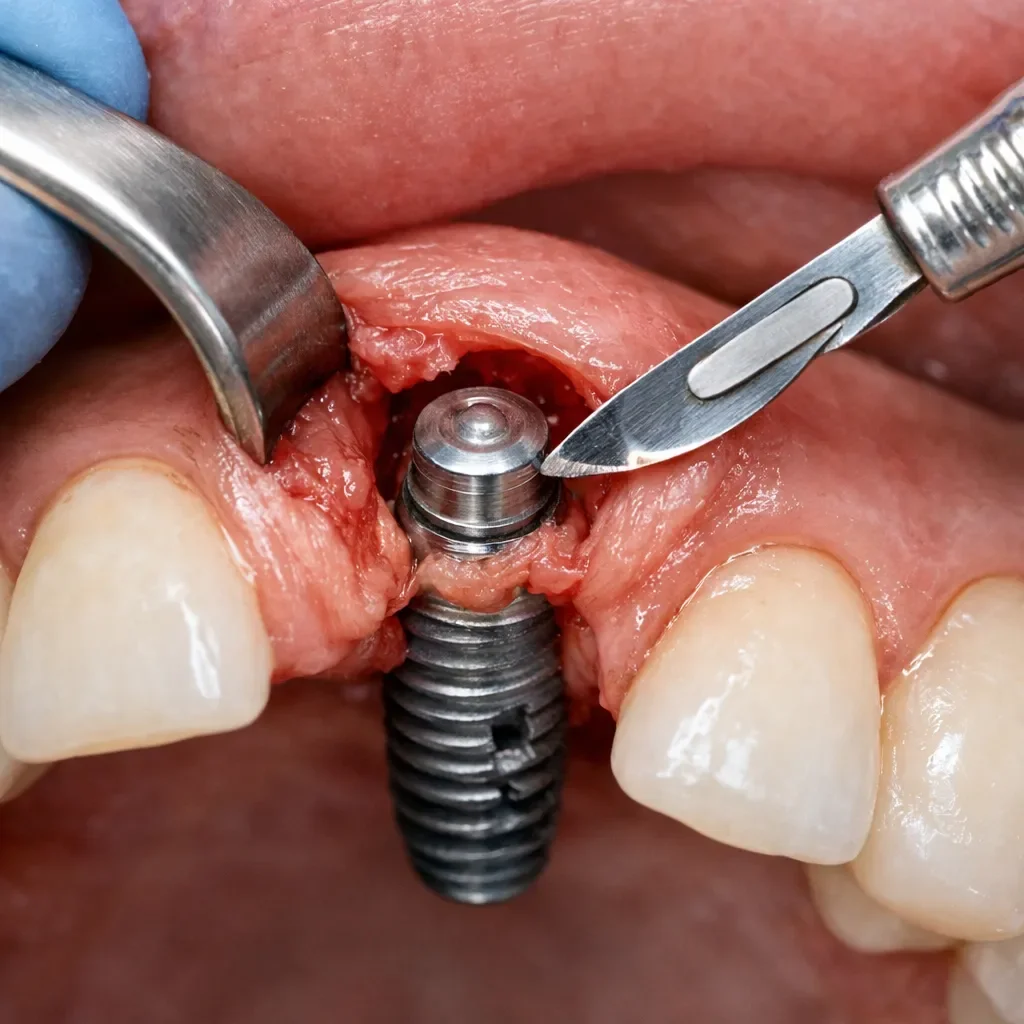
Patients often ask whether uncovering dental implants is a major surgery. In most cases, it is a minor and minimally invasive procedure. Unlike the initial implant placement, uncovering dental implants typically requires only local anesthesia and involves a small incision or tissue punch in the gum. The dentist carefully exposes the top of the implant and places a small component that extends slightly above the gum line. This step is usually quick, precise, and well tolerated by patients 😌.
Another important aspect of uncovering dental implants is timing. The procedure is performed only after the dentist confirms that the implant has successfully integrated with the jawbone. This healing period can vary depending on bone quality, implant location, and individual health factors, but it generally ranges from three to six months. Performing uncovering dental implants too early could jeopardize implant stability, which is why proper planning and professional evaluation are essential.
From a patient perspective, uncovering dental implants plays a major role in aesthetics and comfort. The way the gum tissue heals around the exposed implant directly affects how natural the final tooth will look. Skilled dentists focus on creating a healthy gum contour that mimics natural teeth, ensuring that the final crown does not appear artificial or bulky. This attention to detail is one of the reasons uncovering dental implants is considered a vital step rather than a simple technical formality.
It is also important to address common concerns related to uncovering dental implants. Many patients worry about pain, swelling, or long recovery times. In reality, most people experience only mild discomfort that can be managed with over-the-counter pain relievers. Swelling is usually minimal, and normal daily activities can often be resumed within a day. Proper oral hygiene and following your dentist’s instructions greatly reduce the risk of complications during the uncovering dental implants phase.
Clinics that specialize in implant dentistry, such as Redent Klinik, carefully evaluate each patient before proceeding with uncovering dental implants. Factors such as gum health, bone stability, and overall oral hygiene are assessed to ensure optimal results. If you are considering treatment or have questions about your implant process, you can always reach out through the
Redent Klinik Contact Page for professional guidance.
From a medical standpoint, uncovering dental implants is supported by extensive clinical research and international dental guidelines. Authoritative organizations like the
American Dental Association emphasize the importance of proper healing, precise surgical technique, and post-operative care to ensure long-term implant success. When performed correctly, uncovering dental implants contributes significantly to implant longevity and patient satisfaction.
In summary, uncovering dental implants is not just a technical step—it is the bridge between a hidden implant and a fully functional, natural-looking tooth. By understanding why uncovering dental implants is performed, how it works, and what to expect, patients can approach their treatment with confidence and realistic expectations. This stage ensures that your implant is ready to support a durable restoration, restore chewing function, and enhance your smile for years to come 😁.
What Is Uncovering Dental Implants and Why Is It Necessary?
Uncovering dental implants is a planned clinical step that allows a previously placed dental implant to emerge through the gum tissue so it can support a visible tooth restoration. While many patients assume the implant process ends once the implant screw is inserted into the jawbone, this is only the foundation stage. Uncovering dental implants is what transforms a hidden implant into a functional and restorative solution that looks and feels like a natural tooth 🦷.
Understanding the Two-Stage Dental Implant Concept
In most modern implant treatments, dentists follow a two-stage approach. During the first stage, the implant fixture is surgically placed into the jawbone and then completely covered by gum tissue. This protected environment allows the implant to bond securely with the bone through osseointegration. Uncovering dental implants represents the second stage, where the dentist re-accesses the implant after healing and prepares it for the final prosthetic tooth.
This staged method is widely used because it significantly increases implant success rates. By delaying exposure, uncovering dental implants ensures that the implant remains undisturbed during the critical healing phase. This is especially important in areas with softer bone, in patients who grind their teeth, or in cases where bone grafting was required before implant placement.
Why Uncovering Dental Implants Is Medically Necessary
Uncovering dental implants is not optional in two-stage implant systems—it is medically necessary. Without uncovering dental implants, the implant remains buried beneath the gums and cannot connect to an abutment or crown. The abutment is the component that links the implant to the visible tooth, and it can only be placed once the implant is exposed.
Additionally, uncovering dental implants allows the dentist to assess the health and stability of the implant. At this stage, the dentist confirms that osseointegration has been successful and that the implant can safely withstand chewing forces. If any issues are detected, they can be addressed early, protecting the long-term outcome of the treatment.
Soft Tissue Shaping and Aesthetic Benefits
One of the most overlooked reasons uncovering dental implants is necessary is gum shaping. When the implant is exposed, a healing abutment is often placed temporarily. This small component guides the gum tissue to heal in a natural contour around the future tooth. Proper soft tissue management during uncovering dental implants is crucial for achieving a realistic, aesthetic result—especially in the front teeth area where appearance matters most 😊.
Without careful uncovering dental implants procedures, gums may heal unevenly or recede, leading to an artificial-looking crown or visible metal edges. This is why experienced implant dentists treat uncovering dental implants as both a functional and cosmetic procedure.
Functional Reasons Behind Uncovering Dental Implants
Beyond aesthetics, uncovering dental implants is essential for restoring proper oral function. Once exposed, the implant can support a crown that allows normal biting, chewing, and speaking. Leaving an implant covered indefinitely serves no functional purpose and delays full oral rehabilitation.
Uncovering dental implants also enables accurate impressions or digital scans to be taken. These impressions are used to design a crown that fits precisely with your bite and neighboring teeth. This level of customization would not be possible without uncovering dental implants first.
Patient Safety and Long-Term Implant Success
From a safety perspective, uncovering dental implants helps reduce long-term complications. By confirming implant stability and gum health before final restoration, dentists minimize risks such as peri-implantitis, infection, or implant overload. Leading dental authorities, including the
American Dental Association, emphasize structured implant protocols that include proper timing and technique for uncovering dental implants.
Clinics that follow evidence-based implant protocols, such as Redent Klinik, carefully plan uncovering dental implants based on individual healing progress rather than rigid timelines. If you have questions about whether this step is necessary in your case, you can always consult professionals via the
Redent Klinik Contact Page.
Common Misconceptions About Uncovering Dental Implants
A common misconception is that uncovering dental implants means starting surgery all over again. In reality, it is a minor procedure compared to initial implant placement. Another myth is that uncovering dental implants weakens the implant. On the contrary, it confirms that the implant is strong enough to move forward with restoration.
Some patients also believe uncovering dental implants can be skipped to save time. Skipping this step in a two-stage implant system can compromise both aesthetics and durability. Proper uncovering dental implants procedures ensure that the final tooth is not only beautiful but also long-lasting and comfortable.
In conclusion, uncovering dental implants is necessary because it bridges healing and functionality. It allows for gum shaping, implant evaluation, crown attachment, and long-term success. When performed at the right time and with the right technique, uncovering dental implants plays a decisive role in achieving a healthy, confident smile that lasts for years 😁.
When Does the Uncovering Dental Implants Procedure Take Place?
The timing of uncovering dental implants is one of the most important factors influencing the long-term success of implant treatment. Unlike routine dental procedures that follow a fixed schedule, uncovering dental implants is performed based on biological healing, bone quality, and individual patient factors. Understanding when this step takes place helps patients avoid unnecessary anxiety and sets realistic expectations for the overall treatment timeline ⏳.
The Role of Osseointegration in Timing
The primary determinant for uncovering dental implants is osseointegration—the process by which the implant fuses with the surrounding jawbone. After the implant is placed, the bone cells gradually grow and attach themselves to the implant surface, creating a strong and stable anchor. This biological process cannot be rushed, and uncovering dental implants is only considered once osseointegration is sufficiently complete.
In most healthy patients, this healing phase takes approximately three to six months. However, uncovering dental implants may occur sooner or later depending on individual circumstances. Dentists carefully monitor healing through clinical examinations and, when necessary, imaging techniques to ensure the implant is ready to be exposed safely.
Typical Timeframes for Uncovering Dental Implants
Lower Jaw (Mandible)
In the lower jaw, bone density is generally higher and stronger. Because of this, uncovering dental implants in the mandible often occurs closer to the three-month mark. The dense bone allows faster osseointegration, reducing the waiting period before the implant can be exposed and prepared for restoration.
Upper Jaw (Maxilla)
The upper jaw usually has softer bone compared to the lower jaw. As a result, uncovering dental implants in the maxilla often requires a longer healing period, commonly four to six months. This extended timeline ensures that the implant has achieved sufficient stability before it is uncovered and subjected to functional forces.
Factors That Can Delay or Accelerate Uncovering Dental Implants
Several patient-specific factors influence when uncovering dental implants can take place. Bone quality and volume play a major role. Patients who required bone grafting before or during implant placement typically need a longer healing period before uncovering dental implants can be safely performed.
General health is another critical factor. Conditions such as diabetes, osteoporosis, or immune system disorders may slow healing and delay uncovering dental implants. Smoking is also known to negatively affect bone healing and gum health, often extending the waiting period. Dentists take all these variables into account to determine the safest timing for uncovering dental implants.
Immediate vs Delayed Uncovering Dental Implants
In certain cases, dentists may perform what is known as immediate uncovering dental implants. This approach is typically used in carefully selected patients with excellent bone quality and stable implant placement. In such situations, a healing abutment may be placed at the same time as the implant, allowing the implant to remain exposed during healing.
However, delayed uncovering dental implants remains the most common and predictable approach. By keeping the implant fully covered during healing, dentists protect it from excessive forces and bacterial exposure. This conservative strategy significantly reduces the risk of implant failure and complications.
Clinical Evaluation Before Uncovering Dental Implants
Before scheduling uncovering dental implants, the dentist performs a thorough evaluation. This includes checking gum health, assessing implant stability, and confirming the absence of infection or inflammation. In some cases, dental imaging is used to verify that the bone has fully integrated with the implant.
Only after these criteria are met does the dentist proceed with uncovering dental implants. This careful assessment ensures that the implant is strong enough to support an abutment and, eventually, a crown or prosthetic tooth.
Why Timing Matters for Long-Term Success
Performing uncovering dental implants too early can disrupt osseointegration and compromise implant stability. On the other hand, delaying uncovering dental implants unnecessarily can prolong treatment time and delay full oral function. Proper timing strikes a balance between biological healing and treatment efficiency.
Dental professionals follow evidence-based protocols supported by organizations such as the
American Dental Association, which emphasize patient-specific timing rather than rigid schedules. Clinics like Redent Klinik apply these principles to ensure uncovering dental implants is performed at the optimal moment for each patient. If you are unsure about your own treatment timeline, personalized guidance is available through the
Redent Klinik Contact Page.
In summary, uncovering dental implants takes place only after the implant has fully integrated with the jawbone and surrounding tissues are healthy. While general timelines exist, the exact timing varies from patient to patient. By respecting the body’s natural healing process and relying on professional evaluation, uncovering dental implants can be performed safely, comfortably, and with long-lasting success 😊.
Step-by-Step Overview of the Uncovering Dental Implants Process
Understanding each phase of uncovering dental implants helps patients feel calm, informed, and confident before the procedure. Although the term may sound complex, uncovering dental implants is a controlled, methodical, and generally straightforward process when performed by an experienced implant dentist. This step-by-step overview explains exactly what happens, why each step matters, and how it contributes to a successful final restoration 😊.
Pre-Procedure Evaluation and Planning
Before uncovering dental implants begins, the dentist conducts a detailed clinical evaluation. This appointment confirms that the implant has successfully integrated with the jawbone and that the surrounding gum tissue is healthy. The dentist checks for signs of inflammation, infection, or implant mobility. If any concerns are detected, uncovering dental implants may be postponed to protect long-term implant stability.
In many cases, digital X-rays or 3D imaging are used to visualize the implant’s position beneath the gums. This planning stage ensures uncovering dental implants is performed with precision and minimal trauma to the surrounding tissues.
Local Anesthesia and Patient Comfort
On the day of uncovering dental implants, local anesthesia is administered to numb the area. This ensures that the patient remains comfortable throughout the procedure. Unlike the initial implant placement surgery, uncovering dental implants rarely requires sedation, as it is much less invasive and typically completed in a short amount of time.
Most patients report feeling pressure rather than pain during uncovering dental implants. Anxiety is often higher than the actual discomfort, which is why dentists carefully explain each step before beginning 😌.
Accessing the Implant Beneath the Gum
Small Incision or Tissue Punch Technique
Once the area is numb, the dentist creates access to the implant. This is done either by making a small incision in the gum tissue or by using a tissue punch technique. The choice depends on gum thickness, implant location, and aesthetic considerations. Both methods are safe and effective when performed correctly.
The goal of this step in uncovering dental implants is to expose the top of the implant without damaging surrounding bone or soft tissue. Precision at this stage plays a major role in gum healing and final appearance.
Placement of the Healing Abutment
After the implant is exposed, a healing abutment is attached. This small component protrudes slightly above the gum line and guides the gum tissue as it heals. The healing abutment is a temporary but essential part of uncovering dental implants, shaping the gums to create a natural contour for the final crown.
Proper placement of the healing abutment ensures that the gum tissue heals evenly and securely around the implant. Skipping or rushing this step can negatively affect both aesthetics and comfort.
Gum Tissue Healing Phase
Following uncovering dental implants, the gum tissue is allowed to heal around the healing abutment. This healing period typically lasts one to two weeks. During this time, mild tenderness or swelling is normal, but severe pain is uncommon.
Patients are advised to maintain excellent oral hygiene while avoiding excessive pressure on the area. This healing phase is critical, as it determines how well the gum tissue adapts to the implant structure.
Transition to the Final Abutment and Crown
Once the gums have healed, the dentist removes the healing abutment and replaces it with the final abutment. This component connects the implant to the crown, bridge, or denture. Accurate impressions or digital scans are taken at this stage to design a restoration that fits perfectly.
Uncovering dental implants is considered complete once the implant is fully prepared to support its final prosthetic tooth. The remaining steps focus on restoring function, bite alignment, and aesthetics.
Post-Procedure Care and Monitoring
After uncovering dental implants, patients receive detailed post-operative instructions. These typically include gentle brushing techniques, antimicrobial rinses if prescribed, and temporary dietary adjustments. Proper aftercare significantly reduces the risk of complications such as infection or gum irritation.
Follow-up visits allow the dentist to monitor healing and ensure the implant remains stable. According to guidelines supported by the
American Dental Association, structured follow-up care is a key factor in long-term implant success.
Why Each Step Matters
Every step in uncovering dental implants serves a specific purpose—from confirming implant stability to shaping gum tissue and preparing for restoration. Skipping steps or rushing the process can compromise results. Reputable clinics like Redent Klinik follow evidence-based protocols to ensure each phase is performed correctly. If you have questions about your own procedure or treatment plan, professional support is available via the
Redent Klinik Contact Page.
In conclusion, uncovering dental implants is a carefully structured process designed to transition an implant from a healing phase to full functionality. By understanding each step, patients can approach treatment with clarity and confidence, knowing that uncovering dental implants is a vital milestone toward a healthy, stable, and natural-looking smile 😁.
Pain, Discomfort, and Healing Expectations After Uncovering Dental Implants
One of the most common concerns patients have before uncovering dental implants is whether the procedure will be painful and how long discomfort will last afterward. While the idea of another dental intervention can feel intimidating, the reality is that uncovering dental implants is usually a mild, well-tolerated procedure with a predictable and manageable recovery period. Knowing what to expect helps patients stay relaxed and confident throughout the process 😊.
Is Uncovering Dental Implants Painful?
During uncovering dental implants, the treated area is fully numbed using local anesthesia. This means patients typically feel no pain during the procedure itself. Some may notice slight pressure or movement as the dentist accesses the implant beneath the gum, but this sensation is not painful. Compared to the initial implant placement surgery, uncovering dental implants is significantly less invasive and much easier on the body.
Patients who feel anxious often report that uncovering dental implants was far easier than they expected. The procedure is usually brief, and most patients are surprised by how comfortable it feels overall 😌.
Immediate Sensations After Uncovering Dental Implants
Once the anesthesia wears off, mild tenderness or soreness around the implant site is normal. This discomfort is typically localized to the gum tissue rather than the jawbone. Because uncovering dental implants involves soft tissue manipulation rather than bone drilling, post-procedure pain levels are generally low.
Swelling may occur, but it is usually minimal and short-lived. Some patients notice slight redness or sensitivity when touching the area with their tongue. These sensations are a normal part of the healing response and usually subside within a few days.
Pain Management Options
Most patients manage discomfort after uncovering dental implants with over-the-counter pain relievers such as ibuprofen or acetaminophen. Prescription pain medication is rarely necessary. Applying a cold compress externally during the first 24 hours can further reduce swelling and improve comfort.
Dentists often emphasize that severe or worsening pain is not typical after uncovering dental implants. If pain increases instead of gradually improving, it may indicate irritation or infection and should be evaluated promptly.
Healing Timeline After Uncovering Dental Implants
Healing after uncovering dental implants is usually fast and uncomplicated. The gum tissue begins adapting around the healing abutment almost immediately. In most cases, initial healing occurs within 7 to 10 days. During this time, the gums form a healthy seal around the implant component.
Complete soft tissue maturation may take several weeks, especially in areas where aesthetics are important. This gradual healing ensures that the gums look natural and remain stable when the final crown is placed.
What Is Normal During Healing?
Normal healing signs after uncovering dental implants include mild soreness, slight swelling, and temporary sensitivity when brushing near the site. A small amount of bleeding on the first day can also occur, particularly if the gums were thick or tightly covering the implant.
These symptoms should steadily improve each day. Maintaining gentle but thorough oral hygiene is essential to support healing and prevent inflammation.
What Is Not Normal and Should Be Reported?
While complications are uncommon, certain symptoms after uncovering dental implants require professional attention. Persistent swelling, increasing pain, pus discharge, or fever are not normal and may indicate infection. Excessive bleeding or loosening of the healing abutment should also be reported immediately.
Prompt evaluation ensures that minor issues do not develop into more serious complications that could affect implant success.
Daily Activities and Lifestyle After Uncovering Dental Implants
Most patients can return to normal daily activities the same day or the day after uncovering dental implants. Eating soft foods for the first 24 to 48 hours is often recommended to avoid unnecessary pressure on the healing gums. Hard, sticky, or spicy foods should be avoided temporarily.
Smoking should be avoided during the healing period, as it can delay tissue recovery and increase the risk of infection. Dentists consistently stress that good lifestyle habits play a crucial role in how smoothly uncovering dental implants heals.
Professional Guidance and Reassurance
Dental professionals follow post-operative care protocols supported by organizations such as the
American Dental Association to ensure patient safety and comfort. Clinics like Redent Klinik provide detailed aftercare instructions and ongoing monitoring to make sure healing progresses as expected. If you experience unusual symptoms or simply want reassurance during recovery, expert assistance is always available through the
Redent Klinik Contact Page.
In summary, pain and discomfort after uncovering dental implants are typically mild, temporary, and easy to manage. With proper care and realistic expectations, most patients find this stage far less challenging than anticipated. Uncovering dental implants marks a positive turning point—bringing you one step closer to a fully restored, comfortable, and confident smile 😁.
How Long Does It Take to Heal After Uncovering Dental Implants?
Healing time after uncovering dental implants is a key concern for patients who are eager to complete their treatment and receive their final tooth restoration. The good news is that healing after uncovering dental implants is usually faster and more comfortable than many people expect. Unlike the initial implant placement, this stage focuses on soft tissue healing rather than bone integration, which significantly shortens recovery time ⏱️.
Average Healing Time After Uncovering Dental Implants
For most patients, the initial healing period after uncovering dental implants lasts between 7 and 14 days. During this time, the gum tissue adapts around the healing abutment that was placed during the procedure. This stage is critical because it shapes the gum line and creates a natural seal around the implant.
Although the surface of the gums may appear healed within one to two weeks, deeper soft tissue maturation can continue for several more weeks. Dentists take this into account before placing the final crown to ensure that the gums are stable and aesthetically pleasing.
Soft Tissue Healing vs Bone Healing
It is important to distinguish between bone healing and soft tissue healing when discussing uncovering dental implants. The bone healing phase—osseointegration—has already been completed before uncovering dental implants takes place. This is why recovery at this stage is much quicker and less demanding on the body.
After uncovering dental implants, healing is limited primarily to the gum tissue. Because no bone drilling is involved, inflammation is minimal and the body recovers efficiently. This distinction explains why most patients experience only mild discomfort and can resume normal routines quickly.
Factors That Influence Healing Time
Gum Health and Thickness
Patients with healthy, well-vascularized gum tissue tend to heal faster after uncovering dental implants. Thicker gums may take slightly longer to adapt around the healing abutment, but they often provide better long-term aesthetic outcomes. Dentists adjust healing timelines based on how the gums respond during follow-up visits.
Implant Location
The location of the implant also affects healing time. Uncovering dental implants in the front of the mouth may require more healing time to achieve ideal gum contours, especially for cosmetic reasons. In contrast, implants in the back of the mouth often heal more quickly because aesthetics are less demanding.
Overall Health and Lifestyle
General health plays a major role in how long it takes to heal after uncovering dental implants. Conditions such as diabetes, autoimmune disorders, or poor circulation can slow soft tissue recovery. Smoking is another major factor that can delay healing and increase the risk of gum inflammation.
Patients who follow oral hygiene instructions carefully and maintain healthy lifestyle habits usually experience smoother and faster healing.
What Happens During the Healing Period?
During the healing phase after uncovering dental implants, the gum tissue gradually forms a tight collar around the healing abutment. This biological seal is essential because it protects the underlying implant from bacteria and mechanical irritation.
Patients may notice slight sensitivity when brushing near the area or mild soreness when chewing during the first few days. These sensations typically decrease quickly and are considered part of normal healing.
When Is It Safe to Place the Final Crown?
Most dentists wait until the gums have fully stabilized before proceeding with the final restoration. This usually occurs two to four weeks after uncovering dental implants, depending on individual healing response. Waiting ensures that the final crown fits precisely and that the gum line will not change after placement.
Accurate impressions or digital scans are taken once healing is sufficient. These records allow the dental laboratory to create a restoration that matches your natural teeth in color, shape, and bite alignment.
Signs of Healthy Healing
Healthy healing after uncovering dental implants includes pink, firm gum tissue with no excessive swelling or bleeding. Mild tenderness that improves daily is normal, while increasing pain or redness is not.
Dentists monitor healing closely during follow-up appointments to ensure that the implant remains stable and the soft tissue response is ideal.
Professional Monitoring and Support
Dental professionals follow healing protocols supported by the
American Dental Association to ensure patient safety and predictable outcomes. Clinics such as Redent Klinik provide structured follow-up care after uncovering dental implants to confirm that healing is progressing as expected. If you have concerns about your recovery or want personalized guidance, expert help is available through the
Redent Klinik Contact Page.
In summary, healing after uncovering dental implants is generally quick, comfortable, and straightforward. Most patients return to normal activities within days and move on to final restoration within a few weeks. By understanding the healing timeline and following professional advice, uncovering dental implants becomes a smooth and reassuring step toward a fully restored, confident smile 😁.
Possible Risks and Complications of Uncovering Dental Implants
Although uncovering dental implants is considered a safe and routine procedure, no medical or dental treatment is completely free of risk. Understanding the possible risks and complications of uncovering dental implants helps patients make informed decisions and recognize early warning signs if something does not feel right. The reassuring reality is that complications are uncommon, especially when uncovering dental implants is performed by experienced professionals following evidence-based protocols 😊.
Why Complications Are Generally Rare
Uncovering dental implants is far less invasive than the initial implant placement surgery. At this stage, the bone has already healed, and the procedure focuses mainly on soft tissue management. Because of this, the body’s response to uncovering dental implants is usually mild and predictable.
Most risks associated with uncovering dental implants arise from individual health factors, oral hygiene habits, or improper technique rather than the procedure itself. Careful planning and post-operative care significantly reduce the likelihood of complications.
Common but Minor Side Effects
Temporary Swelling and Sensitivity
Mild swelling is one of the most common short-term effects after uncovering dental implants. This swelling is typically localized to the gum tissue and resolves within a few days. Sensitivity around the healing abutment is also normal and usually decreases as the gums adapt.
These effects are considered part of the normal healing response and do not indicate a problem when they improve steadily over time.
Minor Bleeding
Slight bleeding during the first 24 hours after uncovering dental implants can occur, particularly if the gums were thick or tightly covering the implant. This bleeding is usually minimal and stops on its own with gentle pressure and proper oral care.
Infection After Uncovering Dental Implants
Infection is a potential but uncommon complication of uncovering dental implants. It typically occurs when bacteria enter the surgical site, often due to poor oral hygiene or smoking during the healing phase. Early signs of infection include persistent swelling, redness, warmth, pain that worsens instead of improving, or pus discharge.
Prompt treatment with professional cleaning, antimicrobial rinses, or antibiotics usually resolves infection quickly. Ignoring symptoms, however, can allow infection to progress and threaten implant stability.
Gum Tissue Complications
Delayed Soft Tissue Healing
In some patients, gum tissue may heal more slowly after uncovering dental implants. This is more common in individuals with systemic health conditions such as diabetes or compromised immune systems. Smoking also significantly increases the risk of delayed healing.
Delayed healing does not necessarily mean implant failure, but it may extend the time before the final crown can be placed.
Unfavorable Gum Contours
If gum tissue does not heal evenly around the healing abutment, aesthetic issues may arise—especially in visible areas of the mouth. Uneven gum contours can make the final crown appear longer or less natural.
Skilled dentists address this risk by carefully managing soft tissue during uncovering dental implants and monitoring healing closely.
Healing Abutment Issues
Occasionally, the healing abutment placed during uncovering dental implants may feel loose or uncomfortable. This can happen if the abutment was subjected to excessive chewing forces or if it was not fully secured.
A loose healing abutment is usually easy to correct during a quick dental visit and does not typically affect the implant itself.
Rare but Serious Complications
Serious complications after uncovering dental implants are rare but can include persistent infection or failure of the implant to remain stable. In such cases, further treatment may be required, and in very rare situations, implant removal may be necessary.
It is important to note that most implant failures occur during the initial healing phase, not during uncovering dental implants. By the time uncovering dental implants is performed, the implant has already demonstrated successful integration.
How Risks Are Minimized
Dental professionals minimize risks by carefully evaluating patients before uncovering dental implants, using sterile techniques, and providing detailed aftercare instructions. Guidelines supported by the
American Dental Association emphasize patient-specific risk assessment and follow-up care as key components of implant success.
Clinics such as Redent Klinik follow these protocols closely, ensuring that uncovering dental implants is performed at the right time and under optimal conditions. If you notice unusual symptoms or want reassurance during healing, professional support is always available via the
Redent Klinik Contact Page.
When to Contact Your Dentist
Patients should contact their dentist if they experience increasing pain, swelling that does not improve, persistent bleeding, or any signs of infection after uncovering dental implants. Early communication allows issues to be addressed quickly and prevents minor concerns from becoming serious problems.
In conclusion, while possible risks and complications of uncovering dental implants exist, they are generally minor, manageable, and uncommon. With proper care, professional monitoring, and good oral hygiene, uncovering dental implants remains a safe and predictable step toward completing implant treatment and achieving a healthy, confident smile 😁.
Uncovering Dental Implants vs One-Stage Implant Surgery
Patients researching implant treatment often encounter two different approaches: uncovering dental implants using a two-stage technique and one-stage implant surgery. Understanding the differences between these methods is essential for setting expectations and choosing the right treatment plan. Both approaches are widely used in modern dentistry, but they serve different clinical needs and patient profiles 🦷.
What Is a Two-Stage Implant Approach?
The two-stage implant approach is the most traditional and commonly used method. In this technique, the implant is first placed into the jawbone and completely covered by gum tissue. The implant remains hidden during the healing phase to allow uninterrupted osseointegration. After healing is complete, uncovering dental implants is performed as a second procedure to expose the implant and prepare it for restoration.
This approach is especially beneficial in cases where bone quality is limited, when bone grafting has been performed, or when maximum implant stability is required. By separating implant placement and uncovering dental implants into two distinct stages, dentists significantly reduce the risk of implant failure.
What Is One-Stage Implant Surgery?
In one-stage implant surgery, the implant is placed in a way that allows part of it to remain exposed above the gum line during healing. This means that uncovering dental implants is not required later, as the implant is already accessible for crown placement once healing is complete.
While this approach reduces the number of surgical appointments, it is not suitable for every patient. One-stage implant surgery requires excellent bone quality, precise implant positioning, and low risk of excessive chewing forces during healing.
Key Differences Between the Two Approaches
Surgical Steps and Appointments
The most obvious difference is the number of surgical stages. Two-stage treatment involves implant placement followed by uncovering dental implants, while one-stage surgery combines both concepts into a single procedure. Although one-stage treatment may seem more convenient, the additional step of uncovering dental implants often provides greater control and predictability.
Healing Environment
With uncovering dental implants, the implant heals beneath the gum tissue, protected from bacteria and mechanical stress. In contrast, one-stage implants are exposed during healing, which may increase the risk of irritation or trauma in certain patients.
Aesthetic Control
Uncovering dental implants allows dentists to carefully shape the gum tissue using healing abutments, leading to superior aesthetic outcomes—especially in the front of the mouth. One-stage implant surgery offers less flexibility in soft tissue management, which can affect the final appearance of the restoration.
Which Option Is Safer?
Both methods are considered safe when used appropriately, but uncovering dental implants is often preferred in complex cases. Patients with thin gums, reduced bone density, or higher risk factors benefit from the added protection of a two-stage approach.
One-stage implant surgery may be suitable for healthy patients with strong bone and minimal risk factors. However, even in ideal conditions, some dentists still prefer uncovering dental implants for its long-term predictability.
Patient Comfort and Recovery Comparison
While one-stage surgery eliminates the need for uncovering dental implants later, overall patient comfort is often similar between the two approaches. Uncovering dental implants is a minor procedure with minimal discomfort, and many patients find it less stressful than anticipated.
In contrast, exposing the implant during healing in one-stage surgery may require more caution during daily activities to avoid disturbing the implant site.
Long-Term Success Rates
Clinical studies show high success rates for both approaches when properly planned. However, uncovering dental implants offers greater flexibility to adapt treatment if healing does not progress as expected. This adaptability is a major reason why many implant specialists continue to favor the two-stage method.
Professional guidelines supported by the
American Dental Association emphasize individualized treatment planning rather than a one-size-fits-all approach.
Which Option Is Right for You?
The decision between uncovering dental implants and one-stage implant surgery depends on your oral health, bone quality, aesthetic goals, and lifestyle factors. Experienced clinics like Redent Klinik evaluate each patient carefully to recommend the safest and most effective approach. If you are unsure which method suits your situation, personalized advice is available through the
Redent Klinik Contact Page.
In summary, uncovering dental implants and one-stage implant surgery are both valid treatment options, each with unique advantages. While one-stage surgery may offer convenience, uncovering dental implants provides enhanced control, protection, and aesthetic precision. For many patients, this extra step is the key to achieving a durable, natural-looking, and long-lasting implant restoration 😁.
Cost Considerations for Uncovering Dental Implants
Cost is a common and reasonable concern for patients approaching the uncovering dental implants stage. By the time this step arrives, many patients have already invested time and resources into implant placement and healing. Understanding how uncovering dental implants is priced, what factors influence the cost, and how it fits into the overall implant budget helps patients plan confidently and avoid unexpected expenses 💰.
Is Uncovering Dental Implants a Separate Cost?
Whether uncovering dental implants is billed separately or included in a package depends on the clinic’s pricing structure. In many comprehensive implant treatment plans, uncovering dental implants is bundled into the total implant cost. This means patients may not see it listed as a standalone fee.
However, in some clinics, uncovering dental implants is considered a separate minor surgical procedure and may be charged independently. This is more common when treatment is staged over a long period or when care is transferred between providers.
Average Cost Range for Uncovering Dental Implants
Based on commonly published international dental fee schedules and clinic pricing models, the cost of uncovering dental implants typically falls within the following range:
Estimated Cost Range:
• Per implant: $150 – $500 USD
• Including healing abutment placement: $250 – $700 USD
These figures are approximate and can vary depending on geographic location, clinic expertise, and whether additional procedures are required. In many cases, uncovering dental implants represents a relatively small portion of the total implant investment.
What Factors Influence the Cost of Uncovering Dental Implants?
Geographic Location
Dental costs vary significantly by country and city. In countries known for dental tourism, such as Turkey, uncovering dental implants is often more affordable while maintaining high clinical standards. This is one reason many international patients choose specialized clinics abroad for implant treatment.
Complexity of the Procedure
Simple uncovering dental implants procedures involving a small tissue punch typically cost less than cases requiring a surgical incision or additional soft tissue shaping. Thicker gum tissue or aesthetic-zone implants may require more time and expertise, influencing the overall cost.
Experience of the Dentist
Highly experienced implant specialists may charge more for uncovering dental implants, reflecting advanced training, precision, and lower complication rates. While it may be tempting to choose the lowest-cost option, expertise plays a crucial role in long-term success and aesthetics.
Inclusion of Healing Abutments
Some clinics include the healing abutment in the uncovering dental implants fee, while others bill it separately. Clarifying this detail in advance helps avoid confusion and unexpected charges.
Does Insurance Cover Uncovering Dental Implants?
Dental insurance coverage for uncovering dental implants varies widely. In many cases, implant-related procedures are considered elective and may not be fully covered. Some insurance plans may partially cover components such as surgical exposure or post-operative visits.
Patients are encouraged to review their insurance policies carefully and ask clinics for detailed treatment codes to determine potential reimbursement.
Cost vs Value: Why Uncovering Dental Implants Is Worth It
While uncovering dental implants adds to the overall treatment cost, it plays a vital role in implant success. Skipping or rushing this step can lead to complications that are far more expensive to correct. Proper uncovering dental implants procedures help ensure stable gum contours, implant longevity, and a natural-looking final restoration.
From a value perspective, uncovering dental implants protects the much larger investment made during implant placement and bone healing.
Cost Transparency and Treatment Planning
Reputable clinics provide clear, upfront pricing and explain whether uncovering dental implants is included in the overall treatment plan. Clinics like Redent Klinik prioritize transparent communication so patients understand exactly what is included at each stage of care. If you want a personalized cost breakdown or have questions about pricing, you can reach out through the
Redent Klinik Contact Page.
Balancing Affordability and Safety
Choosing where to undergo uncovering dental implants should not be based on cost alone. Safety, experience, hygiene standards, and post-operative care are equally important. Professional guidelines supported by the
American Dental Association emphasize that proper technique and follow-up care are essential for implant success—regardless of price.
Patients who focus solely on minimizing costs may risk poor gum healing, aesthetic issues, or implant complications that ultimately increase long-term expenses.
Final Thoughts on Cost Considerations
In summary, the cost of uncovering dental implants is generally modest compared to the overall implant process, but its value is significant. Pricing varies based on location, complexity, and provider expertise, with typical costs ranging from a few hundred dollars per implant. By choosing a qualified clinic, understanding what is included, and prioritizing quality care, patients ensure that uncovering dental implants contributes positively to a durable, functional, and confident smile 😁.
Who Is an Ideal Candidate for Uncovering Dental Implants?
Not every dental implant patient follows the exact same treatment path, which often leads to the question: who is an ideal candidate for uncovering dental implants? The answer depends on several clinical, biological, and lifestyle factors. Uncovering dental implants is typically recommended for patients undergoing a two-stage implant procedure, but candidacy is ultimately determined by healing progress, oral health, and overall medical status 🦷.
Patients Undergoing a Two-Stage Implant Treatment
The most straightforward candidates for uncovering dental implants are patients who have received implants using a two-stage approach. In this method, the implant is intentionally placed beneath the gum tissue during the initial surgery to allow undisturbed healing. Once osseointegration is complete, uncovering dental implants becomes the necessary next step to move forward with restoration.
This approach is commonly used in cases involving bone grafting, softer bone quality, or when maximum implant protection is required during healing. For these patients, uncovering dental implants is not optional—it is an essential part of completing treatment.
Patients With Successful Osseointegration
An ideal candidate for uncovering dental implants must show clear signs of successful osseointegration. This means the implant has firmly bonded with the surrounding jawbone and shows no signs of movement or discomfort. Dentists confirm this through clinical evaluation and, when necessary, imaging studies.
If osseointegration is incomplete or compromised, uncovering dental implants may be delayed until stability is confirmed. This cautious approach protects the implant and improves long-term success.
Good Gum Health and Oral Hygiene
Healthy Soft Tissue Conditions
Healthy gum tissue is a key requirement for uncovering dental implants. Gums should be free from active infection, severe inflammation, or untreated periodontal disease. Healthy soft tissue allows proper healing around the healing abutment and reduces the risk of complications.
Patients who maintain good oral hygiene habits are more likely to be ideal candidates for uncovering dental implants, as clean gums heal more predictably and form a strong seal around the implant.
Commitment to Oral Care
Candidates must also demonstrate a willingness to follow post-procedure care instructions. Proper brushing, gentle cleaning around the implant site, and regular dental visits all contribute to successful uncovering dental implants outcomes.
General Health Considerations
Overall health plays an important role in determining candidacy for uncovering dental implants. Patients with well-controlled medical conditions—such as diabetes or high blood pressure—are often suitable candidates, provided healing has progressed normally.
However, individuals with uncontrolled systemic conditions, compromised immune systems, or conditions affecting wound healing may require additional monitoring or delayed uncovering dental implants. A thorough medical history review helps dentists tailor treatment safely.
Lifestyle Factors That Affect Candidacy
Smoking and Tobacco Use
Smoking is one of the most significant lifestyle factors influencing candidacy for uncovering dental implants. Tobacco use restricts blood flow to the gums, slows healing, and increases the risk of infection. Smokers may still undergo uncovering dental implants, but they are often advised to stop or significantly reduce smoking during the healing period.
Bruxism and Bite Forces
Patients who grind or clench their teeth (bruxism) may still be candidates for uncovering dental implants, but they require careful evaluation. Excessive bite forces can stress the implant and healing abutment, so protective measures such as night guards may be recommended.
Age and Uncovering Dental Implants
Age alone does not disqualify patients from uncovering dental implants. Adults of all ages—including seniors—can be ideal candidates as long as bone healing and gum health are adequate. In fact, many older patients successfully complete uncovering dental implants and enjoy long-lasting functional results.
What matters most is biological health rather than chronological age.
Patients Who May Not Be Immediate Candidates
Some patients may need additional treatment before uncovering dental implants can proceed. This includes individuals with active gum disease, poor oral hygiene, or unresolved infections. Addressing these issues first significantly improves outcomes.
Delaying uncovering dental implants in such cases is a protective measure, not a setback.
Professional Evaluation and Personalized Decisions
Determining whether a patient is an ideal candidate for uncovering dental implants always requires professional assessment. Dentists follow clinical protocols supported by organizations such as the
American Dental Association to ensure patient safety and treatment success.
Clinics like Redent Klinik conduct thorough evaluations and provide individualized recommendations based on each patient’s unique needs. If you are unsure whether uncovering dental implants is appropriate for your situation, personalized guidance is available through the
Redent Klinik Contact Page.
Final Thoughts on Ideal Candidacy
In summary, ideal candidates for uncovering dental implants are patients with stable implants, healthy gums, good oral hygiene, and controlled overall health. While certain factors may require additional care or timing adjustments, most patients who reach this stage are well on their way to completing implant treatment successfully. When properly planned and professionally executed, uncovering dental implants serves as the final gateway to restoring function, confidence, and a natural-looking smile 😁.