
Uncovering implant dental is a critical phase in modern implant dentistry that many patients are not fully aware of, yet it plays a decisive role in the long-term success of a dental implant 🦷. If you have already undergone implant placement or are planning to do so, understanding uncovering implant dental will help you feel more confident, informed, and prepared for the next steps of your treatment journey. This guide is designed to clearly explain what uncovering implant dental is, why it is performed, how it works, and what patients should realistically expect.
In simple terms, uncovering implant dental refers to the minor surgical procedure where a dental implant that was previously placed beneath the gum tissue is exposed so it can support a crown, bridge, or denture. After an implant is inserted into the jawbone, it is usually left covered by gum tissue for several weeks or months. This healing phase allows the implant to integrate with the bone through a biological process called osseointegration. Only after this integration is complete does uncovering implant dental take place.
One of the main reasons uncovering implant dental is necessary is to protect the implant during the initial healing period. By keeping the implant beneath the gums, dentists reduce the risk of infection, mechanical stress, and movement that could interfere with proper bone integration. Once the implant is stable and secure, uncovering implant dental allows the dentist to attach a healing abutment, which helps shape the gum tissue for a natural and aesthetic final result 😊.
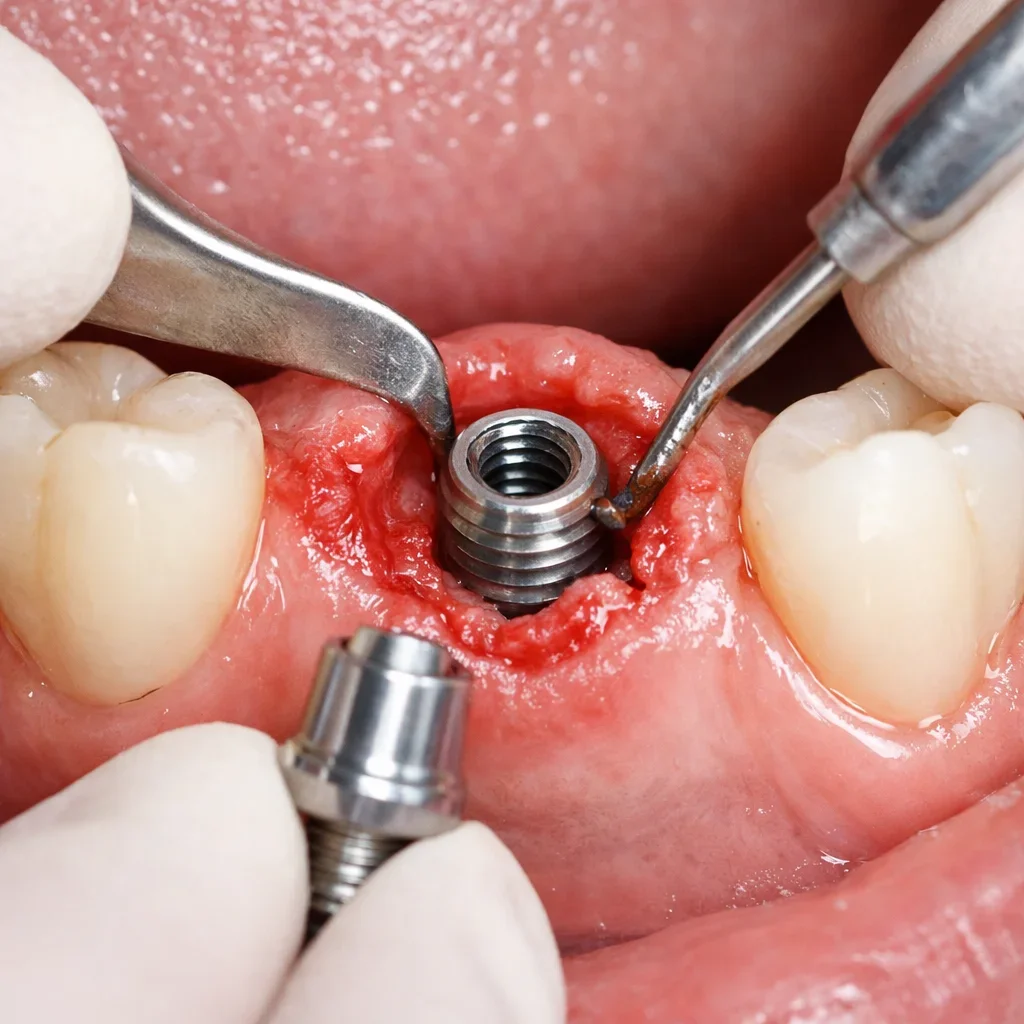
From a patient’s perspective, uncovering implant dental is often less intimidating than the initial implant surgery. The procedure is usually short, minimally invasive, and performed under local anesthesia. In many cases, it involves making a small incision in the gum tissue directly above the implant. The dentist then removes the protective cover screw and places a healing cap or abutment. This step prepares the implant for the final restoration phase, which includes impressions and crown placement.
Understanding uncovering implant dental is also essential for managing expectations. Some patients mistakenly believe that implant treatment ends once the implant is placed in the bone. In reality, uncovering implant dental is a planned and essential step, not a complication or setback. When performed correctly and at the right time, it significantly increases the success rate of dental implants and contributes to healthy gum contours and proper bite function.
Another important aspect of uncovering implant dental is its role in soft tissue health. Healthy gums are just as important as strong bone support. During uncovering implant dental, dentists carefully manage the gum tissue to ensure it heals neatly around the implant. This creates a tight seal that helps prevent bacteria from entering the implant site in the future. Proper gum healing also improves the visual outcome, making the implant look and feel like a natural tooth.
Patients often ask whether uncovering implant dental is mandatory for everyone. While some implant systems use a one-stage approach where the implant remains visible from the beginning, many cases still rely on a two-stage protocol. In these situations, uncovering implant dental is unavoidable and medically recommended. Factors such as bone quality, implant location, bite forces, and overall oral health all influence whether uncovering implant dental is required.
From a safety standpoint, uncovering implant dental is considered a low-risk procedure when performed by an experienced dental professional. Complications are rare and usually mild, such as temporary swelling or slight discomfort. Following post-procedure instructions carefully—such as maintaining oral hygiene and avoiding excessive pressure—helps ensure smooth healing. For personalized guidance or to discuss your specific case, patients are encouraged to reach out through the Redent Klinik Contact Page.
It is also worth noting that uncovering implant dental is supported by internationally accepted dental standards and protocols. Organizations like the American Dental Association emphasize the importance of proper implant planning, healing phases, and soft tissue management to achieve predictable and long-lasting outcomes. This reinforces why uncovering implant dental should never be rushed or skipped.
In summary, uncovering implant dental is a carefully planned step that bridges implant placement and final tooth restoration. It ensures that the implant is stable, the gums are healthy, and the final crown can be placed with optimal function and aesthetics. By understanding the purpose and process of uncovering implant dental, patients can approach their implant treatment with clarity, confidence, and realistic expectations 🌟.
When Is Uncovering Implant Dental Performed After Implant Surgery
One of the most common and important questions patients ask is when uncovering implant dental is performed after implant surgery. Timing is not random or based on convenience; it is a medically guided decision rooted in biology, healing capacity, and long-term implant success 🦷. Understanding this timeline helps patients avoid unnecessary anxiety and ensures realistic expectations throughout the implant journey.
Uncovering implant dental is only performed after the dental implant has fully integrated with the jawbone. This integration process, known as osseointegration, is the foundation of implant stability. Without proper osseointegration, uncovering implant dental should never be attempted, as doing so too early can compromise the implant and lead to failure.
Typical Healing Timeline Before Uncovering Implant Dental
In most standard cases, uncovering implant dental is performed between 8 to 16 weeks after implant placement. However, this range is not fixed. The exact timing depends on several individual factors, including bone density, implant location, and overall oral health. For example, implants placed in the lower jaw often integrate faster due to denser bone, allowing uncovering implant dental to occur sooner.
In contrast, implants placed in the upper jaw—especially in areas with softer bone—may require a longer healing period. In these situations, dentists may delay uncovering implant dental for up to 4–6 months to ensure maximum stability. This cautious approach significantly increases long-term success rates and reduces the risk of implant movement or bone loss.
Factors That Influence the Timing of Uncovering Implant Dental
Several clinical and patient-specific factors determine when uncovering implant dental can safely take place. One of the most important factors is bone quality. Patients with strong, healthy bone often heal faster, allowing earlier uncovering implant dental. Conversely, patients who required bone grafting typically need a longer healing phase before the implant is uncovered.
Another key factor is implant stability at placement. Dentists measure initial implant stability during surgery. High stability can sometimes support earlier uncovering implant dental, while lower stability requires extended healing. Systemic health conditions such as diabetes, smoking habits, and immune response also play a role in determining the ideal timing.
Does Bone Grafting Delay Uncovering Implant Dental?
Yes, bone grafting almost always extends the timeline. When bone grafting is performed, the body needs additional time to regenerate and strengthen the grafted area. In these cases, uncovering implant dental may be delayed by several months. Although waiting can feel frustrating, it dramatically improves implant success and reduces complications later on 😊.
Signs That the Implant Is Ready to Be Uncovered
Dentists do not rely on time alone to decide when uncovering implant dental should occur. Clinical evaluation and imaging play a crucial role. X-rays or 3D scans are used to confirm that the implant is firmly anchored in the bone. The absence of pain, inflammation, or mobility around the implant site is another strong indicator that uncovering implant dental can proceed safely.
Patients often feel no symptoms at all during this phase, which is a good sign. Lack of discomfort usually indicates healthy healing. However, this does not mean uncovering implant dental should be rushed. Even if the area feels normal, professional assessment is essential before moving forward.
Can Uncovering Implant Dental Be Done Too Late?
While performing uncovering implant dental too early carries risks, excessive delays can also create minor challenges. Over time, gum tissue may thicken or fully cover the implant site, making uncovering implant dental slightly more involved. That said, experienced dentists can still manage this safely. Delaying uncovering implant dental is generally far less risky than performing it prematurely.
In some cases, delayed uncovering implant dental may actually be intentional. For patients with complex bite forces or aesthetic concerns, dentists may choose a longer healing period to ensure optimal gum shaping and long-term stability. This highlights that uncovering implant dental is a flexible step, tailored to each patient’s needs rather than forced into a rigid schedule.
Patient Responsibilities During the Waiting Period
The waiting period before uncovering implant dental is just as important as the procedure itself. Patients must maintain excellent oral hygiene, avoid smoking, and follow dietary recommendations to protect the healing implant. Ignoring these guidelines can delay uncovering implant dental or even jeopardize the implant entirely.
Regular follow-up visits allow dentists to monitor healing and determine the safest moment for uncovering implant dental. If you have questions about your personal timeline or want professional guidance tailored to your case, contacting a qualified implant provider through the Redent Klinik Contact Page is strongly recommended.
In conclusion, uncovering implant dental is performed only when biological healing is complete and implant stability is confirmed. There is no universal timeline—only a carefully evaluated window based on bone health, surgical complexity, and patient habits. Respecting this timing is one of the most important factors in achieving a strong, functional, and long-lasting dental implant 🌟.
The Step-by-Step Procedure of Uncovering Implant Dental
Understanding the step-by-step procedure of uncovering implant dental helps patients feel more relaxed and confident before undergoing this phase of implant treatment 🦷. Although it is classified as a minor surgical procedure, uncovering implant dental is a precise and carefully planned process that requires professional expertise, sterile conditions, and attention to soft tissue health. Knowing what happens at each stage allows patients to actively participate in their own care and recovery.
Uncovering implant dental is typically performed once the implant has successfully fused with the jawbone. At this point, the implant is strong enough to support further components. The procedure itself is much simpler than implant placement and is usually completed in a short clinical visit. Despite its simplicity, each step of uncovering implant dental serves a specific purpose that contributes to long-term implant success.
Initial Examination and Preparation
Before uncovering implant dental begins, the dentist performs a thorough examination of the implant site. This includes visual inspection, gentle palpation, and often updated imaging such as X-rays or 3D scans. These checks confirm that osseointegration has been completed and that there are no signs of infection, inflammation, or implant instability.
Once readiness is confirmed, the area is prepared under sterile conditions. Local anesthesia is administered to ensure patient comfort throughout uncovering implant dental. Most patients report minimal to no pain during this step, as the procedure focuses only on the gum tissue rather than the bone.
Accessing the Implant Beneath the Gum Tissue
The core step of uncovering implant dental involves creating access to the implant, which has been covered by gum tissue during healing. The dentist makes a small, controlled incision directly above the implant location. In some cases, a tissue punch technique is used instead of a traditional incision, depending on gum thickness and aesthetic considerations.
This part of uncovering implant dental is performed with extreme precision to protect surrounding tissues. The goal is to expose only the top portion of the implant without causing unnecessary trauma. Proper technique at this stage promotes faster healing and better gum adaptation around the implant.
Removing the Cover Screw
Once the implant is visible, the dentist removes the small protective cover screw that was placed during the initial surgery. This screw protected the internal structure of the implant during the healing phase. Its removal is painless and quick, marking a major milestone in the uncovering implant dental process 😊.
Placement of the Healing Abutment
After the cover screw is removed, a healing abutment is attached to the implant. This component extends slightly above the gum line and plays a crucial role in shaping the surrounding soft tissue. Healing abutments guide the gum as it heals, creating a natural contour that supports both function and aesthetics.
This step is one of the most important aspects of uncovering implant dental. Poor soft tissue shaping can lead to gum recession, food trapping, or aesthetic issues later on. Proper healing abutment placement ensures that the final crown will emerge naturally from the gum, closely resembling a real tooth.
Closing and Healing Phase
Depending on the technique used, the dentist may place a few small sutures around the healing abutment. In many cases, sutures are not necessary. The gum tissue begins adapting immediately, and initial healing typically occurs within a few days.
During this healing phase after uncovering implant dental, patients may experience mild swelling or tenderness, which usually resolves quickly. Over-the-counter pain relief and good oral hygiene are often sufficient to manage discomfort. Patients are advised to avoid hard or sticky foods and to keep the area clean to support optimal healing.
Monitoring Progress After Uncovering Implant Dental
Follow-up appointments are scheduled to monitor healing and ensure that the gum tissue is forming correctly around the healing abutment. This monitoring phase is an extension of uncovering implant dental and is essential for identifying any early issues.
Once the gums have fully healed—usually within 1 to 2 weeks—the implant is ready for impressions or digital scans. These are used to fabricate the final crown, bridge, or denture. At this stage, uncovering implant dental has successfully transitioned the treatment from surgical to restorative care.
Patients who have questions about the procedure or want expert guidance tailored to their case can consult experienced professionals through the Redent Klinik Contact Page. Clinics that follow internationally recognized protocols, including those recommended by the American Dental Association, prioritize patient safety, comfort, and long-term success.
In summary, uncovering implant dental is a structured, step-by-step process designed to safely expose the implant and prepare it for final restoration. Each stage—from examination and incision to healing abutment placement—plays a vital role in ensuring a functional, aesthetic, and durable implant outcome 🌟. Understanding these steps empowers patients and reinforces why uncovering implant dental is an essential part of implant therapy.
Is Uncovering Implant Dental Painful or Risky
A major concern for many patients approaching this stage of treatment is whether uncovering implant dental is painful or carries significant risks. This concern is completely understandable 😊. Any procedure involving surgery—even minor—can create anxiety. The good news is that uncovering implant dental is widely considered one of the least invasive and most comfortable steps in the entire implant process when performed correctly and at the right time.
To fully answer this question, it is important to understand what uncovering implant dental actually involves. Unlike the initial implant placement, which requires drilling into bone, uncovering implant dental focuses only on the soft gum tissue covering an already healed implant. Because bone is not manipulated during this step, discomfort levels are significantly lower.
Pain Levels During Uncovering Implant Dental
During uncovering implant dental, local anesthesia is always used. This completely numbs the area, meaning patients do not feel pain during the procedure itself. Most patients describe the experience as pressure rather than pain. The entire uncovering implant dental process often takes less than 30 minutes, making it a quick and manageable appointment.
After the anesthesia wears off, mild soreness or tenderness is normal. However, this discomfort is usually short-lived and far less intense than what patients experience after tooth extraction or implant placement. In most cases, over-the-counter pain medication is sufficient, and many patients report needing no medication at all.
How Long Does Discomfort Last?
Post-procedure sensitivity following uncovering implant dental typically lasts between 24 and 72 hours. Swelling, if present, is usually minimal and resolves quickly. Patients are often surprised by how easy the recovery feels compared to what they expected 🦷.
Potential Risks of Uncovering Implant Dental
Although uncovering implant dental is considered low-risk, no dental procedure is completely without potential complications. Understanding these risks helps patients make informed decisions and recognize warning signs early.
The most common minor risks associated with uncovering implant dental include temporary swelling, slight bleeding, and localized gum irritation. These effects are normal parts of soft tissue healing and typically resolve on their own with proper care.
Rare but Possible Complications
In rare cases, uncovering implant dental may reveal underlying issues such as incomplete osseointegration or early implant failure. While this can sound alarming, discovering these problems at this stage is actually beneficial. It allows the dentist to intervene early before a crown is placed, preventing larger complications later.
Another uncommon risk is gum tissue overgrowth or improper healing around the healing abutment. This is why follow-up visits after uncovering implant dental are essential. Dentists monitor soft tissue response closely and make adjustments if necessary to ensure optimal gum contours.
Does Infection Occur After Uncovering Implant Dental?
Infection after uncovering implant dental is very rare, especially when the procedure is performed under sterile conditions and the patient follows oral hygiene instructions. Maintaining clean gums, avoiding smoking, and using prescribed mouth rinses dramatically reduces infection risk.
What Makes Uncovering Implant Dental Safer Than Expected
One reason uncovering implant dental is considered safe is that it is only performed once healing is already complete. Dentists do not proceed unless the implant is stable and free from inflammation. Modern diagnostic imaging allows precise assessment before uncovering implant dental begins.
Additionally, advances in implant design and soft tissue management techniques have made uncovering implant dental more predictable than ever. Minimally invasive methods, such as tissue punches or laser-assisted uncovering, further reduce trauma and speed up healing.
Patient Actions That Reduce Pain and Risk
Patients play an important role in ensuring uncovering implant dental remains comfortable and complication-free. Following post-procedure instructions carefully is essential. This includes gentle brushing around the area, avoiding hard foods, and attending scheduled follow-up visits.
Smoking is one of the biggest risk factors that can negatively affect healing after uncovering implant dental. Patients who avoid smoking before and after the procedure experience better gum healing and lower complication rates. Staying hydrated and maintaining overall oral hygiene also support smooth recovery.
If patients experience unusual pain, persistent swelling, or signs of infection, they should contact their dental provider immediately. Clinics that emphasize patient education and follow internationally accepted standards—such as those promoted by the American Dental Association—are best equipped to manage uncovering implant dental safely.
For personalized advice, reassurance, or professional evaluation regarding uncovering implant dental, patients are encouraged to consult experienced clinicians via the Redent Klinik Contact Page. Early communication helps address concerns before they escalate.
In conclusion, uncovering implant dental is generally not painful and carries minimal risk when performed correctly. With proper timing, skilled technique, and patient cooperation, it is a smooth and predictable step toward completing dental implant treatment 🌟. Understanding the realities of uncovering implant dental allows patients to approach this phase with confidence rather than fear.
Healing Time and Recovery After Uncovering Implant Dental
Healing time and recovery after uncovering implant dental are major concerns for patients who want to return to normal eating, speaking, and daily routines as quickly as possible 🦷. Fortunately, this phase of implant treatment is usually smooth and predictable when patients understand what to expect and follow professional aftercare instructions. While uncovering implant dental is a minor procedure, the healing process still plays a crucial role in the long-term success of the implant.
Unlike the initial implant surgery, uncovering implant dental focuses on soft tissue healing rather than bone regeneration. This means recovery is typically faster and far less uncomfortable. Most patients are pleasantly surprised by how manageable the healing period feels, especially when compared to tooth extraction or implant placement.
Immediate Recovery After Uncovering Implant Dental
The first 24 to 48 hours after uncovering implant dental are considered the immediate recovery phase. During this time, mild swelling, tenderness, or slight bleeding around the gum tissue is normal. These symptoms are part of the body’s natural healing response and usually resolve quickly.
Patients are generally advised to avoid touching the area with their tongue or fingers. Although the healing abutment may feel unfamiliar at first, it is important to let the gum tissue adapt naturally. Ice packs applied externally and gentle oral hygiene help minimize swelling and discomfort 😊.
Can You Eat Normally Right After the Procedure?
After uncovering implant dental, patients should stick to soft foods for the first few days. Foods like yogurt, soup, eggs, and smoothies reduce pressure on the healing area. Hard, crunchy, or sticky foods should be avoided, as they can irritate the gum tissue or dislodge early healing clots.
Soft Tissue Healing Timeline
Soft tissue healing after uncovering implant dental usually progresses rapidly. Within the first week, the gum tissue begins forming a healthy seal around the healing abutment. By the end of the second week, most patients experience minimal sensitivity and notice that the gums look pink and firm.
This healing phase is critical because it shapes how the gums will look around the final crown. Dentists carefully monitor this stage to ensure that uncovering implant dental results in a natural gum contour that supports both aesthetics and oral hygiene.
Daily Care During Recovery
Proper daily care significantly influences how smoothly recovery progresses after uncovering implant dental. Gentle brushing around the healing abutment is encouraged, using a soft-bristled toothbrush. Dentists may also recommend antibacterial mouth rinses to keep the area clean without causing irritation.
Smoking should be strictly avoided during the recovery period. Smoking reduces blood flow to the gums, delays healing, and increases the risk of infection or gum recession. Patients who refrain from smoking experience faster and healthier healing after uncovering implant dental.
Is Pain Medication Usually Needed?
Most patients do not require prescription pain medication after uncovering implant dental. Over-the-counter pain relievers are usually sufficient if discomfort occurs. Many patients report little to no pain at all, reinforcing that uncovering implant dental is one of the easiest stages of implant treatment.
Follow-Up Appointments and Monitoring
Follow-up visits are an essential part of recovery after uncovering implant dental. During these appointments, the dentist checks the gum tissue, ensures the healing abutment is stable, and confirms that no inflammation or infection is present.
Once healing is complete—typically within 1 to 2 weeks—the dentist moves forward with impressions or digital scans. At this point, uncovering implant dental has successfully prepared the site for final restoration, and patients are one step closer to receiving their permanent crown.
When to Contact Your Dentist
Although complications are rare, patients should contact their dentist if they experience severe pain, persistent swelling beyond a few days, or signs of infection such as pus or fever. Early intervention ensures that any issue related to uncovering implant dental is addressed promptly and effectively.
For professional guidance, reassurance, or personalized aftercare instructions, patients can consult experienced clinicians through the Redent Klinik Contact Page. Clinics that follow evidence-based protocols, including those recommended by the American Dental Association, prioritize safe healing and long-term implant success.
In summary, healing and recovery after uncovering implant dental are usually quick and comfortable when patients follow proper care guidelines. With minimal downtime, predictable soft tissue healing, and professional monitoring, uncovering implant dental serves as a smooth transition toward final implant restoration 🌟. Understanding the recovery process helps patients feel confident and well-prepared during this important stage.
Common Complications and How Dentists Prevent Them
While uncovering implant dental is considered a low-risk and predictable procedure, patients naturally want to understand what could go wrong and how those risks are controlled 🦷. Being transparent about possible complications—and more importantly, how dentists prevent them—helps patients feel informed rather than anxious. In reality, most issues associated with uncovering implant dental are minor, manageable, and preventable with proper planning and technique.
It is important to remember that uncovering implant dental is only performed after the implant has already healed and integrated with the bone. This alone significantly reduces complication rates. Still, as with any clinical procedure involving soft tissue, certain challenges may arise, especially if patient-specific risk factors are present.
Most Common Minor Complications After Uncovering Implant Dental
The most frequently reported issues after uncovering implant dental are mild and temporary. These include slight gum swelling, localized tenderness, and minimal bleeding. Such symptoms are part of normal soft tissue healing and usually resolve within a few days without intervention.
Another minor concern is gum sensitivity around the healing abutment. Because the gum tissue is adapting to a new structure, temporary irritation is expected. Dentists manage this aspect of uncovering implant dental by selecting appropriately sized healing abutments and monitoring tissue response during follow-up visits 😊.
Is Bleeding Normal After Uncovering Implant Dental?
Yes, slight bleeding immediately after uncovering implant dental is normal and typically stops on its own. Persistent or excessive bleeding is uncommon and usually linked to factors such as blood-thinning medications or poor oral hygiene. Dentists carefully review medical histories to minimize these risks.
Gum Tissue Overgrowth or Improper Healing
One potential complication of uncovering implant dental is excessive gum tissue growth around the healing abutment. If the gum grows unevenly or too aggressively, it can interfere with proper crown placement later. This is why shaping the gum tissue correctly during uncovering implant dental is so important.
Dentists prevent this issue by choosing the correct healing abutment height and contour. In some cases, minor adjustments are made during follow-up appointments to guide optimal tissue healing. When managed early, gum overgrowth rarely causes long-term problems.
Risk of Infection and How It Is Controlled
Infection following uncovering implant dental is rare, but it is one of the most discussed concerns among patients. Because the procedure involves opening the gum tissue, bacteria control is critical. Dentists use sterile instruments, antiseptic protocols, and careful surgical technique to minimize infection risk.
Patients also play a role in preventing infection after uncovering implant dental. Maintaining good oral hygiene, avoiding smoking, and following post-procedure care instructions dramatically reduce bacterial exposure. When these guidelines are followed, infection rates remain extremely low.
Warning Signs Patients Should Not Ignore
Although uncommon, patients should contact their dentist if they notice persistent swelling, increasing pain, pus discharge, or fever after uncovering implant dental. Early detection allows dentists to intervene quickly and prevent further complications.
Implant Stability Issues Revealed During Uncovering
In rare cases, uncovering implant dental may reveal that the implant did not integrate properly with the bone. While this can be disappointing, identifying the issue at this stage is actually beneficial. It prevents placing a crown on an unstable implant, which would inevitably fail later.
Dentists prevent this complication by carefully assessing implant stability before uncovering implant dental. Diagnostic imaging and clinical testing confirm whether the implant is ready. If instability is detected, treatment plans are adjusted early to protect patient health and outcomes.
How Dentist Experience Reduces Complications
One of the most effective ways to minimize complications related to uncovering implant dental is choosing an experienced implant provider. Skilled dentists understand soft tissue behavior, proper timing, and individualized treatment planning. They also follow evidence-based protocols established by authoritative organizations such as the American Dental Association.
Advanced techniques—including minimally invasive incisions, laser-assisted uncovering, and precision abutment selection—further reduce trauma and speed healing. These methods make uncovering implant dental safer and more comfortable than ever before.
Patient Compliance and Long-Term Success
Even the most expertly performed uncovering implant dental procedure depends on patient cooperation for success. Skipping follow-up visits, neglecting oral hygiene, or resuming smoking too early can increase complication risk.
Patients who actively follow professional guidance experience smoother healing and better long-term outcomes. For personalized advice, professional evaluation, or reassurance regarding uncovering implant dental, patients can consult trusted clinicians through the Redent Klinik Contact Page.
In conclusion, complications related to uncovering implant dental are uncommon and usually minor. With proper planning, skilled execution, and responsible patient care, this phase of treatment is safe, predictable, and highly successful 🌟. Understanding potential risks—and how dentists prevent them—allows patients to approach uncovering implant dental with confidence and peace of mind.
Uncovering Implant Dental vs One-Stage Implant Placement
Patients researching dental implants often encounter two different treatment approaches and wonder how uncovering implant dental compares with one-stage implant placement 🦷. Understanding the differences between these methods is essential for making informed decisions and setting realistic expectations. While both techniques aim to achieve a stable, functional, and natural-looking tooth replacement, they differ significantly in timing, healing strategy, and clinical indications.
Uncovering implant dental is part of a two-stage implant protocol, whereas one-stage implant placement follows a single-surgery approach. Neither method is universally “better”—each is selected based on patient-specific factors, bone conditions, and long-term treatment goals. Dentists choose the approach that offers the highest chance of success for each individual case.
What Is Two-Stage Implant Treatment with Uncovering Implant Dental?
In a two-stage implant approach, the dental implant is placed into the jawbone and completely covered by gum tissue during the initial surgery. The implant remains hidden beneath the gums while it integrates with the bone. Once healing is complete, uncovering implant dental is performed to expose the implant and place a healing abutment.
This method prioritizes protection during osseointegration. By keeping the implant covered, dentists minimize exposure to chewing forces, bacteria, and accidental trauma. Uncovering implant dental is therefore a controlled and intentional step that occurs only after stability is confirmed 😊.
Why Dentists Choose the Two-Stage Method
Dentists often recommend uncovering implant dental for patients with softer bone, those who require bone grafting, or cases where implant stability is uncertain at placement. The two-stage approach offers flexibility and a higher safety margin, particularly in complex or high-risk cases.
What Is One-Stage Implant Placement?
In one-stage implant placement, the implant is positioned so that part of it remains visible above the gum line immediately after surgery. A healing abutment is attached at the same time, eliminating the need for uncovering implant dental later.
This approach reduces the number of surgical procedures and shortens overall treatment time. For some patients, especially those with strong bone quality and favorable oral conditions, one-stage implants can be an excellent option.
Key Differences Between Uncovering Implant Dental and One-Stage Implants
The most obvious difference is the number of procedures. Uncovering implant dental requires a second minor surgery, while one-stage implants do not. However, this does not mean uncovering implant dental is inferior. In fact, the two-stage approach often offers greater control over healing and implant protection.
Another important distinction is soft tissue management. With uncovering implant dental, dentists can precisely shape the gums during the second stage, which is especially beneficial in visible areas of the smile. This level of customization can improve aesthetic outcomes and gum health.
Which Method Has a Higher Success Rate?
Studies show that both methods have high success rates when properly selected and executed. However, uncovering implant dental tends to be preferred in cases involving compromised bone, heavy bite forces, or aesthetic sensitivity. One-stage implants are more suitable for straightforward cases with ideal conditions.
Patient Experience and Comfort Comparison
From a patient perspective, uncovering implant dental may sound more intimidating because it involves an additional procedure. In reality, the uncovering phase is quick, minimally invasive, and typically far more comfortable than the initial implant surgery.
One-stage implant placement reduces the total number of appointments, which some patients find appealing. However, if complications arise during healing, managing them can be more challenging compared to a protected, two-stage approach with uncovering implant dental.
Long-Term Outcomes and Maintenance
Both approaches can deliver excellent long-term outcomes when maintained properly. However, uncovering implant dental allows dentists to assess implant integration before proceeding with restoration. This checkpoint adds an extra layer of safety and predictability.
In contrast, one-stage implants require confidence in initial stability and patient compliance from day one. Patients must be especially careful during early healing to avoid stressing the exposed implant.
How Dentists Decide Which Option Is Best
The decision between uncovering implant dental and one-stage implant placement is based on clinical evaluation, imaging, medical history, and patient expectations. Factors such as smoking, systemic health conditions, bone density, and implant location all influence the chosen approach.
Dentists who follow evidence-based guidelines—such as those supported by the American Dental Association—prioritize patient safety and long-term success over speed alone.
For patients unsure which method is right for them, personalized consultation is essential. Discussing your options with an experienced implant provider through the Redent Klinik Contact Page can help clarify whether uncovering implant dental or one-stage placement best suits your needs.
In summary, uncovering implant dental and one-stage implant placement are both effective strategies with distinct advantages. Uncovering implant dental offers added protection, flexibility, and control, while one-stage implants emphasize convenience and reduced treatment time 🌟. The best choice depends on individual clinical conditions and long-term goals rather than a one-size-fits-all approach.
Who Is a Good Candidate for Uncovering Implant Dental
Determining who is a good candidate for uncovering implant dental is an essential part of successful implant treatment 🦷. While uncovering implant dental is a routine and predictable step, it is not performed blindly or automatically. Dentists carefully evaluate each patient to ensure that this procedure is both safe and beneficial. Understanding candidacy helps patients recognize why timing, health, and individual conditions matter so much.
In general, uncovering implant dental is recommended for patients who have already undergone implant placement using a two-stage approach. However, being eligible for uncovering implant dental depends on far more than simply having an implant in place. Bone health, gum condition, overall medical status, and patient compliance all influence whether uncovering implant dental can proceed successfully.
Patients with Successfully Integrated Implants
The primary requirement for uncovering implant dental is successful osseointegration. This means the implant must be firmly bonded to the jawbone without signs of mobility, pain, or inflammation. Dentists confirm this through clinical examination and imaging before scheduling uncovering implant dental.
Patients who experience stable healing, no persistent discomfort, and healthy surrounding tissues are typically excellent candidates. In these cases, uncovering implant dental serves as a natural progression toward final restoration rather than an additional challenge 😊.
Gum Health and Soft Tissue Considerations
Healthy gum tissue is another critical factor when evaluating candidacy for uncovering implant dental. The gums must be free of active infection, excessive inflammation, or periodontal disease. Healthy soft tissue ensures proper healing around the healing abutment and reduces the risk of complications.
Patients with untreated gum disease may need periodontal therapy before uncovering implant dental can safely occur. Addressing gum health first improves long-term implant stability and aesthetic outcomes.
Does Gum Thickness Matter?
Yes, gum thickness plays a role in uncovering implant dental planning. Patients with thicker gum tissue often benefit from carefully selected healing abutments to guide proper shaping. Thin gum tissue may require extra attention to prevent recession. Dentists tailor uncovering implant dental techniques based on these anatomical differences.
General Health Conditions That Affect Candidacy
Overall health significantly influences whether uncovering implant dental can be performed safely. Patients with well-controlled medical conditions—such as diabetes—are often suitable candidates. However, poorly controlled systemic diseases may delay or temporarily prevent uncovering implant dental until stability is achieved.
Immune system health also matters. Patients undergoing chemotherapy, long-term steroid therapy, or immune suppression may require additional evaluation. Dentists collaborate with medical providers to determine the safest timing for uncovering implant dental in such cases.
Smoking and Lifestyle Factors
Smoking is one of the most important lifestyle factors affecting candidacy for uncovering implant dental. Smoking reduces blood flow to the gums, slows healing, and increases the risk of infection and gum recession. While smokers are not automatically excluded, dentists often recommend reducing or quitting smoking before uncovering implant dental.
Patients who follow oral hygiene instructions, attend follow-up visits, and commit to long-term care are far better candidates for uncovering implant dental. Compliance directly impacts outcomes and implant longevity.
Age and Bone Maturity
Age alone is not a limiting factor for uncovering implant dental. Older adults often make excellent candidates as long as bone and gum health are sufficient. However, uncovering implant dental is generally not recommended for patients whose jawbones are still developing, such as adolescents.
For adult patients, bone maturity and stability are far more important than chronological age. Dentists assess these factors carefully before proceeding.
Psychological Readiness and Expectations
Being a good candidate for uncovering implant dental also involves understanding the process and having realistic expectations. Patients who recognize that uncovering implant dental is a planned step—not a complication—tend to experience less anxiety and better cooperation during treatment.
Clear communication between dentist and patient ensures that uncovering implant dental aligns with aesthetic goals, functional needs, and long-term oral health plans.
Professional Evaluation Is Essential
Ultimately, only a qualified dental professional can determine candidacy for uncovering implant dental. Dentists rely on clinical guidelines supported by organizations such as the American Dental Association to make evidence-based decisions.
Patients seeking personalized assessment and expert guidance can consult experienced clinicians through the Redent Klinik Contact Page. A professional evaluation ensures uncovering implant dental is performed safely, effectively, and at the optimal time.
In summary, good candidates for uncovering implant dental are patients with stable implants, healthy gums, manageable medical conditions, and a commitment to oral care 🌟. By carefully selecting candidates and tailoring techniques, dentists maximize the success and longevity of dental implant treatments.
Aftercare Tips for Long-Term Implant Success
Proper aftercare is one of the most decisive factors in achieving long-term success after uncovering implant dental 🦷. While the procedure itself is carefully planned and professionally executed, what happens afterward largely determines how well the implant performs over the years. Patients who follow correct aftercare guidelines significantly reduce complications, improve gum health, and protect their investment in dental implant treatment.
Uncovering implant dental marks the transition from surgical healing to functional restoration. At this stage, the implant is exposed to the oral environment, making daily care and professional monitoring more important than ever. The goal of aftercare is not only to promote healing but also to maintain the health of the surrounding bone and gum tissue for decades.
Immediate Aftercare Following Uncovering Implant Dental
The first few days after uncovering implant dental are critical. During this period, the gum tissue is adapting around the healing abutment, forming a protective seal. Patients should avoid disturbing the area with their tongue, fingers, or sharp foods.
Gentle oral hygiene is essential. Brushing should be done carefully around the healing abutment using a soft-bristled toothbrush. Dentists may recommend antibacterial mouth rinses to reduce bacterial load without irritating the tissue. These measures help ensure smooth healing after uncovering implant dental 😊.
Foods to Avoid in the Early Phase
Hard, crunchy, spicy, or sticky foods should be avoided immediately after uncovering implant dental. These foods can traumatize the healing gums or introduce bacteria into the site. Soft foods are ideal until the gum tissue stabilizes.
Maintaining Excellent Oral Hygiene Long Term
Once initial healing is complete, long-term hygiene becomes the cornerstone of implant success. Unlike natural teeth, dental implants cannot develop cavities, but they are vulnerable to gum inflammation and peri-implant disease if plaque is not controlled.
After uncovering implant dental, patients should brush at least twice daily and floss carefully around the implant. Specialized implant floss, interdental brushes, or water flossers are often recommended to clean areas that traditional floss may miss.
Importance of Regular Dental Check-Ups
Routine dental visits are essential after uncovering implant dental. Professional cleanings remove hardened plaque that cannot be eliminated through home care alone. Dentists also evaluate gum health, implant stability, and bite alignment during these visits.
Early detection of minor issues—such as gum irritation or bite imbalance—prevents serious complications later. Regular monitoring ensures uncovering implant dental continues to deliver long-term functional and aesthetic benefits.
Protecting the Implant from Excessive Forces
Excessive biting forces can negatively affect implants, especially during the early months after uncovering implant dental. Patients who grind or clench their teeth may require a night guard to protect the implant and surrounding structures.
Avoiding habits such as chewing ice, biting hard objects, or using teeth as tools is equally important. These habits place unnecessary stress on the implant and can compromise long-term stability.
Does Bite Adjustment Matter?
Yes, bite alignment is crucial. Dentists often check and adjust the bite after uncovering implant dental and crown placement. Proper bite distribution prevents overloading the implant and supports healthy bone maintenance.
Lifestyle Choices That Support Implant Longevity
Lifestyle habits directly influence outcomes after uncovering implant dental. Smoking remains one of the biggest threats to implant success, as it restricts blood flow and weakens gum defense against bacteria. Patients who quit or significantly reduce smoking experience better long-term results.
A balanced diet rich in vitamins and minerals supports gum and bone health. Adequate hydration and overall wellness also contribute to a stable oral environment around the implant.
Recognizing Warning Signs Early
Patients should remain alert to changes around the implant area after uncovering implant dental. Redness, swelling, bleeding during brushing, or persistent discomfort may indicate early gum inflammation. Addressing these signs promptly prevents progression into more serious conditions.
Any unusual mobility, pain when biting, or changes in the way the implant feels should be reported to a dentist immediately. Early intervention preserves implant integrity and avoids complex treatments later.
Professional Guidance Makes the Difference
Successful aftercare is always guided by professional advice. Dentists follow evidence-based protocols supported by organizations such as the American Dental Association to ensure implants remain healthy long term.
Patients seeking personalized aftercare plans, professional evaluations, or ongoing support after uncovering implant dental can consult trusted clinicians through the Redent Klinik Contact Page. Tailored guidance helps patients maintain confidence and peace of mind.
In conclusion, aftercare following uncovering implant dental is not optional—it is essential 🌟. Through proper hygiene, regular check-ups, healthy habits, and early response to warning signs, patients can enjoy stable, functional, and natural-looking dental implants for many years. Consistent aftercare transforms uncovering implant dental from a successful procedure into a lifelong solution.
Cost Considerations and What to Expect Financially
When planning implant treatment, many patients want clear and realistic information about costs—especially regarding uncovering implant dental 🦷. While uncovering implant dental is a minor surgical step, it is an essential component of a broader treatment plan, and understanding its financial aspects helps patients budget confidently and avoid surprises.
It is important to clarify that uncovering implant dental is usually not priced as a standalone procedure in isolation. In many clinics, it is bundled into the overall implant treatment fee. However, pricing structures vary by country, clinic, technology used, and the complexity of the individual case. Knowing what influences cost allows patients to compare options fairly and make informed decisions.
What Factors Influence the Cost of Uncovering Implant Dental
Several factors determine the cost associated with uncovering implant dental. One of the most important is whether the procedure is included in a comprehensive implant package or billed separately. Some clinics include uncovering implant dental as part of the implant placement fee, while others list it as a second-stage surgical service.
Clinical complexity also matters. If uncovering implant dental requires additional soft tissue management, laser assistance, or minor corrective procedures, costs may increase. The experience level of the dentist, use of advanced imaging, and type of healing abutment selected can also influence pricing.
Does Location Affect Pricing?
Yes, geographic location plays a significant role. Clinics in countries with higher operational costs often charge more for uncovering implant dental. In contrast, internationally focused dental clinics may offer high-quality treatment at more accessible prices while maintaining strict medical standards.
Average Price Ranges (General Reference)
Based on publicly available online dental sources and clinic disclosures, uncovering implant dental can range approximately between:
- USD 100 – 300 when billed as a separate procedure
- Included at no additional cost in full implant treatment packages
These figures are general estimates and may vary significantly depending on individual circumstances. Patients should always request a personalized treatment plan that clearly outlines whether uncovering implant dental is included.
Is Uncovering Implant Dental Covered by Insurance?
Insurance coverage for uncovering implant dental varies widely. Many dental insurance plans classify implants and related procedures as elective or partially covered services. In some cases, uncovering implant dental may be covered if it is deemed medically necessary rather than cosmetic.
Patients are encouraged to check with their insurance provider and request detailed procedure codes from their dental clinic. Transparent documentation improves the likelihood of reimbursement where coverage applies.
Cost vs Value: Why This Step Matters
Although uncovering implant dental may appear to be a small step, its value is substantial. Skipping or rushing this phase to reduce costs can lead to implant failure, gum complications, or aesthetic issues—resulting in far higher expenses later.
Properly performed uncovering implant dental ensures healthy gum contours, stable abutment placement, and long-term implant success. From a cost–benefit perspective, investing in correct uncovering implant dental is far more economical than managing complications afterward 😊.
Questions Patients Should Ask About Pricing
Before proceeding, patients should feel comfortable asking detailed questions, such as:
- Is uncovering implant dental included in my implant treatment plan?
- Are follow-up visits after uncovering implant dental included?
- Will additional procedures increase the cost?
Clear communication helps avoid misunderstandings and ensures financial transparency throughout treatment.
Choosing a Clinic Based on Transparency, Not Just Price
While cost is important, it should never be the only deciding factor. Clinics that follow evidence-based standards—such as those promoted by the American Dental Association—prioritize patient safety, proper healing, and long-term success over shortcuts.
Patients seeking clear pricing, professional evaluation, and personalized treatment planning for uncovering implant dental can consult trusted providers through the Redent Klinik Contact Page. Transparent consultation ensures that both medical and financial expectations are aligned.
In conclusion, understanding the financial aspects of uncovering implant dental empowers patients to plan wisely 🌟. When evaluated in terms of long-term value, health benefits, and implant longevity, uncovering implant dental represents a small but crucial investment in a successful and lasting dental implant outcome.